RECITAL SERIES II CONCERT
←
→
Page content transcription
If your browser does not render page correctly, please read the page content below
NEW MEXICO PERFORMING ARTS SOCIETY
  Franz Vote, Artistic Director & Conductor

      RECITAL SERIES II CONCERT

    SCHUMANN: DICHTERLIEBE
BEETHOVEN: AN DIE FERNE GELIEBTE

    André García-Nuthmann, tenor
          Franz Vote, piano

  Saturday, February 20, 2021 ~ 7:00 pm
        Immaculate Heart of Mary Chapel
            50 Mount Carmel Road
            Santa Fe, New Mexico

  SPONSORED BY GEORGE AND MARCIA DEGARMO
                      1
NMPAS ❖ nmpas.org

       2
NEW MEXICO PERFORMING ARTS SOCIETY
                  RECITAL SERIES II CONCERT
         SATURDAY, FEBRUARY 20, 2021 ~ 7:00 pm

               ROBERT SCHUMANN (1810-1856)
              Dichterliebe, op. 48 (A Poet’s Love)
                Text by Heinrich Heine (1797-1856)
          1. Im wunderschönen Monat Mai
          2. Aus meinen Tränen spriessen
          3. Die Rose, die Lilie, die Taube, die Sonne
          4. Wenn ich in deine Augen seh
          5. Ich will meine Seele tauchen
          6. Im Rhein, im heiligen Strome
          7. Ich grolle nicht
          8. Und wüssten's die Blumen, die kleinen
          9. Das ist ein Flöten und Geigen
         10. Hör' ich das Liedchen klingen
         11. Ein Jüngling liebt ein Mädchen
         12. Am leuchtenden Sommermorgen
         13. Ich hab' im Traum geweinet
         14. Allnächtlich im Traume
         15. Aus alten Märchen winkt es
         16. Die alten, bösen Lieder

         LUDWIG VAN BEETHOVEN (1770-1827)
   An die ferne Geliebte, op. 98 (To the distant beloved)
                    Text by Alois Jeitteles (1794-1858)
          1. Auf dem Hügel sitz ich, spähend
          2. Wo die Berge so blau
          3. Leichte Segler in den Höhen
          4. Diese Wolken in den Höhen
          5. Es kehret der Maien, es blühet die Au
          6. Nimm sie hin denn, diese Lieder

                         Adelaide, op. 46
           Text by Friedrich von Matthisson (1761-1831)

        ANDRÉ GARCÍA-NUTHMANN, tenor
              FRANZ VOTE, piano

This project is supported in part by New Mexico Arts, a division of the
Department of Cultural Affairs, and by the National Endowment for the Arts.

                                  3
Franz Vote, Artistic Director

                       During my long conducting career, including a decade in
                       Germany and another at the Metropolitan Opera, I often
                       dreamed that one day both Bach and New Mexico would
                       be part of my life again. My DNA goes all the way back
                       to my grandfather who was a forest ranger in the Pecos
                       Mountains in 1902.

                       When Linda and I decided to retire to New Mexico in
                       2009, little did we expect that our lives would be so
                       personally enriched by singers and instrumentalists keen
                       to sing and play Bach, opera, and music reflecting our
Hispanic and Latino heritage. What we soon learned is that our state has many
top-notch musicians who make their homes here. And so in 2012 New Mexico
Performing Arts Society was created. In its short span, NMPAS has given concerts
in Santa Fe, Albuquerque, Taos, Las Vegas, Los Alamos, Carrizozo, and
collaborated with musicians in Las Cruces, Portales, and a growing number of
cities around New Mexico. We are enormously gratified that our efforts are
paying off.

This publication describes how we plan to continue to serve our talented artists
and our growing statewide audiences in the coming decade. We also plan to
expand our education and mentorship programs for committed younger
musicians. NMPAS depends on the financial and volunteer support of all those
who care about the musical life of our state and who love Bach, opera, the music
of Spain, Mexico and the Southwest! We hope you will take time to read about
our plans for the future.

Our thanks go out to the many generous New Mexicans who support NMPAS
and share in its vision. In communities everywhere there are people like you who
make good things happen. We ask you to help us grow.

Linda joins me in appreciation to all of you for your commitment to NMPAS.
                      Franz Vote, Artistic Director NMPAS

        We make great music for New Mexicans by New Mexicans

                                      4
Keith K. Anderson
               Registered
           Investment Adviser

            505-984-2563

     keithkanderson@comcast.net
      www.keithkanderson.com

           2227 Calle Cacique
           Santa Fe, NM 87505

                SANTA FE FLUTE IMMERSION • May 24-29, 2021
                     Immaculate Heart Retreat Center • Santa Fe, NM
                                Unique, Collaborative, Fun!
An in-depth, highly individualized experience you will never forget!
THE MAJOR WORKS:
CORE REPERTOIRE FOR FLUTE AND PIANO!
 • Melissa Colgin-Abeln, Professor of Flute, UT-El Paso
 • Tracy Doyle, Director of the School of Music,
      University of Puget Sound
 • Linda Marianiello, International soloist and
      recording artist, Artistic Director, Santa Fe, NM
 • Valerie Potter, Professor of Flute, UNM Albuquerque
      and Principal Flute, New Mexico Philharmonic
 • Nate Salazar, piano
2021 WORKSHOPS
 • Daily Warmups
 •   Performance Skills and Mock Auditions
 •   Baroque Sonatas by Bach and Handel
 •   Mozart, Concerto in G Major and Andante in C
 •   Romantic Sonatas and Suites by Godard, Reinecke and Widor
 •   French Conservatory Pieces by Chaminade, Enesco, Fauré and Gaubert
 •   20th-Century Sonatas by Copland, Martinů, Poulenc and Prokofiev
 •   Participants will choose a movement from the Repertoire List to perform in the Closing Concert
                          Contact us for more information/applications
                               at 505.474.4513 or info@nmpas.org
               Sponsored by Verne Q. Powell Flutes and Del Norte Credit Union

                                                 5
Artist Bio

                            André García-Nuthmann has been a featured
                            soloist with Santa Fe Symphony, Santa Fe
                            Community Orchestra, and the UNM Opera
                            Studio, and New Mexico Bach Society. He has
                            also sung with BachWorks in Manhattan. In
                            2009 he performed in Haydn’s The Seven Last
                            Words in Eisenstadt as part of the Haydn
                            275th Birthday Celebration. He was a member
                            of the Santa Fe Desert Chorale for six years,
                            and with the Santa Fe Opera Outreach
                            Program for two years.

He sang with the Santa Fe Desert Chorale for 6 years. For two years with
the Santa Fe Opera Outreach Program. He teamed up with Janice Felty and
another colleague, and they performed at schools across the state. André
particularly loved singing for young American Indian children on their
Reservations and, being Hispanic, he was thrilled to sing for kids in
Española. He has also sung in three Santa Fe Opera productions: John
Gay’s The Beggar’s Opera, Britten’s Billy Budd, and Beethoven’s Fidelio.

Other solo opportunities include Haydn and Mozart masses with the Santa
Fe Symphony, Santa Fe Pro Musica, Canticum Novum with Music Director
and Conductor Ken Knight, Opera Southwest, and NMPAS. NMPAS
means a great deal to André—he has been able to sing repertoire that he
would never have had the opportunity to perform otherwise.

André earned his bachelors in piano performance at Southwestern
University in Georgetown, Texas. After that, he was accepted into the piano
and composition program at the Mozarteum in Salzburg, where his first
serious vocal training took place and where he sang with the Liedertafel-
Chor. After returning to the United States, he started a double masters in
piano performance and piano accompaniment at University of New
Mexico, and received a Doctor of Musical Arts degree in vocal performance
at Arizona State University. Currently, he chairs the Visual and Performing
Arts Department at Highlands University in Las Vegas, New Mexico.

                                  6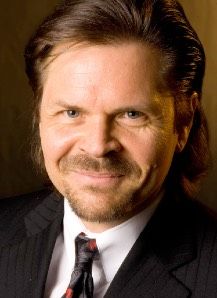
Texts and Translations

                  ADELAIDE                                              ADELAIDE

Einsam wandelt dein Freund im Frühlingsgarten,       Alone your friend wanders in the Spring garden,
Mild vom lieblichen Zauberlicht umflossen,           Mildly encircled by magic light
Das durch wankende Blütenzweige zittert,             That quivers through swaying boughs in bloom,
    Adelaide!                                              Adelaide!
In der spiegelnden Flut, im Schnee der Alpen,        In the mirroring stream, in the Alpine snows,
In des sinkenden Tages Goldgewölken,                 In the golden clouds of the dying day,
Im Gefilde der Sterne strahlt dein Bildnis,          In the fields of stars your image shines,
    Adelaide!                                              Adelaide!
Abendlüfte im zarten Laube flüstern,                 Evening breezes whisper in the tender leaves,
Silberglöckchen des Mais im Grase säuseln,           Silvery lilies-of-the-valley rustle in the grass,
Wellen rauschen und Nachtigallen flöten:             Waves murmur and nightingales sing:
    Adelaide!                                              Adelaide!
Einst, o Wunder! entblüht auf meinem Grabe           One day, wonder! upon my grave will bloom
Eine Blume der Asche meines Herzens;                 A flower from the ashes of my heart;
Deutlich schimmert auf jedem Purpurblättchen:        On every purple leaf shall clearly gleam:
    Adelaide!                                              Adelaide!

           AN DIE FERNE GELIEBTE                                TO THE DISTANT BELOVED
1.                                                   1.
Auf dem Huegel sitz ich spaehend                     On the hill I sit, gazing
In das blaue Nebelland,                              Into the blue, hazy land,
Nach den fernen Triften sehend,                      Toward the faraway pastures,
Wo ich dich, Geliebte, fand.                         Where I found you, my beloved.
Weit bin ich von dir geschieden,                     Far from you I am parted,
Trennend liegen Berg und Tal                         Separating us are hill and valley,
Zwischen uns und unserm Frieden,                     Between us and our peace,
Unserm Glueck und unsrer Qual.                       Our happiness and our sorrow.
Ach, den Blick kannst du nicht sehen,                Ah, the look you cannot see,
Der zu dir so gluehend eilt,                         That to you ardently rushes.
Und die Seufzer, sie verwehen                        And the sighs, they blow away
In dem Raume, der uns teilt.                         In the vast space that separates us.
Will denn nichts mehr zu dir dringen,                Will then nothing more be able to reach you,
Nichts der Liebe Bote sein?                          Nothing be a messenger of love?
Singen will ich, Lieder singen,                      I will sing, sing songs,
Die dir klagen meine Pein!                           That to you speak of my pain!
Denn vor Liebesklang entweichet                      And ere the sound of love escapes
Jeder Raum und jede Zeit,                            Every space and every time,
Und ein liebend Herz erreichet                       And a loving heart reaches,
Was ein liebend Herz geweiht!                        What a loving heart has consecrated!

                                                 7
2.                                           2.
Wo die Berge so blau                        Where the mountains so blue
Aus dem nebligen Grau                       Out of the foggy gray
Schauen herein,                             Looking in to
Wo die Sonne verglueht, Wo die              Where the sun dies out, where the
Wolke umzieht, Moechte ich sein!            cloud moves, I’d like to be!
Dort im ruhigen Tal                         There in the peaceful valley
Schweigen Schmerzen und Qual.               Suffering and sorrow cease.
Wo im Gestein                               Where in the rocks
Still die Primel dort sinnt,                The primrose quietly meditates,
Weht so leise der Wind,                     and the wind blows so lightly,
Moechte ich sein!                           I’d like to be!
Hin zum sinnigen Wald                       Towards the thoughtful wood
Drängt mich Liebesgewalt,                   the power of love drives me,
Innere Pein.                                Inward sorrow.
Ach, mich zoeg's nicht von hier,            Oh, may I not be drawn from here,
Koennt ich, Traute, bei dir                 If I could, courageous one, by you
Ewiglich sein!                              Eternally be!

3.                                          3.
Leichte Segler in den Hoehen,               Weightless clouds in the heights,
Und du, Baechlein klein und schmal,         And you, little brook, small and narrow,
Koennt mein Liebchen ihr erspaehen,         Should my love spot you,
Gruesst sie mir viel tausendmal.            Greet her many thousand times for me.
Seht ihr, Wolken, sie dann gehen            If you then see her go, clouds,
Sinnend in dem stillen Tal,                 Meditating in the quiet valley,
Lasst mein Bild vor ihr entstehen           Let my image stand before her,
In dem luft'gen Himmelssaal.                In the airy heavenly hall.
Wird sie an den Bueschen stehen,            If she stands by the bushes,
Die nun herbstlich falb und kahl.           now faded and leafless in fall,
Klagt ihr, wie mir ist geschehen,           Convey to her what has happened to me,
Klagt ihr, Voeglein, meine Qual.            Convey to her, little birds, my lament!

Stille Weste, bringt im Wehen Hin           Still West, bring on the blowing wind
zu meiner Herzenswahl                       To my heart’s chosen one,
Meine Seufzer, die vergehen                 My sighs, which die away
Wie der Sonne letzter Strahl.               like the last ray of the sun.
Fluestr' ihr zu mein Liebesflehen,          Whisper to her of my love’s imploring,
Lass sie, Baechlein klein und schmal,       Let her, little, narrow brook,
Treu in deinen Wogen sehen                  Truly see in your rippling,
Meine Traenen ohne Zahl!                    My tears without number!

                                        8
4.                                                   4.
Diese Wolken in den Hoehen,                          These clouds in the heights
Dieser Voeglein muntrer Zug,                         This gay procession of birds,
Werden dich, o Huldin, sehen.                        Will see you, brave woman.
Nehmt mich mit im leichten Flug!                     Take me on your gentle flight!
Diese Weste werden spielen                           These westerly winds will blow
Scherzend dir um Wang' und Brust,                    Playfully about your cheeks and breast,
In den seidnen Locken wuehlen.                       And burrow in your silky locks.
Teilt ich mit euch diese Lust!                       I share with you this pleasure!
Hin zu dir von jenen Huegeln                         Towards you from these hills,
Emsig dieses Baechlein eilt.                         The bubbling brook hurries.
Wird ihr Bild sich in dir spiegeln,                  If her image is reflected in your waters,
Fliess zurueck dann unverweilt!                      Then flow back without delay!

5.                                                   5.
Es kehret der Maien, es bluehet die Au,              Wildflowers return, the meadow blooms,
Die Luefte, sie wehen so milde, so lau,              Breezes blow so softly, so mildly,
Geschwaetzig die Baeche nun rinnen.                  The babbling brooks now run.

Die Schwalbe, die kehret zum wirtlichen Dach,        The swallow returns to her inviting roof.
Sie baut sich so emsig ihr braeutlich Gemach,        She busily builds her bower like a bride,
Die Liebe soll wohnen da drinnen.                    For love shall dwell within it.
Sie bringt sich geschaeftig von kreuz und von quer   She tirelessly brings from every direction
Manch weicheres Stueck zu dem Brautbett hieher,      Many soft items for the bridal bed,
Manch waermendes Stueck fuer die Kleinen.            Many warm things for the little ones.

Nun wohnen die Gatten beisammen so treu,             Now the couple lives together so faithfully,
Was Winter geschieden, verband nun der Mai,          What winter tore apart, May now brings together;
Was liebet, das weiss er zu einen.                   What loves, it knows how to unite.
Es kehret der Maien, es bluehet die Au.              Wildflowers return, the meadow blooms,
Die Luefte, sie wehen so milde, so lau.              The breezes blow so softly, so gently.
Nur ich kann nicht ziehen von hinnen.                Only I cannot go away from here.

Wenn alles, was liebet, der Fruehling vereint,       If spring unites all that loves,
Nur unserer Liebe kein Fruehling erscheint,          Yet our love enjoys no spring,
Und Traenen sind all ihr Gewinnen.                   Then tears are its only reward.

6.                                                   6.
Nimm sie hin denn, diese Lieder,                     Take, then, these songs,
Die ich dir, Geliebte, sang,                         Songs that I sang to you, beloved,
Singe die dann abends wieder                         Sing them again in the evening
Zu der Laute suessem Klang.                          To the sweet sound of the lute!
Wenn das Daemmrungsrot dann zieht                    When the afterglow moves
Nach dem stillen blauen See,                         Towards the calm, blue lake,
Und sein letzter Strahl vergluehet                   And the last ray of light disappears
Hinter jener Bergeshoeh;                             Behind the mountain top,
Und du singst, was ich gesungen,                     And you sing what I sang,
Was mir aus der vollen Brust                         What from my heart so full
ohne Kunstgepraeng erklungen,                        Rang out without pomp,
Nur der Sehnsucht sich bewusst:                      Aware only of its longing.
Dann vor diesen Liedern weichet                      Before these songs fade away,
Was geschieden uns so weit,                          which separate us by a mile,
Und ein liebend Herz erreichet                       And a loving heart reaches,
Was ein liebend Herz geweiht.                        What a loving heart has ordained.

                                                 9
DICHTERLIEBE THE POET’S LOVE
1. 1.
Im wunderschönen Monat Mai, In the lovely month of May,
als alle Knospen sprangen, When all the buds were blooming,
da ist in meinem Herzen Then in my heart
die Liebe aufgegangen. Did love well up.
Im wunderschönen Monat Mai, In the lovely month of May,
als alle Vögel sangen, When all the birds were singing,
da hab' ich ihr gestanden Then did I to her confess
mein Sehnen und Verlangen. My longing and desire.
2. 2.
Aus meinen Tränen spriessen From my tears sprang forth
viel blühende Blumen hervor, und meine Many a flower in bloom, and my
Seufzer werden ein Nachtigallenchor, Sighs became a choir of nightingales.
und wenn du mich lieb hast, Kindchen, And if you hold me dear, my child,
schenk' ich dir die Blumen all', I will bestow on you all the flowers,
und vor deinem Fenster soll klingen das Lied And by your window, the song
der Nachtigall. of the nightingale shall sound.
3. 3.
Die Rose, die Lilie, die Taube, die Sonne, The rose, the lily, the dove and the sun,
die liebt' ich einst alle in Liebeswonne. All of which I once loved and delighted in.
Ich lieb' sie nicht mehr, ich liebe alleine die I no longer love them; I only love the
Kleine, die Feine, die Reine, die Eine; Small, the fine, the pure, the one.
sie selber, aller Liebe [Bronne] Wonne, She is the font of all love, bliss,
ist Rose und Lilie und Taube und Sonne. Rose, lily, dove and sun.
4. 4.
Wenn ich in deine Augen seh', When I look into your eyes,
so schwindet all' mein Leid und Weh! All my pain and sorrow vanish!
Doch wenn ich küsse deinen Mund, But when I kiss your mouth,
so werd' ich ganz und gar gesund. I become healthy through and through.
Wenn ich mich lehn' an deine Brust, When I lay myself upon your breast,
kommt's über mich wie Himmelslust, Heavenly bliss comes over me.
doch wenn du sprichst: Ich liebe dich! But when you say, “I love you!”
so muss ich weinen bitterlich. Then I can but weep bitterly.
5. 5.
Ich will meine Seele tauchen I want to plunge my soul
in den Kelch der Lilie hinein; Into the cup of the lily.
die Lilie soll klingend hauchen The lily shall sonorously whisper
ein Lied von der Liebsten mein. The song of my beloved.
Das Lied soll schauern und beben, The song shall tremble and quake,
wie der Kuß von ihrem Mund', Like the kiss from her lips,
den sie mir einst gegeben Which she once gave me,
in wunderbar süsser Stund'! In that wonderfully sweet hour!
106. 6.
Im Rhein, im heiligen Strome, In the Rhine, in the holy river,
da spiegelt sich in den Well'n Reflected in the waves,
mit seinem grossen Dome With its great cathedral,
das grosse, heilige Köln. Is the holy city of Cologne.
Im Dom da steht ein Bildniss There in the cathedral hangs a portrait,
auf goldenem Leder gemalt. painted on golden leather.
In meines Lebens Wildniss Into the wilderness of my life,
hat's freundlich hineingestrahlt. It shone warmly.
Es schweben Blumen und Eng'lein Flowers and angels hover
um unsre liebe Frau; Around our blessed Virgin:
die Augen, die Lippen, die Wänglein, her eyes, her lips, her cheeks,
die gleichen der Liebsten genau. Exactly as those of my beloved.
7. 7.
Ich grolle nicht, I will not be discontented,
und wenn das Herz auch bricht, And even if my heart breaks
ewig verlor'nes Lieb! From eternally lost love,
Ich grolle nicht. I will not be discontented.
Wie du auch strahlst Although you may shine
in Diamantenpracht, Like magnificent diamonds,
es fällt kein Strahl No ray illumines
in deines Herzens Nacht. the night in your heart.
das weiss ich längst. Long have I known this.
Ich sah dich ja im Traume, I saw you in a dream,
und sah die Nacht And saw the night
in deines Herzens Raume, In the depths of your heart.
und sah die Schlang', And saw the serpent
die dir am Herzen frisst, Eating at your heart.
ich sah, mein Lieb, I saw, my love,
wie sehr du elend bist. How wretched you are.
Ich grolle nicht. I will not be discontented.
8. 8.
Und wüssten's die Blumen, die kleinen, If only the little flowers knew
wie tief verwundet mein Herz, how deeply wounded my heart is,
sie würden mit mir weinen they would cry with me,
zu heilen meinen Schmerz. To heal my pain.
Und wüßten's die Nachtigallen, And if the nightingales knew
wie ich so traurig und krank, how sad and sick I am,
sie ließen fröhlich erschallen They would happily let ring out,
erquickenden Gesang. A refreshing song.
Und wüssten sie mein Wehe, And if they knew my woe,
die goldnen Sternelein, Little golden stars
sie kämen aus ihrer Höhe, Would come down from the heavens,
und sprächen Trost mir ein. And speak comforting words to me.
Die alle können's nicht wissen, But all of them cannot know it;
nur Eine kennt meinen Schmerz; Only one is aware of my pain,
sie hat ja selbst zerrissen, And it is she who has torn,
zerrissen mir das Herz. Torn my heart to pieces.
119. 9.
Das ist ein Flöten und Geigen, Flutes and violins play,
Trompeten schmettern darein. Trumpets enter, blaring.
Da tanzt wohl den Hochzeitreigen There, dancing the nuptial roundelay,
die Herzallerliebste mein. Is my dearly beloved.
Das ist ein Klingen und Dröhnen, Ringing and droning
ein Pauken und ein Schalmei'n; Of timpani and shawms,
dazwischen schluchzen und stöhnen Interposed with sobbing and moaning
die lieblichen Engelein. Of sweet angels.
10. 10.
Hör’ ich das Liedchen klingen, When I hear the ballad
das einst die Liebste sang, That my dearest once sang,
so will mir die Brust zerspringen My heart wants to burst
von wildem Schmerzendrang. From wild and driving pain.
Es treibt mich ein dunkles Sehnen A dark longing drives me
hinauf zur Waldeshöh', Up to forested heights.
dort lös't sich auf in Tränen mein There, my overwhelming grief
übergrosses Weh’. Dissolves into tears.
11. 11.
Ein Jüngling liebt ein Mädchen, A young man loves a maiden,
die hat einen Andern erwählt; Who has chosen someone else.
der Andre liebt' eine Andre, But he loves another,
und hat sich mit dieser vermählt. And has married her instead.
Das Mädchen nimmt aus Ärger In anger, the maiden accepts
den ersten besten Mann The first fine man
der ihr in den Weg gelaufen; Who crosses her path.
der Jüngling ist übel dran. The young man is in a bad way.
Es ist eine alte Geschichte This is an old story,
doch bleibt sie immer neu; Yet remains ever new.
und wem sie just passieret, And whomever it happens to,
dem bricht das Herz entzwei. His heart is torn asunder.
12. 12.
Am leuchtenden Sommermorgen On a bright summer morning
geh' ich im Garten herum. I walk around the garden.
Es flüstern und sprechen die Blumen, The flowers whisper and converse,
ich aber wandle stumm. But I stroll silently.
Es flüstern und sprechen die Blumen, The flowers whisper and converse,
und schau'n mitleidig mich an: And look at me sympathetically.
Sei uns'rer Schwester nicht böse, Do not be angry with our sister,
du trauriger, blasser Mann. you sad, pale man.
1213. 13.
Ich hab' im Traum geweinet, In a dream I wept,
mir träumte du lägest im Grab. Dreamed you lay in a grave.
Ich wachte auf, und die Träne I awakened, and tears
floß noch von der Wange herab. Still ran down my cheeks.
Ich hab' im Traum geweinet, In a dream I wept,
mir träumt' du verließest mich. I dreamed that you left me.
Ich wachte auf, und ich weinte I awakened, and I cried
noch lange bitterlich. For a long time, bitterly.
Ich hab' im Traum geweinet, In a dream I wept,
mir träumte du wär'st mir noch gut. I dreamed you still cared for me.
Ich wachte auf, und noch immer I awakened, and my tears
strömt meine Tränenflut. Were still flowing.
14. 14.
Allnächtlich im Traume Each night in dreams
seh' ich dich, I see you,
und sehe dich freundlich grüssen, And I see you warmly greet me.
und lautaufweinend stürz' And I cry out,
ich mich zu deinen süssen Füssen. Throwing myself at your feet.
Du siehest mich an wehmütiglich, You look at me wistfully,
und schüttelst das blonde Köpfchen; And shake your little blond head.
aus deinen Augen schleichen sich From your eyes flow
die Perlentränentröpfchen. Little tears like pearls.
Du sagst mir heimlich ein leises Wort, Secretly, you speak a gentle word to me,
und gibst mir den Strauss von Zypressen. And give me a bouquet of cypress.
Ich wache auf, und der Strauss ist fort, I awaken, and the bouquet is gone,
und's Wort hab' ich vergessen. And I have forgotten your words.
15. 15.
Aus alten Märchen winkt es From old fairytales,
hervor mit weißer Hand, A white hand beckons.
da singt es und da klingt es There are singing and sounds
von einem Zauberland'; From a magic land.
wo bunte Blumen blühen Where colorful flowers bloom,
im gold'nen Abendlicht, In the golden light of evening,
und lieblich duftend glühen And glow, pleasantly fragrant,
mit bräutlichem Gesicht; With the face of a bride.
Und grüne Bäume singen And green trees sing
uralte Melodei'n, their age-old melodies.
die Lüfte heimlich klingen, The breezes make a furtive sound,
und Vögel schmettern drein; And the birds join in, warbling.
Und Nebelbilder steigen And foggy shapes rise up
wohl aus der Erd' hervor, From the earth itself,
und tanzen luft'gen Reigen And dance airy roundelays
im wunderlichen Chor; In a strange chorus.
13Und blaue Funken brennen And blue sparks blaze
an jedem Blatt und Reis, On every leaf and sprig.
und rote Lichter rennen And red lights run
im irren, wirren Kreis; In crazy, jumbled circles.
Und laute Quellen brechen And noisy springs burst forth
aus wildem Marmorstein, From wild marble cliffs,
und seltsam in den Bächen And in the brooks,
strahlt fort der Widerschein. Strange reflections shine forth.
Ach! könnt' ich dorthin kommen, Oh, if only I could go there,
und dort mein Herz erfreu'n, And gladden my heart,
und aller Qual entnommen, And take away all anguish,
und frei und selig sein! And be free and blessed!
Ach! jenes Land der Wonne, Oh, that land of joy,
das seh' ich oft im Traum, Which I often see in dreams.
doch kommt die Morgensonne, But the morning sun will come
zerfliesst's wie eitel Schaum. And melt it away like mere foam.
16. 16.
Die alten, bösen Lieder, The nasty old songs,
die Träume bös' und arg, The bad and terrible dreams,
die lasst uns jetzt begraben, holt Let us now bury them.
einen grossen Sarg. Go and bring me a large coffin.
Hinein leg' ich gar manches, I’ll lay a bunch of things in it,
doch sag' ich noch nicht was. but won’t say what just yet.
Der Sarg muß sein noch größer The coffin must be even larger
wie's Heidelberger Fass. Than a wine barrel in Heidelberg.
Und holt eine Totenbahre, And bring me a catafalque,
von Bretter fest und dick; With planks firm and thick.
auch muß sie sein noch länger It must also be longer
als wie zu Mainz die Brück'. Than the bridge at Mainz.
Und holt mir auch zwölf Riesen, And bring me twelve giants,
die müssen noch stärker sein Who must be even stronger
als wie der starke Christoph Than St. Christopher the Strong
im Dom zu Köln am Rhein. In Cologne Cathedral on the Rhine.
Die sollen den Sarg forttragen, They shall carry the coffin away,
und senken in's Meer hinab; And lower it into the deep sea.
denn solchem großen Sarge For such a large coffin
gebührt ein großes Grab. Deserves a vast grave.
Wißt ihr warum der Sarg wohl Do you know why the coffin
so groß und schwer mag sein? Has to be so big and weighty?
Ich senkt' auch meine Liebe In it I am also burying
und meinen Schmerz hinein. My love and my pain.
English translations of Dichterliebe and
An die ferne Geliebte by Linda Marianiello
14ABOUT THE PROGRAM
Songs are not a genre of central importance in Beethoven’s oeuvre. He reportedly
admitted that “when sound stirs within me I always hear the full orchestra; I know
what to expect of instrumentalists, who are capable of almost everything, but with
vocal composition I must always be asking myself: can this be sung?” Moreover, he
once famously grumbled, “I don’t like writing songs.” Still, he produced a large
number of works in the genre throughout his life. The list of works in Grove Online
includes 45 songs without opus numbers (WoO), 3 in the Hess catalog, several
individual songs, and six collections, the last of which is An die ferne Geliebte, op. 98
(1816).
In 1792, one month short of twenty-two, Beethoven left Bonn and went to Vienna
to pursue a musical career as a pianist and composer. He had just completed
studying with Haydn, whose song, O Tuneful Voice (c. 1795), set to a poem by Anne
Hunter (1742-1821), who wrote the lyrics of many Haydn songs, presumably inspired
him to compose Adelaide. Beethoven wrote many sketches of the song, and the first
edition published by Artaria bore no date, but an advertisement for it appeared in
the Wiener Zeitung on February 9, 1797. Adelaide is a setting of a poem by the German
poet Friedrich von Matthisson (1761-1831) to whom the work is dedicated. On
August 4, 1800, Beethoven wrote a letter of thanks to Matthisson with a copy of the
published work:
Pray regard the dedication as a token of the pleasure
which your "Adelaide" conferred on me, as well as of the
appreciation and intense delight your poetry always has
inspired, and always will inspire in me. When playing
"Adelaide," sometimes recall,
Your sincere admirer, BEETHOVEN.”
Matthisson appreciated the song greatly; he later wrote (in an 1825 introduction to
an edition of his collected poems): “Several composers have animated this little
lyrical fantasy through music; I am firmly convinced, however, that none of their
music so outshone the text as did the music of the genius Ludwig van Beethoven in
Vienna.”
The work was especially popular in Beethoven's day, with over twenty different
editions, some with Italian and French translations added by the publishers. The
song is an outpouring of yearning for an idealized and apparently unattainable
woman, a theme found again in An die ferne Geliebte (To the distant beloved),
considered to be Beethoven's most original contribution to the world of song,
composed in 1816. Five years earlier, in 1811—then revised in 1814—Beethoven wrote
An die Geliebte (‘To the Beloved’), a setting of a poem by Joseph Ludwig Stoll
(1777-1815). It has been suggested that this work was intended for Antonie Brentano,
identified by some as Beethoven’s Immortal Beloved, the central figure in a famous
set of letters from July 1812. The first version of the song included an optional guitar
accompaniment, seen by some to support the view that the song was intended for
her; she played the guitar, at the time a common accomplishment of women in
Viennese society.
The identity of the Immortal Beloved (more accurately the “Eternal Beloved”) is one
of the unsolved mysteries in musical history, and it has aroused the imagination of
many, including the producers of a movie by that title. After Beethoven died in March
151827, his assistant and later biographer, Anton Schindler, discovered two letters in a
hidden drawer. One, addressed to his brothers in 1802, is what is later known as the
Heiligenstadt Testament—an expression of despair over his increasing deafness and its
effect on his musical abilities. The other, written in pencil, comprising 10 small pages
and written in three sections, reveals his emotional torment and unfulfilled desire for
an anonymous woman. In the final section he is resigned to the fact that their love is
doomed, and ends it with the lines, “Ever thine. Ever mine. Ever ours.” The letter is
dated July 6 and 7, but no year is indicated. In the 1950s, watermarks and other visual
clues led to a definitive date of 1812.
Beethoven’s romantic life was, to say the least, thorny; he made frequent
attempts at a relationship with women from high society, which failed because of
his more modest social background. Several candidates for the Immortal Beloved
have been proposed. Schindler in his biography of the composer named Julie
“Giulietta” Guicciardi but this has been disputed. Another candidate is Josephine
Brunsvick; in the 1950s, more than a dozen love letters to her from Beethoven were
published. She had been married, but after her husband died, Beethoven pursued
her to no avail. A portrait of her was found in the same drawer as the “Beloved”
letter. A 1994 movie identified the “beloved” as Beethoven’s sister-in-law, Johanna,
who was married to his younger brother, Kaspar. After the latter died in 1815, he left
sole custody of their son, Karl, to Beethoven, and this led to an acrimonious custody
battle which lasted several years, culminating in the nephew’s suicide attempt. The
movie made for good drama, but it had little factual evidence to support its theory.
And so, barring any future discoveries, the Immortal (Eternal) Beloved will remain
a mystery.
Is the unidentified woman in An die ferne Geliebte the same Immortal Beloved?
Composed in April of 1816, it is a setting of six poems by a 22-year old Alois Jeitteles
(1794-1858), a Viennese physician who had made a name for himself from several
short poems published in Viennese magazines. He later distinguished himself for his
tireless work during a dreadful cholera epidemic in Brno. The work was dedicated to
Prince Josef Lobkowitz, one of Beethoven's closest friends and most generous
patrons. An die ferne Geliebte opens with a solitary lover seated on a hillside, gazing
into the distance and pining for his beloved. He asks the clouds, the brook, the birds,
and the breeze to take up his sighs and tears. He resolves, finally, to make a gift of
these songs to his beloved.
In the autograph score, the work is titled “An die entfernte Geliebte” (To the lover
who is now far away). It is cyclical, with the melody of the first song reprised in the last
song; moreover, the same chord opens and closes the work. Some have questioned
whether it is, in fact, a song cycle, like those of Schubert and Schumann; the published
edition refers to it as a “Liederkreis,” a group of songs of related thought and character,
designed to form a musical entity. Cycle or not, the songs blend into one another
seamlessly, both melodically and rhythmically, through transitional passages on the
piano or, in the case of the third and fourth songs, in the vocal line.
Composed in 1840, Schumann’s Dichterliebe (A Poet's Love), op. 48, is a set of 16 songs
from the Lyrisches Intermezzo of Heinrich Heine (1797-1856). Born Chaim Harry Heine in
Düsseldorf, the poet converted to Protestantism, renaming himself Christian Johan Heinrich
16Heine, apparently in an attempt to secure government employment or a university
professorship, not open to Jews at that time. Some of his radical writings ran afoul of
German censors, causing him to self-exile to Paris in 1831. In 1848 he began to suffer the
effects of a painful paralyzing spinal illness that confined him to what he called his
“mattress-grave” until his death in February 1856. Heine's Lyrisches Intermezzo consists of
a verse Prologue and 65 poems, exploring the conflicting emotions of someone who has
just lost his beloved.
Dichterliebe was part of the creative surge of 1840, Schumann’s “Year of Song” during
which he produced more than 130 Lieder. This was also the year he married Clara, the
daughter of Friedrich Wieck, his piano teacher, who was opposed to the marriage. Vocal
composition was then the most lucrative of musical genres. Five long years of legal battles
with Wieck had caused the composer considerable financial hardship, and writing songs
was an obvious path to gain financial stability. He had also grown frustrated with
composing only piano music during the previous decade. Setting poetry to music was not
only an outlet for expressing his love for Clara, but a means of achieving a synthesis of
music and poetry which had been an ideal he had long aspired to achieve.
Schumann’s knowledge and appreciation for poetry served him in finding the right
poems to set musically. His own psychological tendency and the prevailing literary taste
led to his attraction to gloomy, melancholic, and dramatic themes. Furthermore, he was
fascinated with the concept of romantic irony, in which an author creates an illusion of
beauty, only to shatter this illusion with a sudden shift in tone, a personal comment, or a
drastic statement of contradiction. Dichterliebe, in the words of one writer, opens with the
poet’s “blissful reverie on love” followed by “a progression of regret, pleading,
reconciliation and forgiveness” that ends with him “so disconsolate that he prepares to
drown his love, his sorrows and his dreams in a coffin in the deep sea.”
Completed over a period of nine days in 1840, the cycle was originally titled Poetry by
Heinrich Heine 20 Lyrics and Songs from the Lyric Intermezzo, and was dedicated to
Schumann’s friend, Felix Mendelssohn. Acccording to Rufus Hallmark (“The Sketches for
Dichterliebe,” 19th-Century Music, I:2, November 1977), Schumann initially conceived of
setting a larger number of songs but settled on twenty, as found in the autograph score.
The sketches and score manuscripts agree on May 24 as the starting date, and the last
song in the score is dated May 30-June 1. On June 2, 1840, he offered the 20 songs to the
Berlin publishers Bote & Bock, who deemed the song cycle too ambitious an undertaking
for their young firm. Schumann then offered the songs to 3 different firms in 1843:
Breitkopf und Hartel (Aug 31), Böhme (Oct 6), and Peters (Nov. 14). It was accepted by
Peters.
Issued in September 1844, the published work comprised only sixteen songs and a
revised title: Poet’s Love: A Cycle of Songs from the Book of Songs by H. Heine, Op. 48, with a
dedication to the German soprano Wilhelmine Schröder-Derient. The other four songs
from the autograph score were published separately. Hallmark contends that Schumann
eliminated these songs to tighten the dramatic narrative. He concludes, “The evolution of
Dichterlibe is a story of artistic decisions artfully made—in the choice of texts, in the setting
of melodies, and in the development of a new tension in the relationship of voice and
piano.”
© 2021 Tomás C. Hernández
Rochester, New York
17Artistic Director and Conductor
Franz Vote, NMPAS Artistic Director and conductor, a
native of Los Angeles, studied at California State
University Northridge and served on the faculties of the
Aspen Music Festival and the Eastman School of Music.
His first post as opera conductor was at the Musiktheater
im Revier in Gelsenkirchen, Germany. He also conducted
in Aachen, at the Gaertnerplatz Theater in Munich and the
Theater des Westens in Berlin. These experiences in German
opera houses led to an engagement as Assistant Conductor
to Daniel Barenboim and James Levine at the Bayreuth
Festival. Maestro Levine then invited him to join the Met
conducting staff for many performances including the 1996 New Year’s Eve
Gala. Plácido Domingo invited him to lead Tokyo’s Kanagawa Orchestra for the
Operalia Vocal Competition.
Maestro Vote’s international prominence, especially in German music, led to
his appointment as musical director of Wagner’s Ring in Seattle in 2001, which
performances were lauded by the New York Times and many other important
media outlets. He has guest conducted at Opera Memphis, Orlando Opera,
Sarasota Opera, and Opera Naples. Franz Vote now lives in Santa Fe, where he
is Artistic Director and Conductor of the New Mexico Performing Arts Society.
Executive Director and Artist
Linda Marianiello flutist, a native of Delaware, pursued her
music education at Northwestern University and Yale
University, where she received her BA. She holds an MA from
the City University of New York – Brooklyn College. Her solo
career includes concerto appearances with the Bavarian Radio
Orchestra, the Orchester Concerto Armonico in
Oberammergau, the New American Chamber Orchestra, and
the Mercury Ensemble (among others). She has played recitals
in Bayreuth, Salzburg, Potsdam-Sans Souci, Elba, and Graz.
She has appeared in live television broadcasts in Berlin, Spanish National Television,
Austrian National Television, and on radio for WNYC-New York and many PBS
stations.
Linda is featured on numerous CDs for the Bavarian Radio Studios and the
MSR record label, including a commissioned CD for the American Music
Research Center at the University of Colorado. She has also founded chamber
music groups in Munich (the Con Brio Chamber Ensemble), Chicago (The
Chicago Fine Arts Chamber Players), and the New England Trio. She has taught
and performed at many universities (Yale, Cornell, Wisconsin, Illinois, and the
Xinghai Conservatory of Music in Guangzhou, China, among others) as a
guest-artist in residence. Linda is Executive Director of the New Mexico
Performing Arts Society, the umbrella organization of Santa Fe Flute Immersion,
the New Mexico Bach Society, and the Chapel Series at Immaculate Heart.
18PORTA PATET, COR MAGIS (“The door stands open - more so the heart.”)
This is a well-known salutation with which pilgrims and guests were welcomed at
monasteries in the past. We can’t think of any better reason to make music!
When you give to NMPAS, you support masterpieces that exist onstage today
only because of the generosity of those who cherish this beautiful art form.
OUR MISSION
NMPAS is the leading nonprofit performing arts organization in New Mexico
that exclusively uses and develops New Mexican talent. We bring high quality
performances to communities through the state, we train talented young people
to become even better performers, and we do so with a sustainable model that
both pays our artists a living wage and keeps our overhead costs low.
CONCERTS
NMPAS currently presents The Chapel Series at Immaculate Heart, The New
Mexico Bach Society, and Santa Fe Flute Immersion, an international flute
masterclass with outstanding teachers and innovative workshops in the relaxed
setting of the Immaculate Heart Retreat Center (www.ihmretreat.com).
EDUCATION
The NMPAS educational program addresses two areas of need:
supplementation of pre-college music study and professional training for
advanced students and recent graduates of New Mexico universities. We do
this through Santa Fe Flute Immersion, an annual educational program for
ages fourteen and older that includes master classes and performance skills
for flute, voice, and other instruments. Our professional training program
gives aspiring performing artists their first opportunities to rehearse and
perform alongside outstanding New Mexico professionals.
OUR VISION
NMPAS seeks to build on its history of high quality performances by New
Mexican artists. We envision an even stronger nonprofit organization with
a renewed emphasis on developing and showcasing exceptional New
Mexican talent, on broadening our reach throughout the state, and on
developing a succession plan for the organization's leadership. NMPAS has
been and will continue to be a careful steward of its resources, both artistic
and financial. We welcome philanthropic investment to help us bring more
beauty, joy, and exceptional performances to our community.
The New Mexico Performing Arts Society, currently in our 10th season, is
deeply grateful to all of our supporters for helping us to continue to bring
exceptional choral, orchestral, and chamber music to audiences in Santa Fe,
Albuquerque, Las Vegas, Los Alamos and beyond.
In order to keep this tradition of cultural enrichment alive, we need to continue
to ask for your support, as ticket sales cover only a fraction of our costs.
Please consider a tax-deductible donation payable to:
New Mexico Performing Arts Society
3201 Zafarano Drive, Suite C#236, Santa Fe, NM 87507
19NMPAS Collaborations 2012-2021
Immaculate Heart of Mary Retreat and Conference Center* Yale Association of New Mexico*
Archdiocese of Santa Fe* Santa Fe Art Auction (Gerald Peters Gallery)
Holy Faith Episcopal Church Santa Fe* University of New Mexico Music Department -
National Flute Association Albuquerque*
Serenata of Santa Fe* Adams State University (Alamosa, CO)
Public Schools in Santa Fe, Los Alamos, Las Cruces, Taos, Renesan Institute for Lifelong Learning*
Albuquerque, and others El Rancho de las Golondrinas*
New Mexico School for the Arts* Gonzo Opera, Albuquerque, NM*
Santa Fe Symphony* University of Texas-El Paso
Verne Q. Powell Flutes Cristo Rey Catholic Church*
Brannen Brothers Flutemakers St. Michael and All Angels Episcopal Church
Tim Bower, The Burkart Repair Center Albuquerque*
Chatter Albuquerque* Sante Fe Youth Symphony Orchestra Association*
Carrizozo Music* Creative Carlsbad Arts Council* United Church of
St. Paul Lutheran Church Albuquerque* Los Alamos*
First United Methodist Church Albuquerque* Los Alamos Opera Guild of the Santa Fe Opera*
Adaptive Ski Program* True Kids 1 (Taos)*
New Mexico State University Las Cruces* International Complement Society Annual
New Mexico Museum of Art* Conference, Santa Fe, NM
Santa Fe Community Orchestra* The Plaza Hotel, Las Vegas, NM
New Mexico Highlands University* Santa Fe Women’s Ensemble*
Las Vegas (NM) Community Choir* Santa Fe Institute’s InterPlanetary Festival* Vocal
Cancer Foundation for New Mexico* Artistry Art Song Festival*
Tourism Santa Fe: Kid’s Free Spring Break Santa Fe High School Choral Department* Young
Santa Fe Hospitality Networking Group Voices of the Santa Fe Opera*
Ralph T. Coe Foundation for the Arts* Eastern New Mexico University*
Allan Houser Sculpture Gardens* New Mexico Highlands University Madrigal Choir*
Coro de Cámara* UNM John Donald Robb Musical Trust*
Zia Singers* National Hispanic Cultural Center*
Los Alamos Little Theatre*
*denotes a New Mexico-based nonprofit
20NMPAS 2018-2021 Donor List as of February 15, 2021
GRANT FUNDERS PATRON ($250-$499)
Albuquerque Community Foundation, Garcia Anonymous
Automotive Group Endowment Fund (2018-2019) Anonymous
CARES Act Grant through New Mexico Allan Affeldt**
Finance Authority (2020) Keith K. Anderson and Barbara Lenssen
Santa Fe Community Foundation COVID-19 John** and Barbara Berkenfield
Response Fund (2020) Anne Chognard and James Ammerman
Santa Fe Community Foundation 2020 Fall Construction Dispute Resolution Services
Competitive Grant John and Lanie Dickel
Santa Fe Community Foundation Celia Lipton Farris and Bette Evans and Mike Makoid
Victor W. Farris Foundation Fund (2018-2019) Maya B. Hoffman
Hoffman-Bravy Charitable Foundation Grayson and Jenifer Kirtland
New Mexico Arts Edwina Lieb
New Mexico Highlands University Foundation Richard Morehead and Kenneth Knight
Santa Fe Arts Commission Gary and Mary Moses
Santa Fe Community Foundation, Vila Fund (2018-2019) Marco and Helen Rizzo
Santa Fe Community Foundation, Wallen-Eloisa Hassan and Caralu Salam
Family Fund (2019-2020) Martha and Ken Simonsen*
UNM John Donald Robb Musical Trust Drew Stewart and Anna Hargreaves
SUPPORTER ($100-$249)
PLATINUM CIRCLE ($10,000-$24,999)
Anonymous
Anonymous
Anonymous
2018 Matching Grant Consortium Anonymous
John F. Andrews**
GOLD CIRCLE ($7,500-$9,999) Janice J. Arrott
2019 Matching Grant Consortium Elizabeth Auer
James** and Diane Bonnell
SILVER CIRCLE ($5,000-$7,499) Jerry and Barbara Bork
Terry Hendrix Meg Bowles, Richard Price, and Hannah Price
Mary Cummings
Daniel and Luann Dehlinger
BRONZE CIRCLE ($2,000-$4,999) Judith Diamond and Charles Angevine
Aaron and Naomi Alter Ram and Nancy Dhurjaty
Judith Auer and George Lawrence Anne Dwyer
Santa Fe Institute’s InterPlanetary Festival Barbara Fields
Richard and Sophia Skolnik John Geffroy
David and Megan Van Winkle Tjett Gerdom**
and Texas Instruments Foundation Gregory and Mary Alice Gillette
Robert Glick** and Jacquelyn Helin
SPONSOR ($1,000-$1,999) Leila Hall
Anonymous Anna Jane Hays
Devid Beatty Trish Henning and Tony Lazarro
Rchel Belash and Bob Burman Robert Hohlfelder
Charles G. Case II** and Pamela Culwell Bernhard Holzapfel
Century Bank Steve and Rebecca Howard
George and Marcia deGarmo Paul Isaacson
Spring 2020 FaceBook Fundraiser David H. Johnson and Sheila Conneen
Del Norte Credit Union IBM Matching Grants Program
Chase and Christine Keightley
Enterprise Bank and Trust Deniece Korzekwa
Michael Freccia Cynthia Lawrence
Virginia and Ed Fultz Diana Lucero
2020 Giving Tuesday Facebook Fundraiser Bob McPherson
Drs. Tomás C. Hernández and Keith S. Reas Jean A. McCray
In Memory of Barbara Holzapfel Marguerite McGregor
Peter Merrill and Ruth Wallack Janet and Charles McMillan
Joyce and Whitney Smith Enrique and Ruth Ortega
Charles H. Palmer
Judy Williams and Elliot Stern** Alexis Perry-Holby
Charlie and Leah Wilkins Marco and Helen Rizzo
James S. Rubin and Carolyn Eason
ADVOCATE ($750-$999) Steve and Lois Rudnick
John Adams Barbara J. Rugg
Norman and Suzanne George John Serkin and Catherine Kurland
Dr. Peter and Jody Spalding
DONOR ($500-$750) Camille Tierney
Rick Beaubien Howard and Cynthia Turner
Catron Courier Ken Tutunjian
Joyce Idema Joe Vandiver
Joan and Jeffrey Less John Voorhees
Richard and Susan Lindeborg Beth and Tim Wallace
Nancy Maret and Tim Willson Mary Ann Watjen
Peter Merrill and Ruth Rachel Wixom**
David G. Ponder** Vernon Yenne
Verne Q. Powell Flutes Norman and Barbara Yoffee
Dr. Arthur and Ann Weinstein Nancy Zeckendorf
21FRIEND ($25-$99) IN-KIND DONATIONS
Joan Bearzi Anonymous
Esther** and Randy Bergh Allan Affeldt
Gwyneth Bertocki Bob Ansheles**
Gerard Bradley The Archdiocese of Santa Fe
Edith Brown John Berkenfield, Executive Director (ret.),
Lydell Brown El Rancho de las Golondrinas**
Andrea Cassutt James Bonnell, Madden Hosea & Associates**
Barbara Chatterjee Lisa Buckley*
Katherine Chilton Barbara Chatterjee*
Susan Christensen Fitzhugh Cline*
Wayne Darnell and Susan Johnson Donna Eagles*
Mindy and Charles DeMott Nanette Ely-Davies
Tracy Kane Doyle Bette Evans*
Mary Drexler Jo Fisher*
Laura Fallon Robert Glick**
Barbara Fix Alex Hanna / Invisible City Designs
Christopher Gibson Hutton Broadcasting
Ann Gilmore and Cynthia Wooley Joyce Idema
Elssa Green Immaculate Heart of Mary Retreat and
Ken Hare Conference Center*
Steven Hecht Carol A. Karps (CAK Associates/professional
Brian and Anne Huysman grant writing and consulting)
Margrethe Chinen Kleiber Jenifer Kirtland
George Kopp Regina Klapper*
Lynn Lee KHFM Radio
Raymond B. Lyon Joan Lamarque*
Jane S. MacNeil John Loehr and Meg Keen
Sharon McCawley Mike Makoid*
Bonnie McClain Linda Marianiello**
Ann-Marie McKelvey Ruth Ortega, Ortega Insurance Services
Chase Navarre The Plaza Hotel (Las Vegas, NM)
Marie Newsom David G. Ponder**
Vicky Pavlis James S. Rubin
David Perlowin and Paula Scarpellino John Sadd
Dean Piacente Saint Michael & All Angels Episcopal Church
Gail Robertson Gail Samota*
Wendy Rolfe Santa Fe Institute’s 2019 InterPlanetary Festival
Sharon and Art Ronnie The Santa Fe New Mexican
Patrick J. Russell and Tee M. Boursaw The Santa Fe Reporter
Gail P. Samota and Hall A. Acuff John Serkin
Mary Helen Schaubhuth Ken and Martha Simonsen*
Nadine F. Stafford Jeff Snodgrass
Robert Swedberg Nadine F. Stafford
Jane Thorngren Elliot Stern**
Roy and Enid Tidwell Total Wine & More
Kazue Valdez True Kids 1
Andy Vincent United Church of Santa Fe
Mary Sue Warner David Van Winkle**
Ann Watjen Franz Vote**
Matt Winegartner Tim Willson
T. Spencer Wright
* Guild Member
**Current or past NMPAS Board Member
22NMPAS 2019-2020 Donor and Sponsorship Information
Why Your Support of NMPAS Matters So Much
We provide great programs of live music that take listeners to a hopeful space and
lighten the load in our increasingly hectic world. Our performers sense when
listeners are moved, entertained and inspired, and this matters to them greatly.
Furthermore:
1. NMPAS plays a unique and important role among music and performing arts
organizations in New Mexico. We present only New Mexico-based
professional musicians and feature New Mexican fine artists at our events.
NMPAS will also incorporate dance and theater into future programs.
2. Our Bach Society is the only one in New Mexico, and we maintain a
relationship with the original Bach Society in Leipzig, Germany.
3. Without additional support from organizations such as ours, the enormous
need for music education at the pre-college level cannot be met.
4. Our vocal and instrumental programs provide mentoring for young
musicians and offer valuable professional experience that furthers their
careers.
What will your donations and sponsorships support?
1. Artist Fees: At least 45% of the NMPAS budget is devoted to artist fees.
2. Marketing: Our expanded advertising and marketing for 2020-2021 include website
enhancements, an increased social media presence, and new media partnerships.
NMPAS offers the following donor and sponsorship opportunities in 2020-2021:
1. There are still several sponsorship opportunities for the NMPAS 2020-2021 season:
the Annual New Mexico Bach Society Concert and the Closing Concert of Santa Fe
Flute Immersion.
2. A NMPAS representative will provide you with information about sponsorship benefits
from Season Sponsorships to Diamond through Emerald Levels and will meet with you
to discuss sponsorship opportunities.
Please call our office at 505-474-4513 if you have questions
or would like additional information.
2324
NMPAS 2020-2021 SEASON*
NMPAS Recital Series Concert 1
Tim Willson, bass-baritone with Franz Vote, piano
Schubert’s Winterreise
Saturday, December 19, 2020 at 7:00 pm
Sponsored by David and Megan Van Winkle
NMPAS A Midwinter Concert
Saturday, February. 6, 2021 at 7 p.m.
Sponsored by Richard and Sophia Skolnik
NMPAS Recital Series Concert 2
André García-Nuthmann, tenor with Frank Vote, piano
Schumann’s Dichterliebe and Beethoven’s An die ferne
Geliebte Saturday, February 20, 2021 at 7:00 pm
Sponsored by George and Marcia deGarmo
NMPAS Annual New Mexico Bach Society Concert
J. S. Bach’s Cantata "Christ lag in Todes Banden,”BWV
4 Music by Caldara, Palestrina, and Quantz
Sunday, March 28, 2021 at 5:30 pm
NMPAS Recital Series Concert 3
Esther Moses Bergh, soprano with Franz Vote, piano
Music of Richard Strauss and German Art Songs
Saturday, April 17, 2021 at 7:00 pm
Sponsored by Judy Williams and Eliot Stern
Santa Fe Flute Immersion 2021 ~ May 24-29, 2021
NMPAS Recital Series Concert 4
Faculty Recital ~ Monday, May 24, 2021 at 7:00 pm
with Linda Marianiello, Valerie Potter, Tracy Doyle and
Melissa Colgin-Abeln, flutes, with and Nate Salazar, piano
Closing Concert featuring participants of Santa Fe Immersion 2021
Saturday, May 29, 2021 at 6:00 pm
Immaculate Heart of Mary Retreat Center, Santa Fe
2021 Season Finale Opera Concert
Sunday, June 27, 2021 at 5:30 pm
Sponsored by Terry Hendrix

  All 2020-2021 Season events will be live streamed via our YouTube channel
            from the Immaculate Heart of Mary Chapel in Santa Fe.

          Please watch the NMPAS website for updates: nmpas.org

               Like us on Facebook.
               Just type in #NMPERARTS and share with your Facebook friends!

                                       25
The New Mexico Bach Chorale with Maestro Vote Photo by John Sadd
New Mexico Performing Arts Society
3201 Zafarano Dr, Suite C #236, Santa Fe, NM 87507
Phone: 505-474-4513
Email: info@nmpas.org
Website: www.nmpas.org
Board of Directors NMPAS Emeritus Board
Members
Linda Marianiello, President
Franz Vote, Vice President John F. Andrews
Esther Moses Bergh, Secretary Bob Ansheles
David G. Ponder, Treasurer John Berkenfield
Allan Affeldt, Board Member-at-Large Chuck Case
Richard Skolnnik, Board Member-at-Large Linda Childers, Founder
David Van Winkle, Board Member-at-Large Monika Cosson, Founder
Donna Elliot
Advisory Board Scott Haley
Christopher Ihlefeld, Founder
Aaron Alter, Composer Brian Lee
James Bonnell, Madden Hosea & Associates (Ret.) Peter Merrill
André García-Nuthmann, Chair, Music Department Lori Stevens
New Mexico Highlands University
Kayla Paulk, Instructor of Music, Eastern
New Mexico University
Elliot Stern, Business Development, Amenergy, Inc.
Rachel de W. Wixom, President/CEO, Ralph T. Coe
Foundation for the Arts
The New Mexico Performing Arts Society is a 501(c)(3) public charity.
DonaLons to NMPAS are tax-deducLble to the extent allowed by law.
2627
Collections Spotlight
                                 Artists create and inspire

                                 An interactive-online experience...
                                 Native artists bring us together to discuss
                                 and interpret the Coe’s collection.

                                 Third Tuesday each month, 3pm MDT
                                 Visit coeartscenter.org for more details

                                      Coe Center
In partnership with                   Coe     Center
                                      1590 B Pacheco Street, Santa Fe, NM 87505
First American Art Magazine           www.coeartscenter.org • 505.983.6372

                               New Mexico Performing Arts Society
              Porta patet, cor magis - the door stands open - more so the heart

                                        28
You can also read


