Robotics research campaign launched - University of Leeds
←
→
Page content transcription
If your browser does not render page correctly, please read the page content below
Reporter                                              Issue 609
                                                 December 2018

Robotics research
campaign launched
A meeting 20 years ago between two
academics from opposite ends of campus
sparked a research programme that is now
offering new hope to stroke survivors.
Pages 8-9

‘Fantastic’ announcement
Plans are being explored for potential
collaborations with Channel 4 following the
‘fantastic announcement’ the corporation will
locate its new national headquarters in Leeds.
Page 3

2023PlasticFree pledge
Staff and students are being encouraged to
“take up the challenge” after we teamed up
with Leeds University Union in pledging to
become single-use plastic-free by 2023.
Page 4

Revolutionising cancer diagnosis
Leeds has been awarded £10.1m from UK
Research and Innovation to expand a digital
pathology programme applying artificial
intelligence research to cancer diagnosis.
Page 5
02                                                                                                           Reporter 609               December 2018

Leader column

Building a platform
for changing times
As we reach the end of a year of real                 Seen together, all these projects underline             and research relationships between the UK and
and tangible progress at the University               the rich diversity of our research, from the            the EU will remain in place in the future.
across a range of issues, we are                      fundamental to the applied.
                                                                                                              Brexit is, of course, only one of many new
celebrating the award of significant                  Since the Brexit referendum on 23 June 2016,            challenges to emerge in higher education during
European research grants.                             the University has been awarded 100 grants              the past year. These include immigration, student
                                                      by the EU with a value in excess of €51m – the          funding policy and discussions about the best
The European Research Council (ERC) has just
                                                      seventh best record of any UK university.               way forward for the Universities Superannuation
announced awards of €573m to mid-career
                                                                                                              Scheme. Separately and in combination, all four
researchers from 40 countries, enabling them          It is therefore no surprise that I am keeping
                                                                                                              represent fundamental change and major risks
to build their teams and maximise the impact of       a close eye on events in Westminster. The
                                                                                                              to the future direction and funding of universities
their research. The award holders will carry out      agreement on the UK’s exit from the EU (now
                                                                                                              during the next few years.
their projects at universities and research centres   confirmed by the UK and the 27 EU nations)
in 21 different countries across Europe, with 55      and the outline declaration for a future UK-EU          Leeds is in a strong position to meet these
grants – the highest number of any country –          relationship include a number of commitments            challenges. The 2015-20 Strategic Plan, which
coming to the UK.                                     that would provide greater certainty for                has already achieved advances in education and
                                                      universities, students and staff. This is, of           research, will be carried through to completion.
The overall ERC budget from 2014 to 2020 is
                                                      course, subject to Parliamentary approval, with         This includes some major upfront investments,
more than €13bn, as part of the Horizon 2020
                                                      the vote on the Prime Minister’s proposed Brexit        including £150m in our academic staff and
programme. To date, the ERC has funded 9,000
                                                      deal due to take place on Tuesday 11 December           £520m to provide cutting-edge facilities and
leading researchers at various stages of their
                                                      – the day this article is first published.              equipment for students and staff. Assuming
careers, and more than 50,000 postdocs, PhD
                                                                                                              that the key benefits are realised from these
researchers and others working at the frontiers       From the narrow perspective of higher
                                                                                                              investments, we will have an excellent platform
of research. Such is the power of European            education, ratification of the agreement would
                                                                                                              for the future.
partnership.                                          provide welcome commitments in relation to
                                                      EU citizens’ rights; ongoing UK participation in        The University also has a strong balance sheet,
It is against this background that I congratulate
                                                      Horizon 2020 and the Erasmus+ programme                 which means we can tackle the external financial
Robbie Williams, Professor of Theoretical
                                                      until their end dates; and the creation of a post-      risks in an intelligent and measured way. However,
Philosophy, and Pietro Valdastri, Professor of
                                                      Brexit transition period lasting until (at least) 31    the nature and scale of these risks mean we
Robotics and Autonomous Systems, for winning
                                                      December 2020, during which there would be              cannot simply depend on increasing income
major consolidator grants in this round. Professor
                                                      no substantive changes to immigration rules for         during the next few years. On the contrary,
Williams’ €2m research programme – Group
                                                      EEA nationals entering the UK.                          we will have to slow down our commitment to
Thinking: New Foundations – aims to transform
                                                                                                              further investment; carry out a comprehensive
understanding of collective representation, its       Further, the current outline declaration for a
                                                                                                              assessment of our cost base and embrace new
nature and its significance. It seeks to reveal the   future UK-EU relationship lays foundations for
                                                                                                              ways of working to ensure continued academic
underlying unity between the facts that constitute    the “terms for the UK’s participation in Union
                                                                                                              and financial sustainability. This will be central
the beliefs and desires of individuals and those      programmes, subject to the conditions set
                                                                                                              to the Integrated Planning Exercise (IPE) – the
of groups. Professor Valdastri’s €2.7m research       out in the corresponding (EU) instruments,
                                                                                                              University’s annual cycle of updating its planning
programme – Novel Lifesaving Magnetic                 such as in science and innovation, culture and
                                                                                                              assumptions and five-year financial forecasts –
Tentacles – aims to test the fundamental              education”, which would translate to the UK’s
                                                                                                              which will draw to a conclusion in spring 2019.
principles that could enable intelligent tentacle-    role in Horizon Europe and the next Erasmus+
like robots to help surgeons by reaching deep         programme, both due to commence in 2021.                The first few months of next year will cast light
into the human anatomy. This study will bring         On the one hand, this leaves the way open to            on the likely impacts of these external challenges
together robotics, magnetics, manufacturing           negotiate continued UK involvement in these             – Brexit, funding, immigration and pensions.
and medicine, and is the first time such robotic      important programmes; on the other, we have             It will be important to prepare for future
systems have been proposed.                           to recognise that the declaration is a high-level       developments in a measured and systematic
                                                      political document, leaving many key questions          way, whilst completing our existing Strategic
Separate to the ERC grants, Dr Paolo Actis,
                                                      unanswered about future immigration policy              Plan and articulating a longer-term vision for the
from the School of Electronic and Electrical
                                                      for students and staff and the detailed terms of        University, which will enable us to thrive deep
Engineering, has received €4m from the
                                                      participation in Horizon Europe and Erasmus+.           into the 2020s. None of this can be handled
European Commission (EC) to lead a new project
                                                                                                              without detailed engagement, discussion and
called Sentinel, training academic and industry       In the unlikely event of a ‘no deal’ Brexit, the
                                                                                                              consultation with staff and students, and this will
researchers to apply ‘nanoelectrochemistry’           Government has confirmed it will protect
                                                                                                              be a feature of the coming year.
techniques to challenges from neurodegeneration       several key areas unilaterally, with a particular
to developing new energy materials.                   emphasis on EU citizens’ rights, the position           Despite uncertain times, I hope all students and
                                                      of EU students starting their studies in the UK         staff will have a restful and restorative break with
In addition, Bruce Turnbull, Professor of
                                                      in 2019, and the importance of underwriting             friends and family during the holiday period…
Biomolecular Chemistry, has secured a further
                                                      existing commitments on structural funds,               and I take this opportunity to thank you for all you
€4million from the EC. His highly interdisciplinary
                                                      Horizon 2020 and Erasmus+.                              have achieved in 2018 – this is much admired
synBIOcarb European Training Network
                                                                                                              and greatly appreciated.
brings together chemists, structural biologists,      At an operational level, the University is now
biophysicists, cell biologists and protein            part of the EU Settlement Scheme pilot project
engineers – who are pioneering the development        and work is underway on a wide range of issues
of Synthetic Glycobiology – together with four        that underpin our education and research
SMEs that are leading industrial innovation in        mission. Given the significant downside of a ‘no
glycoscience and protein engineering.                 deal’, I remain optimistic that good education          Vice-Chancellor, Sir Alan Langlands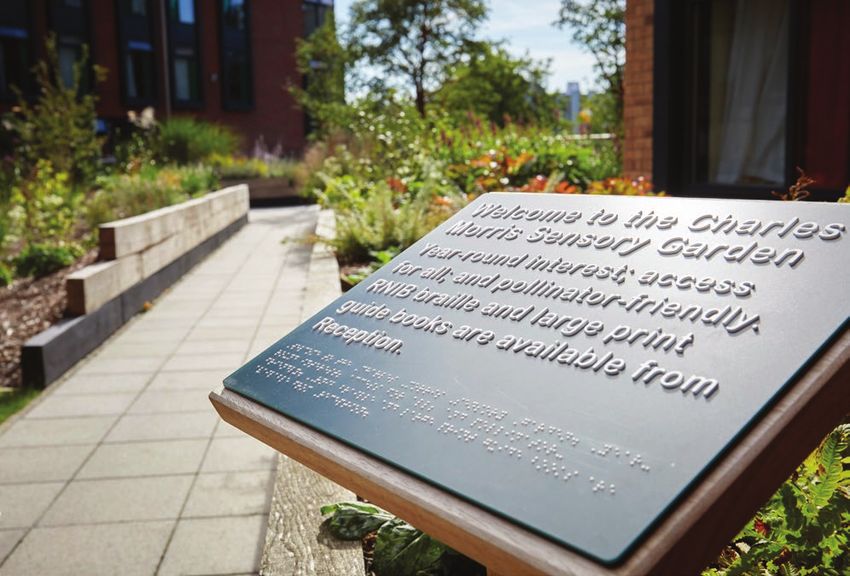
December 2018              Reporter 609              		03

                                                                                                 Students from the School of Media and Communication are hoping
                                                                                                      for unparalleled access to Channel 4 when it moves to Leeds

News
                                                                                                             Contents
                                                                                                             Leader column
                                                                                                             Page 2

                                                                                                             News
                                                                                                             Pages 3, 4, 5

                                                                                                             Campus

‘Fantastic’ Channel 4                                                                                        Pages 6, 7

                                                                                                             Alumni campaign launch

announcement                                                                                                 Pages 8, 9

                                                                                                             Students
                                                                                                             Page 10

Plans are already being explored                     region, and to working together to understand           People
for potential collaborations with                    these issues and build a new future for public
                                                     broadcasting.                                           Page 11
Channel 4 following the ‘fantastic
announcement’ the corporation                        “Channel 4’s regional base in Leeds will provide
                                                                                                             In the news
will locate its new national                         an important and meaningful opportunity
headquarters in Leeds.                               for students across the region to access a              Page 12
                                                     significant media organisation in a way that
The biggest change to the structure of the           has not previously been possible. Such access
organisation in its 35-year history will involve     provides a platform for students to re-imagine
                                                                                                             Honours
the city becoming home to 200 Channel 4              what contemporary media might be and do.”               Page 13
jobs, including key creative decision-makers
responsible for commissioning content and
programmes from producers across the UK.
                                                                                                             Public engagement

Not only will this trigger significant investment    The arrival of Channel 4 in Leeds                       Page 14
in the city, the move also opens up exciting         is an exciting and significant
                                                                                                             Events
possibilities for collaborations between the         development for the city and the
University and the corporation.                                                                              Page 15
                                                     region that we are so proud to be
Sir Alan Langlands, Vice-Chancellor, said: “The      a part of.
arrival of Channel 4 in Leeds is an exciting and                                                             FAQs
significant development for the city and the         Sir Alan Langlands, Vice-Chancellor
                                                                                                             Page 16
region that we are so proud to be a part of.
                                                     Regarding the possible research potential, Dr
“We look forward to the creativity and               Johnson added: “In many ways, the remit of
collaboration that will spring from new
partnerships, and the potential opportunities for
                                                     Channel 4 – to ‘foster the new and experimental
                                                     … encourage pluralism, provide a favoured place         About the Reporter
our students. As a top three university for Media    for the untried and encourage innovation in style,
and Communication Studies, according to this                                                                 The Reporter is the University’s colleague
                                                     content, perspective and talent’ – is a remit that      magazine, produced by the Internal
year’s Times/Sunday Times Good University            speaks to the University, the city and the region       Communications team.
Guide, and as an institution that prides itself on   as a whole. It’s a compelling alignment, and a
its enlightened approach to business, we are                                                                 If you have an idea for a story or want to
                                                     hugely exciting one.”                                   comment on this issue, please contact us at
confident the University will be able to play a
                                                                                                             the.reporter@leeds.ac.uk or 0113 343 8562.
significant role in the city’s overall capacity to
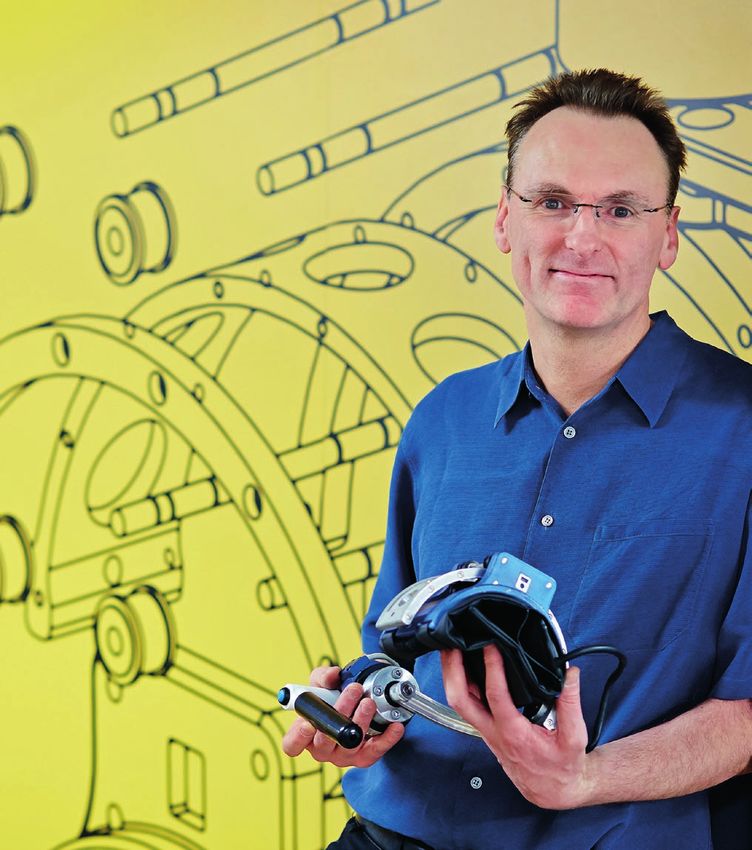
collaborate with, and support, Channel 4.”                                                                   The front cover shows Professor Martin Levesley,
                                                                                                             who is using robotics technology to offer new hope
Dr Beth Johnson is Associate Professor in Film                                                               to stroke survivors.
and Media, and Director of Student Education
in the School of Media and Communication.
She said: “This is a fantastic announcement                                                                  Stay up to date with University
for Leeds but, more broadly, it’s great to see                                                               news and events:
such a significant media organisation commit
                                                                                                                 universityofleeds          @UniLeedsStaff
to tackling some of the most urgent challenges
facing our media.                                                                                                universityofleeds          University of Leeds

“The School of Media and Communication                                                                           leeds.ac.uk/forstaff
                                                      Dr Beth Johnson
looks forward to welcoming Channel 4 to the
04		                                                                                                       Reporter 609               December 2018

News

Single Out: 2023PlasticFree pledge
Staff and students are being encouraged to “take up the challenge” after we teamed up
with Leeds University Union (LUU) in pledging to become single-use plastic-free by 2023.
Single-use plastic items are designed to be          recycling capabilities and build on our ground-
used only once before they are thrown away           breaking research to tackle this important
or recycled.                                         global challenge.”
                                                                                                           This is a huge commitment
The campaign – Single Out: 2023PlasticFree           Professor Dame Jane Francis, Director of the          and a big challenge for us,
– crucially commits the University and LUU to        British Antarctic Survey and prominent polar
phase out single-use plastic across the board,       scientist, is the University’s Chancellor. She        but we are determined to play
not just in catering and office spaces.              said: “As a leading research university, we           our part by acting together to
                                                     also have an important role in developing
Dr Louise Ellis, Director of Sustainability at the
                                                     expertise. From working on alternatives
                                                                                                           reduce our plastic footprint.
University, said: “This is a huge commitment
                                                     to plastics and helping improve waste                 Dr Louise Ellis, Director of Sustainability
and a big challenge for us, but we are
                                                     management, we’ll be supporting the
determined to play our part by acting together
                                                     difficult challenges ahead to ensure plastics
to reduce our plastic footprint.
                                                     don’t end up in the natural environment.”
“We’ve already made so much progress, with
                                                     Support the #2023plasticfree pledge on Twitter
strong recycling rates and catering initiatives,
                                                     @UoL_Sus, Instagram @uol_sus or email
such as our reusable cups, becoming an
                                                     plasticfree@leeds.ac.uk with your ideas.
integral part of our operations.
“We hope this pledge inspires all staff and
students to take up the challenge of collectively
reducing our use of throwaway plastics, across
campus and beyond. Everyone can play their
part.”
Chris Morris, LUU Union Affairs Officer,
said: “We are looking forward to working in
partnership with the University to make
sure we all have a positive impact on this
future-defining issue for the planet.”
The campaign will profile the
University’s influential research into the
environmental, social and economic
impacts and opportunities of plastics in
materials and processes.
Sir Alan Langlands, Vice-Chancellor,
added: “This new drive will also have
a series of targets to reduce use
of all kinds of plastic, improve

New Blueprint                                        After eight successful years of the Green Impact scheme, we have
                                                     launched the next exciting stage of our journey towards becoming a
for sustainability                                   sustainable organisation.
                                                     Blueprint provides a framework for sustainability     will be aligned to the University’s core values and
                                                     that allows Schools, Services and the people          directly linked to the Sustainability Strategy.”
                                                     within them to work on the environmental and
                                                     social issues that matter most to them.               Teams self-assess their progress every year,
                                                                                                           after which trained student auditors will
                                                     It ensures any sustainability work is aligned to      validate their assessment. All of the Blueprint
                                                     School or Service-specific challenges and looks       teams will then have their achievement and
                                                     to identify opportunities for further improvement     progress recognised at the University’s Annual
                                                     and greater collaboration.                            Sustainability Awards.
                                                     Dr Louise Ellis, Director of Sustainability at the    Email Sustainability Services at
                                                     University, said: “The real achievement with the
                                                                                                           sustainability@leeds.ac.uk or visit
                                                     scheme is in the journey you choose to take.
                                                                                                           www.sustainability.leeds.ac.uk/blueprint/
                                                     “Every Blueprint will be different, but all of them   to sign up to the scheme.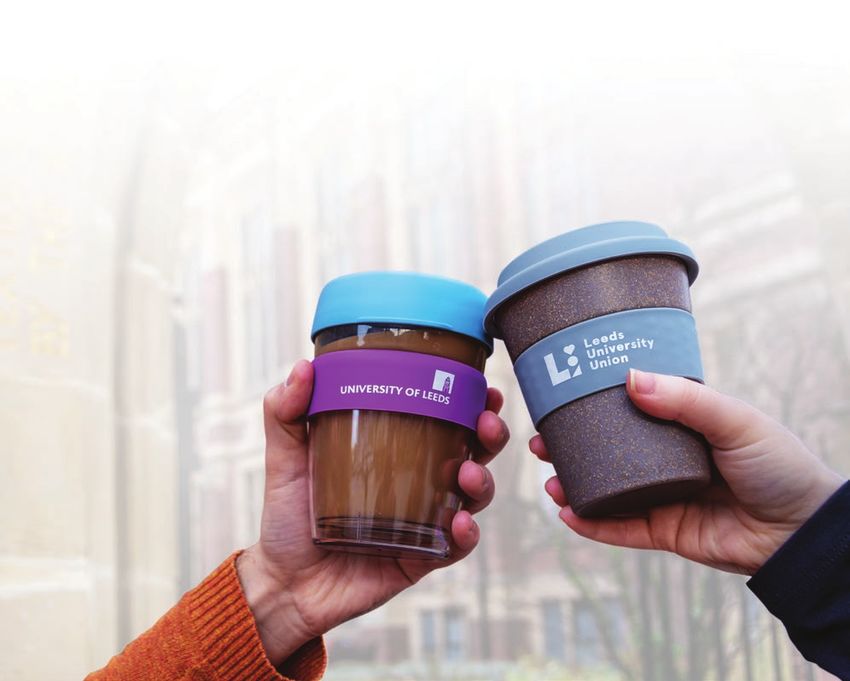
December 2018              Reporter 609                                                                                                                           05

News

                                                                                                                                                  Gazing into the
                                                                                                                                                  future of digital
                                                                                                                                                  pathology

Revolutionising cancer diagnosis
Leeds researchers have been                            The UKRI funding is boosted by an initial              “We can also explore how to use digital pathology
                                                       investment of £7m from the companies involved          as part of precision medicine to ensure patients
awarded £10.1m from UK Research
                                                       in the programme.                                      receive treatments tailored to their disease. This
and Innovation (UKRI) to expand                                                                               is a huge opportunity for Yorkshire to lead in this
a digital pathology and artificial                     The consortium is now poised to become a
                                                                                                              new area and further enhance our position as a
                                                       globally-leading centre for applying AI research
intelligence (AI) programme across                                                                            hub for medical technology.”
                                                       to cancer diagnosis.
the North of England.                                                                                         The work will stimulate AI research locally in
                                                       Sir Alan Langlands, Vice-Chancellor, said: “New
                                                                                                              academic and business sectors, creating jobs
Greg Clark, Secretary of State for Business,           technologies such as artificial intelligence have
                                                                                                              and supporting economic growth across the
Energy and Industrial Strategy (BEIS), made            the potential to transform how we diagnose
                                                                                                              Leeds City Region.
the announcement, which forms part of the              cancer and other diseases, and the University
Industrial Strategy Challenge Fund.                    is making great advances in this area.”
The successful partnership bid, led by the             Dr Yvette Oade, Chief Medical Officer at LTHT,
University and Leeds Teaching Hospitals                said: “This is a really exciting step for patients     This is a huge opportunity for
NHS Trust (LTHT), embraces a network of                because computers using artificial intelligence        Yorkshire to lead in this new area
nine NHS hospitals, seven universities and             can be trained to recognise the patterns of            and further enhance our position
10 industry-leading medical technology                 disease. Machines will support clinically-trained
companies, called the Northern Pathology               pathologists to diagnose cancer faster, better
                                                                                                              as a hub for medical technology.
Imaging Co-operative (NPIC).                           and at lower cost.                                     Dr Yvette Oade, Chief Medical Officer at LTHT

Exciting new plans for innovation district
Exciting proposals for a brand new                     And this landmark development will see LGI
hospital development to transform                      become the cornerstone of the new Leeds
Leeds General Infirmary (LGI) have                     Innovation District, strengthening links between
been welcomed by the University.                       the hospital and the University.
                                                       Nexus – our new £40m innovation centre – is
Plans by Leeds Teaching Hospitals NHS Trust
                                                       the first tangible asset in the Leeds Innovation
(LTHT) for two state-of-the-art buildings, including
                                                       District. It will support our partnerships with
a dedicated Children’s Hospital on the LGI site,
                                                       LTHT, harnessing research capabilities across
have been submitted to Leeds City Council.
                                                       areas such as medtech, cancer, cardiovascular,
They are part of an ambitious, long-term vision for    musculoskeletal, clinical trials and digital health.
LGI, which aims to revolutionise health services for
                                                       Dr Martin Stow, Nexus Director and Leeds
patients in Leeds and the wider region.
                                                       Innovation District board member, said: “We’re
The University enjoys a long-standing                  thrilled to be at the heart of the new Leeds
partnership with LTHT based on clinical and            Innovation District, and LTHT’s plans represent
academic research and innovation, teaching             an exciting opportunity to put Leeds at the
and strategic development in the city.                 cutting-edge of healthcare innovation.”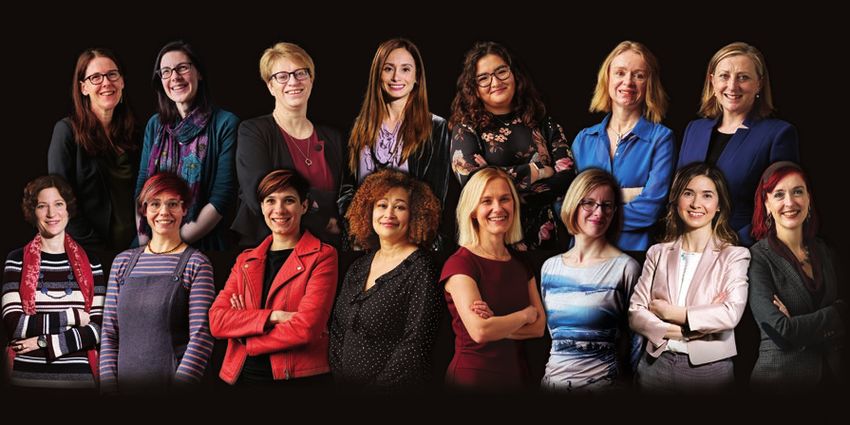
06		                                                                                                       Reporter 609              December 2018

Campus

New garden stimulates
the senses and the soul
   A two-year project to create a                     enjoy an area of peace and tranquillity away
                                                      from the hubbub of University life.
   sensory garden on campus has
   really begun to blossom with its                   Director of Human Resources, Francesca
   official opening.                                  Fowler, who performed the honours at the
                                                      official opening ceremony, said: “It really is my
   Designed on the principle of Access For            pleasure to open this garden.
   All, the garden – located outside Charles          “I like the fact that while a tremendous amount
   Morris Hall – features an imaginative planting     of effort has gone into this garden to make
   scheme, offering year-round interest, together     sure it is inclusive and accessible, it’s a garden
   with wheelchair access and guides for both         that anyone can come and see and enjoy,
   the visually impaired and blind visitors.          which is what I think inclusivity is really about.
   Plants were specially selected to assist those     “Those who have worked on the project should
   registered on the autism spectrum and people       be exceptionally proud of what they have
   who suffer from a mental health condition to       achieved, and I hope lots of people enjoy it.”

Scientific sculpture approved                                                                                Cool concept
A dramatic sculptural artwork has been approved to adorn the
University’s flagship building for engineering and physical sciences.                                        for Roger
                                                                                                             Stevens pond
An ambitious sculpture honouring revolutionary      and physical sciences, to enhance a culture
science will feature prominently on the side of     of multi-disciplinary working and support
the new building. The two-storey artwork by         significant advances in our understanding of
Sara Barker has been given the green light by       the physical world.
Leeds City Council’s planning department.
                                                    Dr Jim Young, Programme Director for the                 Work has begun on an
The design will feature on the Sir William Henry    building, said: “We are extremely pleased
Bragg Building, which is under construction         this beautiful artwork has received planning
                                                                                                             innovative project to improve the
in Woodhouse Lane and honours Sir William’s         permission from the council. It is a unique and          Roger Stevens cooling pond.
pioneering research in developing X-ray             intelligent piece of art and I look forward to
crystallography at the University in the early      seeing it in all its glory.”                             Not only will this visually enhance the
20th century. Bragg and his son were awarded                                                                 landscape outside the Roger Stevens
the 1915 Nobel Prize in Physics for their work.                                                              Building, it will also provide research-led
                                                                                                             teaching opportunities for students.
Within the sculpture lies symbolism that            A computer-generated image
alludes to the Bragg equation, which explains       (below, centre) of how the sculpture                     The imaginative scheme – led by Estates
                                                    will appear on the building                              Services – features floating ‘islands’
the relationship between X-rays directed onto
a crystal and their diffraction, allowing the                                                                containing a range of plants to increase
atomic structure of materials to be investigated.                                                            biodiversity and enable ecosystems
Parts of the sculpture will be finished with                                                                 to flourish, creating an extra ‘green’
iridescent paint, so it changes colour as viewed                                                             dimension to this part of campus.
from different angles. This type of paint was
developed by Professor Helen Gleeson, the                                                                    Teams from across campus worked
current Cavendish Professor of Physics                                                                       together to co-create a solution for the
at Leeds – the same position held                                                                            site, which improves natural water quality
by Bragg in his day.                                                                                         and reduces operational costs.

The new building is scheduled to                                                                             The installation of sensors within the
open in late summer 2020, and                                                                                pool will also provide live data on water
the dramatic sculpture reflects                                                                              quality and a variety of environmental
the University’s ambition to                                                                                 parameters, which will be made available
deliver a step-change in the                                                                                 to staff and students for interdisciplinary,
research activity in engineering                                                                             research-led teaching.
December 2018              Reporter 609                                                                                                                   07

Campus

Building a campus
for the future                                                                                            Priestley Building

The University’s commitment to delivering world-leading research and
exceptional student education and experience continues to manifest
itself in an ambitious plan to deliver a campus for the future.
Featured here is a timeline of key campus development projects and anticipated completion dates.

Priestley Building – Completed                         The Wolfson Centre for Applied Health
The investment at the School of Earth and              Research – Summer 2019
Environment has created multi–disciplinary             The Wolfson Centre for Applied Health
meeting and teaching spaces for staff and PhD          Research in Bradford is a collaborative
                                                                                                          Nexus Building
students. A new collaborative space for the            partnership between the Universities of
Priestley International Centre for Climate marks       Leeds and Bradford and Bradford Teaching
the establishment of both the Priestley Centre         Hospitals NHS Foundation Trust. Based
research platform and a Leeds Met Office Joint         at Bradford Royal Infirmary, it will house
Research Unit.                                         research teams focussing on the improvement
                                                       of health and wellbeing of children and the
Faculty of Biological Sciences’ new                    elderly, as well as the safety of patients in
laboratory – Completed                                 hospitals and clinics.
A new two-storey laboratory building will host
teaching from January 2019. Following this, in         Language Centre refurbishment –
Early Spring, an 18-month project to refurbish         Autumn 2019
areas in the existing Garstang and Astbury             Located in the historic Parkinson Building,
                                                                                                          Centre for Innovation Excellence in Livestock
buildings will begin. The investment and               the Centre will undergo a significant
improvements will continue driving forward the         transformation, creating state-of-the-art
growth of research income and create a new,            teaching facilities for students and space
flexible model for open laboratory and office          for staff.
environments, facilitating collaborative working.
                                                       LUBS, Phase 3, Cloberry Street –
                                                       Autumn 2019
Nexus – Early 2019
                                                       Pending legal agreement, planning permission
Situated in ‘Discovery Way’, a major new
                                                       has been granted for this major new teaching
pedestrian entrance to the University campus
                                                       building, to be shared by LUBS, the School of
from Woodhouse Lane, Nexus is spread
                                                       Law and the School of Languages and Central
across six floors and will be a hub for the
                                                       Teaching Space.
growing innovation community in Leeds. Nexus                                                              Sir William Henry Bragg Building
will seamlessly connect businesses to the              The Centre for Innovation Excellence
academic expertise, talent and facilities across       in Livestock (CIEL) improvements –
the University.                                        Summer 2019
                                                       The University is investing in new facilities to
Parkinson Building improvements works –                carry out research into nutrition, production,
May 2019                                               behaviour and welfare for pigs. It will position
This project involves upgrading the iconic             Yorkshire as one of the leading regions in
Parkinson steps and handrails, together with the       Europe for this research, thanks to this
installation of an external lift, making it possible   significant investment by the University and
for wheelchair users to enter the building using       the Government.
the main entrance.
                                                       Sir William Henry Bragg Building –                 LUBS, Cloberry Street
Leeds University Business School (LUBS),               Autumn 2020
Phase 2, Newlyn Building – Spring 2019                 Construction is well underway for the Sir
Construction of major new central teaching             William Henry Bragg Building. The facility will
facilities supporting the success and growth           include first-class laboratory and specialised
of LUBS and the School of Law is underway.             teaching spaces, enabling cutting-edge research
A multi-million-pound investment scheme at             and outstanding student experience whilst
Mount Preston Street will provide additional           enhancing the University’s research power and
central teaching space.                                strengthening collaboration with industry.

Details of all projects can be found at www.campusdevelopments.leeds.ac.uk                                LUBS, Newlyn Building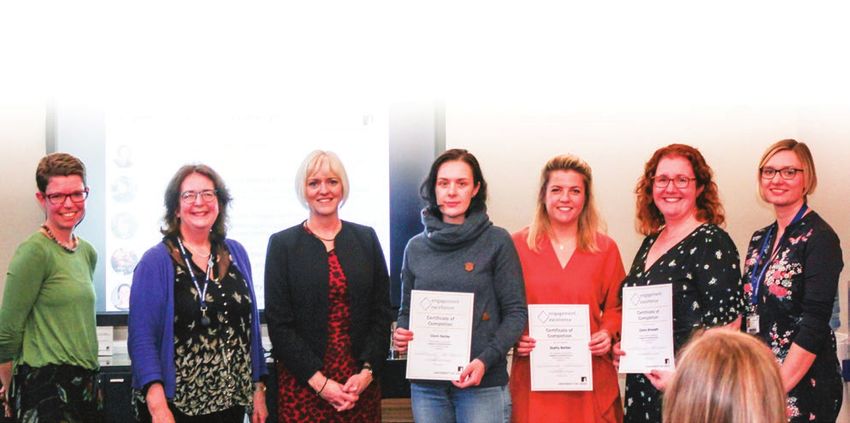
08		                                                                                                            Reporter 609            December 2018

Alumni campaign launch

Making a ‘step’ change
Donations from alumni and friends
of the University to the Footsteps
Fund have already supported a
range of research projects.

Brain cancer
While the treatment of many cancers has seen
major improvements, the prognosis for brain
cancer patients has barely changed in 20 years.
Leeds researchers, led by Professor Susan Short,
are pioneering a revolutionary viral therapy, which
could one day give real hope to patients.

                                                             Offering new hope
Almost 800 Footsteps Fund donors responded to
our appeal, enabling the team to recruit specialist
Neuro-Oncology Research Radiographer, Sharon
Fernandez. Her work will be crucial both to
recruiting patients onto trials of new therapies and
giving them the best possible experience during
their treatment.
This support has also enabled us to appoint a
research technician, who will use mouse models          A meeting 20 years ago between                             the NHS – pressed for space and resources
                                                        two academics from opposite ends                           – concentrates on patients’ lower limb
to replicate drug and imaging trials – and test out                                                                movement, so they can be up and moving.
new ideas in the lab.                                   of campus sparked a research                               “The focus is really on getting people
                                                        programme that is offering new                             out of hospital to receive their care in the
Heart disease and diabetes                              hope to stroke survivors.                                  community,” says Martin.
Professor Mark Kearney, British Heart Foundation                                                                   Once home, the rehabilitation continues,
                                                        “It wasn’t something I knew anything about at
Professor of Cardiovascular and Diabetes                all,” says Martin Levesley, recalling that first           though for their upper limb movement,
Research, is leading ground-breaking research           meeting with Bipin Bhakta, from the Faculty                stroke patients receive only short one-to-
into the link between these two conditions – a          of Medicine and Health.                                    one physiotherapy sessions. While they
field for which Leeds is internationally renowned.                                                                 may be prescribed an exercise regime to
                                                        “My field was aerospace,” says Martin, now                 follow at home, patients often find this dull
Type 2 Diabetes is a growing problem throughout         Professor of Dynamics and Control in the                   and repetitive.
the world, related to environment and nutrition,        School of Mechanical Engineering. “I’d come
and a significant cause of mortality and morbidity.     to Leeds to work on vibration engineering, so              Bipin saw robotics as the way to overcome
And the outcomes for heart patients with diabetes       Bipin’s idea came completely out of the blue.”             these challenges. A device that patients
are much worse.                                                                                                    could use in their own home would give them
                                                        The idea was simple: “He asked if we could                 physiotherapy as frequently and for as long
Gifts to the Footsteps Fund allowed Mark                build a robot, which would mimic the work of               as they wish without the need to visit hospital.
to recruit outstanding young graduate, Nele             a physiotherapist and help people who have                 And by linking the device to a computer
Warmke, to join the research team.                      suffered strokes to regain use of their arms               screen, the exercises could be made more
                                                        and hands. He said: ‘You’re an engineer,                   stimulating and interesting.
Microbubbles                                            surely you could do this. How hard can it be?’
                                                        It was a fascinating challenge.”                           After years of research, testing, trial – and
Leeds researchers are investigating how tiny                                                                       plenty of error – Martin and his team have
bubbles can be used to deliver drugs to treat           It addressed a particular need for the stroke
cancer.                                                 patients Dr Bhakta – later Professor of
                                                        Rehabilitation Medicine – treated at his clinics
Professor Steve Evans and his team designed and         in the Leeds Teaching Hospital NHS Trust.
built the HORIZON machine, which can produce
up to a billion of the bubbles in just three minutes.   “Typically, a stroke destroys vital connections
They believe the bubbles could carry medication         that allow us to carry out basic motor tasks,”
around the body, before delivering it directly          Martin explains. “Physiotherapy is aimed
where it is needed, avoiding the devastating side-      at rebuilding neural pathways, so patients
                                                        ‘relearn’ how to send signals from their brain
effects of chemotherapy.
                                                        to their hands and arms and regain the
Thanks to the support of Footsteps Fund                 function they enjoyed before the stroke.”
donors, the team is now looking to recruit a
                                                        Though crucial to the patients’ independence,
Post-Doctoral Research Associate to examine             physiotherapy on the upper limbs is not the
how microbubbles can be used to address a               primary focus of their treatment. Instead,
variety of further medical conditions, including
targeting vascular disease and delivering oxygen        Professor Bipin Bhakta and Professor Martin Levesley,
to unborn babies.                                       who launched the research programme
December 2018              Reporter 609                		09

                                                      Brain activity is going under the microscope as the
                                                  research team seeks new ways to help stroke survivors

to stroke survivors                                                                                         Young researcher, Adam Metcalf,
                                                                                                            working on the MyPAM project

                                                                                                             Brightest minds
built MyPAM, a robotic joystick, which                during a period of six to eight weeks, and
patients can use in their own home to                 in almost every case it proved a success.
complement the hands-on treatment they                “We have clinically significant data to show

                                                                                                             pioneering the
receive from their physio.                            that people’s upper limb movement has
                                                      improved,” says Martin.
The exercise takes the form of a computer
game. The Leeds team has created a virtual            Crucially, those improvements continued
world in which users tend an on-screen
garden, where the robot arm allows you to
rake the lawn, sow the seeds and water the
                                                      even after they stopped using the machines,
                                                      as though the robot had catalysed further
                                                      recovery in the weeks after it had been
                                                                                                             research project
plants – each of them a valuable use of their         taken away. It even worked for patients who
limbs. Another game is set within a wacky             had suffered their stroke some years earlier.
world of banana-grabbing monkeys.
                                                                                                            Young researchers – from the very
                                                      This success has fired the ambition of the            brightest undergraduates through
Initially, the robot moves the patient’s arm by       team to make the therapy more widely
itself, but in time, as the patient gains their
                                                                                                            to PhD students and post-doctoral
                                                      available, and the plan now is to build a
own strength and movement, they begin                 fleet of at least ten devices to progress to a        researchers – have worked on
to control the robot themselves. The robot            full clinical trial. At present, they cost about      the project, building, testing and
is programmed to react to how the patient             £5,000 each – which includes the robot                refining the robots and creating
is responding to the treatment to gradually           arm, a computer and the official certification        new games.
offer them more and more independence                 needed to show it is safe to be used as a
of movement. The results are then sent                medical device.                                       Adam Metcalf is a former British Army vehicle
remotely for a therapist to examine.                                                                        mechanic and, after a tour in Afghanistan,
                                                      “When we started, we had no idea whether
Trials of the device yielded promising results        this would work,” says Martin. “We’re now             came to Leeds to study engineering with a view
– 17 patients were given the robot to use             confident it does. There isn’t anything else          to working on military hardware.
                                                      out there which will recreate traditional
                                                                                                            But an Undergraduate Research and Leadership
                                                      physiotherapy.”
                                                                                                            Scholarship changed the direction of Adam’s
                                                      Sadly, Professor Bhakta did not live to see           studies, allowing him to join the stroke research
                                                      his dream reach fruition. He died in 2014,            team during his summer vacation, working on
                                                      and now Martin is passionately determined             the design of the robotic arms.
                                                      to deliver on the vision of his friend and
                                                      colleague. He said: “I have 10 or 15 years            Having graduated in July with a First, Adam
                                                      left in my own career. I just want to see this        is now studying for a PhD with the stroke
                                                      happen.                                               rehabilitation engineering group, examining and
                                                                                                            comparing control strategies for MyPAM.
                                                      “After all, to echo Bipin’s question, how hard
                                                      can it be?”                                           He said: “I’m looking at a more complex control
                                                      The University’s Footsteps Fund is                    strategy, to determine whether the extra cost
                                                      supporting Professor Levesley’s work                  of this would translate into genuine patient
                                                      to help develop this technology. See                  benefit, especially during the early stages of
                                                      www.leeds.ac.uk/StrokeRehabRobotics for               their rehabilitation. My aim is to have a finished
                                                      details of how you can get involved.                  system by the end of my PhD.”
10		                                                                                                         Reporter 609              December 2018

Students
                                                                                                               New apprentices
                                                                                                               The first ever cohort of
                                                                                                               students has been welcomed
                                                                                                               on to a new computer science
                                                                                                               degree apprenticeship
                                                                                                               launched in partnership with
                                                                                                               the University.
                                                                                                               Leeds has teamed up with PwC – the
                                                                                                               global professional services firm and one
                                                                                                               of the UK’s largest graduate employers – to

Supporting our students
                                                                                                               develop the programme, aimed at growing
                                                                                                               the next generation of technology talent in
                                                                                                               an increasingly digital world.
                                                                                                               The innovative degree programme will see
                                                                                                               students combining university life with
The University has officially launched a new project outlining its                                             practical work-based technology projects.
commitment to further support estranged students.
                                                                                                               At the end of the four-year course, those
The StandAlone Pledge has been signed by                believe all students should have the opportunity       meeting the performance criteria of both
Professor Tom Ward (pictured), Deputy Vice-             to realise their potential, regardless of their        the University and PwC will earn a degree
Chancellor: Student Education.                          background, and we recognise the particular            in Computer Science and continue their
                                                        challenges faced by estranged students.                career at the firm.
StandAlone – a charity that supports
estranged adults – has challenged all                   “The signing of the pledge is just the first step
universities to develop their support for               in our commitment to supporting estranged
students facing such hardships, enabling them           students.”
to succeed in higher education.
                                                        Leeds already has many successful schemes              Gryphons’ first
                                                                                                               Varsity victory
Estranged students are those studying without           from which estranged students can benefit, but
the support or approval of a family network.            the University has also identified areas where
Estrangement can be caused by a wide range              it could do more, and signing the pledge is a
of issues, from abuse, honour-based violence or         major part of that project.
forced marriage, to clashes in religious or political                                                          History was made on
                                                        One key development has been the creation of           Wednesday 3 October when
beliefs, LGBT+ issues, or even just attending
                                                        a package of accommodation support, which
university against their family’s wishes.
                                                        includes a guaranteed place in University
                                                                                                               the University beat local rivals
They face particular challenges in accessing            residences 365 days a year, as well as a               Leeds Beckett to win its first
student finance, lack traditional support               waiver of the security deposit until student           ever Leeds Varsity.
networks and are at high risk of homelessness,          loans are received.                                    This is an iconic event in the city’s sporting
especially during vacations or as they finish
                                                        Students can also apply to the Hardship Fund,          calendar, and consists of fixtures across
their course. About 70 estranged students are
                                                        the criteria for which are being reviewed to           the year culminating in one final day of
currently studying at Leeds.
                                                        ensure all estranged students are eligible to          competition, where 50-plus fixtures are
Professor Ward said: “Here at Leeds, we                 apply for support during the summer vacation.          played and the winner crowned.
                                                                                                               Leeds Beckett has walked away with the

Call for Change Champions
                                                                                                               trophy for the past 13 years, but this year it
                                                                                                               was finally the turn of the Leeds Gryphons.

Do you want to play a part in the future                You will provide expert insight to help shape
of student education administration?
                                                                                                               Life-saving skills
                                                        the programme’s focus and will act as a key
                                                        contact between the SLP and your team. You’ll
The Student Lifecycle Programme (SLP) is                be canvassing views and acting as your team’s
recruiting a network of Change Champions                voice as the University embarks on a long-
to drive positive change in our systems and
                                                        term transformation that will help the people
                                                                                                               More than a thousand people
processes during the next four years.
                                                        who do the work to define their roles.
                                                                                                               have learned life-saving CPR
The SLP is looking for people from across                                                                      skills thanks to the success of
the Faculties, Schools and Student Education
                                                        Being part of the Change Champions team                a student-led campaign.
Service to advise, support and challenge                will also give you, as an individual, the chance
                                                        to drive your own personal and professional            Volunteers from the School of Medicine’s
the programme team on all areas of the
                                                        development in areas such as presentation              Clinical Skills Team staged a series of
student experience, from enquiries through
                                                        skills and team working.                               drop-in sessions on campus and in the city
to graduation.
                                                                                                               centre, as part of the global Restart a Heart
Anyone who plays a part in student education            The SLP will shortly be issuing a role profile for     Day initiative.
administration can apply. A separate academic           the Change Champions team, but email the
advisory team is being set up, along with               SLP team at SLP@leeds.ac.uk to register your           Sessions also supported the University’s
a student focus group, but the Change                   interest. And visit the SLP In Depth page at           recent initiative in which 17 new
Champion network is a wider group for                   www.leeds.ac.uk/studentlifecycleprogramme              defibrillators were installed across campus.
everyone who wants to be involved.                      for further information.
December 2018 Reporter 609 11
People
Our Women of Achievement 2018
The outstanding achievements of 15 female colleagues and students were recognised at this year’s
Women of Achievement Awards.
Held for the fifth time, the Awards are a and Innovation. Alumna and Chief Executive They share a common commitment to
key part of the University’s Leeds Gender of the Southbank Centre, Elaine Bedell, gave excellence and have performed outstandingly
Framework. They celebrate the significant a keynote speech and presented winners with in their fields, whether this be in research,
contributions and impact the winners have their certificates. student education or student experience,
made across the University and beyond. scholarship, leadership of key University
Winners were all nominated by their peers,
The Awards were hosted by Professor Lisa and represent academic and professional staff, initiatives, or supporting administrative and
Roberts, Deputy Vice-Chancellor: Research as well as students, from across the University. technical activities.
Professor Barbara Evans Professor Fiona Meldrum Louise Banahene
School of Civil Engineering School of Chemistry Head of Educational Engagement
Dr Claire Eldridge School of History Professor Jane Nixon Dr Louise Ellis Sustainability Services
Professor Claire Honess Leeds Institute of Clinical Trials Research, Dr Pamela Macpherson-Barrett
School of Languages, Cultures and Societies/ Faculty of Medicine and Health Head of Policy, Funding and Regulation,
Leeds Doctoral College Dr Julia Steinberger Strategy and Planning
Dr Cristina Stefan School of Earth and Environment Professor Pinar Akman School of Law
School of Politics and International Studies Dr Katie Field School of Biology Professor Wändi Bruine de Bruin
Elizabeth Kapasa Lenka Vráblíková School of Fine Art, Centre for Decision Research,
School of Mechanical Engineering History of Art and Cultural Studies Leeds University Business School
Double appointment for Nexus New Chair for
Nexus – the University’s new £40m innovation centre – has
strengthened its team with the appointment of two experienced
White Rose
figures from the worlds of research and innovation.
Adding to a dedicated team responsible for facilitating
Dr Harrison Evans and Sir Alan Langlands has been
productive new working partnerships and collaborations
Chelsea Hardy have joined
Nexus as Collaboration
appointed as the new Chair
between businesses and the University, Chelsea Manager and Engagement of the White Rose University
Hardy joins Nexus as Engagement Manager. Manager respectively
Consortium (WRUC).
She will be responsible for initial liaison with
The WRUC combines the strengths of
organisations, matching business needs to the
the partner universities – Leeds, Sheffield
University’s research, facilities and talent.
and York – to add value from joint activity
As Collaboration Manager, Dr Harrison across research, knowledge exchange,
Evans will provide Nexus members learning and teaching.
with seamless access to the academic
expertise, facilities and talent at Established in 1997, the WRUC has helped
Leeds, and will oversee its existing secure in excess of £180m of external
commercial relationships across funding for collaborative initiatives.
Research and Innovation and the Sir Alan, Vice-Chancellor at Leeds, said:
wider University. He will also be
“I am delighted to be appointed as the next
intrinsically involved in building
Chair of the White Rose.”
relationships with businesses in the
Nexus community. Sir Alan’s role commenced on 1 August.12 Reporter 609 December 2018
In the news
Dr Adriane Esquivel Muelbert and Professor
Oliver Philips (Geography), with a team of
more than 100 scientists, have assessed
global warming’s impact on thousands of
tree species across the Amazon rainforest,
assessing the winners and losers from 30
years of climate change. Their analysis found
that the effects of global warming are altering
the rainforest’s composition of tree species,
but not quickly enough to keep up with the
changing environment. This was featured
in National Geographic, the Daily Mail, The
Independent and more.
Dr Bernadette Moore (Food Science and
Nutrition – MAPS) led a study that highlights
high sugar levels in most yogurt products, Dr Mat Callister and Professor Richard Neal
Dr Richard Cubbon (LICAMM – Medicine and
particularly organic yogurts and those (both LIHS – Medicine and Health) were
Health) has led research that has found nearly
marketed towards children. The study received featured in the Yorkshire Post for leading the
one in four deaths in people with heart failure
wide media coverage, including the BBC, The Leeds Lung Health Check, a new mobile
are caused by sepsis, and created a profile to
Guardian, Huffington Post and more than 50 screening trial in the city designed to help detect
identify patients most at risk. The research was
regional radio stations. the early signs of lung cancer. The unit will be at
featured in the Daily Mail, The Sun, Yorkshire
Elland Road until Friday 21 December 2018.
Post and others.
Dr Elizabeth Ilett and Dr Rob Berkeley
(both LICAP) have led a study investigating Professor Stephen Burkinshaw (Design – AHC)
reovirus, which has shown renewed is quoted in a BBC News article looking at
promise of viruses in the treatment of University spin-out company Xeros, which
cancer, after new research revealed they makes washing machines that use polymer
retain their cancer-killing ability even beads to reduce water use by 80%. He said
when injected into the bloodstream. This nylon polymers “have an inherent polarity that
study received coverage in United Press attracts stains” and can replace most water in a
International and many more. laundry cycle.
Ruairi O’Driscoll (Psychology – Medicine and Dr James Tate, Dr John Nellthorp and Dr
Health) is quoted in an article concerning a Zia Wadud (all ITS – Environment) and
study he led, which suggests many fitness PhD researcher Kate Palmer (Engineering)
trackers are not very accurate at measuring have led research that found pure electric
how much energy people burn. This study was cars cost less over four years than petrol
featured in Reuters, Business Insider, Yahoo and or diesel cars in the UK, US and Japan,
many more. but China is poised to lead the market. The
research was featured in the Daily Mail and
MSN UK.
Professor Manuel Gloor (Geography) co-
authored a study with former Leeds research
Professor Peter Selby (LICAP – Medicine Dr Caroline Orfila (Food Science and Nutrition
fellow, Dr Jonathan Barichivich, of more
and Health) has co-authored research – MAPS) discusses on BBC Radio 4 her recent
than 100 years of river level records from the
that suggests Brexit could have a research that suggests the lack of fortification
Amazon, which showed a significant increase
“catastrophic” impact on UK cancer in gluten-free food may increase the risk of
in frequency and severity of floods. The
research and may trigger a researcher micronutrient deficiencies for consumers
findings could help predict the probability of
crisis. The study found there is an who depend on these products. This was also
flooding extremes in advance and help mitigate
increasing number of scientific papers on featured in the Daily Mail.
the impacts for urban and rural Amazonian
cancer published by teams with at least
populations. This was featured in The
one non-UK European-born member of
Independent, Daily Mail, Metro and many more.
staff. This received wide media coverage
on the ITV website, in the Daily Mail and
more than 50 regional newspapers.
Professor Sheena Radford and Professor Neil
Ranson (FBS) have used the world’s most
powerful microscopes to reveal the structure
of ‘amyloid’ proteins, which underpin
diseases like Alzheimer’s or Type 2 diabetes.
Knowing what the proteins look like is the first
step to disrupting their activity. Their findings
have been featured in the Yorkshire Post and
Science Daily.December 2018 Reporter 609 13
Honours
Celebrating staff successes
Here we highlight the achievements of colleagues in a host
of awards and honours.
Email internalcomms@leeds.ac.uk if you or one of your colleagues would like to be featured
in Reporter or the monthly For Staff spotlight.
Dr Amanda Maycock, Associate Professor in Climate Dynamics at the
Institute for Atmospheric and Climate Science, has received a Philip
Leverhulme Prize 2018 and an Arne Richter Award for Outstanding
Early Career Scientists from the European Geophysical Union for her
work on Earth’s climate.
Researchers Dr Saurabh Lal, Research Fellow at the School of Biomedical
Sciences, has received the Heinz-Mittelmeier Research Award
join forces
for Applications of Ceramic Implants in Endoprosthetics from the
German Orthopaedic Association (DGOOC) for his outstanding
research and development work.
to win award Dr Laura Britten, from the School of Biomedical Sciences, has been
elected Fellow of the Higher Education Academy through the University’s
Researchers from Leeds and Queen’s Professional Recognition in Student Education (PRiSE) scheme. She
University Belfast have won the has been elected in recognition of her commitment to being part of
prestigious 2018 European Health Award. the vibrant student education community and continued professional
development of teaching and support of learning at the University.
The coveted accolade honours initiatives
that help tackle some of Europe’s most
pressing health challenges. Professor Animesh Jha, from the School of Chemical and
Process Engineering, has been elected as a Fellow Member of The
The award-winning project is part of Optical Society. He has been honoured specifically for significant
a pan-European partnership between achievements in the engineering and development of novel glass and
cancer patients, healthcare professionals glass-ceramic materials, and devices for photonic and bio-photonic
and cancer researchers, called the applications, as well as for actively serving the optical community.
European Cancer Concord® (ECC).
One of the key outputs from the research Professor Steven Freear, from the School of Electronic and Electrical
has been the development of a 70:35 Engineering, has been awarded the Distinguished Service Award
Vision – 70 per cent long-term survival for by the Institute of Electrical and Electronics Engineers (IEEE) for his
all cancer patients across Europe by 2035. accomplishments as an Editor-in-Chief of the IEEE Transactions on
Peter Selby, pictured above, is Professor Ultrasonics, Ferroelectrics and Frequency Control.
of Cancer Medicine at Leeds and
President of the ECC. He said: “This is
Jennifer Spragg, Postgraduate Researcher at the School of Chemical
a superb example of how cooperative
and Process Engineering, has been awarded the Ashok Kumar
European activities that involve sharing
Fellowship 2018 by the Institution of Chemical Engineers and the UK
best practice between countries
Parliamentary Office for Science and Technology, and will advise MPs
can result in top-class prize-winning
on chemical weapons policy issues.
initiatives.”
In a joint statement, Professor Ian Greer,
President and Vice-Chancellor of Queen’s
University Belfast, and Sir Alan Langlands, Alan Turing Institute Fellowships
Vice-Chancellor at Leeds, said: “We are
immensely proud that an initiative, which A total of 24 researchers from the University will The 24 Fellows, who cover a range
begin Fellowships at The Alan Turing Institute, of disciplines and represent multiple
was developed and conducted by Queen’s
as part of our shared commitment to make great Faculties across the University, will
University and the University of Leeds,
leaps in data science research to change the join the Turing’s existing community of
has been recognised across Europe as a
world for the better. researchers, who are advancing data
quality exemplar of best practice.” science and AI to address a number of
The prestigious two-year Fellowships, which
Professor Lawler, Chair in Translational ambitious challenges facing science,
are the next stage in a partnership announced
Cancer Research at Queen’s University society and the economy.
earlier this year between the University and
Belfast and ECC Vice-President, said: the UK’s national institute for data science Leeds Institute for Data Analytics (LIDA)
“Cooperation is the key to this initiative. We and artificial intelligence (AI), are awarded to will play a major role in the coordination
need to compete, not against each other, individuals with proven research excellence in of projects and activity amongst Turing
but against our common enemy – cancer.” data science, AI or a related field. Fellows and their research teams.14 Reporter 609 December 2018
Public engagement
Dr Alexa Ruppertsberg, Professor Sue Pavitt,
High standards are honoured
DVC Professor Lisa Roberts, Dr Clare Harley,
Dr Sophy Barber, Dr Claire Brockett and
Delia Muir at the awards ceremony
DVC Professor Lisa Roberts presents the DVC Professor Lisa Roberts presents Dr Elizabeth Gaston collects the award
Developing Research Ideas Award to Professor Ingrid Sharp with the Delivering from DVC Professor Lisa Roberts on behalf
Elspeth Mitchell and Sarah Harvey Richardson Research in Partnership Award of the School of Design team
The University has marked another year of fantastic public engagement (PE) work.
The 2018 Public Engagement with Research together with theatre company Bent Architect. Richardson (School of Fine Art, History of
Awards – which saw a very high standard of The partnership told the story of the 1918 Art and Cultural Studies)
entries – have been presented to researchers German Revolution that brought the First
Elspeth and Sarah worked with two groups
across a range of Faculties. World War to an end, focussing on the ordinary
of secondary school girls in Leeds on a
populace, specifically women, who actively programme to explore the power of images
Applications were reviewed by a panel of
opposed the war and supported the revolution. and confront the ways social media and ‘selfie
external experts, including the Director of
the National Co-ordinating Centre for Public Disseminating Research Results Award culture’ shape attitudes and beliefs about
Engagement, Heads of PE at other Russell Winner: Dr Elizabeth Gaston, Dr Jane Scott women. They organised sessions with a group
Group universities and managers from and Ian Rees (School of Design) of girls from their defined audience, exploring
the Wellcome Trust and UK Research and personal experiences, introducing inspirational
This PE activity disseminated the findings of artists and equipping participants with image-
Innovation (UKRI).
recent knit design research, using botanical making tools and techniques. These activities
Dr Alexa Ruppertsberg, Head of PE, said: models of growth to inspire shape-changing culminated in a public exhibition visited by
“The PE awards recognise people for excellent knit-work undertaken by Dr Jane Scott, and the 200 people.
public engagement or patient involvement and performance craft methodology developed by
Engagement Excellence: Class of 2017/18
engagement. Our judging panel was delighted Dr Elizabeth Gaston during her PhD research.
to review applications of such a high standard.” The Engagement Excellence Scheme is a
In collaboration with the Crafts Council and programme that aims to support upcoming
Delivering Research in Partnership Award Leeds Arts University, a series of connected stars in PE/Patient and Public Involvement
Winner: Professor Ingrid Sharp and Dr Corinne activities were introduced through four-day and contribute to improving impact and
Painter (School of Languages, Cultures and workshops in schools, aimed at transforming dissemination of research.
Societies) knowledge and engagement with textiles for
pupils in the Yorkshire region. Congratulations to Dr Sophy Barber
This project was developed in close (Dentistry), Dr Jessica Hammett (History),
collaboration between cultural and gender Developing Research Ideas Award Dr Claire Brockett (Mechanical Engineering)
historians working within German studies, Winner: Elspeth Mitchell and Sarah Harvey and Dr Clare Harley (Healthcare).
Engaging case for promotion Research Development Fund applications
New public engagement criterion is increasingly being used to The next round of applications for funds to support involving the public in
determine academic promotion at the University. shaping or developing research ideas is now open.
Figures show use of the criterion in successful applications has There have been more than 20 applications under the Research
risen from a quarter to a third since it was introduced in 2016/17. Development Fund Awards Scheme since September 2017, with in
excess of £8,000 committed to date and £2,000 paid to successfully
The Faculty of Arts, Humanities and Culture leads the way with
completed projects.
37% of successful applications, but the PE team is delighted to see
a significant increase from the faculties of Engineering, Environment Supported by Wellcome Trust ISSF funding, awards of up to £500
and Medicine and Health. are available to support patient/public/stakeholder involvement or
engagement in the research design stage. The next round of awards is
Three quarters of successful applicants using the criterion
open until 4 January 2019.
were from the Research and Innovation route, highlighting the
importance of leadership or involvement in public engagement See www.leeds.ac.uk/ResearchDevelopmentFund for further information
activities with research. and to apply.You can also read


