SALMON BIOSECURITY STANDARDS - New Zealand ...
←
→
Page content transcription
If your browser does not render page correctly, please read the page content below
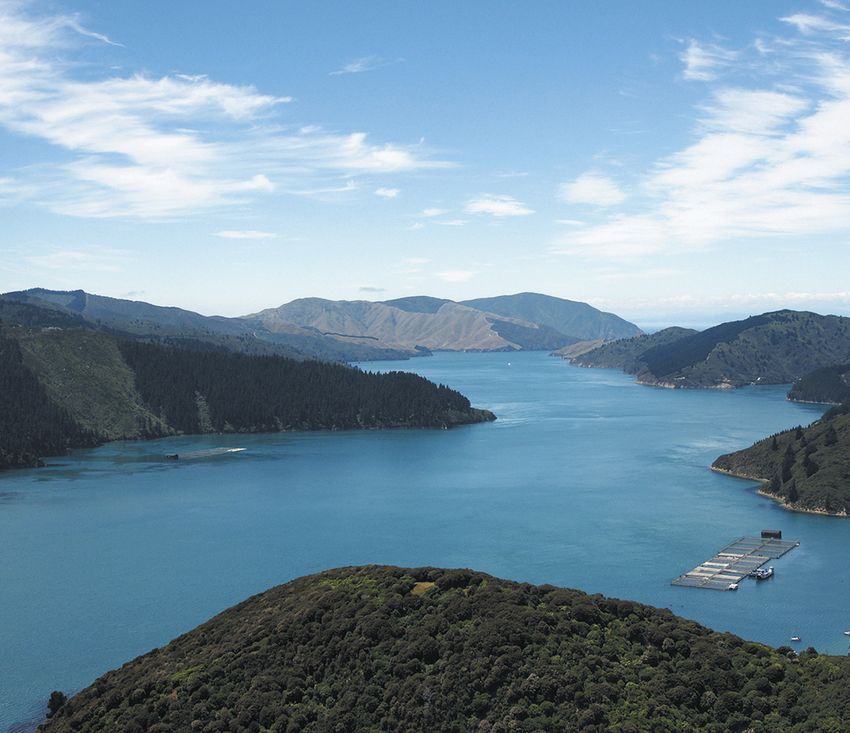
SALMON BIOSECURITY
STANDARDS    May 2019
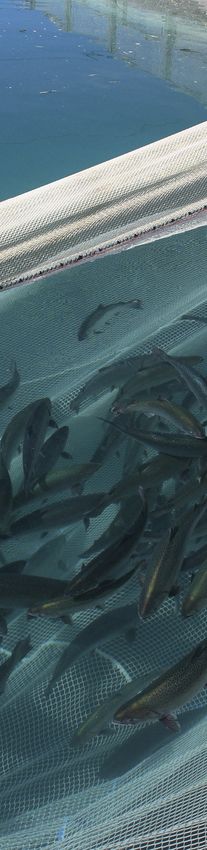
As members of the New Zealand Salmon Farmers
Association we recognise that by managing biosecurity
pathways within our control we can help to safeguard
the industry and the environment in which we farm. We
therefore agree to ensure appropriate measures are put in
place to implement these Salmon Biosecurity Standards, as
contained in this document, to their full effect.
Signed this 30th day of May 2019 by:

Duncan Bates for Akaroa Salmon

Brian Blanchard for Mount Cook Alpine Salmon

Ted Culley for Sanford Limited

Karl French for Salmon Smolt New Zealand

Margaret Logan for High Country Salmon

Grant Rosewarne for The New Zealand King Salmon Co.

Mark Preece, Chairperson for the New Zealand Salmon
Farmers Association

AQUACULTURE NEW ZEALAND
Level 1 Wakatu House, 28 Montgomery Square, Nelson
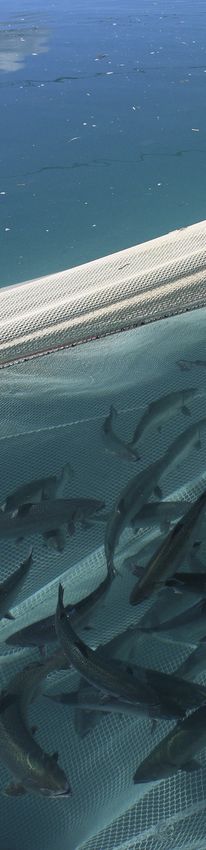
TABLE OF CONTENTS
Foreword....................................................................................... 2

Objectives..................................................................................... 2

Process and document life........................................................ 2

Notifiable Organisms relevant to Salmonid Aquaculture.... 3

Standards......................................................................................4
 A. National Zoning.....................................................................4
 B. General Standards................................................................. 5
 C. Zone Standards......................................................................6
 D. Facility Standards................................................................... 7
      1. Training and induction of all staff in biosecurity
      and fish health......................................................................... 7
      2. Monitoring fish health and biosecurity status..............8
      3. Investigation and response to biosecurity
      challenges................................................................................8
      4. Communicating biosecurity issues................................9
      5. Contingency plans.............................................................9
      6. Risk specific biosecurity measures:..............................10
      7. Stock record requirements for traceability
      of stock................................................................................... 13
 E. Broodstock & Breeding Standards................................... 14
 F. Smolt & Smolt Movement Standards.............................. 15
 G. Harvest Standards................................................................ 15
 H. Waste Management Standards.........................................16
 I.    Decontamination Standards............................................. 17

Annex 1: Disinfectant uses and doses....................................19

Annex 2: Efficacy of types of disinfectants against
viruses, bacteria, fungi and spore forming protozoa..........23

                                   SALMON BIOSECURITY STANDARDS 2019                                   1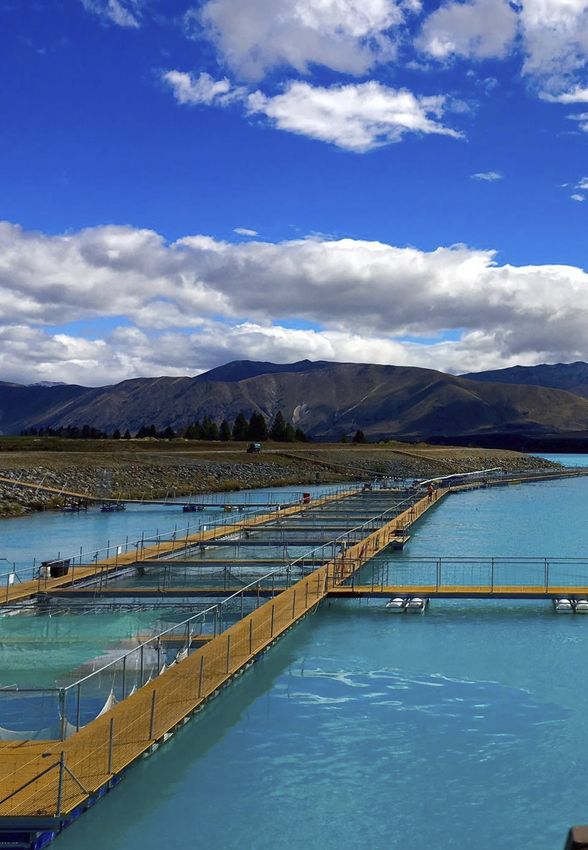
Foreword
       The following biosecurity standards are a         scale ‘fire-breaks’, and control of known
       critical first step for the New Zealand salmon    disease vectors between Operational
       industry.                                         Zones will be critical to reduce biosecurity
                                                         risks to the industry. It is expected that
       Spatial planning and allocation of additional
                                                         Management Areas will be formed within
       water-space are required for the continuation
                                                         Operational Zones to coordinate biosecurity
       of an economically viable and world-class
                                                         risk management and increase information
       biosecure salmon industry. New Zealand
                                                         sharing within areas and between zones.
       produces differentiated value-added salmon
                                                         Signing of Management Area Agreements
       products, which drives specific biosecurity
                                                         would be a requirement for all producers
       requirements. Currently the industry benefits
                                                         within each Management Area. These
       from regional separation of production
                                                         agreements will clearly define aspects such
       zones, but the anticipated growth in open-
                                                         as the sharing of information on general
       ocean salmon farming in the next decade
                                                         stock health and husbandry, and agreed
       will require implementation of zone-based
                                                         fallowing regimes for the Management Area.
       management to reduce biosecurity risk.
                                                         Given sufficient space, each producer will
       It is expected that additional Operational
                                                         ideally have access to a minimum of three
       Zone-based management standards will be
                                                         separate Management Areas that are at least
       developed for inclusion in the next version
                                                         two ocean current days apart, farmed with
       of the Salmon Biosecurity Standards. The
                                                         an ‘all in all out’ stocking regime, and have
       potential formation of Operational Zones
                                                         a prescribed minimum fallowing period
       (e.g. Northern, Central, and Southern South
                                                         between year classes.
       Island Zones) is designed to provide large

       Objectives
        •• Through the implementation of national        •• Provide assurance to regulators that site
           biosecurity standards, the New Zealand           specific and agreed national standards
           salmon industry seeks to:                        are in place and maintained to safeguard
        •• Manage and reduce pathogen risk to the           the industry and the environment in
           industry both from internal and external         which the industry operates; and
           sources that are within its control;          •• Through biosecurity leadership,
        •• Manage national industry risk pathways           influence the external biosecurity
           transparently and consistently, so that all      environment to improve the overall
           parties can be assured that appropriate          aquatic biosecurity status of New
           measures are being carried out by                Zealand.
           everyone in industry;                         •• Enable best practice operations where
                                                            sufficient water space is available.

       Process and document life
        •• This first draft of the A+ Sustainable           into specific biosecurity standards and
           Aquaculture Salmon Biosecurity                   approved by the Salmon Biosecurity
           Standards were developed by the                  Working Group of the NZSFA;
           current farming members of the New            •• The agreed standards will be embedded
           Zealand Salmon Farmers Association               into the Sustainable Management
           (NZSFA);                                         Framework of the A+ Sustainable
        •• High level biosecurity objectives were           Aquaculture scheme for salmon farmers;
           agreed by a working group of the NZSFA.       •• Salmon farmers will self-report against
           These objectives were then translated            these biosecurity standards as part of

2   SALMON BIOSECURITY STANDARDS 2019
their membership of the A+ programme,                      but may be amended at any time
   and may be assessed against the                            with the agreement of the NZSFA and
   standards by an external advisor                           Aquaculture New Zealand (AQNZ);
   appointed by Aquaculture New Zealand;                   •• AQNZ acts as secretariat for the
•• These standards will be reviewed every                     Salmon Biosecurity Working Group and
   two years by the Salmon Biosecurity                        maintains the standards as they exist
   Working Group and updated as required,                     within the A+ programme.

Notifiable Organisms relevant to
Salmonid Aquaculture
Notifiable diseases are those compulsorily                 Those farming salmonids in New Zealand
reportable to the Competent Authority                      must ensure there are measures in place
(Ministry for Primary Industries) 0800                     to educate staff on the appearance of,
80 99 66 hotline. They represent                           effects of and reporting mechanisms for
internationally significant pathogens with                 the following legislated notifiable diseases:
potential for serious production or trade
related impacts.

 SCIENTIFIC NAME                                         COMMON NAME
 Aeromonas salmonicida                                   Furunculosis
 Aphanomyces invadans                                    Epizootic ulcerative syndrome
 Epizootic haematopoietic necrosis virus                 Epizootic haematopoietic necrosis
 Gyrodactylus salaris                                    Gyrodactylosis
 Infectious haematopoietic necrosis virus                Infectious haematopoietic necrosis
 Infectious pancreatic necrosis virus (exotic strains)   Infectious pancreatic necrosis
 Infectious salmon anaemia virus                         Infectious salmon anaemia
 Koi herpesvirus                                         Koi herpes virus disease
 Myxobolus cerebralis                                    Whirling disease
 Oncorhynchus masou virus                                Oncorhynchus masou virus disease
 Piscirickettsia salmonis                                Salmonid rickettsial septicaemia
 Rickettsia spp. affecting farmed salmon                 Rickettsia-like organism affecting farmed salmon
 Red sea bream iridovirus                                Red sea bream iridovirus disease
 Renibacterium salmoninarum                              Bacterial kidney disease
 Spring viraemia of carp virus                           Spring viraemia of carp
 Viral haemorrhagic septicaemia virus                    Viral haemorrhagic septicaemia
 Yersinia ruckeri (exotic strains)                       Enteric red mouth disease

(Pathogens highlighted in light blue are not relevant to salmonids)
In addition, some salmonid pathogens                       If there is any doubt as to the status of an
may be listed in the unwanted organisms                    identified organism, salmonid farmers can
register (searchable at https://www1.maf.                  check with Aquaculture New Zealand and/
govt.nz/uor/searchframe.htm) and all                       or MPI directly.
parties should be aware of the need to
                                                           There are other reporting requirements
check organism identifications against the
                                                           in the event of mortalities of unexpected
unwanted organism register and report
                                                           scale or unknown cause. These are
presence of unwanted organisms when
                                                           detailed in Section D/3/d.
detected. Unwanted organisms which are
marine pests are also reportable to MPI
(See Section D/2/h.)

                                                                   SALMON BIOSECURITY STANDARDS 2019        3
Standards
       Biosecurity standards have been set to address biosecurity risk from national to farm
       levels. This document defines standards related to the following general areas:
        •• National zoning;
        •• Zone standards;
        •• Facility standards;
        •• Broodstock & breeding standards;
        •• Smolt standards and movement requirements;
        •• Harvest standards;
        •• Waste management standards;
        •• Communications requirements;
        •• Response standards – including trigger levels for biosecurity investigation and
           communication; and
        •• Decontamination standards.

       A. National Zoning
       King salmon (Oncorhynchus tsawytscha),           water bodies they are found in. Freshwater
       otherwise known as Chinook or quinnat            nursery zones (broodstock sites, hatchery
       salmon, are grown in both freshwater             sites and smolt production sites) occupy
       and seawater areas of New Zealand.               their own individual zones unless they
       The seawater pens are found in the               directly impinge on another site via their
       Marlborough Sounds, Akaroa Harbour               water body. Processing plants are also
       and Stewart Island. Freshwater growout           considered their own individual zone.
       farms are in the hydroelectric canals of the
                                                        The industry also recognises that there
       Mackenzie Basin. Freshwater broodstock
                                                        are other growers of salmonids in New
       farms and hatcheries are scattered across
                                                        Zealand, whose operations may be at
       New Zealand and include Golden Bay, the
                                                        risk or may pose a risk to other salmonid
       Canterbury region, and Otago.
                                                        animals. The salmon farming industry
       The industry recognises the importance           encourages other organisations growing
       of separation between farming areas and          salmonids to adopt similar standards.
       between types of operation as much as is         Where such adoption is achieved, it is
       practical. If sufficient space were available,   proposed that zones may be amended to
       best practice would include physical             incorporate those additional facilities.
       separation of year-classes in all-out
                                                        In the meantime, specific separable
       farming.
                                                        zones exist and have been agreed to be
       Growout areas are zoned geographically,          established as follows:
       considering the hydrodynamics of the

        •• 4 seawater growout zones                     •• 1 freshwater growout zone
             (each area is a zone)                          -- McKenzie Basin (MCAS / HCS)
            -- Pelorus (NZKS)
                                                        •• 8 freshwater nursery zones
            -- Queen Charlotte / Tory Channel                (each site is a zone)
               (NZKS)
                                                            -- Takaka broodstock site (NZKS)
            -- Akaroa Harbour (Akaroa)
                                                            -- Waiau hatchery (NZKS)
            -- Big Glory Bay (Sanford)

4   SALMON BIOSECURITY STANDARDS 2019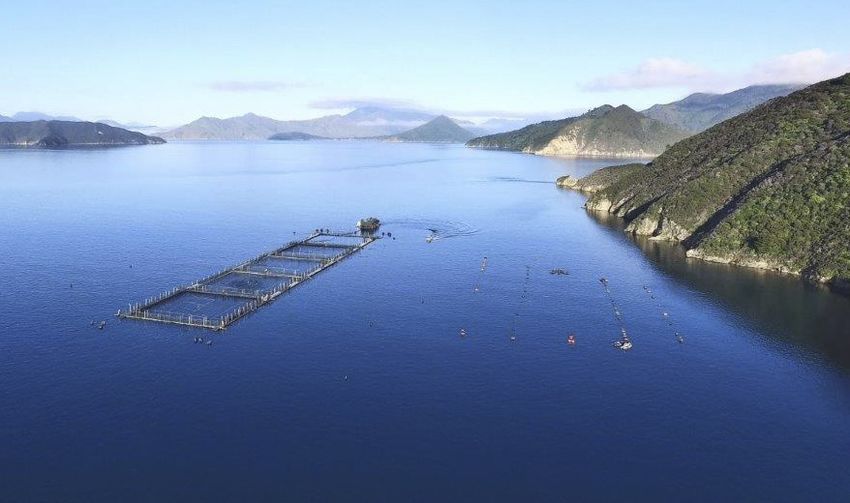
--   McLeans Island hatchery,               •• 6 x Primary Processing zones (each
        Christchurch (MCAS)                       plant is a zone)
   --   Silverstream & Winchmore                   -- Nelson (NZKS)
        hatcheries (SSNZ)                          -- Christchurch (Akaroa)
   --   Tentburn hatchery (NZKS)                   -- 2 x Twizel (MCAS & HCS)
   --   Ruataniwha Canal, Twizel (MCAS)            -- Timaru (MCAS)
   --   Waitaki hatchery (Sanford)                 -- Bluff (Sanford)
   --   Kaitangata hatchery (Sanford)

There are specific biosecurity requirements   water, people and personal protective
for moving between the zones, which vary      equipment (PPE). These requirements are
depending on the items and zone type,         specified in the following sections.
but which cover animals, equipment, feed,

B. General Standards
The following overall general standards apply to all salmonid farming operations in New
Zealand:
1. All parties will participate in any fish      e. at all times where necessary
   health or fish biosecurity programmes         must be in accordance with the
   as required by the Ministry for Primary       requirements of the New Zealand
   Industries and/or relevant territorial        Veterinary Council and all regulatory
   authorities, understanding that such          instruments managing therapeutant
   measures are regulatory requirements.         use and residue management (e.g.
   There may be consent conditions,              ACVM Act, Food Notice: Maximum
   urgent response or readiness measures         Residue Levels for Agricultural
   or initiatives developed in partnership       Compounds 2017, Animal Products
   with the industry through the                 Notice: Contaminant Specifications
   Government Industry Agreement on              2016, or such regulatory instruments as
   Biosecurity;                                  amending or replacing those);
2. Any treatments administered to fish        3. All parties must comply with any
   must be:                                      movement restrictions put in place by
                                                 the Ministry for Primary Industries;
   a. exempt from regulatory controls,
   OR                                         4. All plans developed to ensure
                                                 compliance with these biosecurity
   b. strictly applied according to label
                                                 standards must be readily available to
   conditions where such products are
                                                 relevant staff within each company and
   licensed for direct use by animal
                                                 to the regulator upon request;
   owners, OR
                                              5. Fish must only be fed commercially
   c. authorized by a veterinarian, OR
                                                 manufactured pelleted feed
   d. administered under a suitable              manufactured by a recognised and
   Approved Operating Plan (AOP)                 appropriately licensed fish feed
   approved under the Agricultural               company, and where imported,
   Compounds and Veterinary Medicines            meeting the requirements of the
   Act 1997 (ACVM Act), AND                      Import Health Standard (IHS) for fish
                                                 feed [fisfooic.all; found at https://mpi.
                                                 govt.nz/document-vault/1778].

                                                     SALMON BIOSECURITY STANDARDS 2019       5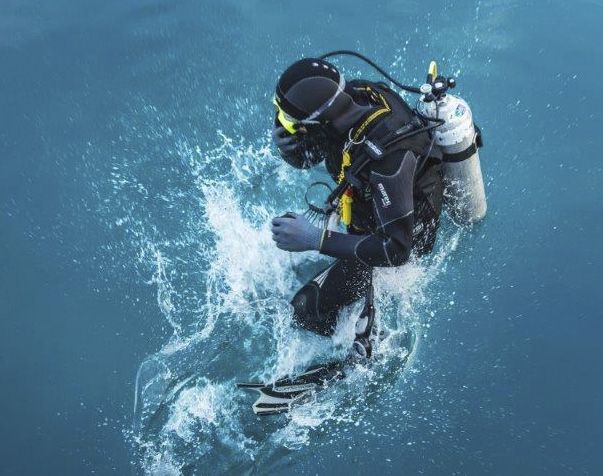
C. Zone Standards
       Zone standards specify restrictions on movements and biosecurity requirements for
       movement between zones listed above. Specific requirements are:
       1. No movement of fish is permitted             be moved between zones provided
          between growout zones except where           decontamination procedures have
          routinely necessary for production           been followed as per [6]b and [6]c
          reasons and the movements are                below (see also “Decontamination
          agreed to by all salmon operators in         Standards” Section I) and the
          the recipient growout zone prior to          equipment has been labelled to
          movement;                                    indicate that decontamination has
                                                       been completed;
       2. Movement of smolt from freshwater
          nursery zones to growout zones            9. Where, for exceptional reasons,
          (seawater and freshwater) may occur          movements are necessary that do
          at any time as long as smolt standards       not meet the above standards, a risk
          and movement requirements have               assessment must be carried out, peer
          been met (see “Smolt and Smolt               reviewed by, and agreement reached
          Movement Standards” Section F);              with, all affected parties. Where this
                                                       occurs, the circumstances and risk
       3. Movement of harvest fish from
                                                       management measures taken should
          growout zones to processing zones
                                                       be made available to the Standards
          may occur at any time as long as
                                                       owner (Salmon Biosecurity Working
          harvest standards have been met (see
                                                       Group), and be considered at the next
          “Harvest Standards” Section G);
                                                       review of the biosecurity standards.
       4. Eggs may be moved between
          freshwater zones provided (see
          “Broodstock and Breeding Standards”
          Section E) are met;
       5. Broodstock may be moved between
          zones provided “Broodstock and
          Breeding Standards” are met;
       6. Nets used in growout zones should
          not be moved to new growout zones.
          Use new nets and associated ropes in
          preference
       7. Absorbent and/or permeable items e.g.
          wet suits used by divers, or waders by
          freshwater husbandry staff should
          not move between zones;
       8. Equipment and vessels
          should not routinely
          move between zones.
          Non‑absorbent and
          non-permeable
          equipment can

6   SALMON BIOSECURITY STANDARDS 2019
D. Facility Standards                            1. Training and induction of staff in
Facility standards apply to all salmon              biosecurity and fish health
rearing facilities including broodstock,
hatchery and growout farms. Companies            2. Monitoring fish health and pathogen
may have standard policies and                      status
procedures at all facilities or may              3. Investigation and response to
customise by facility as long as minimum            biosecurity challenges
requirements are met on all facilities.
                                                 4. Communicating biosecurity issues
Every facility must develop and maintain
                                                 5. Contingency plans
a Fish Health Management Plan (FHMP)
that outlines how it will meet specified         6. Risk specific biosecurity measures
minimum standards in the following areas:        7. Stock record requirements for
                                                    traceability of stock.

Specific minimum standards to be met in these areas are as follows:
1. Training and induction of all staff in biosecurity and fish health
  a. Appropriate staff should be identified      f.   The appearance of unwanted aquatic
     and have technical responsibility and            pests, how to sample unknown pest
     accountability for biosecurity and fish          organisms, who to contact and where
     health at the facility. These individuals        to send samples;
     should be known to all staff and
                                                 g. The importance of surveillance for
     receive specialized training over and
                                                    aquatic pests and fish diseases to the
     above that required for all staff (e.g.
                                                    industry, environment and for market
     disease sampling for histopathology,
                                                    access;
     bacteriology, molecular and virology
     testing, etc.);                             h. Environmental parameters to measure
                                                    and record (DO, water temperature,
  b. All staff should understand the theory
                                                    phytoplankton), why they are
     of biosecurity, risk pathways and
                                                    important, and what to do when they
     mitigation measures possible and the
                                                    deviate from accepted ranges;
     specific procedures (e.g. SOPs) in place
     at the facility to ensure maintenance of i.      Stock records to maintain for
     biosecurity standards;                           traceability purposes in the event of a
                                                      biosecurity event;
  c. Normal healthy stock – their
     appearance and behaviour;                   j.   The main identified risks to salmon
                                                      farming in New Zealand (in terms of
  d. Unhealthy stock – clinical signs
                                                      pathogens), their potential impact on
     of abnormal health and abnormal
                                                      the industry and the environment;
     behaviours;
                                                 k. How biosecurity is regulated in
  e. Importance of regular mortality
                                                    New Zealand and the role of the
     removal and inspection, including how
                                                    Government Industry Agreement on
     to carry out basic necropsy, classify
                                                    Biosecurity that the salmon industry is
     mortality and sampling for disease
                                                    signing up to.
     investigation;

                                                         SALMON BIOSECURITY STANDARDS 2019      7
2. Monitoring fish health and biosecurity status
a. Fish are inspected at least daily, weather and a water sample should be
permitting, for abnormal behaviour, assessed weekly for ichthyotoxic
clinical signs of disease, moribund fish phytoplankton and appropriate
and mortalities; action taken in response to findings;
b. Where possible, moribund fish are iii. Records should be kept of feed
removed from pens and are assessed type, feed intake, fish behaviour and
for clinical signs of disease, samples farm management interactions with
should be taken for diagnostic purposes each pen, tank or raceway (e.g. net
when appropriate; washing, grading, pumping, etc.);
c. Mortalities are removed from the e. A diagnostic testing programme for
pens frequently enough to permit pre-emptive surveillance should be
examination of a proportion for putative developed in association with the
cause of mortality i.e. morts should not facility veterinarian and in accordance
remain in the pens to the point where with the minimum requirements that
they decompose. Numbers and causes follow;
of mortalities must be recorded;
f. The minimum requirements shall be: (A)
d. For the purposes of assessing fish For members of the Australian Export
health the following information will be Surveillance Scheme (1) Kidney samples
required. This may include but is not for aerobic bacterial culture (annually
limited to: from each year class) (2) Kidney and
spleen samples for cell culture virology
i. Water quality should be assessed
(annually from each year class). (B) For
daily before feeding. Ideally, point
non-members as determined by the
water temperatures and dissolved
facility veterinarian;
oxygen levels are measured and
recorded in at least one pen or g. All staff should monitor farm structures
raceway (but more samples may be during routine management and
necessary where a farm has known maintenance activities for the presence
variation in temperature or oxygen of unwanted aquatic pests. New pest
distribution across pens, tanks or identifications must be reported to
raceways); MPI; known unwanted aquatic pests
on a facility should be removed and
ii. On sea farms, during warmer water
disposed of securely on land to reduce
temperatures, a daily visual check
pest propagule pressure in the aquatic
of water colour should be taken,
environment;
3. Investigation and response to biosecurity challenges
a. Each facility develops and maintains a c. Where a cause is not immediately
record of normal mortality levels and apparent, or mortality rates exceed
background health status; 0.05% per day in a consistently
increasing trend over 4 days and/or 0.5%
b. In the event of elevation of mortality
per week or a new clinical presentation
above normal levels, the farm should be
is noted a potential biosecurity event
reviewed by personnel with responsibility
is considered to have occurred. The
for biosecurity and fish health to
facility must make strenuous efforts
determine if there is a clear reason for
to identify the cause, utilising the
the elevated mortality, and the causes
facility veterinarian and other external
addressed. This may include referral to
expertise as required. Diagnostic
the farm veterinarian and diagnostic
testing is expected to cover at least
sampling under their direction;
8 SALMON BIOSECURITY STANDARDS 2019histopathology, bacteriology and Act 1993 to report syndromes of
virology (plus any other organism under unknown cause or which may be new
targeted surveillance by the industry to New Zealand; presence or suspicion
e.g. NZRLO, SOMV). Communication of notifiable organisms; unwanted
must be carried out as specified in [4]b organisms or potentially new to New
below; Zealand organisms. Such notification
should be made to the MPI hotline
d. All parties must remain cognisant of
0800 80 99 66
their obligations under the Biosecurity
4. Communicating biosecurity issues
a. Broad level communications. Two i. Within zone – all other salmonid
times each year (April and October), farming parties within the same
each farming member shall provide zone are notified of a potential
a brief review of fish health to AQNZ, biosecurity event or investigation
which will hold such information within 24 hours.
confidentially, collate and circulate
ii. Across industry – Where a non-
a summary to growers to facilitate
disclosure agreement has been
identification of emerging issues.
completed, to signatories to that
b. Early communication is carried out agreement within one week.
when a potential biosecurity event is To non-signatories, only in the
encountered: event of a notifiable or unwanted
organism.
5. Contingency plans
a. Each site must draw up a contingency c. Voluntary movement restrictions – in
plan that clearly shows the the event of a potential biosecurity
communication requirements within event, from its initiation to its
the farming company and the path resolution, no stock or equipment
to escalate any fish health related movements will occur from the
emergency for immediate priority affected zone to other zones,
action; excepting stock may be harvested
and moved to a processing zone.
b. Disposal – farms must draw up
Within a zone, no stock will be moved
plans to be able to cull, emergency
from the affected facility except for
harvest or remove large numbers
harvest. Equipment may only be
of mortalities or fish from sites in
moved after suitable decontamination
a biosecure manner, to processing
measures have been taken (See
zones or landfill. This should include
“Decontamination standards”). Once
identification of suitable vessels,
the cause is known, and if appropriate
equipment, waterproof containers
risk mitigation measures known to
and trucks, routes and disposal points.
be effective can be put in place, then
Prior approval for e.g. mort pits should
stock movements may re-commence
be sought before an emergency arises.
before the event is fully resolved.
SALMON BIOSECURITY STANDARDS 2019 96. Risk specific biosecurity measures:
a. PERSONNEL & PPE (INCLUDING DIVE TEAMS)
i. Personnel access to facilities
Personnel will undertake normal detergent and disinfected prior to
disinfection procedures prior to leaving moving to a different farm.
a site, including disinfection of PPE.
Boat decks and equipment will be
Upon arrival at another site, within 48
thoroughly cleaned with detergent and
hours personnel must disclose that
disinfectant at the end of each work
they have attended another salmon
day.
facility within that time-period and
undertake any additional disinfection All dive equipment will be thoroughly
procedures advised by company site cleaned, disinfected and dried at the
managers. end of each work day.
Personal clothing soiled with fish Mort bags will be thoroughly cleaned at
material (eg. scales, blood, faeces, the end of each work day and soaked in
viscera) or feed must not be transferred disinfectant overnight.
to another production site unless it is Dive gear may be transferred between
disinfected or laundered. biosecurity zones of equivalent
Appropriate entry/exit decontamination health status or from higher to lower
procedures are in place, including health status, but they must be
disinfectant foot baths, for all decontaminated before being moved.
personnel, visitors and contractors
entering the facility.
ii. Company personnel
Onshore personnel (those that are
based onshore but visit multiple sites)
must receive safety and biosecurity
inductions and specialised training.
All personnel must follow disinfection
procedures and wear only approved
PPE that is kept at the production site.
iii. Company dive teams
The following measures are required by
dive teams:
Recommended cleaning and disinfection
Dive teams should remove morts process for dive gear is as follows:
from younger year class stocks before
moving to older year class stocks. All 1. Gross contamination with organic
dive gear should be decontaminated material should be removed by
between farms, and after diving pens rinsing divers, equipment and decks
exhibiting evidence of disease. throughout diving operations. Deck
hoses and pressure sprayers may be
Use mort bags for recovery and transfer used for this purpose, but divers’ eyes
of morts to secure bins on the boat must be protected.
deck or pen structures ready for secure
storage or removal from the farm. 2. At the end of diving, all equipment
Mort bags must be disinfected prior to should be rinsed in fresh water to
moving to the next sea pen. remove salt water.
The boat deck will be cleaned with 3. All equipment should be washed in a
cleaning solution to remove traces of
10 SALMON BIOSECURITY STANDARDS 2019organic matter. If on-site showers are In the event of an emergency response, dive
available, thoroughly rinsing wetsuits gear must not be moved between zones.
while showering is acceptable practice
and has the advantage of using warm iv. Non-company personnel
water to clean the suit. Divers must
ensure that all areas of the suit are Appropriate signs should be installed at
cleaned, including the internal surface. company sites to direct contractors and
Other equipment is best washed in visitors to the correct reception point
large plastic bins. At this stage, any non- and to disinfect vehicles and footwear
alkaline detergent is satisfactory, provided as required. Visitors will be asked if they
that it is safe for staff and equipment and have visited any other aquaculture sites
appropriate for the cleaning task. in the previous 48 hours. If they have the
site manager must make a risk decision
4. Equipment should be thoroughly rinsed and require mitigation measures to be
in fresh water. taken. These may include denial of entry,
5. All equipment should be dipped in a bath or changing of clothing to site issued
of disinfectant solution for the prescribed coveralls.
time. Suggested disinfectants include: Visitors are to sign-in to a logbook when
• povidone‑iodine solutions at 100 mg/L entering any company site for traceability.
available iodine for 10 minutes (avoid Visitors must receive safety and
acidified iodophors); biosecurity inductions, wash hands and
• chloramine-T solution at 2% by weight arms with detergent, and use only PPE
for 10 minutes; or supplied by the company being visited. All
visitors must be escorted and supervised
• monosulfate solutions (Virkon-S®) at
by company representatives. Contractors
0.5% by weight for 10 minutes.
must be supervised by company
• Alternatively, gear may be heat treated personnel.
using hot water maintained at more
Prior to departure visitors will follow a
than 55°C for at least 5 minutes.
decontamination process which should
6. Equipment should then be rinsed in fresh include but not be limited to a foot bath
water and dried in a well-ventilated area. and washing of hands and arms with
detergent.
b. VEHICLES AND VESSELS
Plant and equipment movement The following measures should be
between facilities requires inspection required for third-party vehicles (e.g.
and disinfection treatments as a delivery trucks, contractor vehicles, feed
precautionary measure to prevent the delivery trucks, veterinary vehicles):
spread of infectious disease agents.
Third-party deliveries which only
Details of approved decontamination access the visitor parking or delivery
treatments are presented in area without entering production areas
“Decontamination standards” for undertake disinfection if required by the
reference. company site manager.
i. Vehicles If required by the site manager, all
surfaces of transport vehicles are to be
Vehicles used to move smolt from
decontaminated under the direction of
hatcheries to marine zones or transfer
company personnel.
harvest fish to processors are subject to
the requirements of the relevant sections Refer to “Decontamination standards”
below - refer to“Smolt standards” and for details of suitable decontamination
“Harvest standards”. methods.
SALMON BIOSECURITY STANDARDS 2019 11ii. Vessels water line. Refer to “Decontamination
standards” for suitable
The following measures should be
decontamination methods.
required for company and contractor
vessels working within a zone: Mooring lines contaminated with fish
debris or organic material should be
The decks and equipment of work
replaced or pressure washed and
vessels should be hosed off and
soaked in disinfectant.
sprayed with disinfectant at the end of
each work day. The disinfectant will be Non-essential equipment must not be
left to dry. transferred between zones.
Refer to “Decontamination standards” Bilge water must be disposed of before
for details of suitable decontamination leaving one zone and entering another.
methods.
Ballast water must be exchanged
The following measures should between zones.
be required for vessels (including
Other companies operating in the
contractor and third-party vessels)
respective zones must be notified of
which are to be moved to a different
vessel movement between biosecurity
biosecurity zone (unless both zones
zones.
are entirely operated by one company
in which case the company fish health Details of required decontamination
personnel have discretion on these actions for contractor and third-party
requirements): vessels must be recorded.
Vessels must be cleaned with
detergent and then disinfected on
the deck surface and down to the
c. FISH HANDLING EQUIPMENT
i. Pens and nets transport between biosecurity zones.
Pens and nets should be cleaned Refer to “Decontamination standards”
and disinfection prior to movement for details.
to another production facility in the
ii. Ancillary equipment
same zone. Pens and nets brought to
onshore maintenance and treatment Any equipment used in operations
yards must be segregated from new or e.g. grading, harvest barges must
previously disinfected pens, nets and be cleaned and disinfected prior to
other production equipment. transfer to another growout zone.
Any non-absorbent material salvaged Refer to “Decontamination standards”
from pens which is removed from the for details.
site or imported from elsewhere must
be cleaned and disinfected prior to
12 SALMON BIOSECURITY STANDARDS 2019d. MORTALITY DISPOSAL
i. Incidental mortalities from operations Biosecurity measures include:
When possible, moribund or injured fish No discharges are permitted from mort
will be caught and removed from pens, bins to roadways.
and humanely euthanized. No live fish
All mort bins are to be sealed to prevent
should be left in air.
discharge and to prevent scavenging by
Under no circumstances should fish be wildlife.
bled directly into fresh or marine waters.
All personnel undertaking mort removal
Movement of mortalities out of growout activities must wear appropriate PPE
zones. and use dedicated equipment which is
decontaminated after use.
Mortalities must be contained in secure
bins with sealed covers for transport Trucks used to transport mort bins are
to reprocessing or disposal facilities. to be disinfected after delivery and
During normal operations, morts are before returning to any farm site.
transported to an approved rendering or
Once emptied mort bins are to be hot
disposal location.
detergent washed then disinfected -
Under no circumstances should refer to “Decontamination standards”
morts be disposed of into the aquatic before being returned to any farm site.
environment or used for any other
purpose (e.g. bait, fertiliser) unless
appropriately handled and treated.
7. Stock record requirements for traceability of stock.
a. ALL FACILITIES WILL KEEP, AS A MINIMUM, RECORDS OF:
i. stock entry to site iv. mortality rates and classification
by culture unit (pen, tank, pond or
ii. stock movement on site by pen,
raceway)
tank, pond or raceway
iii. stock departure from site, including
destination
SALMON BIOSECURITY STANDARDS 2019 13E. Broodstock & Breeding Standards
Measures to achieve the following must be applied:
1. Facilities operate a risk management must be investigated using diagnostic
programme to reduce potential for sampling and no transfer activities
vertical and horizontal transmission carried out until the cause of disease
of pathogens from parent to offspring is determined and resolved.
generations:
b. Broodstock exhibiting evidence of
a. Egg disinfection should be carried out disease must not be transferred to a
during the water-hardening step1; hatchery or used for ova or gamete
production.
b. No equipment should be moved from
broodstock sites to hatcheries; c. Stress to broodstock must be
minimised to decrease susceptibility
c. Containers of eggs should be
to disease.
disinfected externally before leaving
the broodstock site; d. All personnel undertaking broodstock
transfer activities, or production
d. Broodstock on site should be
of ova or gametes must wear
monitored routinely for health.
broodstock specific PPE.
Broodstock mortalities should be
sampled for health screening as e. Trucks are to be disinfected prior
agreed with the facility veterinarian. to loading broodstock. Gametes or
Broodstock post-spawning should ova must be transported in clean
also be randomly sampled for health containers with the external surface
screening so that a health status disinfected after leaving site and
for the broodstock site is built up, before entry to a freshwater zone.
with knowledge of any enzootic
Water from one site/zone will not be
pathogens.
allowed to enter the waterways of another
2. Movement of broodstock, gametes or site/zone during broodstock transfer.
ova is permitted, providing the following
guidelines are followed:
a. Only healthy broodstock, gametes
and ova are to be moved. Broodstock
must be segregated as far as possible
from other populations of farmed
fish (i.e. held separately from the
rest of the production population)
and actively monitored for disease
for four weeks prior to transfer. If
evidence of disease is noted, this
1 This is an aspirational requirement which
should be introduced to common practice once
specific King egg disinfection recommendations
have been established through research.
Currently the effects of iodophor disinfection on
hatch rate and fish development post-hatch are
unknown and research is needed.
14 SALMON BIOSECURITY STANDARDS 2019F. Smolt & Smolt Movement Standards
1. Smolt production facilities will be f. Smolt hauling vehicles must
required to have a programme be decontaminated before
monitoring the health of the eggs, commencing movement from
fry, fingerlings, parr and smolt on the a new smolt production facility,
facility. This should encompass: between deliveries, and before
departure for a new smolt
a. Daily health observation and
production site. Decontamination
recording
is to be carried out to the
b. Surveillance of the overall health “Decontamination standards”.
status of the site as per Section
g. Records of decontamination are
[D]2(g)
to accompany the smolt hauling
c. Investigation is carried out under vehicles.
direction of an appropriate
h. Stress on smolt during movement
veterinarian in cases of unusual
should be minimized.
clinical signs, elevated mortality or
poor performance etc. i. Smolt should be grouped on the
receiving farm by year class to
d. At this stage there are no
simplify separation of year class
specific requirements for routine
activities, with the aspirational
vaccination
goal of single year-class growout
In addition: sites, as additional farming space
e. No smolt movement should occur permits.
unless fish are visibly clinically
healthy at time of transfer;
G. Harvest Standards
1. Where harvest is carried out on site, If necessary, bin liners will be used.
all bloodwater must be contained and c. Harvest bins will be decanted
dispatched to the relevant processing on-site into a bunded area to
zone along with the harvest fish. There collect blood water in wastewater
must be no disposal of bloodwater at treatment systems.
the farm site.
d. Harvest bins will be hot-washed
The following measures (where with detergent or disinfected with
necessary) must be put in place in an approved disinfectant - refer
processing zones to control the to “Decontamination standards”.
potential introduction and spread of If necessary, bin liners will be
disease agents in harvested fish and inserted into disinfected bins.
equipment:
e. Harvest bins arriving from different
a. Surveillance will be undertaken biosecurity zones will be colour-
at processing centres to monitor coded or otherwise marked for
harvested fish for quality and signs identification, and segregated
of disease. Quality data includes in separate washdown and
observation of deformities and disinfection areas.
lesions, and general reporting of
f. All personnel entering or
abnormal condition in harvested
leaving the bunded unloading
fish.
and washdown area will use a
b. All harvest bins will securely disinfectant footbath.
contain fluids to ensure no spillage.
2. The measures apply to transport
SALMON BIOSECURITY STANDARDS 2019 15vehicles which deliver harvest bins or actions must be recorded
fish in tanks from marine farms:
3. Pest control is managed through
a. It is recommended that all trucks additional barriers:
are disinfected at a designated
a. Rodent bait stations will be used
location or enter the processing site
around the transfer point from
through a mat disinfection station.
trucks to the processing centre
b. Tankers will have ‘clean-in-place’ and within the processing centre
(CIP) systems that will be activated facilities to prevent the spread of
after the tank is emptied of product. infectious agents.
The purpose of CIP systems is to
clean the internal surfaces of the b. Preventive measures will be
tanker. implemented to keep birds away
from fish and wastewater during bin
c. Tankers will enter a wash station to decanting operations.
clean the wheels and external truck
surfaces. c. The lids on harvest bins must be
securely attached if personnel are
d. Drivers must use a disinfectant foot not present so that wildlife cannot
bath and wash hands with detergent gain access to fish.
when leaving the vehicle at the point
of arrival. Drivers must again use a The design and implementation of
disinfectant foot bath prior to re- these barriers at processing centres
entering their vehicle to leave the site. have been developed by each
company.
e. Details of required decontamination
H. Waste Management Standards
1. These standards apply mainly at the tank will have sufficient storage
processing plant. Waste water should capacity to ensure there is no
not be discharged to the marine overflow during storm events.
environment without treatment to
d. All other wastewater from
inactivate pathogens. This is either
processing operations will be
by an inactivation process e.g. UV,
directed to the wastewater
chlorine etc. or by discharge to the
treatment system. The level of
municipal wastewater treatment
treatment will ensure disinfection
system.
prior to release to the environment,
The following measures are required or will be directed to a municipal
for wastewater treatment in processing waste water treatment plant under
zones: a ‘trade waste agreement’ and
in accordance with government
a. All bin tipping, bin washing and
requirements and licensing
truck washing will be undertaken
conditions.
in a bunded area where water is
collected in a wastewater treatment Solid processing plant waste should
system. not be placed into the aquatic
environment (freshwater, or coastal
b. Bunded areas will be washed
marine environments) unless treated in a
down with detergent using a high-
manner that will inactivate any potential
pressure hose after all bins have
pathogens. Waste material should not be
been off-loaded from trucks.
directed to bait or burley manufacture
c. Bunded areas and the unless the requirement to inactivate any
corresponding wastewater holding pathogens can be achieved.
16 SALMON BIOSECURITY STANDARDS 2019I. Decontamination Standards
This section specifies minimum decontamination standards required.
Decontamination is used as the preferred These decontamination standards apply
term, rather than disinfection, as proper to all farm sites, equipment, harvest
and effective decontamination is a equipment and smolt hauling vehicles.
combination of cleaning and disinfection.
PRODUCT
NAME (ACTIVE USE DOSAGE APPLICATION METHOD
INGREDIENT)
Virkon (potassium Disinfection of pre-cleaned 1:100 Wipe or spray at 300mL/m2
monopersulfate and surfaces (e.g. culture tanks, (freshwater
sodium chloride) walls, floors, tables) only)
Disinfection of equipment 1:100 Wipe or spray at 300mL/m2; or
(e.g. hand-held meters, (freshwater Immerse in solution for 10 min,
refractometer, secchi disk, only) rinse clean with fresh water and
algae nets, aeration systems, air dry
weigh scales)
Foot baths and vehicle tyre 1:100 Fill baths with solution and
baths (freshwater replenish every 4 days or when
only) moderately fouled
General disinfection of farm 1:200 Spray 300mL/m2 and air dry
equipment (eg boats, feed (freshwater
hoppers, feeding equipment) only)
Quaternary Disinfection of equipment 2 ppm (fresh Immerse in solution for 15 min,
ammonium or saltwater) rinse clean with fresh or saltwater
compounds – can and air dry.
be used where
freshwater is not
available but lack
efficacy for some Foot baths and vehicle tyre 10 ppm (fresh Fill baths with solution and
pathogens baths or saltwater) replenish every 4 days or when
moderately fouled
If neither Virkon nor quaternary ammonium compounds are available, or facilities wish to
use other compounds (e.g. hypochlorite), then the table in Annex 1 should be followed.
SALMON BIOSECURITY STANDARDS 2019 17Special requirements for smolt hauling vehicles:
1. All water should be drained from 4. The interior of transport containers
transport tanks. Any fish, faecal matter should be washed preferably using high
or other soil should be cleaned from pressure water systems and mechanical
tanks by flushing with clean water. All scrubbing. Cleaning should start from
pipes and associated pumps should also the top of the internal surface and
be inspected and flushed to ensure that move downward.
carcases or organic material trapped
5. Surfaces should be thoroughly rinsed if
within are removed.
detergents have been used. All surfaces
2. Equipment such as gas diffusers, should then be allowed to drain.
electrical monitoring equipment and
6. Internal surfaces of tanks should be
other delicate or porous items should
disinfected using wet heat (on suitable
be removed for individual cleaning,
surfaces) or chemical disinfectants.
disinfection or replacement.
Suitable chemical disinfectants include
3. The complete exterior of the truck hypochlorite solutions, chlorine dioxide
and/or transport containers should be solutions, chloramine-T or iodophors as
thoroughly washed, beginning at the per the requirements in the table above.
top and working down to the wheels.
The underneath of the truck and tanks
should also be washed.
NZ King Salmon farms in Tory Channel, Marlborough
18 SALMON BIOSECURITY STANDARDS 2019Annex 1: Disinfectant uses and doses
Disinfectant application and recommended doses (DAFF 2008).
DISINFECTING APPLICATION PATHOGENS RECOMMENDED DOSE COMMENTS
AGENT
Hypochlorite Treatment of clean, All pathogens Minimum 30 mg/L Use as a general disinfecting
solutions hard surfaces available chlorine solution
(sodium Treatment of water All pathogens Minimum 30 mg/L Hold for a minimum of 24 hours
hypochlorite (assuming low organic available chlorine to inactivate
or calcium loading)
Maintain a minimum Test chlorine level before
hypochlorite) of 5 mg/L of residual discharge or neutralise with
chlorine thiosulfate
Less active in the presence of
high levels of organic matter
Re-dose if necessary
Treatment of net pens All pathogens Initial dose of 1000 Thoroughly mix to ensure even
mg/L available chlorine
distribution
Maintain a minimum
Immerse for a minimum of 6
of 5 mg/L of residual
hours
chlorine
Dip treatment of All pathogens Solution of > 200 mg/L Allow time to completely
absorbent material available chlorine saturate plus a further 2 minutes
such as dip nets, (minimum)
clothing, ropes or
Rinse items in fresh water or
absorbent surfaces
neutralise with thiosulfate
Treatment of tanks, All pathogens Spray with a solution Leave solution for 2 hours, then
floors and walls in > 1500 mg/L available rinse to free any remaining soils
culture facilities chlorine
Tanks should be filled with
freshwater and dosed with 200
mg/L available chlorine
Leave for 24 hours in the case
of whirling disease
Chloramine-T Treatment of water Bacteria, 20 mg/L of Hold for a minimum of 24 hours
viruses, fungi chloramine-T (or as
Test chlorine level before
per manufacturer’s
discharge or neutralise with
instructions)
thiosulfate
Concentrations and doses vary
between products
Treatment of Bacteria, 20 mg/L of Hold for a minimum of 24 hours
previously cleaned viruses, fungi chloramine-T (or as
Test chlorine level before
hard surfaces per manufacturer’s
discharge or neutralise with
instructions)
thiosulfate
Concentrations and doses vary
between products
Footbaths Bacteria, 50 g/L of chloramine-T Concentrations and doses vary
viruses, fungi between products
(or as per manufacturer’s
instructions)
Treatment of hard All pathogens 1% solution for > Concentrations and doses vary
surfaces 60 minutes (or as between products
per manufacturer’s
instructions)
SALMON BIOSECURITY STANDARDS 2019 19DISINFECTING APPLICATION PATHOGENS RECOMMENDED DOSE COMMENTS
AGENT
Peracetic acid Treatment of porous All pathogens 2% solution for > Concentrations and doses vary
surfaces 60 minutes (or as between products
per manufacturer’s
instructions)
Treatment of waste All pathogens 40 L concentrate Contact time > 1 hour
slurries (high organic solution/1000 L
May cause excessive foaming
matter)
and tank overflow in presence
of high levels of protein
Monosulfate Treatment of hard All pathogens 10 g/L (or as per Application rate of 400 mL/m2
compounds surfaces manufacturer’s for
instructions)
> 10 minutes
Concentrations and doses vary
between products
Treatment of porous All pathogens 20 g/L (or as per Application rate of 400 mL/m2
surfaces manufacturer’s for
instructions) > 10 minutes
Concentrations and doses vary
between products
Footbaths All pathogens 50 g/L (or as per Remove all organic matter on
manufacturer’s footwear before immersion
instructions) Immersion time > 1 minute
Replace solution daily in areas
of heavy use; every 4 days in
areas of light use
Concentrations and doses vary
between products
Chlorine Treatment of water All pathogens As per manufacturer’s Can produce volatile fumes
dioxide instructions when first activated
Treatment of hard All pathogens As per manufacturer’s Can produce volatile fumes
surfaces instructions when first activated
Iodophors Treatment of hard Bacteria, > 200 mg/L available Apply to surface 1-2 minutes
surfaces viruses, fungi iodine
Spray disinfection of Bacteria, > 100 mg/L available Apply to previously cleaned and
equipment viruses, fungi iodine dried equipment.
Footbaths Bacteria, > 200 mg/L available Clean boots before disinfection
viruses, fungi iodine
Replace daily in high-use areas,
or when solution has lost colour
Use as a hand or skin Bacteria, > 200 mg/L available Povidone-iodine solution only,
wash, or on angling viruses, fungi iodine do not use acidified iodine
or other delicate solutions
equipment
Treatment of water Bacteria, 30 mg/L available iodine, Treat with thiosulfate before
viruses, fungi left for 12 hours release
Calcium oxide Earthen-based ponds All pathogens 0.5 kg/m for 1 month
2
Repeat dose on at least two
occasions in
wet areas or in event of flooding
20 SALMON BIOSECURITY STANDARDS 2019DISINFECTING APPLICATION PATHOGENS RECOMMENDED DOSE COMMENTS
AGENT
Sodium Treatment of concrete All pathogens Applied as a mixture with NaOH generally sold as pellets
hydroxide or cracked surfaces of CaOH and Teepol
Repeat dose on at least two
appropriate materials
occasions in wet areas or in
Treatment of Viral Applied as a solution of event of flooding
appropriate surfaces pathogens on 20 g/L NaOH for > 10
where high organic suitable minutes May also be used as a 0.2%
loading may solution as a cleaning agent for
Surfaces equipment
be a problem
Teepol (wetting agent)
Treatment of All pathogens At a rate to achieve pH > enhances penetration through
wastewater 12 for 24 hours soil and into concrete
Treatment of waste All pathogens 50% (wt/vol) solution at Dose should achieve a pH of >
slurries (high organic a rate of 30 L/1000 L of 12
matter) slurry
Treat for >4 days
Calcium Treatment of waste All pathogens 40% (wt/vol) solution at Dose should achieve a pH of >
hydroxide slurries (high organic a rate of 60 L/1000 L of 12
matter) slurry
Treat for > 4 days
Glutaraldehyde Treatment of small All pathogens 2% (wt/vol) for 30 Available as concentrate
items or those subject minutes solution
to corrosion
Formalin Treatment of hard or All pathogens 8% (vol/vol) for 30 Available as 40% solution
solution porous surfaces minutes
Dilute 1:12 for use
Use only in well-ventilated areas
Foot baths All pathogens 8% (vol/vol) for 30 Available as 40% solution
minutes
Dilute 1:12 for use
Use only in well-ventilated areas
Treatment of waste All pathogens 40 L formalin Must be distributed evenly
slurries (high organic solution/1000 L (40%)
matter)
Treatment of pipelines All pathogens 300 mL of commercial Completely fill pipeline with
or sewage channels grade formalin disinfecting solution and leave
(in situ) solution/10 L of water for 24 hours
Quaternary Use on skin or delicate Some 1 mg/L for > 1 minute Limited range of efficacy
ammonium items bacteria,
compounds some viruses
Use on hard surfaces Some 2 mg/L for > 15 minutes Limited range of efficacy
bacteria,
some viruses
SALMON BIOSECURITY STANDARDS 2019 21DISINFECTING APPLICATION PATHOGENS RECOMMENDED DOSE COMMENTS
AGENT
Heat Treatment of Most 60°C for 10 minutes
wastewater pathogens
70°C for 6 minutes
Enveloped
75°C for 5 minutes
viruses and
some bacteria 80°C for 4 minutes
may be
resistant
Treatment of Most Steam cleaning at 115- Difficult to regulate, best
hard surfaces and pathogens 130°C for 5 minutes used as an adjunct to other
equipment disinfection methods
Enveloped
viruses and Especially suitable for treatment
some bacteria of transport tanks
may be
resistant
Desiccation Earthen tanks Most Dry for > 3 months at an Drying period can be reduced if
and light pathogens average temperature of combined with an appropriate
> 18°C chemical disinfectant
Use drying and sunlight
as a general adjunct to all
disinfection if possible
UV light Treatment of Viruses, > 25 mJ/cm2 Requires pre-treatment with
wastewater bacteria, chemical precipitation or
filtration
Fungi
Treatment of water Myxosporidean > 35 mJ/cm2 May requires pre-treatment
with chemical precipitation or
species spores
filtration
Ozone Treatment of water All pathogens 1 mg/L for > 1 minute
Note: Levels recommended in this table come from a number of sources and have been provided here
as a general guide. Since the disinfecting capability of disinfecting agents will vary depending on the
conditions, concentrations and contact times given should be viewed as minimum acceptable levels
for decontamination purposes.
22 SALMON BIOSECURITY STANDARDS 2019Annex 2:
Efficacy of types of disinfectants against viruses, bacteria,
fungi and spore forming protozoa
SPORE-
VIRUS VIRUS VIRUS
DISINFECTING AGENT FUNGI FORMING
CATEGORY A CATEGORY B CATEGORY C
PROTOZOA
Strong alkalis ++ + ++ ++ +
Aldehydes ++ + ++ ++ +
Peracetic acid ++ ++ ++ ++ +
Chlorine ++ + ++ ++ +/–a
Chlorine dioxide ++ ++ ++ ++ +
Iodophors ++ +/– ++ ++ +/–a
Ozone ++ + ++ + +/–
Ultraviolet + +/– + + ?
QACs +/– – – + –
Acids + – +/– – –
Biguanides + – – – –
QAC = quaternary ammonium compound
a. High concentrations required to be effective
DISINFECTING AGENT GRAM- GRAM- MYCOBACTERIA RICKETTSIA- BACTERIAL
NEGATIVE POSITIVE LIKE SPORES
Strong alkalisa ++ ++ + ++ +
Aldehydesb ++ ++ + + +
Peracetic acid ++ ++ ++ ++ +
Chlorine dioxide ++ ++ ++ ++ +
Chlorine ++ ++ ++ ++ +
Iodophorsb ++ ++ ++ ++ +
Ozone ++ ++ ++ ++ +
Ultraviolet ++ ++ + ++ ?
QACs +/– + – + –
Acidsb + + +/– + +/–
Biguanides + + – + –
QAC = quaternary ammonium compound
a. High concentrations required to be effective
b. Prolonged contact times required in some circumstances; in particular, for spores
SALMON BIOSECURITY STANDARDS 2019 23Key:
++: Highly effective +: Effective
+/–: Limited activity –: Not recommended
?: Limited information
Example fish viruses and categories for disinfection
Epizootic haematopoietic necrosis Iridoviridae C
Infectious haematopoietic necrosis Rhabdoviridae A
Infectious pancreatic necrosis Birnaviridae C
Infectious salmon anaemia Orthomyxoviridae A
Iridoviral diseases of finfish Iridoviridae C
Oncorhynchus masou virus disease Herpesviridae A
Viral encephalopathy and retinopathy Betanodavirus B
Viral haemorrhagic septicaemia Rhabdoviridae A
24 SALMON BIOSECURITY STANDARDS 2019You can also read


