SAS TRAINS FEMALE ENGAGEMENT TEAM MILITARY MEDICS HONE THEIR SKILLS INTER-SERVICE SOFTBALL - A VITAL ROLE AHEAD REALISM TO THE F ORE ARMY TAKES ...
←
→
Page content transcription
If your browser does not render page correctly, please read the page content below

SAS trains Female
Engagement
a vital role ahead
                   Team
Military medics
hone        their
realism to the fore
                    skills
Inter-service
softball
Army takes top prizes

www.army.mil.nz
Issue490 | MARCH 2018   twitter.com/NZArmy   facebook.com/NZArmy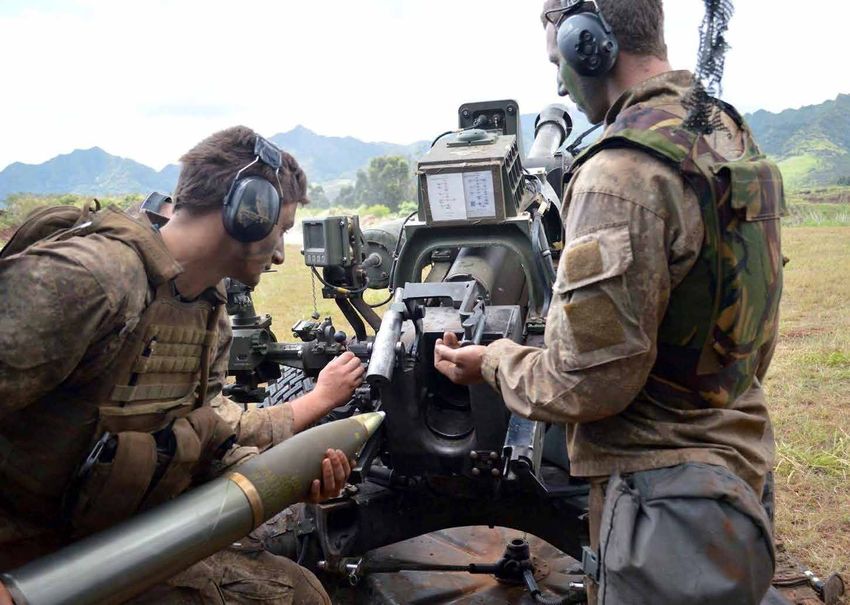
sma.net
MARCH 2018 Celebrating Army Sport
ISSUE 490 It is that time again, when we gather to celebrate those
champions who have achieved highly in their chosen
Army sport.
Contents Army sport reinforces our organisation’s values while contributing
to our wellbeing, health, resilience and our operational outputs.
NEWS By contributing to Army sport whether as an athlete, as coaching
staff, or in an administrative capacity, your effort and energy
Cyclone Gita 03 is highly valued. These contributions continue to build a proud
Female Engagement Team trains 05 legacy of sporting achievement. Army sport is strong. Its strength
is highlighted by the calibre of the nominees this year, and it
is apparent that you are already champions in your own right.
TRAINING You have all been recognised in your code for your individual
Joint Medics 06 achievement or team’s success. To win an award on top of this
Whaitiri 10 is something to be extremely proud of. The Chief of Army and I
congratulate you all.
Demolitions 12 Being successful is about having a plan and doing a little W01 Clive Douglas
Reperio 14 extra. The mind-set a champion demonstrates will inspire others
positions of authority and influence to enable our people to chase
to pursue excellence and pursue success. High performing
success and to be all they can be in their chosen sport. We know
individuals and teams create a culture of success, a culture
PEOPLE which supports winning on operations, and on the battlefield
the vast benefits to the individuals and to the organisation that
War animals remembered 16 as much as it does on the sports field. The Army rugby team
will result from this opportunity for growth. Equally we need to
provide the freedom of manoeuvre so our best players, coaches
Camp Legacy 17 of 1919 and adaptive sports such as our Invictus Games are
and administrators can compete on the fields, courts and tracks.
fine examples. To commit to a sport and also pursue a military
Army leave centres 19 career can be a difficult life to follow. However, our sports
So to those recognised at the Army Sports Awards this month,
congratulations on your awards, enjoy them and be proud of the
champions before us have paved a way which we can all
success you have achieved. To the officers, soldiers, and civilians
SPORT emulate. A champion will push themselves through training, have
who volunteer to coach, administrate, train for and compete in
Cricket 22 the discipline to follow their nutrition plan, and will always look
Army sport - you are all champions. The CA and I wish to thank
for a mental edge to enable peak performance. Champions set
Softball 26 themselves apart from the crowd by always having a plan and
you all and we are very honoured by the sacrifice you make.
We are about being trusted, professional, and being ready.
doing a little extra to achieve success.
We always seek to excel. We seek to support our mates. We
For most individuals there is a finite window to chase sporting
seek to commit to a common purpose – the mission, the goal
success. There are a number of soldiers who have attained
or the vision. We do all this while and breathing our ethos and
regional and national honours. These are awesome achievements
values. Get out there and enjoy your sports and push to be
for the individuals concerned and they make great ambassadors
a champion. Congratulations to the winners and to all those
for Army in the wider community. When individuals join our Army,
involved in Army sport.
we all take on a role of guardianship. Every day these guardians
Nga Mihi – See you on patrol
are the ‘commanders on the ground’. The CA and I urge those in
Corporal Karl Mouldey) wearing full firefighting PPE and
The Army News is published for the Regular
and Territorial Force and civilian staff of the breathing air from the breathing apparatus sets on their backs.
New Zealand Army.
They had been asked a number of times before and during the
Editor: Judith Martin walk why they were completing it in full kit. The answer was
Phone: 021 240 8578
Email: armynews@nzdf.mil.nz
simple. “Cancer patients endure hell while undergoing chemo
Website: www.army.mil.nz treatment and suffering through the disease. So we made this
Printing: Bluestar, Petone.
Design: Vanessa Edridge, DPA, NZDF event as challenging as possible, both physically and mentally, for
Editorial contributions and letters are welcomed. ourselves to walk a mile or two in their shoes”.
They may be sent directly to the Army News and do
not need to be forwarded through normal command CAPT Thacker took the first stint for the duo. After roughly
channels. Submit them to The Editor, Army News, an hour the relay batton was handed on to SGT Klaassen. The
DPA, HQ NZDf,
Private Bag 39997, Wellington, or by email. two continually circulated, alternating every time their air tanks
Deadline instructions: Army News is published on hit empty.
the third Tuesday of each month, except January.
Please have all contributions to the editor by Between walks, physical training instructors from the Linton
the first of the month. gymnasium took shift rotations providing banter, sports massage,
Nothing in the Army News should be taken as
overriding any New Zealand Defence Force and in some cases intensive strapping to prepare for the hour
regulation. Readers should refer to the relevant
service publication before acting on any information
long walk that followed.
given in this newspaper. ISSN 1170-4411 Providing medical and moral support throughout, and walking a
All material is copyright, and permission to
reproduce must be sought from the editor.
majority of the relay alongside the Emergency Responders were
three medical staff from Defence Health Organisation Central.
Walk rotations were working great until around 0200 hrs.
CAPT Thacker, SGT Klaassen and LCPL Mouldey walk together for At this point legs and feet started to seize up. This resulted in
the final lap LCPL Mouldey (who had been organising breathing apparatus
and support equipment) stepping in for CAPT Thacker.
RELAY FOR LIFE
Meanwhile the PTI’s worked furiously for over an hour releasing
the tension that had built up in his legs. Once he was heavily
strapped up he returned to the track, allowing the original duo
It took 24 hours, and a heap of effort, to continue once again.
energy and pain. It was all worth it, After a long exhaustive night, the sun rose over the Manawatu
signalling that they had crossed the three quarter mark of the relay.
however, say the Army personnel who With an increase in morale and the end in sight, they pushed
took part in the fund-raising Relay for through to the finish line.
Life in Hokowhitu. After walking for 24 hours, they completed a total of 351 laps
(140 km), raising $2000 for the New Zealand Cancer Society.
The Relay for Life is an annual event held all over New Zealand to They would like to thank the people who supported them
raise much needed money and awareness for the research and through lead up training, fundraising, managing equipment and
support provided by the New Zealand Cancer Society. the event itself:
On 10 March at 1200 hrs the Relay for Life kicked off with CAPT Lauren Miller (Nursing Officer), CPL Caitlyn Moffat
a cancer survivors’ lap of honour around the 400 m track in (medic) CPL Kieran McCarthy(medic), CPL Lazir Mischewski
Hokowhitu. (PTI) CPL Kyle Foster (PTI), CPL Jordan Pratt(PTI), CPL John
This lap was the first of 351 laps that would eventually be Murphy (ERS) and LCPL Karl Mouldey (ERS), as well as
COVER: Joint service trainee medics treat an
completed by fire fighters Captain Julian Thacker and Sergeant colleagues, friends and family who have given support.
injured colleague during a recent exercise. Dan Klaassen (with assistance from standby walker Lance
Photo: Corporal Sean Spivey (See story page 6).
A Message From The
                                                                                                                        LAND
                                                                                                                        COMPONENT
                                                                                                                        COMMANDER
                                                                                                                        Brigadier John Boswell

Unloading water in Tonga after major infrastructure damage was caused by Cyclone Gita.

 NZDF delivers aid to
 cyclone-hit Tonga
 By Luz Baguioro, Public Affairs Manager, Joint Forces      A damage assessment of Tongatapu and Eua
 New Zealand                                                islands by Tonga’s Ministry of Education and Training
                                                            found that the cyclone displaced about 25,000             From the outside looking in
 New Zealand was among the first                            school children and damaged the structure, furniture      For the last two years I’ve headed the Strategic
 to respond after Tropical Cyclone                          or education resources of about 130 classrooms in         Commitments Branch at HQ NZDF. A great job and one
 Gita’s 195 kph winds hammered                              83 primary and secondary schools, UNICEF said.            that required me, amongst a range of responsibilities, to
                                                                                                                      engage extensively with both our partners and allies, and
 Tonga in the evening of 12 February.                                                                                 with other government agencies here in New Zealand.
                                                            Aid supplies delivered by the NZDF included:
 Less than 24 hours after the category four cyclone                                                                      A common theme to that engagement, domestically
                                                            •   3350 10-litre collapsible water containers
 unleashed its fury on the South Pacific country, the                                                                 and internationally, has been just how good the NZDF is
 New Zealand Defence Force (NZDF) tasked one                •   3292 plastic bottles                                  at what it does and how much we are valued.
 of the Royal New Zealand Air Force’s P-3K2 Orion           •   3290 student backpacks                                   Far too often, as a Defence Force and as an Army,
 aircraft to conduct an aerial survey of the Tongan                                                                   we downplay our achievements and don’t take the
 islands that suffered the brunt of Gita.                   •   2010 tarpaulins
                                                                                                                      opportunity to sit back, pause, and reflect on our
    The survey focused on the main island of                •   1000 family hygiene kits                              success. And we should. The work of our people in
 Tongatapu and the neighbouring island of Eua, and          •   200 shelter tool kits                                 places like Taji, Kabul and the Sinai is of the highest
 determined the damage to major infrastructure                                                                        standard and is making a real difference. Our people who
 including airfields, ports and hospitals.                  •   200 agriculture tool kits                             deploy on training team tasks throughout the Pacific, and
    The information from the aerial survey helped           •   130 school-in-a-box kits (each kit includes           those who support cyclone relief efforts, are providing
 Tongan authorities identify worst-hit areas and                blackboards, pencils, paper, exercise books and       critical support to our neighbours. Similarly, we respond
 mobilise resources where they were most needed.                other school material to allow children to continue   to a range of contingencies here in New Zealand.
    The NZDF also flew nearly 60 tonnes of aid and a            their classes)                                           That we are a busy Army, that we have quality people,
 10-member damage assessment team to Tonga in                                                                         and that we have a range of capabilities to bring to the
                                                            •   100 teacher backpacks
 the aftermath of the cyclone. The initial assessment                                                                 table is a great reflection on both who we are as an
 team led by the Ministry of Foreign Affairs and Trade      •   50 early childhood development kits                   organisation, and the way with which we prepare for, and
 helped survey the damage caused by Gita and                •   20 chainsaw packs                                     execute, the missions asked of us.
 helped Tongan authorities identify worst-hit areas.                                                                     This then is our strength, but it is also our challenge –
                                                            •   10 petrol generators
    The aid supplies sought to address the basic                                                                      and one that will be at the forefront of my tenure as the
 needs for power, water and sanitation for those            •   10 diesel generators                                  Land Component Commander.
 affected by the cyclone, Major General Tim Gall, the                                                                    The complexity and uncertainty of the contemporary
 Commander Joint Forces New Zealand, said.                                                                            environment requires that we must learn from the last
    The aid supplies, flown by one of the Air Force’s                                                                 deployment, and have the agility to adapt to the next.
 C-130 Hercules aircraft, included 27 tonnes of                                                                       This requires units and formations to always challenge
 emergency school supplies to help authorities set                                                                    the status quo; constantly validate, develop and improve
 up temporary schools for about half of the 25,000
 students displaced by the category four cyclone.
                                                                 Top sports awards                                    our tactics, techniques and procedures; and to embrace
                                                                                                                      new technologies and capabilities. If we don’t look to
     “The New Zealand Government supports Tonga’s                Warrant Officer Class Two Lisa Harrison is the       discover new approaches, learn best practices, and push
 disaster relief efforts, which put education as one of          Army’s Outstanding Sportsperson of the Year. At      the margins then, in the future, we risk mission failure.
 the priorities,” Major General Gall said.                       the Army Sports Awards last week WO2 Harrison,          The relentless pursuit of professional excellence
    “We recognise the importance of getting children             a physical training instructor, was also named the   is, therefore, non-negotiable. Our people deploying
 back to the classroom so they can move on and                   winner of the Chief of Army Supreme Award, and       on operations must continue to be trained, led, and
 refocus on their studies, and we are pleased that we            the Individual Sports Person of the Year.            equipped to win. Commanders, at all levels, must have
 can support the Tongan Government and UNICEF in                                                                      the confidence and authority to act, and the land
 achieving this.”                                                Other awards:                                        force elements we deploy resourced and empowered
    UNICEF Pacific Representative Sheldon Yett                                                                        to manoeuvre decisively to seize the competitive
 said the emergency school supplies would enable                 Team of the Year – NZ Army Men’s Softball            advantage over, and ultimately defeat, our adversaries.
 teachers to resume classes as soon as possible and                                                                      My challenge, with your support, is to continue to
                                                                 Official of the Year – WO Clint Grant
 would benefit almost 14,000 students.                                                                                create the conditions whereby the Land Army embraces
    “The NZDF’s assistance in airlifting these UNICEF            Young Sports Person of the year                      a culture of high performance, and achieves the highest
 education supplies is key to ensuring the most                  – SIG Travis Lavery                                  of professional standards. Ultimately, it’s to create the
 vulnerable children of Tonga can return to school as                                                                 conditions to support mission success.
 soon as possible and regain a sense of normalcy,”               Mrs Jackie Fenton awarded NZ ARMY Colour for
 Mr Yett said.                                                   Services to NZ Army Netball                          Land Component Commander
                                                                                                                      Brigadier John Boswell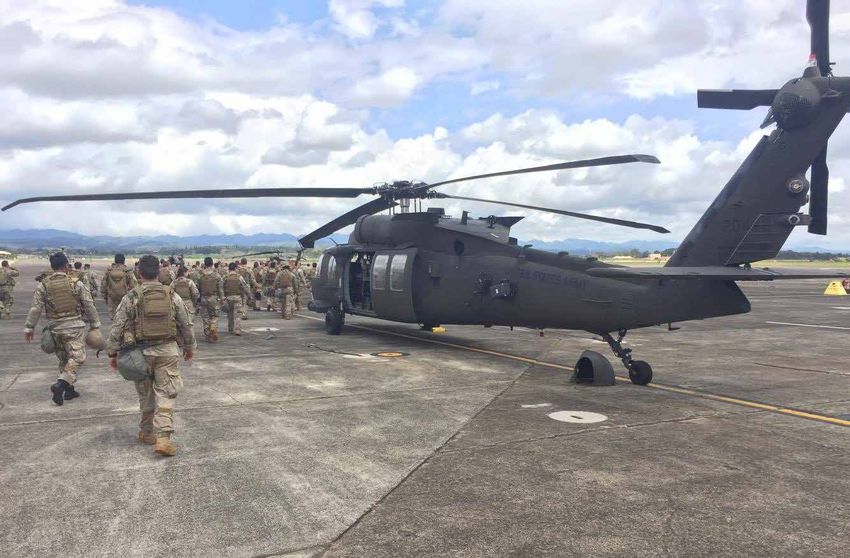
04 armyNEWS

 NZDF
 conducts
 dental
 outreach
 in Bay of
 Plenty
 By Luz Baguioro, Public Affairs Manager –
 Joint Forces New Zealand

 Residents of a small Bay of
 Plenty town credit the
 New Zealand Defence
 Force for helping reverse
 a generation of dental
 health neglect after about
 550 adults were provided
 dental treatment as part of a
 two-week exercise.
 Feedback from the patients was overwhelmingly
 positive. “Big mihi to the NZDF for helping our people.
 Now everyone is smiling again,” one patient said.
    “They have done a lot to help our people. We came
 here anxious but are leaving happy and appreciative.”
    A 25-member NZDF team provided fillings,
 extractions and other dental treatment at a temporary
 clinic in Taneatua, which has a population of 786 and is
 in the traditional boundaries of the Tuhoe iwi.
    The outreach was conducted in partnership with the
 Tuhoe iwi and Bay of Plenty District Health Board as
 part of Exercise Wisdom Tooth, which ran from March
 2–15.
    A spokesperson for Tuhoe Te Uratau Matua said the
 NZDF’s dental outreach helped address “a build-up of
 dental care neglect”.
    “In a few days, we have reversed a generation of
 non-care of dental health by our whanau,” he said.
    WO2 Heald, who led the team, said the community
 outreach to Tuhoe enabled NZDF personnel to
 practise delivering treatment in a field environment.
    “It was a great opportunity to enhance our skills.
 Dental outreach is one of the things we do when we
 deploy to the Pacific as part of a humanitarian aid
 response,” WO2 Heald said.                                  A Defence Force dentist chats with a patient before treatment begins.
    “We are pleased that we have been able to help
 the community in a tangible way. We know how
 poor oral health can impact on daily life, causing
 pain, difficulty in eating and even eroding a person’s
 confidence to smile.”
    WO2 Heald said outreach activities also provided an
 opportunity for the NZDF to support community health
 promotion efforts.
    “This time we are helping the Tuhoe community
 achieve some of their wider health goals and remove
 some of the limitations that may be preventing them
 from seeking oral health services.”
    As part of the outreach, personnel from the New
 Zealand Army and the Royal New Zealand Navy
 also delivered presentations on the importance
 of maintaining good oral health, a healthy diet and
 exercise to about 240 schoolchildren in seven primary
 schools in the region, WO2 Heald said.
    The contingent comprised a mix of Regular Force
 personnel and reservists, and included up to six
 dentists, four dental hygienists, eight dental assistants
 and a physical training instructor.
    The NZDF ran a similar outreach programme in
 Kaitaia four years ago, and as part of its regular
 humanitarian assistance and disaster relief exercises
 in the Southwest Pacific.

                                                             The Chief of Army, Major General Peter Kelly meets local children during a visit to the dental outreach.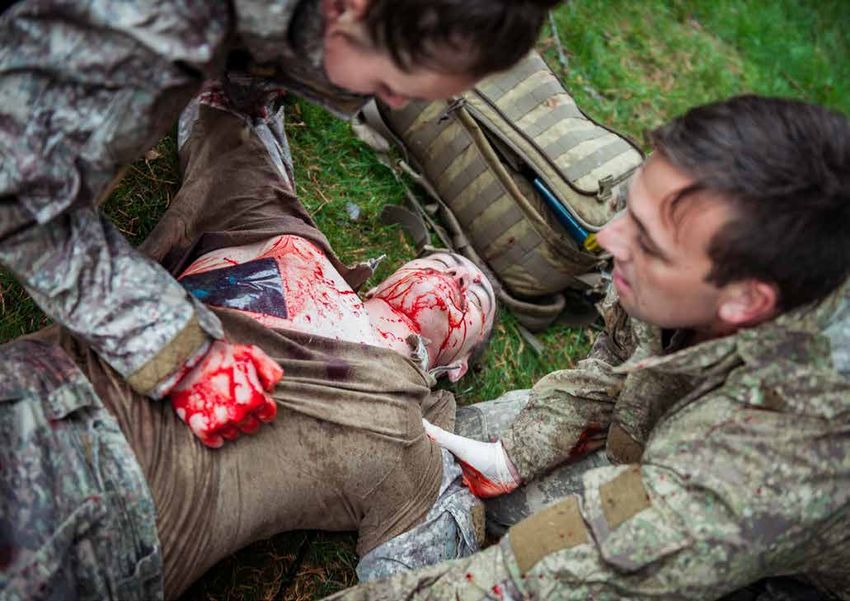
armyNEWS 05

Defence women train
with SAS to form Female
Engagement Team
Twenty-three military women
were assessed by 1 NZSAS
Regt to join the first Female
Engagement Team being built by
the New Zealand Defence Force.
Candidates underwent a series of tough physical and
mental assessments over three days to determine if they
met the rigid criteria. “They were of an exceptionally high
standard and all should be proud of their achievements
across the assessment,” says the Regiment’s
Commanding Officer. Eleven candidates finished
selection with five selected to undergo the four month
Female Engagement Team training this year.                    Female Engagement Team type capabilities have been            “These women will become experts in this field and while
                                                              used by the NZDF’s partner nations in theatres such           this capability is being developed at 1 NZSAS Regt it is
Some of the candidates’ thoughts on the                       as Afghanistan, Iraq and various African nations, and         an NZDF capability and will be exported to NZDF in the
selection were:                                               the establishment of the Female Engagement Team is            medium term.”
                                                              intended to develop NZDF capability in this area. “These         The women are expected to reach high physical
“It was awesome to be in such a big group                    women will undertake specialised training in order to         standards because of the challenging environments they
  of strong, inspirational women.”                            provide another toolset for commanders to support             need to be prepared to work in, however they are not
“It was a really positive experience to test                 the local population in the challenging environments          Special Forces Operators. “1 NZSAS Regt and NZDF as
  myself to the extent of my capabilities.”                   we find ourselves deployed in,” said the 1 NZSAS Regt         a whole recognise the unique contribution women make
                                                              spokesperson. “They will be developed as Special Forces       in operational settings in addition to their core soldiering
“It was really hard, but I was really proud of               Enablers who will support NZDF deployed activities            skills and corps/trade specialisations”.
  myself for doing it.”                                       engaging with local women and children, provide                  “Selection is required because the women do not
“How will you know what you can achieve                      advice to commanders on gender issues, and support            have the specific trade skills yet in this area. They were
  if you don’t try it?”                                       interactions where gender may be a shaping factor.”           selected based on their psychological, physical and
                                                                The training they undergo will develop their capabilities   mental qualities to achieve the tasks and standards set
                                                              to engage with the local people where they are deployed,      for them. Women continue to be welcome to apply for
                                                              identify gender issues within areas of operations, deepen     SAS selection and Commando assessment in order to
                                                              and specialise their cultural and linguistic knowledge, and   become operators at the Regiment.”
                                                              shoot, move and communicate to a sufficient standard to
                                                              support working in tough environments.
06 armytraining

Training our
future medics
A new type of training is now in place for future medics of the New Zealand Defence Force.
By Charlene Williamson, Senior Communications Advisor         Both of these courses are split into two modules, one       “They will get a full overview of all three services and
(South), Defence Public Affairs
                                                             focusing on primary health care and the other operational    each of the camps and bases,” said SSGT Durie.
The way we train our medics has changed in the last          care, in both operational and domestic environments. At         Medics can be posted anywhere so by giving them
year and is equipping medics with a new way to learn         the end of each module students spend time away from         exposure early to various camps and bases it gives them
their trade.                                                 DHS (NZ) conducting on the job experience for 12 weeks       the ability to start straight away with no constraints.
  From 2019 the Defence Health School New Zealand            where they confirm the knowledge and skills taught              Polices and procedures can be a bit different across
(DHS (NZ)) will graduate on average 20 medics every six      during the MMT and Medic courses.                            each service. Throughout the training, especially
months who are ready to hit the ground running in their         SSGT Durie said the first lot of new coursing began       operational training, medics will cover off tri-service
respective services. The school takes a maximum of 40        just over a year ago in February 2017, and students are      coursing such as the Tactical Med course, Intro to
students per year over two 20 person intakes.                progressing well through the training syllabus.              Aviation Medicine course and the Maritime Med course.
  Trainee medics from the Royal New Zealand Navy, New           “The big difference between this model and the               “Generally the Air Force and Navy do not do the
Zealand Army and Royal New Zealand Air Force spend
                                                             previous model is the time spent practising or learning      Tactical Med course unless they were about to deploy,
two and a half years studying to become a fully qualified,
                                                             in the units. At the end of the training a graduated medic   and the same for the other services and their coursing.
credentialed and competent medic.
                                                             would have already had almost 12 months experience in           “So if we get this training in early then it gives the
  Senior Instructor at DHS (NZ) Staff Sergeant Fraser
                                                             the workplace,” he said.                                     organisation a more useful product that can be used
Durie said he thinks the most valuable part of the new
                                                                In the past medics would have been studying at DHS        more efficiently, and the pool of people is much bigger to
training is the on the job experience.
                                                             (NZ) for two and a half years and then posted to units       choose from,” said SSGT Durie.
  “It is getting out and about, seeing who you might work
with in the future, making contacts, getting to know what    where it was their responsibility to get them competent         In an effort to test skills taught, both MMT classes
the job is all about, and putting into practice what you     in the work environment. The current model means that        have been on exercise recently where they have been
have learnt.                                                 medics are already qualified and competent when they         able to put their classroom knowledge into practice with
  “We can teach them things in the class room but            leave DHS (NZ).                                              life-like scenarios. One exercise was in the Defence
nothing beats interacting with ‘real’ patients,” he said.       “During their on the job training students are spread     Health Centre/Ward environment, and the other in the
  The new model of training developed by New Zealand         around all Defence medical facilities across the country.    Operational/austere environment.
Defence College Learning Solutions is taught in two          This cross-service experience is essential as medics are        These exercises are a time for students to
parts. The first part is the Military Medical Technician     deployed on missions on a variety of platforms and need      demonstrate their skills in an applied environment before
(MMT) course and the second part is the Medic course.        to be conversant with the tri-service environments.          they head away on their 12 week on-job-experience.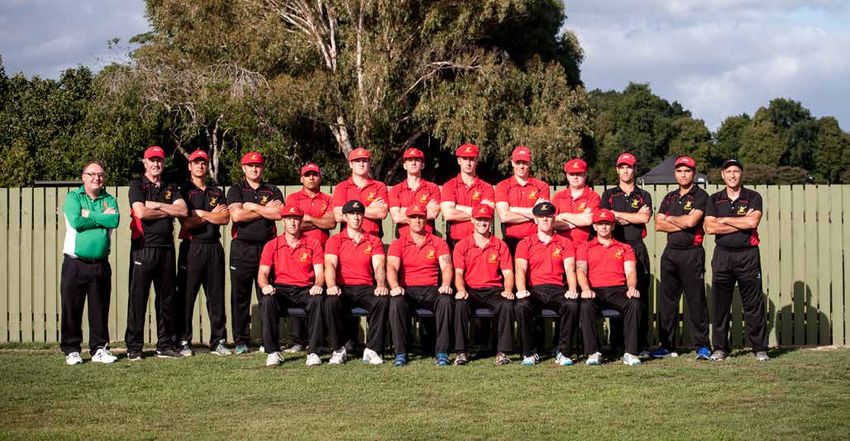
armytraining 07

SSGT Durie said when in the field students go through
a series of testing which included scenarios based from
real life experiences that medics have dealt with.
   These included explosions, gunshot wounds, helicopter
rappelling accidents, vehicle accidents and traumatic
workshop incidents.
   “This time outside of the classroom consolidates the
students’ learning in an austere environment. Additionally
they are able to be placed under duress during this
phase, including physical hardship and pressure using a
search and rescue scenario which covers 30km by foot
in darkness, to see how they coped both individually and
as a collective group,” he said.
   The first medic course is due to start in June and
will focus on more advanced clinical skills. This course
also provides training associated with coaching and
mentoring development given the more experienced role
they will be expected to perform in.

Leading up to our Summative Assessment Kinnaird
Class conducted a ‘Ward Exercise’. This was to
prepare students for this testing using real life
experiences. My time in the Burnham DHC during
our Ward Exercise was an awesome experience.
It taught me that sometimes consults may take
longer than expected, due to the nature of the
                                                                                                                          2018
complaint, but that is completely okay. I also learnt
how important patient confidentiality is, especially
because we will see our patients everywhere
around the camps and bases – something I have
noticed since this day in the DHC. I experienced
a lot of new things in my time at the DHC, for
example I completed a musculoskeletal consult, a
med board and I was able to use dry ice to burn off
a patient’s wart – a fantastic learning experience.
AC Phoebe Riddell, RNZAF – Kinnaird Class

Last week we had the opportunity to spend time
over at the Burnham DHC. It was a valuable learning
experience which allowed us to put our learning
over the past nine months into practice. Dealing with
our first real patients was an exciting experience
which gave us confidence in our own knowledge.
I was lucky enough to help with the preparation and
suturing of an incision during a minor op. It was a                       Cheer on New Zealand military and emergency response teams as they compete
great chance to practice my skills on a real patient.
                                                                          in this exciting urban relay challenge. Show your support for the teams and give
I valued this opportunity as it gave me real life
experience before going on OJE.                                               generously to our past and present New Zealand veterans this Poppy Day.
OMA Courtney Davies, RNZN – Kinnaird Class
                                                                                                     Friday 20 April 2018 2pm–5pm
Last week we had the opportunity to participate in                                                     Sky Tower & SKYCITY Plaza
an exercise in preparation for our OJE placements,                                              To make a donation: aucklandrsa.co.nz/towerdeforce/
where we were able to spend a day working at the
Burnham DHC. This was a great experience for us,
as it allowed a bit of a heads up for what to expect
on a day-to-day working in a DHC environment. We
ran sick parade and saw real patients throughout
the week, running consults under supervision of
qualified medics. Some students even got the
chance to conduct med boards, vaccinations, and
suturing. Overall the experience was thoroughly                                                                              skycityauckland.co.nz/TowerDeForce
enjoyed by all of us.
PTE Laurel Mowat, RNZAMC – Kinnaird Class

                                                             SKYA10297 Tower de Force PRINT Airforce News A4 1.0.indd 1                                           15/02/18 4:50 PM
08 armymission

                                                                                                                                                                    Photographs: ADF

  Diary of a deployment:
  Manawa Six

By the SNO                                                  know each other, learn and refresh skills prior to the         got our bearings, sorted equipment and administration,
                                                            mission, and to form our team. From the beginning the          and linked up with our ADF counterparts. A couple of
                                                            RSM and I stressed the importance of both teamwork,            days later we conducted an integration parade for the
August 2017:                                                and individual efforts. We wanted the contingent to            two forces to form Task Group Taji VI (TGT-VI). This
The road to Iraq began as the recon team, consisting of     understand that we were going to play by “Big Kids’            saw the contingent deliver a mighty haka as a display
me, the RSM, Executive Officer Task Training Unit, OC       Rules”; in other words we expected the team to be              of our warrior readiness. I handed a patu—symbolising
and 2IC Training Sqn, deployed to Iraq. We linked up with   where they needed to be, when they needed to be there,         leadership of our war-party—to the Commander TGT-VI
the Task Group Taji VI (TGT-VI) recon team in the Middle-   doing what they needed to be doing. To their credit            Colonel Robert Calhoun, RAInf, as he accepted the
East before moving into Iraq itself. This saw us in Iraq    they have delivered. We instilled in the team that while       challenge to lead us wisely, fairly and courageously.
for about a week during the height of summer with Op        Op Manawa is a training mission, there would still be          The following couple of days saw us conduct the
Manawa V. The 45-50°C heat packed a punch and made          risks. We emphasised the importance of ensuring our            force element training phase; including a command
using portaloos in the middle of the day something else.    personnel had a professional yet friendly attitude, while      post exercise for the HQ to practise the necessary
  The RSM and I returned to New Zealand and back-           maintaining their vigilance. Should the need arise, we         command and control processes for the Task Group.
briefed LCC and HQJFNZ, before setting off up and           had the option of the controlled application of force to       The MRE process allowed us to work on tasks similar
down the country for a few days to conduct briefs for the   protect ourselves, our comrades and those it is our duty       to those we would be performing in Iraq; and perhaps
next of kin and families of those deploying.                to protect.                                                    more importantly to understand and work on the
                                                               The numerous trades and ranks of the group came             interoperability of our combined force. We are an
                                                            together well, demonstrating a positive attitude toward        integrated task group where all the force elements, down
September 2017:                                             the training and the mission. They took the opportunity        to at least platoon/troop level have a mix of Aussies and
We hosted the Australian Defence Force Command              to coach and assist each other using their own subject         Kiwis. This provides a useful experience across the TG
Team visit. As a group, we underwent Hogan’s Testing —      matter expertise. While we had one member who had              where members can learn and develop from each other.
to know how we might grind each other’s gears — and         previously deployed to Taji, for many of the soldiers it was
conducted meetings with HQJFNZ and 1 (NZ) Bde. In           their first deployment anywhere and they were happy to
                                                                                                                           November 2017:
the background the remainder of the contingent carried      learn from those around them.
out their individual readiness requirements, necessary                                                                     We boarded the aircraft to our staging area in the Middle
briefings and equipment sizing.                                                                                            East for final admin before the last leg flying into Taji. I
                                                            October 2017
                                                                                                                           felt a sense of pride walking across the tarmac to the
                                                            The contingent departed for Australia for the combined         C-17 with the contingent; it was a true privilege to be
10 September 2017:                                          Mission Readiness Exercise (MRE). As we were                   the Senior National Officer (SNO) for a group of New
The contingent concentrated in Burnham to begin             deploying straight into theatre after the MRE, and not         Zealanders deploying to serve their country.
pre-deployment training (PDT). This was the first time      returning to New Zealand, in between, this was also               The first group of Kiwis we saw in Taji were a number
the New Zealand contingent had all been in one location,    farewell to our families and friends. It was warm and          of Op Manawa V waiting to board the aircraft we had
although some elements had already been conducting          humid at Lavarack Barracks in Townsville and we had            just arrived on; all smiles and keen to get home to their
trade-specific training. It was our opportunity to get to   a few days to acclimatise before the MRE began. We             friends and family. We were well taken care of by our Op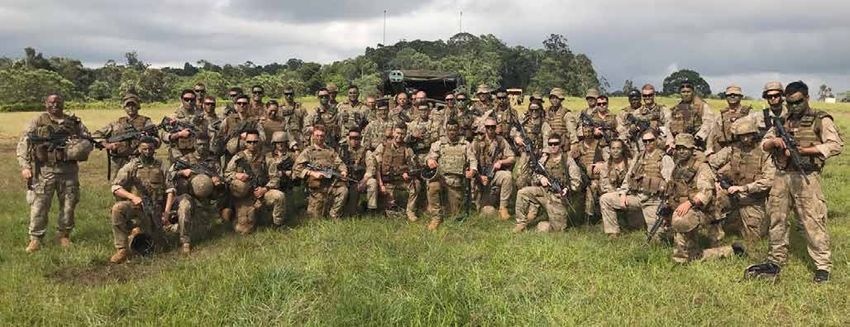
armymission 09

                                                                                                                              Serving
Manawa V counterparts, including a welcome and haka.
Handovers were completed over the next few days, with
groups of Manawa V leaving periodically.
                                                                                                                              with Kiwis
                                                                                                                              By Commander Task Group Taji,
                                                                                                                              Colonel R Calhoun (Australian Army)
Three months later
                                                                                                                              I have been fortunate to serve alongside New
As I write this Op Manawa VI is about to host the New                                                                         Zealand Army personnel three times as part of an
Zealand reconnaissance group for Op Manawa VII.                                                                               ANZAC task organisation – first in East Timor in
The task group has been working well and consists of                                                                          2007 and 8, and now here, in Iraq. New Zealand
about 100 New Zealanders, 300 Australians and a few                                                                           soldiers are world-class and their professional
Singaporeans. It also has tactical control of a United                                                                        commitment is emblematic of their national spirit.
Kingdom Training Team (UKTT) of about 100, and a                                                                              The Manawa VI team has upheld this reputation
Czech team of about 15. The training is developing over                                                                       with a superb performance, distinguished by
the rotations for the task group, and with the changing                                                                       trademark Kiwi humility. I am honoured to be
situation in Iraq. The conflict is shifting from a largely      for force protection; the ISF provides a layer of security    entrusted with such capable and motivated group.
conventional fight into more of a counter-insurgency            at TMC and operates in the surrounding area.                     I am really proud of the maturity with which all
role for the Iraqi Security Forces (ISF). In the past the         While the focus for the deployment is clearly on            members have approached the integrated nature
training conducted by Task Group Taji was considered            training the ISF, there has been a bit of time for other      of our Task Group. Working in integrated teams
to be roughly like that conducted by The Army Depot             activities. There is the occasional fun-run conducted with    provides individuals the chance to learn new skills
(TAD); however that has changed over time. The nature           the camp by SOSi (the company contracted to provide           and cultivate different perspectives. Armies like ours,
of training is far broader and now involves a variety of        garrison support). The UKTT has also hosted a Robbie          who often operate as part of coalitions, benefit from
skills and lessons. The training audience varies including      Burns Dinner, complete with haggis. There has been an         developing such experience in our people.
conventional brigades often receiving TAD-style training,       Australia Day BBQ and a Waitangi Day hangi.                      The Manawa VI team is a credit to the New
Qwat Kasah (an Iraqi SOF/Ranger force) receiving more             The TGT-VI team is a positive and professional group        Zealand Army and it is a privilege to serve with such
advanced training, heavy and support weapons, police            of men and women from a multitude of nations and              a fantastic group of people, whose esprit-de-corps
units, and Forward Air Controllers. Another step forward        trades. We are delivering on our various governments’         gives each Task Group Taji an intangible advantage.
is that we are also now starting to train Iraqis as trainers;   commitments to build the ISF’s capacity. The value that       I wish also to salute the commitment of all of the
with the intent that, over time, the ISF will be self-          TGT, as part of the wider Coalition effort, has added is      families of those deployed. Their service is vital
sufficient for their training requirements.                     clear — the training provided improves the odds that the      to any military and they have been a wonderful
   A key aspect required for the work done by the TG            ISF will be able to finally defeat ISIS and bring stability   source of strength for this team particularly during
is the building and maintaining of relationships with           to their country. This may take some time as the enemy        Christmas and other important national holidays.
the Iraqis. This is required with the training audiences        now turns to an insurgency-style of fight, however the           I thank this team for their service and wish them
and with various key leaders that reside within the Taji        capability provided through the rotations of Op Manawa        every success on return to NZ.
Military Complex (TMC). The team has to work on these           should not be undersold. Our people can be proud of the          Ma nga hua tu tangata
relationships not only to allow training to occur, but also     difference they are making.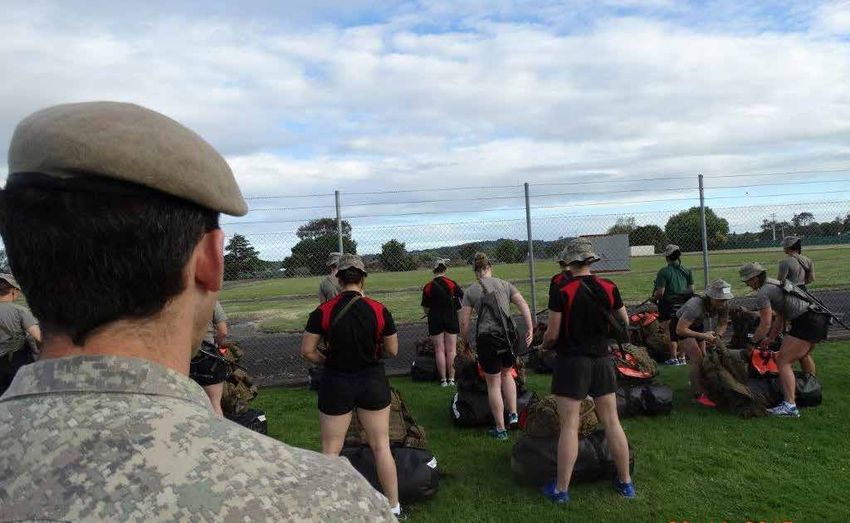
10 armyexercise

ON TASK in Oahu:
163 Battery
                                                                                        By Second Lieutenant Andy Bierre

                                                                                        Soldiers and Officers from
                                                                                        163 Battery, 16th Field
                                                                                        Regiment have shown they
                                                                                        can work as a complete
                                                                                        unit under US Command,
                                                                                        following an exercise on the
                                                                                        Hawaiian island of Oahu.
                                                                                        During previous exercises with the US Army 163
                                                                                        Battery has integrated personnel with an existing
                                                                                        US Battery. Overall the integration worked smoothly
                                                                                        and beneficial lessons were learned by both sides.
                                                                                          Exercise Lightening Whaitiri involved the Battery
                                                                                        working with their US Army counterparts from
                                                                                        Alpha and Bravo Batteries, 2-11 Field Artillery
                                                                                        Regiment, based out of Schofield Barracks.
                                                                                          The first few days consisted of weapon
                                                                                        familiarisation and live firing with US weaponry
                                                                                        including the M4 Carbine, .50 calibre Heavy
                                                                                        Machine Gun and M320 Grenade Launcher. From
                                                                                        there soldiers were given a tour of the 2-11 Lines,
                                                                                        given a brief on the M777 155mm Howitzer, and run
                                                                                        through the US Army’s qualifications on the M119A3
US Army Soldiers from Charlie Battery, 2-11th Field Artillery fire the M777 Howitzer.

BDR Loman Thomson (right) and LBDR Cashlin McBurney (left) load the M119A3 Howitzer.
armyexercise 11
163 Battery personnel during an airframe familiarisation of the UH-60 Blackhawk.
163 Battery Gun Line personnel with their Bravo Battery instructors following the successful dry-fire qualification on the M119A3.
Light Howitzer. This weapon system is very similar
to the RNZA’s current L119, and it was interesting
to see the small difference between each weapon
system. After qualifying on the M119A3, a series
of field qualification exercises were conducted.
These involved a combination of both dry and live
firing, as well as various other activities needed for
the effective employment of an Artillery Battery in
support of ground forces.
The culmination of Exercise Lightening Whaitiri
17 was an Airborne Insertion using UH-60
Blackhawk Helicopters, during both day and night,
followed by a Battalion level Live Fire activity. This
activity included Alpha and 163 Batteries firing the
M119A3 Howitzer, Charlie Battery firing the M777
Howitzers, as well as AH-64 Apache’s for Close Air
Support, all aimed towards supporting a Division
level live fire exercise. The UH-60 Blackhawk conducting a daytime airlift over
Wheeler Army Airfield.12 armytraining
UNDERSTANDING DEMS
Corps Engineer training includes a three
day introduction to demolitions and battle
simulation.
Introduction to military demolitions includes
demolitions safety procedures, the theory
of explosives, identification of types of
explosives and demolition accessories,
including electrical accessories, initiation sets,
and how they are used in the military.
Soldiers preparing Detonating Firing Cord for use in a Detonation Firing Circuit.
CPL Kevin Van Deun supervises the set-up of the BIRIS Receiver. The BIRIS receiver can fire Introduction to Battle Simulation includes BATSIM safety procedures, training in the operation
a maximum of 10 lines of the BIRIS Receiver, and set-up and initiation of BATSIM firing circuits.armytraining 13 CPL Kevin Van Deun supervises the insertion of a detonator into a booster which is used to simulate a realistic training environment. Boosters are just one of the battle simulation products which are available for use. On completion of the CTRNZE soldiers are qualified as Demolition and BATSIM handlers. The Demolition and BATSIM handler is a valuable resource as it enables the RNZE to fulfil its required demolition function. The BATSIM handler is used to enhance training across a wide spectrum of functional areas.
14 armytraining

 Young 3 CSSB leaders
 challenge themselves
 in the south

 An exercise based on
 “The Amazing Race” where
 participants were presented
 with route cards, detours
 and road blocks as they were
 required to drive, bike, run and
 kayak themselves from Tekapo
 to Queenstown, completing
 mental challenges along the
 way kept junior leaders from
 3CSSBn on their toes recently.
 The experiential exercise was called Reperio which in
 Latin means to find, learn, realise, discover and invent.
    All participants completed a HEXACO personal
 inventory survey (a free online version of the “Hogans”
 assessment) to help them understand how they
 interact in a small team as they begin their professional
 development as a leader. This was put into context by
 the Field Psychologist before and after the race phase.
    Day one of the race began with a quiz around Tekapo
                                                             The last leg of the day was another detour where           The winners were Team 12 consisting of Privates
 Military Camp, a short drive to a quarry to search for
                                                             teams could make the decision to bike 18 km to             Neryda Duncan, Matthias Rades, Shy James Marlow-
 keys with a metal detector, and a drive to the side of
                                                             Glendhu Bay Lakeside Holiday Park, or the run option       Sykes and Kyle Simmonds.
 Lake Pukaki. This is where the teams could choose to
                                                             which was 5 km.
 complete a 13 km bike or seven km run before driving
                                                               Day three started with a 16 km kayak/run to
 to Mt Cook village where they were presented with the
                                                             Wanaka foreshore where they were given a set of
 choice of ‘Red Pill’ (Hooker Valley track) or ‘Blue Pill’
                                                             keys to find their randomly parked car somewhere in
 (Sealy Tarns track) before dealing with the dilemma of
                                                             Wanaka before stopping at the iconic Cardrona Hotel
 actually having to do both.
                                                             to stack wood. Once the wood stacking was over it
    Day two saw the teams drive to the Wanaka Toy
                                                             was a quick drive along the Crown Range road and a
 Museum to complete a quiz which proved challenging
                                                             summit to Rock Peak (1490m) and awesome views of
 due to the tediousness of the task. Some teams took
                                                             Queenstown. In the carpark teams were then directed
 almost three hours to complete the quiz. This was
                                                             to Lakeland Park Camp where they may have thought
 followed by a short drive to Lake Hawea where they
                                                             they were finishing only to be told they needed to catch
 were required to run/bike 13 km back to Puzzling World
                                                             the next water taxi to Queenstown. The first team in
 in Wanaka. This also proved challenging for some
                                                             were forced to wait almost an hour for the next water
 where they quickly navigated the four corners of the
                                                             taxi and their handsome lead was swallowed up by four
 maze but became frustrated when they spent more
                                                             other teams.
 time trying to find their way out.
armypeople 15
Personal Loans available to Army Personnel
Loan Features What happens to the interest charged on
The Army NPF Personal Loan the loans?
Scheme has been available to • Maximum loan amount $15,000.
All the interest charged on NPF loans is returned
• Loan terms between 6 months and 3 years.
Army personnel since 1993. to soldiers as interest payments to NPF member
• Competitive interest rates. accounts. These accounts include your sports clubs,
Its main aim is to provide a • Repayments are made by direct debit from your Messes and UPFs so the full benefit is returned to
cheaper source of finance to nominated bank account. ‘soldier’s funds’.
those who are considering • The interest rate is fixed for the term of the loan so
Army NPF Personal Loans
your repayments remain the same.
borrowing. Up to a maximum of $15,000 can be borrowed
• The maximum loan establishment fee is $55. You can use your loan for a variety of things such as:
Army NPF Personal Loans can be used for a variety of
• Security may be required for loans over $7,500. • Refinancing credit card debts at a cheaper
purposes for example refinancing debt, holidays, car
For loans of $10,000 or over security must be interest rate
purchase, large vet bills and home improvements to
provided. The only acceptable security is a motor • Home improvements
name but a few.
vehicle that is fully insured and is of equivalent or
• Travel
greater value to the loan value sought.
Criteria
• A new car / motorcycle
You must be a Regular Force or permanent full time • The Army NPF offers different interest rates for
civilian staff member of the NZ Army. Secured and non Secured loans. The NPF interest • Vet bills
rates are set below the average market rate for • Mountain bike
• You need to have completed 18 months employment
personal loans at:
with the Army. • Musical instruments.
9.4% secured loan
• If releasing within the next 3 years your loan term • Sporting Equipment
11.4% unsecured loan
must not exceed your release date.
• Refinance private loans
• Your total fixed fortnightly commitments, including Applications The interest that is earned from the Army NPF Loan
your loan payments, must be within 30% of your
Application forms and more detailed information on scheme goes back to soldiers’ funds through monthly
gross income.
the process are available from the Army Personal loan payments to Sports clubs, Messes, and UPF accounts.
• You must be able to provide security for a loan if site which is under quick links on the Command Post
required. If you are applying to borrow $10,000 intranet site. You can also either call 0800 111823
and above you must provide security. (option 2) or DTelN 347 7821 (Trentham) or email us at Army Non Public Funds
army.npf@nzdf.mil.nz. Phone: 0800 111 823 (option2)
DTelN: 347 7821
Email: army.npf@nzdf.mil.nz
MAU RĀKAU
WĀNANGA 2018
Te Mauri ō Tū Te Kawa ō Tangaroa
The aim of the wānanga is to instil and teach
the Taiaha art style of Te Kore enabling the
mana of Ngāti Tūmatauenga , Te Taaua Moana,
Te Taaua a Rangi and Te Ope Kaatua to be
maintained during ceremonial occasions.
Facilitated by Mr Rehua Kereama and Mr Heemi
Te Peeti, both are leading tutors in the field of
Māori Weaponry within New Zealand.
Nomination forms are to be forwarded through your normal command chain for
consent, and then forwarded to NZDF HR Service Centre for action onto ATLAS. All
participants are to be male members of the NZDF (including civilian employees).
This course encompasses three separate phases of learning. It is expected that
students will complete all three phases in order to achieve competency.
Course Information:
Course short titles: A400000/A40001/A40002
Nominations Close 1 June
Tauira (L1) 02 Jul – 06 Jul 2018
Pou (L2) 30 Jul – 03 Aug 2018
Kaiwero (L3) 03 Sep – 07 Sep 2018
Where: Rongomaraeroa o ngā Hau e Whā Marae, WMC.
Enquiries contact:
Marae Staff Officer: WO2 Aaron Morrison, ph: 0279127593
Marae Educator: Mr Steve Bethell, ph: 0276686419
Maori Cultural site: http://communities/mcg/default.aspx16 armypeople
War
animals
honoured
at National
Museum
Horses, donkeys, dogs, camels, pigeons and other
animals who have contributed during times of war and
conflict have been honoured with a New Zealand Animal
War Memorial at the National Army Museum in Waiouru.
A bronze statue memorial by artist Susan Baharry was
unveiled in February as a result of the hard work of the
Australian War Animal Memorial Organisation (AWAMO)
which was set up to promote the establishment
of memorials and plaques honouring the animals
Various animals, as well as horse-riders dressed in period costume, attended the opening of the animal war memorial.
that served alongside New Zealand and Australian
servicemen and women during service abroad.
Animals have worked alongside New Zealand troops
for more than 120 years whether supporting New
Zealand mounted riflemen, transporting guns and
ammunition, equipment and supplies, as messengers,
ambulance carriers and as mascots and friends.
New Zealand sent nearly 20,000 horses overseas
during two wars; the Second Anglo-Boer War in South
Africa (1899 – 1902) and World War I (1914 – 1918).
Of these 20,000 only five would return home. These
quiet creatures gave loyal service to the men who saw
them mainly as ‘cobbers’ and in carrying out their duties,
the horse forged a history that should never be forgotten.
In the words of Nigel Allsopp, 2017 Australian Anzac of
the Year:
“Animals were used by all sides, they had no
malice and often worked tirelessly alongside
their masters no matter which nation they served.
These animals demonstrated true valour and an
enduring partnership with humans, the bond was
unbreakable, their sacrifice was great – we should
honour these animals.” A WW1 rider and his horse.
A donkey represented its
ancestors who took part in
the war effort. Military working dogs on display. A military working dog
Packing ammunition. Horses on a ship heading for WW1.armypeople 17
Helping heal the
hurt in children
of the Fallen
By Staff Sergeant Tina Grant, Liaison Officer for Families of the Fallen
theme nights, skit nights, Kaos night (a fun filled night
with fire hoses, shaving foam and water balloons) and This is what our kids had to say:
a formal dinner. And that’s only the activities held on
“It means a lot to be part of the camp, I know I’m not
the camp. Activities held off site include high ropes in
alone and other people are here to support me as I
the trees, survival (a coast to coast bush walk for the
support them. Camp adds a silver lining to the darkest
seniors), swimming parks, ice-cream parlours, mini-
of clouds.”
golf, horse riding, and inflatable amusement parks, to
SGT Wayne Taylor’s 14 year old daughter, Rachel.
name just a few.
Each child only needs to provide up to $50 for
“The reason I love this camp is because of how people
pocket money and the entire costs are fundraised
can relate to how I feel. This camp has helped me
through a national campaign held once a year,
mentally and physically in so many different ways.
Australia-wide. All funds are used to support children,
I now know I’m not alone.”
partners and widows of Fallen service people. We here
CPL Luke Tamatea’s eldest daughter, Kyla, 13yrs.
in NZ don’t have such an organisation however due to
our ANZAC connections and good old Kiwi networking,
“This camp has shown me to move forward with my
this year we have managed to take seven children from
life. It has given me the opportunity to challenge my
New Zealand to Perth.
worst fears. I got through it, and discovered what you
The funding for flights and medical insurance was
have given me, memories with people who are the
met through The Fallen Heroes Trust, the SAS Trust
same as me.”
and donations from Poppy Week organised by the
Son of SGT Wayne Taylor, Beau, 17yrs.
NZRSA. These groups generously contributed funds
for these children to meet, share, cry and enjoy each
“The reasons I love this camp is because of the
other’s company. Regardless of their culture or service
relationships built and the activities made available
they are all children who have lost a parent and
to me. Most other kids would not get the opportunity
because that parent was in uniform the children are
to do such fun stuff and push us outside our comfort
privileged to spend time with each other in a beautiful
zones. This camp does that, and that’s why I love it.”
environment.
Daughter of CPL Douglas Grant, Jemma, 13yrs.
The word ‘Legacy’ doesn’t I would like to thank our generous supporters and
those of you who donate to these amazing groups -
mean a lot to a Kiwi soldier but The Fallen Heroes Trust, the NZSAS Trust and the
“The camp means a lot to me because of the
friendships and new friends I have made over the
within the Australian Defence Poppy Fund – NZRSA. And of course, the NZ Army as
last four years. They have all been through the same
they generously allowed me and two soldiers to attend
Force, it means children who the camp. Our task was to ensure all the New Zealand
things as me. I can talk to them when I’m feeling down
and they understand my feelings.”
have lost a parent in uniform. children arrived safe and sound in Perth and back, and
Son of CPL Douglas Grant, Jaden 11yrs.
to help the ADF soldiers run the activities and aid the
Here in New Zealand we don’t quite have an equivalent,
Legacy Volunteers with dishes, driving and supervision
however in 2014 I was introduced to a few former New
where required.
Zealand veterans who had settled in Perth, Australia.
We got chatting. All of a sudden, I was invited to attend
a camp for Legacy children from all over Australia.
I was asked questions such as, “What facilities do
you have in New Zealand for kids in this situation?”
“What support is available for the widows and
children of the Fallen?” My answer was short – “Not
a lot at the moment but I’m working on it! “ Since the
induction of our involvement with Australian Legacy
our very own children of the fallen have attended the
last four camps.
The purpose of the camp is to give the partners,
caregivers/guardians a well-earned break and to
gather likeminded children together to share their
stories and experiences of losing a parent in uniform,
on the job. Legacy children are from Army, Air, Navy
and Australian Police families.
The children come from all over Australia and the
camp is run by serving soldiers who give up their
summer holiday to ensure these kids have fun, are
challenged, are exposed to new experiences and
make life-long memories and friendships with similar
children. The children must be aged between seven to
17 years and they must be able to spend 10 days away
from their caregivers.
The camp is in Busselton, three hours from
Perth. It is on a beautiful beach with hard standing
accommodation, ablutions, kitchen, and dining area
with many activities including swimming, pontoon
diving, boat rides, fishing, kayaking, sail boarding,18 armypeople
ANNUAL REPORT 2017
Army Non – Public Funds
Army NPF Financial Summary 2016/17 2015/16
Operating Revenue $000 $000
Term and Call Interest 342 455
Personal Loan Interest 48 55
Other Income 11 4
401 514
Operating Expenses
Interest Paid to Members 386 447
Bonus Interest Paid to Members 0 0
Bank Charges 29 30
Bad Debts & Provisions (1) 2
Other Expenses 31 19
445 498
Operating Surplus/(Deficit) 44 16
Army NPF Financial Position
Assets
Net Cash at Bank 598 99
Term Investments 9,600 9,449
Army Non-Public Funds and Army Central Welfare Fund On Call Funds 0 475
Summary Of 2016/17 Annual Reports Army NPF Personal Loans 440 492
Accruals & Debtors 22 41
ARMY NON-PUBLIC FUNDS ARMED FORCES CANTEEN COUNCIL DIVIDENDS* 10,660 10,556
Army Non-Public Funds (NPF or ‘the fund’) provides The temporary pause in annual dividend disbursements Liabilities
a collective banking service for all registered from the Armed Forces Canteen Council (AFCC) Creditors Accruals & Provisions 34 24
Army NPF organisations and funds are invested continued in 2016/17 but has resumed in 2017/18. ACWF NPF Account 3,779 4,048
in fixed interest deposits and NPF personal loans In light of the pause in disbursements, the Leave Centre Account 148 139
to qualifying Army employees. The operating ACWF distributed $0.120M in grants to the Army Other Members Accounts 6,094 5,696
environment for the fund remained challenging regions to help meet NPF commitments and to 10,055 9,907
as uncertainty in financial markets continued and enable progress on camp welfare initiatives. Army NPF Members’ Equity 605 649
low domestic inflation kept the Official Cash Rate ARMY LEAVE CENTRES
and interest rates low; reducing fund returns. The Occupancy. The ALC achieved an average occupancy The Army NPF invests with main trading banks, bank
fund maintains a cautious yet agile posture to of 67% in 2016/17 compared to 70% in 2015/16. The owned finance companies and local authorities rated
be positioned to exploit future opportunities. Wellington apartments, Wanaka and Mt. Maunganui all A+ or better.
NPF Personal Loan Scheme achieved solid occupancy, Napier and Rotorua were Equity, at $0.605M, is above the Audit recommended
Army personnel can borrow up to $15,000 over steady, above the 67% average, but Hamner, Waikanae, 5% of total assets
three years at competitive interest rates through Acacia Bay and Akaroa occupancy was below 65% – at
Army Central Welfare Fund
a streamlined application process, low set-up fees Akaroa occupancy has improved, but was still only 46%.
and short processing times. The NPF personal loans With occupancy trending down and fixed costs increas- ACWF Financial Summary 2016/17 2015/16
scheme remained exposed to competitive pressures ing the ALC operational performance is sub-optimal and Income $000 $000
in 2016/17 and despite total loans showing year-on- tariff changes will need to increase from 1 April 2018 – ACWF Interest Income 156 197
year declines Army Welfare is committed to providing see separate article in this issue of the Army News. AFCC Dividends* 0 0
this benefit for our people and families. Anecdotally, Leave Centre Upgrades, Refurbishments, Acquisitions Army Leave Centre Tariff (Net) 386 412
our people are also better managing personal financial and Disposals. Income
affairs and this is a very positive outcome but this Planning for the Akaroa deck strengthening project Army Leave Centre Interest 6 5
produces the unintended consequence of impacting continued in 2016/17 (necessary for health and safety Income
the loan scheme demand curve; and ultimately purposes) and was completed in the first quarter of UPF Contributions & Other 12 337
the schemes overall financial performance. During Revenue
2017/18. No significant new ALC projects are planned
2016/17, 72 loan applications were received and the before a full review of the ALC has been undertaken 560 951
average loan advanced was just under $8,000. The (planned in 2018/19) to confirm the current property Expenditure
focus for Army Welfare is to continue to lift the profile footprint remains relevant and until a clearer picture Death Grants 47 56
of the benefits the loan scheme provides to our emerges on progress on achieving the break-even Grants to UPFs from AFCC 0 0
people by a greater local presence in camps including financial objective. Dividends
connecting better with families. Regional, Sports & Other 153 1,184
FUTURE DIRECTIONS
Grants*
ARMY CENTRAL WELFARE FUND The NPF investment strategy will remain cautious
The Army Central Welfare Fund (ACWF or ‘the fund’) ALC Operating Expenses 302 347
yet agile, with a deliberately shorter term focus of
saw some notable milestones in 2016/17 as the fund ALC Property Maint, 74 62
12 months or less until more certainty is available
continued to support our people and families with Refurb/Disposal
on future interest rates. The fund will be positioned
important welfare benefits, contributed to regional ALC Depreciation 154 161
to seek out other opportunities, which may include
welfare initiatives and provided quality, affordable Other Expenses (ALC Booking 220 18
investing in the NZDF Flexisaver Scheme, for which
accommodation at our Army Leave Centres (ALC). System)
due diligence on this will occur over 2018/19.
A highlight was the completion of the Elliot VC 950 1,828
Army Central Welfare will continue to
Sports Complex (EVCC) investment at Linton Camp, Operating Surplus/(Deficit) (390) (877)
support worthwhile camp projects that directly
thereby closing a significant project that the ACWF benefit our people. A key focus is to maintain ACWF Financial Position
contributed $2.3M to over three years, including visibility and promotion of ACWF benefits and Assets
$0.3M from the Linton NPF. The new facility is already the NPF Personal Loan Scheme and to be Other Assets (NZDF Rugby 21 0
providing significant benefits for our people, families more innovative with welfare offerings. Loan)
and the community. The fund provided benevolent Leave Centre Fixed Assets 9,876 9,989
grants to the families of our fallen and distributed The official NPF and ACWF annual reports can be found at: ACWF Cash at Army NPF 3,779 4,048
grants to the regions to undertake local welfare http://org/l-ags/pages/HR/Welfare/exec_comittee.aspx
Leave Centre Cash at Army 148 139
projects in-lieu of any bonus interest payment from the NPF
NPF; and a five year loan, at low interest, to build new Prepayments and accruals 3 15
garages in Linton, was approved. The fund invested 13,827 14,191
part of the proceeds from the sale of Turangi in an Liabilities
ALC booking system on the internet (the Hub) to make Creditors and accruals 111 130
the ALC more accessible to our families, deployed ACWF Members Net Equity 13,716 14,061
personnel, reserve forces and veterans. A decision
was taken to close the Hub and the ALC booking ACWF has sufficient financial resources not to levy
system was moved back on to DIXS during 2017/18. members at this timeYou can also read


