SAVING PARADISE PROVISIONAL DELIVERY: JUNE 2021 - A 6x52' serie Produced by French Connection Films - Amazon S3
←
→
Page content transcription
If your browser does not render page correctly, please read the page content below
SAVING PARADISE
               A 6x52’ serie
    Produced by French Connection Films

 PROVISIONAL DELIVERY: JUNE 2021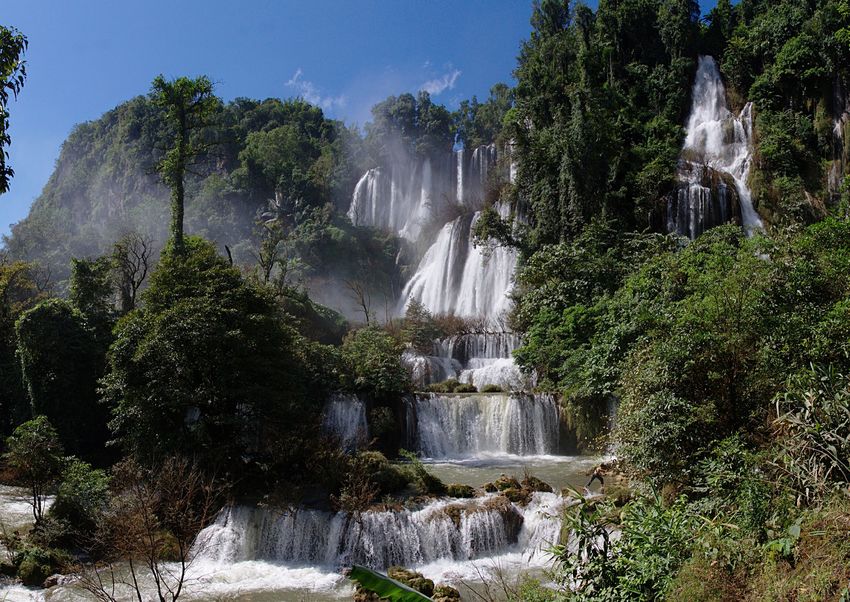
Some natural sites’ breathtaking beauty should not take
away from their role as unique ecosystems. Within them,
animal species and nature live in perfect harmony. Sadly,     1. IGUAZÙ FALLS - BRASIL & ARGENTINA
their wealth makes them a prime target for men’s greed.
The fight to protect them is a relentless struggle, and the
people who lead it have become true heroes of our time.       2. THE GALÀPAGOS ISLANDS - ECUADOR

                                                              3. THE CAÑO CRISTALES RIVER -
                                                              COLOMBIA
EPISODE OUTLINE
We discover how beautiful these sites are and their
                                                              4. THE BISSAGOS ISLAND - GUINEA-
unique ecosystems in the company of rangers, zoologists       BISSAU
or biologists who work on the ground to conserve them.
In the heart of these breathtaking sites, we discover their
work of protection, awareness or repopulation. They know
these unique ecosystems like the back of their hand. They
                                                              5. THI LO SU FALLS - THAILAND
tell us about the dangers looming over the wildlife and
explain what is being done every day to protect it. Thanks
to their knowledge of the field, they design original – and   6. LAKE KAINDY - KAZAKHSTAN
sometimes unprecedented – solutions governments
could implement to preserve these sites and their fauna
for future generations.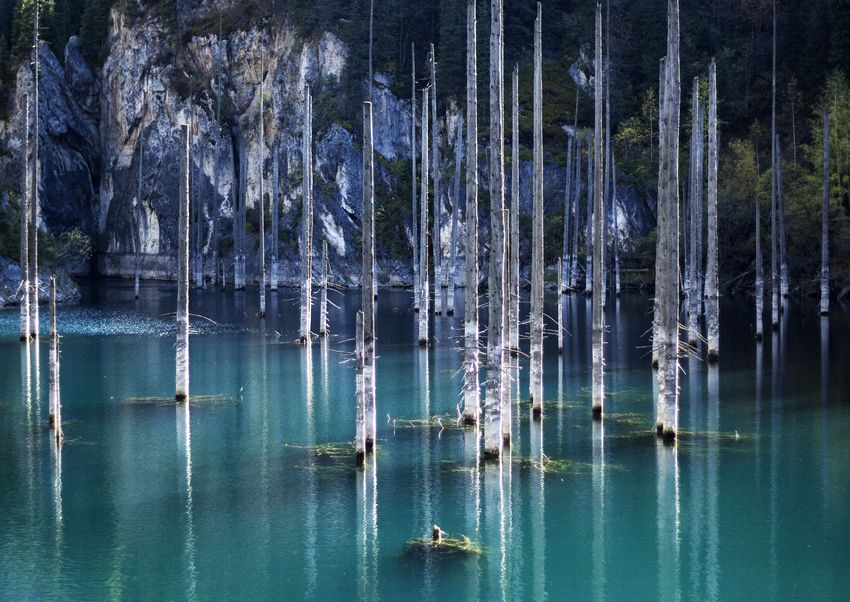
EPISODE 1 - IGUAZÙ FALLS
Between Brazil and Argentina lie some of the most beautiful waterfalls in     nest behind the curtain of water to protect their blind offspring.
the world, peaking at 80 meters. They extend in a circular arc for almost 3   Protecting the falls and their fauna is a daily struggle against poaching at
kilometers, around where the Iguazù flows into the Paraná. These falls hold   the heart of this immense site. Scientists and rangers are working hard to
the world record for the largest amount of water flowing over them – up to    minimize mankind’s impact. On the Argentinean side, a small train has been
40 million liters per second. The water vapor they continuously generate      built to force tourists to park far away from the falls; to avoid disturbing the
has created a unique ecosystem: a rainforest inhabited by jaguars, tapirs,    animals’ peace. But here, the water itself is coveted: on the Brazilian side,
howler monkeys, harpy eagles, giant anteaters, toucans and parrots. Some      scientists are fighting against a proposed hydroelectric dam upstream from
species are intimately bound to the falls, such as great dusky swifts that    the falls that could reduce the flow of water.

                                                                                                                                            Saving paradise
                                                                                                                                                                 3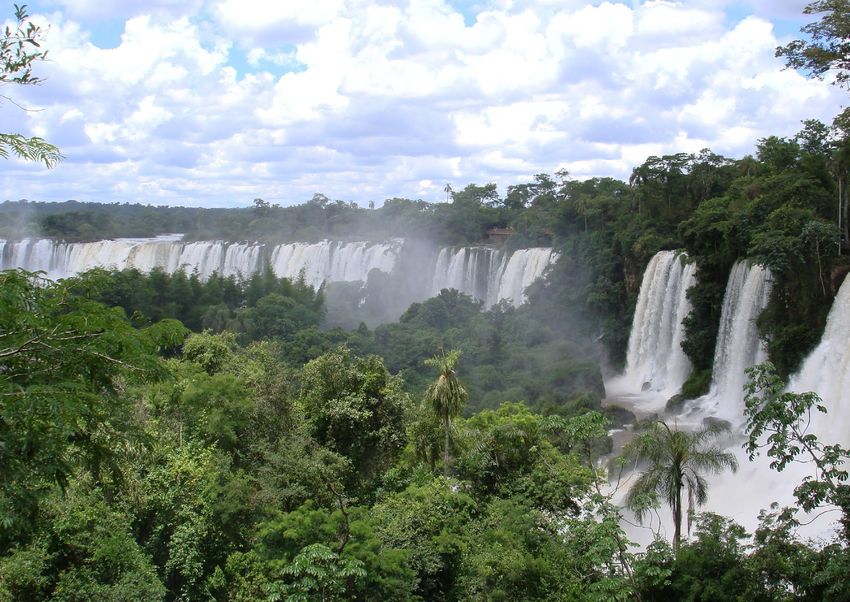
EPISODE 2 - THE GALÀPAGOS ISLANDS
The 21 islands in the Galápagos Archipelago and their 70,000 square              extension of urban areas. The population has thus risen from 2,000 in 1959 to
kilometer maritime domain were declared a World Heritage Site by UNESCO          more than 30,000 today. Scientists have alerted the authorities, urging them
in 1978. They were declared a biosphere reserve by the Ecuadorian state in       to work towards sustainable development with the least possible impact on
1985. More than 1,000 kilometers from the South American coast, they are         ecosystems and animal populations. Over the years, boats coming from the
home to a valuable endemic population. Nearly 200,000 tourists come to the       mainland have brought many invasive species and diseases. Dogs and cats
archipelago every year to discover giant turtles, sea lions, whales, dolphins,   have decimated some bird populations that had never seen such predators
land and sea iguanas, penguins, blue-footed boobies and albatrosses.             before. The archipelago’s endemic species also did not develop immunity
The development of tourism and the human presence on the archipelago             to certain viruses that have appeared. Scientists are trying to confine
nowadays puts more pressure on the ecosystems, particularly in terms of          these problems to the islands inhabited by man and protect the 95% of the
drinking water, waste and wastewater treatment, road construction and the        archipelago that has been declared a national park.

4
     Saving paradise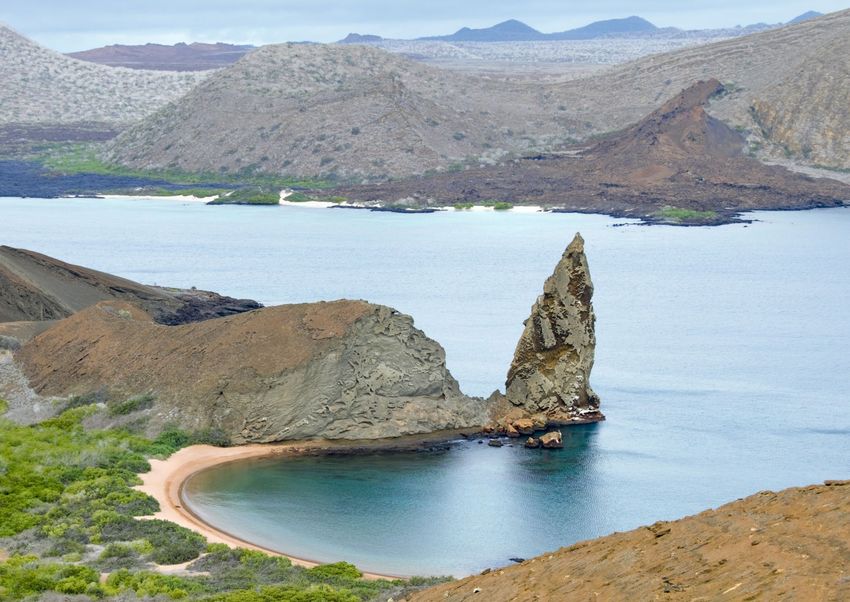
Saving paradise
                  5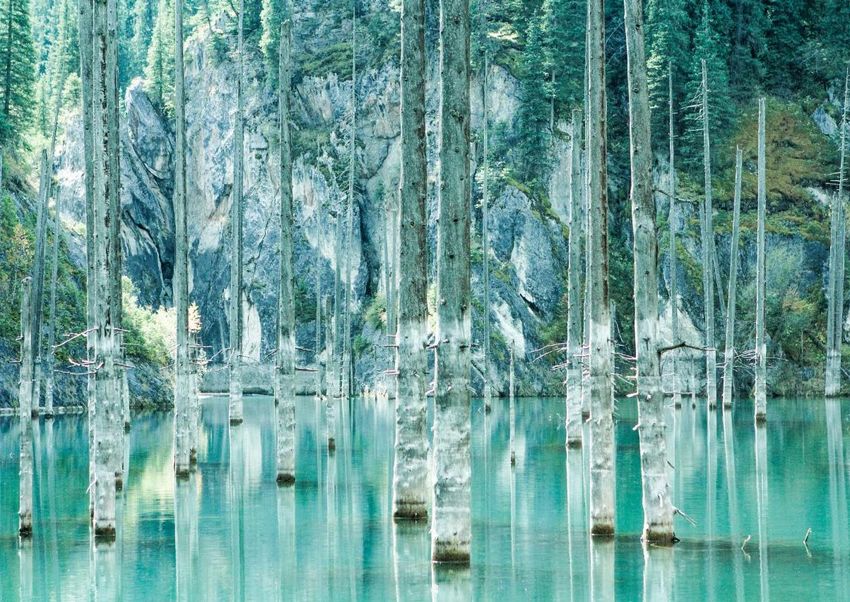
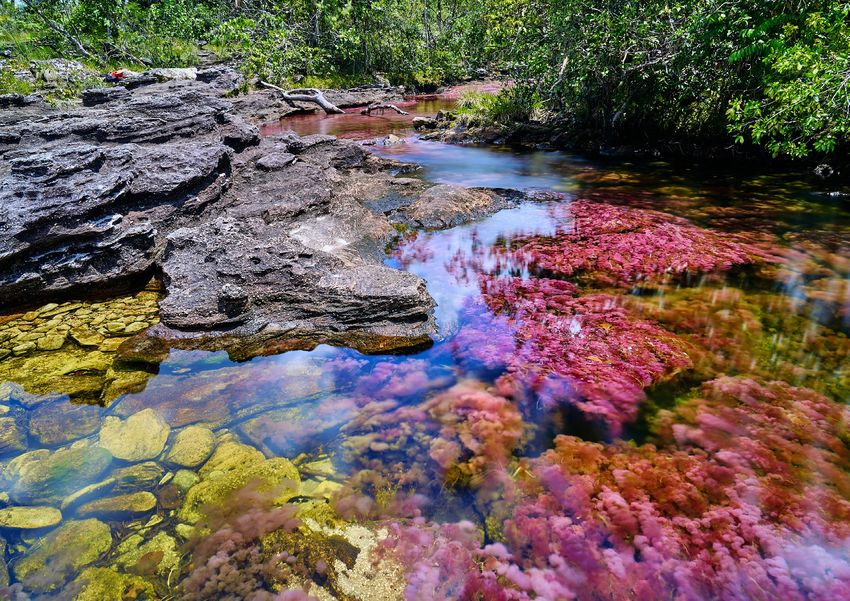
EPISODE 3 - THE CAÑO CRISTALES RIVER
In the heart of the “Serranía de La Macarena”           500 species of birds, 100 reptiles, 8 monkeys, 50
                                                                                                               led by the company Hupecol. Studies are being
National Park, this crystal-clear river turns           varieties of orchids as well as jaguars, cougars and
                                                                                                               carried out to estimate how much drilling would
incredibly bright and fiery colors every year at the    anteaters. This ecosystem is now threatened by
                                                                                                               affect the area. The park has also increased the
same time. These colors come from an endemic            global warming and deforestation in the Amazon,
                                                                                                               number of its rangers. At the same time, it is
plant that reddens as soon as the first rains           which are causing more and more frequent
                                                                                                               developing ecotourism to make the outside world
increase the river’s flow. The “River of Five Colors”   droughts and reducing the availability of water for
                                                                                                               aware of this beautiful place and how important it
then starts looking like a rolling rainbow. A fragile   animals and plants. An oil exploration project has
                                                                                                               is to preserve it.
ecosystem has developed around this river with          even begun in an area 60 kilometers from the site,

6
     Saving paradise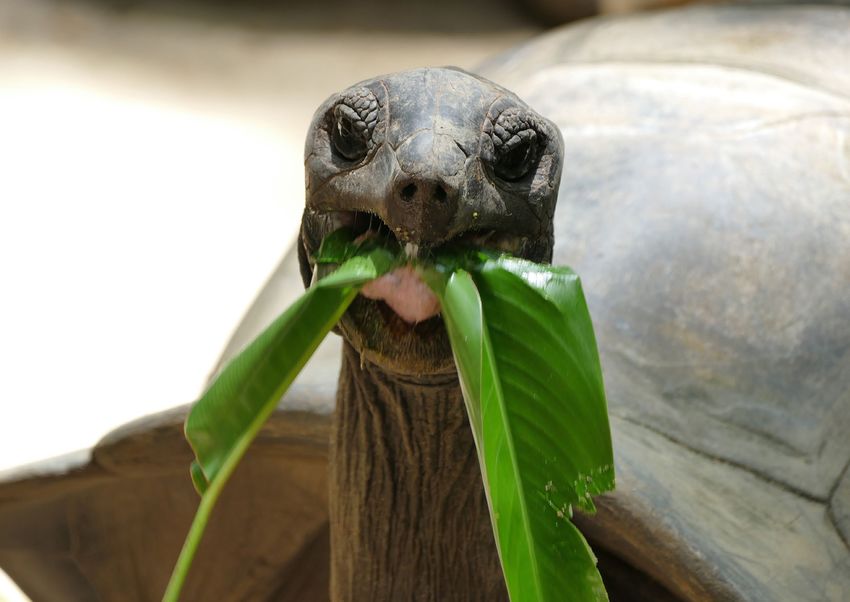
EPISODE 4 -
                                                                               flocks; they winter in the archipelago’s mangroves. Having become a prime
                                                                               refuge for prey, this group of islands thus attracts many species of snakes,
                                                                               some of which are unique in the world, such as the famous western green
          THE BISSAGOS ISLANDS                                                 mambas, whose color is as conspicuous as its venom is deadly.
                                                                               The colorful plumage of the many birds that come here to breed mixes with
                                                                               that of nearly 130 species of birds including flamingos, Timneh parrots and
Facing the African continent, the Bissagos Archipelago is the result of        ibis. With more than a million waterfowl from Northern Europe and Siberia,
the erosion of a large delta that took the form of a water maze during         the Bissagos are an ornithologist’s dream come true. A multitude of
the rise of sea levels some ten thousand years ago. Thanks to the warm         species from all environments can be observed here; as a breeding ground
Canary Current, the network of sea inlets that surrounds the islands is        for some, as a migration or resting place for others. In many respects,
home to a multitude of resources and nutrients for the fauna and flora.        the Bissagos support a complex balance of living things that makes it a
This ecosystem is one of the richest in biodiversity in Africa; as such, it    strategic place for the conservation of the planet’s biodiversity with about
was classified as a “Biosphere Reserve” in 1996 by UNESCO. Every year, the     twenty islands forbidden to people and only 23 inhabited.
largest aggregation of marine turtles on the continent takes place here, on      Sadly, this teeming ecosystem is threatened by climate change, in the
the most important nesting site in the West Atlantic. This major event is an     form of the arrival of new viruses brought about by the migration of new
exceptional opportunity to observe the reproduction of the three species of      birds and marine species. The marine wealth is also impacted by pollution,
sea turtles that frequent it.                                                    illegal and intensive fishing and the resurgence of drug trafficking. To
In addition to the turtles, the archipelago is home to other globally threatened counter these threats, the authorities of Bissagos and Guinea Bissau have
and protected species, such as the manatee, the marine hippopotamus – set up a system of parks and protected areas supported by foundations,
endemic to Orongo Island – the crocodile and the dolphin. The park is also international NGOs and scientific experts in order to best preserve this
home to monkeys and chimpanzees, thanks to being one of the last sub- crucial ecological diversity. They are also carrying out awareness-raising
humid forest massifs in West Africa. Every year in autumn, these animals activities for the population, which already shows great respect for nature
are joined by tens of thousands of birds arriving from Europe in whole because of its beliefs and traditions.

                                                                                                                                            Saving paradise
                                                                                                                                                              7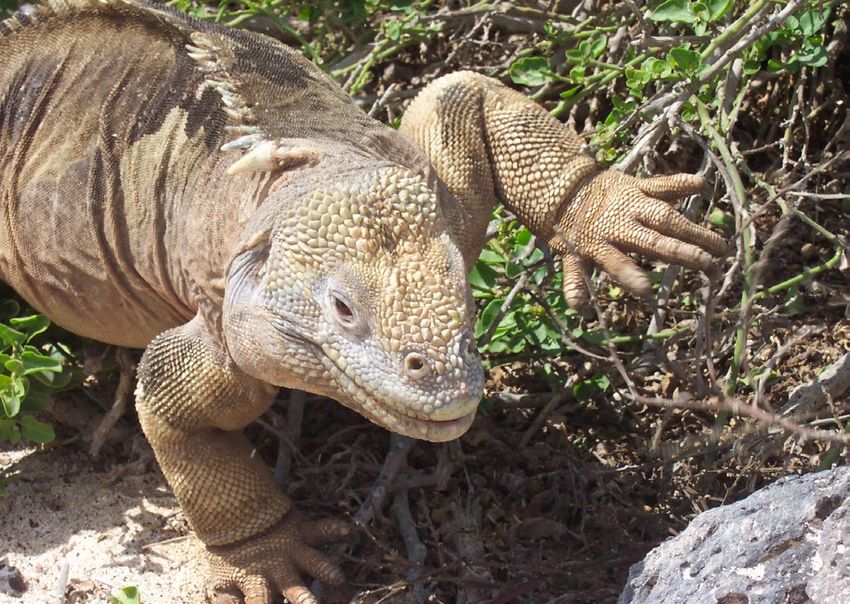
8
    Saving paradise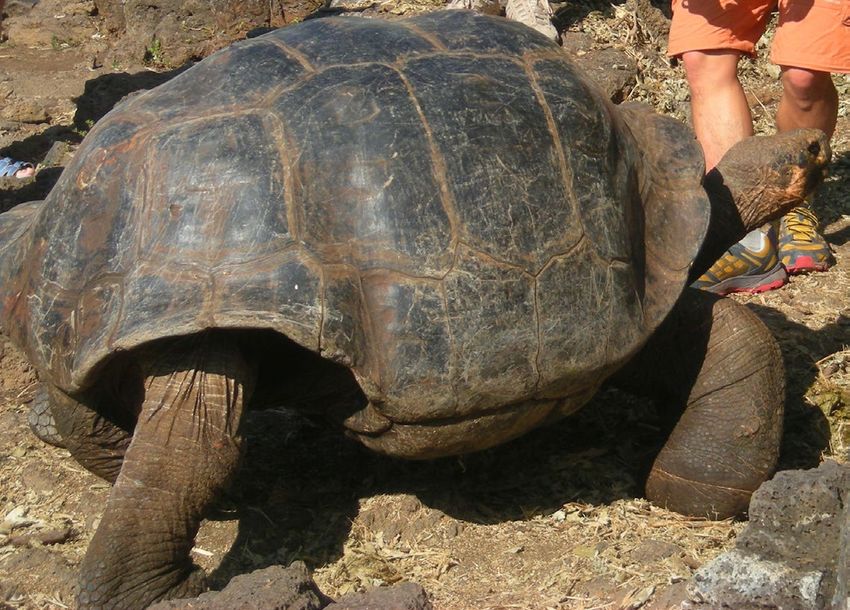
local lodges and small hotels are located quite far from the falls and

                EPISODE 5 -                                                tourists leave well before nightfall, leaving the animals as sole masters
                                                                           in their kingdom. The area is subject to a rather harsh dry season, from

            THE THI LO SU FALLS
                                                                           December to March, during which it hardly rains at all. However, near
                                                                           the falls, the forest enjoys a year-round misting effect, providing a
                                                                           sanctuary for Thailand’s last tigers, which find an abundance of prey
                                                                           among the tapirs, deer and wild pigs.
The Thi Lo Su Falls lie in a thick mist-covered forest, in a remote
mountainous region of northwestern Thailand, near the border with        The water from the falls has also dug a multitude of caves in which a
Burma. It is the largest waterfall in the country and the sixth largest  number of Thai bears take refuge at nightfall. At the bottom of the falls,
in the world. The Mae Klong River rises up to 250 meters in three        the banks and fruit trees attract smaller mammals such as monkeys
sections. The last section flows into a large basin that is very popular (macaques and gibbons) and binturongs, which are typical of Southeast
with animals at night. As a matter of fact, the falls are located in the Asia. Their rhythms and lifestyles are very different, allowing them to
heart of a hard to access and legally protected area, the largest in the share the falls’ many resources without conflict. For several decades,
country, which includes the Umphang Wildlife Sanctuary as well as the    this protected and isolated area has become the target of poachers
Huai Kha Khaeng and Khlong Lan National Parks, listed as a UNESCO        who capture some rare species for the animal trade and kill other
World Heritage Sites. This ocean of greenery made up of immense          species for bushmeat. Several parks and sanctuaries are also plagued
forests is populated by wild elephants, bears, monkeys, wild dogs and    by deforestation in their surrounding areas. Nowadays, residents and
birds of all kinds.                                                      rangers are working together to ensure the area’s safety, preserve the
                                                                         bamboo forests, protect endangered animal species and ensure a bright
Nature and animals benefit greatly from the site’s natural barriers. The future for this teeming ecosystem.

                                                                                                                                    Saving paradise
                                                                                                                                                       9
10
     Saving paradise
EPISODE 6 - LAKE KAINDY
An incredible submerged forest lies at the bottom algae and aquatic plants grew around the trunks, on the border with Kyrgyzstan has opened up
of Lake Kaindy, in the heart of the Tien Shan giving the place an eerie beauty. The lake is home to responsible ecotourism. In addition to hikers
Mountains in Kazakhstan, at an altitude of 1,700 to trout that find abundant food thanks to the and divers, the lake has become a fascinating
meters. Its chilly turquoise waters at only 6°C have aquatic plants. The surrounding forests are home case study for more and more scientists, what
developed an amazing ecosystem. In 1911, after to wild boar, deer and bear, which feed on the lake’s with its thriving underwater life and flourishing
an earthquake, a landslide created an artificial trout. The animals’ presence is also important to ecosystem. The region gets relatively few visits
dam which raised the lake’s level. It submerged the flora: their passage enables the dispersion of due to the difficulty to access it and the fact
a spruce forest, the very cold water then allowed tree seeds, which maintains plant biodiversity. that Kazakhstan is not yet a well-known tourist
the spruce trunks to be preserved without The area is also home to eagles and falcons and destination.
decomposing. Underwater, a whole network of a variety of smaller birds. This isolated region
Saving paradise
11Céline Payot-Lehmann Audrey Kamga
Head of International Distribution Sales Manager
Italy & USA Territories: Canada, Ireland, MENA region, Portugal, South America,
c-payot-lehmann@artefrance.fr Spain & UK
Worldwide Inflight
a-kamga@artefrance.fr
Franka Schwabe
Sales Manager
Territories: Austria, Belgium, France, Germany, Scandinavia, Iceland,
Sophie Soghomonian
Switzerland, Netherlands Sales Manager
f-schwabe@artefrance.fr Territories: Eastern Europe, Israel, Russia,
Worldwide Non-Theatrical Rights
s-soghomonian@artefrance.fr
Lydia Kali
Sales Manager
Territories: Asia, Greece Oceania, Africa,
Whitney Marin
Language versions Sales Assistant
l-kali@artefrance.fr w-marin@artefrance.frYou can also read


