Scotland's Residential Property Market - Spotlight | Autumn 2017 - Savills
←
→
Page content transcription
If your browser does not render page correctly, please read the page content below
Savills World Research
                                                                                                                    UK Residential
                                                                                                            savills.co.uk/research

Spotlight | Autumn 2017
Scotland's Residential
Property Market

Summary Whilst the UK-wide residential market is feeling the impact of the EU Referendum and this year’s General Election,
Scotland, despite higher rates of taxation, is enjoying its strongest conditions since 2008. Should the Scottish Government
reconsider LBTT rates then the property market has the potential to rival the performance of other markets around the UK

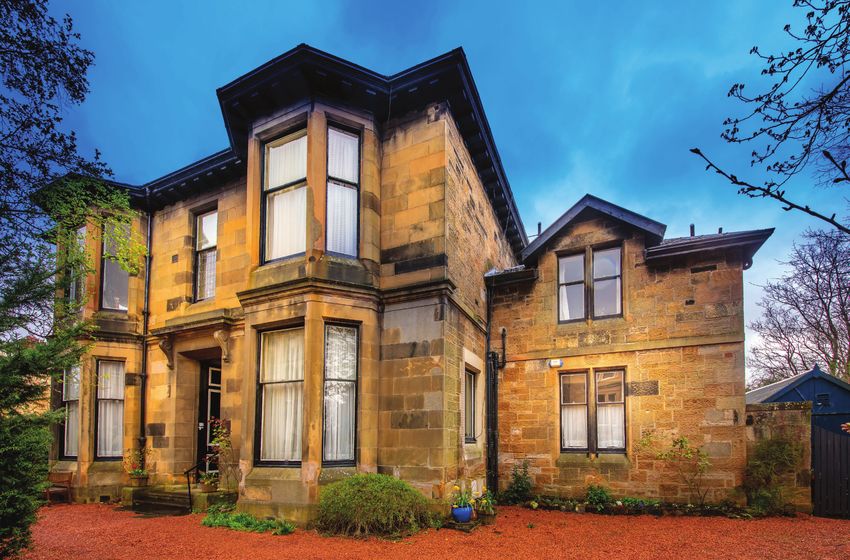
■ Prime market            ■ A lack of mainstream   ■ The Aberdeen area       ■ A further reduction          ■ The market above
activity across Greater   supply has led to a      residential market is     in values has enabled          £750,000 is struggling
Glasgow goes from         drop in activity in      looking less gloomy,      a recovery in regional         to adjust to LBTT, which
strength to strength,     Edinburgh. The prime     with values stabilising   locations, with more           is heavily reliant on the
with the West End and     market continues to      and transactions          buyers now coming              top end of the market
new build markets         suffer from the impact   recovering slightly in    from outside Scotland.         and sales in Edinburgh.
leading the way           of LBTT and fewer        recent months. However,   Properties in established      Future Government
Page 3                    properties are being     the level of available    towns, with quick access       targets will not be
                          launched this year       second hand mainstream    to amenities and major         achieved unless there
                          Page 4                   stock remains high        cities, are in demand.         is a significant
                                                   Page 5                    However, higher taxation       change in rates
                                                                             continues to impact the        Page 7
                                                                             top end of the market
                                                                             Page 6
                                                                                                              savills.co.uk/research 1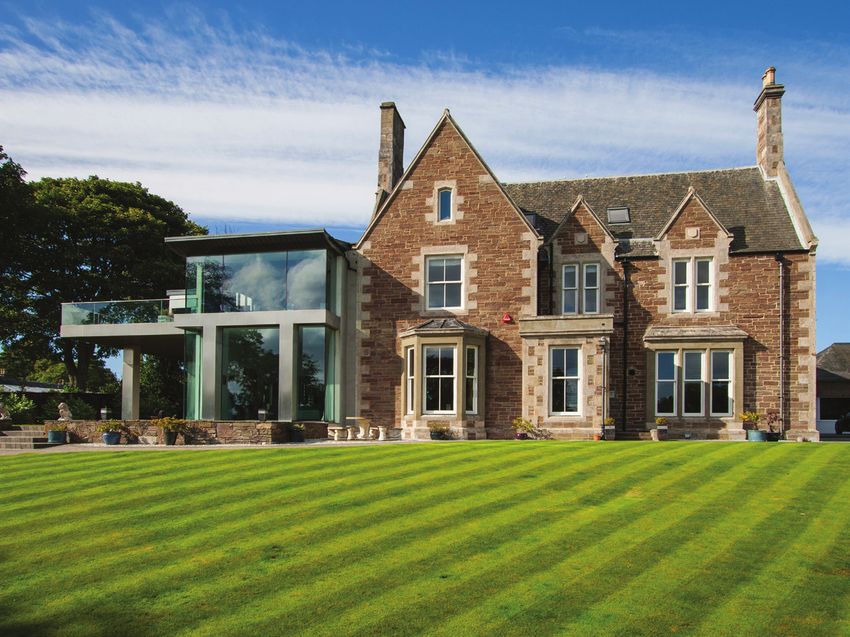
SCOTLAND'S RESIDENTIAL PROPERTY MARKET

Strongest market
since 2008                                                                      Market activity is at its
Scotland’s improved market performance is due in part                          highest level since 2008
to the resilience of Scottish buyers who have become
used to political change, combined with a return of
buyers from outside Scotland, who are attracted by the
value gap and the reduced momentum with regards
to the Scottish Independence debate. However, the
political landscape is still dictating the market in some
price bands, with higher rates of property tax in Scotland                  101,421 residential transactions
discouraging movement amongst local buyers and doing                         during year ending June 2017
little to attract inward investment from further afield

M
                arket activity across Scotland is at its highest level
                since 2008, with a total of 101,421 residential
                transactions during the year ending June 2017. The
                bulk of activity takes place up to £400,000 and this
                is where the majority of the growth in recent years
has happened. This market has been assisted by low mortgage and
taxation rates, along with Government initiatives such as Help to Buy.
  The bracket between £400,000 and £750,000 outperformed the
wider market, recording an 8% annual growth in transactions.                Sales activity above £400,000
Meanwhile, the market above £750,000 is struggling to adjust to Land
and Buildings Transaction Tax (LBTT) and witnessed a slight annual          outperformed the wider market
drop in transactions.

Chronic lack of supply lifting prices
While transactions continue to increase, house prices are also rising,
underpinned by a lack of supply. According to recent surveys by
the RICS and our own research, there has been a drop in new stock
coming onto the market, especially in Edinburgh.
    House buyers in Scottish cities are facing a vicious circle of demand
exceeding supply. The trend in Scottish cities is now to buy before
selling - quite the reverse of the trend in the country house market.
This lack of choice is compounding the problem, with buyers unwilling       Selling times across Scotland's
to sell their current house until something suitable can be found. As
a result, we are witnessing competitive bids and strong premiums for           cities have dropped from
properties launched onto the market at realistic prices, particularly in
city and suburban hotspots. The time taken for properties coming onto                 12 to 9 weeks
the market to reach a sold status across Scotland’s cities has dropped
to nine weeks, compared to 12 weeks earlier in 2017.
   These factors have fuelled Scottish house prices, which increased
annually by 2.9% in June 2017. A similar trend was also witnessed
in the Savills Prime Scotland index, which increased in value by 3%
during the second quarter of 2017 across Edinburgh and Glasgow.

Slow rates of growth in the short term
Our current forecasts, announced at the end of last year, have already
taken account of prevailing political and economic uncertainty and
assume two years of low house price and transactional growth. This
reflects the short-term impact on buyer sentiment due to economic
                                                                                Scottish house prices
and political uncertainty, as Britain negotiates to leave the EU. Once       increased annually by 2.9%
the dust settles, it will be broader economic trends that will dictate
housing market performance.                                                         in June 2017

2 savills.co.uk/research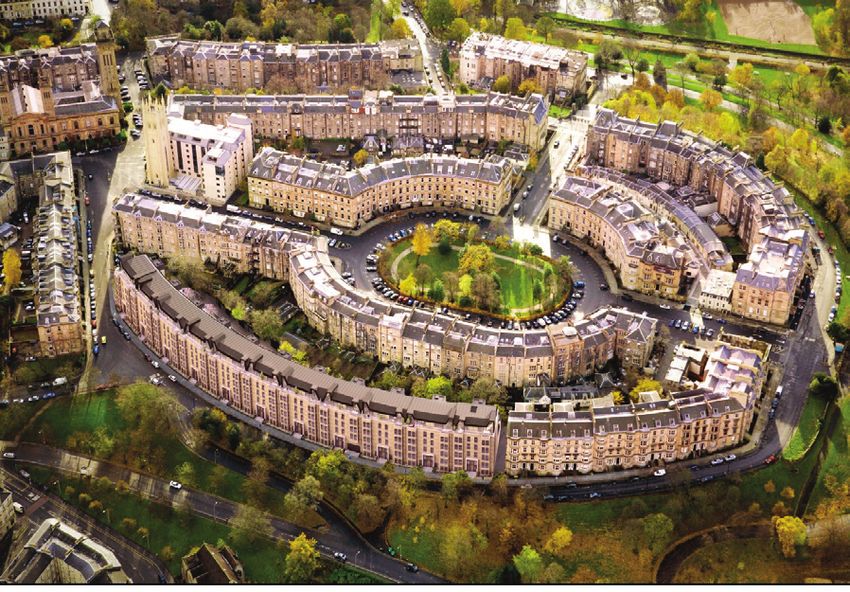
AUTUMN 2017

Greater Glasgow reaches
new heights
Prime market activity goes from strength to strength, with the West End and
new build markets leading the way

A
              cross Greater Glasgow, the           Prime market outperforms Scotland               City hotspots lead the way
              number of residential transactions   Greater Glasgow’s prime residential market      The prime market in the city area of Glasgow
              increased by 2% during the year      above £400,000 recorded its highest total       made a strong recovery during the year
              ending June 2017. Within Greater     in five years, with 1,012 transactions taking   ending June 2017, recording 297 of the 1,012
              Glasgow, the number in the           place during the year ending June 2017.         prime transactions above £400,000 across
commuter location of Renfrewshire increased        This figure was 29% higher than the level       Greater Glasgow. This was the highest level
by 13%, supported by new build activity. This      during the year ending June 2016. Prime         of transactions in Glasgow in five years. The
was among the highest in Scotland. Annual          growth was supported by a 40% annual            hotspots of Glasgow’s West End and Park made
growth in transactions across Inverclyde,          rise in new build transactions, which now       up almost a half of all prime activity in the city.
South Lanarkshire and Dunbartonshire also          make up 30% of all prime activity in Greater       Meanwhile, there was a 48% annual rise
exceeded the Scotland figure.                      Glasgow. Crucially, the prime second hand       in prime activity in the commuter location
   The number of residential transactions          market also made a strong comeback,             of Lanarkshire, supported by new build
in the city area of Glasgow fell by 3% during      following a dip in activity last year.          transactions in Hamilton, Bothwell
the year ending June 2017. This was mainly             Above £750,000, the market across           and Thorntonhall.
due to a lack of activity below £200,000.          Greater Glasgow has improved. There                Prime activity above £400,000 also
Current selling times in this fast-moving          were 86 transactions during the year            improved in the suburban hotspots of
price band are averaging around five               ending June 2017, compared to 61 last           Bearsden, Giffnock, Newton Mearns, Lenzie
weeks, compared to seven weeks                     year and 69 during the period before            and Milngavie. Transactions above £400,000
across all price bands.                            LBTT commenced.                                 made up 12% of all activity in these areas.

                                                                                                        A lower conversion on Dundonald
                                                                                                            Road in the Dowanhill area of
                                                                                                         Glasgow's West End (offers over
                                                                                                        £500K) has attracted multiple bids
                                                                                                         due to a chronic lack of supply of
                                                                                                     high quality and appropriately priced
                                                                                                                properties in the West End

                                                                                                                             savills.co.uk/research 3
SCOTLAND'S RESIDENTIAL PROPERTY MARKET
LBTT puts Edinburgh under pressure
A lack of mainstream supply has led to a drop in activity. The prime market continues to suffer
from the impact of LBTT and fewer properties are being launched this year
T
he number of residential Mixed performance across prime hotspots Lack of fresh prime stock as taxation bites
transactions in the hub of Within Edinburgh, the number of prime Stock shortages are now impacting the prime
Edinburgh fell by 3% during transactions above £400,000 in the central second hand market, which will suppress
the year ending June 2017, hotspots of the Grange, Morningside, transaction levels going forward. There
which is the first annual drop Merchiston, Inverleith and Stockbridge were 11% fewer properties launched onto
in six years. However, the market between reached a five-year high. The attraction of the market so far this year above £400,000
£400,000 and £750,000 bucked the trend, good schools continues to underpin these compared to the same period in 2016. This is
with a 10% increase. areas. However, the prime market is still mainly due to LBTT, with people staying for
There was an increase in the number catching up in the West End, Ravelston, longer in their homes, rather than moving.
of properties being launched onto the Murrayfield and Trinity. In the New Town, This trend is likely to continue, unless there
market in this price bracket during 2016 prime activity up to £1 million is on par with is a change in taxation rates (see Figure 1).
compared to 2015, which was reflected in the level last year. Above £1 million, the
the rise in transactions. On the other hand, recovery last year has not continued, with New build supports the Lothians
the number being launched onto the market only five transactions taking place in the first The surrounding Lothians commuter area
above £750,000 fell during 2016 compared half of 2017 compared to 13 in the first half saw an annual rise of 5% in transactions.
to 2015. As a result, there was a drop in of 2016. Further afield, the number of prime This included 11% growth in East Lothian,
transactions above this level during the transactions in Barnton and Cramond reached supported by the new build market. The
year ending June 2017. its highest level in five years, fuelled by new residential market in East Lothian has
Meanwhile, demand remains strong, with build activity. On the other hand, a reduction been particularly active in price bands
current selling times averaging six weeks in new build activity in Colinton led to a slight up to £500,000. The coastal hotspots of
across all price bands, compared to nine drop in prime transactions. However, the Gullane and North Berwick and the towns of
weeks earlier this year. second hand market in Colinton, particularly Dunbar and Haddington remain sought after
above £1 million, has slightly recovered. locations for commuters from Edinburgh.
Second hand residential properties launched onto the market in Edinburgh at £400,000
FIGURE 1
and above (January to August)
n 2015 n 2016 n 2017
400
378
350
332
300 296
The 11% reduction in properties launched onto the
250 market this year has been mainly due to LBTT
Number of properties
200
174 171
150
150
99 97
100 89
75
69 69
62 59 62
46 51 48
50
0
£400,000 to £500,000 to £600,000 to £700,000 to £800,000 to £1 million
£500,000 £600,000 £700,000 £800,000 £1 million and above
Source: Savills Research
4 savills.co.uk/researchAUTUMN 2017
Aberdeen area shows
signs of recovery
The Aberdeen area residential market is looking less gloomy, with values stabilising and transactions
recovering slightly in recent months. However, the level of available second hand mainstream stock
remains high. Meanwhile, southern Kincardineshire and neighbouring areas continue to grow
A
modest recovery in oil prices many buy-to-let properties, which have and Fettercairn, has bucked the trend. The
and consumer confidence is been impacted by significant falls in rental number of transactions increased annually by
being reflected in mainstream prices. A significant number also include 10%. The level of prime transactions above
property values. From peak to one and two bedroom apartments, which £400,000 also recovered, with 17 taking
trough, Aberdeen City’s average typically attract first time buyers and young place during the year ending June 2017,
house price had fallen by 19%, from £199,285 professionals. However, such buyers, along including four above £500,000. Transactional
in September 2014 to £162,113 in February with younger families, are now targeting activity also recovered in the coastal town of
2017. The gap has narrowed slightly to semi detached and terraced properties, Stonehaven, mainly up to £400,000.
18%, as the average price has remained where prices have adjusted to more
somewhat steady in recent months, attainable levels (see Figure 2). The markets outside Aberdeen continue
reaching £163,847 in June. to grow
Aberdeenshire’s average house price fell An appropriate pricing strategy The neighbouring counties of Angus,
by 8% from peak to trough, from £202,570 is essential Dundee City and Moray have remained
in April 2015 to £186,114 in February 2017. Although we have witnessed an air of unaffected by the recent boom and bust
There has been a rapid recovery in recent optimism in the Aberdeen area residential experienced in the Aberdeen area. Moreover,
months, with the average price increasing market, properties are still price sensitive. ongoing investment in Dundee City is
since February by 8% to £201,145 in June There is not enough strength in the market assisting the Angus market.
this year, thus reducing the gap from peak to simply list an Offers Over asking price in Mainstream average house prices have
to just -1%. However, this recovery has line with the Home Report valuation. Savills reached record highs in 2017, however prime
mainly been centred around locations that sales evidence to date confirms that the best values are still 17% lower than the peak of
are within easy reach of Aberdeen City price is achieved by setting the asking price 2008. Transactional growth has been modest
rather than rural locations, where the between 5% and 10% below the valuation. and mostly took place up to £500,000. Above
market is still subdued. this level, the implications of LBTT are having
Southern Kincardineshire bucks the trend an effect. Dundee City has bucked the trend,
Activity has increased for the first time Whilst the annual number of transactions with 31 prime transactions above £400,000
in three years in Aberdeenshire has fallen, southern during the year ending 2017, which is the
The number of residential transactions in Kincardineshire, which includes Laurencekirk highest number in five years.
Aberdeen City and Aberdeenshire reached
2,254 during the second quarter of 2017,
which was 7% higher than the same period
in 2016. This is the first increase since the
FIGURE 2Aberdeen area second hand residential properties
second quarter of 2014. currently available
The increase in activity was the highest n Nov-16 n Apr-17 n Jun-17 n Aug-17
across price bands up to £500,000, where 2,500
the number of transactions increased
2,100
by 14%. Above £500,000, the number of 1,948
2,057
transactions fell by 20%. This reflects the lack 2,000 1,870
of realistically priced fresh properties being
Number of properties
launched onto the market at this level. There
1,500
is strong demand for appropriately priced
1,266 1,274
properties between £500,000 and £1,000,000, 1,187 1,220
with current selling times averaging six
1,000
weeks, compared to 14 weeks across all
price bands in Aberdeen.
551 573 553 522
582 554
472 492
500 412 435 441
399
Stock levels are stubbornly high
Whilst transactions have started to recover,
the number of available second hand 0
residential properties has increased by 109% Up to £100,000 £100,000 to £200,000 to £300,000 to £400,000 and
since the beginning of 2015. The majority is £200,000 £300,000 £400,000 above
Source: Savills Research
between £100,000 and £200,000 and includes
savills.co.uk/research 5SCOTLAND'S RESIDENTIAL PROPERTY MARKET
Value for money Property tax puts
Scotland at a
disadvantage
boosts regional
locations
A further reduction in values has enabled a recovery in
regional locations, with more buyers now coming from
outside Scotland. Properties in established towns, with
quick access to amenities and major cities, are in strong In Scotland the tax on a £750K
demand. However, higher taxation continues to impact residential property is £48,350
the top end of the market for a main home or £70,850
C
ountry houses in Scotland’s regional locations now offer for a second home
extraordinary value for money compared to properties
both elsewhere in the UK and in Edinburgh. Wealthy
home-grown buyers and those from outside Scotland
are beginning to take advantage of this affordability,
particularly in areas within easy reach of the cities. This is evident in the
number of number of Savills buyers originating from outside Scotland,
which has increased by 82% during 2017, compared to last year.
As the political challenges in Scotland have eased, London buyers
are also making a comeback. This against a backdrop of slowing
house price growth in London, due to increased levels of Stamp Duty
taxation, mortgage regulation and the Brexit vote, which have left the
local market more exposed to uncertainty.
Value for money and quality of life are key drivers for such property
buyers, including super-commuters who retain a London base close to
where they work, but who commute north to the family home in Scotland
at weekends. Such buyers benefit from combining a London salary with
the significantly lower property values north of the border. In the rest of the UK, the tax on
a £750K residential property
Scotland’s heartland
Across Scotland’s heartland of Stirling, Fife and Perthshire, the is £27,500 for a main home or
number of residential transactions increased annually by 5% during
the year ending June 2017. The prime market above £400,000 £50,000 for a second home
outperformed, with an 11% annual rise.
Traditional hotspots
Prime values in hotspots such as Bridge of Allan, Dunblane, Dollar, St
Andrews and Auchterarder increased during the second quarter of this
year, compared to the same period last year. High quality properties in
these locations continue to attract strong interest, due to their excellent
schools, transport links and services. Prime values in village locations
have picked up recently, however they remain stable in rural locations.
Rural locations
Market growth continues to spread into Highland, Ayrshire, Argyll
& Bute, Borders and Dumfries & Galloway. Transactional growth in
these areas outperformed Scotland last year. The relatively smaller As a result, the average prime
market above £400,000 in these areas has improved, albeit limited to
£700,000. The strongest growth was in Argyll & Bute, where prime transaction price in Scotland
transactions reached 49 during the year ending June 2017. The has fallen from £572K to £554K
majority took place in Helensburgh, which recorded its highest
total in this price band in six years. in five years
6 savills.co.uk/researchMillion pound market LBTT impact
suffers due to LBTT The market above £750,000 is
struggling to adjust to LBTT, which
is heavily reliant on the top end of
The punitive rates of LBTT are now impacting the million the market and sales in Edinburgh.
pound market. However, this market is no longer heavily Future Government targets will
concentrated in Edinburgh and Aberdeen, with more activity not be achieved unless there is a
significant change in rates
in the west and other regional locations
The biggest impact of LBTT has been
L
felt above £750,000, where the number
ast year, Scotland’s million area produced the second highest level of
of residential transactions is 7% lower
pound market seemed to be transactions after Edinburgh. However,
than the level during the year ending June
absorbing the punitive rates latest figures reveal there were only five
2014, when the previous structure was
of LBTT better than the million pound transactions during the
in force. The market above £1 million,
immediate price bands below year ending June 2017, including just
which had briefly adjusted to the higher
it. However, the higher taxation malaise is one in 2017, in a period characterised by
rates, is also seeing relatively lower levels
now spreading into this market. The annual uncertainty in the energy sector.
of activity this year.
number of transactions remained almost
unchanged at 144 during the 12 months Activity spreading out from main hubs
Revenue generated
ending June 2017 compared to 145 during Meanwhile, there has been a spreading out
LBTT did not perform in its first tax
the 12 months ending June 2016. However, of transactions to other locations. Greater
year 2015/2016, generating residential
this masks the slower market during this Glasgow’s million pound market has had
revenues of £202 million, against a target
calendar year, with 56 transactions during a stronger 12 months, with 28 annual
of £235 million. However, the start of the
the first half of 2017 compared to 79 transactions taking place. The West End,
Additional Dwelling Supplement (ADS)
during the first half of 2016. Park, Pollokshields and Bearsden were
in April 2016 has boosted revenues,
While there has been a marginal dip in the stand out locations. Other headliners
generating £85 million of the total £299
the number of transactions compared to the include the buoyant East Lothian market,
million in the tax year 2016/2017. This
five year average, the spread of these has which saw eight annual transactions
was £19 million short of the £318 million
altered. Edinburgh remains the hub of the and also Perthshire where the Tower
target. Without ADS, the basic LBTT
million pound market, although the Capital of Lethendy, on the market for £4.6
revenue in 2016/2017 was actually lower
has seen a modest drop in transactions at million, achieved the highest residential
than the previous structure in 2013/2014.
this level, with 33 recorded in the first six transactions price in Scotland since
So far in the current tax year 2017/2018,
months of 2017 compared to 45 last year. 2007. In addition, Brackenbrae House in
LBTT has generated almost £94 million in
In addition, at the height of Aberdeen’s Broughty Ferry became Dundee’s first ever
revenue in three months, with an annual
oil dependent residential market, the million pound transaction earlier this year.
target of £283 million.
The future of LBTT
The sustainability of LBTT revenue
under its current structure depends
on the market above £325,000 and
Edinburgh City. The tax yielded from
transactions above £325,000 totalled
72% of LBTT revenue (excluding ADS)
over the past 12 months. Edinburgh City
alone generated 37% of this revenue; so
clearly, LBTT needs a growing Edinburgh
residential market to underpin revenues.
Our research shows a slowdown in
transactions and fewer properties being
launched onto the market in Edinburgh,
upon which LBTT is reliant.
The Scottish Government has set
itself ambitious LBTT residential targets,
ranging from £310 million in 2018/2019
to £362 million in 2021/2022. Such levels
In January this year, are unlikely to be achieved unless there is
Brackenbrae House in Broughty a change in rates that can stimulate the
Ferry became Dundee's first ever
lucrative market above £750,000 and also
million pound residential sale
maximise revenue from the wider market.SCOTLAND’S RESIDENTIAL PROPERTY MARKET
New build outperforms
Scotland’s new build sector has outperformed the wider market, with support from Government
incentives. Meanwhile, mixed-use schemes in central Glasgow will deliver future homes and
workspace, changing how we live, work and socialise
S
cotland’s new build market Edinburgh and the Park District
saw a 5% annual rise in of Glasgow to boost the top end of
the number of transactions Scotland’s new build market over the
during the year ending course of the next couple of years.
June 2017. The market
continues to be supported by the Help Mixed-use development
to Buy equity loan scheme, which had opportunities in central Glasgow
contributed to 25% of all new build Mixed-use schemes will be the
completions by the end of last year. key drivers that bring forward
The new build hubs in Scotland are new residential, office and leisure
Edinburgh, Glasgow and Lanarkshire. developments within central Glasgow.
Together, these areas made up 36% of In doing so, these will change how we
all new build transactions. The biggest live, work and socialise.
increase in activity took place in For schemes with a residential
East Lothian and Fife. component, proximity to established
The new build market was most markets is important. The Merchant geography. Due to a comparatively Park Quadrant
active in the price bands between City and West End markets will be high transaction value, the West Residences, a
£200,000 and £400,000. Above the main drivers. The Merchant City End creates opportunities on its development of
£400,000 the market is adjusting to commands a premium due to its periphery. These have included 98 apartments in
LBTT, but only up to £700,000. Above residential reputation, central Finnieston and Park areas, which Glasgow's West
£700,000, the new build market has location and proximity to the are now firmly established and are End will complete
seen a drop in annual activity. We University of Strathclyde. creating opportunities on their own the final quadrant
expect much anticipated trophy The West End is larger, both peripheries, as they consolidate of Park Circus
developments in the West End of in respect of transactions and and improve.
Glossary Wider market refers to residential transactions across all price bands, obtained from the Registers of Scotland. Prime market refers to transactions at £400,000 and above. House prices were obtained from the UK
Government House Price Index. Selling times and the number of properties being launched onto the market were obtained from our monitoring of various property portals. We have used postcodes to identify neighbourhoods
in Edinburgh, including EH1 3, EH2 and EH3 6 (New Town), EH3 7 (Edinburgh West End), EH4 3 (Ravelston), EH12 5 and EH12 6 (Murrayfield), EH5 3 and EH6 4 (Trinity), EH3 5 (Inverleith), EH4 1 (Stockbridge), EH4 6 (Barnton
& Cramond) and EH13 0 (Colinton). Greater Glasgow refers to the Local Authority areas of Glasgow City, East and West Dunbartonshire, North and South Lanarkshire, East Renfrewshire, Renfrewshire and Inverclyde.
Savills Research Savills Scotland Residential
Faisal Choudhry Emily Dorrian Andrew Perratt Jamie Macnab
Head of Scotland Residential Research Associate, Scotland Residential Head of Scotland Head of Country Houses
0141 222 5880 0141 222 4132 0141 222 5875 0131 247 3711
fchoudhry@savills.com edorrian@savills.com aperratt@savills.com jmacnab@savills.com
Tracy Griffiths Lucian Cook Ben Fox Cameron Ewer
Analyst, Scotland Residential Head of UK Residential Research Head of Edinburgh Head of Glasgow
0141 222 4141 020 7016 3837 0131 247 3736 0141 222 5864
trgriffiths@savills.com lcook@savills.com bfox@savills.com cameron.ewer@savills.com
Savills Scotland Residential Development Sales
Natalie Simpson Carole Mackie Ruaraidh Ogilvie Fiona Gormley
Head of East Scotland Head of West Scotland Head of Angus and North East Head of Aberdeen
0131 247 3757 0141 222 5886 01356 628 628 01224 971 122
natalie.simpson@savills.com cmackie@savills.com rogilvie@savills.com fgormley@savills.com
Savills plc: Savills is a leading global real estate service provider listed on the London Stock Exchange. The company was established in 1855 and has a rich heritage with unrivalled growth. It is a company that
leads rather than follows, and now has more than 700 offices and associates throughout the Americas, Europe, Asia Pacific, Africa and the Middle East. This report is for general informative purposes only. It may
not be published, reproduced or quoted, in part or in whole, nor may it be used as a basis for any contract, prospectus, agreement or other document without prior consent. While every effort has been made
to ensure its accuracy, Savills accepts no liability whatsoever for any direct or consequential loss arising from its use. The content is strictly copyright and reproduction of the whole or part of it in any form is
prohibited without written permission from Savills Research.
8 savills.co.uk/researchYou can also read


