SDGs for Better Fashion - 2018-2019 Progress Report - REGENERATE
←
→
Page content transcription
If your browser does not render page correctly, please read the page content below
SDGs for Better
Fashion
2018-2019 Progress Report
SDGs for Better Fashion
                                                                                              2018-2019 Progress Report

                                                                                               05.           Executive Summary

                                                                                               06.                   Our mission
This progress report was developed by
REGENERATE Fashion, LLC, towards its voluntary
and independent commitment to reaching the
                                                                                               08.         Our guiding principles
United Nations Sustainable Development Goals.

The activities and outcomes of this report, reflect                                            10.
exclusively the progress of the organisation
                                                                                                               Our commitment
towards their commitment #28041 ‘SDGs for
Better Fashion’ as submitted in the Partnerships
for SDGs online platform                                                                       14.            2018-2019 Progress
https://sustainabledevelopment.un.org/partnership/?p=28041

This voluntary commitment does not represent
                                                                                               40.                    Next steps
any direct affiliation or partnership arrangement
with the United Nations.

For further information, contact us at                                                         42.           Acknowledgements
hello@regeneratefashion.com

REGENERATE Fashion, LLC 2020 | All rights
reserved

2     SDGs for Better Fashion | 2018-2019 Progress Repor t | www.regeneratefashion. com                                             3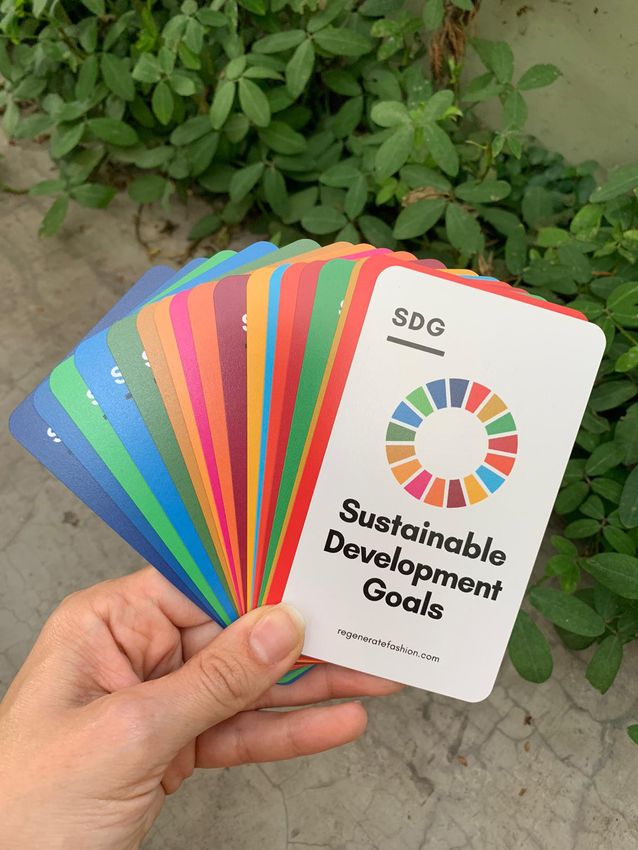
Executive Summary

                                                            At REGENERATE, we believe the United Nations               consumers from all over the world.
                                                            Sustainable Development Goals, provide a global            Our three initial deliverables were successfully achieved
                                                            language and framework for the fashion industry to         and exceeded with two additional deliverables that
                                                            move forward. In 2018 we made a voluntary commitment       furthered the mission of our commitment.
                                                            to further the goals through the ‘Partnerships for         We reached companies and organizations in 15 different
                                                            SDGs online platform’. The platform is ‘United Nations’    countries including: Germany, Brazil, Denmark and the
                                                            global registry of voluntary commitments and multi-        US.
                                                            stakeholder partnerships made in support of sustainable
                                                            development and the 17 Sustainable Development Goals.’     Now more than ever, industry, government, and civil
                                                            (UN.org)                                                   society, must work together to solve society’s most
                                                                                                                       pressing challenges: eradicate hunger, ensure access
                                                            Our voluntary commitment #28041 ‘SDGs for Better           to health, and reduce the environmental harm we have
                                                            Fashion’, has allowed us to direct our work and the work   caused to the ecosystem.
                                                            of those who we engage with, into tangible actions where   We will continue to work toward the achievement of the
                                                            we ‘Leave No One Behind’.                                  17 UN SDGs, and follow our mission: to REGENERATE
                                                                                                                       fashion.
                                                            In the first two years of our commitment, we directly
                                                            engaged with over 800 different stakeholders, including                                       Melissa O de León
                                                            tertiary level fashion students, industry professionals,                                      Initiative Manager
                                                            multinational fashion companies representatives, and                                    REGENERATE Fashion, LLC

4   SDGs for Better Fashion | 2018-2019 Progress Repor t | www.regeneratefashion. com                                                                                        5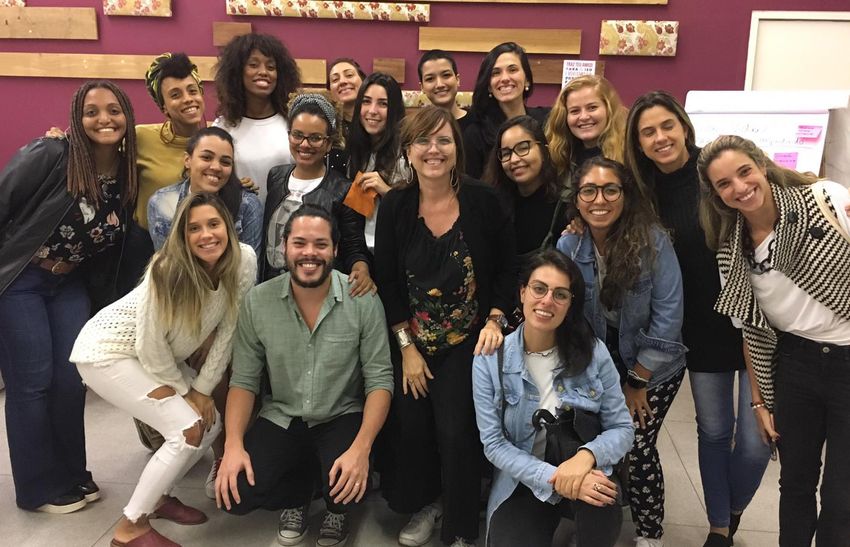
Our Mission

re.gen.er.ate
verb
to recreate, reconstitute, or make over,
especially in a better form or condition.

    We acknowledge that clothing is part of
    human experience. It is a basic need.

    We understand that current clothing
    production and consumption patterns must
    be changed.

    We are committed to transform the way
    that fashion is designed, produced and
    consumed, from being less harmful, to
    being sustainable and regenerative along
    the value chain.

    We work to REGENERATE fashion.

6   SDGs for Better Fashion | 2018-2019 Progress Repor t | www.regeneratefashion. com                                                              7

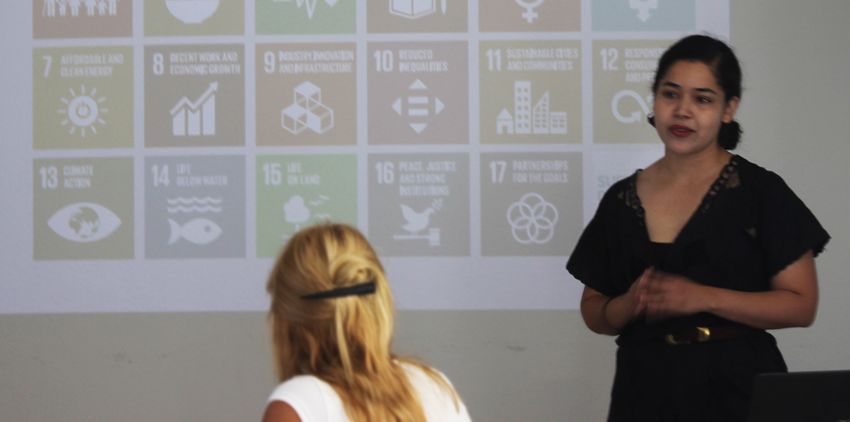
                                                                                        Rio Ethical Fashion | Keynote Talk | Rio de Janeiro 2019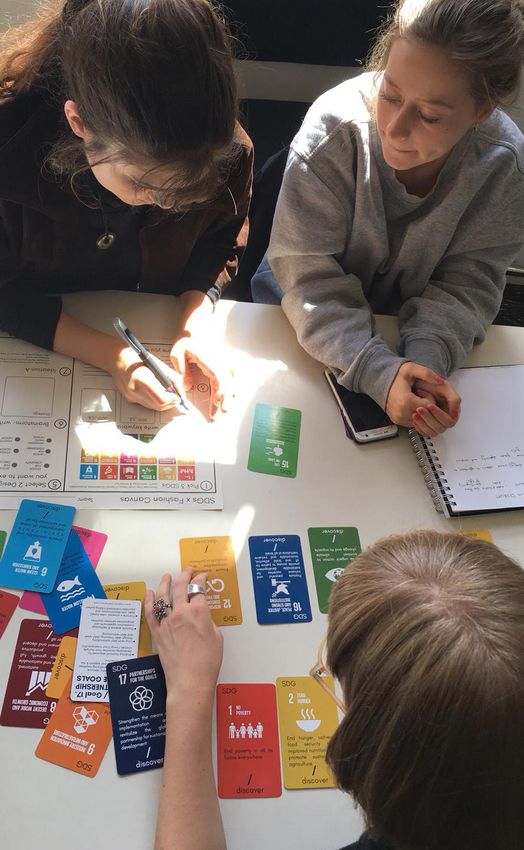
Our Guiding Principles

The complexity of the fashion industry and its value chain,                                   Sustainable Development Goals are the blueprint to achieve
made us realize that defining what sustainability means                                       a better and more sustainable future for all. They address the
in fashion, requires an understanding of cultural values,                                     global challenges we face, including those related to poverty,
geographic context, and future goals.                                                         inequality, climate change, environmental degradation,
                                                                                              peace and justice. The 17 Goals are all interconnected, and in
In order to have a streamlined sustainability framework,
                                                                                              order to leave no one behind, it is important that we achieve
at REGENERATE, we use the United Nations Sustainable
                                                                                              them all by 2030.’ (UN.org)
Development Goals (SDGs) as the guiding principles of our
work, and of those who we work with.                                                          The SDGs allow us to connect our personal values with
                                                                                              this global framework. Furthermore, they facilitate
In 2015, all United Nations Member States, adopted the 2030
                                                                                              communication and implementation of sustainability
Agenda for Sustainable Development; an action plan for
                                                                                              strategies among all fashion stakeholders: from companies,
people, planet and prosperity that includes the 17 Sustainable
                                                                                              brands, and suppliers, to the public sector and consumers
Development Goals (SDGs) and their 169 targets. ‘The
                                                                                              worldwide.

                                                    SDGs for Fashion Workshop | Berlin 2018

8    SDGs for Better Fashion | 2018-2019 Progress Repor t | www.regeneratefashion. com                                                                   9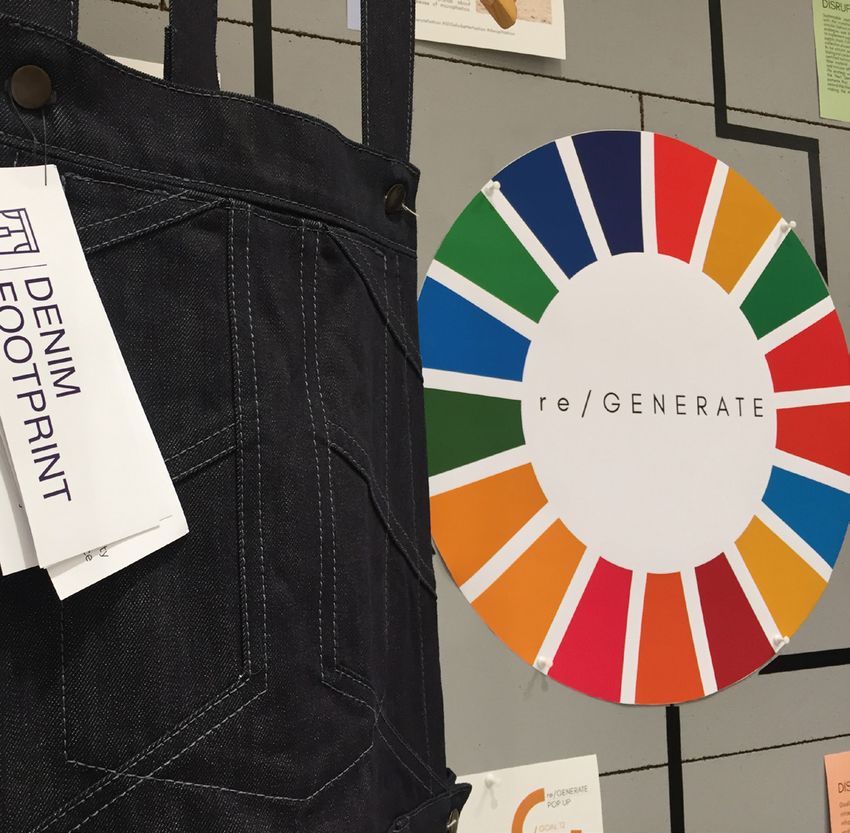
Our Commitment

In 2018, we made a voluntary commitment in
the ‘Partnerships for SDGs’ online platform to                           Companies and Industry organizations
integrate the SDGs in everything we do. Our
                                                                         We engage with companies by providing lectures, keynotes, and presentations in industry
initiative ‘SDGs for Better Fashion’, seeks to
                                                                         events and conferences worldwide; in addition, we work with our partners and clients
widespread the importance of connecting the
                                                                         through tailor-made capacity building and individual consulting to align their sustainable
17 goals to the global fashion industry, and to
                                                                         initiatives and reporting to the aims of the SDGs.
provide solutions that align to specific targets by
addressing the environmental and social impacts
of fashion production and consumption.
                                                                         Education organizations and students
The solutions we endorse include:
                                                                         We deliver knowledge about the SDGs and their relation to the industry to fashion and textile
Implementation of sustainable design strategies,
                                                                         students from university level, as well as to young professionals. These participants will be
promoting the use of sustainable technologies and
                                                                         at the front of companies in the next few years, and having the sustainability knowledge
appropriate resource management throughout
                                                                         will ensure their competitiveness and leadership in the industry.
the textile supply chain, proposing new business
models, and engaging with consumers for better
consumption habits, all throughout the SDG
framework.                                                               Consumers

‘SDGs for Better Fashion’, acknowledges that for                         Participation of the general public, is crucial to the realization of sustainable initiatives,
this global industry to change, it is important to                       and to ensure that their needs are heard by the companies producing clothing and textile
involve all stakeholders in the sustainable fashion                      goods.. Consumers are engaged through lectures and exhibitions open to the public, and
conversation, from brands and manufacturers,                             free of charge.
to consumers. For that, our initiative has a 3
pronged reach:

10   SDGs for Better Fashion | 2018-2019 Progress Repor t | www.regeneratefashion. com                                                                                    11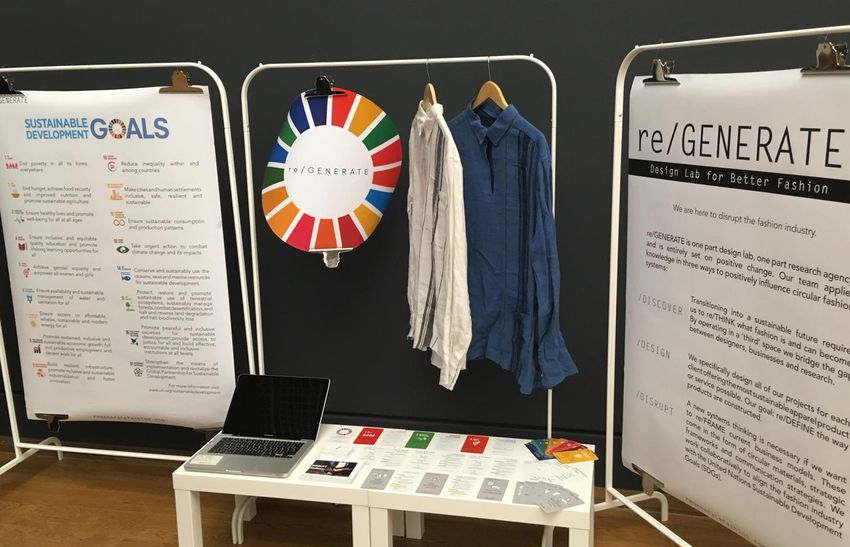
Bundespreis ECO Design Ausstellung | Exhibition| Berlin 2018

                 12      SDGs for Better Fashion | 2018-2019 Progress Repor t | www.regeneratefashion. com   13
2018-2019 progress
In the first 12 months of our               the world we live in (SDG 17 -
initiative ‘SDGs for Better                 Partnership for the goals).
Fashion’ we were able to
                                            We successfully accomplished
integrate the SDGs into every
                                            the three deliverables for the
lecture, keynote presentation,
                                            2018-2019 period, and were
and project we developed.
                                            able     to   deliver   additional
We integrated the 17 goals in               engagements.             Although
our work, from promoting the                through our work we connect
                                                                                         Overview
payment of living wages of                  the 17 goals to the fashion
                                                                                             Engage in at least 3 public events to reach 295 consumers in
garment workers (SDG 1 - End                industry and its value chain; the            1   consumers via keynote or exhibition.        Berlin Germany
poverty), to the importance of              progress and positive impacts
creating partnerships between               of the initiative ‘SDGs for Better
fashion companies, and the                  Fashion’, are measured directly                  Create Consumer Awareness by offering
                                                                                                                                                         207 Viewers from
private and public sector, to               under the targets of goals: 4, 9,            2   Free Webinar during the international
                                                                                             campaign ‘Fashion Revolution Week’
                                                                                                                                                         15 Countries
transform this industry and                 12, 13 (See Deliverables).
                                                                                             Reach 100 fashion design students
                                                                                             through the SDGs for Fashion workshop, 100+ fashion
                                                                                         3   using our capacity building tools (SDG x students in

     800+                              11                         15                         Fashion Canvas and Sustainable Fashion Germany & Brazil
                                                                                             Cards)
                                                                                             Participate in at least 3 industry                          200+ industry
                                                                                             events with keynote or presentation                         professionals
                                                                                         4   to widespread the SDGs and their                            in Germany,
 BENEFICIARIES                 SDG TARGETS                   COUNTRIES                       connection to the fashion industry*                         Denmark & Brazil
                                                                                             Train 50+ industry professionals on                         70+ industry
                                                                                             how to integrate the SDGs into their                        professionals
                                                                                         5   daily work activities using our capacity                    in Germany &
                                                                                             building tool*                                              Canada
                                                                                             *Additional deliverables to the committed in the platform

14   SDGs for Better Fashion | 2018-2019 Progress Repor t | www.regeneratefashion. com                                                                                      15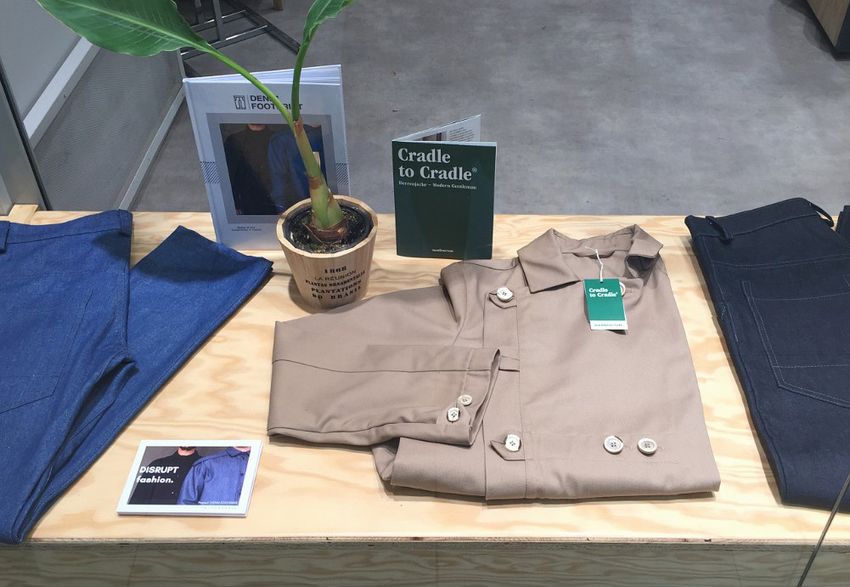
Deliverables                                                                             1. Engage in at least 3 public
                                                                                         events to reach consumers
                                                                                         via keynote or exhibition.
                                                                                                               Completion Date: December 2018
                                                                                             Beneficiaries: 295 participants in Berlin, Germany

                                                                                                 The change in the industry that REGENERATE
                                                                                                 strives for, requires a systemic approach, where all
                                                                                                 stakeholders take part to make fashion sustainable.
                                                                                                 Understanding that the companies integrating
                                                                                                 sustainable practices into their businesses need
                                                                                                 consumers that are aware of what sustainability
                                                                                                 is to make better purchasing decisions, our first
                                                                                                 commitment involved reaching consumers at public
                                                                                                 events.

                                                                                                 To achieve this, we participated in 2 public keynotes
                                                                                                 and 1 exhibition open for the public in Berlin, Germany.

                                                                                                 On April 26, 2018, we gave a keynote talk about the
                                                                                                 connection of Fashion with the UN SDGs, at the
                                                                                                 Connecting Threads event for Fashion Revolution
                                                                                                 Week. The event was held by the global platform Slow
                                                                                                 Fashion World, and artisanal brand Bohetnika. Around
                                                                                                 20 participants joined the event, and our presentation
                                                                                                 provided them with more inspiration to engage with
                                                                                                 the activism campaign #whomademyclothes?.

16   SDGs for Better Fashion | 2018-2019 Progress Repor t | www.regeneratefashion. com                                                               17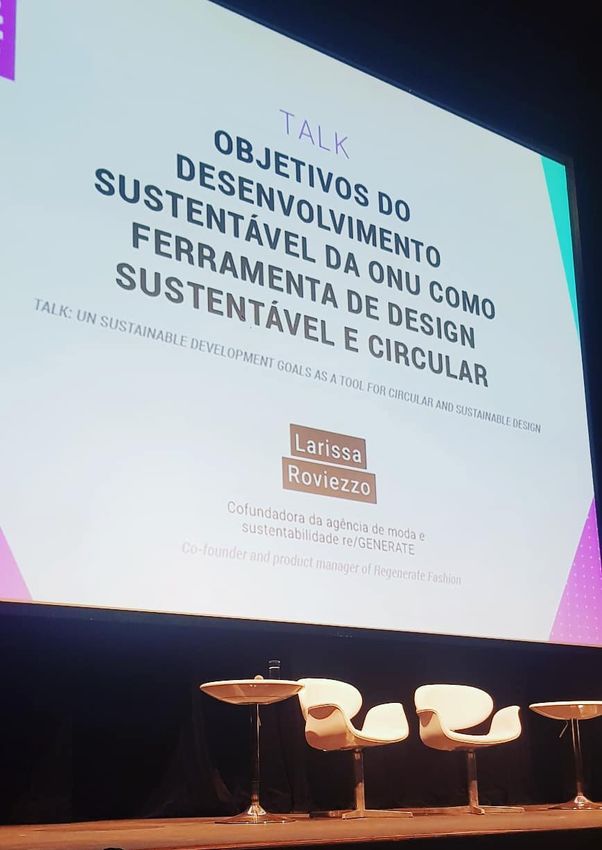
SDG Targets addressed

                                                                                                                        4.7 By 2030, ensure           We      mainstreamed       the   education
                  In May that same year, the shopping                   understand the connection between               that       all     learners   and     knowledge      about    sustainable
                  center Schönhauser Allee Arcaden                      the products and the UN’s SDGS.                 acquire the knowledge         development and the SDGs through their
                  Berlin, invited us to exhibit some of                 During the exhibition, around 250               and skills needed to          relation to fashion, with 295 consumers in
                                                                                                                        promote         sustainable   Berlin, Germany.
                  our sustainable projects in a pop-up                  consumers entered the pop-up shop               d e v e l o p m e n t ,
                  shop format. For the whole month of                   to learn more about the exhibition,             including, (...sustainable
                                                                                                                        lifestyles, (...) and of
                  May, we displayed and sold different                  and many others browsed on the
                                                                                                                        culture’s      contribution
                  fashion products, all aligned with                    window displays.                                to              sustainable
                  different SDGs.                                                                                       development
                                                                        The last consumer engagement was
                  We showed organic cotton jeans                        at the monthly Textilstammtisch
                  related to SDG 8, a collection of bags                hosted at the fashion brand Dzaino
                                                                                                                        12.5 By 2030, substantially   Through the keynotes and exhibition, we
                  made with Pinatex (a vegan alternative                studio in Berlin. In these monthly
                                                                                                                        reduce waste generation       created awareness about the volumes of
                  to leather that uses no carcinogenic                  events, consumers and designers                 through        prevention,    textile waste in landfills, and promoted
                  tanning and thus promotes SDG 3),                     gather together to learn about local            reduction, recycling and      extending clothes use, recycling of textiles
                                                                                                                        reuse                         and garments, and ways to reuse and
                  and two of the first cradle-to-cradle                 initiatives working on fashion and
                                                                                                                                                      upcycle.
                  certified fashion products endorsing                  textiles. We shared with an audience                                          In Germany, the average textile waste per
                  SDG 9. Consumers were extremely                       of around 25 participants our fashion                                         person is 4,7 Kg per year (Labfresh.eu). If
                                                                                                                                                      we estimate that in 2018 these consumers
                  interested to learn more about                        projects aligned to the UN SDGs.                                              reduced their textile waste by at least 30%
                  sustainable fashion, and also to better                                                                                             then we can calculate that around 415 kg
                                                                                                                                                      of textile didn’t go to the landfill.

                                                                                                                        12.8 By 2030, ensure that     We created awareness by showing
                                                                                                                        people everywhere have        how the fashion industry has negative
                                                                                                                        the relevant information      repercussions     on    climate      change.
                                                                                                                        and            awareness      We provided information about the
                                                                                                                        for           sustainable     environmental impacts associated with
                                                                                                                        development          and      clothing production processes, laundry
                                                                                                                        lifestyles in harmony         and clothing disposal. Furthermore, the
                                                                                                                        with nature                   initiative showed consumers how to be
                                                                                                                                                      a sustainable fashion consumer, with
                                                                                                                                                      alternatives that adapt to their lifestyle.

Schönhauser Allee Arcaden | Pop-Up Shop Exhibition| Berlin 2018

                   18      SDGs for Better Fashion | 2018-2019 Progress Repor t | www.regeneratefashion. com                                                                                  19
2. Create Consumer Awareness by offering
Free Webinar during the international
campaign ‘Fashion Revolution Week’
Completion Date: April 2019
Beneficiaries: 207 Viewers from 15 countries (105 live & 102 recording)
After a successful engagement with consumers in Berlin, Germany
during 2018, we committed to widespread this knowledge on a global
level. For that, we organized and developed a free consumer Webinar as
part of the online events for the activism campaign Fashion Revolution
Week 2019.
The Webinar titled: How to be a Sustainable Fashion Consumer? was led
by our co-founder Melissa O de León. It included data and images about
the impacts of fashion production and consumption, as well as actions
that consumers can take that will favour social development and the
environment, all by targeting the SDGs.
In order to reach a diverse consumer audience, we promoted the event
in different platforms:
• Through the Fashion Revolution official event website
• Through our Social Media profiles and our partners’ network.
• Through targeted Facebook advertising (A promotional video was
developed for the ad, and it was mainly targeted to consumers in
Portugal, Germany, Mexico, and Brazil.)
A registration platform was created, where participants registered for
free using their email account. Registration allowed them to receive a
reminder before the event, as well as a link to the recording.
During the broadcast, 105 live viewers attended and engaged in the chat
box with their questions and comments. The recording was viewed by
an additional 102 viewers, making a total of 207 viewers from 15 different
countries. The webinar platform reported that it was viewed 342 times,
which means that some viewers watched the recording more than once.
20 SDGs for Better Fashion | 2018-2019 Progress Repor t | www.regeneratefashion. com 2112.5 By 2030, substantially Information was provided about the
SDG Targets addressed reduce waste generation volumes of textile waste in landfills, and
through prevention, the importance of recycling textiles
reduction, recycling and and garments. Participants from Latin
reuse America highlighted how in their cities or
regions, textile collecting bins do not exist
as in the US or some European countries.
4.7 By 2030, ensure Provided the knowledge about sustainable
Alternatives to this, was to promote
that all learners development and the SDGs through extending clothes use, repair, donation
acquire the knowledge their relation to fashion and the clothes or upcycle, with the goal that they do not
and skills needed to we wear, to 207 global citizens from 15 end up in the landfill.
promote sustainable countries (16.6% North America, 45.8%
development, including, Latin America, and 37.5% Europe). 12.8 By 2030, ensure that The main objective of the webinar was to
(...)sustainable people everywhere have create global awareness of the negative
lifestyles, (...)and of the relevant information impacts associated with the fashion
culture’s contribution and awareness industry. The 207 participants learned
to sustainable for sustainable about the use of natural resources, waste
development development and generation and the working conditions
lifestyles in harmony of garment workers in the fashion supply
with nature chain.
9.3 Increase the access The webinar emphasized the importance We connected these impacts with the UN
of small-scale industrial of buying clothing from local brands SDGs, and gave participants key actions
and other enterprises, in and producers, regional artisans, and they can take to be responsible fashion
particular in developing products that preserve cultural traditions. consumers when they purchase products,
countries, to financial If consumers buy from these kinds of when they use and take care of them, and
services, including products, they facilitate the integration finally by the time of disposal.
affordable credit, and of these often informal vendors into the
12.a Support developing 46.8% of the webinar participants belong
their integration into market.
countries to strengthen to developing countries: Mexico, Brazil,
value chains and markets
their scientific and Venezuela and Romania.
technological capacity The slides used in the session included
to move towards more global information and examples, but
sustainable patterns the interaction on the Q&A portion
46% of consumption and of the webinar, allowed us to provide
production specific examples to participants from
37% these countries. The examples facilitate
sustainable consumption patterns, that
15
take into account the economic level of
consumers in developing countries.
105 102
17%
LATINAMERICA
LIVE RECORD. 13.3 Improve education, Participants from 15 countries attended
awareness-raising and the session. The webinar provided key
AMERICA
EUROPE
NORTH
human and institutional actions that consumers can take from
capacity on climate their garment consumption and use
change mitigation, habits, to reduce the impacts on climate.
adaptation, impact We endorsed simple actions like reducing
REGIONS COUNTRIES VIEWERS reduction and early laundry temperature and frequency,
warning avoiding throwing textiles and clothes in
the trash; and buying fashion products
made with organic or recycled materials if
their budget allows.
22 SDGs for Better Fashion | 2018-2019 Progress Repor t | www.regeneratefashion. com 23Istituto Europeo di Design - IED Rio | Workshop | Rio de Janeiro 2019 24 SDGs for Better Fashion | 2018-2019 Progress Repor t | www.regeneratefashion. com 25
3. Reach 100 fashion design students through the
SDGs for Fashion Masterclass, using our capacity
building tools (SDG x Fashion Canvas and Sustainable Fashion Cards)
Completion Date: June 2019
Beneficiaries: 96 Students (61 in Germany, 35 in Brazil)

With a special focus in the fashion industry’s future                                    In December 2018, a professor from HTW, invited
workforce, this initiative seeked to engage and train                                    us to share the workshop with 21 bachelor design
fashion design and textile students. For this, we                                        students at Burg Giebichenstein Kunsthochschule
partnered with 4 academic institutions (2 in Germany                                     Halle (BURG) University of Art and Design in Halle,
and 2 in Brazil), to deliver our SDGs for Fashion                                        Germany.
Workshop.
                                                                                         In June 2019, we had the opportunity to engage with
In October 2018, the university Hochschule für Technik                                   fashion design students in Brazil. Around 20 students
und Wirtschaft -HTW- Berlin in Berlin, Germany,                                          from Istituto Europeo di Design Rio de Janeiro in
hosted this full-day interactive workshop. Using our                                     Brazil, were part of this workshop. It was a great day
training materials, such as the Sustainable Fashion                                      of exchange and discussion.
Cards and exercise canvases, 20 students were able to
                                                                                         Our last engagement was organized in cooperation
understand how their decisions as fashion designers
                                                                                         with the fashion academy Ateliê Modaimagem, in
have a significant impact in the fashion supply chain.
                                                                                         São Paulo, Brazil. The participants in this workshop
They learned strategies, materials and new business
                                                                                         included 15 students, young designers and industry
models they can apply in their future jobs in the
                                                                                         professionals.
industry. The university staff were very appreciative
of the workshop, and invited us again in 2019 to give                                    For these 2 last engagements, data and examples from
the training to a second group of fashion and textile                                    our original training, were adapted to the brazilian
students.                                                                                context. This gave students relatable information
                                                                                         they can apply not only in their bachelor’s projects,
                                                                                         but later in their career.

26   SDGs for Better Fashion | 2018-2019 Progress Repor t | www.regeneratefashion. com                                                       27
SDG Targets addressed
4.7 By 2030, ensure The workshop provided the education for
that all learners sustainable development and the SDGs on
acquire the knowledge bachelor’s curriculums that were lacking
and skills needed to the topic. Traditionally, fashion degrees
promote sustainable are mainly focused on the creative aspect,
development, including, and our workshop provided university
(...)sustainable students the tools to design and create
lifestyles, (...)and of products that consider the environment
culture’s contribution and the impacts on society.
to sustainable
development
12.5 By 2030, substantially We provided students with strategies
reduce waste generation to reduce waste at the design level (e.g.
through prevention, zero waste pattern making), reducing
reduction, recycling and production waste and using textile waste
reuse to create new products through the
upcycling strategy.
12.8 By 2030, ensure that Through the SDGs x Fashion workshop Istituto Europeo di Design - IED Rio | Workshop | Rio de Janeiro 2019
people everywhere have we reached 2 universities in Germany,
the relevant information 1 university, and 1 fashion academy in
and awareness Brazil. Although the current programs
for sustainable and curriculums in these institutions
development and can not fully integrate sustainability and
lifestyles in harmony climate change courses, the students that
with nature participated in the workshops, can carry
out that knowledge in their education
and profession.
13.3 Improve education, The workshop was provided in 2 countries
awareness-raising and (Germany and Brazil) for tertiary level
human and institutional students (Bachelor).
capacity on climate
change mitigation,
adaptation, impact
reduction and early
warning
28 SDGs for Better Fashion | 2018-2019 Progress Repor t | www.regeneratefashion. com 29
Ateliê Moda Imagem | Workshop | São Paulo 20194. Participate in at least three industry events with
keynote or exhibition to widespread the SDGs and their
connection to the fashion industry.
Completion Date: June 2019
Beneficiaries: Over 400 industry professionals at the 5 events we participated in 3 different
countries (270 Germany, 100 Denmark & 100 Brazil)
At REGENERATE, we work with fashion and business models the over 200 visitors
brands, companies and organisations can implement in their companies.
worldwide to help them integrate and
In May that year, our co-founder Ricardo
advance sustainability practices, all in
Garay, was invited as host of the Copenhagen
alignment to the SDGs. In 2018-2019
Youth Fashion Summit in Denmark. In his
we participated in industry events in 3
role as host, Ricardo had the opportunity
different countries, sharing with a wider
to give a keynote presentation about the
industry audience how the SDGs can help
work of REGENERATE to an audience of
fashion companies of any size, define their
100 students and participants that were
sustainability mission and strategy.
working to develop new solutions for the
Our first engagement was in January industry during the event.
2018 at the Fashion Sustain Conference
Our last 2018 industry event was at the
during Berlin Fashion Week, Germany. We
Zalando headquarters in Berlin, Germany.
exhibited some proof-of-concept products
The leader of the UX design team invited
and projects that show how different
REGENERATE to give a keynote as part of
SDGs can be applied to different product
the company’s monthly events. The UX
categories.: From recyclable swimwear
team (around 20 employees) made great
(SDG 12) to organic denim (SDG 15), the six
Fashion Sustain | Exhibition| Berlin 2018 questions about the SDGs in fashion, and
different projects showed ideas of design
30 SDGs for Better Fashion | 2018-2019 Progress Repor t | www.regeneratefashion. com 31Copenhagen Youth Fashion Summit | Keynote Talk | Copenhagen, DK 2018
had the opportunity to
learn about fabrics and
SDG Targets addressed
new innovations that the
company can consider
for their marketplace. 9.4 By 2030, upgrade Through the keynote presentations and
infrastructure and exhibition of proof-of-concept products,
In 2019, we gave a retrofit industries to this initiative provided examples and
keynote talk about the make them sustainable, sustainability strategies for the fashion
with increased resource- industry. Some of the examples included
SDGs in the fashion use efficiency (...) clean material and resource efficiency, use of
industry, at NEONYT and environmentally new recycling technologies for textiles,
sound technologies and and safe industrial processes, especially
Berlin. The audience
industrial processes, for water treatment.
included around 50 with all countries taking
industry professionals action in accordance
with their respective
capabilities
and buyers, who attended
the trade show to source for 12.4 By 2020, achieve In these industry engagements, we
materials and products, and the environmentally included examples related to SDG 6 and
sound management of SDG 14.
learn about sustainability and
chemicals and all wastes We presented fashion products that
new developments. throughout their life use less hazardous chemicals: Raw
cycle, (...) to minimize denim products without toxic finishings,
Last in May 2019, we were their adverse impacts on vegetable tanning for leather goods as
invited to give a presentation human health and the opposed to chrome tanning, and knitted
environment garments using regional untreated wool.
at Rio Ethical Fashion
conference. It was the first 12.6 Encourage The 5 industry events where we
edition of this event, and our companies, especially participated, reached around 470 industry
presentation in the main large and transnational professionals, from an estimate of 200
companies, to adopt companies. These professionals will carry
auditorium was at full capacity sustainable practices and out the importance of the SDGs to their
with over 100 attendees. to integrate sustainability daily activities, and potentially encourage
information into their the publishing of Sustainability reports in
Larissa Roviezzo, shared reporting cycle the near future.
insights on how the SDGs
are a great framework for 12.a Support developing The complexity of fashion’s value chain,
countries to strengthen often leaves developing countries
sustainable fashion, and their scientific and in the southern hemisphere out of
how the Brazilian fashion technological capacity the sustainability conversation. Our
to move towards more engagement in Brazil at the Rio Ethical
industry can implement them
sustainable patterns Fashion conference, was key to enable
into their work and external of consumption and this cross-country collaboration and
Rio Ethical Fashion | Keynote Talk | Rio de Janeiro 2019
communication. production discussion.
32 SDGs for Better Fashion | 2018-2019 Progress Repor t | www.regeneratefashion. com 33Rio Ethical Fashion | Keynote Talk | Rio de Janeiro 2019
34 SDGs for Better Fashion | 2018-2019 Progress Repor t | www.regeneratefashion. com 355. Train 50+ industry professionals from fashion companies,
brands, textile suppliers, and organizations on how to
integrate the SDGs into their daily work activities using
our capacity building tools (SDG Canvas and Sustainable Fashion Cards)
Completion Date: October 2019
Beneficiaries: 30+ Participants at Blue Zone & 42 Participants a TE
Through our participation at industry events, we
recognized that many companies are willing to
integrate sustainability in their processes and
products, but their employees lack the tools to do so.
To overcome this knowledge gap, in 2018 we delivered
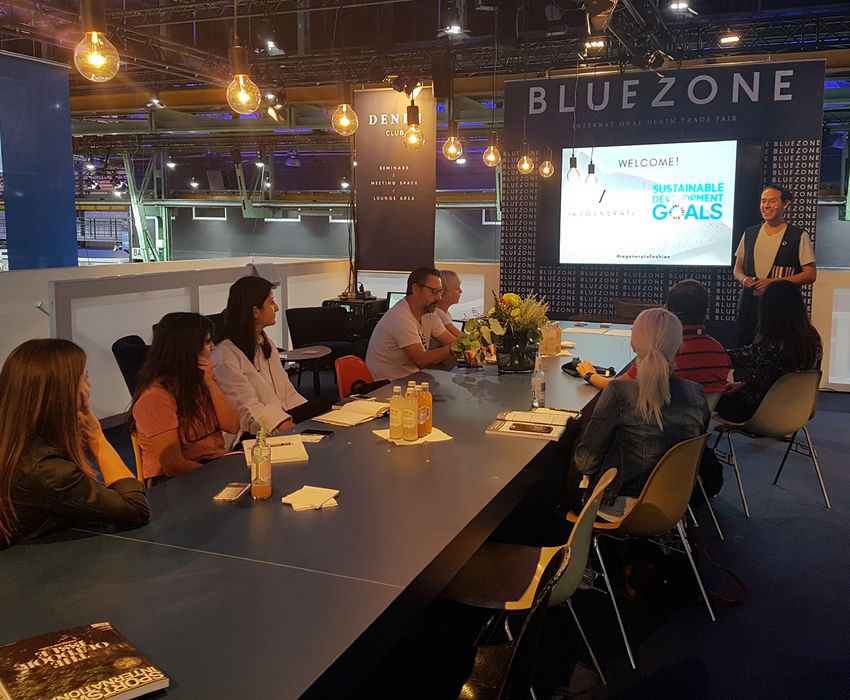
our first training for industry professionals at the BLUE
Zone from Munich Fabric Start.
In three concise and interactive sessions, we guided
over 30 participants in selecting the SDGs their
company can focus, and through hands-on exercises
map their next action steps.
In 2019, the Textile Exchange conference in Vancouver,
Canada, opened for the first time the space to talk
about design. Our team was invited to give a workshop
straight after a panel discussion on the topic with
BlueZone Munich Fabric Start | Exhibition Booth & Training Session | Munich 2018
36 SDGs for Better Fashion | 2018-2019 Progress Repor t | www.regeneratefashion. com 37SDG Targets addressed
4.7 By 2030, ensure The training sessions provided the
that all learners knowledge for using the SDGs as a global
acquire the knowledge sustainability framework for fashion
and skills needed to companies of different sizes. Using the
promote sustainable exercises canvas and our sustainable
development, including, fashion cards, the participants were able
(...)sustainable to brainstorm ideas to create products
lifestyles, (...)and of that consider the environment and the
culture’s contribution impacts on society.
to sustainable
development
9.5 Enhance scientific Participants of the training sessions (Blue
research, upgrade Zone and Textile Exchange) represented
the technological more than 20 multinational companies.
capabilities of industrial Companies engaging in these events,
sectors in all countries, use these opportunities to research new
in particular developing materials and technology developments
countries, (...) increasing available in the market, that facilitate their
the number of research sustainability commitments.
and development
workers per 1 million
people and public and
private research and
development spending
12.6 Encourage The professionals that attended the
companies, especially training sessions were representatives of
Textile Exchange Conference | Workshop: It begins with design | Vancouver. B.C. 2019
large and transnational over 20 different companies. Most of those
companies, to adopt companies are already well routed in their
sustainable practices and sustainability strategies, and thus very
Annie Gullingsrud, Dana Davis, Lululemon, and others. to integrate sustainability likely publish Sustainability reports.
Karen Stewart Brown, Domenica information into their
Using our methodology and reporting cycle
Leibowitz , and moderated by our
our Sustainable Fashion Cards,
advisor Amy Williams.
participants were able to connect
The session called “It begins with their product offering to the SDGs, 13.3 Improve education, The sessions were held in Germany and
awareness-raising and Canada, but the participants came from
design” was fully booked. During the learn solutions for their design human and institutional North and South America, Europe and
4-hours session we engaged with decisions, and better understand capacity on climate Asia.
professionals from multinational how to cooperate with other change mitigation,
adaptation, impact
companies like Nike, Ralph Lauren, departments. reduction and early
warning
38 SDGs for Better Fashion | 2018-2019 Progress Repor t | www.regeneratefashion. com 39Next Steps
We are committed to keep integrating the SDGs in the global fashion industry,
with companies, education institutions, and consumers. The next 10 years require
accelerated and collective efforts to guarantee social and environmental justice,
especially in the global south.
Our commitments for 2020-2022 are the following:
Integrate and measure at least 3 SDG targets into every consulting project from
2020-2022. From consulting on material selection, building codes of conducts
Companies
and Industry
and research projects, we will integrate the SDGs, and measure the impact of our
work towards specific targets.
Reach 100+ fashion design educators and students with the ‘SDGs for Fashion’
Education
workshops: Circular Fashion and the SDGs, Ethical Fashion and the SDGs.
organizations
Implement a train-the-trainer approach, to reach more fashion students with
educators being the replicators of this knowledge.
Continue increasing Consumer Awareness and the knowledge of sustainability
and the SDGs with the general population through free resources: Webinars, Consumers
Podcasts, etc. This will be facilitated in several languages to reach more consumers
worldwide, with a special focus on Latinamerica.
To follow up our commitment Action #28041 ‘SDGs for Better Fashion’ in the Partnerships
for SDGs online platform visit: https://sustainabledevelopment.un.org/partnership/?p=28041
40 SDGs for Better Fashion | 2018-2019 Progress Repor t | www.regeneratefashion. com 41Acknowledgements
<
Larissa Roviezzo
Keynote speaker & The successful achievement of our commitment, SDGs for Better fashion,
Workshop Facilitator
was possible by the diligent work of the members of our team, who facilitated
Melissa O de Leon training sessions and workshops, and presented our work at exhibitions and
<
Initiative Manager &
Workshop Facilitator
keynote talks, engaging with participants and attendees.
Furthermore, we want to thank all individuals, partners, and organizations
that facilitated our participation in the several events, believed in the work of
> REGENERATE, and endorsed industry collaboration to advance the SDGs.
Nadja Gegner
Workshop Facilitator
& Exhibitor
Special thanks to:
Simon Beachaus (kingsxcross)
Max Gilgenmann (NEONYT)
Yame Reis (Rio Ethical Fashion)
Dra. Dhora Costa (Ateliê Moda Imagem)
Bianca Koczan (HTW)
> Karla Magruder (Fabrikology)
Ricardo Garay
Keynote speaker & Tatiana Schmidt
Workshop Facilitator Mariel Jumpa (Slow Fashion World)
Bohetnika
Keelin Farren Haus der Kulturen Lateinamerikas e.v
<
Workshop Facilitator Martiene Raven (Raven Collective)
& Exhibitor
Marianne Guillen (Zalando)
and everyone else that supported our commitment in its first two years.
The activities and outcomes of this report, reflect exclusively the progress of
<
Amy Williams REGENERATE towards our commitment #28041 ‘SDGs for Better Fashion’ and do not
Workshop Facilitator
& Advisor represent any direct affiliation or partnership arrangement with the United Nations.
42 SDGs for Better Fashion | 2018-2019 Progress Repor t | www.regeneratefashion. com 43We are proud supporters of the United Nations SDGs;
we believe in the power of education, sustainability
literacy and capacity building to positively transform
this industry and the world we live in.
For support on your sustainability journey, please
contact us at:
hello@regeneratefashion.com
www.regeneratefashion.com
R E G E N E R AT E Fa s h i o n , L LC 2020 | All rights
re s e r ve dYou can also read


