Single-Family Rental Primer - RMZ: 1,155 BAA: 4.6% - National Rental Home Council
←
→
Page content transcription
If your browser does not render page correctly, please read the page content below

Single-Family Rental Primer

                    RMZ: 1,155 BAA: 4.6%   DJIA: 17,920 10-Year: 1.7%

                                    June 6, 2016

                              This is not a Green Street
                              Advisors Research Report

www.GreenStreetAdvisors.com
National Rental Home Council (NRHC)

Table of Contents
                                      Sections

                                         I.      Executive Summary                                                                                             3

                                         II.     Single Family Rentals 101                                                                                     5

                                        III.     Demand Drivers                                                                                             12

                                        IV.      Supply Growth                                                                                              24
                                         V.      Operating Fundamentals                                                                                     30
                                        VI.      Common SFR Myths                                                                                           35

                                                           2           www.greenstreetadvisors.com © 2016, Green Street Advisors, LLC
                                                                                      Use of this report is subject to the Terms of Use listed at the end of the report
National Rental Home Council (NRHC)

I. Executive Summary

                                      3   www.greenstreetadvisors.com © 2016, Green Street Advisors, LLC
                                                         Use of this report is subject to the Terms of Use listed at the end of the report
National Rental Home Council (NRHC)

Executive Summary
 Single-Family Rentals 101       • The single-family rental ("SFR") market comprises ~13% of all occupied housing and ~37% of the
 The Institutionalization of       total rental market.
 an Emerging Asset Class         • The institutionalization of this asset class has created an opportunity to scale a business that has
                                   traditionally been dominated by "Mom & Pop" owners who do not benefit from a regional or national
                                   platform and/or industry-level expertise.
                                 • While institutional investors have been active acquirers in recent years, their portfolios still
                                   represent just one percent of the total single-family rental market.

 Demand Drivers                  • Household formation and changes in the homeownership rate are two fundamental drivers for rental
 Household Formations              housing demand.
 and Declining                   • Single-family rentals are likely to capture roughly 37% of the estimated 3.9 million new renter
 Homeownership                     households coming to market over the next five years. This translates into approximately 1.5 million
                                   new units of SFR demand between 2016 and 2020.

 Supply Considerations           • SFR supply is expected to expand by roughly ~1.3 million new units over the next five years, or
 Tepid Supply Growth               approximately 1.5% of existing stock annually. Expected new supply levels are well below the long-
                                   term trend.
                                 • New additions primarily reflect foreclosure conversions. Rental units will also be removed from the
                                   supply pool as some rentals convert to owner-occupied properties.

 Operating Fundamentals          • Historically, SFR rent growth has exceeded apartment rent growth. Going forward, if SFR rent
 Attractive Revenue and            growth keeps pace with apartments, and long-term occupancy levels revert to their historical
 Margin Growth                     average, revenue growth in the SFR sector should average roughly 3.0% annually through 2020.
                                 • Operating margins for institutional owners have expanded from 50% to closer to 65% as operators
                                   have built scale and refined their platforms. Even so, opportunities persist to capture additional
                                   operational efficiencies, providing for further cash flow upside for existing owners.
                                 • Views on the necessary amounts of Cap-ex to maintain a competitive real estate asset vary widely. A
                                   detailed cost and useful life analysis suggests a Cap-ex reserve of roughly $1,650/unit (15% of NOI).

 Common Myths                    • Due to its infancy, investors are keenly focused on operating margins and portfolio liquidity. While
 Key Investor Concerns                there are still many unknowns centered on these topics, preliminary results suggest concerns may be
                                      too pessimistic.

                                                                       4           www.greenstreetadvisors.com © 2016, Green Street Advisors, LLC
                                                                                                  Use of this report is subject to the Terms of Use listed at the end of the report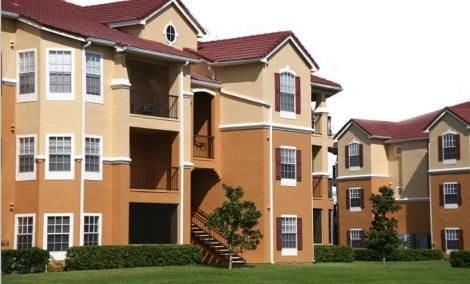
National Rental Home Council (NRHC)

II. Single-Family Rentals 101

                                      5   www.greenstreetadvisors.com © 2016, Green Street Advisors, LLC
                                                         Use of this report is subject to the Terms of Use listed at the end of the report
National Rental Home Council (NRHC)

Single-Family Rentals 101: A Different Product
  •   SFRs vs Apartments: Professionally-managed single-family rentals are different products that cater to a different
      resident base than apartment complexes. While single-family rentals typically offer residents greater space and
      privacy at a more attractive rate than a similar quality apartment complex, they typically offer fewer on-site
      amenities.

                                                                                       VS.

                                                                                      Pros

                                For Residents                                                                             For Investors
                                                                                              Turnover is much lower than apartments. Occupancy is "stickier" in
           Residents get more bedrooms and space at a lower cost per sq. ft.
                                                                                                                    single-family rentals

         Single-family rentals are more likely to be located in high quality school          Landlords have limited or no common area maintenance costs that are
                                          districts                                                                  required in apartments

        Residents benefit from amenities such as garages which are typically an              Meaningful asset value upside potential from current levels relative to
                              extra expense in apartments                                                                apartments

                                                                                  Cons
                                   For Residents                                                                             For Investors

                                 Fewer on-site amenities                                        Long-term cap-ex requirements may be higher than apartments

                            Limited options in the urban core                                                 Difficult to achieve operational scale

        More to maintain (i.e., front yards and backyards) relative to apartments                                  High up-front rehab costs

                                                                                                                              www.greenstreetadvisors.com ©2016, Green Street Advisors Inc.
                                                                                       6
                                                                                                                   Use of this report is subject to the Terms of Use listed at the end of the report
National Rental Home Council (NRHC)

Single-Family Rentals 101: Current Landscape
 ● Home   Sweet Home: There are ~325 million people in the U.S. today living in ~118 million dwellings. There are
    ~16 million detached single-family rentals, and this segment of the rental market accounts for ~13% of the total
    U.S. housing stock, and ~37% of all rental housing.

                     Owners
                                               Manuf.
                                              Housing,
                                                                                                                                      5+Unit
                                                6%                                                                                    Apartments:
                                                                                                                   15.2%
                                                                                                                                      17.9M units

                                                Condos,                        Renters                                                Single-Family
              Single-                             4%
              Family,                                                        42.6M units
                                                                                                                                      Rentals:
               90%                                                              (36%)                              13.3%
                                                                                                                                      15.7M units

                                                                                                                                      Attached
                                                                                                                                      Townhomes:
   Single-Family                                                                                                    6.8%              8.1M units
   Homes:                             57.3%
   67.4M units
                                                                                                                                      Manufactured
                                                                                                                                      Housing Rentals:
                                                                                                                    0.8%
                                                                                                                                      0.9M units
   Manufactured
   Housing:                            3.8%                                    Owners                                                  Renters
   4.5M units                                                                   75.2M
                                                                                units                                             Other,
                                                                                (64%)                                              21%                    SFR,
                                                                                                                                                          37%
   Townhomes /
   Condos:                             2.7%
   3.2M units
                                                                      118 Million Occupied Housing                                 Apts,
                                                                                                                                   42%
                                                                        Units, as of year end 2015
Source: Census, Green Street Advisors - Advisory & Consulting Group

                                                                                    7        www.greenstreetadvisors.com © 2016, Green Street Advisors, LLC
                                                                                                            Use of this report is subject to the Terms of Use listed at the end of the report
National Rental Home Council (NRHC)

Single-Family Rentals 101: Institutionalization
 ● Evolution    of an Industry: In early ’12, Warren Buffett posited the opportunity to invest in single-family rentals:
   "If I had a way of buying a couple hundred thousand single-family homes and if I had a way of managing them
   ..., I would load up on them" (Buffett, February 12, 2012). While Buffett could not find a way to monetize his
   prediction, the NRHC members did capitalize on the opportunity, and now collectively manage over 160,000
   single-family rentals. This growth coincided with rapidly rising home prices, resulting in significant embedded
   gains for the acquired portfolios that have not yet been monetized.

                                                                 Single-Family Rental History Highlights
     195                                                                                                                                                               AMH acquires             180,000
                                                                                                                                             Colony/SWAY                   ARPI
                     Number of Homes Owned by NRHC Members (Right Axis)                                                                    announce merger               (Nov. '15)
                                                                                                       Starwood                                (Sep. '15)
                     Case Shiller Home Price Index (Left Axis)                                                                                                                                  160,000
                                                                                   American Homes 4 Waypoint Spin-off
     175                                                                            Rent (AMH) IPO     (Feb. '14)
                                                                         American      (Aug. '13)
                                                                        Residential                                           AMH acquires                                                      140,000
                                                                     Properties (ARPI)                                        Beazer Rental
                                                  Blackstone               IPO                                                   Homes
                                                  announces              (May '13)                                              (Jul. '14)
     155                                Buffett      entry                                                                                                                                      120,000
                                    announces SFR (Jun '12)
                                      Investment
                                      Opportunity
                                       (Feb. '12)                                                                                                                                               100,000
                                                                         Silverbay
     135                                                                 (SBY) IPO
                                                                          (Dec. '12)                                                 Home Price
                                                                                                                                     Appreciation                                               80,000
                                                                                                                                    (as of 3/31/16)
                       NRHC Members & Estimated Ownership
                                                                 Total Investm ent                                                          36%
     115                                                                                                                                                                                        60,000
              Com pany                     Ticker     # Hom es     ($ m illions)
              Invitation Homes              Private    ~48,000         $9,600
              American Homes 4 Rent          AMH       ~48,000         $8,000                                                                                                                   40,000
              Colony Starw ood Homes         SFR       ~31,000         $5,800
      95      Progress Residential          Private    ~17,000         $3,000
              Silver Bay                     SBY        ~9,000         $1,200                                                                                                                   20,000
              Tricon American Homes         Private     ~7,600           $875                                                          Since Buffett
                                                                                                                                         Proposal
              Total (as of 1Q16)                      ~160,600        $28,475
      75                                                                                                                                                                                        0
        Jan-11             Jul-11         Jan-12        Jul-12        Jan-13           Jul-13        Jan-14          Jul-14         Jan-15                Jul-15              Jan-16
Source: Case Shiller, Bloomberg, Company Disclosure/Documents, Green Street Advisors - Advisory & Consulting Group

                                                                                                8              www.greenstreetadvisors.com © 2016, Green Street Advisors, LLC
                                                                                                                                    Use of this report is subject to the Terms of Use listed at the end of the report
National Rental Home Council (NRHC)

Single-Family Rentals 101: Home Price Appreciation
 ● More  Room to Run: Despite climbing ~36% since Buffett's proposal, average home prices are still roughly
    11% below the prior peak level, which compares to average apartment values that are approximately 38%
    above the prior peak level.

                          Price Appreciation : Single-Family Homes vs Apartments                                                                              Appreciation Since Peak
                                         Apartment Values                  Case Shiller (Home Price Index)

      160
                                                                                    Apartments are 38% above
                                                                                                                                                                                                          55%
                                                                                    previous peak values while
                                                                                    home prices are still ~11%
                                                                                                                               138
      140                                                                               below peak values

                                                                                                                                                                                    38%
      120

      100

                                                                                                                                     89
       80

       60

       40

       20                                                                                                                                                    -11%

                                                                                                                                                          Housing      Apt. Appreciation  Implied
         0                                                                                                                                              Appreciation Since Prior Peak Appreciation to
             '00   '01   '02     '03    '04    '05     '06    '07    '08      '09   '10      '11       '12   '13   '14   '15   '16                    Since Prior Peak                     Match
                                                                                                                                                                                         Apartments
Source: Case Shiller Home Price Index, Green Street Advisors - Advisory & Consulting Group

                                                                                                                   www.greenstreetadvisors.com © 2016, Green Street Advisors, LLC
                                                                                                   9                                      Use of this report is subject to the Terms of Use listed at the end of the report
National Rental Home Council (NRHC)

Single-Family Rentals 101: Market Share
 ●A   Sliver with Enormous Growth Potential: The single-family rental business has traditionally been, and
    continues to be, dominated by "Mom & Pop" investors that do not benefit from a regional or national platform
    and/or industry-level expertise. While the NRHC members were the most active buyers over the past several
    years, their acquisitions collectively represent less than 5% of new supply and roughly 1% of the entire SFR
    industry. Consolidation of Mom & Pop owners will remain a key source of external growth for institutional
    investors.
                                         Total Single-Family Rental Stock (millions)                                                                   SFR Acquisitions by Owner
                                                                                                                                                                  Mom & Pop

 18                                              SFR Inventory                        New Additions                                                               Institutional (NRHC members)

                                                                                                                                    16.9                                                          3.2 million
 17
                                                                                                                            16.4
                                                                                                                     16.2
                                                                                                              15.9
 16

                                                                       New supply                    15.2
                                                                        additions                                                                                                                    ~160k
 15                                                                                          14.7
                                                                                     14.3
                                                                                                                                                                SFR Acquisitions ('08 - '15)
 14
                 13.4    13.3
                                  13.5                                      13.5                                                                             Total SFR Ownership
        13.3
                                                                    12.9                                                                                          Institutional (NRHC members)
 13
                                                                                                                                                                  Mom & Pop
                                          12.6     12.6    12.6
 12

 11
                                                                                                                                                               99%
                                                                                                                                                                                                         1.0%

 10
        2000     2001    2002     2003    2004    2005     2006    2007     2008    2009     2010    2011     2012   2013   2014    2015

Source: Bureau of Labor Statistics, U.S. Census Bureau, and Green Street Advisors - Advisory & Consulting Group

                                                                                                10                www.greenstreetadvisors.com © 2016, Green Street Advisors, LLC
                                                                                                                                   Use of this report is subject to the Terms of Use listed at the end of the report
National Rental Home Council (NRHC)
Single-Family Rentals 101: Risks and Opportunities
● Evaluating Risk and Reward: The macro-economic drivers of single-family rental demand are similar to those
experienced by apartment owners. Both will benefit from: household formations, declining homeownership
rates, and an escalating propensity to rent. Yet, only single-family rental owners will be able to capitalize on the
expanding preference, particularly among families, to live in a detached home. Moreover, while home prices
have surged over the past few years, they remain 11% below the levels experienced during the ’06 peak.
Apartment values, by contrast, are already more than 35% above the prior peak. This divergence in pricing
suggests home values may have more appreciation potential than apartments.
Single Family Rental Risk Map: 2016 to 2020E Risks and Opportunities
Opportunities
1. The homeownership rate has fallen considerably since
High
Major '06, serving as a tailwind for SFR demand. A
Major Risk
Opportunity continuation of this trend bodes well for the long-term
prospects of the industry.
1 Secular shift away from 2. Single-family rentals are well positioned for a increase
homeownership in the preference for more bedrooms as the swell of
younger cohorts age and start families.
2 Increased need for 3. Home prices have not recovered as much as apartment
Likelihood
additional bedrooms values, suggesting there may be additional upside.
SFR rent growth may 4. Demographic dynamics are increasing the likelihood for
exceed or lag the largest age cohort to rent.
5 apartments Home prices
Uncertain long- 3 continue to rise
term cap-ex
requirements Risks
Capture millennial
4 household formation
5. Historically, SFR rent growth has outpaced apartments.
8 Homeownership More recently, SFR rents have lagged. The future trend
rates increase remains uncertain.
6 meaningfully
7 6. A sharp increase in the homeownership rate, however
unlikely, would result in less rental demand.
Low
Operating costs
unmanageable 7. While margins of NRHC members have increased from
50% to 65% in only a few years, long-term stabilized
margins remain unproven.
Negative Impact Positive
8. The long-term cap-ex requirements for institutional
single-family rentals remain untested.
Source: Green Street Advisors - Advisory & Consulting Group
11 www.greenstreetadvisors.com © 2016, Green Street Advisors, LLC
Use of this report is subject to the Terms of Use listed at the end of the reportNational Rental Home Council (NRHC)
III. Demand Drivers
12 www.greenstreetadvisors.com © 2016, Green Street Advisors, LLC
Use of this report is subject to the Terms of Use listed at the end of the reportNational Rental Home Council (NRHC)
Demand Drivers
●A Solid Base: Household formations are the fundamental driver of housing demand. A household's choice
between a single-family home or apartment, and whether to buy vs. rent, is generally predicated on lifestyle
needs and financial situation. An estimated 6.6 million total households are expected to be created over the
next 5 years. Rentals are expected to capture over half of these households, a share well above the long-term
average. Of these, approximately 1.5 million renter households will occupy single-family rentals.
2016 - 2020E Housing Demand Forecast '16 - '20E SFR Demand Forecast
(cumulative, in millions)
Job / Income Population
Growth Demographics Household Growth SFR Demand Growth
Growth
~9.2% increase in occupied
single-family rentals by '20
Net Household Formations
('16-'20E cumulative)
+6.6 million
Demographic trends
Renters dictate the Homeowners +1.5
proportion of owners
+3.9 million and renters, which is +2.7 million +6.6
constantly changing
17.2
124
15.7
118
Apartment & Other
Rentals Single-Family Rentals
+2.5 million +1.5 million Households New Households Occupied New SFR Occupied
('15) Households ('20E) SFR ('15) Renters SFR ('20E)
(by '20E) (by '20E)
Source: Bureau of Labor Statistics, U.S. Census Bureau, and Green Street Advisors - Advisory & Consulting Group
13
www.greenstreetadvisors.com © 2016, Green Street Advisors, LLC
Use of this report is subject to the Terms of Use listed at the end of the reportNational Rental Home Council (NRHC)
Demand Drivers: Employment
● Slow and Steady Recovery: Job growth is an important driver of rental demand. In '15, the trend of better-
than-expected job growth seen since 2010 continued. Healthy, but decelerating, job growth is expected over the
remainder of the decade. Despite this deceleration, the economy is expected to add roughly 156,000 jobs per
month over the next five years, well above the 115,000 necessary to drive down unemployment.
Nonfarm Employment Monthly Job Growth Forecast
(in thousands)
Total Employment (Shaded Area, Left Axis in Millions) Green Street's forecast calls for a
Unemployment Decreasing
Monthly Job Growth Pace (Right Axis in '000s) new household to be formed for
160 roughly every 1.5 jobs created 600
Thousands
Monthly job additions impact on
400
unemployment rate
140
156
200
120
115
Unemployment Increasing
0
100
-200
80
-400
2.3 2.7 4.0 6.5 years to
years years years get back to
60 pre-recession
levels -600
40 -800 Breakeven 16E - '20E
'80 '82 '84 '86 '88 '90 '92 '94 '96 '98 '00 '02 '04 '06 '08 '10 '12 '14 '16 '18 '20 Employment (Monthly Avg.)
Source: Bureau of Labor Statistics, U.S. Census Bureau, and Green Street Advisors - Advisory & Consulting Group
www.greenstreetadvisors.com © 2016, Green Street Advisors, LLC
14
Use of this report is subject to the Terms of Use listed at the end of the reportNational Rental Home Council (NRHC)
Demand Drivers: Household Formations
● More Jobs, More Households: With the economy adding jobs and pushing down unemployment, an
estimated 6.6 million households are expected to be created by 2020. The 1.3 million average annual pace is
slightly faster-than-average, but similar to that experienced in other post-recessionary environments.
Annual Household Formations (Thousands) Household Formations
2,000
Average Annual Household
+6.6 Million Formations
1,800 Total New (000s)
Household
From '16-'20
1,600
1969-2015 Avg. = 1.2 MM 1,320
1,400 1,240
1,200
1,200
1,000
800
600
Measuring and forecasting household formations is challenging,
400 especially over the short-term. Green Street's forecast
contemplates the strong historical correlation between
household formation and job growth and a continued reduction
200 of household size. This approach allowed for an accurate
forecast in '15.
0
'69 '71 '73 '75 '77 '79 '81 '83 '85 '87 '89 '91 '93 '95 '97 '99 '01 '03 '05 '07 '09 '11 '13 '15 '17 '19 Long Term Post Recession '16E-'20E
Avg. Avg.
Source: Bureau of Labor Statistics, U.S. Census Bureau, and Green Street Advisors - Advisory & Consulting Group
15 www.greenstreetadvisors.com © 2016, Green Street Advisors, LLC
Use of this report is subject to the Terms of Use listed at the end of the reportNational Rental Home Council (NRHC)
Demand Drivers: Household Formations (cont.)
● From Owners to Renters: Historically, roughly 34% of new households chose to rent rather than buy.
However, the housing boom pushed purchases to record levels and the home ownership rate to a level that
proved to be unsustainable. The subsequent housing meltdown caused the home ownership rate to plummet
and allowed apartment owners and SFR landlords to capture a disproportionate number of new households.
While the homeownership rate is expected to rise from current levels, apartment and SFR landlords should be
able to capture a majority of new household formations over the next several years.
Household Formations by Type Household Formation Forecast
New Owners (Left Axis, Millions) Average Annual
'16E - '20E Forecast
New Renters (Left Axis, Millions) "Owner Nation" "Renter Nation" Owners Return (000's)
Homeownership Rate (Right Axis)
3.0 70%
69% 787
2.5
68%
Homeownership Rate
New Owners/Renters
2.0
67%
1.5 533
66%
1.0 65%
64%
0.5
63%
-
62%
(0.5)
61%
(1.0) 60%
Annual Owner Annual Renter
'70 '75 '80 '85 '90 '95 '00 '05 '10 '15 '20
Formations Formations
Source: Bureau of Labor Statistics, U.S. Census Bureau, and Green Street Advisors - Advisory & Consulting Group
16
www.greenstreetadvisors.com © 2016, Green Street Advisors, LLC
Use of this report is subject to the Terms of Use listed at the end of the reportNational Rental Home Council (NRHC)
Demand Drivers: Demographics
● Demographic Shifts Favor Renters: Distinct age cohorts make different choices about their housing. As a
result, demographic shifts can have profound impacts on housing demand. The prime renter demographic –
those under 35 years old – is expected to grow faster than the broader population over the next decade,
representing a tailwind for rental demand. Furthermore, the proportion of nearly every cohort opting to rent is
likewise putting upward pressure on rental demand, further bolstering the single-family rental market.
The Generations by Age Cohort Based on Census Projections
25 Gen Z Gen Y (Millennials) Gen X Baby Boomers Eisenhower Gen
22 22 22 22
20 21 21 22
Millions of People
21 21 21
20 20
19
15 16
10 11
8
5 6 6
0
85
Propensity to Rent Propensity to Rent Propensity to Rent Propensity to Rent
20% 65% 20% 65% 20% 65% 20% 30%
Not Yet In Rental
Market
Long Term
Long Term
Long Term
Long Term
2015
2015
2015
2015
Avg.
Avg.
Avg.
Avg.
Source: Bureau of Labor Statistics, U.S. Census Bureau, and Green Street Advisors - Advisory & Consulting Group
17 www.greenstreetadvisors.com © 2016, Green Street Advisors, LLC
Use of this report is subject to the Terms of Use listed at the end of the reportNational Rental Home Council (NRHC)
Demand Drivers: Demographics (cont.)
● Life Events Drive Decision Making: The homeownership rate has fallen substantially since '06 as the
propensity to rent has increased for every age group. The even-higher propensity to rent among younger
cohorts is reflective of a trend for delaying major life events. This shift to delaying marriage, having children,
and buying a home is unlikely to change quickly. This provides a stable foundation for the single-family rental
industry to build upon.
Cumulative Change in the Propensity to Rent Delaying Major Life Events
Age of First-Time Homebuyer (Right Axis)
Average (all ages) Under 35 35-44
Propensity to Mother's Age at First Birth (Right Axis)
45-54 55-64 65 and over
700 Rent (current)
Median Age of First Marriage (Right Axis)
During the housing boom, 25-34 year olds made an 41%
unprecedented rush into homeownership, but they were Percent of 25-34 Year Olds Living with Parents 15%
30% (Left Axis)
500 then hardest hit in the subsequent downturn. This
14% 34
generation, which has aged into today's 35-44 year olds, 65% 33
shows no signs of a desire to return to homeownership. 25%
32
12%
300
30
Basis Points
10% 28
100 28
8% 26
26
21%
-100 6%
24
4%
-300 22
2% 20
-500
2008
1995
1996
1997
1998
1999
2000
2001
2002
2003
2004
2005
2006
2007
2009
2010
2011
2012
2013
2014
2015
0% 18
1985 1989 1993 1997 2001 2005 2009 2013
Source: Bureau of Labor Statistics, U.S. Census Bureau, and Green Street Advisors - Advisory & Consulting Group
18 www.greenstreetadvisors.com © 2016, Green Street Advisors, LLC
Use of this report is subject to the Terms of Use listed at the end of the reportNational Rental Home Council (NRHC)
Demand Drivers: Demographics (cont.)
● Too Much Debt: The delay in major life events likely stems in part from the increasingly heavy debt burden
encumbering younger generations. While credit card debt has largely remained flat since ’04, student debt has
surged nearly five-fold to $1.2 trillion (or roughly $19,000 per person aged 20-34) during this time period. Not
surprisingly, a 30 year old burdened with student loan debt is more likely to delay major life events and is
considerably more likely to rent, driving up demand for single-family rentals. This burden amplifies the
challenge of amassing equity for a down payment.
Student Debt Outstanding Debt Per Capita (ages 20-34)
Student Loan Debt Credit Card Debt
Credit Card Debt ($ Billions, Left Axis)
1,400 14%
Student Loan Debt ($ Billions, Left Axis)
1,200 % of Student Loan Balances 90+ Days Delinquen (Right Axis) 12% Total
$29,922
1,000 10%
$10,798
800 8%
Total
$17,684
600 6%
400 4% $11,928
The number of student loan borrowers has $19,124
nearly doubled over the past 10 years to 42
200 million. Student loan debt surpassed credit 2%
card debt in 2010.
$5,756
0 0%
'03 '04 '05 '06 '07 '08 '09 '10 '11 '12 '13 '14 '15 2004 2015
Source: Company Disclosure/Documents, Green Street Advisors - Advisory & Consulting Group
www.greenstreetadvisors.com © 2016, Green Street Advisors, LLC
19 Use of this report is subject to the Terms of Use listed at the end of the reportNational Rental Home Council (NRHC)
Demand Drivers: Space Needs
● The Pending Demand for Space: As families age and have children, they require more space and bedrooms.
Following this trend, Millennials will soon require the space that can only be offered by single-family rental
homes, due to the limited number of 3+ bedroom units offered by apartment complexes.
Bedroom Requirements by Age Cohort Single-Family Rentals Apartments
3% 3%
Gen Z Millennials Gen X Baby Boomers Eisenhower Gen 9%
4 Moving on Up: As the families of Studio
renters expand, they upgrade from 1 Bedroom
apartments to SFRs, but rarely 46%
downgrade to apartments from SFRs. 97% 2 Bedrooms 42%
Average Bedrooms Per Household*
3+ Bedrooms
3 Gen X
62 Million
SFR Renters
(>2 Beds)
Baby Boomers Eisenhower More Space, For Less
Millennials 79 Million Gen Single-Family Rentals Apartments
87 Million 31 Million Market SF Avg. Rent Rent/SF SF Avg. Rent Rent/SF
Atlanta 2,045 $1,242 $0.61 1,031 $1,054 $1.02
2
Charlotte 1,988 $1,442 $0.73 965 $987 $1.02
Gen Z Las Vegas 1,930 $1,372 $0.71 939 $883 $0.94
Apt. Renters
(≤2 Beds)
62 Million Phoenix 1,570 $1,120 $0.71 886 $926 $1.04
Tampa 1,949 $1,452 $0.74 938 $1,069 $1.14
Average 1,897 $1,326 $0.70 952 $984 $1.03
*Green Street Estimate
Average Rent/SF Discount to Multifamily -32%
1
0 20 40 60 80
Current Midpoint Age for Each Generation
Source: Company Disclosure/Documents, Axiometrics, Green Street Advisors - Advisory & Consulting Group
www.greenstreetadvisors.com © 2016, Green Street Advisors, LLC
20 Use of this report is subject to the Terms of Use listed at the end of the reportNational Rental Home Council (NRHC)
Demand Drivers: Housing Alternatives
● Housing Shortage: Apartment development is now well above prior peak levels. New home construction, by
contrast, remains limited. The dearth of new homes is likely to limit the options of renters whose space
demands have exceeded traditional apartment offerings. Single-family rentals are well positioned to capture this
growing group of renters that may be unable to find their space demands met elsewhere.
Rolling 12 Month Average Construction vs Historical Average
1 Unit vs 5+ Unit Construction
(Ratio of trailing 12-month to historical average)
Single Family Apartments
Relative to Historical Avg.
250% Avg. Trailing 12-Month Pace
1.6 800
152%
750
200% 1.4 700
1.2 600
Above historical
152%
150%
avg.
1 500
0.8 73% 400
387
100%
Below historical
73% 0.6 300
avg.
0.4 200
50%
0.2 100
0% 0 0
1990
1991
1992
1993
1994
1995
1996
1997
1998
1999
2000
2001
2002
2003
2004
2005
2006
2007
2008
2009
2010
2011
2012
2013
2014
2015
2016
1 Unit 5+ Unit
Source: U.S. Census, Company Disclosure/Documents, Green Street Advisors - Advisory & Consulting Group
www.greenstreetadvisors.com © 2016, Green Street Advisors, LLC
21 Use of this report is subject to the Terms of Use listed at the end of the reportNational Rental Home Council (NRHC)
Demand Drivers: Renter Formations
● Getting Their Fair Share: In '15, renter household growth was the highest in a generation. Over the past five
years, all of the growth in households has been from renters. Initially, renter growth was due to a shift of
foreclosed households into single-family rentals. More recently, growth has been driven by demographic trends
that favor renting.
Renter Households and Capture Rate Renter Household Formations
+3.9 Million
New
50 200%
Renter Households (Millions, Left Axis)
Renters Average Annual Renter
From '16-
'20 Household Formations
% of New Households Electing to Rent (3-yr avg., Right
45 Axis)
(000s)
40 150%
889
35 787
Absolute Owner Households Declining
30 100%
97%
Renter capture rates 580
25 above 100% (or below
0%) are unsustainable.
20 50%
15
10 0%
Absolute Renter Households Declining
5 -15%
0 -50%
'72 '74 '76 '78 '80 '82 '84 '86 '88 '90 '92 '94 '96 '98 '00 '02 '04 '06 '08 '10 '12 '14 '16 '18 '20 Housing Post 2008 '16 - '20
Bubble Years Forecast
Source: Company Disclosure/Documents, Green Street Advisors - Advisory & Consulting Group ('03 - '08)
22
www.greenstreetadvisors.com © 2016, Green Street Advisors, LLC
Use of this report is subject to the Terms of Use listed at the end of the reportNational Rental Home Council (NRHC)
Demand Drivers: Single-Family Rental Demand
● Looking to the Past: The percentage of renters electing to live in a single-family home has averaged ~35%
over the last fifteen years, dipping to 33% during the housing boom. With an estimated 3.9 million new renters
up for grabs through 2020, the single-family rental market is set to attract 1.5 million, or roughly 37% of the total
pool.
Household Formations
Renter Households and SFR Capture Rate
('16 - '20)
Renter Households Occupied SFRs SFR Capture Rate (3-yr avg., Right Axis)
1.5 million new Average Annual Household
50,000 Single-Family rentals 40%
by 2020
Formations
(000s)
45,000 37% 37% 37% 37%
38%
37% 37% 36% 37% 37% 37%
36% 36% 1,320
40,000 35% 36%
35%
35%
33% 34%
35,000 33%
34%
33%
30,000 32%
25,000 30% 787
20,000 28%
15,000 26%
10,000 24% 290
5,000 22%
0 20%
'00 '01 '02 '03 '04 '05 '06 '07 '08 '09 '10 '11 '12 '13 '14 '15 '16 '17 '18 '19 '20 Total HHs Renter HHs SFR HHs
Source: Company Disclosure/Documents, Green Street Advisors - Advisory & Consulting Group
www.greenstreetadvisors.com © 2016, Green Street Advisors, LLC
23
Use of this report is subject to the Terms of Use listed at the end of the reportNational Rental Home Council (NRHC)
IV. Supply Growth
24 www.greenstreetadvisors.com © 2016, Green Street Advisors, LLC
Use of this report is subject to the Terms of Use listed at the end of the reportNational Rental Home Council (NRHC)
Supply: Sources For New Inventory
● Multiple Sources of Growth: Traditional real estate relies primarily upon open-market acquisitions to fuel
external growth engines. SFR investors, by contrast, have a number different acquisition channels that can be
accessed at different points in the cycle. This menu of alternatives provides additional flexibility when primary
channels become competitive.
NRHC Sources of New Inventory NRHC Portfolio Sources
Auction Bulk Portfolio MLS REO/Short Sale Auction Bulk Portfolio
Total Homes
MLS REO/Short Sale
~160k
NRHC As of Dec. 2012
35%
52%
9%
4%
As of March 2016
27% 30%
10%
33%
2012 2013 2014 2015 2016
Source: Company Disclosure/Documents, NRHC, Green Street Advisors - Advisory & Consulting Group
25 www.greenstreetadvisors.com © 2016, Green Street Advisors, LLC
Use of this report is subject to the Terms of Use listed at the end of the reportNational Rental Home Council (NRHC)
Supply: New Units of Supply
● Tepid Growth: All told, single-family rental supply is expected to expand by roughly 1.3 million new units over
the next 5 years, or approximately 1.5% of the existing stock annually. The limited expansion of inventory
relative to demand increases offers ample opportunity for the professionally managed single-family rental
platforms to improve occupancy and acquire market share without the risk of new supply moving forward.
Change in Supply vs Demand
5-Year Supply Growth Forecast (millions)
('16 - '20, millions)
19.5
+0.15
19.0 -0.9
2.0 1.5
18.5
18.0 18.2
17.5
17.0 17.2
16.9
1.3
16.5
16.0
15.5
15.0
Existing Foreclosure New Rent-to-Own 2020 Supply Est. 2020 Demand
(pg. 10) Conversions Construction Conversion Est. ∆ Supply ∆ Demand
(pg. 27) (pg. 28) (pg. 29) (pg. 13)
Source: Company Disclosure/Documents, Green Street Advisors - Advisory & Consulting Group
www.greenstreetadvisors.com © 2016, Green Street Advisors, LLC
26 Use of this report is subject to the Terms of Use listed at the end of the reportNational Rental Home Council (NRHC)
Supply: Foreclosures
● The Primary Source of Recent New Inventory: Investors acquire the majority of foreclosures put up for sale
by lenders since such purchases often require a more sophisticated acquirer than the typical home buyer. As a
result, the number of homes with mortgages that are seriously delinquent (60+ days) is a leading indicator for
new additions to the single-family rental space. On average, 50-60% of the households that are foreclosed
upon end up in the single-family rental pool. Based on the current pool of seriously delinquent homes, roughly
2 million units are expected by be added to the single-family rental pool by 2020.
Shadow Inventory and Subsequent Supply (millions) Net Annual Supply Additions
Where Do Foreclosure
Households Go? % of Shadow Supply
REO Foreclosure 60+ Days Due Family Apts. SFRs Annual Additions (000s)
7
70% 500
15%
6 5.9 65% 450
5.7 25%
0.6
5.1 5.2 60% 410
400
0.6 60%
5 0.5
0.6 4.5 350
55%
0.4 4.1 55%
2.3 300
4 3.7
0.4
2.4 50%
2.9 2.1 2.5 0.4 250
2.0
3 45%
1.8 200
0.6 1.6
40%
150
2
1.2
3.0 35%
100
2.4 2.6
2.3 2.2
1 2.0
1.7 30% 50
1.2
25% 0
0
2008 2009 2010 2011 2012 2013 2014 2015 Forecast
Source: U.S. Census, Federal Reserve, Company disclosures, Green Street Advisors - Advisory & Consulting Group ('16E - '20E)
27 www.greenstreetadvisors.com © 2016, Green Street Advisors, LLC
Use of this report is subject to the Terms of Use listed at the end of the reportNational Rental Home Council (NRHC)
Supply: New Construction
● Development, a Costlier Source of Supply: In all sectors of real estate, new construction is synonymous with
new supply growth. However, build-to-rent single-family development is virtually non-existent as the cost of
construction typically exceeds the cost of acquiring an existing home from other sources. With essentially no
new supply expected to be delivered over the next 5 years, new construction is considerably less important to
the single-family rental industry than for apartments.
New Single-Family Rental Construction (thousands) 35.0
Ann. Rate of New SFR Const. 2.1%
Just 150k units of new Annual Rate (000s)
Single-Family Built-for-Rent (Thousands of Units, Left Axis) SFR properties are
34.0
As % of Existing SFR Supply
60 expected to be 0.4%
As % of Existing SFR Inventory (Right Axis) delivered by '20. Apt. Supply Additions
33.0
1.6% 1.6%
as % of Existing Stock
50 32.0
1.3%
0.3%
31.0
1.1%
40
30.0
0.9%
30.1 30.0
30.4
30 0.2% 29.0
0.6%
28.0
20
0.2% 0.2% 0.2%
0.1% 27.0
0.1%
10
26.0
0 0.0% 25.0
-0.4%
'00 '01 '02 '03 '04 '05 '06 '07 '08 '09 '10 '11 '12 '13 '14 '15 '16 '17 '18 '19 '20 Historical Avg. Past 5 Years 5 Year Forecast
Source: Company Disclosure/Documents, Green Street Advisors - Advisory & Consulting Group
www.greenstreetadvisors.com © 2016, Green Street Advisors, LLC
28
Use of this report is subject to the Terms of Use listed at the end of the reportNational Rental Home Council (NRHC)
Supply: Homeownership Effects
● The Return of the Home Buyer: The aggregate supply of SFRs is expected to tick up as foreclosed homes are
acquired by investors and some new construction is delivered. However, a smaller, but sizable number of
homes will exit the single-family rental market. A portion of these homes will leave as a result of obsolescence,
but the vast majority will transition as landlords sell homes to owner-occupants. On average, ~1% of existing
SFRs are expected to be converted to owner-occupied homes annually over the next five years.
Homeownership Rate and Total SFR Inventory Rent-to-own Conversions
Conversions (SFR -> Owner Occupied) New Inventory Average Annual
Conversions (Owner Occupied -> SFR) Homeownership Rate (Right Axis) Conversions
A total of 890k rental
70%
(000s)
units are expected to
1,400 be converted into
owner-occupied units
from '16 - '20E. 68%
1,200
266
1,000 Renters switch Renters 66%
to owning Come Back
800
63% 64%
178
63% 62% 63% 63%
600
62%
400
100
60%
200
0 58%
2001
2002
2003
2004
2005
2006
2007
2008
2009
2010
2011
2012
2013
2014
2015
2016
2017
2018
2019
2020
Hist. Avg. Past 5-Years 5-Year
Conversions Forecast
Source: Company Disclosure/Documents, Green Street Advisors - Advisory & Consulting Group
29 www.greenstreetadvisors.com © 2016, Green Street Advisors, LLC
Use of this report is subject to the Terms of Use listed at the end of the reportNational Rental Home Council (NRHC)
V. Operating Fundamentals
30 www.greenstreetadvisors.com © 2016, Green Street Advisors, LLC
Use of this report is subject to the Terms of Use listed at the end of the reportNational Rental Home Council (NRHC)
Operating Fundamentals: Occupancy
● Ticking Up: During the recession, occupancy for single-family rentals declined as a wave of new supply entered
the market through unprecedented levels of foreclosures and distress. More recently, however, occupancy has
increased substantially and is expected to climb further as fewer SFR units are added to the market. Should SFR
occupancy return to its historical average (~94%), the gains will cause revenues of SFR owners to increase faster
than rent growth alone. Conversely, apartment owners are currently enjoying higher-than-average occupancy
(96% vs. 95%), raising questions as to whether current apartment occupancies are sustainable. This could put
downward pressure on apartment occupancy over the near-term, serving to slow the growth pace of apartment
revenues.
Historical Occupancy 5-Year Occupancy Forecast
SFR Inventory SFR Apartments
SFR Occupancy SFR
20,000 5 Year Forecast occupancy to
Apartment Occupancy 95% revert to 94%
99% by 2020
18,000
95%
16,000 97%
94.5%
14,000 95%
95% 94.2% 94%
12,000
94%
93%
10,000
8,000 91%
6,000 93%
89%
4,000
87%
2,000
0 85%
2000 2002 2004 2006 2008 2010 2012 2014 2016 2018 2020 Long Term Avg. Current 2016E -2020E
Source: U.S. Census, Company Disclosure/Documents, Green Street Advisors - Advisory & Consulting Group
31 www.greenstreetadvisors.com © 2016, Green Street Advisors, LLC
Use of this report is subject to the Terms of Use listed at the end of the reportNational Rental Home Council (NRHC)
Operating Fundamentals: Rent Growth
● Lower Rents, Similar Growth: Apartment owners have historically been able to garner higher rents than
comparable-quality single-family rentals on a per-sq. ft. basis. However, over the long-term, rent growth
between the sectors should (and has) trended closely together due to similar demographic demand drivers.
Going forward, should this relationship continue, SFR rent growth should mirror that of the apartment sector.
Rent Growth (Indexed 2015=100) 5-Year Annual Rent Forecast
% Change in SFR Rent SFR Rent Growth Apartment Rent Growth SFR Apartments
5 Year
Forecast
140 30.0% 4.0%
3.8%
115
120 25.0%
Apartment vs SFR Rent
(based on historical relationship)
100
100 20.0%
2.8% 2.7% 2.7%
2.7%
80 15.0%
60 10.0%
40 5.0%
20 0.0%
0 -5.0%
1993 1995 1997 1999 2001 2003 2005 2007 2009 2011 2013 2015 2017 2019
'93 - '15 '10 - '15 '16E-'20E
Source: U.S. Census, Company Disclosure/Documents, Green Street Advisors - Advisory & Consulting Group
www.greenstreetadvisors.com © 2016, Green Street Advisors, LLC
32
Use of this report is subject to the Terms of Use listed at the end of the reportNational Rental Home Council (NRHC)
Operating Fundamentals: Revenue Growth
● Similar Rent Growth + Occupancy Gains = Better Revenue Growth: Assuming single-family rent keeps
pace with apartments and a reversion to historical average occupancy (~94% for SFRs vs ~95% for apartments),
revenue growth in the single family rental sector would outpace the apartment sector by ~30 bps annually over
the next five years. Moreover, with only a fraction of the single family rental industry in the hands of
professionally managed national platforms, large operators may further outperform their Mom & Pop peers as
they capture additional economies of scale.
Revenue Growth (Indexed 2015=100) 5 Year Annual Forecast
5 year forecast based SFR Apartments
Est. Apartment Revenue Growth Implied SFR Revenue Growth
on historical
relationship* 3.1%
130 3.0%
2.7%
116
120
114
110 1.9%
100
100
90
80
'00 - '15 '16E-'20E
70
More Upside to Come?
60 • Institutional investors have yet to capitalize on
ancillary income opportunities (e.g., pet rent,
renter's insurance, lawn maintenance, etc.)
50 • Rent growth has historically outpaced
apartments. Our forecast assumes similar
growth vs apartments moving forward.
40 • Institutional owners may be able to achieve
2001 2002 2003 2004 2005 2006 2007 2008 2009 2010 2011 2012 2013 2014 2015 2016 2017 2018 2019 2020 occupancy higher than what mom & pop
investors have been able to realize historically,
* Based on historical rent growth relationships, and a reversion of SFR occupancy to its historical average. aided by stickier tenants.
Source: U.S. Census, Company Disclosure/Documents, Green Street Advisors - Advisory & Consulting Group
33 www.greenstreetadvisors.com © 2016, Green Street Advisors, LLC
Use of this report is subject to the Terms of Use listed at the end of the reportNational Rental Home Council (NRHC)
Operating Fundamentals: Estimated Cap-ex Requirements
● Capital Expenditures, a Drag on Returns: Capital expenditures (Cap-ex) refers to the long-term costs of
maintaining a competitive real estate asset. Views on the necessary amounts of Cap-ex vary widely, and a
common concern for the single-family rental sector is that the long-term cap-ex requirements will weigh on
returns. One approach for estimating Cap-ex is to estimate the cost and useful life for the various components
of the building. This yields an estimated cap-ex reserve of approximately $1,650/unit (~15% of NOI), putting
single-family rentals in the middle of the pack relative to other real estate sectors.
Illustrative Single-Family Cap-ex Build-up Green Street's Annual Cap-Ex as % of NOI
Useful Ann. Cap-ex
Component Est. Cost
Life Reserve Based on an estimated
28.4%
cap-ex reserve of
Land $30,795 100+ $0 $1,650/unit. A reserve of
Excluded
this amount is
Building $98,582 45 $2,191 necessary to maintain
the competitiveness of
21.8%
HVAC $5,483 15 $366 the portfolio.
Electrical $4,768 30 $159 Included in
Green Street's
Cap-ex Estimate:
Appliances $5,722 7 $817 ~$1,650/unit
15.0%
14.7%
14.6%
Exterior $4,649 15 $310
Leasing Costs
11.0%
Expensed
/Commissions
9.2%
9.0%
8.7%
8.0%
Purchase Price1 $165,000 100 $1,652
5.9%
5.0%
(1) Includes 10% developer profit
Source: Company Disclosure/Documents, National Association of Home Builders, Green Street Advisors - Advisory & Consulting Group
www.greenstreetadvisors.com © 2016, Green Street Advisors, LLC
34
Use of this report is subject to the Terms of Use listed at the end of the reportNational Rental Home Council (NRHC)
VII. Common SFR Myths
35 www.greenstreetadvisors.com © 2016, Green Street Advisors, LLC
Use of this report is subject to the Terms of Use listed at the end of the reportNational Rental Home Council (NRHC)
Myth 1: Impossible to Operate
● About Average, But Growing: For real estate, a simple but effective way to compare the efficiency of
operating assets is by reviewing the property level cash flow margins. The most operationally intensive sectors
(e.g. hotels) will typically have the lowest margins, while those that require less day-to-day oversight (e.g., net
lease) will have higher margins. Single-family rentals currently boast margins that are comparable to the
average for other sectors (~65%). However, with the sector still in its infancy, operating margins have been
expanded significantly (up from ~50% just 3 years ago) and should have potential to continue to expand.
NOI Margins (all sectors) Expense Breakdown
Single-Family Rentals
Other,
71% 71% 70% 70% 69% HOA, 6% 9%
65% 65% 64%
60% 60% 60% Insurance,
6% Property
Taxes,
42%
R & M,
13%
45%
Property
Mgmt.,
17%
Apartments
Other,
8%
R&M, 14% Property
Taxes, 34%
Utilities,
15%
Insurance,
5% Payroll,
25%
Source: Company Disclosure/Documents, Green Street Advisors - Advisory & Consulting Group
36 www.greenstreetadvisors.com © 2016, Green Street Advisors, LLC
Use of this report is subject to the Terms of Use listed at the end of the reportNational Rental Home Council (NRHC)
Myth 2: Too Big to Sell
●A Drop in the Bucket: With over 160,000 total homes, the NHRC members own a seemingly large pool of
homes. However, a liquidation scenario does not move the needle for market pricing at the national level. Even
in Atlanta, the market with the highest concentration of NRHC-owned homes, a liquidation scenario would
only add ~3 months to existing supply.
U.S. Existing Home Sales and Months of New Supply Atlanta Case Study
Existing Home Sales (Left Axis)
2015 ATL Home
Months of New Supply (Right Axis) Sales 84,000
Months of Supply Including Institutional SFRs
0.7 14
Total NRHC
0.6 12 Homes in
22,000
ATL
0.5 10
Millions
0.4 8
At current home
0.3 6 sales pace in ATL, 3.2
the 22,000 homes
only adds ~3
months of supply
0.2 4.7
5.1 4
0.1 2
Months of Supply Months of Supply
with NRHC Inventory
0 0
'99 '00 '01 '02 '03 '04 '05 '06 '07 '08 '09 '10 '11 '12 '13 '14 '15
Increase in Months of Supply
Source: Company Disclosure/Documents, Green Street Advisors - Advisory & Consulting Group
37
www.greenstreetadvisors.com © 2016, Green Street Advisors, LLC
Use of this report is subject to the Terms of Use listed at the end of the reportGreen Street’s Disclosure Information
This is not a research report. These materials were developed and intended for the sole use of National Rental Home Council (“NRHC”), which has the sole right to rely upon them. These materials are made available for information
purposes only and not for purposes of investments. No third persons may rely upon these materials for any purpose and uses them at their sole risk, these materials are presented “as is” without any warranty or assurance. To the
full extent permitted by law, Green Street Advisors LLP and NRHC disclaim any and all warranties in the materials, including but not limited to any warranty of merchant ability or fitness for any particular use even if such use in
known to Green Street Advisors LLP and/or NRHC. Acceptance and review of these materials constitutes your agreement to the foregoing.
Management of Conflicts of Interest: Conflicts of interest can seriously impinge the ability of analysts to do their job, and investors should demand unbiased research. In that spirit, Green Street adheres to the following policies regarding conflicts of interest:
• Green Street employees are prohibited from owning the shares of any company in our coverage universe.
• Green Street employees do not serve as officers or directors of any of our subject companies.
• Neither Green Street nor its employees/analysts receives any compensation from subject companies for inclusion in our research.
• On occasion, Green Street analysts may be contacted by companies within the firm’s coverage universe regarding potential employment opportunities. Additional disclosure will be made when appropriate.
Please also have regard to the Affiliate Disclosures listed above when considering the extent to which you place reliance on this research presentation and any research recommendations made herein.
Green Street, at times, assists Eastdil Secured, a real estate brokerage and investment bank, when Eastdil Secured provides investment banking services to companies in Green Street’s coverage universe. Green Street is never part of the underwriting syndicate or the selling group, but Green Street
may receive compensation from Eastdil Secured for consulting services that Green Street provides to Eastdil Secured related to Eastdil Secured's investment banking services. Green Street does not control, have ownership in, or make any business or investment decisions for Eastdil Secured.
A number of companies covered by Green Street research reports pay an annual fee to receive Green Street’s research reports. Green Street may periodically solicit this business from the subject companies. In the aggregate, annual fees for GSA (US) and GSA (UK) research reports received from
subject companies represent approximately 3% of each of GSA (US)’s and GSA (UK)'s respective total revenues.
Green Street publishes research reports covering issuers that may offer and sell securities in an initial or secondary offering. Broker-dealers involved with selling the issuer’s securities or their affiliates may pay compensation to GSA upon their own initiative, or at the request of Green Street's clients in
the form of “soft dollars,” for receiving research reports published by Green Street.
The information contained in this presentation is based on data obtained from sources we deem to be reliable; it is not guaranteed as to accuracy and does not purport to be complete. This presentation is produced solely for informational purposes and is not intended to be used as the primary basis of
investment decisions. Because of individual client requirements, it is not, and it should not be construed as, advice designed to meet the particular investment needs of any investor. This presentation is not an offer or the solicitation of an offer to sell or buy any security.
For Green Street’s advisory customers, this research presentation is for informational purposes only and the firm is not responsible for implementation. Nor can the firm be liable for suitability obligations.
GSA (US) is an accredited member of the Investorsidesm Research Association, whose mission is to increase investor and pensioner trust in the U.S. capital markets system through the promotion and use of investment research that is financially aligned with investor interests.
GSA (US) generally prohibits research analysts from sending draft research reports to subject companies. However, it should be presumed that the analyst(s) who authored this presentation has(/have) had discussions with the subject company to ensure factual accuracy prior to publication, and
has(/have) had assistance from the company in conducting due diligence, including visits to company sites and meetings with company management and other representatives.
References to “Green Street” in Disclosures in this section and in the Other Important Information section apply to:
• GSA (US) to the extent that this presentation has been disseminated in the USA; or
• GSA (UK) to the extent that this presentation has been disseminated in the EEA.
Green Street Advisors US is exempt from the requirement to hold an Australian financial services license under the Act in respect of the financial services; and is regulated by the SEC under US laws, which differ from Australian laws.
Green Street Advisors UK Ltd. is exempt from the requirement to hold an Australian financial services license under the Act in respect of the financial services; and is regulated by the FCA under UK laws, which differ from Australian laws.
Green Street reserves the right to update the disclosures and policies set out in this document at any time. We encourage a careful comparison of these disclosures and policies with those of other research providers, and welcome the opportunity to discuss them.
Affiliate Disclosures: Green Street does not directly engage in investment banking, underwriting or advisory work with any of the companies in our coverage universe. However, the following are potential conflicts regarding our affiliates that should be considered:
• Green Street has an advisory & consulting practice servicing investors seeking to acquire interests in publicly-traded companies. Green Street may provide such valuation services to prospective acquirers of companies which are the subject(s) of
Green Street’s research reports.
• An affiliate of GSA (US) is the investment manager of an equity securities portfolio on behalf of a single client. The portfolio contains securities of issuers covered by Green Street’s research department. The affiliate also acts as a sub-adviser to an outside
Investment Management firm. The sub-advisor will develop and provide a suggested asset allocation model based on published research that is received from the research department. The affiliate is located in a separate office, employs
an investment strategy based on Green Street’s published research, and does not trade with Green Street’s trading desk.
EEA Recipients: For use only by Professional Clients and Eligible Counterparties: GSA (UK) is authorized by the Financial Conduct Authority of the United Kingdom to issue this report to "Professional Clients" and "Eligible Counterparties" only and is not authorized to issue this report to "Retail Clients",
as defined by the rules of the Financial Conduct Authority. This report is provided in the United Kingdom for the use of the addressees only and is intended for use only by a person or entity that qualifies as a "Professional Client" or an "Eligible Counterparty". Consequently, this report is intended for use
only by persons having professional experience in matters relating to investments. This report is not intended for use by any other person. In particular, this report intended only for use by persons who have received written notice from GSA (UK) that he/she/it has been classified, for the
purpose of receiving services from GSA (UK), as either a "Professional Client" or an "Eligible Counterparty". Any other person who receives this report should not act on the contents of this report.
Terms of Use
Protection of Proprietary Rights: To the extent that this report is issued by GSA (US), this material is the proprietary and confidential information of Green Street Advisors, LLC, and is protected by copyright. To the extent that this report is issued by GSA (UK), this material is the proprietary and confidential
information of Green Street Advisors (U.K.) Limited, and is protected by copyright.
This presentation may be used solely for reference for internal business purposes. This report may not be reproduced, re-distributed, sold, lent, licensed or otherwise transferred without the prior consent of Green Street. All other rights with respect to this report are reserved by Green Street.
WWW.GREENSTREETADVISORS.COM
38You can also read


