SMALL ISLAND DEVELOPING STATES - Small Islands Big(ger) Stakes
←
→
Page content transcription
If your browser does not render page correctly, please read the page content below
SMALL ISLAND
DEVELOPING STATES
    Small Islands Big(ger) Stakes

             Office of the High Representative
             for the Least Developed Countries,
             Landlocked Developing Countries
             and Small Island Developing States
             (UN-OHRLLS)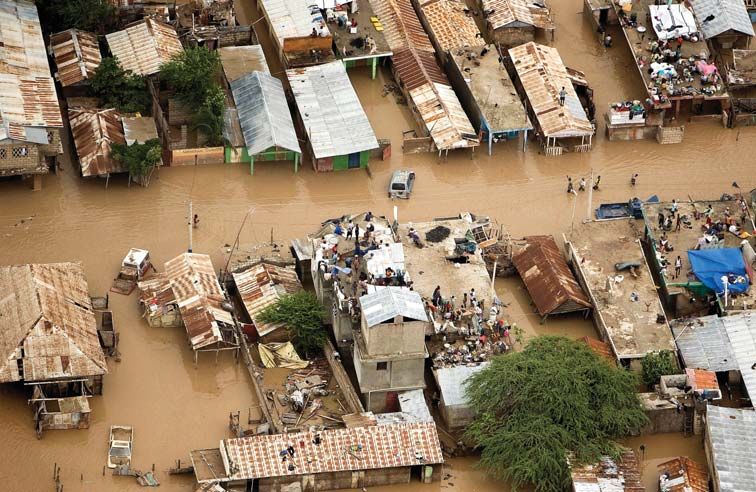
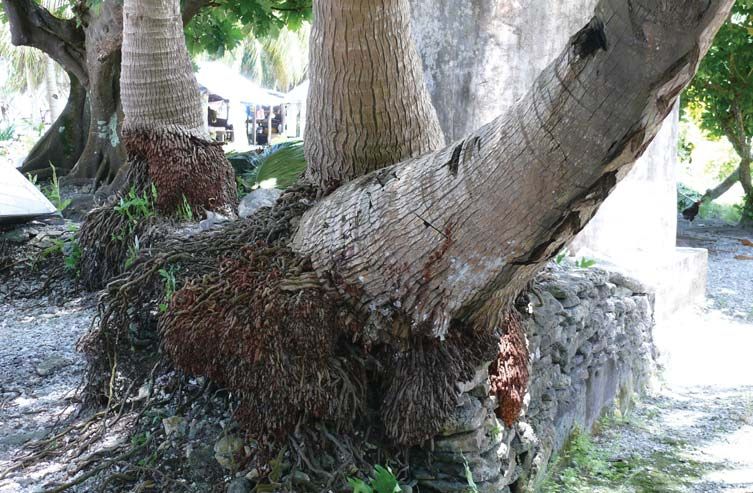
TABLE OF CONTENTS

About the SIDS                                                  2–3

    1. What are the SIDS?
    2. How many countries represent the SIDS?
    3. Where are the SIDS located?
    4. What are the challenges faced by the SIDS?
    5. What is the Barbados Programme of Action?
    6. What is the Mauritius Strategy?
    7. Where are the SIDS in the achievement of MDGs?

Basis for Actions

    ACTION 1:    Climate Change and Sea-Level Rise              4–5
    ACTION 2:    Biodiversity                                   6–7
    ACTION 3:    Coastal and Marine Resources                   8–9
    ACTION 4:    Natural Disasters                           10 – 11
    ACTION 5:    Renewable Energy Resources                  12 – 13
    ACTION 6:    Transport and Communication                 14 – 15
    ACTION 7:    Trade and Finances                          16 – 17
    ACTION 8:    Management of Waste                         18 – 1 9
    ACTION 9:    Freshwater Resources                        20 – 21
    ACTION 10: Land Resources                                22 – 23
    ACTION 11: Tourism                                       24 – 25

Map of the SIDS in the World                                 26 – 27

SIDS Advocacy Platforms                                           28

                                                                        1
SMALL ISLAND DEVELOPING STATES

    What are the SIDS?
    Small Island Developing States (SIDS) are a distinct group of developing countries
    facing specific social, economic and environmental vulnerabilities. SIDS were recog-
    nized as a special case both for their environment and development at the United
    Nations Conference on Environment and Development (UNCED), also known as the
    Earth Summit, held in Rio de Janeiro, Brazil (3–14 June 1992). This recognition was
    made specifically in the context of Agenda 21 (Chapter 17 G).

    How many countries represent the SIDS?              Non-UN Members/Associate Members of
    Fifty two countries and territories are presently   the Regional Commissions:
    classified as SIDS by the United Nations            14 countries – American Samoa, Anguilla,
    OHRLLS. 38 are UN members and 14 are                Aruba, British Virgin Islands, Commonwealth
    non-UN Members or Associate Members of              of Northern Marianas, Cook Islands, French
    the Regional Commissions.                           Polynesia, Guam, Montserrat, Netherlands
                                                        Antilles, New Caledonia, Niue, Puerto Rico,
    UN Members:
                                                        and U.S. Virgin Islands.
    38 countries – Antigua and Barbuda, Bahamas,
    Bahrain, Barbados, Belize, Cape Verde,              Where are the SIDS located?
    Comoros*, Cuba, Dominica, Dominican Republic,       SIDS are spread over three geographical
    Fiji, Grenada, Guinea-Bissau*, Guyana, Haiti*,      regions namely, the Caribbean, the Pacific
    Jamaica, Kiribati *, Maldives*, Marshall            and the Atlantic, Indian Ocean, Mediterranean
    Islands, Federated States of Micronesia,            and South China Sea (AIMS).
    Mauritius, Nauru, Palau, Papua New Guinea,
    Samoa*, São Tomé and Príncipe*, Singapore,          What are the challenges faced by the SIDS?
    St. Kitts and Nevis, St. Lucia, St. Vincent and     The common challenges faced by SIDS are:
    the Grenadines, Seychelles, Solomon Islands*,       narrow resource base depriving them of the
    Suriname, Timor-Leste*, Tonga, Trinidad and         benefits of economies of scale; small domestic
    Tobago, Tuvalu*, and Vanuatu*.                      markets and heavy dependence on a few

     *Also LDCs
2
external and remote markets; high costs            is known as the Mauritius Strategy for
for energy, infrastructure, transportation,        Implementation of the Programme of Action
communication and servicing; long distances        for the Sustainable Development of SIDS
from export markets and import resources;          (MSI). The United Nations General Assembly
low and irregular international traffic volumes;   decided to convene a high-level review of the
little resilience to natural disasters; growing    MSI on 24 and 25 September 2010.
populations; high volatility of economic growth;
limited opportunities for the private sector       Where are the SIDS in the achievement
and a proportionately large reliance of their      of MDGs?
economies on their public sector; and fragile      According to the Millennium Development
natural environments. Therefore, they are          Goals Report 2009 and the series of regional
highly disadvantaged in their development          and national MDG progress reports indicated
process and require special support from the       that SIDS had made some progress by 2009,
international community.                           however several SIDS were not on track
                                                   to achieve the MDGs and some had even
What is the Barbados Programme of Action?          regressed. In particular, the impact of the
The United Nations has been assisting and ex-      multiple global financial, economic, food and
tending cooperation to SIDS in their sustainable   security crises continued to threaten progress
development efforts through the Programme          and has further widened the growing socio-
of Action for the Sustainable Development of       economic disparities.
SIDS finalized at the Global Conference held in
Barbados in 1994, known also as the Barbados
Programme of Action (BPOA).

What is the Mauritius Strategy?
The BPOA was reviewed and revamped at the
five-year review held at the Twenty-second
special session of the General Assembly in
1999, and the ten-year review held in Mauritius
(10–14 January 2005). The latter outcome

                                                                                                    3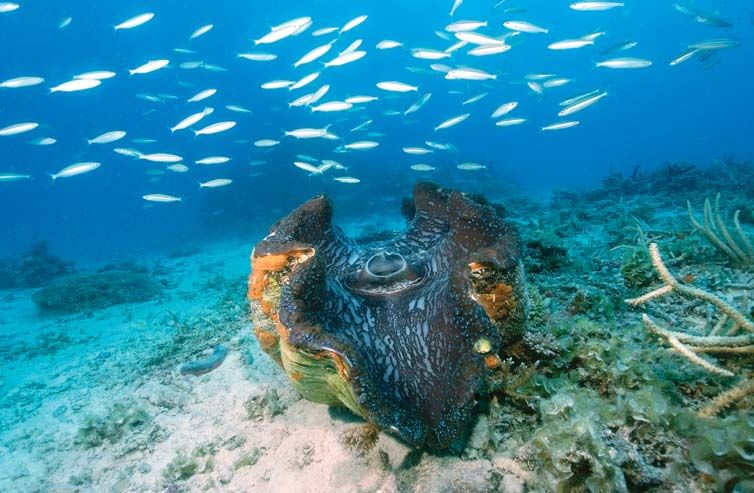
ACTION 2 3 4 5 6 7 8 9 10 11
      1

                        Palm trees destroyed by soil erosion, caused by high seas, Nukunomu Atoll, Tokelau
                                                                                UN Photo, Ariane Rummery

    SIDS are particularly vulnerable to global climate change,
    climate variability and sea-level rise

4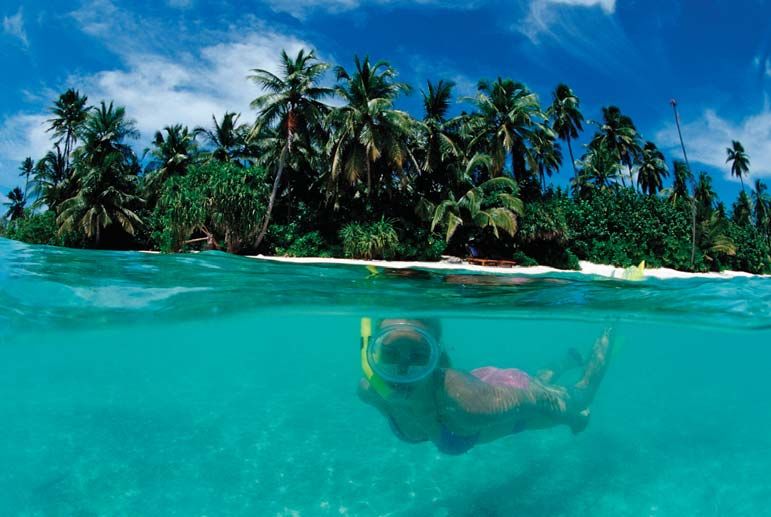
CLIMATE CHANGE AND SEA-LEVEL RISE

Issues at Stake                                        Actions by SIDS
» A highly coastal-concentrated agricultural land      » Continue to develop comprehensive adjustment
   and infrastructure development increased the          and mitigation policies for sea-level rise in the
   threats from any rise in sea-level.                   context of integrated coastal area management.
» The very survival of certain low-lying SIDS will     » Continue to assess the effects and the socio-
  be threatened.                                         economic implications of the impact of climate
» Global climate change may damage coral reefs           change, climate variability and sea-level rise on
  and other fragile island ecosystem and further         SIDS, including the effects of internal migration
  affect fisheries and food crops. that could affect     of displaced citizens due to the onset of climate
  both subsistence and commercial fisheries as           change adverse effects.
  well as food crops.                                  » Improve public understanding of the potential
» Increased frequency and intensity of storm             effects of climate change.
  events due to climate change will also have          » Promote a more efficient use of energy resources
  profound effects on both the economies and             in development planning and use appropriate
  environments of SIDS.                                  methods to minimize the adverse effects of
                                                         climate change on the sustainable development
Basis for Action                                         of those resources.
» Provide SIDS with the necessary and adequate
  funding, including through innovative sources        Actions by Development Partners
  of financing, to assist SIDS in their mitigation     » Support SIDS to develop and strengthen
  and adaptation measures and efforts.                   integrated coastal management plans, including
» Commit to reducing greenhouse gas emissions            measures for responding adaptively to the
  to internationally agreed levels within an             impacts of climate change and sea-level rise.
  agreed time frame.                                   » Provide improved access to financial and
                                                         technical resources for monitoring variability
                                                         and change of climate and sea-level rise
                                                         including the development and implementation
                                                         of adaptation strategies.
                                                       » Provide access to environmentally sound
                                                         and energy efficient technology to assist SIDS
                                                         in conserving energy.
                                                       » Provide improved access to financial and
                                                         technical resources to assist SIDS, which are
                                                         particularly vulnerable to climate change,
                                                         in meeting the costs associated with the
                                                         development national and regional strategies
                                                         to facilitate adaptation to climate change.
                                                                                                          5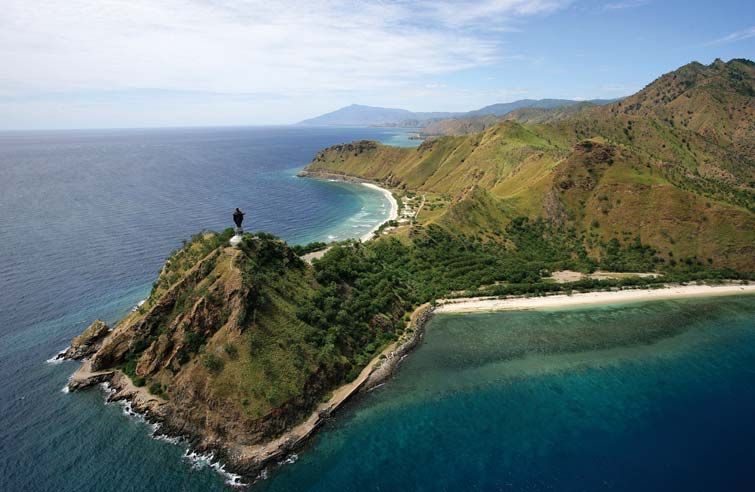
1 ACTION 3 4 5 6 7 8 9 10 11
        2

                       Giant clam, Tridacna gigas, and Rongelap beneath the ocean, Marshall Islands, Micronesia

       Developing national nature reserves and protected
       areas are of particular importance to SIDS

6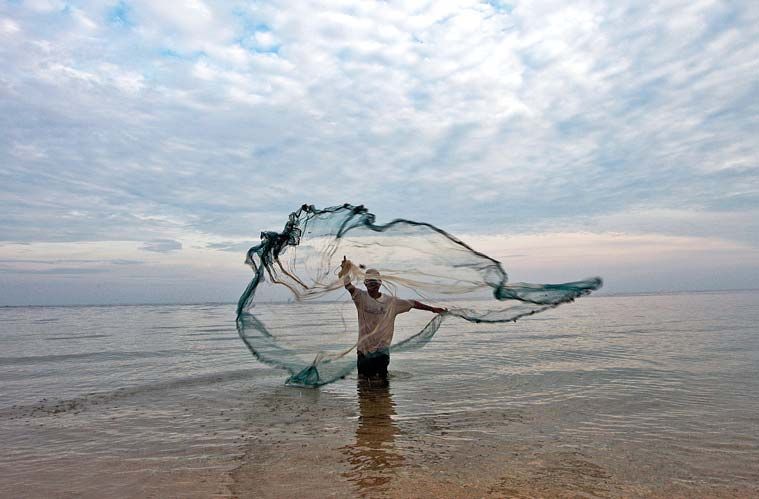
BIODIVERSITY

Issues at Stake                                     Actions by SIDS
» SIDS are renowned for their species diversity     » Formulate and implement integrated biodiversity
   and endemism.                                      strategies for the conservation and sustainable
» The biological diversity in SIDS is among the       use of terrestrial and marine biodiversity.
  most threatened in the world.                     » Promote community and regional support for
» Marine and costal biological resources are pre-     the conservation of biological diversity by
  cious to islanders, environmentally, economi-       concentrating on educational strategies and
  cally and culturally.                               technical support.
» Many SIDS have initiated national biodiversity    » Develop and support academia, non-governmen-
  strategic actions plans and developed national      tal organizations, women and major regional
  nature reserves and protected areas based on        groups to continue research on socio-economic
  international norms.                                and cultural value of biological resources and
                                                      biotechnology.
Basis for Action                                    » Encourage countries to give priority to known,
» Emphasize the collection of information on          existing sites of biological significance, and
  limited and biologically precious resources         coordinate information exchange, training and
  that are being threatened in SIDS.                  technical assistance.
» Provide a conservation focus that takes into
                                                    Actions by Development Partners
  account customary land and reef tenure
  systems and practices, which may differ from      » Provide improved access to financial and techni-
  that usually found in the larger developed          cal resources for the conservation of biological
  countries.                                          diversity and improve access to environmentally
                                                      sound biotechnology
» Provide adequate basic institutional support
  for conservation efforts (staff, vehicles etc.)   » Support national and regional actions and strate-
  and access to financial resources to help start     gies to make greater use of biodiversity and
  innovative projects.                                biotechnology.
» Provide legal framework of potential benefit      » Build effective partnerships with all stakehold-
  to the sustainable development of SIDS.             ers and coordinate the activities of relevant
                                                      international organizations, NGOs and other
                                                      major groups.
                                                    » Develop the capacity to protect and develop the
                                                      traditional knowledge, to promote cooperation
                                                      and human and institutional capacity at the
                                                      national and regional levels.

                                                                                                         7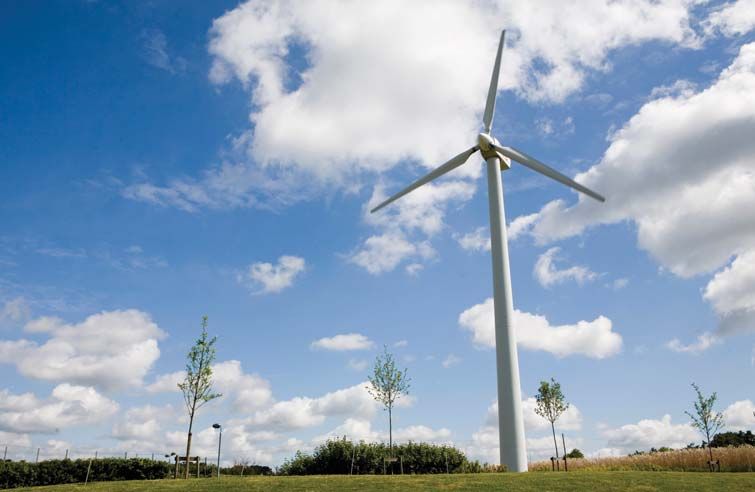
1 2 ACTION 4 5 6 7 8 9 10 11
      3

                                      An aerial view of Chritu Rei in Dili, Timor-Leste
                                                            UN Photo, Martine Perret

    Sustainable development in SIDS depends largely
    on coastal and marine resources

8
COASTAL AND MARINE RESOURCES
Issues at Stake Actions by SIDS
» SIDS’ heritage is their historic, cultural and » Establish and strengthen national administrative
economic links to the oceans and seas. and legislative capacity for developing and imple-
» Population and economic development – both menting integrated coastal zone management plans
subsistence and cash – are concentrated in and strategies for coastal watersheds and exclusive
the coastal zone. economic zones.
» Sustainable utilization of coastal and marine » Design comprehenae monitoring programs for
resources is a major challenge for SIDS. coastal and marine resources, and also document
and apply traditional knowledge and management
» Ocean and fisheries issues should be priorized practices that are ecologically sound along with
on the national and regional sustainable local participation.
development agendas.
» Harmonize policies and strategies for the coordina-
Basis for Action tion of the sustainable management and utilization
» Enable SIDS to complete the delimitation of of coastal and marine resources.
their maritime boundaries. » Develop programmes to enhance negotiating and
» Assess living and non-living seabed resources related skills for the management and exploitation
within their national jurisdiction. of coastal and marine resources.
» Build technical and financial capacities with Actions by Development Partners
the necessary support of the international » Support the development of mechanisms for the
community. gathering and sharing of information and expertise,
» Develop and implement regional initiatives and cooperate in facilitating mutually advanta-
to promote the sustainable conservation and geous agreements particularly inter-regionally
management of coastal and marine resources. among SIDS.
» Support SIDS in establishing national and regional
capabilities for the effective surveillance and
monitoring of activities within their exclusive
economic zones.
» Build capacity for integrated coastal zone manage-
ment planning and implementation, strengthening
regional and international networks, including
South-South relationships.
» Work together to develop and implement regional
initiatives to promote the sustainable conservation
and management of coastal and marine resources,
fully implement programmes of action and initia-
tives that address the vulnerability of SIDS.
91 2 3 ACTION 5 6 7 8 9 10 11
4
Tropical storm devastated communities in Haiti: aerial view of the flooded houses in the aftermath of the tropical storm “Hanna.”
UN Photo, Marco Dormino
Natural calamities threaten the very existence of SIDS
10NATURAL DISASTERS
Issues at Stake Actions by SIDS
» SIDS are particularly vulnerable to the perva- » Establish and/or strengthen disaster prepared-
sive impact of natural disasters. ness and management institutions and policies
» Storm surges, landslides and droughts are in order to mitigate, prepare for and respond to
occurring more frequently and intensively the increasing range and frequency of disasters
and promote early warning systems.
» SIDS face a much more significant economic,
social and environmental consequences and » Strengthen the capacity of local broadcasting
higher costs of rehabilitation. to assist remote rural and outer-island commu-
nities and cultural and traditional systems that
» The impact of oil spills and other environmen- improve the resilience of local communities to
tal disasters can be severe. disaster events.
Basis for Action » Establish a national disaster emergency fund
» Strengthen respective national frameworks for with joint private and public sector support.
small island developing states for more effec- » Increase access to telecommunication links
tive disaster management. and satellite facilities for disaster monitoring,
» Strengthen the International Strategy for assessment and information exchange.
Disaster Reduction and related SIDS regional
Actions by Development Partners
tools to improve national disaster mitigation.
» Support and facilitate existing regional and na-
» Increase public awareness about disaster tional mechanisms and communication systems
reduction, stimulate and support inter-sectoral for rapid response to disasters, the exchange of
partnerships. ideas, information and strategies.
» Augment the capacity of small island » Strengthen regional institutions to complement
developing states to predict and respond and support national efforts in disaster mitiga-
to emergency situations. tion, preparedness and management.
» Encourage international community to give
special recognition to small island developing
states so that their unique characteristics will
be taken into account in developing natural
disaster reduction management programmes.
» Provide and facilitate technical support and
training for disaster preparedness and relief
programmes through relevant international
organizations.
111 2 3 4 ACTION 6 7 8 9 10 11
5
Alternative energy source: wind turbines
Fossil based energy dependence is a major source
of economic vulnerability for many SIDS
12RENEWABLE ENERGY RESOURCES
Issues at Stake Actions by SIDS
» SIDS heavily depend on imported petroleum » Implement appropriate public education and
products and indigenous biomass fuels. awareness programmes, including consumer
» Some SIDS fail to receive necessary renewable incentives to promote energy conservation.
energy resources endowments. » Promote the efficient use of energy and the
» SIDS are financially constrained for technology development of environmentally sound sources
development, investment costs, and of energy and energy-efficient technologies,
management capabilities in commercial use and pay special attention to the possibilities
of renewable energy resources. of using economic instruments and incentive
structures and the increasing economic pos-
» The use of renewable energy resources as sibilities of renewable sources of energy.
substantial commercial fuels by SIDS is
dependent on the development and commercial » Establish and/or strengthen research capabili-
production of appropriate technologies. ties in the development and promotion of new
and renewable sources of energy.
Basis for Action » Strengthen research capabilities and develop
» Produce commercially feasible options of technologies to encourage the efficient utiliza-
energy supply, such as wind, solar, geothermal, tion of non-renewable sources of energy.
biomass, and hydro- and ocean energy.
Actions by Development Partners
» Develop and implement integrated energy
programmes to enhance energy efficiency » Support the research, development and utiliza-
and to promote the development and use of tion of renewable sources of energy and related
renewable energy. technologies and improve the efficiency of
existing technologies and end-use equipment
» Strengthen ongoing and supporting new efforts based on conventional energy sources.
in the area of energy supply and services,
including the promotion of demonstration » Formulate and ratify international agreements
projects. on energy-sector issues in relation to sustain-
able development in such areas as carbon
» Cooperate with international partners to emissions and the transportation of petroleum.
promote wider dissemination and application
of technology to strengthen existing » Develop effective mechanisms for the transfer
mechanisms and further pursue success of energy technology and establish databases
for financing renewable energy and energy to disseminate information.
efficiency projects. » Encourage international institutions and agen-
cies to incorporate environmental efficiency
and conservation principles into energy-sector-
related projects.
131 2 3 4 5 ACTION 7 8 9 10 11
6
Upgrading domestic communication is essential among SIDS.
UN Photo, Christopher Herwig
Transport and communications are the lifelines
linking SIDS to the outside world
14TRANSPORT AND COMMUNICATION
Issues at Stake Actions by SIDS
» Distance and isolation have resulted in » Continue efforts to strengthen transport services
relatively high transport costs, including high and facilities at both the national and local levels,
transport insurance costs, for many SIDS. paying particular attention to environmental
» The environmental uses associated with trans- protection, safety, and innovative energy-efficient
port and communications development also and low-cost transport solutions.
need to be properly addressed. » Upgrade domestic communication facilities,
» Devising innovative approaches to resolving including radio and telephone coverage, to
transport and communications problems and remote rural and outer-island communities,
improving community access to telephone, and continue efforts to improve international
radio and related services are major challenges. telecommunications links.
» Improving the management and maintenance » Address quarantine problems and requirements
of existing transport and communications stemming from changing transport situations
infrastructure is a further challenge. and longer-term climatic changes.
» Encourage the application of appropriate com-
Basis for Action munications technologies to promote sustainable
» Cooperate and develop viable regional trans- development in areas such as education, health
portation arrangements, including improved and other areas critical to sustainable develop-
air, land and sea transport policies. ment.
» Take initiatives in such areas as access to and
Actions by Development Partners
the use of information and communication
technology. » Support innovative energy-efficient transport
solutions to move people and cargo to and
» Maintain low-technology communication from island ports without the need to establish
solutions, such as high-frequency radio for high-cost infrastructure.
rural and remote locations.
» Cooperate with national and regional bodies in
» Further liberalize telecommunications sector designing and enforcing effective quarantine
as one of the possible means to address systems.
the high costs caused by existing monopoly
service providers. » Improve access to financial and technical re-
sources in support of regional organizations that
are coordinating and advising SIDS in the fields
of transport and communications.
» Promote research and development in telecom-
munications and international telecommunications
that is beneficial and relevant to the sustainable
development of SIDS.
151 2 3 4 5 6 ACTION 8 9 10 11
7
Preferential trade terms are critical to overcome capacity constraints among SIDS.
Make globalization work for SIDS by addressing
their specific vulnerabilities
16TRADE AND FINANCES
Issues at Stake Actions by SIDS
» Most SIDS are currently excluded from the » Seek to integrate into the global economy by
global economy due to their smallness, overcome issues like trade and food security,
persistent structural disadvantages and capacity constraints, and structural handicaps
vulnerabilities. and vulnerabilities of SIDS.
» Trade liberalization and globalization present » Reaffirm commitment to trade liberalization
opportunities and challenges to small island and ensure that trade plays its full part in
developing states, including in terms of the promoting economic growth, employment and
erosion of trade preferences. development for all.
» Many SIDS are not well represented at World
Trade Organizations. Actions by Development Partners
» Reaffirm commitments from international
» Most SIDS also experience serious capacity
community to support the sustainable
constraints in meeting WTO obligations.
development of small island developing states
Basis for Action through the provision of financial resources.
» Establish a universal, rule-based, open, » Strengthen country-driven donor coordination
non-discriminatory and equitable multilateral and active support for regional and
trading system. interregional cooperation for small island
developing states.
» Recognize the importance of intensifying
efforts to facilitate the full and effective » Support broad-based partnerships’ involvement
participation by small economies, notably and participation of all relevant stakeholders,
SIDS, in the deliberations and decision-making including the private sector.
process of the WTO. » Encourage harnessing of potentials for foreign
direct investment and encourage increased
foreign direct investment flows to SIDS.
171 2 3 4 5 6 7 ACTION 9 10 11
8
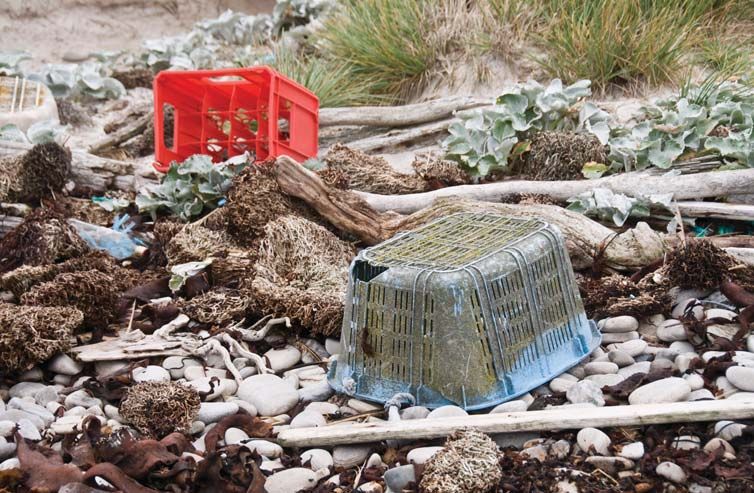
Hazardous waste disposal is a priority concern to SIDS.
The management of waste is a serious constraint
to sustainable development for SIDS
18MANAGEMENT OF WASTE
Issues at Stake Actions by SIDS
» Waste disposal is a common problem for all » Develop fiscal and policy incentives and other
SIDS, particularly the wastes generated by measures to encourage environmentally sustainable
urbanization. imports and local products with low waste or
» Limited land area makes the option of landfill degradable waste content.
disposal unsustainable in the long term. » Develop and implement appropriate regulatory
» SIDS are highly vulnerable to contamination measures, including emission discharge and
by toxic and hazardous wastes and chemicals, pollution standards, for the reduction, prevention,
and radioactive materials due to its isolated control and monitoring of pollution from all sources;
oceanic location. for the safe and efficient management of toxic,
hazardous and solid wastes, including sewage,
» The passage of ships carrying toxic and herbicides, pesticides and industrial and hospital
hazardous wastes, chemicals and radioactive effluent; and for the proper management of
materials is of priority concern to SIDS. disposal sites.
Basis for Action » For those that have not done so yet, ratify and
» Develop and enhance the emergency response implement relevant conventions, including the
capacities necessary to protect marine and Basel Convention on the Control of Transboundary
coastal environments from accidents and Movements of Hazardous Wastes and Their
incidents relating to marine transport. Disposal and the Convention on the Prevention
of Marine Pollution by Dumping of Wastes and
» Look for ways of minimizing and/or converting Other Matter (London Convention of 1972), as
wastes, such as sewage, into a resource well as relevant regional conventions.
(e.g., fertilizer for agriculture).
» Develop information systems and baseline data
» Limiting imports of non-biodegradable and for waste management and pollution control,
hazardous substances. monitoring the types and quantities of wastes,
» Changing community attitudes to the disposal for both sea- and land-based sources of pollution.
and use of sewage.
Actions by Development Partners
» Support the strengthening of national and regional
capabilities to carry out pollution monitoring
and research and to formulate and apply pollution
control and abatement measures.
» Accept the right of SIDS to regulate, restrict and/
or ban the importation of products containing non-
biodegradable and/or hazardous substances and to
prohibit the transboundary movement of hazardous
and radioactive wastes and materials within their
jurisdiction, consistent with international law.
191 2 3 4 5 6 7 8 ACTION 10 11
9
Sustainable long-term management strategies for water catchments of paramount importance for SIDS.
UN Photo, Martine Perret
Many SIDS face severe constraints in terms of
both the quality and quantity of freshwater
20FRESHWATER RESOURCES
Issues at Stake Actions by SIDS
» Many health hazards in SIDS are caused by » Adopt appropriate standards for the manage-
poor water quality and limited water quantity ment of freshwater resources, and develop and
» SIDS has restricted access to clean water strengthen low-cost monitoring and assessment
rendered by the lack of adequate storage capabilities, linked to water resource databases,
facilities and effective delivery systems. for relevant decision-making tools, including
forecasting models for water management,
» Inadequate action to safeguard watershed planning and utilization.
areas and groundwater resources are threats
to the sustainable development of SIDS. » Strengthen procedures to monitor and respond
to the impacts on water resources of natural and
» The freshwater resource of SIDS is threatened environmental hazards, in particular the impacts
by the contamination of human and livestock of climate change and climate variability, includ-
waste, industry-related pollution and ing drought and sea-level rise.
agricultural chemicals.
» Encourage the development and acquisition of
Basis for Action appropriate technology and training for cost-
» Develop sound long-term management strate- effective sewage disposal, desalination and
gies for water catchment and storage areas, rainwater collection to provide sufficiently high
including the treatment and distribution of quality potable freshwater, including opportuni-
limited water supplies. ties for technology interchange among SIDS.
» Implement freshwater resources strategies » Strengthen national capacities to make decisions
that take account of the possible constraints among competing demands for the allocation of
to water supply from low groundwater limited water resources.
recharge in times of drought, salt-water Actions by Development Partners
intrusion, and inundation as a result of climate » Help improve access to environmentally sound
change and sea-level rise. and energy efficient technologies for the
» Develop freshwater resources strategies that catchment, production, conservation and delivery
involve substantial capital investment and of freshwater, including rainwater catchment,
ongoing maintenance programmes. water treatment systems and desalination, and
» Pay due consideration to the primacy of the also foster the exchange of information on water
need to supply water for sanitation purposes. treatment methods.
» Help enhance the capacity of SIDS to develop
and implement integrated water resource
plans, including water resource allocation and
management, the conservation and rehabilitation
of watersheds, the protection of groundwater,
fostering public awareness and water quality
monitoring.
211 2 3 4 5 6 7 8 9 ACTION 11
10
SIDS need to develop and improve the effective use of land resources.
UN Photo, Martine Perret
Better planning and use of land resource is key
to improved environmental management
22LAND RESOURCES
Issues at Stake Actions by SIDS
» The small size of most SIDS, limits urban » Develop and improve national databases and
settlement, agriculture, mining, commercial the dissemination of information to relevant
forestry, tourism and other infrastructure, groups, especially local communities, youth
and create intense competition between and women, for land-use planning and man-
land use options. agement, including estimates of the carrying
» The major long-term land management issue capacity, economic and environmental value
in SIDS is the degradation of the limited of land resources, along with appropriate
land area. decision-making tools, such as land/geograph-
ic information systems.
Basis for Action » Prepare and/or review land-use plans in
» Resolve competing demands for the use of conjunction with agricultural, forestry,
land resources. mining, tourism, traditional land-use practices
» Develop and adopt more effective and efficient and other land-use policies, with a view to
ways of using those natural resources. formulating comprehensive land-use plans and
zoning so as to protect land resources, ensure
sustainable and productive land-use and
guard against land degradation, pollution and
exceeding island carrying capacity.
Actions by Development Partners
» Facilitate the development and improvement
of national databases and the dissemination
of information to relevant groups, especially
local communities, youth and women, for
land-use planning and management, including
estimates of the carrying capacity, economic
and environmental value of land resources,
along with appropriate decision-making tools
such as land/geographic information systems.
» Facilitate more effective international and
interregional cooperation, coordination,
collaboration and technical exchanges in the
fields of agriculture, forestry and other land-
use, through international and interregional
networks and training programmes.
231 2 3 4 5 6 7 8 9 10 ACTION
11
Snorkeling at palm-lined Beach, Maldives, Indian Ocean, Meemu Atoll
Tourism continues to be the catalyst for
SIDS development
24TOURISM
Issues at Stake Actions by SIDS
» One of the special tourist attractions of SIDS » Ensure that tourism development and environ-
is the distinctiveness of their cultures. mental management are mutually supportive.
» If not properly planned and managed, tourism » Identify and develop facilities to meet specific
could significantly degrade the environment niche markets, particularly in eco-tourism,
on which it is so dependent. nature and cultural tourism, and involve local
populations in the identification and manage-
Basis for Action ment of natural protected areas set aside for
» Plan the development of tourism particularly eco-tourism.
in relation to compatible land uses, water
management, coastal zone management and Actions by Development Partners
the development of parks and protected areas. » Help promote the recognition by the
» Integrate tourism within the existing cultural international community of both the value
and environmental constraints and opportuni- of tourism in SIDS and the fragility of the
ties present in SIDS. resources on which it depends, and of the
resulting need for international support to
encourage its sustainable development.
» Facilitate efforts, at the national and regional
levels, to assess the overall impact of the
economic, social and ecological aspects of
tourism, plan sustainable tourism and to
develop eco- and cultural tourism.
25UN MEMBERS AND NON-UN MEMBERS/ASSOCIATE
MEMBERS OF THE REGIONAL COMMISSIONS
UN Members » Dominican Republic » Federated States of Micronesia
» Antigua and Barbuda » Fiji » Mauritius
» Bahamas » Grenada » Nauru
» Bahrain » Guinea-Bissau* » Palau
» Barbados » Guyana » Papua New Guinea
» Belize » Haiti* » Samoa*
» Cape Verde » Jamaica » São Tomé and Príncipe*
» Comoros* » Kiribati* » Singapore
» Cuba » Maldives » St. Kitts and Nevis
» Dominica » Marshall Islands » St. Lucia
26» St. Vincent and the Grenadines Non-UN Members / Associate Members » Guam
» Seychelles of the Regional Commissions » Montserrat
» Solomon Islands* » American Samoa » Netherlands Antilles
» Suriname » Anguilla » New Caledonia
» Timor-Leste* » Aruba » Niue
» Tonga » British Virgin Islands » Puerto Rico
» Trinidad and Tobago » Commonwealth of Northern Marianas » U.S. Virgin Islands
» Tuvalu* » Cook Islands
» Vanuatu* » French Polynesia
* Also Least Developed Countries
27SIDS ADVOCACY PLATFORMS
» OHRLLS is working in collaboration with UN agencies and Member States to
develop advocacy platforms on key issues that were highlighted in the MSI and
reconfirmed by the SIDS themselves. These issues are the following: coastal
and marine resources, biodiversity, energy, transportation and communication,
land resources and food security, and trade.
» In each of the area identified, OHRLLS will support the assessment of needs in
the area, assess the need for public or concessional funding, and analyze the
extent to which SIDS could receive these funds. OHRLLS will also be promoting
public private partnerships in this area.
» These advocacy platforms could be built around existing work or specific projects
on SIDS issues that are already undertaken by agencies, funds or programmes
within the UN system. It may also include some special purpose funds, as well
as institutional and normative initiatives.
» These advocacy platforms could be used by the SIDS to mobilize support for
the implementation of identified concrete projects in specific areas of the MSI.
Furthermore, they could also be used to alert the international community
about priorities issues faced by the SIDS.
28UN-OHRLLS One United Nations Plaza, Room 1210 New York, NY 10017, USA Telephone: (917) 367-6006 Fax: (917) 367-3415 E-mail: OHRLLS-UNHQ@un.org www.un.org/ohrlls Copyright © United Nations 2011
You can also read


