South San Francisco, 27 July 2020 - Roche Analyst Webcast ASRS Highlights 2020
←
→
Page content transcription
If your browser does not render page correctly, please read the page content below
ASRS Highlights 2020

Roche Analyst Webcast
South San Francisco, 27 July 2020
This presentation contains certain forward-looking statements. These forward-looking statements may be identified by words
such as ‘believes’, ‘expects’, ‘anticipates’, ‘projects’, ‘intends’, ‘should’, ‘seeks’, ‘estimates’, ‘future’ or similar expressions or by
discussion of, among other things, strategy, goals, plans or intentions. Various factors may cause actual results to differ materially
in the future from those reflected in forward-looking statements contained in this presentation, among others:

1  pricing and product initiatives of competitors;
2  legislative and regulatory developments and economic conditions;
3  delay or inability in obtaining regulatory approvals or bringing products to market;
4  fluctuations in currency exchange rates and general financial market conditions;
5  uncertainties in the discovery, development or marketing of new products or new uses of existing products, including without limitation
   negative results of clinical trials or research projects, unexpected side-effects of pipeline or marketed products;
6 increased government pricing pressures;
7 interruptions in production;
8 loss of or inability to obtain adequate protection for intellectual property rights;
9 litigation;
10 loss of key executives or other employees; and
11 adverse publicity and news coverage.

Any statements regarding earnings per share growth is not a profit forecast and should not be interpreted to mean that Roche’s earnings or
earnings per share for this year or any subsequent period will necessarily match or exceed the historical published earnings or earnings per share
of Roche.
For marketed products discussed in this presentation, please see full prescribing information on our website www.roche.com
All mentioned trademarks are legally protected.
                                                                                                                                                     2
Welcome
Karl Mahler
Head of Investor Relations and Group Planning
Welcome
Karl Mahler, Head of Investor Relations and Group Planning

Ophthalmology Strategy
Atul Dandekar, Vice President and Global Franchise Head, Ophthalmology

Ophthalmology Pipeline Update
Chris Brittain, Vice President and Global Head of Ophthalmology Product Development

PDS: Archway – Phase III topline results
Dante Pieramici, M.D., Retina Specialist and PDS Clinical Investigator

Q&A
Karl Mahler, Head of Investor Relations and Group Planning

                                                                                      4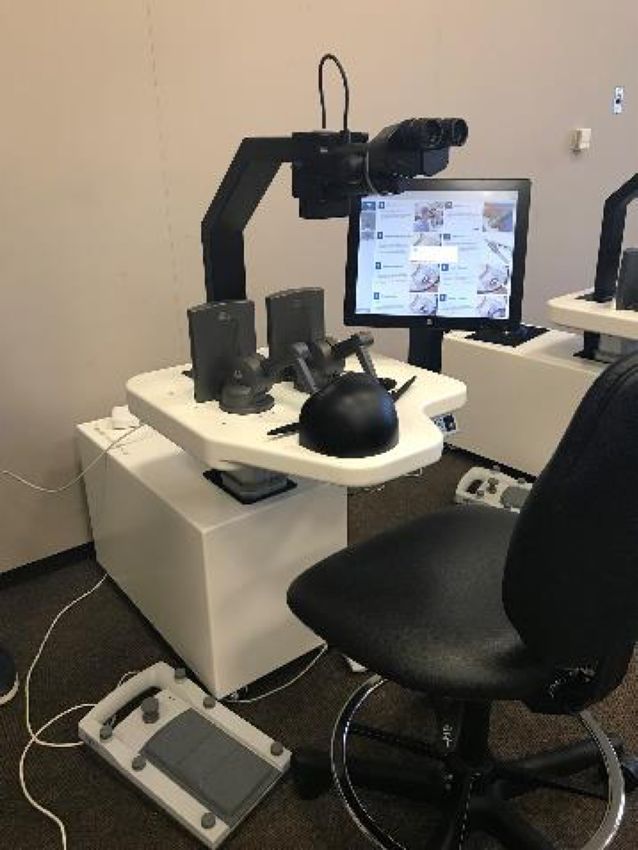
Roche significantly advancing patient care
Pivotal trials on track despite difficult environment
                                   Pivotal trial recruitment finished in HY1 2020
                                       ipatasertib           1L TNBC (Ph III: IPATunity130)
                                       risdiplam             SMA type 1/2/3 (Ph II: JEWELFISH)
                                       gantenerumab          Alzheimer’s disease (Ph III: GRADUATE 1 & 2)
                                       tominersen            Huntington’s disease (Ph III: Generation HD1)

                                   New pivotal study starts in HY1 2020
                                                             mNSCLC (Ph III: SKYSCRAPER-01), ES-SCLC (Ph III: SKYSCRAPER-02)
                                       tiragolumab
                                                             Cervical cancer (Ph II: SKYSCRAPER-04)
                                       PI3Ki                 HR+ mBC (Ph III: INAVO120)
                                       Venclexta+Gazyva      1L fit CLL (Ph III: CristaLLo)
                                       Actemra               severe COVID-19 pneumonia (Ph III: COVACTA, REMDACTA, EMPACTA)

                                                          Oncology                  Neuroscience             Immunology

                                   Key Diagnostics news flow in HY1 2020
                                   Instruments/Devices       Launch of cobas® prime pre-analytical system

                                   Tests/Assays              Launch of SARS-CoV-2 antibody & PCR tests

                                   Software                  Launch of v-TAC digital algorithm for blood-gas monitoring

                                                                                                                               5
Major pipeline advances and upcoming launches in HY2 2020

                                            Pharma                                                         Diagnostics

      3 Upcoming NME launches                                                        4 Upcoming key launches
      •     risdiplam in SMA                                                         •   cobas® SARS-CoV-2 & Influenza A/B for use on the
      •     Enspryng (satralizumab) in NMOSD                                             cobas® Liat® System
      •     pralsetinib* in RET+ NSCLC; Thyroid cancer                               •   cobas® SARS-CoV-2 & Influenza A/B for use on the
                                                                                         cobas® 6800/8800 Systems
                                                                                     •   SARS-CoV-2 Rapid Antibody test
      7 Upcoming pivotal trial starts                                                •   Elecsys® Anti-SARS-CoV-2 S
      •     SERDi (Ph III 1L HR+ mBC)
      •     glofitamab (Ph III r/r DLBCL)
      •     PRM-151/pentraxin-2 (Ph III IPF)
      •     Gazyva (Ph III Lupus Nephritis)
      •     crovalimab (Ph III PNH in patients switching from a C5
            inhibitor; Ph III PNH in C5 inhibitor-naive patients)
      •     SRP-9001 (Ph III DMD; run by Sarepta)

* subject to the expiration or termination of the waiting period under the HSR Act                                                          6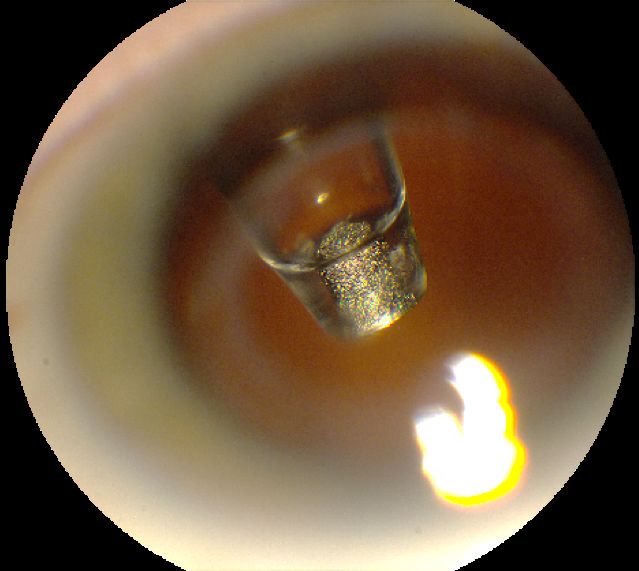
Replace and extend the business: Further milestones achieved

                                                                                                             Entering new
           Replace/extend existing businesses                                                                                                                               Achievements Q2 2020
                                                                                                              franchises
                                                                                                             Oncology:                                                           Entering new franchises
                                                              Gazyva,
                                                                                                       Tecentriq (mUC, TNBC,                            Tecentriq:             US approval in 1L HCC (with Avastin)
                                                             Venclexta,
                                                                                                          SCLC, HCC, mM),                               ipatasertib:           Positive Ph III (IPATential150) results in
         MabThera/Rituxan                                      Polivy,
                                                                                                        ipatasertib (mCRPC),                                                   patients with PTEN loss tumors in mCRPC
                                                           mosunetuzumab,
                                                                                                           SERD (HR+ BC)                                Enspryng:              First approvals in Canada, Japan, CH in NMOSD
                                                             glofitamab
                                                                                                                    MS:                                 risdiplam:             FIREFISH (SMA) part 2 results in Type 1 patients
                                                                                                                                                                               presented at AAN
                                                                  Perjeta,                                         Ocrevus
                                                                                                                                                        SPARK:                 2 to 3.3 year follow up efficacy/safety data for
                Herceptin                                         Kadcyla,                                   Hemophilia A:                                                     SPK-8011 hem A gene therapy presented at ISTH
                                                                  Phesgo                                       Hemlibra                                             Replace/extend existing businesses
                                                                                                               CNS:                                     Phesgo:     US approval for P+H FDC-SC
                                                                 Tecentriq,
                                                                                                       Enspryng (NMOSD),                                tiragolumab:Randomized Ph II data presented at ASCO;
                                                                 Alecensa,
                  Avastin                                                                                risdiplam (SMA),                                           Ph III trials in 1L NSCLC and 1L SCLC initiated
                                                                 Rozlytrek,
                                                                                                     tominersen (Huntington),                           SERD:       Clinical data showing excellent efficacy
                                                               tiragolumab                             gantenerumab (AD),                                           /safety profile presented at ASCO
                                                                                                        SRP-9001 (DMD)                                  glofitamab: Ph Ib data presented at EHA; Ph III in 2L+
                                                   Port delivery system (PDS)
                 Lucentis                                                                                  Immunology:                                              DLBCL initiated
                                                            faricimab
                                                                                                       etrolizumab (UC, CD),                            mosunetuzumab: BTD designation in 3L+ FL awarded
                  Tamiflu                                          Xofluza                            Gazyva (lupus nephritis)                          PDS:        Positive Ph III (ARCHWAY) results in nAMD
mUC=metastatic urothelial carcinoma; TNBC=triple negative breast cancer; SCLC=small cell lung cancer; HCC=hepatocellular carcinoma; mM=metastatic melanoma; mCRPC=metastatic castration resistant prostate cancer;
BC=breast cancer; NMOSD=neuromyelitis optica spectrum disorder; SMA=spinal muscular atrophy; AD=Alzheimer’s disease; DMD=duchenne muscular dystrophy; UC=ulcerative colitis; CD=Crohn’s disease; NSCLC=non-small          7
cell lung cancer; FDC=fixed dose combination; NSCLC=non-small cell lung cancer; DLBCL=diffuse large B-cell lymphoma; FL=follicular lymphoma; nAMD=neovascular age-related macular degeneration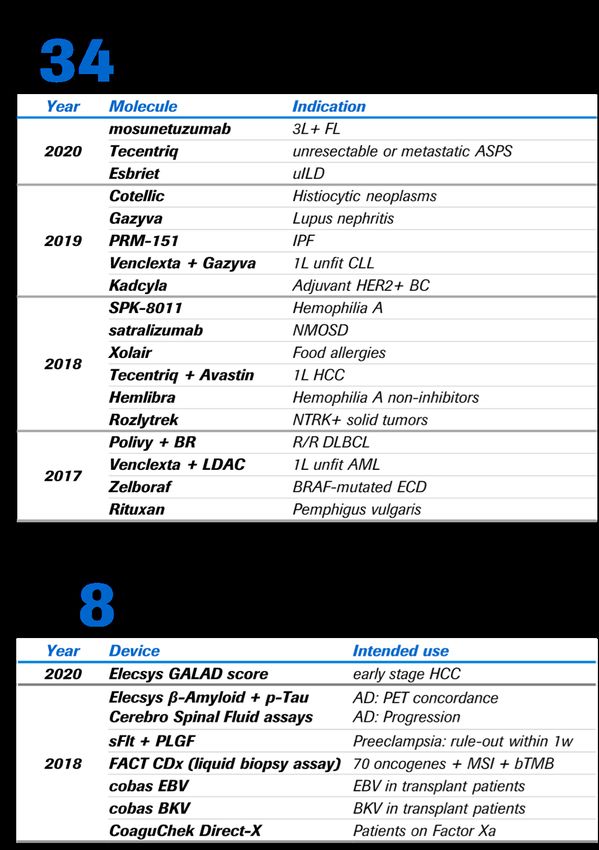
Welcome
Karl Mahler, Head of Investor Relations and Group Planning

Ophthalmology Strategy
Atul Dandekar, Vice President and Global Franchise Head, Ophthalmology

Ophthalmology Pipeline Update
Chris Brittain, Vice President and Global Head of Ophthalmology Product Development

PDS: Archway – Phase III topline results
Dante Pieramici, M.D., Retina Specialist and PDS Clinical Investigator

Q&A
Karl Mahler, Head of Investor Relations and Group Planning

                                                                                      8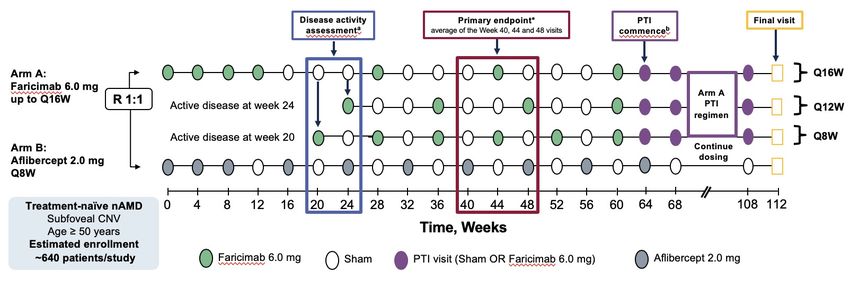
Retina is the fastest growing segment of the Ophthalmology market

Ophthalmology market                                                                                       Global Retina Landscape:
Retinal vascular diseases remain leading causes of vision loss                                             Market growth driven by aging population and product innovation

                    Total Market (2019) - $21.5 Billion                                                                                   16,000
                                               nAMD, DME, RVO                                                                                         nAMD         DME/DR                    RVO
              7%                                                                                                                          14,000
         7%                                                                                                                                                                                        2,345
                                               Glaucoma

                                                                                                            Global Sales US $ (million)
                                                                                                                                          12,000
    13%                                                                                                                                                              2,029
                                               Dry Eye                                                                                                                                             3,560
                                                                                                                                          10,000
                              58%
                                                                                                                                                                     3,081
      15%                                      Ocular inflammation/infections                                                              8,000
                                                                                                                                                   555
                                               Others                                                                                      6,000   944

                                                                                                                                           4,000                                                   8,471
                                                                                                                                                                     7,331
 Leading causes of vision loss in US, Europe:                                                                                                      5,964
                                                                                                                                           2,000
 • Working-age people: Diabetic eye disease (DME, DR)
 • Elderly people: Neovascular AMD                                                                                                            0
                                                                                                                                                   2014              2019                         2024
                                                                                                           Source: Evaluate Pharma for historic sales and branded forecasts, Decision Resources for biosimilar forecasts
Source: Evaluate Pharma (April 2019)                                                                       (6/2020)

DME: diabetic macular edema, DR: diabetic retinopathy, nAMD: neovascular age-related macular degeneration, RVO: retinal vein occlusion                                                                                     9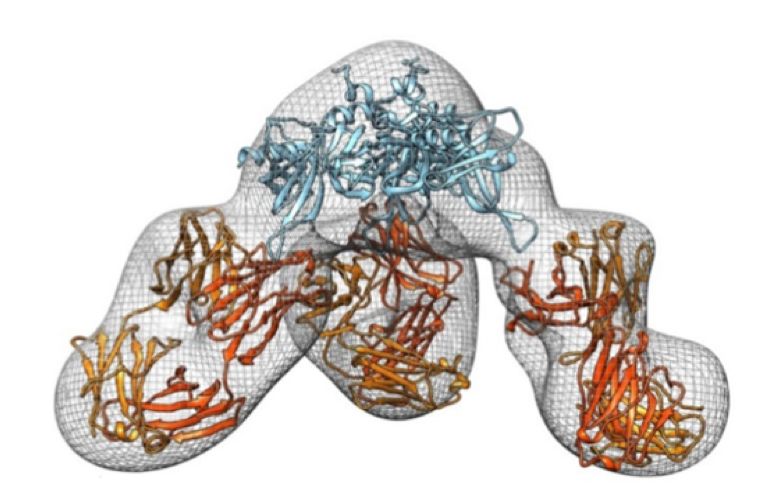
Real world outcomes with anti-VEGF intravitreal injections have
 significant room for improvement

               nAMD treatment frequency in real world1                                                                 Number of aVEGF injections correlates with vision improvement1
                                                                                                                  6
            8,000    N=49,485                                                                                     5
            7,000
PDS and Faricimab potentially address key unmet needs
Opportunity to differentiate on durability of response and efficacy
Faricimab
Efficacy (BCVA change, letters)
potential to improve
on efficacy
Anti-VEGF Faricimab Port Delivery System
10 Potential to improve with ranibizumab
monotherapies on durability of response reduces real world Tx burden
Current Real
World Outcomes
1 mo 2 mo 3 mo 4 mo 5 mo 6 mos
Durability of response
For illustrative purposes only
11Roche Ophthalmology strategy has four strategic levers
1 2 3 4
Internal innovation
Improved Efficacy Long-Acting Delivery
complemented by Personalized Healthcare
via novel MOAs technologies
external partnering
• pRED • Vision loss prevention
• Port Delivery • gRED and treatment
• anti-VEGF/Ang-2
System Platform algorithms leveraging
AI and machine
• Injectable LADs learning
• New MOAs
utilizing Duta-
• Gene therapy • Remote vision
Fab platform
bio-factory monitoring
approach
MOA=mechanism of action; LAD= Long-acting delivery; AI=artificial intelligence 12Roche Ophthalmology pipeline
Focus on retinal disorders: nAMD, DME/DR and GA
Indication Phase I Phase II Phase III Approved
RG7921 faricimab
Neovascular AMD Lucentis 0.5 mg PFS
RG6120 # PDS w ranibizumab
Diabetic Macular faricimab
RG6179 Lucentis 0.3 mg PFS
Edema PDS w ranibizumab
Diabetic Retinopathy RG7774 PDS w ranibizumab# Lucentis 0.3 mg PFS
Retinal Vein Lucentis 0.5 mg PFS
Occlusion
Myopic CNV Lucentis 0.5 mg PFS
RG6147
Geographic Atrophy RG6312 #
RG6299*
Actemra/
Giant Cell Arteritis
RoActemra
Neuromyelitis Optica satralizumab
Choroideremia RG6247+
SPK-7110**
X-linked RP RG6318+#
Inherited retinal Dx** Luxturna**
Status as of July 2020. PFS, Prefilled Syringe; Lucentis PFS is marketed by Novartis outside the U.S.; RP= retinitis pigmentosa; * Study conducted by Ionis, Roche has option to in-license; + Study
conducted by 4DMT, Roche has option to in-license; #Studies planned to start in 2020 subject to the COVID situation; **with Spark Therapeutics, approved for patients with biallelic RPE65 mutation-
associated retinal dystrophyPreservation of vision with Personalized Healthcare (PHC)
Remote monitoring & advanced analytics to help treat vision loss early
Insights on Key Drivers of
Meaningful Data at Scale Advanced Analytics Impact on Personalized Treatments
Unmet Need
Clinical
Treat intermediate disease
Lucentis early…
Imaging
Real
World Faricimab
Data
Home …to avoid irreversible vision
Vision PDS
loss
Monitoring
Ultimate Goal to TREAT VISION LOSS and PRESERVE VISIONRoche Ophthalmology strategy execution is on track
Pivotal readouts in 2020
• Faricimab DME and nAMD data anticipated Dec 2020 / Jan 2021
• PDS nAMD Ph3 study met primary endpoint – Non-inferior and equivalent to monthly
Lucentis
Late stage • PDS DME study underway, DR study planned
• 3 NMEs in Ph2 clinical development
• 7 Ph1 programs underway including gene therapies
• Positive PDS Ph3 has enabled acceleration of Dutafab platform and early pipeline
• Partnering - Extensive partnering effort focused on strategic indications and platforms
Pipeline
• Demonstrated PoC utilizing internal algorithms in disease detection,
prediction of progression and response to treatment
• Focus on Remote Monitoring, Digital Vision tools & Algorithm Validation
Ophthalmology PHC • Home Vision Monitoring pilot with Moorfields to support patients during
COVID-19 15
15Welcome
Karl Mahler, Head of Investor Relations and Group Planning
Ophthalmology Strategy
Atul Dandekar, Vice President and Global Franchise Head, Ophthalmology
Ophthalmology Pipeline Update
Chris Brittain, Vice President and Global Head of Ophthalmology Product Development
PDS: Archway – Phase III topline results
Dante Pieramici, M.D., Retina Specialist and PDS Clinical Investigator
Q&A
Karl Mahler, Head of Investor Relations and Group Planning
16Faricimab in nAMD
Potential to stabilize retinal vasculature and improve treatment durability
Anti-VEGF/Ang2 Phase II (STAIRWAY) results in nAMD
Bispecific mAb
Loading phase Maintenance phase
From Baseline, ETDRS
Adjusted Mean BCVA
15
+11.42
10 +10.08
Change
Letters
+9.59
5
0
0 4 8 12 16 20 24 28 32 36 40 44 48 52
Time, Weeks
Ranibizumab 0.5 mg Faricimab 6.0 mg Faricimab 6.0 mg
Q4W (n = 16) Q12W (n = 24) Q16W flex (n = 31)
• First bispecific antibody in
ophthalmology binding simultaneously • BCVA Gains With Faricimab Q16W Flex and Q12W Comparable With Ranibizumab Q4W
to VEGF and Angiopoietin2 (Ang2)
• 12 Weeks After Last Faricimab Loading Dose, 65% of Patients Had No Disease Activity, and Could
• Ang2 inhibition could improve vascular Potentially Benefit From Q16W Dosing
stability and reduce retinal
inflammation • Phase III nAMD data expected Jan 2021
Sahni et al, Ophthalmology 2019;126:1155-1170; DME=diabetic macular edema; nAMD=neovascular age-related macular degeneration; BCVA= best-corrected visual acuity; *Linear model adjusted for baseline BCVA,
previous macular laser treatment status, BCVA category (≥ 64 letters vs ≤ 63 letters)
17Phase 3 faricimab development program in nAMD
Robust global studies to assess efficacy, safety and durability
TENAYA and LUCERNE
• 2 randomized, global, multicenter, phase
3 trials
• N = 640 per study
• Primary Study Objective: Mean BCVA
change from baseline at Week 48 as an
average of Weeks 40, 44 and 48
• Key Secondary Objective: Proportion
of patients on a Q8W, Q12W, or Q16W
treatment interval
• Personalized treatment arm to assess
durability of response
*Change from baseline in BCVA, as measured on the ETDRS chart at a starting distance of 4 meters, based on an average of the Week 40, 44, and 48 visits. a Protocol-defined assessment of disease activity at week 20 and 24. Patients with anatomic or
functional signs of disease activity at these timepoints will receive Q8W or Q12W, respectively. b PTI: IxRS-guided flexible dosing in faricimab arms starting at Week 60. From Week 60 onward, patients in Arm A will be treated according to a PTI dosing regimen between
Q8W and Q16W. ClinicalTrials.gov. TENAYA study information. https://clinicaltrials.gov/ct2/show/NCT03823287 [last accessed Feb 2020]; ClinicalTrials.gov. LUCERNE study information. https://clinicaltrials.gov/ct2/show/NCT03823300 [last
accessed Feb 2020].
BCVA, best-corrected visual acuity; CNV, choroidal neovascularization; nAMD, neovascular age-related macular degeneration; PTI, personalized treatment interval as specified in study protocol; Q4W, every 4 weeks; Q12W, every 12 weeks; Q16W, every 16
weeks; R, randomized.
18Faricimab in DME
Potential to improve efficacy and durability
Phase II (BOULEVARD) results in DME: Efficacy Phase II (BOULEVARD) in DME: Durability
Adjusted mean BCVA gains from baseline*
16
Disease Reactivation, Weeks
14
12
Median Time To
13.3 15.1
10
8
8.6
6
4
2 n=53 n=52 n=47
0
Sahni et al, Ophthalmology 2019;126:1155-1170
RBZ 0.3 mg FAR 1.5 mg FAR 6.0 mg
• Robust BCVA gains with a mean of +13.9 letters gained from baseline • Durability shown with median time to disease
• In addition, a statistically significant gain of +3.6 letters over Lucentis reactivation 15.1 weeks for faricimab vs 8.6 weeks for
Lucentis after treatment cessation
• Phase III DME data expected Dec 2020
• RVO program initiating Q2 2021
Sahni et al, Ophthalmology 2019;126:1155-1170; DME=diabetic macular edema; nAMD=neovascular age-related macular degeneration; BCVA= best-corrected visual acuity; *Linear model adjusted for baseline BCVA,
previous macular laser treatment status, BCVA category (≥ 64 letters vs ≤ 63 letters)
19Phase 3 faricimab development program in DME
Robust global studies to assess efficacy, safety and durability
YOSEMITE and RHINE
• N = 1800 patientsa with center-involving
DME
• Type 1 or 2 diabetes mellitus with HbA1c ≤
10%
• Treatment-naïve and previously anti-
VEGF–treated patients
• BCVA 20/40–20/320 (73–25 ETDRS letters)
• Primary study objective: Mean BCVA
change from baseline at 1 yearb
• Key secondary endpoints:
o Proportion of patients with a ≥2 or
≥3-step improvement in diabetic
retinopathy severity
o Proportion of patients in the PTI arm
on a Q12W or Q16W treatment
interval
a Patients will be randomized 1:1:1 into 3 arms. b BCVA at 1 year will be measured on the ETDRS chart at a starting distance of 4 meters. Optical coherence tomography image of baseline DME from BOULEVARD clinical
20 trial (NCT02699450). YOSEMITE clinical trial (NCT03622580); RHINE clinical trial (NCT03622593). BCVA, best-corrected visual acuity; DME, diabetic macular edema; ETDRS, Early Treatment Diabetic Retinopathy Study;
HbA1c, glycated hemoglobin; Q8W, every 8 weeks; R, randomized; VEGF, vascular endothelial growth factor. PTI=Personalized Treatment IntervalContinuing to Study Treatments for GA Secondary to AMD
Phase 2 anti-HtrA1 study currently enrolling
Anti High Temperature Requirement A1
RG6147 - Anti-HtrA1 Fab: Phase 1 results in healthy volunteers
(HtrA1)
HtrA1
(catalytic domain)
60%
40%
Percent Change from
20% Anti-HtrA1
Cleaved DKK3
0% dose
Baseline
-20%
1 mg
-40%
3 mg
-60% 10 mg
Fab -80% 15 mg
Fab (FHTR2163) Fab
-100% 20 mg
(FHTR2163) (FHTR2163)
-120%
0 2 4 6 8 10 12
• ARMS2-HtrA1 is the top genetic locus for AMD
risk Time in Weeks
• HtrA1, a serine protease, breaks down Anti-HtrA1
extracellular matrix protein, resulting in retinal X
atrophy HtrA1 DKK3 Cleaved HtrA1 DKK3 Cleaved
DKK3 DKK3
• Well tolerated in Phase 1 GA study supporting
Q4W and Q8W dosing in Phase 2
AH50, complement alternative pathway; AMD, age-related macular degeneration; Bb, carboxyl-terminal of factor B after cleavage; CH50, total haemolytic complement; FBL, factor B levels; GA, geographic atrophy; Q4W, every 4 weeks; RPE, retinal pigment
epithelium; SEM, standard error of the meanContinuing to Study Treatments for GA Secondary to AMD
Partnering to evaluate novel treatments
IONIS partnership IONIS-FB-LRX IONIS Phase 1 results in healthy volunteers
Factor B and downstream product levels
• Antisense oligonucleotide inhibiting complement
factor B in the liver (source of complement factor
B)
• Modulates complement in RPE, Bruch’s
membrane, and choriocapillaris
• Q4W SC injection to treat both eyes
AH50, complement alternative pathway; AMD, age-related macular degeneration; Bb, carboxyl-terminal of factor B after cleavage; CH50, total haemolytic complement; FBL, factor B levels; GA, geographic atrophy; Q4W, every 4 weeks; RPE, retinal pigment
epithelium; SEM, standard error of the meanPotential for gene therapy in ophthalmology
To date more than 270 genes causing retinal disease have been identified
Identified disease genes 1980 – 2018 Pre-clinical Genes causing retinal degeneration
results in
monkeys:
• In contrast to normal, CHM RPE cells have an abnormal phenotype: cell membrane
morphology is interrupted, the cells are small and their nuclei are condensed.
• 4D-R100.CHM
To date, there over 270 identified genes that•cause rapidly and efficiently corrects these cellular defects showing complete
retinal disease
restitution of intracellular trafficking
• Over 95% of the identified gene mutations initially result in death of rod photoreceptors
Source: http://webvision.med.utah.edu 23Next generation Retinal Gene Therapy Safe procedure for transducing across the entire retina In collaboration with 4D Molecular Therapeutics 24
Gene therapy (4D-110) in partnership with 4DMT
Choroideremia - A rare inherited disorder leading to blindness
                        Retina damage by Choroideremia                                                                  Disease progression

                                                                                                        Vision at birth                         Vision at age 25

       Technology
              •   4DMT technology optimized AAV vectors for retinal transfection after intravitreal injection
       Disease - Choroideremia
              •   X-linked recessive disease (incidence rate: 1:50,000 males)
              •   Loss of function mutation in CHM gene which encodes REP1 involved in lipid modification of Rab GTPases
              •   Cell death & gradual deterioration of retinal pigment epithelium, photoreceptors and choroid leads to loss of peripheral vison then central vision
       Clinical development 4D-110
              •   Ph1 study to be initiated in 2020
              •   Additional monogenetic diseases targeted
                                                                                                                                                                       25
Source: Choroideremia Research Foundation; In collaboration with 4D Molecular Therapeutics (4DMT)
Port Delivery System (PDS) with ranibizumab
Reduces treatment burden, addresses key unmet need in nAMD
Port Delivery System (PDS) Phase II (LADDER) results in nAMD:
Time to first refill
• Refillable intraocular implant using • Median Time to First Refill at 15months, 80% patients ≥ 6m time to first refill
proprietary needle assembly • Ph III (Archway) in nAMD at fixed Q6M dosing presented at ASRS 2020
• In-office refills • Ex-US rights to PDS with ranibizumab acquired from Novartis
• Customized formulation of • New indications, new MOAs in PDS planned to leverage platform technology
ranibizumab
• Phase III (Pagoda) in DME is currently on-going
Campochiaro, Peter A. et al. Ophthalmology, Volume 126, Issue 8, 1141–1154; nAMD=neovascular age-related macular degeneration; Q6M=once every six months dosing; MOA=mechanism of action 26Port Delivery System with DutaFabs
Next generation bispecifics designed for increased efficacy & durability
New bispecific format (DutaFabs) Further improving the standard of care
Monospecific Bispecific mAb
Fab fragment (Crossmab) Bispecific
Fab fragment
e.g. Lucentis e.g. faricimab (DutaFab)
• DutaFabs are a noval bispecific Fab format significantly smaller than bispecific antibodies
• DutaFabs are compatible with the Port Delivery System enabling increased durability beyond Q6M
• 3 DutaFabs are in pre-clinical development targeting different MOAs
SOC=standard of care; PHC=personalized health care; Q6M=every six months dosing; MOA=mechanism of action; PHC=personalized healthcare 27Port Delivery System
Virtual reality training of the surgeons
• PDS University enables procedural standardization to ensure consistency in outcomes and enhance patient experience
• Virtual reality (VR) technology enables preoperative training of surgeons on PDS procedures (implant insertion and refill)
• Ph III trial (ARCHWAY) represents the first use of VR surgical training in an ophthalmic clinical trial
• Field-based Surgical Device Liaisons (SDLs) support training on site, and facilitate peer to peer discussion and education
PDS=Port Delivery System 28Welcome
Karl Mahler, Head of Investor Relations and Group Planning
Ophthalmology Strategy
Atul Dandekar, Vice President and Global Franchise Head, Ophthalmology
Ophthalmology Pipeline Update
Chris Brittain, Vice President and Global Head of Ophthalmology Product Development
PDS: Archway – Phase III topline results
Dante Pieramici, M.D., Retina Specialist and PDS Clinical Investigator
Q&A
Karl Mahler, Head of Investor Relations and Group Planning
29Presented by Dante Pieramici, MD Primary Analysis Results of the Phase 3 Archway Trial of the Port Delivery System With Ranibizumab for Patients With Neovascular AMD Originally presented at the 38th Annual Scientific Meeting of the American Society of Retina Specialists – July 26, 2020 Peter Campochiaro, MD1; Natasha Singh, PharmD2; David Kardatzke, PhD2; Steven Blotner, PhD2; Shienal Patel, BSc2; and Giulio Barteselli, MD2 1 The Wilmer Eye Institute, Department of Ophthalmology, Johns Hopkins University School of Medicine, Baltimore, MD; 2 Genentech, Inc., South San Francisco, CA
Disclosures
Financial Disclosures
• PC: Advisory Board: Advisory Board, Honoraria: Aerpio, Allegro, Applied Genetic Technologies Corporation, Exonate, Genentech, Inc., Merck;
  Consultant, Honoraria: Alimera, Allergan, Applied Genetic Technologies Corporation, AsclepiX, Astellas, Exonate, Genentech, Inc., Graybug
  Vision, Merck, Novartis, Perfuse, Wave Life Sciences; Stockholder, Stock: Allegro, Graybug Vision; Investigator, Grants: Aerpio, Alimera,
  Allegro, Allergan, AsclepiX, Genentech, Inc., Graybug Vision, Oxford Biomedica, Regeneron, Regenxbio, Sanofi Genzyme

• DP: Research Funding: Allegro, Appelis, Gemini, Genentech, , Kodiac, Novartis, Adverum, Regeneron, Regenx Bio, Stealth, Ionis, California
  Retina Research Foundation, Greybug, Astellas; Consultant: Genentech, Regeneron, Adverum, Gemini, Novartis, Allegro, Kodiac, Regenx,
  Adverum

• NS, DK, SB, SP, GB: Employee, Equity: Genentech, Inc.

Study Disclosures
• This study includes research conducted on human subjects
• Institutional Review Board approval was obtained prior to study initiation
• Funding was provided by Genentech, Inc., a member of the Roche Group, for the study and third-party writing assistance, which was
  provided by Betsy C. Taylor, PhD, CMPP, of Envision Pharma Group

                                                                                                                                               31
The Port Delivery System With Ranibizumab (PDS)
Continuous intravitreal delivery of a customized formulation of ranibizumab
Innovative, investigational drug delivery system Ladder phase 2 trial of the PDS for nAMD
• Permanent, refillable intraocular implant • PDS 100 mg/mL vision and anatomic outcomes
• A novel, customized formulation of ranibizumab comparable with monthly ranibizumab 0.5 mg
• Implant surgically placed at the pars plana • PDS was generally well tolerated
• In-office refill-exchange procedures • Supported evaluation in Archway phase 3 trial
Ladder, NCT02510794. 32
nAMD, neovascular age-related macular degeneration; PDS, Port Delivery System with ranibizumab.Archway: Designed to Evaluate the Efficacy and Safety of the
PDS for the Treatment of nAMD
Patients with nAMD responsive to Primary Evaluate noninferiority and equivalence of
any anti-VEGF treatmenta PDS 100 mg/mL Q24W versus
objective intravitreal ranibizumab 0.5 mg Q4W
N = 415b
Randomized 3:2
Primary Change in BCVA score from baseline averaged
endpoint over weeks 36 and 40
PDS with Intravitreal
ranibizumab ranibizumab 0.5 mg
100 mg/mL Q24W Q4W • Change in BCVA score from baseline over time
n = 248 n = 167 • Change in CPT from baseline over time and at week 36
Secondary • Percentage of PDS-treated patients who received
supplemental treatment during first refill-exchange
endpoints interval
Weeks 36 and 40: primary endpoint
• Incidence and severity of ocular and systemic AEs, SAEs,
and ocular AEs of special interest
Week 96: final visit
anAMD in study eye diagnosed within 9 months of screening; ≥ 3 intravitreal injections of any anti-VEGF agent within previous 6 months. b Efficacy- and safety-evaluable population. 418 total patients were
enrolled, with 251 and 167 patients randomized to the PDS 100 mg/mL Q24W and intravitreal ranibizumab 0.5 mg Q4W arms, respectively; 3 patients in the PDS arm did not receive study treatment and were
excluded from the efficacy- and safety-evaluable population. Archway, NCT03677934. AE, adverse event; BCVA, best-corrected visual acuity; CPT, center point thickness; nAMD, neovascular age-related macular 33
degeneration; PDS, Port Delivery System with ranibizumab; Q4W, every 4 weeks; Q24W, every 24 weeks; SAE, serious adverse event; VEGF, vascular endothelial growth factor.Archway Treatment Regimen:
PDS With Fixed 24-Week Refill-Exchanges
Week
Day RD/
4 8 12 16 20 24 28 32 36 40 44 48 52 56 60 64 68 72 76 80 84 88 92 96
–21 D1
PDS with
ranibizumab
100 mg/mL Q24W
Intravitreal
ranibizumab 0.5 mg
Q4W
Screening Primary endpoint Roll
over
to Portal
Refill-exchange procedure Intravitreal ranibizumab Supplemental intravitreal ranibizumab
Implantation/initial fill Study visit – no treatment treatment if criteria met
Criteria for Supplemental Intravitreal Ranibizumab: Disease Activity Due to nAMDa
CST + BCVA BCVA CST
Increase of ≥ 100 μm on SD-OCT from lowest measurement Decrease of ≥ 15 letters Increase of ≥ 150 μm on
and decrease of ≥ 10 letters from best recorded score or from best recorded score or SD-OCT from lowest
measurement
a
Eligible for supplemental intravitreal ranibizumab treatment with open-label intravitreal ranibizumab at weeks 16 and 20 (after implant insertion) and at weeks 40, 44, 64, 68, 88, and 92 if any of the 3 criteria were met.
BCVA, best-corrected visual acuity; CST, central subfield thickness; D, day; nAMD, neovascular age-related macular degeneration; PDS, Port Delivery System with ranibizumab; Q4W, every 4 weeks; Q24W, every 24 weeks; 34
RD, randomization; SD-OCT, spectral domain optical coherence tomography.Baseline Demographics and Ocular Characteristics Were Well
Balanced Across Treatment Arms
PDS With Ranibizumab Intravitreal
100 mg/mL Q24W Ranibizumab 0.5 mg Q4W
Characteristic (n = 248) (n = 167)
Age, years
Mean (SD) 75.2 (8.1) 74.8 (7.6)
Range 51–96 54–89
Sex, n (%)
Male 41.5 40.1
Baseline BCVA, ETDRS letter score
Mean (SD) 74.4 (10.5) 75.5 (10.3)
Snellen equivalent 20/32 20/32
Baseline CPT, µm
Mean (SD) 176.9 (54.8) 177.2 (49.1)
Time since nAMD diagnosis, months
Mean (SD) 5.9 (9.5) 5.3 (2.0)
Number of prior anti-VEGF injections
Mean (SD) 5.0 (2.1) 5.0 (1.5)
• Baseline BCVA in Archway was assessed after a mean of 5 anti-VEGF injections
• 98% study retention through week 40; no impact due to COVID-19 35
*; CPT measured from inner limiting membrane to the inner third of the retinal pigment epithelium.
BCVA, best-corrected visual acuity; CPT, center point thickness; ETDRS, Early Treatment Diabetic Retinopathy Study; nAMD, neovascular age-related macular degeneration; PDS, Port Delivery System with ranibizumab;
Q4W, every 4 weeks; Q24W, every 24 weeks; VEGF, vascular endothelial growth factor.Primary Endpoint: PDS Q24W Was Noninferior and Equivalent to
Monthly Ranibizumab
Change in BCVA From Baseline PDS With Ranibizumab Intravitreal Difference in
Averaged Over Weeks 36 and 100 mg/mL Q24W Ranibizumab 0.5 mg Q4W Adjusted Means
40, ETDRS Letters (n = 248) (n = 167)
Adjusted mean (95% CI) +0.2 (–0.7, +1.1) +0.5 (–0.6, +1.6) –0.3 (–1.7, +1.1)
NI and EQ Difference in Adjusted Means, 95% CI EQ
lower bound upper bound
–4.5 +4.5
–1.7 –0.3 +1.1
–5 –4 –3 –2 –1 0 1 2 3 4 5
Ranibizumab 0.5 mg Q4W Better PDS 100 mg/mL Q24W Better
ETDRS Letters
Patients received a mean of 5.0 anti–vascular endothelial growth factor injections before baseline. 95% CI is a rounding of 95.03% CI; the type 1 error was adjusted for interim safety monitoring. Adjusted means
estimated using a mixed-effect model for repeated measures with adjustment for change from baseline in BCVA as the response and included terms for treatment group, visit, treatment-by-visit interaction, and 36
baseline BCVA (< 74 ETDRS letters vs ≥ 74 ETDRS letters). The protocol-specified noninferiority lower bound margin was 4.5 letters and the equivalence margin was ± 4.5 letters.
BCVA, best-corrected visual acuity; EQ, equivalence; ETDRS, Early Treatment Diabetic Retinopathy Study; NI, noninferiority; PDS, Port Delivery System with ranibizumab; Q4W, every 4 weeks; Q24W, every 24 weeks.PDS Q24W Maintained Vision Over 40 Weeks
Adjusted Mean BCVA Change From Baseline
Mean of 5 Previous Anti-VEGF Injections at baseline
15
Change From Baseline,
10
Refill-
Adjusted Mean BCVA
+0.5 ETDRS letters
exchange
Weeks
ETDRS Letters
5 Baseline
36/40
0 ETDRS Snellen ETDRS Snellen
74.4 20/32 74.6 20/32
-5 75.5 20/32 76.0 20/32
+0.2 ETDRS letters
Expected transient
-10
postsurgical drop in vision
-15
0 4 8 12 16 20 24 28 32 36 40
Time, Weeks
PDS with ranibizumab 100 mg/mL Q24W (n = 248) Intravitreal ranibizumab 0.5 mg Q4W (n = 167)
Adjusted means from a mixed-effect model for repeated measures (MMRM) analysis and vertical bars represent 95% CI. 95% CI is a rounding of 95.03% CI; the type 1 error was adjusted for interim safety monitoring. Adjusted means
estimated using a MMRM with adjustment for change from baseline in BCVA as the response and included terms for treatment group, visit, treatment-by-visit interaction, and baseline BCVA (< 74 ETDRS letters vs ≥ 74 ETDRS letters).
37
BCVA, best-corrected visual acuity; ETDRS, Early Treatment Diabetic Retinopathy Study; PDS, Port Delivery System with ranibizumab; Q4W, every 4 weeks; Q24W, every 24 weeks; VEGF, vascular endothelial growth factor.PDS Controlled Retinal Thickness Through Week 40 Similar to
Monthly Ranibizumab
Adjusted Mean CPT Change From Baseline
Mean of 5 Previous Anti-VEGF Injections at baseline
100
Prespecified Secondary Endpoint
Adjusted Mean CPT Change
Refill- (Week 36)
exchange
From Baseline, µm
50 Week 36
Change
Baseline Week 36 From BL
0
176.9 µm 182.3 µm +5.4 µm
177.4 µm 180.0 µm +2.6 µm
-50
-100
0 4 8 12 16 20 24 28 32 36 40
Time, Weeks
PDS with ranibizumab 100 mg/mL Q24W (n = 248) Intravitreal ranibizumab 0.5 mg Q4W (n = 167)
CPT defined as retinal thickness in the center of the fovea measured between the inner limiting membrane and the inner third of the retinal pigment epithelium layer. Adjusted means were estimated using a
mixed-effect model for repeated measures with adjustment for change from baseline in CPT score as the response and included terms for treatment group, visit, treatment-by-visit interaction, and baseline 38
best-corrected visual acuity (< 74 Early Treatment Diabetic Retinopathy Study [ETDRS] letters vs ≥ 74 ETDRS letters).
BL, baseline; CPT, center point thickness; PDS, Port Delivery System with ranibizumab; Q4W, every 4 weeks; Q24W, every 24 weeks; VEGF, vascular endothelial growth factor.~98% of PDS-Treated Patients Did Not Receive Supplemental
Treatment During First Refill-Exchange Interval
Percentage of PDS Patients Who Received Total Number of Ranibizumab
Supplemental Treatment Treatments Through Week 40a,b
Before First Refill-Exchange at Week 24
12
10.7
Ranibizumab Treatments
Mean Total Number of
10
1.6%
8
6
98.4%
4
2.0
2
0
Number of supplemental PDS With Intravitreal
treatments Ranibizumab Ranibizumab 0.5 mg
100 mg/mL Q24W Q4W
0 1–2
Includes initial fill
and refill-exchange
Total number of ranibizumab treatments includes initial fill, refill-exchanges, and supplemental intravitreal ranibizumab 0.5 mg injections in PDS-treated patients and all intravitreal ranibizumab 0.5 mg injections in patients in the
39
a
intravitreal ranibizumab 0.5 mg Q4W arm. b Includes PDS patients who received supplemental treatment at weeks 16 and 20 (first refill-exchange interval) and week 40 (second refill-exchange interval). Patients could also receive
supplemental treatment at week 44 for the second refill-exchange interval; week 44 data not included in this analysis.
PDS, Port Delivery System with ranibizumab; Q4W, every 4 weeks; Q24W, every 24 weeks.Ocular Adverse Events of Special Interesta
PDS insertion and refill-exchange procedures were generally well tolerated
Intravitreal
PDS With Ranibizumab 0.5 mg
Ranibizumab 100 mg/mL Q24W Q4W
(n = 248) (n = 167)
Time From Surgery
MedDRA Preferred Term, n (%)b ≤ 1 Month > 1 Month Totalc Totalc
Conjunctival bleb/ 11 (4.4%) 6 (2.4%) 16 (6.5%) 0
conjunctival filtering bleb leak
Vitreous hemorrhage 12 (4.8%) 1 (0.4%) 13 (5.2%) 4 (2.4%)
Cataractd 1 (0.4%) 9 (3.6%) 10 (4.0%) 6 (3.6%)
Conjunctival erosion 1 (0.4%) 5 (2.0%) 6 (2.4%) 0
Conjunctival retraction 1 (0.4%) 4 (1.6%) 5 (2.0%) 0
Endophthalmitis 0 4 (1.6%) 4 (1.6%) 0
Rhegmatogenous retinal 1 (0.4%) 1 (0.4%) 2 (0.8%) 0
detachment
Hyphema 1 (0.4%) 0 1 (0.4%) 0
• All cases of vitreous hemorrhage resolved spontaneously; no cases required vitrectomy • 2/2 patients had rhegmatogenous retinal detachment repaired with vitrectomy
• 1 of 248 PDS-treated patients had irreversible vision loss due to an adverse event (E. • Conjunctival bleb was predominantly conjunctival thickening; all cases classified as
faecalis endophthalmitis) non-serious
• 1 PDS patient experienced device dislocation into the eye during a refill-exchange • 9 cases of conjunctival erosion/retraction were addressed with flap revisions or
procedure; following removal, the patient’s vision returned to baseline coverage of implant flange with partial thickness cornea
• 3/4 endophthalmitis patients had vision return to baseline; 2/4 remained on PDS • Cataract rates comparable across arms; no cases of traumatic cataract
treatment
Protocol-defined ocular adverse events of special interest potentially related to the PDS implant or implant procedure. b Frequency counts by preferred term. Multiple occurrences of the same adverse event in in an individual are
40
a
counted only once for each column. c All data through week 40. d Includes the following terms: cataract, cataract nuclear, cataract cortical, cataract subcapsular. Observed data, all treated patients who received ≥ 1 dose of study drug
according to the actual treatment. Month 1 visit includes data up to 37 days (monthly study visit + 7 days).
MedDRA, Medical Dictionary for Regulatory Activities; PDS, Port Delivery System with ranibizumab; Q4W, every 4 weeks; Q24W, every 24 weeks.Serious Nonocular AEs Through Week 40
Systemic safety of PDS Q24W was generally comparable with monthly ranibizumab
PDS With
Ranibizumab 100 mg/mL Intravitreal
Q24W Ranibizumab 0.5 mg Q4W
Preferred Term, n (%) (n = 248) (n = 167)
Total number of patients with ≥ 1 AE 28 (11.3%) 16 (9.6%)
Overall total number of AEs 36 24
Pneumoniaa 3 (1.2%) 0
Urinary tract infection 2 (0.8%) 1 (0.6%)
Cerebrovascular accident 3 (1.2%) 1 (0.6%)
Syncope 0 2 (1.2%)
Pancreatitis 2 (0.8%) 0
Chest pain 0 2 (1.2%)
Acute respiratory failure 2 (0.8%) 0
None of the serious nonocular AEs were suspected to be related to study treatment
aNo cases were related to COVID-19.
Observed data, safety-evaluable population who received ≥ 1 dose of study drug according to the actual treatment. Events chosen with ≥ 2 events in either arm.
41
AE, adverse event; MedDRA, Medical Dictionary for Regulatory Activities; PDS, Port Delivery System with ranibizumab; Q4W, every 4 weeks; Q24W, every 24 weeks.The PDS Patient Preference Questionnaire (PPPQ)
• The PPPQ was administered to all patients in the PDS arm at week 40
• The PPPQ is a 3-item questionnaire that captures a patient's preference for treatment, the strength
of their preference, and the reasons for their preference
1) Which method of administration did you prefer?
Intravitreal injections. Port Delivery System No preference
2) If you have a preference for one of the administration routes, how strong is this
preference?
Very strong Fairly strong Not very strong
3) If you have a preference for one of the administration routes, what are the main reasons
PPPQ for your preference? Please choose all that apply:
Less worry or nervousness
Requires less time for treatment
Less discomfort
Fewer treatments
Other reason
4293% of PDS Patients Preferred PDS over Intravitreal Injections
Responses to the PPPQ at Week 40a
Preference Among Patients Preference Reasons Among Patients Who Preferred PDSc
(PDS Arm, n = 234)b
200 Preference Strength
5.6% 180 Very strong
Number of Patients
160 Farily strong
140
120 Not very strong
1.3%
100
80
60
40
20
0
93.2% Fewer Less Less worry Requires less Other
treatments discomfort or time for
nervousness treatment
PDS
Intravitreal injections 3 patients preferred intravitreal injections
No preference • Fairly strongly: Requires less time for treatment (n = 1)
• Fairly strongly: Other reason (n = 1)
• Not very strongly: Other reason (n = 1)
aFor patients with missing Week 40 values the last post-baseline observation was imputed. b Percentages are based on total number of patients who completed the measure. c Patients could select multiple
reasons for their preference.
43
PDS, Port Delivery System with ranibizumab; PPPQ, PDS patient preference questionnaire.Thank You to All Participating Archway Investigators, Study
Sites, and Patients
Aaberg Jr., Thomas Callanan, David Ferrone, Philip Jhaveri, Chirag Nielsen, Jared Tabassian, Ali
Adam, Murtaza Campbell, Peter Freeman, William Johnson, Robert Ohr, Matthew Thompson, John
Adrean, Sean Campochiaro, Peter Goff, Mitchell Khanani, Arshad Phelps, Brian Tosi, Joaquin
Antoszyk, Andrew Carlson, John Goldberg, Roger Kitchens, John Pieramici, Dante Wagner, Alan
Awh, Carl C. Chang, Margaret Gonzalez, Victor Klancnik, James Pollack, John Waheed, Nadia
Baker, Carl
Chaudhry, Nauman Graff, Jordan Kwong, Henry Rachitskaya, Aleksandra Walker, Joseph
Barakat, Mark
Chen, Sanford Gupta, Sunil Lai, Michael Regillo, Carl Wells, John A.
Batlle, Ivan
Clark, William Haug, Sara Lim, Jennifer Schadlu, Ramin Wieland, Mark
Bhisitkul, Robert
Blinder, Kevin Crews, Kent Heier, Jeffrey London, Nikolas Schneiderman, Todd Williams, Patrick
Boyer, David Dhoot, Dilsher Hershberger, Vrinda Marcus, Dennis Sheth, Veeral Wirthlin, Robert
Brooks, H. Logan Dreyer, Richard Higgins, Patrick McCannel, Colin Sigler, Eric Wolfe, Jeremy
Brown, David M. Eichenbaum, David Holekamp, Nancy Michels, Mark Singer, Michael Wong, Robert
Brown, Jamin Engstrom, Robert Hong, Bryan Miller, Daniel Stoltz, Robert Wykoff, Charles C.
Burgess, Stuart Falk, Naomi Howard, James Mittra, Robert Suan, Eric
Feiner, Leonard Huddleston, Stephen Moore, Jeffrey Suner, Ivan
44Archway Met Primary Endpoint:
PDS Q24W Equivalent to Monthly Ranibizumab
Equivalent Vision, Controlled Retinal Thickness
• PDS noninferior and equivalent for BCVA change at weeks 36/40
• PDS controlled retinal thickness as well as monthly ranibizumab through week 40
Treatment Durability, Reduced Treatment Burden
• 98% of PDS patients did not receive supplemental treatment before first refill-exchange
• ~5x fewer treatments through week 40 for PDS patients
• 93% of PDS patients preferred PDS over intravitreal injections
Favorable Benefit-Risk Profile
• PDS surgery-device-drug combination was generally well tolerated
PDS maintained vision while reducing treatment burden
through continuous delivery of ranibizumab
BCVA, best-corrected visual acuity; PDS, Port Delivery System with ranibizumab; Q24W, every 24 weeks.
45Welcome
Karl Mahler, Head of Investor Relations and Group Planning
Ophthalmology Strategy
Atul Dandekar, Vice President and Global Franchise Head of Ophthalmology
Ophthalmology Pipeline Update
Chris Brittain, Vice President and Global Head of Ophthalmology Product Development
PDS: Archway – Phase III topline results
Dante Pieramici, M.D., Retina Specialist and PDS Clinical Investigator
Q&A
Karl Mahler, Head of Investor Relations and Group Planning
46PDS demonstrated Equivalent BCVA, >98% 6-month Durability, and
>93% Patient Preference
Equivalent Vision Treatment Durability Patient Preference
Adjusted Mean BCVA Change Percentage of PDS Patients Who Preference Among Patients in the
From Baseline Received Supplemental Treatment PDS Arm at Week 40
Before First Refill-Exchange at Week 24
10
1.6%
5 +0.5 ETDRS (4/248)
1.3% 5.6%
letters
ETDRS Letters
(3/234) (13/234)
0
-5 +0.2 ETDRS 98.4%
(244/248)
letters 93.2%
-10 (218/234)
0 4 8 12 16 20 24 28 32 36 40
Time, Weeks PDS
Number of supplemental
PDS 100 mg/mL Q24W (n = 248) treatments Intravitreal injections
Intravitreal ranibizumab 0.5 mg Q4W (n = 167) No preference
0 1–3
BCVA, best-corrected visual acuity; ETDRS, Early Treatment Diabetic Retinopathy Study; PDS, Port Delivery System with ranibizumab; Q4W, every 4 weeks; Q24W, every 24 weeks.
47Doing now what patients need next
48You can also read


