Spruce budworm - Gros Morne National Park - (March 2021) - Qalipu
←
→
Page content transcription
If your browser does not render page correctly, please read the page content below
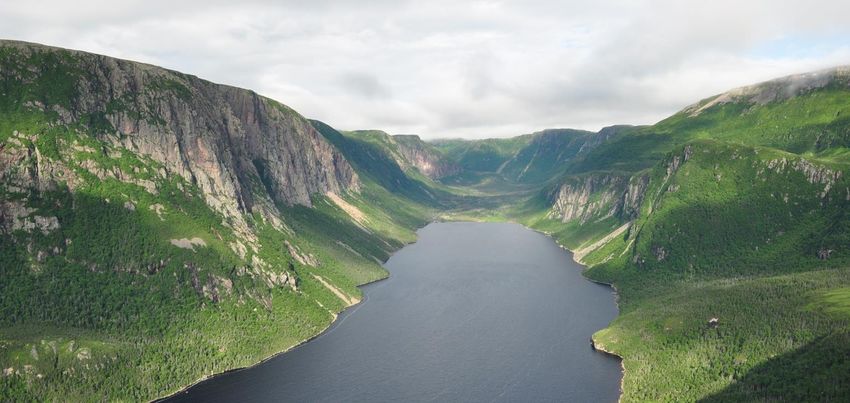
Spruce budworm - Gros Morne National Park
                 (March 2021)

                                            1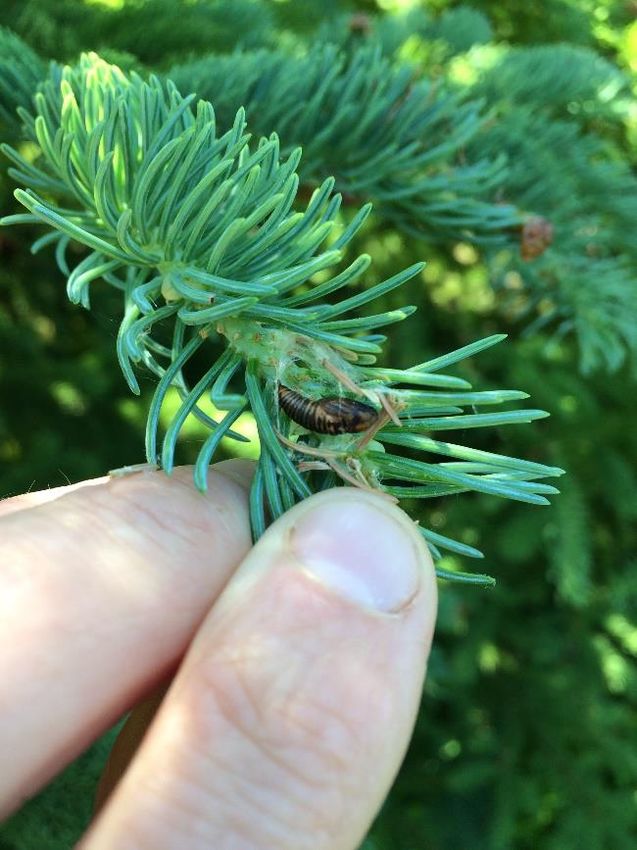
Emerging outbreak in Gros Morne National Park

•   Outbreaks of defoliating insects are natural and help return
    young forest to the landscape
•   Many forest species adapt and benefit from insect outbreaks
•   Spruce budworm causes significant economic losses to
    Canada’s forest products industry
•   Outbreak in the 1970s affected forests across Newfoundland
    and caused a wood shortage that affected industry into 1990s
•   Budworm outbreaks can last up to 10 years
•   Outbreak started in Quebec in 2006 and the moths move to
    Newfoundland on prevailing winds
•   Budworm population increasing in western Newfoundland
    since 2017
                                                                   Images: Natural Resources Canada   2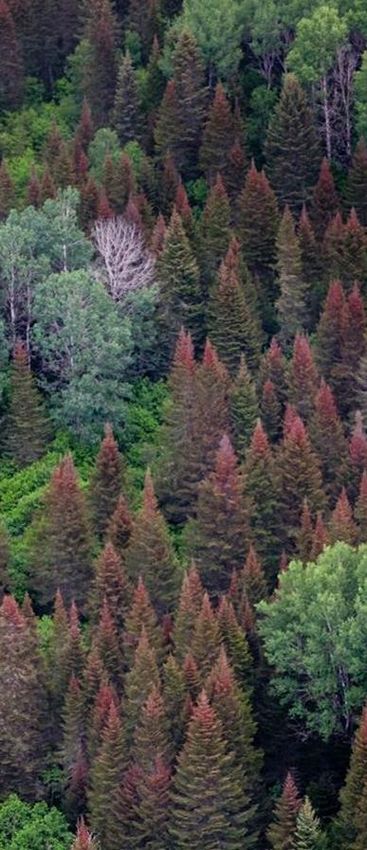
Budworm control program

•   Early Intervention Strategy (EIS) – includes
    spraying budworm before an outbreak develops. In
    use in New Brunswick since 2014
•   356 km2 of forest north of Gros Morne National
    Park treated in July 2020
•   Province requests national park be included in the
    budworm control program starting in 2021
•   Concern for Parks Canada is that budworm
    outbreaks are natural process with a key role in the
    forest ecosystem
•   Parks Canada must weigh possible effects on areas
    outside the park while also following its policies and
    legislation

                                                             3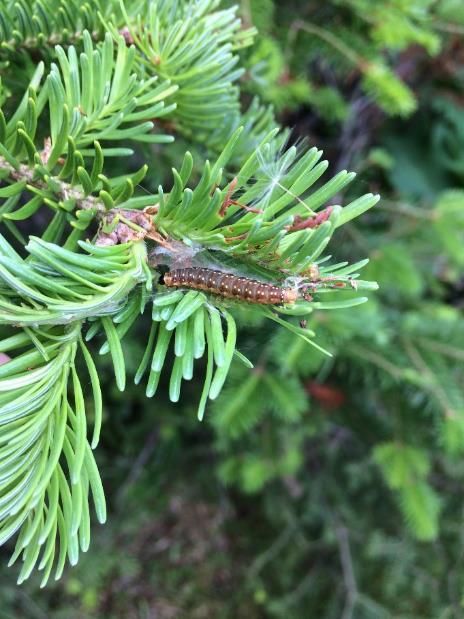
What would budworm control look
          like in Gros Morne National Park?

• Mapping showed that 20% of forest in the park
  qualified for treatment last year
• Warm, dry summer in 2020 led to high numbers of
  budworm meaning that up to 450 km2 of park could
  be a priority for treatment in 2021
• First defoliation observed in park during summer
  2020; trees die after 4-5 years of repeated defoliation
• Treatment areas could include campgrounds, day
  use areas, trails, and domestic timber harvest blocks,
  as well as highland forest and areas around enclave
  communities
• Follow up treatments likely in future years
                                                            4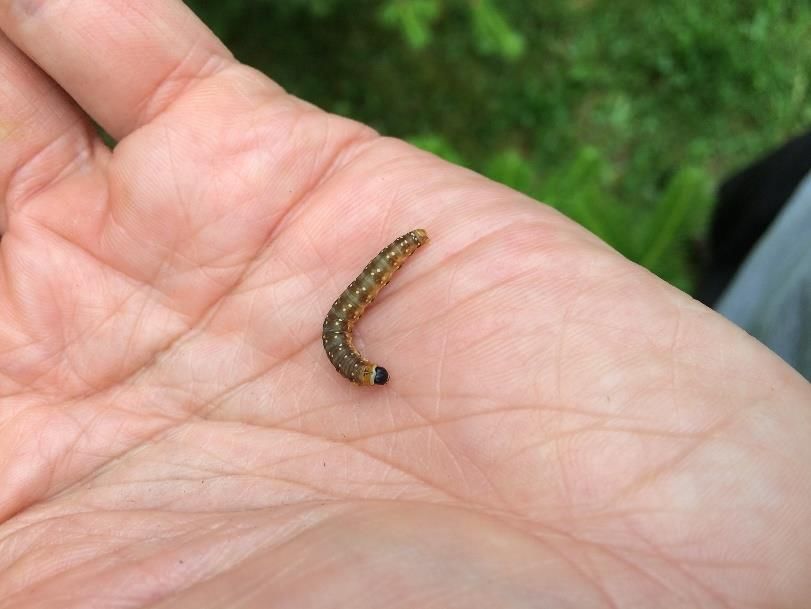
Budworm control method
• Pesticide Bacillus thuringiensis, var. kurstaki (Btk)
  is used for budworm control in Newfoundland and
  Labrador
• Btk is a natural soil bacteria that is lethal to
  caterpillars of spruce budworm and other moths and
  butterflies that eat treated foliage
• Not considered toxic for humans, other mammals,
  birds, fish, amphibians, or most other insects
• Pesticide applied as a spray from low-flying aircraft
• Controlled application reduces impacts on non-
  target organisms and buffer zones help avoid surface
  water                                                   Photo: Natural Resources Canada

• Effectiveness depends on weather and growth stage
  of caterpillars; repeated treatment may be required
                                                                                       5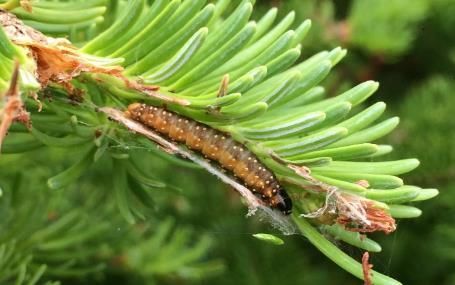
Policy and legislation
•   Canada National Parks Act and Gros Morne National Park management plan state that
    maintenance of ecological integrity is the first priority in managing national parks. Disrupting a
    budworm outbreak may conflict with that priority.

•   Parks Canada policy allows manipulation of natural processes like insect outbreaks to prevent
    serious adverse effects on neighbouring lands
      ⮚ Manipulation can only occur only if a number of conditions can be met, including requiring that
        ecosystems not be impaired
      ⮚ Intervention is only allowed when no reasonable alternative exists

•   Parks Canada’s President and CEO directed staff to develop guidance for this and similar
    decisions
•   Minister responsible for Parks Canada has a mandate to: “Work with the Minister of Natural
    Resources to ... invest in protecting trees from infestations and, when ecologically appropriate,
    help rebuild our forests after a wildfire.”

                                                                                                          6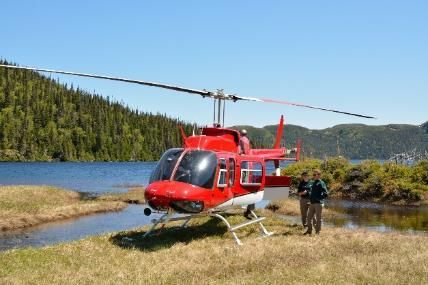
Making the decision

Saying “No” means:
  • An outbreak may develop and lead to death of mature forest in Gros Morne National
    Park
  • Questions could arise about forest health and aesthetics of the park
  • With continued moose management an outbreak could help with forest regeneration
  • An outbreak may affect domestic wood harvesters
  • Not treating areas in the park could make the situation worse outside the park

Saying “Yes” means:
  •   Treatment would occur during late June or early July for two or more years
  •   Concerns may be raised about spray aircraft and potential effects of pesticide
  •   Parks Canada could be seen as ignoring its priority to maintain ecological integrity
  •   If implemented, control program could be precedent setting for other parks
  •   Impacts on ecosystem unclear; forests may be vulnerable to more severe insect
      outbreaks later                                                                        Photo: Natural Resources Canada
                                                                                                                      7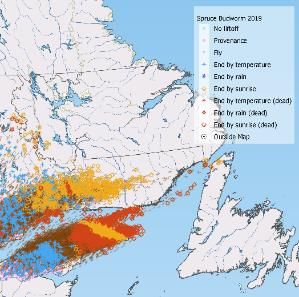
What has been done so far?
•   Parks Canada has been supporting budworm research and monitoring, including research
    permitting, logistics and staff support, sample collection, helicopter support, and geomatics
    support
•   Parks Canada has been meeting with representatives of CFS and the Government of NL
•   Parks Canada has done a policy review and developed an “Outbreak Prevention Decision
    Support Guide” to be reviewed by scientists both inside and outside of the federal government
•   Public consultations being held
•   Detailed impact assessment will be ready to proceed if a decision is made to continue
    evaluation of request

                                                                                                    8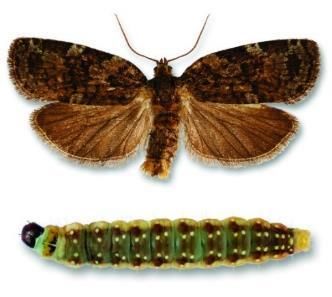
Next steps

  •   What We Heard Report to be released
  •   Initial policy-based decision

If decision is made to proceed with consideration
of request:
  •   Detailed Impact Assessment (DIA)
  •   Final decision regarding inclusion of park in EIS
      based on feedback, DIA and Integrated Pest
      Management Plan
  •   Advise public and provide detailed information on the
      control program

                                                              9
You can also read


