STAKEHOLDER ENGAGEMENT & COMMUNITY BENEFITS A PRACTICAL GUIDE - DR. GARRY M. KEEGAN
←
→
Page content transcription
If your browser does not render page correctly, please read the page content below
STAKEHOLDER
ENGAGEMENT &
COMMUNITY
BENEFITS
A PRACTICAL
GUIDE
2021

AUTHOR
DR. GARRY M. KEEGAN

EDITED BY
DR. ANN M. TORRES
Table of Contents

            Introduction		                                    4    Community Benefit Schemes                                               28

                                                                            Common Features of Offshore
            Benefits of Offshore Wind                         9
                                                                            Community Benefit Funds                                        31
                   Perceived Drawbacks                        11
                                                                            Governance and Administration                                  32
            Offshore Vs. On-shore Community Acceptance
                                                                            Designing a Community Benefits Package                         32
            and Stakeholder Engagement Differences            12

                                                                   Summary Points                                                          35
            Stakeholders and Consultation                     14

                   Stakeholder Engagement Overview /               References                                                              36
                   Stakeholder Mapping                        14
                                                                   Additional Sources and Useful Links                                     37
                   Ireland: Stakeholder Identification        16

                   Stakeholder Strategies                     18   About the Author, Editor and Contributors                               39

                   Capacity Building                          19

                   Offshore Wind Farm Neighbours              20
                                                                   This project has been supported with financial contribution
                          Visual Impact                       20
                                                                   from Sustainable Energy Authority of Ireland under the
                          Tourism Impact                      21
                                                                   SEAI Research, Development and Demonstration funding
                   Political and Community Assessments        22   programme 2019, Grant number 19/RDD/554.

                   Stakeholders Involved in Offshore Zoning
                                                                   Disclaimer: The author assumes no responsibility or liability for any
                   and Site Selection Considerations          26
                                                                   errors or omissions in the content of this guide. The information
                                                                   contained in this guide is provided on an “as is” basis with no
                                                                   guarantees of completeness, accuracy, usefulness, or timeliness.
                                                                   All views expressed represent the author’s opinion based on
                                                                   their experience and expertise.

                  www.sareiglobal.com
                  gmk@sareiglobal.com

2                                                                                                                                               3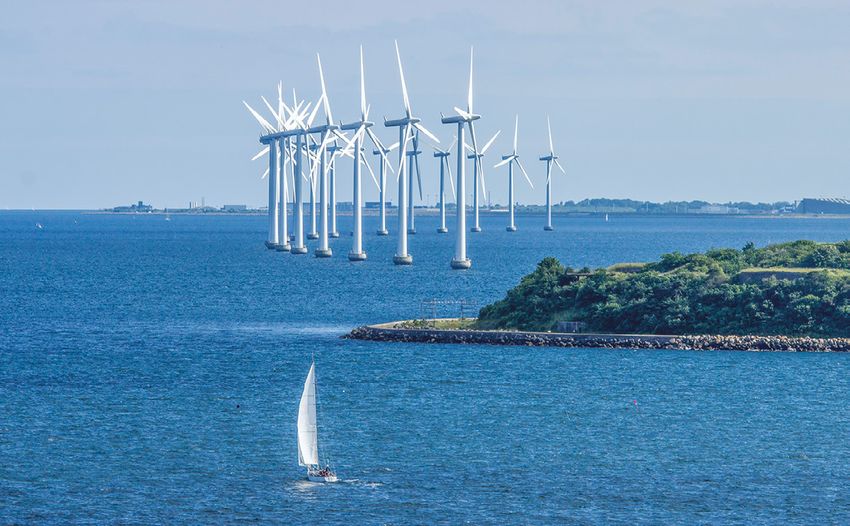
Introduction
This guide provides practical involvement, Maritime Area Consent, Marine Regardless of the project location, the as to whether such promoters have the
recommendations for Offshore Wind Farm Protected Areas, Maritime Area Planning following five criteria should be considered. inclination and resources to implement
Projects, Stakeholder Engagement, and Bill (MAP), and An Bord Planeala, debate the stakeholder engagement competently.
1 Social Acceptance Strategy:
Community Benefits. merits of decentralised (i.e., developer led) Further, when promoters sell a project
There needs to be an overarching social
versus centralised grid integration, which is to a large industry entity, the question
Many countries have a strong track record acceptance strategy developed for
cumbersome and hard to navigate. becomes what stakeholder engagement
in the deployment of onshore wind farms. A offshore wind projects developed by
continuity prevails – industry should
small number of countries (e.g., UK, Germany, These offshore wind projects represent the relevant national authorities (state
ensure this in order to help protect the
Denmark, Netherlands) account for most of all substantial financial investments and the agencies) in concert with industry
sectors reputation and ensure its growth
operational offshore wind capacity connected benefits of offshore are attractive. Yet, representatives. The absence of an
amicably with the public. Ownership
globally, most of which comprises fixed, rather there is a lack of industry coherence in the agreed industry strategy has led to a
change in the onshore sector is much
than floating turbine technology. Many other appreciation of, and approach to, social lack of consistency as different projects
more common. When a consortium
countries (e.g., Ireland, Portugal, Norway, acceptance of offshore wind projects, pursue different approaches. This
of owners is involved in an offshore
Finland, France, Canada, USA, Australia, Japan, especially with respect to community inconsistency adds to the confusion
project, it is important the owners agree
South Korea, China, Vietnam, and Taiwan) acceptance in terms of procedural and local and national stakeholders may
on a strategy regarding stakeholder
are in their infancy of offshore wind farm distributive justice. Individual projects are experience. Project promoters must be
engagement, communications, and
development and have plans underway to progressing through the various regulatory cognisant that host communities are
community benefits.
grow this sector significantly. stages, however, there is little evidence of non-homogenous and social acceptance
coordinated communication campaigns strategies need to be responsive to the 5 Stakeholder Engagement Plans:
Community acceptance has been a key
to educate and inform the public. Also unique values and needs of individual Considering the importance of and
constraint to the development of onshore
lacking are industry agreements regarding host communities. the financial investment required to
wind projects. Offshore wind projects also
the implementation of best practices for deliver an offshore project, stakeholder
experience resistance among coastal and port 2 Consenting Regime:
community acceptance and local stakeholder planning and engagement is a small
communities. There is an opportunity to learn At each stage of the project lifecycle
engagement among host communities. cost that delivers high value. Also
from international best practice in community providing clarity on the consenting
consider the risk of not doing adequate
acceptance and stakeholder engagement. Consenting and marine spatial planning regime should form part of the local
stakeholder engagement – higher
Community engagement practitioners and arrangements differ depending on the stakeholder engagement plan.
likelihood for project failure and/or
communications departments of established jurisdiction. For example, if the support
3 Stakeholder Interface: perceptions of injustice.
offshore wind farm developers were generous scheme for offshore wind is based on
The intensity of stakeholder interface
in sharing their expertise to create this competitive bidding (i.e., auctions and Opposition groups may campaign on issues
varies with the project lifecycle.
document. tendering) where the lowest bid wins, it such as democratic deficit, negative impacts
will affect the capabilities to undertake 4 Project Ownership: on visual amenities, tourism, heritage,
The potential for Irish offshore wind projects
stakeholder engagement and deliver A key consideration is the project birds, fish and marine life, and commercial
is well documented in terms of economic and
community benefits. These initiatives add ownership, as this changes from the fishing. Cable landing points and onshore
social benefits, investment, jobs, and supply
to the project costs, even though they are beginning to end of a project’s lifecycle. cable routes may prove to be significant
chain integrity. In Ireland, companies such as
a relatively small financial investment in Many projects are initiated and owned issues with host communities, in addition
SSE, DP Energy, Parkwind, ESB, Equinor, Ocean
comparison to the overall project budget. by project promoters who do not have to electric magnetic field (EMF) concerns,
Winds, Saorgus, Statkraft, Simply Blue Energy,
Policy makers need to consider whether the intention, capability or capacity to and inadequacies of Foreshore/Marine
Energia, and RWE Renewables are progressing
certain standards and social metrics should be deliver the project to its completion. This legislation may also be highlighted in such
projects off the East and South-east coasts.
part of the bidding criteria. changing ownership raises the question submissions. In one German study, shipping
The current system of transition protocol,
different government department
4 5
security was important to residents, as              In pursuing a coordinated approach, the
    shipping accidents pollute local beaches.            offshore industry, can look to the best
    Coastal communities and stakeholders,                practices employed in other jurisdictions.
    such as fishermen, may claim they have no            Many companies developing offshore projects
    information and there has been a lack of             in new territories, also operate in countries
    consultation. Although the developer may             where there are established best practice
    be at the early stage of consent, conducting         approaches for local stakeholder engagement.
    marine and environmental surveys should be
    part of the planning process requirements.
    The developer’s message can become lost
                                                         Other Constructive Considerations
    in a poorly informed media narrative, or             Stakeholder Identification:
    public discourse. As a result, the developer         Stakeholders need to be identified and
    will quickly find they are under pressure to         consulted, early and throughout the project.
    take a reactive stance, rather than proactively      Developers, through industry representative        most affected due to onshore construction       Government Offshore Wind
    engaging with stakeholders. Further, not             structures, should be obliged and/or guided        works elsewhere. That is, the grid connection   Development Committee:
    being proactive damages the prospects                to undertake wide-ranging and flexible             and substation is placed in an area which       As a statement of intent and to provide
    for future offshore projects. To safeguard           community engagement methods to facilitate         is not visually impacted. For example, the      leadership, focus, and proactivity, it is
    community interests, developers should               ongoing dialogue. Clear guidelines or a Code       Beatrice Offshore Wind Farm in Scotland,        advisable to create a governmental committee
    appoint a Community Liaison Representative           of Conduct for community engagement,               where Caithness is the closest area, but the    for offshore wind development. This
    (preferably someone who is familiar with the         tailored to the local context, would facilitate    grid connection and substation is placed in     committee would act as a dedicated forum for
    area and receives the appropriate training),         this dialogue.                                     the area of Moray.                              local stakeholder and community voices.
    and if resources allow, a Fishing Liaison Officer,
                                                         Consultative Forums:                               Consenting and Planning Process:                Investor Confidence:
    who may be a retired member of the local
                                                         Key stakeholders, such as the fishing              These processes need to be communicated         As offshore wind farms are long-term, capital-
    fishing community.
                                                         community, port, and coastal communities,          in a way that is easy to understand,            intensive investments, a key challenge for
    Rather than pursuing a silo approach, it             need a forum in which dialogue can occur           transparent, and collaborative in terms of      investors is confidence in the government’s
    would be beneficial to pursue a coordinated          with those supporting the offshore project.        citizen engagement. An offshore wind public     strategic commitment to the sector. This
    approach, in which all developers agree              The coalition of the willing, often comprised of   participation guide would be beneficial.        confidence needs to percolate through to
    on the procedural stages, strategies, and            the government and politicians, the national                                                       local stakeholders and local seaside/coastal/
                                                                                                            Other Non-host Community Stakeholders:
    techniques for deploying a:                          and regional authorities, developers and local                                                     port communities.
                                                                                                            Other relevant stakeholders are the military
                                                         stakeholders, need to embrace and promote
    • Stakeholder Relations Advisor (titles and                                                             and aviation interests, where radar may be      National Wind Energy Association:
                                                         offshore projects in a unified manner.
      roles can differ depending on jurisdiction                                                            relevant. The navy where harbour protection,    Most offshore developers are members of the
      and project scale – Community Liaison and          Community Obligations and Contributions:           coastal security, customs, war ships, and the   National Wind Energy Association’s Offshore
      Fishing Liaison for example)                       Even though coastal communities may not            use of drones are issues for consideration.     Committee. This committee could assist in the
    • Stakeholder Relations Programme                    be affected by the offshore construction           Small and large commercial fishing fleets,      coordination of guidelines and standards to
                                                         works, they are neighbours who should              which operate co-operatives and shipping        achieve community acceptance.
    • Community Engagement Programme
                                                         be considered. For example, visual impact          lanes, need to be part of broader industry
    • Community Benefits Programme (i.e.,                                                                                                                   Social Acceptance:
                                                         may be more of a concern for some coastal          groups so they are on-message in terms of
      including Local Supply Chain initiatives)                                                                                                             Offshore wind projects should increase when
                                                         communities. There are examples where the          industry objectives and communication.
                                                                                                                                                            people are aware of the positive impacts
                                                         closest coastal community may not be the one
                                                                                                                                                            associated with offshore wind energy.

6                                                                                                                                                                                                            7
Benefits to Offshore Wind
                                                                                                        and Perceived Drawbacks
    Alternative energy sources, such as oil and       that seeing offshore wind turbines made them
    gas, have limited reserves. Further, oil and      feel they were helping to forestall the climate   The benefits associated with offshore wind are outlined in Table 1.
    gas can be perceived as more expensive and        crisis.
    more polluting. The geo-political security of                                                       Benefit                       Comment
                                                      MaREI’s lead researcher noted that “Moving
    supply considerations should also be stressed
                                                      turbines offshore can help to overcome issues
    in the public dialogue. The general public may                                                      Security of Energy Supply     • Wind enhances energy supply, diminishing the need for oil and gas
                                                      of space for wind turbines on land. It can also
    be more accepting of offshore wind projects,
                                                      help to meet targets for clean, renewable         Power Grid Stability          • Offshore wind farms are important for energy transition success
    than the local host community (i.e., perceived
                                                      energy and create jobs as Ireland seeks to                                        and grid stability
    local pain, in exchange for national gain).
                                                      rebuild the economy.” The survey findings         Sustainable Grid Power        • Wind energy is a clean, free, and abundant resource that can
    Again, representations concerning visual
                                                      suggest those with experience of offshore                                         be extracted and converted into electricity without emissions
    impact and shipping collisions should be
                                                      windfarms are more positive towards their
    expected.
                                                      development in Irish waters than those with       Environmental                 • The industry complies with international regulations and strict
    Public Acceptance Research:                       no experience of offshore windfarms. In           Protection Standards		          environmental standards
    Offshore wind public acceptance research          terms of the effect on wildlife, tourism and      Reduced Pollution             • Wind farming is a renewable energy source
    should be commissioned in countries where         aesthetics, respondents said offshore turbines
    offshore planning and deployment is relatively    are relatively unobtrusive.                       Affords Benefits              • Bans on fishing in offshore wind farms improves fish stocks
    new. One example is to establish a monitoring                                                       to the Marine		                 and wind turbine foundations act as artificial reefs
                                                      Subsequent to MaREI’s survey, the Irish
    programme, which focuses on public                                                                  Green Hydrogen                • Green hydrogen enables energy-intensive industries such as cement,
                                                      Government announced its intention to fast-
    acceptance before and after the installation                                                        Production		                    steel, or chemical plants to improve significantly their carbon footprint
                                                      track seven offshore wind projects in the Irish
    of an offshore wind farm, as a means to
                                                      Sea under a new planning regime. Under the        High Acceptance Level         • Far-shore farms are preferred, as they are less visible but can
    monitor the degree of public involvement
                                                      Climate Action Plan, the Irish Government                                         be more expensive and less feasible
    and active conflict management. Consultation
                                                      is aiming to have 70% of Ireland’s electricity
    with the research sector (e.g., state agencies,                                                     Job Creation                  • Offshore investment creates opportunities in manufacturing,
                                                      generated from renewable sources by 2030.
    University post-doctoral programmes) would                                                                                          engineering, construction, marine services, local coastal transport,
    be desirable.                                     According to the World Wind Energy                                                turbine operations, and professional services. Enables education
                                                      Association (WWEA), developers should                                             and training opportunities
    Marine and Renewable
                                                      demonstrate how their proposed
    Energy Ireland (MaREI):                                                                             Export Potential              • The market for offshore wind energy is growing rapidly
                                                      development, as a recommended renewable
    MaREI, a Science Foundation Ireland centre
                                                      energy initiative, is sustainable and of a net                                                        Table 1: Key Benefits to Offshore Wind
    based at University College Cork, surveyed
                                                      benefit to the community. To facilitate this
    1,154 people and found there is significant
                                                      argument, early engagement with relevant          Offshore wind energy can serve as the               increase lifetime expectancy, and mitigate
    support from the Irish public for the
                                                      stakeholders on the comparative benefits          foundation for security of supply in a future       health related costs. Offshore wind farms
    development of offshore windfarms in Irish                                                          renewable energy system. Oil and gas                are in-dispensable for energy transition and
                                                      of feasible options is recommended. WWEA
    waters. Of those surveyed, 93% said they                                                            reserves are limited, more polluting, and when      are an important factor for the stability of
                                                      recommends a comprehensive stakeholder
    would not object to an offshore windfarm                                                            externalities are considered, more expensive.       the power grid. Being located offshore, they
                                                      consultation and participation process so as to
    anywhere in Irish waters and 87% said they                                                          Wind energy is a clean, free, and abundant          will experience a much greater percentage
                                                      mitigate the risk of community opposition, or     resource that can be extracted and converted        of consistent winds compared to onshore
    would not object to the development of
                                                      loss of support for the project.                  into electricity without emissions. Phasing         wind turbines. The wind does not encounter
    an offshore windfarm off the coast of their
    locality. Additionally, 60% of respondents said                                                     out fossil fuelled power plants and replacing       obstacles such as buildings, hills, valleys, and
                                                                                                        them with wind power would help to address          trees that can impede wind speeds. Offshore
                                                                                                        climate change. As a cleaner energy source, it      wind turbines are able to generate more
                                                                                                        would reduce unnecessary health problems,           power compared to other onshore turbines.
8                                                                                                                                                                                                                   9
Wind farming is a renewable energy source            to near-shore farms, as they are less visible.,    The perceived drawbacks raised by concerned stakeholders are outlined in Table 2.
     that reduces air pollution by replacing              however these can be expensive, also floating
     the more polluting energy sources with               wind turbine technology requires further           Perceived Drawback           Comment
     wind-generated power, helping to reduce              development which will further enable the
                                                                                                             Natural Environment          •   Potential decrease in fish-stock and marine life
     emissions of sulphur dioxide, nitrogen oxides,       feasibility of far-shore.
                                                                                                                                          •   Concerns for the bird population and their flightpaths
     and carbon dioxide. Significant efforts are
                                                          The Global Wind Energy Council (GWEC) and                                       •   Changes to the natural beauty and quality of coastline
     being undertaken in all areas of the offshore
                                                          the Global Wind Organisation reported in                                        •   Eroding the value of unspoilt nature
     wind industry to protect the environment.
                                                          April 2020 that offshore markets will require                                   •   Visual intrusion due to turbines
     The industry complies with international
                                                          77,000 trained employees by 2024 to support        Livelihood                   • Local fishermen are concerned about the loss of their livelihood,
     regulations and strict environmental
                                                          growth targets. They calculate 2.5 jobs per                                       skills, and way of life
     standards, and it designs its production
                                                          megawatt per project.1 It is important to note,                                 • Interference with shipping routes and increased risk of collisions
     processes as ecologically as possible. The
                                                          job creation may not necessarily be locally
     marine environment can benefit from offshore
                                                          focused, so projects need to be careful not to     Culture                      • Interrupt or damage local culture and values
     wind. The ban on fishing in offshore wind
                                                          over-promise and under-deliver in this regard                                   • Poor fit with the ascribed characteristics and values of
     farms can have a positive effect on fish stocks.
                                                          when communicating with local host and                                            a coastal landscape
     The foundations of offshore wind turbines
                                                          coastal communities. The value chain of the                                     • Damaging the attachment people have to an area
     can also act as artificial reefs. The use of green
                                                          offshore wind industry has been characterised                                   • Potential for a democratic deficit
     hydrogen produced with renewable energy
                                                          by small and medium-sized enterprises from         Living Environment           • Erode the local residents’ living environment in terms of their
     may enable energy-intensive industries
                                                          the beginning, which can bolster local host-                                      view and real estate value
     such as cement, steel, or chemical plants to
                                                          community, port, and coastal economies. The                                     • Negative effects on recreational activities including boating,
     significantly reduce their carbon footprint. The
                                                          industry is strongly committed to a growing                                       fishing and yachting
     production of green hydrogen from offshore
                                                          international training sector and has a high
     wind energy using electrolysis is already                                                               Business Interests           • Negative impact on tourism, heritage, fishing, leisure crafting,
                                                          level of qualification. Offshore investment
     possible on an industrial scale. Hydrogen                                                                                              air traffic, and telecommunications
                                                          will create opportunities in manufacturing,
     production from wind power is set to play
                                                          engineering, construction, marine services,        Health and Safety            • The presence of EMF
     a fundamental role, especially in sector
                                                          local coastal transport, turbine operations,                                    • Potential and safety impacts of cable landing points/onshore grid
     coupling. One example is the production
                                                          and professional services. Peripheral coastal                                     connections, cable routes, and substations
     of synthetic fuels from green hydrogen for
                                                          communities could be transformed by
     aviation.
                                                          these new employment opportunities. The                                                     Table 2: Stakeholders’ Perceived Drawbacks of Offshore Wind
     Social acceptance of offshore wind is expected       know-how and added value of offshore wind
     to increase substantially, as people become          industry offer substantial potential for export.
     aware of the positive impacts of offshore wind       The market for offshore wind is growing
     energy. Wind turbines have been known to             rapidly, not only in Europe, but also in Asia
     produce a lot of noise. As offshore turbines are     and North America. The International Energy
     typically located far from the coast, and away       Agency estimates the capacity for offshore
     from residential areas, noise is not a significant   wind farms will increase by a factor of fifteen
     issue. Consequently, offshore wind farms             over the next twenty years.
     enjoy a high level of acceptance among the
     population. Far-shore farms may be preferred
                                                          1
                                                              Powering the Future: Global Offshore
                                                              Wind Workforce Outlook 2020-2024
10
2                                                                                                                                                                                                                   11
                                                                                                                                                                                                                     3
Offshore Vs. On-shore Community Acceptance
     and Stakeholder Engagement Differences
     The differences between offshore and onshore       There are additional technical challenges in    • Archaeological heritage           • Residential and holiday homeowners,
     wind industry community benefit provision          constructing and maintaining sites offshore.                                          who are a significant stakeholder group
                                                                                                        • Visual impact and its potential
     have been viewed positively and there is           The timescales and phased development             consequences on tourism and         in coastal communities
     scope to transfer certain lessons. The rationale   process of offshore projects differs greatly      property values                   • Noise, vibration, lighting, and turbine
     for community benefit provision is similar for     from the onshore industry where the                                                   installation.
     both industries, which is driven by a desire       construction is less complex.
     to share equitably the benefits gained by
                                                        Offshore projects involve a more diverse and
     harnessing a natural resource.
                                                        complex range of stakeholders with whom
     Considering the differences in identifying         to negotiate agreements. For example, air
     nearby communities, maturity of the                interest for commercial, military and coastal
     industry, technology and project economics,        rescue operations requires assurances for
     community benefit schemes are unlikely to be       radar and lighting. Commercial and leisure
     realised in precisely the same manner. While       fishing, shipping, and boating, and coastal
     significant development is planned to occur        resort tourism seek reassurance their
     across the globe, commercial scale projects in     operations will not be adversely impacted.
     deeper, more challenging water, means the
                                                        In terms of offshore wind farm environmental
     resulting costs and risks associated with these
                                                        impacts, developers should be cognisant of
     projects can be much higher than for onshore
                                                        the following considerations:
     projects.
                                                        • Marine habitats and benthic (i.e., seabed)
     Cost reduction is a key driver for the offshore
                                                          communities
     wind industry, particularly in the context
     of increasingly competitive contracts for          • Bathymetry, sediment transport paths,
     difference allocation. Therefore, the scale of       bed forms, scouring, mixing, turbidity
     community benefits may be highly dependent         • Water quality and pollution incidents
     on the developer’s financial means.                  during installation and maintenance
     Developers may legitimately ask the national,
     state, regional, or local government whether       • Designated areas and proximity
     they prefer cheaper electricity or generous          of protected areas
     community benefit schemes.                         • Fish resource, migration patterns,
                                                          and nursery areas
     In Germany, for example, offshore projects
     are planned at the state level and far-shore       • Birds’ distribution, disturbance,
     projects are planned at the national level.          displacement, mortality, breeding
     Hence, communities are not part of the official      and feeding impacts
     planning process, unless shipping facilities       • Marine mammals’ distribution, disturbance,
     have to be constructed, or the cable comes           displacement, and the impacts of noise
     to shore, and/or the substation is constructed       and vibration
     adjacent to local population.

12                                                                                                                                                                                      13
                                                                                                                                                                                         3
Stakeholders and Consultation
Local Stakeholder Groups Examples
Stakeholder Engagement and Regardless of whether a certain stakeholder
Stakeholder Mapping group is on an official regulatory list, it Residential • Coastal and port communities
is advisable to engage with all identified • Resident cooperatives and associations
Depending on national legislation, some stakeholders, even beyond legal obligations. • Community societies
countries have official stakeholder lists, • Neighbourhood security, community watch
Examples of stakeholder categories are
which distinguish between statutory and
outlined in Tables 3 and 4. Community Influencers • Local opinion leaders
non-statutory stakeholders.
• Large employers
• Elected public representatives
• Local, municipal, regional, state, and national broadcast and print media
• Social media interests
• Celebrities
Economic Groups • Local retail
• Chambers of commerce
• Service and manufacturing businesses
• Commercial fisherman
• Shipping companies
• Employment unions
• Telecommunications companies
• Tourism industry providers
• Hospitality and accommodation providers
Authorities • Military and defence ministry
• Airport authorities
• Aviation companies
• Air rescue
• Marine management services
• Catchment management authorities
• Local government
• Local networks e.g., public participation networks, community fora
• Tourism agencies
• Indigenous People and their representatives
Other Groups • Religious groups
• Sport clubs
• Leisure boating clubs, boating and yachting associations
• Sea scouts
• Environmental, nature and conservation groups
• Bird watching groups
• Walking and hiking clubs
• Special interest groups (e.g., Bathymetry)
Table 3: Categories of Local Stakeholder Groups
14
2 15
3
Ireland: Stakeholder Identification

     Ireland Stakeholder Types    Examples                                                              Ireland Stakeholder Types     Examples

     General                      •   County councils, area committees, strategic policy committees     Environmental Organisations   •   Bird Watch Ireland
                                  •   Elected public representatives                                                                  •   National Parks and Wildlife Service (NPWS)
                                  •   Special interest groups                                                                         •   An Taisce
                                  •   Residents’ associations                                                                         •   Irish Whale and Dolphin Group
                                  •   Charities and voluntary groups                                                                  •   Geological Survey Ireland
                                  •   Business groups, Chamber of Commerce, Chambers Ireland                                          •   Seal Rescue Ireland
                                  •   Tourism groups
                                                                                                        Local Stakeholder             •   Municipal District Councils
                                  •   Commercial fishing
                                                                                                        Engagement                    •   Town Teams
                                  •   Leisure craft owners and clubs
                                                                                                                                      •   Local Chamber of Commerce
                                  •   Sports clubs
                                                                                                                                      •   Local RNLI
     Government and National      •   Government Departments                                                                          •   Local Sailing Clubs
     Organisations                •   Transport Infrastructure Ireland (TII)                                                          •   Local Sea Swimmers
                                  •   Irish Aviation Authority (IVA)                                                                  •   Local Port User Groups
                                  •   Fáilte Ireland                                                                                  •   Sea Angling Clubs
                                  •   Inland Fisheries Ireland                                                                        •   Sub Aqua Clubs
                                  •   Health Services Executive (HSE)                                                                 •   Local Rowing Club
                                  •   Environmental Protection Agency (EPA)                                                           •   Local Sea Scouts
                                  •   Commissioners Irish Lights                                                                      •   Local Triathlon
                                  •   Health and Safety Authority (HSA)                                                               •   Local Education Training Boards
                                  •   Marine Survey Office                                                                            •   Regional Assemblies
                                  •   Sustainable Energy Association of Ireland (SEAI)
                                                                                                        Execution Stage Stakeholder   •   Department of Business, Enterprise, and Innovation
                                  •   Gardai Siochana (Irish Police Force)
                                                                                                        Engagement                    •   Department of Rural and Community Development
     Marine Organisations         •   Irish Sailing Association (ISA)                                                                 •   Department of Education and Skills
                                  •   Marine Institute of Ireland                                                                     •   Industrial Development Authority (IDA) Ireland
                                  •   Irish Maritime Development Office (IMDO)                                                        •   Enterprise Ireland
                                  •   Met Eireann (Irish Meteorological Office)                                                       •   Air Corp
                                  •   Irish Water Safety                                                                              •   Navy
                                  •   Royal National Lifeboat Institution (RNLI)
                                  •   Irish Coast Guard (Department of Transport, Tourism, and Sport)

     Marine Interests             •   Bord Iascaigh Mhara (BIM)
                                  •   Local Fishing Community
                                  •   Commercial Fishing
                                  •   Harbours and Ports

                                                                                                                                          Table 4: Stakeholder Types in Ireland (Non-Exhaustive Listing)

16
2                                                                                                                                                                                                          17
                                                                                                                                                                                                            3
Stakeholder Strategies
     Most stakeholders, individuals, and special interest groups and organisations (statutory and
     non-statutory) will have concerns legitimate to them, some will be articulated by professional            Capacity Building
     consultants, which will form submissions as part of the consenting process. A comprehensive
     stakeholder engagement and communication plan, deployed by a qualified and experienced                    Capacity building for communities should be a    Agency support may be available for
     project management team, is a prerequisite to developing a new offshore wind farm successfully.           consideration, so as to ensure individuals and   providing:
     Sound community consultation and participation, with appropriate representations (i.e.,                   groups are equipped to contribute effectively
                                                                                                               to discussions. Developers should work and       • networking services and community
     visualisations) of the wind farm are often effective. On a strategic level, there are four degrees of                                                        learning and capacity building
     public engagement based on the level of participation to be accorded to the public: 1) inform,            engage with stakeholders and agencies that
     2) consult, 3) involve, and 4) collaborate or empower. Table 5 outlines the key principles for            can support the process. In the early stages     • support to groups wishing to form
     community consultation and stakeholder management.                                                        of consultation, developers should signpost        a community development trust.
                                                                                                               community groups to support, including:
                                                                                                                                                                On occasion, there may be conflicts within
     Principle                   Comment                                                                       • Grant support for communities to form a        or between stakeholder groups. It is
                                                                                                                 constituted group or to develop an action      recommended developers seek advice or
     Engage Early                • Clear community engagement plan known to all at early stages                  plan                                           support, and to be mindful that ‘community
     Visualisations              • Planners and developers should use visualisations, as project                                                                of place’ does not necessarily translate into
                                   opponents may develop their own visualisations, which may                   • Advice and support from a regional
                                                                                                                 development officer                            ‘community of interest’.
                                   be misrepresentations if not technically developed
                                   (e.g., in terms of scale)                                                   • Online community guidance package
                                 • Local councils or municipalities may not have the resources to                to help with the process
                                   develop such visualisations, particularly when a project is in its
                                   infancy or exploratory stage                                                • Local or regional government register
                                                                                                                 of community benefits from renewables
     Community                   • Recognise the value of community involvement and local
     Involvement		                 knowledge in planning                                                       • Local supply chain opportunities
     Consultation Process        • Plan and design consultation process with the local planning                  noticeboard
                                   authorities and stakeholders                                                • Advice to access further tailored funding
     Inclusive                   • Use an inclusive approach to engage and consider all                          and support.
                                   stakeholder groups
     Level of Strategic          • Use consultation methods and techniques appropriate to the
     Engagement		                  local context; determine the level of strategic engagement
     Transparency                • Transparency and accessibility at all times and in engagement
                                   activities disseminating information, and receiving feedback
     Flexibility                 • The plan must be flexible so as to incorporate stakeholders’ perspectives
     Dialogue                    • Continuing meaningful respectful dialogue regarding changes
                                   to the project design/plan, which are communicated and discussed
                                   on a timely basis, cognisant of the planning regime.
     Networks                    • R ecognise the importance of social and informal networks;
                                   establish collaborative relationship with community
     Local Resources             • Leverage local resources to fulfil jobs and contracts
     Benefit Scheme              • Discuss mitigation, compensation measures, and benefit scheme with
                                   the local community
                                 • Be cognisant of ethical corporate socially responsibility and governance

                          Table 5: Key Principles for Community Consultation and Stakeholder Management
18
2                                                                                                                                                                                                               19
                                                                                                                                                                                                                 3
Offshore Wind Farm Neighbours
Project promoters need to recognise Visual impact Tourism Impact reported their experience would be worsened
inhabitants and other local stakeholders by the turbines; 13% reported it would be
within the surrounding area of an offshore It is recommended the local community An important question for coastal improved, and 67% reported no effect. In
wind farm are impacted. A general and other identified local stakeholders communities is how offshore wind farms will contrast, at 20 miles (32 km) offshore, only
information campaign is recommended at be informed about the proposed affect recreation and tourism. The distance 10% of respondents reported their experience
development before the submission of a wind turbines are from the beach significantly
project initiation and during the planning would be worsened, 17% said it would be
planning application through the normal influences how tourists feel about them.
process. improved, and 73% said it would have no
communication channels (e.g., non-statutory
effect.
There may be supporters of wind energy who consultation, localised information campaigns A survey conducted in the US (Parsons
do not accept wind turbines in their locality, via print, broadcast and social media). The and Firestone, 2018) interviewed almost This research found beachgoers are more
even though they perceive wind energy visual impact of wind turbines depends on two-thousand beachgoers, who were likely to go to another beach when the wind
as an innovation within energy generation their location, size, number, layout, design, representative of a beachgoing population turbines are closer to shore and are more
and transition. Opponents may view the colour, and the viewers’ perceptions. From on the East Coast. Participants experienced likely to remain when turbines are located
an early stage of the project, developers can visual simulations of a wind power project
offshore wind farm as a threat to nature, the farther from shore. The size of this effect is
prepare photomontages, perhaps polling the with 100 six-megawatt wind turbines, 150
environment, view shed, marine life, and the important to BOEM for documenting impacts
local and nearby communities on options to meters tall to the tip of the blade at its apex, at
local economy (e.g., impact on fishing and of wind turbines on local economies. The
gain insight on this aspect. different distances from shore, and in different
tourism community). break-even point is 15 miles (25 km) offshore.
As more wind farms are established, people conditions (i.e., clear, hazy, and night-time). At this distance, there are as many people who
When developing a consultation strategy, be will observe the visual impacts from offshore The wind turbines were assembled into a would be better off, as there are people who
clear about the level of involvement and the wind farms. The public’s positive attitude photomontage by a firm, recognised as a would be worse off. While there are economic
process by which that involvement should could shift, particularly if the experienced leader of visual impact analysis and graphics advantages to having wind turbines closer
take place. Some members of the public will visual impacts differ substantially from the in the wind industry. to shore, because it is cheaper to deliver the
not care about the origin of the energy they development plans. Offshore wind turbines energy and easier to maintain the turbines,
use, while others will be drawn to a green are much taller than onshore wind turbines, Participants were asked whether the projects
most proposed projects are placing turbines
energy electricity supply. but their visibility is moderated, because would affect their beach experience and
at the 15-mile (25 km) mark.
they are located several kilometres from the prompt them to change their travel plans. The
As the project mobilises and construction nearest shoreline. At 7 to 10 kilometres (4 to data were analysed using an economic model The researchers also found a surprising
commences, the project manager needs to 6 miles), the turbines appear to be about the of trip choice. The Federal Bureau of Ocean number of respondents would make special
monitor contractors and sub-contractors to height of a person’s thumbnail, held at arm’s Energy Management (BOEM), which leases trips just to see wind turbines offshore. The
ensure the project complies with planning length. Hence, the visual impact of offshore offshore areas for wind power generation, expansion of offshore wind can promote local
permission and any conditions attached. They wind turbines is lower than visual impact of and the National Oceanic and Atmospheric tourism. Researchers from the University of
should also have and continually assess and onshore wind turbines. Administration (NOAA) funded the research. Rhode Island, USA, found the first offshore
review implementation of the:
It is worthy to note the scale of offshore wind farm located on the east coast of the
Survey respondents were shown turbines
• Stakeholder Engagement Plan wind farms, which is in the hundreds of USA has strengthened local tourism. The
ranging from 2.5 to 20 miles (4 to 32 km)
megawatts, can achieve generation capacities Block Island offshore wind farm is located
• Communications Plan offshore. BOEM leases and planning areas
equivalent to many onshore projects. For approximately six kilometres (3.7 miles) off
for wind power projects are projected to be
example, in some European locations, one the island of the same name. For their study,
• Local Supply Chain/Local Economic installed at 13 or more miles (21 km) offshore.
400 MW offshore wind farm with 50 turbines the researchers analysed three years of Airbnb
Benefits Plan For example, the wind project proposed off
is equivalent to 20 onshore wind farms of 20 booking data during the timeframe when the
MW, not counting the effect of higher and Bethany Beach, Delaware would be located
• Community Benefits Plan. wind farm was commissioned. Their findings,
more consistent wind speeds offshore. about 17 miles (27 km) offshore. At the
published in the Journal Resource and
12.5-mile (20 km) mark, 20% of respondents
20 21Energy Economics, indicate bookings were Offshore wind development can also Political and Community Assessments
approximately 20% higher than before the have economic implications for coastal
wind farm was built. When wind farm planners recreation demand, particularly for countries A key consideration in an offshore wind project is to assess the political and community
announced they intended to install offshore characterised by high offshore wind power environments in which the project will be located. Table 6 outlines the general process developers
turbines off the coast of Block Island, concerns potential, and for being popular tourist and investors may follow, as a means to creating the foundation for an engagement plan.
were raised that the project might harm local destinations. In this context, a Spanish study
tourism. Several important indicators for (Voltaire et al., 2017) examined the impact Element Comment
the tourism market indicate that interest in of offshore wind farm projects on beach
Key Stakeholders • Create a core group of key stakeholders, who reflect the local and
visiting Block Island has increased. Coastal recreation demand in Catalonia, Spain,
regional opinion
cities where the offshore industry operates during the 2012 summer season. The results
have set up information centres and offer demonstrate a significant welfare loss up to Scope Issues • Identify stakeholders, conduct an initial scoping of the issues,
tours to offshore wind farms. Offshore wind €203 million per season. The results suggest clarifying which issues are important to which stakeholders
farm tourism complements the North Sea the installation of a wind farm will encourage
Consultation Process • Design the consultation process, agreeing objectives and outputs,
island of Heligoland (also spelt Helgoland). tourists to seek Catalan beaches without
techniques, key events, timing, resourcing, budgets, and
In this case, tourism did decrease, but then wind farms; the estimated negative economic
co-ordination with other statutory or non-statutory processes
recovered. More tourists have come to the impacts occur in areas where wind farms are
island since the offshore service port was located. From a political economy perspective, Stakeholders’ Liaison • Identify and appoint an individual with whom stakeholders can
opened. The increasing demand for tours with this finding may call for the design and Representative communicate with such as a Community/Project Liaison Representative.
fast catamarans and for sight-seeing flights to implementation of redistributive instruments Consider agreeing an Independent Chairperson and the establishment
nearby offshore wind farms suggest visitors to offset the negative impacts caused by wind of a Residents Project Monitoring Committee, which is representative
are interested in offshore wind. Wind power farms. (Voltaire et al., 2017). of the various previously identified stakeholders
plants at sea can become a tourism attraction
Dialogue • Bilateral communication methods such as public meetings, staffed
if local initiatives introduce visitors to the
exhibitions and establishment of local contact person or number would
technology.
be required at the early stages to draw out views and concerns of the
local community and interested parties, including clarity of the various
groups of stakeholders, and the unique elements of the proposed
location for the offshore wind farm
Communication Strategy • The project promoter needs to establish a comprehensive
understanding of the local stakeholders within the project catchment
area, and develop a strategy on how to approach them
Impacts • When the project developer is applying for consent, they must be able
demonstrate a comprehensive assessment of the project’s likely impacts
on a wide range of stakeholders and factors, including the marine
environment and birds, visual impact, fishing, and shipping
Table 6: Key Steps in Assessing the Political and Community Environments
22 23In developing a stakeholder engagement plan, it is advisable for the project developer to consider Consultation processes can experience difficulties in identifying and reaching the different groups
the manner in which to disseminate project information, timing of information, coordination within a community, which is barrier to engaging the community in planning. Table 8 lists the
with local governments, degree of engagement, community structures, how to leverage local questions on which developers should reflect during the consultation process.
intermediaries, identify stakeholder liaisons, and the need for independent facilitators. Table 7
illustrates the elements within a stakeholder engagement plan.
Topic Question
Political and Community Assessments
Element Comment Impact (+/-) • Who will be affected, positively or negatively, by the development?
A key consideration in an offshore wind project is to assess the political and community
Political and Community Assessments • Who holds official positions in the area and who are likely to be
Information • Consider what networks will be most effective for disseminating information environments in which the project will be located. Table 6 outlines the general process developers
affected by the development?
A key consideration in an offshore
• Use localwind projectprint
broadcast, is toand
assess themedia
social political and community
platforms and investors may follow, as a means to creating the foundation for an engagement plan.
environments in which the
• Which local papers and which local notice boards areprocess
project will be located. Table 6 outlines the general developers
always read Support and Opposition • Who supports or opposes the changes the development will bring
and investors may follow, as a means to creating the foundation for an engagement
• Consider the availability of parish (Ireland & UK) newslettersplan. and why?
• Are there local leaders who can share information
Interests • Who runs local organisations with economic, environmental,
• Identify groups that are hard to reach and how best to engage them
or social interests?
Timing of Information • Timing of information is important in several regards; for example,
Influencers • Who is influential in the local community; who are the opinion leaders?
when to inform people - what and how much detail is available to share
• Too much information in the wrong format can cause more confusion Previous Participation • Who has been involved in any similar issues in the past?
rather than enhance clarity • Approaches for reaching hard-to-reach stakeholders?
• When to engage people; for example, consultation events arranged
Future Impact • Who may not be affected by any immediate development, but may
for day-time hours are not typically well attended because people
be impacted, if similar developments were to locate in the area?
are working
Local Government • A stakeholder engagement plan can be coordinated with county and Table 8: Key Questions in Relation to the Consultation Process
Coordination local municipalities to be more efficient and effective
Degrees of Engagement • Consider different degrees and activities of engagement at different
stages throughout the process, making use of different methods
Community Structures • Consider community structures, geography of the area, the economic
climate, and the current concerns of local communities
Local Intermediaries • Consult local intermediary bodies, such as Parish Councils and Rural
Community Councils, and Public Participation Networks, that can help
the developer to understand the various interests in the area and to
find other community organisations
Stakeholder Liaisons • Establish a clear and well-linked contact to liaise with public and other
stakeholders (e.g., Project/Community Liaison Representative, Fishing
Liaison Representative), while encouraging identified stakeholders to
do so as well
Independent Facilitator • With statutory stakeholders, consider whether there is the need for
independent facilitator or intermediatory
• Cost of such services is usually born by the developer, low cost-high value
24 Table 7: Key Elements of a Stakeholder Engagement Plan 25Stakeholders Involved in Offshore Zoning
and Site Selection Considerations
Informal discussions should be held at an early be considered. Also to be considered are Phase Activity
stage with local planning officers, or national other environmental considerations, such Political and Community Assessments
planning officers, if the project is deemed Early Consultation • Identify a site
as recreational and conservation areas, A key consideration in an offshore wind project is to assess the political and community
to be national strategic infrastructure. The • Identify local communities
telecommunications, aircraft safety, and environments in which the project will be located. Table 6 outlines the general process developers
elimination of unsuitable sites at this stage • Develop consultation strategy
restricted areas. and investors may follow, as a means to creating the foundation for an engagement plan.
avoids spending time and money on sites • Conduct community and social audit
During this site selection phase, the • Assess facilities, services, boundaries, and factions
that have little chance of obtaining planning
preliminary internal research on the technical,
permission or may involve foreseeable Early Intermediate • Disseminate initial information
social, environmental, and infrastructural
opposition. Consultation • Raise awareness via leaflets, posters, press releases in local/
characteristics of an area should be
regional print, social media, information packs, and letters to
The impact on local ecology, marine life, and conducted. Site selection should draw on
community groups
migratory bird routes should be investigated various published sources, such as maps, local
• Identify and approach key groups and local figures
through the relevant state agency, searching development reports, and other relevant
• Prepare for a full consultation, including a virtual consultation option
state databases, performing a literature secondary sources.
• Conduct project feasibility
search, and conducting an initial field survey.
Initial community consultation involves
Engaging relevant consultants during the Advanced Intermediate • Provide a full consultation via press releases, a series of
discussions with officers of the local planning
site selection and feasibility stages should Consultation presentations, frequently asked questions, open days that include
authority and statutory consultees to identify
a virtual option, and a local base to respond to queries,
and agree potential issues to be addressed
• Define majority views regarding location, size, and power output
and consider approaching other consultees,
• Identify main concerns by maintaining a contact book, database
such as those suggested by the local
of residents and their concerns, and communications matrix
planning authority. The level of consultation,
(always adhering to Data Protection Regulations)
at this speculative stage, is kept high and
• Disseminate further information and responses regarding
restricted to the planning authority. It would
these concerns
be inappropriate for developers to begin a
• Clarify what constitutes non-statutory and statutory consultation phases
process of local public consultation, which
• Develop a community committee and identify roles
may cause unnecessary concern or excitement
• Prepare statutory documents for planning applications
about a proposal. To assess public sentiments
• Continue contact with interested parties, community liaison
regarding the project, conducting public
committees, and key personnel
opinion surveys is recommended early in
the project and on a period basis through Advanced Consultation • Disseminate plans to the community via traditional media, social
the development of the offshore wind farm media, and virtual channels; social media and virtual channels proved
operation. These polls will assist in identifying important during the Covid-19 pandemic and they are likely to remain
appropriate strategies to engage and inform prominent in communication campaigns
local stakeholder groups. The consultation • Continued contact with interested parties, community liaison
activities, according to the project committees, and key personnel
development phases, are itemised in Table 9. • Disseminate status and results of planning application
• Develop strategy for appeal or public inquiry
Table 9: Consultation Activities According to the Project Development Phases
26 27Community Benefit Schemes
The global offshore wind industry is at a In designing a new community benefit Another project funded a part-time business As there are many challenges in delivering
critical stage in its development. The industry’s scheme, the developer should examine and marketing manager, a new workshop with community benefits from offshore projects,
focus is on ensuring the deployment of offshore wind farm schemes already in equipment, and promotional materials. The there is a prerequisite for transparency in
offshore renewable energy projects and the operation. In addition, the developer should award helped support the business to create a all discussions between local stakeholders
creation of a strong, diverse supply chain, review schemes designed for other types of range of products, establish a customer base and the project promoter. Flexibility is a key
which will deliver sustainable benefits through infrastructure projects, such as landfill and quickly, and employ people locally. component of community benefits. There
the creation of jobs and inward investment. waste management, sports stadia, urban is no single approach and design which is
Other examples of project contributions
Complementary to the delivery of supply development, oil and gas offshore platforms, suitable for every project. Community benefit
within community benefit schemes are:2
chain benefits, developers are encouraged to onshore pipelines and processing facilities, schemes should be tailored to the needs of
consider a community benefit package. power plants, and overhead high-voltage • Water sports facilities the local context and characteristics of the site
electricity transmission lines. and project.
The challenges in delivering community • Apprenticeship schemes
benefits from offshore projects require Community benefit schemes are now a feature The scale of a community benefit fund
• Renovations to a sailing club’s boathouse
heightened transparency regarding the of international infrastructure development. In depends on the project variables and should
discussions and governance of distributive the context of wind farm projects, developers • Developing a coastal walkway be discussed openly with the community.
justice. Developers should consult widely provide funds to communities living in close Communities should understand that projects
• Creating slipways and moorings
and discuss openly what is achievable from proximity to their project and local benefits may be financially limited and should not
an early stage. The host can be any location can be in the form of new community facilities • Sea rescue boats and equipment expect transferal of fund arrangements from
geographically linked to a renewable energy or environmental enhancement. An important • Support for coastal area voluntary rescue one project to another.
development, and those living in the area. feature of community benefit schemes is that teams Table 10 suggests possible starting points in
In this context, there is no set formula to they are viewed and administered as distinct
• University bursary schemes discussing a fund.
identify a host community, although, self- from traditional economic benefits (e.g., local
identification and collaborative discussion supply chain, employment), though, there are • Local nature, conservation, and heritage
may help. Developers should not have a complementary synergies. enhancements
blanket policy, which is rolled out on all
One UK fund prioritised the following criteria • Promoting and safeguarding jobs in
projects. Scheme or package is often used
within their community benefit schemes: tourism
to describe community benefit provision.
There is no single delivery mechanism which • Small and medium size coastal The community benefits described
can, or should, be employed with every communities with a population of 60,000 and discussed in this document are
offshore wind farm. A successful scheme or or less, which are facing economic not compensation for any perceived
package is designed on a case-by-case basis challenges negative impacts. Community benefit
and has several components. For example, a provisions should not be confused with any
community benefit scheme may include funds • Promote sustainable economic growth
and jobs through economic diversification compensatory payments or provisions to
to assist coastal communities to experience specific stakeholder groups. Where developers
regeneration and economic growth through activities in coastal communities that
enable the growth of local businesses consider it appropriate to provide individual
projects that directly or indirectly create compensation for a development, this
sustainable jobs and safeguard existing jobs. • Complement strategic regeneration arrangement should be agreed between
initiatives within coastal communities the relevant parties and is separate from any
community benefit proposals.
2
See London Array and Beatrice Offshore Wind Farms
for examples of community benefit schemes.
28 29You can also read


