STATE OF LOCAL GOVERNMENT FINANCE SURVEY 2019 - PUBLISHED 14TH FEBRUARY 2019 - LGIU
←
→
Page content transcription
If your browser does not render page correctly, please read the page content below
State of Local
Government Finance
Survey 2019
Published 14th February 2019

LGiU/MJ Local Government Finance Survey 2019

About the State of Local Government
Finance Survey
LGiU and The MJ have run the State of Local Government Finance Survey every January
since 2012 to coincide with councils setting their annual budgets. The results give a
snapshot of the key pressures facing councils and the impact of ongoing financial
uncertainty on their communities.

The survey was sent to senior decision-makers at each of England’s 353 councils (Council
Leaders, Chief Executives, Cabinet Members for Finance/Resources and Directors of
Finance/Resources) between 9th January and 5th February 2019.

This year we received 158 responses from 123 individual councils, meaning that over a
third of English councils are represented in the results. We received responses from a
broad cross-section of councils, encompassing county, district and unitary authorities, a
mixture of political control, and all regions.

The survey questions covered topics including income sources, confidence, service level
spending and public trust.

                                             1
Executive Summary
Eight in ten (80%) councils say they are not confident in the sustainability
of local government finance; none said they were ‘very confident’.

97% of councils plan to increase council tax in 2019-20, three quarters by
more than 2.5% (the maximum increase without a referendum is 3% in
most places).

Over half of councils (53%) plan to dip into their reserves this year.
Worryingly, 40% of councils plan to use their reserves two years running.

97% of councils are planning to increase fees and charges in the coming
year, with some planning rate rises of more than 5% (13% of councils).

Almost one in ten (9%) councils are anticipating legal challenges this year
due to reductions in service provision and over half (53%) of councils
said that the current financial situation in local government is negatively
affecting their relationship with citizens.

84% of councils say it is a high priority or essential to explore other sources
of income. Eight in ten (82%) councils are considering commercialising
council services to raise extra money and over half (57%) want to sell off
council assets.

Children’s Services and Education is the top immediate financial pressure
for the second year running (36% of councils), ahead of Adult Social Care
(23%) which has historically ranked highest. However Adult Social Care is
still under severe strain, being named as the top longterm financial pressure
(37% of councils).

Councils will be forced to cut many community services this year, with
reduced activity expected across libraries (32% of councils), arts and
culture (46%), parks and leisure (45%), waste collection (22%), recycling
(11%) and roads (38%).

Services for vulnerable people are not immune, with councils also planning
to reduce activity in Adult Social Care (29%), Children’s Care Services
(24%), special education and disability support (16%), homelessness
support (11%) and funding for local Citizens Advice Bureaux (18%).
Forewords
Jonathan Carr-West, Chief Executive of LGiU

                           Uncertainty piled upon uncertainty: we have been running this
                           annual survey with the MJ since 2012. We know that council
                           funding is broken. Eight out of 10 of those people leading
                           English local government tell us it is unsustainable.

                             This year we see that we are no closer to finding a solution.
                             Councils are making do by increasing council tax as much
                             as they can, increasing charging and dipping in to their
                             reserves. And even with these desperate measures they are
                             having to reduce spending; not just on vital place-shaping
services like leisure, libraries and parks but in core life-saving areas like social care and
children’s services.

Now more than ever we need a thriving, resilient local government sector to weather
the storm of national uncertainty, but years of chronic underfunding has left local
government on life support.

So we urgently need a bigger debate about how and at what level we fund vital local
services.

We hope this survey provides a starting point for that conversation.

Heather Jameson, Editor of The MJ

                          After nearly a decade of austerity, councils have been cut to
                          their very core. With one in three councils delivering just the
                          bare minimum services, local people – and our places – will
                          start to suffer.

                          Council tax is rising and people are seeing very little return on
                          their money – it is no surprise they expect better services but
                          the finances just don’t stack up.

                           Local government will be central to rebuilding the economy
after Brexit. Councils are key in the Government’s plans to tackle the housing crisis.
They are responsible for caring for our elderly and for vulnerable children – yet the
Government is hollowing out their capacity with a lack of funding.

If our communities are to survive, central government needs to rethink its funding, fast.
The people in our communities deserve more.

                                              3
LGiU/MJ Local Government Finance Survey 2019

Introduction
The annual State of Local Government Finance Survey gives a snapshot of the pressures
facing councils. We ask the most senior figures in each council to tell us their plans
for the coming year in the run-up to setting their annual budget. This year 158 council
leaders, chief executives, cabinet members for finance and finance directors took part,
representing over a third of all English councils.

The results help us to assess the impact of policies and highlight areas that are of current
or future concern. As an independent, cross-party membership body we hope to bring
together the voice of the sector and contribute to the strength of our local democracy.

What’s happening in local government?
Local government is responsible for a dizzying array of essential community services,
visible and invisible, universal and targeted – from care homes to business support,
potholes to social services, education to leisure centres. But if you ask the average
person on the street what their council does, they’ll likely reply, ‘Collecting my bin.’

If you were feeling particularly cruel, you could ask the poor soul how their council is
funded, to which they would probably hesitantly reply, ‘Council tax?’ And who could
blame them for this assumption? Most of those working in the sector struggle to wrap
their own heads around the complexities and vagaries of the various grants, tariffs, top-
ups, funding formulas and local business rate shares.

But this (somewhat glib) example strikes right to the core of the challenge that councils
face in articulating their current financial situation with the urgency it requires.

When people see their council tax go up and the quality of their services deteriorate, they
rightly ask questions. But in reality council tax only accounts for 16% of local authority
income: over half comes in the form of grants from central government*.

However, local authority grant income has plummeted by £16bn since 2011**, first
because of wider public sector budget cuts after the financial crisis, and then as part
of government’s plan for councils to transition from grant funding to relying on local
business rate income by 2020 – the implementation of which has been severely delayed.

As it stands, councils are facing the 2020 cliff-edge without a clear idea of how they will
be funded afterwards or how much money they will have.

                                              4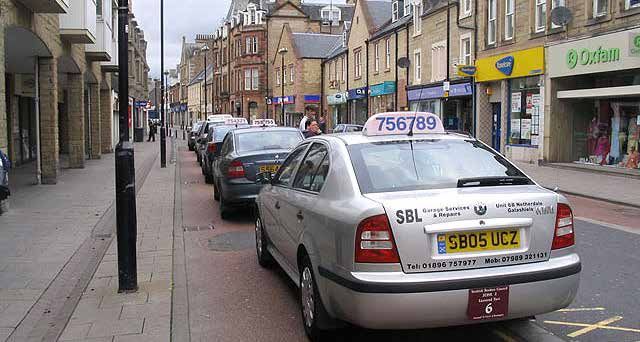
LGiU/MJ Local Government Finance Survey 2019

Why this work matters
The real world impact of delaying these seemingly technical decisions is that, across
the country, libraries and parks are closing down, the elderly and disabled can’t access
basic care, vulnerable children aren’t be supported and the streets are dirtier and more
dangerous.

Council tax and charging are two of the only mechanisms left over which councils have
some control, which is why we are seeing 97% of councils increase both this year. This is
not a sustainable solution.

Each council has approached these challenges in different ways according to the needs
and wishes of their residents, so it can be difficult to see the overall impact of central cuts
to council income. This survey helps us to shine a light on the cross-sectoral challenges in
order to move the conversation back to the national scale.

It would be easy for this to remain a technocratic debate among those in the sector, but
the consequences of slow or ineffective decisions is potentially disastrous and deserves
greater urgency and a wider audience.

* https://assets.publishing.service.gov.uk/government/uploads/system/uploads/attachment_data/file/723999/Local_
Government_Finance_Statistics_2018_publication_Web_Accessible.pdf

** https://www.local.gov.uk/sites/default/files/documents/LGA%20briefing%20-%20Debate%20on%20the%20
review%20of%20the%20business%20rates%20system%20-%20130618.pdf

                                                       5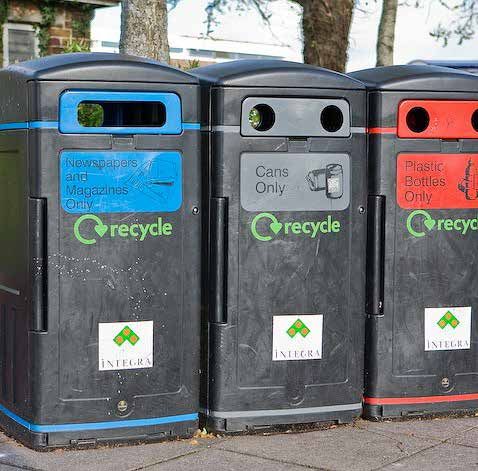
health and safety checks          new housing
   nurseries

 What
 does
  my
council
 do?                                            gritting the roads

                   bus shelters

                                                  social housing

    elderly care
                           allotments

                                                equipment for disabilities
   youth centres

                            museums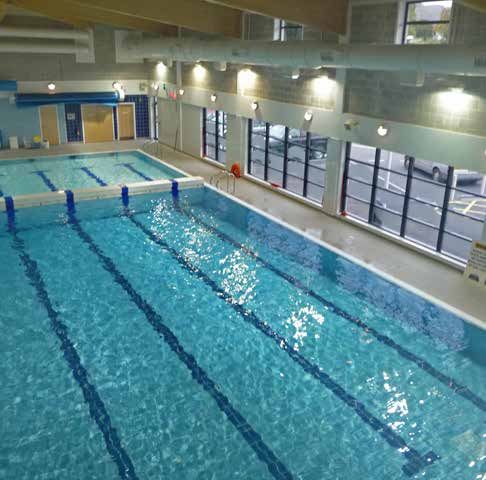
taxi licenses

                                                trading standards

                           leisure centres

adoption & fostering
                               parks
                                                   public health

bins & recycling
                                             street cleaning

                       public space

      public toilets                         schools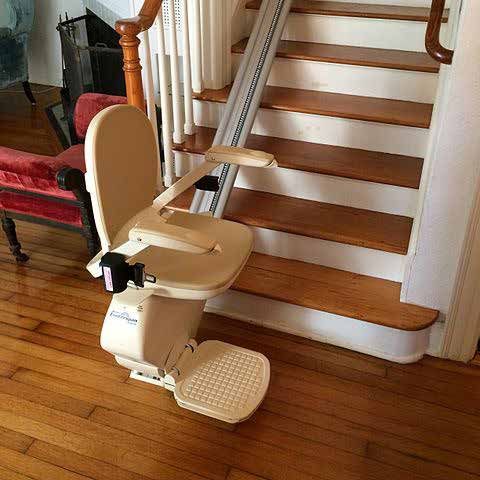
LGiU/MJ Local Government Finance Survey 2019

Current situation
                                                                    Eight in ten (80%) councils say they are
                                                                    not confident in the sustainability of
                                                                    local government finance; none said they
                                                                    were ‘very confident’. There has been no
                                                                    improvement in confidence since 2017.

   8 in 10 councils lack confidence
   in their financial sustainability

    Source: LGiU/MJ State of Local Government Finance Survey 2019

                                                                                                                 Council tax
                                                                                                                 rises in
Nearly all (97%) councils plan to increase council                                                               2019/20
tax in 2019-20*, 75% by more than 2.5% (the                                             97%
maximum increase allowed without a referendum                                      of councils
is 3% in most places).                                                             plan to                              ...and 75%
                                                                                   increase                             plan to raise
*Excluding any additional precepts such as the                                     council tax                          council tax
social care precept                                                                in 2019/20                           by more
                                                                                                                        than 2.5%

                                                                                  Source: LGiU/MJ State of Local Government Finance Survey 2019

    Using council reserves

                                                                    Over half of councils (53%) plan to dip into
                                                                    their reserves this year, even more than
         53%                                                        the 49% who used their reserves last year.
                                                                    Worryingly, 40% of councils plan to use their
    of councils                           for 40%                   reserves two years running.
    intend to                             of councils
    use their                             this will be
    reserves in                           the second
    2019/20                               year running

   Source: LGiU/MJ State of Local Government Finance Survey 2019

                                                                                               97%
                                                                                               of councils plan to
                                                                                               increase charging
Nearly all (97%) councils are planning to increase                                             in 2019/20 to make
fees and charges in the coming year, with some                                                 ends meet
planning rate rises of more than five per cent (13%
of councils).
                                                                                   Source: LGiU/MJ State of Local Government Finance Survey 2019

                                                                    8
LGiU/MJ Local Government Finance Survey 2019

Councils say they are planning to introduce or increase charging across a wide range of
areas including: garden and bulky waste collection, parking, fine enforcement, leisure
facilities, planning services, adult social care, electric vehicle charging points, registrar
services, cremation and burials, licensing (taxis, venues, landlords), pest control, public
toilets, replacement bins, community meals, business support and council venue hire.

Four fifths (84%) of councils say it is a high priority or essential to explore other sources
of income.

In the future, two thirds (61%) of councils expect core council services to become
reliant on income from commercial investments (19% said they weren’t sure; 21% said
they didn’t).

         1 in 20
                                         A third of councils (30%) said the level of frontline
                                         services available to residents has declined over
                                         the past year, and a quarter (26%) said planned
councils say they                        cuts to services in the coming year would be
                                         evident to the public. One in twenty (6%) councils
 are in danger of                        say there is a danger they will be unable to

 being unable to                         fulfil statutory duties this year due to financial
                                         constraints.
  fulfil statutory                     Only a third (37%) of councils said they are able
 duties this year                      to comfortably provide a range of non-statutory
                                       services to their residents, while two thirds
                                       (61%) said they were able to provide a little bit
more than the statutory minimum and three
(2%) councils said they are unable to provide
anything more than the legal minimum.                             1 in 10
Almost one in ten (9%) councils are anticipating
                                                          councils expect
legal challenges this year due to reductions in
service provision.
                                                            to face legal
                                                          challenges this
                                                            year due to
                                                            service cuts

                                               9
LGiU/MJ Local Government Finance Survey 2019
Income generation activities
Eight in 10 (82%) councils are considering commercialising council services to raise extra
money and over half (57%) want to sell off council assets. Other income sources being
considered include offering advertising space (41%), sponsorship opportunities (28%)
and energy projects (28%).
Investing in property has become
Councils investing in a widespread practice across local
the property market
government, with the dual aims of place-
Local Out of town shaping and developing new income
developments developments streams. Around three quarters are investing
Residential
73% 5% in local commercial developments (81%)
or residential developments (73%), while a
Local Out of town few are looking outside their council area
developments Commercial developments
81% 13% for development opportunities (13% for
commercial, 5% for residential). Over half
Purchasing investment properties (56%) are thinking of purchasing investment
56% properties.
% of councils who said they are considering these forms of investment Over half (53%) of councils have increased
Source: LGiU/MJ State of Local Government Finance Survey 2019
their level of borrowing over the past five
years in order to fund investments.
The Public Works Loan Board (PWLB) is still the most popular source of finance. Almost
nine in ten (88%) councils seeking external funding this year plan to approach the PWLB.
Other external funding sources councils plan to pursue include grant funding (58%),
private investment (17%), other local authorities (15%), the Municipal Bond Agency
(14%), the capital markets (12%) and crowdfunding (9%).
10LGiU/MJ Local Government Finance Survey 2019
What projects or service improvements have you
cancelled or postponed due to financial uncertainty?
Asset repairs
New city centre We haven’t been
scheme for retail planning new
and leisure projects for years as
Commercial acquisitions a result of continued
austerity
BUILT ENVIRONMENT
New housing Town Hall major
development Regeneration
projects refurbishment to
reduce costs
Backlogs in road,
housing and building Major capital projects
maintenance
City centre redevelopment
has been cancelled
Delays caused by lack
of government clarity
on new policies Some projects are
eg social care taking longer due to
resource constraints
GENERAL DELAYS
Postponed
projects Uncertainty from Brexit
across has arguably slowed down
all areas private investment plans
in the city
Ageing leisure facilities
Advisory support project
for benefit seekers following Community
Universal Credit roll out engagement
PLACE-SHAPING AND
COMMUNITY Parking improvement
Waste collection schemes
improvements
New school for children
A new swimming pool with special educational
needs and disabilities
Adaptation to
climate change
11LGiU/MJ Local Government Finance Survey 2019
Pressure on local services
Children’s Services and Education is the top immediate financial pressure for the second
year running (36% of councils), ahead of Adult Social Care (23%) which has historically
ranked highest. However Adult Social Care is still under severe strain, being named as
the top longterm financial pressure (37% of councils).
Housing and Homelessness was also flagged as both an immediate and a longterm
pressure, tied with Adult Social Care as second most urgent immediate financial pressure
(23% of councils) and with Environment and Waste as the second most urgent longterm
pressure (17%).
60%
My council’s biggest
50% immediate financial
pressure is...
Children’s services
40%
and education Adult social
Care
36%
30% Housing and
homelessness
20% 23% 23%
Environment
and waste
10%
7%
2016 2017 2018 2019 2016 2017 2018 2019 2016 2017 2018 2019 2016 2017 2018 2019
Source: LGiU/MJ State of Local Government Finance Survey 2019
60%
My council’s biggest
50% longterm financial
Adult social
Care pressure is...
40%
37%
30% Housing and
homelessness
Environment Children’s services
20% and waste and education
17% 17%
10% 12%
2016 2017 2018 2019 2016 2017 2018 2019 2016 2017 2018 2019 2016 2017 2018 2019
0%
Source: LGiU/MJ State of Local Government Finance Survey 2019
12LGiU/MJ Local Government Finance Survey 2019
Ongoing budget cuts and financial uncertainty will continue to hit community services,
with councils forced to reduce activity across everything from libraries (32%), arts and
culture (46%) and parks and leisure (45%) to waste collection (22%), recycling (11%) and
roads (38%).
Concerningly, services for vulnerable people are not immune, with councils planning
to reduce activity in Adult Social Care (29%), Children’s Care Services (24%), special
education and disability support (16%), homelessness support (11%) and funding for
local Citizens Advice Bureaux (18%).
Due to budget constraints we will be reducing
activity in these service areas in 2019/20
Arts and culture
Parks and leisure
Business support
Highways and transport
Libraries
Adult social care
Children’s Care Services
Youth centres
Waste collection
Citizens Advice Bureaux
SEND services
Recycling
Homelessness support
0 10 20 30 40 50
Source: LGiU/MJ State of Local Government Finance Survey 2019
13LGiU/MJ Local Government Finance Survey 2019
Children’s Services and Education
Last year, Children’s Services and Education overtook Adult Social Care as the biggest
immediate financial pressure facing councils.
Children’s services and education is the most
immediate financial pressure for councils My council’s biggest
immediate pressure is...
36%
Immediate
Source: LGiU/MJ State of Local Government Finance Survey 2019
23% 23%
60%
7% 50% a re
Children’s Housing Adult Environment i al c
lt soc
services & and social and Adu
education homelessness care waste 40%
ation
37% educ
30%
nd
a
Longterm
es
vic
20%
r
se
n’s
17% 17%
re
ild
12% 10%
Ch
Adult Housing Environment Children’s 0%
social and and services &
2016 2017 2018 2019
care homelessness waste education Source: LGiU/MJ State of Local Government Finance Survey 2019
Children’s Services and Education was named as the top immediate pressure for upper
tier councils (i.e. those authorities with responsibility for delivering care and education),
with 72% placing it first.
As Children’s Services is a growing
Council services that affect pressure for councils, we asked
children are seeing cuts this year respondents from social care (upper
tier) authorities to identify the top three
• Children’s care services (24%) sources of pressure on their local service.
• Youth centres (24%) They identified having more families with
• Arts and culture (46%)
complex support needs as the top driver
• Parks and leisure (45%)
• Libraries (32%) (59%) along with more children being
• Special educational needs taken into care (57%) and services for
and disability services (16%) children with special educational needs
% of councils saying they will be reducing activity in this area
and disabilities (52%).
Source: LGiU/MJ State of Local Government Finance Survey 2019 Other significant factors include the
increasing cost of providing residential
care (49%), social worker recruitment
and retention (43%), more referrals about
child safety concerns (38%) and a lack of
foster carers and adoptive parents (35%).
Gang activity, including county lines operations, was identified as a top three pressure on
Children’s Services by one in twenty upper tier councils (6%), all of which were located
in the South East, London and the Midlands. Unaccompanied child asylum seekers was
identified as a top pressure by one in seven (14%) upper tier councils, across these same
regions and also Yorkshire.
14LGiU/MJ Local Government Finance Survey 2019
Adult Social Care
In terms of immediate pressures, Adult Social Care (23%) was overtaken as the top choice
by Children’s Services (36%) for the second year in a row. However Adult Social Care
was named the most urgent longterm financial pressure for councils (37%), followed by
Housing and Homelessness (17%) and Environment and Waste (17%).
Adult social care is the most urgent longterm Among upper tier councils only (i.e. those
financial pressure for councils in 2019/20 authorities with responsibility for delivering
36%
social care), Adult Social Care was named
Immediate as the top longterm financial pressure, with
Source: LGiU/MJ State of Local Government Finance Survey 2019
23% 23% 61% placing it first. These councils also said
Adult Social Care is the second most urgent
7%
immediate pressure (28%) after Children’s
Children’s Adult Housing Environment
services &
education
social
care
and and
homelessness waste Services (72%).
37%
Longterm The acute pressure on Adult Social Care
services is also being felt by councils
17% 17%
12% without direct responsibility for social care
(lower tier councils), with 20% saying it was
Adult Housing Environment Children’s
social
care
and and
homelessness waste
services &
education
their top immediate pressure, second only
to Housing and Homelessness (37%) among
this group.
Almost a third of councils (29%) said they were planning reductions in service level
within Adult Social Care due to budget constraints.
15LGiU/MJ Local Government Finance Survey 2019
Housing and Homelessness
Housing and homelessness is the second most After Children’s Services, Housing and
urgent immediate and longterm financial Homelessness is tied with Adult Social
pressure for councils in 2019/20
36%
Care as the second most urgent immediate
Immediate financial pressure, with 23% of councils
Source: LGiU/MJ State of Local Government Finance Survey 2019
23% 23% naming it their top concern. It was also
second among the longterm financial
7%
pressures, tied with Environment and
Children’s Housing Adult Environment
services &
education
and social
homelessness care
and
waste Waste (17%). Among those authorities
37% without responsibility for social care, it was
Longterm named as the top immediate (37%) and
longterm (24%) financial pressure.
17% 17%
12%
One in ten councils (11%) said they were
Adult Housing Environment Children’s
social
care
and and
homelessness waste
services &
education
planning reductions in service level within
Homelessness Support due to budget
constraints.
Almost two thirds (61%) of councils said that the lack of variation in the Local Housing
Allowance is causing problems in their local housing market. The type of issues vary
across different authorities, from making it harder to tackle homelessness (45%) and
artificially inflating local rental prices (25%), to encouraging rogue landlords (10%) and
causing a decline in the quality of local housing stock (10%).
16LGiU/MJ Local Government Finance Survey 2019
Environment and Waste
Environment and Waste was named second
Environment and waste is becoming
more of a concern for councils in the list of top longterm concerns (17% of
councils placed it top), tying with Housing
and Homelessness and following Adult
Social Care (37%). Environment and Waste
17% is becoming more of a concern for councils,
with the percentage of councils naming
11% 11%
9% it their top longterm concern doubling in
three years (from 9% in 2016).
2016 2017 2018 2019
% of councils saying Environment and Waste is their
Almost a quarter of councils (22%) said
top longterm financial pressure they were planning reductions in service
level within waste collection due to budget
Source: LGiU/MJ State of Local Government Finance Survey 2019
constraints, and one in ten plan to reduce
recycling activity (11%).
Community Services
Councils are responsible for providing a wide range of community services, many of
which are coming under intense pressure because of the rising costs associated with
Adult Social Care, Children’s
Services and Housing and
Community services seeing cuts in Homelessness.
2019/20 due to council funding reductions
• Libraries (32%) Councils say they will be forced
• Arts and culture (46%) to reduce activity across Libraries
• Parks and leisure (45%) (32% of councils), Arts and Culture
• Road maintenance and (46%), Parks and Leisure (45%),
transport (38%) Road Maintenance and Transport
• Special educational needs and (38%), Special Educational Needs
disability services (16%) and Disability (SEND) Services
• Homelessness support (11%)
• Funding for local Citizens Advice (16%), Homelessness Support
Bureaux (18%) (11%) and funding for local Citizens
% of councils saying they will be reducing activity in this area Advice Bureaux (18%).
Source: LGiU/MJ State of Local Government Finance Survey 2019
17LGiU/MJ Local Government Finance Survey 2019
Public Trust
Over half (53%) of councils said that the current financial situation in local government
is negatively affecting their relationship with residents. From staff cuts leading to slower
response times to anger over bins and potholes, councils tell us they are struggling to
match rising public expectations with less money.
While some respondents said their residents are sympathetic to their financial situation,
others said that a lack of understanding about how local government is funded and
structured, along with rising council tax bills, has led to negative perceptions about
council services. Respondents told us how voter turnout has declined, civic groups
are more reluctant to engage with
the council, and that residents were
complaining about cuts to specific
“Our current services including pothole repair, waste
financial
situation is collection, school crossing patrols,
negatively Citizen’s Advice Bureau funding, libraries
affecting our and parking charges.
relationship
with citizens.”
Say over half
of councils (53%)
Source: LGiU/MJ State of Local Government Finance Survey 2019
18LGiU/MJ Local Government Finance Survey 2019
APPENDIX
Survey respondents
RESPONSES BY REGION
East Midlands 22
Eastern 23
London 7
North East 8
North West 12
South East 33
South West 23
West Midlands 16
Yorkshire and Humber 14
RESPONSES BY COUNCIL TYPE
Upper tier
County 13
Unitary 24
London Borough 7
Metropolitan 20
Total 64
Lower tier
Non-Metropolitan District 94
RESPONSES BY POLITICAL CONTROL OF COUNCIL
Conservative Council 101
Labour Council 42
Liberal Democrat Council 6
No Overall Control Council 8
UKIP 1
RESPONSES BY ROLE
Cabinet Member (Finances/Resources) 17
Chief Executive 52
Director of Finance/Resources 46
Leader 42
Elected mayor 1
19LGiU/MJ Local Government Finance Survey 2019
Data tables
EXPECTED COUNCIL TAX CHANGE 2019/20
Reduce 0.00%
Freeze 2.53%
Increase - up to 0.49% 0.00%
Increase - 0.5% to 0.99% 0.00%
Increase - 1% to 1.49% 3.80%
Increase - 1.5% to 1.99% 13.29%
Increase - 2% to 2.49% 5.06%
Increase - 2.5% to 2.99% 60.76%
Increase - more than 3% (without referendum) 14.56%
Increase - more than 3% (with referendum) 0.00%
Is there a danger that financial constraints will put your authority in a position where you no
longer have enough funding to fulfil your statutory duties in 2019/20?
Yes 6.37%
No 93.63%
GREATEST IMMEDIATE PRESSURES 2016-19 2019 2018 2017 2016
Children’s services and education 35.85% 31.8% 6.8% 12.3%
Adult social care 23.27% 27.8% 52.4% 42.9%
Housing and homelessness 23.27% 19.1% 21.8% 22.7%
Environment and waste 6.92% 9.5% 8.8% 8.4%
GREATEST LONGTERM PRESSURES 2016-19 2019 2018 2017 2016
Adult social care 37.41% 37.8% 39.8% 53.6%
Housing and homelessness 17.01% 18.9% 15.4% 20.9%
Environment and waste 17.01% 11.02% 10.75% 8.5%
Children’s services and education 12.24% 15.8% 12.2% 5.2%
20LGiU/MJ Local Government Finance Survey 2019
In which of these areas will activity be reduced in 2019/20 due to budgetary constraints?
Tick all that apply
Arts and culture 46.34%
Parks and leisure facilities 45.12%
Business support 39.02%
Highways and transport 37.80%
Libraries 31.71%
Adult social care 29.27%
Youth centres 24.39%
Children’s Care Services 24.39%
Waste collection 21.95%
Citizens Advice Bureaux 18.29%
SEND services 15.85%
Homelessness support 10.98%
Recycling 10.98%
Planning 7.32%
Further education 4.88%
How confident do you feel about the sustainability of local government finance?
Not at all confident Not very confident Quite confident Very confident
25.32% 55.06% 19.62% 0.00%
Are residents still able to access the same level of frontline service as this time last year?
Yes 70.25%
No 29.75%
Will your 2019/20 budget lead to cuts in frontline services which will be evident to the public?
Yes 25.95%
No 74.05%
Did your authority use, increase or not touch your reserves last year?And do you intend to use,
increase or not touch your reserves this year?
Use Not touch Increase
reserves reserves reserves
2018/19 49.36% 25.64% 25.00%
2019/20 53.21% 30.77% 16.03%
How much of a priority is it for you to actively explore other sources of income?
Not a priority Low priority Medium priority High priority Essential
0.00% 0.00% 15.71% 42.86% 41.43%
21LGiU/MJ Local Government Finance Survey 2019
Which sources of income are you considering? Tick all that apply
Fees and charges, eg. Garden waste, Planning fees 86.54%
Commercialising council services 82.05%
Commercial developments (locally) 81.41%
Housing developments (locally) 73.08%
Asset sales 57.05%
Purchasing investment properties 55.77%
Advertising space 41.03%
Sponsorship 28.21%
Energy Projects 28.21%
Commercial developments (further afield) 13.46%
Housing developments (further afield) 5.13%
Other (please specify) 3.85%
Congestion charge 0.64%
Has your council increased the level of borrowing in order to invest over the past 5 years?
Yes 52.94%
No 47.06%
In the future do you see core services becoming reliant on income from commercial
investments?
Yes 60.65%
No 20.65%
Not sure 18.71%
If you are planning to seek external funding for any of the above projects, where from? Tick all
that apply
Public Works Loans Board 88.44%
Grant funding 57.82%
Private investment 17.01%
Other local authorities 14.97%
Municipal Bonds Agency 13.61%
Capital markets 11.56%
Crowdfunding 8.84%
Bank loan 5.44%
Other (please specify) 4.76%
22LGiU/MJ Local Government Finance Survey 2019
By how much do you intend to increase fees and charges income in 2019/20 compared with last
year? Give a best estimate across all service areas
None 3.33%
Below 5% 83.33%
5% to 9% 12.00%
10% to 14% 1.33%
15% to 19% 0.00%
20% to 24% 0.00%
25% to 29% 0.00%
30% or more 0.00%
Are you anticipating an increase in judicial challenges to the level of service provision this year?
Yes 8.55%
No 91.45%
How would you characterise your current level of service provision?
We are fulfilling our statutory obligations but nothing else 1.96%
We are providing a little bit more than our statutory obligations 60.78%
We are comfortably providing a range of non-statutory services 37.25%
Is the financial situation in local government negatively affecting your relationship with the
public?
Yes 52.63%
No 47.37%
FOR SOCIAL CARE AUTHORITIES ONLY Where is the pressure on Children’s Services coming from?
Choose the top 3
More families with complex support needs 58.73%
More children being taken into care 57.14%
Special educational needs and disabilities 52.38%
Increasing cost of providing residential care 49.21%
Social worker recruitment and retention 42.86%
More referrals about child safety concerns 38.10%
Lack of foster carers and adoptive parents 34.92%
Providing support for care leavers 20.63%
Other (please specify) 15.87%
Unaccompanied child asylum seekers 14.29%
Youth remand services 7.94%
County lines/gang activity 6.35%
23LGiU/MJ Local Government Finance Survey 2019
Are you finding that a lack of variation in Local Housing Allowance payments is causing
problems in your local housing market? Tick all that apply
No - it is not a problem for us 39.23%
Yes - it is making it harder to tackle homelessness 45.38%
Yes - it is artificially inflating local rental prices 24.62%
Yes - it is encouraging rogue landlords 10.00%
Yes - it is causing a decline in the quality of our housing stock 10.00%
Yes - other issue (please describe) 4.62%
24Copyright notices for images used on pages 6-7 Children's play area, Springfield Park - cc-by-sa/2.0 - © P L Chadwick - geograph.org.uk/p/798887 Gritter lorry at Baltasound - cc-by-sa/2.0 - © Mike Pennington - geograph.org.uk/p/1691778 Pothole patching. Locality: Táboritů street, Olomouc - © Michal Maňas - CC BY 3.0 - wikimedia.org.uk Checking in with a Patient - CC BY-ND 2.0 - © Jose Luis Pelaez, Inc./Blend Images/Corbis - flickr.com Solihull Library - cc-by-sa/2.0 - © Nigel Mykura - geograph.org.uk/p/5253558 Kingston Youth Centre, Hull - cc-by-sa/2.0 - © Stephen Meara-Blount - geograph.org.uk/p/3222476 Taxi rank in Channel Street, Galashiels - © Walter Baxter - CC BY-SA 2.0 Hampshire County Council counterfeit goods warning notice, Blackbushe - cc-by-sa/2.0 - © Jaggery - geograph.org.uk/p/3672644 Food hygiene rating - © Quinn Comendant - CC BY-SA 2.0 - via Flickr Colour-coded recycling bins outside Somerfield, Lower Northam Road - cc-by-sa/2.0 - © Peter Facey - geograph.org.uk/p/1041984 Uxbridge Foster Posters - © Alan Stanton - CC BY-SA 2.0 - via Flickr Portree Community Swimming Pool - © John Allan - CC BY-SA 2.0 - via Wikimedia Outdoor gym in Fairy Hill Park - cc-by-sa/2.0 - © Stephen Craven - geograph.org.uk/p/2362164 City centre regeneration in Birmingham - cc-by-sa/2.0 - © Roger Kidd - geograph.org.uk/p/5343739 Roadside parking restriction notice in Fulham - © DeFacto - CC BY-SA 2.5 via Wikimedia Fallow Hill, Sydenham, Leamington - © Lydia - CC BY 2.0 via Flickr Runnymede council dialaride bus - © David Howard - CC BY-SA 2.0 via Wikimedia Base seeks crosswalk patrols for school year - Senior Airman Stacy Sanchez via https://www. airforcemedicine.af.mil/News/Photos/igphoto/2000684068/ Planning Notice on Halfacres Lane - cc-by-sa/2.0 - © Ian S - geograph.org.uk/p/4074914 Bournemouth : Housing Construction - © Lewis Clarke CC BY-SA 2.0 via Wikimedia A quadrant bench on Saint Werburgh Street - cc-by-sa/2.0 - © John S Turner - geograph.org.uk/p/781494 Bus shelter, Albany Road, Preston - © Derek Harper CC BY-SA 2.0 geograph.org.uk - 764960.jpg The Great Bath at the Roman Baths - © Diliff - CC BY 2.5 via Wikimedia Street cleaning vehicle on a Neath corner - cc-by-sa/2.0 - © Jaggery - geograph.org.uk/p/4944441 Afternoon playtime at Forest Fields Primary and Nursery School - © John Sutton - CC BY-SA 2.0 via geograph.org.uk - 1408918.jpg Wheatley Village allotments - © allispossible.org.uk - CC BY 2.0 - via Flickr Public toilets, Driffield, East Riding of Yorkshire - © michael ely - CC BY-SA 2.0 geograph.org.uk - 970563.jpg Children's Nursery - cc-by-sa/2.0 - © Alan Hughes - geograph.org.uk/p/4985875 London Road cycle path - cc-by-sa/2.0 - © Richard Croft - geograph.org.uk/p/535347 Colourful outdoor play area, Little Acorns Nursery, Littledean - cc-by-sa/2.0 - © Jaggery - geograph.org. uk/p/4367979 Thamesdown Transport school bus fleet - cc-by-sa/2.0 - © P L Chadwick - geograph.org.uk/p/885423 A straight rail stairlift - © Bcm924 - CC BY-SA 4.0 - via Wikimedia Basketball practice court Banks Road - © David Lally - CC BY-SA 2.0 - geograph.org.uk - 752055.jpg
About LGiU
The Local Government Information Unit (LGiU) is a think tank and membership body
with over 200 councils and other organisations subscribing to our networks. We work to
strengthen local democracy and put citizens in control of their own lives, communities
and local services. For more information, visit www.lgiu.org.uk

About The MJ
The Municipal Journal (MJ) is the UK’s leading weekly magazine for council chief
executives and senior managers in local authorities and allied sectors. It offers an
insiders’ view of what’s going on and what people are thinking in today’s ever changing
and challenging world of local politics – the latest news, incisive comment, in-depth
features and interviews, business analysis and the top recruitment vacancies. Visit www.
themj.co.uk

Published 14th February 2019
Copyright LGiU 2019

LGiU
Third Floor,
251 Pentonville Road,
London N1 9NG
020 7554 2800
info@lgiu.org.uk
www.lgiu.org.uk
You can also read


