Strategy to Fast-Track Top End Mountain Biking Tourism - by Top End Mountain Bike Tours
←
→
Page content transcription
If your browser does not render page correctly, please read the page content below
Strategy to Fast-Track
Top End Mountain Biking Tourism

by Top End Mountain Bike Tours
“4 million Australians ride in a typical week”
Introduction                                               Combining these two tourism market
Pre Covid-19, Australia, like the rest of the              segments not only boosts utilisation of trail
world, was experiencing a mountain biking                  corridors and supporting facility resources but
(MTB) tourism boom. Not only in the number                 also bonds like-minded visitors who share an
of riders but more importantly in the length of            inspiration to re-connect to nature, culture and
time riders stay and in turn the amount they               heritage experiences.
spend. Businesses that adapt to become bike
friendly and capable of supporting MTB                     Responding to COVID-19 Pandemic
tourism are reaping the benefits. Towns that               This strategy responds to the impacts of the
are trail connected experience growth, as the              COVID-19 pandemic on tourism and has not
economics of mountain biking tourism                       included interstate visitors until 2021 or
confirms, if large volumes of high-quality trails          international visitors until 2022, with both
are built, visitors will follow.                           beginning at extremely low rates compared to
                                                           pre 2020. In the short term the strategy utilises
                                                           intrastate travellers, which has increased
                                                           recently with local families and groups getting
                                                           back out into their ‘own backyard’.

                                                           Key Results
                                                           Implementing a strategy to fast track a Top End
                                                           trails network has the potential to attract
                                                           275,000 riders to spend $34M with local
                                                           businesses and regional towns over an eight-
                                                           year period.
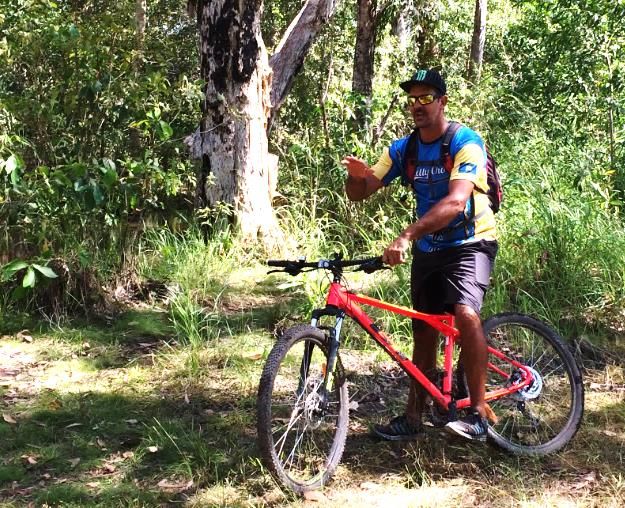
Figure 1 – Riding Darwin MTB Trails, time to choose
                                                           Table 1 - Projected Results of Strategy
Strategy’s Vision                                                                      Stage 1        Stage 2
This strategy has been developed by Top End               No of Riders                   121,000         154,000
Mountain Bike Tours (TEMBT) to maximise the
                                                          Revenue                        $10.9M           $23M
opportunity that MTB tourism presents in
stimulating economic activity quickly across              Cost                             $2M            $7.7M
the Top End and create a world class MTB                  Profit                          $8.9M          $15.4M
tourist destination. The strategy has two                 NPV (5% disc)                   $7.3M          $12.5M
interlinked visions:
                                                          BCR                              3.67            1.62
1. Fast-track the development of a Top End
    MTB ‘hub and spoke’ network that will
    connect national parks and townships
    around a central home base in Batchelor to
    a custom-built mountain bike trail centre
    on the border of Litchfield National Park;
    and
2. Trail facilities to be constructed to the
    highest environmentally sustainable
    standards so the Top End can be
    recognised as a world class ‘green-
    explorer’ destination for eco-tourists.
                                                      Graph 1 - Top End MTB Trail Network generating high visitor spending
Strategy’s Key Objectives
The following key objectives will help achieve
the strategy’s vision of making mountain biking
the future of the Top End:
Fast tracking
Fast track the connection of many Top End
townships and communities between
Litchfield, Nitmiluk and Kakadu National
Parks into the network will provide the
critical mass required to drive and sustain
regional economic development and job
creation.
Bike friendly towns
Assist townships, and indigenous
communities become ‘bike friendly’ to
adequately accommodate MTB Tourism.
Ride longer, stay longer
Encourage riders, their families and
support crew to stay longer to maximise
visitor returns.
Eco friendly trails
Conduct best practice land management
strategies with trail construction that will
facilitate regeneration and showcase the
natural environment. Investing in proper
trail construction will limit environmental
impacts and reduce maintenance costs.
Economies of scale
Integrating mountain biking and eco-
tourism across the trail network is a more
efficient use of resources that will enhance
economies of scale and product
differentiation.
Inclusion
Trail construction providing easy trails for
all user groups will encourage new riders,
particularly school children, disabled and
the elderly. Providing for these groups is a
key focus in the construction of facilities
and infrastructure. The use of E-Bikes and
Wi-Fi covered trails will enhance
experience, communication and the
implementation of a tracking system to
increase trail safety and security.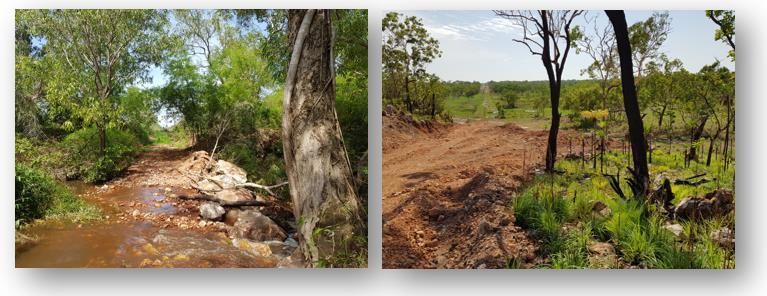
Key Enabling Actions
There is a number of key drivers that can                          objectives. Enabling these objectives requires
advance the accomplishment of these core                           the following actions:
 Key Drivers
 Investment Attraction               Attraction of suitable investment funding to fast track trail and infrastructure
                                     development.

 Connections                         The Litchfield National Park and Batchelor connection provides a strong first
                                     ‘spoke’ in the MTB trail network. Extending the trail corridor to Nitmiluk via
                                     townships Adelaide River and Pine Creek will provide the template for other
                                     towns to connect in to participate.
 Centralised home base               Establish Batchelor as the home base for the Top End Mountain Biking
                                     network. Batchelor is perfectly positioned with already over 300,000 visitors
                                     passing through the town each year on their way to visit and come back from
                                     Litchfield National Park.

                                     The town is beautiful in its own right and has key services required to
                                     accommodate a central hub including an airport that is soon to operate as
                                     the NT’s regional air hub. This will provide MTB tourism access to further
                                     remote towns and indigenous communities and expanding the trail network
                                     by air.

                                     The local college can be used to train indigenous people in trail construction
                                     and maintenance to connect their home communities to the network and
                                     ensure trail quality standards are maintained.
 MTB Park & Facility                 The construction of a custom-built MTB park and facility on the border of
                                     Litchfield National Park will provide immediate access to the trail network
                                     within the Park. The facility will provide bike hire (including electric bikes)
                                     secured car parking, a kiosk and accommodation.

                                     The bike park caters for all levels with trails and jumps designed for kids,
                                     beginners to the advanced thrill seeker. The park can be used to host
                                     international mountain biking competitions to help showcase Litchfield
                                     National Park to international markets.
 Sustainable/                        Implement best land management practices with trail construction to
                                     cultivate land regeneration and reduce erosion impacts and maintenance
 regenerative                        requirements.
 Collaboration – maximise            Work collaboratively with community, indigenous groups, and tourist
                                     operators to become bike friendly to maximise their employment
 employment                          opportunities with both tourism and trail construction and maintenance.
 opportunities
 Collaboration – maximise            Work collaboratively with government agencies, councils, tourism peak
                                     bodies and operators to achieve goals outlined in the NT Tourism’s 2016
 employment                          Masterplan Mountain Biking in the NT including a coordinated approach to
 opportunities                       marketing.
 International events                Host international and national MTB competitions such as the Arafura Games
                                     in Litchfield National Park and long distance Enduro events across the
                                     network to fast track it becoming a world class MTB destination.
 Safety                              All trails to be Wi-Fi connected and E-Bike friendly including rest stations with
                                     maps, water, charging facilities and security cameras. All bikes to be fitted
                                     with tracking devices
 Scalability                         Once established the network can be expanded naturally to include even
                                     more townships and indigenous communities right across the Top End and
                                     eventually the NT.
Table 2 - Enabling Actions to Fast-track a Top End MTB Trail Network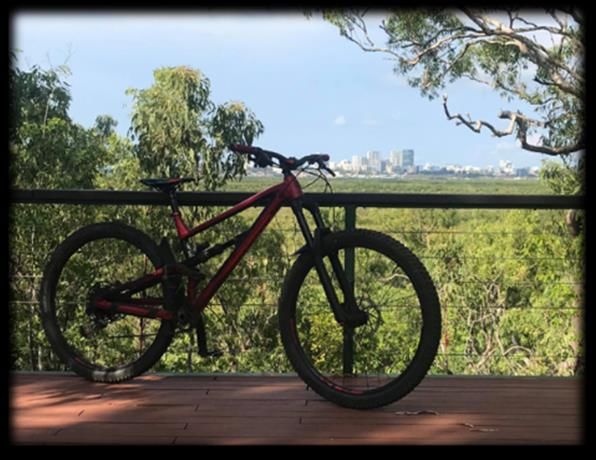
“Cycling is now the fourth most popular physical activity for adult Australians”

    MTB Tourism in the Top End                             Sharing infrastructure with Eco-tourism
    Mountain bikers all share the old human trait          In colder climates around the world, mountain
    of wanting to explore and go further to places         biking tourism co-shares facilities and
    they haven’t been before. While this is still in       infrastructure with ski resorts and skiing
    the DNA of all of us, mountain bikers achieve it       facilities, each operating in alternative seasons.
    as they see no limits to where they can go and
    the bike gets them there. This experience of           Similarly, in the Top End, mountain biking can
    exploring can now be expanded to non-                  co-share resources with eco-tourism, but for
    mountain biker riders with the introduction of         the whole year instead and not just seasonal.
    suitable trails and electric mountain bikes (E-        The sharing of resources leads to higher
    Bikes).                                                productivity from higher output with minimal
                                                           additional investment.
    E-Bikes allows a person to easily ride 20kms for
    less energy than it takes to walk a couple of          The fast tracking of an ‘environmentally
    kilometres. E-Bikes also provide a great               sustainable’ hub and spoke trail network will
    opportunity for older and not-as-fit visitors to       immediately create better access for eco-
    discover more than they could before. They             tourists to the natural, cultural and heritage
    will gain access to the usually harder to reach,       assets across the Top End. Attracting the right
    bit too far locations that are currently               type of tourist who is more likely going to
    underutilised. Instantaneously more tourism            value and respect local environment, manifests
    businesses and locations will now seem closer,         longer term sustainability and positive
    connected and more accessible.                         externalities. The NT trail network can then
                                                           quickly gain a reputation that the Top End
    In turn this will help in dispersing visitors and      experience is synonymous with quality and
    releasing pressure on the limited number of            quantity.
    over populated key tourist locations. The
    inclusion of solar powered E-Bikes charging            TEMBT encourages the construction of shared
    stations through the network will maximise             trails to maximise the usage of spoke
    this opportunity.                                      connections between hubs and tourism
                                                           providers. This is also consistent with the
                                                           recent recommendation and construction of
                                                           trails in Nitmiluk National Park.

                                                           Sustainability & improving the environment
                                                           The Top End has many significant and sensitive
                                                           environments and places of cultural
                                                           importance. The location and design of trails
                                                           must be compatible with local environmental
                                                           and cultural values. Trails cannot be
                                                           constructed in isolation and collaboration with
                                                           local communities is essential.

                                                           TEMBT’s aim is to utilise trail design and
                                                           construction to showcase best local land
                                                           management practices to not only alleviate
Figure 2- E-Bikes, making MTB Tourism accessible for all
                                                           erosion but to regenerate country.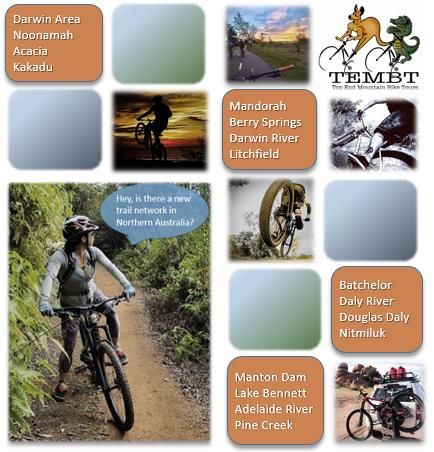
The Derby Experience - With the introduction of a large trail network, the town of Derby,
   North East Tasmania almost changed overnight.

   Population                     Population grew from 173 locals to include 30,000 visitors.
   $ Turnover                     Turnover for the town went from $100/day to $15M/PA
   New Businesses                 New businesses arose, including 9 hotels, 6 cafes, bike shops and tour companies
   Local Kids                     Local kids have job opportunities and want to stay
  Figure 3 - Derby the proven model

  Indigenous Employment Opportunities                            Economic development needs to be
  TEMBT’s recognises the local Aboriginal groups                 considered in the wider context of the social,
  including the four traditional Aboriginal owner                as well as the economic aspirations of
  groups that cover Litchfield National Park                     Indigenous groups. Critical to maximising
  (Koongurrukun, Werat, Waray and Mak Mak                        indigenous participation is the inclusion of
  Marranunggu) as important stakeholders when                    indigenous groups in the setting of goals and
  it comes to looking after country and managing                 expectations for involvement.
  the effects of mountain biking.
                                                                 Underpinning indigenous inclusion is the
                                                                 recognition of culture as the fourth element of
                                                                 capital to join physical, human and natural
                                                                 capital. Cultural capital is not just physical like
                                                                 paintings and art work but rather beliefs that
                                                                 are shared by a group.

                                                                 TEMBT will continue to liaise and work with
                                                                 the traditional indigenous groups concerning
                                                                 important cultural beliefs, areas, expectations
                                                                 and trail impacts. TEMBT is also developing
                                                                 strategies towards providing greater
                                                                 indigenous employment and business
                                                                 opportunities; not only within MTB Tourism
                                                                 but also in track construction and
                                                                 maintenance. This includes conducting trail
                                                                 construction and maintenance courses for
Figure 4 - Litchfield Park Boundary, Cultural MTB Tours
                                                                 indigenous students at Batchelor College.

  “Transforming once declining regional communities into vibrant economic ones”

  Inclusion
  The development of a Top End MTB network
  needs to consider all user types. While we have
  previously mentioned encouraging the mature
  visitors and school children to participate, the
  trails and supporting infrastructure needs to be
  suitable for all user groups including disabled
  users or riders who don’t speak English
  wherever possible.
                                                                   Figure 5 – Stability training for kids
TEMBT supports the use of adaptive mountain
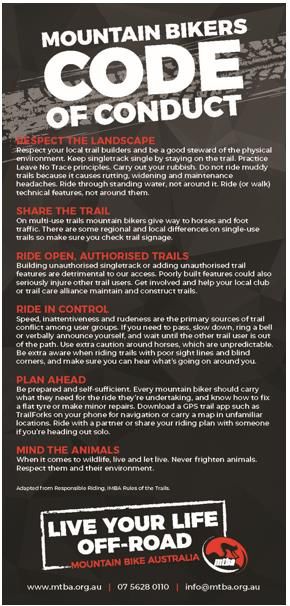
    bikes and specific requirements for the                           MTBA Code of Conduct
    disabled and the implementation of the                            TEMBT proposes users of the network to
    Australian Adaptive Mountain Biking                               adhere to the MTBA Code of Conduct and
    Guidelines. These guidelines assist trail                         respect all other riders and treat everyone
    builders and land managers develop inclusive                      equally. Signing up to Code should be
    mountain bike trails, events and programs for                     compulsory for use of the network.
    people with disabilities.

    The trail network needs to create a non-
    discriminatory environment and treat
    everyone equally regardless of gender, ethnic
    origin or ability. This includes easy trail (white
    and green level) options with appropriate
    signage in key languages that allow new riders
    to feel comfortable with venturing outside
    their comfort zone. The use of E-Bikes and Wi-
    Fi covered trails will enhance this experience
    and visitor safety.

Figure 6 – Inclusive MTB trails will be constructed

                                                                              Figure 7 – MTBA Code of Conduct

     Competitive Advantage- Batchelor has a unique opportunity to develop into the central hub for a Top End
     MTB network for the following reasons:

     Gateway to Litchfield              Batchelor is the gateway to Litchfield National Park, one of the NT’s most highly visited parks
     Unique Terrain                     Litchfield Park’s unique high elevation provides the perfect opportunity for longer descents
     Ability to Host Events             Perfect terrain matched with essential services in Darwin only 1 hour away, makes Batchelor
                                        and Litchfield the perfect place to host large MTB events
     Local Resources                    Stage 1 trail construction can utilise local resources and labour to significantly reduce
                                        transport and logistics costs
     Improve Access                     Riders will be able to ride from Batchelor straight into the Litchfield National Park trails
     Shared Resources                   Trail connections and resources in Batchelor can be shared by other sectors such as eco and
                                        cultural tourism, horse riders and road cyclists
    Figure 8 – Competitive Advantages of Batchelor as the Home Base of Mountain Biking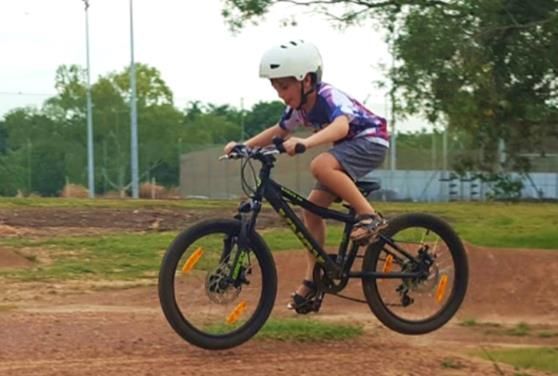
Stages Scaling                                                         townships in a geographical area closer
It is essential that the right type of trails are                      together. Staging the network aligns the
developed in appropriate locations and their                           project into portions similar with other
development is coordinated within a                                    Australian MTB trail business cases and staging
cooperative approach. This strategy proposes                           plans.
staggering the development to consolidate
visitor numbers for current businesses                                 Stage 1 – Trail centre connected to Litchfield
adapting and new businesses being established                          National Park trails and Batchelor Hub
to service MTB tourism. Staggering                                     Stage 2 – Batchelor Hub connected to
development also allows for improvements                               Katherine/Nitmiluk National Park via old North
and modifications to be more easily                                    Australia Railway
implemented. Staging work is required to work                          Stage 3 - Hub and spoke network connected to
within local climate influences such as the                            Kakadu, indigenous communities and other
limitations in the wet season.                                         rural areas

The strategy’s intention is to connect all                             This Strategy recommends Stage 2 is
regional towns and tourist businesses across                           implemented two years after the
the Top End through the development of                                 commencement of Stage 1.
economic clusters, effectively bringing

 Figure 9 - Creating Economic Clusters - Proposed Top End MTB Hub & Spoke Trail Network
Critical Role of MTB Park & Trail Centre -                      great views and longer descents that are
Solomon Road                                                    perfect to stage ‘gravity based’ MTB events
Successful mountain bike tourism destinations                   such as Downhill, Gravity Enduro, Super D,
must be developed with appropriate                              Eliminator and Cross-Country Olympic racing
supporting infrastructure and facilities. Unique                formats.
landscapes and desired terrains need to be
supported by trail centres with dedicated                       MTB Park
visitor services for riders. Within 10 minutes’                 Set across more than 50 acres of natural
drive from Batchelor and under 2kms from the                    landscape, the Mountain Bike Park will have
border of Litchfield National Park, the Solomon                 over 150 jumps, rollers, berms and table tops
Road trail centre and bike park will be the                     of various sizes along with water obstacles and
gateway to the park. The custom-built bike                      features. The Park will be designed to suitably
park will include a mini skills training course for             host national and international competitions
teaching children and beginners, a pump race                    and events. Future upgrades include the
track and water obstacles. A key focus for this                 installation of lighting to host night time rides.
strategy will be providing for school kids
visiting or camping at Batchelor, as well as                    Pump Track
attracting local children living between Darwin                 A pump track teaches a rider the basic skills of
and Batchelor.                                                  carrying momentum, balance and speed by
                                                                using your arms and legs to pump your bike
The trail centre will include bike hire (with E-                around the track. As you get better the track
Bikes), repair shop, secure parking,                            provides more challenges and can be used by
accommodation, kiosk and amenities. As the                      riders of all ages and skill levels.
centre expands camping facilities with
powered sites will be incorporated. A trail                     Skills Park
centre and bike hire availability so close to the               A Skills Park connected to the pump track
Park exponentially increases the opportunity                    allows riders to learn and practice balance and
for tourists to ride trails constructed by Parks                important skills for improving confidence on a
and Wildlife in the Park.                                       bike. The features of a Skills Park are based on

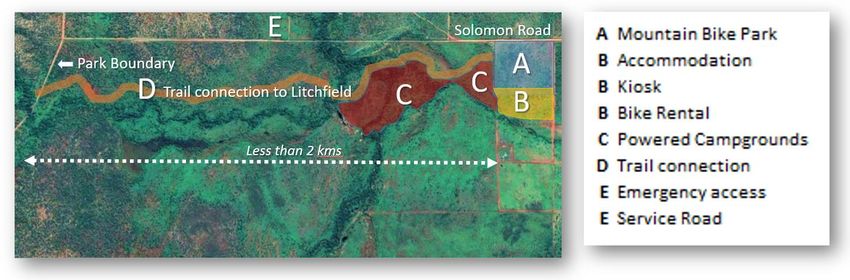
 Figure 10 Mountain Bike Park and Trail Centre - Solomon Road – Concept Design

The trail centre and bike park will be                          learning progression by providing a range of
constructed with an aim to host national and                    structures and obstacles that enable the rider
international mountain bike events. Litchfield                  to develop their skills gradually. The Skills Park
Park’s unique terrain and high altitude                         would provide similar challenges that could be
provides an opportunity for high elevation with                 expected on the Litchfield Park trail network.
..
Mini Trail Circuit The route provides a shorter alternative access
The mini MTB trail circuit would be built than the Litchfield Park Road. Starting from the
around the pump track and the skills park. This trail centre will provide visitors the alternative
will provide a loop where riders can put into to ride instead of drive into the Park which in
practice the skills and confidence gained on the turn will disperse traffic away from the very
pump track and skills park on an open trail. The busy park road, a goal outlined in the Parks
trail would contain A and B lines with optional and Wildlife’s Litchfield Park Management
technical trail features the rider can enjoy or Plan. Removing bikes from the road
avoid. importantly helps road safety by separating
bikes and road vehicles.
Competitions and Events
Hosting these events requires specific The connection being less than 10 minutes
infrastructure such as catering for disabled from Batchelor will provide quicker access for
riders, group staging areas, overflow parking, eco tourists to the Park’s flora and fauna
spectator viewing and provision of essential without having to drive into the Park. To
services such as power and water. These have protect the local environment, mitigations
been planned for when building the against the spread of weeds, a contamination
foundations so that event requirements can be cleaning station will be installed.
developed with minimal additional investment.
If not planned for, the ability to cater for
events can be severely restricted.
Figures 11 & 12 -Connecting MTB Park to Litchfield Park - work underway on constructing emergency access and service road
Connection to Litchfield Magnetic Termite Mounds
The trail centre on Solomon Road is less than The MTB Park on Solomon road is
2kms from the park boundary. Work is approximately 12kms from the Magnetic
currently underway to provide an all year Termite Mounds and TEMBT continues to work
weather emergency access and service road to with Parks & Wildlife towards linking the trail
connect the trail centre and bike park on network to this iconic destination. The
Solomon road to Litchfield Park boundary and connection could utilise trails created long ago
trail connection. along the old mining access corridor to
minimise environmental impact and away from
Solomon road was the original mining access cultural sites. Trail will be constructed for
into the Litchfield area back in the late 1880’s inclusion and to suit a range of riders of
and prior to it being declared a National Park. varying abilities. This includes suitability for the
use of E-Bikes.Figure 13 - Litchfield Park Termite in the town. Encouraging children to ride is one
Mounds
of TEMBT’s main objectives and attracting
school groups is a key focus for this strategy.
The Solomon Road Mountain Bike Park will
have a dedicated learning track for children
and beginners to practice on and develop their
skills before heading into the Park. TEMBT
envision that if the NT is going to host
international mountain biking events, we need
to train children up to become our next NT
representatives and our next world champions.
Figure 14 – World Experience with MTB Tourism -
Litchfield Park Boundary, Cultural MTB Tours
The Magnetic Termite Mounds destination is
already developed to facilitate high visitor
numbers with large parking areas, toilets,
shade and seating, making it a perfect trail
head within the Park for the trail network.
Linking to the trail network currently being
constructed in the south of the park can only
increase trail utilisation in the Park and have Batchelor is the perfect location to establish a
people riding for longer. central hub or home base with the ability to
spread spokes in all directions to connect other
Connection to Batchelor (and the school kids) towns and trail networks, including:
Connecting the Park to the township of
Batchelor is the quickest way to increase North towards Darwin, Noonamah, Berry
capacity and provide more options for required Springs, Territory Wildlife Park, Darwin
services such as accommodation, food and River and Mandorah
drink outlets and other tourist related East towards Lake Bennett, Acacia Hills,
activities. Manton Dam and Kakadu
West to Douglas Daly and Daly River; and;
Connecting to Batchelor provides local South to Adelaide River, Pine Creek and
residents bike access to the Park including the Katherine and Nitmiluk National Park.
many school children who attend school camps
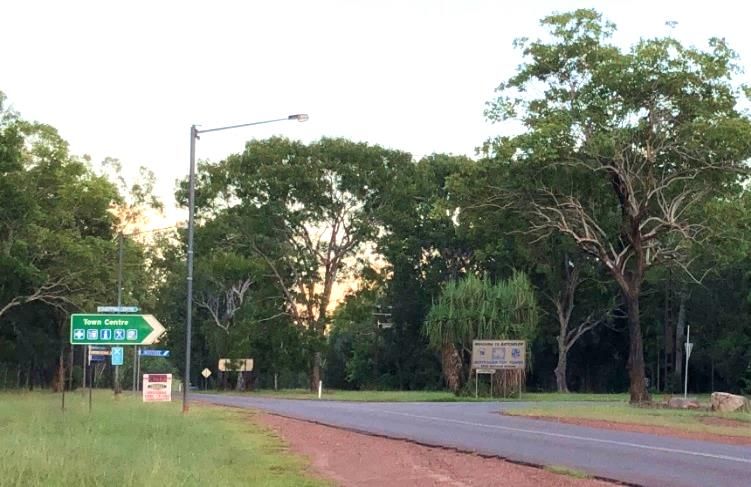
Figure 15 – Batchelor, the Gateway to Litchfield & potentially the Top End’s MTB Home Base
The World Experience- MTB Tourism is a world-wide phenomenon:
USA Study conducted in 2017 found bicycling participants spend $83 Billion per
annum on bicycle related trips and contributes to the creation of 848,000 jobs.
Europe Estimated that a trail network which is signed, numbered, mapped and well
supported by numerous governments across the continent earns $48 Billion (US)
from 2.3 Billion bicycle tourism trips per annum.As Batchelor becomes the NT’s regional air
hub, more remote indigenous communities will Comfort stations
be able to connect into the network. This can 2 versions of comfort stations will support the
be further encouraged with the conducting of trail network including;
track construction courses at Batchelor College 1) Water, shade, seating, lighting, toilet,
so these indigenous communities can learn bike repair station and basic camping
how to construct and maintain their own trails. facilities
2) As above but include E-Bike charging
Encouraging other biking outfits such as road station and more advanced camping
cycling to utilise the biking services in facilities
Batchelor will increase productivity by
generating extra demand and dispersing The two types of comfort stations will
customer base. This is in line with the key alternate along trail networks to provide riders
objective in TEMBT’s strategy to ‘bring bikes to with more choice and disperse usage. All
Batchelor’. networks and comfort stations will be fitted
with Wi-Fi reception for improved visitor
Stage 2 – Connecting to Nitmiluk National experience, safety and security.
Park
Expanding the trail network to connect to the Stage 3 – Connecting to Kakadu National Park
trails being constructed in Nitmiluk creates Further advancing the Top End trail network
greater economies of scale and productivity and expanding the cluster of connected towns
with visitors able to stay multiple nights. This and regions to include Kakadu and Jabiru
increase in multiple nights cannot be matched provides three main trail network hubs to
by just having individual, unconnected trails. cover the Top End.
Increasing the length of stay per tourist should
be the number one priority to maximise overall While destinations like clusters can generally
visitor spending in the Top End. arise naturally over time, they need to be
actively developed and focused to reach their
The old North Australia railway corridor fullest potential. This development must also
provides the perfect trail spoke between hubs be matched by a number of key drivers such as
in Batchelor and Katherine, offering riders and an overarching strategy, upfront investment in
users access to the WWII historic sites and infrastructure, community support and joint
towns in between. The trail network will create marketing efforts towards creating a brand
economic clusters in Adelaide River, Pine Creek identity. For the rest of the network, lessons
and potentially revitalise Hayes Creek. The trail and proof of viability will be provided when the
networks connect riders to historic Territorian spoke between Litchfield and Nitmiluk is
locations including old WWII attractions and constructed and attracting more riders and
tourist sites such as the Adelaide River and users.
Pine Creek railway museums.
While not included in the attached business
Creating economic clusters is vital for regional case results, similar projections to Stage 2 can
development as they connect a set of be expected with the expanding of the trail
attractions concentrated in a geographical area network to a third hub in Kakadu. The
to generate tangible regional distinctive realisation of the potential benefits from MTB
advantages. This new paradigm for tourism is Tourism for adjoining towns and indigenous
producing real competitive and comparative communities should inspire more connections
advantages around the world in into the network.
macroeconomic perspectives.Assumptions
Due to the impacts of COVID-19, TEMBT has Attracting new riders – Post COVID-19 and
applied conservative assumptions in the once Stages 1 & 2 connections are
strategy’s financial modelling. This includes the completed the network could match high-
growth of MTB visitation, MTB participation, end national participation rates of 7% for
length of stay and rider expenditures, all at new visitors to the Top End.
lower rates identified in numerous existing
Competitions and Events – It is expected
studies and research including NT historical
hosting national and international events
tourism statistics (see bibliography for more
will attract between 250-300 competitors
details): along with 1 support staff or family
member. These estimations are considered
Participation rates- A low 2% participation conservative and participation and
rate has been applied for the first 3 years, supporting members should be higher.
increasing to 4% thereafter for local riders,
school kids and visitors as they return. This Spending Patterns- Visitor spending by
is still lower than the 5% to 7% used in length of time is based on published
many other national studies. Interstate and Tourism NT, Park and Visitor Data and Fact
international visitors slowly return in 2021 sheets, including:
and 2022 respectively. o Half day ride - $41.50 per person
o Full day ride - $83 per person
Visitor Numbers post COVID-19 impacts – o Overnight stay - $140 per person per
Long term visitor numbers are based on night
published 2018 Tourism NT, Park and
Visitor Data with a natural growth of 2% Trail Maintenance – While sustainable land
increase per annum applied. management practices will be employed to
minimise trail maintenance costs, TEMBT
Visitor Market Segment – Visitor type has estimated 20% to cater for any high
portions applied from Tourism NT reports impact wet season damage and the control
including Darwin and Surrounds factsheets of gamba grass.
for Stage 1 and Nitmiluk factsheets for
Stage 2: Hosting MTB Events - Large MTB events
o Stage 1 -28% Intrastate visitors, 51% and competitions such as Arafura Games
Interstate visitors and 21% will be allowed to be run in the park and
International visitors hosted from the Solomon Road MTB
o Stage 2 –37% Intrastate visitors, 48% Facility.
Interstate visitors and 15%
International visitors Support Services - Required supporting
services such as accommodation is
Children under 14 – Included in analysis are available for visitors in Batchelor and that
up to 70 school kids per week attending local business respond positively to the
school camps at Batchelor, plus a 2% market opportunity.
participation rate for local kids between
Darwin and Batchelor and a supporting NPV and Discount Rate – an overly
adult such as a parent or family member. cautious discount rate of 5% has been
applied.
Child participation in Katherine with the
completion of Stage 2 increases to 100 Not included in Model- While not
children per annum for that area. The calculated in this model, the economic
analysis proposes children only participate impacts could potentially be doubled if the
for half or full day usage and currently not following were included:
included in overnight forecasts o Stage 3
o Eco tourism visitation
o Indirect benefitsEconomic Analysis Economic Impact
Financial Model A fast-tracked MTB trail network has the
TEMBT has developed a financial model for the potential to attract 275,000 riders to spend
strategy to assist with projecting the economic $33M over an eight-year period across Top End
benefits of fast tracking a mountain biking regional towns. While Stage 1 stimulates
network across the Top End. The model economic activity for Batchelor, attracting a
incorporates cost and revenue estimates and projected 121,000 visitors spending $10.9M, it
assumptions based on similar MTB trail is Stage 2 that more importantly provides the
projects and industry standards applied to critical mass required to sustain regional
current Top End visitation statistics. economic development. The benefit of Stage 2
is twofold, not only attracting more visitors but
All modelling results are expressed in year extending the visitor’s length of stay. For
2019 constant Australian dollars and utilises a Stage 1 the average spend per visitor is
relatively high discount rate of 5% for this type estimated at $91 for 121,000 visitors, whereas
of project in the current economic climate. for Stage 2 this increases to $150 per visitor for
154,000 visitors totalling $23M in revenue.
Key Results
The economic impact assessment conducted The table below depicts rider type by length of
by TEMBT confirms that the fast tracking of a stay for Stage 1 (over a 6-year period) with the
Top End Mountain bike trails network, stages 1 majority staying only half a day or a full day.
& 2 has the potential to trigger large growth in The potential for multi night stays increases
tourism visitation that will create the critical within the last two years with the construction
mass required to adequately sustain local and of Stage two’s connection to Nitmiluk National
regional development. TEMBT proposes that Park.
investment of $2M for Stage 1 and $7.7M for
Stage 2 would generate $33M of revenue for Due to the close proximity to Darwin, students
local economies over an eight-year period. and children provide a solid consistent
customer base for Stage 1 and are a key focus
for the strategy.This is particularly the case in the initial years In Stage 2 revenue increases from $1.2M in year while local businesses adapt and develop 1 to $5.6M by year 6 and visitor spend increases supporting facilities and services. to $173 per person. The large increase in annual revenue from The significant effect of encouraging multi-night $0.2M in year 1 to $3.4M by year 6, coincides stays can be seen on the next graph which with the development and connection of depicts the revenue portioned by length of stay Stage 2. Similarly, per person spend nearly over the two stages respectively: doubles from $68 prior to the Stage 2 connection being completed, compared to $110 after completion. For Stage 2, the table above highlights the increased potential earnings attainable from connecting the network and shifting the focus towards multi-night stays for local riders and visitors. Modelling predicts multi-night contribution at $14.5M or 42% of total revenue and double the potential revenue contribution from either full day or one-night stays. Graph 3 – Revenue % by Length of Stay (stacked)- by Year of each Stage
Job creation and indirect expenditure                   transitioning rural communities to becoming
From other MTB studies and business cases it is         economically self-sufficient.
estimated that for every $1Million in direct
expenditure, 11.4 jobs are created and for              Fast Tracked investment will generate real
every $1 in direct expenditure $0.9 in                  economies of scale. Connecting towns allows
additional indirect expenditure is created. If so,      for alternative modes of transport between
then implementing the strategy to fast track a          destinations and will encourage people to
MTB trail network across the Top End has the            leave their cars. In turn, this keeps them here
potential to deliver 388 new jobs and a further         longer, stimulates activity along corridors and
$30M in indirect expenditure within the                 around hubs, making them more vibrant and
regional communities.                                   enticing.

While indirect expenditure has not been used            Batchelor is perfectly positioned to become the
in this analysis, if applied total net economic         central hub or home base for mountain biking
benefit could reach $64M over 8 years.                  tourism due to its close proximity to Litchfield
                                                        National Park and Darwin. It can also quickly be
                                                        ‘tailored’ to deliver suitable capacity for
                                                        servicing national / international competitions
                                                        and events.

                                                        For more information including a detailed
                                                        result analysis for the strategy or a
                                                        demonstration of the strategy’s financial
                                                        model, please contact TEMBT.

 Figure 16 - Charles Darwin Park, the end of the ride

Conclusion
Regional towns across the Top End, including
Batchelor have been experiencing economic
and social decline. This trend can be reversed
with the immediate development of a
mountain biking network across the Top End
and utilising the natural surrounding assets to
drive regional development.

Adventure tourism is the new paradigm and
the NT’s current tourism motto is “The NT-
different in every sense”. Getting riders to                    Top End Mountain Bike Tours
stay for multiple nights to experience this, is
                                                                (TEMBT)
the key. This strategy presents the case that an
                                                                Matthew Phillips
investment in an MTB network will allow
tourists to do just that. As a result, the network
                                                                0438 137 646
will become both the catalyst and anchor for
Stakeholder Consultation TEMBT has worked with many stakeholders over the past two years and would like to thank for their co-operation: Minister for Tourism, Lauren Moss Tourism NT representatives NT Parks and Wildlife representatives Land Development Corporation representatives NT Mountain Bike Reference Group members (current member) Mountain Biking Australia (MTBA) Federal Member Luke Gosling and staff Member for Goyder Keiza Purick Member for Nelson Gerry Wood Coomalie Council Members Litchfield Regional Tourism Inc members (current member) Local MTB Group– DORCs members (current member) Local bike retail shop “The Bike Shed” Tim Ellison, High Performance Sports Consultant Northern Territory Institute of Sports Tourism representatives and operators Local Business Investment Champions Darwin Bike Tours Environmental Protection Services NT AquaTropics Lucas Hemsley – Ambassador for Boundless Possible NT and local riding enthusiast
Bibliography
1) Sustainability of Adventure Tourism: The Economic Highway
L. Steynberg & J. P. Grundling Centre for Entrepreneurship, Tshwane University of Technology, South Africa -
2005
https://www.witpress.com/Secure/elibrary/papers/SPD05/SPD05139FU2.pdf
2) New Conceptual Model on Cluster Competitiveness: A New Paradigm for Tourism?
Imali N. Fernando1 & Wei Long. School of Economics, Wuhan University of Technology, Wuhan, P.R. China-
2012
https://www.researchgate.net/publication/271316493_New_Conceptual_Model_on_Cluster_Competitiveness_A_New_Paradigm_for_To
urism
3) Adapting to the New Economy: The Impacts of Mountain Bike Tourism in Oakridge, Oregon
Meltzer, N – 2014
https://headwaterseconomics.org/trail/104-or-mtn-bike-tourism-oakridge/
4) Economic Impacts of Mountain Biking Tourism, A Case Study from Telimbela, Ecuador
Lee Lau, Pink Bike - 2016
https://www.pinkbike.com/news/economic-impacts-of-mountain-bike-tourism-2016-update.html
5) Warburton Mountain Bike Destination Revised Economic Impact Assessment
TRC Tourism for Yarra Rangers Council, March 2018
6) George Town Mountain Bike Proposal Economic Analysis
Derek Le Archant - 2019
https://georgetown.tas.gov.au/client-
assets/Community/Mt%20Bike%20Trail/GT%20Mountain%20Bike%20Economic%20Analysis%20%20-%20Derek%20Le%20Marchant.pdf
7) Forrest Mountain Bike trails Economic Cost Benefit Analysis - Final Report
MacroPlan Dimasi for Colac Otway Shire- 2018
8) Forrest MTB Trail Designs Project
Dirt Art for Colac Otway Shire - 2019
9) Queensland Mountain Bike Strategy 2018
Common Ground Trails Pty Ltd for Mountain Bike Australia (MTBA) - 2018
https://www.mtba.org.au/wp-content/uploads/QLD-MTB-MASTER-PLAN-Single-Pages_FINAL-180706_.pdf
10) Litchfield National Park Draft Plan of Management
Parks and Wildlife Commission of the Northern Territory -2015
11) Litchfield National Park Mountain Biking Concept Plan Draft v1.1
Northern Territory Government - 2017
12) Feasibility of New MTB and Walking Nitmiluk National Park Trail Consultancy, Baruwei Loop and Gorge 2
trail
TRC for Northern Territory Government - 2019
13) Master Plan Mountain Biking in the Northern Territory
TRC for Northern Territory Government – 2016
https://www.tourismnt.com.au/system/files/uploads/files/2020/mountain-biking-master-plan.pdf
14) Park Visitor Data, NT Parks and Reserves – Calendar Year Visitor Numbers
Department of Tourism, Sport and Culture, NT
https://dtsc.nt.gov.au/parks-and-wildlife-commission/parks-and-wildlife-statistics-and-research/park-visitor-data
15) Fact Sheets – Tourism NT Corporate Site – Tourism Businesses in the NT
Department of Tourism and Culture – 2017
16) Fact Sheets – Tourism NT Corporate Site – Economic contribution of Tourism to:
Litchfield, Kakadu & Arnhem 2014-17
Darwin 2014-17
Katherine Daly 2014-17
Alice Springs- MacDonnell 2014-17
Department of Tourism and Culture – 2017
17) Global Mountain Bike Market Report 2017 - Forecasts to 2021
PR Newswire – 2017
https://www.prnewswire.com/news-releases/global-mountain-bike-market-report-2017---forecasts-to-2021-300561046.html18) Number of participants in mountain/non-paved surface bicycling in the United States from 2011 to 2018 (in millions)* Christina Gough, Statista – 2019 https://www.statista.com/statistics/763737/mountain-non-paved-surface-bicycling-participants-us/ 19) Visitor Statistics – Tourism Tasmania Tourism Snapshot Tourism Tasmania - 2019 https://dtsc.nt.gov.au/parks-and-wildlife-commission/parks-and-wildlife-statistics-and-research/park-visitor-data 20) Demographics of Mountain Biking International Mountain Bicycling Association Canada – 2018 https://imbacanada.com/demographics-of-mountain-biking/ 21) Mountain Bike (MTB) Industry Statistics - US Sauser Wind – 2016 https://www.sauserwind.com/mountain-bike-mtb-industry-statistics/ 22) British Cycling – UK Participation Programmes British Cycling and HSBC UK - 2017 https://www.britishcycling.org.uk/about/article/20180216-about-bc-news-Nearly-half-a-million-people-participate-in-British-Cycling-and- HSBC-UK-participation-programmes-in-2017-0 23) Cycling UK’s Cycling Statistics Cycling UK - 2019 https://www.cyclinguk.org/statistics 24) Coomalie Community Government Council Strategic Plan 2017/2018 – 2021/2022 & Annual Plan 2017/18 Coomalie Community Government Council – 2017 http://www.coomalie.nt.gov.au/images/Documents/All/Strategic%20Plan%202017-2022%20FINAL.pdf 25) How many Australians participate in mountain biking? Nao Kamakura – 2018 http://www.bicyclescreatechange.com/how-many-australians-participate-in-mountain-biking/ 26) 2016- Census Quick Stats – Northern Territory Australian Bureau of Statistics – 2016 https://quickstats.censusdata.abs.gov.au/census_services/getproduct/census/2016/quickstat/7?opendocument 27) Shire of Morawa Trails Project – Stage 2, Economic Business Case & Trails Staging Plan Hudson Howells strategic Management Consultants for Shire or Morawa – 2019 https://www.morawa.wa.gov.au/Profiles/morawa/Assets/ClientData/Document-Centre/Trails_Project/Morawa_Trails_Project_Stage_2_Final_Report_13082019.pdf 28) Outdoor Recreation Economy Report – Outdoor Industry Association of the United States – 2017 https://outdoorindustry.org/resource/2017-outdoor-recreation-economy-report/
You can also read


