Supervised Exercise Therapy Using Mobile Health Technology in Patients With Peripheral Arterial Disease: Pilot Randomized Controlled Trial - JMIR ...
←
→
Page content transcription
If your browser does not render page correctly, please read the page content below
JMIR MHEALTH AND UHEALTH                                                                                                                     Paldán et al

     Original Paper

     Supervised Exercise Therapy Using Mobile Health Technology
     in Patients With Peripheral Arterial Disease: Pilot Randomized
     Controlled Trial

     Katrin Paldán1,2, Dr; Martin Steinmetz3, Dr; Jan Simanovski3, BA; Christos Rammos3, Prof Dr; Greta Ullrich3; Rolf
     Alexander Jánosi3, PD Dr; Susanne Moebus1, Prof Dr; Tienush Rassaf3, Prof Dr; Julia Lortz3, PD Dr
     1
      Institute for Urban Public Health, University Clinic of Essen, University of Duisburg-Essen, Germany, Essen, Germany
     2
      Personal Analytics Centre of Competence, Department of Engineering Sciences, University of Duisburg-Essen, Essen, Germany
     3
      Department of Cardiology and Vascular Medicine, West-German Heart and Vascular Center Essen, University of Duisburg-Essen, Essen, Germany

     Corresponding Author:
     Julia Lortz, PD Dr
     Department of Cardiology and Vascular Medicine
     West-German Heart and Vascular Center Essen
     University of Duisburg-Essen
     Hufelandstr 55
     Essen, 45147
     Germany
     Phone: 49 201723 ext 84995
     Email: julia.lortz@uk-essen.de

     Abstract
     Background: Mobile health interventions are intended to support complex health care needs in chronic diseases digitally, but
     they are mainly targeted at general health improvement and neglect disease-specific requirements. Therefore, we designed
     TrackPAD, a smartphone app to support supervised exercise training in patients with peripheral arterial disease.
     Objective: This pilot study aimed to evaluate changes in the 6-minute walking distance (meters) as a primary outcome measure.
     The secondary outcome measures included changes in physical activity and assessing the patients’ peripheral arterial disease–related
     quality of life.
     Methods: This was a pilot two-arm, single-blinded, randomized controlled trial. Patients with symptomatic PAD (Fontaine
     stage IIa/b) and access to smartphones were eligible. Eligible participants were randomly assigned to the study, with the control
     group stratified by the distance covered in the 6-minute walking test using the TENALEA software. Participants randomized to
     the intervention group received usual care and the mobile intervention (TrackPAD) for the follow-up period of 3 months, whereas
     participants randomized to the control group received routine care only. TrackPAD records the frequency and duration of training
     sessions and pain levels using manual user input. Clinical outcome data were collected at the baseline and after 3 months via
     validated tools (the 6-minute walk test and self-reported quality of life). The usability and quality of the app were determined
     using the Mobile Application Rating Scale user version.
     Results: The intervention group (n=19) increased their mean 6-minute walking distance (83 meters, SD 72.2), while the control
     group (n=20) decreased their mean distance after 3 months of follow-up (–38.8 meters, SD 53.7; P=.01). The peripheral arterial
     disease–related quality of life increased significantly in terms of “symptom perception” and “limitations in physical functioning.”
     Users’ feedback showed increased motivation and a changed attitude toward performing supervised exercise training.
     Conclusions: Besides the rating providing a valuable support tool for the user group, the mobile intervention TrackPAD was
     linked to a change in prognosis-relevant outcome measures combined with enhanced coping with the disease. The influence of
     mobile interventions on long-term prognosis must be evaluated in the future.
     Trial Registration: ClinicalTrials.gov NCT04947228; https://clinicaltrials.gov/ct2/show/NCT04947228

     (JMIR Mhealth Uhealth 2021;9(8):e24214) doi: 10.2196/24214

     https://mhealth.jmir.org/2021/8/e24214                                                             JMIR Mhealth Uhealth 2021 | vol. 9 | iss. 8 | e24214 | p. 1
                                                                                                                      (page number not for citation purposes)
XSL• FO
RenderX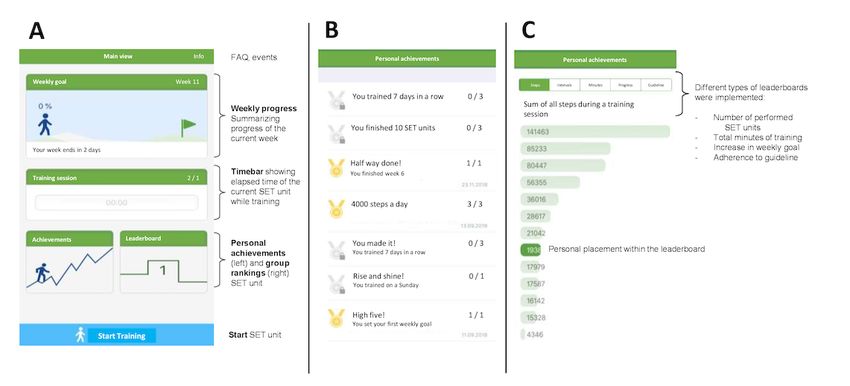
JMIR MHEALTH AND UHEALTH                                                                                                                Paldán et al

     KEYWORDS
     peripheral arterial disease; mHealth; supervised exercise therapy; motivation; artery; exercise; mobile applications; lifestyle;
     well-being

                                                                            1.   Is it feasible to implement the app into everyday practice?
     Introduction                                                           2.   Is TrackPAD suitable for recording patients’ daily and
     Background                                                                  weekly SET performance?
                                                                            3.   Does the TrackPAD improve the prognosis of PAD and
     The circulatory disorders of peripheral arteries due to                     related QoL?
     atherosclerotic lesions, also known as peripheral arterial diseases
     (PAD), are the third most frequent manifestations of                   The primary outcome was defined as the change in the 6-minute
     cardiovascular diseases (CVD) after coronary and                       walking distance using a standardized protocol at baseline and
     cerebrovascular arterial diseases [1].                                 after 3 months of follow-up [17]. The 6-minute walk test was
                                                                            performed under the supervision of a trained exercise technician.
     A primary goal in CVD treatment is to slow down disease                Participants were instructed to cover as much distance as
     progression and avoid major adverse cardiac or limb events.            possible, walking up and down a 50-meter hallway for up to 6
     Nonetheless, patients with PAD lag behind those with coronary          minutes. Participants were asked to push a measuring wheel
     artery disease (CAD) in terms of optimal treatment patterns            during the entire 6 minutes of the test, but they could take breaks
     [2-4]. Although the survival rates for CAD and PAD have                if necessary. They were also allowed to use an assistive device
     improved worldwide, PAD still comes with a high individual             during both walking tests if they so desired. The technician
     burden regarding the quality of life (QoL) and associated              stood in the middle of the course and supervised the walking
     disabilities [2].                                                      test, but they did not encourage participants. The total distance
     The individual restrictions in the daily life of patients with PAD     walked in the test was read off of the measuring wheel. In
     are more important than statistical facts regarding mortality and      patients with heart failure and reduced ejection fraction, a
     morbidity. Intermittent claudication causes a progressive              decreased 6-minute walking distance was associated with
     reduction of the pain-free walking distance (PWD), and it is an        increased mortality, nonfatal cardiovascular events, and heart
     expression of worsening PAD [4]. This decrease in physical             failure–related hospitalizations [18-20]. A decreased 6-minute
     capability results in declining mental health and reduces              walking distance was associated with a predictive value of
     patients’ QoL [5].                                                     mortality in patients with chronic obstructive pulmonary disease
                                                                            [21]. Among patients with PAD, the baseline 6-minute walking
     Supervised exercise therapy (SET) is a cornerstone in the              distance predicts rates for all-cause mortality, CVD mortality,
     conservative management of intermittent claudication [4], and          and mobility loss [22,23]. Additionally, an incline of 20 meters
     it extends the PWD. Even though SET is easy to practice and            was linked to a considerable improvement in total walking
     highly cost-effective, adherence to regular SET performance is         ability [24].
     relatively low [6,7]. The underuse of exercise can be partly
     explained by the lack of institutional resources [8] and both          Aside from the 6-minute walking distance being objective and
     patients’ and physicians’ lack of interest in exercise [4,9].          well-validated with respect to walking ability predicting mobility
                                                                            loss and mortality in PAD, it has an excellent test-retest
     Mobile health (mHealth) technologies increase incentives and           reliability [25,26]. The 6-minute walking test offers several
     provide digital support for patients with PAD on several               advantages over treadmill testing in PAD as it correlates more
     treatment levels [10-12]. They potentially lead to higher exercise     closely with physical activity levels and is not associated with
     training adherence and widen the scope of patient-centered             the learning effect of performing repeated tests [27].
     health care [13], but so far, studies show opposite results [11,14].
     While patients with PAD highly desire specific support tools,          The secondary outcome measures were changes in physical
     and app stores are inundated with health and fitness apps,             activity and assessing the patient’s PAD-related QoL via
     PAD-specific solutions are presently lacking [15].                     PAD-QoL. The PAD-QoL questionnaire is a validated
                                                                            PAD-specific questionnaire [28] containing five factors: (1)
     Objective                                                              social relationships and interactions, (2) self-concept and
     We developed a smartphone app named TrackPAD [16] to                   feelings, (3) symptoms and limitations in physical functioning,
     provide PAD-specific support for SET. This pilot study aims            (4) fear and uncertainty, and (5) positive adaptation. In addition,
     to evaluate the TrackPAD application as to its suitability and         individual factors regarding sexual function, intimate
     feasibility in outcome measures relevant to the prognosis of           relationships, and job function will also be assessed. An
     PAD by assessing the participant’s 6-minute walking distance           evaluation of the use of the TrackPAD app was also performed
     (meters).                                                              for the intervention group using the user version of the Mobile
                                                                            Application Rating Scale questionnaire. It provides a 20-item
     Methods                                                                measure including 4 objective quality subscales for engagement,
                                                                            functionality, aesthetics, and information quality [29].
     Study Aims, Research Questions, and Outcomes
     The TrackPAD pilot study aimed to answer the following
     research questions:

     https://mhealth.jmir.org/2021/8/e24214                                                        JMIR Mhealth Uhealth 2021 | vol. 9 | iss. 8 | e24214 | p. 2
                                                                                                                 (page number not for citation purposes)
XSL• FO
RenderX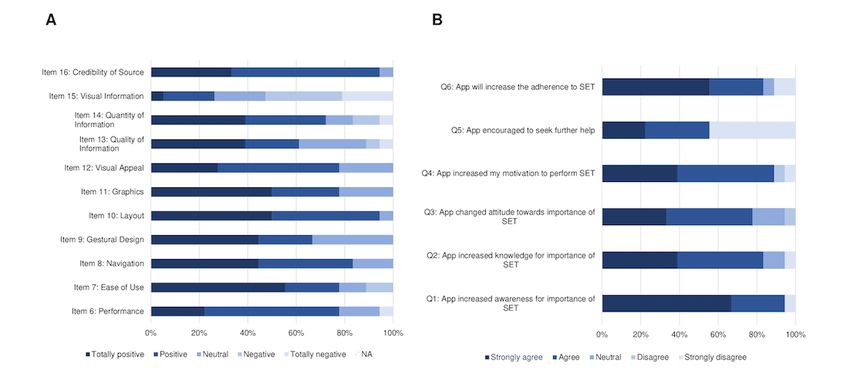
JMIR MHEALTH AND UHEALTH                                                                                                               Paldán et al

     Study Design, Population, and the TrackPAD App                        process, participants were not replaced, regardless of the reason
                                                                           for exclusion.
     Study Design and Recruitment
                                                                           Both groups were strongly advised to continue with their SET
     This paper reports the results from the pilot study, including
                                                                           according to the current standard guidelines [4]. Participants of
     TrackPAD app usability tests for the target group (patients with
                                                                           the intervention group received additional access to the
     PAD). In preparation for the pilot study, we conducted a recently
                                                                           TrackPAD app, which complemented the patients’ current
     published questionnaire study [15] evaluating the needs and
                                                                           treatment. The TrackPAD app was freely accessible to the
     requirements of designing mobile interventions for patients with
                                                                           intervention group. Besides the support provided during the
     PAD.
                                                                           installation procedure, the app did not require further technical
     The TrackPAD pilot study was designed as a 2-armed                    maintenance. The only external contact during the follow-up
     randomized controlled trial and included patients with diagnosed      occurred if participants requested technical support. A
     and symptomatic PAD. It is a closed parallel-group trial (control     nonphysician member of the study team helped participants.
     and intervention groups were assessed simultaneously), with
                                                                           The baseline and follow-up examinations took place at the
     blinded assessors and face-to-face assessment components and
                                                                           Department of Cardiology and Vascular Medicine outpatient
     a 3-month follow-up. Besides information regarding the pilot
                                                                           clinic. They included a 6-minute walking test and a measurement
     study, a call for participation was announced in a local
                                                                           of the ankle-brachial index (ABI). The ABI Measurements were
     newspaper (Westdeutsche Allgemeine Zeitung, local section
                                                                           conducted using a Doppler probe on the tibial and anterior artery
     for Essen and Duisburg) with the contact information provided,
                                                                           locations. According to the current European Society of
     including the phone number and email address
                                                                           Cardiology (ESC) guideline, the highest value was used for
     (trackPAD@uk-essen.de). In addition, potential participants
                                                                           calculation and divided by the highest systolic brachial Doppler
     were actively solicited during their outpatient clinic visits or
                                                                           pressure [4].
     their inpatient stay at the Department of Cardiology and
     Vascular Medicine, University Clinic of Essen. Willing patients       The patients were asked to fill out a questionnaire package at
     were asked to register for the pilot trial at the front desk of the   both time points, including self-reported physical activity,
     outpatient clinic.                                                    demographic characteristics, and the PAD-QoL questionnaire.
                                                                           The PAD-QoL was translated into German by a native speaker
     Randomization
                                                                           and was pretested on 5 PAD patients not included in the study
     After screening based on inclusion and exclusion criteria and         sample. The pretest did not reveal the need for any adjustments.
     obtaining written informed consent, participants were
     randomized into 2 groups by the Center for Clinical Studies in        Inclusion Criteria
     Essen using the TENALEA software. The control group                   Main inclusion criteria were diagnosed and symptomatic PAD
     included participants with standard care and no further mobile        of the lower extremities, defined as Fontaine stage IIa or IIb.
     intervention. The intervention group included participants            Fontaine stage IIa indicated intermittent claudication with a
     receiving standard care and additional mHealth-based                  walking distance of more than 200 meters, whereas Fontaine
     self-tracking of their physical activity using TrackPAD. The          stage IIb indicated intermittent claudication with a walking
     participants were stratified based on their 6-minute walking test     distance of fewer than 200 meters [4]. Additionally, patients
     (distances less than 362 meters, between 362 and 430 meters,          must have a personal smartphone suitable for downloading and
     and more than 430 meters) to ensure an even distribution of the       using the TrackPAD app (IOS version greater than 11.0 or
     walking speed between the two groups. After the randomization         Android version greater than 5.0). A detailed list of the inclusion
                                                                           and exclusion criteria is shown in Textbox 1.

     https://mhealth.jmir.org/2021/8/e24214                                                       JMIR Mhealth Uhealth 2021 | vol. 9 | iss. 8 | e24214 | p. 3
                                                                                                                (page number not for citation purposes)
XSL• FO
RenderX
JMIR MHEALTH AND UHEALTH Paldán et al
Textbox 1. Inclusion and exclusion criteria. ABI: ankle-brachial index; PAD: peripheral arterial disease; NYHA: New York Heart Association; CCS:
Canadian Cardiovascular Society.
Inclusion Criteria
• 18 years of age or older
• Diagnosis of lower extremity PAD based on either an ABI greater or equal to 0.9 in at least one leg, invasive or noninvasive imaging of stenotic
lower extremity artery disease, or endovascular or surgical revascularization of lower extremity artery disease
• PAD Fontaine stage 11a/b
• Smartphone with the capacity to use TrackPAD (Android version greater than 5.0 or IOS version greater than 11.0)
• Written informed consent prior to any study procedures, including a specified follow-up evaluation
• Best-medical treatment in the last 2 months per standard guidelines
Exclusion Criteria
• Wheelchair-bound, use of walking aid, or walking impairment due to another cause than PAD
• Below or above-knee amputation
• Acute or critical limb ischemia
• PAD Fontaine Stage I, III, or IV
• No German knowledge
• Severe cognitive dysfunction
• Congestive heart failure with NYHA III-IV symptoms
• Active congestive heart failure requiring the initiation or up-titration of diuretic therapy
• Angina pectoris with CCS class 3 to 4 symptoms, myocardial infarction, or stroke in the last 3 months
• Active arrhythmia requiring the initiation or up-titration of anti-arrhythmic therapy
• Severe valve disease
performed by the participants. The participants set their weekly
TrackPAD App goal of SET units at the beginning of each week. As
The mobile intervention TrackPAD was designed by Rocket recommended by the 2017 ESC guideline [4], each unit included
Apes GmbH. There were no associations between the authors 30 minutes of SET. If participants did not go through an entire
and the developer. Moreover, TrackPAD was only designed for unit at once, there were 3 different options: taking breaks,
study purposes and not commercial use. We did not change any continuing the unit after recovery, or quitting prematurely. After
content during the study period, and all content was frozen completing each unit (fully completed 30 min or not), user
during the trial. The only dynamic component was the feedback was requested (Figure 1; see Feedback after SET unit).
leaderboard, which was adjusted based on the training sessions
Figure 1. Main views of the TrackPAD-app.
https://mhealth.jmir.org/2021/8/e24214 JMIR Mhealth Uhealth 2021 | vol. 9 | iss. 8 | e24214 | p. 4
(page number not for citation purposes)
XSL• FO
RenderXJMIR MHEALTH AND UHEALTH Paldán et al
To account for a PAD-tailored solution, we included the informed consent was collected from each participant before
following features (Figure 1): any study procedures, and contact information was delivered
1.
to each participant. Any changes will be communicated to the
Weekly goal adaptation: The app suggested a new weekly
ethics committee. The pilot study started at the beginning of
goal using an internal algorithm based on the completion
November 2018 and ended in March 2019.
rate of a user’s SET units during the previous week.
2. Feedback after SET units: The feedback after each SET Data Collection and Security
unit contained PAD-specific information regarding leg pain Data were stored on an encrypted European server. No
levels, breathing, and overall exhaustion. Patients had to personalized data were shared with the developer, and they were
respond by choosing between 1 (minimum leg pain, no only accessible to the study team.
restriction in breathing, or minimum exhaustion) and 10
(maximum leg pain, maximum restriction in breathing, or Sample Size Considerations and Statistical Analysis
maximum exhaustion) for each item. To allow for missing data and loss to follow up, we aimed to
3. Claudication reminder: Each SET unit started with a short recruit 23 to 25 participants per study arm. The results achieved
reminder that the walking pace and incline must be adapted an estimated power of t=0.46 (post hoc power analysis; Cohen
to reach a certain level of claudication to extend the PWD d=0.5; P=.05; F1,46=1.157). We used a two-tailed t-test, and
sustainably. The reminder popped up when each new SET the enrollment goal was 20 participants each for the intervention
unit was initiated and needed to be actively confirmed. and control groups. PJMIR MHEALTH AND UHEALTH Paldán et al
Figure 2. Quantitative development of screened patients including reasons for dropouts and exclusions.
https://mhealth.jmir.org/2021/8/e24214 JMIR Mhealth Uhealth 2021 | vol. 9 | iss. 8 | e24214 | p. 6
(page number not for citation purposes)
XSL• FO
RenderXJMIR MHEALTH AND UHEALTH Paldán et al
Table 1. Patient characteristics at baseline.
Intervention group (n=19) Control group (n=20) P value
Age (years), mean (SD) 64.6 (9.8) 65.6 (7.7) .72
Sex (male), n (%) 12 (63) 9 (45) .34
Obesity (BMI > 30 kg/m2), n (%) 5 (26) 1 (5) .16
Prior MIa, n (%) 2 (11) 3 (15) .85
Hypertension, n (%) 12 (63) 16 (80) .41
Diabetes, n (%) 4 (21) 6 (30) .21
Hyperlipidemia, n (%) 12 (63) 13 (65) .42
Previous peripheral intervention, n (%) 8 (42) 5 (25) .26
Previous peripheral bypass graft, n (%) 3 (16) 5 (25) .68
Previous PCIb, n (%) 4 (21) 6 (30) .69
Heart failure, n (%) 2 (11) 3 (15) .85
Coronary arterial disease, n (%) 6 (32) 9 (45) .51
Active/Former smoker, n (%) 6/11 (32/58) 8/10 (40/50) .89
Fontaine stage IIa, n (%) 12 (63) 14 (70) .44
Fontaine stage IIb, n (%) 7 (37) 6 (30) .85
6-minutes walking distance (meters), mean (SD) 407 (80.8) 390.1 (66) .35
ABIc 0.75 (0.21) 0.73 (0.18) .46
Reported physical activity (days per week), mean (SD) 2.4 (1.4) 2.3 (1.9) .35
a
MI, myocardial injury.
b
PCI, percutaneous coronary intervention.
c
ABI, ankle-brachial index.
Both Fontaine stages showed similar trends, but the mean
Increase in the 6-minute Walking Distance as a distance increase for the less progressed Fontaine stage IIa was
Primary Outcome more pronounced (intervention group: 97.0 meters, SD 78.6 vs.
Of the 20 participants who increased their 6-minute walking the control group: –35.3 meters, SD 55.9; PJMIR MHEALTH AND UHEALTH Paldán et al
Table 2. Differences in the 6-minute walking distance within and between study and control group after 3 months of follow-up.
Fontaine IIa (n=26) Fontaine IIb (n=13) Fontaine IIa, IIb (n=39)
Study (n=12) Control (n=14) Study (n=7) Control (n=6) Study (n=19) Control (n=20)
Difference in meana (meters) 97.0 –35.3 59.4 –47.0 83.0 –38.8
Median (meters) 89.9 –22.0 30.0 –22.5 60 –22.0
SD (meters) 78.6 55.9 57.0 52.2 72.2 53.7
95% CIb (meters) 47.0-147.0 –67.5-3.0 6.3-111.8 –101.8-7.8 48.2-117.8 –63.9-3.6
Difference in mean between 132.3 106.4 121.8
both groups (meters)
SD (meters) 135.5 71.6 176.4
95%-CIc (meters) 75.5-189.0 39.2-172.8 80.2-163.4
P value .01 .01 .01
a
Positive mean indicates an improvement.
b.
Difference between study and control group of the sub group.
c
The true difference of the population between both groups.
A difference-in-difference regression with fixed effects for time limitations in their daily activity: “I have had to greatly reduce
(accounting for a progression of PAD) and individual participant my activities because of my PAD” (Q1, intervention group:
(accounting for unobserved heterogeneity between the –1.6 meters, SD 1.4 vs control group: –0.1 meters, SD 1.0;
participants) estimating the percentage change in the treatment P=.01); “I cannot do many of the things I enjoy because of my
effect showed that the effect of receiving access to TrackPAD PAD” (Q3, intervention group: –1.8 meters, SD 1.5 vs control
increased the 6-minutes walking distance about 28% (SE 0.04). group: –0.4 meters, SD 1.0; P=.01); and “My legs hurt a lot
This effect was significant to a confidence level of 99%. when I walk because of my PAD” (Q4, intervention group: –1.4
meters, SD 1.3 vs control group: 0 meters, SD 1.1; P=.01). The
PAD-related Quality of Life intervention group also showed a change in a single item of the
The PAD-related quality of life (PAD-QoL) was assessed by factor “fear and uncertainty,” reporting a reduced fear of losing
the PAD-QoL questionnaire at baseline and follow-up. No life because of PAD: “I am afraid of losing my life as a result
relevant differences were observed at baseline between both of my PAD” (Q8, intervention group: –1.3 meters, SD 1.5 vs
groups. However, at follow-up, significant changes were noted control group: –0.3 meters, SD 1.5; P=.048), and a change in
in 3 factors of the PAD-QOL, with the most extensive change the section “positive adaptation”: “I feel very hopeful about the
evident in the “symptoms and limitations in physical outcome of my PAD” (Q14, intervention group: 1.2 meters, SD
functioning.” The intervention group reported reduced 1.1 vs control group: 0.2 meters, SD 1.4; P=.02; Figure 3).
https://mhealth.jmir.org/2021/8/e24214 JMIR Mhealth Uhealth 2021 | vol. 9 | iss. 8 | e24214 | p. 8
(page number not for citation purposes)
XSL• FO
RenderXJMIR MHEALTH AND UHEALTH Paldán et al
Figure 3. Excerpt of results from the PAD-QoL questionnaire survey [21]. Shown are the mean deviations relative to the baseline (diamond) and the
25th and 75th percentiles (lines). Study (solid line) and control group (dotted line) are plotted separately. PAD: peripheral arterial disease.
Overall, changes in the PAD-QoL over the 3 months of At follow-up, 37 (80%) participants reported an increase in their
follow-up showed a less intense subjective symptom perception weekly physical activity (intervention group: n=15, 33% vs
and fewer limitations in daily life among the intervention group. control group: n=16, 35%), resulting in a comparable rise in
physically active days per week in both groups (intervention
Reported Physical Activity group: plus 0.3 days per week, SD 3.5 vs control group: plus
To compare the two groups in terms of physical endurance at 0.4 days per week, SD 2.6; P=.93).
baseline, we recorded the reported physical activity. Both groups
did not differ in days of physical activity per week (intervention App Evaluation
group: 2.9 days per week, SD 2.8 vs control group: 2.4 days App Usage
per week, SD 1.9; P=.44). Both groups had participants who
were active for a median of 30 to 60 minutes (intervention We considered intervention participants as active users if they
group: n=9, 20% vs control group: n=4, 9%). In total, 12 performed at least 1 weekly training. During week 1, every
participants (26%) were active for more than 60 minutes participant was active. A dip from 19 (100%) to 14 (74%) active
(intervention group: n=3, 7% vs control group: n=9, 20%). users was observed in week 2, increasing to 17 (89%) active
Among participants who exercised for less than 30 minutes users in week 3. During the following weeks, the activity
weekly, 5 (11%) participants trained between 10 and 30 minutes remained stable, with 14 to 15 (70% to 75%, respectively) active
weekly (intervention group: n=1, 2% vs control group: n=4, users from week 5 to 12 (Table 3). During the 12 weeks of
9%), and 9 (20%) participants exercised less than 10 minutes follow-up, the number of training sessions per week stayed
weekly (intervention group: n=6, 13% vs control group: n=3, roughly the same for the participants that remained active users.
7%).
https://mhealth.jmir.org/2021/8/e24214 JMIR Mhealth Uhealth 2021 | vol. 9 | iss. 8 | e24214 | p. 9
(page number not for citation purposes)
XSL• FO
RenderXJMIR MHEALTH AND UHEALTH Paldán et al
Table 3. TrackPAD-app usage of the intervention group during the 12 weeks of follow-up.
Week 1 2 3 4 5 6 7 8 9 10 11 12
Total training sessions 66 48 53 74 60 61 49 57 58 51 55 48
(units)a
Active userb (n) 19 14 17 16 15 15 15 14 15 14 14 15
Intervals per training 2.5 (2.8) 2.8 (2.2) 2.6 (1.7) 2.0 (1.2) 1.8 (1.2) 2.3 (1.6) 2.7 (2.8) 2.4 (2.0) 2.2 (2.3) 2.1 (1.9) 2.5 (2.1) 2.7 (4.1)
c
session (units), mean
(SD)
a
Total number of recorded training sessions for the respective week as assessed by the TrackPAD-App.
b
Active user with at least one training interval in the corresponding week.
c
Mean number of intervals during one training session. Each training session could be paused if necessary, resulting in each training session being
subdivided into several intervals.
The reasons for discontinued TrackPAD use by the nonactive User Feedback
users (n=5, 26%) from week 5 onward were assessed at The vast number of questions regarding functionality, aesthetics,
follow-up. Reasons for discontinued TrackPAD use were related and informational content of TrackPAD were reported as
to personal circumstances (n=3, 16%) and technical issues (n=2, positive to extremely positive (4 or 5 stars out of 5; Figure 4;
11%). Of the 2 participants who stopped using TrackPAD for see Panel A). However, the visual information provided within
personal reasons, 1 was due to the illness of a close relative, the app showed potential for improvement (Figure 4; see Panel
and the other lost interest. One participant stopped using A, Item 15); for example, the plausibility and correctness of
TrackPAD due to reported interference between the TrackPAD descriptions represented by pictograms or pictures. Participants
app and their Samsung Health app, and another participant described this item mainly as “largely unclear.” Only 5 (25%)
stopped the training sessions due to several sequential app participants described the visual information as “mostly
crashes (Figure 2; see Panel B). clear”(n=4) or “absolutely clear” (n=1).
Figure 4. Participants' statements regarding the trackPAD app in terms of functionality, aesthetics and information according to the user version of the
Mobile Application Rating Scale [22].
The users’ feedback also included questions regarding the Most users evaluated the app in all of the 3 categories positively.
perceived impact of the TrackPAD with respect to their PAD Only 3 (17%) users would “maybe” or are “unlikely” to
disease (Figure 4; see Panel B). Only 1 (6%) user disagreed, recommend the app to people with existing PAD disease.
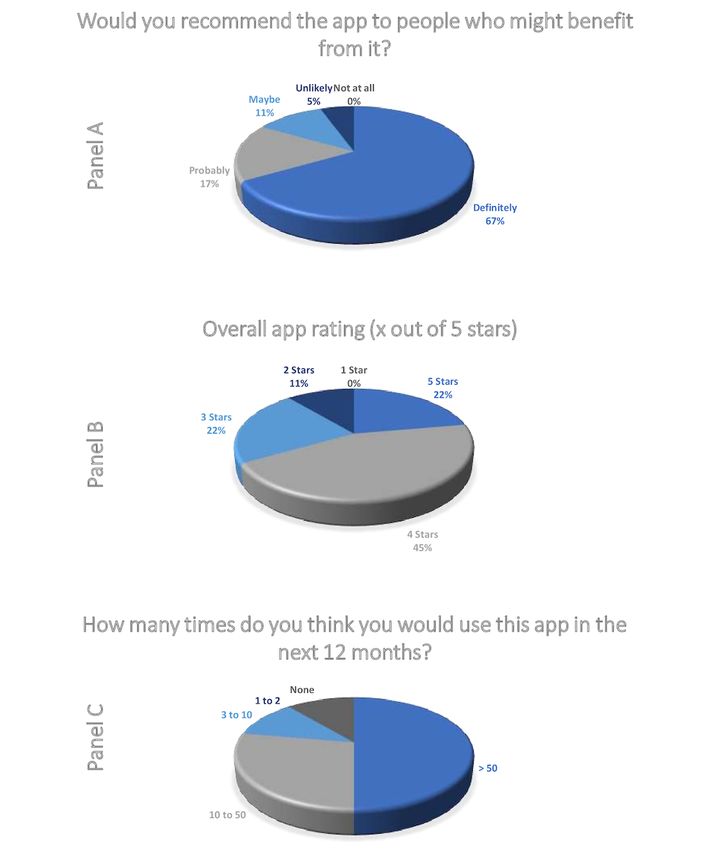
stating the app had not changed their awareness of SET (Q1). Supporting the positive evaluation illustrate in Panel A (Figure
The other participants reported that the app had significantly 5), 13 (68%) users rated the app with at least 4 out of 5 stars
increased their motivation to perform SET (Q4) and their (Figure 5; see Panel B). Future app use, at least every week,
compliance to SET (Q6). They also stated that using the app was reported by 10 (53%) users.
changed their attitude regarding SET (Q3) and increased their
knowledge about SET (Q2).
https://mhealth.jmir.org/2021/8/e24214 JMIR Mhealth Uhealth 2021 | vol. 9 | iss. 8 | e24214 | p. 10
(page number not for citation purposes)
XSL• FO
RenderXJMIR MHEALTH AND UHEALTH Paldán et al
Figure 5. App rating of the study group after study end according to the user version of the Mobile Application Rating Scale [22].
The data underlying this article will be shared at reasonable of continuous access [31]. Although PAD represents a subgroup
request to the corresponding author. of CVD, patient characteristics and disease-specific requirements
differ substantially from those patients with other CVD.
Discussion Therefore, disease- and patient-tailored solutions are essential
to the development of mobile interventions. One significant
The implementation of novel technologies, specifically mobile difference between the PAD population and patients with other
interventions, can substantially change the landscape for the CVD is the older age and the fact that the patient-centered
treatment of CVD [12,30]. General benefits of mHealth development process needs to be expanded by one additional
technologies include the wide reachability and the possibility dimension. Previous studies already explored the use and
https://mhealth.jmir.org/2021/8/e24214 JMIR Mhealth Uhealth 2021 | vol. 9 | iss. 8 | e24214 | p. 11
(page number not for citation purposes)
XSL• FO
RenderXJMIR MHEALTH AND UHEALTH Paldán et al
acceptability of mobile technologies in health care related to solution, this issue did not occur in earlier tests. However, the
the users’ age and identified age as an important factor in the disproportionate share of older mobile phones lacking a physical
design of mobile interventions, requiring greater technical hardware mechanism within the intervention group revived the
support and reporting lower acceptability of using mobile issue. In further trials, the inclusion of newer operating versions
technologies [32,33]. As such, there are measurable influences of Android mobile phones should be considered since this issue
on intermediate outcomes (eg, increased satisfaction with care) was only found in Android-based operating systems.
and health outcomes (eg, better metabolic control) [15,34-36].
The disadvantages of simple activity tracking are known and
SET is one of the most relevant interventions in the conservative common limitations in studies. The performance of systems
treatment of PAD, but barriers to exercise are still high. Besides trained with data in the laboratory setting substantially
low motivational aspects, intermittent claudication limits the deteriorates when tested in real-life conditions [43]. Possible
sustainability of regular SET performance. Moreover, the solutions might be user-calibration processes or the use of
requirements of primary care for patients with PAD focus on specified study-related devices to gain comparability.
other priorities other than CVD in general [15,30]. To meet this
Comparing the 6-minute walking distance between both groups
specific patient population's needs and requirements, we
in our study, we saw a significant increase in the mean walking
proposed using a PAD-tailored mobile intervention to encourage
distance of 80 meters in the intervention group using TrackPAD.
the SET performance in patients with PAD.
Remarkably, we did not find any decrease in the walking
Mobile technologies are increasingly used for health purposes, distance within the intervention group, whereas 90% (n=18) of
even among older adults who have demonstrated a lower uptake the control group did worse at follow-up compared to baseline.
of technologies compared to younger people [37]. Although One reason for the longer walking distance might be because
these technologies have the potential to assist in care of the younger age of the study participants. Previous studies
coordination activities, like regular SET performance, most reported a mean age of more than 70 years, whereas the
mobile apps are not designed specifically for this population intervention group using TrackPAD had a mean age of 64. The
which has complex health care needs and is older than the higher increase may also be due to comparatively minor
typical app user. The activity recognition mechanism of most restrictions since two-thirds of the participants were classified
mobile apps cannot accommodate the wide range of human as Fontaine stage IIa (PWD of more than 200 meters). The ease
movement linked to mobility impairment. of initiating exercise among the Fontaine stage IIa patients with
PDA compared to patients with higher Fontaine stages might
In this study, we gathered TrackPAD use input from the patients’
be linked to better endurance during exercise and higher
perspective, and we observed a high level of user acceptance.
motivation in general. Moreover, the small sample size allows
Overall, we found satisfaction in terms of functionality,
for substantial individual changes within the intervention group,
aesthetics, and informational content. Studies combining eHealth
leading to an upward deviation.
and PAD are rare, but the same trend of mobile technology user
acceptance was observed in patients with noncommunicable Although the covered distance in the 6-minute walk test only
diseases. A review of eHealth interventions for cancer survivors increased significantly in the intervention group, the
showed mobile interventions are promising tools [38]. Future self-reported physical activity increased in both groups at
work will need to examine the extent to which personalized follow-up. An accurate assessment of physical activity using
activity recognition can support the diversity of movement. the PDA-QoL questionnaire seems questionable in the entire
study population and has previously been described as a
Improvement was demonstrated through the visual information
common issue [44,45]. Digital interventions also increase the
within TrackPAD and the clear assignment of pictograms or
potential to track background activity (ie, receiving objective
pictures. The weakness of the gestural concept resulted from
statements in terms of physical activity) and will be considered
the advanced age of the user group, which is often inexperienced
in future trials. The recording of activity highs and lows
in using mHealth and requires an age-adapted presentation [39].
throughout the day might also help identify optimal time points
Besides relevant barriers for older adults, lack of desire, costs,
to send digital motivation notifications. It is important to note
privacy and security considerations, visual acuity, and hand-eye
that messages can also decrease productivity if delivered at the
coordination were important factors with respect to the
wrong time points. Algorithms based on collected personalized
acceptance of telehealth interventions [40]. These barriers will
information in smartphones might reduce the number of
be adapted accordingly to improve the TrackPAD app following
poorly-timed interruptions [46].
a patient-centered approach.
We also observed an increase in PAD-QoL regarding
Since we designed a platform for both iOS and Android, some
“symptoms and limitations in physical functioning” within the
technical issues occurred due to the different technical
intervention group. The association between increased physical
implementations of the provider. The various mechanisms for
activity and an increased PAD-QoL has been reported in other
counting steps presented a considerable challenge in designing
studies [47-49]. In addition, the increased 6-minute walking
a comparable app for both platforms. Depending on the
distance was linked to better physical aspects of quality of life
manufacturer, step counts work either over a physical hardware
in participants with intermittent claudication, supporting its
mechanism and a software-based solution. This issue might
value as an outcome measure.
become less relevant when it comes to personal use [41,42],
but it also limits the analysis within a clinical trial. Because of The main limitation of this study was the small sample size of
the low number of smartphones that use the software-based the intervention group. Since we have analyzed some patient
https://mhealth.jmir.org/2021/8/e24214 JMIR Mhealth Uhealth 2021 | vol. 9 | iss. 8 | e24214 | p. 12
(page number not for citation purposes)
XSL• FO
RenderXJMIR MHEALTH AND UHEALTH Paldán et al
characteristics (ie, Fontaine stage IIa and IIb) separately, the Using the smartphone–based tool TrackPAD, we found a
sample size per group decreased even further. However, the significant increase in the mean 6-minute walking distance at
Fontaine stage allowed us to control for the differences in the follow-up, indicating a prognostically relevant change in
participants’ physical capability. Although we saw a relevant walking ability in patients with moderate PAD. TrackPAD also
change in the primary outcome variable after follow-up, bolstered a shift in the subjective symptom perception and fewer
recordings of background activity during the follow-up period noticed limitations in terms of PAD-QoL. Thus, the TrackPAD
were available due to privacy restrictions. Based on the study app seems feasible and suitable for the target group of patients
design of this pilot, no blinding of the study participants was with PAD in terms of SET performance. Participants
feasible, and motivational differences must be considered. substantially valued the experience of using an app in the
Further research is needed to address this issue. management of their care. Still, a further adaption of the visual
presentation and the gestural concept that follows a
patient-centered approach is needed.
Acknowledgments
This work was supported by the Stiftung Universitätsmedizin (D/106-21637) and the Deutsche Forschungsgesellschaft (DFG;
DFG 969RA/12-1).
Conflicts of Interest
None declared.
Multimedia Appendix 1
CONSORT-eHEALTH checklist (V 1.6.1).
[PDF File (Adobe PDF File), 381 KB-Multimedia Appendix 1]
References
1. Song P, Rudan D, Zhu Y, Fowkes FJI, Rahimi K, Fowkes FGR, et al. Global, regional, and national prevalence and risk
factors for peripheral artery disease in 2015: An updated systematic review and analysis. The Lancet Global Health 2019
Aug;7(8):e1020-e1030. [doi: 10.1016/s2214-109x(19)30255-4]
2. Bauersachs R, Zeymer U, Brière JB, Marre C, Bowrin K, Huelsebeck M. Burden of coronary artery disease and peripheral
artery disease: A literature review. Cardiovasc Ther 2019;2019:8295054 [FREE Full text] [doi: 10.1155/2019/8295054]
[Medline: 32099582]
3. Timmis A, Townsend N, Gale C, Torbica A, Lettino M, Petersen S. European Society of Cardiology: Cardiovascular disease
statistics 2019. Eur Heart J. 2020 2020;41(1):12-85. [doi: 10.1093/ehjqcco/qcz065]
4. Victor A, Jean-Baptiste R, Marie-Louise E L B, Martin B, Marianne B, Tina C, et al. 2017 ESC Guidelines on the diagnosis
and treatment of peripheral arterial diseases, in collaboration with the European Society for Vascular Surgery (ESVS). Russ
J Cardiol 2018 Sep 09;ESC Guidelines on the DiagnosisTreatment of Peripheral Arterial Diseases, in collaboration with
the European Society for Vascular Surgery (ESVS)(8):164-221. [doi: 10.15829/1560-4071-2018-8-164-221]
5. Bouwens E, van Lier F, Rouwet EV, Verhagen HJM, Stolker RJ, Hoeks SE. Type D personality and health-related quality
of life in vascular surgery patients. Int.J. Behav. Med 2019 Jul 01;26(4):343-351. [doi: 10.1007/s12529-018-09762-3]
6. Harwood A, Smith GE, Cayton T, Broadbent E, Chetter IC. A systematic review of the uptake and adherence rates to
supervised exercise programs in patients with intermittent claudication. Ann Vasc Surg 2016 Jul;34:280-289. [doi:
10.1016/j.avsg.2016.02.009] [Medline: 27126713]
7. Abaraogu UO, Abaraogu OD, Dall PM, Tew G, Stuart W, Brittenden J, et al. Exercise therapy in routine management of
peripheral arterial disease and intermittent claudication: a scoping review. Therapeutic Advances in Cardiovascular Disease
2020 May 27;14:175394472092427. [doi: 10.1177/1753944720924270]
8. Rezvani F, Heider D, Härter M, König HH, Bienert F, Brinkmann J, et al. Telephone health coaching with exercise monitoring
using wearable activity trackers (TeGeCoach) for improving walking impairment in peripheral artery disease: study protocol
for a randomised controlled trial and economic evaluation. BMJ Open 2020 Jun 04;10(6):e032146 [FREE Full text] [doi:
10.1136/bmjopen-2019-032146] [Medline: 32503866]
9. Pedersen BK, Saltin B. Exercise as medicine: Evidence for prescribing exercise as therapy in 26 different chronic diseases.
Scand J Med Sci Sports 2015 Dec 25;25 Suppl 3:1-72. [doi: 10.1111/sms.12581] [Medline: 26606383]
10. Gandapur Y, Kianoush S, Kelli HM, Misra S, Urrea B, Blaha MJ, et al. The role of mHealth for improving medication
adherence in patients with cardiovascular disease: a systematic review. Eur Heart J Qual Care Clin Outcomes 2016 Oct
01;2(4):237-244 [FREE Full text] [doi: 10.1093/ehjqcco/qcw018] [Medline: 29474713]
11. Haveman ME, Kleiss SF, Ma KF, Vos CG, Ünlü Ç, Schuurmann RC, et al. Telemedicine in patients with peripheral arterial
disease: Is it worth the effort? Expert Rev Med Devices 2019 Sep 05;16(9):777-786. [doi: 10.1080/17434440.2019.1649595]
[Medline: 31379218]
https://mhealth.jmir.org/2021/8/e24214 JMIR Mhealth Uhealth 2021 | vol. 9 | iss. 8 | e24214 | p. 13
(page number not for citation purposes)
XSL• FO
RenderXJMIR MHEALTH AND UHEALTH Paldán et al
12. Steinmetz M, Rammos C, Rassaf T, Lortz J. Digital interventions in the treatment of cardiovascular risk factors and
atherosclerotic vascular disease. Int J Cardiol Heart Vasc 2020 Feb;26:100470 [FREE Full text] [doi:
10.1016/j.ijcha.2020.100470] [Medline: 32021904]
13. Argent R, Daly A, Caulfield B. Patient involvement with home-based exercise programs: Can connected health interventions
influence adherence? JMIR Mhealth Uhealth 2018 Mar 01;6(3):e47 [FREE Full text] [doi: 10.2196/mhealth.8518] [Medline:
29496655]
14. McDermott M, Spring B, Berger J, Treat-Jacobson D, Conte M, Creager M. Effect of a home-based exercise intervention
of wearable technology and telephone coaching on walking performance in peripheral artery disease: The HONOR
randomized clinical trial. Journal of Vascular Surgery 2018 Sep;68(3):933. [doi: 10.1016/j.jvs.2018.07.014]
15. Lortz J, Simanovski J, Kuether T, Kreitschmann-Andermahr I, Ullrich G, Steinmetz M, et al. Needs and requirements in
the designing of mobile interventions for patients with peripheral arterial disease: Questionnaire study. JMIR Form Res
2020 Aug 04;4(8):e15669 [FREE Full text] [doi: 10.2196/15669] [Medline: 32663154]
16. Paldán K, Simanovski J, Ullrich G, Steinmetz M, Rammos C, Jánosi RA, et al. Feasibility and clinical relevance of a mobile
intervention using TrackPAD to support supervised exercise therapy in patients with peripheral arterial disease: study
protocol for a randomized controlled pilot trial. JMIR Res Protoc 2019 Jun 26;8(6):e13651 [FREE Full text] [doi:
10.2196/13651] [Medline: 31244477]
17. ATS Committee on Proficiency Standards for Clinical Pulmonary Function Laboratories. ATS statement: guidelines for
the six-minute walk test. Am J Respir Crit Care Med 2002 Jul 01;166(1):111-117. [doi: 10.1164/ajrccm.166.1.at1102]
[Medline: 12091180]
18. Giannitsi S, Bougiakli M, Bechlioulis A, Kotsia A, Michalis LK, Naka KK. 6-minute walking test: a useful tool in the
management of heart failure patients. Ther Adv Cardiovasc Dis 2019 Aug 23;13:1753944719870084 [FREE Full text] [doi:
10.1177/1753944719870084] [Medline: 31441375]
19. Keteyian SJ, Patel M, Kraus WE, Brawner CA, McConnell TR, Piña IL, HF-ACTION Investigators. Variables measured
during cardiopulmonary exercise testing as predictors of mortality in chronic systolic heart failure. J Am Coll Cardiol 2016
Feb 23;67(7):780-789 [FREE Full text] [doi: 10.1016/j.jacc.2015.11.050] [Medline: 26892413]
20. Wegrzynowska-Teodorczyk K, Rudzinska E, Lazorczyk M, Nowakowska K, Banasiak W, Ponikowski P, et al. Distance
covered during a six-minute walk test predicts long-term cardiovascular mortality and hospitalisation rates in men with
systolic heart failure: an observational study. Journal of Physiotherapy 2013 Sep;59(3):177-187. [doi:
10.1016/s1836-9553(13)70182-6]
21. Andrianopoulos V, Wouters EF, Pinto-Plata VM, Vanfleteren LE, Bakke PS, Franssen FM, et al. Prognostic value of
variables derived from the six-minute walk test in patients with COPD: Results from the ECLIPSE study. Respir Med 2015
Sep;109(9):1138-1146 [FREE Full text] [doi: 10.1016/j.rmed.2015.06.013] [Medline: 26143282]
22. Lamberti N, López-Soto PJ, Guerzoni F, Napoli N, Gasbarro V, Zamboni P, et al. Changes in exercise capacity and risk
of all-cause mortality in patients with peripheral artery disease: a 10-year retrospective cohort study. Intern Emerg Med
2020 Mar 21;15(2):289-298. [doi: 10.1007/s11739-019-02176-3] [Medline: 31435898]
23. McDermott MM, Kibbe MR, Guralnik JM, Ferrucci L, Criqui MH, Domanchuk K, et al. Durability of benefits from
supervised treadmill exercise in people with peripheral artery disease. JAHA 2019 Jan 08;8(1):e009380. [doi:
10.1161/jaha.118.009380]
24. McDermott MM, Tian L, Criqui MH, Ferrucci L, Conte MS, Zhao L, et al. Meaningful change in 6-minute walk in people
with peripheral artery disease. J Vasc Surg 2021 Jan;73(1):267-276.e1. [doi: 10.1016/j.jvs.2020.03.052] [Medline: 32335305]
25. Hageman D, Fokkenrood H, Gommans L, van den Houten MM, Teijink J. Supervised exercise therapy versus home-based
exercise therapy versus walking advice for intermittent claudication. Cochrane Database Syst Rev 2018 Apr
06;4:CD005263-CD005131 [FREE Full text] [doi: 10.1002/14651858.CD005263.pub4] [Medline: 29627967]
26. McDermott MM. Exercise training for intermittent claudication. J Vasc Surg 2017 Nov;66(5):1612-1620 [FREE Full text]
[doi: 10.1016/j.jvs.2017.05.111] [Medline: 28874320]
27. Hotta K, Batchelor WB, Graven J, Dahya V, Noel TE, Ghai A, et al. Daily passive muscle stretching improves flow-mediated
dilation of popliteal artery and 6-minute walk test in elderly patients with stable symptomatic peripheral artery disease.
Cardiovasc Revasc Med 2019 Aug;20(8):642-648 [FREE Full text] [doi: 10.1016/j.carrev.2019.05.003] [Medline: 31171470]
28. Treat-Jacobson D, Lindquist RA, Witt DR, Kirk LN, Schorr EN, Bronas UG, et al. The PADQOL: Development and
validation of a PAD-specific quality of life questionnaire. Vasc Med 2012 Nov 26;17(6):405-415. [doi:
10.1177/1358863x12466708]
29. Stoyanov SR, Hides L, Kavanagh DJ, Wilson H. Development and validation of the user version of the mobile application
rating scale (uMARS). JMIR Mhealth Uhealth 2016 Jun 10;4(2):e72 [FREE Full text] [doi: 10.2196/mhealth.5849] [Medline:
27287964]
30. Saner H, van der Velde E. eHealth in cardiovascular medicine: A clinical update. Eur J Prev Cardiol 2016 Oct 26;23(2
suppl):5-12. [doi: 10.1177/2047487316670256] [Medline: 27892420]
31. Kao C, Liebovitz DM. Consumer mobile health apps: Current state, barriers, and future directions. PM R 2017 May
18;9(5S):S106-S115. [doi: 10.1016/j.pmrj.2017.02.018] [Medline: 28527495]
https://mhealth.jmir.org/2021/8/e24214 JMIR Mhealth Uhealth 2021 | vol. 9 | iss. 8 | e24214 | p. 14
(page number not for citation purposes)
XSL• FO
RenderXJMIR MHEALTH AND UHEALTH Paldán et al
32. Miller DP, Weaver KE, Case LD, Babcock D, Lawler D, Denizard-Thompson N, et al. Usability of a novel mobile health
iPad app by vulnerable populations. JMIR Mhealth Uhealth 2017 Apr 11;5(4):e43 [FREE Full text] [doi:
10.2196/mhealth.7268] [Medline: 28400354]
33. Geoghegan C, Nido V, Bemden AB, Hallinan Z, Jordan L, Kehoe LS, et al. Learning from patient and site perspectives to
develop better digital health trials: Recommendations from the Clinical Trials Transformation Initiative. Contemp Clin
Trials Commun 2020 Sep;19:100636 [FREE Full text] [doi: 10.1016/j.conctc.2020.100636] [Medline: 32913915]
34. Karageorgos G, Andreadis I, Psychas K, Mourkousis G, Kiourti A, Lazzi G, et al. The promise of mobile technologies for
the health care system in the developing world: a systematic review. IEEE Rev. Biomed. Eng 2019;12:100-122. [doi:
10.1109/rbme.2018.2868896]
35. Guetterman TC, Sakakibara R, Baireddy S, Kron FW, Scerbo MW, Cleary JF, et al. Medical students' experiences and
outcomes using a virtual human simulation to improve communication skills: Mixed methods study. J Med Internet Res
2019 Nov 27;21(11):e15459 [FREE Full text] [doi: 10.2196/15459] [Medline: 31774400]
36. Williams JS, Walker RJ, Smalls BL, Hill R, Egede LE. Patient-centered care, glycemic control, diabetes self-care, and
quality of life in adults with Type 2 diabetes. Diabetes Technol Ther 2016 Oct;18(10):644-649 [FREE Full text] [doi:
10.1089/dia.2016.0079] [Medline: 27541872]
37. Quinn CC, Staub S, Barr E, Gruber-Baldini A. Mobile support for older adults and their caregivers: Dyad usability study.
JMIR Aging 2019 May 23;2(1):e12276 [FREE Full text] [doi: 10.2196/12276] [Medline: 31518271]
38. Haberlin C, O'Dwyer T, Mockler D, Moran J, O'Donnell DM, Broderick J. The use of eHealth to promote physical activity
in cancer survivors: a systematic review. Support Care Cancer 2018 Oct 16;26(10):3323-3336. [doi:
10.1007/s00520-018-4305-z] [Medline: 29909476]
39. van Houwelingen CT, Ettema RG, Antonietti MG, Kort HS. Understanding older people's readiness for receiving telehealth:
Mixed-method study. J Med Internet Res 2018 Apr 06;20(4):e123 [FREE Full text] [doi: 10.2196/jmir.8407] [Medline:
29625950]
40. Kruse C, Fohn J, Wilson N, Nunez Patlan E, Zipp S, Mileski M. Utilization barriers and medical outcomes commensurate
with the use of telehealth among older adults: Systematic review. JMIR Med Inform 2020 Aug 12;8(8):e20359. [doi:
10.2196/20359]
41. An H, Jones GC, Kang S, Welk GJ, Lee J. How valid are wearable physical activity trackers for measuring steps? Eur J
Sport Sci 2017 Apr 02;17(3):360-368. [doi: 10.1080/17461391.2016.1255261] [Medline: 27912681]
42. Leong JY, Wong JE. Accuracy of three Android-based pedometer applications in laboratory and free-living settings. J
Sports Sci 2017 Jan 07;35(1):14-21. [doi: 10.1080/02640414.2016.1154592] [Medline: 26950687]
43. Awais M, Mellone S, Chiari L. Physical activity classification meets daily life: Review on existing methodologies and open
challenges. Physical activity classification meets daily life: Review on existing methodologies and open challenges. Annu
Int Conf IEEE Eng Med Biol Soc. 2015; 2015 Presented at: Proceedings of the 37th Annual International Conference of
the IEEE Engineering in Medicine and Biology Society (EMBC); 25–29 August 2015; Milan, Italy p. 5050-5053. [doi:
10.1109/embc.2015.7319526]
44. Wanner M, Richard A, Martin B, Faeh D, Rohrmann S. Associations between self-reported and objectively measured
physical activity, sedentary behavior and overweight/obesity in NHANES 2003-2006. Int J Obes (Lond) 2017 Jan
28;41(1):186-193. [doi: 10.1038/ijo.2016.168] [Medline: 27677618]
45. Ball TJ, Joy EA, Gren LH, Shaw JM. Concurrent validity of a self-reported physical activity “vital sign” questionnaire with
adult primary care patients. Prev. Chronic Dis 2016 Feb 04;13:E16. [doi: 10.5888/pcd13.150228]
46. Yin K, Laranjo L, Tong HL, Lau AY, Kocaballi AB, Martin P, et al. Context-aware systems for chronic disease patients:
Scoping review. J Med Internet Res 2019 Jun 17;21(6):e10896 [FREE Full text] [doi: 10.2196/10896] [Medline: 31210138]
47. Golledge J, Leicht AS, Yip L, Rowbotham SE, Pinchbeck J, Jenkins JS, et al. Relationship between disease specific quality
of life measures, physical performance, and activity in people with intermittent claudication caused by peripheral artery
disease. Eur J Vasc Endovasc Surg 2020 Jun;59(6):957-964 [FREE Full text] [doi: 10.1016/j.ejvs.2020.02.006] [Medline:
32336621]
48. Salisbury DL, Whipple MO, Burt M, Brown RJ, Hirsch A, Foley C, et al. Translation of an evidence-based therapeutic
exercise program for patients with peripheral artery disease. J Vasc Nurs 2018 Mar;36(1):23-33 [FREE Full text] [doi:
10.1016/j.jvn.2017.09.003] [Medline: 29452626]
49. Novakovic M, Jug B, Lenasi H. Clinical impact of exercise in patients with peripheral arterial disease. Vascular 2017 Aug
09;25(4):412-422. [doi: 10.1177/1708538116678752] [Medline: 28256934]
Abbreviations
ABI: ankle-brachial index
CAD: coronary artery disease
ESC: European Society of Cardiology
mHealth: mobile health
PAD: peripheral arterial disease
https://mhealth.jmir.org/2021/8/e24214 JMIR Mhealth Uhealth 2021 | vol. 9 | iss. 8 | e24214 | p. 15
(page number not for citation purposes)
XSL• FO
RenderXJMIR MHEALTH AND UHEALTH Paldán et al
PAD-QoL: peripheral arterial disease–related quality of life CVD: cardiovascular disease
PWD: pain-free walking distance
QoL: quality of life
SET: supervised exercise training
Edited by L Buis; submitted 09.09.20; peer-reviewed by SGS Shah, J Santos; comments to author 09.10.20; revised version received
16.11.20; accepted 24.02.21; published 16.08.21
Please cite as:
Paldán K, Steinmetz M, Simanovski J, Rammos C, Ullrich G, Jánosi RA, Moebus S, Rassaf T, Lortz J
Supervised Exercise Therapy Using Mobile Health Technology in Patients With Peripheral Arterial Disease: Pilot Randomized
Controlled Trial
JMIR Mhealth Uhealth 2021;9(8):e24214
URL: https://mhealth.jmir.org/2021/8/e24214
doi: 10.2196/24214
PMID:
©Katrin Paldán, Martin Steinmetz, Jan Simanovski, Christos Rammos, Greta Ullrich, Rolf Alexander Jánosi, Susanne Moebus,
Tienush Rassaf, Julia Lortz. Originally published in JMIR mHealth and uHealth (https://mhealth.jmir.org), 16.08.2021. This is
an open-access article distributed under the terms of the Creative Commons Attribution License
(https://creativecommons.org/licenses/by/4.0/), which permits unrestricted use, distribution, and reproduction in any medium,
provided the original work, first published in JMIR mHealth and uHealth, is properly cited. The complete bibliographic information,
a link to the original publication on https://mhealth.jmir.org/, as well as this copyright and license information must be included.
https://mhealth.jmir.org/2021/8/e24214 JMIR Mhealth Uhealth 2021 | vol. 9 | iss. 8 | e24214 | p. 16
(page number not for citation purposes)
XSL• FO
RenderXYou can also read


