SURREY LIBRARIES Facilities Master Plan 2021 2041
←
→
Page content transcription
If your browser does not render page correctly, please read the page content below
SURREY LIBRARIES
Facilities Master Plan
2021 ‒ 2041

                                     photo credit: Ema Peter

FACILITIES MASTER PLAN 2021 – 2041                      1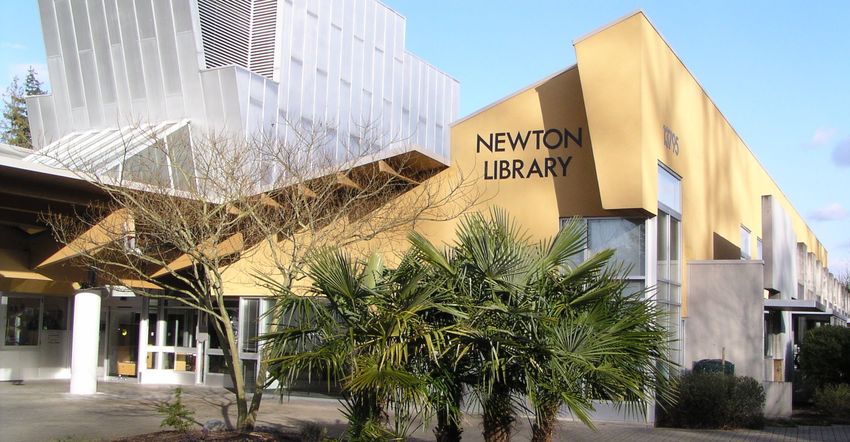
TABLE OF CONTENTS

Acknowledgements                                      3

Executive Summary                                     6     ACKNOWLEDGEMENTS
Role of the Facilities Master Plan (FMP)              9

A – CONTEXT
       A1     How Libraries are Staying Relevant      12
       A2     Branch Types + Roles                    14    We want to acknowledge and extend our thanks to the many people who contributed to the Surrey
       A3     Public Library Trends                   16    Libraries Facilities Master Plan. The plan was developed by studioHub Architects in consultation
                                                      18
                                                            with Surrey Libraries’ management team. Thank you to library staff and Surrey residents who
       A4     Case Studies
                                                            responded to the consultation surveys; the Library Operations Team and City of Surrey Planning
       A5     City of Surrey Overview                 20
                                                            and Facilities staff for their insights; City of Surrey Senior Management Team for their guidance
                                                            and expertise; Mayor and Council for their input and support; and the Library Board for their
B – ANALYSIS                                                direction and final approval of the plan.
       B1     Surrey Libraries + Canada               24
       B2     Surrey Libraries Overview               26
                                                            Surrey Libraries recognizes that our work takes place on the ancestral, traditional, and unceded
       B3     Surrey Libraries User + Branch Data     34    territories of the SEMYOME (Semiahmoo), q̓ic̓əy̓ (Katzie), kʷikʷəƛ̓əm (Kwikwetlem), q̓ʷɑ:n̓ƛ̓ən̓
       B4     Stakeholder Consultation                40    (Kwantlen), qiqéyt (Qayqayt), xʷməθkʷəy̓əm (Musqueam) First Nations and on the ancestral and
                                                            traditional territory of the sc̓əwaθən məsteyəxʷ (Tsawwassen) First Nation.
C – RECOMMENDATIONS + WORK PLAN
       C1     Summary of Challenges + Opportunities   46
       C2     System-Wide Recommendations             47
       C3     Community Recommendations + Work Plan   50
       C4     Costing + Funding                       57
       C5     Conclusion                              58

D – APPENDICES
       D1     Site Visit Assessments                  61
       D2     Staff Survey Results                    82
       D3     Public Survey Results                   85
       D4     Case Studies                            97
       D5     Facility Condition Index                108
       D6     Project Cost Estimate Summary           110
       D7     List of Tables                          116
       D8     Works Consulted                         118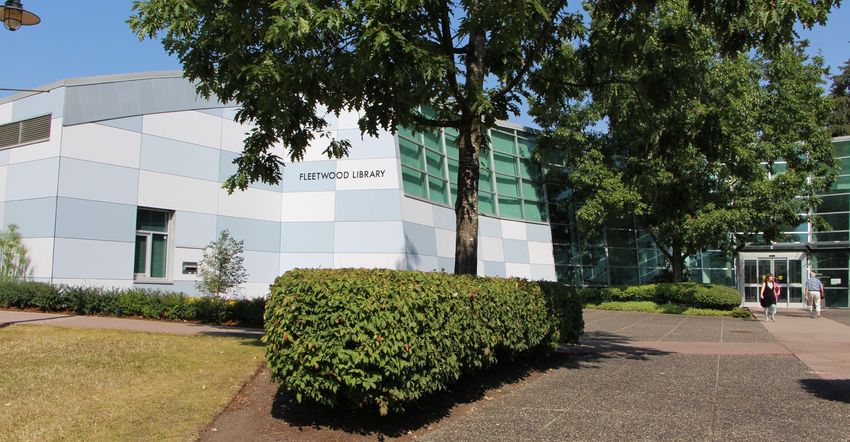
EXECUTIVE SUMMARY

FACILITIES MASTER PLAN 2021 – 2041                       5
EXECUTIVE SUMMARY
The Surrey Libraries Facilities Master Plan 2021‒2041 The shifts highlight the need to design flexible spaces Public and staff surveys asked respondents how existing RECOMMENDATIONS
(Surrey Libraries FMP) provides a framework for facility and programs, to meet community needs, and to explore spaces support literacy and learning, create connections,
planning over the next 20 years. The plan includes prioritized innovations by leveraging technology. Other trends Palmer and make visitors feel welcome and included. They also To meet the projected population growth, demographic shifts
recommendations to guide decisions on capital investments noted include: included questions about new spaces and alternative ways and societal trends, recommendations are summarised in
in a strategic and fiscally responsible way, and provides 1. Increasing flexible space to accommodate more to provide service. The public survey found that Surrey terms of space expansion and design principles.
information and considerations for Council when developing diverse programs, services, and users. This attracts Libraries strongly supports positive outcomes. Over 90%
the city’s capital planning priorities. Surrey Libraries FMP is new types of users and accommodates their needs. respondents said that libraries improve quality of life and Library Space Expansion
aligned to Surrey Libraries’ 2019–2023 Strategic Plan, the 2. Integrating with other public and private spaces help with community building. Similarly, over 90% responded
Surrey Libraries should strive to reach the Canadian urban
city’s ‘Surrey Excels’ strategic plan, and supports Surrey’s and amenities, such as recreation centres or social their local branch was welcoming and reflective of the needs
average library space/per capita of 0.5 sq ft/capita by 2041,
Sustainability Charter goals. housing. of the diverse community. A lower score (just over 60%) was
summarised below in areas of priority by community.
3. Reimagining considerations of sustainability and received for serving technological needs, indicating an area of
The plan was developed in the first half of 2021 with improvement for Surrey Libraries. Reaching this goal will require the Library to:
inclusivity.
consultants studioHuB Architects, engaged to lead an 4. The library serving as a cultural one-stop shop. • Seek collaborations and partnerships for new major
objective, holistic, and data-driven process. Community Over a third of the respondents expressed the need for small capital projects to build co-located or integrated facilities.
consultation was adapted for the provincial health orders These trends show that Canadian libraries are maintaining workspaces or rooms, reflecting Palmer’s research. Over the
• Plan well ahead for site selection and land acquisition for
in place at that time for COVID-19. Both the public and their role as community knowledge institutions; however, their last few years, as new Surrey residential developments have
new capital projects.
staff engagement were conducted through online surveys, definition and scope are expanding to fit in new forms and become smaller in space, the library is consistently used
receiving 1,415 and 168 responses, respectively. A review as a community living room with residents seeking a quiet • Pilot new ways to reach underserved areas of the city
places to suit more kinds of people.
of trends in public libraries focused on a 2021 study by space to study or work. The desire for small workspaces and through innovative alternative space and service delivery
librarian and educator, Marie Palmer, and case studies rooms was the top choice across all communities and across models, e.g., mobile van service or pop-up/express
Surrey’s population has grown exponentially, increasing by
were researched to demonstrate leading practices. Many all ages, beating more innovative uses such as digitization libraries inside malls or community centres.
11% between 2011 and 2016, almost double the rate of
data sources were reviewed such as the Canadian Urban Metro Vancouver’s. The anticipated city growth shows no spaces or makerspaces.
Library Council (CULC) space benchmarks, Surrey community signs of stopping, with a projected population for 2031 at
demographic profiles with current and projected population, 725,220 (+20% from 2021), and at 813,660 by 2041 (+35% Investment Existing Additional Sq ft
Current Sq Percentage
Surrey Libraries’ current and historic usage, and both a Priority Timeline Community Library Space Needed to Meet 0.5
from 2021. However, the growth and spread is unevenly ft/Capita Growth
(Years) (Sq ft) Goal by 2041
quantitative and qualitative assessment of existing facilities. distributed across the city, impacting the recommendations
outlined in the FMP. +29,000
Fleetwood 0.16 10,900 +266%
Although the long-term effect of COVID-19 on use of library (New Total: 39,900)
space is still to evolve, libraries continue to be essential to a High 1‒5
The disparity was also evident in space allocation and usage +61,600
thriving community. Research shows the value of the physical across Surrey Libraries branches. At the time of writing, Newton 0.17 26,900 +229%
(New Total: 88,500)
library space in building a strong and resilient community. Surrey has 10 branches and a distribution centre (Collections
People are seeking spaces to connect, work and learn – alone Services) with 208,400 square feet. A common benchmark +45,700
Medium-High 5 ‒ 10 South Surrey 0.29 28,400 +161%
or with others – to engage in different types of activities which (New Total: 74,100)
used by North American libraries to assess how well they
necessitate larger and more flexible spaces. Palmer’s study serve their community is the square foot (sq ft) per capita +26,900
identified three prominent shifts in how public libraries are ratio. In 2018, the average among 39 CULC libraries was 0.51 Medium 10 ‒ 15 Guildford 0.52 36,500 +174%
(New Total: 63,400)
adapting: sq ft per capita. With 188,250 sq ft of library space across
1. Accommodating a more diverse set of users: digital 9 branches at that time, Surrey was at 0.34 sq ft per capita, +32,100
Cloverdale 0.33 25,800 +125%
(New Total: 57,900)
natives, knowledge creators, and entrepreneurial and ranked 35th out of 39 cities, despite being the 11th largest
Low 15 ‒ 20
learners. city in Canada. Surrey’s sq ft per capita ratio consistently +3,100
Whalley 0.62 79,900 +4%
2. Recalibrating library space for physical books in rose since 1997 but started to decrease in 2014, with (New Total: 83,000)
relation to the space available for other services or library space unable to keep up with the growth in the city’s
social uses. population. At the time of writing, the city’s sq ft per capita +198,400
Surrey Total 0.35 208,400 +95%
(New Total: 406,800)
3. Transitioning from passive ‘knowledge keeping’ to ratio is 0.35.
active knowledge sharing and content creation. TABLE 1:
Library Space Needed by 2041, by Community
6 SURREY LIBRARIES FACILITIES MASTER PLAN 2021 – 2041 7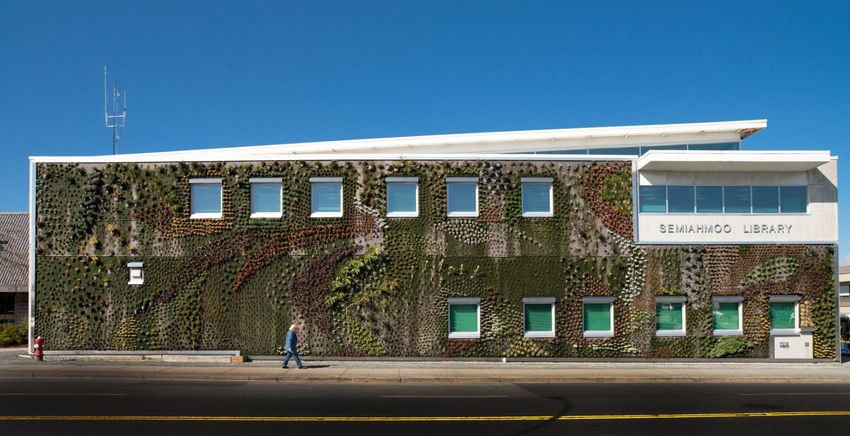
Design Considerations and Principles Costing and Funding THE ROLE OF THE SURREY
The following must be considered in assessing existing As the plan is aspirational, and the work plan is expected LIBRARIES FACILITIES
branches and planning for new libraries: to evolve over time with shifting city priorities, rather than a
fixed cost for a fixed plan, a costing matrix is included. The
MASTER PLAN
• Flexibility and Functionality: Accommodating for the
variety of current and anticipated needs, such as co- matrix provides estimates of detailed costs for different sizes
existing spaces for quiet versus loud uses, and designing of proposed projects at any given interval during the 20-year
The Surrey Libraries Facilities Master Plan uses an VISION
building envelopes adaptable for future expansions. time frame that the plan covers. It factors many variables
evidence-based approach to guide the basis of capital
influencing the final budget such as specific construction A literate, inclusive, thriving city.
• Sustainability: Supporting climate action strategies investments in a sustainable and fiscally responsible
costs, contingencies, allowances for owners expenses,
through sustainable, restorative, and energy-efficient manner. The plan:
professional services and permits, and other associated MISSION
designs. Outlines facility priorities and total space
costs. A sliding scale indicates the effect over time on •
We connect people, spark curiosity, and inspire learning.
• Inclusivity and Accessibility: Considering the diversity different sizes of proposed projects, including new branches requirements over the next 20 years (2021–2041)
of Surrey’s population in terms of languages, cultures, and renovations/additions.
• Builds on Surrey Libraries Facilities Master Plan VALUES
genders, and abilities. Funding the plan will require ongoing discussions with the 2014–2033, and is aligned to Surrey Libraries’ Community-focus, intellectual freedom, service excellence,
• Optimizing existing space: Improving user experience at city as Surrey Libraries is a municipally funded library. An 2019–2023 Strategic Plan equitable access, creativity, and collaboration.
existing branches through investment in space planning opportunity to allocate dedicated funding for this plan is a
and minor capital enhancements. • Supports the City of Surrey’s ‘Surrey Excels’ Strategic
review of the city-wide Community Amenity Contributions.
Plan to improve the lives of residents THEMES
Recommendations are also provided at a community specific
• Advances the City of Surrey’s Sustainability Charter • Literacy and Learning
level with a detailed work plan and associated costs.
to “provide educational and library institutions • Connections
that are accessible and have sufficient capacity to
accommodate residents across its communities • Welcoming and Inclusive Spaces
and neighbourhoods, in order to support low-
barrier, diverse and inclusive learning opportunities OBJECTIVES
integrated in its communities.” • Promote and nurture literacy and learning
• Supports the city’s Official Community Plan to “locate
• Strengthen strategic community engagement
new branches and expand libraries in areas of growth
in the city, with a focus on communities and emerging • Improve access to library services
population areas such as Clayton and Grandview • Align resources to changing community needs
Heights.”
• Explore opportunities to diversify and grow revenue
The Surrey Libraries 2019–2023 Strategic Plan outlines • Enhance responsible spending and accountability
overall vision, values, and themes, with initiatives to • Leverage technology to improve service delivery
support specified objectives. The FMP focuses on how the
• Broaden awareness of library services
built environment supports specified objectives. Surrey
Libraries’ strategy is outlined as follows: • Encourage innovation and collaboration
• Foster a culture of service excellence
• Cultivate a safe, engaged, and diverse workplace
• Develop and empower staff
8 SURREY LIBRARIES FACILITIES MASTER PLAN 2021 – 2041 9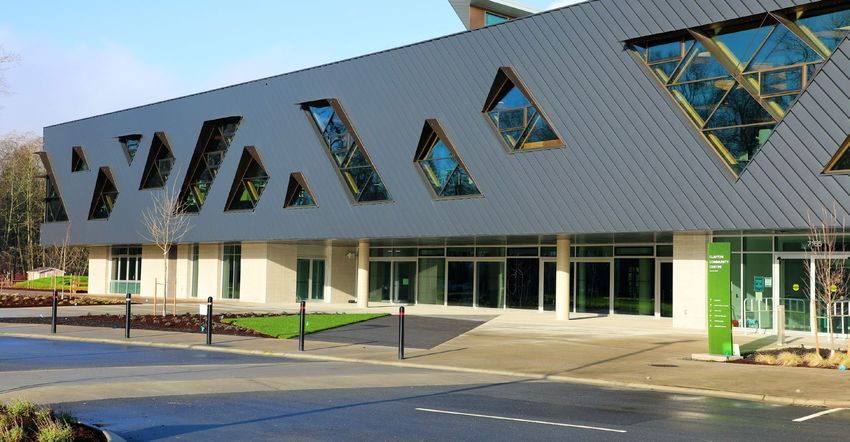
A                     CONTEXT

                                     A1   How Libraries are Staying Relevant
                                     A2   Branch Types + Roles
                                     A3   Public Library Trends
                                     A4   Case Studies
                                     A5   City of Surrey Overview

FACILITIES MASTER PLAN 2021 – 2041                                             11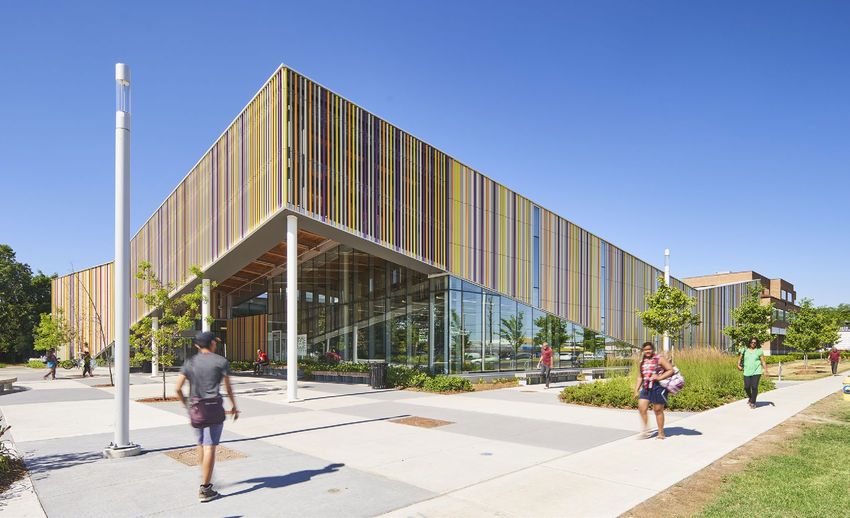
A CONTEXT

A1 HOW LIBRARIES ARE STAYING RELEVANT

Our relationship to knowledge and its access is evolving to           place’), the professional work sphere (‘second place’), and        technology, and space for experimentation and innovation that
an increasingly digital one; however, contrary to what some           the in-between public social sphere (‘third place’) (Aabø, S. &    people can share within their own communities and beyond.
may believe, this has not resulted in the irrelevancy of public       Audunson, R., 2012). These roles allow people to visit libraries   These three shifts show how our understanding of knowledge
libraries. Instead, their use increases every year (Lumos, 2011)      for more than just books, removing prohibitive financial and       and information access is expanding beyond physical books
as library services adapt to a more diverse array of needs and        social barriers to grant open access to knowledge, community,      and buildings, to include digital and social aspects that grant
users, thus creating a more robust and dynamic relationship           growth, and innovation.                                            greater access to a wider array of communities. The trends
with the people they serve.                                                                                                              identified by Palmer highlight the need for varied and flexible
                                                                      In order to maintain this dual role in their communities,          spaces to adapt to current and future changes in library
According to the public survey conducted for the Surrey               library practices have had to combine popular features from        practice. These spaces can be overlapped and implemented
Libraries FMP, Surrey residents overwhelmingly (over 88%              traditional models with ones that address more contemporary        across a variety of sites, both physical and digital, to provide
of respondents) believe that their public libraries play an           needs. Palmer identifies three prominent shifts that are           means for people to work, collaborate, socialize, learn, and
important role in building community and improving quality of         necessary to accommodate contemporary needs and                    innovate. Libraries are powerful sites of place-making, and as
life. In addition, a majority of people surveyed agreed (66%)         anticipate future trends.                                          they adapt to change, so too do the communities they support
that their public libraries support economic prosperity in their                                                                         (Berthiaume, 2017).
community.                                                            The first shift is to accommodate a more diverse set of
                                                                      library users, who will use both space and information in          As libraries adapt to societal trends, it is evident that our
The above corroborates data found in studies by the Toronto           different ways. These new kinds of users can be broken down        relationship to knowledge will continue to expand, and our
and Ottawa library systems, which show that every dollar              into three main categories:                                        means of accessing and sharing it will continue to diversify.
invested in public libraries results in about $5 worth of                                                                                As this expansion develops, it is important that libraries
benefits in the community (Berthiaume, 2017). Surrey Libraries            •   Digital Natives: those who have had computer and           prepare for constant evolution by facilitating new possibilities
conducted a similar study in 2016 that found for every                        internet access since a young age and therefore            and to maintain their role as relevant and valuable knowledge
dollar of public funding received, the Library provides $7 of                 access information in non-traditional ways.                and community centres.
value to the community. Although libraries may be viewed as               •   Knowledge Creators: those who create and share
simple book repositories, in reality they are investments in                  content rather than just consuming it.
community health, wellbeing, and growth.
                                                                          •   Entrepreneurial Learners: those who are self-directed
                                                                              learners who seek knowledge to further their
As information access has become more digitized and
                                                                              business or personal success (e.g., learning new
decentralized, the role libraries play within their communities
                                                                              skills, starting a new business, etc.).
has evolved to keep pace with this rapid change. In her
2021 report “Study of Future Public Library Trends & Best
                                                                      The second shift is to recalibrate the branch space
Practices,” Marie Palmer identifies adjustments being made
                                                                      reserved for physical books in relation to the space
in response to the evolving digital world (Palmer, 2021).
                                                                      available for other services or social uses. As a result,
Palmer asserts that libraries must adapt to play two key roles,
                                                                      more floor space can be freed up for a more diverse and
serving both as ‘community hubs’ for gathering, working
                                                                      flexible array of services, such as meeting space or innovative
and socializing, and as ‘knowledge facilitators’ that offer
                                                                      work labs.
access to resources, tools, and opportunities to experiment
through learning and creating. This multi-role position is also
                                                                      The third and final shift is the transition from passive
echoed in a Norwegian study, which showed that libraries
                                                                      ‘knowledge keeping’ to active knowledge sharing and
have characteristics that allow their users to engage all three
                                                                      content creation. This allows greater public access to tools,
spheres of life during their visit: the private home sphere (‘first

 12                                                                                                                   SURREY LIBRARIES   FACILITIES MASTER PLAN 2021 – 2041                                 13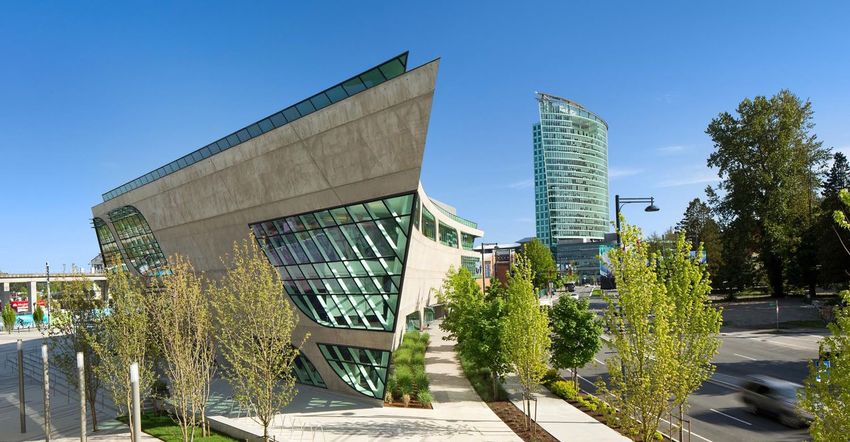
A2 LIBRARY BRANCH TYPES + ROLES

Branch Types:                                                                            Branch Roles:

          STAND-ALONE                                                                               CENTRAL BRANCH                                                   NEIGHBOURHOOD BRANCH

Single, or stand-alone branches are located in buildings and on                          The ‘central branch’ is usually located in the heart of a city,   The ‘neighbourhood branch’ is generally what comes to
sites that are only for library uses. These buildings are used by                        acting as an attracting destination for users from across the     mind when one considers a traditional public library. These
community members with the specific intent of visiting, rather                           city and beyond. Serving as the ‘flagship’ location for the       libraries are the smallest branches in a system (less than
than by happenstance or during a joint visit to an adjacent                              library system, these buildings are often the largest (over       15,000 sq ft) and are designed to meet the basic demands
amenity.                                                                                 50,000 sq ft) and most flexible branches to accommodate           for reading materials, services, and programming. However,
Stand-alone branches in Surrey: Ocean Park, Strawberry Hill,                             more diverse range of users, and host a variety of events,        due to their limited size and resources, they tend to not
Port Kells.                                                                              programs, and services. Central branches are designed             have much space for experimental programming. Although
                                                                                         as cultural hubs for all neighbourhoods to share, with            these kinds of libraries are popular in towns or districts
                                                                                         impressive architecture intended to put the city on the map.      where density is low and populations are stable, they are
                                                                                         The average North American city will only have one or two         becoming increasingly less ideal in highly dense and rapidly
          CO-LOCATED
                                                                                         branches of this size because they are enormous capital           growing cities.
                                                                                         commitments, and they are intended to stand as symbols of         Neighbourhood branches in Surrey: Ocean Park, Strawberry
Co-located branches are either located in a building with two or                         the city and its values.                                          Hill, Port Kells.
more distinct amenities, or are located on a site adjacent to other
                                                                                         Central branch in Surrey: City Centre
amenities. These libraries allow for more convenient access
to existing users, and offer visiting opportunities to new users
because the branch is near amenities they already frequent. For                                                                                                      ALTERNATIVE BRANCH
example, this scenario could allow a parent to browse for books
                                                                                                    COMMUNITY BRANCH
while their child is at hockey practice at the rink next door. This                                                                                        As public libraries work to accommodate the diverse needs
model also allows for pairings with multi-unit housing, daycares,                                                                                          of their communities, this can require alternative means
museums, seniors centres, or recreation centres, which opens                             The ‘community branch’ is a mid- to large-sized library           of service delivery and location. This type is not what
opportunities for land and resource sharing, while allowing each                         (15,000–50,000 sq ft) meant to offer a range of services          would be considered a formal ‘branch’ as the library model
use to maintain their independent functions.                                             to a specific community within a city. Their collections and      is adapted to offer services in non-traditional ways and
                                                                                         services are more specified for the needs of their given          spaces, such as pop-up locations or mobile libraries. These
Co-located branches in Surrey: City Centre, Cloverdale,
                                                                                         community and offer a variety of ways for community               models are intended to offer library services in areas that
Fleetwood, Guildford, Newton, Semiahmoo.
                                                                                         members to come together. There is space for special              may not have easy access to a physical branch, or to attract
                                                                                         programs and features that go beyond the means of                 new users who would otherwise be unfamiliar with their
                                                                                         a smaller traditional library, such as makerspaces, or            local library. While these alternative sites provide means of
          INTEGRATED
                                                                                         computer learning centres. Due to their smaller scale, they       community outreach and service expansion and adaption,
                                                                                         do not have the same range of resources and offerings             they serve to augment the offerings of a traditional branch,
Integrated branches are emerging types of libraries, where                               as a central branch. Currently, this type of branch model         rather than acting as a replacement for built library space.
complementary programs merge together to create a synergized                             is commonly considered the optimal library size in cities,
public site. This type is similar to co-located branches in that                                                                                           Alternative branches in Surrey: None
                                                                                         because they have a good concentration of resources while
there is proximity and adjacencies between different amenities;                          still allowing community-specific features. They are also
however, integrated branches do not draw distinct boundaries                             more feasible to build and maintain than central branches
between programs, allowing for symbiosis to happen between                               and are more efficient to operate and service than smaller
types. This model relies on programs that have highly compatible                         neighbourhood branches.
and overlapping uses, like libraries and recreation centres or arts
                                                                                         Community branches in Surrey: Newton, Guildford,
centres, so that spaces can combine through complementary
                                                                                         Fleetwood, Semiahmoo, Cloverdale, Clayton.
values, schedules, uses, and bureaucratic structures.
Integrated branches in Surrey: Clayton

 14                                                                   SURREY LIBRARIES   FACILITIES MASTER PLAN 2021 – 2041                                                                                         15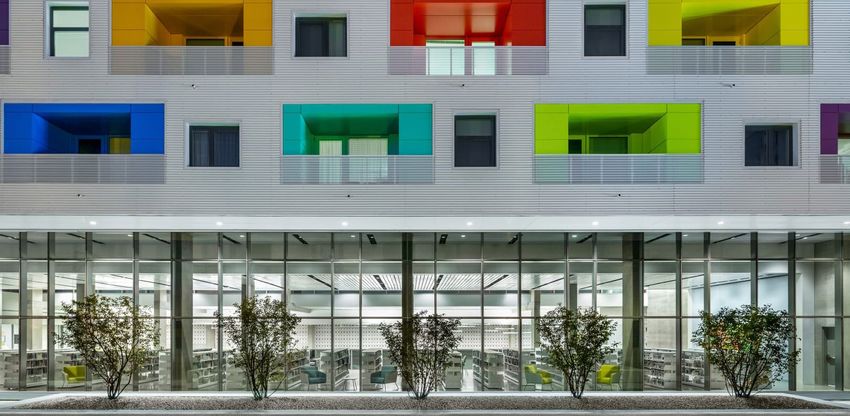
A3 PUBLIC LIBRARY TRENDS
With the expectations for public libraries growing every year,      The third trend is for libraries to reimagine considerations
and the demand for services becoming more diverse, new              of sustainability and inclusivity, when reviewing
and adapted models are surfacing. When considering future           possibilities for how they can adapt to new and complicated
trends and practices in library models, questions arise of how      programmatic demands. It has become common in new
these are manifested across different parts of Canada and           designs to use libraries to lead by example by finding creative
the world. The FMP includes a sample of local and global case       ways to exemplify healthy and welcoming spaces open to
studies to demonstrate how different libraries adjust to these      everyone. This is approached differently between new and
challenges that many cities, including Surrey, are facing. By       existing branches. New branches have more flexibility to
examining a cross-section of designs, it is evident how flexible    reimagine the boundaries of inclusivity and incorporate
libraries are capable of adapting to new and expanding roles.       sustainable standards from the ground up. These buildings
Each library is tailored to address their specific communities,     can design specifically for things like all-gender washrooms,
whose needs differ across various contexts; however, when           accommodations for an array of abilities, or highly advanced
these designs are examined together, themes and trends              building systems. Incorporating these considerations in
start to emerge. Four overlapping themes were identified            existing buildings can be more challenging, but also allow for
across these examples and explored further.                         unique benefits, like extending the life of existing buildings
                                                                    rather than demolishing, or reimagining places already
The first, and most prominent trend, involves increasing            beloved by the community by removing barriers and improving
flexible space to accommodate more diverse services,                access and atmosphere.
programs, and users. This aligns with the three shifts
identified in Palmer’s 2021 report which highlights the             The fourth, and most noticeable trend is that of the library
reduction of physical collections to make more space for            serving as a cultural one-stop-shop, taking the form of
other programming. This is to attract new types of users and        enormous civic landmarks. These are designed to act as
accommodate their needs (e.g., new immigrants, tech-savvy           public beacons and draw people from their neighbourhoods
youth, entrepreneurs), and also to expand the library’s role        or even other municipalities to a central location. In many
from passive content keeper to active content creator. With a       cases these places do not resemble traditional libraries at all,
larger variety of people visiting the library, spaces for private   with books and learning resources playing a supporting role
work, social gathering, and creative innovation all need to         to social and leisure activities. These libraries become sites
adapt and coexist under one roof. Library designs have to           for concerts, movie screenings, cafés and restaurants, and
find creative ways of hosting formal and informal activities        recreation, with many users spending their visit on activities
with varying acoustic, programmatic, and environmental              entirely unrelated to reading or studying. Spaces like this truly
requirements while reducing conflicts between these spaces.         encapsulate the term “urban living room.”

The second trend is libraries integrating with other public         Although advancements in libraries across the world
and private typologies and amenities, such as recreation            are developing in a variety of directions, the four trends
centres or housing developments. This increases library use         can be consistently found in any city. These trends show
by improving convenience and proximity while maintaining            that libraries are maintaining their role as community
relevance by holding a strong presence within existing public       knowledge institutions, but their definition and scope are
spheres. Advantages also arise because it allows libraries          expanding to fit in new forms and places to suit more kinds
to potentially combine resources with partners and open             of people. Libraries are standing not only as beacons for
new locations on sites that would otherwise be financially,         education, but also growing to represent rich cultural, social,
spatially, or logistically unfeasible. As land becomes more         sustainable, accessible, and multi-purpose landmarks in their
expensive and more difficult to allocate, considerations            communities and beyond.
for locating new branches are having to expand beyond
traditional stand-alone sites.

 16                                                                                                                  SURREY LIBRARIES   FACILITIES MASTER PLAN 2021 – 2041   17
A4 CASE STUDIES
Six cases studies were reviewed for this plan, each of which exemplifies one or multiple library trends. This selection is by no
means the extent of library innovation to be found around the world; rather, it shows responses to challenges commonly faced in
any contemporary library system. Most importantly, these designs show how the library model can be adapted and interpreted
to explore new ideas and create new synergies while maintaining their essential roles as community hubs and knowledge
facilitators. Below is a brief description of each project; see D4 for the full case studies.

                                                       ALBION LIBRARY                                                                                                        HELSINKI CENTRAL LIBRARY (OODI)
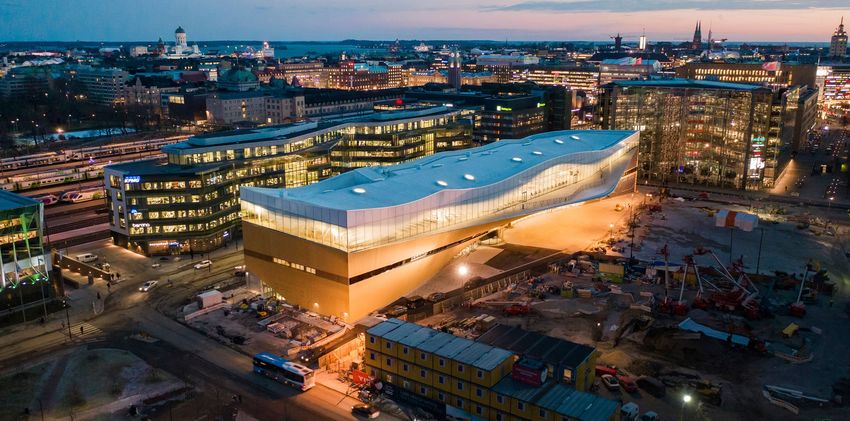
                                                       Flexible Community-Informed Programming                                                                               One Stop-Shop Civic Hub
                                                       Location          Etobicoke, ON, Canada                                                                               Location          Helsinki, Finland
                                                       Year		            2017                                                                                                Year		            2018
                                                       Size		            29,000 sq ft                                                                                        Size		            186,000 sq ft

                                                       Albion library, located in a highly diverse and rapidly growing                                                       The Helsinki Central Library, otherwise known as “Oodi,” functions more
                                                       neighbourhood, is designed around community-specific programming                                                      as a cultural centre than a traditional library. Quiet reading and study
                                                       to retain existing users and welcome new ones. The building has                                                       takes a backseat to a more active and social arts and culture sphere.
                                                       creative tech labs for youth, a business centre for new and established                                               Oodi shows how libraries can play a more active and dynamic cultural role
                                                       independent business owners, and programs like an adult language                                                      while remaining a centre for knowledge and learning.
                                                       centre for new immigrants.

                                                       PORT CREDIT LIBRARY                                                                                                   INDEPENDENCE LIBRARY & APARTMENTS
                                                       Revitalizing Aging Branches                                                                                           Combining Complementary Uses
                                                       Location          Mississauga, ON, Canada                                                                             Location          Chicago, IL, USA
                                                       Year		            2011 (originally built in 1962)                                                                     Year		            2019
                                                       Size		            8,400 sq ft                                                                                         Size		            60,000 sq ft (total), 16,000 sq ft (library)

                                                       One of three small 1960s branches across Mississauga which were                                                       This project is a joint venture combining a library with affordable seniors
                                                       renovated and revitalized to accommodate new and long-time library                                                    housing to encourage interaction and cohabitation between youth,
                                                       users. In the growing trend of abandoning construction of neighbourhood                                               seniors, and families. Independence Library and Apartments could
                                                       branches in favour of central or community type branches, this project                                                serve as a model for dense urban areas dominated by new mid/high-rise
                                                       shows the potential for reimagining existing buildings, and the benefits of                                           developments.
                                                       supporting branches already beloved to their communities.

                                                       CALGARY CENTRAL LIBRARY                                                                                               MEDIA LIBRARY/THIRD PLACE
                                                       Library as a City Landmark                                                                                            Knowledge Facilitation and Creation
                                                       Location          Calgary, AB, Canada                                                                                 Location          Thionville, France
                                                       Year		            2018                                                                                                Year		            2016
                                                       Size		            278,000 sq ft                                                                                       Size		            49,400 sq ft

                                                       Following examples set by projects like the Halifax Public Library, Calgary                                           This facility integrates a digital arts studio and a library together into a
                                                       Central Library is intended to put the city on the map and act as a ‘living                                           multi-media library, focusing more on creation and digital media than on
                                                       room’ for the whole city. Although the library is still designed to be a place                                        physical collections. The Media Library shows that even as the mediums
                                                       for reading, it has a space for many kinds of users and activities, like an                                           of content delivery expand to more digital and interactive ones, the role of
                                                       early learning centre for young children to learn through multi-sensory                                               the library itself remains an essential public facilitator for knowledge.
                                                       exploration. It is designed as a great hall where different groups from
                                                       across the city can come together under one roof.

 18                                                                                                                  SURREY LIBRARIES   FACILITIES MASTER PLAN 2021 – 2041                                                                            19
A5 CITY OF SURREY OVERVIEW
Surrey, along with one electoral area and one Treaty First
Nation (Semiahmoo), is one of 21 municipalities that make
up Metro Vancouver. Among these 23 local authorities Surrey
is largest in land area (316.4 sq km) and second most
populous city after Vancouver.
According to 2016 census data, the overall population of
Surrey was 517,887. Between 2011 and 2016, Surrey’s
population grew by 11%, almost double the rate of Metro
Vancouver (6%) and Vancouver (6.5%). Since 2016, Surrey’s
growth is anticipated to follow this trend, with an estimated
TABLE 2:
population of 588,500 at the time of writing. The most recent 2021 78,320
Map of Surrey Communities and Surrey Libraries Branches
census data for Surrey (2016) shows that the 0–19 age group Surrey also has the largest and fastest growing child Cloverdale 2031 99,510
surpasses both Vancouver and Metro Vancouver: 25% of population, with 22% of children born in BC born in Surrey. In 2041 115,850
Surrey’s population is under the age of 19, compared to Metro Surrey, over 5,000 babies are born each year, over 41,000
2021 66,970
Vancouver average of 21% and Vancouver at 16%. children are between 0–5 years, and one fifth of residents are
Fleetwood 2031 77,810
under the age of 15. UBC Human Early Learning Partnership’s
2041 79,820
The current and projected growth rates continue to shape the early development indicators show that Surrey’s childhood
look of Surrey as a whole. Surrey’s comparative affordability, vulnerability average is comparable to Vancouver, Burnaby, 2021 70,240
accessibility, and employment opportunities have attracted a and Richmond at 35%, and slightly higher than the provincial
Guildford 2031 98,070
wide-ranging demographic. The median age in Surrey is 38.4, average of 33% (HELP, 2019).
2041 126,700
which is lower than Metro Vancouver’s average of 40.3. Surrey
has an average of 3.4 persons per family, approximately 55% Surrey is a primary supplier of new housing in the Metro 2021 156,720
of households are two-parent families with children living at Vancouver region as it still has a relatively large and flat Newton 2031 168,510
home, and approximately 11.5% of the households consist of supply of developable land compared to other regions. The 2041 177,020
single-parent families. majority of Surrey’s existing residential stock is single-family
dwellings. Over the last ten years, the development of new 2021 97,320
South 2031 127,270
Immigration to Surrey has increased over the years. Surrey single-family homes has declined, a trend that is expected to Surrey
has one of the largest concentrations of ethnic South Asian continue as multi-family units continue in popularity in Surrey. 2041 148,230
residents of any city in North America. Other demographic As housing developments densify, the average housing size
2021 128,960
groups with significant representation in Surrey include becomes smaller and there is a change from single-family
Whalley 2031 154,050
Caucasian, Chinese, Filipino, and Southeast Asian residents. homes to townhouses and apartments. When people in urban
2041 166,040
The city is also home to a large population of people of African areas have less space within the home to socialize, recreate,
descent compared to other cities in the Lower Mainland. study and play, they tend to look outside their home for these 0 20,000 40,000 60,000 80,000 100,000 120,000 140,000 160,000 180,000 200,000
spaces, which in turn drive up the demand for spaces such as
Projected Population
Many Indigenous people reside in Surrey and the city’s community centres and libraries.
Indigenous population is steadily growing. The number of
Indigenous residents (predominantly Métis and First Nations) Surrey is divided into six main communities, each with its
increased by 22.9% between 2011 and 2016, surpassing own character and history. Due to multiple factors, such as
that of Vancouver in 2018 (SUILC). Many of these residents housing stock availability, rapid transit lines, and agricultural TABLE 3:
are younger people, with the median age significantly lower land, each community has been growing at a different pace Projected Population of Surrey by Community
than Surrey’s overall population (28.1 compared to 38.4), and may have a different demographic profile. According to
and over 60% of people under the age of 35. It is anticipated the city’s projected population data, the anticipated growth of
that by 2035 Surrey will have the highest total Indigenous Surrey shows no signs of stopping, with a projected population
population in British Columbia (ibid). for 2031 at 725,220 (+20% from 2021), and at 813,660 by
2041 (+35% from 2021).
20 SURREY LIBRARIES FACILITIES MASTER PLAN 2021 – 2041 21B ANALYSIS
B1 Surrey Libraries + Canada
B2 Surrey Libraries Overview
B3 Surrey Libraries User + Branch Data
B4 Stakeholder Consultation
FACILITIES MASTER PLAN 2021 – 2041 23B ANALYSIS
Research for the Surrey Libraries FMP was both B1 SURREY LIBRARIES AND CANADA
quantitative and qualitative. Many sources were
reviewed and analysed to assess library space needs: In North America, libraries are typically planned using
a benchmark of 0.5–1.0 sq ft/capita for their space
• All branches visited by a team of library staff requirements (ARUPLO 2017). In 2018 the average among 39
and studioHuB architects in February 2021, urban centres in Canada was 0.50 sq ft of library space/capita
Recommended Space Canadian Average Space
and observations recorded on a checklist. (CULC, 2018).
per Capita Ratio 0.5 – 1.0 per Capita Ratio 0.50
• Staff survey conducted in February 2021, with
The changing uses of the library, such as less space required (ARUPLO 2017)
168 responses (78% response rate).
for book stacks, has not necessarily reduced overall space
• Public survey conducted in March 2021, with requirements, as more space is required for social, study and
1,415 responses. meeting needs. At the time of writing, the ten Surrey Libraries
• Review of the following data per branch, over branches have a total of 208,400 sq ft. At the same time, the
a period of 5 years: building size, collection estimated 2021 population of Surrey is 588,500 (City of Surrey).
This results in an average of 0.35 sq ft of library space/capita. Library Space (sq ft) Space/Capita National Space/
size and annual visits, checkouts, new cards Library Population
& No. of Branches Ratio Capita Ranking
System 2018
issued, and computer use. (2018) (2018) (2018)
Compared to similar library systems across Canada, in 2018
• Facility Condition Index (FCI) reports for each
Surrey was the 11th biggest city in Canada, and ranked 35th out
Surrey
branch.
of 39 cities in terms of library space per capita (CULC, 2018) Surrey 557,310 188,250 (9 branches) 0.34 35/39
• 2019 Rick Hansen accessibility certification (see Table 4). The national average was 0.50 sq ft/capita, with
rating reports for all branches, except Clayton Vancouver the highest at 0.85 and Laval the lowest at 0.24.
and Fleetwood (2017).
• Surrey current and projected populations. Burnaby 234,433 103,300 (4 branches) 0.44 26/39
Coquitlam 127,809 58,200 (2 branches) 0.46 24/39
BC
Fraser Valley 724,270 258,000 (25 branches) 0.36 34/39
Vancouver 642,686 547,600 (21 branches) 0.85 1/39
Brampton, ON 642,800 204,500 (7 branches) 0.32 38/39
Canada
Halifax, NS 431,701 306,900 (14 branches) 0.71 4/39
Hamilton, ON 563,480 369,800 (22 branches) 0.66 7/39
Laval, QC 433,990 103,651 ( 9 branches) 0.24 39/39
TABLE 4:
Comparable Library Systems Across Canada (2018)
24 SURREY LIBRARIES FACILITIES MASTER PLAN 2021 – 2041 25B2 SURREY LIBRARIES OVERVIEW
Introduction
Since the inception of Surrey Libraries in 1983 when it separated from the Fraser Valley Regional Library system, Surrey has Surrey’s sq ft/capita ratio has consistently risen since 1997 but started to decrease in 2014 (City of Surrey, 2014) (see Table 6
seen significant growth. Surrey’s ten library branches and Collections Services have a total of 208,400 sq ft of space. In 2019, below). Surrey’s library space is not expanding at a sufficient pace to keep up with current and future population growth.
the then nine branches (excluding Clayton) saw a total of 2,529,940 visits and issued a total of 25,993 new library cards. These
numbers have been consistent between 2016 and 20191, but dropped in 2020 due to COVID-19.
HISTORY OF SURREY LIBRARY SPACE
Space per Capita (sq ft/capita) Over Time
Community Branch Size (sq ft) Year Built Type Role
0.40
Clayton 13,500 2021 Community Integrated
Cloverdale 0.38
0.35
Cloverdale 12,300 1988 Community Co-Located
0.35
Sq Ft / Capita Ratio
Fleetwood Fleetwood 10,900 1995 Community Co-Located 0.30 Current
Ratio
Guildford 35,300 1979 Community Co-Located 0.29
0.25
Guildford
Port Kells 1,200 1969 Neighbourhood Stand-Alone
0.20
Newton 15,800 1992 Community Stand-Alone 0.20
0.15
Newton
Strawberry 1997 2006 2014 2021
11,100 2000 Neighbourhood Stand-Alone
Hill Year
Semiahmoo 22,100 2003 Community Co-Located
South Surrey
Ocean Park 6,300 2000 Neighbourhood Stand-Alone
TABLE 6:
History of Surrey Libraries Space per Capita Over Time
Whalley City Centre 79,900 2011 Central Co-Located
TABLE 5: The following subsections provide a brief overview of each of Surrey’s communities with their respective library branches. This is
Branch Overview
to highlight unique qualities in demographics and library spaces, identify certain opportunities and challenges to be addressed,
and spotlight their respective library space needs over next 20 years. The demographic data referred to is sourced from official
2016 Census data and is broken down into detailed profiles provided by the city. These profiles can be found on the city of
Surrey’s website at: surrey.ca/business-economy/business-data/community-demographic-profiles.
1 Library data from 2020 was highly impacted by the library closures and limited operations caused by the COVID-19 pandemic restrictions, and
therefore was excluded from our data trends
26 SURREY LIBRARIES FACILITIES MASTER PLAN 2021 – 2041 27Branch Overview by Community
CLOVERDALE FLEETWOOD
Cloverdale is one of the least populated communities in branch is located in a heritage campus beside the Museum Fleetwood is the smallest community in Surrey and is Fleetwood is served by one library branch which is part of
Surrey and despite there being a projected growth of 48% of Surrey and Surrey Archives. The branch houses Surrey’s expected to remain so over the next 20 years. Even though it a larger recreation centre. Although this branch does not
over the next 20 years, it is anticipated to have the second Family History collection – the largest in Western Canada. is anticipated to grow by 19% over that time period, Fleetwood receive the same number of annual visitors as Surrey’s largest
smallest population in Surrey in 2041. On average, Cloverdale The branch reopened in March 2020 after structural and is projected to expand at the second lowest rate in the city, branches, when compared to Surrey’s other communities
has the second highest household incomes in the city functional renovations, including a new reading corner, active next to Newton. Like much of Surrey, it is culturally diverse, overall, Fleetwood does have the highest number of annual
(second to South Surrey) and has the lowest percentage children’s spaces, and a dedicated youth area. Streamlining with a mix of residents from many different backgrounds, visitors per sq ft. Fleetwood’s high concentration of users is
of people considered low-income at 8% (half of the city’s staff service points also added more space for the public. predominantly of Caucasian, South Asian, and Chinese also because it is the community with the lowest library space
average). It also has the lowest immigrant population in descent. About half of this community’s residents are per capita in the city at 0.16 sq ft/capita, which is less than
the city (23%), and a high concentration of Caucasian Clayton branch, which opened in early 2021, offers extra identified as immigrants (47%) which is among the highest half of the city average of 0.35. In this regard, this community
residents (69%), with a percentage of residents of South opportunities to library visitors with shared spaces in the concentrations in the city. Fleetwood has the smallest is the most lacking in library space, but due to its small size
Asian, Filipino and Chinese descent at below half of the city’s community centre, such as multi-purpose rooms, art studios, Indigenous population out of Surrey’s communities (2% of the and growth rate compared to the rest of Surrey communities,
average. Cloverdale has the second highest concentration of and a community kitchen. With overall space of 25,800 sq population, at 1,240 residents in 2016). An expansion to the a new branch or branch additions will have a significant and
Indigenous residents proportional to its size at 3.5%. A new ft, Cloverdale, has an average ratio of 0.33 sq ft/capita. This Skytrain line is planned in Fleetwood which will likely result in long-term impact. Fleetwood branch also has potential to
hospital is planned for this community, which may have an ratio does not represent the shared spaces within the Clayton higher density and increased growth. expand but the current design and site size present challenges
impact on its demographics and needs. Community Centre which makes Cloverdale’s sq ft/capita to a significant expansion.
ratio effectively higher than 0.33.
The Cloverdale community includes two branches: the newly
renovated Cloverdale branch and the recently opened Clayton
branch, which is part of the new Clayton Community Centre.
Cloverdale is rich in terms of library resources compared to
other communities when considering recent library projects
and amount of space available to residents. Cloverdale
28 SURREY LIBRARIES FACILITIES MASTER PLAN 2021 – 2041 29GUILDFORD NEWTON
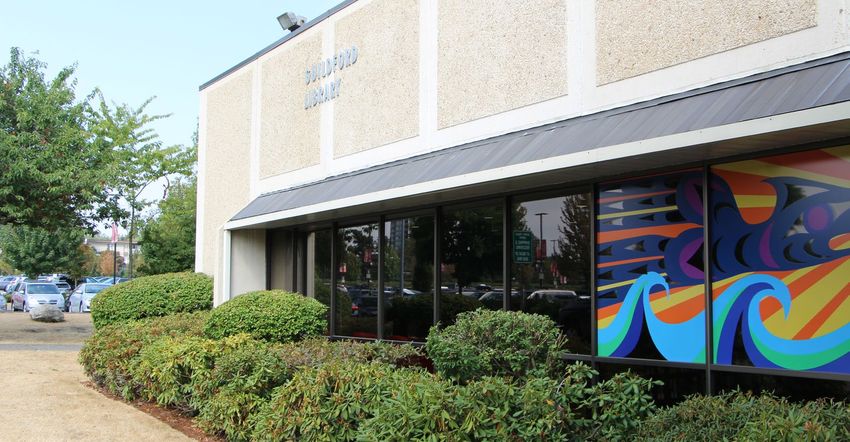
Guildford is the fastest growing community in Surrey, with Surrey Libraries’ branches and digital platforms. This Newton is Surrey’s most populous community and it is A new integrated branch as part of a community centre,
population expected to almost double to 126,700 people in includes traditional educational resources, as well as non- expected to remain so over the next 20 years. Newton is (similar to Clayton in Cloverdale) is in planning stages for
2041. Guildford also has the highest proportion of immigrants traditional content, such as STEM kits or other technology. popular for newcomers, with an immigrant population of 49% Newton and presents opportunities to improve and expand
at 50%, many from China and the Philippines. Despite having The existing space is cramped, and has no access to a proper (the second highest in the city). It is a cultural hub for many library service. Despite being Surrey’s largest community,
an average household income ($87,256/year) close to the loading area, which makes shipping and receiving materials of Surrey’s South Asian residents, with the highest population at an estimated 156,720 people in 2021, Newton has the
city’s average ($93,586/year), Guildford has a significant challenging. proportion out of Surrey’s communities at 58%. Newton has second lowest amount of library space for its residents,
percentage of people considered low-income (20%), the the second highest number of Indigenous residents out of all with a sq ft/capita ratio of just 0.17, which is half of the
second highest in Surrey after Whalley. The second branch in the Guildford community is Port Kells. Surrey communities, second only to Whalley. city’s average. However, overall Newton receives the highest
This is the oldest and smallest branch in Surrey. It is well- number of annual visits and the second highest concentration
Guildford is served both by one of the largest and the smallest loved by its community, but its small and aging building lacks Newton is served by two branches: Newton and Strawberry of visitors per sq ft out of all of Surrey’s communities,
branch in the city: the Guildford branch and the Port Kells opportunities for adaption and expansion. It is also the least Hill, which are both stand-alone branches. Although Newton is meaning that the space it does have is used heavily by its
branch. Guildford was the biggest branch in Surrey until City accessible branch. The smaller branches in Surrey tend to a stand-alone facility, it is located near an ice rink, recreation residents. Following a period of rapid growth, there are new
Centre opened in 2011; however, it remains a popular branch have the most visitors proportional to their size; however, Port centre, seniors centre, and public park. Strawberry Hill is and long-time residents with diverse needs, making Newton in
with the most average annual visitors in the city. Its popularity Kells is the exception, with the second lowest rate of visits per the only leased branch in the library system, part of a mall need of significant new public library space and resources in
can be attributed to its co-location with a recreation centre, sq ft in Surrey after City Centre. With the opening of the new complex, and facing a lease renewal in 2025. This branch has the city.
proximity to the highway for easy access, and ample free Clayton branch, located 4 kilometres away, visits to Port Kells a large Indian languages collection and has one of the highest
parking. The branch attracts many post-secondary students are expected to drop further. With the second highest space visits per capita in the library system.
that use the space to study. ratio in the city at 0.52 sq ft/capita, the current residents
are well served; however, the projected growth, particularly in
Collections Services is located in the basement of Guildford Anniedale, will increase demand for library space in Guildford
branch. This is the central hub for the acquiring, processing, over the next 20 years.
and distributing new physical and digital content across
30 SURREY LIBRARIES FACILITIES MASTER PLAN 2021 – 2041 31SOUTH SURREY WHALLEY (+ CITY CENTRE)
South Surrey is the city’s most spacious community area, and South Surrey is currently served by two branches: Semiahmoo In this plan City Centre is considered a part of Whalley, but Whalley (including City Centre) has one library branch, the
among its most populated. It is projected to have the second and Ocean Park, located within about 6km of each other on data from both are compared in this subsection to provide largest in Surrey at 79,900 sq ft, which opened in 2011. The
highest growth rate, after Guildford, with a 50% increase the community’s west side. Semiahmoo is one of Surrey’s context of this community. Together, City Centre and Whalley branch has by far the highest space per capita ratio in the
from about 97,000 people to an estimated 148,000 in 2041. larger, newer, and more flexible branches, while Ocean Park is are one of Surrey’s most populous communities, second to city, at 0.62 sq ft/capita in 2021, which is almost double
South Surrey’s most densely populated areas are on the west one of the older, smaller, and more intimate branches. Ocean Newton. Both areas have the highest percentage of renters in the city average of 0.35. City Centre branch receives the
side, but much of its expansion will happen in the east in Park is the second smallest branch in the city and it is among Surrey (57% and 37% respectively), and while Whalley has an second highest number of annual branch visits; however, it
areas like Grandview Heights. On average, this community the best used with the highest concentration of visitors per average household income near Surrey’s average, City Centre has the lowest number of visits per sq ft in Surrey, meaning
has the highest household incomes in Surrey and the highest sq ft, while Semiahmoo is more than three times larger but has the lowest average household income ($58,761/year), it has significant potential for growth in its use capacity and
dwelling values in the city (42% higher than the city average receives among the lowest number of visitors per sq ft out of the lowest dwelling unit values, and the highest percentage concentration. The branch is a stand-alone building part
in 2016). South Surrey also has the highest concentration Surrey’s branches. Semiahmoo is one of only two branches of people considered to be low income in Surrey (25%). City of a larger civic centre, including Surrey City Hall, Kwantlen
of people of Caucasian descent (72%) and Chinese descent in Surrey not located on the ground floor level, requiring stair Centre has one of the lowest percentage of immigrants in the Polytechnic University, Simon Fraser University, Civic Hotel,
(15%), compared to other Surrey communities. This or elevator use for access. Users of this branch have been Surrey (30%), but Whalley has one of the highest, at 49%. and a public transportation hub. City Centre registers the
community has the second lowest number of Indigenous noted to struggle with a lack of parking and some barriers Both areas have a diverse array of residents, particularly from highest number of new card holders each year, predominantly
residents, the second lowest density of immigrants compared to entry access. South Surrey has a space per capita ratio Caucasian, South Asian, Chinese, and Filipino backgrounds, to provide access to the public computers.
to the rest of the city (30%), and, despite making up a third of of 0.29 sq ft/capita, which is about average among Surrey’s while Whalley is home to one of Surrey’s largest South Asian
the city’s population overall, has the smallest concentration communities; however, this space serves residents located on communities (51% of the population). Together, City Centre City Centre has a number of specialty spaces, including the
of South Asians residents (6% of South Surrey population, the west side more conveniently than those in the east. and Whalley have the highest number of Indigenous residents READ-Ability program, which offers resources for those with
compared to the Surrey average of 33%). in Surrey, with the former having the highest concentration print, perceptual, or cognitive disabilities. The branch includes
proportional to its total population compared to other extensive social spaces, such as study and lounge seating,
communities (4.6%). multiple different-sized meeting rooms, a meditation space,
and a small café.
32 SURREY LIBRARIES FACILITIES MASTER PLAN 2021 – 2041 33B3 SURREY LIBRARIES BRANCH + USER DATA SPACE PER CAPITA RATIO PROJECTIONS OVER TIME
(if No New Library Space Added)
SIZE: LIBRARY SPACE PER CAPITA
One of the most referenced and analyzed quantitative data Given the significant rate of population growth that Surrey
in library research and design is the sq ft/capita ratio. The is projected to experience, the city’s sq ft/capita ratio will
Canadian average in 2018 was 0.50 sq ft of library space/ decline over the next 20 years without adequate intervention.
capita served, and Surrey is currently at 0.35 sq ft average The graph on the following page (Table 8) shows the rate
across the city. However, the sq ft/capita ratio varies widely at which each community’s space per capita ratio will be
across Surrey’s six communities (see Table 7), with the large impacted by 2041 without additional library space.
City Centre branch in Whalley doubling this average, and the
Newton and Fleetwood communities standing at half the There is great variation in the amount of library space and
Surrey’s average. The space per capita data concludes: population between Surrey’s communities and the impact the
growth of each community will have over time. The Fleetwood
• The space per capita ratio ranges from as low as and Newton communities currently have a sq ft/capita ratio
0.16 to a high of 0.62. that is well below the city average. However, although they are
• Whalley and Guildford have the highest ratios. in the most urgent need for more library space, they may not
experience significant further decline in the sq ft/capita ratio
• Newton and Fleetwood have the lowest ratios.
over the next 20 years because of slower growth. Cloverdale
• Cloverdale and South Surrey have reasonable and South Surrey have a sq ft/capita ratio in line with the
ratios, with 0.29 and 0.33 respectively, but these city’s average of 0.35, but due to rapid projected population
will decline over the next 20 years, as the projected growth these communities will outgrow their existing library
population grows. space in 20 years. The communities projected to face the
• When compared to the national average of 0.50, most dramatic decrease in their sq ft/capita ratio is Whalley
most individual communities, as well as the Surrey and Guildford, which are also the communities which
Libraries system as a whole, have considerably currently have the highest ratios in the city. Although Whalley
less library space per capita than many Canadian is anticipated to see decline in its ratio, by 2041 it will still be
counterparts. in line with the national average, while Guildford’s ratio will is
projected to plummet well below Surrey’s current average.
CURRENT LIBRARY SQ FT/CAPITA RATIO
(by Community) (2021)
TABLE 7: TABLE 8:
Library Space per Capita Ratio Projected Surrey Space per Capita Ratio Over Time
34 SURREY LIBRARIES FACILITIES MASTER PLAN 2021 – 2041 35You can also read


