Sustainability Review - for the year ended 31 December 2018 - Mpact
←
→
Page content transcription
If your browser does not render page correctly, please read the page content below

oop
                el
               th
       ng

         s i
       o
  Cl

Sustainability Review
               for the year ended 31 December 2018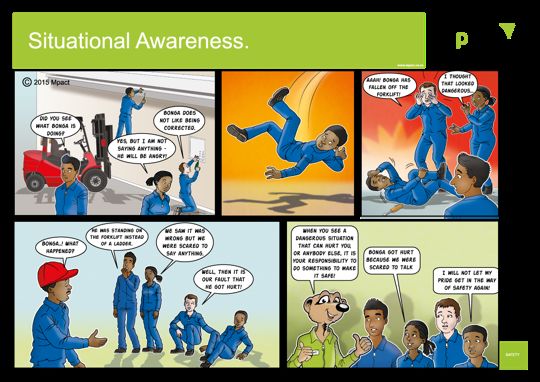
Production

 Mpact’s integrated business
  model focuses on closing
the loop on plastic and paper                Smarter,
 packaging through recycling                 sustainable
      and beneficiation.                     solutions

                                Consumption
Contents
Introduction
Mpact – Closing the loop                                         IFC
About this report                                                 2
Our vision and values                                             4
Key metrics                                                       6

Corporate profile                                                 8
Our operating model                                              10
Strategy and objectives                                          12

Management approach to sustainability                            14

Stakeholder engagement                                           17

Material matters                                                 18

Material theme: Sustaining profitable growth                     20

Material theme: Cost competitiveness and
anticipating and meeting customer needs                          21

Material theme: Being a responsible employer                     22
Employment practices                                             22
Transformation                                                   23
Skills development                                               24
Safety                                                           26
Health                                                           29

Material theme: Being a responsible corporate
citizen                                                          30
Corporate social investment                                      30

Governance                                                       34

Environmental responsibility                                     36

The United Nations Sustainable Development
Goals (UNSDG)                                                    40

                              MPACT Sustainability Review 2018         1
About this report
                                       This 2018 Sustainability Review supplements the 2018 Mpact Integrated Annual Report,
                                       providing additional information of interest to stakeholders regarding the material
                                       sustainability issues facing the Company and its performance in these areas. The
                                       information disclosed in this report covers the activities of the Mpact Group, including
                                       Mpact Limited, its subsidiaries and associates for the financial year ended 31 December
                                       2018.

                                       The focus of the disclosures in the Integrated Report is primarily on meeting the information
                                       needs of providers of financial capital, including shareholders and other funders. This
                                       Sustainability Review provides additional information regarding the inputs and outcomes of
                                       the other capitals defined in the International Integrated Reporting Councils (IIRC) Integrated
                                       Reporting  Framework, primarily human capital, environmental capital and social and
                                       relationship capital.

                                       Additional information on risk management is available in the Group’s Risk Management
                                       Review at www.mpact.co.za.

                                       This report provides an overview of the nature and activities of the Mpact Group, how we
                                       approach sustainability, stakeholders and how we engage with them and the most material
                                       matters facing the Company. These are defined as the matters that could most substantially
                                       impact the Group’s ability to create value and include both financial and non-financial
                                       issues. These material matters have been agreed on and approved by the Board and the
                                       Executive Committee.

                                       The sustainability information in this Sustainability Review is disclosed in accordance with
                                       the GRI Standards: Core and our report against the GRI standards is available on our
                                       website. The Sustainability Review has not been subjected to independent assurance,
                                       although certain information has been scrutinised by the Group’s own internal control
                                       functions, as well as by external assurance providers where this has been deemed relevant
                                       and necessary.

                                       The Integrated Report and Annual Financial Statements are also available on the Mpact
                                       website, www.mpact.co.za. Should you wish to receive a copy of any of these or have any
                                       questions or comments arising from reading this Sustainability Review, please email us at
                                       pntuli@mpact.co.za.

2   MPACT Sustainability Review 2018
Documents available on the website www.mpact.co.za
• Integrated Annual Report
• Mpact King IV register
• GRI Standards: “In accordance”
• Annual Financial Statements
• Sustainability Review
• Risk Management review
BEING A
RESPONSIBLE
EMPLOYER
• Labour relations
• Health and safety
• Diversity
SUSTAINING
PROFITABLE GROWTH
• Operating environment
• Regulatory environment
• Innovation
• Capital funding and allocation
COST
COMPETITIVENESS
AND ANTICIPATING
AND MEETING
CUSTOMER NEEDS
• Managing input cost and
availability
BEING A
• Driving efficiencies RESPONSIBLE
• Implementing capital CORPORATE CITIZEN
projects
• Customer focus • Communities
• Governance
• Environmental responsibility
MPACT Sustainability Review 2018 3Our vision
and values
Building a sustainable business and
contributing to society through innovation
Southern Africa’s largest recycler, paper and packaging producer,
Mpact is committed to:
• acting as a responsible employer and corporate citizen and
managing natural resources with care, sensitivity and expertise;
• meeting and exceeding customers’ requirements for product and
service quality, innovation as well as cost competitiveness;
• providing a safe and secure working environment in which
employees can fulfil their ambitions and aspire to continually
improve their circumstances; and
• achieving sustainable, profitable growth through a focus on
business excellence and strategic expansion in chosen markets.
4 MPACT Sustainability Review 2018Vision
Mpact’s vision is to be a leading packaging business with
the highest ethical standards, delivering exceptional value
for customers, employees, communities and shareholders.
Values
At Mpact we are differentiated by our people who are:
• Ethical
Transparent
Trustworthy •
• Honouring commitments
• Setting and achieving challenging targets
• Continuously identifying innovative ways to
Resolute do things
• Accountable, especially in the face of adversity
• Taking care of their safety, health and personal development
as well as that of their colleagues
• Striving to meet or exceed our customers’ requirements
(internal and external) for product quality, excellent service
Responsible and cost competitiveness
• Treating our natural resources with care and sensitivity
• Doing what it takes to ethically deliver good sustainable
returns to our shareholders
MPACT Sustainability Review 2018 5Key metrics
Revenue Underlying Total gross Return on capital
of operating profit of dividend per share of employed (ROCE) of
R10.6bn R672m 70c 10.7%
(2017: R10.1 billion) (2017: R457 million) (2017: 55 cents) (2017: 7.7%)
Serious injury Recovered Water
CSI spend
frequency rate recyclables consumption
0.65 630kt R3.5m 5.5kℓ/t
per 200 000 (2017: R4.9 million)
(2017: 662kt) (2017: 5.7kℓ/t)
man hours
(2017: 0.60)
Scope 1 and 2 Training and skills
Energy
B-BBEE greenhouse gas development
consumption
6.5GJ/t Level 4
emissions
63,031
(2017: 6.6GJ/tonne)
on the new Codes 0.963 tCO e/t 2 man-hours
(2017: Level 3 on the (2017: 1.032 tCO2e/t) (2017: 70,257
old Codes) man-hours)
19 fully-funded university bursaries awarded through the Mpact Foundation Trust (2017: 22)
6 MPACT Sustainability Review 2018MPACT Sustainability Review 2018 7
Corporate profile
    Mpact is the largest paper                   Our 40 operating sites employed 5,062          and plastic, we reduce the amount of
                                                 employees in South Africa, Namibia and         material going to landfill, promote local
    and plastics packaging                       Mozambique during 2018, generating             beneficiation of raw materials and support
    and recycling business                       revenue of R10.6 billion. Our national         the development of more than 50 small
    in Southern Africa with                      footprint, leading market positions and        businesses.
    customers that include                       proximity to customers contribute to faster
                                                                                                Our liquid packaging recycling plant can
                                                 response times, reduced transport costs
    packaging converters,                        and economies of scale.
                                                                                                recycle 24,000 tonnes of used liquid
                                                                                                cartons a year, saving 65,240m3 of landfill
    fruit producers, FMCG
                                                 Innovation lies at the heart of our strategy   space and approximately 11,400 tonnes of
    companies and other                                                                         carbon emissions.
                                                 to anticipate the needs of our customers
    consumer and industrial                      and create structural and graphic solutions,   Mpact’s PET recycling plant is designed to
    packaging companies.                         as well as value-added services. Some of       process 29,000 tonnes of used PET bottles
                                                 the recognitions received for these designs    per annum saving around 180,000m3 of
                                                 during 2018 are shown on page 5 of the
    Mpact’s integrated                           2018 Mpact Integrated Annual Report.
                                                                                                landfill space and supporting the global
                                                                                                drive to reduce plastic waste. It is the first
    business model is                                                                           plant in Africa to meet The Coca-Cola
                                                 Mpact is South Africa’s largest collector
    uniquely focussed on                         of recyclable packaging (paper, plastic,       Company’s full certification for PET bottles
    closing the loop in plastic                  glass, etc.) and in 2018 we collected          to package its company’s soft drinks,
    and paper packaging                          over 630,111 tonnes of paper and plastic       while the recycling process complies with
                                                 recyclables from pre-and post-consumer         European Union (EU) Food Safety Authority
    through recycling                                                                           specifications.
                                                 sources. By closing the loop on paper
    and beneficiation of
    recyclables.

    Paper division

     RECYCLING                           PAPER                               PAPER                              CUSTOMERS
                                         MANUFACTURING                       CONVERTING
     Collects recyclable                 Makes recycled-based                Makes printed and                  Packaging converters
     paper, plastics and liquid          packaging, industrial               unprinted converted                (containerboard and
     cartons to recycle these            paper grades (such                  corrugated products,               cartonboard), fruit
     to provide feedstock for            as containerboard                   including board used to            producers, FMCG
     the paper and plastics              and cartonboard),                   manufacture corrugated             companies, quick
     divisions, and for sale to          and other converted                 packaging, corrugated              service restaurants,
     external customers.                 paper products. These               boxes, cases, trays,               other consumer and
                                         are used in the paper               point-of-sale displays,            industrial packaging
                                         converting business                 cups, lids, bags, trays            companies.
                                         and sold to external                and napkins.
                                         customers.

    Plastics division
     RECYCLING                             PLASTIC CONVERTING
                                           Makes rigid plastic packaging, including
     Collects recyclable                   polyethylene terephthalate (PET) preforms, trays                       CUSTOMERS
     paper, plastics and liquid            and film, and plastic jumbo bins and crates. Also                      Companies in the
     cartons to recycle these              recycles used or damaged crates and bins.                              food, beverage,
     to provide feedstock for                                                                                     personal care, home
     the paper and plastics                                                                                       care, pharmaceutical,
     divisions, and for sale to                                                                                   agricultural and retail
     external customers.                   MPACT POLYMERS
                                                                                                                  markets.
                                           A bottle-to-bottle recycled PET (rPET)
                                           manufacturing operation.

8     MPACT Sustainability Review 2018
We have a national operating footprint
Mpact’s national footprint, and therefore proximity to its customers,
contributes to faster response times and reduced transport costs.
40
operating sites 5,062
3 countries employees
Level 4
B-BBEE
Mpact Group
Baled recovered paper,
Paper Business
RECYCLING plastic and other
(including Remade) recyclable materials
Containerboard and
PAPER cartonboard
MANUFACTURING
Recovered
External Group Sales
paper
Corrugated boxes,
PAPER other paper packaging
CONVERTING products
Containerboard
and cartonboard
Plastics Business
Corrugated
boxes
Recycled PET pellets:
MPACT SavukaTM PET
Recovered
POLYMERS
PET bottles
Preforms, PET bottles,
PLASTIC jars, trays, film, bins and
rPET CONVERTING other plastic containers
pellets
External sales Inter-segmental sales Inter-divisional sales
MPACT Sustainability Review 2018 9Our operating model
Plastic loop
13,571 tonnes of
Recycled
PET Bottles as raw
PET Pellets
material
MPACT POLYMERS 1,611 tonnes
sold to plastic
This business unit converts converters to
collected used PET bottles make plastic
DECENTRALISED CUSTOMER-FOCUSED STRUCTURE
into recycled PET pellets that products
Step 1 are used internally by the
Mpact Plastics businesses or
Collect and recycle sold to external customers.
Our recycling business,
Mpact Recycling, collects over
630,000 tonnes of paper and
plastic recyclables from pre-
and post-consumer streams.
The recyclables are sorted and Step 2
baled and then put through our
circular value-chain – which
MPACT VALUE CHAIN Prepare for reuse
operates within a decentralised
customer-focused structure.
Our Paper and Plastics
businesses add value to the
recycled materials before
these are sold for customer and
consumer use. MPACT PAPER MILLS
This business unit produces
recycled-based packaging
paper grades such as
containerboard and
cartonboard.
66% of
recovered
paper
is used
internally Rolls and sheets
Recovered paper as
of paper and
raw material
cartonboard
34% of recovered paper is
sold to external customers
Paper loop
10 MPACT Sustainability Review 2018Mpact’s business model epitomises the circular economy, creating value beyond our
immediate operations. Our closed-loop system includes the collection of pre-consumer
and post-consumer recyclable materials which are used to create plastic, paper and
innovative packaging products.
4,440 tonnes
converted Plastic packaging
internally products for a range
Post-consumer recyclables
Pre-consumer recyclables
of sectors
MPACT PLASTICS
This business unit
manufactures a range of
plastic packaging products
that are ready to be used by
Mpact’s customers.
Step 3 Step 4 Step 5
MPACT VALUE CHAIN Convert to product Customer use Consumer use
MPACT PAPER
CONVERTING
This business unit
manufactures premium-
quality packaging products,
provides high-graphic
printing capabilities and other
converted paper products.
Post-consumer recyclables
Pre-consumer recyclables
31% of
products
sold
internally for
conversion Corrugated
and other
paper products
69% of products sold
to external customers
MPACT Sustainability Review 2018 11Strategy and objectives
Mpact’s strategy aims to The core pillars of our strategy are:
Focus on performance
create value for stakeholders We will focus on performance through
Leading market positions
over the long term. effective business excellence programmes
We aim to develop and selectively grow and sound asset management, enabling us
our leading market positions in rigid to sustainably:
plastics, paper-based packaging and
packaging paper in sub-Saharan Africa. • Provide our customers with quality
We will grow by extracting value through products and services worth their price.
business and operational management • Retain a motivated and skilled
expertise as well as product application, workforce.
design and market knowledge.
• Deliver good returns to our
shareholders.
Customer focused
We will further develop our established
manufacturing and service footprint to
deliver superior solutions to our customers,
underpinned by:
• A decentralised structure reflecting
management depth and experience at
all levels.
• Innovative customer-focused product
offerings.
• Leading market positions that
enable us to achieve sustainable
cost-effectiveness through economies
of scale.
12 MPACT Sustainability Review 2018The key principles underlying each strategy pillar are expanded upon in the following table:
Leading market positions Customer-focused Focus on performance
Scale Decentralised structure Financial returns
• Maintain leading market positions in • Customer-centric • ROCE and profitable growth
chosen geographies with scale to enable • Responsive • Disciplined capital allocation and
competitiveness at a decentralised level spending
• Accountable
• May consider entry below leading market • Re-investment and capital allocation
• Flexible
position but always considering sectors based on track record
where there is potential to lead in future • Leverage parenting advantage
wherever possible • Stringent and continuous cost
management
• Effectively execute differing
strategies or even hybrids across • Long-term view of investments
business units • Effective risk management and
governance
Capability Innovation and capability Skilled and motivated people
• Invest in sectors where Mpact has • Applied to products and processes • Invest in support of management with
sustainable competitive advantages or at internally and externally a track record
least has the prospect of developing them • Use of own R&D capabilities where • Reward performance and results and
feasible appreciate effort
• Investing to meet new and • Commit resources to proactive training
emerging demands of customers and development of staff
with good returns • Safety
Products and geographies Intimate understanding of Sustainable practices
• Rigid plastics and paper-based packaging the Value Chain • Responsible environmental
in sub-Saharan Africa • Engage customers and other management
stakeholders to improve supply • Contributing to social upliftment in the
chain efficiency and anticipate areas in which we operate
changing requirements
• Rigorously pursuing the highest ethical
• Product specification bodies, standards in governance
marketing and branding people, key
distribution networks
• Make partnerships work
Specific strategic goals have been developed for the businesses and these are set out in detail in the respective operational reviews.
Anticipating customer needs
Mpact’s customer-focused strategy is develop and test products tailored to their classes. This deepens our relationships
built around premium quality products and specific requirements. Innovation centres with industrial and agricultural customers
developing long-term relationships with at our operations focus on structural and and the range of packaging options we
our major customers to understand their graphic design, and value-added services. can offer has increased significantly.
business. We aim to anticipate their needs Our plastics design studio creates new Customers are increasingly seeing the
and create innovative packaging solutions designs and makes prototype forms for the benefits of paper-based packaging as an
leveraging our well-established research development of new plastic containers. environmentally-friendly alternative and the
and development function. family sharing meal carton we developed
Our ongoing commitment to innovation
for Fishaways was recognised with a
Our company slogan challenges us to looks beyond incremental improvements
Gold Award for Sustainability at the 2018
create Smarter, Sustainable Solutions to existing packaging to identify game-
Gold Pack Awards for its cost-effective and
and we work closely with customers to changing solutions and new product
fully-recyclable design.
MPACT Sustainability Review 2018 13Management approach to
sustainability
Mpact’s focus on business Approach to sustainability • Monitoring and reporting of SHE
performance to the Executive
excellence includes a The Board is assisted by the Social and
Committee every month in the General
commitment to responsible Ethics Committee in monitoring Mpact’s
Management report.
performance as a good and responsible
business practices in corporate citizen. More information on the • Continual enhancement of the SHE
terms of environmental role, responsibilities and activities of the reporting system to improve data
accuracy, relevance, ease of use and
responsibility, excellence in committee during the year is available in
comprehensiveness of reporting.
the Social and Ethics Committee Report
safety, social sustainability on page 48 of the Integrated Report . • Quarterly presentations by the GRSM
and the principles of good on SHE performance to the SHE
Policies and procedures are in place to
corporate governance. address disciplines including safety, health,
Management Committee (consisting of
the Mpact Executive Committee and
These concepts are evident environment and energy, transformation,
other invited attendees) and the Social
in our slogan “Smarter, procurement, human resources, financial
and Ethics Committee of the Board.
management and maintenance. These
Sustainable Solutions” policies set the framework within which
SHE strategy development is also
discussed at these meetings.
and are integrated into Mpact manages its business and, together
• Annual visits by the GRSM to
our strategy and business with its Code of Ethics, provide a blueprint
operational sites to interact with
for employees, suppliers and partners
activities. to ensure a co-operative, co-ordinated management and SHE officers on site,
approach. regarding SHE performance and plans,
and to communicate strategic initiatives
Sustainable development is coordinated by in SHE management.
the Group Risk and Sustainability Manager
• Five-year management plans have been
(GRSM), who drives continual improvement
developed for energy (including CO2e
across the operations in industrial safety,
emission management), water and
health and environmental (SHE) standards.
waste across the business.
This is achieved through:
• A Centre of Excellence meeting for
• Twice-yearly SHE Centre of Excellence human resources is held twice yearly
meetings at which representatives of under the supervision of the HR
all Mpact sites are invited to participate Steering Committee.
in discussions and receive direction
on safety, health and environmental Stakeholder engagement is a fundamental
management. input into our approach to sustainability.
Engagements with relevant stakeholders
• Within the Risk and Sustainability
include critical sustainability issues such
portfolio, the Group Energy Manager
as workplace safety, future resource
similarly conducts Energy Centre of
constraints, employment practices,
Excellence meetings to drive energy
transformation, diversity, the regulatory
management strategy through the
environment and broader social issues
business.
affecting the country. Our approach to
• Setting challenging safety and stakeholder engagement is discussed
environmental targets, in discussion in more detail on page 17, including a
with the Executive Committee and summary of our key stakeholder groups
Board. These are communicated to and examples of key engagements during
the sites and disclosed in the annual the year.
Sustainability Review.
14 MPACT Sustainability Review 2018Standards and product responsibility
Mpact subscribes to various internal and international standards against which its operations and products are certificated. These include:
Internal standards International standards
• Enterprise Risk Management Guidelines: Guidelines for • ISO 9001: Quality management standards applicable to all
managing business risks and insurance. Mpact manufacturing operations.
• Risk Control Standards: Guidelines for risk control, fire
defence, safety and health, motor vehicles, and environmental • ISO 14001: Environmental management standard applicable to
management. the Group’s Paper, Corrugated and Recycling operations.
• Mpact management systems: Consisting of policies,
procedures and work instructions dealing with an array of • Forest Stewardship Council (FSC) standards applicable to
management requirements throughout the business. the Group’s paper mills and corrugated plants.
• Safety plan: This is reviewed annually and rolled out to all sites • German Federal Institute for Risk Assessment (BfR)
where site-specific action plans are developed to meet the Recommendation XXXVI: Food contact safety standard for
safety plan requirements. packaging papers.
• ISO 22000:2005: Food packaging safety standard applicable
to plastics and corrugated containers used for the packaging
of food.
• British Retail Consortium (BRC): FSSC food safety
certification and other customer-specific certification at some of
the plastics and corrugated plants as required by customers.
MPACT Sustainability Review 2018 15Management approach to sustainability (continued)
Audits and external assurance
Compliance with standards and legislation across the Group is monitored through comprehensive internal and external audits of various
management systems, some of which are detailed in the table below. Non-compliance issues and recommendations arising from audits are
managed closely at operational level to ensure compliance.
System External audits
External audit of financial information and controls Deloitte & Touche
Internal audit of financial controls KPMG
Insurance audits of fire and other insurance risks Marsh
Safety legal and environmental management audit Legal Consulting Services
Safety and environmental legal register Standards and Legal
B-BBEE Scorecard Siyandisa Verification Solutions
South African National Standards SANS
ISO 9001 (Quality standard) SABS, iCert, SGS, DQS, BV
ISO 14001 (Environmental management standard) SABS, iCert, SGS, BV
ISO 45001 (Occupational health and safety management standard) SABS, DQS
Forest Stewardship Council SGS
Fire defence Marsh, ASIB, various others
Occupational health Life OHS, various others
Lifting equipment Various
Environmental legal Mark Ditke, Nancy Oosthuizen, Green Gain
Safety legal Mark Ditke
ISO 22000 (Food safety management standard) SABS
BRC (Food safety) Annalie Coetzee
FSSC 22000 (Food safety) SAI Global
Other food safety DQS, FSSi
Other (PEFC) SGS
Boiler GO (AIA) KIS
Boiler annual inspection (AIA) KIS
Pressure vessels (AIA) SAIBA
LP gas certificate Various
16 MPACT Sustainability Review 2018Stakeholder engagement
Mpact engages with stakeholders on an ongoing basis to We were also active in various forums that participated in President
understand their key concerns and identify ways to address the Ramaphosa’s growth agenda. Our participation in the organisations
various social, economic and environmental challenges they representing the plastics industry, including PETCO, POLYCO and the
and the Group face. Transparent and open communication with Polystyrene Packaging Council, during the year aimed to ensure that
stakeholders is critical to the long-term success of the Company. discussions around the future of plastic are supported by a broader
These engagements provide input that helps to strengthen our factual and scientific understanding.
programmes, identify opportunities and material issues, and
ensures compliance with the Companies Act and King IV. CEO Imbizos to build employee engagement
The annual CEO Imbizos that are held at the operations create an
The committee reviews quarterly reports on Mpact’s engagement
opportunity for senior management to meet with all levels of the
with stakeholders and further reviews a list of its primary
workforce, engage with them around their key concerns and present
stakeholders annually to ensure it reflects the key groupings with
the results and current position of the business.
which Mpact interacts. The Group’s Stakeholder Engagement
Policy is also reviewed annually. The concerns employees raised with the CEO through these forums
have improved our understanding of the socio-economic pressures
Mpact’s primary stakeholder groups are shown in the diagram
on workers. These issues include access to housing, education for
below.
their children, personal security, the cost of transport and medical
services, transformation, poor economic growth and high levels
of personal debt. In 2018, we launched a wellness programme
that aims to improve employee wellbeing by offering health, social,
Employees psychological, financial and legal support.
Analysts, shareholders and potential investors
Industry Customers Mpact has an in-house communications manager who is supported
associations and suppliers by an investor relations consultant to ensure clear communication of
key information to the investment community. Senior management
Mpact engage with analysts, shareholders, the broader investment
community and other providers of financial capital on an ongoing
Shareholders, basis, including through results presentations, investor road shows,
Communities investors and site visits and through our website. Where requested, management
financial holds one-on-one meetings with key investors and potential
institutions investors.
Government
and regulators Progress on key projects
We are pleased that the committee enhanced its monitoring of
activities across the Group and appreciate further progress made on
the following projects undertaken:
Examples of key engagements conducted during 2018 include • The Excellence in Health and Safety awards, Behaviour-Based
those discussed below. Safety Programme and Mpact Safety Culture Awareness
Programme.
Industry bodies
Mpact is active in a range of industry organisations to ensure that • Improved the Health and Safety Standards by the implementation
our stance on issues that affect our operations are well understood of the Mpact Safety Plan which covered the Mpact Safety Culture
and communicated effectively to government and regulators. In cartoon awareness series; monitoring of leading indicators and the
2018, we participated in the development of the Packaging South Behaviour-Based Safety programme. Details of these are provided
Africa Industry waste management plan which was submitted in the Sustainability review.
to the Department of Environmental Affairs in September 2018. • Internal plans to proactively address developments in carbon
The plan provides a consolidated multistream industry waste- legislation including the Carbon Tax, Carbon Budgets and the
management plan for the paper and packaging sector and has Greenhouse Gas Pollution Prevention Plan.
a five-year goal to increase recycled tonnage from 2.2 million
tonnes (58.2%) to 2.7 million tonnes (66.9%) of total paper and • Energy improvement initiatives which covered PV solar plants and
packaging. It forms part of a bigger strategy to transition South installation of meters at all plants.
Africa towards a circular economy. Mpact representatives engaged • Environmental targets for 2020.
with government, the Department of Environmental Affairs and
other key stakeholders as part of the process.
MPACT Sustainability Review 2018 17Material matters
Our material matters are Material matters are identified from a range of sources, including:
those factors that have the • operational issues;
highest potential to affect • the main concerns expressed by key stakeholders in informal and formal
Mpact’s ability to create interactions during the year;
value for our stakeholders in • developments in relevant legislation and regulation;
the short, medium and • sustainability and integrated reporting guidelines and best practice; and
• a media review and a gap analysis against local and international peer
long-term.
reporting.
These matters are assessed against risks and opportunities identified as part of the risk assessment process, which includes a review of
economic, environmental and social impacts, risks and opportunities. The Board and Exco review and agree on the most material matters,
which are then approved by the Board.
The material matters identified in last year’s report were reviewed and remain valid for 2018. These are grouped into the four themes shown below:
Sustaining profitable growth Where addressed in the integrated report
Operating environment Chairman’s message page 24, CEO report page 28
• Macroeconomic environment Operating context page 32 and 40
Regulatory environment Chairman’s message page 24, Governance page 63
Risk Management page 68
Capital sourcing and allocation CEO report page 28, CFO review page 94
ost competitiveness and anticipating
C
and meeting customer needs
Managing input cost and availability CEO report page 28 (IR), Operations reports page 32 and 40 (IR)
• Raw material cost and availability SR page 46 (IR)
• Energy cost and availability Operations reports page 32 and 40 (IR), SR page 46 (IR)
• Water cost, availability and quality Operations reports page 32 and 40 (IR), SR page 46 (IR)
• Labour cost SR page 46 (IR), Value added statement page 54 (IR)
Innovation Chairman’s message page 24 (IR), CEO report page 28 (IR)
Customer focus CEO report page 28 (IR), Strategy and objectives page 18 (IR)
CEO report page 28 (IR), Operations reports page 32 and 40 (IR)
Driving efficiencies SR page 46 (IR)
• Production efficiency CEO report page 28, Operations reports page 32 and 40 (IR)
• Skills SR page 46 (IR)
Implementing capital projects CEO report page 28 (IR), CFO review page 94 (IR)
18 MPACT Sustainability Review 2018Being a responsible employer
• Labour relations CEO report page 28 (IR), SR page 22
• Health and safety CEO report page 28 (IR), SR page 26
• Diversity CEO report page 28 (IR), SR page 22
Being a responsible corporate citizen
• Corporate social responsibility SR report page 30
Governance Governance page 63 (IR)
• Ethics and human rights Governance page 63 (IR)
• Compliance Social and Ethics report page 48 (IR)
• Customer health and safety Corporate Governance report page 63 (IR)
• Security (physical and ICT) Risk management page 68 (IR)
Environmental responsibility
• Climate change Environmental responsibility page 36 (SR)
• Water Environmental responsibility page 36 (SR)
• Emissions Environmental responsibility page 36 (SR)
• Waste Environmental responsibility page 36 (SR)
• Recycling Environmental responsibility page 36 (SR)
SR – Sustainability Review
MPACT Sustainability Review 2018 19Material matters:
Sustaining profitable growth
The end users of Mpact’s core products Access to financial capital to maintain and
are consumers and the factors that affect grow is a fundamental requirement for any
consumer demand have an impact on business and responsible and effective
demand for our products. The current allocation of capital is a key concern for
uncertain and volatile socio-political and shareholders and investors. Mpact focuses
macroeconomic context in South Africa, on return on capital employed (ROCE) a
combined with poor economic growth key performance metric and includes it in
and low levels of consumer and investor the calculation of the long-term incentives
confidence, affect demand for paper, for executive directors and prescribed
packaging and plastic containers. officers.
The agricultural sector is a key market for The Mpact Polymers balance sheet was
our converted paper products and our successfully restructured in July 2018
plastic bins, pallets and crates. Demand with the IDC senior loan facility converted
for these products was affected by the into an R83 million interest-bearing loan
drought in the Eastern and Western Cape at Prime +1% and a R146 million non-
as crop volumes decreased, although the interest-bearing subordinated loan. As part
drought appears to have eased. of the restructuring, the IDC increased
its shareholding in Mpact Polymers by
The complexity and changing requirements
10% at nominal value and now holds
of the regulations that apply to business
31%, with Mpact holding 69%. A further
in South Africa as well as the specific
cash injection was received by way of
legislation that affects our operations,
shareholders subscribing for preference
creates a challenge to ensure ongoing
shares of R90 million, ranking ahead of
compliance and to manage the impacts
subordinated loans.
on our operations. The implementation of
the Sugar Tax in 2018 affected soft drink Refer to Mpact’s 2018 Integrated Report
sales and volumes for the plastic bottles for more information on the Company’s
we manufacture for our customers. Other strategy and activities to sustain profitable
regulatory complexities that we continue to growth in 2018.
monitor and evaluate include the carbon
tax, waste levies, sugar tax, and the
changing requirements of Broad-Based
Black Economic Empowerment legislation.
SUSTAINING
PROFITABLE GROWTH
• Operating environment
• Regulatory environment
• Innovation
• Capital funding and allocation
20 MPACT Sustainability Review 2018Material matters:
Cost competitiveness and anticipating and
meeting customer needs
Both the Paper and Plastics businesses energy consumption has improved 15%
operate in intensely competitive since project conceptualisation in 2014.
environments, which affect pricing power. However, the continued increase in the
Mpact’s goal is to meet and exceed our cost of labour, particularly where this is
customers’ expectations for product not matched by increased productivity,
quality, service and innovation in a cost- or where driven by unanticipated
effective way. Managing the availability and consequences of new labour legislation, is
cost of inputs, such as PET, polymers, an ongoing concern.
recovered fibre, water, electricity and
Innovation is a key strategic focus at
labour, is an important aspect of cost
Mpact to identify better ways to do things,
management. Our integrated business
introduce cutting-edge technology to
model also provides excellent access
South Africa that supports the move to
to recovered fibre at a reasonable price
the circular economy and deepen long-
through the activities of our Recycling
term relationships with major customers
operations.
by anticipating and meeting their needs.
The impact of the structural changes to Mpact’s innovation centres research and
the Chinese waste market on the price and design structural and graphic solutions,
availability of recovered paper in the South food safety, and value-added services that
African market moved from a negative for deliver on our slogan by creating ‘Smarter,
Mpact in 2017 to a positive in 2018 as Sustainable Solutions’.
availability improved and pricing fell.
Refer to Mpact’s 2018 Integrated Report
Rand volatility affects our business through for more information on the Company’s
the cost of imported inputs including strategy and activities to manage costs
polymers for our plastics business and inks and meet customers’ needs in 2018.
for our paper converting business. It also
affects the price of imported competing
products and the Rand price we realise on
paper exports.
Mpact’s significant recent investments in
modernisation and strategic acquisitions
support our customer-centric business
model and commitment to business
excellence. As these investments approach COST
their full planned efficiencies, they improve COMPETITIVENESS
production efficiencies and economies AND ANTICIPATING
of scale, and position the Group well for AND MEETING
improvements in economic conditions. CUSTOMER NEEDS
The benefits of these projects include
• Managing input cost and
reduced capital, maintenance and waste,
availability
improved water and energy efficiency,
• Driving efficiencies
labour productivity and quality of product.
The rebuild at Felixton Mill, for example, • Implementing capital
is delivering savings of 32% in water projects
use per tonne of paper produced and • Customer focus
MPACT Sustainability Review 2018 21Material matters (continued)
Being a responsible employer
Our employees are a critical resource who Headcount by:
are essential for creating sustainable value
Rest of
for the Group and its stakeholders. We
South Africa sub-Saharan Africa Total
aim to establish a work environment that
is safe, stimulates engagement and is well 4,956 106 5,062
Geography 98% 2%
governed, with an emphasis on diversity
inclusion and skills development. Male Female Total
Mpact’s human resources policies and 3,751 1,311 5,062
Gender 74% 26%
procedures focus on attracting, developing
and retaining the talent and experience Paper Plastics Total
required to deliver on our strategy. Our Fair 3,355 1,707 5,062
Employment and Promotions Philosophy Division
66% 34%
emphasises that there is a place for all
people in Mpact and entrenches merit-
based employment equity to address Employment practices
diversity throughout the organisation, Mpact aims to be an employer of choice and our Fair Employment and Promotions
especially regarding race, gender and Philosophy promotes the practice of attracting the best talent through transparent selection
disabilities. processes. We provide a range of benefits to employees, including membership of
At 31 December 2018, Mpact employed retirement funds, access to medical aid schemes and primary healthcare, study assistance
5,062 (2017: 4,889) people.4,956 of and incentive bonuses.
these were employed in South Africa We respect the dignity and worth of individuals, and we fully support the constitutional
(2016: 4,790) and 106 in Namibia and rights of the individual to freedom of association, the right to collective bargaining and the
Mozambique (2016: 99). The headcount right to be a member of a union of choice.
figure includes full-time and part-time
permanent employees on Mpact’s payroll Various unions represent approximately 56% (2017: 52%) of the workforce, with the
and excludes temporary workers and majority belonging to the unions detailed below:
contractors paid by a third party provider.
Union representation 2018 2017 2016 2015
Total employees CEPPWAWU 22% 23% 23% 27%
6 NUMSA 16% 13% 12% 11%
5 CWAWU 7% 7% 6% 6%
4
SATU 4% 4% 4% 5%
3
Other unions 6% 5% 8% 8%
2
1
4.126 4.467 4.998 4.889 5.062 Total 56% 52% 54% 57%
0
2014 2015 2016 2017 2018
Mpact is a member of and represented by a senior human resource manager on various
The distribution of employees by bargaining councils including:
geography, gender and division is shown
in the graph and table alongside. Details • The Statutory Council for the Paper Packaging Industries Bargaining Forum;
of the representation by ethnic groups is • The Bargaining Council of the Wood and Paper Sector; and
available in the Transformation section on • The Metal Industries Bargaining Council.
page 24.
BEING A
RESPONSIBLE
EMPLOYER
• Labour relations
• Health and safety
• Diversity
22 MPACT Sustainability Review 2018Transformation resulted in a decrease of our Status level from Level 3 in 2017 (under the Old Sector
Codes). The improvement in the overall score demonstrates the efforts made to improve our
Mpact is committed to transformation
transformation performance.
and recognises the benefits of a diverse
and representative workforce. We see The full B-BBEE certificates for Mpact Operations and Mpact Limited (which includes the
transformation and the sustainability of non-South African operations) are available on our website.
the business as inextricably linked. The
Element 2018 2017
Group Transformation Philosophy and our
transformation goals reflect our vision, core Ownership 19.05 17.84
values, culture and approach to people Management control 10.64 9.14
development at all levels in the business. Employment equity N/A 4.26
Our transformation activities aim to add Skills development 14.78 9.45
value, demonstrate true empowerment Preferential procurement N/A 18.82
and contribute to the sustainable future Enterprise development N/A 15.00
of our organisation and our society. We
Enterprise and supplier development 34.42 N/A
approach transformation from the premise
of sustainability and inclusiveness to ensure Socio-economic development 7.48 8.00
that most of our stakeholders benefit Overall B-BBEE score 86.37 83.36
over the long term. Specific activities are B-BBEE status level 4 3
managed and monitored in the following N/A – Not applicable as the New Codes combine certain of the indicators from the Old Codes
areas:
Employment equity
• Employment Equity Plan
Mpact is committed to our employment equity (EE) plan to create a workforce that
• Black ownership and management
reflects the country’s demographics and entrenches fair employment practices. Achieving
control
representivity is challenging in specialist and management roles due to the shortage of
• Skills development highly qualified skills in South Africa, a challenge which is common across many sectors.
• Preferential procurement
Our EE plan aligns with our Fair Employment and Promotions Philosophy, which drives
• Enterprise and supplier development merit-based recruitment and promotion of appropriate candidates that address the issue of
• Socio-economic development diversity throughout the organisation. The EE targets set in the plan closely align with those
set in the Employment Equity Act.
The Mpact Foundation Trust was
established as a vehicle both for B-BBEE Transformation Committees are in place at Group, divisional and operational level to drive
ownership and to channel the benefits of transformation. Progress is monitored by the Human Resource Steering Committee, which
ownership to selected beneficiaries. The gives regular feedback to the Social and Ethics Committee.
Trust focuses on higher education and in
Employees by demographic (South Africa only)
2018 awarded a further 15 fully-funded
bursaries to dependants of Mpact’s
employees. More information on the goals 60
and activities of the Trust are available in 13%
50
the Mpact Foundation Trust Report on
page 55 of the Integrated Report. 44%
40
We report our transformation progress
against the Forest Sector Code issued 30
7%
under Section 9(1) of the Broad-Based
Black Empowerment Act No 53 of 2003 20 4%
at the level of Mpact Operations, which 16%
10 1%
houses the South African subsidiaries. 10%
In 2018, Mpact Operations achieved a 5%
Level 4 B-BBEE Status Level under the 0
African White Coloured Indian
New Codes, as determined by Siyandisa
Verification Solutions. While our overall Male Female
B-BBEE Score improved, the more
demanding targets set in the New Codes
MPACT Sustainability Review 2018 23Material matters: Being a responsible employer (continued)
Workforce diversity profile (South Africa only)
African White Coloured Indian
Male Female Male Female Male Female Male Female Total
Top
Management – – 2 – – – – – 2
Senior
Management – 3 31 2 – – 6 1 43
Middle
Management 28 12 123 45 31 8 42 17 306
Junior
Management 375 92 265 106 141 61 87 22 1,149
Semi-Skilled 1,220 184 40 61 445 93 73 18 2,134
Unskilled 557 333 6 160 195 18 3 1,272
Temp 11 28 3 3 1 1 3 50
Total 2,191 652 470 217 778 358 229 61 4,956
Representation of previously disadvantaged individuals (PDIs) (South Africa only)
Level 2018 2017 2016 2015 2014
Junior management 77% 76% 75% 74% 73%
Middle management 60% 57% 54% 54% 53%
Senior management 28% 30% 30% 30% 27%
Equity ownership
The Mpact Foundation Trust holds 10% of Mpact Operations and this translates into
ownership of the company by black individuals of 15.63% at 31 December 2018
(2017: 15.63%). There was an increase in the ownership by black women to 10.27%
(2017: 9.465%), which provides 19.05 (2017: 17.84) points out of the B-BBEE target of
25 for black ownership.
Skills development
Mpact’s skills development interventions aim to attract, develop, retain and motivate our
employees to perform optimally and collectively. Our goal is to create a working environment
that is conducive to learning and development to sustain the competitiveness and
sustainability of the Company. The effectiveness of learning and development interventions
is monitored in individual development plans, performance targets and the Group’s
competencies applicable to each talent segment.
2018 2017 2016 2015
Employees trained 4,462 3,982 3,884 3,364
Hours of training 63,031 70,257 88,838 67,412
Learners and apprenticeships 191 224 279 206
Investment in skills development R12.5m R7.8m
Training includes on-the-job learning and formal skills development that is delivered either by
staff members or through partnerships with educational institutions. Training areas include:
• legal compliance
• safety, health and environment
• pulp and paper technology
• operational skills
• leadership development
• computer training
24 MPACT Sustainability Review 2018Mpact encourages further education by providing financial assistance to employees for Mpact Unemployed Youth
part-time tertiary study.
Learnerships
There are various apprentice and learnership programmes in place at Mpact operations Mpact partners with Skills Education
to build a skills pool of better-equipped and motivated employees. In 2018, the Company Training Authorities (SETA) South
supported 191 people on apprentice and learnership programmes (2017: 224), of whom Africa to support skills development in
92% (2017: 95%) are from previously disadvantaged backgrounds and 31% are black unemployed youth. Mpact sponsors
women. 25 unemployed black disabled learners
through the Johannesburg Council for
There are various skills development programmes in place at each of the operations. These
the Disabled (JOCOD) in Lenasia. The
include the initiatives discussed below.
learners completed a Fibre Processing and
Corrugated Epping Learnership Programme Manufacturing (FP&M) SETA-accredited
Eleven employees at Corrugated Epping completed the In-House Learnership Programme course: Clothing Manufacturing Processes
in March 2018. The candidates completed a combination of theoretical and practical – NQF level 1 (commenced 2016) and
modules compiled from the constituent modules of the formal apprenticeship programme, level 2 (commenced 2017). In November
and completed detailed assessments on each module before being declared competent. 2018, the 25 learners started a Business
The two learning pathways followed were Corrugated Board Manufacturing Machine Administration – NQF level 3 learnership,
Minding, and Printing and Finishing Machine Minding respectively, leading to a certificate which will provide them with the requisite
of competence in Good Manufacturing Practices in either Corrugator or Converting capabilities to turn the skills learned in
respectively. The new skills position these employees well to further their careers at Mpact the prior two years into entrepreneurial
and the operation benefits from the improved efficiencies resulting from their updated skills. ventures.
In December 2017, the project was
Felixton Mill Production Learnership Programme expanded to Soweto with a further 25
Felixton Mill recruited 12 production pre-learners for a three-month learning period during unemployed black disabled learners
2018. During the learning phase, the learners were assessed and successful candidates supported at the Self Help Association
qualified to start the internal learnership programme which includes the registered Pulp and of Paraplegics (SHAP) in Soweto.
Paper making programme. All learners selected are from designated groups as defined by These students completed the Clothing
the Employment Equity Act. Manufacturing Processes – NQF level 1
last year and have started level 2.
Mpact Pinetown Apprenticeship Programme
Mpact Pinetown had six candidates on its apprenticeship programme in 2018. We are Black African females comprise 68% of
particularly proud of one of our candidates, Mr Lucky Dludla (a multi-skilled operator), the group. Mpact covers the cost of the
who completed his TT3 Block and was recognised as the Top Achiever in the province of training and provides a monthly stipend for
KwaZulu Natal and placed second in the country. each student. Once the learners complete
all three years of study in the course
Corrugated Epping Apprenticeship Programme they will be trained and skilled in making
The second batch of apprentices from Corrugated Epping successfully completed their complex items of clothing.
first block of Trade Theory theoretical studies at the end of July 2018. The Trade Theory 1
studies comprise three modules in Packaging Studies, Printer’s Machinery and Business
Studies. Four of our candidates achieved a final mark in excess of 70% for the National
examinations.
MPACT Sustainability Review 2018 25Material matters: Being a responsible employer (continued)
Safety Safety, health and environmental training
is provided at compulsory induction
Mpact is committed to providing a safe and healthy working environment for all employees,
programmes for all new employees,
contractors and service providers. We subscribe to the principle of “Zero harm” and the
contractors and visitors. This is
CEO’s Safety, Health and Environmental (SHE) Philosophy emphasises that all injuries,
supplemented by annual re-induction for
occupational illnesses, safety and environmental incidents and fires are preventable and that
all employees, permanent contractors and
the target for these incidents is zero.
service providers. Additional safety training
The SHE Philosophy is based on three important principles: and awareness campaigns are also held
during the year.
• Individuals are responsible for their own safety.
• Adherence to the ‘Fire and Safety Rules to Live By’ is the minimum standard throughout Mpact’s comprehensive contractor safety
Mpact. management programme ensures all
contractors on our sites are afforded the
• There is no differentiation in the treatment and expectations of employees, contractors
same high standard of safety care as
and service providers.
employees.
Safety, health, environment and fire defence systems are the responsibility of senior
management, assisted by line managers at each operation who are accountable for the
well-being of employees. Safety committees are in place at each operation to implement
Group safety policies at the facilities.
Mpact’s Safety Plan is reviewed at Group level at the start of each year and cascaded
down into the operations. Each operation develops their own roll-out plan to satisfy the
Safety Plan. The Mpact Risk Control Standards are standards and guidelines relating to a
wide spectrum of safety, health, fire protection, security, emergency preparedness, vehicle
control, and environmental management. Marsh Risk Consulting routinely audits an annually
selected set of sites against these standards.
26 MPACT Sustainability Review 2018Reports are prepared in the event of serious injuries (restricted work cases, lost-time injuries planned job observations against Safe
and fatalities) to identify the root cause of the incident and to distribute learnings throughout Work Procedures (SWP or SOP) that
the Group. identify the safest and most efficient
procedure for the task.
Safety performance is included in the calculation of management performance bonuses
against their roll-out of the Mpact safety programme at their site. The Mpact Safety Culture cartoon series
aims to make safety awareness accessible
Safety systems to the entire workforce. “Sam” the safety
Mpact’s safety systems rely on three levels of intervention: mascot champions all communications
on safety and personifies the Mongoose
Primary Secondary Tertiary
safety award. Operations compete annually
Physical interventions to Safety systems that control the Creating a safety culture for the Excellence in Health and Safety
provide a safe working way people interact with work Awards, an internal award for excellent
environment hazards performance in these areas.
Includes: Includes: Includes:
• machine guarding • CEO’s SHE Philosophy • the Behaviour-Based Safety performance
• designated walkways • Mpact’s Safety Plan Safety programme
2018 was a challenging year for Mpact
• The Safety, Health and • the Mpact Safety
• safety railings with respect to safety. It is with heartfelt
Environmental Policy Culture cartoon series
• equipment inspections regret that we report the death of Mr
• Mpact’s Fire and Safety
Maans Swart, an electrical engineer at
• personal protective Rules to Live by
Springs Paper Mill, who was electrocuted
equipment • Hazard Identification Risk
while working on 6.6kV switchgear.
• alcohol testing Assessments (HIRAs) and
Safe Work Procedures Mpact employees and contractors
(SWPs) to address risks sustained 32 lost time injuries (LTIs)
• Mpact Risk Control in 2018, up from 26 in 2017, and 13
Standards restricted work cases (RWCs) (2017: 16).
• Mobile device and smoking Our primary safety measure is the serious
policies injury frequency rate (SIFR), which includes
RWCs, LTIs and fatalities, as we believe
Primary and secondary interventions are guided by, and comply with, the Occupational this index more accurately reflects the
Health and Safety Act. impact of safety incidents on the lives of
our people. The lost time injury frequency
Developing a safety culture
rate (LTIFR) per 200 000 man hours rose
Mpact’s Behaviour-Based Safety programme identifies unsafe behaviours and eliminates to 0.47 from 0.37 in 2017, and the serious
barriers to safety by using three levels of behaviour observation – injury frequency rate increased to 0.65 from
visible felt leadership (VFL), peer observation of barriers to safe working behaviour and 0.60 in 2017.
MPACT Sustainability Review 2018 27You can also read


