Sustainable thinking, practical solutions - Picton Property Income Limited Sustainability Report 2020
←
→
Page content transcription
If your browser does not render page correctly, please read the page content below
Sustainable thinking,
practical solutions.
Picton Property Income Limited
Sustainability Report 2020
Picton Property Income Limited Sustainability Report 2020   Introduction   Sustainable Buildings        Our Environment               Our Stakeholders          Our Employees            Appendix        1

Introduction
Welcome

Welcome to our 2020
                                                                                                   Introduction                                          Our Stakeholders
                                                                                                   2020 Highlights                                  2   Summary	                                  28

Sustainability Report
                                                                                                   Picton at a Glance                               3   Working with our Occupiers                29
                                                                                                   Leadership Letter                                4   Working with our Suppliers                30
                                                                                                   Our Approach to Sustainability                   6   Working with our Communities              31

                                                                                                   Sustainable Buildings                                 Our Employees
                                                                                                   Summary14                                            Summary                                   32
                                                                                                   Our Sustainability in Action                    15   Employee Engagement                       33
                                                                                                   Health and Safety                               16   Training and Development                  34
                                                                                                   Wellbeing and Satisfaction                      17
As a responsible landlord, we integrate                                                            Sustainable Buildings                           18   Appendix
sustainability into our business activities,                                                                                                             EPRA Commentary                           36
for both ourselves and our stakeholders.                                                           Our Environment                                       EPRA Disclosures                          38

We are committed to conducting business                                                            Summary21
                                                                                                   Climate Change Mitigation and Adaptation        22
                                                                                                                                                         EPRA Performance                          40
                                                                                                                                                         Glossary 	                                51
responsibly and in a way that makes a                                                              Biodiversity 	                                  25   Contacts and Resources                    53
positive contribution to society, whilst                                                           Water Consumption                               26
minimising any negative impact on people,                                                          Materials and Waste	                            27

local communities and the environment.

                                                                                                   Visit our website
                                                                                                   www.picton.co.uk
Picton Property Income Limited Sustainability Report 2020   Introduction            Sustainable Buildings   Our Environment         Our Stakeholders    Our Employees           Appendix      2

Introduction
2020 Highlights

Key                                                         How we performed in 2020
highlights                                                      Our approach to                              ӱӱ Proactively introduced a series
                                                                                                                of green clauses into our new
                                                                                                                                                       Working with our
                                                                sustainability                                  leases and developed a tracking        stakeholders
This year we have focused                                                                                       mechanism to monitor inclusion
on re-assessing our approach                                    ӱӱ Embedded sustainability into our                                                    ӱӱ Carried out an occupier survey
                                                                   business model and strategy                                                            to understand and act on
to sustainability and
specifically the elements of                                    ӱӱ Improved our GRESB score by               Focusing on the                              sustainability issues

environmental, social and
                                                                   11 points
                                                                                                             environment                               ӱӱ Implemented sustainability
                                                                                                                                                          workshops at a number of
governance (‘ESG’).                                                                                          ӱӱ Reduction in Absolute GHG Scope
                                                                                                                                                          properties
                                                                Ensuring our buildings                          1 emissions of 8% and Scope 2          ӱӱ Installed new occupier amenities

We have continued to develop our                                exceed expectations                             emissions of 14%                          as part of refurbishment projects

environmental initiatives and this year we                                                                   ӱӱ Reduction in energy intensity
have included sustainability measures into                      ӱӱ Improved our A to D EPC ratings              (Scope 1 and 2) of 27%
our building refurbishment programme.                              from 82% to 89%
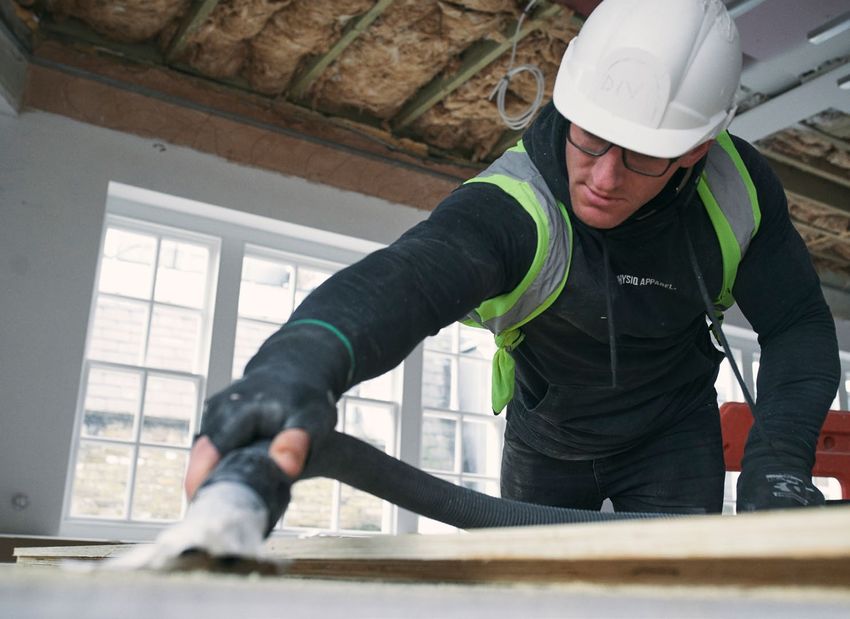
                                                                                                             ӱӱ Installed a green wall as part of an
                                                                                                                                                       Focusing on our
                                                                ӱӱ Re-assessed 39 EPCs, of which                office refurbishment                   employees
                                                                   100% are MEES compliant and
        Read more on pages                                                                                   ӱӱ Implemented sustainable travel
        6–9                                                        69% have an improved rating with                                                    ӱӱ Undertook sustainability
                                                                                                                options as part of refurbishment
                                                                   an overall average improvement of                                                      awareness training for all
                                                                                                                projects
                                                                   14 points                                                                              Picton employees
                                                                                                             ӱӱ Achieved a 45% like-for-like
                                                                ӱӱ Incorporated sustainability                                                         ӱӱ Carried out an employee
                                                                                                                reduction in waste to landfill
                                                                   measures into all major                                                                engagement survey
                                                                   refurbishment projects delivering         ӱӱ Installed water saving measures
                                                                   improved occupier amenities,                 and leak detection features into
                                                                   energy efficiency and sustainable            major office refurbishment
                                                                   travel options                               projects
                                                                ӱӱ Built in sustainability criteria to
                                                                   assess expenditure projects going
                                                                   forwards
                                                                ӱӱ Carried out ESG audits at four
                                                                   of our most energy intensive
                                                                   properties within the portfolio
Picton Property Income Limited Sustainability Report 2020     Introduction             Sustainable Buildings   Our Environment   Our Stakeholders              Our Employees   Appendix     3

Introduction
Picton at a glance

Occupier focused,                                                                                                                                   Industrial weighting

Opportunity led.
We are an award winning Real Estate
Investment Trust (‘REIT’) investing in UK
                                                                                                                                                    48%
                                                                                                                                                    South East                    35.4%
commercial property. Our diversified                                                                                                                Rest of UK                     12.5%
property portfolio consists of 47 assets
with over 80% invested in the industrial
and office sectors.                                                                                                                                 Office weighting
We acquire, create and manage buildings
for around 350 commercial occupiers
across a wide range of businesses. By
applying insight, agility and a personalised
service, we provide attractive, well-located
spaces to help our occupiers’ businesses
                                                            Our values
                                                            Principled
                                                            We are professional, diligent and strategic.
                                                            Demonstrated through our transparent
                                                                                                                                                    34%
                                                                                                                                                    South East                     17.4%
succeed and in turn enhance value for our                   reporting, occupier focused approach,                                                   Rest of UK                     12.2%
shareholders. We have a long-term track                     alignment with shareholders, delivery of
                                                                                                                                                    City and West End               4.2%
record and have outperformed the MSCI                       our Picton Promise and commitment to
UK Quarterly Property Index producing                       sustainability and positive environmental
upper quartile returns over one, three, five                initiatives.
and ten years.                                                                                                                                      Retail and Leisure
                                                            Perceptive
                                                                                                                                                    weighting

                                                                                                                                                    18%
Our purpose                                                 We are insightful, thoughtful and intuitive.
Through our occupier focused, opportunity
led approach, we aim to be one of the                       Demonstrated through our long-term
consistently best performing diversified UK                 track record, our gearing strategy, diverse
REITs. To us this means being a responsible                 sector allocation and engagement with
owner of commercial real estate, helping                    our occupiers.
our occupiers succeed and being valued
                                                                                                                                                    Retail Warehouse                7.3%
by all our stakeholders.                                    Progressive
                                                                                                                                                    High Street South East         5.2%
                                                            We are forward-thinking, enterprising, and
                                                                                                                                                    High Street Rest of UK          4.1%
                                                            continually advancing.
                                                                                                                                                    Leisure                         1.7%
                                                            Demonstrated through our culture.
Picton Property Income Limited Sustainability Report 2020   Introduction   Sustainable Buildings       Our Environment         Our Stakeholders         Our Employees           Appendix         4

Introduction
Leadership Letter

Chairman’s
Statement
Welcome to the Picton Sustainability Report 2020.                                                  The last 12 months have been                   Last year I stated that we intended to
                                                                                                   unprecedented in many ways. We                 integrate sustainability into our business
This Report sets out our approach to sustainability                                                have had the political and economic            model, embedding it into all our
                                                                                                   uncertainty around Brexit, and more            operational activities. We have achieved
and our activities over the last year, covering                                                    recently the widespread disruption and         this, and our 2020 Annual Report describes
environmental, social and governance matters. This                                                 restrictions caused by the Covid-19            our three strategic pillars. These are
                                                                                                   pandemic. These are challenging times for      Portfolio Performance, Operational
is our second Sustainability Report. It provides an                                                everyone including our occupiers, but we       Excellence and Acting Responsibly. Under
insight into our achievements from the past year.                                                  have built good relationships with them        each of these pillars are a number of
                                                                                                   over time. This has undoubtedly helped us      strategic priorities, and how these align
                                                                                                   to find workable solutions that both help      to our sustainability goals is set out in
                                                                                                   our occupiers and maintain value for all our   Our Approach to Sustainability.
                                                                                                   stakeholders. The current health crisis
                                                                                                                                                  This year we have also carried out a
                                                                                                   brings into perspective many important
                                                                                                                                                  materiality assessment, which has
                                                                                                   issues, such as the wellbeing of our team
                                                                                                                                                  identified those sustainability issues
                                                                                                   and their families, and the wider
                                                                                                                                                  that are most relevant to Picton. This
                                                                                                   community.
                                                                                                                                                  assessment is discussed in more detail
                                                                                                   In terms of sustainability, again the world    later in the Report (pages 8–9), and its
                                                                                                   is quite a different place from a year ago.    findings will help us to determine our
                                                                                                   Climate change and environmental issues        sustainability priorities and targets in the
                                                                                                   are at the forefront of the global agenda,     short, medium and long-term. This is the
                                                                                                   and there is increasing public awareness       next stage of our sustainability journey,
                                                                                                   of the need for action, putting pressure on    which we are now embarking on, and we
                                                                                                   governments and also businesses.               will update you on this in the next Report.
                                                                                                                                                  The environmental impact of our buildings
                                                                                                                                                  remains a key issue for us. This year we
                                                                                                                                                  have initiated a number of significant
                                                                                                                                                  refurbishment projects across the portfolio,
                                                                                                                                                  incorporating energy efficiency measures
                                                                                                                                                  and other sustainability factors where
                                                                                                                                                  appropriate. We have invested £9 million
                                                                                                                                                  into the portfolio, improving the quality of
                                                                                                                                                  our assets. Our largest project has been
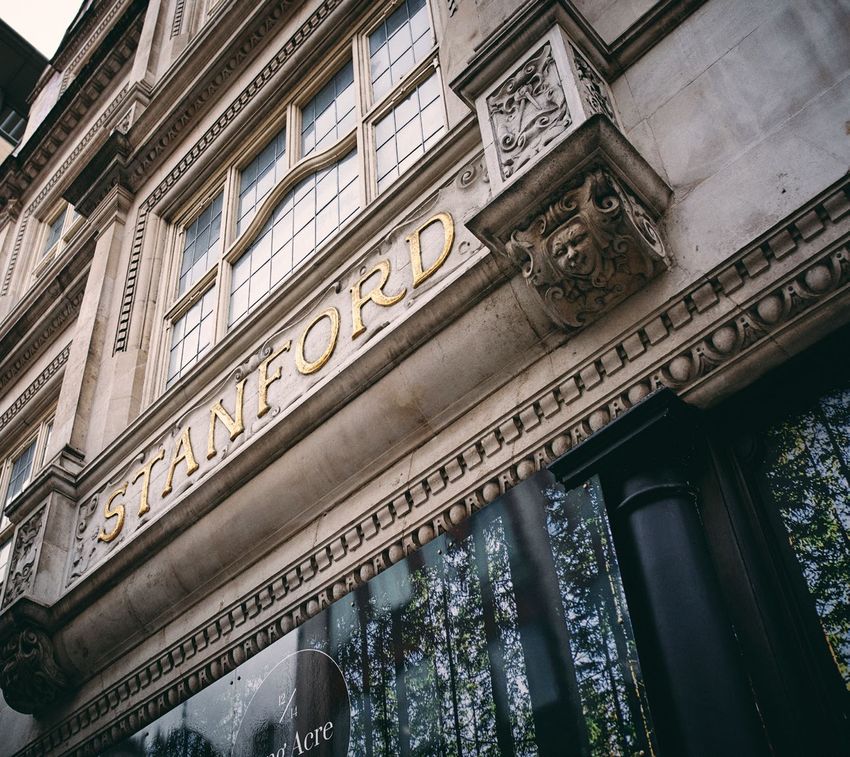
                                                                                                                                                  at Stanford Building in London’s Covent
                                                                                                                                                  Garden, a historic Grade II listed building,
Picton Property Income Limited Sustainability Report 2020     Introduction            Sustainable Buildings       Our Environment         Our Stakeholders         Our Employees          Appendix         5

Introduction
Leadership Letter continued

                                                            where we have undertaken a complete
                                                            refurbishment of the whole property while
                                                            retaining its unique character. This project
                                                            provides a clear example of how we have
                                                            incorporated sustainability into our
                                                            business operations, and this is described
                                                            more fully in this Report. The completed
                                                            building will provide high specification
                                                            accommodation for businesses with
                                                            occupier amenities and incorporating
                                                            the latest energy efficiency features.
                                                            There are many other environmental
                                                            initiatives we are undertaking, and again
                                                            these are described further on in the
                                                            Report.
                                                            Our team is key to the success of the
                                                            business and underpins our occupier
                                                            focused approach. Their wellbeing
                                                            is critical to us, especially in these
                                                            extraordinary times. One of our strategic
                                                            priorities is to maintain our company             We have carried out an employee survey         At Picton, we are committed to supporting
                                                            values and have a positive culture in the         for the first time and introduced a new        local community-based projects to help
                                                            workplace. This year we have engaged              non-financial key performance indicator:       bring about social change. This year is
                                                            more fully with the whole team.                   employee satisfaction. I am pleased            Picton’s 15th anniversary, having launched
                                                                                                              that the feedback from the survey was          in 2005. As part of this we want to make
Key highlights                                                                                                generally very positive, and we have           a difference to local communities where

£9.0m
                                                                                                              taken on board the comments received.          we own buildings. We intend to launch
                                                                                                                                                             an initiative to support projects which
                                                                                                              We encourage our employees to take
                                                                                                                                                             improve engagement within local areas.
                                                                                                              part in charitable and community
                                                                                                                                                             More details of this will be announced
Portfolio investment                                                                                          activities. This is more difficult in these
                                                                                                                                                             shortly.
                                                                                                              restricted circumstances, but I am pleased

15th
                                                                                                              to note our increasing involvement with        I would like to thank our team and advisers
                                                                                                              Coram, a charity that supports vulnerable      for all their hard work over the last year,
                                                                                                              children and young people. I hope there        ensuring that we support all of our
Anniversary since                                                                                             will be more volunteering opportunities        stakeholders.
launching in 2005                                                                                             for the team once restrictions are eased.

83%
                                                                                                              In terms of governance, as a listed
                                                                                                                                                             Nicholas Thompson
                                                                                                              company, we comply with the UK
                                                                                                                                                             Chairman
                                                                                                              Corporate Governance Code, and more
                                                                                                              information is provided in our 2020
Employee satisfaction                                                                                         Annual Report.
Picton Property Income Limited Sustainability Report 2020   Introduction   Sustainable Buildings        Our Environment        Our Stakeholders         Our Employees           Appendix         6

Introduction
Our approach to sustainability

Determining our                                                                                    Our material issues

                                                                                                   1/
                                                                                                                                                  2020 highlights

sustainability priorities
                                                                                                                                                  ӱӱ Carried out materiality assessment of
                                                                                                                                                     relevant sustainability issues
                                                                                                   Sustainability governance,                     ӱӱ Embedded sustainability into our
                                                                                                   management and advocacy                           business model and strategy
                                                                                                   We aim to have in place high standards         ӱӱ Achieved EPRA Gold for 2019
                                                                                                   of sustainability governance and                  Sustainability Report
                                                                                                   management, and will undertake
                                                                                                   initiatives to promote greater
                                                                                                   environmental responsibility. This also
In the past we had considered                                                                      includes a focus on business practices,        Looking ahead
                                                                                                   which are activities which concern the way
sustainability in terms of the                                                                     the business is run, including business        We are working to identify and target
environmental impact of the portfolio,                                                             ethics, compliance and tax principles.         key impact areas across the portfolio,
                                                                                                                                                  contributing to better management of
and how we could minimise this.                                                                                                                   the overall environmental performance.
Having met our previously set targets,                                                                    Read more on pages
                                                                                                          7–13
                                                                                                                                                  We will be focusing on setting clear targets
                                                                                                                                                  to effectively measure our sustainability
we have re-evaluated the sustainability                                                                                                           performance over the short, medium and
issues important to us and our                                                                                                                    long-term.
stakeholders. We have now fully
integrated sustainability into our
corporate strategy.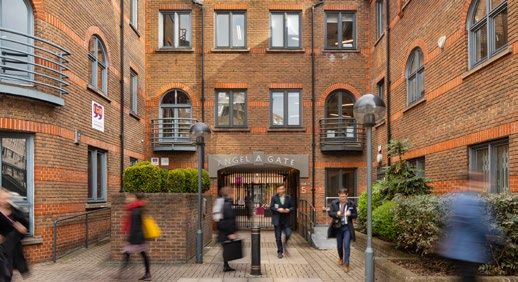
Picton Property Income Limited Sustainability Report 2020   Introduction              Sustainable Buildings    Our Environment      Our Stakeholders           Our Employees           Appendix           7

Introduction
Our approach to sustainability continued

                                                            Portfolio                                         Operational                                  Acting
Integrating sustainability
into our corporate strategy
                                                                                                  3       1                                    3       1                                      3       1

                                                            Performance                                       Excellence                                   Responsibly
                                                                                                      2                                            2                                              2

We believe that sustainability has to be
fully embedded into all of our activities.

                                                            1                                                 1                                            1
A responsible and ethical approach to
business is essential for the benefit of all                      Creating and owning a                            Maintaining an efficient                      Ensuring we maintain our
our stakeholders and understanding the                            portfolio which provides                         operating platform, utilising                 company values, positive
long-term impact of our decisions will                            income and capital growth                        technology as appropriate                     working culture and
help us to manage risk and continue to                                                                                                                           alignment of the team
generate value.
                                                                                                                                                                        Read more on pages
                                                                                                                                                                        32–34

                                                            2                                                 2                                            2
                                                                  Growing occupancy                                Having an agile and flexible                   orking closely with our
                                                                                                                                                                 W
                                                                  and income profile                               business model, adaptable                     occupiers, shareholders
                                                                                                                   to market trends                              and other stakeholders

                                                                                                                                                                        Read more on pages
                                                                                                                                                                        28–31

                                                            3                                                 3                                            3
                                                                   nhancing asset quality,
                                                                  E                                                 elivering earnings
                                                                                                                   D                                              nsuring sustainability is
                                                                                                                                                                 E
                                                                  providing space that                             growth                                        integrated within our
                                                                  meets occupier demand                                                                          business model and how we
                                                                                                                                                                 and our occupiers operate
                                                                           Read more on pages
                                                                           14–18

                                                            4                                                 4
                                                                                                                                                                        Read more on pages
                                                                                                                                                                        6–13
                                                                  Outperforming the                                Having an appropriate
                                                                  MSCI UK Quarterly                                capital structure for the
                                                                  Property Index                                   market cycle

                                                                                                              5
                                                                                                                   Growing to deliver
                                                                                                                   economies of scale
Picton Property Income Limited Sustainability Report 2020     Introduction               Sustainable Buildings       Our Environment         Our Stakeholders         Our Employees           Appendix      8

Introduction
Our approach to sustainability continued

    Our journey so far                                                                                           Materiality overview
    We are committed to transparent                         As set out in our 2019 Report we were                Our recent materiality assessment process      An issue was judged as relevant to
    reporting and communicating our                         pleased to report many of the targets had            included a robust analysis of potential        Picton if it was likely to affect:
    progress to all of our stakeholders.                    been met. Over the past 12 months we                 material issues, both internal and external.
                                                            have made significant progress across a              A sustainability framework was then            ӱӱ Business growth
    We have been reporting EPRA
                                                            number of additional initiatives, including:         developed and aligned with our corporate
    sustainability measures since 2014,                                                                                                                         ӱӱ Successful delivery of the corporate
                                                                                                                 strategy to provide us with a cohesive
    and have participated in the GRESB                      ӱӱ Using technology to improve our                                                                     strategy
                                                                                                                 structure to communicate and measure
    programme since 2017. Following our                        portfolio data collection                         our sustainability activities and progress
    conversion to a UK REIT last year, we                                                                                                                       ӱӱ Financial performance
                                                                                                                 against.
    also established our Responsibility                     ӱӱ Improving our portfolio EPC ratings and
    Committee, chaired by the Finance                          proactively using MEES re-assessments             The purpose of the materiality assessment      ӱӱ Costs incurred
    Director, to ensure further commitment                     to implement energy efficiency and                was to assess the sustainability issues most
                                                                                                                                                                ӱӱ Reputation
    to our sustainability progress.                            improvement measures                              important to our business.
    In 2016 we set ourselves a number of                                                                         The process involved assessing external        ӱӱ Employees and communities
                                                            ӱӱ Incorporating sustainability measures
    challenging targets to achieve over the                                                                      sustainability drivers and trends, our
                                                               into our building refurbishment                                                                  ӱӱ Our value chain
    five-year period to 2021, including:                                                                         internal policies and priorities, and
                                                               programmes
                                                                                                                 interviews with some of our key
    ӱӱ 20% reduction in Scope 1 and 2                                                                                                                           An issue was judged as material if it was
                                                            ӱӱ Liaising with our occupiers to                    stakeholders.
       carbon emissions                                                                                                                                         considered it would have a significant
                                                               understand their own sustainability                                                              impact on our business, our long-term
    ӱӱ Reduce water consumption by 5%                          requirements and providing tailored                                                              performance or our ability to create
       by 2021                                                 advice                                                                                           value for our stakeholders.

    ӱӱ Reduce waste to landfill by 10%                      ӱӱ Undertaking sustainability audits at four
       by 2021                                                 of our largest multi-let office buildings

    ӱӱ Achieve top EPRA rating by 2019                      ӱӱ Incorporating sustainability clauses into
                                                               our new leases
    ӱӱ To outperform our peer group
       in GRESB                                             During the year, we recognised the need
                                                            to ensure our sustainability initiatives still
    ӱӱ To achieve 100% MEES compliance                      reflected the values and priorities of all
                                                            our stakeholders.
                                                            In line with our growing commitment to
                                                            sustainability best practice, we undertook
                                                            a detailed materiality assessment in 2020
                                                            to better understand the most relevant
                                                            sustainability issues to the business.
Picton Property Income Limited Sustainability Report 2020   Introduction               Sustainable Buildings        Our Environment    Our Stakeholders       Our Employees            Appendix    9

Introduction
Our approach to sustainability continued

Materiality – the outcomes                                  Strategic pillar                                   Strategic priority       Sustainability framework      Material issue

                                                            Portfolio
Following this review, we have now                                                                             Enhancing asset          ӱӱ Ensuring our buildings     ӱӱ Health and safety
identified 12 key material issues which have
                                                                                                               quality, providing          exceed expectations        ӱӱ Wellbeing and
helped shape our sustainability priorities

                                                            Performance
                                                                                                               space that meets                                          satisfaction
and ensure we are able to effectively                                                                                                                                 ӱӱ Sustainable buildings
measure and report performance
                                                                                                               occupier demand
moving forward.
The assessment process reinforced to us
the importance of ensuring sustainability
was integrated within our corporate
strategy rather than focusing on a separate                 Strategic pillar                                   Strategic priority       Sustainability framework      Material issue
sustainability strategy.

                                                            Acting                                             Ensuring
                                                                                                               sustainability is
                                                                                                                                        ӱӱ Our approach to
                                                                                                                                           sustainability
                                                                                                                                                                      ӱӱ Sustainability
                                                                                                                                                                         governance,

                                                            Responsibly
                                                                                                               integrated within our                                     management
                                                                                                               business model and                                        and advocacy
                                                                                                               how we and our
                                                                                                               occupiers operate
                                                                   Read more on pages
                                                                   8–9 of our Annual Report 2020
                                                                                                                                        ӱӱ Focusing on the            ӱӱ Climate change
                                                                                                                                           environment                   mitigation and
                                                                                                                                                                         adaptation
                                                                                                                                                                      ӱӱ Biodiversity
                                                                                                                                                                      ӱӱ Water consumption
                                                                                                                                                                      ӱӱ Materials and waste

                                                                                                               Working closely          ӱӱ Working with our           ӱӱ Occupier sustainability
                                                                                                               with our occupiers,         stakeholders               ӱӱ Supplier and
                                                                                                               shareholders and                                          contractor
                                                                                                               other stakeholders                                        responsibility
                                                                                                                                                                      ӱӱ Community and
                                                                                                                                                                         social value

                                                                                                               Ensuring we maintain     ӱӱ Focusing on our            ӱӱ Employees and skills
                                                                                                               our company values,         employees
                                                                                                               positive working
                                                                                                               culture and alignment
                                                                                                               of the team
Picton Property Income Limited Sustainability Report 2020 Introduction Sustainable Buildings Our Environment Our Stakeholders Our Employees Appendix 10
Introduction
Our approach to sustainability continued
Governance Composition of the Board
Leadership
The Board of Picton has responsibility The Directors act as they consider most
for the long-term success of the likely to promote the success of the
business, providing leadership and business for the benefit of all our
direction with due regard and shareholders. In doing so, the Directors
consideration to all of our stakeholders. have regard for the likely long-term
consequences of their decisions,
The Board comprises the Chairman,
maintaining the need to act fairly between
two Executive Directors and three
all stakeholders. The Board seeks to Role Diversity
independent Non-Executive Directors.
engage with all of its stakeholders,
They have a range of skills and Number % Number %
whether directly or delegated through
experience that are complementary Non-Executive
management. More details on how the Male 5 83%
and relevant to the business. The Chairman 1 17%
Board engages with stakeholders is set out Female 1 17%
biographies of each of the Directors
on pages 52 and 53 of the Annual Report. Executive Directors 2 33%
are set out on pages 56 and 57 of the
Annual Report. The Governance section of the Annual Independent
Report sets out more information on the Non-Executive
The Board has full responsibility for the Directors 3 50%
role and structure of the Board and its
direction and control of the business,
activities over the year.
and sets and implements strategy
within a framework of internal controls
and risk management. The Board has
established four Committees with
agreed terms of reference to have
oversight of and responsibility for
particular business functions. These are:
ӱӱ Audit and Risk
ӱӱ Remuneration
Tenure
ӱӱ Nomination Number %
ӱӱ Property Valuation 0 to 3 years 3 50%
The Committees meet on a regular 3 to 6 years 1 17%
basis and more details on their activities Over 9 years 2 33%
are included in the Annual Report.Picton Property Income Limited Sustainability Report 2020 Introduction Sustainable Buildings Our Environment Our Stakeholders Our Employees Appendix 11
Introduction
Our approach to sustainability continued
Voluntary reporting GRESB
To increase our transparency, we started
reporting to GRESB in 2017. We used our
EPRA
The European Public Real Estate
Association (‘EPRA’), is a non-profit
first year to benchmark where we were association representing Europe’s
We recognise that it is important to be transparent in the market and to establish the publicly listed property companies.
on sustainability issues, so that our stakeholders can appropriate strategy for improvement. Through responding to EPRA, Picton
Over the last two years, we have put is promoting sustainability within the
make informed decisions. We continue to report to several initiatives in place to improve our property life cycle, while also identifying
EPRA and GRESB. score, including data collection, policy opportunities for further improvements
documentation and data accuracy. relating to sustainability regulations
We greatly improved our score in 2019 and initiatives. We continue to expand
achieving a score of 61 and green star the scope of our reporting and have
status, seeing a 22% rise in our overall score improved our score year-on-year. 2019
and surpassing our peer group average. saw Picton achieve a Gold award for the
Each year it becomes harder to maintain first time, in line with our ESG actions,
the score in GRESB as the average score targets and strategy.
improves. The GRESB tables in the
Appendix shows how we have improved
Read more on pages
year-on-year and compared against our 36–39
peer group. In 2020 we aim as a minimum
to reach a green star status with the stretch
target of moving into the second quintile.
Read more on pages
40–50Picton Property Income Limited Sustainability Report 2020 Introduction Sustainable Buildings Our Environment Our Stakeholders Our Employees Appendix 12
Introduction
Our approach to sustainability continued
Trends impacting Resource depletion and
environmental degradation
Demographic changes and
social progress
industry
The global population will soon reach As the population ages, and new
8 billion and the demand for resources generations come into the workforce,
continues to increase. Globally we are the demand for space, location and time
running an ecological deficit – demand for changes. New generations have different
natural resources exceeds what the planet expectations for business, buildings
The sustainability landscape is evolving dramatically can regenerate each year. Competition for and lifestyle.
on a global, local and industry level. We see the resources increases the risk of conflict,
The recent pandemic has also shined
damages the environment and puts
below sustainability trends as key challenges, and pricing pressure on vital goods.
a spotlight on the role of business in
protecting employees and the wider
opportunities for the business in the future. In a real estate context, consideration will community. Alongside this, there is also
need to be given to the materials being a greater emphasis on purpose and the
utilised for building and refurbishment. environment. We need to deliver spaces
Innovation in materials is encouraging, that work for people.
Climate change Buildings and construction account for but more efforts will need to be made to
By upgrading cycle and changing facilities
nearly 40% of total global energy use, ensure that the most sustainable materials,
On 18 June 2020 the town of Verkhoyansk we can help to enable safer and more
with reduced emissions, are used. When
in Siberia experienced a temperature of 38 therefore the real estate industry has a key sustainable travel choices, and healthier
role to play in limiting carbon emissions. a building is in use, the biggest drivers of
degrees Celsius, setting an all-time record lifestyles. By delivering space that
energy consumption are heating, cooling
for the Arctic Circle. 2020 is on course to be Energy efficient buildings deliver value for meets their needs we provide positive
and lighting. Improvements to the system
the warmest year ever recorded globally, our occupiers and investors. Securing 100% and management of the building can environments for our occupiers to reach
and all of the ten warmest years recorded of our electricity from renewable sources their potential.
significantly help to avoid resource
have occurred since 1998. All the evidence reduces demand for fossil fuels. Assessing
depletion and prevent harm to the
suggests global warming is occurring and the carbon impact prior to commencing environment.
our ability to mitigate and adapt to this refurbishment projects delivers cost
is vital. savings and reduces embodied carbon Efficient buildings reduce demand for
scarce resources and increase resilience
The current emissions trajectory of 4.7°C by over the life cycle of a building.
to pricing volatility. By refurbishing rather
2050 points to catastrophic consequences In the future we expect demand to focus
than redeveloping, we can avoid the
for the environment. The Paris Agreement on buildings that are efficient to run, have extraction, production and transport
seeks to limit the rise to less than 2°C. low embodied carbon and are resilient to costs of raw materials. By ensuring building
There are now steps towards making real extreme weather conditions, and we will management systems are operating
estate a carbon neutral industry and be reviewing the recommendations of the efficiently we avoid excess energy
increasing pressure on the real estate Task Force on Climate-related Financial consumption and waste. By encouraging
industry to act on climate change. This Disclosures (‘TCFD’). biodiversity we assist natural regeneration.
pressure is coming from employees,
occupiers and activist investors who are By focusing on efficiency throughout the
looking for ethical returns. Data suggests Read more on pages life cycle of our buildings we add value for
17–20
that the growing public conversation being our stakeholders and help the environment.
observed globally is influencing sentiment
in the industry.Picton Property Income Limited Sustainability Report 2020 Introduction Sustainable Buildings Our Environment Our Stakeholders Our Employees Appendix 13
Introduction
Our approach to sustainability continued
Advances in technology Recent events have led to a re-assessment Shifting economic and We must ensure we meet the needs of
Advances in technology have delivered of the urbanisation trend in some areas as political power occupiers and be adaptable to changing
significant benefits to real estate, enabling technology has enabled people to partially requirements. It also means ensuring
As we enter a period of greater uncertainty
gains in efficiency, transparency and offset physical distance in business and clarity on governance and business
in the global economy, we are seeing
connectivity. Technology helps us improve social interactions. However in the long principles to ensure alignment with
increased investor scrutiny on the
data measurement and monitoring, run we still expect physical proximity investors. Finally it means ensuring our
governance, operational expertise and
enabling gains in efficiency and the use and agglomeration to be a key driver operations provide a benefit to all
economic fundamentals of businesses.
of space and energy. Data transparency of economic and social relations. The stakeholders, including occupiers,
(information available to everyone) and movement of people from lower to greater The importance of a strong track record investors and local populations.
increased connectivity allow occupiers densities puts pressure on infrastructure, is heightened, along with the ability
to do more with their physical space government services, food, water and to demonstrate clear and transparent
and seek more technology-enabled energy supplies. Greater economic activity governance as ever increasing importance
‘on demand’ experiences. and wealth drives demand for better is attached to environmental, social and
education, consumer goods, transportation governance issues in the investment case.
By investing in the connectivity of our and housing services.
buildings we enable our occupiers to
access fast resilient broadband and We can adapt to this by providing
facilitate improvements in the efficiency buildings and locations that facilitate the
of our space. economic and social interactions driven by
urbanisation. This could be urban logistics
enabling rapid fulfilment of commerce,
Urbanisation providing the connectivity solutions to
One of the major megatrends of the past allow video conferencing across continents,
30 years has been global urbanisation, as or simply providing a great environment for
people migrate to urban areas to capitalise people to work, socialise or rest.
on economic opportunities. In the near
future it is anticipated that as much as
70% of the global population will live in
urban areas.
Read more on pages
14–20Picton Property Income Limited Sustainability Report 2020 Introduction Sustainable Buildings Our Environment Our Stakeholders Our Employees Appendix 14
Sustainable Buildings
Summary
Ensuring Our material issues
1/
2020 highlights
buildings exceed
ӱӱ Improved our A to D EPC ratings from
82% to 89%
Health and safety ӱӱ Re-assessed 39 EPCs, of which 100%
expectations
Health and safety of employees, occupiers, are Minimum Energy Efficiency
visitors to properties and contractors. Standards (‘MEES’) compliant, 69%
have an improved rating, with an
overall average improvement of
Read more on page 14 points
16
ӱӱ Incorporated sustainability measures
Ensuring our buildings exceed
expectations is vital in generating 2/ into all major refurbishment projects
delivering improved occupier
amenities, energy efficiency and
value for our stakeholders. We aim Wellbeing and satisfaction sustainable travel options
to provide space meeting occupier Landlord and occupier satisfaction,
ӱӱ Built in sustainability criteria to assess
and wellbeing considerations in design
requirements for safe, sustainable, and occupation. expenditure projects going forward
relevant workspace that adds value ӱӱ Carried out ESG audits at four of our
to their operations. Read more on page most energy intensive properties
17 within the portfolio
ӱӱ Proactively implemented a series of
3/ green clauses in all our new leases and
developed a tracking mechanism to
Sustainable buildings monitor inclusion
89% Ensuring buildings are sustainable, through
an approach which includes certification
and standards, design and life cycle Looking ahead
A-D EPC ratings management, and monitoring of data
and buildings. Moving forward we will continue to further
integrate sustainability into our portfolio
Read more on pages
management strategy. This will extend
18–20 from decision making around acquisitions/
disposals, to capital expenditure projects,
ongoing property management and
delivering amenities for our occupiers.
We recognise the increasing importance of
sustainability and efficiency for occupiers as
well as investors and will ensure our buildings
continue to meet their requirements.Picton Property Income Limited Sustainability Report 2020 Introduction Sustainable Buildings Our Environment Our Stakeholders Our Employees Appendix 15
Sustainable Buildings
Our sustainability in action
From
Health and Supplier and
safety Biodiversity contractor
responsibility
refurbishment
ӱӱ Incorporating safe ӱӱ Planned installation of a bird
management and occupation box to encourage nesting. ӱӱ Market leading rating on
of the building into the design responsible sourcing.
process.
to operation at
ӱӱ 100% of timber products
Water
ӱӱ Full adherence to Safe FSC/PEFC certified.
consumption
Contractors guidance on safe
ӱӱ Over 60% products used on
construction practices during ӱӱ New water efficient taps, site ISO14001/BES 6001
Stanford Building
period of refurbishment. WCs and shower heads. certified.
ӱӱ Natural/Low impact materials ӱӱ Water supply sub-metered. ӱӱ Contractor aligned with
used throughout.
ӱӱ New leak detection system Picton policies on staffing
installed. and recruitment.
Wellbeing and
satisfaction Community and
Materials and
Following a lease event, we had the ӱӱ Introduction of dedicated waste social value
opportunity to remodel and upgrade shower and changing facilities
ӱӱ Over 99% of site waste
ӱӱ Stanford Building is a historic
encouraging active lifestyle
Stanford Building in central London. and sustainable travel.
diverted from landfill.
Grade II listed building in
central London. The internal
The strategy was to deliver market ӱӱ New air conditioning system
ӱӱ 100% FSC certified responsibly
sourced timber and timber
retail and office space is
being upgraded to Grade A
leading retail and office space improving internal air quality.
products. contemporary standards
incorporating sustainability at all Sustainable
without compromising the
historic fabric and aesthetic
stages of the project and to deliver buildings Occupier
sustainability
appeal of the building.
an end product which meets the ӱӱ Refurbishment undertaken
to standard equivalent to ӱӱ All demises fully sub-metered
requirements of occupiers and their BREEAM Very Good. on half hour meters for
employees, delivering a best-in-class
electricity.
ӱӱ Installation of energy efficiency
measures: ӱӱ All demises sub-metered for
working environment. yy New air conditioning and
water usage.
ventilation system including ӱӱ All lighting motion sensor
heat recovery and variable activated.
speed drives.
ӱӱ New occupiers will receive an
yy New LED lighting system occupier pack including
throughout, fully controlled suggestions on minimising
via motion sensors. energy use.
yy Solar panel array located
on roof for clean power
generation.Picton Property Income Limited Sustainability Report 2020 Introduction
Introduction Sustainable Buildings
Sustainable Buildings Our Environment Our Stakeholders Our Employees Appendix 16
Sustainable Buildings
Ensuring buildings exceed expectations
Health and safety 1/
Case study
Ensuring our buildings provide a healthy and safe Returning to the office
environment for our occupiers, their visitors and the In line with Government guidance during standards, installing signage, wayfinding
the Covid-19 pandemic many of our office and sanitisation products on site and
general public is a key responsibility for us. We therefore occupiers have been working from home preparing detailed guidelines for entry/exit
ensure that all our spaces comply with relevant health since March 2020. and circulation within our buildings. The
and safety legislation and guidelines. As restrictions are relaxed we have been
plans have been tailored to reflect the
differing Government guidance in England,
working with them to ensure safe return
Scotland and Wales.
to work procedures.
Over the period from April 2019 to March Asset health
We have held regular video or telephone
2020 all required asset health and safety
Asset health and safety Firstly we have undertaken full risk
and safety compliance conferences with our occupiers to assist
assessments were completed and there assessments at each office building to
assessments (number them with their reoccupation strategies,
were no health and safety compliance (% assessed) incidents) establish the measures required to meet
and to answer any questions or concerns
incidents.
Building social distancing and hygiene guidelines.
coverage
H&S-Asset H&S-Comp
they have. All office buildings remained
In addition, our property managers at
Site type (assets) 2020 2020 Following this we have, with our managing open during the lockdown and all now
CBRE provide a monthly health and safety Office 14/14 100% 0 agents, drawn up detailed reoccupation have compliant reoccupation assessments
report detailing compliance with Critical plans which cover increasing cleaning which occupiers can use to support their
Retail, High
Documents (legal requirements) and Street 6/6 100% 0
of common areas, ensuring ventilation own assessments for the space they use.
Secondary Documents (best practice), systems are operating to recommended
Retail,
along with a full list of required document Warehouse 3/3 100% 0
compliance, actions and incidents.
Industrial,
If for any reason we are unable to Business Parks 7/ 7 100% 0
undertake a Critical Document action,
Industrial
we ensure the relevant item is safely Distribution
removed from use until the action has Warehouse 0/0 100% 0
been completed.
Hotel 0/0 100% 0
As at 31 March 2020 we were 99%
Total 30/ 30 100% 0
compliant with Critical Documents
and 99% compliant with Secondary After the period end, and following the
Documents. Covid-19 pandemic, we have been working
During the Covid-19 pandemic lockdown with our property managers and occupiers
we have experienced issues accessing to roll out safe return to work procedures
some items of equipment to undertake at our multi-let office buildings. Covid-19
Critical Document actions. However we Reoccupation Workbooks/Risk
prioritised these as the restrictions were Assessments were completed for all
relaxed and have taken items out of action properties, and issued to occupiers and
where necessary. service partners in June 2020, with
Covid-19 safety posters on display in our
multi-let office buildings.Picton Property Income Limited Sustainability Report 2020 Introduction
Introduction Sustainable Buildings
Sustainable Buildings Our Environment Our Stakeholders Our Employees Appendix 17
Sustainable Buildings
Ensuring buildings exceed expectations
Wellbeing and 2/
satisfaction
Case study
Wellbeing at Tower Wharf,
Green Wall
As part of the refurbishment of our
The wellbeing and satisfaction of people building at Tower Wharf in Bristol, we have
and communities is increasingly being taken the opportunity to incorporate a
biophilic installation to support wellbeing
associated with the places they occupy, by establishing a ‘green wall’ of moss in the
such as the places they work and see every newly remodelled reception area.
day; this poses a market differentiation The moss does not need any watering
opportunity for our sector. or light source and requires virtually no
maintenance. It is from sustainable sources
and can be regrown every season. We have
mounted the moss on a carbon negative
As population densities have increased, space, plants and biodiversity, and plan to
eco-board, sourced from a local workshop.
so has pressure on the workspace, local focus on this in our ongoing refurbishment
services, infrastructure and heritage. Real and management strategy. The wall is delivering a number of benefits
estate owners can meet this challenge by to the building and our occupiers including:
adapting the built environment through
the design and management of occupier Read more on page ӱӱ Improved air quality, humidity and
25
space and amenities, providing occupiers moisture moderation as the moss acts
with healthier lifestyle opportunities. as a filter
Healthy spaces can mean more open and ӱӱ Noise reduction
green spaces, better air quality and more
natural light. They can also encourage ӱӱ Insulation providing natural cooling in
more active lifestyles, by incorporating summer and heat in the winter
walkways and cycle routes.
Delivering wellbeing benefits has been
a key component in our refurbishment
strategy and ongoing building
management over the recent period.
For example we have installed improved
shower/changing/drying facilities at a
number of locations across our multi-let
office portfolio to encourage the use of
sustainable travel methods and exercise,
and have plans to upgrade the facilities
at a number of additional buildings.
We also recognise the value of openPicton Property Income Limited Sustainability Report 2020 Introduction
Introduction Sustainable Buildings
Sustainable Buildings Our Environment Our Stakeholders Our Employees Appendix 18
Sustainable buildings
Ensuring buildings exceed expectations continued
Sustainable
In addition, the tool will be used to help us On this basis we have (in partnership with The output from these reports has
directly report to our external benchmarks our consultants at CS2) commenced a provided an important baseline for our
GRESB and EPRA from 2021. process of analysing the sustainability refurbishment strategy going forward.
buildings
credentials of our refurbishment projects.
To support the Fabriq tool, we have also
implemented a bespoke data collection
These are benchmarked against equivalent ESG audits
industry standard best practice guidelines In order to ensure our buildings’
and standardisation template that works
for the type and scale of project and sustainability performance is regularly
to capture complete granular site
building. This also enables us to reviewed and improved, we are
Data collection and management information on an annual basis. It strives
understand the projected EPC rating for
to eradicate the inconsistencies in data committed to completing in-depth ESG
In order to effectively track our the finished product.
availability throughout the year and help building audits at our top energy intensive
sustainability performance, we collect
manage stakeholder expectations by By undertaking this exercise at the sites. These will help us to understand how
consistent and accurate data all year round
reducing time needed to quality assure outset of a project, we can ensure that we can reduce energy, water and waste
through a centralised system run by our
data. The information gathered goes sustainability is incorporated throughout and also our occupiers’ running costs. We
property managers, CBRE.
beyond basic utility information, seeking the process and that the space delivered completed audits at four of our key sites
Their new Fabriq data management tool is to collate detailed supply information, exceeds requirements. – 50 Farringdon Road, London, Queens
designed to be flexible and connect to a waste management, certifications, audits House, Glasgow, Tower Wharf, Bristol and
very wide range of building components, To date we have undertaken four reports; Metro, Salford – where we identified total
and projects.
from metering gateways to building two office buildings – Atlas House, Marlow, savings per annum of around 200 tonnes
management systems and specialised and Stanford Building, London, one of carbon and £80,000. The projects
Sustainable refurbishments industrial building – Swiftbox, Rugby and
sensors, e.g. for occupancy management. identified consisted of improving lighting
As part of our ongoing strategy we plan one retail building – Fishergate, Preston.
This tool allows us to identify inefficiencies and plant controls, improving elements
to further understand and incorporate
in our building operations and manage of the plant equipment and lighting and
the wider sustainability implications of
savings projects – not just for energy, but overhaul of the building management
building management, refurbishment
also water, waste and wellbeing. system. We will be working with our
and redevelopment operations into our
occupiers to discuss these findings and
The system allows for: planning as well as purely financial metrics.
find a way to collaboratively work on these
ӱӱ Analytics for any metric, any projects to improve the performance of
combination and any output the building and its impact on occupiers.
ӱӱ Smart insights with automated outlier
detection for any metric
ӱӱ Automatic asset benchmarking (flexible
reference benchmarks including CIBSE,
REEB, ED global database)
ӱӱ Space maps for energy, environment,
occupancy and alerting
ӱӱ Dedicated repository for housing EPCs
and other certifications and achieve
benchmarkingPicton Property Income Limited Sustainability Report 2020 Introduction
Introduction Sustainable Buildings
Sustainable Buildings Our Environment Our Stakeholders Our Employees Appendix 19
Sustainable buildings
Ensuring buildings exceed expectations continued
Certifications EPC production began in 2008, meaning
EPCs/MEES 2018 was the first year EPCs expired
following their ten-year shelf life. This
Due to the nature of our business it is produced new challenges due to the
important to ensure compliance with the changes in how an EPC is modelled and
Minimum Energy Efficiency Standards alterations to sites since the original EPCs
(‘MEES’). MEES stipulates that leases were produced in 2008. We proactively
cannot be renewed or a new lease granted engage with occupiers and undertake
to an occupier if the building has an F or work to vacant space to improve energy
G rating. This ruling is expected to be efficiency and minimise EPC risk.
extended to apply to all existing leases
from April 2023. It is therefore vital that we The target is to remove all F and G rated
understand the risk involved across our units by 2021 which we are on course to
portfolio and mitigate this. We have taken achieve. However we also aim to future-
a proactive approach to MEES and had proof our portfolio by proactively
largely mitigated the risk in our portfolio identifying future issues. Looking forward
prior to the original April 2018 deadline we will begin assessing each building
through our EPC risk programme. This individually and setting minimum goals
reporting year, we are now reporting close to be achieved. This will help us reach the
Green lease clauses To support this framework of future-
best results possible in a cost-effective
proofing our buildings, we have identified to 90% of low risk EPCs A-D ratings.
The majority of an average commercial manner through our refurbishment and
building’s greenhouse gas emissions our baseline of existing green leases
occupier engagement programmes.
(‘GHG’) come from occupier controlled (60 in 2020) and have categorised them Read more in table
1
areas and thus the best way to improve the according to what we believe is basic,
efficiency and productivity of the whole intermediate and leader green leases and
building is by collaboration. The ideal will work to improve our overall count of
green lease enhances the environmental green leases in the future and push to
2021
performance of a building whilst helping increase our percentage of green leader
to mitigate any environmental legislative clauses. To supplement this, we have
and market risk and foster improvements created a bespoke tracker document for
target
in data collection for reporting each individual lease to measure and
performances. We have been working with monitor our green lease levels.
CBRE to improve the uptake of green lease We believe this approach benefits both
clauses in our lease agreements for both parties as we set the standard of what remove all EPC F
new and existing occupiers. landlords and occupiers expect from their and G ratings
We have developed a set of green lease sustainable buildings going forward.
clauses bespoke to our property types and
our occupiers, ranging from the more basic
89%
green lease clauses to the most ambitious
and are having discussions with our
occupiers to adapt the appropriate green
clauses based on our mutual sustainability
agendas and ambitions. A-D EPC ratings
across portfolioPicton Property Income Limited Sustainability Report 2020 Introduction
Introduction Sustainable Buildings
Sustainable Buildings Our Environment Our Stakeholders Our Employees Appendix 20
Sustainable buildings
Ensuring buildings exceed expectations continued
BREEAM
The Green Building certifications across
the portfolio have remained the same as
3/
previous reporting years, although coverage Case study
has slightly increased due to the sale of Improving environmental
two assets. Certifications are BREEAM and standards at Swiftbox, Rugby
ISO at three office locations, Angel Gate, We have recently completed the
London, Tower Wharf, Bristol, and Metro in refurbishment of our logistics asset in
Salford Quays. The two BREEAM awards Rugby. Following the vacation of our
are both rated as ‘Excellent’. We currently previous occupier we have comprehensively
have no further certifications planned upgraded the building to deliver a modern,
across our portfolio but are always looking sustainable building to meet occupier
for opportunities to obtain further requirements.
certifications where appropriate.
The building has been refurbished to a
Green level equivalent to SKA silver level/BREEAM
Building
certification pass level and resulted in an improved
Site type 2019/20 MEES rating from a G rated EPC to a B
Office 28% rated EPC.
Retail, High Street 0% We have improved the thermal
performance by replacing the existing
Retail, Warehouse 0%
uninsulated steel roof with a new metal
Industrial, Business Parks 0% clad composite roof system with market
Industrial, Distribution Warehouse 0% leading thermal values exceeding building
regulation requirements.
Hotel 0%
6% ӱӱ New air conditioning and heat recovery
units installed
ӱӱ Hot water system upgraded
ӱӱ New motion sensor LED lighting
installed
ӱӱ New shower and changing facilities
providedPicton Property Income Limited Sustainability Report 2020 Introduction
Introduction Sustainable Buildings Our Environment
Environment Our Stakeholders Our Employees Appendix 21
Our Environment
Summary
Focusing on the Our material issues
1/ 4/
environment Climate change mitigation
and adaptation
Materials and waste
Focus on materials used, sustainable
Reducing impact of buildings through procurement and waste and recycling.
design, energy efficiency and occupier
Environmental issues, such as engagement, and taking into consideration
Read more on page
climate change, have never been embodied carbon. Climate adaptation is 27
about ensuring that the business is able
higher on the agenda. Meeting to adapt to the physical and transitional
these challenges will require impact of climate change. 2020 highlights
global, national and local action.
Read more on pages ӱӱ 99.8% of landlord controlled energy
It is recognised that commercial buildings in the UK 22–24 from renewable sources
are a key source of emissions and that as a responsible
ӱӱ Reduction in landlord Scope 1 and 2
landlord we have a duty to control and reduce the
environmental impact of our assets. We continue 2/ carbon emissions by 49% compared
to 2016 baseline
to assess the environmental performance of our Biodiversity
portfolio with CBRE who engage with property ӱӱ 76% reduction in waste to landfill
managers and occupiers to implement sustainability Focus on land use and ecology, which compared to 2016 baseline
improvements at each asset. include adding environmental value, for
example with landscapes, green roofs and ӱӱ 36% water consumption reduction
sustainable drainage systems.. Biodiversity compared to 2016 baseline
also contributes to wellbeing. ӱӱ 9% reduction in like-for-like
gas consumption
Read more on page ӱӱ Installed a green wall as part of an
25
office refurbishment
3/ Looking ahead
Water consumption We are happy with the progress made with
respect to our 2016 goals but plan to expand
Focus on water management and
our remit to more ambitious targets for our
efficiency.
next phase. We aim to take account of the
whole embodied carbon life cycle when
Read more on page assessing our buildings and aim to further
26 improve our water efficiency, biodiversity
and waste management credentials. We
aim to continually improve our relative and
absolute rating on the GRESB platform and
further align ourselves with global best
practice reporting and initiatives.Picton Property Income Limited Sustainability Report 2020 Introduction
Introduction Sustainable Buildings Our Environment
Environment Our Stakeholders Our Employees Appendix 22
Our Environment
Read more on this principal risk on page
Focusing on the environment continued 43 in our Annual Report 2020
Climate change mitigation Travel
8% and our Scope 2 emissions by 14%
compared to the previous year. This brings Transportation continues to be a major
the total reduction in our normalised
and adaptation
source of greenhouse gas emissions
Scope 1 and 2 emissions to 49% compared worldwide. In the UK, in 2018 transport
to our 2016 baseline, achieving our target accounted for 33% of all carbon dioxide
of a 20% reduction by 2021. We also saw emissions with the large majority from
a 23% reduction in GHG intensity covering road transport. We recognise our role in
As we develop our sustainability priorities moving forward, all scopes for 2019/20, compared to the supporting our occupiers’ transition to a
previous year. The reduction in GHG
we recognise that climate change adaptation is a growing emissions and intensity is due to energy
more sustainable solution and have been
working to identify buildings where electric
focus, and we will look to review the recommendations of reduction measures being put in place, charging points (‘EV charging points’) can
such as new lighting and air conditioning,
the Task Force on Climate-related Financial Disclosures building management system upgrades,
be installed and utilised by the occupiers
and help to tackle emissions. We are
(‘TCFD’) and considerations of climate adaptation in the control optimisation projects and boiler pleased to have installed EV charging
replacements, in addition to the
coming year. decarbonisation of the national grid.
points at two of our sites – 180 West George
Street, Glasgow and Easter Court,
We have reduced our landfill waste by 76% Warrington. In addition, plans are underway
against our 2016 baseline, again exceeding to install 20 EV charging points at our
We have a diverse portfolio of commercial suppliers across the portfolio, automatic Metro site in Salford. Our strategy is to roll
our target reduction.
properties that are either landlord or meter reads and engaging with occupiers out EV charging points across our portfolio
occupier-controlled. In order to improve where we do not control the energy bills. In order to further increase our recycling to meet demand from both occupiers and
energy data collection and reporting we options, we intend to switch to a single the general public, and we hope to provide
In respect of our absolute carbon emissions,
have been switching to single energy waste provider in 2020. an update on this in future reports.
we reduced our Scope 1 emissions by
We are focused on making considerable
progress year-on-year in collecting data Business travel
and making improvements in cutting Due to the nature of our business, at times
our emissions. For a full breakdown of we visit properties and work with our
each emission source and our progress, occupiers. We look to avoid air travel where
please see the Appendix where possible, especially as this has a greater
performance tables are in line with EPRA impact on our carbon footprint. This year
reporting guidelines. we reduced our overall travel by 36%,
We have had a successful year in reducing mainly attributed to reductions in car
our like-for-like consumption. The and air travel. This has meant there has
reduction is largely due to energy been a slight rise in rail travel of 13%,
efficiency projects conducted in 2018 and however this is the preferred alternative to
2019 which have now had a full reporting our transportation use with rail being a less
year to realise the benefits. These projects carbon emitting mode of transport. Overall
included lighting upgrades, hot water carbon emissions reduced by over 50%
system, air conditioning and ventilation compared to the previous year.
replacements and optimisation of controls.
Read more in table
12You can also read


