THE ART OF MAKING MONEY: HOW HONG KONG BECAME A HUB FOR ASIA'S BIGGEST ART DEALS - An in-depth look at the growth of the Asian market- and Hong ...
←
→
Page content transcription
If your browser does not render page correctly, please read the page content below
THE ART OF MAKING MONEY:
HOW HONG KONG BECAME A HUB
FOR ASIA’S BIGGEST ART DEALS
An in-depth look at the growth of the Asian market—
and Hong Kong’s role in it
THE ART OF MAKING MONEY                                           2

Contents
3    Executive summary
4    The Asian art market: New opportunities amid uncertainties
5    The trajectory of Hong Kong’s rise as Asia’s art hub
7    A window to the world, a gateway into Asia
9    Creative capital
11   The future is Asia in the post-COVID era
THE ART OF MAKING MONEY                                                                                                       3

EXECUTIVE SUMMARY
The art market is facing unprecedented challenges in the        from key international players of the art world. The arrival
midst of the COVID-19 pandemic. Cancellations of art            of international auction houses, art fairs and galleries has
fairs, closures of galleries, and rounds of layoffs haunt       not only boosted Hong Kong’s global status, but has also
the art industry. But Asia’s art market has demonstrated        made a strong impact on the local arts and cultural scene;
its resilience amid the crisis, with Hong Kong emerging         exposing local audiences to a greater diversity of art and
as the region’s art hub. Due to Hong Kong’s relative            creating new platforms for homegrown artistic talents.
success in containing COVID-19, art auctions held in the
city reported record-breaking sales; art fairs were safely      The resilience of Hong Kong’s art market and artistic
held when events in other cities were called off; and           environment is due to multiple, interconnected factors.
galleries, complying with health guidelines, held exhibitions   The city’s many excellent and well-funded museums and
introducing artists and new works both locally and abroad.      public art institutions, the dozens of blue-international
                                                                galleries, its thriving ecosystem of specialised art-related
The emergence of Hong Kong as one of the world’s                professional services, and the sheer size of its art market—
biggest art trading centres, alongside New York and             fuelled by record-breaking auction sales and Asia’s largest
London, is built on strong cultural and commercial              and most important art fairs—combined to ensure that the
foundations. The city has traditionally been a centre for       art business in Hong Kong weathered the socio-economic
the trading of Chinese fine art and antiques. Its unique        impact of COVID-19 remarkably well.
history and geo-strategic location made it the nexus of
Western art and Chinese buyers. Now, as Asia and Hong           While the future contains a degree of uncertainty, the
Kong’s own art scenes flourish, resourceful financiers          combination of a potential Asia-led economic recovery,
and entrepreneurs looking to expand their art collections       increasing numbers of high-net-worth individuals across
gather here, alongside artists from East and West, and          the region, and Hong Kong’s ambitious private-sector
dealers trading art.                                            and philanthropic initiatives and governmental support
                                                                for and investment in the arts and cultural infrastructure,
The city’s efficient business and legal infrastructure,         reinforces Hong Kong’s position as the cultural and
its array of professional services, its position as an          commercial art capital of Asia.
international financial and trade centre, and the proximity
of the vast Mainland Chinese market have drawn attention
THE ART OF MAKING MONEY                                                                                                       4

THE ASIAN ART MARKET:
NEW OPPORTUNITIES AMID UNCERTAINTIES
The resilient Asian art market                                    guidelines, galleries in the city were able to safely stage
The global art industry was hit hard in 2020. As the world        exhibitions and close sales. In June 2020, the Hong Kong
grappled with the COVID-19 pandemic, art fairs were               Art Gallery Association (HKAGA) partnered with 12 of the
cancelled, staff were laid off at the world’s major museums,      city’s art galleries to stage a boutique art fair. Drawing
and galleries worldwide reported an average 36% year-on-          nearly 3,000 visitors, “Unscheduled at Tai Kwun” was
year decline in sales in the first six months of 2020.            one of the world’s first fairs to open since the worldwide
                                                                  pandemic. Swiss art fair giant, Art Basel, also held its only
A different picture emerged in Asia. Sotheby’s and Christie’s,    physical event of 2020 in Hong Kong. Held over four days in
the Western world’s two largest auction houses, both              November, “Hong Kong Spotlight by Art Basel” featured 22
reported that buyers in Asia played a pivotal role in driving     galleries, with many participants reporting that they met or
global art sales in 2020. Sotheby’s clients in the region         exceeded sales targets.
accounted for 30% of the auction house’s worldwide auction
sales, buying nine of the global top 20 lots, while Christie’s
reported that Asian buying accounted for 34% of its global
                                                                  23.2%: Hong Kong’s
auction sales as of December 2020—the first time Asian
clients led global spend. This trend was not limited to the big
                                                                  global art market share
                                                                  In 2020, Hong Kong’s global art market share rose from
two auction houses. Other major players, including Phillips,      17.5% in 2019 to 23.2% in 2020, overtaking London for
set new auction records for both international and local          the first time.
artists from their Hong Kong sales. According to a report
from art market analysis firm, ArtTactic, in 2020, Hong Kong      The combination of an effective government response to
overtook London as the second-biggest contemporary art            the COVID-19 pandemic, developed public infrastructure
auction market in the world after New York.                       and health-conscious citizenry, allied with an adaptable and
                                                                  resilient art market, enabled Hong Kong’s art industry and
The Asian art world’s resilience was not limited to its           the broader art ecosystem to emerge from the pandemic
markets. Due to the relative success of Hong Kong in              relatively unscathed. Now, the city must build on its
containing the spread of COVID-19 and the imposition              institutional strengths and innovation to be at the forefront
of strict social distancing, tracking measures and health         of an Asia-led recovery.

ASIA’S ART AUCTION MARKETS
Top Asian cities by total sales value, 2020

 Rank           City            Lots Sold                                        Total sales value (USD)

 1              Beijing         12,432                                           1.86 billion

 2              Hong Kong       5,201                                            1.17 billion

 3              Shanghai        2,060                                            190.97 million

 4              Tokyo           11,945                                           118.05 million

 5              Hangzhou        2,568                                            90.61 million

All data courtesy of Artnet Worldwide Corporation © 2021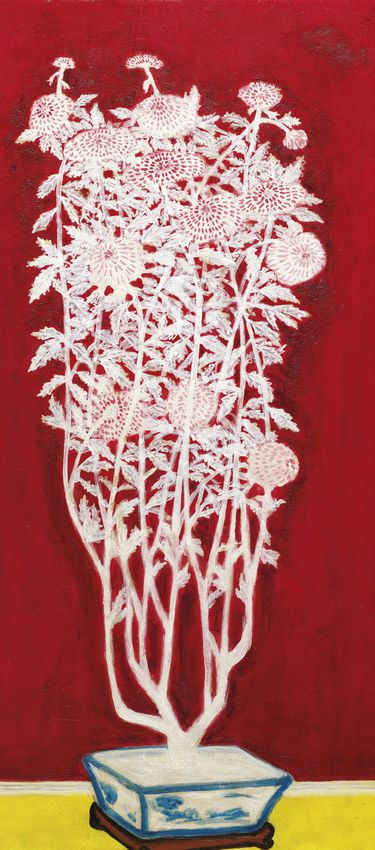
THE ART OF MAKING MONEY                                                                                                         5

THE TRAJECTORY OF HONG KONG’S
RISE AS ASIA’S ART HUB
From being the trading hub of Chinese antiquities and                  of art objects held in Hong Kong—in November 1973.
works of art to one of the world’s major centres for                   The sale was described by The New York Times as “the
modern and contemporary art markets, Hong Kong has a                   most successful auction of Chinese [art] objects ever
long lineage as a centre for the art trade.                            held anywhere,” totalling US$2.3 million, which was
                                                                       US$720,000 more than a London sale of Chinese works
Hong Kong’s art trading history                                        of art in March that year.
To those following Western modern and contemporary
art, Hong Kong might have only appeared on their                       This landmark sale made the global art market
radar about a decade ago. But art trading in Hong Kong                 take notice. There were a number of factors that
is nothing new. The city has been a key trading centre                 recommended Hong Kong to both buyers and sellers of
for Chinese fine art and antiques for over a century.                  art in Asia. The city was a repository of Chinese art—all
The early collectors of Chinese antiques were                          the lots for 1973 sale actually came from local private
mainly affluent businessmen and industrialists who                     collections. It also acted as an entry point into the
migrated from Mainland China to Hong Kong in the 20th                  burgeoning Chinese art market. Hong Kong art dealers
century, says Andy Hei, founder and director of Fine Art               already acted as middlemen for affluent Chinese clients
Asia and a veteran dealer in Chinese antiques. They                    and were increasingly active in the global market, while
brought with them their capital and vast collections of                collectors and dealers from Mainland China could easily
cultural treasures, including paintings, ceramics and                  fly in to view art in person. China is one of the world’s
antique furniture.                                                     most significant art markets. According to the 2020 Art
                                                                       Basel and UBS Global Art Market Report, the global art
                                                                       market reached an estimated value of US$64.1 billion in
“Our talented workforce, who is often
                                                                       2019, and the Chinese art market—comprising Mainland
bilingual, if not trilingual, supports our                             China, Hong Kong, Taiwan and Macau—accounted for
global and Asian operations.”                                          18% of the global art market share, after the United States
                     Susan May, global artistic director, White Cube   (44%) and the United Kingdom (20%).

Hong Kong began to grow as a regional hub for Chinese                  Hong Kong’s open and stable multilateral trading system,
antiques and art trading in the 1970s, as locally based                free-market economy and well-developed infrastructure
collectors formed a solid backbone for the local market.               attracts global art fairs, galleries and auction houses.
This drew the attention of London-based Sotheby’s,                     Protection of private property and well-defined
which held its first auction—also the first major auction              contractual laws are important to both buyers and sellers.
THE ART OF MAKING MONEY                                                                                                                                  6

Hong Kong’s common law system, which conforms to                                        global artistic director at contemporary art gallery, White
international standards, is another key consideration.                                  Cube, which opened an outlet in Hong Kong in 2012. “Our
“Transparency creates a conducive business environment                                  talented workforce, who is often bilingual, if not trilingual,
for Hong Kong, particularly for international operations,”                              supports our global and Asian operations,” says Ms May.
says Kevin Ching, CEO of Sotheby’s Asia.

Professional services, including insurers, appraisers,
agents, legal and accounting services, and logistics and
art handling, and the widespread use of English, the lingua
                                                                                        US$64.1 billion in 2019
                                                                                        The estimated value of the global art market
franca of the global art world, give buyers and industry
players the confidence to conduct business in the city.
Auction houses, art fairs and galleries can also draw                                   18%
on a pipeline of talented professionals. Susan May is                                   Chinese art market share of the global art market

                                                                                        RECORD-BREAKING
                                                                                        HONG KONG ART SALES
                                  Gerhard Richter’s,
                                  Abstraktes Bild (649-2),                              IN 2020
                                  Courtesy of Sotheby’s

                                                                                        • Sanyu’s, Quatre Nus: HKD$258 million (US$33.3 million)
            Sanyu, Quatre Nus,
          Courtesy of Sotheby’s                                                           It was one of the top 10 most expensive artworks sold
                                                                                          in 2020.
                                                                                        • Gerhard Richter’s, Abstraktes Bild (649-2): HK$214.6
                                  Firenze Lai’s, The Colleague,
                                  Courtesy of Sotheby’s
                                                                                          million (US$29.2 million)
                                                                                          It became the most expensive western artwork ever
                                                                                          sold at an auction in Asia. The winning bid was nearly
                                                                                          double the pre-sale estimate.
                                                                                        • Sanyu’s, White Chrysanthemum in a Blue and White
                                                                                          Jardinière: HK$192.3 million (US$24.8 million)
                                                                                          It set a new auction record for a still life by the artist.

                                                                                        Works by Hong Kong artists also sold for multi-million
                                                                                        record prices:
                                                                                        • Matthew Wong’s, River at Dusk: HK$37.8 million
                                                                                           (US$4.9 million)
                                                                                           This was a new record for the artist.
                                                             Chris Huen, Doodood
                                                                                        • Firenze Lai’s, The Colleague: HK$3 million (US$410,790)
                                                        and Mui in Shek O, Christie’s      This was a new record for the artist.
                                                                Images Ltd. (2020)
                 Sanyu, White
              Chrysanthemum
                                                                                        • Christ Huen’s, Doodood and Mui in Shek O:
                 in a Blue and                                                             HK$900,000 (US$116,093)
              White Jardinière,
                     Christie’s                                                            This was the first time Christie’s offered a work by a
                  Images Ltd.
                        (2020)                                                             local artist in its Hong Kong evening sale.
THE ART OF MAKING MONEY                                                                                                      7

A WINDOW TO THE WORLD,
A GATEWAY INTO ASIA
Art fairs in the global spotlight:                           most prestigious art fair, when Hong Kong was added to
From ART HK to Art Basel                                     its global roster—after Basel in Switzerland and Miami in
The year 2008 saw several significant developments           the United States —it became Asia’s premier art fair.
in Hong Kong’s emergence as Asia’s art hub. The
West Kowloon Cultural District Authority, a statutory        Art fairs are both creative and commercial showpieces. Art
body, was formed to take forward one of the largest          Basel in Hong Kong led to the 2015 launch of Art Central, a
and most significant cultural projects in the world: the     satellite fair spearheaded by the founders of ART HK. Fair
creation of the largest arts and culture hub in Hong Kong    organisers have also collaborated with local institutions
harbour front to date —with an upfront endowment of          and art groups to present programmes that bring art lovers
HK$21.6 billion (US$2.7 billion). Sotheby’s and Christie’s   to local exhibitions, artists’ studios and organisations.
consolidated their Asian sales, making Hong Kong             “Art fairs provide an opportunity to connect with everyone,
the key marketplace in the region. And the Hong Kong         to celebrate our talent, and the development of art,” says
International Art Fair, better known as ART HK,              Adeline Ooi, director Asia of Art Basel.
was inaugurated.

                                                             “Hong Kong as a hub location, a platform
ART HK was the city’s first large-scale international
modern and contemporary art fair. It became a showcase
                                                             that is rich in texture and character, won’t
for homegrown and major international galleries and          be eclipsed anytime soon.”
established itself as one of the leading art fairs in                               Nick Simunovic, managing director, Gagosian

the region, serving as a networking platform for the
international art community.                                 Art in the shop window
                                                             An increasing number of international art galleries have
The success of ART HK caught the attention of Art            opened Asian outposts in Hong Kong, reflecting both
Basel. The Swiss fair giant’s parent company MCH Swiss       Asia’s interest in Western art and Hong Kong’s position as
Exhibition (Basel) Ltd. acquired a 60% stake of Asian Art    the centre of the Asian art world. “Hong Kong has become
Fairs Ltd in 2011 and ART HK was rebranded as Art Basel      the base for the gallery’s operation in Asia, serving clients
in Hong Kong in 2013. Art Basel is the world’s biggest and   like private collectors and foundations around the region,”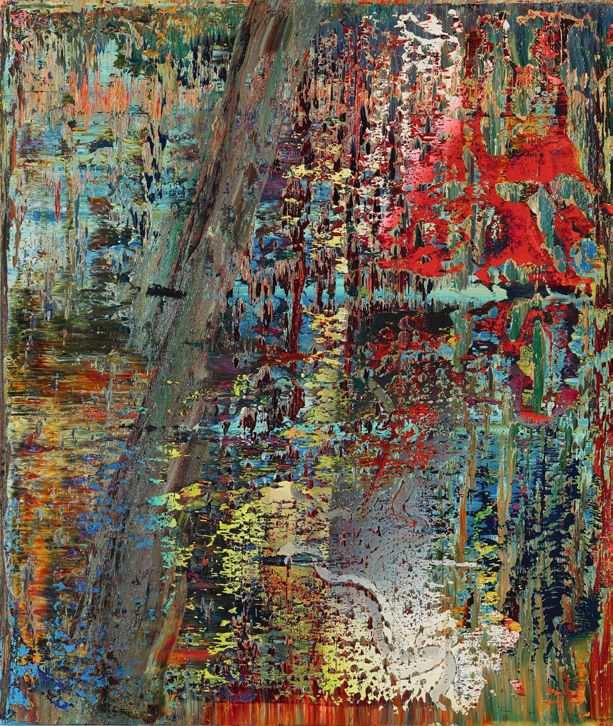
THE ART OF MAKING MONEY                                                                                                         8

says Nick Simunovic, managing director of Gagosian,               growing reputation as an arts hub have certainly helped the
one of the world’s biggest art galleries. Gagosian, which         local art scene gain greater attention on an international
celebrates its 10th anniversary in Hong Kong in 2021, has         level,” says Ms May. International galleries can also
seen its business grow exponentially over the past decade,        help showcase local artists and increase awareness of
as collectors in the region have begun to adjust their habit      global art movements and trends. Most of the blue-chip
of acquisition and diversify their interests and buying           international galleries are among the 50 members of the
channels. “Hong Kong as a hub location, a platform that           Hong Kong Art Gallery Association (HKAGA). “We play a
is rich in texture and character, won’t be eclipsed anytime       role in education, while establishing connections with the
soon. We have no interest in leaving,” says Mr Simunovic.         local art community. We see ourselves as a window for
                                                                  local audiences to look beyond Hong Kong and explore
International galleries choose Hong Kong for its                  further,” says Mr Xu.
infrastructural, legal and logistical advantages, but the
city’s softer skills are also an important factor. “Hong Kong     Catherine Kwai, co-president of the Hong Kong Art Gallery
has a mix of cultures, languages and histories. Words can         Association and founder of local gallery Kwai Fung Hin,
go out easily via the press and word of mouth. Branding           says that the growth of the local gallery scene over the
and marketing is easier here,” says Leo Xu, senior director       past decade, particularly with the arrival of international
of David Zwirner Gallery in Hong Kong.                            players, has helped the market grow. “More galleries mean
                                                                  bigger business. Local galleries do not have the resources
Galleries are drawn by the booming Hong Kong art market,          to compete with the international big galleries, but we have
but they in turn help support the city’s artistic ecosystem.      our niche. As local galleries, we need to work on our niche
“The presence of international galleries and the city’s           and our following,” Ms Kwai says.

THE GROWTH OF THE HONG KONG ART INDUSTRY
Since 2008, the Hong Kong art industry has seen exponential growth.

                                                  Export value in 2008 (billion*)             Export value in 2018 (billion*)
 Antiques and craft goods                                       HKD10.4 (US$1.3)                         HKD 11.9 (US$1.5)
 Visual arts and design goods                                    HKD 50 (US$6.4)                         HKD 72.5 (US$9.2)
 Total                                                          HKD 60.4 (US$7.7)                      HKD 84.4 (US$10.7)

                                                   Import value in 2008 (billion)              Import value in 2018 (billion)
 Antiques and craft goods                                       HKD 10.2 (US$1.3)                        HKD 12.1 (US$1.5)
 Visual arts and design goods                                   HKD 48.8 (US$6.2)                     HKD 130.3 (US$16.6)
 Total                                                           HKD 59 (US$7.5)                      HKD 142.4 (US$18.1)
*Calculated using historic data.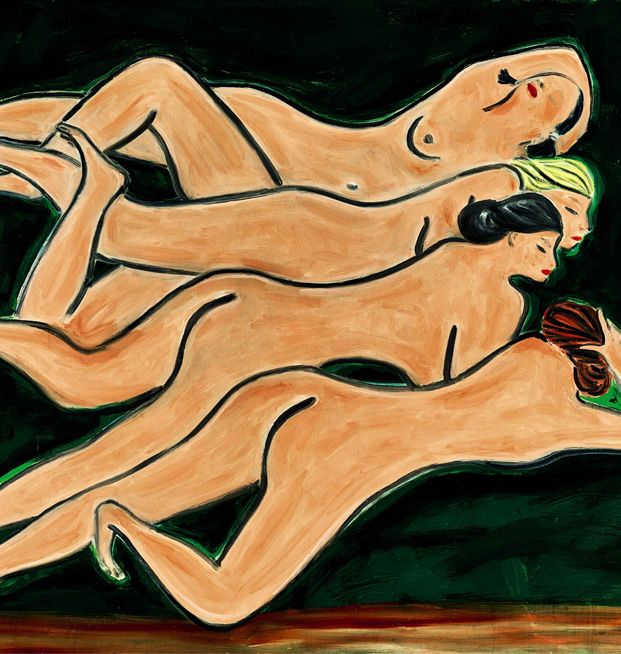
THE ART OF MAKING MONEY                                                                                                        9

CREATIVE CAPITAL
Public institutions, such as museums, public galleries             supports arts activities, arts groups, arts education and
or sites of cultural heritage, are what enable cities to           promotion, as well as administrative costs. There has
establish themselves as global cultural capitals. They can         also been significant investment into the city’s cultural
have a positive economic impact, for example, museums              infrastructure. Fourteen public museums, the Hong Kong
in America contributed US$50 billion to the country’s GDP          Film Archive, two heritage centres, and the Art Promotion
in 2016. Public institutions also serve to increase a city’s       Office (with its two art spaces), 16 performance venues and
liveability and attractiveness, create social capital and          82 public libraries, are financially backed by the government.
drive culture-led local development.                               As well as M+, upcoming developments include the Hong
                                                                   Kong Palace Museum and the East Kowloon Cultural Centre,
                                                                   which are expected to open in 2022 and 2023 respectively.

HK$5.5 billion                                                     Public sector support for the arts is supplemented by the
Total government spending allocated to the arts and
                                                                   non-profit and private sectors. The Hong Kong Jockey Club
culture in the 2020-21 financial year, excluding capital
                                                                   (HKJC) Charities Trust has backed the revitalisation of Tai
works expenditure
                                                                   Kwun Centre for Heritage and Arts and donated HK$3.5
                                                                   billion (US$451.4 million) to support the establishment of
“Public institutions offer a much broader understanding of         the Hong Kong Palace Museum, which will house artefacts
the idea of value. Culture and art bring huge value to people’s    from Beijing’s Palace Museum. “The Hong Kong Jockey
lives and well-being,” says Suhanya Raffel, the museum             Club has long been a staunch supporter of Hong Kong’s
director of M+, a new museum of visual culture focusing            arts and cultural development, committed to building a
on 20th and 21st century art, design and architecture              culturally vibrant city, and enriching lives and promoting
and moving image in the West Kowloon Cultural District,            social inclusion through the arts,” says Leong Cheung,
scheduled to open in late 2021. “We want to grow the next          executive director, HKJC Charities and Community.
generation of creative makers, visitors, collectors and cultural
workers—the key players of the arts and cultural ecology. It’s     This support of Hong Kong’s public institutions is
good for the city, and a good investment in people.”               necessary for Hong Kong to continue to evolve as a
                                                                   global art hub, says Francis Belin, president of Christie’s
In Hong Kong, the promotion of the arts is viewed as a             Asia Pacific. “The art world is a whole ecosystem. While
priority. The development of the city’s arts and culture           art auctions help create the market price, museums and
formed a key part of the 2020-21 budget, with a total of           galleries are an integral part of this ecosystem,” he says.
HK$5.5 billion (US$709.5 million) allocated to the arts and        “Investment in cultural institutions is absolutely essential
culture, excluding capital works expenditure. This funding         to the art business.”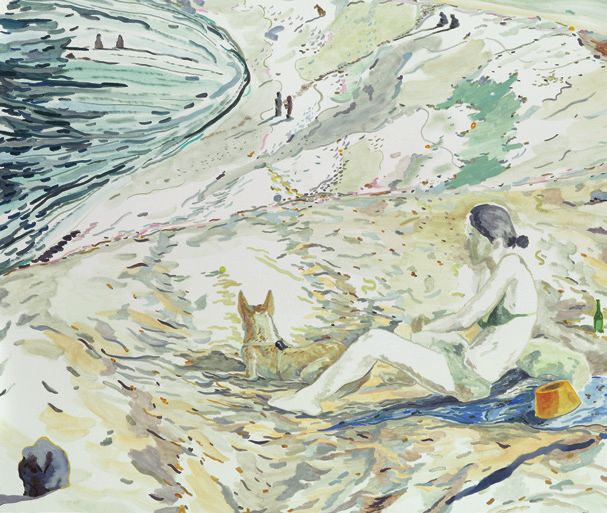
THE ART OF MAKING MONEY                                                                                                        10

M+: HONG KONG’S VISUAL CULTURE
In Hong Kong’s West Kowloon Cultural District, M+ is a repository of Hong Kong,
Asian and global visual culture.

                  7,523 works                                                           Over  1 million visitors
           in its two collections: the M+                                               from 2012 to 2019
  Collection and M+ Sigg Collection, as
                     of September 2020.

                85 key                                                                  574 works
 local public activities                                                                from the M+ Collections have
                                                                                        been loaned to 86 exhibitions in
           have been staged since 2012
                                                                                        19 countries, as of June 2020

Hong Kong Palace Museum: a hub for study and                       committed to promoting the study of and fostering the
appreciation of Chinese art and culture                            understanding and appreciation of Chinese art and
Scheduled for opening in mid-2022, the Hong Kong Palace            culture, while advancing dialogue among world cultures
Museum (HKPM) in West Kowloon Cultural District is a               and civilisations. About 800 precious items from the
collaborative project between the West Kowloon Cultural            Palace Museum collection, including painting, calligraphy,
District Authority and Palace Museum in Beijing. HKPM              decorative art, and textiles will be featured in five of the
aspires to become one of the world’s leading museums               nine galleries in the opening exhibitions of HKPM.

THE DIGITISATION OF THE HONG KONG ART WORLD
Social distancing measures during the pandemic forced some         to develop digital or virtual programmes by using new
visual and performing arts events to take place online, but        technology. The idea stemmed from creating online arts
this also opened up opportunities to further integrate arts and    programmes in response to the new social needs arising
technology in the future. In her latest Policy Address, Chief      from the pandemic. A total of 68 selected projects covering
Executive Carrie Lam announced a new initiative to promote         different art forms are scheduled to launch between
“art tech”—seeking to launch technology-driven arts initiatives,   January and June 2021.
such as digital museum experiences and novel applications of
technology in performing arts programmes. A total of HK$100        In the global art market, the shift of exhibitions, sales and
million (US$12.8 million) of public money has been set aside       programmes online may have made art more accessible
under various existing funds to support initiatives that foster    and available to an internet-savvy younger audience. Both
the development and promotion of Art Tech. The proposal            Christie’s and Sotheby’s reported that bidders aged 40 or
offers the cultural and creative sectors opportunities and         younger accounted for more than 30% of sales in 2020.
support to experiment and apply technology.                        “This was a dramatic increase from the 8% we recorded in
                                                                   2016,” says Mr Ching. More galleries and art houses are likely
The Hong Kong Arts Development Council, which supports             to increase their digital and social presence. For example,
arts groups, projects and individuals with public funds, is        Gagosian opened an online showroom in 2018, which
also encouraging artists to use technology in their artistic       supports the gallery’s physical presence at art fairs. When
creations. The new Arts Go Digital Platform Scheme was             it temporarily closing its Hong Kong outlet space, Gagosian
launched in July 2020 to help artists and arts groups              continued to buy and sell online via its WeChat account.
THE ART OF MAKING MONEY 11
THE FUTURE IS ASIA
IN THE POST-COVID ERA
Despite the challenges posed by the socio-economic both culturally and commercially, Hong Kong will continue
impact of COVID-19, both the Asian art market and the to play a central role in the growth and success of the
region’s artistic and cultural scene proved to be resilient and industry. “I don’t foresee any serious competitors that
adaptable. Art fairs will retain a central role in the global art could challenge Hong Kong’s status in the next 10 years,
market, with aggregate sales estimated to reach US$16.6 easily,” says CEO of Sotheby’s Asia, Mr Ching.
billion in 2019. And, with the increasing number of high-net-
worth individuals and the potential economic growth in this The opening of public institutions, together with the
part of the world, Asia will play an even more important role growth of the art market, will see Hong Kong further
in the global context, says Art Basel’s Asia director, Ms Ooi. transform itself into a global cultural capital. “The 21st
century is the Asia century,” says M+’s museum director,
The importance of Asia will only continue to grow—with Ms Raffel. “And Hong Kong is already carving out its
Hong Kong taking the lead. As the leading art hub in Asia, amazing future.”Produced by This paper is produced on behalf of Hong Kong Information Services Department by (E) BrandConnect, a commercial arm of The Economist Group. (E) BrandConnect operates separately from the editorial staffs of The Economist and The Economist Intelligence Unit. While every effort has been taken to verify the accuracy of this information, neither (E) BrandConnect or Hong Kong Information Services Department can accept any responsibility or liability for reliance by any person on this report or any of the information, opinions or conclusions set out in this report.
You can also read


