The Fourth Industrial Revolution - Australian businesses in transition Highlight info or date
←
→
Page content transcription
If your browser does not render page correctly, please read the page content below

Highlight info or date
                                                                                   Australian Industry Group

                  The Fourth Industrial Revolution
                 Australian businesses in transition

                                                                                                    August 2019

AUSTRALIAN INDUSTRY GROUP | The Fourth Industrial Revolution: Australian businesses in transition                 1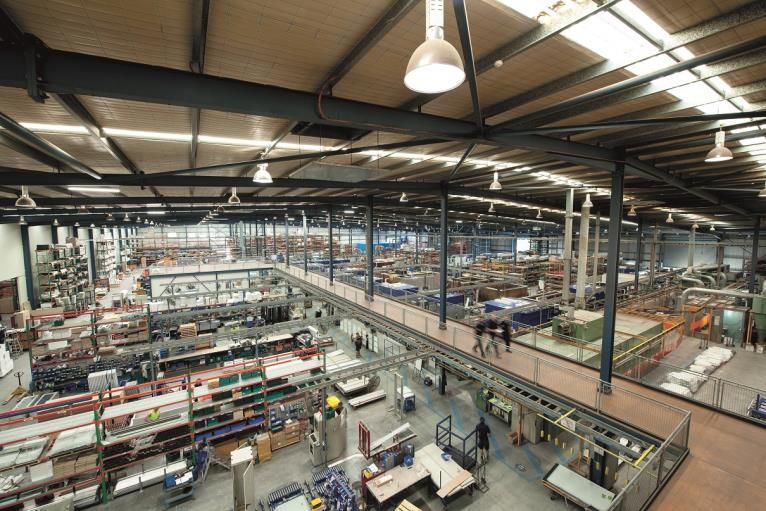
About Ai Group
The Australian Industry Group (Ai Group) is a peak national industry association
representing and connecting thousands of employers across Australia.
We represent the interests of more than 60,000 businesses employing more
than 1 million staff and we promote industry development, jobs growth and
stronger Australian communities.
Our members are private sector employers large and small, with common
interests in more competitive businesses and a stronger economic
environment.
Ai Group members have access to specialist workplace advice and services and
to policy leaders and business networks.
We connect businesses and our members value Ai Group’s expertise and ability
to contribute to and influence government policy in areas such as industry
policy, workplace relations, education and training, energy, trade, taxation and
regulation.

Ai Group contact
Peter Burn
Head of Influence and Policy
Australian Industry Group
51 Walker Street
North Sydney, NSW 2060
Australia Tel: 02 9466 5566

 AUSTRALIAN INDUSTRY GROUP | The Fourth Industrial Revolution: Australian businesses in transition   2
Foreword
                                              Only a few years ago “digitalisation” seemed like a discussion by and for technology
                                              companies. That conversation now extends to businesses well beyond the technology
                                              sector.
                                              More and more businesses are participating in the Fourth Industrial Revolution – a
                                              transformation of business models driven by connected devices, data analytics and
                                              other technologies, comparable in impact to the adoption of steam, electricity,
                                              telephony, railways, mass production, automobiles and computers. Business
                                              engagement with the current upheaval is growing, maturing and moving well beyond
                                              hype and theory.
                                       Ai Group’s new report, The Fourth Industrial Revolution: Australian businesses in
                                       transition, outlines the state of business digitalisation, drawing from a range of sources
                                       including Ai Group’s recent surveys. It follows from our 2017 report Business Beyond
Broadband: Are Australian businesses ready for the Fourth Industrial Revolution?, which reviewed business use of and
investment in digital and associated technologies.
Implementation and change are spreading across sectors as diverse as manufacturing, electricity generation and transmission,
construction, infrastructure, retail, the public sector and other institutions.
The changes underway present challenges and opportunities for all these organisations and the broader community.
Organisations are grappling with this in different ways and with different levels of readiness and capability.
The very strong prospect of further rapid income growth in our region is a huge opportunity for Australia, particularly if we can
lift innovation, productivity and quality in all sectors through the greater adoption of digital technologies.
At the same time, greater global engagement, the rise of new centres of economic success and growing digitalisation are
disrupting existing businesses, industries and occupations.
Like many other developed economies, Australia faces currents of dissatisfaction and distrust associated with these
transformations in the global economy, compounded by the failures that led to the Global Financial Crisis. The sense that “the
system” is not working for ordinary people needs to be taken seriously in parliaments and boardrooms.
Debate is needed on how to navigate the wave of digitalisation: maximising participation, minimising the pain of change and
disruption, and preventing disenfranchisement.
This debate is not just for businesses and other organisations: governments can provide strong visionary leadership. Following
the recent Federal Election, and with more than a year before any State elections, the returned Coalition Government has the
opportunity to work with businesses and the States to promote investment, job creation, community prosperity and social
cohesion.
An immediate challenge is the current period of relatively low real wages growth which is evident across the world’s developed
economies and is widely perceived to be associated with globalisation and disruptive technological change.
People are right to demand solutions. Real solutions need substance and rigour. There is a growing risk worldwide that anger,
distrust and the need to be seen to be doing something lead to populist or heavy-handed proposals on trade, regulation and
technology. That would undermine the foundations both of global growth and Australia’s strong performance over recent
decades.
Australia needs to achieve inclusive growth. Making the most of the Fourth Industrial Revolution is essential to that goal.

Innes Willox
Chief Executive

 AUSTRALIAN INDUSTRY GROUP | The Fourth Industrial Revolution: Australian businesses in transition                               3
Contents
Executive summary ..............................................................................................................................................................................................5
Key highlights .......................................................................................................................................................................................................7
1       Introduction ..............................................................................................................................................................................................10
2       Current business context ...........................................................................................................................................................................11
    2.1         Business drivers and inhibitors ......................................................................................................................................................... 11
    2.2         Business planning and strategy ......................................................................................................................................................... 14
    2.3         Business investment priorities .......................................................................................................................................................... 14
3       Evolving technology landscape..................................................................................................................................................................16
    3.1         Business end use ............................................................................................................................................................................... 16
        3.1.1           Business internet activities .......................................................................................................................................................16
        3.1.2           Anecdotal business feedback ...................................................................................................................................................21
        3.1.3           Business case studies ................................................................................................................................................................23
    3.2         Digital infrastructure and technology trends .................................................................................................................................... 33
        3.2.1           Internet access type, speed and data download volume .........................................................................................................33
        3.2.2           Connected devices and other connections ...............................................................................................................................34
        3.2.3           Broadband network ..................................................................................................................................................................35
        3.2.4           Emerging technologies .............................................................................................................................................................38
4       Growing cyber security threats .................................................................................................................................................................40
    4.1         Previous survey results ..................................................................................................................................................................... 40
    4.2         Latest survey results ......................................................................................................................................................................... 40
        4.2.1           Cyber security incidents............................................................................................................................................................40
        4.2.2           Business actions to cyber security incidents .............................................................................................................................43
        4.2.3           Investment in cyber security measures ....................................................................................................................................44
    4.3         Data breaches ................................................................................................................................................................................... 46
5       Public policy priorities ...............................................................................................................................................................................49
    5.1         Introduction ...................................................................................................................................................................................... 49
    5.2         Cyber secure, resilient and trusted businesses ................................................................................................................................. 49
    5.3         Business and technology investment ................................................................................................................................................ 50
    5.4         Innovation ecosystem ....................................................................................................................................................................... 51
    5.5         Legal and regulatory framework ....................................................................................................................................................... 52
    5.6         Standards .......................................................................................................................................................................................... 53
    5.7         Sustainability ..................................................................................................................................................................................... 53
    5.8         Trade ................................................................................................................................................................................................. 54
    5.9         Workforce skills................................................................................................................................................................................. 55
    5.10        Workplace relations .......................................................................................................................................................................... 56
Appendix A – 2019 CEO Survey of Business Prospects 2019: Survey participants.............................................................................................57
Appendix B – CEO Survey of Business Prospects 2019: Questionnaire .............................................................................................................58

AUSTRALIAN INDUSTRY GROUP | The Fourth Industrial Revolution: Australian businesses in transition                                                                                                                       4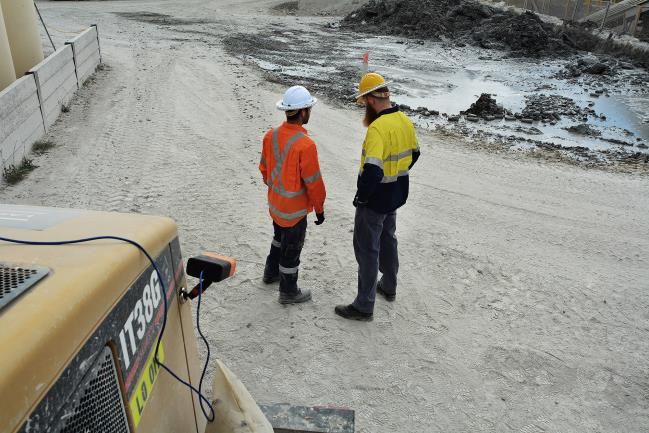
Executive summary
Australian businesses are currently transitioning to and                           Digital infrastructure and IoT (Chapter 3)
within the Fourth Industrial Revolution (or Industry 4.0). It
is fair to say that substantial progress in embracing                              A mix of good access to digital and communications
Industry 4.0 has so far been confined to leading local and                         infrastructure – including the National Broadband
multinational firms. These companies are punching above                            Network (nbn), non-nbn alternatives, 5G mobile networks
their weight, doing amazing things with new technology                             and a mix of other Internet of Things (IoT)
and leading the way for others. The gap between these                              communications networks – is essential to do business in
leaders and the majority of businesses is substantial.                             Industry 4.0.

This report assesses progress on digitalisation 1 and                              The nbn is now available to more than 10 million homes
changes in the underlying technological landscape;                                 and businesses, with less than twelve months of the build
highlights case studies from leading innovators; and sets                          remaining. While accelerating uptake of service is
out key policy priorities for work by government and                               expected to entail more frequent complaints, nbn-related
businesses. It draws on Ai Group’s surveys, interviews and                         complaints to the Telecommunications Industry
wider data.                                                                        Ombudsman have been falling as the rollout progresses
                                                                                   and belies media perceptions of dissatisfaction with the
Business strategy and planning (Chapter 2)                                         nbn. However, there is much room for improvement in
                                                                                   bringing down complaints, completing the rollout of the
A business’s overall strategy and planning can determine
                                                                                   nbn, bridging the digital divide for underserved regions,
the extent of its digital maturity. Top significant
                                                                                   lower barriers to global competitiveness, and
constraints for CEOs in 2019 included lack of customer
                                                                                   communicating the real business benefits of the nbn.
demand, skill shortages, and competition from imports
and online sources. Most popular business growth                                   The anticipated rollout of the 5G mobile network over the
strategies included improving sales of current products                            next year is expected to enhance access for advanced
and services to customers, new products to the market,                             industry digital applications through significant higher
downsizing or reducing operational costs, and increasing                           data limits and faster data speeds compared to 4G.
online presence or capability. The nature of investment is
                                                                                   Despite positive expectations for adoption of IoT through
also changing, with a greater focus on IT and a shift
                                                                                   greater cost efficiency, challenges remain for promoting
towards increased investment in the services industries.
                                                                                   the business value of IoT. According to ABS data, more
These business challenges and opportunities suggest
                                                                                   than 60% of businesses did not see any value in IoT. IoT
areas where digitalisation can play a useful role.
                                                                                   was more likely to be valued by larger businesses and in
Business internet uses (Chapter 3)                                                 industries such as mining, retail trade, transport, postal,
                                                                                   warehousing,         information         media        and
There is considerable capacity for businesses to increase                          telecommunications.
the proportion of revenue generated online, as well as
boost their online presence. ABS data show innovative                              Cyber security and data breaches (Chapter 4)
active businesses generally tend to make more internet
                                                                                   Cyber security threats continue to be a growing and
use, while smaller businesses often lag in the take up of
                                                                                   evolving risk management issue for many businesses. Akin
online technology. While Ai Group data indicate over 60%
                                                                                   to safety, cyber security is an ongoing risk management
of businesses are making use of data storage and/or
                                                                                   consideration for any business. 2018 saw the
analysis and online applications, ABS data is less
                                                                                   commencement of a range of significant data privacy
optimistic: nearly 60% of businesses do not use paid cloud
                                                                                   legislation including the Australian Notifiable Data
computing and generally do not use automated links
                                                                                   Breaches (NDB) Scheme and EU General Data Protection
between their systems, and nearly 70% do not see any
                                                                                   Regulation, as well as controversial Anti-Encryption Act.
value in data analytics and intelligent software systems.
                                                                                   Over 30% of businesses surveyed by Ai Group experienced
                                                                                   a cyber security incident, with the most common arising
                                                                                   from hacking, phishing, and malware. In contrast, ABS

1Sometimes digital transformation is used interchangeably with other
terms like digital disruption, digitisation and digitalisation.

AUSTRALIAN INDUSTRY GROUP | The Fourth Industrial Revolution: Australian businesses in transition                                            5
data reported less: over 10% of businesses experienced a                               environment, and it is essential to maintain and
cyber security incident, while less than 20% did not know.                             improve business competitiveness. We need to harness
                                                                                       a wider range of capabilities through better
Ai Group data found nearly 80% of businesses invested in
                                                                                       collaboration between businesses, researchers and
cyber security measures. ABS data was less optimistic:
                                                                                       governments, and put this in service to a clear strategic
almost half of businesses did not see any value at all.
                                                                                       agenda. Public policy support for innovation should be
Since the NDB Scheme commenced, over 1,000 data                                        stable and informed by strategy, and should address all
breaches were reported, almost 60% due to malicious or                                 parts of the innovation system.
criminal attacks and over a third by human error. Despite
                                                                                   4. Legal and regulatory framework: Australia’s legal and
improvements in cyber security investment, causes for
                                                                                      regulatory framework needs to be sufficiently flexible to
these data breaches point to the need for improved cyber
                                                                                      accommodate rapid changes in technologies that lead
security and data management posture within
                                                                                      to new types of business models and competition,
organisations, where government support might assist.
                                                                                      maximising the benefits that flow from that, while also
Public policy priorities (Chapter 5)                                                  protecting broader community interests.
In 2015, Ai Group set out key priority areas for private and                       5. Standards: Standards are fundamental to promoting
government action to seize the opportunities of a digitally                           digitalisation because they can promote an ecosystem
enabled economy. Those priorities remain relevant for                                 for technological innovation, competition, international
Australian businesses in transition to and within the                                 trade and interoperability. Standards, when called up by
Fourth Industrial Revolution.                                                         regulation, offer a mechanism to quickly respond to
                                                                                      changing markets.
Nevertheless, discussions around take up and
engagement in digitalisation are maturing as businesses                            6. Sustainability: Climate policy presents a particularly
transition to the Fourth Industrial Revolution. There is also                         important business transition challenge, creating both
an ongoing conversation in public policy about the role of                            economic opportunities for new products and
government, regulators and other institutions in response                             industries, as well as vulnerabilities where existing
to these changes, as well as the broader community                                    industries may experience a challenging transition or
impacts.                                                                              risk exit. At the same time, waste reduction, materials
                                                                                      efficiency and the circular economy present important
In this report, we identify nine public policy priorities for
                                                                                      opportunities over the long term.
businesses in transition – areas that require private and
government attention:                                                              7. Trade: The democratising nature of the internet has
                                                                                      reduced the barriers that previously excluded SMEs
1. Cyber secure, resilient and trusted businesses: Strong
                                                                                      from global markets, exposing them to greater
   cyber secure and resilient businesses are central to
                                                                                      opportunities and risks. Public policy can play a key role
   customer trust. This includes protecting data privacy,
                                                                                      to boost the prospects of the vast majority of Australian
   competitiveness, the strength of our economy and the
                                                                                      exporters.
   reliability of our infrastructure. While in many ways
   diverse, business sectors have a common and collective                          8. Workforce skills: Education and training play critical
   interest to be cyber secure. It is a critical time for                             roles in the transitioning economy and the broader
   improved collaboration between governments and                                     community, both in addressing workforce skill needs
   businesses.                                                                        and improving social inclusion. The digitally enabled
                                                                                      economy is leading to skill mismatches and shortages
2. Business and technology investment: Leadership in
                                                                                      due to new tasks in existing jobs and to new jobs being
   promoting investment in businesses, and enabling
                                                                                      created. While business and governments are making
   technology and infrastructure can help boost the
                                                                                      efforts to close the gaps, a range of measures is required
   economy. While businesses have the leading role in
                                                                                      to sufficiently meet business needs.
   driving growth in the Fourth Industrial Revolution,
   governments can also contribute by improving business                           9. Workplace relations: Flexible workplace relations
   confidence and helping to create the conditions for                                arrangements are fundamental to the improved
   more     decisive   improvements       in    business                              productivity that is so important to Australia’s national
   competitiveness.                                                                   competitiveness and our capacity to further improve
                                                                                      Australian living standards, especially as industries
3. Innovation ecosystem: Innovation is critical to improve
                                                                                      transition to and within the Fourth Industrial
   outcomes for Australia’s people, economy and
                                                                                      Revolution.

AUSTRALIAN INDUSTRY GROUP | The Fourth Industrial Revolution: Australian businesses in transition                                             6
Key highlights
Business strategy and planning                                                        demonstrates the large capacity for growth in online
                                                                                      advertising and marketing that manufacturing or small
A business’s overall strategy and planning can determine                              to medium businesses have yet to utilise.
the extent of its digital maturity. These business
challenges and opportunities suggest areas where                                  • Just over two-thirds (69%) of businesses use the
digitalisation can play a useful role.                                              internet to sell goods and services. There is little
                                                                                    variation across the sectors (services 69%,
According to Ai Group data:
                                                                                    manufacturing 66% and construction 67%) and sizes
• Just over 30% of CEOs identified a lack of customer                               (small 71%, medium 65% and large 68%).
  demand as their most significant constraint, followed by
                                                                                  • Nearly two-thirds of businesses (65%) order online from
  skill shortages, and competition from imports and
                                                                                    suppliers. Three-quarters of construction firms (76%)
  online sources.
                                                                                    are more likely to order online compared to two-thirds
• Improving sales of current products and services to their                         in manufacturing (65%) and services (64%). There are no
  customers was the most popular strategy for business                              notable differences between the size of a business and
  growth amongst 30% of CEOs, followed by introducing                               their likelihood to order online.
  new products to the market, downsizing or reducing
                                                                                  • Less than two-thirds of businesses make use of data
  operational costs, and increasing online presence or
                                                                                    storage and/or analysis (62%) and online applications
  capability.
                                                                                    (63%). Similar usage results appear across the surveyed
• Turning to business investment priorities, strong focus                           sectors.
  on investing in technology is a long-term trend, with
                                                                                  Digital infrastructure
  expectations of spending on new technologies rising at
  a faster pace than other forms of investment since                              A mix of good access to digital and communications
  2013. This suggests the nature of investment in the                             infrastructure – including the National Broadband
  Australian economy is changing, with a greater focus on                         Network (nbn), non-nbn alternatives, 5G mobile networks
  IT and a shift towards increased investment in the                              and a mix of other Internet of Things (IoT)
  services industries.                                                            communications networks – is essential to do business in
                                                                                  Industry 4.0.
Business internet uses
                                                                                  The nbn is now available to more than 10 million homes
Overall, the Ai Group and ABS data show that businesses                           and businesses, with less than twelve months of the build
are making inroads into embracing the opportunities                               remaining. While accelerating uptake of a service is
offered through digital technologies and leveraging the                           expected to entail more frequent complaints, nbn-related
internet for their business activities. However, there are                        complaints to the Telecommunications Industry
still areas where businesses can increase their use of                            Ombudsman have been falling as the rollout progresses
digital technologies to help achieve their overall business                       and belies media perceptions of dissatisfaction with the
strategies and on their way to the Fourth Industrial                              nbn. However, there is much room for improvement in
Revolution. There is also considerable capacity for                               bringing down complaints, completing the rollout of the
businesses to increase the proportion of revenue                                  nbn, bridge the digital divide for underserved regions,
generated online, as well as boost their online presence.                         lower barriers to global competitiveness, and
ABS data show innovative active businesses generally                              communicate the real business benefits of the nbn.
tend to make more internet use, while smaller businesses                          The anticipated rollout of the 5G mobile network over the
often lag in the take up of online technologies.                                  next year is expected to enhance access for advanced
Smaller businesses also often lag behind larger businesses                        industry digital applications through significant higher
in the take up of online technology, despite the low-cost                         data limits and faster data speeds compared to 4G.
entry barriers and efficiency gains that may result.
                                                                                  IoT
According to Ai Group data:
                                                                                  Despite positive expectations for adoption of IoT through
• Businesses in the services sector (87%) are more likely                         greater cost efficiency, challenges still remain for
  to use the internet for advertising and marketing than                          promoting the business value of IoT.
  manufacturers (64%) or constructors (55%). Larger
                                                                                  • According to ABS data, more than 60% and 80% of
  businesses are more likely to advertise online (77%)
                                                                                    businesses do not see any value in IoT and radio
  than medium (69%) or small (56%) firms. This

 AUSTRALIAN INDUSTRY GROUP | The Fourth Industrial Revolution: Australian businesses in transition                                        7
frequency identification devices (RFID), respectively.                             require further exploration include whether there is
                                                                                       limited awareness about the government’s role in such
• IoT is more likely to be valued by larger businesses
                                                                                       incidents; and whether other non-government
  (major value at nearly 20%) and in industries such as
                                                                                       organisations is seen to be already serving a similar
  mining, retail trade, transport, postal, warehousing,
                                                                                       function.
  information media and telecommunications. However,
  just over 10% of these industries see major value in IoT.                        • 79% indicate that they invested in cyber security
                                                                                     measures in 2018. Of those that did not experience an
• Similar to IoT, larger businesses are more likely to highly
                                                                                     incident (or were unsure), 61% indicated that they
  value RFID, however this was only for less than 10% of
                                                                                     proactively invested in measures.2 The response in our
  larger businesses. Transport, postal and warehousing
                                                                                     latest survey show a stark contrast to the 78% of
  valued RFID the most (major value at 10%).
                                                                                     respondents in our previous survey who reported that
Cyber security and data breaches                                                     they did not use cyber security technology, and only
                                                                                     13% saw cyber security as an inhibiting factor. The
Cyber security threats continue to be a growing and                                  higher proportion of businesses proactively investing in
evolving risk management issue for many businesses. Akin                             cyber security (especially proactively) compared to our
to safety, cyber security is an ongoing risk management                              previous survey suggested a dramatic shift in business
consideration for any business. 2018 also saw the                                    attitudes.
commencement of a range of significant data privacy
legislations including the Australian Notifiable Data                              In contrast, ABS data reported less incidents: over 10% of
Breaches (NDB) Scheme and EU General Data Protection                               businesses experienced a cyber security incident, while
Regulation, as well as controversial Anti-Encryption Act.                          less than 20% did not know. In the same data, almost half
                                                                                   of businesses did not see any value of cyber security
According to Ai Group data:                                                        measures at all.
• 32% of businesses report that they experienced a cyber                           Despite these differences, there was still a proportion of
  security incident of some kind. This is a relatively high                        businesses that do not invest or value the importance of
  number, highlighting that businesses in Australia are                            cyber security technology or other measure. Lack of
  susceptible to such incidents and are not isolated from                          business investment suggests that either more work could
  an increasingly connected world. And given that there                            be done to improve cyber security posture, or that some
  may be undetected incidents that are unknown and                                 businesses feel they already have adequate levels of
  therefore not reported, the numbers could be higher.                             protection.
• The most common incidents arise from hacking,                                    Since the NDB Scheme commenced, over 1,000 data
  phishing and malware. Compounded to this, some
                                                                                   breaches were reported, almost 60% due to malicious or
  businesses experience multiple incidents including virus
  infections, hacking, malware, phishing, and denial of                            criminal attacks and over a third by human error. Despite
  service.                                                                         improvements in cyber security investment, causes for
                                                                                   these data breaches point to the need for improved cyber
• Businesses that specified their actions on a cyber                               security and data management posture within
  security incident in our survey have varying responses.
                                                                                   organisations, where government support might assist.
  Some of the responses are not ideal and could be deeply
  disruptive, especially those that involved clean reinstalls                      In the meantime, Ai Group is making continued efforts to
  and other actions that take a business offline for a                             improve business awareness about the laws and
  period of time. Reinforcing this point, in the ABS survey,                       mitigating data breaches. We would welcome the
  over half of the businesses that experienced a cyber
                                                                                   opportunity to work closely with government and key
  security incident were affected the most by downtime
                                                                                   stakeholders to elevate industry awareness with useful
  of service.
                                                                                   information such as from the OAIC.
• A very small number of businesses indicate they sought
  government assistance in 2018. Reasons for this low                              Businesses making inroads
  rate of engagement with the government is unclear.                               We have received considerable feedback from businesses
  While we did not ask businesses why they did not seek                            (particularly SMEs) over the last several years for reasons
  government assistance, possible factors that might

2This proportion of responses was unweighted and therefore included
more manufacturing responses than other sectors.

AUSTRALIAN INDUSTRY GROUP | The Fourth Industrial Revolution: Australian businesses in transition                                            8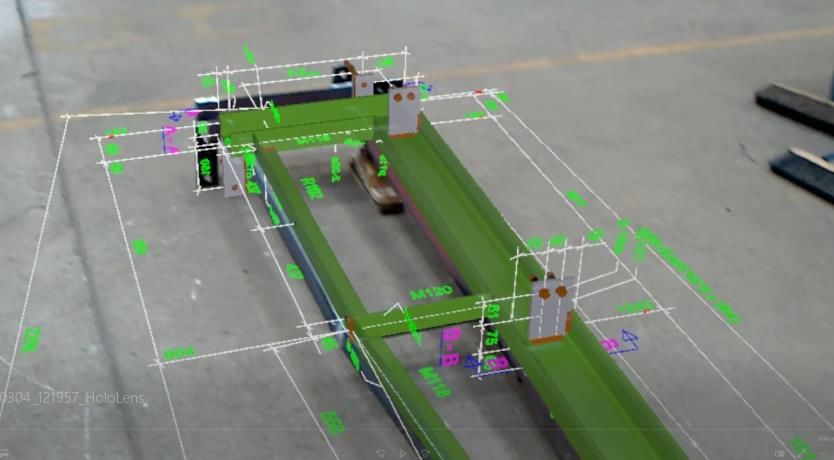
behind the gap in uptake of Industry 4.0 (see section 3.1).                            customised, smart and competitive manufacturing
                                                                                       model.
Despite the challenges for some businesses in starting the
Industry 4.0 journey and yet to take full advantage or see                         • Construction and engineering firm Laing O’Rourke has
the value of certain transformative technologies, others                             developed and implemented a wide range of
are challenging themselves by taking the journey. As                                 transformative technologies throughout its business,
expected, such steps are often neither perfect nor easy                              with two of the most prominent being the
and present successes along with their own practical                                 implementation of the LORAR+ augmented reality
challenges. Ai Group’s Entrepreneurs’ Programme                                      platform and the development of the Toolbox Spotter,
Business Advisers and Facilitators have engaged with                                 a modular safety system powered by artificial
many SMEs who are progressing Industry 4.0 strategies                                intelligence. The development of these technologies
without using this label. Instead, their primary objectives                          and others stem from the desire of Laing O’Rourke to be
are to implement strategies or new approaches to enable                              a leading engineering organisation in the emerging
them, for example, to manage their operations, become                                Fourth Industrial Revolution.
more efficient, improve productivity and improve bottom
                                                                                   • Adelaide-based manufacturer REDARC recently
line performance. They also implement digital strategies
                                                                                     finalised a $22 million factory expansion project,
to help drive demand strategies and build brand
                                                                                     including investment in its advanced manufacturing
awareness (see section 3.1.2).
                                                                                     capabilities as part of its Industry 4.0 digitalisation
Delving deeper into how businesses are currently                                     strategy. The major investment in the company has
responding to the practical challenges and opportunities                             been directed towards new state-of-the-art surface
of Industry 4.0 and digitalisation, several innovative                               mount technology, new advanced testing and validation
companies have taken the lead on investing in and                                    equipment, the latest in universal robotic technology,
implementing these technologies, leading to positive                                 and the implementation of a new enterprise resource
results for these businesses and their customers, as well                            planning system.
as positive changes within their organisations including
people and culture. Case studies of some of these                                  • Traditional steel fabrication company Watkins Steel in
companies and what they have been able to achieve                                    Brisbane has embraced advanced processing robotics
through their investments are discussed in section 3.1.3 of                          and emerging technologies to transform the company.
this report. Below are some snapshots of these businesses                            They have recently introduced virtual reality (VR) as a
and their investments taken from case studies presented                              new feature. Whilst VR is not new to industry, they have
in this report.                                                                      paired VR to point clouds generated from their laser
                                                                                     scanning to enable users to walk through existing
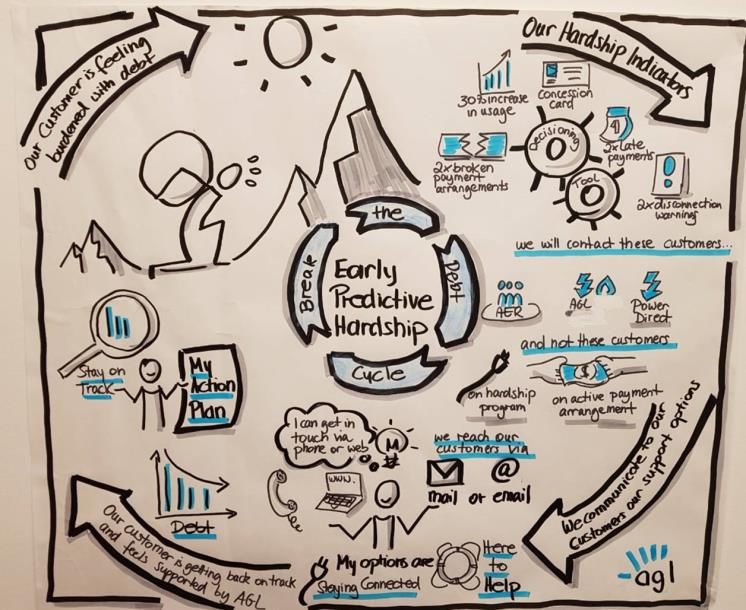
• In a first in using technology to reach out to vulnerable                          buildings and overlay design models.
  customers, Australian energy retailer AGL has leveraged
  both predictive and response data and analytics to                               • 150-year old engineering company Weir began
  identify customers who may be showing early signs of                               investigating digital and data analytics several years ago,
  hardship,       and     to    orchestrate     customised                           and has gone from being a manufacturer of stand-alone
  communications to raise awareness of the various                                   mechanical equipment to a supplier of advanced smart
  support options available, including access to AGL’s                               products, systems and services. From simple site-based
  hardship programs. At a more macro level, the role of                              detection systems to advanced remote monitoring,
  technology at AGL continues to evolve – automating                                 predictive maintenance, automation and control, Weir
  outcomes where possible in order to create efficiencies                            has developed a range of Industrial Internet of Things
  in delivery and learning as well as allowing humans to                             (IIoT), edge and Big Data-enabled smart products and
  focus more often on value-add tasks.                                               services.

• Brisbane-based manufacturer B&R Enclosures has been
  proactively investing in a strategy of Industry 4.0. B&R’s
  first digital transformational project focuses on
  improving the factory floor by making information
  transparent throughout the production process to
  improve decision making, lower costs and increase
  service. B&R’s second project applies Industry 4.0
  principles and technologies to product design and
  development to achieve digital continuity, reuse of
  information and real-time collaboration. Both projects
  represent a shift from large production-centric
  manufacturing of commodity products towards a more

AUSTRALIAN INDUSTRY GROUP | The Fourth Industrial Revolution: Australian businesses in transition                                             9
1 Introduction
Australian businesses are currently in a state of transition                        plans and strategies.
to and within the Fourth Industrial Revolution (or Industry
                                                                                    Chapter 3 reviews the current technological environment
4.0) – the convergence between the virtual and physical
                                                                                    that is enabling digitalisation in Australian businesses and
worlds. And the fusion of technologies across the digital,
                                                                                    advancement towards the Fourth Industrial Revolution.
physical and biological worlds are fuelling this new era.3
                                                                                    Chapter 4 summarises our findings on Australian business
Founder and Executive Chairman of the World Economic
                                                                                    responses to cyber security threats, as well as current
Forum (WEF), Professor Klaus Schwab, suggests businesses
                                                                                    cyber security trends.
are now being asked to re-examine the way they do
business, understanding their changing environment, how                             Chapter 5 highlights priority areas in public policy for
they operate, and how they can be more innovative. 4                                businesses in transition to and within the Fourth Industrial
                                                                                    Revolution.
Professor Schwab identifies three reasons for this
revolutionary change in technology: the velocity of change                          Appendices A and B provide further information about Ai
is exponential; the breadth and depth of change is leading                          Group’s CEO Survey of Business Prospects 2019.
to paradigm shifts across the economy and society; and
systems are transforming across countries and societies. 5
This is an evolution of digitalisation, which began during
the Third Industrial Revolution, ushering in the computer
and information age. Now, businesses are being digitally
transformed and disrupted, and becoming more globally
connected.6 Some refer to this as the Second Machine Age,
with digital technologies becoming more sophisticated and
integrated in the Fourth Industrial Revolution, leading to
the transformation of societies and the global economy.7
Ai Group understands these impacts in our engagement
with businesses and broader community.
In 2017, we published the Business Beyond Broadband
report. An aspect of that report focused on business use
and investment in digital technologies.
Our latest report reflects on how businesses have
progressed in their digitalisation journey, as well as the
underlying technological landscape, drawing from a range
of sources including Ai Group’s recent research.
There is more to digitalisation than technology. In our
engagement with businesses, discussions have matured
around the other issues that businesses need to consider
as they transition to and within the Fourth Industrial
Revolution.
In addition to our CEO survey of business prospects, we
have also drawn from other sources on digitalisation to
provide a more holistic picture.
Chapter 2 outlines current business challenges, drivers,

3 Klaus Schwab, The Fourth Industrial Revolution (WEF Forum, January                5 Klaus Schwab, above n 1, p. 3.
2016), p. 8.                                                                        6 Sometimes digital transformation is used interchangeably with other
4 Klaus Schwab, “The Fourth Industrial Revolution: What it means, how               terms like digital disruption, digitisation and digitalisation.
to respond” (WEF website, January 2016).                                            7 Klaus Schwab, above n 1, p. 7.

    AUSTRALIAN INDUSTRY GROUP | The Fourth Industrial Revolution: Australian businesses in transition                                                       10
2 Current business context
Speaking at an Ai Group function in 2018, the Governor of These strategies and plans can influence the digital
the Reserve Bank of Australia, Philip Lowe, commented on maturity of businesses and therefore the gap between
the nature of recent technological progress, noting that it leading and lagging firms. They are shaped by a range of
has been heavily focused on software and information drivers and inhibitors, where digitalisation has the
technology (IT) and that there was a wide dispersion of potential to play an important role.
take up of these technologies between leading and lagging
firms. Mr Lowe also expressed confidence that over time 2.1 Business drivers and inhibitors
there would be a greater diffusion of these technologies
beyond the leading firms thus boosting aggregate 31% of CEOs identified a “lack of customer demand”
productivity and incomes.8 as their most significant constraint, followed by skill
shortages (21% of businesses).
“One explanation for the widening gap between
leading and laggard firms is the difficulty of In Ai Group’s National CEO Survey: Business Prospects for
employing new technologies. Successfully using 2019 report, we asked which factors would provide the
these technologies requires both the right biggest challenge to business in 2019. 31% of CEOs
management capability and technical skills. Both identified a “lack of customer demand” as their most
of these can be difficult to acquire.” significant constraint, down from 45% of CEOs who said
– RBA (2018) the same in 2018 (and down from most previous years
since 2013 (see Chart 1)).
These observations provide a useful point of reference on
both the current status of the Fourth Industrial Revolution Chart 1: Expected inhibitors to business growth*, 2013-
(or Industry 4.0) in Australia and what the future holds. 2019
It is fair to say that substantial progress has been made in
embracing Industry 4.0, whether under that name or
others. And embracing Industry 4.0 has stretched the gap
between these leaders and the majority of businesses.
We have received anecdotal feedback from businesses
over the last several years for reasons behind the gap in
uptake of Industry 4.0 (see section 3.1). Despite the
challenges for some businesses in starting the Industry 4.0
journey and yet to take full advantage or see the value of
certain transformative technologies, others are
challenging themselves by taking the journey. As expected,
such steps are neither perfect nor easy and present their
own practical challenges, along with some success from
Note: * Percentage of respondents who ranked each factor first in each
the anecdotal feedback that we have heard over the last
year, out of a list of possible inhibitors.
year (see section 3.1.2). Source: Ai Group.
Delving deeper into how businesses are currently Labour market concerns featured prominently for
responding to the practical challenges and opportunities of businesses in 2019. The second most pressing concern for
Industry 4.0 and digitalisation, several innovative CEOs in 2019 was skill shortages with 21% of businesses
companies have taken the lead on investing in and nominating this as their top concern. This was up from 17%
implementing these technologies, leading to significant of leaders that identified skill shortages as an impediment
results (see section 3.1.3). in 2018 and triple the 2017 proportion (7%). These
In this chapter, we explore current businesses’ overall concerns reflected rising demand for labour seen in 2017
strategy and planning for 2019, based from Ai Group’s and 2018, as was indicated across a range of data sources
National CEO Survey: Business Prospects for 2019 report. including the monthly ABS Labour Force surveys and Ai
8RBA Governor, Philip Lowe, “Productivity, Wages and Prosperity”
(Address to Ai Group, June 2018).
AUSTRALIAN INDUSTRY GROUP | The Fourth Industrial Revolution: Australian businesses in transition 11Group’s Australian PMI®, PSI® and PCI®. were in technology or digitalisation, resulting in
managers being prioritised for this training.
2018 Survey on workforce development needs Reflecting the need for managers to navigate
constant change, employers said their capabilities
Ai Group’s 2018 Skilling: A national imperative survey
must also improve for problem solving, initiative and
report also gauged employer sentiment around skill
enterprise.
needs and training practices. Major pressure points
identified in that survey included: • Employer actions: Employers were active in
implementing strategies to alleviate some of these
• Skills shortages: It was apparent that skills for both
skills pressures. A greater percentage of employers
current and future-oriented occupations were not
intended to increase expenditure on training in
meeting demand. 75% of respondents report skills
2018: the highest level since we began the survey in
shortages, most often in the technician and trades
2012. There was an increase in the percentage of
worker category. Difficulties remained with the
employers engaging apprentices or trainees, with a
recruitment of employees with Science, Technology,
substantial proportion being of mature age (43%).
Engineering and Mathematics (STEM) skills. For the
Employers reported a significant increase in their
first time in our survey, skills shortages were
internal company training and support from
reported for those with skills in business automation,
supervisors and mentors to boost literacy and
Big Data and artificial intelligence (AI) solutions.
numeracy skills. Companies have steadily increased
• Digital skills: The rapid changes through their links with education and training sectors since
digitalisation are requiring a number of occupational 2014 – a vital strategy in the faster moving economy.
categories to be prioritised for digital technology
training and changes anticipated or caused by its In Ai Group’s National CEO Survey: Business Prospects for
rollout. Managers required significant capability 2019 report, almost half of businesses (42%) planned to
improvements in technology or digitalisation, with increase employment in their business in 2019, so
employers prioritising them (33%), over technicians concerns about skill shortages are expected to worsen as
or trades workers and administration staff (both recruitment activity steps up during 2019. A further 7.5%
18%), followed by professionals (16%). In the age of of CEOs said the flexibility of industrial relations was their
digitalisation all workers will need digital skills at top concern in 2019, up from 4% in 2018. Despite these
various levels. widespread (and growing) concerns about skill shortages
and industrial relations flexibilities, only 5% of CEOs ranked
• Literacy and numeracy: With the workforce
wage pressures as their greatest inhibitor in 2019, similar
increasingly requiring foundation skills that include
to 2018, but well down from 12% of CEOs in 2017.
not only literacy and numeracy but digital literacy
and advanced soft skills, it was disturbing that 99% Competition from imports and online sources (14%)
of employers were affected in some way by low increased as a constraint for 2019 compared to 2018
levels of literacy and numeracy in their workforce. (11%); but was well down from the recent peak in 2017
They were dissatisfied with the basic numeracy and when it was a primary inhibitor for 28% of responding
literacy levels of over one-fifth of school leaver businesses.
entrants. It was also a concern that dissatisfaction
Flexibility of industrial relations was a primary inhibitor for
levels were high for the self-management, planning
7% of CEOs, up from 4% in 2018 and 2% in 2017.
and organising, problem solving, initiative and
Government regulations were also a primary constraint for
enterprise skills of school leavers.
around 7% of CEOs, down slightly from the past couple of
• Leadership and management: The digitally enabled years.
economy requires a major change in the way work is Following the recent peak of the Australian dollar in
completed and managed as entire business January 2018, concerns about high and/or variable
processes and organisational cultures are upended. exchange rates were the main issue for 4% of businesses,
Being aware of the activities that are most likely to which was slightly up from 2018 (3%). This was much lower
change from a technical perspective allows than the 10% of businesses that had nominated this in
managers to rethink how workers engage with their 2015, when the trading range for the Australian dollar had
jobs and how digital platforms can better connect been much higher.
workplaces. The survey found that 62% of employers
believed a lack of leadership and management skills Other constraining factors for business in 2019 included:
was having a high impact on the business, an rising input costs due to higher energy prices (the most
increase on 2016. They reported the most significant commonly listed “other” factor); uncertainty about
capability improvements required by managers international trade; drought conditions; and access to
AUSTRALIAN INDUSTRY GROUP | The Fourth Industrial Revolution: Australian businesses in transition 12funding for operational and/or investment purposes.
Table 1: Factors that changed business use of ICT and/or the internet in 2017-18 by business size
Employment size
Factor Micro Small Medium Large Total
20–199
0–4 persons 5–19 persons 200+ persons
persons
Loss/reduction of digital skills or capability 2.7 3 1.7 1.8 2.7
Enhanced digital skills or capability 6.7 8.7 11.1 16.9 7.7
Cyber attacks 2.5 4.7 6.7 8.2 3.6
Spam 6.1 9.7 9.5 9.3 7.6
Lack of access to digital infrastructure 7.3 8.1 9.5 2.5 7.7
Improved access to digital infrastructure 4.3 4.8 8.7 11 4.8
Increased cost of digital technology or services 5.2 7.3 6.9 6.9 6
Decreased cost of digital technology or services 1.3 0.7 2.4 5.2 1.2
Competition from new market entrants 4.9 5 3.9 5.2 4.8
Access to global markets 2.3 2.2 1.8 3.9 2.2
Creation of new markets from online communities 3 3.7 3.1 4.1 3.2
Other factors 0.7 0.2 0.3 0.1 0.5
No factors 75.1 68.8 67 67.7 72.3
Note: Factors are shaded depending on prevalence of factor within each employment size subset. ‘No factors’ are not included in the shading.
Source: ABS
Table 2: Top three management practices implemented by businesses for use of ICT and/or the internet in 2017-18
by business size
Employment size
Rank Micro Small Medium Large Total
0–4 persons 5–19 persons 20–199 persons 200+ persons
Upgraded cyber
1 None (76%) None (64%) None (43%) software, standards or None (69%)
protocols (52%)
Upgraded cyber
Upgraded cyber Upgraded cyber Investment in new
Contracted external software,
2 software, standards or software, standards or digital technologies or
consultant (15%) standards or
protocols (10%) protocols (28%) infrastructure (43%)
protocols (14%)
Upgraded cyber Contracted
Contracted external Contracted external
3 software, standards or Upskilling staff (41%) external consultant
consultant (8%) consultant (25%)
protocols (15%) (12%)
Source: ABS
especially for large businesses (17%) and in the
ABS survey of businesses in 2017-18
information media and telecommunications sector
The ABS surveyed businesses’ use of IT in 2017-18. 9 (16%).
The survey considered factors that changed business
Spam and lack of digital infrastructure access appeared
use of ICT and/or the internet in 2017-18 (see Table 1).
to be more of an issue for small to medium size
Most businesses (72%) indicated no factors businesses (10%).
contributed to a change of ICT and/or internet use.
Where digital infrastructure access improved, large
Setting that aside, enhanced digital skills or capability businesses benefited the most (11%), as well as in
played an important role across business sizes – information media and telecommunications (8%).
9 ABS, 8167.0 – Characteristics of Australian Business, 2017-18.
AUSTRALIAN INDUSTRY GROUP | The Fourth Industrial Revolution: Australian businesses in transition 13The ABS also asked what management practices were the main approach for business improvement. We may be
implemented by businesses for use of ICT and/or the starting to see a cyclical process emerging across the time
internet in 2017-18 (see Table 2). series as businesses alternate their focus from developing
to consolidating sales of existing products and services.
A high proportion of businesses indicated none (69%).
When they did do something, micro to medium size Downsizing or reducing operational costs is a priority for
businesses were more likely to contract an external more businesses in 2019 than it has been in the past two
consultant, or upgrade cyber security software, years (16%). After a decline in cost reduction as a primary
standards or protocols. For large businesses, the top growth strategy in 2018 (8%) and 2017 (7%), it has crept
responses were to have protocols in place, invest in the back up to similar levels as 2016 (18%) and 2015 (16%).
technology and train their staff to use that technology.
Increasing online presence or capability is the primary
Upgrading cyber security software, standards or growth strategy for 11% of Australian businesses in 2019.
protocols was the most popular in the financial and
This factor has only been one of the most common
insurance services sector (23%).
strategies since 2016, where 4% of respondents
Contracting external IT consultants was most popular considered it their priority, it rose in 2017, before falling
in information media and telecommunications, and back in 2018.
financial and insurance services sectors (19%).
Although there was substantial growth in online presence
(all responding large businesses have a website for
2.2 Business planning and example), there is room for further growth in small to
strategy medium enterprises and some business sectors have more
capacity to increase their online capabilities in the future.
Increasing online presence or capability was the The same proportion of businesses planned to develop
primary growth strategy for 11% of Australian new markets within Australia, as they planned to work on
businesses in 2019. developing new export markets (5% each of responding
CEOs).
In Ai Group’s National CEO Survey: Business Prospects for
2019 report, Australian CEOs planned in 2019 to Few CEOs ranked advertising and marketing as their top
concentrate on improving sales of current products and business strategy in 2019 (4%, although this was slightly
services to their customers. This strategy was the most higher than in previous years) with most choosing to focus
popular priority for 2019 with 30% of CEOs ranking it their their efforts on selling existing products and services
first choice, but the proportion of respondents listing this instead.
as their primary strategy has fallen from 2018 (34%) and is
around similar levels to 2017 (see Chart 2).
2.3 Business investment priorities
Chart 2: Top strategies for business growth, 2013 to 2019 The strong focus on investing in technology is a long-
term trend, with expectations of spending on new
technologies rising at a faster pace than other forms
of investment since 2013.
Looking back at 2018, almost half of respondents increased
their spending on new technology (47%). In other areas of
business investment, most businesses did not alter their
spending on staff training, physical capital expenditure
(CAPEX) or research and development (R&D) in 2018,
relative to one year earlier.
Ai Group’s annual CEO survey has indicated an upward
trend in annual spending on technology, R&D and physical
Note: * Percentage of respondents who ranked each factor first in each CAPEX since at least 2012 (see Chart 3).
year, out of a list of possible strategies.
Source: Ai Group. A greater proportion of CEOs have reported growth in
spending on technology than other investment options
Introducing new products to the market was a primary consistently since 2012. Looking back at previous surveys,
strategy for growth in 2019 for 23% of businesses. It was it is clear that this focus on investing in technology has
the principal approach for more respondents in the 2018 increased over time. This suggests the nature of
(40%) and 2017 (33%) cycle but has since dropped back as investment in the Australian economy is changing, with a
AUSTRALIAN INDUSTRY GROUP | The Fourth Industrial Revolution: Australian businesses in transition 14greater focus on IT and a shift towards increased planning to reduce various types of investment were
investment in the services industries. similar to results seen in 2018 but much lower than from
2013 to 2017 (see Chart 4).
Chart 3: Business investment indicators, 2012-2018
The majority of Australian CEOs planned to maintain the
same level of spending on staff training, physical CAPEX
and R&D in 2019 as they did in 2018. Under half (39%)
planned to increase spending on staff training, 33%
expected to spend more on physical CAPEX and 23%
foresaw increased expenditure on R&D. Very few CEOs
planned to reduce business investment in 2019.
Expectations of spending on new technologies rose at a
faster pace than other forms of investment since 2013. This
suggests that the nature of Australia’s investment
environment will continue to change in 2019; with a
greater focus on investment in new technologies. In “net”
Note: “Net balance” is the proportion of all survey respondents that terms, new technologies investment spending was the only
reported an improvement minus the proportion that reported a rising investment indicator (+42% in 2018 vs +53% in 2019).
deterioration in each indicator. Aggregate results include respondents
from all surveyed industries and are weighted by ABS estimates of output In 2019, half of businesses (49%) planned to concentrate
from each sector. Here, the net balance increase is due to less respondents their investment spending on either staff training and
reporting negative spending i.e. less firms reporting falling investments
rather than more firms reporting increasing investments. Firms reporting development, or information and communications
increasing investments has been remarkably steady. technology (ICT) (see Chart 5).
Source: Ai Group.
Chart 5: Investment priorities for business*, 2019
Net spending on R&D was only slightly weaker than in 2017
(+24% in 2017 vs +21% in 2018), however like previous
years, more than two-thirds of businesses indicated they
would not change their level of R&D investment. Spending
on staff training has only been included as a question since
2016 but this indicator appeared to have pulled back in
2018 after jumping in 2017.
Chart 4: Expected business investment indicators*, 2013-
2019
Note: * Percentage of respondents who ranked each category first, out of
a list of possible types of business investment spending.
Source: Ai Group.
When asked what their highest priorities were for business
investment spending in 2019, just over a quarter (26%) of
CEOs stated that improving employee capability was their
focus for investment. Just under a quarter (23%) of
respondents said their first priority was ICT. These two
factors are likely linked as the introduction of new
technology generally necessitates an upgrade of employee
Note: * “Net balance” is the proportion of all survey respondents that skills.
improved minus the proportion that deteriorated. Aggregate results
include respondents from all surveyed industries and are weighted by ABS
The third most important area for investment spending for
estimates of output from each sector. Australian CEOs was new equipment with 19% of
Source: Ai Group respondents planning to prioritise this area of investment
in 2019. R&D and physical CAPEX were each important to
Moving from past actions to future intentions, the survey
11% of CEOs reporting on their investment intentions,
results indicated that most CEOs planned to maintain or
while just 5% of businesses planned to focus on new
increase their spending on various types of business
technologies other than ICT.
investment in 2019. The proportions of businesses
AUSTRALIAN INDUSTRY GROUP | The Fourth Industrial Revolution: Australian businesses in transition 15You can also read


