The Ground Transport Plan outlines strategies to meet the transport needs of the future at Brisbane Airport - Connecting People Building ...
←
→
Page content transcription
If your browser does not render page correctly, please read the page content below

The Ground Transport Plan outlines
                       strategies to meet the transport needs
                       of the future at Brisbane Airport.

      Connecting People
      Building Opportunities

208   Brisbane Airport Corporation
CHAPTER 12
GROUND
TRANSPORT
PLAN

                         209
             TRANSPORT
                GROUND
                  PLAN
12
GROUND TRANSPORT PLAN

BAC has analysed all                 12.1     About The Ground                 how BAC undertook a collaborative
                                                                               approach during the development of
aspects of non-aviation                       Transport Plan                   this GTP, and how this GTP links with
transport into and across                                                      state and local government plans.
the airport to design                BAC, as the lessee and operator of        Additionally, this GTP provides details
strategies and initiatives           Brisbane Airport, has developed the       of how the transport network is
                                     Brisbane Airport Ground Transport         currently operating and how it will
that will improve                    Plan (GTP).                               look in five years. A summary of each
accessibility for all.                                                         initiative that will be investigated to
                                     The GTP responds to legislative
                                                                               support the five-year transport plan is
                                     requirements and is an important
                                                                               included in this GTP.
                                     adjunct to airport planning as outlined
                                     in this Master Plan.
                                     The purpose of the GTP is to:
                                                                               12.3 About Current
                                     » Report on the existing and future
                                       transport trends at the airport
                                                                                    Transport Choices
                                     » Identify transport initiatives and
                                       actions to support the economic         Airline Passengers
                                       growth of the airport
                                                                               Assessments show that private
                                     » Target immediate and short-term         vehicles are the choice of transport
                                       opportunities to improve capacity,      for 59% of passengers using the
                                       provide transport choice and            Domestic T2 and 72% of passengers
                                       encourage the use of sustainable        using the International T1.
                                       transport modes such as public
                                                                               Taxis provide transport between the
                                       transport and cycling.
                                                                               terminals and other locations for
                                     The GTP specifically addresses            approximately 18% of passengers, with
                                     ground transport needs on and around      the majority of taxi trips occurring to
                                     Brisbane Airport for the five-year        or from the Domestic T2.
                                     period between 2014 and 2019.             Airport-Wide Preferred Choice
                                                                               of Transport
                                                                               Combining the transport choices of
                                     12.2 Structure of                         airline passengers and those who work
                                          the Ground                           across Brisbane Airport, then 96% of
                                                                               trips are typically by vehicle (inclusive of
                                          Transport Plan                       taxis) and 4% are by public transport.
                                                                               Through this GTP and its initiatives,
                                     In accordance with the Airports           BAC seeks to increase the use of
                                     Act 1996 (Airports Act), the GTP          public transport across the airport.
                                     forms part of the 2014 Master Plan.       To achieve this goal BAC will address:
                                     This GTP contains details on the
                                                                               » The need to secure additional
                                     transport network and options on and
                                                                                 public transport options to cater
                                     surrounding the airport,
                                                                                 for the large number of shift-based
                                                                                 airport employees

210   Brisbane Airport Corporation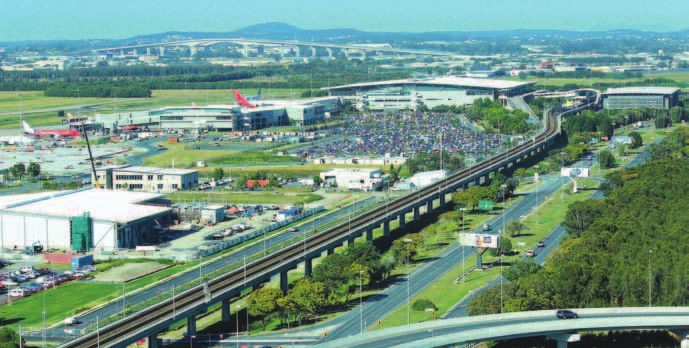
View across Brisbane Airport raod network

» The significant length of time it       12.4 About the Road                                           airport and many external destinations,
  takes to get to Brisbane Airport                                                                      including the Brisbane Central Business
  using public transport from                  Network                                                  District (CBD).
  geographically constrained areas in
                                                                                                        Some key roads such as Kingsford
  Brisbane’s eastern suburbs, such as
                                          Brisbane Airport is well connected                            Smith Drive, Southern Cross Way and
  Bulimba and Cleveland
                                          by a relatively new on airport and                            the Gateway Motorway are forecast to
» The need to secure better public        surrounding area road network. The                            remain busy during the commuter peak
  transport connectivity between          surrounding road network is controlled                        hour periods.
  Brisbane’s northern suburbs and         and planned by the Department of
                                                                                                        On-airport, the Domestic Terminal
  the airport, noting that the highest    Transport and Main Roads (TMR) and
                                                                                                        Upgrade Project (DTU) completed in
  proportion of trips to the airport      Brisbane City Council (BCC), while
                                                                                                        2012, which included major changes to
  emanate from this catchment             all on-airport roads are developed,
                                                                                                        the road network at the terminal face,
                                          operated and maintained by BAC.
» Limited information for aircraft                                                                      has alleviated daily peak pressures in
  passengers and employees on the         The two major roads providing access                          the terminal precinct.
  modes of transport available other      to Brisbane Airport are Airport Drive
                                                                                                        Forecast vehicle demands show that
  than the private vehicle                and Moreton Drive. The nearby
                                                                                                        within the five year timeframe of this
                                          Gateway Motorway is designated a
» The offering of on-airport car                                                                        GTP, and with the exception of several
                                          Priority 1 Freight Route1 with Airport
  parking, particularly for employees,                                                                  localised upgrades, no significant on-
                                          Drive and the Kingsford Smith Drive /
  noting that a reduction in on-airport                                                                 airport road upgrades are required to
                                          Eagle Farm Road / Main Myrtletown
  parking at airport business locations                                                                 address capacity constraints.
                                          Road corridor also supporting
  may encourage increased use of
                                          freight movements.                                            Beyond the GTP timeframes several
  public transport.
                                                                                                        significant road upgrades are required
                                          Airport Link and the flyover connecting
                                                                                                        and planning for these will begin within
                                          the East West Arterial to Airport Drive
                                                                                                        the five year period of this GTP and
                                          completed in 2011, provides additional
                                                                                                        2014 Master Plan.
                                          road capacity for travel between the

                                          1      Priority One Freight Routes facilitate high volume,
                                                 business-to-business freight movements. These routes
                                                 carry more than 1000 articulated trucks per day.

                                                                                                            Brisbane Airport 2014 Master Plan   211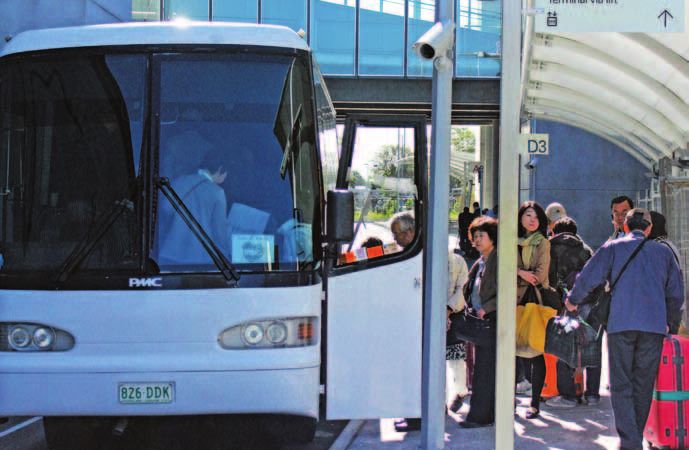
12 GROUND TRANSPORT PLAN

                                           TABLE 12.1: THE 10 GROUND TRANSPORT PLAN INITIATIVES
12.5 About Public
     Transport                              Initiative
                                            Initiative 1    Improve the on-airport road network                           (Ron)
                                            Initiative 2    Improve the off-airport road network                          (Rof)
Public transport services at Brisbane
Airport include:                            Initiative 3    Improve parking                                                (Pa)

» Airtrain, a privately owned and           Initiative 4    Improve the rail network and services                          (Ra)
  operated rail line connecting the         Initiative 5    Improve taxi, bus, coach and shuttle services                  (Tb)
  Domestic T2 and International T1          Initiative 6    Support freight movements through the airport                  (Fr)
  to the Brisbane CBD and the Gold
                                            Initiative 7    Improve active transport facilities at the airport and link    (At)
  Coast, via Eagle Junction. Airtrain
                                                            to the external network
  operates seven days a week
                                            Initiative 8    Improve information and signage for travel to, from, and       (Inf)
» Translink operates public bus                             within the airport
  routes serving Airport Central
                                            Initiative 9    Encourage passengers to use alternative modes                 (Pax)
  Skygate, Airport South Da Vinci and
  Airport East                              Initiative 10   Encourage employees to use alternative modes                  (Emp)

» BAC operates the Terminal Bus
  (T-Bus) shuttle service between          TABLE 12.2: AGENCY AND PROGRAM ALLOCATION

  Skygate, the International T1 and                                                                   Short-Term
  the Domestic T2                           Lead Agency                                              (2014 – 2019)
» BAC operates the staff bus (S-Bus)        Brisbane Airport Corporation                                    26
  service between the staff car park,
                                            Transport and Main Roads                                         11
  located adjacent to the International
  T1, and the Domestic T2                   Brisbane City Council                                             4
                                            TOTAL                                                            41
» Coach and shuttle services, run
  by private operators that provide
  connections with the Brisbane CBD,
  and regional areas.                      12.6 About Active                               12.7 About GTP
Airtrain operates under the Brisbane            Transport                                       Recommendations
Airport Rail Link (BARL) contract,
which runs until 2036. It includes
                                           Walking and cycling account for                 The GTP recommends the
restrictions on the ability to increase
                                           less than 1% of movements at                    implementation of 10 initiatives
public transport services to Brisbane
                                           Brisbane Airport.                               incorporating 41 programs to be
Airport, which cannot be breached by
                                                                                           implemented between 2014 and
the state.                                 The airport terrain is conducive to
                                                                                           2019. The 10 initiatives are outlined
                                           walking and cycling and opportunities
Notwithstanding current constraints,                                                       in Table 12.1 with the details of the
                                           exist to improve the degree to which
the GTP identifies opportunities for                                                       corresponding activity programs outlined
                                           these modes are used.
improvements within the existing                                                           in Section 12.15 of this document.
bus network to include services to         Higher take up rates for these transport
                                                                                           The GTP also identifies the agency or
the terminals and other locations          options can be achieved by providing
                                                                                           organisation that will lead each of the
not competing with Airtrain, with a        high quality infrastructure and good
                                                                                           41 programs identified in this document.
particular focus on serving the specific   intra-airport linkages, as well as
                                                                                           This division of responsibility was
needs of shift workers.                    connections to the external network.
                                                                                           determined following consultation with
                                           Currently, some gaps still exist in the         agencies responsible for delivering road
                                           existing active transport network,              and transport programs in South East
                                           however through initiatives and plans           Queensland (SEQ).
                                           that will be delivered during the next
                                                                                           Table 12.2 breaks the 41 programs
                                           five year period, walking and cycling
                                                                                           down by lead agency and number.
                                           will become more attractive.

212    Brisbane Airport Corporation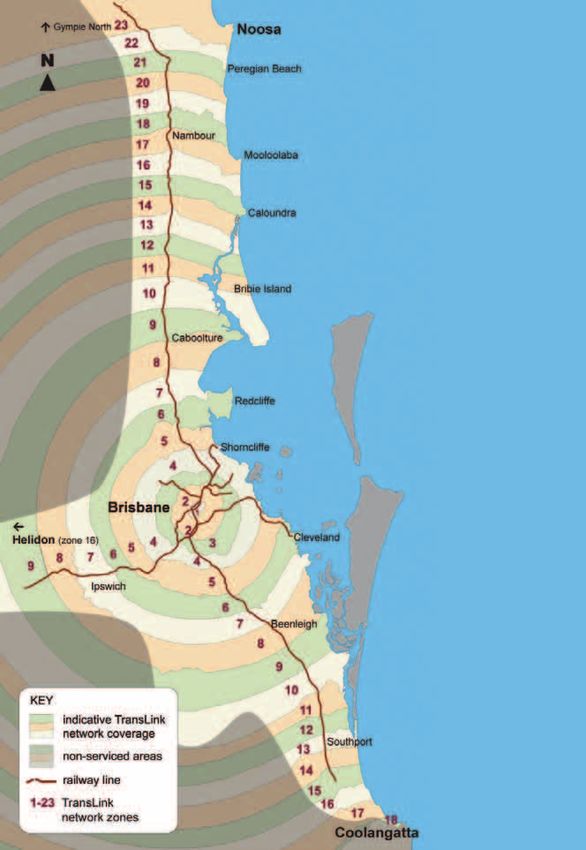
12.8 Implementation                         » Deliver proactive response to              Table 12.3 outlines BAC’s level of
                                              climate change                             investment in transport infrastructure
                                                                                         since 2004.
                                            » Contribute to regional economic
The implementation of the GTP                 wealth and employment generation           BAC has also contributed in planning
programs will involve coordination                                                       studies and resources to support
between BAC and other stakeholders,         » Ensure selective, profitable and
                                                                                         the development of major road
including local and state government          timely commercial development at
                                                                                         infrastructure projects such as the
agencies and public transport                 Brisbane Airport
                                                                                         Gateway Motorway and Airport
operators. BAC’s role ranges                » Delivers on BAC’s vision of world          Roundabout Upgrade projects. Land
from a supporting stakeholder to              best and preferred choice for              transferred from the Commonwealth
active implementation.                        passengers, airlines, business and         to state is another form of transport
More complex programs will require            the community.                             investment by BAC to support these
further investigation and planning work                                                  significant projects.
before advancing to construction/           BAC INVESTMENT
implementation, with investigation          IN TRANSPORT                                 LEGISLATIVE REQUIREMENT
required to determine the feasibility,      INFRASTRUCTURE                               FOR A GTP
design, costs and benefits for              Brisbane Airport is located                  The Australian Government’s National
each program.                               approximately 8 km from the Brisbane         Aviation Policy Issues Paper released
                                            CBD and is strategically positioned          in April 2008 initiated discussion on
                                            between the Gold Coast and Sunshine          key areas for consideration in long-
                                            Coast. Brisbane Airport consists of the      term aviation planning, including
12.9 Background                             International T1 and Domestic T2 and         transport planning.
                                            operates 24 hours a day, seven days
                                                                                         Subsequent review processes led to the
                                            a week.
As outlined earlier, the Brisbane Airport                                                amendment of the Airports Act in 2011
GTP is in response to legislative           Since Brisbane Airport was privatised        to include a requirement for airports
requirements and is an important            in 1997, BAC has invested significantly      to produce a ground transport plan
adjunct to airport planning. The GTP        in infrastructure, and over the              relating to landside areas, incorporating:
provides a planning framework that          past 10 years has invested almost
enables BAC to confirm transport            $600 million in transport infrastructure.
agencies short term plans and work
collaboratively with them to plan and       TABLE 12.3: TRANSPORT INFRASTRUCTURE INVESTMENT FROM 2004
implement the initiatives and plans
contained within this document.                                                                         Spend
                                             Item                                                       (AU$)             Timing
OBJECTIVES OF THE GTP                        Domestic long-term multi-level car park expansion        $28 million           2004
» Maximise connectivity and                  International T1 undercover car park                     $37 million           2007
  accessibility                              New major road access to terminals relieving
                                                                                                      $220 million          2009
» Facilitate safe and secure                 significant congestion
  movement of people and freight             Central Parking Area (CPA), Stage 1, taxi area           $47 million           2010

» Deliver innovative, efficient and          Domestic undercover short-term car park                  $190 million          2012
  continuous airport services                Domestic T2 pedestrian access project and
                                                                                                      $43 million           2012
                                             road improvements
» Continue agency partnering which
  builds on an integrated transport          Bus stops and connecting bus roads                        $1.1 million     2002–2013
  connection plan                            Cycle and pedestrian paths                               $1.5 million      2002–2013
» Timely delivery of seamless                Road sign upgrades and improvements                      $0.5 million      2002–2013
  transport system that provides new         Minor road works                                        $2.55 million      2002–2013
  and improved capacity
                                             Intersection upgrade Qantas and Lomandra Drive           $7.6 million          2013
» Minimise adverse environmental             Moreton Drive off ramp to Nancy Bird Way                 $3.6 million          2014
  impacts
                                             TOTAL                                                    $581 million

                                                                                              Brisbane Airport 2014 Master Plan   213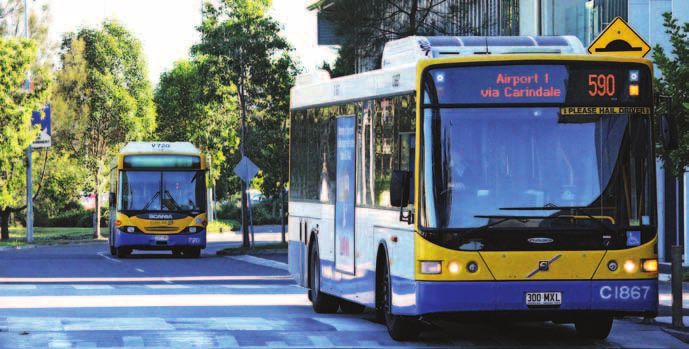
12 GROUND TRANSPORT PLAN

» A road network plan                      While this GTP responds to the
                                           legislative requirement, BAC considers
» Facilities for moving people
                                           transport planning to be a continual
  (including passengers, employees
                                           and an essential component of
  and other airport users) and
                                           its obligation to operate Brisbane
  freight at the airport (including the
                                           Airport responsibly and efficiently.
  airport’s road infrastructure, road
                                           Comprehensive transport plans have
  connections, car parking facilities,                                               1 International T1 multi-level
                                           formed part of its master planning
  public transport services and                                                      car park.
                                           process since 1997.
  facilities for taxis and private coach                                             2 Shuttle bus enters the Domestic
  or shuttle services)                                                               T2 precinct.
                                           GTP FRAMEWORK
» Linkages between the road network                                                   2
                                           Figure 12.1 illustrates the framework
  and public transport system outside
                                           used to develop the GTP initiatives
  the airport
                                           and programs. It also shows the
» Arrangements for working with            alignment between the GTP
  state and local authorities or           initiatives, the sustainability pillars
  other bodies responsible for             as outlined in this Master Plan
  the road network and ground              and the wider Brisbane and SEQ
  transport system                         transport plans.
» The capacity of the ground
  transport system to support
  airport operations and other
  airport activities
» The likely effect of the proposed
  developments set out in the Master
  Plan on the ground transport
  system and traffic flows surrounding
  the airport.

 1

214    Brisbane Airport Corporation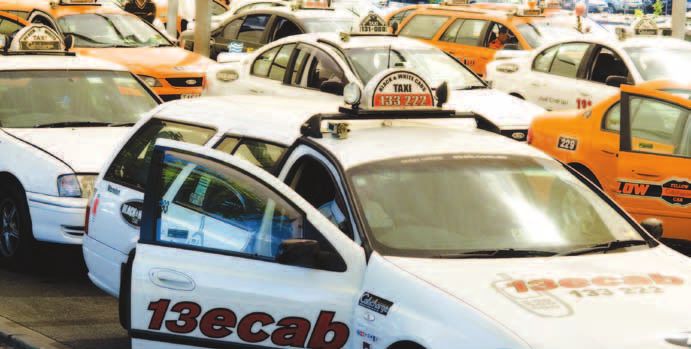
FIGURE 12.1: GROUND TRANSPORT PLAN POLICY FRAMEWORK

                                                                  Brisbane Airport Vision
                                                                              To be world best

                                                                                                                                                          2014 – 2034
                                                                                                                                                          Master Plan
                                       Economic                      Social                 Operational               Environmental

                                                                        Transport Vision
                                         “Maximise the efficient movement of people (employees, passengers and other
                                                             airport users) and freight at the airport.”

                                   y Contribute to           y Maximise                 y Facilitate safe           y Minimise adverse
                                     regional                  connectivity and           and secure                  environmental
   y Transport Plan for Brisbane

                                     economic wealth           accessibility              movement of                 impacts
                                     and employment          y Continue agency            people and freight        y Develop a proactive
                                     generation                partnering whish         y Deliver innovative,         response to climate
                                   y Ensure selective,         builds on an               efficient and               change
                                     profitable and            integrated transport       continuous airport
                                     timely commercial         connection plan            services
                                     development

                                                                                                                                                          Ground Transport Plan
                                                             Timely delivery of a reliable transport system

                                                                                                                                                              2014 – 2019
                                                             which provides new and improved capacity
   y Connecting SEQ 2031

                                                                              Initiatives

                                     Improve the          Improve the                                                    Improve taxi, bus,
                                                                                  Parking            Rail network
                                    on-airport road      off-airport road                                                    coach and
                                                                               improvements         improvements
                                       network               network                                                      shuttle services
                                                                                    (Pa)                  (Ra)
                                        (Ron)                 (Rof)                                                             (Tb)

                                    Support freight          Improve               Improve            Encourage              Encourage
                                   movements through     active transport      information and    passengers to use      employees to use
                                      the airport            facilities            signage        alternative modes      alternative modes
                                         (Fr)                  (At)                  (Inf)               (Pax)                 (Emp)

                                                                                Actions

                                                                 Mode Share Projections
                                                                              Refer Table 12.16

                                                                                                                      Brisbane Airport 2014 Master Plan         215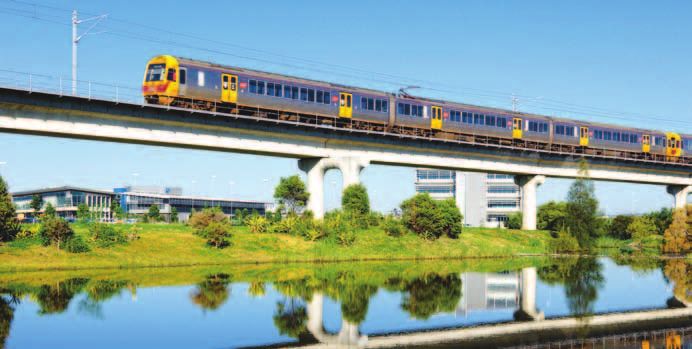
12 GROUND TRANSPORT PLAN

12.10 Engagement                            Airport raod network

      Framework

INTRODUCTION
The GTP has been developed with the
assistance and input of government
bodies responsible for the delivery of
transport networks across Queensland.
Their experience, insights and technical
knowledge have contributed to the
development of a range of programs and
initiatives that will, over time, improve
ground transport options and services
at Brisbane Airport, while improving
connectivity to areas around the airport.

AGENCY ENGAGEMENT
Stakeholder consultation and
participation has played an integral role
in developing the GTP. Consultation         The purpose of the workshop was to:      Workshop 2 (2012)
activities included a visioning workshop
                                            » Outline the purpose and objectives     Workshop 2 was held on 5 June 2012
with all agencies and two detailed
                                              of the GTP and provide details         with representatives from BAC, BCC,
workshops, supplemented by feedback
                                              about studies and research used        TMR and TTA to:
and endorsement processes. Ongoing
                                              to define the transport context for
consultation and input are planned as                                                » Inform stakeholders of work
                                              Brisbane Airport
part of the GTP implementation.                                                        undertaken since the Workshop 1
                                            » Identify initiatives and programs
In 2012, BAC released an agency                                                      » Provide responses to stakeholder
                                              that the GTP should contain, with
endorsed version of its GTP which                                                      feedback
                                              emphasis on programs that would
has been used as the platform for
                                              need to be led by external agencies,   » Present the findings from further
this document. The summaries of
                                              or involve multiple agencies             technical assessment
outcomes from those workshops are
important to include as background          » Understand links with the external     » Discuss proposed programs,
for this version of the GTP to provide        transport network and begin              benefits and agency responsibilities
input and alignment between 2012 and          to establish responsibilities for
                                                                                     » Present the proposed seven-
2013 priorities and plans.                    initiatives and programs that will
                                                                                       year implementation timeline
                                              involve working with state and local
It is important to note that BAC has                                                   (2012 to 2019).
                                              government agencies.
undertaken a consultative approach
                                                                                     Agency Visioning Workshop
with the agencies to developing             Between workshops, BAC:
a long-term GTP vision to ensure                                                     As the first of several workshops held
                                            » Refined and tested transport
benefits of this plan continue past the                                              specifically for the 2014 Master Plan,
                                              options resulting from Workshop 1
five-year framework of this GTP.                                                     the purpose of this workshop held on
                                            » Planned and programmed initiatives     23 July 2013 was to seek input from
Stakeholder engagement activities
                                              based on outcomes of Workshop 1        the agency representatives and to
comprised:
                                                                                     identify opportunities and projects
                                            » Prioritised initiatives based on the
Workshop 1 (2012)                                                                    that would benefit both BAC and
                                              GTP framework
                                                                                     the agencies.
Workshop 1 was held on 24 January
                                            » Issued reports to the agencies
2012 involving representatives from
                                              to seek agreement on workshop
BAC, BCC, TMR and TransLink Transit
                                              outcomes.
Authority (TTA).

216    Brisbane Airport Corporation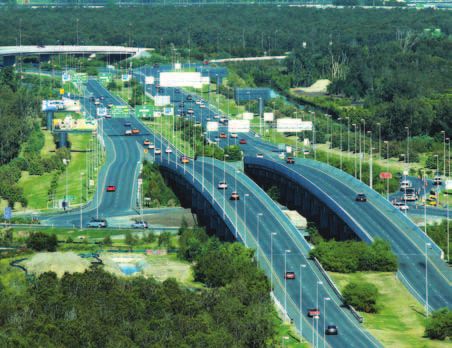
Representatives from BCC and              Transport Agency Working                                               public transport services with peaks,
TMR, identified two major topics          Group – Workshop 1                                                     transition of employees to public
as a result of the workshop, being                                                                               transport, mass transit opportunities
                                          The first of the transport working
transport networks including public                                                                              and consideration of CityCat
                                          group meetings was held on 27 August
transport and property development at                                                                            connection from Northshore
                                          2013 and was represented by BCC,
Brisbane airport. As the two topics are
                                          TMR and the Department of State                                     » Road capacity including the need
interrelated, several themes emerged
                                          Development, Innovation and Planning                                  to invest to maintain egress and
from the discussions including:
                                          (DSDIP). The purpose of the working                                   access to standards as experienced
» Transport between employment            group gathering was to:                                               at 2013, identify how new parts of
  nodes;                                                                                                        the road network can be addressed
                                          » Provide an overview of BAC’s
                                                                                                                (e.g. Kingsford Smith Drive and
» Functionality of the transport            work completed to date since the
                                                                                                                Doomben Interchange) including the
  networks                                  2012 GTP
                                                                                                                importance of freight movements
» Generating a shift toward               » Understand the agencies overview                                    and the road space it occupies
  public transport                          and strategic directions for transport
                                                                                                              » Active transport including linkages
» The need for a third rail station       » Discuss the outcomes of the                                         from off to on-airport networks, roll
                                            visioning workshop                                                  out of end of trip facilities, active
» Public transport servicing for a
                                                                                                                to public transport links and road
  24/7 airport                            » Allow for an open discussion on
                                                                                                                safety education programs
                                            programs or ideas, identification
» The balance between BAC’s parking
                                            of the most significant challenges                                » Parking including linkages of
  business and road demands.
                                            facing ground transport at the                                      mass parking to public transport
As a result of the themes arising           airport and to prioritise a list of top                             connections.
from the visioning workshop, working        programs for the next five years.
                                                                                                              As a result of the workshop, the group
groups would discuss and agree the
                                          The group identified four critical                                  were to interrogate their respective
key priorities and programs to address
                                          drivers for ground transport and                                    organisations transport plans to
how these themes could be converted
                                          planning as prioritised below:                                      identify what opportunities existed
to implementation.
                                                                                                              to progress the above priorities and
                                          » Public transport including transfers
                                                                                                              ensure that these were valued options
                                            from terminals and outside airport
                                                                                                              to ratify at the following working
                                            to airport precincts, alignment of
                                                                                                              group meeting.

                                          A view across to the International T1 with Airtrain in foreground

                                                                                                                  Brisbane Airport 2014 Master Plan   217
12 GROUND TRANSPORT PLAN
Transport Agency Working Group ENDORSEMENT PROCESS » The Brisbane Airport Community
– Workshop 2 Aviation Consultative Group
Following the transport agency
(BACACG), which is independently
Prior to the second working group, workshops, stakeholders conducted
chaired and provides opportunities
held on 12 November 2013, the group internal consultation within their
for BAC to share information on
was provided with an updated initiative organisations to establish if there were
development plans for the airport,
plan that reflected programs from any substantial program changes.
among other matters. This forum
the 2012 GTP. The working group Stakeholders then held briefings within
involves community members,
identified each agency’s role from the their organisation on an initial draft GTP.
representatives of the Queensland
initiatives and confirmed timing of Feedback from these briefings has been
Government and BCC, as well as
those initiatives where known. incorporated into the final GTP.
major airlines, Airservices Australia
Additionally, the working group and BAC
COMMUNITY ENGAGEMENT
members confirmed where the
» BAC also has a range of
priorities as established at 27 August BAC consults closely with all levels
consultative forums with the
2013 workshop lay in the initiative of government in the management,
Queensland Government and BCC
program. Specifically by priorities, the operation and development of Brisbane
to ensure integrated planning and
following points were discussed: Airport, including the development of
delivery of key infrastructure on
this GTP.
» Public transport: Until 2016, new and off the airport. To that extent,
agency public transport services This commitment to actively engage BAC has initiated the Brisbane
will be difficult to implement, the with stakeholders also includes building Airport Area Round Table (BAART)
need for a third Airtrain station is strong relationships with the Brisbane as a Planning Co-ordination Forum
endorsed subject to contractual community, facilitated through regular (PCF) including BAC and all levels
agreements, opportunities to extend forums and group presentations. of government, which is designed
on to off airport bus services will to deliver better planning outcomes.
Matters ranging from aircraft noise,
be reviewed
environmental management and It is expected that through these
» Road capacity: A western the operation of Brisbane Airport‘s forums and others held specifically in
connection option can be supported road network, including the GTP, relation to the initiatives and programs
subject to capacity considerations, are canvassed in these meetings, in the GTP, BAC will continue to
other connecting projects such as which include: engage with transport agencies to
Doomben interchange to Lomandra ensure off and on-airport activities are
» The Brisbane Airport Community
Drive are not identified as an integrated and aligned.
Engagement Program, which
agency high priority
involves regular presentations
» Active transport: Support in general on airport initiatives, issues and
for initiatives to improve active activities to ensure that all levels
transport links of government and the community
are involved and informed
» Parking: General agency support
about planning and growth at
for opportunities to explore public
Brisbane Airport
transport and parking links.
» The Brisbane Airport Community
Transport Agency Working Group
Forum (BACF) which is designed
– Workshop 3
as an open platform for members
Prior to the workshop each member of of the community to find out more
the Working Group was provided with about the airport and for BAC to
a copy of the Preliminary Draft GTP gain feedback on issues affecting
for review and comment. areas surrounding the airport
Because the GTP had been compiled Growth forecasts
in close consultation with Working have been analysed
Group members over a period of to assess and plan for
two years, the plan was considered
future transport needs.
comprehensive and complete, requiring
only minor alterations.
218 Brisbane Airport CorporationNew Domestic T2 road system
12.11 Planning BRISBANE AIRPORT Within the regional catchment,
POPULATION airports competing for domestic and
Context international passengers exist at the
The programs outlined in this GTP
Gold Coast and to a lesser extent the
arise from an assessment of forecast
Sunshine Coast. These airports are both
growth in aircraft passenger numbers
INTRODUCTION approximately 110 km south and north
and the number of people likely to
from Brisbane Airport respectively.
In preparing the GTP and its initiatives work at Brisbane Airport and, what this
and programs, BAC considered a growth means in terms of providing In 2013, Brisbane Airport and
range of relevant growth forecasts appropriate and efficient ground businesses within the Brisbane Airport
to assess future transport needs, as transport infrastructure. Further details boundary employed approximately
well as existing airport planning tools on passenger forecasts can be found 21,000 full-time equivalent employees.
and documents prepared by BAC, and in Chapter 5. This is forecast to increase to around
state and local government planning 51,000 employees by 2034.
Brisbane Airport’s passenger
documents that relate specifically to
catchment comprises a regional
transport planning for Brisbane and
population of approximately 3.4 million
the SEQ region. Outlined in this section
people, as illustrated in Figure 12.2,
are the forecasts and major planning
and a greater catchment within
tools used to inform the GTP.
Queensland and northern New South
Wales of up to five million people.
Brisbane Airport 2014 Master Plan 21912 GROUND TRANSPORT PLAN
FIGURE 12.2: BRISBANE AIRPORT OUTBOUND PASSENGER CATCHMENT
AirportlinkM7
220 Brisbane Airport CorporationHistory of Transport STATE AND LOCAL Key priorities relevant to Brisbane
Infrastructure Planning GOVERNMENT PLANNING Airport are:
and Development
Connecting SEQ 2031: An » Expanding and modernising the
Investment in transport infrastructure Integrated Regional Transport rail network. The plan identifies
at Brisbane Airport in the 10 years Plan for South East Queensland passenger rail upgrades between
from 2004 to 2014 has been around Eagle Junction and the Domestic T2,
Connecting SEQ 20312 is the
$581 million. This investment has and AirportlinkM7 is included as part
Queensland Government’s long-term
provided significant transport capacity of an UrbanLink network with high
transport plan, and includes a multi-
to meet passenger growth and frequency services and a bus-rail
modal plan and policies for public
commercial development through interchange at Skygate
transport, active transport, private
a progressive change in capacity
vehicles and freight. » Transforming the bus network,
introduced by major transport
including a new UrbanLink bus
infrastructure. Therefore, while BAC The plan details the following priorities
network, with high frequency
will continue to invest in this area to for action:
services on strategic corridors.
2019, it is likely to be to a lesser extent.
» Creating compact and connected Skygate is included in the UrbanLink
AIRPORT 2014 MASTER PLAN communities network, with connections to
» Changing travel behaviour Toombul in the east and Cannon Hill
The Master Plan identifies the
in the south
framework for on-airport development
» Improving transport system
between 2014 and 2034. Table 12.4 » Providing priority principal cycle
efficiency and safety
lists five development precincts routes between activity centres
that are defined in the Master Plan » Supporting economic vitality and completing the cycle network,
and which were considered in the » Protecting environmental quality improving integration with public
preparation of this GTP. Refer to and health transport stops and stations,
Chapter 6 for the locations of these providing high quality end-of-trip
precincts across the airport and the » Delivering an integrated transport facilities, and ensuring end-of-
five-year development strategy. network. trip facilities are considered in
2 Department of Transport and Main Roads 2011. new developments
TABLE 12.4: BRISBANE AIRPORT PRECINCTS
Airport
Precinct Sub-Precinct Intent
Airport Central Skygate, Moreton » Concentrated activity with high quality and urban public realm
Drive West, Airport » Energetic precinct for events and 24 hour gateway
Drive West,
» Created as the airport spine, it attracts naturally ventilated and quality
International T1 and
subtropical public realm
Domestic T2
Airport East Airport East » Maximises airside connection potential for industrial and business activities
» A precinct which can respond to changing market demands and
industry requirements
Airport South Export Park, » Efficient and flexible land options which have good transport connections
Da Vinci, Airport » Provisions for high quality built form which is scaled and proportioned to
Industrial Park interface with street and landscape settings
Airport North Airport North » Logistics hub for airside industrial developments and businesses
» Large footprint sites protective of airside operations
Airport West CPA » Integrated with central parking area with direct connections to the terminals
through rapid transit options
» Provides a link to recreation and tourism uses with walking and cycle trails
through ecological areas linking to Moreton Bay and Kedron Brook
Brisbane Airport 2014 Master Plan 22112 GROUND TRANSPORT PLAN
» Ensuring business and industry The plan acknowledges that population » Provide funding for the upgrade
areas are accessible with good growth outside the BCC area would of the Toombul Bus Interchange
connections to the priority freight mean that car trips would continue located off Sandgate Road.
network. The Gateway Motorway, to increase.
Brisbane Active Transport
traversing the airport, is part of the
Queensland Transport and Roads Strategy 2012 – 2026
National Highway network and a
Investment Program 2013 – 2014
key link within the priority freight BCC’s active transport strategy
to 2016 – 2017
route network forecasts that by 2026, one in five
The Queensland Transport and Road transport trips will be by walking and
» Improving efficiency of the local Investment Program (QTRIP) is TMR's cycling, enabled through a vision to
transport system detail of transport and road infrastructure create a high quality, connected and
» Enhancing multi-modal integration. projects to deliver over the 2013/14 accessible pathway network.
to 2016/17 years for roads, bridges
The plan also sets the following mode The strategy is supported by five
railways marine infrastructure and
share targets for SEQ at 2031: active transport priorities which are:
public transport.
» Increasing the share of trips by » Encouraging walking and cycling
Amongst other purposes of the plan,
public transport from 10.3% in 2006
it ensures integrated strategies and » Walking and cycling friendly suburbs
to 20%, taking daily trips from
policies across the public sector with
360,000 in 2006 to 860,000 in 2031 » A connected commuter network
the private sector and enables co-
» Increasing the share of trips by ordination of infrastructure and services » A safe and accessible network
walking from 10.6% in 2006 to across various transport nodes.
» Information at your fingertips.
13% by 2031
Of relevance to the area surrounding
The strategy aligns with BCC’s
» Increasing the share of trips by Brisbane Airport, the QTRIP identifies
Transport Plan and the City Plan
cycling from 1% in 2006 to 11% the following program commitments:
which encourages uptake of cycling
by 2031 and walking to support a reduction in
» Continuation of the additional
» Decreasing the share of trips by northbound lane construction on commuter private vehicle trips and an
car from 78.1% to 56%. This would the Gateway Motorway between increase in recreational trips. This GTP
see all private car trips reduce from Sandgate Road and the Deagon aligns the active transport priorities by
2.7 million in 2006 to 2.4 million Deviation as part of the National encouraging an uptake in cycling and
in 2031. Building program funded by the walking to airport.
Australian Government Transport Plan for
Brisbane 2008 – 2026
Moreton Drive opened in late 2011
The Transport Plan for Brisbane 2008
to 2026 is BCC’s strategy for building a
better, more responsive and accessible
transport system in a climate of
ongoing population growth and lifestyle
pressures. The transport plan has been
developed to act as an integrated local
transport plan under the objectives of
the SEQ Regional Plan.
222 Brisbane Airport CorporationThe transport plan aims to tackle the 12.12 Existing Transport
key challenges3 facing Brisbane and
incorporates six strategies and actions: Network
» Quality public transport – creating
public transport as the preferred
INTRODUCTION
mode of travel to the city’s major Projects such as the
centres, reducing the need to use This section outlines the transport
BAC-funded Moreton
a car network that currently operates at
Brisbane Airport, including a summary
Drive, combined with
» Managed travel demand – creating the AirportlinkM7
of the various roads, transport
a sustainable level of travel demand
services, upgrade work and facilities tunnel and Airport
where growth in traffic is less than
the growth in population
that provide access into and around Roundabout Upgrade
the airport. have alleviated traffic
» Coordinated transport and land
congestion along major
use – managing transport and land TRANSPORT NETWORK
uses to create a preferred urban AND SERVICES airport access routes.
form that increases accessibility,
Internal Road Network
connectivity and supports
sustainable travel behaviour Figure 12.3 shows the on-airport,
road network. » Nancy-Bird Way, providing access
» A safe and efficient road network to the International T1 and the CPA
– ensuring people and goods can Moreton Drive and Airport Drive in Airport West, which provides
move safely on the road network provide the primary access to and waiting facilities for taxis and buses.
by the most efficient modes and from Brisbane Airport. These roads It also connects Moreton Drive and
routes while minimising the impact connect to the surrounding road Airport Drive
of traffic on neighbourhoods and network comprising the Gateway
the environment Motorway, Southern Cross Way and » Dryandra Road, providing access to
the East-West Arterial. the Airport North, general aviation
» Delivering goods on time to the precinct and the Domestic T2
right place – ensuring freight Prior to 2009, Airport Drive was long- term and short-term car parks
moves efficiently and safely the only primary access to Brisbane
within Brisbane, while liveability of Airport, which was constrained as a » Lakeside Drive, connecting
residential areas is protected cul-de-sac at the Domestic T2 and Lomandra Drive to Airport
also by severe congestion at the Central, Skygate
» More clean and green personal
Airport Drive / Gateway Motorway » Boronia Road, providing access
transport – ensuring personal
roundabout, which has since been to the Da Vinci precinct in
transport is clean, green, safe and
converted to a “fast diamond” Airport South
attractive, while providing a genuine
signalised intersection. Airport Drive
alternative to driving. » Sugarmill Road, connecting
is still a major access point, but since
2009 the primary access from the to Lomandra Drive from Eagle
Gateway Arterial to the International T1 Farm Road.
and Domestic T2 is via Moreton Drive. The majority of the access routes
The secondary network within are free-flowing, however at critical
Brisbane Airport comprises: locations such as entries to major
airport precincts there are a number of
» Lomandra Drive, providing access at-grade intersections that control the
from Airport Drive to Main flow of vehicles. Important controlled
Myrtletown Road and to existing intersections include:
and longer-term industrial land use
developments » Moreton Drive / Dryandra Road
signalised intersection
» Pandanus Avenue, providing access
to Airport East » Airport Drive / Dryandra Road
3 The Transport Plan for Brisbane 2008-2026 identifies
the key issues to Brisbane’s transport network roundabout
as population growth and dispersal, changing » Qantas Drive, providing access to
demography, employment forecasts, journey to work
and car usage. the on-airport industrial precincts
Brisbane Airport 2014 Master Plan 22312 GROUND TRANSPORT PLAN FIGURE 12.3: BRISBANE AIRPORT ROAD NETWORK PLAN 224 Brisbane Airport Corporation
1                                          3

                                           1 Active transport infrastructure has
 2                                         been delivered in the past five years.
                                           2 Staff car park at International T1.
                                           3 Buses transfer visitors between
                                           terminal and Skygate.

» Airport Drive / Nancy-Bird Way           » Separation of taxis, pick-up and         External Road Network
  roundabout                                 drop-off private vehicles and other
                                                                                      Figure 12.4 shows the external, or off-
                                             general transport such as coaches,
» Airport Drive / Lomandra Drive                                                      airport, road network providing access
                                             buses, and limousines
  signalised intersection                                                             to and from Brisbane Airport. The
                                           » A new coach access road                  strategic road network comprises:
» Nancy-Bird Way and Moreton Drive
  ramp roundabout                          » A new public access road for             » The Gateway Motorway
                                             passenger drop-offs
» Lomandra Drive / Qantas Drive                                                       » Southern Cross Way
  signalised intersection                  » A new designated area for
                                                                                      » East-West Arterial Road
                                             passenger pick-up waiting
» Lomandra Drive / Sugarmill Road
                                                                                      » AirportlinkM7
  roundabout                               » The widening of kerbside space in
                                             front of the terminal for pedestrians.   » Kingsford Smith Drive
» Lomandra Drive / Main Myrtletown
  Road priority intersection               Proposals for future upgrades to the       » Nudgee Road.
                                           airport road network include:
» Pandanus Avenue / Main Myrtletown                                                   The Gateway Motorway, incorporating
  Road priority intersection               » Additional lanes on Moreton Drive        the Sir Leo Hielscher Bridges across
                                                                                      the Brisbane River, caters for long
» Skygate roundabout linking The           » Increased capacity for
                                                                                      distance trips and connects areas
  Circuit to Lakeside Drive.                 Lomandra Drive
                                                                                      north and south of Brisbane to the
As demand increases, these intersections   » Realigning Airport Drive to cater for    Sunshine Coast and Gold Coast.
will be considered for upgrades.             future aviation and terminal support
                                                                                      The Gateway Upgrade Project
                                             development
Major upgrades recently completed                                                     completed in 2010 significantly
include the DTU, to improve vehicle        » Grade separating the Lomandra            enhanced the strategic road network
and pedestrian circulation at the            Drive/Airport Drive intersection         in the area surrounding Brisbane
Domestic T2. Key features of the                                                      Airport, by providing:
                                           » Upgrading the roundabout at the
DTU include:
                                             Domestic T2.                             » Twelve lanes over the Brisbane
» Segregation of pedestrians and cars                                                   River (six in each direction)
» A new elevated covered walkway                                                      » Seven km of new motorway
  (Skywalk) connects the multi-level                                                    between the Brisbane River and
  car parks with the terminal                                                           Nudgee Road

                                                                                          Brisbane Airport 2014 Master Plan   225
12 GROUND TRANSPORT PLAN FIGURE 12.4: EXTERNAL ROAD NETWORK PLAN 226 Brisbane Airport Corporation
» Additional access point to Brisbane    Other lower order roads providing                These proposals include:
  Airport at Moreton Drive.              access to Brisbane Airport and
                                                                                          » A new interchange on Southern
                                         surrounding land are Sugarmill
AirportlinkM7 is a motorway and tunnel                                                      Cross Way at Doomben
                                         Road, Main Myrtletown Road, Main
network completed in July 2012. It
                                         Beach Road, Eagle Farm Road and                  » Realignment of Main
connects the airport to the Brisbane
                                         Schneider Road.                                    Myrtletown Road
CBD, Clem7 Tunnel and northern
suburbs. The project included the        BAC has longer-term plans for a future           » Upgrades to intersections along
Airport Roundabout Upgrade, which        connection between Lomandra Drive                  Nudgee Road
was completed in 2011.                   and Toombul Road and also for a
                                                                                          » Extensions to the road network
                                         western corridor connection into the
This project replaced a roundabout                                                          south of Lomandra Drive.
                                         CPA from the Gateway Motorway or
at the Airport Drive entry to Brisbane
                                         Southern Cross Way, which has state              These future road extensions
Airport with a fast diamond signalised
                                         conditional endorsement.                         include Trade Coast Drive and
intersection and included the
                                                                                          Scheider Road. No firm funding
construction of a flyover between the    BCC’s recently upgraded section
                                                                                          or timeframe commitments have
East-West Arterial Road and Airport      of Kingsford Smith Drive between
                                                                                          been made in relation to these
Drive, over the Gateway Motorway.        Harvey Street and Theodore Street,
                                                                                          infrastructure proposals.
                                         Eagle Farm has improved capacity, but
The strategic roads are supported by
                                         further planning for Kingsford Smith
the following urban arterials:
                                         Drive is continuing. These upgrades
» Kingsford Smith Drive, connecting      will benefit capacity and safety and
  Southern Cross Way with the            will provide access for pedestrians
  Brisbane CBD. Kingsford Smith          and cyclists.
  Drive is currently the primary route
                                         Land use development is occurring
  between the Brisbane CBD and
                                         in areas immediately surrounding
  the airport
                                         Brisbane Airport and there are                              CONNECTION
» Toombul Road, connecting the           preliminary proposals to upgrade the
  Virginia industrial area to the        road network to cater for associated                 A western connection to the
  Gateway Motorway                       growth.                                                    airport is part of
                                                                                                  long-term planning.
» Nudgee Road, connecting Kingsford
  Smith Drive with Toombul Road.

                                         Airtrain is an important public transport link

                                                                                              Brisbane Airport 2014 Master Plan   227
12 GROUND TRANSPORT PLAN
Car park payment machines in operation at Brisbane Airport
PARKING
Over 10,000 public parking
spaces are available.
2,500 visitor parking spaces to service
retail outlets and the airport hotel.
Near Airport Parking
Figure 12.5 also shows the locations
of current off-airport parking facilities
near Brisbane Airport. Passengers
park their vehicles at these facilities
530 public open air spaces. An open air and transfer to and from the airport
On-Airport Parking
car park beside the terminal provides terminals by mini-bus. BAC does not
Figure 12.5 shows all parking control the location or pricing of these
approximately 2,480 spaces for
facilities within the airport boundary. facilities and they are not considered
airport employees working at both the
Existing parking facilities at Brisbane within the GTP.
International T1 and Domestic T2.
Airport include:
The number of public and employee Freight
» Undercover and open air public
parking spaces available at the Figure 12.6 shows the Brisbane Airport
parking at the terminals including
terminals meets the current demand. freight access plan, which details the
valet services provided by BAC,
The CPA within Airport West, adjacent B-Double access routes to, from and
Qantas and Virgin Australia
to Moreton Drive, includes a taxi within Brisbane Airport.
» Staff parking adjacent to the
holding area and areas for other Brisbane Airport carries a small volume
International T1
ground transport operators such as of priority and high value cargo that
» Rental car parking at the terminals limousines and coaches. The area is is typically carried in the cargo hold
currently being developed to include of passenger aircraft. Infrequently,
» Employee and public parking in non-
rental car storage and maintenance, specific large-volume cargo aircraft
terminal precincts
and areas for other general transport will use Brisbane Airport for the
» Specialist parking, including taxi operations. There are also plans for international transfer of high-value,
holding areas and ground transport long-term public parking and additional large-sized freight. The existing
operations. staff parking, as the staff parking annual airfreight volumes comprise
area at the International T1 reaches approximately 56,000 tonnes of
The opening of an additional multi-
capacity and are displaced by aircraft imports and around 47,000 tonnes of
level car park at the Domestic T2
apron expansion. exports, with modest future growth
in 2012 significantly increased the
amount of parking available. Parking For other facilities within the airport, expected. There are plans by BAC to
capacity at the Domestic T2 now parking is either within or adjacent target growth in cargo handling at
comprises 8,130 public undercover to individual sites. The provision of Brisbane Airport, but not significant
spaces, 180 public open air spaces, and parking spaces is generally as per local in volume.
740 rental car spaces. government guidelines, and the current
car parking facilities for employees is
A multi-level car park at the
sufficient. The Airport Central, Skygate
International T1 offers approximately
precinct also has approximately
1,670 public undercover spaces and
228 Brisbane Airport CorporationFIGURE 12.5: BRISBANE AIRPORT PARKING MAP
Brisbane Airport 2014 Master Plan 22912 GROUND TRANSPORT PLAN FIGURE 12.6: FREIGHT ACCESS PLAN 230 Brisbane Airport Corporation
There are freight warehousing and         Junction Station. To connect to the         Buses And Shuttle Services
distribution centres within Airport       wider rail network, passengers transfer
                                                                                      Translink Bus Services
South, Export Park and Da Vinci           to or from the Airtrain service at either
precincts, with vehicle access from       Eagle Junction, or at stations within       Figure 12.7 shows the TransLink bus
Lomandra Drive. Heavy vehicles            the Brisbane CBD.                           routes servicing Brisbane Airport.
servicing these centres use Lomandra                                                  TransLink bus routes do not operate
                                          Airtrain operates 50 services on
Drive for access to and from the                                                      to the terminals, but service Airport
                                          a weekday between 5:04am and
Gateway Motorway, either via Airport                                                  Central Skygate, Airport South Da
                                          10:04pm, with services running every
Drive, or via Sugarmill Road and                                                      Vinci, Airport Industrial Park and
                                          15 minutes during peak periods, and
Kingsford Smith Drive. The Gateway                                                    Airport East. Table 12.5 outlines
                                          every 30 minutes at off-peak times.
Motorway is the only Priority 1 Freight                                               the route details, operating times,
                                          On weekends, services run every 30
Route through northern Brisbane.                                                      and frequency.
                                          minutes between 6am and 10pm.
The proportion of heavy vehicles using                                                To service the airport precincts,
                                          Brisbane Airport Rail Link Contract
these areas of the Brisbane Airport                                                   TransLink bus routes use Kingsford
road network is currently between 10%     Airtrain services are managed               Smith Drive, Eagle Farm Road, Main
and 12%.                                  through the BARL agreement, which           Myrtletown Road, Nudgee Road,
                                          is between Airtrain and the State           East-West Arterial Road, Airport Drive,
Passenger Rail
                                          Government. The BARL agreement              Lomandra Drive, Boronia Road, Sugarmill
Rail Infrastructure                       is in place until 2036 and includes         Road and the Gateway Motorway.
                                          contract conditions that restrict
Figure 12.7 shows rail infrastructure
                                          introducing public transport services
servicing Brisbane Airport. The rail
                                          that would compete with Airtrain
network comprises the Airtrain link,                                                   2
                                          services. The implications of the BARL
which is an 8.5 km elevated railway
                                          agreement needs further clarification
operating between Eagle Junction
                                          so that public transport service
and the Domestic T2. The rail link
                                          enhancements proposed as part of the
was constructed as a public private
                                          GTP do not contravene the conditions
partnership with Airtrain the private
                                          of the agreement.
company operating the service. The
Airtrain service connects the Domestic
T2 and International T1 to the Brisbane
CBD and Gold Coast via Eagle

 1                                                                                     3

                                                                                      1 Drop-off and pick-up road at
                                                                                      Domestic T2.
                                                                                      2 New technology in car
                                                                                      parks provides information on
                                                                                      spaces available.
                                                                                      3 Lights indicate available car parks.

                                                                                           Brisbane Airport 2014 Master Plan   231
12 GROUND TRANSPORT PLAN FIGURE 12.7: BRISBANE AIRPORT PUBLIC TRANSPORT MAP 232 Brisbane Airport Corporation
TABLE 12.5: TRANSLINK BUS ROUTES

                                   Monday –                              Frequency
                                    Friday         Interchange             (mins)             Saturday                Sunday

                               Operating Daily    Public transport                  Off-   Operating Freq. Operating Freq.
 Route                          hours Services       transfer           Peak        peak    hours    (mins) hours    (mins)

 303/302 Pinkenba, Eagle         5am–   3 or 4 303 Eagle Junction        20         None    None       None        None       None
 Farm, Airport (Pandanus        8:30pm in each     and Doomben
 Avenue), Doomben,                     direction Railway Stations
                                 2:15–
 Portside, Eagle Junction
                                  6pm            302 Pinkenba bus
                                                     Terminus

 307 Toombul, Northgate,         8am–      10    Toombul Interchange     60          60     9am –        90        None       None
 Banyo, Australian Catholic       4pm               connection to                            3pm
 College                                            590 to Airport

 369 Mitchelton to             5:45am–     34    Toombul Interchange     15          30    7:50am–       24      7:50am–          24
 and Toombul                    7:10pm              connection to                           7:20pm                7:20pm
                                                    590 to Airport

 590, Toombul, Airport           6:30–     36          Toombul           15          30     8am–         24        8am–           24
 (Skygate, DFO, Boronia         7:20pm               Interchange                           7:30pm                 7:30pm
 Road and Lomandra Drive),
 Cannon Hill, Carindale,
 Garden City

 598 Brookside,                6:15am–     25    Toombul Interchange     30          30     7am–         60        None       None
 Indooroopilly, Garden City,     7pm                connection to                            7pm
 Cannon Hill, Chermside                             590 to Airport
 (Counterclockwise at
 Toombul Interchange)

 599 Cannon Hill, Garden       6:20am–     25    Toombul Interchange     30          30     7am–         60        None       None
 City, Indooroopilly,           6:45pm              connection to                            7pm
 Brookside, Chermside                               590 to Airport
 (Clockwise at Toombul
 Interchange)

Passengers travelling to or from areas      On-Airport Bus Services
of Brisbane other than Eagle Farm,
                                            BAC operates its own T-Bus shuttle
Pinkenba, Toombul, Northgate, Wavell
                                            service, which provides transfers
Heights, Chermside, Mitchelton, Mt
                                            between the International and
Gravatt or Carindale must transfer to
                                            Domestic Terminals, and also services
another bus or train service to reach
                                            Airport Central Skygate. The T-Bus
Brisbane Airport.
                                            operates between 5am and 11pm with                       AIRPORT BUS
Figure 12.8 defines the TransLink           a 20-minute frequency.
                                                                                              The T-Bus operates between
Network Zones across Brisbane, the
                                                                                                terminals and Skygate.
Gold Coast and the Sunshine Coast
with Brisbane Airport located in Zone 3.

                                                                                              Brisbane Airport 2014 Master Plan   233
12 GROUND TRANSPORT PLAN FIGURE 12.8: TRANSLINK NETWORK ZONES 234 Brisbane Airport Corporation
Transfers between the Internatiional            At the International T1, taxi pick-up        Cycle infrastructure surrounding
T1 and Domestic T2 are a fee-based              is via a dedicated facility outside the      Brisbane Airport comprises:
service for a one-way adult trip or             arrival hall on Level 2. Passenger           » Off-road cycle paths including
free for some airline passengers                drop-off is outside the departure              the Kedron Brook Bikeway along
with valid connecting tickets. The              hall on Level 4, which is shared               Schultz Canal
bus also runs from the Domestic T2              with private vehicle drop-off for
and International T1 to Skygate. This           departing passengers.                        » The Moreton Bay bikeway
enables connections to and from the                                                            connecting Kedron Brook to
TransLink bus services at Skygate.              There are intermediate taxi storage            Gateway through Airport
                                                areas at both terminals to manage
A courtesy, BAC operated employee                                                            » The Jim Soorley Bikeway
                                                taxi supply and passenger demands.
bus service (S-Bus) transfers staff                                                            connecting the Kedron Brook
                                                A holding area for up to 500 taxis
between the employee car park,                                                                 Bikeway to the Moreton Bay
                                                at the CPA provides for overall taxi
adjacent to the International T1, and                                                          Bikeway, and the Gateway
the Domestic T2. The S-Bus operates             management to service both terminals.          Bridge Cycleway
24 hours a day with a maximum                   Active Transport                             » On-road cycle lanes along Kingsford
10-minute frequency.
                                                Figure 12.9 shows the existing active          Smith Drive between Theodore
Coach and Shuttle Operations                    transport network at Brisbane Airport.         Street and the Gateway Motorway,
                                                                                               Eagle Farm.
Table 12.6 outlines privately operated          There are wide shared paths around
coach and shuttle services that operate                                                      Parts of the cycling network are
                                                the Domestic T2, International T1,
between the terminals and other areas                                                        vulnerable to flooding, including the
                                                Airport East and Airport Central
within and outside Brisbane.                                                                 Kedron Brook Bikeway. Therefore,
                                                Skygate. Footpaths are also provided
                                                                                             on-road cycle lanes are important to
Taxis                                           in the Airport South Export Park,
                                                                                             complement the off-road cycle paths.
Taxis make a major contribution to              Da Vinci and Airport East precincts.
                                                                                             The existing off-road cycle network
the carriage of airline passengers              Off-road cycle paths exist along             also has the following physical gaps:
to and from the Domestic T2 and                 Charlie Earp Bridge, Lakeside Drive,
International T1 to off-airport locations.      Viola Place and The Circuit. Many of         » Some minor disconnected sections
                                                these shared paths and cycle paths             of existing pathway along The
At the Domestic T2, pick-up is via
                                                currently do not connect to form a             Circuit in Skygate
a taxi lane outside the arrival halls.
Drop- off is also via a dedicated               complete network.                            » Missing connection between Viola Place
adjacent taxi lane.                                                                            and the Gateway Bridge Cycleway.

TABLE 12.6: DETAILS OF COACH AND SHUTTLE BUSES AS AT MARCH 2014

 Operator                         Origin / Destination          Frequency
 Sun-Air                          Sunshine Coast                17 daily services
 Con-X-ion                        Sunshine Coast                10 daily services
                                  Brisbane CBD Hotels           21 daily services from 3am to 11pm
                                  Gold Coast                    16 daily services from 5am to 9pm
 Airport Flyer                    Toowoomba                     7 daily services (Monday to Thursday)
                                  Warwick                       3 daily services (Friday)
                                                                6 daily services (Sunday)
 Byron Bay Shuttle                Byron Bay &                   4 daily services (Monday to Saturday) and 1 service (Sunday)
                                  northern NSW
 RedAir                           Redcliffe Peninsula and       Pre-book shuttle services only
                                  surrounding suburbs
 Hervey Bay Shuttle               Hervey Bay                    2 daily services

                                                                                                    Brisbane Airport 2014 Master Plan   235
12 GROUND TRANSPORT PLAN FIGURE 12.9: BRISBANE AIRPORT ACTIVE TRANSPORT MAP 236 Brisbane Airport Corporation
12.13 On-Airport                                                                 AIRCRAFT MOVEMENTS                                      AIRLINE PASSENGER AND
                                                                                                                                         EMPLOYEE DEMANDS
      Transport                                                                  Figure 12.10 shows the number of
                                                                                 scheduled domestic and international                    Current passenger statistics, additional
      Demand                                                                     flight departures and arrivals on a                     employment statistics, and growth
                                                                                 typical weekday that occurred at                        forecasts are shown in Figure 12.11.
This section describes the number of                                             Brisbane Airport in 2013.
                                                                                                                                         In 2013, there were 45,000
people moving in and around Brisbane                                             In 2013, arrivals and departures                        passengers using the Domestic T2
Airport now and in the future. The                                               numbered 35 aircraft movements                          and 12,000 passengers using the
GTP aims to understand the human                                                 per hour between 6am and 8pm.                           International T1 on a daily basis.
dynamics of the airport transport                                                However, between 8am and 9am, at                        Passenger numbers are forecast to
network leading to the definition of                                             a peak, there are likely to be up to                    increase by 50% in 2019 to reach
programs and initiatives designed                                                54 scheduled aircraft movements.                        67,000 and 20,000 daily passengers
to meet overall transport demand,                                                                                                        using the Domestic T2 and
                                                                                 A typical aircraft operating between
while enhancing the range of options                                                                                                     International T1 respectively.
                                                                                 Brisbane and Sydney carries
available to them.
                                                                                 approximately 180 passengers, while                     In 2013, there were about
                                                                                 larger widebody aircraft can carry up                   21,000 full- time equivalent employees
                                                                                 to 340 passengers.                                      at Brisbane Airport. Based on
                                                                                                                                         development projections, employee
                                                                                                                                         numbers are also forecast to increase
                                                                                                                                         to 29,450 employees by 2019.

FIGURE 12.10: SCHEDULED DOMESTIC AND INTERNATIONAL AIRCRAFT AVERAGE WEEKDAY DEPARTURES AND ARRIVALS

                       60
                                 Departures - Avg. Weekday (International)
                       55
                                 Arrivals - Avg. Weekday (International)
                       50
                                 Departures - Avg. Weekday (Domestic)
                       45
                                 Arrivals - Avg. Weekday (Domestic)
  Movements per hour

                       40        Maximum observed
                       35

                       30

                       25

                       20

                       15

                       10

                       5

                       0
                            00      01      02     03     04     05        06   07   08   09     10     11    12     13       14   15   16   17   18      19     20     21     22    23

                                                                                               Time of day (hour beginning)

                                                                                                                                                       Source: BAC website. www.bne.com.au

                                                                                                                                             Brisbane Airport 2014 Master Plan       237
You can also read


