THE NEWRY-DUNDALK TWIN CITY REGION - INTERTRADEIRELAND
←
→
Page content transcription
If your browser does not render page correctly, please read the page content below
The Newry-Dundalk
                                    Twin City Region
                                        Supporting the Implementation of
                                   Cross-Border Collaborative Frameworks

                                                     January, 2009

International Centre for Local
 and Regional Development

        39 Abbey Street
       Armagh BT61 7EB
        Northern Ireland
  Tel: +44 (0)28 3751 5290
  Fax: +44 (0)28 3751 1721
     Web: www.iclrd.org
    Email: info@iclrd.org
The Newry-Dundalk Twin City Region: Supporting the Implementation of Cross-Border Collaborative Frameworks

                                                                                                                      i

This research, focusing on fostering mutual benefits through cross-border co-operation in the Newry-Dundalk Twin
City Region, has been carried out by the International Centre for Local and Regional Development (ICLRD) as part
of a core research programme for the period 2007-2008. It is a summary of separate in-depth working papers
generated through focus groups and research by the study team. This report is one of a series of three that will be
produced by ICLRD in 2008/2009 as a result of its research activities; the others being:

• Fostering Mutual Benefits in Cross-Border Areas: The Challenges and Opportunities in Connecting Irish Border
  Towns and Villages
• Changing Neighbourhoods: Sustainable Communities on the Island of Ireland.

All three studies will be available in hard copy and electronically through ICLRD. The more detailed working papers
on which this report is based are available on the ICLRD web site, www.iclrd.org. For further details contact
info@iclrd.org.

STUDY TEAM

Alastair Adair                University of Ulster, Jordanstown
Jim Berry                     University of Ulster, Jordanstown
John Driscoll                 ICLRD Director
Chris Van Egeraat             NIRSA, NUI Maynooth
Erick Guerra                  Institute for International Urban Development, Cambridge, MA
Stanley McGreal               University of Ulster, Jordanstown
Christopher Ryan 		           formerly of InterTradeIreland
Francois Vigier               Institute for International Urban Development, Cambridge, MA

Maps by Justin Gleeson, All Island Research Observatory (www.airo.ie)

The information and opinions expressed in this document have been compiled by the authors from sources believed
to be reliable and in good faith. However, no representation or warranty, express or implied, is made to their
accuracy, completeness or correctness. All opinions contained in this document constitute the authors judgement as
of the date of publication and are subject to change without notice.

This document is intended to provide general information on the subject matter of this publication. It is not
intended to provide a comprehensive statement of the subject matter and does not necessarily reflect the views
of the constituent partners of ICLRD. Unless otherwise agreed, no other party may distribute or make use of the
contents of this publication.

                                        Published by International Centre for Local and
                                                Regional Development (ICLRD)
                                                       39 Abbey Street
                                                      Armagh BT61 7EB
                                                       Northern Ireland
                                                             2009
                                                      Copyright © ICLRD
The Newry-Dundalk Twin City Region: Supporting the Implementation of Cross-Border Collaborative Frameworks

acknowledgements                                                                                                           ii

The International Centre for Local and Regional                       respective central government view points in regard
Development (ICLRD) would like to thank the Steering                  to spatial planning and regional development. Their
Committee for their assistance, advice and guidance                   counterparts at the local and regional levels, Tony
throughout the course of this research. We also convey                Donnelly and Gerry Duffy were also helpful in providing
our sincerest thanks to the numerous interviewees and                 information and advice to the study team.
members of focus groups who were consulted during
the course of this study (please see Appendix A for a                 The essential role to be played by local government in
listing). The views and opinions expressed during the                 promoting the Twin City concept was evident from the
course of these meetings contributed significantly to                 support the study team received from: Conn Murray
this work.                                                            and Michael Curran from Louth County Council; Tom
                                                                      McCall, and Gerard McGivern from Newry and
Steering Committee Members                                            Mourne District Council; and Frank Pentony of Dundalk
                                                                      Town Council.
The Steering Committee offered the study team
strategic guidance during the course of the study.                    We also appreciated the help provided by Bill Tosh
The members took considerable time to review and                      and Mary Doran and their respective Chambers of
comment on different drafts of the study.                             Commerce in Newry and Dundalk for providing the
                                                                      team access to their members for interviews and
We would like to thank Aidan Gough of                                 commenting on the text.
InterTradeIreland, who in his role as Chair, brought
clarity and direction to a complex undertaking.                       Lastly, the team benefited greatly from the advice on
InterTradeIreland also provided strategic support to the              broader issues impacting cross-border co-operation
study team through the participation of Christopher                   from Tom Hanney and Mary Bunting from the North
Ryan as a member of the study team.                                   South Ministerial Council; Andy Pollak from the Centre
                                                                      for Cross Border Studies; Feargal McCormack of FPM
The advice of Mike Thompson, Jim Hetherington, Dave                   Accountants; and William Poole from the Confederation
Walsh and Niall Cussen were important in bringing the                 of British Industry.
The Newry-Dundalk Twin City Region: Supporting the Implementation of Cross-Border Collaborative Frameworks

                                                                                                                             iii

Aidan Gough (Chairman) InterTradeIreland                              William Poole		Confederation of British
Mary Bunting            North South Ministerial                       		Industry
                        Council/OFMDFM                                Christopher Ryan 		InterTradeIreland
Michael Curran          Louth County Council                          Bill Tosh		Dundalk Chamber of
Niall Cussen		Department of 			                                       		Commerce and Trade
		Environment Heritage and                                            Mike Thompson      Department of Regional
		Local Government                                                    		Development
Tony Donnelly		Planning Service                                       David Walsh		Department of Environment
Mary Doran              Newry Chamber of                              		Heritage and Local
		Commerce                                                            		Government
Gerry Duffy		Louth County Council
Tom Hanney              North South Ministerial                       Our sincerest thanks also to the International Fund for
		Council/Department of                                               Ireland and the Irish Government through the Higher
                        Foreign Affairs                               Education Authority for their financial support that
Jim Hetherington       Department of Regional                         allows ICLRD to undertake its core research programme.
		Development                                                         Newry and Mourne District Council, Louth County
Orla Jackson            Newry Chamber of                              Council, Dundalk Town Council and InterTradeIreland
		Commerce                                                            have assisted with the publication of the report and will
Thomas McCall           Newry and Mourne District                     play a key role in rolling out the projects and structures
		Council                                                             suggested.
Feargal McCormack      FPM Accountants
Gerard McGivern        Newry & Mourne District                        The research team further takes this opportunity to
		Council                                                             thank the ICLRD partners for their support during
Conn Murray            Louth County Council                           this study.
Frank Pentony          Dundalk Town Council
Andy Pollak             Centre for Cross
		Border Studies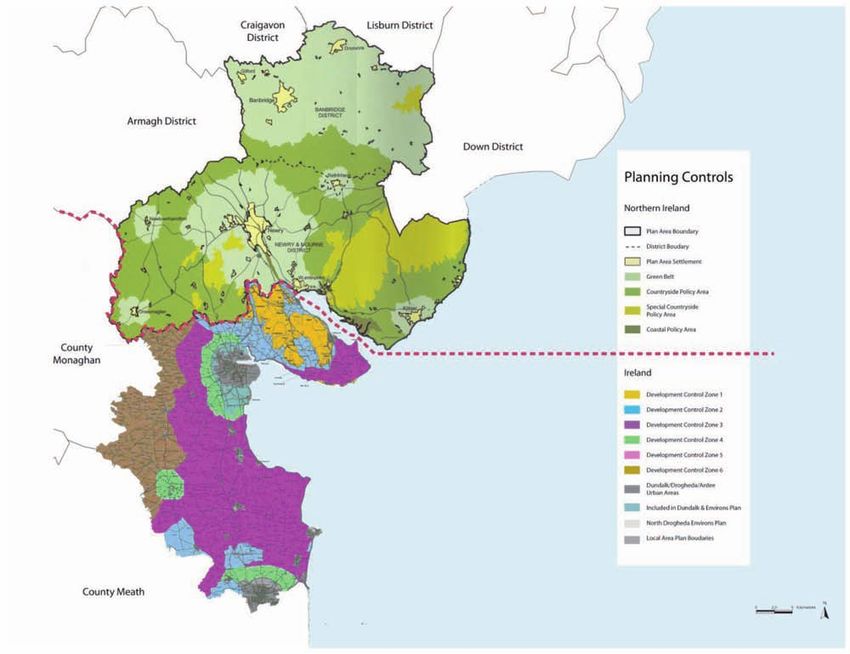
The Newry-Dundalk Twin City Region: Supporting the Implementation of Cross-Border Collaborative Frameworks

joint foreword                                                                                                             iv

In global or even European terms, the island of Ireland               to this partnership process and also the future
is a small entity. In the face of intensifying global                 commitments and plans outlined in the report.
competition, which we are already experiencing
on both sides of the border, every opportunity for                    This report is an integral element to achieving the
competitive advantage must be grasped, and on the                     vision of a strong, vibrant and progressive Newry-
island of Ireland, collaboration and co-operation is one              Dundalk region, but it is only the start of the process.
such advantage.                                                       We encourage all involved to continue to consider
                                                                      strategic and complementary initiatives which can help
Both Governments acknowledge the need for and                         to achieve the wider reality of a strong economy across
value of better and more strategic collaboration and                  the island of Ireland capable of competing on the world
both our Ministries are eager to support initiatives that             stage in the years ahead. For our part, our Departments
will not only provide a sound evidence basis for future               will provide support and assistance in whatever way
investment and policy decisions across both jurisdictions             we can.
but also have a tangible and step-change impact on the
ground.  Our respective spatial strategies – the Regional             John Gormley, T.D.,
Development Strategy in the north and the National                    Minister for the Environment, Heritage
Spatial Strategy in the south – are key foundations on                and Local Government
which to base our future strategic investment decisions
and help to achieve a better balance of development                   Conor Murphy, MP MLA,
and growth in our respective areas on the island of                   Minister for Regional Development
Ireland and to put development on a more sustainable
path. Furthermore, from a competitiveness, trade
and business development perspective, improving the
physical environment that supports all-island growth
and profitability is a pre-requisite to strengthening both
economies on this island.

We are faced with a unique opportunity within the
warm relations and goodwill that now exist between
our two jurisdictions to change the face of our border
towns and cities, such as Dundalk and Newry, for the
better, adding impetus to the creation of dynamic
cities and towns that provide a competitive and vibrant
environment for enterprise, and a high quality of life
that attracts people to live, work, visit and simply enjoy.

Our fundamental objectives, working together, must
be to secure higher inward and local investment and
employment and to deliver more balanced regional
development and a better quality of life for people in
Newry and Dundalk and indeed for people in the wider
region for which the two cities act as focal points.

The research and outputs from this collaborative “twin-
city” venture between Newry and Dundalk and the
wider east border region can be held up as an exemplar
of what can be achieved with high-level co-operation
and through robust, evidence-based analysis. This
teamwork is, however, not the results of an overnight
success but has been nurtured and advanced by key
local stakeholders in both the public and private sectors
and InterTradeIreland, as well as being supported by our
respective Departments and other central government
agencies and facilitated by the International Centre
for Local and Regional Development. However, it is
important to acknowledge the strong local commitment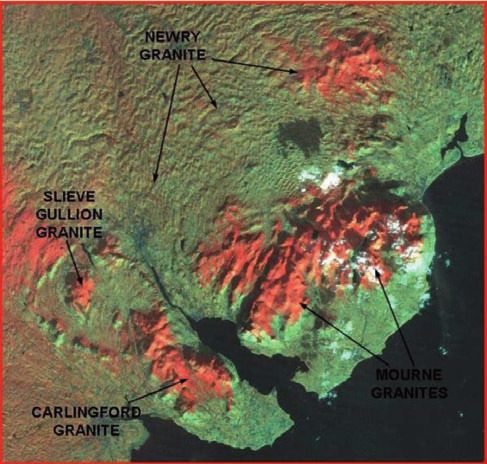
The Newry-Dundalk Twin City Region: Supporting the Implementation of Cross-Border Collaborative Frameworks

contents                                                                                                      1

Executive Summary                                                                                             2

   Policy Context                                                                                             2
   Newry-Dundalk Sub-Region Steering Group                                                                    2
   Policy Research and Proposals                                                                              2
   Next Steps                                                                                                 4

Introduction                                                                                                  5

   Background                                                                                                 5
   Setting the Context for Co-operation                                                                       5
   Newry and Dundalk Together: Why Co-operate?                                                                7
   Building on Existing Initiatives and Leadership                                                            7
   Positioning Newry-Dundalk in an Island of Ireland Economy and Spatial Network                              8

Realising the Vision                                                                                         10
   A Competitive Place for Business and Workers: The Economic Proposition                                    10
   A Clean Place for Recreation and Leisure: The Environmental Proposition                                   11
   An Attractive Place to Live: The Social Proposition                                                       12
   Delivering on the Propositions                                                                            12
   Selected Projects                                                                                         12
   Cross-Cutting Themes                                                                                      12

Sharing a Sustainable Future: The Four Integrated and Collaborative Projects                                 14

   Dundalk/Newry Centre of Excellence to Create a Sustainable Energy Community                               14
   The International Services Zone                                                                           15
   Geo-Tourism for the Newry-Dundalk Region                                                                  17
   Regeneration Strategy for Older Areas in Newry and Dundalk                                                19
   Project Integration                                                                                       21

Cross-Cutting Initiatives                                                                                    22

   Infrastructure: Transportation Improvements                                                               22
   Education and Skills                                                                                      22
   Public Services                                                                                           24
   Affordable Housing                                                                                        24
   Sustainable Development                                                                                   24

Structured Co-Operation: Making it Happen                                                                    25

   Moving Forward                                                                                            25
   Framing Further Co-Operation                                                                              26
   Supportive Policy Context                                                                                 27
   Financing Cross-Border Co-Operation                                                                       28
   An Emerging Cross-Border Model                                                                            28
   Key Actions and Next Steps                                                                                29
   Framework for Co-operation                                                                                30
      Core Projects                                                                                          30
      Cross-Cutting Activities                                                                               32
      Organisation                                                                                           34

Appendix A: Interviews                                                                                       35
The Newry-Dundalk Twin City Region: Supporting the Implementation of Cross-Border Collaborative Frameworks

executive summary                                                                                                            2

Policy Context                                                        from Newry and Dundalk to develop joint
                                                                      business activities.
This study brings together recent and current research
on how to realise the benefits of cross-border                        The concept of a Newry-Dundalk Twin City Region is
collaboration in the Newry-Dundalk sub-region through                 beginning to take hold and facilitate an integrated and
integrated planning and development strategies.                       sustainable cross-border development strategy for the
Strategically located on the Belfast-Dublin corridor,                 eastern seaboard corridor. The practical and mutual
Newry and Dundalk together are strongly positioned to                 benefits of voluntary co-operation will be reflected in
attract high-quality jobs, improve the built environment,             the cost savings on economic infrastructure; pooling of
generate a wide range of public and commercial                        expertise; sharing of good practice and efficiencies in
services, and promote a well managed environment for                  enterprise development and sustainable management of
tourism and recreation. There is clear evidence that                  the twin city’s unique natural heritage.
Newry and Dundalk are more likely to achieve these
goals by working together and thereby become not                      Newry-Dundalk Sub-Region Steering Group
only a growth pole in its own right but also an engine
of growth for the entire cross-border sub-region, which               Building upon the ICLRD and Buchanan “Twin City”
has an estimated population of 170,000.                               studies, this policy and action framework is being
                                                                      developed to demonstrate how local level co-operation,
On the island of Ireland, the NI Regional Development                 backed by regional authorities and central government,
Strategy and the Irish National Spatial Strategy each                 can build a genuine twin city region that will drive
provide a comprehensive vision of regionally balanced,                growth in the wider sub-region. Ultimately, it seeks to
sustainable economic development, leading to higher                   reinforce the growth potential of the shared gateway of
living standards for all. Both strategies are now closely             Newry and Dundalk, within the broader context of the
aligned with the respective investment programmes                     eastern economic corridor, linking Dublin and Belfast.
(ISNI II 2008-2018 and NDP 2007-2013) and each
recognises that actions taken on one side of the border               A Steering Committee, chaired by InterTradeIreland
will generate spill-over effects on the other.                        and supported by ICLRD, was established to provide
                                                                      guidance to the Study Team and drive forward the
The 2006 InterTradeIreland report (prepared by                        process. The composition of the Steering Group
ICLRD) on Spatial Strategies on the Island of Ireland:                included representatives from the cross-border bodies
Development of a Framework for Collaborative Action                   (NSMC, InterTradeIreland, and Centre for Cross Border
highlighted the importance of cross-border spatial                    Studies); central government (DOEHLG and DRD);
planning to support economic competitiveness, through                 local government (Louth County Council, Dundalk
joined-up delivery of public services and infrastructure.             Town Council, Newry and Mourne District Council);
                                                                      the Chambers of Trade and Commerce in Newry and
In tandem with the InterTradeIreland report, a joint                  Dundalk; and the business sector (CBI), as well as ICLRD
planning study, carried out by Colin Buchanan on                      research team.
behalf of Newry and Mourne District Council, Louth
County Council and Dundalk Town Council, explored                     Policy Research and Proposals
the potential of the Newry – Dundalk Twin City concept
and was completed in 2006. The report concluded                       The research underpinning the framework considered
that there was significant scope for cross-border                     the following elements:
collaboration and co-operation to benefit the entire                  • A non-statutory approach to an integrated spatial
sub-region.                                                              planning and development framework focused on
                                                                         the benefits resulting from enhanced co-operation
The two Chambers of Commerce have also taken a                           between Newry and Dundalk;
proactive role in developing a regional identity. The                 • Actions to facilitate promotion, tourism, skills
Dundalk Chamber’s Annual Conference in November                          training, education, innovation, business
2007, entitled Border Vision Gateway, discussed                          development and the knowledge economy;
opportunities for Newry Dundalk co-operation, echoing                 • Joint analysis and action by stakeholders in areas
the previous year’s Newry Chamber seminar - the                          such as sustainable development, cultural heritage,
Strategic Vision for the Greater Newry Area - which                      trade and investment, environmental management
also focused on cross-border co-operation. The 2007                      and regeneration; and
and 2008 cross-border speed network facilitated by                    • Spatial planning data and research relating to
InterTradeIreland offers opportunities for businesses                    the key drivers influencing development patterns
                                                                         and trends.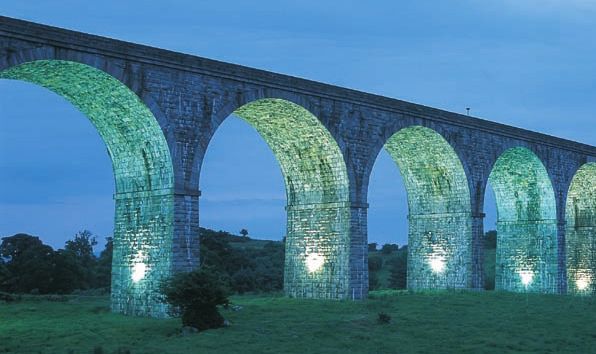
The Newry-Dundalk Twin City Region: Supporting the Implementation of Cross-Border Collaborative Frameworks

                                                                                                                              3

A successful cross-border regional strategy requires the              These projects have the capacity to drive a collaborative
involvement of the central government departments in                  framework at a sub-regional level and reinforce joined-
both jurisdictions as well as that of local officials, civic          up policy approaches. The four projects share several
leaders and the private sector, all working in a dynamic              cross-cutting themes.  As infrastructure linkages and
partnership in order to implement an agreed action                    travel times along the M1/A1 corridor are improved,
agenda. Promoting a cross-jurisdictional, multiple-                   economic growth and the potential synergies in
stakeholder approach in Newry-Dundalk will require a                  infrastructure and delivery of services present a host
number of key activities, including:                                  of opportunities for joined-up planning and resource
• Coordinated approach to sustainable economic                        management for the sub-region. Strategic road and
    development;                                                      rail infrastructure will reinforce the objective of cross-
• Joint actions to implement common objectives;                       border balanced development and will promote the
• Creation of common inter-jurisdictional databases;                  accessibility of the sub-region as a focus for population
    and                                                               growth, sustainable economic development and
• Alignment of legal and institutional frameworks.                    inward investment.

Six major themes capture the potential benefits of                    Skills, education, and training programmes are essential
voluntary co-operation for the Newry-Dundalk Twin City                to ensure that the sub-region benefits from economic
Region:                                                               growth and increasing prosperity. Both the Southern
• Economic competitiveness;                                           Regional College in Newry and the Dundalk Institute of
• Sustainable development;                                            Technology will play a key role in providing progressive
• Improved community cohesion;                                        tracks for both up-skilling the workforce and delivering
• Preservation of the natural and cultural heritage;                  educational programmes that meet the projected
• Increased efficiency resulting from the coordination                employment needs in the tourism, sustainable energy,
    of infrastructure investment; and                                 financial services and business management sectors.
• Up-skilling for an economically productive
    workforce.                                                        Common data sets, including the assembly and
                                                                      analysis of information required for decision making
The ICLRD research team conducted over 100 interviews                 at the local level (land use, construction activities,
with public, business, and civic leaders to identify key              work force characteristics, educational levels, income,
issues affecting the sub-region and specific projects                 housing conditions, infrastructure, and delivery of
that would help achieve sustainable development based                 public services), are only partially available from current
on social, economic, and environmental criteria. With                 census data. However, the sharing of information in
guidance from the steering committee the following                    the Newry- Dundalk Twin City region will facilitate
four projects have been selected to be progressed                     the compilation of compatible projections of future
within the wider sustainability context:                              trends, which are essential for identifying optimal
                                                                      economic and social development strategies and land
1. A Dundalk/Newry Centre of Excellence to create a                   development strategies for the benefit of the entire
   sustainable energy community linked to the work                    sub-region.  A recent study commissioned by the Newry
   of Sustainable Energy Ireland (SEI) and EU Concerto                and Mourne Local Strategy Partnership, ‘Newry-Dundalk
   funding which is positioning Dundalk 2020 as an                    Cross Border Economic Forecasting Model” (Oxford
   exemplar for the island as a whole;                                Economics) is developing an integrated cross-border
2. A Newry-Dundalk cross-border international services                economic forecasting model for the Twin City region for
   zone linked to international financial and other                   the period 2008-2018.
   related services that will create additional tertiary
   employment;                                                        Each of the four projects and the cross-cutting
3. Geo-tourism and the management of a shared                         elements are in different stages of development and
   landscape and natural heritage to safeguard the                    have networks and the coalitions necessary for moving
   geological assets and natural resources of the                     from concept to implementation and delivery. The
   Mournes, Cooley, Slieve Gullion, and Carlingford                   projects have specific, particular attributes that will
   Lough, and develop the tourism potential of the                    help in building a common approach to cross-border
   sub-region; and                                                    collaboration. However, they should be viewed as
4. A coordinated regeneration strategy for older                      merely the first step in addressing the remaining,
   areas in Newry and Dundalk, to promote the                         more complex issues of the long-term management of
   distinctiveness of the two cities, further the                     the sub-region for economic, environmental, and
   complementarities of their respective urban                        social progress.
   functions and improve their liveability.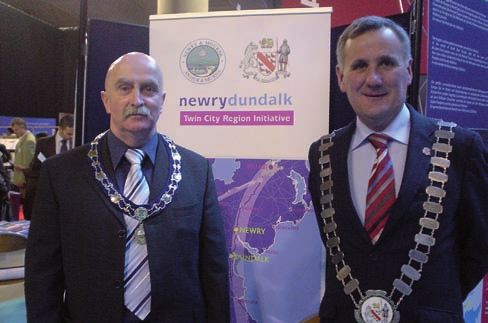
The Newry-Dundalk Twin City Region: Supporting the Implementation of Cross-Border Collaborative Frameworks

                                                                                                                               4

Next Steps                                                                  plan for the Newry-Dundalk Twin City region;
                                                                          • Facilitating coordination with other central
The main challenge facing inter-municipal collaboration                     government and cross-border bodies;
in cross-border regions lies in the legal and institutional               • Identifying areas of future co-operation for the
differences that commonly occur across borders. The                         implementation of the strategic plan; and
main issues to be resolved to ensure full cross-border                    • Creating consultative mechanisms to ensure
co-operation include:                                                       stakeholder participation and transparency of the
• Identifying legal and administrative procedures                           process.
    on each side of the border that may hinder
    co-operation;                                                     3. Appoint Joint Technical Teams under the
• Quantifying the potential for synergies for                            stewardship of the Senior Management Group,
    investment;                                                          which will be responsible for:
• Proposing solutions to institutional obstacles; and                    • Programming the nature of the interventions;
• Promoting and branding the unique identity of the                      • Proposing an implementation sequence; and
    sub-regions.                                                         • Targeting securing local and external funding
                                                                            sources for implementation of both joint and
The specific cross-border projects for the Newry-                           individual projects.
Dundalk Twin City region are being advanced for
consideration by the local authorities and subsequent                 The Newry-Dundalk sub-region can build on its core
submission to the Governments for their endorsement.                  strengths in a sustainable manner to the mutual benefit
                                                                      of both cities and the surrounding areas. In essence,
Building on the region’s reputation for entrepreneurship              the task is to create an attractive place for people to live
and co-operation, it is proposed that a bottom-up                     and work, tourists to visit, and companies to grow.
approach, led by local government and business leaders,
should be reinforced by the top-down commitment                       The projects identified in the course of this research
from central government Ministers and departments.                    can be realised in the coming years by aligning local
Engagement and commitment of the Northern and                         initiatives and priorities to major government policies
Southern administrations are crucial to provide the                   and activities that will take place between the two
impetus, guidance and resources needed to implement                   Governments and supported by the European Territorial
cross-border interventions in partnership with the local              Co-operation agenda for 2007-13. Furthermore, the
governments.                                                          provision of public services, including solid waste
                                                                      management, public transportation, education, and
It is proposed that the two jurisdictions should continue             health care, obviously benefits from the economies of
their existing co-operation by building on the light and              scale that result from cross-border collaboration, as has
flexible coordination structure that has evolved during               been demonstrated in several European cross-border
this study:                                                           projects.

1. Continue and enhance the Joint Senior                              Improvement of the physical, social, and economic
   Management Group, composed of the County                           fabric of the two cities is a core policy objective for
   / Town Managers and Council Executives and                         local governmental authorities. The initiative shown by
   their senior department heads to develop areas                     the civic, public and business leadership in Newry and
   selected for future co-operation into a sequence                   Dundalk to bring added benefits to each side of the
   of interventions to implement commonly agreed                      border with a new regional perspective can provide a
   strategic projects. It will also ensure the necessary              powerful example of how voluntary inter-jurisdictional
   liaison with central government agencies and cross-                co-operation can benefit other local governments across
   border bodies.                                                     the island of Ireland.

2. Create a Twin City Region Advisory Group modelled
   on the Steering Committee and composed of
   representatives of the Newry-Mourne District,
   Louth County and Dundalk Town Councils, the two
   Chambers of Commerce and central government
   representatives. The Joint Working Advisory Group
   should meet at least twice a year and would be
   responsible for:
   • Developing and adopting a common strategic
The Newry-Dundalk Twin City Region: Supporting the Implementation of Cross-Border Collaborative Frameworks
introduction 5
“Joined-up thinking on roads, on shared municipal services, on environmental
challenges, on infrastructure and complementary areas, make absolute
sense for all of us.”
Batt O’Keeffe TD, former Minister for Housing, Urban Renewal and Developing Areas and currently
Minister for Education (ICLRD Conference - January 2008)
“There are considerable growth challenges north and south but there are many
similarities in the trends that we measure. Solutions will require very positive
attitudes, long term planning and coordinated actions if we are to achieve long
term economic success coupled with high quality of life.”
Conor Murphy MP MLA, Minister for Regional Development (ICLRD Conference - January 2008)
Background great benefit of this approach is the way in which
it links central, regional, and local government with
In 2007, the International Centre for Local and Regional business and civic organisations.
Development (ICLRD) selected the Newry-Dundalk sub-
region for one of a series of research studies to assess It is clear that there is a very strong commitment to
the potential for cross-border collaboration on the cross-border co-operation among the three councils
island of Ireland. Another ICLRD study focused on small at local government level as shown by existing joint
connected towns in cross-border areas. arrangements on matters of mutual interest. A similar
spirit of co-operation is apparent in the private sector,
This Newry-Dundalk sub-regional study represents with the two Chambers of Commerce and Trade taking
the coming together of two tracks. At the central a proactive role in developing a regional identity. The
government level the 2006 InterTradeIreland report Dundalk Chamber’s annual conference in November
on spatial strategies on the island of Ireland examined 2007, entitled Border Vision Gateway, offered an
the potential of synergistically linking the Regional opportunity for speakers from the North and the
Development Strategy (RDS) in Northern Ireland and South to discuss opportunities for Newry/Dundalk co-
the National Spatial Strategy (NSS) in Ireland. At the operation. The 2006 Strategic Vision for the Greater
local level the Newry-Dundalk Twin City Report of Newry Area also speaks to cross-border co-operation.
2006 provided a convincing rationale for co-operation The 2007 and 2008 cross-border speed network
between Newry and Dundalk. Our research reinforces facilitated by InterTradeIreland offers opportunities for
and builds on these reports, demonstrating how the businesses from Newry and Dundalk to develop joint
NSS and RDS can be successfully linked at a local level business activities. Articles and inserts sponsored by
and what actions, supported by central government, the respective Chambers in the local media stress the
can make the twin city concept a reality. importance and benefits of regional co-operation.
A Steering Committee, chaired by InterTradeIreland and Setting the Context for Co-operation
supported by the ICLRD was established to advise on
the research, implement the recommendations, and Most European countries, at the behest of the
drive the process forward. The steering group includes European Union (EU), are preparing large-scale spatial
representatives from: the cross-border bodies (North development strategies to enhance their economic
South Ministerial Council, InterTradeIreland); central competitiveness and deliver efficient responses to
government (Department of the Environment, Heritage environmental concerns. Achieving the European
and Local Government; the Department of Regional Spatial Development Perspective intent of “balanced
Development); local government (Newry and Mourne and sustainable development of the territory of the
District Council, Louth County Council, Dundalk Town European Union” poses daunting challenges for
Council); the Chambers of Commerce and Trade in strategic planning and development based on co-
Newry and Dundalk; and the business sector (CBI). TheThe Newry-Dundalk Twin City Region: Supporting the Implementation of Cross-Border Collaborative Frameworks
6
operation among national, regional and local levels of Based on the Framework of Collaborative Action
government. promoted in the InterTradeIreland report (2006),
there is a clear agreement by both governments
on the need to better synchronize the intent of
the two spatial strategies and harmonise their
components by developing further their cross-border
elements. Increasingly, economic competitiveness and
efficient delivery of essential infrastructure and public
service provision are demanding economies-of-scale
solutions. The European experience on cross-border
co-operation indicates that developing and sharing
compatible information/data sets facilitates harmonious
and efficient spatial development and helps sustain
the vitality of cross-jurisdictional economies and their
competitiveness.
Cllr. Charlie Casey, Deputy Mayor, Newry & Mourne
Voluntary co-operation between government
District Council and Cllr. Jim Darcy, Chairman,
departments, local authorities, and the business
Dundalk Town Council at the Conference on Cross-
community can be promoted and encouraged by
Border Territories: Day-to-Day Europe in Lille, France,
demonstrating the mutual advantages of working
November 2007. Source: Frank Pentony, Dundalk
in collaboration. Evidence indicates that the most
Town Council
successful regional partnerships strongly depend on the
Territories that span cross-jurisdictional boundaries ability of local leadership, representing both the public
are more often than not competing with each other and private sectors, to:
to capture a share of development and investment • Identify collaborative projects and cross cutting
potential. Obtaining the consensus of key stakeholders themes;
that is needed to implement a sub-regional strategic • Build coalitions based on complementarities;
vision, especially on a cross-border basis, is a dynamic • Diagnose specific problems and interventions;
process necessitating integrated decision making, • Secure financing for joint actions;
joined-up governance, and a partnership approach • Obtain local community and wider civic support;
to delivery. and
• Secure consensus on implementation and timeframe
Through the process of implementing the Good Friday for delivery.
Agreement (1998), the border region on the island
of Ireland has been slowly moving away from being Co-operation in the Newry-Dundalk sub-region and the
a contested zone characterized by the legacy of the types of projects being considered are moving towards
Troubles and ‘back-to-back’ planning and becoming more strategic levels of collaboration similar to long
instead an area where the practical and mutual established models of inter-jurisdictional co-operation in
benefits of cross-border collaboration in economic the European Union and the United States. In reviewing
development, environmental protection, and public the experience of cross-border co-operation in Europe,
service programmes are endorsed and encouraged the French Mission Opérationnelle Transfrontalière
by the political process. The St. Andrew’s Agreement concluded that the best examples were characterized by
(2006) and the return of devolved government to their success in:
Northern Ireland (May 2007) has further strengthened • Improving the mobility of the population through
co-operation among central and local authorities across the creation of cross-border public transportation;
the border. • Providing partnerships for the delivery of public
services that reflected development patterns rather
On the island of Ireland, the Regional Development than political jurisdictions;
Strategy in Northern Ireland and the National Spatial • Promoting new economic activities by standardising
Strategy in Ireland each provide a comprehensive regulatory measures;
vision of development strategies intended to increase • Achieving a more harmonious development pattern
economic competitiveness and improve the delivery by coordinating land regulations and access to social
of essential public services. Each strategy sets out housing; and
challenging agendas that will guide the development of • Facilitating cross-border educational and cultural
their jurisdictions and provide the context within which exchanges.
investments will occur.The Newry-Dundalk Twin City Region: Supporting the Implementation of Cross-Border Collaborative Frameworks
7
Newry and Dundalk Together: needs of the cross-border region, and become a growth
Why Co-operate? pole in its own right.
With urban populations of approximately 28,000 and An integrated approach to the strategic planning of the
35,000 respectively, neither Newry nor Dundalk has twin city would enable Newry-Dundalk to promote the
the critical mass to compete in the global economy. development of a progressive and competitive centre
Evidence clearly indicates that, for a sub-region at the heart of a coherent and thriving sub-region.
to attract significant domestic and international Capturing a regional dominance for the twin city at
investment, it must contain at least one
city-region of sufficient size to appeal Newry and Dundalk on the Dublin Belfast Corridor
to the higher-value segments of the
business chain. These higher-value
segments require access to sizeable
pools of suitably qualified workers,
adequate supporting infrastructure, and
good-quality public and commercial
services. A joined-up approach not only
assists in meeting these requirements
but will also support efforts to attract
and leverage scarce public and private
funding for wider regional infrastructure
and regeneration initiatives. In sum,
Newry and Dundalk need to think and
act regionally if they want to compete in
the market place.
With a combined catchment population
estimated at 170,000 and excellent
transport links to Dublin and Belfast, the
two largest cities on the island, Newry
and Dundalk can position themselves
to be a dominant regional centre most
effectively through collaboration.
Although traditional employment sectors
of the economy such as agriculture
and manufacturing are in decline or
stagnating, other, new opportunities are
opening up in the services sector.
Building on Existing Initiatives
and Leadership
Local authorities plus other major
stakeholders, including the two
Chambers of Commerce and Trade,
recognize the critical importance of
devising a collaborative cross-border
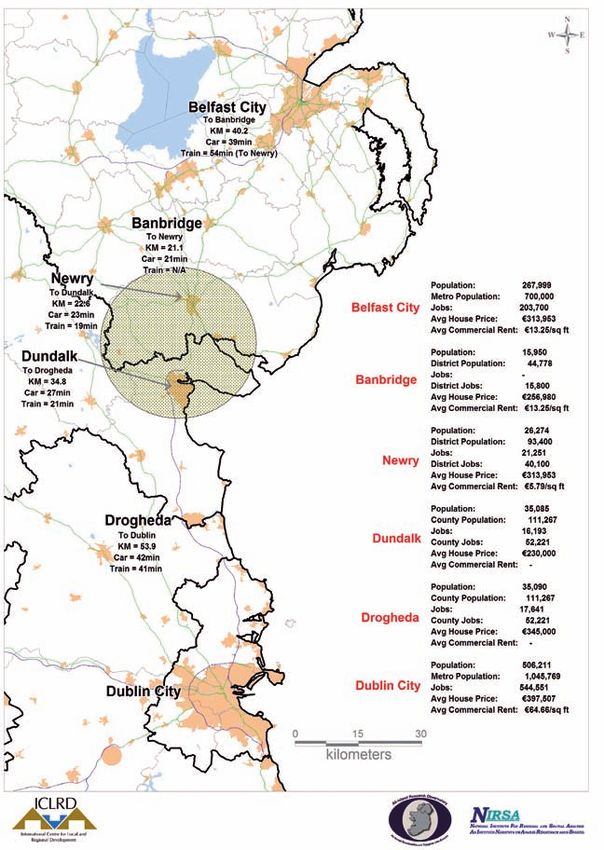
strategy to raise the economic and social Located at the centre of the Dublin/Belfast corridor, Newry (pop 28,000)
profile of the sub-region. The jointly and Dundalk (pop 35,000) are the key drivers for a cross-border sub-
funded study, Newry-Dundalk 2006: a region with an estimated 170,000 residents. The position of the sub-
New Perspective on the Development region on the M1/A1 motorway, rail links and easy access to international
of the Region, published by Colin airports and ports provide good mobility and connectivity. The travel
Buchanan, has made a substantial times and distances shown in the map are from each urban centre to the
contribution in exploring the potential of next, travel times based on schedules and Google map for road travel.
a ‘twin city region’ with sufficient critical Average home prices and commercial rents are drawn from various
mass to attract investment, service the internet sources from 2007 and early 2008.The Newry-Dundalk Twin City Region: Supporting the Implementation of Cross-Border Collaborative Frameworks
8
the core of the most prominent corridor on the island Newry and Dundalk are operating from a prominent
of Ireland would promote a self-sustaining and energy- position of strength. On its own, neither city has
efficient pattern of development, reducing the need to sufficient population to qualify for ‘gateway city’ status;
commute, appealing to inward investors, attractive to however, as a twin city Newry-Dundalk does have the
retaining its population, and capable of exploiting the necessary mass of 63,000 residents, surpassing the
dividends stemming from a shared future and quality of threshold identified by the National Spatial Strategy.
life agenda. Our research identified several areas of mutual benefit
that can reinforce the growth potential of a ‘shared
Newry and Dundalk are 23 km from each other, centre regional gateway’.
to centre. With the new A1/M1 road improvements,
travel time by car between the two cities is 25 minutes. Employment and economic growth. Due to their
Their respective train stations are 19 minutes apart and geographic proximity, Belfast and Dublin exert a strong
a bus ride now takes anywhere from 20 to 30 minutes pull in attracting the best-qualified labour from the
depending on the time of day. Both the National Spatial Newry-Dundalk sub-region, while Newry and Dundalk
Strategy and the Regional Development Strategy project both draw employment largely from the immediate
strong population and job growth for the Newry and catchment area of the sub-region, as indicated by
Dundalk sub-region and aim to concentrate this growth actual travel-to-work patterns. In order to achieve
within existing urbanized areas. the policy goals of generating more spatially balanced
development and promoting economic growth in
Projected Sub-Regional Growth by Area
the sub-region, both central and local government
authorities need to work together to achieve a critical
population mass, create a more diversified economic
base, attract higher paying jobs, and deliver new
employment opportunities in Newry and Dundalk.
Sources: RoI Census; Regional Forecasts Study for Newry
and Mourne; Louth County Development Plan and
Newry and Mourne Area Plan.
Positioning Newry-Dundalk in an Island of
Ireland Economy and Spatial Network
Notwithstanding the intra-jurisdictional differences
which naturally exist between the two cities, both Recreational Riding in County Louth
Source: Louth County Council
Housing. Both cities will need to develop mixed housing
typologies to attract and retain families and young
professionals. To this end, spatial planning policies can
play a key role in encouraging residential development
to locate on brownfield sites in urban areas, and in
steering regeneration strategies to provide attractive
living and working environments for the growing
population. Price differentials in housing and differing
levels of planning control and enforcement between
the two cities could result in some areas absorbing a
disproportionate share of the housing demand. With
Viaduct and Rail Line, Newry and Mourne District rising house prices over the long-term and reductions
Council. Source: Newry and Mourne in household sizes, a large increase in housing, both
District Council market and social, will be needed, underlining theThe Newry-Dundalk Twin City Region: Supporting the Implementation of Cross-Border Collaborative Frameworks
9
importance of cross-border collaboration in the ensure that the sub-region in its totality benefits from
provision of new and affordable housing. economic growth and increasing prosperity. The
Southern Regional College in Newry and the Dundalk
Sustainability. Sustainability is a cross-cutting theme, Institute of Technology already play a prominent role
embedded within the other strategic projects suggested in providing progressive tracts to both up-skill the
for regional co-operation. Developing two strong workforce and provide education programmes that
sustainability centres in the Newry-Dundalk sub-region meet projected sectoral needs in tourism, sustainable
would closely link to regeneration strategies, efficient energy, and financial and management services. There
public transport linkages, job creation for sustainable is scope to examine potential areas for skills training
energy products, geo-tourism, and co-operation and educational co-operation between the two
between the two regional third-level academic institutions, including the capacity for co-ordinating
institutions in education and research for sustainable- curricula.
energy projects. Sustainable development projects will
also play a key role in the sub-region’s future delivery of Evidence indicates that Newry-Dundalk can acquire
housing and industry. the capacity to act as an engine of growth for the
entire sub-region. This can be achieved through
Infrastructure. As infrastructure linkages improve and an economically competitive, socially robust,
travel times are reduced along the M1/A1 corridor, environmentally sustainable development model
the mobility of residents, businesses, and students that focuses clearly on improving the experience of
between Newry and Dundalk and to other neighbouring living, working, and visiting a sub-region that has an
urban centres such as Belfast, Banbridge, Dublin, and array of desirable attributes. For the sub-region, this
Drogheda will increase. Economic growth facilitated means attracting higher quality jobs, promoting a
by a good infrastructure network and enhanced well managed environment for tourism and recreation
delivery of services presents a host of opportunities for and providing a wide range of public and commercial
joined-up planning and resource management for the services. By adopting a regional perspective on
mutual benefit of all citizens. Existing and proposed sustainable development, appropriately supportive
infrastructure in the sub-region need to be examined in policy frameworks and integrated core projects can
this context. specifically target and strengthen the unique value
position of Newry-Dundalk.
Environment. The provision of improved tourist
infrastructure and the co-operative management of Newry and Dundalk: Regional Context
ecological resources will foster a sub-regional identity,
help to protect valuable resources, and encourage
the local tourism economy, to the benefit not only
of the sub-region but also of the entire island of
Ireland. A coherent, integrated approach will be key.
Formulating and adopting common comprehensive
policies to safeguard a shared high-quality natural
landscape and to manage land development throughout
the Newry-Dundalk sub-region will attract inward
investment as well as protecting the area’s potential
as a tourism destination. The cross-border thinking
that has developed at the local level should be
replicated at central government level to maximize
the benefits of collaboration. In this regard, a closer
working relationship between the respective planning
administrations in devising development plans and
environmental policies will be important to the
sustainable development of the sub-region.
Other growth sectors. Despite being in an embryonic
stage, the financial services sector has the potential to
deliver high growth in the coming years and for the
local economies of both cities, health and education
are other important sectors that deserve additional
research as potential areas for co-operation. Education,
job training, and social programmes are essential toThe Newry-Dundalk Twin City Region: Supporting the Implementation of Cross-Border Collaborative Frameworks
realising the vision 10
A successful cross-border regional strategy requires in the past by leveraging the benefits accruing from
the involvement of central government departments in its proximity to the major population centre in its
both jurisdictions as well as that of local officials, civic jurisdiction; that is, to Dublin and Belfast respectively.
leaders and the private sector, all working in a dynamic
partnership in order to implement an agreed action However, by operating in tandem on a cross-border
agenda. Promoting a cross-jurisdictional, multiple- basis, the value proposition is radically improved.
stakeholder approach in Newry-Dundalk will require a The estimated combined population of Newry and
number of key activities, including: Dundalk in 2006 is in excess of 60,000, considered
• A coordinated approach to sustainable economic to be the minimum for gateway status in Ireland.
development; If the entire sub-region is included, IDA Ireland
• Joint actions to implement common objectives estimates a catchment area of approximately 170,000
• The creation of common inter-jurisdictional people within 20 kilometres of the two towns. For
databases; and business this is crucial, as it provides access to a
• The harmonisation of legal and institutional wider, more skilled labour force and denser input-
frameworks. output relationships with suppliers and customers
– both of which are recognised drivers of regional
Six major themes capture the potential benefits of competitiveness. This is especially important in the
voluntary co-operation for the Newry-Dundalk sub- tradable services sector which, as research indicates,
region: requires an urbanised environment to thrive. For local
1. Economic competitiveness; government departments, scale allows for the more
2. Sustainable development; efficient delivery of public services and infrastructure.
3. Community cohesion; For example, although outside the terms of this study,
4. Management of the natural and cultural heritage; joint delivery of public services such as health care
5. Coordination of infrastructure investment; and and waste management potentially offer significant
6. Up-skilling for economically productive workforce. advantages in terms of economies of scale.
The Newry-Dundalk sub-region can build on its core Geographical location. Newry-Dundalk has one of the
strengths in a sustainable manner to the mutual benefit most strategic locations on the island of Ireland. The
of both cities and the surrounding areas. In essence, position of the sub-region on the M1/A1 motorway
the task is to create an attractive place for people to is ideal, with good complementary road and rail links
live and work, tourists to visit, and companies to grow. and easy access to the international and regional
Given the unique combination of social, economic, and airports and ports on the island. Close proximity to
environmental factors present, this is a very realistic these transport and communication networks enables
goal. Through cross-border collaboration, existing companies to locate in the sub-region and do business
synergies can be enhanced and the growth potential of in both Dublin and Belfast, thus massively expanding
the shared gateway reinforced. This will also improve their market and supply areas.
the position of the sub-region relative to the rest of the
island of Ireland.
A Competitive Place for Business and
Workers: The Economic Proposition
The Newry-Dundalk sub-region will benefit from
building on its reputation for entrepreneurship and its
past success in attracting foreign direct investment.
A supportive business environment is essential and is
based on the following:
Scale and networks. Critical mass and good positioning
within the all-island network are of paramount
importance if Newry-Dundalk is to achieve economic
competitiveness and attract international and domestic Cooley Mountains
investment including the provision of public services Source: Louth County Council
and transport links. Although neither Newry nor
Dundalk individually is of sufficient scale to qualify as
a ‘gateway’ city, each has performed reasonably wellThe Newry-Dundalk Twin City Region: Supporting the Implementation of Cross-Border Collaborative Frameworks
11
management of the region’s resources so that the
quality-of-life benefits to local communities are
protected.
Sustainable energy. Increasingly, sustainable energy is
seen as a vital component in any sub-regional strategy.
Dundalk 2020 has made a creditable start in creating
a sustainable-energy community that incorporates
both the private and public sectors. By relying where
possible on local sources of energy, costs are kept
down, air quality is protected, and security of supply
is improved, resulting in clear benefits to business and
residents.
Natural environment. The shared natural environment
Mournes and Silent Valley
of the Cooley Peninsula, Mourne Mountains, Ring of
Source: Newry and Mourne District Council
Gullion, Carlingford Lough and Dundalk Bay comprises
a set of outstanding assets. They require careful
Education, skills, and training. The Newry-Dundalk management and would benefit from a joint cross-
sub-region is well served by 33 post-primary schools, a border operational, funding and marketing strategy.
College of Further Education, a College of Further and
Higher Education, and an Institute of Technology. The
sub-region also enjoys a favourable demographic profile
with a relatively young, well-educated workforce, and
it has a strong reputation for entrepreneurship. Going
forward, potential exists to retain and attract back a
good number of the highly skilled workers from the
sub-region who currently live and work in Dublin
and Belfast.
Existing company base. Both Newry and Dundalk can
point to the considerable success they have achieved in
attracting and consolidating international and domestic
company operations. Norbrook, First Derivatives,
Xerox, and Heinz are all examples of globally trading
companies that have located their headquarters or
branch operations within the sub-region.
Availability of high-quality property solutions. With the
planned Albert Basin development in Newry, combined
with existing and new premises available in Dundalk,
high-quality property solutions will become increasingly
available to prospective businesses.
A Clean Place for Recreation and Leisure:
The Environmental Proposition
The Newry-Dundalk sub-region contains some of the
most dramatic and beautiful landscape on the island Warrenpoint, view from Flagstaff
of Ireland. Its ready accessibility from the two major Source: Newry and Mourne District Council
population centres, Belfast and Dublin, makes it perfect
for domestic tourism as a ‘shared playground’. More
effective international branding could further open
up the region’s potential and its appeal to foreign
visitors. Equally important is the need for structuredThe Newry-Dundalk Twin City Region: Supporting the Implementation of Cross-Border Collaborative Frameworks
12
An Attractive Place to Live: The Social (4) A coordinated regeneration strategy for older
Proposition areas in Newry and Dundalk, to simultaneously
promote the distinctiveness of the two cities and
High-quality urban design is fundamental to quality further the complementarities of their respective
of life and to the performance of property in meeting urban functions. A proactive strategy reinforces the
end user requirements. The Newry-Dundalk sub-region sustainable development of the region by focusing
has a fine heritage of public and private buildings. New new development within existing designated urban
developments such as those proposed for the Albert zones and protecting environmentally sensitive areas
Basin offer the potential to provide a lasting legacy from over-development.
of innovative architecture within the sub-region. At
the local government level, Newry and Dundalk are Cross-Cutting Themes
developing regeneration strategies to improve the
quality of the built environment and create sustainable As infrastructural linkages improve and travel times
communities. The private sector is also committed are reduced along the M1/A1 corridor, the mobility
to playing its role in creating attractive places where of residents, businesses and goods between Newry
people want to live, work, and visit. and Dundalk and to other neighbouring urban centres
with accessibility to the Eastern Seaboard Corridor will
Delivering on the Propositions increase. Economic growth and the potential synergies
in infrastructure and delivery of services present a host
The research team engaged with over one hundred of opportunities for joined-up planning and resource
key stakeholders across the public, private, civic and management for the mutual benefit of all within
voluntary sectors to identify projects that would help to the sub-region. Strategic road and rail infrastructure
achieve sustainable development, taking into account will reinforce the objective of cross-border balanced
economic, environmental, and social factors. Consensus development and promote the accessibility of the sub-
was successfully reached on four integrated and region as a focus for population growth, sustainable
collaborative projects that share several cross-cutting economic development, and inward investment.
themes. Selection of the projects was based on three
underlying key criteria. Skills, education, and training programmes are essential
to ensure that the sub-region benefits from economic
The key criteria were: growth and increasing prosperity. The Southern
• Capacity to drive a collaborative framework at a Regional College in Newry and the Dundalk Institute
sub-regional level and reinforce joined-up policy of Technology play a key role in providing progressive
approaches; tracks for both upskilling of the workforce and
• Ability to improve the economic, social, and delivering educational programmes that meet projected
environmental well-being of the sub-region, while workforce needs in tourism, sustainable energy, financial
ensuring that development-led initiatives are services, and business management.
mutually reinforcing; and
• Scope for creating a lasting legacy of sustainable Common data sets are needed for collaborative local-
local-level co-operation involving the public, private, level decision-making. However, due to discrepancies
and community sectors. in the two cities’ census collection systems, census data
are not at present an adequate resource for assembling,
Selected Projects analysing, or comparing information on subjects such
as, for example, land use, construction activities, work
(1) A Dundalk/Newry Centre of Excellence to create a force characteristics (including educational levels),
sustainable-energy community linked to the work of income, housing conditions, infrastructure, or the
Sustainable Energy Ireland (SEI) and EU CONCERTO delivery of public services in Newry and Dundalk.
funding, which is positioning Dundalk 2020 as an Sharing of information between the two cities will allow
island exemplar. compatible projections of future trends to be compiled,
(2) A Newry-Dundalk Cross-Border International Services as a first step in identifying common economic, social
Zone linked to international financial and other and land development strategies.
related services.
(3) Geo-tourism and the management of a shared Each of the four projects selected has developed its
landscape and natural heritage to safeguard the own set of networks and the coalitions necessary to
geological assets and the natural resource of the move from concept to implementation and delivery.
Mournes, Cooley, Slieve Gullion, and Carlingford The specificity of the selected projects is important
Lough and to develop their tourism potential.You can also read


