THE PRESIDENCY 2020/2021 - ANNUAL PERFORMANCE PLAN The release of Nelson Mandela from prison
←
→
Page content transcription
If your browser does not render page correctly, please read the page content below
30
                         The release of
                       Nelson Mandela
                           from prison

THE PRESIDENCY    ANNUAL PERFORMANCE PLAN

                                            2020/2021

                     THE PRESIDENCY
                 REPUBLIC OF SOUTH AFRICA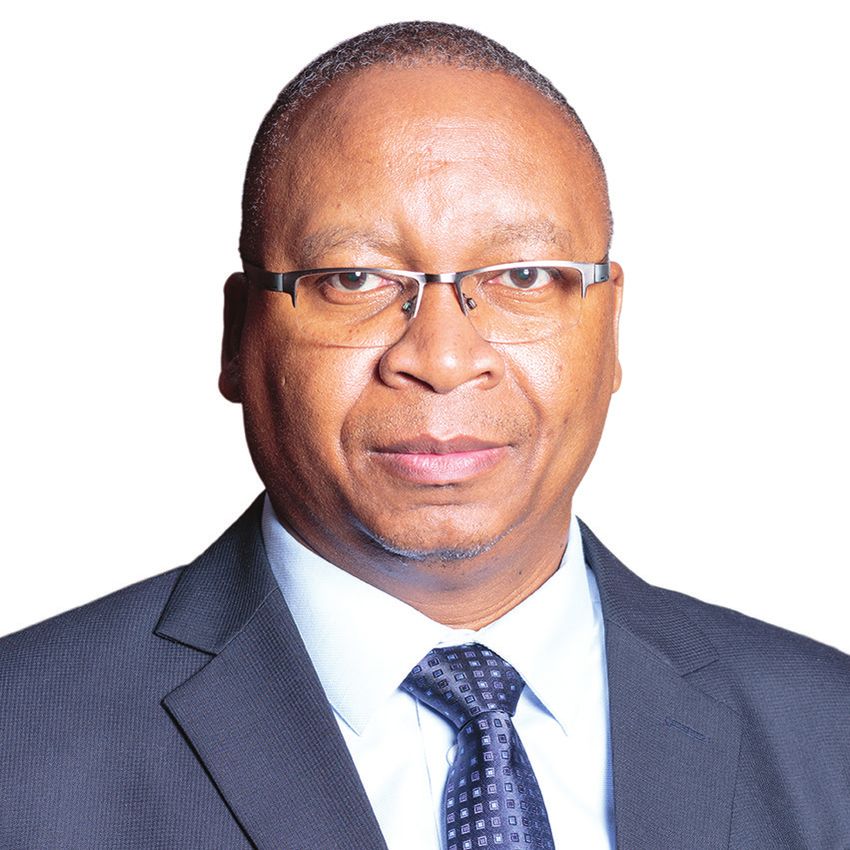
THE PRESIDENCY
                                                                                              Annual Performance Plan 2020/2021

                            INTRODUCTI ON BY THE M I NI STER

                                                        Mr Jackson Mthembu, MP
                                                        Minister in The Presidency

This is a critical moment for South Africa as it initiates a new era   the NDP, the requirement for addressing these, are a capable
of hope and expectation, of promise and opportunity despite            developmental state and a vibrant and thriving private sector.
the many challenges encountered and when many South                    The plan also posits the need to develop multipronged growth
Africans continue to endure much hardship. The electorate              strategies. Hence, addressing the pressing issues of poverty,
has given only five years to deliver on our electoral mandate,         unemployment and inequalities, requires concurrently building
and that five years began from the moment the 2019 elections           a developmental state through establishing strong institutions
outcomes were pronounced. Every single day counts.                     that reinforce and promote inclusive economic growth.

Our country remains a beacon of peaceful democratic transition         In the previous financial year, government efforts were focused
in Africa and the world. Since 1994, as a country we have              on accelerating inclusive growth, significantly increasing the levels
been graced with strong institution that have underpinned              of investment and setting measures in place for the creation of
democracy. These include the constitution-sanctioned chapter           jobs. Despite this efforts, the economy was confronted with
9 institutions, government financial and fiscal capability,            reality of technical recession. In response to this, government
independent and fearless judiciary, autonomous and fiercely            introduced the economic stimulus and recovery plan that re-
independent civil society organisations, as well as mechanisms         directed public funding to areas that have greatest potential for
to manage the engagement between government, business                  growth and job creation. Some of the initiatives to stimulate
and labour such as National Economic Development and                   new growth path of renewal and rebuilding, is the successfully
Labour Council (NEDLAC). Our country has emerged out                   hosting of 2019 Investment Conference. This initiative led a
of Acquired Immunodeficiency Syndrome (AIDS) denialism                 group of South African business leaders moved by the spirit
that characterised the first decade of democracy, developed a          of Thuma Mina to initiate the Public-Private Growth Initiative
comprehensive response to HIV and AIDS, and now lauded for             to facilitated focused investment plans of leading companies
the largest Antiretroviral (ARV) programme in the world. The           across 19 sectors of the economy, from mining to renewable
access to Early Childhood Development has improved and we              energy, from manufacturing to agriculture. These industries are
are working towards near universal access to basic education.          expected to significantly increase investment over the next five
Despite slow growth in the economy, the country has provided           years and contribute to creation of new jobs.
housing to the poor and vulnerable individuals. These are just
some few achievements to be mentioned, however much                    South Africa has therefore prioritised the economic
remains still to be done.                                              empowerment of Africa’s women during its term as African
                                                                       Union (AU) chair, working with all member states on measures
The National Development Plan (NDP) adopted by government              to promote financial inclusion, preferential procurement and
in 2012, is a comprehensive blueprint on how the country               preferential trade arrangements for women. The AU Heads
can eliminate poverty and minimise inequality. As set out in           of State have pledged their support for measures to end

                                                                                                                                               1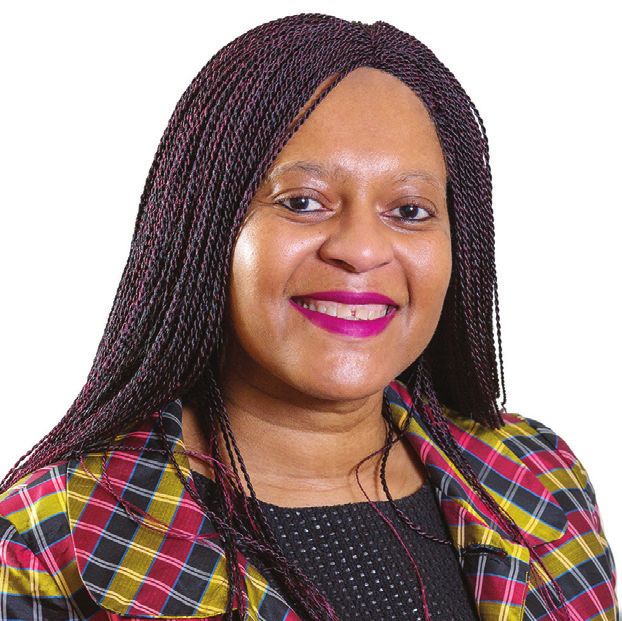
30
      The release of
    Nelson Mandela
        from prison

                                INTRODUCTI ON BY THE M I NI STER

    Gender-Based Violence (GBV) on the continent, and work                The Deputy President has been delegated to oversee the
    towards the adoption of an AU Convention on violence against          operationalisation of the Eskom War Room.The crisis at Eskom
    women during the course of this year.Through the African Peer         has contributed to load shedding over the past year, further
    Review Mechanism (APRM), South Africa will work with other            subduing economic activity. Eskom’s new leadership team will
    countries to advance good governance and democracy.                   need to address the entity’s financial, operational, structural
                                                                          and human resource challenges. The fact that South African
    The incoming AU chair President Cyril Ramaphosa has                   Airways (SAA) has been put under business rescue to enable
    highlighted the importance of countries on the continent              it to be restructured and returned to financial sustainability
    supporting the Presidential Infrastructure Champion Initiative        is a demonstration both of the depth of the crisis and the
    (PICI). The PICI is a programme under Nepad, which aims to            determination of our government to decisively address it.
    promote priority infrastructure projects. The President has
    been at the helm of the North-South Rail corridor, which              The NDP serves as a framework for the work of The Presidency
    forms part of a network of other continental PICI regional            and plans-as it does with other government departments. The
    projects.The PICI must play a key role in meeting the aspiration      Presidency, in its role as the apex of government and the centre
    of Agenda 2063 of increasing inter and intra-regional trade           of strategic coordination, provides the overall leadership and
    of improving road rail and port infrastructure in the region,         supervision to the whole of government. It seeks to ensure
    of using financial institutions to collaborate with the private       a focused and aligned response to the implementation of the
    sector to expand on the continent, and of identifying and             programme of government.
    promoting practical opportunities based on complementary
    national endowments.                                                  This being the first year of the new five year planning cycle
                                                                          (2020-2025) of the NDP’s Vision 2030, the priorities outlined
    The operationalisation of the African Continental Free                in the 2020-2025 Strategic Plan seek to ensure that The
    Trade Area (AfCFTA) promises great opportunities for                  Presidency continues to fulfil its mandate in line with the
    industrialisation, infrastructure development, economic growth        following seven priorities of government:
    and intra-Africa trade. It will enable Africa to take advantage
    of its significant economic potential as it removes the barriers      1. Economic Transformation and Job Creation
    to trade among countries on the continent, and ensure the             2. Education, Skills and Health
    promotion of regional value chains and the development of             3. Consolidating the Social Wage through Reliable and Quality
    Africa’s manufacturing capabilities.                                     Basic Services
                                                                          4. Spatial Integration, Human Settlements and Local
    Agriculture is one of the industries with the greatest potential         Government
    for growth. This year, the focus is on the implementation of          5. Social Cohesion and Safe Communities
    key recommendations of the Presidential Advisory Panel on             6. A Capable, Ethical and Developmental State
    Land Reform and Agriculture to accelerate land redistribution,        7. A better Africa and World
    expand agricultural production and transform the industry.
                                                                          Towards the NDP vision 2030, specifically, as the first annual
    As part of the renewal and building process, government has           plan for the planning period for 2020 - 2025, the priorities and
    introduced a number of initiatives to restore credibility of public   milestones outlined in this 2020/21 Annual Performance Plan
    institution, to root out corruption and ensuring efficiency in        (APP) seek to ensure that The Presidency continues to fulfil
    government, public entities and State-Owned Enterprises               its mandate to serve as the center for strategic coordination,
    (SOEs) and also to restore economic growth, attract far greater       leadership and supervision of government in implementing
    levels of local and international investment and ultimately           the government programmes, as guided by constitution and
    contribute to creation of jobs on a massive scale. South              electoral mandate.
    Africa has taken steps to reconstitute a professional national
    intelligence capability. One of the steps taken will be the re-       The President will be signing performance agreements with
    establishment of the National Security Council to be chaired by       all Ministers by end of March 2020 in order to strengthen
    the President.The council will ensure better coordination of the      the capacity of the state and increase accountability. These
    intelligence and security related function of the state.              agreements which are based on the targets contained in the

2
THE PRESIDENCY
                                                                    Annual Performance Plan 2020/2021

                           INTRODUCTI ON BY THE M I NI STER

Medium Term Strategic Framework (MTSF), will be made public
so that the people of South Africa can hold those who they
elected into office to account. These performance agreements
are the cornerstone of a new culture of transparency and
accountability, where those who are given the responsibility to
serve, do what is expected of them.

This leadership role requires that The Presidency pay attention
to emerging concerns of all sectors of the population, has the
capacity to innovate and respond effectively, and works in a
proactive manner with relevant government departments
and stakeholders to ensure a timeous response to emerging
challenges.

The Presidency cannot on its own achieve its goals or address all
the challenges the country faces. In the spirit of Thuma mina, we
must be proactive and lend a hand to assist and find solutions
before there is any emerging crisis. Solutions will come through
a much broader collaboration of all stakeholders and social
partners. We must build strong partnerships and collaborations,
and we are determined to do this. Accordingly, we invite all our
stakeholders to actively participate in supporting us with the
implementation of our Strategic Plan and this APP.

Let us join hands and work towards the creation of a better and
more prosperous South Africa. It is through working together
that we can propel our nation forward.

I wish to thank the Director-General Dr. Cassius Lubisi, the top
management and the entire staff of The Presidency for their
commitment and for always remaining focused on the tasks at
hand. It is through your tireless commitment and support that
we will achieve the commitments outlined in this annual plan.
I endorse this APP of The Presidency for the financial year
2020/21 as the roadmap for what The Presidency hopes to
achieve in the coming year.

                                                                                                        3
30
      The release of
    Nelson Mandela
        from prison

                       FOREWORD BY THE DI RECTOR- GENERAL

                                                         R Cassius Lubisi, PhD
                                              Director-General and Secretary of the Cabinet

    With the establishment of the Sixth Administration, the            On 21 August 2019, Cabinet approved the new District
    President leads the country on a new path of renewal and           Development Mode (DDM)l as an important innovation in
    rebuilding. This he does with the support of The Presidency.       the implementation of government programmes. The model,
    As Director-General in The Presidency and Secretary of the         which focuses on forty-four (44) districts and eight (8)
    Cabinet, I am happy to table the Annual Performance Plan           metros, will ensure coherence and integration in planning,
    (APP) of The Presidency for 2020/21.                               budgeting and implementation of projects in all districts by all
                                                                       three spheres (national, provincial and local) of government.
    The 2020/21 financial year marks the second year of the            The model presents an opportunity to reconfigure integrated
    2019–2024 MTSF. The APP 2020/21 is the first year-plan of          planning responsibilities and institutional arrangements. It is
    The Presidency’s Strategic Plan for the period 2020–2025.          anchored on the Intergovernmental Relations Framework
    and the APP has been prepared in terms of the National             Act, 2005 (Act 13 of 2005), which provides for a coordinated
    Treasury’s revised framework for Strategic Plans and Annual        and integrated alignment of developmental priorities. The
    Performance Plans which emphasises impact and outcomes.            President is the champion of the DDM and is supported by the
                                                                       Deputy President.
    During the State of the Nation Address (SONA) in June 2019,
    President Cyril Ramaphosa announced seven priorities of            It is also significant that the year 2020 is the last year of the
    government based as it were, on the electoral mandate of the       Decade of the African Women: 2010- 2020 which coincides with
    governing party. The seven priorities informed government’s        the 25th Anniversary of the Beijing Declaration and Platform for
    MTSF 2019–2024 which was adopted by the Cabinet in                 Action (BDPA), also referred to as the “Beijing+25”. In spite of
    October 2019. Subsequently the President has directed The          notable progress, the conditions confronting women and girls
    Presidency to implement for itself, the theme of “renewal and      are dire with increasing levels of inequality, marginalisation and
    transition towards an ‘outcome focused’ and ‘fit for purpose’      gender-based violence.
    Presidency”.
                                                                       The Presidential Working Group on Disability has been
    There has been positive progress on the reprioritisation           established in The Presidency to advise on measures to advance
    of public spending focusing on the youth. Thus, the Land           the empowerment of persons with disabilities as government
    Bank has made available R3.9bn in funding to support black         plans, budgets and implements its programmes. Following the
    commercial farmers, and the allocation of R600m to support         recognition by the Department of Basic Education in 2018
    rural and township entrepreneurs. Furthermore, in its efforts to   of South African Sign Language as a home language and the
    transform the sector, government will this year, accelerate land   recommendation by the Parliamentary Constitutional Review
    redistribution and expand agricultural production.                 Committee that it be the 12th official language, we are now
                                                                       poised to finalise the matter.

4
THE PRESIDENCY
Annual Performance Plan 2020/2021
FOREWORD BY THE DI RECTOR- GENERAL
In the 2020/21 financial year, The Presidency will support the
President to move from stabilising SOEs to repurposing these
strategic companies to support growth and development.
After years of state capture, corruption and mismanagement,
work is being done to ensure that all SOEs are able to fulfil
their developmental mandate and are financially sustainable. In
consultation with the Presidential SOE Council, a process of
rationalisation of SOEs will be undertaken to ensure that these
SOEs serve strategic economic or developmental purposes.
The extent of capture, corruption and mismanagement in SOEs
is best demonstrated at SAA, which was placed in business
rescue late last year.
South Africa will have a great responsibility in 2020 as the
President assumes the chair of the AU. It therefore falls on
the The Presidency to ensure that support is provided to
enable the country to deliver on its leadership role, and in doing
this, it will need to work with fraternal organisations across
the continent.
The year 2020 marks the Year of Silencing the Guns in line with
the AU’s Master Roadmap. Whilst significant gains and strides
have been made over the years, some countries on the continent
continue to face challenges of insecurity and intra-state conflict
as well as political instability, which impede the prospects of
future stability, prosperity, integration and development. In this
regard, the Continent is still grappling with complex conflicts
most notably in Libya, South Sudan, Democratic Republic of
Congo Central African Republic and the Sahel region.
In preparing this APP 2020/21, priorities and milestones
outlined seek to ensure that The Presidency continues to fulfill
its obligation to serve as the centre for strategic coordination,
leadership and supervision of government in implementing its
programmes. I acknowledge the continuous support from the
Minister in The Presidency for leading The Presidency towards
its goal of excellence in governance and providing leadership to
the state and society. I also thank the Acting Chief Operations
Officer, Top Management, and all staff of The Presidency for
their hard work and commitment.
In closing, I reaffirm The Presidency’s commitment to accelerate
service delivery and to continually strive to be a responsive
and accountable institution that serves all the people of
South Africa.
530
The release of
Nelson Mandela
from prison
O VERVIEW BY TH E ACCOUNTI NG OFFI CER
Ms Lusanda Mxenge
Acting Chief Operations Officer
I am pleased to present to you the APP for The Presidency for The Presidency has also had to respond to the implications
the 2020/21 financial year. This is a product of many strategic of the National Macro-Organisation of Government (NMOG)
conversations held as part of the broader Presidency planning process. Implications of the NMOG that have had a bearing on
processes that sought to sharpen The Presidency’s focus on the operations of The Presidency include the transfer of the
implementing the vision of the new political principals. Socio-Economic Impact Assessment System (SEAIS) function
from Department of Planning Monitoring and Evaluation
This plan outlines the priorities and plans of The Presidency (DPME) to the Policy and Research Branch of The Presidency,
for the financial year, aligned to The Presidency’s Strategic Plan as well as the transfer of the Office of the Ministry from the
2020-2025, and in furtherance of the execution of its mandate, DPME to The Presidency.
which is to provide leadership, strategic management and
administrative support to the President. The Presidency has been tasked to fast-track progress on a
clear list of urgent reforms. The Project Management Office
The Sixth Administration of the democratic government (PMO), the Infrastructure and Investment Unit and the Policy
pronounced key deliverables, which has required that The and Research Services has been established to address
Presidency review its strategic posture. Accordingly, it has had obstacles to reform and improve government delivery.
to review its aims to better align with government’s 5-year NDP These units are working closely with the Presidential
Implementation Plan and the seven priorities, which informed Infrastructure Coordinating Commission (PICC), InvestSA and
government’s five-year MTSF 2019-2024. the Ease of Doing Business Task Team to remove impediments
to investment and growth and ensure that government achieved
The Presidency held its Strategic Review and Planning visible progress quickly.
Workshop in September 2019 where it reflected on the work
to be done as well as the impact required in the next five years The APP 2020/21 also aims to improve governance
to achieve the seven priorities of government. arrangements within the organisation; step up measures of
implementing consequence management, and effectively
In the transitional period at the end of the Fifth Administration, improve internal controls and financial management as we
and after the start of the Sixth Administration, the strategic work towards a positive audit outcome.
agenda and approach of the new political principals’ evolved
towards an outcome-focus and the playing of an activist role at It is therefore, my pleasure to present the APP for The
the strategic centre of leadership across government. Presidency for 2020/21, which outlines the significant inputs
and contributions to be made towards the first year of
In the coming medium term, The Presidency will be seized The Presidency Strategic Plan 2020-2025.
with the responsibility of supporting the new strategic agenda
and approach of the political principals and ensuring that The
Presidency is fit-for-purpose to deliver on its new strategy.
6THE PRESIDENCY
Annual Performance Plan 2020/2021
OFF ICI AL SI GN- OFF
It is hereby certified that this APP for The Presidency for 2020/21:
• Was developed by the management of The Presidency, under the guidance of the delegated Executive Authority,
Dr. Cassius Lubisi;
• Was prepared in line with the Strategic Plan of The Presidency for 2020-2025; and
• Accurately reflects the performance targets, which The Presidency will endeavour to achieve given the resources made available
in the 2020/21 financial year.
Recommended by:
Glen Zulu Nombongo Zwelibanzi
Chief Financial Officer Head Official responsible for Planning
Approved by:
Lusanda Mxenge R Cassius Lubisi, (PhD)
Acting Chief Operations Officer Director-General
(Accounting Officer) and Secretary to Cabinet
(Executive Authority)
730
The release of
Nelson Mandela
from prison
TABLE OF CONTENTS
INTRODUCTION BY THE MINISTER 1
FOREWORD BY THE DIRECTOR-GENERAL 4
OVERVIEW BY THE ACCOUNTING OFFICER 6
OFFICIAL SIGN-OFF 7
PART A: OUR MANDATE 9
1. LEGISLATIVE AND OTHER MANDATES 9
1.1 CONSTITUTIONAL MANDATES 9
1.2 LEGISLATIVE MANDATES 9
1.3 POLICY MANDATES 10
1.4 RELEVANT COURT RULINGS 11
PART B: OUR STRATEGIC FOCUS 12
1. THE STRATEGIC FRAMEWORK 12
AIM 12
VISION 12
MISSION 12
VALUES 12
OUTCOMES 12
2. SITUATIONAL ANALYSIS 13
2.1 EXTERNAL ENVIRONMENT 13
2.2 INTERNAL ENVIRONMENT 18
2.3 ALIGNMENT OF MTSF PRIORITIES TO THE PRESIDENCY OUTCOMES 19
PART C: MEASURING OUR PERFORMANCE 22
INSTITUTIONAL PROGRAMME PERFORMANCE INFORMATION 22
PROGRAMME 1: ADMINISTRATION 22
PROGRAMME 2: EXECUTIVE SUPPORT 32
PROGRAMME 3: POLICY AND RESEARCH SERVICES 35
KEY RISKS AND MITIGATIONS 38
PUBLIC ENTITIES 38
INFRASTRUCTURE PROJECTS 38
PRIVATE-PUBLIC PARTNERSHIP (PPPS) 38
PART D: TECHNICAL INDICATOR DESCRIPTIONS (TIDs) 39
PROGRAMME 1: ADMINISTRATION 39
PROGRAMME 2: EXECUTIVE SUPPORT 51
PROGRAMME 3: POLICY AND RESEARCH SERVICES 53
ABBREVIATIONS 55
8THE PRESIDENCY
Annual Performance Plan 2020/2021
PART A:
OU R M ANDAT E
1. LEGISLATIVE AND OTHER MANDATES of reviewing the socio-economic impact of proposed policies;
and conducting and coordinating socio-economic impact
The following are the specific constitutional and legislative assessments of proposed legislation, policies and regulations.
mandate and policy directives that define the parameters within
which The Presidency operates and from which the institution A determination by the Minister for the Public Service
derives its mandate: and Administration (MPSA) was obtained, in terms of section
3(4)(b) of the Public Service Act, 1994, for the transfer of
1.1 CONSTITUTIONAL MANDATES the socio-economic impact assessment system function and
concomitant resources from the DPME to The Presidency with
• The Constitution of the Republic of South Africa, Act 108 effect from 1 October 2019.
of 1996, as amended, is the supreme law of the Republic.
Along with the Bill of Rights, the Constitution forms the The macro- reorganisation of the state that has an impact
legal foundation of a democratic South Africa and sets on The Presidency was the announcement by the President
out the rights and duties of its citizens and defines the that there would be a Minister and Deputy Minister in The
structure of the government. The Presidency houses the Presidency, who will as a consequence form part of Vote 1.
President and the Deputy President of the Republic, and is
therefore a unique institution in the Public Service. It is in The Minister in The Presidency was to assume responsibility
this constitutional context that the broad parameters of the for the DPME, and The Presidency is thus in the process of
role and responsibilities of The Presidency are defined. transferring the Ministry from the DPME to The Presidency
as part of the re-organisation process. The Minister in The
• The Presidency exists to service the President and the Presidency is also in charge of the following key areas:
Deputy President in the execution of their constitutional
responsibilities and duties, as articulated in Chapter 5 of • Oversight over Statistics South Africa (STATSSA).
the Constitution. This chapter defines the President as the • Government Communication and Information System
Head of State and the Head of the National Executive. His (GCIS), which will be transferred from the Minister of
primary responsibility is to uphold, defend and respect the Communications to the Minister in The Presidency, and
Constitution as the supreme law of the Republic as well which will be created as a separate vote. Concomitantly, the
as to promote the unity of the nation and that which will Media Development and Diversity Agency (MDDA) and
advance it. BrandSA are transferred to the Minister in The Presidency
together with GCIS.
• Section 85 of the Constitution confers the executive • Oversight over the National Planning Commission (NPC).
authority of the Republic on the President. The Presidency’s
strategic posture should as a result reflect these functions 1.2 LEGISLATIVE MANDATES
of the President and the National Executive he leads.
A number of Acts further expand the specific roles and
• The President announced the new Cabinet on 29 May 2019 functions of The Presidency and inform its approach to the
and the configuration of departments on 14 June 2019.The implementation of its Constitutional mandate, namely:
configuration of the new Cabinet introduced a number of
changes to the previous configuration of The Presidency. Acts administered by The Presidency
The Socio-Economic Impact Assessment (SEIAS) function was • Independent Commission for the Remuneration of Public
transferred from the Department of Planning, Monitoring and Office-Bearers Act, 1997 (Act 92 of 1997).
Evaluation (DPME) to The Presidency as of 1 October 2019. • The Remuneration of Public Office Bearers Act, 1998
Before the announcement of the transfer of functions, The (Act 20 of 1998, as amended) provides a framework for
Presidency was already in the process of creating the Policy determining the salaries, benefits and allowances of public
and Research Services (PRS) Branch in The Presidency. The office bearers, and the secretariat to the Independent
work of SEIAS complements the mandate of the new PRS Commission is located within The Presidency.
branch as they are tasked in the main with the responsibility
930
The release of
Nelson Mandela
from prison
PART A:
OU R M ANDAT E
• Executive Members Ethics Act, 1998 (Act 82 of 1998), 4) A capable development state; and
including the Executive Ethics Code. 5) Expanding opportunities.
Acts administered by others, but with a direct bearing on the This long-term plan for the country, which cuts across all sectors
work of The Presidency: of society, identifies the critical trade-offs and challenges to be
addressed by the country over the period to 2030. The NDP
• The Intergovernmental Relations Framework Act, 2005 (Act aims to integrate planning and ensure greater policy coherence
13 of 2005) – the “IGR Act”, establishes a framework for in government, thus building a common vision of what South
the national government, provincial governments and local Africa could look like in 2030.
governments to promote and facilitate intergovernmental
relations and to provide for mechanisms and procedures to Designed as a broad set of programmatic interventions, the
facilitate the settlement of intergovernmental disputes. NDP proposes a “virtuous cycle” of growth and development,
• The “IGR Act” further seeks to promote cooperative while reducing poverty and inequality. The enablers are strong
governance as espoused by Chapter 3 of the Constitution leadership throughout society, national consensus, social
of South Africa and informed the formation of the cohesion and a capable state. As the apex department of
President’s Coordinating Council (PCC), the Cabinet government and as custodian of the NDP, The Presidency plays
Cluster System, the FOSAD and the formation of Inter- a critical leadership and supervision role in galvanising the whole
Ministerial Committees (IMCs) are also specifically aimed at of government and indeed society towards the attainment of
enhancing coordination and integration across government. the vision of the NDP, Vision 2030.
• The legislation that governs formation and work of the
Statutory Bodies, (e.g. Infrastructure Development Act Medium-Term Strategic Framework 2019-2024
(PICC), the Broad Based Black Economic Empowerment
(BBBEE Act as amended and establishes the BBBEE Advisory The MTSF 2019-2024 is the manifestation of an implementation
Council), etc. plan for the NDP Vision 2030 and the electoral mandate of
the Sixth Administration of government. The MTSF lays out
Good Governance Legislation, Regulations and Policy the package of interventions and programmes that will achieve
the outcomes that ensure success in achieving Vision 2030 and
The Presidency is informed and guided by the good governance the seven electoral priorities adopted by government. These
framework and all applicable regulatory and legislative prescripts. priorities inform the interventions and programmes to achieve
the NDP Vision 2030.
In addition, it is noted that most, if not all, Acts of Parliament
reference Executive Acts required for their fulfilment. As a The MTSF also set out a five year roadmap which is built on
result, The Presidency plays a transversal and cross-cutting role three foundational pillars;
in supporting the President and the Deputy President in dealing 1. Driving a strong and inclusive economy
with legislation coming from Parliament. 2. Building and strengthening the capabilities of South Africans
3. Achieving a more capable state.
1.3 POLICY MANDATES
The MTSF supports the objective of the NDP 2030 to address
The National Development Plan,Vision 2030 (NDP) the triple challenges of unemployment, inequality and poverty.
These are central to the transformation that underpins the
The NDP Vision 2030, adopted by Cabinet in 2012, is the national development agenda.
visionary blueprint of government, with business and society
as collaborative partners. Seeking to eliminate poverty and
sharply reduce inequality by 2030, the five key elements of the
NDP are:
1) Inclusive social and economic development;
2) Sustainable investment and growth;
3) Decent jobs and sustainable livelihoods;
10THE PRESIDENCY
Annual Performance Plan 2020/2021
The role of The Presidency in relation to the MTSF is twofold, namely:
1) To lead the alignment and coordination of the implementation of the strategic agenda of government in all 7 priorities of the
MTSF, through mechanisms such as:
• Formal coordination mechanisms;
• Playing a mediating role where other coordination mechanisms are not effective;
• The provision of enhanced technical support to clusters;
• Assessments of the performance of Ministers in delivering on their MTSF-aligned performance delivery agreements.
2) To provide oversight function.
The Presidency’s provides specific and line of sight on the following MTSF 2019-2024 commitments:
PRIORITY INTERVENTION TARGET LEAD DEPARTMENT
1 - Economic transformation Implement Presidential comprehensive youth 1 million youth jobs by 2024. Presidency
and job creation. employment intervention.
Improve the quality and rate of R50 billion infrastructure Fund established and Lead: NT.
infrastructure investment. operationalised by 2024. Contributing: Presidency,
DPWI
5 - Social Cohesion and National summit on social cohesion and 1 social compact by 2024 on social cohesion Lead: DSAC.
Safer Communities nation building for the development of social and nation building. Contributing: Presidency.
compact(s) to foster partnerships with civil
society, private sector and citizens.
Establish GBVF. All forms of violence against women halved by Lead: DWYPD.
2024. Contributing: Presidency,
DoJ&CD, DSD
6 - Capable, ethical and Rationalise governance system in the National Cluster system, IMCs and Lead: Presidency
developmental state public sector. implementation forums reviewed by Contributing: COGTA,
March 2020. DPME, DPSA.
Performance management of Ministers Annual Performance score card reports for Lead: The Presidency.
and Deputy Ministers. ministers and Deputy Ministers submitted to Contributing: DPSA,
the President. DPME.
Management of the political Head of National Administration; and Head of Lead: The Presidency.
administrative interface. Public Service established. Contributing: DPSA,
DPME.
Improve coordination between national Pilot the DDM in 2 Districts and 1 metro and Lead: COGTA.
provincial and local government for an roll out 42 Districts and 7 metros. Contributing: DPME.
integrated approach to service delivery. Presidency and all spheres
of government.
Facilitate collaboration between leadership Two summits between leadership of the three Lead: DOJ.
of the Executive, legislature and Judiciary on arms of the State to produce and implement Contributing: Presidency,
strengthening governance and accountability. the social compact by 2024. DPME.
1.4 RELEVANT COURT RULINGS
The Presidency monitors all court rulings that have a bearing on the work of the Executive.
There are no specific court rulings that have a significant or ongoing impact on the mandate, operations or service delivery
obligations of The Presidency relevant to this Strategic Plan.
1130
The release of
Nelson Mandela
from prison
PART B:
S TRATE GI C F OC U S
1. THE PRESIDENCY’S VALUES
STRATEGIC FRAMEWORK Diligence Living this value means that The Presidency will
seek to:
Is as follows: • Demonstrate commitment;
• Do what is needed to get the work done; and
• Be selfless, resolute, purposeful and steadfast.
AIM
Service Excellence Living this value means that The Presidency will
To serve as the centre for strategic coordination, leadership and supervision seek to:
of government in implementing the government programme, as guided by
constitution and electoral mandate. • Be results-oriented and cost effective in its work;
• Understand customer needs, respond timeously,
efficiently and effectively to customer queries and
VISION requests; and
Excellence in governance and in providing leadership to the state and • Strive for quality and high performance.
society. Innovation Living this value means that The Presidency will
seek to:
MISSION • Be creative and provide new ideas.
As the apex of government in South Africa, The Presidency strives to fully Responsiveness Living this value means that The Presidency will
realise the strategic agenda of government and to lead: seek to:
• Take initiatives in providing solution;
• Efforts to support economic transformation and job creation;
• Adopt to change realities;
• Efforts to improve access to education, skills and health; • Be creative and provide new ideas.
• Efforts to consolidate the social wage through reliable and quality basic Professionalism Living this value means that The Presidency will
services; seek to:
• Efforts to enhance spatial integration and local government service • Exhibit competency in discharging duties and
delivery; responsibilities;
• Demonstrate ethical values and honesty.
• Efforts to mobilise society, and build social cohesion and safe
communities;
• Efforts to build a capable, ethical and developmental state; and In turn, the five strategic Outcomes then inform the alignment
to the delivery programme structure of The Presidency, and
• Efforts to advance South Africa’s national interests and to build a better
Africa and better world. the development of Output targets, Output indicators and
performance metrics outlined in the Annual Performance Plan.
VALUES
Dedication Living this value means that The Presidency will OUTCOMES
seek to:
1. Social cohesion, 2. Enhanced 3. Facilitated
• Demonstrate commitment; national unity and governance, state Investment, trade
• Do what is needed to get the work done; and social transformation capacity and service promotion, economic
promoted through delivery through growth and job
• Be selfless, resolute, purposeful and steadfast.
effective leadership effective leadership creation through
Discipline Living this value means that The Presidency will and coordination of and coordination of effective leadership
seek to: efforts. efforts. and coordination of
• Exercise self-control and work with decorum; efforts.
• Display punctuality, reliability, dependability and a 4. Advanced South 5. Functional, effective
commitment to meet deadlines; Africa’s international and integrated
relations through Presidency’s
• Work with courtesy and respect; and effective leadership administrative
• Seek to make all stakeholders feel valued. and coordination of systems towards
Ethical Leadership/ Living this value means that The Presidency will efforts. an organisation
Integrity seek to: enabled to achieve
• Value openness, honesty, consistency and fairness; its outcomes.
• Act in good faith in all day to day activities and
display humility;
• Have a commitment to ethics, and focus on justice
and fairness; and
• Exercise care not to disclose confidential
information.
Accountability Living this value means that The Presidency will
seek to:
• Take responsibility and act in a transparent manner;
and
• Create communication channels for stakeholder
engagement.
12THE PRESIDENCY
Annual Performance Plan 2020/2021
2. SITUATIONAL ANALYSIS • The continued threat of SA sovereign credit rating
downgrades, creating very little room to increase spending
2.1 EXTERNAL ENVIRONMENT or borrowings.
• The unemployment rate of 29,1% recorded in 2019 (it is
The broad macro and policy context informing the work of the highest level since comparable data was analysed in Q1
The Presidency in the period between 2020-2025, specifically 2008), relative to the adopted MTSF target of a reduction
orientated towards the achievement of key MTSF targets as of the unemployment rate to between 20% and 24%.
set out for the period 2019-2024, are discussed below: • Increasing levels of direct investment in our country. The
current level is 19.1% of Gross Domestic Product (GDP)
Growing the SA economy against an MTSF target of 23% of GDP, and the overall
investment target of raising R1.2 trillion over the five years
The Sixth Administration ushered in a new dawn for South covered by the MTSF.
Africans characterised by hope and envisioned prosperity, • Levels of inequality. South Africa has a gini-coefficient
following the National Elections and the inauguration of of 0.63.
President Ramaphosa that took place in May 2019 respectively. • South Africa’s low asset base with high debt levels.
• Existing government infrastructure failing due to little
In responding to the mandate provided by the President for the maintenance over the past 25 years.
Sixth Administration, the MTSF 2019-2024 was developed and • Deteriorating service delivery in core areas.
adopted and is aligned to the governing party’s manifesto. The • Significant projected tax revenue shortfalls over the
MTSF urgently seeks ways to build a more resilient, diversified medium term creating a structural gap between revenue
and stable economy, and at the same time address the triple and expenditure.
challenge of poverty, inequality and unemployment. • Other fiscal pressures including sustained losses from SOEs
and their growing debt and liabilities against the fiscus,
The MTSF 2019-2024 has set stringent targets and includes • Increased intra-government debt.
seven strategic priorities that government will focus on over
the next five years. The South African economy is therefore not growing fast
enough to significantly address the triple challenges of poverty,
Each strategic priority has identified strategies and specific inequality and unemployment.
performance measures of success that will assist in assessing
government’s progress in the achievement of these strategic South Africa’s public finances have significantly deteriorated
areas. Each government department is therefore tasked with over the past decade, as a result of the low growth of the
the responsibility of developing an aligned Strategic Plan to the economy, which in turn, has led to large revenue shortfalls. The
MTSF that is responsive to the realities faced by the country, economic realities facing the country and the constraints on
as well as realities faced by government. government’s fiscus, will require more focused ways of working
and a reprioritisation of government’s efforts on the most
The Strategic Plan 2020-2025 for The Presidency was meaningful and impactful programmes.
developed against the backdrop of a depressed domestic
economic climate, years of consistently lower than expected In 2019 the Medium Term Budget Policy Statement (MTBPS)
economic growth and ballooning costs of government debt. proposed several measures to narrow the fiscal deficit and
In 2019, the South African economy grew by approximately ways to stabilise and restore public finances to sustainable
0.5% relative to 2019 Budget estimates of 1.5% forecasted in levels. Key proposals made included improvements in public
the Budget speech in February 2019, and the target set in the spending, identifying additional cost savings measures, eliminating
MTSF of growing the economy at an annual rate of 2%-3%. unsustainable fiscal financing arrangements and reducing
Much therefore still needs to be done. wastage across the board.
Other significant challenges that the MTSF, and indeed the The pursuit of this will require prudence from all government
Strategic Plan of The Presidency, aims to address is: entities in the manner in which public funds are managed.
Government spending has thus been significantly reduced
1330
The release of
Nelson Mandela
from prison
PART B:
S TRATE GI C F OC U S
in the medium term. Consequently, the budget of The In the past year, The Presidency established the Investment
Presidency was further reduced by R19,4 million over the and Infrastructure Office that will lead the national investment
medium-term. drive and ensure optimal use of the resources of the
Infrastructure Fund.The office will be responsible for developing
The Presidency, like all government departments, has tough the country’s investment strategy, refining the institutional
strategic choices to make to re-prioritise its optimum utilisation infrastructure for investment mobilisation, and establishing
of resources, whilst ensuring that it does not hamper its an investment intelligence capability. The Investment and
support to the President and the Deputy President in the Infrastructure Office will also enable The Presidency to oversee
implementation of the electoral mandate. There is an urgent coordination between all structures dealing with infrastructure
need for budget restraint and reprioritisation, with an emphasis development, including the Infrastructure Fund, which is being
on implementation of growth-enhancing reforms that are incubated at the Development Bank of Southern Africa (DBSA).
aligned to the recovery plan and key sectors of focus. This will allow The Presidency to monitor progress and address
blockages in priority infrastructure projects and the private
Significant decisions were adopted by Cabinet towards sector projects identified through the Investment Conference.
deepening inclusive economic growth and investment, which
include targeted reforms to be executed as part of a short The Infrastructure Fund implementation team have compiled
– long term recovery plan that aims to fix the fundamentals- a list of shovel-ready projects in the past financial year, and
such as dealing with poorly performing SOEs and unsustainable begun work with private investment into public infrastructure
fiscal conditions; to pursue new sources of growth – for instance sectors, including areas such as student accommodation, social
explore and harness opportunities presented by infrastructure housing, independent water production, rail freight branch lines,
build project of government and the opportunities to be embedded electricity generation, municipal bulk infrastructure,
leveraged in the digital economy; as well as to ensure excellence and broadband roll-out. The team has a project pipeline with
in execution by rebuilding capabilities of the state to drive the potential infrastructure investments of over R700 billion over
implementation of the NDP. the next 10 years, including both government and non-
government contributions. As part of government’s economic
As part of government’s implementation of the economic growth and recovery strategy is a huge focus on Small, Medium
growth and recovery plan, in April 2018, the President and Micro-sized Enterprises (SMMEs), which will play a pivotal
announced the ambition to raise $100 billion – equivalent to role and driver of inclusive economic growth and development
R1.2 trillion – in new investment over five years. This is aimed in South Africa.
at boosting the rate of investment into our economy. As part
of this investment drive, South Africa has hosted two successful The work being championed by the Deputy President, as part
Investment Conferences in both 2018 and 2019. In 2018 of his delegated responsibilities, includes the coordination of
South Africa secured R300 billion in commitments towards interventions to stimulate and support the rural and township
the target of R1.2 trillion. These commitments have already economy through implementation and empowerment models
been translated into concrete investments in factories, will also continue in the medium term. A key focus will be the
equipment and new jobs. Of the amount raised in 2018 facilitation of empowerment models for increased economic
approximately R238 billion worth of projects have either been inclusion at local levels, championing of high-impact Tourism
completed or are being implemented. Empowerment for Rural and Township communities, and
facilitation of linkages to markets and value chain for SMME’s in
By the conclusion of the 2019 Investment Conference, the total Special Economic Zones (SEZs).
amount of investments commitments made by corporates was
R363 billion, excluding an additional R8 billion which is still Building a capable, ethical and developmental state
subject to regulatory or board approvals. To date, South Africa
has raised R663 billion through its investment drive and is well A capable, ethical and developmental state is a critical enabler
on its way to reaching its target of R1.2 trillion over the next for the effective implementation of the seven priorities of
three years. government and the achievement of the NDP 2030 goals.
A developmental state will provide conditions that grow the
economy, create jobs and improve society’s quality of life. A
capable state requires effectively coordinated state institutions
14THE PRESIDENCY
Annual Performance Plan 2020/2021
with skilled public servants who are committed to the public The Presidential Commission on the Fourth Industrial
and capable of delivering consistent high-quality services while Revolution has made far-reaching recommendations that impact
prioritising the people in the achievement of the nation’s on nearly every aspect of the economy and in many areas of
developmental objectives.This requires a state with the capacity people’s lives. The Commission’s report outlines the tools to
to formulate and implement policies that serve the national ensure the greatest benefit of these revolutionary technological
interest and address the root causes of poverty and inequality. changes. An important condition for the success of our digital
economy is the availability of high demand spectrum to expand
This year, the President will sign performance agreements– broadband access and reliability.
which are based on the targets contained in the MTSF with
all Ministers, so as to strengthen the capacity of the State and Other new formation include the Presidential Investment
increase transparency and accountability. The President will Council (PIC), the Presidential Economic Council (PEC), and
finalise all key appointments into state institutions in order to the IMC and Land Reform, to name a few. In the period ahead
ensure a strengthened administration, and promotion of the developmental agenda of these structures will continue
good governance. and these formations will guide the implementation of their
respective developmental targets to be achieved over the
The MTSF also prioritises engagement between the medium term as set out in the various work plans of the
leadership of the executive, legislature and judiciary on respective organised formations.
strengthening governance and accountability. It further commits
the state to manage the political-administrative interface more Supporting the implementation of the Presidential Youth
effectively, reduce the levels of fraud and corruption in the Employment Strategy.
private and public sectors, and rationalise the public service
governance system. Of the 1.2 million young people who enter the labour
market each year, approximately two-thirds remain outside of
As part of building a capable state, government remains employment, education or training. More than half of all young
committed to eradicate state capture, corruption and people are unemployed.The solution to this crisis must be two-
malfeasance in the public service. In this regard, the President pronged in such a way that opportunities are created for youth
has signed a number of proclamations to investigate wrongdoing employment and self-employment. The President during the
and all alleged corruption with various SOEs, state employees SONA on 13 February 2020, articulated the implementation
and other state organs. of the Presidential Youth Employment Intervention, consisting
of six priority actions over the next five years to reduce youth
The joint government and civil society working group will unemployment. These six actions will together ensure that
also conclude the development of a national anti-corruption every young person has a place to go, that their energy and
strategy and implementation plan, which will be launched mid- capabilities are harnessed, and that they can contribute to the
year of 2020. growth of the communities and the country.
Leading the coordination of government policies The core principle of the plan is to take forward and coordinate
and programmes existing policies, plans, and agreements, with a focus on
addressing gaps in the policy landscape rather than duplicating
The Presidency, as a strategic centre of power within government, efforts. The new Project Management Office (PMO) in The
provides leadership, policy coordination and oversight in the Presidency will oversee the implementation of these plans.
implementation of the programme of action of government
through various organised formations/structures with specific To accelerate land reform and agricultural support
mandates, chaired by the President and Deputy President.
These includes the PICC, PCC, BEEAC, HRDC, and SANAC, In July 2018 President Ramaphosa assigned Deputy President
as an example. In the period ahead these organised formations Mabuza to lead government’s efforts to fast-track Land Reform
have been tasked with a comprehensive set of responsibilities and to co-ordinate government programmes to accelerate
under their respective Terms of Reference (TOR). Land Reform and agricultural support. The expert Presidential
Advisory Panel on Land Reform and Agriculture was appointed
1530
The release of
Nelson Mandela
from prison
PART B:
S TRATE GI C F OC U S
by President Cyril Ramaphosa in September 2018, to provide The NHI Bill was approved by Cabinet in the past year and is
independent advice to the IMC on Land Reform – a committee currently serving in the legislation and an implementation plan
chaired by Deputy President David Mabuza and consisting of is being finalised in preparation for the passage of the NHI Bill.
eleven Cabinet ministers.
Supporting the implementation of the District Development
The panel’s mandate provided a unified policy perspective on Model (DDM)
Land Reform in respect of restitution, redistribution and tenure
reform. The recommendations outlined measures to improve One of the most important innovations of the Sixth
coordination of government programmes to accelerate Land Administration is the introduction of the DDM championed by
Reform, coordination of interventions to provide integrated the President, and supported by the Deputy President and the
support to the agricultural sector and support and coordination entire Executive, Provincial Premiers and their executives.
of integrated farmer support interventions, including small-scale
farmers and links to the value chains. The new DDM also called Project Khawuleza (hurry up), aims
to accelerate, align and integrate service delivery under a single
Cabinet is in the process of processing the recommendations development plan per district or metro that is developed jointly
of the expert panel. This will be followed by the development by national, provincial and local government as well as business,
of a refined and comprehensive Land Reform Programme labour and community in each district. DDM was approved
for implementation, as well as the implementation of the by Cabinet on 21 August 2019 as an important innovation
key recommendations of the Presidential Advisory Panel on in the implementation of service delivery programmes.
Land Reform and Agriculture to accelerate land redistribution, The model focuses on forty-four (44) districts and eight (8)
expand agricultural production and transform the industry. metros and will ensure coherence and integration in planning,
budgeting and implementation of service delivery projects
Fast tracking the implementation of the National Health in all districts by all three spheres of government. The model
Insurance (NHI) presents an opportunity to reconfigure integrated planning
responsibilities and institutional arrangements. It is anchored
Health care is a human right that every one of us is entitled on the Intergovernmental Relations Framework Act, 2005
to and this right should not depend on one’s financial (Act 13 of 2005), which provides for a framework for a
status. The NHI is a health financing system designed to coordinated and integrated alignment of developmental
pool funds to provide access to quality, affordable personal priorities to communities.
health services for all South Africans, based on their health
needs, irrespective of their socio-economic status. NHI It is a break from the ‘silo’ approach, where different parts of
aims to achieve Universal Health Coverage for all South government operate separately from each other. This aims to
Africans. The establishment of the Fund will ensure that produce a single, integrated district plan in line with the vision
there are mechanisms created for the equitable, effective and of: “One District, One Plan, One Budget, and One Approach.”
efficient utilisation of the resources to meet the healthcare
needs of the population. The NHI will therefore pool public In the past year, the DDM was launched and piloted in the
resources into one NHI Fund. The Fund will also purchase OR Tambo District Municipality, Waterberg District Municipality
services on behalf of the whole nation from both the public and Ethekwini Metropolitan Municipality.
and private health sectors. It is envisaged that the NHI Fund
will contract directly with service providers, with the help of In 2020/21, The Presidency will roll out the plan and expand
contracting units of our Primary Healthcare facilities. the DDM to 23 districts, drawing on lessons from the three
pilot districts done in 2019.
It is envisaged that full implementation of the NHI will be by
end of 2025/26 financial year. Promoting nation building and social cohesion
The Presidency has set up the NHI war room as a multi South Africa strives towards a national objective of creating
-stakeholder platform to unblock any delivery challenges, a non-racial, non-sexist, democratic, prosperous and tolerant
and ensure the fast and effective implementation of the NHI. society. In the past couple years and more recently in the latter
16THE PRESIDENCY
Annual Performance Plan 2020/2021
part of last year, there has been many incidents of racism, In the year ahead, emphasis will be placed on South Africa taking
sexism, tribalism, xenophobia, homophobia and other forms over the chairship role of the AU. In that role, South Africa will
of intolerance that have taken place that has moved us from have a great responsibility to guide the implementation of the
our national objective. The Presidency has thus developed its AfCFTA, which will encourage investment in other parts of the
annual PoA of the statutory and non-statutory structures to continent and intra-Africa trade, in pursuit of the shared African
mobilise society, promote social cohesion and accelerate social vision of the AU Agenda 2063.
transformation.
South Africa will utilise its Chairing of the AU to focus on the
Through this PoA, as done during the Rugby World Cup following five key priorities:
victory in 2019, building on this national pride and harnessing
the spirit of togetherness and Ubuntu, The Presidency will • Promote and Support Integration, Economic Development,
continue to support the President and the Deputy President in Trade and Investment in the Continent by working closely
their respective constitutional and delegated responsibilities in with President Issofou of Niger, in his capacity as the
championing nation building and social cohesion. AU Champion on the AfCFTA, South Africa will push
for the finalisation of outstanding issues such as tariff ties,
The nation also stood together in the past year at the wake rules of origins, customs control, trade services and new
of the brutal killings of various young women and children. generation issues.
The country rose in protest and called upon government to • Drive the implementation of the Presidential Infrastructure
implement meaningful and concrete measures to put an end to Champion Initiative to promote priority projects for high
the scourge. The violence perpetrated by men against women impact result so that they serve as catalysts for the AfCFTA.
and children remains a scourge and national crisis that all South • Advance women empowerment and entrepreneurship
Africans must act urgently to end. by working closely with President Akufo-Addo of Ghana
(AU Champion on Gender and Development) to intensify
The Emergency Action Plan to deal with the scourge of GBV AU’s resolve to the advancement of gender equality and
that was announced in a special joint sitting of Parliament women empowerment.
in October 2019 is in the process of being implemented. • Support the Good Governance and Democracy Agenda
Responsible government departments pooled together and through accelerating the implementation of outstanding
reprioritised R1.6 billion for the plan to be resourced and issues in the context of the AU’s institutional reforms. In
implemented. pursuit of the Assembly’s decision to expand the mandate
of the APRM, South Africa will engage those Member States
Over and above the commemoration of National and Special that have not ratified to do so to achieve universal accession
Days, The Presidency will therefore assist the Principals to lead to good governance and democracy.
cohesion where there are fractures in society. In the coming • Promote Peace and Security whilst Advancing the Effort
year, The Presidency will continue to engage and work with to Silence Guns by working with AU Peace and Security
faith-based organisations to respond to challenges, social ills, Council, the AU Commission and the collective membership
and disunity faced by our country. The Deputy President places to take stock, review and consider a way forward with
renewed emphasis on popularising the work of the Moral regard to the Silencing of Guns.
Regeneration Movement (MRM) and will continue to engage
with various partners to support the MRM so that their work is With regards to the international work of the Deputy President,
far-reaching in the promotion of the charter of positive values. will continue to consolidate the work done in his capacity as
appointed Special Envoy to South Sudan where his facilitation of
Advancing South Africa’s interests in the International arena. numerous Consultative Meeting of the Parties to the Revitalised
Agreement on the Resolution of Conflict in South Sudan has
The Presidency will continue to focus on supporting the led to significant outcomes, and support will need to be given
President and the Deputy President’s activities to advance to the Deputy President in relation to his responsibility arising
South Africa’s political and economic interests in the from the new economic and trade cooperation agreements to
international arena. be signed.
17You can also read


