The success of NZ wines 2019 - Interview with Chief Executive Philip Gregan - GS1 New Zealand
←
→
Page content transcription
If your browser does not render page correctly, please read the page content below

ISSUE 47 MARCH 2019   WWW.GS1NZ.ORG

The success
of NZ wines
–– Interview with Chief
                                8
   Executive Philip Gregan

GS1 DIGITAL LINK                7

SOMETHING TO CROW ABOUT         14

                         2019

eCommerce Innovation Summit

Thursday 11 April
Grand Millennium, Auckland
www.gs1connect.nz

GS1 COMMENT

                       Connection with new technologies
 The GS1 System has enabled dramatic                      beginnings in the late 1970s.                             Connect 2019, our eCommerce Innovation
 transformation in how we work and live                                                                             Summit in Auckland on 11 April, will be
                                                          In truth, we have only just seen the
 over the past 40 years – and you can be                                                                            another great opportunity to hear first-hand
                                                          beginning. The digital world continues to
 absolutely sure that it will continue doing                                                                        about new, standards-enabled technologies
                                                          grow at a quickening pace, and the GS1
 the same into the future.                                                                                          and their application in eCommerce, in
                                                          System is very much part of that.
                                                                                                                    online markets and in the increasing
 That’s because GS1 standards and solutions
                                                          Globally, GS1 is engaged with leaders right               connection of physical and digital worlds.
 for identification, and for data capture,
                                                          across the development of new                             GS1 New Zealand is honoured to present an
 storage and sharing are fundamental to the
                                                          technologies and their application to                     impressive line-up of international thinkers
 efficient operation of so many digital
                                                          business and government. Our role is to                   and speakers at this half-day event (see
 technologies – existing and new
                                                          constantly facilitate easier, more valuable               page 4). We look forward to welcoming you
 technologies – in virtually all industries,
                                                          connection between the world of products                  to Connect 2019.
 markets and areas of social service delivery.
                                                          (both physical and digital), objects and                  On behalf of all the GS1 Team, I take this
 In New Zealand, it started 40 years ago                  places, and the data, images and computer-                opportunity to extend our deepest
 when grocery manufacturers and                           based intelligence.                                       appreciation to Colin Robertson for his long
 distributors began adopting the then-new
                                                          In New Zealand, our role is to support                    service as Board member and Chair. Colin
 global system for standardised product
                                                          members in all their uses of GS1 standards                retired in November 2018 and we welcome
 numbering and barcoding. Today, could you
                                                          and solutions for greater efficiency,                     Sean Goodwin as our new Chairman.
 imagine a world without ubiquitous barcode
 scanning for accurate identification and                 improved service, cost reduction and faster
 automatic data capture in retail trading and             innovation. Further, GS1 New Zealand is
 supply chain management? No more than                    absolutely committed to connecting
 you could imagine a world without micro                  business and government in our part of the
 computing, mobile communications and                     world to new technology developments,                     Dr Peter Stevens
 broad-band internet – digital technologies               and to GS1 standards and solutions that                   Chief Executive
 that, like barcoding, had their commercial               enable their take-up to greatest advantage.

 Parting thoughts from Colin Robertson
 New Zealand is poised to secure much                     GS1 standards and data-sharing platforms.                 It’s my unwavering conviction that application
 greater value from GS1 standards and                     Food safety, traceability and product recall              of GS1 standards and solutions is just plain
 solutions in industry, government and the                are other critical areas where GS1 solutions              good sense in so many areas – the only
 consumer marketplace. I am extremely                     are starting to make a very positive difference           limits are found in human imagination and
 confident of this as I survey current                    to how businesses and public agencies work.               leadership. Fortunately, our country has
 developments and look back over my 16 years              In the grocery sector – where barcodes and                plenty of these – so does GS1 New Zealand!
 as GS1 New Zealand Chairman.                             scanning all started – our major companies
                                                                                                                    It has been my privilege and pleasure to serve
 We have come an extraordinary distance in                are rolling out new options for consumer
                                                                                                                    on your Board from 1996-2018. I wish new
 that time and today this country is, for the             convenience and value facilitated by.
                                                                                                                    Chair Sean Goodwin and all the GS1 Team the
 most part, close behind the global leaders on                                                                      very best in their continued advance of that
                                                          Healthcare is the one sector where we
 take-up of digital technologies and the GS1                                                                                       plain good sense. I will follow
                                                          lag behind. Other countries are making
 System. The New Zealand Business Number                                                                                             progress with interest!
                                                          strides on the use of global standards
 (NZBN) scheme and the Government’s
                                                          for item identification, cost management
 commitment to this as the basis for new
                                                          and healthcare efficiency through astute
 e-Invoicing initiatives and for all business-to-
                                                          use of data platforms, GS1 identifiers and
 government interactions are two examples.
                                                          advanced scanning systems. Frankly, the
 We see accelerating take-up of eCommerce                 lack of foresight in the administration of NZ's
 in all its forms, this enabled by best practice          healthcare sector in this regard is frustrating.

                             SCAN magazine is produced twice yearly for the benefit of GS1 New Zealand     Unless otherwise indicated, articles appearing in SCAN may be
                             members. It has a circulation of approximately 6,000 readers throughout the   reprinted provided that GS1 New Zealand is acknowledged.
GS1 New Zealand              country as well as 114 GS1 member organisations worldwide.
PO Box 11 110                                                                                              For editorial or advertising enquiries please contact:
Wellington                   SCAN reaches decision-makers in a wide range of industry sectors              Sheree Phillips on 04 494 1057 or sheree.phillips@gs1nz.org.
   +64 4 494 1050            including grocery, FMCG, healthcare, logistics, manufacturing, retailing,     Advertising rates are on our website.
    0800 10 23 56            wholesaling, transport and government. Our readership includes chief          For copies of SCAN: To receive a digital or hard copy of SCAN
   +64 4 494 1051            executives, sales and marketing managers, account managers, brand and         magazine, email marketing@gs1nz.org or phone 0800 10 23 56.
    info@gs1nz.org           product managers, IT personnel, operations managers, production               SCAN is distributed to all members, and non-members are
                             managers, logistics and supply chain personnel, (barcoding) staff and         welcome to subscribe.
                             packaging coordinators.

 ISSUE 47                                                                                                                                         WWW.                     3
GS1 NEWS

                                                                                                                               2019

                                                                    eCommerce Innovation Summit

   Looking forward to how new technologies will transform
   business (and our lives).
   This half-day summit in Auckland on 11 April is for anyone interested in the future of eCommerce, online
   markets, and increasing connection of the physical and digital worlds. See the summit programme at
   www.gs1connect.nz
   The event also marks the 40th anniversary       technologies including the EPC standard                           Rocco Braeuniger,
   of New Zealand’s first move into the era of     for RFID now increasingly in use                                  Country Manager at
   global data standards and barcoding (see        worldwide. His many other roles today                             Amazon in Australia
   right). In 2019, further fundamental            include being Dean at MIT’s Office of                             where he launched the
   changes are occurring in business and           Digital Learning, and Board membership of                         global group’s first
   economies as companies, individuals,            GS1 and EPCglobal.                                                operation ‘down under’
   governments and others embrace new,                                                             in December 2017. Rocco will discuss
   transformative technologies (all, in fact,                                                      Amazon’s “customer obsession” and the
                                                                      Chris Quin, Chief
   enabled by GS1 Standards).                                                                      how this drives success in the business.
                                                                      Executive of Foodstuffs
   GS1 New Zealand has brought together an                            North Island and leader      Rocco has been with Amazon since 2006.
   impressive line-up of thought leaders to                           of the group’s               He came to Australia from his native
   discuss the trends and share their insights.                       technology-based             Germany where he led Amazon’s
   Here we profile four Connect 2019                                  change programmes.           consumables team with responsibility for
   presenters—please see the programme for         Chris will present on how customers are         FMCG product lines as well as the Prime
   the full line-up.                               driving transformation in New Zealand’s         Family, Subscribe & Save and EU Prime
                                                   grocery sector.                                 Pantry programmes. A year ago, Rocco
                                                                                                   told a large Sydney audience, “we are
                      Prof. Sanjay Sarma,          Foodstuffs North Island recruited Chris in
                                                                                                   working hard at bringing a lot of
                      Professor of Mechanical      2015 to secure his strategic and leadership
                                                                                                   innovation here”. Indeed they are! The
                      Engineering at               skills, and also his 24 years’
                                                                                                   late-2017 launch of amazon.com.au has
                      Massachusetts Institute      telecommunications experience at Telecom
                                                                                                   been followed by Marketplace, Amazon’s
                      of Technology (MIT)          NZ and Spark. The newcomer to grocery
                                                                                                   fulfilment service for third-party sellers,
                      and “father of the EPC”      has since led the I Shop New World push
                                                                                                   Alexa, a voice-activated digital assistant
   (GS1’s Electronic Product Code for radio        into online shopping and other customer-
                                                                                                   (with an Aussie accent), Amazon Web
   frequency identification). He will set the      driven innovations including the Fresh
                                                                                                   Services (AWS) for cloud-based
   scene for Connect 2019.                         Collective smaller-store format. This year
                                                                                                   computing and more. Connect 2019 will be
                                                   will see PAK’N SAVE launch a ‘click and
                                                                                                   New Zealanders’ first chance to hear
   Sanjay is a global speaker on new               collect’ offering and Foodstuffs make
                                                                                                   first-hand about Amazon strategy in this
   technologies, and their creation of a digital   progress with other digital initiatives. In
                                                                                                   part of the world.
   world increasingly connected to the             the North Island, Chris leads a co-operative
   physical world with huge implications for       organisation of 96 New World and 44
   business and economies. His current             PAK’N SAVE supermarkets, 81 Liquorland                            Kevin Ashton, the global
   research and writing explores the evolution     outlets and 179 Four Square stores. He                            technology thinker and
   of 3 IoTs — the Internet of Things (devices     came on board after three years as Spark’s                        entrepreneur who
   connected to the Internet), the Intelligence    Chief Executive for Home, Business and                            originated the term,
   of Things (devices that host software           Mobile, having previously held other                              “Internet of Things”.
   applications), and the Innovation of Things     executive roles within the telco. Today he is                     Kevin’s presentation is
   (devices that become experiences). In the       also Chairman of the ICEhouse business          entitled, “The identification of everything
   late 1990s, Sanjay was co-founder of the        incubator. Chris has a passion for truly        makes anything possible”.
   Auto-ID Center at MIT and there helped          understanding customers and acting to
   lead development of various IoT                 meet their needs.

4 WWW.                                                                                                                   MARCH 2019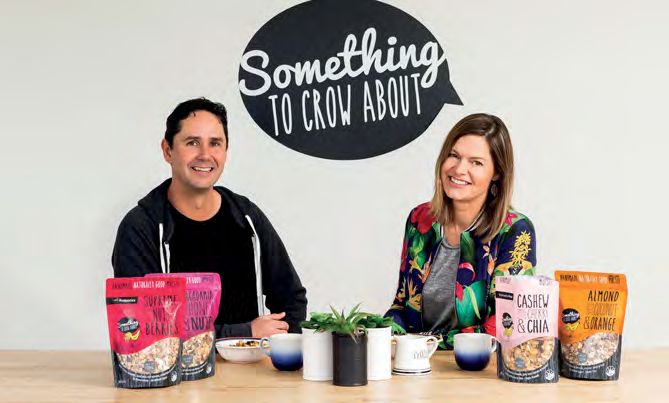
GS1 NEWS

      Thursday 11 April                                   For more information

      Grand Millennium                                            marketing@gs1nz.org
      Auckland                                                    0800 10 23 56
                                                                  www.gs1nz.org
       Register Now!
       www.gs1connect.nz                                          #gs1nzconnect

Kevin was Executive Director of the            on. In the decades since, he has developed   “systems that can cope with the
Auto-ID Center at MIT in the late 1990s and    these ideas while also becoming a            randomness and complexity of the real
with Sanjay Sarma, led development of the      high-tech entrepreneur with start-ups        world … as the IoT becomes more
EPC standard for RFID. Kevin coined            including RFID products supplier             sophisticated, robotic systems will get
“Internet of things” (IoT) to describe a       ThingMagic, cleantech company EnerNOC,       better at interpreting the world around
system where the Internet is connected to      and Zensi, an energy sensing company. In     them and making good choices in
the physical world via ubiquitous sensors      an interview last year, Kevin foresaw the    unexpected, non deterministic situations”.
on a multiplicity of objects, enabling these   IoT leading to emergence of ‘messy
to be monitored, tracked, controlled and so    automation’. This, he says, involves

                                                                                            Barcodes... we were
                                                                                            quick to see the benefits
                                                                                            Retailers, suppliers and consumers were
                                                                                            quick to see the benefits of barcoding on
                                                                                            retail products, although only after some
                                                                                            experience with the “new” technology. So
                                                                                            recalls John Albertson, former Head of
                                                                                            the New Zealand Retailers Association and
                                                                                            long-time GS1 Board member.

                                                                                            “For most suppliers there were certainly
                                                                                            costs involved in the move to barcoding

The great “beep” transformation
                                                                                            but they quickly saw that the benefits
                                                                                            would be much bigger in terms of higher
                                                                                            sales and refinements to their stock
                                                                                            control,” says John. He was Marketing
The barcode and global numbering have transformed retailing and                             Manager at Palmerton North-based
supply chains worldwide. In New Zealand it all started in 1979 – and so                     Prepared Foods when the supermarket
this year we celebrate GS1’s 40th birthday and reflect on the                               groups issued a requirement in late 1982
                                                                                            that all their suppliers add barcodes to
transformative power of a simple “beep” every time goods and                                products. “We knew it was coming but yes,
services are traded, from Cape Reinga to the Bluff.                                         it was a shock to the system for some
                                                                                            people till they figured out exactly what
Beep is, of course, the sound of a barcode     check-out operator, with all the time and    they needed to do.”
being read with a scanner at retail            risk of error this could involve.
point-of-sale, on the loading dock of a                                                     Retailers were quick to see the benefits in
distribution centre or perhaps anywhere        Across the world, barcodes and globally-     higher in-store productivity when they
else that uniquely-identified items are        unique product identifiers that are          could stop price marking every item and
being exchanged or moved along the             encoded in them are credited with having     speed up check-out processes, he says. For
supply chain.                                  revolutionised retailing and supply chain    some, as for suppliers, greater stock
                                               functioning. They sped up customer           control and more in-time ordering were
Life before barcodes and scanning was          service, enabled efficient stock control,    pleasant and largely unforeseen
very different. In the supermarket, for        and laid the foundation for traders to
                                                                                            developments. For consumers, check-out
example, each item of product had its own      vastly expand their product offering and
                                                                                            speed and the sudden ability to see
price sticker – and its sale was recorded      sales channels.
through the manual key strokes of a                                                                                Continue on page 6

ISSUE 47                                                                                                            WWW.                  5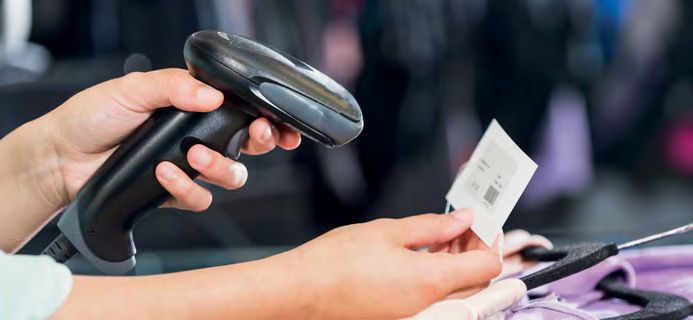
GS1 NEWS

   exactly what they were being charged                 established in the US a few years earlier).         'beeping' for products sold at retail was
   were big gains (price adding at the till was                                                             heard at a New World supermarket in
                                                        New Zealand was admitted to EAN in                  Taradale, in 1982.
   largely opaque in prior times).
                                                        March 1981 – only the 16th country
   Looking back, John says barcoding and                member, after Western European nations,             This country’s take-up of EAN numbering
   unique product numbering have helped                 Japan and Australia. We secured ‘94” as             and barcoding was rapid thereafter. By
   make business faster and more efficient in           our country code distinct from Australia’s          August 1985, the organisation had 790
   so many ways. “Barcodes are like the                 “93” - and of course, those two digits              members and 59 “scanning sites” which
   desktop computer, and in more recent                 remain in all GS1 New Zealand-allocated             accounting for around 15% of all grocery
   times the Internet, in that they have driven         product, container, place and member                sales. That percentage was been virtually
   so much change it’s hard for anyone of us            identifiers today. Indeed, the EAN-13               100% since the late 1990s.
   to imagine how work and life would be like           identifier and its barcode for items sold at
                without them.”                          retail are GS1 standards unchanged since            The range and utility of standards have, of
                                                        their adoption in the 1970s.                        course, been expanded over the decades,
                John was a GS1 Board member for                                                             most notably with the launch in 1989 of
                17 years till his retirement in 2013.   Early concerns about possible consumer              the GS1-128 (originally EAN-128) barcode
                                                        privacy breaches and risks that, somehow,           for carrying pallet and carton identifiers.
   The first “live” barcode scanning at                 barcodes would allow prices to be                   As interest built in commercialisation of
   point-of-sale occurred in the United States          manipulated to consumers’ disadvantage              Radio Frequency Identification (RFID) –
   in 1974 (a packet of Wrigley’s chewing               were calmed 1981-82 as the industry                 the next technology wave for automated
   gum, now on display in Washington DC’s               adopted a code of practice and ran an               identification of things – the organisation
   Smithsonian Institute). Walmart, the giant           education campaign. The packaging                   launched its Electronic Product Code
   US merchandise chain, was an early                   design and print sector was re-assured on           (EPC) standard for putting GS1 standard
   barcode adopter and Walmart’s rise to                the feasibility and ease of including               identifiers onto RFID tags. EPC arrived in
   become the world’s larger retailer is partly         barcodes on packets and labels.                     2005, which was also the year in which
   attributed to this fact.                                                                                 EAN became GS1.
                                                        This was early on in the digital age:
   New Zealand was a relatively early adopter           Computers, and in fact any “information             Today, GS1 New Zealand is one of 117
   too. In August 1979, a group of retailers            technology”, were largely unknown to the            country members of GS1 Global and we
   and wholesalers formed the New Zealand               public and most business people.                    have approximately 8,000 members
   Product Numbering Council (later,                                                                        spread across much of this country. Few
   Association) and began lobbying to join              By the end of 1981, EAN’s New Zealand               have reason to look back 40 years. But
   the European Article Numbering (EAN)                 organisation had its first 30 members               those who do will see a vastly different
   organisation, the forerunner of GS1 Global.          including Foodstuffs, and large grocery             world, one without the operating
   (EAN was formed in 1977 to own and                   manufacturers including Unilever, T.J               efficiencies, productivity gains and market
   develop a global identification system and           Edmonds, Griffin and Sons, and Cadbury              choices we have long taken for granted.
   to use the barcode technology standard               Schwepps Hudson. The first actual

                                                                                    Discover what's possible with
                                                                                    GS1 New Zealand
                                                                                    Seminars
                                                                                    GS1 New Zealand seminars help you uncover the many benefits
                                                                                    of integrating the GS1 system into your business. There are two
                                                                                    types of GS1 seminars - the Foundation Seminar and the
                                                                                    National Product Catalogue Seminar - both are half day,
                                                                                    interactive sessions, that are high level overviews.
                                                                                    Webinars
                                                                                    Weekly webinars are available from GS1 New Zealand, that
                                                                                    cover various topics and services. The webinars are live and
                                                                                    presented by a friendly GS1 New Zealand staff member,
                                                                                    enabling you to ask questions both during and after the session.

                                                                                           For more information about the GS1 New Zealand
                                                                                           Events and Training, please visit:
                                                                                           www.gs1nz.org/services/events-and-trainings/

                        trademonster.co.nz

6 WWW.                                                                                                                          MARCH 2019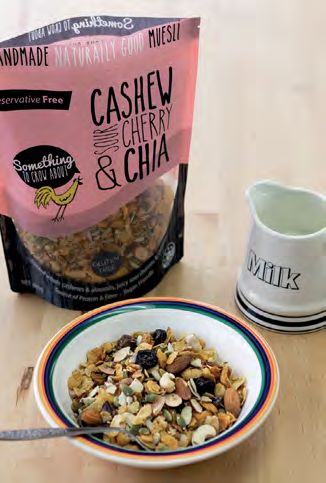
GS1 NEWS

New standard for strong links
to the digital world
The GS1 Digital Link standard is here – a major step forward in linking physical products to the digital
world. It promises to bring huge benefits to both businesses and consumers.

Simply stated: GS1 Digital Link will enable anyone with a smartphone to access any number of online
resources about a product simply by scanning its barcode.

This standard supports product                Today’s world                                  The future
identification in the business-to-business
                                              Traditionally, GS1 identifiers and barcodes    GS1 Digital Link enables connections to all
(B2B) world of the global supply chain—
                                              have been designed for greater supply          types of B2B and business-to-consumer
and opens the door to consumers’ access
                                              chain efficiency, from point-of-               (B2C) information. As businesses begin to
to more accurate and relevant online          manufacture or distribution centre to retail   develop solutions using the new standard,
product information. It does this by          point-of-sale. But there is an increasing      consumers will be able to access a variety
enabling globally-unique GS1 product          demand by consumers to directly access         of information about a product by simply
identification and attributes to be carried   far more product information before,           scanning any barcode with their
in Uniform Resource Locators (URLs). In       during and after their purchase – and this     smartphone: from dimensions and images
the past, you could only find this            is especially true for information accessed    to expiration dates, nutritional data,
information within barcodes or RFID tags.     via smartphones.                               warranty registration, troubleshooting
Representing GS1 identification in a way                                                     instructions—even social media links. They
                                              Some manufacturers have sought to
that is also web resolvable enables                                                          will be able to buy or order products,
                                              enable this capability by embedding
connection across the physical and digital                                                   collect loyalty points, “share” products
                                              unstructured Web page addresses in
domains.                                                                                     with their friends, and be alerted to special
                                              barcodes, particularly two-dimensional
                                                                                             offers.
Phase 1 of the global GS1 Digital Link        (2D) QR Codes®. But scanning these
standard was ratified in August 2018. It is   barcodes sometimes leads to broken links       The standard is designed to complement
now being piloted in several countries in     or websites with incomplete or non-            today’s ubiquitous GS1 barcodes, which are
anticipation of its full release.             relevant information. Moreover, these are      expected to remain the universal standard
                                              usually secondary barcodes placed on the       for product identification for many years to
      The core standard document, see         product, creating confusion with shoppers      come. The new standard does, however,
      www.gs1nz.org/standards/digital-link/   and retailers at point-of-sale: Which of the   open the door for potential migration to a
                                              two or more barcodes should be scanned         single web-enabled barcode in the future.
SCAN readers with Web-connected               for which purpose?
smartphones can see the GS1 Digital Link      There is clearly demand for a global
in action by scanning here and accessing                                                                         “The GS1 Digital Link
                                              standard to transform GS1 data encoded in
the website for more information about a                                                                         standard is the
                                              GS1 1D and 2D barcodes, into standard
particullar product.                                                                                             foundational bridge
                                              Web URI syntax.
                                                                                                                 between physical
                                                                                                                 products and their
                                                                                                                 digital twins. Ensuring
                                                                                             that product data, information about
                                                                                             inventory and digital assets for a particular
                                                                                             product are linked to each other through a
                                                                                             common identity that also links to the
                                                                                             actual physical product is essential to
                                                                                             serving the needs of consumers today.”
   The toy bear has
   a GTIN which is                                                                           Robert Beideman, Chief Solutions and
                                                                                             Innovation Officer, GS1 Global
   encoded in this
   QR Code®. It
                                                                                                   Robert will present at Connect 2019:
   also has an RFID                                                                                eCommerce Innovation Summit, on
   tag embedded                                                                                    11 April in Auckland. See
   in the swing tag.                                                                               www.gs1connect.nz

      GS1 Digital Link in action, see
      https://data.gs1.org/gtin/09507000009060/ser/00321

ISSUE 47                                                                                                               WWW.                  7
FEATURE INTERVIEW

                                                  Distinctive wines
                                                  supported by local
                                                  expertise and global
                                                  standards
                                                  New Zealand wine is a major export success story. But our wine producers
                                                  must grapple with all the issues that come from being part of a complex
                                                  global economy – market access uncertainties, rising information
                                                  demands and traceability among them. SCAN talks with Philip Gregan,
                                                  Chief Executive of New Zealand Winegrowers (NZ Wine) which
                                                  represents, researches and promotes the interests of grape growers and
                                                  winemakers.

                                                  Philip has helped lead industry growth and success since becoming CEO
                                                  of NZ Wine’s predecessor, the Wine Institute of New Zealand, 28 years
                                                  ago. He started there as a research officer in 1983, having previously
                                                  graduated MA(Hons) in geography from the University of Auckland.
                                                  Today NZ Wine represents more than 1,500 growers and makers. GS1
                                                  New Zealand has almost 600 brand owner members in this sector.

      How has New Zealand wine been so            New Zealandness … I think so long as we         either. The industry looks good in much of
   successful in the global market?               continue being world class and distinctive,     that space but we’ve got to keep moving
                                                  there’s definitely a place for New Zealand      forward on all aspects of sustainability so
   We can look back to the opening-up of          wines in the world.                             that we retain the support of our local
   global trade over the past 25 years, and
                                                                                                  communities.
   couple that with New Zealand’s own                Where does sustainability fit into that?
   programme of economic reform since the         To maintain our distinctiveness, we                You have a target of $2 billion in
   mid-80s and with a huge shift in the           absolutely have to be sustainable. That         export sales by 2019-20, that's
   traditional beer drinking-countries like       means looking after our land, water and         extraordinary growth over the past 23
   Britain and Australia to consumption of        air, and also looking after our people. It’s    years. Can it continue?
   wine as well. On top of these broad            not optional from either a production           We will hit that target in the next few years
   foundations, the plain fact is that New        perspective or a market perspective. We         – and yes, there is definitely further growth
   Zealand produces world-class wines that        started out in 1995 with a sustainability       to come. Whether we encapsulate that in a
   are truly distinctive and have really          programme, and in 2010 we said that             new big export growth target is another
   captured attention because of their style      anyone who participates in any New              question because actually our success
   and quality. The obvious example has been      Zealand Wine event anywhere in the world        story is broader these days. Wine tourism
   Marlborough sauvignon blanc ... it's world     needs to be certified “sustainable”,            within New Zealand is part of it, and that
   class and you can’t get it anywhere else.      whether that was recognition as organic,        doesn’t get counted in export sales. There
   Likewise, you can only get a Hawkes Bay
                                                  biodynamic or sustainable in context of         will be other indicators of success.
   syrah or Central Otago pinot noir from
                                                  another programme including our own.
   those places, and people know that! Even                                                       Grape production is continuing to grow,
   today if you’re doing an international wine    Effectively the whole New Zealand wine          with just under 1,000 hectares of new
   tasting, people can tell the difference        industry is part of some certification          vines being planted each year. We’re at
   between a Marlborough sav blanc and            programme and of course, within each of         38,000 hectares in production this vintage.
   anything else. At a recent tasting I           those the bar is getting higher all the time.   That said, land availability is becoming an
   attended, everyone simply said it was          Wine is also recognised as a relatively         issue. Marlborough is running out of land
   “classic”. The future for this country is to   efficient use of land and of water, and         and we had PwC do a strategic review last
   keep producing wines that express our          we're not a big source of nitrogen leaching     year which put the land still potentially

8 WWW.                                                                                                                MARCH 2019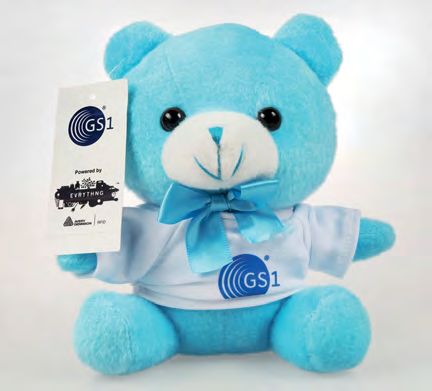
FEATURE INTERVIEW

available for new planting at about 5,000          Could there be a big issue around NZ             Can NZ producers contain some of
hectares. That will be eaten up quite           wine exports into Europe via the UK?             those risks by ensuring they adhere
quickly. The industry is facing some            Potentially there is an issue and also in        closely to global standards for
challenges to its growth although New           regard to wine moving the other way              identification and data sharing? For wine
Zealand can’t compete on the global             across the Channel. But if the UK gets into      makers and exporters, there has perhaps
market on a volume basis anyway. We are         negotiating free trade agreements with           been a tension between global
only 1% of world wine production and our        other countries, there’s an opportunity          standardisation and the fact that they are
cost of production, in a cool climate, is       from our perspective to have more liberal        producing such a distinctive product as
always going to be high. So, we’re always       winemaking rules than NZ currently faces         you alluded to before.
going to be about distinctiveness,              when selling into the UK. We see some            I don’t think there is a tension between
sustainability and quality, rather than         potential positives, although in the             those two things but yes, there are times
volume.                                         short-term there may be disruption at the        when wine producers don’t fully
                                                border.                                          understand what is being asked of them in
   Market access issues are always at the                                                        the global market. There are definitely
fore for New Zealand exporters, wine                What is the trend in other, technical        some baselines that wine producers must
included. What is your take on global           forms of trade barrier from national             meet. Whatever channel you are going to
trade and protectionist risks in 2019?          licensing boards, buyers’ special                be selling through, there are standards to
There’s no doubt we have benefited from         requirements and so on?                          be complied with … and usually that means
steady improvements in market access            There are different levels of trade              your product needing to be separately and
over many years, starting with CER1. Today      restriction, from governmental regulatory        uniquely identified. That’s just part of
we export to around 100 countries. The          standards, to quasi regulatory standards,        doing business and being in the world. This
New Zealand Government has signed               through to private standards as set,             is what private standards are partly about.
several treaty-level agreements specific to     effectively, by supermarkets around the          It's much easier if you also understand the
the wine industry. For example, when we         world. The risk around private and quasi         ‘why’ behind a requirement, and that
export wine to the United States this           regulatory standards is that they start          applies to complying on data standards
product can be made in accordance with          becoming regulatory standards even               too. Without it people will be inclined to
New Zealand wine making rules not those         though they don’t formally have that role.       say, ‘I’m not going to do that because it
in the US … same with our exports to            At the end of the day, a buyer can impose        doesn’t make any sense’. We’ve got an
Canada, Chile and some other countries.         any standards they want but they need to         industry where people come and go all the
NZ did a very smart thing in the mid-1990s      be equally and fairly applied to domestic        time … wineries are bought and sold,
and based our rules on how wine is              as well as foreign producers.                    people are coming into the industry from
generally made all around the world … we                                                         different backgrounds. It’s easy to lose the
have an very open system with some              From our perspective, you have to look at        understanding within individual wine
baselines around product integrity and          the direction of travel and ask, ‘is the level   making organisations. We see that when
food safety.                                    of activity taking us all in the right           dealing with wineries on labelling and
                                                direction?’ Basically it is about deciding       export issues.
The European Union (EU) is the classic          whether protectionism is on the rise or not.
example of more restrictive technical rules     With Canada in recent times, we saw rules           Are private standards generally clear
and you adapt your winemaking to suit           that favoured Canadian wine in terms of          enough for people in the industry as they
those rules when producing for that             where it could be sold vis a vis imported        approach export markets?
market. We have passed a Geographical           wines. And we decided the direction of           Much of the time, the issue comes down to
Indication, or GI, system in this country       travel was all wrong there. I don’t think this   who the wine producer is actually dealing
because it suits our interests but it also      type of problem is on the rise worldwide.        with in a foreign market. Many producers
provides alignment with the EU rules.           For New Zealand, and other countries, one        and exporters don’t know the retailers who
Looking around the world today, there are       of the bigger issues on the horizon is the       are ultimately selling their wine … they deal
a lot of positives. CPTPP2 gives us             future of the World Trade Organisation           with an importer and rely on them to
improved access into Japan and of course,       (WTO) system and the weakening of its            provide all the information that will be
we have the free trade agreement with           appellate processes. We are not going to         needed. What we sometimes see – and it
China. That said, there are uncertainties on    have the judges who are needed to look at        is particularly common in Asia – is that the
the horizon in relation to “America First” in   breaches of WTO rules. As a small country        importer will represent regulatory
the USA and Brexit. People ask me what          with no real power, this is really concerning    demands in ways that are quite different
Brexit will mean for NZ wine… if the UK         because we have no other way of getting          from what they actually are. Exporters are
Government doesn’t know the answer,             trade rules enforced. Everyone is                being asked for much more information
then I absolutely don’t! Our role is to help    concerned about fraying of the global            that the regulations require. We see this all
wineries prepare to manage that                 trade rules system. It comes back to             the time … we go back to wineries and say,
uncertainty.                                    greater uncertainty for exporters and            ‘no, this is not required, if you give this
                                                higher risk around what we produce, how          level of information to your importer, they
                                                and for whom.                                    will then ask everyone else for this and the
1
 Closer Economic Relations with Australia, in                                                    private standards will, in effect, become
effect since January 1983                                                                        the regulatory ones’.
2Comprehensive and Progressive Agreement for
Trans-Pacific Partnership
                                                                                                                        Continue on page 10

ISSUE 47                                                                                                                  WWW.                   9
FEATURE INTERVIEW

      To the extent that the issue is about        particular buyer is asking questions of a       you need good records. The consumer
   data and information, it must be                particular supplier as part of their            who buys a bottle of NZ wine anywhere in
   extremely useful to have one set of global      marketing and supply chain arrangements,        the world should be able to look at the
   standards for everyone to refer to and one      and the collection of information that          label and know who the producer or
   organisation like GS1 that is present in        becomes built into regulatory standards         importer was. There are lots of other
   every market.                                   without understandable advantages to all        questions they can ask as well... the
                                                   parties. Over time, there is a danger of        vineyard the wine was sourced from,
   In 1990, less than 1% of NZ wine was
                                                   more and more information flowing not           where the vines came from and when they
   exported. Today that figure is 85% and it’s
                                                   just to customers but also to border            were planted, when the grapes were
   only going to increase in the years ahead.
                                                   authorities, at a cost to the producer but      harvested, what sprays were used, and so
   So our industry as a whole is international
                                                   without any obvious advantage to them or        on. Much of this information must exist by
   – and when you’re in an international
                                                   to consumers. Where information is              law. The big question is how much of it is
   business, there are international standards
                                                   passing through to authorities, the             transferred up the supply chain and how.
   and protocols to be applied whether you
                                                   question becomes, ‘what, really, are the        Yes, there are challenges in how you as a
   like it or not. The standards need to be
                                                   risks that need to be controlled and            wine producer capture, store and share
   complied with … and when your product is
                                                   managed by those authorities having             that information so that it is available for
   global, it is much better to have one
                                                   access to all this information?’.               customer inquiry and for traceability. As a
   system of standards that applies across
                                                                                                   brand owner, you are in the centre of
   100 markets than just a few. One of our
                                                      There are advantages generally in            gathering all the data and being able to
   roles at NZ Wine is to tell people what the
                                                   sharing information to combat the               make it available, and that can include the
   labelling requirements and other standards
                                                   counterfeiting of products which is a huge      scenario where your wine is exported in
   they should be following. We give advice
                                                   issue in some markets. Is counterfeiting of     bulk and then bottled offshore for offer to
   within our areas of expertise. We are not
                                                   NZ wine an issue for you yet?                   consumers in particular markets.
   experts in product identification and
   barcoding or in data capture and sharing …      We have no instances of counterfeit
                                                   reported yet. I’ve been to big trade fairs in      What advice do you give members on
   that’s where GS1 comes in and our
                                                   China and there are products on display         traceability systems?
   members have to rely on GS1's expertise in
                                                   that are clearly imitating or trading off       Our role is to be expert on things that are
   those areas.
                                                   other brands. Penfolds from Australia is        particular to New Zealand wine. There are
                                                   the classic example. We haven’t attracted       plenty of other issues which are very
      How do you view the prospect of
                                                   that sort of attention yet. The difference is   important to our members but on which
   product data which is collected for use in
                                                   that Australia exports over $1 billion of       we are not experts – and that includes GS1
   New Zealand trading systems then being
                                                   wine to China compared with our $40             standards and systems for product
   shared with overseas border authorities
                                                   million. But yes the risk is there as our       identification, standardised data and
   with the ostensive goal of expediting
                                                   presence grows in that market.                  traceability. Wine producers need to use
   trade and clearance?
                                                                                                   that expertise when they need it.
   It could be very advantageous where data        We think that success in China isn’t about
   sharing supports trade flows and reduces        growing your sales 50% from year to year,
   cost in the supply chain … but there is that    but about being in the market long term               For more information, see
   risk of ever-increasing demand for              and developing a sustainable business                 www.nzwine.com
   information from producers – some of that       there.
   information commercially sensitive – that
   cannot actually be justified in the interests       How good is the wine industry at
   of all parties. You always have to ask, ‘why    traceability today?
   do other countries want all this data from      We have the Wine Act 2003 and central to
   us?’. There’s a big difference between          that is record keeping … winemakers must
   private sector transactions, where a            keep accurate records. To make good wine,

10 WWW.                                                                                                                MARCH 2019
GS1 NEWS
New
Board
Members Sally Copland Phil Wright
Countdown Foodstuffs South Island
As Countdown’s General Manager – Digital, Phil Wright foresees continuous growth in
Sally Copland is passionate about the grocery sector’s need for data – and for
customer service and the role that product its trading partners to support GS1 data
data must play in maintaining and standards. The Foodstuffs South Island
enhancing it. “Increasingly, consumers General Manager for IT says more and more
expect to have complete and accurate data is required to meet consumer
information on products they’re buying, information demands, to personalise
and it’s so important for us to make sure
retailers’ offers, and to support complexity
they get that information through all the
in supply chains and in the retail
different channels available. It’s about
marketplace. “Given today’s complexity and
Richard Allen giving people the right shopping
rapid pace of change, the big challenge for
experience and maintaining their trust in
Fonterra whatever products they’re buying to feed our industry is to collect and share an
their families or consume in other ways.” increasing array of data in an accurate,
Retail and distribution businesses aspiring up-to-date form … and that makes the
to best practice certainly need to ensure Sally says the challenges include how to correct use of well-established data
they are making the most of GS1 standards make the experience seamless whether the
standards more important than ever,” says
and solutions, says Richard Allen, Director customer is shopping online or in-store,
Phil.
of Farm Source. Part of Fonterra, Farm and whether they’re using physical or
Source operates more than 70 stores to digital means to access the information The growth in data includes more detailed
service dairy producers and other farms they expect. “It isn’t just about online information on products and their
across New Zealand. Richard says Farm because how we range our stores and ingredients, video material and other forms
Source, like many large retailers, is present products are extremely important of product imagery, and greater insight on
undergoing a major transformation as well. Everything we do requires having consumer preferences and on how these
programme, this includes application of great data on products, customers and
can best be matched with the retailer’s
the best available digital technologies for stores.”
product and service offering. “We need that
data capture, storage and sharing within
Not surprisingly, Sally is also passionate data to be accurate and available in
the business, and in its relationships with
about GS1 standards, most notably the real-time if we are going to use it efficiently
clients and trading partners.
National Product Catalogue, as “great with tangible benefits to everyone,” says
Richard joins the GS1 Board with enablers of us having the right information Phil. His role includes a responsibility for
substantial experience in Fonterra’s global available, quickly and in a consistent master data governance across the whole
business and in the dairy industry format, wherever we and our customers
Foodstuffs group.
generally. He has previously been Vice need it”.
President of Food Service for Fonterra in Phil joins the GS1 Board with 14 years’
Sally’s career in retailing has, in fact,
China and Chief Executive at MyMilk Ltd, a experience as Foodstuffs South Island’s GM
tracked the rise in importance of data and
Fonterra-backed milk supply company IT, overseeing a number of business
standards. Her first role was with BP and in
operating in the South Island. Today he sits transformational programs including its
2006, she joined Countdown (Woolworths
on the boards of several Fonterra implementation of SAP, introduction of New
New Zealand at that time) as marketing
subsidiary companies. A business graduate Zealand’s first self-service check-outs, its
manager for the group’s own-brand
of the University of Auckland, Richard is successful launch of Club Card for New
products. Today Sally leads Countdown’s
also a co-founder and director of Snowball
digital and technology business unit, World customers and Sticky Club for
Effect, New Zealand's leading online equity
known as CountdownX, this encompassing PAK’nSAVE customers.
funding platform.
Countdown.co.nz online shopping, loyalty,
digital marketing, 1:1 customer Phil’s earlier career included running large IT
personalisation, payments, technology and projects with Commercial Union Insurance
customer care. She is a graduate of the and Securior in the UK, and on his return to
University of Otago (LLB, BCom) and New Zealand in 2003, he had a period as
Macquarie University in Sydney (Masters in Christchurch City Council’s Chief Information
Management). Officer. Phil holds a Bachelor of Commerce
and Administration degree from Victoria
University of Wellington. His other
governance roles today include board
membership of Canterbury Tennis and
directorship on Christchurch-based start-up
company The Courier Box Limited.
ISSUE 47 WWW. 11MEMBER PROFILE
The constant brewer
Garage Project (GP) is a brewer. It’s also a place where people are
constantly thinking up new beers (and natural wines too), and challenging
the very notion of what beer is and can be.
“Variety’s the spice of life,” says GP Sales Nelson viticulturalist Alex Graighead.
Lead Josh Lynex. ”We love having a
perpetual turnover in products, with a Talk about perpetual turnover! Few
handfull or so coming or going each week beverage businesses in the world would
depending on what events we’re looking rival GP on frequency of change to product
to celebrate or stories we want to tell.” offering – or the need for rapid turn-
around in GS1 barcode verification. Since
The ideas pour out of GP’s three founders its launch in 2011 (in a converted Aro Valley California and parts of Europe: The
– Pete and Ian Gillespie and Jos Ruffell – garage and petrol station), GP has company, now employing 65 people, has
and their small creative team based at the produced more than 300 different won various awards and had 19 placings in
company’s two central Wellington brew products including some staples which the the top 100 New Zealand craft beer poll for
sites. creators – and their fans – are not ready to 2018.
let go. Names like “Aro Noir”, “Pernicious
All the thinking and talk is about For Josh and Creative Producer, Matt
Weed” and “Hāpi Daze”.
refinement of hop, malt and grain Sloan, GTIN allocation and barcodes are
combinations in GP ales, lagers and stouts, Each new product has a distinctive integral to every new product launch. “We
about “terroir” flavours that can be added narrative – and usually an event or quirky have a lean team so it’s great to have the
from local ingredients, and about brewing story to match – original Kiwi artwork and support we do from GS1’s verification team
and fermenting techniques. Every month, a new GTIN with barcode (except for the who turn around our barcodes very
the lads update their Fresh-branded IPA, Fresh IPA which does not go into standard quickly,” says Josh.
sold only through GP tasting rooms and supply chains). In spite of – or because of
selected bars. And for something different – all the fun and creativity, GP is very
again, they’re now also making batches of serious business. Sales growth has been Taste more at
wild-fermented wine in partnership with phenomenal and extends to Australia, www.garageproject.co.nz
Product Content Syndication solutions
for eCommerce marketplaces
Do you struggle with the increasing demands
for product data to support your omni-channel
and e-commerce requirements?
Innovit’s PIM eCommerce Product Content
Syndication Solution provides data quality
and data governance workflow which
optimises and accelerates the syndication
of master data to support the needs of
different trading partners and sales channels.
Speak with Innovit to help realise your company's global data strategy.
www.innovit.com +61 2 8020 2000
12 WWW. MARCH 2019GS1 NEWS
New regulations for product
recall by food businesses
Food business will soon be subject to tighter regulation of their
food recall processes and risk management systems. The new
regulations flow on from the dairy industry’s 2013 whey protein ProductRecallNZ busy!
concentrate (WPC) contamination scare and they follow last year’s More than 2,200 businesses are now active
enactment of the Food Safety Reform Act. on the ProductRecallnz platform which
enables them to communicate recall and
withdrawal information to trading partners
GS1 New Zealand has engaged with the • require traceability information to be
rapidly and effectively. There were 188 live
Government and others throughout this provided to MPI on request from one of recalls or withdrawals during 2018. Practice
reform process. We advocate for businesses its officers within 24 hours; is very important to maintain
to having electronic systems in place for ProductRecallnz readiness – and the past
food traceability and recall that make full • require businesses to run a mock recall
year saw 1,172 organisations complete at
use of the GS1 identifiers which are already each year unless a genuine one has least one mock recall or withdrawal using
embedded in most food supply chains. occurred in the same period; and the platform. That is another indicator of
companies anticipating the new food
As the regulations come into effect, an • require information given to MPI to be
safety regulations.
increasing number of food businesses are easily usable.
expected to see ProductRecallnz – the For more information, see
The regulations are intended to ensure www.gs1nz.org/services/productrecallnz
industry self-funded platform for recalls and
consistency across the whole food industry,
withdrawals which GS1 operates in
to make government requirements more
co-operation with the Ministry for Primary
visible and explicit, and to promote
Industries (MPI) – as an important part of
effectiveness and efficiency in recalls. Product flows to charity
their compliance (see right). MPI will publish
its final regulatory proposals to the GS1 New Zealand members are routinely
GS1 New Zealand submitted in support of
Government sometime in 2019. donating products to charity through GS1’s
the proposals and also raised some
ProductFlow and barcode verification
additional points: processes. And the scale of donation is
The regulations will apply to business
activities at approximately 98,000 food growing, along with the gratitude of
• Regulatory design needs to recognise the
premises throughout New Zealand, including various recipients selected by GS1 on
substantial benefits of truly effective
members’ behalf.
those of food exporters and importers. MPI traceability and recall, including
notes one estimate of $162 million for the associated business efficiency gains, Products of all kinds stream into GS1 for
annual cost of food-borne illnesses in this processing by the ProductFlow teams in
reputational protection and alignment
country. It says food safety incidents can do Auckland and Wellington – processed,
with global trading partners, these far
significant economic and reputation harm frozen and fresh foods, household items,
out-weighing a narrow focus on how to
tools and other hardware, and much more
even where they turn out to be a false alarm. minimise compliance costs. (even potted plants). Members can opt to
Effective recall processes can help minimise
receive the items back into their own
the potential harm. • Businesses should be subject to a specific
inventories or to leave them with GS1 for
timeliness requirement on this notification
In October 2018, MPI published draft donation or disposal. The number of
of affected by a business when a recall is products given away by GS1 in 2018 was
regulatory proposals for strengthening initiated. approximately 12,000, and the value was
recalls, along with risk-based plans and
substantial (albeit unquantified).
programmes, for industry consultation. The • Greater effort is needed to remove
core proposals aimed to: duplication in government and public The GS1 team distributes the donated
sector traceability systems for food foods and other items to the City Missions
• identify explicitly those businesses of Auckland and Wellington, the Sisters of
exporting, with a move electronic
(including exporters) which must maintain Compassion Soup Kitchen in Wellington,
processes based on GS1 standards for all
food recall processes; the SPCA, and Lions and Rotary clubs. The
purposes.
team makes a big effort to pass on as
• clarify traceability requirements such that much food as it can in the time available
all businesses keep accurate records of • Relevant information should be rigorously
and to minimise wastage. Last Christmas,
what they buy and sell, from whom and identified in each business through
this included a number of turkeys supplied
to whom (excluding final consumers), and application of best-practice traceability
to soup kitchens.
must be able to effectively trace and concepts.
The donation flow has grown with
recall products whenever necessary;
• Businesses supplying all inputs to the members’ increasing use of ProductFlow,
• specify how long records must be kept food industry should be included in the as well as barcode verification, in recent
for, this being in line with current regulations, including suppliers of years.
requirements or one year longer than a agricultural chemicals and animal health For more information, see
product’s shelf life; products (as occurs in other countries) www.gs1nz.org/services/productflow
ISSUE 47 WWW. 13MEMBER PROFILE
Healthy
breakfasts,
healthy
business
growth
Something To Crow About
has just that!
Nutritious, natural and tasty food at breakfast time is the strong foundation of a healthy diet. So says
Something To Crow About – and the Whangaparaoa-based health food company seems to have agreement
from a fast-growing customer base.
Something To Crow About produces an distributed to retailers, and the company is Production, packaging and distribution is all
innovative range of mueslis for the premium now adept at using ProductFlow. “We’re done from Something To Crow About’s
breakfast foods market, with strong extremely interested in being able to get Whangaparaoa plant, 40km north of central
emphases on the naturalness of ingredients new products and changes into Auckland, near the Millar’s beach-suburb
and on the healthiness of the branded supermarkets easily, with no new forms and home and located close to what Mike
product. “We want to give people a burst of no false starts,” says Chris. describes as a great workforce of
energy at the start of the day … a breakfast enthusiastic people who are pleased to have
ProductFlow, and of course the meticulous
that really is nutritious, tastes great and fills employment without travel hassles. “Our
use of GS1 identifiers, work well with the
you up until the afternoon,” says Chris Millar, current building is ideal because it will
company’s recently-adopted Unleashed
co-owner and manager of the business with accommodate the next 2-3 years’ of
software for inventory management. “These
husband Mike Millar. “Studies show that it’s business growth, and it’s well located for
systems together mean we have all the
healthier to eat a good breakfast because, easy freight delivery and pick up every day,”
product specifications and all the traceability
for one thing, it enables you to avoid he says.
data we need, right where it can be
snacking on other, naughty foods through
accessed at any time,” she says. Something The Millars do not crow about their growth
the day.”
To Crow About registered on but it is, nonetheless, impressive. Mike says
The Millars think their mueslis – created with ProductRecallNZ three years ago (and the annual turnover has more than doubled
the best local and imported nuts, seeds, only usage so far has been for mock three years in a row, and today they ship out
grains and dried fruits they can find – are withdrawals). around 20,000 units of product per month.
indeed “something to crow about” each Something To Crow About is now number 2.
morning: They have also created a range of in the premium breakfast cereals market –
roasted seed “toppers” for sprinkling on Products and in 2016, the toppers received a “highly
salads, sandwiches and anything else you commended” in the Artisan category of the
The Millars and their seven employees (some
might fancy through the rest of the day. New Zealand Food Awards.
part-time) produce six muesli flavours in
small batch runs, including four gluten-free
flavours, two that can be identified as Business development
Business foundations
“paleo” and two containing probiotic
All this since Chris and Mike bought the
With its products on supermarket shelves powder for gut health. Most-recently
business from its previous Dunedin-based
across much of New Zealand, Something To released is Something To Crow About’s
owner who was then supplying a more
Crow About has grown rapidly since Chris “cashew, sour cheery and chia, gluten-free
limited range of mueslis and “seed sprinkles”
and Mike took over in 2014. And they have cereal” – a finalist in the NZ Food Awards
to 15 South Island stores. Mike’s background
put the business on its own strong 2018.
was in sales and business development,
foundation with their enthusiasm for
Each flavour can be purchased in a most recently with TradeMe, while Chris had
product innovation and their marketing skills
brightly-packaged 400g or 500g sachet, been marketing and communications
– and their commitment to best use of GS1
and five of them are also available in a manager for Hallmark Cards in New Zealand.
Standards.
paper-bagged 1kg size (online only). There Neither had a background in the food
Something To Crow About uses GS1 are so far four seed toppers including industry (Something To Crow About
identifiers, with barcoding, on each of its’ 15 garlic- or Mexican-roasted flavours – and employs a professional chef and is advised
products and the cartons in which these are these are retailed in 120g sachets. by an independent nutritionist).
14 WWW. JUNE 2018You can also read


