Time to end the silence - Barrow Cadbury Trust
←
→
Page content transcription
If your browser does not render page correctly, please read the page content below

Time to end the silence

  The experience of Muslims
     in the prison system
Time to end the silence:

 The experience of Muslims
    in the prison system

           Written by
Raheel Mohammed & Lauren Nickolls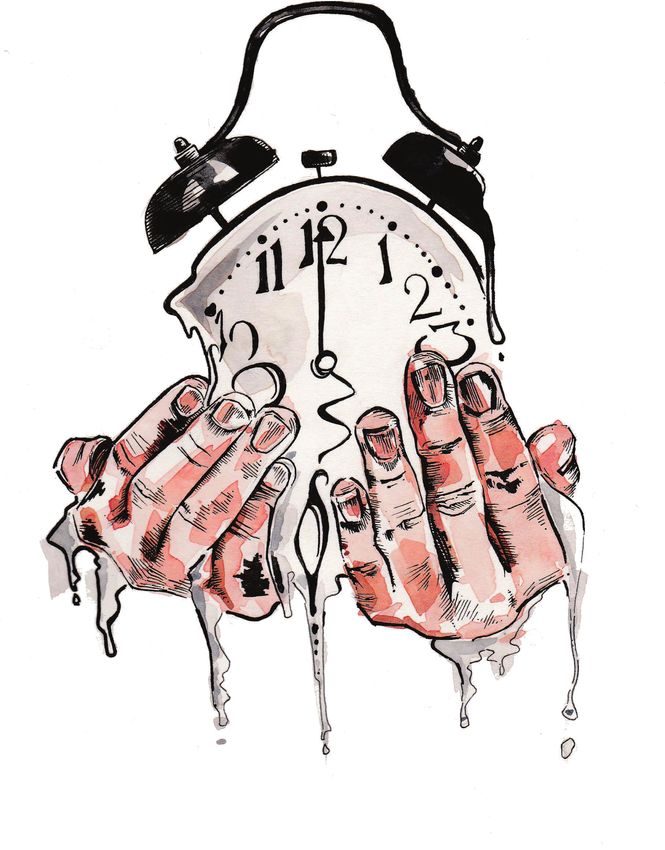
Muslim men make up 15% of the
prison population while Muslim
communities only make up 5%
of the general population.
prison population is concerned, the point is how the institution
                                                                            responds — with general suspicion or with a willingness to learn,

foreword                                                                    to educate and be educated, to avoid making a situation worse
                                                                            by ignorant or demeaning assumptions.

                                                                            This report also details the problems arising from a widespread
                                                                            lack of trust in the ‘secular’ pastoral provisions in prisons. Many
                                                                            Muslims — not least women — are not confident that their beliefs
People within the penal system do not somehow become two-                   will be recognised and understood or even that their confidences
dimensional rather than three-dimensional when they enter custody.          will be respected. Much of this is a matter of perspective, and the
But it is a constant struggle to remind the system — let alone the          judgements and anxieties may not be fair; but the lack of trust
media and the public — of this, and to work to secure a custodial           is palpable and has to be dealt with sensitively if people are not
environment that is effective simply because it demonstrates what           to be driven further into isolation and non-communication.
it means to treat people as if they genuinely had an inner life, a set of
sustaining relationships, and an identity beyond that of an ‘offender’.     The recommendations of this report are modest and practical
                                                                            —but not less urgent for that. It is crucial that prison staff as well
Nowhere is this harder, it seems, than in relation to the religious         as staff and volunteers from the voluntary sector should have fuller
identity of some within the system. This timely (and sometimes              training in the religious needs of Muslim men and women; and
shocking and dispiriting) report spells out just how hard it is for         it is also crucial that there should be positive and regular liaison with
Muslims in custody to secure respect for that inner life and identity       Muslim communities outside the prison, both to provide perspective
and those relations that give them life through their community             on what happens to prisoners in the system and to assist with
of faith. Ignorance and suspicion still dominate large parts of the         reintegration and rehabilitation in the long term. Proper concern
system, producing an environment that is neither just nor effective         about challenging and avoiding violent or extremist behaviours
in changing behaviours and protecting society.                              should not be an excuse for ignoring basic needs and failing in the
                                                                            statutory duty to honour the religious convictions of prisoners.
At the root of much of the ineptness of the system at the moment lies
one widespread confusion about Islamic identity. The lazy contrast          There are some good stories here as well as alarming and depressing
between ‘radical’ and ‘moderate’ Islamic practice sometimes has             accounts; we know that better performance is possible, and
the effect of making any deeper and more visible involvement in the         we can see its positive outcomes. This document should be read
practice of the community seem like ‘radicalisation’ — when in fact         as an encouragement to what will in the long run be an immeasurably
it may simply be a greater seriousness about religious commitment.          more constructive atmosphere in the penal system; as an invitation
                                                                            to make sure that Muslim prisoners emerge better able to contribute
There is a good deal of highly-coloured anecdote about “radical-            to the society they live in, rather than being further alienated and
isation” in the context of prisons. No-one wants to deny that               disempowered.
extremist networks, left and right, “Islamist” or racist, can find
a foothold in prisons as in many other contexts. Where the Muslim           Rowan Williams, Master of Magdalene College, Cambridge

4                                                                                                                                                  5
10
Introduction
                       Contents

                  18

Themes
                  22

Trust
                  32

Religion
                  44

Risk
                  58

Conclusion
                  62

Recommendations
                  72

References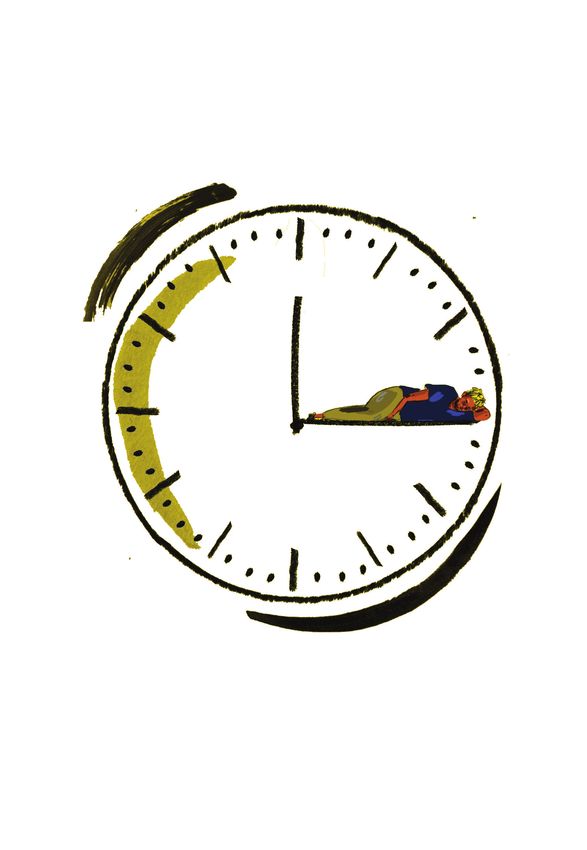
I'D LIKE
                                                                                         Every cautionary tale my mama told me harboured a lie.
                                                                                         I’d like to believe that in trying, my hopes will not become uniformed murmurs of police boot
                                                                                         on brown cheek,
                                                                                         I’d like to believe that forgetting to lotion wouldn't cause offence.
                                                                                         I’d like to believe that our solitary prayers sing softness into your hearts, not concrete,
                                                                                         or one day my peace will not be used against me

   TO
                                                                                         or strangled subdued upon me.
                                                                                         I’d like to believe it’ll be the loneliness that rehabilitates me.

                                                                                         I’d like to believe
                                                                                         you’re aware the only radicalism on this day is comfort’s love
                                                                                         for terror can never be radical, not truly.

BELIEVE
                                                                                         ...can never be Angela’s writing hands cuffed and aching for all of us
                                                                                         can never find peace in scared eyes clutching bags of ‘British values’
                                                                                         with knuckles white as noor.

                                                                                         I’d like to believe my wrongs will be a Haq I’m forgiven for.
                                                                                         I’d like to believe I'll never have to feel the weight of truncheons ready to make baseball of my
                                                                                         back in Sujud.

                                                                                         I’d like to believe on Friday’s when the mandem kiss each others cheeks and embrace like
        Aliyah Hasinah’s poem, I’d Like to Believe, runs through our podcast, which      we’re back in the arms of our mothers,
    accompanies this report. As well as hearing the experience of Muslim men who have    that you do not fear the tension that rolls off my back, with every salaam.
       been in prison and the obstacles they face in practising Islam, the poetry adds

        a creative and emotional perspective that is often missing from traditional,     There is no threat in this prayer
                          institutionalised frameworks of analysis.                      antagony’s clouds have made their bed in policing mind
                                                                                         to make homeless the fact I’m nothing to fear.
                                                                                         Nothing to fear,
                                                                                         in this place of peace.

                                                                                         Listen to the podcast at:

                                  Aliyah Hasinah                                         soundcloud.com/maslahajustice/id-like-to-believe-stories-of-muslim-men-in-the-criminal-justice-system

8                                                                                                                                                                                                9
This alarm clock story is unfortunately not an anomaly. Prison
                                                                         Advice and Care Trust (Pact) helplines see an increase in calls

introduction
                                                                         from Muslim prisoners during Ramadan, largely related to access
                                                                         to praying, which highlights how prisons are not sufficiently
                                                                         equipped to meet the needs of Muslims during religious festivals,
                                                                         and meet the requirements of the mandatory instructions.

                                                                         It begs the question, how widespread is this practice and why
There is a story about an alarm clock which captures perfectly           is it not being investigated? We know from analysis carried out by
the experience of Muslims in the criminal justice system. It shows       the Zahid Mubarek Trust and the Prison Reform Trust2 that only
a lack of understanding of religious needs and the negative impact       one in a 100 complaints made by black, Asian and minority ethnic
this ignorance can have on Muslim prisoners. This story shows the        (BAME) prisoners were upheld. The report goes on to state that;
effects of power and ignorance and what it means to have your
basic human rights denied.                                                      “THE THRESHOLD OF PROOF EQUALITY OFFICERS USED
                                                                                TO ASSESS PRISONERS’ CLAIMS OF DISCRIMINATION WAS
A former prisoner officer, who now works in the voluntary sector,               GENERALLY TOO HIGH. SOME EQUALITY OFFICERS APPEARED
in a conversation about racism in prison, described how during                  TO SEE THEIR ROLE AS DEFENDING THEIR COLLEAGUES FROM
Ramadan — the month of fasting in Islam — she would wake up                     ALLEGATIONS OF BIAS.”
Muslim prisoners to fast because in this prison, they did not have
access to clocks, and the prisoners relied on her and trusted her        The alarm clock story is indicative of a number of factors affecting
to do that. This former prison officer, who had not received any         Muslims in the criminal justice system. It shows a lack of basic
training on the religious needs of prisoners, learnt on the job the      religious and cultural understanding among individuals and is also
rituals and processes that could matter so much to a Muslim.             symptomatic of a much larger problem of a system that does not
As she said, “I’m looking after 80 men, someone is cutting his wrists,   fully recognise the religious needs of Muslims, which can allow
and someone needs his medication, I shouldn’t be learning this           discriminatory acts to occur without accountability and challenge.
on the job”. She went onto describe how other prison officers
didn’t wake up Muslim prisoners during Ramadan because they              The reaction to this story is also revealing. Muslims and individuals
had decided that the men were unlikely to keep the fasts, unlikely       of colour who hear this story respond immediately, physically and
to have the will power to practise this religious ritual and so denied   emotionally. Maslaha has had to spend time explaining to a large
them that right to worship.                                              number of non-Muslims who work in the criminal justice sector
                                                                         why this story reflects a wider problem within the criminal justice
Here is the guidance for prisons under the section faith and             system and how it’s linked to the racial disparity we know exists.
pastoral care. The mandatory instruction in section 6.1 states that:     Most of the voluntary sector individuals and organisations that we
“Recognised religious festivals, including the associated worship,       spoke to were surprised by the specifics of this story. Individuals of
must be marked and observed…Supervisory staff must be available          colour however had heard of similar incidents before.
for the observance of the festival.” 1

10                                                                                                                                           11
introduction                                                                                                                                             introduction

The aim of this project is to understand how the voluntary sector          The experience of Muslim women also has to be seen through the
works within the prison system to meet the needs of Muslim                 intersection of gender discrimination, Islamophobia and racism.
prisoners. How accessible are these services and is there
an understanding from within the voluntary sector of cultural              These statistics are concerning but so far insufficient data has been
and religious diversity in the delivery of these services? In order        collected to understand the reasons behind this increase. It begs
to do this it is important to understand this context of the clock story   the question: why has no analysis taken place to understand this
as this environment directly effects how voluntary services work.          disproportionality?

Marginalised communities, and in the case of this report, Muslim           Muslims, as well as BAMEi men and women in prison, often
communities, are often de-contextualised from their environment,           describe their experience in prison and relationships with staff
heritage, culture, and a political and economic context. However,          more negatively in comparison to white groups.8 A significant
in order to deliver sophisticated services this missing context            number of Muslim men report:
is a vital ingredient in creating accessible services which Muslims
in prison can trust and use.                                                      0 NOT RECEIVING BASIC CARE

In order to explore these issues we ran focus groups and                          0 NOT BEING TREATED RESPECTFULLY BY STAFF
interviewed individuals both in and outside of prison working with
the Samaritans, family services organisation Pact, the Prisoners’                 0 NOT BEING ABLE TO TURN TO STAFF FOR HELP
Education Trust and rehabilitation charity Switchback. Between
them they cover a range of services across a number of prisons                    0 NOT EASILY BEING ABLE TO RECEIVE OR SEND
delivering vital support which incorporates mental health, family                     PARCELS OR LETTERS
and prisoner support, education and pathways to rebuilding lives
following release.                                                                0 NOT EASILY BEING ABLE TO MAKE COMPLAINTS

The findings of the Young Review3 and Lammy Review4 gave this
work added impetus, highlighting the significant disproportionality
and disparity in the treatment and outcomes of BAME and Muslim
prisoners.i This body of work has become even more relevant as the         i
                                                                               For the purposes of this report we use the term ‘BAME’ to refer to communities
number of Muslim men in prison has doubled in the past 16 years            of colour in the criminal justice system. This is to be consistent with the terminology used
making up 15% of the prison population, while Muslim communities           in the Lammy and Young reviews, by criminal justice agencies and most stakeholders
as a whole only make up 5% of the general population.5                     that work in or around the criminal justice system. However we recognise that this
                                                                           shorthand does not sufficiently reflect the diversity of those who would fall under this
There are also 254 Muslim women across the prison estate                   umbrella label. This in itself is part of the problem with how we understand and are able
in England6 whose voices remain unheard at a policy and                    to analysis the diverse experiences of those in the criminal justice system. The data
research level despite being highly visible in the media and facing        that stems from this label does not reflect the reality of diversity and it adds to the
Islamophobia and racism from other prisoners and prison staff.7            silence around communities of colour in the criminal justice system.

12                                                                                                                                                                  13
introduction introduction
The Lammy Review recommended that every criminal justice 0 INDIVIDUALS AND VOLUNTARY SECTOR ORGANISATIONS
institution should adopt an ‘explain or reform’ principle which WE SPOKE TO HAD HEARD SIMILAR ACCOUNTS TO THE CLOCK
meant that criminal justice agencies should provide an evidence- STORY, WHERE MUSLIMS IN PRISON ARE DENIED THEIR
based explanation for disparities between ethnic groups then RIGHT TO WORSHIP. BUT THESE ACCOUNTS ARE NOT BEING
introduce reforms to address those disparities.9 AIRED PUBLICLY AND ANALYSED IN THE CONTEXT OF RACIAL
DISPARITY AND DISPROPORTIONALITY THAT EXISTS IN THE
The story of the clock highlights a number of factors that are CRIMINAL JUSTICE SYSTEM. A REDUCTION IN EXTERNAL
important in designing services to meet the needs of Muslims SCRUTINY PANELS ON RACE INCIDENT COMPLAINTS SINCE
in prison; 2008ii NOW MEANS THAT THESE STORIES ARE EVEN LESS LIKELY
TO BE HEARD, WHICH MEANS THAT THE VOLUNTARY SECTOR,
0 IT SHOULD NOT BE ASSUMED THAT VOLUNTARY SECTOR OR IN THE COURSE OF ITS WORK, REMAINS ONE OF THE KEY
PRISON STAFF ARE AWARE OF THE MOST BASIC TENETS OF EXTERNAL AGENCIES WHICH CAN MONITOR AND ANALYSE
ISLAM. THE EXPERIENCES OF MUSLIM AND BAME PRISONERS.
0 AS SHOWN BY THE CLOCK STORY, IT IS NOT UNUSUAL FOR The voluntary sector has a long tradition of understanding the
INDIVIDUAL PRISON STAFF OR VOLUNTARY SECTOR STAFF TO importance of the cultural and religious needs of communities and
EDUCATE THEMSELVES WHEN THE SYSTEM THEY OPERATE realising these as assets. This report shows the deep commitment
IN FAILS TO PROVIDE ADEQUATE TRAINING, WHICH ADDS that these charities have to the communities they work with
A FURTHER BURDEN TO THAT INDIVIDUAL. in often difficult environments. Continuing that tradition, and in light
of the disproportionate increase of Muslims in prison, and the new
0 THE LANGUAGE OF GUIDELINES AND POLICY DOES NOT challenges and expertise this increase calls for, these four charities
ADEQUATELY CONVEY THE IMPORTANCE OF RELIGIOUS OR took part in this project recognising that more could be done
CULTURAL HERITAGE AND EXPERIENCE, AND HOW THESE CAN to improve the services they provide for Muslims in prison.
BE A USEFUL TOOL IN BUILDING TRUST AND A PRACTICAL
SERVICE OR TRAINING FOR MUSLIM PRISONERS. It has become clear during this project that the voluntary sector
should not just be concerned about improving cultural diversity
0 THE LANGUAGE OF GUIDELINES AND POLICY CANNOT training but should also understand how services are operating
ADEQUATELY CONVEY THE NEGATIVE IMPACT OF HAVING THE in an environment where Muslim men and women are seen
RIGHT TO WORSHIP TAKEN AWAY OR IMPEDED. FOR EXAMPLE, as objects of risk10 and are the victims of racism.11
IT CAN CREATE A FEELING OF DISTRUST AND CAN IMPACT ON
HOW OTHER SERVICES OR PRACTITIONERS IN THE CRIMINAL In the course of this work what has also become clear is the distance
JUSTICE SYSTEM ARE PERCEIVED. THIS IS PARTICULARLY that exists between the view of the prison system which often sees
IMPORTANT FOR VOLUNTARY SECTOR ORGANISATIONS WHOSE Islam as a risk factor and a link to extremism, and the charities we
SERVICES HAVE A LOW TAKE-UP FROM MUSLIM PRISONERS.
ii
Currently only 28 prisons maintain external scrutiny panels compared to 107
prisons in 2008.
14 15introduction introduction
worked with, which saw religion as a positive; an important anchor to them and would deliberately use it to punish or as leverage over
to support Muslims in the criminal justice system. them. As one member of a focus group summarised:
This report shows clearly that where the voluntary sector recognises “THEY KNOW THAT’S THE ONE THING THAT WILL GET TO
the importance of religious needs and makes practical changes A MUSLIM, IF HE’S NOT GOING TO GET TO FRIDAY PRAYERS.
to the delivery of its service to meet them, this can have huge benefits THAT’S THEIR BEST THREAT.”
for Muslim men and women in prison. This report also shows how the
prison system is failing to deliver on its mandatory instructions when The mandatory instruction for prisons under the faith and pastoral
it comes to the treatment of Muslims and how this can obstruct the care section, 2.3, states that:
services charities are trying to provide, placing an additional burden
and responsibility on the work of the voluntary sector. “A PRISONER MUST NOT BE SUBJECT TO ANY FORM OF
DISCRIMINATION OR INFRINGEMENT OF THEIR HUMAN
We found that this situation is exacerbated by the silence that RIGHTS BY DECLARING THEMSELVES OF ANY FAITH OR
surrounds the experiences of Muslim men and women in prison RELIGION OR AS BELONGING TO NONE. A CASE OF ALLEGED
which turns them into ‘shadowy figures’. It’s easy to forget their DISCRIMINATION ON THE GROUNDS OF A PRISONER’S
humanity and attach stereotypes and caricatures to them; the REGISTERED RELIGION MUST BE RECORDED IN THE
radical Muslim; the terrorist Muslim; the extremist Muslim. All the CHAPLAINCY TEAM JOURNAL AND REPORTED TO THE
while forgetting that there is scant evidence to back up these claims.12 GOVERNOR. EACH CASE WILL BE INVESTIGATED BY THE
Only one per cent of Muslims in prison are convicted of terrorism EQUALITIES MANAGER OR OTHER APPOINTED MANAGER.”
charges.13 As one Muslim man who had been in prison told us:
The impact of not being able to practise your religion cannot
“AS A MUSLIM PERSON, PRAYING 5 TIMES A DAY IN be underestimated. For many of the Muslim prisoners we spoke
CONGREGATION IS NORMAL AND IT HAPPENS EVERY DAY, to it was the one source of comfort in periods of severe emotional
EVERY YEAR, ALL UP AND DOWN THE COUNTRY, ALL OVER THE and mental fragility and isolation.
WORLD. BUT WHEN IT HAPPENS IN A PRISON ENVIRONMENT,
AND YOU’VE GOT A BUNCH OF MUSLIM LADS IN ONE CELL, IT It is this understanding that is often lacking in the prison system. The
STARTS SETTING OFF ALARMS IN THE PRISON STAFF — WHAT voluntary sector can help by ensuring that this finding is not ignored
ARE THEY UP TO, WHAT’S GOING ON?” and that religion is seen as a source of strength and positivity. Can
the voluntary sector in the course of its work do more to ensure
Of concern are the number of conversations we had with Muslim their work understands the granularity of a religious identity, and
men who have been banned from Friday prayers (a sacred day how that can be used to improve the delivery of the service? Does
of worship in Islam where praying in congregation is encouraged it also have a role in holding the prison system to account when
if possible) for insignificant acts, or where the threat of not being it is unable to deliver its work to Muslim men and women because
allowed to attend Friday prayer has been used as a form of control. of discrimination and clear breaches of regulation?
When we discussed this in focus groups and interviews, participants
felt that prison authorities knew how much Friday prayers meant
16 17themes
The report is divided into three themes that arose during the course RISK
of this project. Under each theme we explore the work of four charities in A common thread through this work has been how Muslims in the prison
relation to Muslim prisoners and in the context of the prison environment system are regarded as objects of risk or suspicion, an observation
described in the introduction. These themes are: supported by academics we cite throughout the report. The voluntary
sector needs to be aware of this finding and how this affects the services
TRUST they provide. How is this culture of suspicion created? Who decides what
Over the past nine years, Maslaha has designed services and products that is risky and what pressures make this a daily occurrence in prison? The
help to improve public services for Muslim communities, and an essential voluntary sector has to develop critical frameworks to understand the
part of this work has been building trust. In our experience it has required situations and contexts like these which alienate and marginalise Muslim
a deep understanding of communities and an individual’s life in the context communities and other communities of colour. How does “bad data” (data
of their environment, their personal, social and economic circumstances based on stereotypes and lack of religious and cultural understanding)
and their religion or cultural background. In a prison context this becomes lead to fixed assumptions that then influence practice and culture in prison,
even more important as individuals are separated from their support which then in turn affects, negatively, how voluntary services can operate?
networks of family, friends and peers. Importantly, designing services with
service users in prison or with families moves trust from an abstract idea
to a pragmatic one.
THE METHODOLOGY
RELIGION This report is based on a mixture of long interviews, focus groups,
Our first report with the Barrow Cadbury Trust, Young Muslims on Trial— and observation conducted with those in custody and outside the
Islamophobia in the Criminal Justice System,14 showed starkly how many prison estate. The interviews were with Muslim men and women
Muslims in prison found comfort and support in Islam, while the prison who had experienced the criminal justice system as well as staff at
system viewed it with fear. In Maslaha’s work in health, education and Samaritans, Pact, the Prisoners’ Education Trust and Switchback.
gender equality we have found that an understanding of an individual’s We also spoke to a number of academics and criminologists and
religious and cultural background, as well as heritage, can help to improve other organisations and individuals who work in the voluntary
the creation and delivery of a service. But how does this work for a voluntary sector and have specialist knowledge and experience of issues
service whose staff may not be representative of the BAME population affecting BAME and Muslim communities. We conducted focus
in prison? How can they become skilled in understanding these religious groups in 4 prisons as well as interviews with Muslim men and
and cultural backgrounds, in a service in a prison environment where women who had served custodial sentences across an additional
Islam is viewed with suspicion? 10 prisons.
18 19There needs to be a sophisticated analysis that most basic stories. Not only is this a huge cost to
is not only intellectually rigorous, but can also the taxpayer but we are consciously colluding in
register emotion, vulnerability, heritage, systemic discrimination and allowing countless
culture, and religion. We need to move away lives to be wasted. These stories do not spill out,
from crude acronyms such as BAME which they are held without any urge or need to tell
provide a reassuring security blanket for those people as if this discriminatory and
organisations and institutions who don’t want dehumanising behaviour is normal. But these
to venture too near the messiness of people’s stories need to be heard to ensure that silence
lives. All black people, and all Asian people does not become an ally of discrimination and
are lumped together. If the methodology fear. These stories not only inform but also heal
is not sophisticated and therefore more and ensure that there is some recompense, and
compassionate, we will only be hearing the an attempt at social justice.
Raheel Mohammed
on Discover Society
20 21Building trust is an essential element of the work charities undertake
in prison and for a significant portion of Muslim prisoners we spoke
trust to, this was linked to understanding their religion and culture.
A former prisoner who had been a Listener in prison spoke about
how identity helped to build trust and deliver the Samaritan’s service
to Muslims in prison. “As a Muslim I have the same understanding,
same faith, same religion — this helped in my role as a Listener.
It helps them if you give them [Muslim prisoners] something from
their belief… When I gave the khutbah [sermon during Friday prayers]
I told them about the Listener scheme…Someone once said to me
‘I trust you, you led the Friday prayer’”.
For this Listener,iii there was a clear understanding that his
religious identity helped him to build trust and deliver a service for
the Samaritans to other Muslim prisoners. Being a Listener was
a positive experience for him and allowed him to use his identity
in order to fulfil this role “I was influenced by the Listeners, it was
a great opportunity to help other people. They want to help other
people. We used to speak to Samaritans more than imams.”
But he was also fully aware of how his religious identity in prison
could prove to be an obstacle:
“THERE IS RACISM. IF A PRISON OFFICER SEES EIGHT OR
NINE PEOPLE PRAYING TOGETHER, YOU’LL HEAR FROM THE
PRISON OFFICER, ‘YOU CAN’T PRAY LIKE THIS, IT’S AGAINST
OUR RULES’. AND I’LL REPLY, ‘TELL ME WHERE IT SAYS WE
CAN’T’. IF MUSLIMS ARE IN A MINORITY IN A PRISON THEN
THERE ARE MORE DIFFICULTIES. THEY [MUSLIM PRISONERS]
DON’T TRUST THE JUSTICE SYSTEM OR THE PRISONER STAFF.”
iii
The Listener scheme is a peer support service run by Samaritans which aims to
reduce suicide and self-harm in prisons. Samaritans volunteers select, train and
support prisoners to become Listeners. Listeners provide confidential emotional
support to their fellow inmates who are struggling to cope. Prisons should aim to have
enough Listeners available round the clock for anyone who needs to talk to them.
22 23trust trust
Another former Muslim Listener echoed this and spoke about before speaking to anybody else as they felt they had a better
how as a Muslim, the Listener scheme was like having a badge understanding of their problems. The group also discussed how
of independence, which in his experience, was seen as a positive Islam would offer them guidance and support if they were facing
sign by other Muslim prisoners who saw the prison as discriminatory. problems or struggling to cope. They were not confident in the
He highlighted just how vital the support provided by the Listener support that Listeners could offer, because of their lack of knowledge
scheme can be and why it is so important that Muslims are able of Islam and Muslims, and understanding of the difficulties they
to access it. As he said, “I saw people at their wits ends, they just were facing. In the focus groups , Muslim participants spoke about
needed to speak to someone.” feeling more comfortable talking to a Muslim Listener because,
as one participant said, a non-Muslim, “wouldn’t understand about
The same person said that other Muslim prisoners would our culture and our problems.”
approach him because, “If I tell you it’s more chance that it will stay
confidential because you’re one of us.” This was echoed by another However, relying on their Muslim peers can place a significant
former prisoner who had been a Listener: “They will say to me amount of pressure on Muslims prisoners. Providing that support
‘if I tell you it’s more chance that it will stay safe’”. We also heard can be emotionally and mentally demanding especially without
this sentiment directly from Muslims prisoners we spoke to, through the training and wider support of the Samaritans that Listeners
both interviews and focus groups. Most expressed concern that are provided with. There was also a feeling amongst some that
non-Muslim Listeners would breach their confidentiality and talk if, as Muslims, they did not go to the imam first, it would
amongst themselves, which made them reluctant to engage with be “a betrayal”. But others were adamant that that they would
the service. Muslim women who had been in prison, also raised not feel comfortable talking to the imam about certain topics,
these concerns. One said they would not trust the Listeners scheme which highlights the importance of having a non-judgemental
because they felt “everyone would know my business then.” professional service available.
We found no evidence that Listeners would breach any In contrast we held a focus group in a women’s prison, where two
confidence but the lack of trust was enough for some Muslim of the Muslim women said they felt comfortable talking to any
men and women not to use the service. It is worth noting of the Listeners regardless of their religious background, and
that confidentiality is a core principle of the Listener scheme felt that the wider chaplaincy team were also very supportive.
and is emphasised rigorously through training and ongoing No topic was felt to be ‘off-limits’. The chaplaincy in this prison
Samaritans’ support. However, some Muslims we spoke to did worked closely as a team and were also highly visible. The Muslim
not recognise this in an environment with such levels of distrust women, for instance, spoke highly of the Catholic chaplain.
and where the fear of rumours spreading across the prison Similarly, in this prison, the Listeners were highly visible, with
is rife. Our research suggests that they were reacting to the prison visible posters about the scheme and the Listeners were proactive
environment rather than the Listener scheme. In that sense the in approaching individuals who appeared to be in distress. The
prison environment is acting as a barrier to accessing this service. Muslim women in this prison felt that this approach was more
important than their faith.
In another prison focus group the participants agreed that
as Muslims they would turn to their Muslim ‘brothers’ for advice
24 25trust trust
TRUST AND ACCESS TO EDUCATION Current Muslim prisoner
Education was another area where there was huge potential for
trust to be created and a more positive pathway built for Muslims “LEARNING BEGAN, FOR ME, AS JUST SOMETHING THAT
in prison. It not only provides a break from a normal prison routine WOULD STOP ME FROM GETTING BORED, RATHER THAN
but also helps build and prepare towards a life outside of prison. SOMETHING THAT WAS FOR ANY SPECIFIC PURPOSE.
HOWEVER, IT HAS NOW GROWN TO BECOME AN (ALMOST)
During a focus group with the Prisoners’ Education Trust, we heard ALL-CONSUMING PRESENCE IN MY LIFE. I LOVE IT. I DON’T
from a group of prisoners who described the Islamic lessons REALLY STOP STUDYING AND LEARNING, AND EVEN IN MY
organised by the imams at this particular prison as playing a vital CELL I READ EDUCATIONAL BOOKS ABOUT A BROAD VARIETY
and positive role. OF SUBJECTS.”
“IT MOTIVATES ME. IT SHOWS US THERE IS LIGHT AT THE END “I CONSIDER EDUCATION TO BE LIKE THE GYMNASIUM OF
OF THE TUNNEL AND THAT KNOWLEDGE IS POWER.” THE MIND: PEOPLE ARE NOT BORN BUFF AND BUILT, IT TAKES
HOURS OF LIFTING HEAVY WEIGHTS, AND PEOPLE ARE NOT
“IT HELPS YOU TO THINK ABOUT LIFE. IT GIVES YOU A CHANCE BORN SMART, IT TAKES HOURS OF STUDYING AND READING.
TO DEVELOP.” I LIKE TO UNDERSTAND HOW AND WHY THINGS WORK AS THEY
DO, AND THEN I SPEND TIME CONSIDERING HOW THINGS CAN
The Muslim prisoners spoke about how the Islamic courses helped BE IMPROVED.”
“people open up” as it was a ‘comfort zone’ for many participants.
People who would be quiet on the wings would talk openly in the For some of the Muslims we spoke to, great value was placed
Islamic classes. on the Islamic courses on offer in prison but the availability of
those courses is far from consistent. For example a former prisoner
The class also provided “hope for the future” as the knowledge we interviewed spoke positively about an Islamic history course
they gained from the classes provided guidance in life and was but places were limited and it was felt that priority was given
described as a “school of life”. The group we spoke to felt that to other educational opportunities. Others spoke about applying
this education would encourage people to pursue further Islamic for other courses after taking a previous Islamic course but getting
education upon release which would help stop people from no response to their requests. The lack of response from the prison
offending again. As one prisoner said: “Education for today and was demotivating and as a result they did not try to enrol again.
education for tomorrow.” The courses were delivered by imams, This shows the positive role that access to Islamic courses can have
who participants seemed to trust more than the wider prison in supporting people’s ambition and motivating them to engage in
authorities, which in turn made them more likely to engage. further education and rehabilitative activities, if those opportunities
are made available and accessible.
26 27trust trust
The Islamic courses were an example of a positive learning assisting prisoners with their complaints in prison and representing
experience as well as providing a safe haven from the rest of prison them before the Parole Board and District Judges presiding over
life. There was a hunger from the Muslim men and imams to create disciplinary proceedings, that there is an over-policing of Muslim
an accredited course that could be of benefit post-release in either prisoners which can affect how they access services, and who
further learning or for employment. The imams in this prison are is seen as “eligible” or “worthy” to access services. He believes
highly regarded by the voluntary sector services we spoke to and that “voluntary sector organisations should develop their own
would be the natural partners in trialling Islamic courses because risk assessment” and that the current risk assessment tools such
they are not only trusted by the senior management in this prison as OASys (the Offender Assessment System) are flawed.
but by the Muslim men as well.
The Young Review also found that, “BAME prisoners perceived that
However there is a climate of suspicion surrounding Muslim they were more likely to receive warnings and adjudications than
men and their relationship with Islam. If routine acts of worship their white counterparts, were more likely to be found guilty than
or growing a beard are regarded with suspicion and recorded white prisoners even when they had been involved in the same
as such, what would be the implications for some Muslim incident, and that opportunities for purposeful activity that would
men enrolling on an Islamic course? It’s clear that education is allow them to work towards enhanced statusiv were not equally
a positive process but some prisons may not view Islamic courses distributed across prisoners of different ethnicities, with white
positively. This would then require an appropriate response from prisoners being favoured.”15
the voluntary sector to advocate for these courses and the learning
needs of Muslims prisoners, in order to encourage their consistent TRUST AND FAMILIES
implementation across the prison estate and to provide challenge A breakdown or a lack of trust can also affect families of prisoners.
to prisons where there is disparity in educational opportunities. A Pact staff member gave an example of when the brother of a
Muslim prisoner tried on multiple occasions to bring a prayer mat
TRUST: A TWO-WAY STREET with him when he went to visit the prison. Each time he came, he
Amongst policy-makers and key decision-makers, the prevailing was told that the prayer mat could not be handed to his brother. This
concern in addressing racial disproportionality in the criminal kept happening and the brother became increasingly frustrated as
justice system - and therefore where the solution is also presumed he felt that his brother’s religious rights were being denied.
to be – seems to be focused on the lack of trust that BAME people
have in the criminal justice system and its agencies. Trust however is
not a one-way issue. Criminal justice agencies must ask themselves iv
‘Enhanced status’ refers to the highest level of the three-tiered Incentives and Earned
how they can expect Muslim and BAME people to trust the system, Privileges (IEP) scheme. The IEP scheme is prison management tool which, in theory,
when it demonstrates such little trust towards them; as if they are should encourage prisoners to engage with their rehabilitation. It is intended to give
figures that pose an inherent risk and treating them accordingly. Governors levers that will incentivise good behaviour and a way of tackling poor
behaviour and breaches of the Prison Rules. Positive behaviour, personal progression
Kushaal Sood, a solicitor and barrister, believes that the lack and constructive activity should enable people to progress to higher levels of the IEP
of trust the prison system has in Muslim prisoners affects their scheme and poor behaviour can result in losing privileges and moving down in the
ability to access services. He has found while practising prison law, IEP scheme.
28 29trust
According to the Pact staff member there was a breakdown
of communication. Either the brother in prison was not filling in the
appropriate paperwork for a prayer mat and/or had not been
advised properly. The brother visiting was also not made aware
of this process. But this is another example of how trust was eroded
Only 1% of
quickly over religious rights and the bureaucracy of applications.
Given that he tried to bring a prayer mat multiple times, it raises
questions as to why he wasn’t advised of the process following
the first time or why he and his brother didn’t turn to the chaplain
Muslims in
or support services for help. Is it because they felt they couldn’t
access a service or weren’t advised where to turn to for support?
It is worth noting that Muslim men are more likely to report negative
experiences when making such applications compared to non-
prison are
Muslim men.16
A staff member from Pact also pointed to the benefits of
understanding a prisoner and their family’s culture or religion
convicted
and the trust that this creates: “It’s a massive difference, if you can
speak Punjabi, especially for mums and partners.” But as this same
staff member felt, there seems to be no urgency to understand
a prisoner’s culture and heritage in prison; “they [prison staff] don’t
on terrorism
think of it as an essential need.”
For families navigating the criminal justice system and all its
complexities and bureaucracies on top of having to cope with
charges
all the emotional, psychological and financial impacts of having
a family member in prison creates additional stress and burden
for them. It is vital to break down the barriers that prevent families
of Muslim prisoners from being able to access services to support
them through this experience and navigate prison processes.
30 31The right to religion is a fundamental human right that protects
the freedom to worship and observance.17 Although people
religion in prison are clearly restricted by the environment and prison
regime, prisons have a duty to respect the religion of prisoners,
meet religious observance needs and ensure people are able
to continue practicing their faith while in custody. This includes
attending the main religious observance of the week and provision
to observe recognised religious festivals.
However, as the alarm clock story shows in the introduction, these
rights have to be actively monitored and supported by training
for staff who may not have a basic understanding of religious
practices that are important to Muslims.
Instructions for prisons on meeting its duty and the religious needs
of prisoners is currently set out in the Prison Service Instruction (PSI)
05/2016, Faith and Pastoral Care for Prisoners.18 But in the course
of our research we found this guidance was not being adhered to.
Many of the Muslim men talked about how they had become
more religious during their time in prison. Islamic teachings
and the daily routines of practising their faith provided a sense
of stability, focus and motivation — a way of reflecting and coming
to terms with their experiences. Islam was spoken about as offering
a source of comfort during what is a very difficult experience;
it was a coping mechanism for managing prison life. People
we spoke to talked about reading the Quran as a way of taking
away their stresses. And some spoke about practising their religion
more, simply because they had more time. As part of this process
that might mean for some among other things, praying more and
in congregation with other Muslims; seeking out the imam more;
or small changes in their appearance such as growing a beard
or changing the way they dress.
The Muslims we spoke to however when talking about their
experiences were cautious of how this looked to others and how
32 33religion religion
it would be interpreted by both staff and other prisoners. We heard Former Muslim prisoner
how constant judgements are being made about how much
religiosity to show even when accessing a vital talking therapy “WHEN YOU’RE IN THAT PLACE, AND YOU HAVE NOBODY, YOU
service. This means for Muslim prisoners, it is not simply about AIN’T GOT YOUR FAMILY, IT’S GOING TO BE THAT THAT HELPS
choosing to access a service, but how this action will be seen, how YOU, ‘CAUSE IT’S SPIRITUAL, IT’S PERSONAL.”
will this be recorded, and whether it will have an adverse outcome.
Concerns were raised by the focus groups about being too open Given the importance that faith can have in people’s lives,
and visible with their religion as it was felt that staff were “looking particularly during their time in prison, it can have profound
out” for signs of radicalism and extremism — something we discuss implications when the right to religion and worship for Muslims
in more detail further in the report. is not met. Both in terms of an individual’s ability to cope with
prison, their mental health and sense of identity but also in terms
Faith is very personal to the individual but it can also bring people of their engagement with voluntary services and staff, as well
together and create a sense of community and belonging. The as their sentence plan.
Muslim men that we talked to, spoke of how Islam helped them to
connect with other Muslims in prison through shared understanding The lack of understanding about religion and Islam in particular
of each other’s faith, experiences and cultures and the issues they can mean perceptions of Muslims remain rooted in assumptions
faced. This can provide a valuable support network for Muslims in and stereotypes which, conscious or not, are discriminatory. These
prison and a chance to build relationships and interact with others. attitudes impact the way others respond to and treat Muslims
which in turn can further isolate Muslims in prison and create
The importance of this in prison cannot be underestimated when additional barriers to accessing services and support. Throughout
prison is by design so isolating from the outside world, cutting the project we often heard the responsibility for not accessing
people off from their family, friends and community — only 30% services in prison or offered by the voluntary sector placed with
of prisoners report that it is easy or very easy for family to visit Muslims; statements such as “they’re a private lot”, “they have each
them and 16% report not receiving any visits at all.19 This can other” and “they are a very tight knit group” were common.
be especially isolating for minority groups who can face
discrimination and stigmatisation from the wider prison population. There is a cumulative effect to these incidences and statements from
In research commissioned by the Ministry of Justice, Muslim Muslim men express feelings of constant hostility and disregard
prisoners talked about feeling alienated and targeted, whilst some for their religious rights. Communicating this impact for Muslims
non-Muslim prisoners regarded them as representing risk and is often misunderstood and met with resistance — as a member
a threat to a “British-White-Christian-Secular” way of life, with both of a focus group in prison said, “it’s like a language barrier…they
staff and prisoners proposing that Muslims be officially segregated don’t understand where we’re coming from”.
from non-Muslims “in order to curb the ‘contamination’ influence”20
34 35religion religion
It is important for the voluntary sector to recognise this context when could be done through the imam or Friday prayers to promote
attempting to work with Muslim prisoners and their families, as this the scheme, as well as starting conversations which led with
may be one explanation for why a voluntary sector service is not an Islamic or religious perspective. Again, there was an emphasis
accessed. A mainstream voluntary service may be regarded with on Islam as a tool to help with the delivery of a service — an approach
suspicion if it is seen as part of a prison system that is experienced Maslaha has used in its health resources,23 and an approach
as hostile. that could be applied to voluntary sector organisations working
in criminal justice. Earlier in the report we discussed how former
These ‘micro’ examples of where there is a lack of understanding Muslim Listeners could see the positive benefits of incorporating
or at times hostility towards Muslim cultures, needs and experiences religion into their Listener role. They had the freedom to do this
are impacting the everyday lives of Muslims in prison, and they are as Listeners with positive outcomes for other prisoners as well.v
in fact symptoms of a ‘macro’ problem. In evidence to the Justice
Committee on the implementation of recommendations from the In contrast, in another prison where there were no Muslim Listeners,
Lammy Review,21 David Lammy MP said “The one area where Muslim prisoners relied on the support network that existed
I found discriminatory practice…was in the prison system. There between Muslim men. This support network reinforced feelings
were too many prisons where it was clear…that there is institutional of religiosity which meant that they were more likely to rely on each
racism and very poor practice.”22 other than seek help outside of their immediate group: “You’re part
of a brotherhood and you know there is support and a connection.”
THE DELIVERY OF SERVICES The different experiences of the same service in two prisons is not
It is vital that voluntary sector services also have a sophisticated surprising. The service needs to reflect the diversity of the prisoners,
understanding of the role of religion and culture for their service including through recruiting Muslim Listeners, but it is also affected
users in order to meet often pressing mental and emotional needs by the relationship Muslims have with the wider prison and how
and are aware of how to adapt their services to meet the religious they feel they are treated. One non-Muslim prisoner for example
needs of their Muslim clients. It is also important for services described the reluctance of Muslim prisoners to use the Samaritan’s
to be aware and empathetic of the barriers and discrimination scheme as a problem within Islam: “There must be something that
that their Muslim service users face in prison and out. is in the religion, something that is wrong there, that’s where you
have to look.” vi
The voluntary sector services we engaged with showed great
signs of good practice despite the challenging environment and
institutional Islamophobia of the prison system in which they have v
It is worth noting that the Samaritans and the Listener scheme is a non-religious
to operate. service open to all of any religious background.
Mental health services vi
In fact where we held a focus group, there was a clear and overt camaraderie
that existed between the Listeners (non-Muslim) and the prison staff, but which was
In one prison where there were a number of Muslim Listeners and absent in relation to the Muslim group. It would be worthwhile for future research
where the scheme had been promoted well, there was a good take to explore how negative attitudes held by prison staff towards Muslims and Islam
up from mainly younger Muslim prisoners. This group felt that more also influence how non-Muslim prisoners respond to fellow Muslim prisoners.
36 37religion religion
Resettlement services and a whole person approach “WE DID A PIECE OF WORK A FEW YEARS AGO WHICH
WAS AROUND STORYTELLING. SO WE HELD FAMILY DAYS,
We interviewed Muslims who used Switchback’s service. Service users WE INVITED PRISON OFFICERS TO ATTEND, AND WE HAD
spoke highly of the organisation. It is not a Muslim-led organisation PRISONERS TELL STORIES FROM THEIR DIFFERENT FAITH
— it does not offer a specifically tailored service for a particular group TRADITIONS. AND THAT HELPED CHANGE THE ATMOSPHERE
but it takes a personalised, empathetic approach which accounts for IN A NUMBER OF PRISONS, WHERE THERE IS SOMETIMES
and meets the distinct needs of their diverse service users, taking into TENSION, BECAUSE I THINK THAT CAN HELP SEE SOMEONE’S
account religious requirements where needed. FAITH TRADITION AS SOMETHING PRECIOUS AND BEAUTIFUL,
RATHER THAN A PROBLEM TO BE DEALT WITH.”
One interviewee spoke about how Switchback staff took the time
to learn about his background and what Islam meant to him. The current prison system is cracking under the strain of
For example while working in a café connected to the charity, overcrowding and becoming an increasingly unsafe place, with
he was asked how he felt about handling bacon and was given a lack of staff and resources to manage the growing prison
the opportunity to do his own research and ask an imam and population. Prisons are facing disturbing and increasing rates of
a compromise was reached. For the interviewee, it was significant violence, self-harm and suicide.24 Prisoners are often spending the
that he could have the space to ask those questions, and as he said majority of the day in cells with nothing to do; 20% (1 in 5) of prisoners
of Switchback staff “what matters to you, matters to them.” were found to spend less than two hours a day out of their cell.25 The
conditions in many are unsanitary and unfit for purpose26 — in 2018
In contrast another Muslim interviewee spoke about his negative alone, four prisons were issued with an urgent notification by the
experiences of accessing courses and opportunities in prison: Prisons Inspectorate.26 But throughout this project when we spoke
to Muslims who were or had been in prison, they all spoke about
“IF YOU’RE THE WRONG COLOUR OR RELIGION YOU DEFINITELY their faith as a source of positivity despite the challenges of being in
GET TREATED DIFFERENTLY, THE WHITE PRISONERS WOULD prison. If that faith identity could be supported, both by the prison
GET SPACES ON BRICKLAYING COURSES, SOMETHING THAT and the voluntary sector services delivering within it, it could have
COULD HELP YOU GET A JOB AND WE WOULD JUST GET THE a significantly positive impact on individuals’ desistance journeys.
HEAVY LIFTING WORK.”
Although there has been a rapid increase in the number
For this interviewee it mattered that Switchback made an effort of Muslims in prison over the past 15 years, prison staff are not
to understand his whole identity, “They ask about your family, they given appropriate cultural training on Islamic practices and needs.
ask everything about me…It’s like Switchback were backing me, As shown by the story of the alarm clock, individual prison
otherwise people would think here is another crook, is he going officers are often not aware of the basic needs for Muslim
to steal from us as well.” prisoners to be able to properly observe religious festivals
such as when to wake up during Ramadan and why their
Andy Keen-Downs, Chief Executive Officer of Pact, also spoke support in this is important. Prison officers are expected to learn
of a project Pact ran which was intended to give a sense of the about these things on the job, whilst at the same time having
whole person and show an alternative view of religion; to manage a multitude of other priorities. Prisons should provide
38 39religion religion
mandatory equality and diversity training to all staff. This should She also described how “the calls tend to be from Muslim prisoners
be face to face training and staff should be required to go on and families that are not being treated equally.” Or as another put
regular training updates as part of their personal development. it, “the majority of calls [from BAME people] are about racism.”
Without this training there will be inconsistent responses from Sofia Buncy who leads the Muslim Women In Prison Project —
staff. A prison officer needs to have capacity and willingness a resettlement programme based at the Khidmat Centre — explains,
to learn about Islamic practices and traditions and be motivated local community knowledge and understanding the powerful role
to support Muslims in practicing their faith. The Muslim men culture and religion can play is very important:
involved in the project had numerous examples of where this lack
of knowledge led to actions from staff, which whether intended “WE WORK WITH MUSLIM WOMEN WHO HAVE BEEN IN PRISON,
to or not, were disrespectful and often offensive. For example BUT IT’S REALLY IMPORTANT THAT WE ARE ROOTED IN THE
many had experienced their Qur’an being mistreated when going COMMUNITY. WE WORK OUT OF A COMMUNITY CENTRE AND
through security or when cells were searched because staff did WE DO A LOT OF WORK WITH MOSQUES AS WELL.”
not realise how sacred it was to them. Similarly there were examples
of disrespectful behaviour while they were praying and walking “WITH MAINSTREAM PROVIDERS THERE WOULD BE SO
on their prayer mats. MUCH TO EXPLAIN (FOR THE MUSLIM WOMEN IN PRISON),
AND THE RESPONSE WOULDN’T RESONATE WITH PEOPLE’S
Those experiences add to the findings of previous research which CULTURE. IT’S SUCH A COMPLEX ENTANGLEMENT OF
found the lack of understanding and confusion around Islam and CULTURE AND RELIGION, HOW CAN WE EXPECT MAINSTREAM
Islamic practices, made staff feel confused about the treatment ORGANISATIONS TO WORK WITH THIS?”
of Muslim prisoners, what they are entitled to and what are
reasonable expectations, for example around the amount and type “WE UNDERSTAND HOW WE CAN USE FAITH AS A TOOL TO
of reading material. Staff said they felt particularly unsupported REPAIR.”
by managers in this area of their work.28
This finding was reinforced by our project and the discussions we Using religion as punishment
had with both Muslim service users and voluntary sector staff.
One Pact member of staff talked about the increase in calls from Many of the Muslim men we spoke to, felt that Islam was sometimes
Muslims that Pact’s helpline gets during Ramadan, on being able used as a form of punishment. When this happens, religion moves
to pray and buy halal food from the canteen. They went on to say: from being something positive in the lives of Muslims to a source
“There’s a lack of knowledge among prison staff. One officer did of ‘intelligence’ for those in authority. One of the clearest examples
not know that Muslims prayed five times a day or that they fast of this is access to Friday prayers.
during Ramadan. And you say to yourself are they not aware that
there aren’t as many people in the canteen during Ramadan?”
40 41religion religion
FRIDAY PRAYERS been stopped from going, with some even permanently banned.
A consistent issue that was raised in every interview and focus The decision to stop someone going to Friday prayers was felt
group was the way Friday prayers were used as a punishment. to be arbitrary and unfair. It was felt people were excluded from
This is not the first time we have come across this — it’s a story that Friday prayers for insignificant acts when there was no real risk
has been repeated continuously over the past three years since our posed to security or themselves. Those that had been excluded
first report, Young Muslims on Trial.29 spoke about what a devastating blow it was to them — losing the
opportunity to worship in a community and to connect with those
“‘SHUT YOUR MOUTH OR YOU’RE NEVER COMING TO FRIDAY who they otherwise would not see if they are held in different wings.
PRAYERS AGAIN.’ WHEN DOES HE HAVE THE RIGHT TO TELL ME
WHEN I CAN GO AND PRAY TO MY LORD AND WHEN I DON’T The importance of Friday prayers for Muslims in prison to be able
HAVE THE RIGHT TO PRAY TO MY LORD? AND WHEN HE GOES to continue practising their faith in custody, means access should
AND TELLS THE IMAM, THE IMAM WILL LISTEN TO HIM AND HE not be used as either an incentive or a punishment. But participants
WON’T LET YOU COME TO FRIDAY PRAYERS. YOU HAVE TO PRAY spoke about how they were threatened with losing Friday prayers
AS A GROUP, IT’S NOT ACCEPTED IF YOU PRAY ON YOUR OWN. — in a direct attempt to use it is a punishment. Those we spoke
PERSONALLY I GOT BANNED FOR 6 MONTHS FROM FRIDAY to, believed this was done because it was understood how
PRAYERS. I HAD TO PRAY ALONE IN MY CELL FOR 6 MONTHS.” important Friday prayers were to them and what a devastating
impact it could be to remove them from someone.
All the Muslim men we spoke to, talked about how immensely
important Friday prayers were to them. It was something they “I’M SORRY BUT THE PERSON SHOULDN’T BE BANNED (FROM
spoke of looking forward to all week and a motivation for them. FRIDAY PRAYERS). PUNISHING SOMEONE LIKE THAT, GETTING
AT THEIR RELIGION, WILL GET THEM THE MOST...NOT BEING
“IT MEANS SO MUCH TO SEE OTHER PEOPLE ON FRIDAY, JUST ABLE TO GO TO FRIDAY PRAYERS IS THE BIGGEST THING EVER,
TO BE IN THEIR PRESENCE, YOU’RE GOING TO GIVE SOMEONE IT’S LIKE NOT BEING ABLE TO GO AND SEE YOUR FAMILY.”
SUPPORT.”
The consistency with which this issue came up amongst Muslims
According to the prison instructions, “Provision must be made who were held in different prisons (and had been to others
to enable all prisoners who choose to do so to attend the main throughout their sentences) suggests a widespread problem across
religious observance of the week for the faith in which they are the prison estate. It is especially problematic because it suggests
registered.” Only in exceptional cases can an individual be excluded not only unconscious bias but amounts to overt discrimination —
for a maximum of one month. Anything longer and the exclusion there is an explicit awareness of the importance of Friday prayers
must be reviewed and authorised by the Governor.30 to Muslim prisoners and therefore an understanding of why this
is an effective form of control. Preventing a prisoner from attending
Yet despite this, every Muslim we spoke to felt Friday prayers were Friday prayers with regularity and without sufficient reason
used by the prison as a form of discipline and punishment rather is a violation of the prison guidance and Muslims’ right to worship.
than something they were entitled to. Most had been threatened There needs to be an effective monitoring process in place that
with not being allowed to attend Friday prayers, and at some point can challenge these actions and is trusted by Muslim prisoners
and their families.
42 43You can also read


