TIRANNO KATE LINDSEY ARCANGELO JONATHAN COHEN - IDAGIO
←
→
Page content transcription
If your browser does not render page correctly, please read the page content below
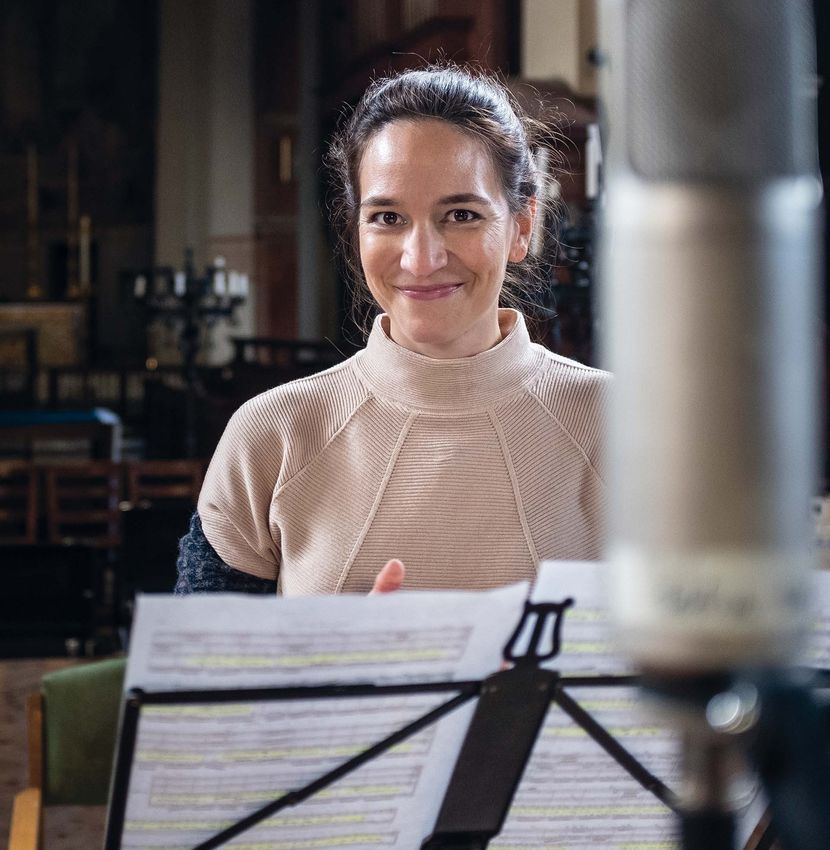
TIRANNO
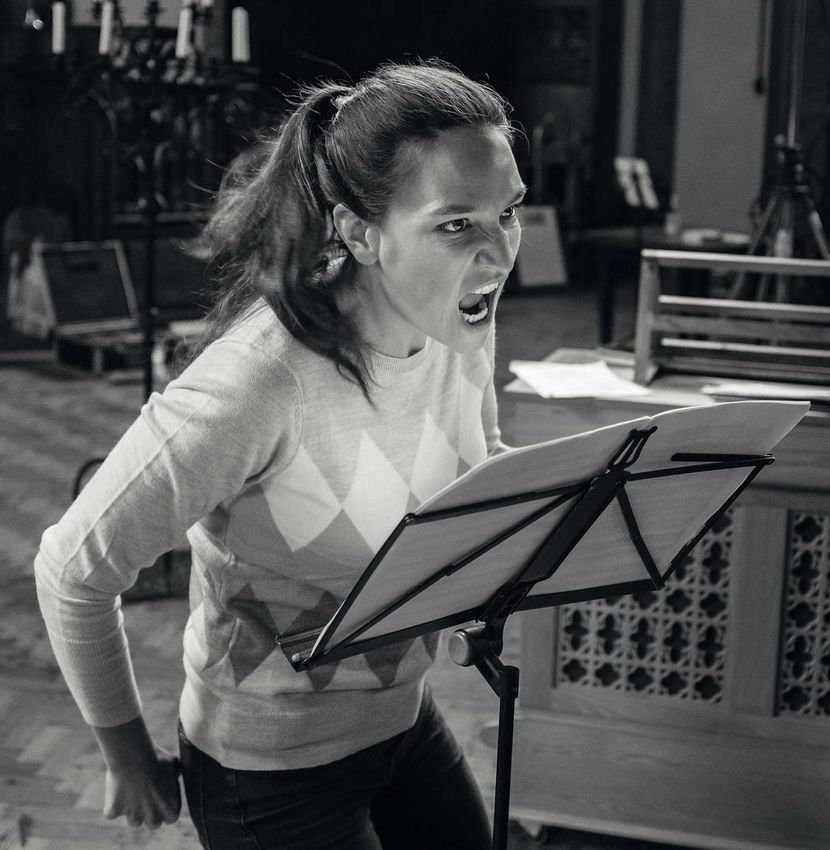
KATE LINDSEY
ARCANGELO
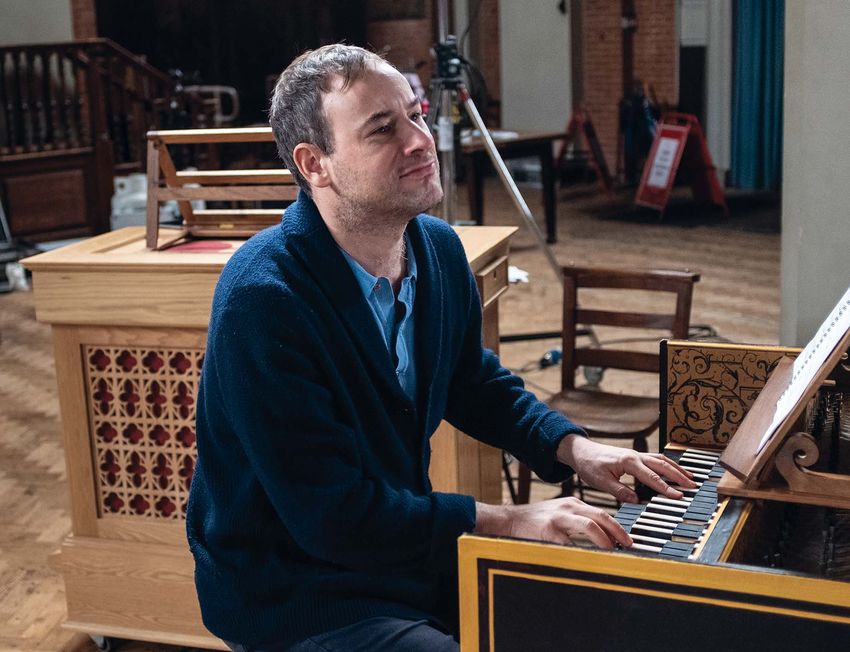
JONATHAN COHEN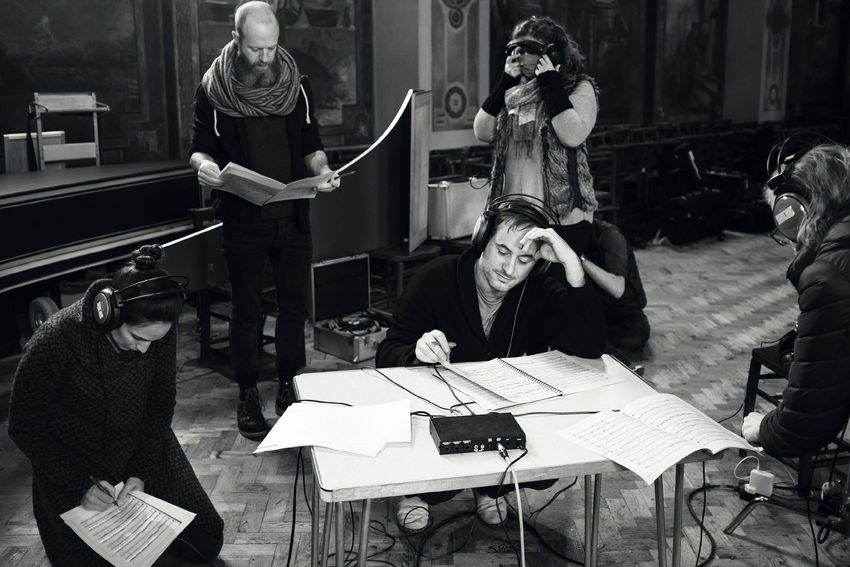
MENU

TRACKLIST

ENGLISH
FRANÇAIS
DEUTSCH

SUNG TEXTS
ALESSANDRO SCARLATTI (1660-1725)
     IL NERONE (1698?)
1    Recitativo Io son Neron                            1’18
2    Aria Vuò che tremi Giove ancora                    2’17
3    Recitativo Il tirannico cor io non ascondo         0’46
4    Aria Non stabilisce, no                            1’36
5    Recitativo Or coll’abisso istesso                  1’10
6    Aria Veder chi pena                                4’55
7    Recitativo Coi furibondi sguardi                   0’38

     GEORGE FRIDERIC HANDEL (1685-1759)
     AGRIPPINA CONDOTTA A MORIRE, HWV 110 (c.1707-09)
8    Recitativo Dunque sarà pur vero                    1’05
9    Aria Orrida, oscura                                3’22
10   Recitativo Ma pria che d’empia morte               1’00
11   Aria Renda cenere il tiranno                       2’55
12   Recitativo Sì, sì, del gran tiranno                1’43
13   Cavatina Come, o Dio!                              2’12
14   Cavatina Sì, sì, s’uccida                          1’48
15   Cavatina Cada lacero e svenato                     1’01
16   Cavatina Come, o Dio!                              2’16
17   Aria Se infelice al mondo vissi                    3’48
18   Recitativo Prema l’ingrato figlio                  1’12
19   Aria Su lacerate il seno                           1’51
20   Recitativo Ecco a morte già corro                  0’23

4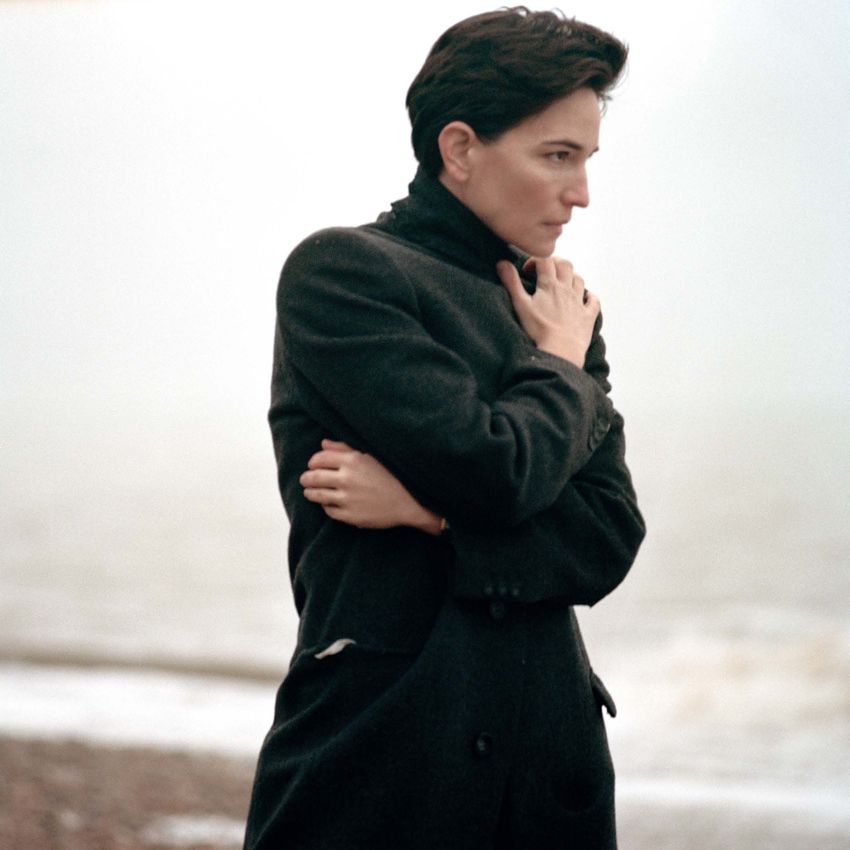
CLAUDIO MONTEVERDI (1567-1643)                                  MENU
     L’INCORONAZIONE DI POPPEA (1643)
21   Or che Seneca è morto (Atto II, scena 5)             6’08
22   Son rubin preziosi (Atto II, scena 5)                2’13
23   Addio Roma! (Atto III, scena 6)                      4’02
24   Pur ti miro! Pur ti godo! (Atto III, scena finale)   4’25

     BARTOLOMEO MONARI (1662-1697)
     LA POPPEA (1685) PREMIERE RECORDING
25   Recitativo Scorrea con piè superbo                   0’56
26   Aria Dove mai stelle spietate                        2’13
27   Recitativo Odi Neron questi sospiri estremi          1’11
28   Aria Pria di nascere oh dolce prole                  1’54
29   Recitativo Ma se tante querele                       1’09
30   Aria Bellezza mortale                                1’55

     ALESSANDRO SCARLATTI
     LA MORTE DI NERONE (c.1690s?) PREMIERE RECORDING
31   Recitativo Abbandonato e solo                        1’06
32   Aria Quella morte, che per gioco                     2’33
33   Recitativo Ma che miro?                              1’28
34   Aria Vieni pur, vieni sì, sì                         1’40
35   Recitativo Ma no! merta Nerone                       0’40
36   Cavatina Il suo pensier l’uccida                     2’07
37   Aria Contro l’armi dell’inganno                      2’03
38   Recitativo Così fremea Nerone e fu trafitto          0’22

     TOTAL TIME: 75’34
                                                                 5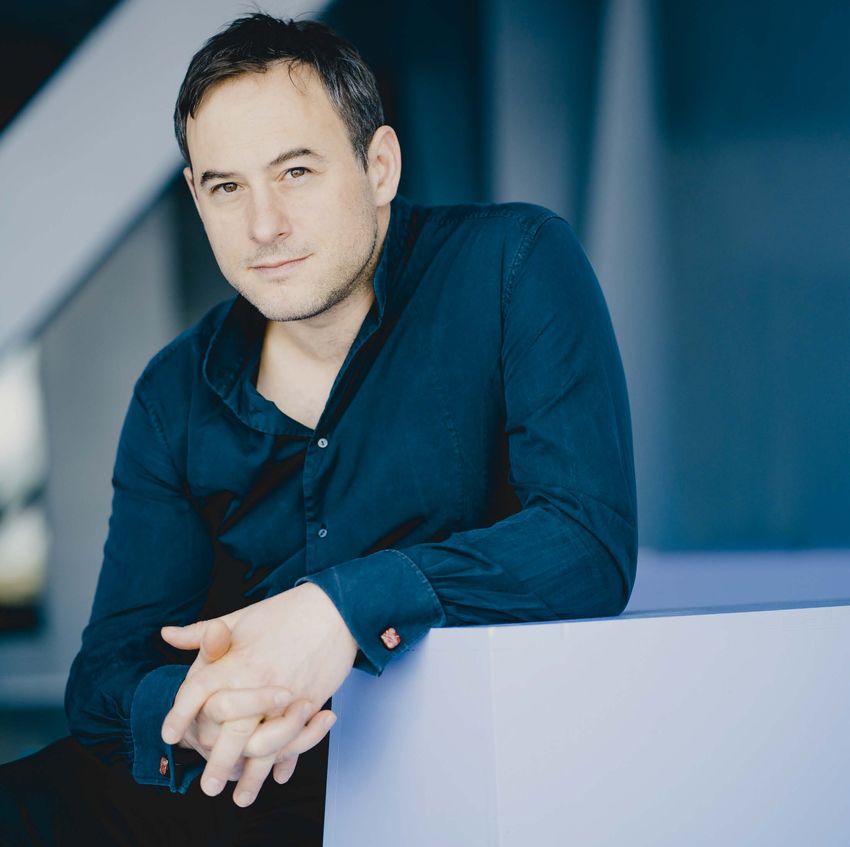
KATE LINDSEY MEZZO-SOPRANO
    NARDUS WILLIAMS SOPRANO (24)
    ANDREW STAPLES TENOR (21)

    ARCANGELO
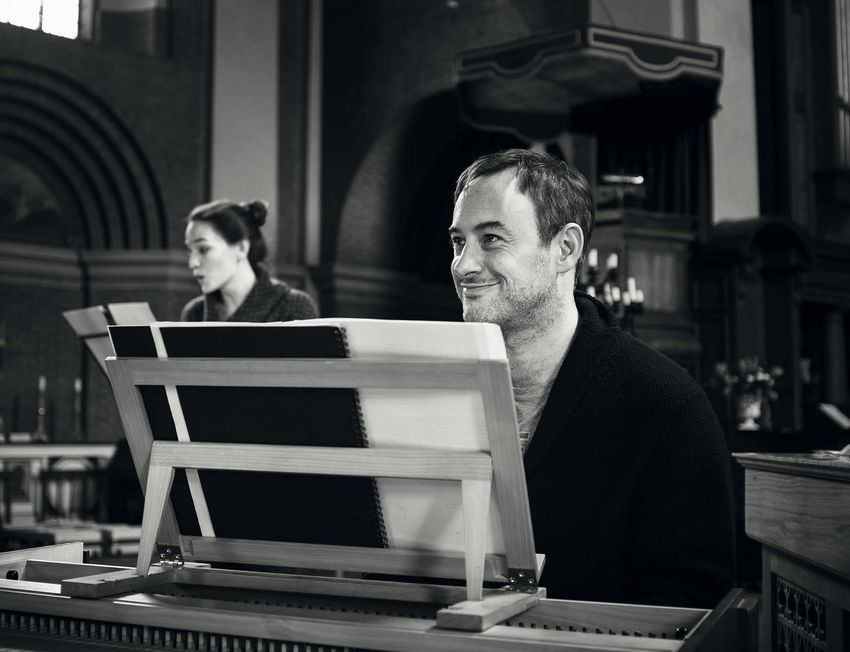
    JONATHAN COHEN DIRECTION, HARPSICHORD & CHAMBER ORGAN
    MICHAEL GUREVICH, AGATA DARASKAITE VIOLIN (8-20, 22)
    JONATHAN BYERS CELLO
    TIMOTHY AMHERST VIOLONE (21-30)
    KINGA GÁBORJÁNI VIOLA DA GAMBA/LIRONE (21-30)
    SIOBHAN ARMSTRONG HARP (21-30)
    SERGIO BUCHELI THEORBO

6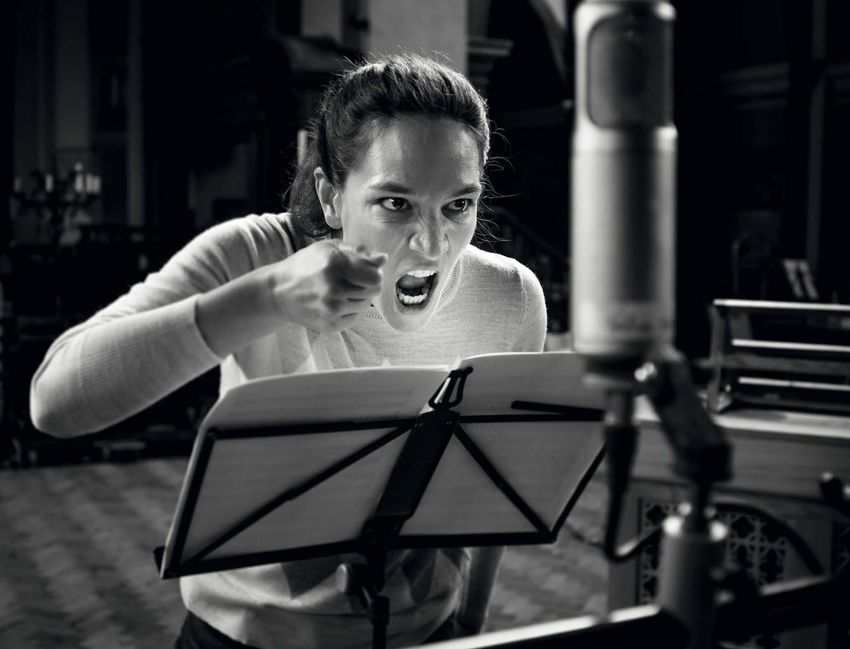
37 A.D.                                            54                                           62
  NERO IS BORN IN ANTIUM (MODERN ANZIO)         NERO ASCENDS TO THE THRONE FOLLOWING THE          OCTAVIA IS EXILED AND KILLED;
        ON THE WEST COAST OF ITALY             DEATH OF CLAUDIUS. AGRIPPINA IS RUMOURED TO           NERO MARRIES POPPÆA
 NAISSANCE DE NÉRON À ANTIUM (AUJOURD’HUI             BE RESPONSIBLE FOR HIS DEATH                  OCTAVIE EST EXILÉE ET TUÉE ;
     ANZIO) SUR LA CÔTE OUEST DE L’ITALIE          NÉRON ACCÈDE AU TRÔNE APRÈS LA MORT                 NÉRON ÉPOUSE POPPÉE
 NERO WIRD IN ANTIUM (DEM HEUTIGEN ANZIO)          DE CLAUDE. LA RUMEUR REND AGRIPPINE         OCTAVIA WIRD VERBANNT UND ERMORDET;
    AN DER WESTKÜSTE ITALIENS GEBOREN                    RESPONSABLE DE SA MORT                        NERO HEIRATET POPPÆA
                                               NERO BESTEIGT DEN THRON NACH CLAUDIUS’ TOD.
                 47                            GERÜCHTEN ZUFOLGE SOLL AGRIPPINA FÜR DESSEN
                                                        TOD VERANTWORTLICH SEIN
                                                                                                            64
      NERO AND HIS MOTHER AGRIPPINA
             ARRIVE IN ROME
        NÉRON ET SA MÈRE AGRIPPINE
                                                                58                                     GREAT FIRE OF ROME
                                                                                                     GRAND INCENDIE DE ROME
             ARRIVENT À ROME                        POPPÆA BECOMES NERO’S MISTRESS.
                                                                                                     GROSSER BRAND VON ROM
 NERO UND SEINE MUTTER AGRIPPINA KOMMEN                     BIRTH OF TACITUS
                NACH ROM                          POPPÉE DEVIENT LA MAÎTRESSE DE NÉRON.
                                                                                                            65
                 50                                        NAISSANCE DE TACITE
                                                       POPPÆA WIRD NEROS GELIEBTE.           DEATH OF POPPÆA; DEATH OF NERO’S TUTOR
                                                            GEBURT VON TACITUS                     SENECA AND THE POET LUCAN
        NERO ADOPTED BY CLAUDIUS;
                                                                                                MORT DE POPPÉE ; MORT DE SÉNÈQUE,
        AGRIPPINA NAMED ‘AUGUSTA’
  NÉRON EST ADOPTÉ PAR CLAUDE ; AGRIPPINE
         EST NOMMÉE « AUGUSTA »
                                                                59                                   LE PRÉCEPTEUR DE NÉRON,
                                                                                                        ET DU POÈTE LUCAIN
                                                         EXECUTION OF AGRIPPINA,
                                                                                                 TOD DER POPPÆA; TOD VON NEROS,
NERO WIRD VON CLAUDIUS ADOPTIERT; AGRIPPINA          POSSIBLY AFTER ATTEMPTED INCEST
                                                                                                     HAUSLEHRER SENECA UND
          WIRD ‚ AUGUSTA’ GENANNT                               WITH NERO
                                                                                                      DES DICHTERS LUCANUS

                 53                                       EXÉCUTION D’AGRIPPINE,
                                                  PEUT-ÊTRE APRÈS UNE TENTATIVE D’INCESTE
                                                               AVEC NÉRON                                   68
    NERO MARRIES OCTAVIA, DAUGHTER OF
         MESSALINA AND CLAUDIUS                          HINRICHTUNG AGRIPPINAS,                            NERO DIES
                                                     MÖGLICHERWEISE NACH VERSUCHTEM                       MORT DE NÉRON
           NÉRON ÉPOUSE OCTAVIE,                             INZEST MIT NERO
      FILLE DE MESSALINE ET DE CLAUDE                                                                       NERO STIRBT
NERO HEIRATET OCTAVIA, TOCHTER VON MESSALINA
                UND CLAUDIUS
ENGLISH
                                                                                                                 MENU
TIRANNO
BY JAMES HALLIDAY

In a Renaissance Italy besotted with ancient literature, works of Roman history by Suetonius
(The Twelve Caesars), Tacitus (Annals) and Seneca (a handful of tragedies) became rich
sources for composers, not least Monteverdi, whose final opera gave voice to the deranged
emperor Nero. While music in his first opera L’Orfeo is a divine force, it becomes in the
mouth of Nero an accompaniment to death and destruction. Suetonius describes him playing
his lyre as he watches Rome burn down, while the later historian Dio Cassius says that he
dressed up for the occasion in “cithara player’s garb”. The enduring appeal of Nero as a
subject for dramatic music in this period is perhaps best explained by the colour which
his entourage added to the spectacle of the rampaging tyrant: the incestuous, conniving
Agrippina, the cruelly discarded Octavia, and the scheming, insatiable and luxuriant Poppæa.
‘In my realm only cruelty reigns’ sings Nero gleefully in Alessandro Scarlatti’s Io son Neron,
one of his 700-odd chamber cantatas. The anonymous text alternates passages of seven-
and eleven-syllable lines with more metrically regular stanzas, which become recitatives and
arias respectively. In the third recitative (movement 5) Scarlatti creates a moment of sadistic
lyricism to depict Nero playing the lyre in front of the burning city. This triggers an aria in 12/8
time where the singer seems to imitate sarcastically the wails of the suffering people, with
simpering melismas on ‘pena’ and ‘langue’.
In the dramatic monologue Agrippina condotta a morire, Nero’s mother veers from disbelief
to fury, from expressions of love for her son to vengeance, finally vowing to return as a ghost
to torment the man who condemned her to death. This provides an occasion for the young
Handel, composing during his sojourn in Rome in 1707-9, to experiment with quick-fire
                                                                                                  9
changes of musical mood, slipping deftly from recitative into arioso, and using violins to
depict flashes of lightning in the first aria or to emphasise plangent despair in ‘Come, o dio’.
If Handel saw Agrippina as the emotional centre of the historical drama – so much that he
later devoted an entire opera to her – Giovanni Francesco Busenello, in writing his libretto
for the opera L’incoronazione di Poppea, omitted her completely from the cast. There must
have been something alluring about the character of Poppæa, whose quest for power is
undertaken for her own sake, as opposed to Agrippina’s efforts to elevate her son, and carried
out through the instruments of seduction. It is her beauty which enthrals Nero and provides
the occasion for outrageous sensuality in song, in Act 2 Scene 5 ‘Or che Seneca è morto’,
when Nero rejoices at the execution of Seneca who had unwisely tried to prevent Nero’s
courtship of Poppaea. This extraordinary scene owes much to Monteverdi’s interlacing of
Busenello’s discrete speeches for the emperor and his court poet Lucan. Monteverdi shares
the speeches between the singers, the two men egging each other on, singing ever more
extravagant phrases in praise of Poppæa’s beauty, until Nero collapses in ecstasy.
It is also Monteverdi’s manipulation of Busenello’s text in Act 3 Scene 6 (‘Addio Roma’) which
makes Octavia’s banishment so affecting: the composer extracts the first syllable of her first
word to make a repeated, anguished ‘Ah’. This scene for Nero’s rejected wife, in contrast to
the overtly virtuosic duet above, was written to emphasise the dramatic rather than merely
vocal talent of the Venetian prima donna, Anna Renzi, who sang the role at the premiere in
1643.
The love duet (‘Pur ti miro’) which ends the opera is probably not by Monteverdi. It appears in
the two surviving manuscript sources of the opera, but is mostly likely the work of Francesco
Sacrati, a young entrepreneur of the budding Venetian opera scene. The duet appears to be
a triumph of lust and immorality: the courtesan Poppæa has removed every obstacle in her
path to becoming Nero’s official consort, shamelessly causing death and exile along the way.

10
ENGLISH
                                                                                                                   MENU
But the sinuous vocal lines belie a more subtle understanding among the opera’s original
Venetian audience: the turpitude of ancient Rome served to glorify by contrast the virtuous
republic of la Serenissima.
Bartolomeo Monari’s cantata La Poppea gives us the unhappy sequel to Monteverdi’s opera:
we find Poppæa on the point of death, from wounds received when Nero kicked her in
the stomach. The second recitative and aria reveal further horror – Poppæa is pregnant
with Nero’s unborn child. Monari’s dissonant harmonies tinge the memory of her expiring
beauty, although the more extreme lurches of tonality in the final aria might be attributed
to the youth of the Bolognese composer. The piece was published with other cantatas by
local musicians in 1685; the printed score proudly mentions Monari’s membership of the
Accademia Filarmonica of Bologna and his recent appointment as maestro di cappella of the
church of San Giovanni in Monte.
Finally, Scarlatti’s Abbandonato e solo shows Nero’s vacillation in the face of his own death,
burdened by rebellions, waning support and a death warrant issued by the Senate. The
cantata’s structure differs from Scarlatti’s other ‘Nero’ cantata in that the arias are strophic,
each made up of two verses set to identical music, rather than governed by da capo repetition.
During the fifth, most psychologically tormented section, the recitative moves into arioso in
the key of F minor, the most funereal of tonalities, marked ‘Largo’ in the manuscript score:
‘may his very thought kill him, or his ghost, or his reputation’ (Handel’s cantata contains a
strikingly similar F-minor section when Agrippina contemplates death). As if in reaction to the
fascinating immorality of Monteverdi’s Poppea, the spectacle of tyranny must take its toll. It
is the memories of Nero’s own sins against his mother, his wives and his tutor, haunting him
like ghosts, which will eventually lead the emperor to kill himself.

I acknowledge gratefully the expertise and help of Giacomo Savani, Lowell Lindgren, Carlo Vitali,
Giulia Giovani, Rosalind Halton, Rebecca Sears and Harriet Rix.

                                                                                                    11
KATE LINDSEY MEZZO-SOPRANO MEZZO-SOPRANO KATE LINDSEY IS ONE OF THE MOST PROMISING VOICES OF HER GENERATION. BEING PRAISED FOR HER “LUMINOUS AND INTELLIGENT SINGING”[NEW YORK TIMES] AND COMPELLING DRAMATIC SKILLS, SHE CONTINUES TO REDEFINE WHAT IT MEANS TO BE A YOUNG OPERA STAR IN THE WORLD OF CLASSICAL MUSIC. KATE LINDSEY APPEARS REGULARLY IN THE WORLD’S MOST PRESTIGIOUS OPERA HOUSES, INCLUDING THE METROPOLITAN OPERA, THE ROYAL OPERA HOUSE COVENT GARDEN, THE VIENNA STATE OPERA, THE SALZBURG FESTIVAL, TEATRO ALLA SCALA, GLYNDEBOURNE OPERA FESTIVAL, IN AIX-EN-PROVENCE, THE THÉÂTRE DES CHAMPS-ÉLYSÉES, AND THE BAVARIAN STATE OPERA. SHE RAPIDLY BECAME KNOWN AND LOVED FOR HER INTERPRETATIONS OF HER SIGNATURE ROLES, SHOWING HER GREAT MUSICAL AND ARTISTIC DIVERSITY AS DORABELLA (COSI FAN TUTTE), MUSE/NICKLAUSSE (LES CONTES D’HOFFMANN), DORABELLA (COSÍ FAN TUTTE), KOMPONIST (ARIADNE AUF NAXOS), CHERUBINO (LE NOZZE DI FIGARO), OCTAVIAN (DER ROSENKAVALIER) AND SESTO (LA CLEMENZA DI TITO). WITH THE CHOICES OF HER SEASON DEBUTS AND LEAD ROLES KATE LINDSEY COVERS A WIDE MUSICAL RANGE, THINKING OUTSIDE THE BOX AND TAKING ON LEAD ROLES IN WORLD PREMIERE PRODUCTIONS WHICH ARE BEING EAGERLY EXPECTED AND MUCH ANTICIPATED, LIKE HER INTERPRETATION OF ORLANDO AT STAATSOPER VIENNA. KATE LINDSEY’S FIRST ALBUM FOR ALPHA CLASSICS, THOUSANDS OF MILES, FEATURED A RICH AND VARIED PROGRAMME AROUND THE SONGS OF KURT WEILL IN PARTNERSHIP WITH JAZZ PIANIST BAPTISTE TROTIGNON. THE GUARDIAN PRAISED KATE’S “GLORIOUS” VOICE, WHILE THE TIMES APPLAUDED HER “SENSUOUS WISTFULNESS” WITH “SHADES OF DIETRICH HERSELF”. FOLLOWING THE BREAKTHROUGH SUCCESS OF HER FIRST SOLO ALBUM, SHE HAS RELEASED HER SECOND SOLO ALBUM WITH ALPHA CLASSICS, ARIANNA. THE LONDON TIMES GAVE THE ALBUM A FIVE STAR REVIEW, SAYING “KATE LINDSEY EXCELS IN THIS EMOTIONAL ROLLER COASTER”. A NATIVE OF RICHMOND, VIRGINIA, KATE HAS BEEN HONORED WITH NUMEROUS AWARDS THROUGHOUT HER CAREER. SHE LIVES WITH HER FAMILY IN ENGLAND. ARCANGELO JONATHAN COHEN CONDUCTOR ARCANGELO’S COLLECTIVE ENERGY AND SPIRIT HAVE GENERATED A FLOOD OF FIVE-STAR REVIEWS, SPARKED AUDIENCE OVATIONS AND PROMPTED INVITATIONS TO PERFORM AT THE WORLD’S LEADING VENUES AND FESTIVALS. THE BAND, WHICH HAS TAKEN THE MUSICAL WORLD BY STORM SINCE ITS CREATION IN 2010, COMPRISES OUT- STANDING YOUNG MUSICIANS UNDER THE DYNAMIC LEADERSHIP OF ITS ARTISTIC DIRECTOR AND FOUNDER JONA- THAN COHEN. ITS ETHOS IS RULED BY A DETERMINATION TO APPLY THE DEEP LISTENING SKILLS AND ARTISTRY OF CHAMBER MUSIC MAKING TO EVERY PIECE IN ITS REPERTOIRE, FROM TRIO SONATAS TO ORATORIOS. ARCANGELO WAS THE FIRST ‘BAROQUE ENSEMBLE IN RESIDENCE’ AT WIGMORE HALL IN LONDON AND HAS TWICE APPEARED
AT CARNEGIE HALL. FURTHER RECENT CONCERT HIGHLIGHTS INCLUDE SELL-OUT PERFORMANCES OF HANDEL’S
THEODORA AT THE BBC PROMS    (2018) AND THE WIENER KONZERTHAUS (2020), A CRITICALLY-ACCLAIMED VENUE
DEBUT AT L’AUDITORI BARCELONA   (2019), AND THE LAUNCH OF ITS OWN ARTIST DEVELOPMENT SCHEME FOR
TALENTED ENSEMBLE PLAYERS, THE ARCANGELO NEW ENSEMBLISTS (2020)
ARCANGELO’S MUCH-DECORATED DISCOGRAPHY INCLUDES ITS PREVIOUS COLLABORATION FOR ALPHA WITH KATE
LINDSEY, ARIANNA, NOMINATED FOR A 2020 GRAMOPHONE AWARD. ITS FIRST RELEASE ON ALPHA, BUXTEHUDE’S
TRIO SONATAS OP.1, WAS NOMINATED FOR A 2018 GRAMMY AWARD. ADDITIONAL HIGHLIGHTS INCLUDE TWO
GRAMOPHONE AWARD-WINNING ALBUMS (2012, 217) WITH IESTYN DAVIES MBE ON HYPERION; COLLABORATIONS
WITH VIOLINISTS ALINA IBRAGIMOVA AND VILDE FRANG (ECHO KLASSIK AWARD 2016); A BBC MUSIC MAGAZINE
AWARD-WINNING SURVEY OF CELLO CONCERTI BY C.P.E. BACH WITH SOLOIST NICOLAS ALTSTAEDT; AND A TRIP-
TYCH OF MAGNIFICATS BY DIFFERENT MEMBERS OF THE BACH DYNASTY.

JONATHAN COHEN HAS FORGED A REMARKABLE CAREER AS A CONDUCTOR, CELLIST AND KEYBOARDIST. WELL
KNOWN FOR HIS PASSION AND COMMITMENT TO CHAMBER MUSIC, JONATHAN IS EQUALLY AT HOME IN SUCH DI-
VERSE ACTIVITIES AS BAROQUE OPERA AND THE CLASSICAL SYMPHONIC REPERTOIRE. HE IS ARTISTIC DIRECTOR OF
ARCANGELO, MUSIC DIRECTOR OF LES VIOLONS DU ROY, ARTISTIC DIRECTOR OF TETBURY FESTIVAL AND ARTISTIC
PARTNER OF SAINT PAUL CHAMBER ORCHESTRA. DURING THE20-21 SEASON HE RETURNS TO ORCHESTRA OF THE
AGE OF ENLIGHTENMENT (BBC PROMS) AND HANDEL AND HAYDN SOCIETY. HE MAKES HIS DEBUT AT STAATSOPER
BERLIN PERFORMING ORFEO WITH FREIBURGER BAROCKORCHESTER AND VOCALCONSORT BERLIN IN A PRODUC-
TION BY SASHA WALTZ COMPANY. OTHER DEBUTS INCLUDE KOBE CITY CHAMBER ORCHESTRA AND BARCELONA
SYMPHONY ORCHESTRA AND HE CONTINUES HIS FRUITFUL COLLABORATION IN QUEBEC WITH LES VIOLONS DU
ROY. JONATHAN FOUNDED ARCANGELO IN    2010, WHO STRIVE TO PERFORM HIGH QUALITY AND SPECIALLY CREATED
PROJECTS. HE HAS TOURED WITH THEM TO EXCEPTIONAL HALLS AND FESTIVALS INCLUDING WIGMORE HALL LON-
DON, PHILHARMONIE BERLIN, KÖLNER PHILHARMONIE, VIENNA MUSIKVEREIN, SALZBURG FESTIVAL AND CARNEGIE
HALL NEW YORK. THEY MADE THEIR PROMS DEBUT AT THE SAM WANAMAKER PLAYHOUSE IN     2016 AND RETURNED
TO THE PROMS IN   2018   TO PRESENT THEODORA TO A SOLD-OUT ROYAL ALBERT HALL. THEY CONTINUE WITH A
BUSY RECORDING SCHEDULE TO CONTINUED ACCLAIM WITH RECENT RELEASES SUCH AS ARIANNA WITH KATE
LINDSEY ON ALPHA CLASSICS AND GRAMMY NOMINATED BUXTEHUDE TRIO SONATAS.
MENU
TIRANNO
PAR JAMES HALLIDAY

Dans une Italie de la Renaissance éprise de littérature ancienne, les ouvrages d’histoire
romaine de Suétone (Vie des douze Césars), Tacite (Annales) et Sénèque (une poignée
de tragédies) devinrent de riches sources pour les compositeurs, notamment Monteverdi,
dont le dernier opéra donne voix à l’empereur Néron et à sa folie. Si dans son premier
opéra, L’Orfeo, la musique est une force divine, elle devient dans la bouche de Néron un
accompagnement de la mort et de la destruction. Suétone le dépeint jouant de la lyre
en regardant brûler Rome, tandis qu’un historien ultérieur, Dio Cassius, dit qu’il s’habilla
pour l’occasion en « joueur de cithare ». L’attrait durable de Néron en tant que sujet pour
la musique dramatique de cette époque s’explique peut-être par la couleur qu’ajoutait
son entourage féminin au spectacle du tyran déchaîné : Agrippine, fourbe et incestueuse ;
Octavie, cruellement rejetée ; et Poppée, intrigante, insatiable et excessive.
« Et dans mon empire seule la cruauté convient à mon pouvoir », chante joyeusement
Néron dans Io son Neron d’Alessandro Scarlatti, l’une de ses quelque sept cents cantates
de chambre. Le texte anonyme alterne les vers de sept et onze syllabes avec des strophes
à la métrique plus régulière, qui deviennent respectivement des récitatifs et des airs. Dans
le troisième récitatif (cinquième mouvement), Scarlatti crée un moment de lyrisme sadique
pour dépeindre Néron jouant de la lyre devant la ville en flammes. Ce qui amène un air à
12/8 dans lequel le chanteur semble imiter de manière sarcastique les gémissements du
peuple qui souffre, avec des mélismes affectés sur « pena » et « langue ».

16
FRANÇAIS
Dans le monologue dramatique Agrippina condotta a morire, la mère de Néron passe de
l’incrédulité à la fureur, d’expressions d’amour pour son fils au désir de vengeance, jurant
de revenir sous forme de spectre pour tourmenter l’homme qui l’a condamnée à mort. C’est
l’occasion pour le jeune Haendel, qui l’a composé pendant son séjour à Rome en 1707-
1709, de s’essayer aux changements rapides d’ambiance musicale, glissant habilement du
récitatif à l’arioso, et utilisant les violons pour dépeindre les éclairs dans le premier air ou
pour souligner le désespoir plaintif dans « Come, o dio ».
Si Haendel voyait en Agrippine le centre émotionnel du drame historique – au point de lui
consacrer par la suite un opéra entier –, Giovanni Francesco Busenello, en écrivant le livret
pour L’incoronazione di Poppea, l’omit complètement de la distribution. Il devait y avoir
quelque chose d’attirant dans le caractère de Poppée, dont la quête du pouvoir est entreprise
comme une fin en soi, par opposition aux efforts d’Agrippine pour promouvoir son fils, et
menée à bien grâce aux instruments de la séduction. C’est sa beauté qui captive Néron et
sert de prétexte à une sensualité outrancière dans l’air de l’acte 2, scène 5, « Or che Seneca
è morto », où Néron se réjouit de l’exécution de Sénèque, qui avait été malavisé en essayant
d’empêcher l’empereur de faire la cour à Poppée. Cette scène extraordinaire doit beaucoup
à la manière dont Monteverdi entrelace les répliques séparées de l’empereur et du poète
de sa cour, Lucain. Monteverdi répartit les paroles entre les chanteurs, et les deux hommes
s’encouragent l’un l’autre, chantant des phrases de plus en plus extravagantes à la gloire de
la beauté de Poppée, jusqu’à ce que Néron s’effondre en extase.

                                                                                              17
C’est également en manipulant le texte de Busenello à l’acte 3, scène 6 (« Addio Roma »), que Monteverdi rend le bannissement d’Octavie si émouvant : le compositeur extrait la première syllabe de son premier mot pour en faire un « Ah » répété et angoissé. Cette scène pour l’épouse rejetée de Néron, en contraste avec le duo ouvertement virtuose ci-dessus, fut écrite pour souligner le talent dramatique plutôt que simplement vocal de la prima donna vénitienne, Anna Renzi, qui chanta le rôle à la création en 1643. Le duo d’amour (« Pur ti miro ») qui conclut l’opéra n’est sans doute pas de Monteverdi. Il apparaît dans deux sources manuscrites de l’opéra, mais est très probablement de Francesco Sacrati, jeune compositeur de la scène lyrique vénitienne naissante. Le duo semble un triomphe de la luxure et de la dépravation : la courtisane Poppée a levé tous les obstacles qui auraient pu l’empêcher de devenir la conjointe officielle de Néron, causant sans vergogne la mort et l’exil sur son chemin. Mais les sinueuses lignes vocales masquent une interprétation plus subtile du public vénitien de l’opéra : la turpitude de la Rome antique servait à glorifier par contraste la vertueuse Sérénissime. La cantate La Poppea de Bartolomeo Monari nous livre la suite malheureuse de l’opéra de Monteverdi : on y retrouve Poppée sur le point de mourir des blessures que lui a infligées Néron d’un coup de pied dans le ventre. Le deuxième récitatif et air révèle une horreur encore plus grande – Poppée était enceinte de l’enfant de Néron. Les harmonies dissonantes de Monari nuancent le souvenir de sa beauté qui expire, encore que les embardées tonales plus extrêmes dans le dernier air puissent être attribuées à la jeunesse du compositeur bolonais. L’œuvre fut publiée avec d’autres cantates de musiciens locaux en 1685 ; la partition imprimée mentionne fièrement l’appartenance de Monari à l’Accademia Filarmonica de Bologne et sa récente nomination aux fonctions de maître de chapelle de l’église San Giovanni in Monte. 18
MENU
Enfin, Abbandonato e solo de Scarlatti montre les hésitations de Néron face à sa propre
mort, accablé par les rébellions, les défections de ses soutiens et une condamnation à mort
du Sénat. La structure de la cantate diffère des autres cantates « néroniennes » de Scarlatti

                                                                                                    FRANÇAIS
en ce que les airs sont strophiques, chacun étant fait de deux strophes écrites sur une
musique identique, plutôt que régis par la reprise da capo. Dans la cinquième section, le
plus tourmentée psychologiquement, le récitatif devient arioso dans la tonalité de fa mineur,
la plus funèbre de toutes, marqué « Largo » dans la partition manuscrite : « Puisse cette
seule pensée le tuer, ou son spectre, ou sa réputation » (la cantate de Haendel comporte
une section en fa mineur étonnamment similaire, au moment où Agrippine songe à la mort).
Comme en réaction à la fascinante immoralité de la Poppea de Monteverdi, le spectacle de
la tyrannie est ici puni. Ce sont les souvenirs des propres péchés de Néron contre sa mère,
ses épouses et son précepteur qui le hantent tels des spectres et conduiront finalement
l’empereur à se tuer.

Je remercie pour leur aide experte Giacomo Savani, Lowell Lindgren, Carlo Vitali, Giulia Giovani,
Rosalind Halton, Rebecca Sears et Harriet Rix.
KATE LINDSEY MEZZO-SOPRANO KATE LINDSEY EST L’UNE DES VOIX LES PLUS PROMETTEUSES DE SA GÉNÉRATION. LOUÉE POUR SON « CHANT LUMINEUX ET INTELLIGENT » (NEW YORK TIMES) ET SES DONS DRAMATIQUES CONVAINCANTS, ELLE CONTINUE DE REDÉFINIR LE RÔLE D’UNE JEUNE ÉTOILE LYRIQUE DANS LE MONDE DE LA MUSIQUE CLASSIQUE. KATE LINDSEY SE PRODUIT RÉGULIÈREMENT DANS LES PLUS PRESTIGIEUX THÉÂTRES D’OPÉRA, DONT LE METROPO- LITAN OPERA, THE ROYAL OPERA HOUSE COVENT GARDEN, L’OPÉRA D’ÉTAT DE VIENNE, LE FESTIVAL DE SALZBOURG, LE THÉÂTRE DE LA SCALA, LE GLYNDEBOURNE OPERA FESTIVAL, LE FESTIVAL D’AIX-EN-PROVENCE, LE THÉÂTRE DES CHAMPS-ÉLYSÉES ET L’OPÉRA D’ÉTAT DE BAVIÈRE. ELLE S’EST RAPIDEMENT FAIT CONNAÎTRE ET APPRÉCIER POUR SES INTERPRÉTATIONS DE SES RÔLES EMBLÉMA- TIQUES, QUI RÉVÈLENT SA GRANDE RICHESSE MUSICALE ET ARTISTIQUE : DORABELLA (COSÌ FAN TUTTE), LA MUSE/ NICKLAUSSE (LES CONTES D’HOFFMANN), LE COMPOSITEUR (ARIADNE AUF NAXOS), CHERUBINO (LE NOZZE DI FIGARO), OCTAVIAN (LE CHEVALIER À LA ROSE) ET SESTO (LA CLEMENZA DI TITO). AVEC SES CHOIX POUR SES DÉBUTS DE SAISON ET SES GRANDS RÔLES, KATE LINDSEY COUVRE UN LARGE RÉPERTOIRE MUSICAL, DANS UNE DÉMARCHE QUI SORT DES SENTIERS BATTUS, ASSUMANT LE RÔLE PRINCIPAL DANS DES CRÉATIONS MONDIALES ATTENDUES AVEC UNE GRANDE IMPATIENCE, COMME SON INCARNATION D’ORLANDO AU STAATSOPER DE VIENNE. SON PREMIER ALBUM POUR ALPHA CLASSICS, THOUSANDS OF MILES, PRÉSENTAIT UN PROGRAMME RICHE ET VARIÉ AUTOUR DES CHANSONS DE KURT WEILL, EN COLLABORATION AVEC LE PIANISTE DE JAZZ BAPTISTE TROTIGNON. THE GUARDIAN A LOUÉ LA « VOIX SPLENDIDE » DE KATE, TANDIS QUE THE TIMES SALUAIT SA « SENSUELLE MÉLAN- COLIE [...], QUI FAIT PENSER À DIETRICH ELLE-MÊME ». APRÈS LE SUCCÈS TRIOMPHAL DE SON PREMIER DISQUE EN SOLO, ELLE A FAIT PARAÎTRE CHEZ ALPHA CLASSICS SON DEUXIÈME ALBUM, ARIANNA. LE LONDON TIMES EN A FAIT UNE CRITIQUE DITHYRAMBIQUE, DISANT QUE « KATE LINDSEY EXCELLE DANS CE TOURBILLON D’ÉMOTIONS ». NÉE À RICHMOND, EN VIRGINIE, KATE A REÇU DE NOMBREUX PRIX AU LONG DE SA CARRIÈRE. ELLE VIT EN ANGLE- TERRE AVEC SA FAMILLE. ARCANGELO JONATHAN COHEN DIRECTION ARTISTIQUE L’ÉNERGIE COLLECTIVE ET L’ESPRIT D’ARCANGELO LUI ONT VALU UN DÉLUGE DE CRITIQUES ENTHOUSIASTES, LES OVATIONS DU PUBLIC, ET DES INVITATIONS À SE PRODUIRE DANS LES SALLES LES PLUS PRESTIGIEUSES ET LES GRANDS FESTIVALS. L’ENSEMBLE, QUI A CONQUIS LE MONDE MUSICAL DEPUIS SA CRÉATION EN 2010, RÉUNIT DE JEUNES MUSICIENS EXCEPTIONNELS SOUS LA DIRECTION DE SON FONDATEUR ET DIRECTEUR ARTISTIQUE, JONATHAN COHEN. SON ÉTHIQUE EST RÉGIE PAR SA VOLONTÉ D’APPLIQUER LES GRANDES FACULTÉS D’ÉCOUTE ET LE TALENT ARTISTIQUE DÉPLOYÉS DANS LA MUSIQUE DE CHAMBRE À CHAQUE ŒUVRE DE SON RÉPERTOIRE, DE LA SONATE EN TRIO À L’ORATORIO. ARCANGELO A ÉTÉ LE PREMIER ENSEMBLE BAROQUE EN RÉSIDENCE AU WIGMORE HALL DE LONDRES ET S’EST PRODUIT DEUX FOIS AU CARNEGIE HALL. LES AUTRES TEMPS FORTS RÉCENTS
SONT LES EXÉCUTIONS DE THEODORA DE HAENDEL AUX BBC PROMS        (2018) ET AU KONZERTHAUS DE VIENNE
(2020), DES DÉBUTS ENCENSÉS PAR LA CRITIQUE À L’AUDITORI DE BARCELONE (2019), ET LE LANCEMENT DE SON
PROPRE PROGRAMME DE DÉVELOPPEMENT ARTISTIQUE POUR JEUNES MUSICIENS D’ENSEMBLE TALENTUEUX, LES
ARCANGELO NEW ENSEMBLISTS (2020)

LA DISCOGRAPHIE D’ARCANGELO, SOUVENT PRIMÉE, COMPREND SA PRÉCÉDENTE COLLABORATION POUR ALPHA
AVEC KATE LINDSEY, ARIANNA, NOMMÉE POUR UN GRAMOPHONE AWARD EN     2020. SON PREMIER DISQUE CHEZ
ALPHA, LES SONATES EN TRIO OP.
                             1 DE BUXTEHUDE, A ÉTÉ NOMMÉ POUR UN GRAMMY AWARD EN 2018. IL FAUT
CITER AUSSI DEUX ALBUMS RÉCOMPENSÉS PAR UN GRAMOPHONE AWARD (2012, 2017), AVEC IESTYN DAVIES,
CHEZ HYPERION ; DES COLLABORATIONS AVEC LES VIOLONISTES ALINA IBRAGIMOVA ET VILDE FRANG (PRIX ECHO
KLASSIK 2016) ; DES CONCERTOS POUR VIOLONCELLE DE C.P.E. BACH AVEC EN SOLISTE NICOLAS ALTSTAEDT,
DISTINGUÉ PAR UN BBC MUSIC MAGAZINE AWARD ; ET UN TRIPTYQUE DE MAGNIFICAT DE DI FFÉRENTS MEMBRES
DE LA DYNASTIE BACH.

JONATHAN COHEN S’EST FORGÉ UNE REMARQUABLE CARRIÈRE DE CHEF, VIOLONCELLISTE ET MUSICIEN DE
CLAVIER. RÉPUTÉ POUR SA PASSION ET SON ENTHOUSIASME COMME CHAMBRISTE, JONATHAN EST TOUT AUSSI À
L’AISE DANS DES ACTIVITÉS AUSSI DIVERSES QUE L’OPÉRA BAROQUE ET LE RÉPERTOIRE SYMPHONIQUE CLASSIQUE.
IL EST DIRECTEUR ARTISTIQUE D’ARCANGELO, DIRECTEUR MUSICAL DES VIOLONS DU ROY, DIRECTEUR ARTISTIQUE
DU FESTIVAL DE TETBURY ET PARTENAIRE ARTISTIQUE DU SAINT PAUL CHAMBER ORCHESTRA.

AU COURS DE LA SAISON   2020-2021,   IL REVIENT AUPRÈS DE L’ORCHESTRA OF THE AGE OF ENLIGHTENMENT
(BBC PROMS) ET DE LA HANDEL AND HAYDN SOCIETY. IL FAIT SES DÉBUTS AU STAATSOPER DE BERLIN, DIRIGEANT
L’ORFEO AVEC LE FREIBURGER BAROCKORCHESTER ET LE VOCALCONSORT DE BERLIN DANS UNE PRODUCTION
DE LA COMPAGNIE SASHA WALTZ. IL FAIT ÉGALEMENT SES DÉBUTS AVEC L’ORCHESTRE DE CHAMBRE DE LA VILLE
DE KOBÉ ET L’ORCHESTRE SYMPHONIQUE DE BARCELONE, ET POURSUIT SA FRUCTUEUSE COLLABORATION À
QUÉBEC AVEC LES VIOLONS DU ROY. JONATHAN A FONDÉ EN 2010 ARCANGELO, QUI S’EFFORCE DE PRÉSENTER
DES PROJETS DE GRANDE QUALITÉ CONÇUS SPÉCIALEMENT. IL S’EST PRODUIT AVEC L’ENSEMBLE DANS DES
SALLES ET FESTIVALS EXCEPTIONNELS, COMME LE WIGMORE HALL DE LONDRES, LA PHILHARMONIE DE BERLIN,
LA PHILHARMONIE DE COLOGNE, LE MUSIKVEREIN DE VIENNE, LE FESTIVAL DE SALZBOURG ET LE CARNEGIE
HALL DE NEW YORK. ILS ONT DONNÉ LEUR PREMIER CONCERT AUX PROMS AU SAM WANAMAKER PLAYHOUSE EN
2016, AVANT DE REVENIR AUX PROMS EN 2018 POUR PRÉSENTER THEODORA À GUICHETS FERMÉS AU ROYAL
ALBERT HALL. ILS POURSUIVENT UNE ACTIVITÉ DISCOGRAPHIQUE DONT LE SUCCÈS NE SE DÉMENT PAS, AVEC DES
PARUTIONS RÉCENTES COMME ARIANNA EN COMPAGNIE DE KATE LINDSEY CHEZ ALPHA ET DES SONATES EN TRIO
DE BUXTEHUDE NOMMÉS POUR UN GRAMMY.
TIRANNO MENU VON JAMES HALLIDAY Im Italien der Renaissance, das von der Literatur der Antike geradezu besessen war, wurden die Werke römischer Geschichtsschreiber von Sueton (Die zwölf Cäsaren), Tacitus (Annalen) und Seneca (eine Reihe von Tragödien) zu reichhaltigen Quellen für Komponisten, nicht zuletzt für Monteverdi, der in seiner letzten Oper dem geistesgestörten Kaiser Nero eine Stimme gab. Während die Musik in seiner ersten Oper L’Orfeo eine göttliche Kraft ist, wird sie im Mund Neros zur Begleiterin von Tod und Zerstörung. Sueton beschreibt, wie Nero auf seiner Leier spielt, während er zusieht, wie Rom in Flammen aufgeht. Der spätere Historiker Cassius Dio berichtet dagegen, er habe sich zu diesem Anlass „in das Gewand eines Citharaspielers“ gekleidet. Dass Nero in dieser Zeit als Thema für dramatische Musik so attraktiv war, lässt sich vielleicht am besten mit dem Kolorit erklären, das sein Gefolge dem Spektakel des wütenden Tyrannen hinzufügte: die inzestuöse, hinterhältige Agrippina, die grausam verstoßene Octavia und die intrigante, unersättliche, verschwenderische Poppæa. „In meinem Reich herrscht nur Grausamkeit“, singt Nero vergnügt in Alessandro Scarlattis Io son Neron, einer seiner über 700 Kammerkantaten. In dem anonymen Text wechseln sich Passagen mit sieben- und elfsilbigen Zeilen mit metrisch regelmäßigeren Strophen ab, die als Rezitative bzw. Arien vertont wurden. Im dritten Rezitativ (Satz 5) erzeugt Scarlatti einen Moment sadistischer Poesie, in dem er Nero beim Leierspiel vor dem Hintergrund der brennenden Stadt darstellt. Dies leitet zu einer Arie im 12/8-Takt über, in der der Sänger sarkastisch das Wehklagen des leidenden Volkes zu imitieren scheint, mit einfältigen Melismen auf ‚pena’ und ‚langue’.
Im dramatischen Monolog Agrippina condotta a morire schwankt Neros Mutter zwischen
Ungläubigkeit und Wut, zwischen Liebesbekundungen für ihren Sohn und Rachegelüsten.

                                                                                                 DEUTSCH
Schließlich schwört sie, als Geist zurückzukehren und den Mann heimzusuchen, der sie
zum Tode verurteilt hat. Dies bietet dem jungen Händel, der das Werk während seines
Rom-Aufenthalts zwischen 1707 und 1709 komponierte, die Gelegenheit, mit schnellen
Stimmungswechseln zu experimentieren, indem er geschickt zwischen Rezitativ und Arioso
wechselt und die Violinen in der ersten Arie zur Darstellung von Blitzen oder in ‚Come, o dio’
zur Betonung der Verzweiflung einsetzt.
Während Händel Agrippina als emotionales Zentrum des historischen Dramas betrachtete
– er widmete ihr später sogar eine ganze Oper –, verzichtete Giovanni Francesco Busenello
bei der Abfassung seines Librettos für die Oper L’incoronazione di Poppea vollständig auf
sie. Die Figur der Poppæa muss offenbar einen ganz besonderen Reiz gehabt haben, denn
im Gegensatz zu Agrippinas Bestreben, ihren Sohn beim Aufstieg zu unterstützen, strebt
sie die Macht um ihrer selbst willen an und bedient sich dabei aller Mittel der Verführung.
Es ist ihre Schönheit, die Nero in Bann zieht und die im zweiten Akt in Szene 5 den Anlass
für unerhörte Sinnlichkeit bietet, wenn sich Nero in ‚Or che Seneca è morto’ über die
Hinrichtung Senecas freut, der unklugerweise versucht hatte, Neros Brautwerbung zu
verhindern. Diese außergewöhnliche Szene verdankt Monteverdi der Verflechtung von
Busenellos verschiedenen Textpassagen für den Kaiser und seinen Hofdichter Lucan.
Monteverdi verteilt den Text auf die beiden Sänger, die sich gegenseitig anstacheln und

                                                                                           25
immer ausgefallenere Phrasen zum Lob der Schönheit Poppæas singen, bis Nero vor Ekstase zusammenbricht. In Szene 6 des dritten Aktes (‚Addio Roma’) macht Monteverdis Umgang mit Busenellos Text Octavias Verbannung so ergreifend: Der Komponist zieht die erste Silbe ihres ersten Wortes heraus, um daraus ein wiederholtes, gequältes ‚Ah‘ zu machen. Im Gegensatz zu dem bereits erwähnten, offensichtlich virtuosen Duett wurde diese Szene für Neros verstoßene Gattin geschrieben, um das dramatische und nicht nur das sängerische Talent der venezianischen Primadonna Anna Renzi zu demonstrieren, die diese Rolle bei der Uraufführung im Jahr 1643 sang. Das Liebesduett (‚Pur ti miro’), mit dem die Oper endet, stammt wahrscheinlich nicht von Monteverdi. Es taucht in beiden erhaltenen handschriftlichen Quellen der Oper auf, stammt aber höchstwahrscheinlich von Francesco Sacrati, einem jungen Künstler der aufstrebenden venezianischen Opernszene. Das Duett erscheint als Triumph der Lust und der Unmoral: Die Kurtisane Poppæa hat jedes Hindernis beseitigt, das sich ihr in den Weg stellte, um Neros offizielle Gemahlin zu werden, und dabei schamlos Tod und Exil verschuldet. Aber die gewundenen Gesangslinien verraten ein subtileres Verständnis des venezianischen Publikums der Uraufführung: Die Verkommenheit im alten Rom diente dazu, im Gegensatz dazu die tugendhafte Republik der Serenissima zu verherrlichen. In Bartolomeo Monaris Kantate La Poppea erklingt die unglückliche Fortsetzung zu Monteverdis Oper: Poppæa liegt im Sterben, weil Nero sie mit einem Tritt in den Bauch verletzt hat. Das zweite Rezitativ und die Arie offenbaren ein weiteres Gräuel – Poppæa ist mit Neros ungeborenem Kind schwanger. Monaris dissonante Harmonien lassen die Erinnerung an ihre verblassende Schönheit aufleben, obwohl die extremeren Tonartwechsel in der Schlussarie möglicherweise auf die Jugend des Bologneser Komponisten zurückzuführen sind. Das Stück wurde 1685 zusammen mit weiteren Kantaten lokaler
MENU
Musiker veröffentlicht; in der gedruckten Partitur wird stolz Monaris Mitgliedschaft in
der Accademia Filarmonica von Bologna und seine kürzliche Ernennung zum maestro di
cappella der Kirche San Giovanni in Monte erwähnt.
In Scarlattis Abbandonato e solo wird schließlich Neros Wankelmut angesichts seines
eigenen Todes dargestellt, als er von Aufständen, schwindender Unterstützung und einem
vom Senat ausgestellten Todesurteil bedrängt wird. Der Aufbau der Kantate unterscheidet

                                                                                                 DEUTSCH
sich von Scarlattis übrigen ‚Nero’-Kantaten dadurch, dass die Arien strophisch sind und
nicht durch Da-capo-Wiederholungen bestimmt werden. Sie bestehen jeweils aus zwei
Versen, die identisch vertont wurden. Im fünften Abschnitt, in dem die psychisch am
heftigsten gequälte Stimmung zum Ausdruck kommt, geht das Rezitativ in ein Arioso in
der Tonart f-Moll über, der traurigsten aller Tonarten, das in der handschriftlichen Partitur
mit ‚Largo’ überschrieben ist: ‚Möge der Gedanke ihn töten, oder sein Geist, oder sein
Ruf’ (Händels Kantate enthält einen auffallend ähnlichen f-Moll-Abschnitt, in dem Agrippina
über den Tod nachsinnt). Wie eine Reaktion auf die faszinierende Unmoral in Monteverdis
Poppea fordert die spektakuläre Tyrannei ihren Tribut. Die Erinnerungen an Neros eigene
Sünden gegen seine Mutter, seine Frauen und seinen Lehrmeister sind es, die den Kaiser
wie Phantome heimsuchen und ihn schließlich dazu bringen, sich selbst zu töten.

Mein Dank gilt Giacomo Savani, Lowell Lindgren, Carlo Vitali, Giulia Giovani, Rosalind Halton,
Rebecca Sears und Harriet Rix für ihre Sachkenntnis und ihre Unterstützung.
KATE LINDSEY MEZZOSOPRAN DIE AMERIKANISCHE MEZZOSOPRANISTIN KATE LINDSEY GILT DERZEIT ALS EINE DER VIELVERSPRECHENDSTEN SÄN- GERINNEN IHRES FACHES UND WIRD FÜR IHREN „STRAHLENDEN UND INTELLIGENTEN GESANG“ [NEW YORK TIMES] GEFEIERT. SIE DEFINIERT IMMER WIEDER NEU, WAS ES BEDEUTET, IN DER WELT DER MODERNEN KLASSISCHEN MUSIK EIN JUNGER OPERNSTAR ZU SEIN. KATE LINDSEY TRITT REGELMÄSSIG AN DEN RENOMMIERTESTEN OPER- NHÄUSERN DER WELT AUF, DARUNTER DIE METROPOLITAN OPERA, DAS ROYAL OPERA HOUSE COVENT GARDEN, DIE WIENER STAATSOPER, DIE SALZBURGER FESTSPIELE, DAS TEATRO ALLA SCALA, DAS GLYNDEBOURNE OPERA FESTIVAL, IN AIX-EN-PROVENCE, AM THÉÂTRE DES CHAMPS-ÉLYSÉES UND AN DER BAYERISCHEN STAATSOPER. DABEI STELLT SIE ERNEUT IN JEDER SAISON IHRE MUSIKALISCHE UND KÜNSTLERISCHE VIELFÄLTIGKEIT UNTER BE- WEIS. KATE LINDSEY’S KREATIV-SPIELERISCHE UND VIELSEITIGEN INTERPREATIONEN IHRER PARADEROLLEN ZEIGEN SICH UNTER ANDEREM IN IHRER DARSTELLUNG VON DORABELLA (COSÌ FAN TUTTE), MUSE/NICKLAUSSE (LES CONTES D’HOFFMANN), KOMPONIST (ARIADNE AUF NAXOS), CHERUBINO (LE NOZZE DI FIGARO), OCTAVIAN (DER ROSENKAVALIER) UND SESTO (LA CLEMENZA DI TITO). MIT DER WAHL IHRER SAISONDEBÜTS UND HAUPTROLLEN DECKT KATE LINDSEY EIN BREITES MUSIKALISCHES SPEKTRUM AB. SIE LIEBT ES ÜBER DEN MUSIKALISCHEN TELLER- RAND HINAUSZUSCHAUEN UND GIBT IHRE EINZIGARTIGE STIMME IMMER WIEDER HAUPTROLLEN IN MIT SPANNUNG ERWARTETEN URAUFFÜHRUNGEN, WIE IHRE INTERPRETATION DES ORLANDO AN DER STAATSOPER WIEN. KATE LINDSEYS ERSTES ALBUM FÜR ALPHA CLASSICS, THOUSANDS OF MILES, BOT EIN FACETTENREICHES UND VIELSEITIGES PROGRAMM RUND UM DIE LIEDER VON KURT WEILL, IN ZUSAMMENARBEIT MIT DEM JAZZPIANISTEN BAPTISTE TROTIGNON. DER GUARDIAN PRIES KATES „GLORREICHE“ STIMME, WÄHREND DIE TIMES IHRE „SINNLICHE WEHMUT“ LOBTE – SIE ERINNERE AN MARLENE DIETRICH SELBST. NACH DEM ÜBERWÄLTIGENDEN ERFOLG IHRER ERSTEN SOLO-CD VERÖFFENTLICHTE SIE IHR ZWEITES SOLO-ALBUM ARIANNA BEI ALPHA CLASSICS. DIE LONDON TIMES BEWERTETE DIE AUFNAHME MIT FUÜNF STERNEN UND SCHRIEB: „KATE LINDSEY BRILLIERT IN DIESER ACH- TERBAHN DER GEFUÜHLE“. KATE LINDSEY STAMMT AUS RICHMOND, VIRGINIA UND WURDE IN IHRER KARRIERE MIT ZAHLREICHEN AUSZEICH- NUNGEN GEEHRT. SIE LEBT MIT IHRER FAMILIE IN ENGLAND. ARCANGELO JONATHAN COHEN KÜNSTLERISCHE LEITUNG DIE KOLLEKTIVE ENERGIE UND DER GEIST DES ENSEMBLES ARCANGELO WURDEN MIT ZAHLREICHEN FÜNF-STERNE- REZENSIONEN GEPRIESEN, VOM PUBLIKUM MIT STEHENDEN OVATIONEN GEFEIERT UND HABEN EINLADUNGEN ZU AUFTRITTEN AN DEN FÜHRENDEN SPIELSTÄTTEN UND FESTIVALS DER WELT NACH SICH GEZOGEN. DAS ENSEMBLE, DAS SEIT SEINER GRÜNDUNG IM JAHR 2010 DIE MUSIKWELT IM STURM EROBERT HAT, BESTEHT AUS HERAUSRAGENDEN JUNGEN MUSIKERN UNTER DER DYNAMISCHEN LEITUNG SEINES KÜNSTLERISCHEN LEITERS UND GRÜNDERS JONATHAN COHEN. DAS ETHOS DES ENSEMBLES IST GEPRÄGT VON DEM BESTREBEN, DEN ANDEREN
IMMER GANZ GENAU ZUZUHÖREN UND DIE KUNST DES KAMMERMUSIKALISCHEN MUSIZIERENS AUF JEDES STÜCK
DES REPERTOIRES ANZUWENDEN, VON TRIOSONATEN BIS HIN ZU ORATORIEN. ARCANGELO WAR DAS ERSTE
‚BAROQUE   ENSEMBLE IN RESIDENCE‘ IN DER WIGMORE HALL IN LONDON UND IST ZWEIMAL IN DER CARNEGIE
HALL AUFGETRETEN. ZU DEN WEITEREN KONZERTHÖHEPUNKTEN DER LETZTEN ZEIT GEHÖREN AUSVERKAUFTE
AUFFÜHRUNGEN VON HÄNDELS THEODORA BEI DEN BBC PROMS            (2018)   UND IM WIENER KONZERTHAUS   (2020)
UND EIN VON DER KRITIK GEFEIERTES KONZERTDEBÜT IM L‘AUDITORI BARCELONA         (2019).   AUSSERDEM BEGANN
ARCANGELO MIT EINEM EIGENEN FÖRDERPROGRAMM FÜR TALENTIERTE ENSEMBLESPIELER, DEN ARCANGELO NEW
ENSEMBLISTS   (2020).
ZUR VIEL BEACHTETEN DISKOGRAPHIE VON ARCANGELO GEHÖRT AUCH ARIANNA; EIN FRÜHERES GEMEINSAMES
PROJEKT FÜR ALPHA MIT KATE LINDSEY, DAS      2020   FÜR EIN EN GRAMOPHONE AWARD NOMINIERT WURDE. DIE
ERSTE CD BEI ALPHA MIT BUXTEHUDES TRIOSONATEN OP.1 WURDE      2018 FÜR EINEN GRAMMY AWARD NOMINIERT.
WEITERE HÖHEPUNKTE SIND ZWEI MIT DEM GRAMOPHONE           AWARD AUSGEZEICHNETE ALBEN (2012, 2017) MIT
IESTYN DAVIES MBE BEI HYPERION, DIE ZUSAMMENARBEIT MIT DEN GEIGERINNEN ALINA IBRAGIMOVA UND VILDE
FRANG   (ECHO   KLASSIK AWARD   2016),   EINE VOM BBC MUSIC MAGAZINE AUSGEZEICHNETE EINSPIELUNG DER
CELLOKONZERTE VON C.P.E. BACH MIT DEM SOLISTEN NICOLAS ALTSTAEDT UND EIN TRIPTYCHON MIT MAGNIFICAT-
VERTONUNGEN VON VERSCHIEDENEN MITGLIEDERN DER BACH-DYNASTIE.

JONATHAN COHEN HAT ALS DIRIGENT, CELLIST UND TASTENINSTRUMENTALIST EINE BEACHTLICHE KARRIERE
GEMACHT. BEKANNT FÜR SEINE BEGEISTERUNGSFÄHIGKEIT UND SEIN ENGAGEMENT FÜR DIE KAMMERMUSIK IST ER IN
SO UNTERSCHIEDLICHEN BEREICHEN WIE DER BAROCKOPER UND DEM KLASSISCHEN SINFONISCHEN REPERTOIRE
ZU HAUSE. ER IST KÜNSTLERISCHER LEITER VON ARCANGELO, MUSIKALISCHER LEITER VON LES VIOLONS DU ROY,
KÜNSTLERISCHER LEITER DES TETBURY FESTIVALS UND ARTISTIC PARTNER DES SAINT PAUL CHAMBER ORCHESTRA.
IN DER SAISON20/21 TRITT ER ERNEUT MIT DEM ORCHESTRA OF THE AGE OF ENLIGHTENMENT (BBC PROMS) UND
MIT DER HANDEL AND HAYDN SOCIETY AUF. ER DEBÜTIERT MIT EINER ORFEO-AUFFÜHRUNG MIT DEM FREIBURGER
BAROCKORCHESTER UND DEM VOCALCONSORT BERLIN IN EINER INSZENIERUNG DER SASHA WALTZ COMPANY
AN DER STAATSOPER BERLIN. WEITERE DEBÜTS FÜHRTEN IHN ZUM KOBE CITY CHAMBER ORCHESTRA UND ZUM
BARCELONA SYMPHONY ORCHESTRA. IN QUEBEC SETZT ER SEINE FRUCHTBARE ZUSAMMENARBEIT MIT LES
VIOLONS DU ROY FORT. JONATHAN COHEN GRÜNDETE          2010   DAS ENSEMBLE ARCANGELO, DAS SICH ZUM ZIEL
GESETZT HAT, QUALITATIV HERAUSRAGENDE UND EIGENS KONZIPIERTE PROJEKTE ZUR AUFFÜHRUNG ZU BRINGEN.
ER TRAT MIT ARCANGELO IN BEDEUTENDEN KONZERTSÄLEN UND BEI RENOMMIERTEN FESTIVALS AUF, DARUNTER DIE
WIGMORE HALL LONDON, DIE BERLINER UND KÖLNER PHILHARMONIE, DER WIENER MUSIKVEREIN, DIE SALZBURGER
FESTSPIELE UND DIE CARNEGIE HALL NEW YORK. SEIN DEBÜT BEI DEN PROMS GAB DAS ENSEMBLE              2016   IM
SAM WANAMAKER PLAYHOUSE UND KEHRTE         2018   ZU DEN PROMS ZURÜCK, UM IN EINER AUSVERKAUFTEN ROYAL
ALBERT HALL THEODORA ZU PRÄSENTIEREN. DIE REGE AUFNAHMETÄTIGKEIT WURDE FORTGESETZT, UND AUCH DIE
JÜNGSTEN VERÖFFENTLICHUNGEN DES ENSEMBLES WIE ARIANNA MIT KATE LINDSEY BEI ALPHA CLASSICS UND DIE
FÜR DEN GRAMMY NOMINIERTEN BUXTEHUDE-TRIO-SONATEN WURDEN SEHR POSITIV AUFGENOMMEN.
MENU
ALESSANDRO SCARLATTI (1660-1725)
IL NERONE
1 Recitativo Io son neron, l’imperator del mondo, I am Nero,
I amtheNero,
commander
the commanderof the world
of the world Je suis Néron,
Je suisl’empereur
Néron, l’empereur
du monde, du monde,
Son dell’alme qua giù anche il tiranno. And the And
master
the ofmaster
all souls
of alldown
soulshere.
down here. Des âmesDesd’ici-bas
âmes d’ici-bas
le tyran.le tyran.
Qui mi pose fortuna a vostra danno, Fortuna Fortuna
crownedcrownedme in orderme in to order
harm to you,
harm you, Sur ce trône
Sur ce le trône
sort m’installa
le sort m’installa
pour vouspour
nuire.
vous nuire.
O madre, o moglie, o precettore, o Roma.O mother,O mother,
O wife, OO tutor,
wife, O Rome,
tutor, O Rome, Ô mère,Ôô mère,
femme, ô femme,
ô précepteur,
ô précepteur,
ô Rome,ô Rome,
Il diadema reale che mi cinge la chioma.With theWith
royalthe
diadem,
royal diadem,
which rests whichuponrests
myupon
pate.my pate. Ce diadème
Ce diadème
royal quiroyalceintqui
maceint
chevelure,
ma chevelure,
A che mi giovarebbe, To what Toendwhat
elseendwould
elseitwould
serve,it serve, À quoi donc
À quoimedoncservirait-il,
me servirait-il,
Se mirar non potesse il regio ciglio If my royal
If my
eyesroyal eyes Si mon œil
Si mon
impérial
œil impérial
ne pouvait ne contempler,
pouvait contempler,
Correr, a un cenno mio, tutto vermiglio Couldn’tCouldn’t
see the tiber
see theturntiber
redturn
withred
blood
with blood Sur un signe
Sur undesigne
moi, dele Tibre
moi, tout
le Tibre
rougi
tout
derougi
sang,de sang,
Di sangue il tebro e calcar non potesse And my And
imperial
my imperial
foot couldn’t
foot couldn’t
tread tread Si cet auguste
Si cet auguste
pied ne pied
pouvaitne fouler
pouvait fouler
Il piede augusto i cadaveri esangui On the lifeless
On the carcasses
lifeless carcasses
of my dead of mypeople
dead people Les cadavres
Les cadavres
sans viesans vie
De’ popoli svenati? All effected
All effected
through through
one tinyone wave tiny
of wave
my hand?
of my hand? De foules
Deégorgées
foules égorgées
? ?
Nel mio sen la pietà ha un bando eterno Compassion
Compassion
is banned is banned
from myfrom heartmyforheart
all times,
for all times, Dans monDansseinmonla pitié
seinestla pitié
frappée
est frappée
d’un exild’un
éternel
exil étern
E nell’impero mio And in myAndrealm
in my realm Et dans Et
mondansempire
mon empire
Solo la crudeltà siede al governo. Only cruelty
Only reigns.
cruelty reigns. Seule laSeule
cruauté la cruauté
convientconvient
à mon pouvoir.
à mon pouvoir.
2 Aria Vuò che tremi giove ancora I want that
I want
Jovethattrembles
Jove trembles Je veux Je
queveuxJupiter
que lui-même
Jupiter lui-même
Del mio ciglio al balenar Before theBefore
splendour
the splendour
of my countenance
of my countenance TrembleTremble
au seul éclat
au seulde éclat
mes deyeux,
mes yeux,
E che in cielo ancor l’aurora And thatAnd the that
sun the
risessun rises Et qu’auEtciel
qu’au
l’aurore
ciel l’aurore
paraisseparaisse
Tosto spunti ai cenni miei. At my command.
At my command. Au gré de
Aumesgré de
commandements.
mes commandements.
Dico a voi, dell’etra o dei, I tell you,I tell
godsyou,
of gods
the firmament,
of the firmament, Je vous Je
le dis,
vousô le
dieux
dis, du
ô dieux
ciel, du ciel,
Che sol io voglio regnar. That i solely
That desire
i solelytodesire
reign.to reign. Moi seulMoi
veuxseul
régner
veuxenrégner
ce monde.
en ce monde.
3 Recitativo Il tirannico cor io non ascondo: I do not Ihide
do not
myhide
villainous
my villainous
heart heart Je ne cache
Je nepoint
cache monpoint
cœurmon tyrannique
cœur tyrannique
: :
Io sono neron, l’imperator del mondo. BecauseBecause
i am nero,i amthenero,
commander
the commander
of the world.
of the world. Je suis Néron,
Je suisl’empereur
Néron, l’empereur
du monde.du monde.
Si eseguisca il mio cenno, One shallOnefollow
shallmyfollow
orders:
my orders: Que l’onQue
obéisse
l’on obéisse
à mes ordres
à mes: ordres :
S’uccida la consorte, My wife Myshall
wife
be shall
killed,be killed, Qu’on fasse
Qu’onmourir
fassemonmourirépouse,
mon épouse,
Ed alla genitrice, And to myAndmother
to my who
mothergave
who birth
gave
to me
birth to me Et à la mère
Et à la mère
Che la vita mi diè, si dia la morte. Shall death
Shallbedeath
given.be given. Qui me donna
Qui meladonna
vie, qu’on
la vie,donne
qu’onledonne
trépasle! trépas !
Il maestro si sveni, My teacher
My teacher
shall killshall
himself,
kill himself, Qu’à mon Qu’à
maître
monon maître
ouvreonlesouvre
veines,
les veines,
Temerario, che osò The foolish
Themanfoolish
whoman dared
who dared Ce téméraire,
Ce téméraire,
qui osa qui osa
D’imprimermi nel core To teachTomyteach
heartmylessons
heart lessons
of pity, of pity, Mettre enMettre
mon encœurmon cœur
Precetti di pietà Of love towards
Of love towards
my people. my people. Des préceptes
Des préceptes
de pitié de pitié
E coi popoli miei atti d’amore, All wouldAllweaken
would weaken Et des actes
Et desd’amour
actes d’amour
envers mon envers
peuple,
mon peuple,
Contrari a stabilir lo scettro e il regno: My sceptre
My sceptre
and reign:and reign: Contraires
Contraires
à l’intérêtà l’intérêt
du sceptredu sceptre
et de l’empire
et de l’empire
: :
Mora, mora l’indegno! This unworthy
This unworthy
man must mandie!must die! Qu’il meure,
Qu’il qu’il
meure,meure,
qu’il l’infâme
meure, l’infâme
! !4 Aria Non stabilisce, no, No silly compassion
No silly compassion Non, non,Non,
unenon,
sotteune
pitié
sotte pitié
Una stolta pietà Shall setShall
its foot
set its foot Ne saurait
Ne affermir
saurait affermir
Nel trono il piede, Upon myUpon
thronemy throne Les assises
Les assises
d’un trône,
d’un trône,
Né quel scettro vacillò And neverAndshall
nevertremble
shall tremble Et jamaisEton
jamais
ne vitonunnesceptre
vit un sceptre
vaciller vaciller
Che usò la crudeltà The sceptre
The sceptre Qui fît montre
Qui fît de
montre
cruautéde cruauté
E mai la fede. That knows
Thatonly
knowstyranny
only tyranny
and no faith.
and no faith. Et non d’humanité.
Et non d’humanité.
5 Recitativo Or coll’abisso istesso, And alsoAndwithalso
thewith
underworld
the underworld Oui, à présent,
Oui, à présent,
avec l’enfer
aveclui-même,
l’enfer lui-même,
Con l’istesso pluton, gareggiar voglio. And withAnd pluto
withi want
plutotoi want
compete.
to compete. Avec Pluton
AvecjePluton
veux rivaliser.
je veux rivaliser.
Sovra eminente soglio From myFrom highmythrone
high throne Sur un trône
Sur un élevé
trône élevé
Mireran questi lumi My eyesMy shall
eyesseeshall see Mes yeuxMes contempleront
yeux contempleront
Arder il campidoglio, The capitol
Thehill
capitol
burning
hill burning Le Capitole
Le Capitole
en flammes,
en flammes,
Arder il tebro e in un fatale istante And the And
tiber,the tiber, Le TibreLes’embrasant
Tibre s’embrasant
; qu’en un; qu’en
fatal un
instant,
fatal instant,
Obelischi, colossi, anfiteatri, And howAnd obelisks,
how obelisks,
colossuses,
colossuses,
amphitheatres
amphitheatres Obélisques,
Obélisques,
colosses,colosses,
amphithéâtres,
amphithéâtres,
Una fiamma incessante Burn to ashes,
Burn to ashes, Par un feu
Parincessant
un feu incessant
Gli atterri e incenerisca; Devoured Devoured
by an insatiable
by an insatiable
fire. fire. Soient détruits
Soient détruits
et réduitset en
réduits
cendres
en cendres
! !
E del popol che abrugia And the And
burning
the burning
people’speople’s Et du peuple
Et duquipeuple
brûlequi brûle
I furori, le strida, Rages, cries,
Rages, cries, Les fureurs
Les etfureurs
les cris,
et les cris,
I gemiti, le grida, Groans and
Groansscreeching,
and screeching, Les plaintes
Les plaintes
et les pleurs,
et les pleurs,
Il mormorio dell’ira The irateThebluster
irate bluster Le murmure
Le murmure
de la colère,
de la colère,
Accompagnar vogl’io con la mia lira. I will accompany
I will accompany
with mywith
lyre.my lyre. Je veux Je
lesveux
accompagner
les accompagner
de ma lyre.
de ma lyre.
6 Aria Veder chi pena, chi langue e sospira, To watchTothose
watchthat
those
suffer
thatand
suffer
sighand sigh Les voir Les
se tourmenter,
voir se tourmenter,
languir et
languir
soupirer,
et soupirer,
Brama quel cor che nacque tiranno. Is my heart’s
Is my desire,
heart’svillainous
desire, villainous
since birth.
since birth. C’est le C’est
vœu de le vœu
ce cœur
de cequicœur
naquit
quityrannique.
naquit tyrannique.
Ma quando nel sonno But whenButmywhen
spirits,
my spirits, Mais lorsque
Mais lorsque
mes esprits
mes esprits
Gli spirti non ponno While sleeping,
While sleeping, Ne pourront
Ne pourront
plus en songe
plus en songe
Sfogar la bell’ira, Cannot rage
Cannotin full
rageanger,
in full anger, Exhaler Exhaler
leur belleleur
fureur,
belle fureur,
Allor, che faranno? What canWhat
theycan
do they
then?do then? Alors, que
Alors,
feront-ils
que feront-ils
? ?
Della morte i trofei sognar sapranno. They canThey
dreamcanofdream
deadlyoftrophies.
deadly trophies. Ils sauront
Ils sauront
bien songer
bien aux
songer
trophées
aux trophées
de la mort.
de la mort.
7 Recitativo Coi furibondi sguardi With furious
With looks
furious looks De mes De
regards
mes regards
furieux furieux
Spargerò dentro i cor terror di morte, I will sow
I will
mortal
sowfear,
mortal fear, Je répandrai
Je répandrai
dans lesdans
cœurslesl’épouvante,
cœurs l’épouvante,
Fiamme, folgori e dardi Flames, Flames,
lightninglightning
and arrows
and iarrows
will i will Du haut Du
de haut
ce trône
de ce
terrible
trône terrible
Avventerò dal mio tremendo soglio, Send downSendfromdownmyfrom
awfulmythrone
awful throne Je lancerai
Je lancerai
flammes,flammes,
foudres foudres
et dards,et dards,
Che tal contro i giganti So that my
So that
poetical
my poetical
lute lute Et me montrerai
Et me montrerai
tel que jamais
tel quelajamais
lyre dula poète
lyre du poète
La poetica cetra Will not Will
conceal
not conceal
the rulerthe
of the
rulerworld
of the world Ne peignit
Ne àpeignit
Phlégra
à Phlégra
le souverain
le souverain
du ciel, du ciel,
Non finse in flegra il regnator dell’etra. Against Against
the giantstheongiants
the fion
elds.
the1 fields.1 Quand aux
Quand
géants
auxilgéants
déclarail la
déclara
guerre.
la guerre.
1 In Greek1mythology,
In Greek mythology,
Phlegra is Phlegra
the site of
is the
Zeus’s
siteoverthrowing
of Zeus’s overthrowing
of the Giants
of the Giants
(Gigantes) (Gigantes)
at the end at
of the
the end
Gigantomachy.
of the Gigantomachy.You can also read


