Toronto Humane Society Adventures in Transport - Image courtesy of Google - Ontario Shelter ...
←
→
Page content transcription
If your browser does not render page correctly, please read the page content below

Toronto Humane Society
Adventures in Transport

              Image courtesy of Google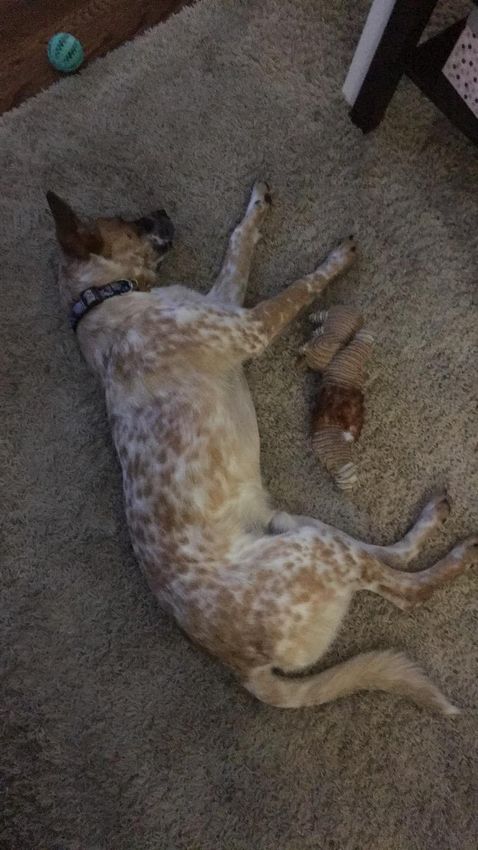
Transport: Destination Shelter

In 2017 the THS transferred in 1,977 animals :
          - Dogs, cats, rabbits, rats, guinea pigs and assorted special species
          - From Ontario (shelters, municipal agencies, First Nations communities)
Quebec              and the US.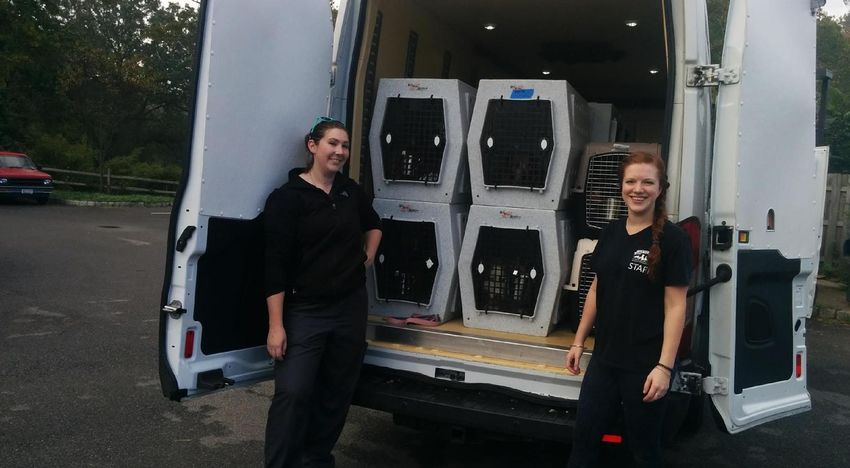
CVMA Position Statement on
       Animal Transport
Position
The Canadian Veterinary
Medical Association (CVMA)
strongly recommends that if
dogs and cats are to be
transported, the manner of
conveyance should ensure the
safety, security, health and
welfare of the animal, and the
public safety
                                               Mist, Redwood and Sitka - Northern dogs

                    https://www.canadianveterinarians.net/documents/transportation-of-dogs-and-cats-position-statement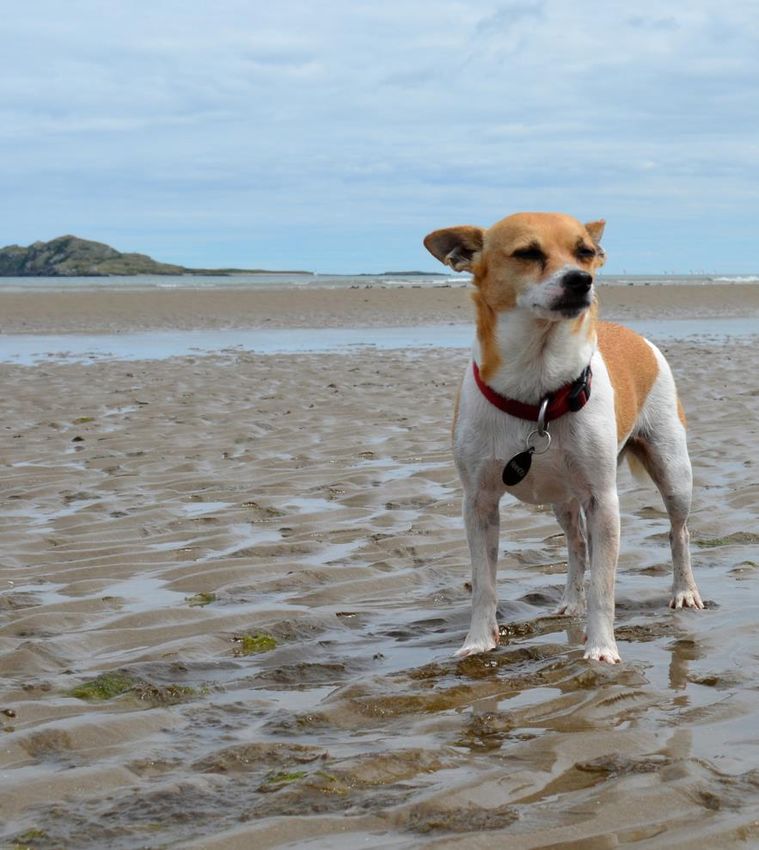
Canine Importation Working Group
       Recommendations, and Rio 2016
                 Adoptions
BY SCOTT WEESE ON JUNE 20, 2016 POSTED IN CATS,
DOGS

Last year, a Working Group was established
to review the issue of importation of dogs
into Canada and to come up with options
and recommendations to:
Mitigate the risks to animal health
(domestic and wildlife) and public health
posed by the current system through which
dogs are imported from abroad.
Mitigate the same risks posed by
unmonitored movement of animals within
Canada (particularly from remote northern
regions)
Address animal welfare issues with regard
to transportation of companion animals
exhibiting clinical signs of illness within and
at Canadian borders.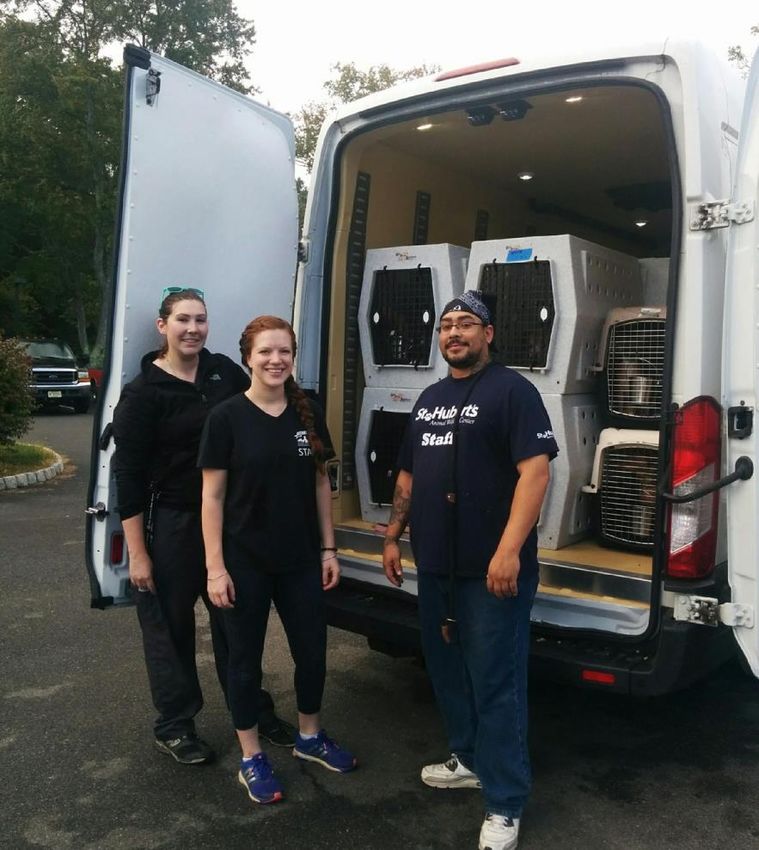
Role of transport (SAWA)
• Address market
  demand
• Highlights collective
  responsibility for
  animals
• Drives placement of
  more animals
• Focuses on local, then
  regional, then
  national/international
  needs

Goals of the Transport Best Practices
                (SAWA)
• Foster open relationships
  between source and
  destination agencies
• Minimize animal stress and
  disease transmission
• Meet or exceed local,
  state/provincial and federal
  regulations
• Promote transfer best
  practices
• Collect data on transports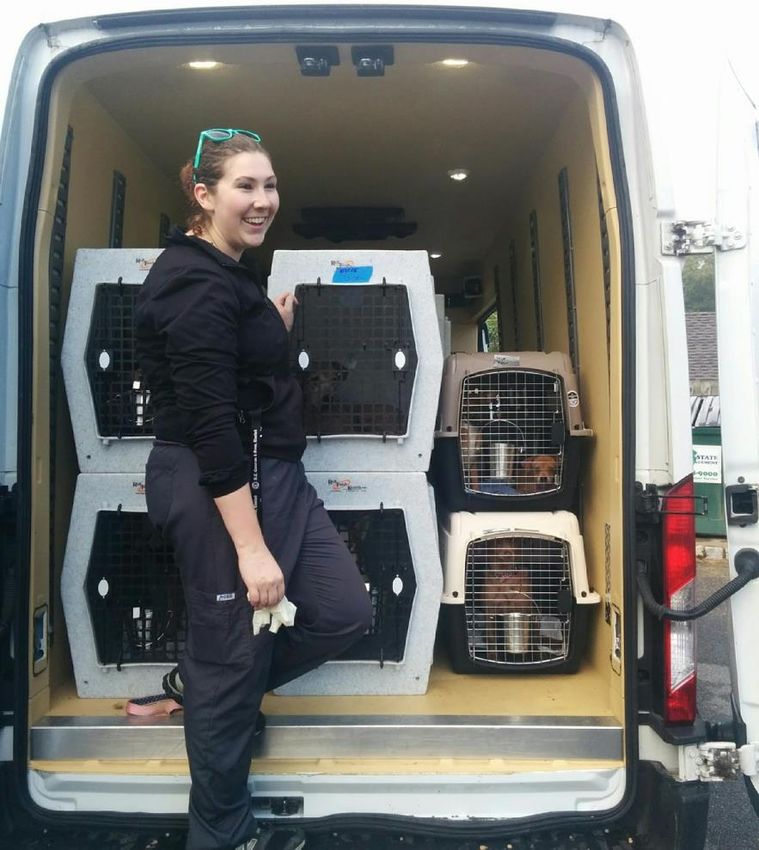
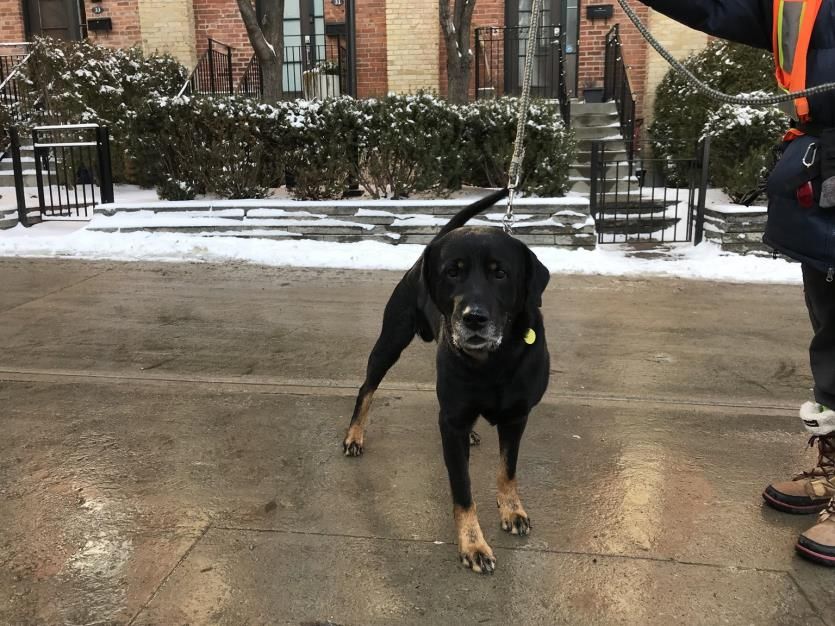
Models for Transport (SAWA)
• Agency to Agency
• Shelter Aggregator
• Third party Aggregator
• Volunteer transport
Key Elements (SAWA)
• Public health and safety
• All transfer agencies
  must be a registered
  charity or municipal
  agency
• All participants must
  abide by all local, state
  and federal regulations
• Humane standards of
  care

                              Marla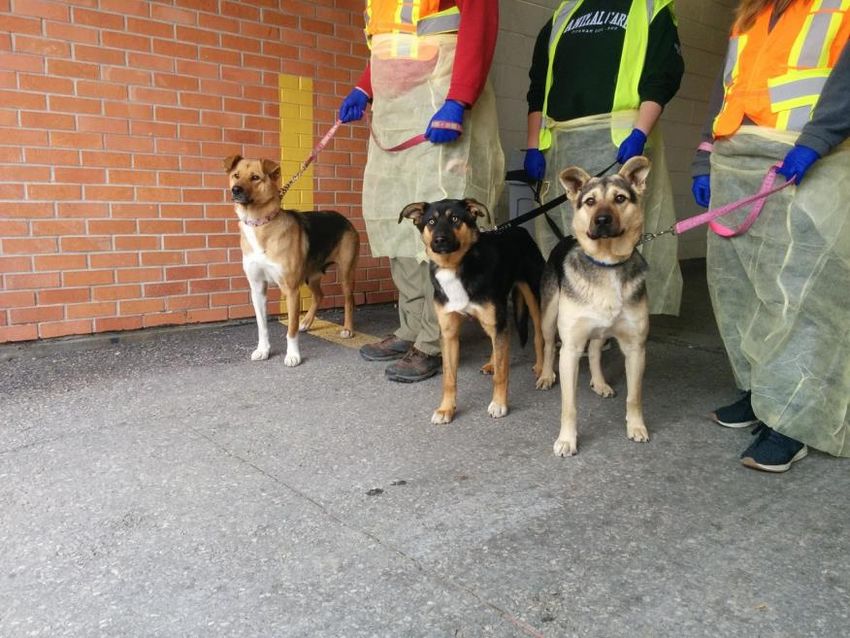
Is Transport Right for me?
• Does you have a community imbalance with high
  demand and too few animals?
• Does high adoption demand give you the capacity to help
  animals from other agencies or regions?
• Is transport consistent with your specific mission?
• Can I be in compliance with Transport Best Practice?
• What will be the impact on my agency?
• What will be the impact on my community?
• What outcomes can be provided for the animals?
• What is my partnership capacity between source and/or
  destination shelters?
Is my agency right for transport?
• Capacity for medical care?
• Appropriate animal housing?
• Staffing capacity?
• Will transport divert resources away
  from addressing local needs?
• Are there source agencies you can work
  with in your community?
• Community capacity to place your
  transfer animals?
• Are you willing to partner and support
  source agencies beyond taking their
  dogs and cats?
General Requirements for Transfer
           Programs (SAWA)
1. Partners should establish
solid working relationships
      • MOU
2. Registered charity or
municipal agency
3. Short and Long Term
Positive Impact on the
       community and the
animals
General Requirements for Transfer
Programs (SAWA)
4. Destination shelters must have:
a. Community Need
• Community demand for dogs,
puppies, cats or kittens
b. Capacity and Space
• Capacity and space available
• Will not euthanize for lack of
these items
c. Strong Infrastructure
• To support transported animals
d. Legal compliance
• Comply with all state/provincial
and local lawsGeneral Requirements for Transfer
Programs (SAWA)
5. A designated coordinator
at both agencies is essential
Coordinator will:
– Organize timing, number
and types of animals
– Evaluate health or
behavioural considerations
– Maintain good
communication between
agenciesGeneral Requirements for Transfer
Programs (SAWA)
6. Develop a transport census:
– Source should share lists of animals available for transport
– Final transport list should include all available info about
each animal
– Mutually acceptable protocol and timeframe for selection
and approvalGeneral Requirements for Transfer
Programs (SAWA)
7. Valid health certificates
are required for
interstate transport
8. Destinations should be
flexible, sources should
select animals that
can be easily adopted
9. Each animal should be
treated with dignity
and respect
Linna, from Puerto RicoLand Transport (SAWA) 1. Transport vehicles and equipment must be cleaned and sanitized to industry standards 2. Proper climate control (heat, AC, ventilation) 3. Appropriate housing used for all animals 4. Fresh water provided at breaks 5. Litter boxes for cats if transport > 2 hrs. 6. Hiding space for cats in kennel 7. Stop q. 4-6 hrs. for visual checks, provide water and spot clean as necessary
Land Transport (SAWA)
8.      Walk dogs if moving to new
vehicle or overnight stay
9.      Meet regulatory guidelines
for driver safety
10. Sufficient personnel to care for
the animals
11. Drivers should carry cell phones,
maps, GPS & emergency equipment
12. Contingency plans for weather,
mechanical or unexpected situations
13. Appropriate ID on each animal &
kennel
                                        Bee Bee
Transport Preparation and Receipt
(SAWA)
1. Core vaccinations prior to or at intake at source
shelter
2. Rabies for animals > 16 weeks
3. Health certificate if crossing state lines
4. PE within 24 hrs. of transportTransport Preparation and Receipt
(SAWA)
5. Animals with infectious
disease ineligible for
transport (some
exceptions)
6. Weaned puppies and kittens
should be at least 8 weeks
old (some exceptions)
7. Treat for diagnosed internal
& external parasites (min.
deworm for rounds and
hooks)
8. Dogs – behaviour
assessmentTransport Preparation and Receipt
(SAWA)
9. All - sterilize before
adoption
10. Accompanying individual
records
11. ID with collar & tag, tape
collar or other means of
ID that ties back to
animal’s record
12. Adhere to all federal &
state/provincial
animal transport
Wynette
regulationsAbove and Beyond (SAWA)
13. Additional vaccinations
(beyond core)
14. Flea & tick preventative
prior to transport
15. Parvo titre test
16. HWT animals > 6 mos.
Left – HW & lyme positive
Centre – HW, lyme & anaplasma positiveAbove and Beyond (SAWA)
17. Microchip
18. FeLV/FIV test
19. Photo (BSL)
20. Email records prior to
transportFunding Transport (SAWA)
Destination shelter:
• Pay transport costs
• Contribution to source to
fund community S/N
• Consider additional ways to
support source
• THS model “Pay it Forward”
adoption fee
Source shelter:
• Responsible for part or all
of cost of preparation
Jeepers on the beach in DublinExpect the unexpected (THS) • Pneumonia • Dental issues • Orthopedic problems • Ringworm (Cats and dogs) • Parvo • Behaviour concerns • Strep zooepidemicus otitis media • Rectal polyps • Pregnancy • Transmissible venereal tumour
Expect the unexpected (THS)

                    Dolomite

   Everest
Expect the unexpected (THS)
• Parasites (external and internal)
– Baylisascaris procyonis
(raccoon roundworm)
– Giant kidney worm
– Diphyllobothrium latum (fish
tapeworm)
– Dermacentor
– Rhipicephalus sanguineous
– Ehrlichia Diphyllobothrium latum
– AnaplasmaMore parasites
• Dog tested HW negative at
sending shelter, tested HW
positive at THS
• Since 2016 THS has
adopted out 72 treated
HW dogs
• Currently we have 13 HW
dogs under treatment
• All HW dogs were transfer
ins
HoustonExpect the unexpected (other organizations)
• Canine distemper
• Leishmaniasis
• Rabies
• Lepto
• Lyme
• H3N2
Ixodes scapularisTHS Pearls • Good communication is essential • Contacts (infectious disease experts, parasitologists, shelter medicine experts etc.) are invaluable
THS Pearls
• Imperative to maintain strict cohort
  quarantine & minimize stress and movement

 – Animals are
   made available
   from their
   quarantine and
   can also be
   viewed for open
   selection

                               Paz
THS Pearls • Currently exploring ways to decrease feline transport stress – DS/CC – Feliway – Same bedding – Driver music selection – Gabapentin
THS Pearls
• Consider the pathway for each pet before they arrive -
  ex. If a dog is known to be nervous, or you are taking in
  an immature/pregnant animal it will prove useful to have
  a foster parent lined up ahead of time.

                          Minia
How we find partner shelters • Word of mouth - through other partner shelters, colleagues or conferences • Petpoint Transfer Network Map • ASPCA Webinar Chats • News - especially helpful during times where more urgent transfers are needed ex. Natural disasters • HSUS EPP page
Things that are useful

•   Transfer protocol (used by THS instead of MOU’s).
•   Shared immediately with the potential partner.
•   Discussion prior to agreeing to partnership
•   Familiarity with CBSA + CFIA commercial animal
    import laws.
     – Advance Ruling Letter.
     – ‘Authority to Act as an Agent’ law - staff or custom
       agents are only allowed to import animals - no
       volunteers.
     – Puppies? Rarely allowed under 8 months of age
Things we’ve learned
• When to ‘let go’ vs ‘when to
continue’ partnerships.
• Issues and benefits of using
an intermediary
Neptune
• Resource-intensive. Can
cost money and time to have
a successful transport.
Unexpected issues are
GaladrielBee Bee
Arrival at THS Adoption!
Pick up in Settling into THS
BuffaloElvis
Elvis
Paz and Jordan
Resources
• Society of Animal Welfare Administrators Companion Animal
  Transport Best Practice
•   http://www.sawanetwork.org/page/Bestpractice

• ASPCApro Relocation and Transport
•   https://www.aspcapro.org/adoption-placement/relocation-transport

• ASV Guidelines for Standard of Care in Animal Shelters

• Canine Importation Working Group Recommendations
•   https://www.wormsandgermsblog.com/files/2016/06/CIWG-Report-2016-06-09-
    FINAL-w-Apx.pdf

• Keeping Animals in Transfer Programs Healthy
         Scarlett, J DVM PhD, May/June 2007, Animal Sheltering
You can also read


