TUSK TALK2021 - Tusk Trust
←
→
Page content transcription
If your browser does not render page correctly, please read the page content below
TUSK TALK
        2021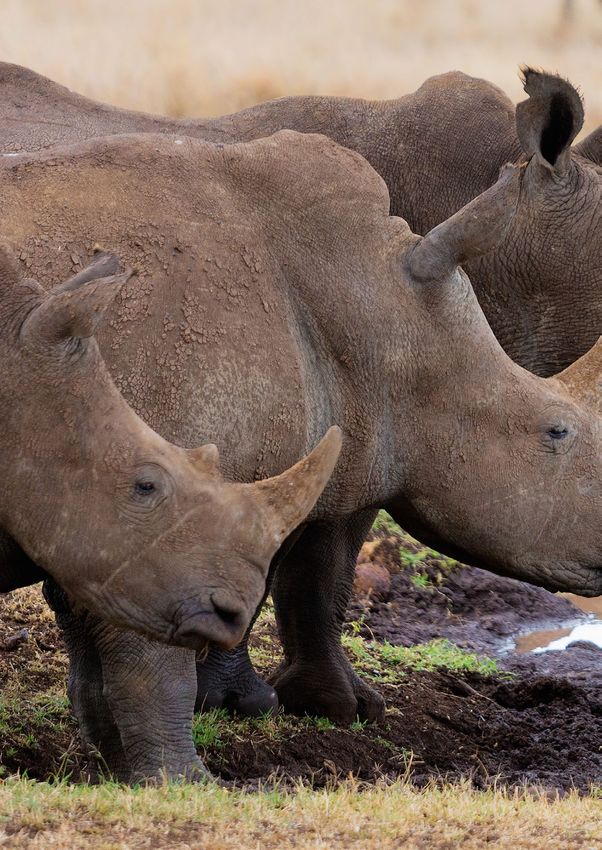
Our Mission is to amplify the impact
of progressive conservation initiatives
across Africa.

2   Royal Patron message                         19 Wildlife Ranger Challenge                     44 Conservation Hero: Thomas
3   Welcome: Alexander Rhodes, Chairman          23 Promoting human-wildlife coexistence               Mojong
    Tusk                                         26 Conservation Hero: Dr Gladys Kalema-Zikusoka 45 Celebrating Conservation
                                                                                                    Success
4   Looking to the future of conservation:       27 Providing environmental education
                                                                                                 51 A new perspective on illegal
    Charlie Mayhew, CEO Tusk                     30 Conservation Hero: Lesley McNutt
                                                                                                    wildlife trade
5   Advancing conservation in Africa             31 Rebuilding better: Key trends and
                                                                                                 53 Support Tusk
                                                    opportunities
7   How Tusk makes a difference
                                                                                                 55 2021 Tusk events
                                                 33 Protecting endangered species
9   Success spotlights
                                                                                                 57 Tusk patrons' circle - A closer
                                                 36 Conservation Hero: Atwass Salim Mohamed
13 Covid and conservation                                                                           connection
                                                 37 Preserving natural habitats
15 2020 in review                                                                                59 A shared passion
                                                 40 Conservation Hero: Nachamada Geoffrey
17 Fundraising in the midst of a global crisis                                                   62 Leave a gift to Tusk in your will
                                                 41 Conservation Solutions
18 A reimagined African culture of giving                                                        63 Thank you
Tusk Talk | 2021 Magazine 2
Alexander Rhodes
Chairman, Tusk Trust

Welcome

I write this, my first welcome to you as
Tusk's Chairman, with a firm sense
of optimism. The world is still deep in
Covid-19's terrible grip, and there is a
long hard road ahead to understand
and address the disease's direct and
indirect toll. Yet, it is darkest before
the dawn.
   With the roll out of vaccines, the global public health
response continues to cohere. As the willow warblers
cross the length of Africa migrating north for spring,
there is a real prospect of the world reopening, and
an international recognition that we must "Build Back
Better". Tusk's continuing focus is on action, and, now,
we invite you to participate in the recovery for Africa's
wild places.
   Organisations show their true colours in times of
crisis. Through the challenge and the grit of the last 12        Tusk's focus on collaboration is a fundamental component in its delivery.
months, the team at Tusk has proved its value. In 2020,       Through the toughest of times last year, Tusk convened conservationists from
the charity raised £12.7m and granted a record £11.1m         the continent's corners in Zoom 'pod calls' to share knowledge, experience
across 92 projects in 25 countries, while carrying forward    and mutual support. We have learnt from the necessary adoption of new
over half a million pounds for distribution as grants in      technologies and are leveraging this to continue to extend the charity's reach
2021. This speaks to the extraordinary commitment             and impact.
and generosity of our supporters, for which we and our           As Fred Nelson's important article (page 31) explains, the pandemic calls for
beneficiaries are hugely grateful. The ability effectively    a reappraisal of biodiversity's value and approaches to conserving it. On page
to deliver funds on this scale in these circumstances         51 the winner of the 2020 Tusk Wildlife Ranger Award, Zimbabwean Amos
also reflects the unique quality of social capital Tusk has   Gwema, and Nick Maughan set out a new perspective on the illegal wildlife
built over 30 years. Every penny has been put to work,        trade. Tusk's approach has always been grounded in the work in which local
in a period where tourism and local economies have            African communities are engaged. Today, it has the privilege of an established
collapsed, and pressures on nature have been pushed           and continent-wide network of field projects to draw on, and plans are afoot
far into the red.                                             for a virtual/physical Conservation Symposium for the whole Tusk community,
   Tusk is not just an effective fundraising machine. It is   hosted in Kenya.
preoccupied with its mission of amplifying the impact of         We enter 2021 aware of the real and immediate personal threat posed by the
progressive conservation initiatives across Africa. Over      proximity of planetary boundaries and global inequality to our lived experience.
the last five years, Tusk has developed its own impact        As Professor Dasgupta observes in his seminal review of the Economics of
focussed online platform for supporting and evaluating        Biodiversity, published this February: "We are part of Nature, not separate
its portfolio of projects. Through the pandemic, this         from it". John Scanlon highlights (page 13) the collective opportunity we have
unique capability has enabled Tusk to partner with            to chart a new course at the 2021 biodiversity and climate conferences in
others in a crisis response. Critically, this has included    Kunming and Glasgow.
getting ranger salaries into the field, with the double          We are all interconnected, and, as we look to Build Back Better, I invite
effect of protecting the front line and sustaining local      you actively to support the most vulnerable of Africa's communities,
communities.                                                  species and ecosystems in partnership with Tusk this year.

3       Tusk Talk | 2021 Magazine
Charlie Mayhew, MBE CEO, Tusk Trust

Looking to the future
of conservation

It has been a challenging year for us
all, but one in which I hope humanity
has finally realised that protecting the
natural world, including our oceans,
is not only essential for the planet, but
our own health and well-being too.

   Like all organisations Tusk had to adapt fast to the                               We also report on the successes of our partner
crisis. However, I am proud to report that we have                                 projects and look at the remarkable achievements
been able to respond to the unfolding conservation                                 of our 2020 Tusk Award winners and finalists. I
crisis with record funding; not only in support to our                             am particularly pleased that thanks to a £1million
existing partners, but through emergency grants to an                              commitment by The Nick Maughan Foundation
extensive list of protected areas where the economic                               over the next five years, we have been able to
impact of Covid-19 and loss of tourism continues to          There were many       significantly increase the grants that accompany the
threaten the livelihoods of thousands of rangers and                               awards. Every year the men and women who win
                                                             highlights to our
the protection of vast landscapes.                                                 these prestigious awards provide us with real hope
                                                             work in 2020. In
   Last year saw a flurry of virtual events emerge as                              - showing that it is not only possible, but absolutely
the new fundraising vehicles. Our own ‘virtual’ staging
                                                             this edition, we      vital we protect Africa’s rich natural heritage.
of the Lewa Safari Marathon saw world record-holder          not only highlight       This year has become the crucial ‘Super Year’
Eliud Kipchoge run the famous Kenyan course                  the impact of         for conservation as governments gather to set
socially-distanced with a team of Lewa’s rangers.            Covid-19, but         important new targets for protecting the planet’s
Meanwhile over 2,000 supporters ran in solidarity            take an important     rapidly declining biodiversity and, in November, the
around the world in their parks, streets or surrounding      look to the future    UK plays host to the much-anticipated CoP26 on
countryside to help us raise over $300,000 in spite of       of conservation.      tackling climate change. Our sincere hope is that
the global lockdown (page 15).                                                     world leaders will take the necessary steps and
   Spurred on by this success and a generous                                       firmly place the environment, oceans, wildlife and
pledge of $5m from The Scheinberg Relief Fund,                                     nature at the top of the political agenda.
we launched an even more ambitious challenge to                                       We cannot do any of the work we do without your
raise funds to protect the jobs of those working on                                support. The impact of Covid-19 on conservation
conservation’s frontline. In partnership with US charity,                          efforts has been great. Last year you responded so
NATURAL STATE, we established the Wildlife Ranger                                  generously to our appeal and helped our partner
Challenge – an initiative that culminated in rangers                               projects weather the initial storm. However, these
from over 100 protected areas competing in a virtual                               projects now face perhaps their greatest challenge
half marathon wherever they were in Africa. The                                    to date - mounting a recovery in the face of social
outcome was extraordinary. Not only were we able                                   and economic crises. The pandemic’s harsh legacy
                                                            Left
to secure $10m in funding to support almost 10,000          Lewa Downs Lioness     will continue for many years to come and I hope
rangers, we created a proud movement of wildlife            Credit: David Yarrow   you will continue to be as generous as you can to
rangers and engendered a camaraderie amongst                                       contribute to our Recovery Appeal. Thank you.
                                                            Above
those who could see that they were certainly not            Charlie Mayhew MBE
alone in their efforts (page 19).                           Credit: Land Rover

Tusk Talk | 2021 Magazine                                                                                                              4
Tusk works across Africa
to further its mission.

Advancing
conservation
in Africa
                                                       Main image
    Our work amplifies our                             White rhino family
                                                       Credit: Martin Harvey
    partners’ action on the                            Bottom left
    ground to:                                         A ranger from Lewa’s K9 unit
                                                       poses with one of the unit’s
    1. Protect endangered species                      bloodhounds
                                                       Credit: Lewa Wildlife
    2. Preserve natural habitats                       Conservancy
    3. Promote human-wildlife coexistence
    4. Provide environmental education                 Far right (from top)
                                                       Endangered leatherback turtle
                                                       release in Watamu, Kenya by
                                                       Local Ocean Conservation
To ensure the greatest impact                          Credit: Paolo Parazzi

from our investments, Tusk funds                       Conservation South Luangwa

a diverse portfolio of projects with
                                                       Rangers pose next to collected
                                                       snares

three types of grants:                                 Credit: Conservation South
                                                       Luangwa

•	Catalyst: For early stage initiatives testing new   VulPro CEO Kerri Wolter with
   conservation strategies.                            members of her team releasing
• Evolution: For emerging efforts that are            vultures
                                                       Credit: VulPro
   developing a proven track record and scaling
   their impact.                                       Local Ocean Trust Marine Scouts
•	Keystone: For established organisations that        Releasing Hawksbill Turtle
                                                       Watamu, Kenya
   continue to innovate and test new strategies        Credit: Local Ocean Trust
   and approaches to conservation.

5      Tusk Talk | 2021 Magazine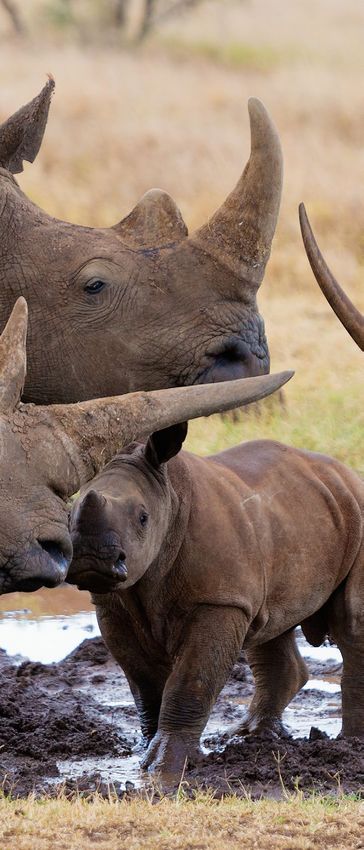
Tusk’s impact is not just financial.
                            Our work also:
                            •    aises the profile of African conservation
                                R
                                leaders and their achievements
                            •   Brings our partner network together to
                                accelerate learning, innovation and impact
                            •   Uses our influence in the field of African
                                conservation to increase awareness, funding
                                and support for partner projects

                            Your generous support underpins
                            Tusk’s positive and lasting impact
                            in Africa.
Tusk Talk | 2021 Magazine                                                 6
Facts and figures

How Tusk
makes a difference

Our vision is an Africa in which
people and wildlife co-exist and
                                                    £12.7 million
                                                        global revenue
thrive. We believe in the inherent
value of wildlife and know
that sustainable conservation
requires     local      solutions,
expertise and engagement.
                                                                             £11.1 million
   When local communities and stakeholders see
economic benefits to co-existing with wildlife
and that their actions are connected to a global
                                                                               invested into the field
environmental movement, conservation can and
does succeed.
    By championing sustainable solutions for
conservation, Tusk, together with our supporters

                                                             45
and partner projects, can have real and lasting
impact.
   Your generous support and partnerships made
                                                      endangered species
a huge difference last year. Here’s how*.
                                                       benefitted from our
                                                            projects

                                                                             432 million
                                                                              hectares
                                                                                secured for wildlife

                                                       10,113
                                                      rangers supported

   *This page reflects total revenue raised in                                          92
2020 but does not reflect the total impact of the                              projects supported with
funds which have been and will continue to be                                   Tusk generated funds
disbursed in phases through 2020 and 2021.

7      Tusk Talk | 2021 Magazine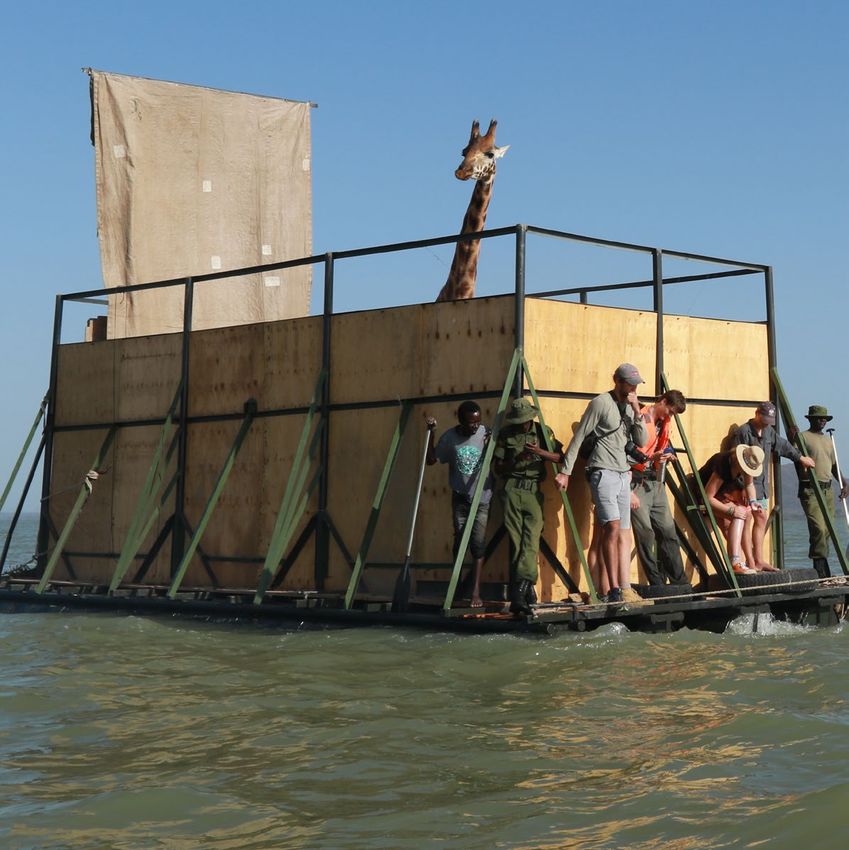
Tusk’s income growth 1992-2020
                                                                                                                             £12.7m

                                                                                                              £9.9m
                                                                                               £8.8m £9.2m
                                                                                                                       £9.6m
                                                                                       £6.2m

                                                                              £2.6m
                                                                      £1.1m
                                                        £64k £401k

5,425                                                   ’92     ’99     ’05      ’11     ’15    ’16    ’17       ’18   ’19        ’20
directly employed
by organisations
supported by Tusk

  4.3 million+ people
benefit indirectly from work of Tusk project partners
                                                        Focus of Tusk funded                   Source of funds
                                                        projects in 2020                        Donations from individuals 83%
                                                          Protecting endangered species 71%     Fundraising Events 4.6%
                                                          Preserving habitats 19%               Corporate 4%
                                                           roviding environmental
                                                          P                                     Charitable Trusts 6%
                                                          education 5%
                                                                                                Legacy 0.5%
                                                           romoting human-wildlife
                                                          P
                                                                                                Gift Aid 1%
                                                          coexistence 3%
                                                                                                Government Funding 0.5%
                                                           dvocacy, awareness &
                                                          A
                                                          publications 2%                       Endowment Income 0.5%

            57 projects
         helped address illegal wildlife trade
           (50% of Tusk project partners)

                                                        Tusk project partner                   Programme cost ratio
                                                        distribution by African region
                                                                                                Conservation Grants 90%
                                                          Eastern Africa 40%
                                                                                                Support costs & overheads 8%
                                                          Southern Africa 39%
                  141,731
                                                                                                Fundraising & Event costs 1%
                                                          Western Africa 9%
                                                                                                Direct expenditure on advocacy
               children benefitting from                  Central Africa 7%                      and awareness 1%
               environmental education                    Africa Wide 5%

Tusk Talk | 2021 Magazine                                                                                                               8
Project Partners 2021 Africa-wide
• Elephant Protection
Conservancies
Association
• TRT Conservation
Foundation
Initiative • Maasai Wilderness • Wildlands Conservation
• PACE Conservation Fund Trust
Success
• African Parks • Ol Pejeta Conservancy • W ildlife ACT Fund Trust
• Rhino Ark Kenya • Zambeze Delta Safaris
1 Angola
Charitable Trust • Southern African
• Kissama Foundation
spotlights
• Big Life Foundation Wildlife College
2 Botswana • Lewa Wildlife
22 Tanzania
• Botswana Predator Conservancy
• Global Animal Health
Conservation Trust • Lion Landscapes
Tanzania
• CLAWS Conservancy • Mount Kenya Trust
• Ruaha
• Coaching Conservation • Mountain Bongo
Carnivore Project
• Northern Tuli Game Surveillance Project
• African People &
Reserve • Northern
Wildlife
Our project partners have • Rhino Conservation Rangelands Trust
• Jane Goodall Institute
Botswana • SORALO
achieved some great • Rhinos without borders • Tsavo Trust
Austraila
• PAMS Foundation
successes over the past 3 Comoros 12 Madagascar • Tongwe Trust
year. Here is a snapshot of • Blue Ventures • C3 Madagascar • Honeyguide Foundation
• Lemur Love
those along with our shared 4 Cote d'lvoire • IMPACT Madagascar
23 Uganda
• W ild Chimpanzee • Rhino Fund Uganda
ambitions for the future. Foundation 13 Malawi • Conservation
These successes have been 5 Democratic Republic
• Peace Parks Through Public Health
Foundation • Uganda Conservation
made possible because of of Congo • W ildlife Action Group Foundation
• Okapi Conservation
your generous support and it Project
• Lilongwe Wildlife Trust
24 Zambia
is your financial commitment • Walikale Gorilla 14 Mali
• Mali Elephant Project
• Zambian Carnivore
and Forest Programme
to conservation in Africa that Conservation Project
15 Mozambique
• North Luangwa
will enable us to continue to • Virunga National Park
• Chuilexi Conservancy
Conservation
Programme
amplify our project partners’ 6 Equatorial Guinea
• Bioko Biodiversity
• Luwire Wildlife
Conservancy
• Nsumbu Tanganyika
work in 2021 and beyond. Protection Program
16 Namibia
Conservation
Programme
7 Eswatini • Integrated Rural • Game Rangers
All our partners have been greatly affected
by the Covid-19 pandemic. Their tireless work • Big Game Parks Development and International
Nature Conservation • Musekese Conservation
now continues with the added challenges the 8 Gambia • Save the Rhino Trust • Conservation
continuing crisis brings. •Red Colobus
Lower Zambezi
Conservation 17 Nigeria • Conservation
• Africa Nature Investors
9 Ghana South Luangwa
Foundation
• Rainforest
• Yankari Game Reserve 25 Zimbabwe
Rescue Ghana • W ildlife Conservation • Bhejane Trust
• Calgary Zoo Foundation
Society • Malilangwe Trust
10 Guinea • Conservation & Wildlife
18 Rwanda
• Chimpanzee Trust
• Rwanda Wildlife
Conservation Centre • International Anti-
Conservation
Poaching Foundation
11 Kenya Association • Tashinga Initiative
14
20 • Borana Conservancy • Dian Fossey Gorilla
• Painted Dog
8 • Ewaso Lions Fund
10 Conservation
17 • Grevy’s Zebra Trust
4 9 19 Sao Tome • Savé Valley
• Lamu Marine
• Programa Tato Conservancy
6 23 11 Conservation Trust
19 18
5 • Local Ocean 20 Senegal
22 Conservation • Africa Chelonian
3 • Milgis Trust Institute
1 13 • Ngare Ndare
24 21 South Africa
Forest Trust
25 15 12 • Bateleurs
16 • Reteti Elephant
2 • VulPro
Sanctuary
7 • Africa Foundation
• The Maa Trust
21 • Project Rhino
• Maasai Mara Wildlife
• Transfrontier Africa
9 Tusk Talk | 2021 Magazine Tusk Project Partner Wildlife Ranger Challenge Partner Both1 Credit: Andrew Stein
Credit: Bateleurs
2
3 Credit: Dahari Credit: C3 Madagascar
4
1. CLAWS, Botswana 2. The Bateleurs, South 3. Blue Ventures, Comoros 4. C3, Madagascar
One of CLAWS' most Africa The impact of Covid-19 In 2020, C3 Madagascar
significant accomplishments The Bateleurs delivered in Comoros was fortunately focused on strengthening their
has been the development of another record-breaking year low, allowing field activities national network of young
the first communal livestock notwithstanding many Covid-19 to continue. In partnership environmental leaders, despite
herd in Botswana. By collectively related challenges. In total, with Dahari, Blue Ventures Covid-19 restrictions. They
managing community cattle they undertook 117 flights for supported three local fishing reached 1,500 students from
with trained herders, they have conservation across southern associations on the island of 10 schools across remote areas
significantly reduced predator Africa. These ranged from illegal Anjouan to re-open a temporary of North Madagascar with their
conflict, disease deaths and mining surveys to translocations fishery closure. The closure unique education programme,
built capacity for communities of lion, wild dog, vultures, and was a great success, yielding comprised of endangered
along the northern edge of the even the critically endangered significantly larger octopus and marine species and habitat
Okavango Delta. estuarine pipefish. In 2021, over half a tonne were caught costumes, as well as children's
In the coming year CLAWS they look forward to expanding on the opening day. books. Schools implemented
plans to certify their communal their reach and service to In 2021, Blue Ventures their local Environmental Action
herd as 'Wildlife Friendly' and to conservation by assisting with looks forward to working with Plans planting mangrove
establish a local abattoir in order more wildlife translocations to four new communities from a propagules, native trees
to build a market for free-range neighbouring countries. Another different area of Anjouan and and fruit trees, in three Key
cattle raised in coexistence with wild dog transfer to Gorongosa continuing to increase local Biodiversity Areas. 2021 will see
wildlife. There is already interest National Park in Mozambique engagement in the preservation four new species books added
from their regional lodges in is already in progress, following of Comoros' marine resources. to C3's educational series, a
purchasing their beef. successful similar translocations development highly anticipated
in 2018 and 2020. by teachers and students alike.
Tusk Talk | 2021 Magazine 10Success spotlights
Continued
6. IMPACT Madagascar, Madagascar
5. VulPro, South Africa In 2020, IMPACT Madagascar community-run
The construction of an on-site hospital with the nurseries produced over 95,000 tree seedlings.
support of Tusk was one of VulPro’s key successes Of these, 39,070 were planted during community
in 2020. Rescued vultures can now be treated in reforestation events - the remaining seedlings are
a stress-free environment with no additional travel being planted this year. In total, these communities
needed for veterinary care. As such, VulPro rescued restored an impressive 19 hectares of previously
101 vultures and birds of prey, and many were degraded land! In the coming year, IMPACT's
treated on site. This coming year VulPro aims to conservation projects will focus on the protection
complete the hospital's surgery and x-ray rooms. of the lemurs’ natural habitats. Community village
This will raise the bar further for vulture treatments scout patrols in the forests and wetlands to monitor
5
and surgical care through the provision of surgical illegal logging will continue along with sustainable
Credit: VulPro
interventions for rescued birds. livelihood and agriculture support for local
communities.
7. Chimpanzee Conservation
Center (CCC), Guinea
Last year, chimpanzees, Chloe
(15) and Bailo (14), were released
to join the wild chimpanzee group
in the Upper Niger National Park. To
ensure the precise tracking of the
two individuals they were fitted with
collars using Iridium technology.
The collars are key to monitoring
the released chimpanzees, ensuring
their safety and gaining valuable
data that shows their movements
and potential integration with the
wild chimpanzee group. CCC 6 Credit: Impact Madagascar
aims to continue protecting the
Upper Niger National Park wild
7
chimpanzee population and its
Credit: CCC
diverse fauna and flora.
8. African Nature Investors Foundation (ANIF), Nigeria
Gashaka-Gumti National Park has one of the largest populations of endangered
Nigeria-Cameroon chimpanzee. However, it is threatened by logging, illegal
grazing and poaching. With Tusk support, ANIF equipped and trained 50 rangers
who started the first systematic patrols in the park for over 30 years. In 2021
ANIF will train and equip more rangers and develop local community partnerships
to protect the park’s chimpanzees and other iconic animals. With ranger morale
high, there is a new feeling of hope for the park! 9 Credit: LWT
9. Lilongwe Wildlife Trust (LWT), Malawi
In 2020, LWT rescued 110 animals and released 54
back into the wild. They also supported government
agencies to prosecute 251 new illegal wildlife cases,
with a 91% conviction rate. Their education team
engaged almost 11,000 children across 131 schools
and trained 129 teachers. One of LWT's key goals
for 2021 is to redevelop the educational, training
and animal welfare facilities at the Lilongwe Wildlife
Centre to enhance their wildlife protection work,
build in-country environmental capacity, and inspire
8 Credit: ANIF greater conservation education and action.
11 Tusk Talk | 2021 Magazine11. Rwanda Wildlife Conservation Association,
Rwanda
For RWCA, the pandemic brought to light the
success of their community conservation model
of champions and rangers who are based at key
biodiversity areas throughout Rwanda. They were
able to quickly and efficiently respond to cases
of poaching and habitat destruction, despite the
lock-down and travel restrictions for the core team
based in Kigali. In the coming year, RWCA aims
to strengthen community teams, through capacity
building, development of leadership skills, and
provision of equipment, in order to build a resilient
Credit: Ruaha Carnivore Project
10 11 Credit: RWCA and sustainable approach to conservation.
10. Ruaha Carnivore Project (RCP), Tanzania
Building on progress in Ruaha, RCP is working
with partners to develop community-based
conservation strategies in other key landscapes.
A significant development is RCP's expansion into
the Selous, an immense area thought to hold the
largest remaining lion population in Africa. This
work will seek to understand conflict intensity and
large carnivore ecology in this critically important
landscape while establishing how applicable RCP's
work could be in a new ecosystem. RCP has also
recently partnered with Lion Landscapes and is
scaling up this partnership in 2021 to increase its
impact. Credit: Tsavo Trust
13
12. Mligis Trust, Kenya 13. Tsavo Trust, Kenya
During the dry season, wildlife relies on deep Throughout 2020 and despite Covid-19, Tsavo Trust maintained its vital field
wells dug by pastoralists. With the water too deep operations and kept all its staff employed. The team logged a total of 708 hours
to reach for smaller elephants, they frequently slip of flight. Twenty-three elephant carcasses were located and 43 elephant tusks
into the wells and drown or remain trapped for recovered. Anti-poaching teams collected 524 snares, made 25 arrests and
several days. To solve this problem, the Milgis Trust recovered 1,477kg of bushmeat, while ground monitoring teams provided regular
incentivises pastoralists to maintain access ramps scientific data from field observations. In 2021 they aim to mitigate human-
into the wells throughout the dry periods. The result elephant conflict for their neighbouring communities through the construction of
has been safe access to water for all wildlife. a 23km three strand electric fence.
In the coming year, Milgis would like to expand
this programme with the end goal of ‘conscious well
14. The Malilangwe Trust, Zimbabwe
digging’ becoming the norm throughout northern
Malilangwe was able to conduct an all-important
Kenya.
annual game census, in spite of the pandemic. It
revealed a growth in rhino numbers with 33 added
to their populations and even better, no poaching
incidents were reported throughout the year.
Additionally, an accurate, cost-effective method
of estimating the size of free-ranging leopard
populations was published. This method could be
applied globally, and if adopted, could have important
conservation implications for this vulnerable species.
14
Credit: The Going forward, they aim to conduct critical biodiversity
12
Malilangwe Trust
Credit: Milgis Trust
research on the carrying capacity of the reserve.
Tusk Talk | 2021 Magazine 12John Scanlon CEO, Elephant Protection Initiative Foundation Chair,
Global Initiative to End Wildlife Crime
Covid and
conservation
Nature conservation is much dropped about the vulnerability of the conservation
business model.
more than looking after wildlife Covid-19 has induced much suffering, and sadly,
and its habitat: it is about public many lives have been lost. Nature conservation
came perilously close to being another victim of
and animal health and welfare, the pandemic. Due to the heroic efforts of so many,
climate change, and security, Success demands it has survived. But conservation was already
and if we get things wrong, it can collective suffering from multiple pre-existing conditions,
and it will remain on life support until it becomes
have massive global implications. endeavour, and
an investment priority of business, donors, and
Perhaps 2020 will be remembered as the year we all have our government.
when the penny suddenly dropped for people role to play, as Reports of the UN Intergovernmental
across every nation that we need to recalibrate our consumers, Panel on Climate Change (IPCC) and the UN
relationship with nature. But in the coming months, investors, and Intergovernmental Science-Policy Platform on
if the pandemic slowly passes, and memories start citizens. Biodiversity and Ecosystem Services (IPBES) paint
to fade, will this global awakening endure? a bleak picture for combating climate change and
The dramatic and sudden loss of revenue from protecting biodiversity. Yet, it is not too late. If we
wildlife-tourism in 2020 sent shock waves through change course, we can recover, and in a way that
the conservation community, decimating jobs, generates new and exciting opportunities.
enterprises, and livelihoods. Maybe 2020 will And if 2020 was a year of awakening for all of
also be remembered as the year when the penny us, then 2021 must be the year of transformation.
13 Tusk Talk | 2021 MagazineInternational conferences on biodiversity in Main image Next year is the 50th anniversary of the landmark
The Northern Rangelands
Kunming and climate in Glasgow, offer platforms for Trust vet team rescues
Stockholm Conference on the Human Environment.
new global strategies and national commitments. Lbarnoti, a male Rothschild’s It led to a flurry of ground-breaking activity, with new
Biodiversity must be at the forefront of the response giraffe from a flooded island national and international laws and institutions. We
using a custom-made barge
to climate change. We need to secure long-term Credit: Kieran Avery
honour our predecessors, who showed ambition and
commitments to places that are rich in biodiversity. courage. But today, many of these initiatives have
It is time to reshape our approach to conservation, gone stale or become dated – our laws, institutions
to break down silos and see a convergence of the and financing are no longer fit for purpose. They
biodiversity, climate, development, health, and must be re-evaluated and re-structured if we are to
security agendas. As recognition of the multiple take on the challenges set forth by the IPCC and
benefits of nature conservation grows, so too will the IPBES.
the scale and sources of financing. Given the scale and immediacy of the risks to
Yet, as I write, we are still feeling the full brunt of people and planet, 2021 must be the year when we
a pandemic that most likely had its origins in wildlife, move ahead with transformative initiatives, which
and IPBES tells us there are hundreds of thousands we are quick to call for, yet slow to act upon.
of viruses that could spill over from wild animals to It is the world's youth who have the most to lose
humans. Wildlife poses no threat, how we interrelate from these multiple and inter-related crises. We
to it does, and preventing the next pandemic will owe it to them to act boldly and swiftly in 2021 to
require profound changes to how we regulate the ensure we pass on a planet that is prosperous and
taking, trade, and consumption of wildlife, and how habitable for all. It is not too late to change course,
we combat the scourge of wildlife crime. provided we all rise to the challenge!
Tusk Talk | 2021 Magazine 14There were many highlights to our work in 2020.
2020 in review
The amazing energy and enthusiasm of our donors
was unwavering in 2020. Our work would not be
possible without the funds raised by the dedicated
Tusk donors who took part in, or supported, Tusk’s
events and appeals.
Ride4Rangers
In the summer, a team of British amateur cyclists set off in a bid to cycle from Land's
End to John o'Groats, to support the vital work of wildlife rangers across Africa.
In an initiative launched by the UK Africa travel industry in partnership with Tusk, the
Ride4Rangers team were joined by travel company staff, celebrities and the public,
cumulatively riding 62,000km, the equivalent of circumnavigating Africa twice. With
the backing of over 80 travel companies and teams across the UK, Europe and Africa,
the campaign to support African rangers and wildlife raised a remarkable £329,000,
with match funding from the Scheinberg Relief Fund as part of the Wildlife Ranger
Challenge.
Tusk’s thanks go to Ben Morison and his team who gave up their time, limitless
energy and serious expertise to make this campaign such a success; to Land Rover
for their generous provision of a Defender support vehicle; to Accor/Mantis for kindly
providing hotel accommodation and to Ethiopian Airlines and ATTA.
Main image
World fastest marathoner, The Tusk Crisis Appeal
Eliud Kipchoge takes part in As widely reported in the previous edition of Tusk Talk,
a training run with rangers at
the Lewa Wildlife Conservancy the Covid-19 pandemic had, and is still having, devastating
ahead of the 2020 Virtual Lewa consequences for conservation in Africa. Throughout
Safari Marathon the crisis we have remained in regular contact with our
Credit: Jeff Waweru
partners, who continue to struggle with the impact that the
Middle right loss of tourism and donor income has had on their work.
The Ride for Rangers cyclists Tusk’s Crisis Appeal prioritised maintaining our support
at the finish line
Credit: Mary-Jane Attwood towards salaries and operating costs of our project partners.
With your support, Tusk raised over £700,000 from the
Bottom right appeal for our project partners across the continent.
Lion Rangers from Tusk
Partner Lion Landscapes pose As we look to a slow recovery, and with little chance
next to the Tusk Vehicle in of either local economies or tourism recouping rapidly in
Loisaba, Laikipia Kenya Africa, Tusk’s partners are expecting 2021 to be the hardest
Credit: Jeff Waweru
year in their project’s history. Please support our Recovery
Far left Appeal (back cover) to help us ensure our partners can
Credit: Zambia Carnivore continue to weather the storm.
Program
15 Tusk Talk | 2021 MagazineThe Virtual Lewa Safari Marathon
Whether walking 5km or running a full marathon,
Tusk supporters from far and wide came out in
droves in June to take part in the Virtual Lewa
Safari Marathon. More than 2,000 people ran on
beaches, through game reserves, across parks
and gardens, and in cities around the world.
Tusk’s Royal Patron, The Duke of Cambridge,
launched the main event, saying: “Wherever
you are in the world…this isn’t a race, there is
no stopwatch…It is our way of showing Africa’s
conservation community that we’re all in this
together”.
Participants spanning the globe from Peru to
Hong Kong and from Switzerland to New Zealand
took on the challenge. World champions Eliud
Kipchoge and Geoffrey Kamworor supported
the event from Kenya, whilst in the UK, Tusk
Ambassadors Katherine Jenkins, Deborah
Meaden and Levison Wood also joined in to show
their support.
The event raised more than £250,000 to
support wildlife conservation and communities in
Kenya and beyond.
The Times Appeal
Tusk was fortunate to be selected as one
of three recipient charities of The Times and
The Sunday Times Christmas Appeal 2020,
alongside Fareshare and Sported. Journalists
from both newspapers visited and spoke to
a number Tusk supported projects across
Africa, with articles appearing in the digital
and printed editions of both papers from late
November through to January.
The Appeal helped demonstrate the
diverse range of conservation initiatives that
Tusk supports, and the significant challenges
they are confronting, including the impact of
the Covid-19 pandemic.
We are grateful to the readers of The Times
and The Sunday Times for their generous
support, which will help us provide a critical
lifeline to our projects Africa-wide, protecting
livelihoods and keeping men and women on
the frontline of conservation.
Our thanks go also to The Nick Maughan
Foundation, which generously matched all
donations up to a total of £150,000, doubling
their impact, and to Matthew Moulding who
donated £300,000 to the Appeal to be split
equally between the three charities.
The Times and Sunday Times Christmas
Appeal raised a record amount for the three
charities supported, including £653,000 for
Tusk.
Tusk Talk | 2021 Magazine 16Anna Hunt Tusk Philanthropy Manager
Fundraising in
the midst of a
global crisis
At the start of the UK’s first compelled to do more as the pandemic was clearly
having catastrophic consequences for wildlife
national lockdown in March conservation,” says Louise.
2020, Tusk, along with many “Rather than sitting at home feeling depressed,
I decided to make a fairly large donation toward
other charities, grew concerned Tusk’s crisis appeal, as the fund was clearly destined
about the Covid-19 pandemic’s The Times and to go to the very root of the problem.”
impact on our ability to fundraise. Sunday Times With thanks to the generosity of our loyal
supporters like Louise, as well as many new donors,
Tusk faced the prospect of losing Christmas Appeal
the appeal raised over £700,000 to help us plug
chose Tusk as
at least £2million of income from a beneficiary
some of the gap in funding.
The link between conservation and global health
our planned events overnight. because of its had been thrust firmly into the public eye, and
We kept in close contact with our project partners dual approach of our work at Tusk had taken on a new national
to keep abreast of the challenges they were facing protecting wildlife significance. In November 2020 we were selected
and their greatest need. It became clear that an and supporting as a charity recipient of The Times and The Sunday
emergency crisis appeal was necessary with a human Times Christmas Appeal.
focus on raising core funds for partners who were communities. “Covid-19 has been devastating lives and
drastically scaling back their budgets, making salary livelihoods across the world,” says Kaya Burgess
Kaya Burgess
cuts and putting vital activities on hold. from The Times about Tusk’s selection. “At the
Everyone in the world has been affected by the same time, there has been an increased awareness
pandemic, yet a report by CAF shows that despite and acknowledgement of the harm being caused
Above
this, people in the UK did not stop giving. In fact, to wildlife and their habitats by human activity.
Lion rangers in Laikipia Kenya
they donated more to the causes they care about monitor alerts for collared Tusk's work addresses both of these elements. The
most. The initial response by many was to support lions Times and Sunday Times Christmas Appeal chose
Credit: Jeff Waweru
NHS and local health charities. But slowly, as the Tusk as a beneficiary because of its dual approach
nature of the UK’s news coverage widened to reflect Right of protecting wildlife and supporting human
the global impact of the pandemic, including the link Tusk Trustee and communities.”
Philanthropist, Beatrice
between public health and conservation, altruistic Remarkably, with around half of UK charities
Karanja receives a gift from
intent shifted. We launched our appeal in May. Lewa Wildlife Conservancy reporting income declines in 2020 , the year ended
Tusk donor Louise Studd was obligated to rangers for her support to as a record one in Tusk’s fundraising history. Thank
their unit
support. “Although being a regular supporter you to all who have supported us during these
Credit: Lewa Wildlife
through a modest monthly standing order, I felt Conservancy challenging times.
17 Tusk Talk | 2021 MagazineBeatrice Karanja Tusk Trustee
A reimagined
African culture of
giving
African philanthropy has always
exisited. It is rooted in a word
that is familiar throughout the
continent. Ubuntu. While there
may be a multitude of variations in
how it is pronounced across the
54 nations of Africa, the essence
and meaning is the same.
A 2,000-year-old philosophy, Ubuntu can best be
described as philosophy that places emphasis on
'being self through others'. It is a form of humanism
which can be expressed in the phrases 'I am
because of who we all are' – the belief in a universal
bond of sharing that connects all humanity. It is also
how, as a people, we gave meaning and description
to the kind of relationship an individual person is
expected to have with their family, community,
society, environment and their spiritual world.
In 2020, as the Covid-19 pandemic swept
through the globe with lightning speed and the
frenzied global giving that came with it to keep the
most vulnerable from sinking further into poverty,
desperation and the unknown, Africa’s spirit of
Ubuntu quietly kicked in.
Tony Elumelu, a Nigerian billionaire philanthropist,
donated $14million to the Covid-19 response across
20 African countries, while down south in South
Africa, a cohort of philanthropist billionaires each
pledged a staggering $57million to the country’s rethinking, not only in validation but also in structure.
efforts to mitigating the pandemic. Post-Covid being defined as the time where
While African philanthropy may be considered vaccines are readily available and where we learn
a nascent ideology, it is far from that. The culture to live with the pandemic, for the African continent,
of giving during prolonged or sudden crises is the opportunity must be seized to restructure our
common and as old as Ubuntu itself. During the policies for and around our culture of giving. It
2018 outbreak of cholera in Zimbabwe, Strive and is a time to reflect on the need to nurture African
Tsitsi Masiyiwa donated $10million toward ongoing Thank you to
philanthropists that go beyond boundaries or
efforts in their country. A year later they made a all who have
sphere of influence towards a path of sustainable
follow up donation of $60million. supported us
social action with the environment at the core.
A staggering contribution that barely made the during these As the African continent and its people have
news outside of the continent. As the world evolves challenging times; leapfrogged through time in regards to innovation,
and with the likelihood of other pandemics emerging your kindness economic growth, and development, we need to
which will again leave in their wake devasting and commitment look into what Ubuntu Version 2.0 means for the
consequences, African culture of giving may need is extraordinary. future of our continent.
Tusk Talk | 2021 Magazine 18Running with Rangers Wildlife Ranger Challenge The continental-wide collapse of wildlife tourism caused by the Covid-19 crisis has all but eliminated essential funding for wildlife protection, threatening to undo years of rangers' dedicated field work and compromising decades of development and conservation work across Africa. The salaries of rangers have been significantly cut and many have been furloughed, leaving their families without income and wildlife vulnerable to illegal poaching. On World Ranger Day 2020, Tusk, in partnership with NATURAL STATE, launched the inaugural Wildlife Ranger Challenge (WRC). The Challenge’s founding donor, The Scheinberg Relief Fund, generously committed $5million of matching funds to kickstart the campaign which united ranger teams across the African continent. For six weeks rangers relished the opportunity to compete against their counterparts in other countries with physical and mental challenges. The WRC WhatsApp group was buzzing with ranger-to-ranger comradery and excitement for this collaborative pan-African Challenge On October 3rd 2020 wildlife protectors across Africa united in a seminal event launched to defend decades of conservation progress. Ranger teams joined forces in the Wildlife Ranger Challenge with the shared goal of raising funds to bring thousands of their counterparts back to the field. More than 2,000 wildlife rangers across 20 countries competed in a virtual half- marathon race carrying their typical 22kg backpack and equipment, raising awareness about the hardship those in their profession currently face. Main image Ranger cadets training at the Southern African Wildlife College Credit: Peter Chadwick Far right The Mount Kenya Trust Joint Patrol Team enjoying the challenge Credit: Sarah Marshall 19 Tusk Talk | 2021 Magazine
THE OFFICIAL               Teams from over 100 protected areas across the
                             NUMBERS OF              continent ran, walked and marched their way across
                                                     the finish line, covering a cumulative total of over
                                                     21,000km. After weeks of training, the Laikipia Lion
                                                     Rangers of Lion Landscapes from Kenya finished
                                                     the course in just 2 hours, 21 minutes taking first
                                                     place. Second and third went to Old Oyo National
                                                     Park and Lewa Wildlife Conservancy respectively.
                                                        As part of the largest ever campaign in support of
                                                     rangers, people from Djibouti to Singapore, Bhutan
                                                     to New Zealand ran in solidarity with the men and
                                                     women on the ground. Over 2,000 supporters
                                                     from 80 countries raised over half a million pounds.
                                                     Their support meant greater security, stability and
                                                     resourcing for the ranger sector in Africa and a
                                                     brighter future for the wildlife they protect.
                                                        The challenge highlighted the many roles rangers
                                                     have, from trackers to community workers to
                                                     ecologists, shifting the perception that rangers only
                            20 African countries     catch poachers. Rangers are now well on their
                                 represented         way from being undervalued and misrepresented
                                                     to being seen as a passionate, caring community,
                                                     working on the front lines as Earth guardians.
                                                        The Wildlife Ranger Challenge was an initiative
                                                     by Tusk and NATURAL STATE, in partnership
                              45 endangered          with The Schienberg Relief Fund, the Game
                            species are protected    Rangers Association of Africa, The Thin Green Line
                                                     Foundation, For Rangers, The International Ranger
                                                     Federation and Global Wildlife Conservation.

                            119 protected areas
                              are benfitting from
                                    grants

                            100 protected areas
                               have taken part

                            9,473 rangers have
                                  benefitted

                             64,024 livelihoods
                             have been impacted
                                                        The challenge secured over
                                                        $10million to cover the
                                                        salaries, equipment and
                                                        operating costs, benefitting
                             4,243,769 km2
                            of wild ecosystems are      over 9,000 rangers.
                                   protected

Tusk Talk | 2021 Magazine                                                                              20
Wildlife Ranger Challenge Savé Valley Conservancy, Zimbabwe
The WRC grant has provided critical resources to keep the Savé
Continued Valley Conservancy (SVC) rangers in the field supporting the anti-
poaching operations. SVC has been successful in protecting its rhino
population despite a spike in poaching over the past five years in
Zimbabwe and across the continent. Covid-19 is exacerbating many
Conservation South Luangwa (CSL), Zambia
of the threats facing rhino, and as a result of the reduction in tourism,
The Ranger Fund helped CSL to keep all of
significantly impacting the revenue needed to support the rangers.
their rangers in full employment and in a position
to continue conducting their critical anti-poaching
work. In a year when all of their conservation
efforts had the potential to become undone, they
have been able to keep all of CSL's programmes
running and in fact increase their level of support.
To CSL's surprise, overall wildlife poaching did
not significantly increase in 2020 and elephant
poaching was reduced considerably. This is
possibly due to a more holistic approach including
much more community support during 2020.
Despite 2020 being mostly successful, CSL are
mindful that 2021 will be a challenging year for both
wildlife and communities.
It has been a great initiative for the purposes of building
comradeship not only within our own teams but with
other teams throughout Africa. It makes us all realise
that there is always hope if we bind together in the hard
times!
Savé Valley Conservancy - Zimbabwe
Credit: CSL
Painted Dog Conservation (PDC),
Zimbabwe
WRC has enabled PDC to not only
maintain, but increase their vital anti-
poaching unit operations that aim to
create an environment where painted
dogs can thrive. They saw a significant
increase in poaching activities involving the
setting of wire snares as the dry season in
Hwange progressed. This situation was
exacerbated by the hardships brought
about by the Covid-19 pandemic,
specifically the loss of household incomes
due to family members losing their jobs in
the tourism related industries. Significantly
over 130 volunteers from four communities
joined the operation scouring 2,687km2
and recovering 2,871 snares.
Credit: PDC
21 Tusk Talk | 2021 Magazine Credit: Savé Valley ConservancyThe Wildlife Ranger Challenge
inspired and uplifted the
rangers. They realised that there
was a bigger community out
there who cared for them and
their work, was willing to step in
at a time of crisis and support
them to continue to do what
they love to do: protect wildlife.
Honeyguide Foundation, Tanzania
With the WRC grant, Honeyguide
supported both Randilen and Makame
Wildlife Management Areas (WMAs) in
paying for ranger salaries, food rations, fuel,
and vehicle costs during the Covid crisis.
The rangers' work is critical in protecting
rangelands for the community livestock,
protecting community crops from elephant
raids, and protecting wildlife and habitat that
in turn secure much-needed revenues from
nature-based enterprises. Had there been
no funds, due to lack of tourism caused
by the Covid pandemic, the WMAs would
otherwise fail to keep the protection teams
on the ground.
Credit: Honeyguide Foundation
Lewa Wildlife Conservancy, Kenya
The WRC funding enabled Lewa
Wildlife Conservancy to sustain critical
wildlife protection, habitat conservation,
and livelihood development
operations. The proceeds secured the
return of rangers who were on unpaid
leave back to work, and ensured the
employment of the entire security
team of 158 personnel, enabling them
to protect wildlife and support their
families during the hard economic
times.
By funding Lewa's rangers the
WRC not only alleviated pressure
internally for the organisation, but it
ensured the continuous monitoring of
Lewa's wildlife, and effective response
to reported incidents of human-wildlife
conflict. During this critical time Lewa
was able to maintain its zero rhino
Credit: David Kabiru poaching rate.
Tusk Talk | 2021 Magazine 22Tensions over land and resources between Africa’s
wildlife and its expanding human populations are
being exacerbated by the pandemic.
Promoting
human-wildlife
coexistence
To prevent conflicts between Main image
The ZCP team monitors lions
people and wildlife, Tusk supports in South Luangwa
Credit: Edward Selfe
creative solutions that help Bottom left
shift perceptions on threats to Kachama Banda of ZCP
collects data
livelihoods and allow communities Credit: ZCP
to appreciate the value of their Bottom right
Kachama Banda and Ruth
local wildlife. Kabwe of ZCP collect wild
dog monitoring data
Our project partners mitigate thousands of incidents Credit: ZCP
of human-wildlife conflict each year and continue to
build innovative solutions, working hand-in-hand with
communities to ensure people and wildlife can co-
exist within the same landscapes.
23 Tusk Talk | 2021 MagazineMitigating bushmeat trade
Zambian Carnivore Project, Zambia
Large carnivores are often at the centre
of human-wildlife conflict. ZCP works with
conservation partners to conduct an array
of human-wildlife conflict evaluations and
mitigation work. At present, due to the lack of
livestock in the Luangwa and Kafue National
Parks and effective husbandry techniques
in Liuwa, the level of carnivore conflict is
fortunately moderate; however this is changing
with increases in human encroachment into
protected area networks
For the first time in nearly two decades, no
snared lions were detected in South Luangwa,
owing to the collaborative anti-snaring efforts
by ZCP, Department of National Parks and
Wildlife, Conservation South Luangwa, and
the continued support of partners including
Tusk. Tusk funding helped support 380 long
patrols, 406 anti-snaring day patrols, and 80
short patrols that collectively removed over
600 snares and confiscated 442kg of illegal
bushmeat.
Whilst this was a significant milestone, sadly
the levels of snaring and poaching throughout
the Luangwa Valley increased substantially
as a direct result of the Covid-19 pandemic.
The temporary collapse of global tourism and
travel left many without a source of income
and means to purchase food, and so they
turned to bushmeat for food and means to
earn money. By successfully integrating field-
based monitoring by ground and air, directed
anti-snaring patrols and veterinary rescue ZCP
mitigated the threat of the illegal bushmeat
trade and snaring on Zambia’s carnivore
population.
Tusk Talk | 2021 Magazine 24Promoting human-wildlife coexistence
Continued
Innovative innoculations
Global Animal Health, Tanzania
The overarching objective of Global Animal
Health (GAHT) Tanzania is to protect carnivore
species such as bat-eared foxes, hyaena and
wild dogs from infectious diseases like rabies,
parvovirus and canine distemper virus which are
transmitted by domestic dogs.
The innoculation programme in the remote
pastoral villages on the eastern plains of the
Serengeti Maasai Mara ecosystem was the site
for the launch of GAHT’s pioneering domestic dog
facial recognition app which registers dogs that
have been vaccinated against rabies and then
enables recognition in the future. This incredible
innovation means the team can recognise dogs
that have already been vaccinated which saves
on wasting further doses on any dogs vaccinated
within the last couple of years. In addition, it
allows GAHT to quantify the proportion of dogs
in a community that have been vaccinated,
which is important for achieving herd immunity.
Throughout 2021 the team will roll out the
facial recognition app across all of their work
increasing mass dog rabies vaccination across
the whole Mara region of Tanzania. This will allow
the team to lead the elimination of human rabies
in the Mara region, and thus in time create the
first rabies free zone in Tanzania.
Right
GAHT has rolled out a facial recognition app for
dogs vaccinated against rabies
Credit: Felix Lankester
25 Tusk Talk | 2021 MagazineConservation Dr Gladys Kalema-Zikusoka
Hero CEO & Founder, Conservation Through Public Health
Tusk Conservation Award Finalist, 2019
My conservation journey began when Resolution (HUGO) teams - gorilla guardians who safely herd them back to the park.
All this has contributed to the steady increase in Bwindi’s mountain gorilla population,
I revived a wildlife club at high school
which now stands at over 450.
and it continued to develop when I I am inspired when the gorillas we monitor remain healthy as we improve the
trained as a veterinarian working with hygiene and general wellbeing of the local human populations that they share their
both domestic and wild animals in fragile habitat with. I know the future of both is more secure.
Uganda. Conservation work can be challenging because ultimately you need to get
After establishing the Uganda Wildlife Authority’s communities to co-exist with wildlife, and sometimes you have to persevere in the
(UWA) veterinary unit in 1996 I discovered that the local face of adversity. However, it is very rewarding and worth the effort as I discovered
communities around Bwindi were making gorillas sick when I was humbled and honoured to be a finalist of the 2019 Tusk Award for
when the apes ranged outside the park to forage in Conservation in Africa.
community land. I realised that species conservation
alone was not enough, we also had to improve the
health of people living around the park.
The NGO I founded, Conservation Through Public
Health, works to improve the health of people, gorillas,
other wildlife and livestock together by reducing disease
outbreaks between species and improving attitudes of
local communities to wildlife. With support from Tusk
and UWA, we built a Gorilla Health and Community
Conservation Centre which acts as a meeting place
and training centre, and houses a laboratory to enable
us to more effectively prevent and control cross species
disease transmission.
We are making a real difference, not only are gorillas
falling sick less often, but we are improving the quality
of life of people living around Bwindi Impenetrable
National Park. Community hygiene has improved with
the adoption of hand washing facilities. In addition
people are more tolerant of gorillas on their land and
better equipped to call out Human and Gorilla Conflict
My message to
potential and future
conservationists is
to understand your
passion, follow
your dreams and
act with purpose.
Tusk Talk | 2021 Magazine 26Children starting school today will grow up in a world
that’s very different from the one we know now.
Providing
environmental
education
To give our planet a fighting
chance it’s vital to ignite the
next generation’s appreciation
for nature. An increasing
disconnection from nature
resulting from the accelerated
growth of technology and
urbanisation is leading to a lack
of understanding and passion
for its role in our world.
This detachment is as much of a threat to
wildlife and natural environments as habitat loss
or poaching.
By experiencing and exploring nature, children
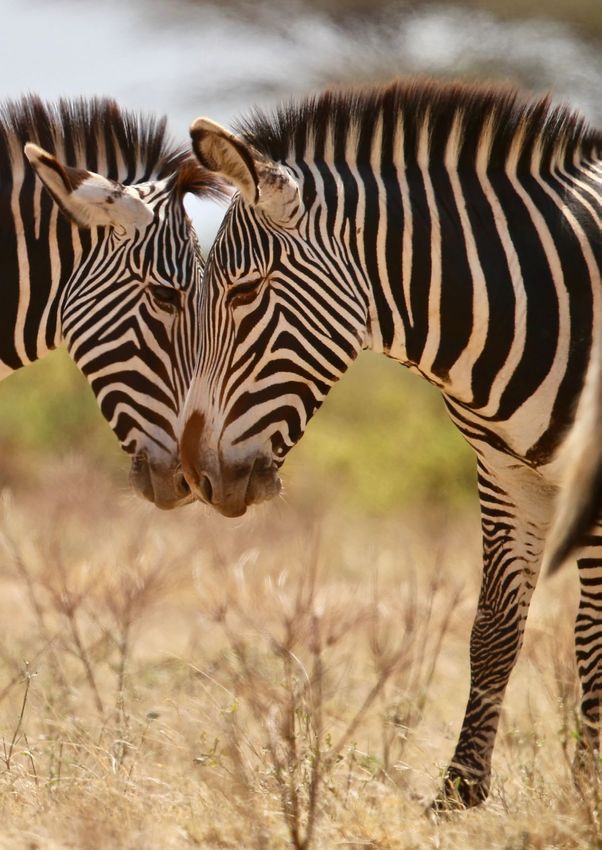
Grevy's Zebra Scout Programme
can understand, value and appreciate the natural Grevy’s Zebra Trust, Kenya
world around them and can inspire and influence Recognising that the survival of the Grevy’s zebra
others to protect wildlife and the environment too. depends on its ability to coexist with people living
Tusk partners with projects that help individuals in northern Kenya, the Grevy’s Zebra Trust (GZT)
and communities acquire the knowledge, attitudes believes these communities must be at the centre
and practical skills to respond to environmental of designing and driving conservation efforts.
problems in responsible and effective ways. The Grevy's Zebra Scout Programme was GZT's
pioneer programme and predominantly employed Women take
women who have been widowed, chosen by their complimentary,
community, to monitor and protect Grevy's zebra. and different,
The programme has been a huge success for GZT.
The peer reviewed papers they have published from
approaches
the data collected by the women have influenced in their
planned development around a critical breeding interactions
area for the Grevy's zebra. with people, the
Ngeeti Lempate, the first Scout, transitioned to environment
the Grassland Champion Program last year. She
and challenges
voluntarily began, and led other women from her
community, to clear invasive A. reficiens and plant
they face.
grass seed. Now, elders and men, although initially Often, women
hesitant, have joined their initiative. embrace
Women tend to be the primary caretakers of vulnerability and
Main image
Grevy’s zebra photographed in Northern Kenya
their children, and have a much greater influence allow trusted
on their behaviour and actions. Women truly inform
Credit: NRT voices to inform
the next generation and so they are at the heart of
Top GZT’s work.
their decisions.
Grassland champions clear invasive vegetation ahead of
planting grass seeds for land restoration
Credit: Grevy Zebra Trust
27 Tusk Talk | 2021 MagazineYou can also read


