USAID/EGYPT
COUNTRY DEVELOPMENT
COOPERATION STRATEGY 2021-2026
←
→
Page content transcription
If your browser does not render page correctly, please read the page content below
USAID/EGYPT COUNTRY DEVELOPMENT COOPERATION STRATEGY 2021-2026
Annex H: Climate Risk Management and Greenhouse Gas Analysis
            USAID/Egypt Country Development Cooperation Strategy-Level Climate Risk
                     Management and Greenhouse Gas Analysis Narrative

       1. Introduction

       1.1 Purpose

       As part of its strategic planning process in development of the new five-year Country
       Development Cooperation Strategy (CDCS), and as required by USAID Automated
       Directives System (ADS) 201 Mandatory Reference Chapter: Climate Change in USAID
       Country/Regional Strategies (ADS 201mat), 1 USAID/Egypt is conducting a Climate Risk
       Management Screening and Greenhouse Gas (GHG) Analysis to:

             a) Characterize the principal country level climate risks that may affect USAID's new
                five-year strategy as currently conceived and associated adaptation or resilience-
                building opportunities; and
             b) Identify the primary sources of GHG emissions in Egypt, the associated trends
                affecting these emissions, the potential for USAID programming to exacerbate or
                mitigate GHG emissions production, and the strategic opportunities to encourage
                increased GHG mitigation in the new 5-year strategy.

       This narrative constitutes a high-level overview of Egypt's principal climate risks and
       historical and future climate (Section 2), its primary climate impacts and vulnerabilities
       of concern by sector (Section 3), and the institutional and policy context as pertain to
       climate risk management and GHG mitigation (Section 4).

       Annexes 1 and 2 provide selected sections of the required CDCS-level CRM Screening
       (timeframe, duration, climate risks, and adaptive capacity) (Section 5.2a, as defined
       here).

       1.2 Methodology

       This narrative entailed desk-based research and review, substantively utilizing USAID's
       Egypt Climate Risk Profile and USAID's Egypt GHG Emissions Factsheet. Additional
       references and resources are characterized in Section 5.

       Annex 1 and Annex 2 were prepared in full conformity with the requirements established
       in ADS 201mat, and in a manner consistent with the best practice guidance established
       by the USAID Climate Risk Screening and Management Tool: For Use in Strategy
       Design.

       1
           https://www.usaid.gov/ads/policy/200/201mat

                                                         2
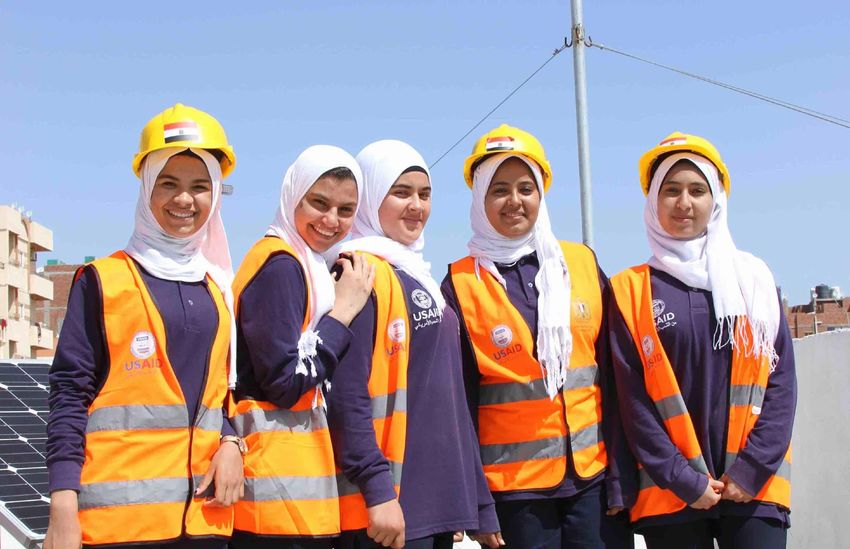
Cover photo credit: USAID/Julie Fossler
2. Climate Risk Profile
2.1 Country Overview
Water resource impacts are Egypt’s greatest climate-related concern due to the
uncertain impacts of climate change on the Nile River, which Egypt relies on for about
95 percent of its water needs and significant economic activity. This uncertainty is
increased due to Egypt’s strained relationship with Ethiopia (the source of the majority
of the Nile’s flow) over the construction of the Grand Ethiopian Renaissance Dam
(GERD). Agriculture provides around 30 percent of employment and is almost entirely
dependent on the flow of the Nile. Egypt has long been vulnerable to the impacts of
changes in climatic conditions, which have resulted in famines and political unrest
during periods of drought. The country’s extensive coastline, which stretches
approximately 620 miles along the Mediterranean and 1200 miles along the Red Sea
and Gulf of Aqaba, is vulnerable to impacts such as sea level rise, salt water intrusion,
and coastal storms, which impact the sustainability of natural resources, coastal
population centers and infrastructure, and maritime transport arteries.
2.2 Historical and Future Climate Trends
As discussed in the 2018 USAID/Egypt Climate Risk Profile, in recent years, the country
has experienced both significant decreases in annual average precipitation and
worsening flash flooding. While the projected extent of future precipitation changes
remains uncertain, conditions are generally expected to become drier in most months
by 2050, with the strongest drying occurring from June to October. Average annual
temperatures have been rising at an increasing rate over recent decades, and these
trends are expected to continue into future decades. The Nile Delta, home to most of
the Egyptian population, has an average annual temperature of 21°C. Summertime
daily maximum temperatures along the coast in Alexandria are typically around 30°C
and as high as 41°C in Aswan. Average winter daily maximum temperatures in
Alexandria and Aswan are 18°C and 23°C, respectively.
Historical trends. Between 1982 and 2013, Egypt experienced a 0.5°C per decade
increase in average annual temperature, with greater warming observed in the summer
than in the winter. This increase has extended to daily minimum temperatures
throughout the country; frequency of cool nights has decreased while frequency of
warm nights has increased since 1960. Furthermore, recent years have indicated
increased frequency and severity of flash flooding. Average annual precipitation
decreased 22 percent between 1983-2013, with the most significant monthly decreases
occurring during winter and early spring.
Future projections. Projections for future climate conditions in Egypt include
temperature increases of 2°C to 3°C by 2050, with more rapid increases in the interior
of the country. Extreme climate-related events are also projected to increase, including
increases in heavy rains, sand storms, dust storms, droughts. Heat waves are also
projected to increase in duration between 9 to 77 days by 2050. By 2085, sea level rise
3is expected to affect both coasts, with the Nile Delta projected to experience an
increase of between 3 cm and 61 cm, and the second-largest city, Alexandria, projected
to experience an increase of between 20 cm and 82 cm.
Egypt’s planned adaptation programs for climate change will focus on the most
vulnerable sectors, including water resources, agricultural security, and coastal zones. 2
For more information see the USAID/Egypt Climate Risk Profile (2018), available here:
https://www.climatelinks.org/sites/default/files/asset/document/2018_USAID-ATLAS-
Project_Climate-Risk-Profile-Egypt.pdf.
3. Sector Climate Impacts and Vulnerabilities
3.1 Climate Impacts and Vulnerabilities Summary
Sector Impacts/Vulnerabilities
Water ● Increased temperatures and changes in rainfall patterns could increase water
Resources* demand and decrease water availability for irrigation, drinking water, and energy
generation.
● Increased variability in the Nile River’s flow may increase vulnerability to both
flooding and droughts as well as the potential for conflict within Egypt and among
its neighbors over limited water resources.
Agriculture* ● Increased temperatures and changes in precipitation patterns, including potential
decreases in total annual rainfall, will likely result in an increase in water demand
for Egyptian agriculture.
● Sea level rise could cause water with elevated salinity to penetrate further into the
low-lying Nile Delta, potentially leaving some current cropland unsuitable for
production.
Health* ● Increased intensity and frequency of dust and sand storms may pose significant
respiratory health risks given their associations with numerous infectious diseases
(e.g., influenza and pneumonia) and non-infectious diseases (e.g., asthma and
pulmonary fibrosis). Additionally, increased temperatures and longer heatwaves
are expected to increase heat-related deaths, particularly among the elderly.
Increased temperatures can also negatively impact women’s access to local health
units for voluntary family planning, vaccinations, and other health services.
● Projected increases in heavy rainfall events and inland flooding may lead to long-
term health impacts through decreased food security and water quality as well as
increased water- and vector-borne diseases.
● Extreme weather could overwhelm health facilities and service providers with
increasing numbers of dehydrated, flu or COVID-19 patients, resulting in other
health services not being available.
Tourism* ● Increased temperatures and changing rainfall patterns may threaten the longevity
of Egypt’s ancient monuments and antiquities due to an increase in heat stress,
humidity, and flooding, impacting cultural tourism.
● Sea level rise and coastal storms may increase erosion and inundation of beaches
and negatively impact coastal tourism infrastructure.
2
https://www4.unfccc.int/sites/ndcstaging/PublishedDocuments/Egypt%20First/Egyptian%20INDC.pdf
4Sector Impacts/Vulnerabilities
Coastal ● Increased sea level rise, salt water intrusion, and coastal storms will likely impact
Zones* the sustainability of Egypt’s coastal biological and mineral resources, maritime
transport arteries, infrastructure, and population centers.
● Salt water combined with potential decreases in Nile River flow may result in
increased salinity of the lakes around the Nile Delta which, along with increasing
temperatures, is expected to affect breeding grounds and food chains for marine
wildlife, particularly in coastal wetlands.
Urban ● Higher temperatures as well as greater frequency and/or intensity of extreme
Sector 3 climate-related events such as droughts and floods may increase rates of
deterioration of buildings, roads, and other urban infrastructure.
● Rising sea levels and greater intensity of coastal storms may increase risks for
coastal populations, with disproportionate impacts on the urban poor.
Biodiversity 4 ● Increased ocean temperatures, ocean acidification, and/or ecosystem stratification,
along with rising sea levels, may increase the vulnerability of marine species such
as coral reefs, marine turtles and mammals, and migratory fish species.
● Sea level rise and increased temperatures may lead to: increased eutrophication
(leading to algal blooms); shifts in species range and distribution; altered phenology
and development; and shifts in community composition, competition, and survival.
Energy 5 ● Increased temperatures, increased intensity and/or frequency of heat waves as
well as decreased frequency of cool days may increase the need for cooling,
increasing energy demand and potentially stressing the power grid.
● Increased rainfall variability and increased frequency or intensity of extreme
flooding may disrupt power generation, transmission, and distribution, by, for
example, interrupting transportation lines for fuel or otherwise disturbing distribution
networks.
Gender ● Climate impacts that affect women and marginalized populations more severely
(e.g., through impacts to livelihoods and health) may exacerbate gender and age
inequalities.
● Increased frequency and/or intensity of drought, storms, and floods may create
differential and disproportionate financial impacts for women.
● Sea level rise as well as increased frequency and/or intensity of extreme climate-
related events such as droughts, floods, and sand/dust/coastal storms may
increase the need to divert government resources from reform efforts to emergency
response and recovery.
● Climate stressors such as heat waves, coastal storms, and sea level rise may
cause disproportionate impacts on vulnerable populations and inhibit efforts to
increase availability of and public access to information.
Education ● Climate stressors may result in the need for new curriculum and instructional
materials, particularly for vocational programs failing to meet their objectives due to
reduced employment opportunities in climate-sensitive sectors such as agriculture
and tourism.
● Sea level rise and climate-related extreme events such as coastal storms, droughts
and heat waves may cause prolonged school closures or internal displacement that
3
https://unfccc.int/sites/default/files/resource/TNC%20report.pdf
4
https://unfccc.int/sites/default/files/resource/TNC%20report.pdf
5
https://climateknowledgeportal.worldbank.org/country/egypt/climate-sector-energy
5Sector Impacts/Vulnerabilities
limit citizens' ability to participate in improved education systems and the extent to
which educational interventions lead to improved livelihoods.
* Key sector from 2018 USAID/Egypt Climate Risk Profile
3.2 GHG Emission Summary
Greenhouse gas (GHG) emissions in Egypt have increased 139 percent between 1990
and 2016, from 130 megatonnes of carbon dioxide equivalent (MtCO2e) in 1990 to 311
MtCO2e in 2016. This equates to per capita GHG emissions rising from 2.3t CO2e in
1990 to 3.3t CO2e in 2016. Egypt’s total GHG emissions contribute 0.6 percent of total
world emissions [WRI 2020]. The increase in total emissions resulted mainly from
growth in Egypt's energy sector as well as economic, and urban population growth.
GDP increased at a greater rate than GHG emissions during this period, indicating a
decrease in carbon intensity. Egypt's GHG profile is dominated by emissions from the
energy sector [IRENA 2018].
4. Institutional and Policy Context
Egypt has a robust environmental framework, strengthened by the 2014 Constitution,
which embeds the right to a sound healthy environment and to gain benefits from
renewable energy. This is readily being applied; on July 5, 2020, the Ministries of
Environment, Planning, and Economic Development planned to achieve 30 percent of
total national investments allocated toward environmental sustainability concepts and a
green economy [EEAA 2020]. Egypt is also a UNEP “Green Economy” Flagship
Country, however it is not immediately clear how active that UNEP program has been
[UN 2020]. Meanwhile, the national development plan, the Sustainable Development
Strategy (SDS): Egypt Vision 2030, is built on three pillars of which one is
Environmental (the others being Economic and Social).
The Egyptian Environmental Affairs Agency (EEAA) is responsible for defining
environmental policies, setting priorities, and implementing associated initiatives
[UNFCCC 2016]. Additionally, in 2007 Egypt established the National Committee on
Climate Change, which included representatives from Ministries of Foreign Affairs,
Water Resources and Irrigation, Agricultural and Land Reclamation, Electricity and
Energy, Petroleum, Trade and Industry, Economic Development, and Defense; this
committee is charged with developing both adaptation and mitigation strategies, and
execution of the National Strategy for Climate Change. [UNFCCC 2016] In January
2019, working with UNDP, Egypt initiated preparation of its Fourth National
Communication for the UNFCCC, which is set to conclude in 2022.
Egypt’s SDS Vision 2030 set ambitious objectives to increase the share of renewable
energy and energy efficiency. In 2015, Egypt prepared and submitted its Intended
Nationally Determined Contribution, which seeks to support GHG mitigation policies and
actions, and develop low-carbon energy solutions through technology transfer, financing
6for low-carbon alternatives, and increased energy efficiency and renewable energy.
This is aligned with the Integrated Sustainable Energy Strategy (ISES) 2035, likewise
established in 2015, which set a target of achieving 22 percent renewable energy (out of
total capacity) by 2022, and 42 percent by 2035. The Germanwatch’s Climate Change
Performance Index (CCPI) notes that Egypt jumped from a ranking of 24 in 2019 to 19
in 2020 (of 56 high-emitting countries and the EU), indicating growing progress toward
reaching its Nationally Determined Contribution (NDC) and 2030 targets. Egypt further
received a high ranking for its current levels of GHG emissions and energy use per
capita. However, the country received a low ranking for its climate policy evaluation and
very low rankings for both its renewable energy use and its current trend of energy use
per capita [CCPI 2020].
Additional information on Egypt's relevant energy policies can be found here:
https://www.iea.org/countries/egypt
Additional information on other environmental and sustainability focused policies can be
accessed here: http://www.fao.org/faolex/country-profiles/general-profile/en/?iso3=EGY
5. References
http://www.eeaa.gov.eg/en-us/mediacenter/newscenter.aspx?articleID=6337
https://www.iea.org/countries/egypt
https://www.unenvironment.org/explore-topics/green-economy/what-we-do/advisory-
services/africa-green-economy-project/egypt
https://www.climatelinks.org/sites/default/files/asset/document/2011_IUCN_Climate-
Change-Gender-Action-Plan-Egypt.pdf
https://www4.unfccc.int/sites/ndcstaging/PublishedDocuments/Egypt%20First/Egyptian
%20INDC.pdf
https://climateknowledgeportal.worldbank.org/country/egypt/climate-sector-energy
http://www.eeaa.gov.eg/portals/0/eeaaReports/CCRMP/6.%20Potential%20Impact%20
of%20Climate%20Change%20on%20the%20Egyptian%20Economy/Potential%20Impa
ct%20of%20CC%20on%20the%20Egyptian%20Economy%20English.pdf
https://unfccc.int/sites/default/files/resource/TNC%20report.pdf
7Climate Risk Annex 1: Climate Risk Screening and Management
Strategy CRM Tool Output Matrix, Part 1: Climate Risk
* = A required element, according to the Mandatory Reference
4: Climate
Risk
8:
1.1: Defined or Rating of 6.2: How Climate Risks
1.2: Time 1.3: 6.1: Climate Risk 7: Next Steps for Project Accepted
Anticipated 2: Climate Risks* 3: Adaptive Capacity* DO or IR* 5: Opportunities Are Addressed in the
Frame* Geography Management Options and/or Activity Design* Climate
DOs/IRs* [High, Strategy*
Risks*
Moderate,
or Low]
DO1: Effectiveness of Reforms of Key GOE Entities Strengthened
For capacity building activities, both venues and • Raise awareness and
access routes may be impacted by sea level knowledge on climate change
rise as well as increased incidence and/or risks and encourage adoption of
Low policies that support increased Yes
severity of climate-related extreme events (e.g.,
heat waves, severe sand/dust/coastal storms adaptive capacity and promote
and flooding). smart technologies.
• Incorporate climate change
Climatic changes, including increased
risks and climate-related
temperatures, rainfall variability, and more
information into trainings and
frequent and/or intense sand/dust/rain storms
other capacity building
may lead to increased direct and indirect health • When planning training
Low programs to increase and Yes
impacts (e.g., increased range of vector-borne and similar activities,
According to Egypt's 3rd National strengthen capacity of
diseases, decreased air quality, heat stress) or consider seasonal
Communication to the UNFCCC, government entities in their
otherwise impact the health of participants in forecasts and rainy
Egypt's development process is strategic planning.
capacity building activities. seasons when choosing
challenged by the lack of well- • Encourage Government
Climate stressors (e.g., sea level rise (incl. dates, and use
coordinated and transparent policies that support increased
storm surge), increased temperatures, and contingency planning
decision-making that is based on adaptive capacity as an aspect
increased intensity, duration, and/or frequency and consider virtual
solid information and data, of economic growth, such as tax
of extreme climate-related events such as heat training as options.
integrated sectoral analysis, and incentive for relocation or
waves, droughts, and storms, including coastal • Design team to
research-based policy advice protection of factories or • Encourage • Integrate climate risk
storms): consider including
and recommendation. Low businesses, can support collaboration and considerations into Yes
a) may cause premature deterioration of ICT appropriate climate
IR 1.1: economic growth while coordination among policy support,
infrastructure or otherwise inhibit the The GOE and USAID partners change topics including
Effectiveness 0-10 increasing resilience. government entities to enforcement measures,
Nationwide effectiveness of government reforms. have demonstrated high capacity risks and adaptation
of Key Entities Years • Encourage development of develop and adopt capacity development
b) may threaten the government's ability to to be resilient and respond to strategies in the training
Increased (or strengthen existing) early policies to increase and technical
engage in reform activities or otherwise inhibit anticipated climate risks material.
warning systems to provide adaptive capacity and assistance activities
civil society engagement in reform. including extreme climate and • Conduct activity-level
information to sensitive sectors resilience. where applicable.
weather events. These events climate risk screening to
Sea level rise as well as increased intensity of (e.g., agriculture).
include power outages, flooding, identify relevant
extreme climate-related events such as • Capacity building to increase
and extreme heat which have adaptation and mitigation
droughts and severe storms may increase the resilience and to ensure
been and continue to be measures.
need to divert government resources from Low effectiveness and sustainability Yes
common occurrences in Egypt • Include relevant
reform efforts to emergency response and of development projects by
resulting in generational language in solicitations,
recovery or otherwise create financial barriers providing training and
resilience and significant or other guiding
to socio-economic development. encouraging government
government and civil society documents, to ensure
entities to factor in and consider
Climate stressors such as heat waves, coastal adaptive capacity. climate risk screening is
climate risks and projected
storms, and sea level rise may cause conducted.
climate data and information in
disproportionate impacts on vulnerable Low Yes
the planning and design of
populations and inhibit efforts to increase
infrastructure, economic growth,
availability of and public access to information.
and agricultural projects.
Increased temperatures as well as increased • New challenges caused by
intensity of extreme climate-related events such climate change may provide
as droughts, floods, and sand/dust/coastal opportunities to establish new
Low Yes
storms may impact efforts to enable inclusive coalitions or partnerships with
socio-economic development through negative CSOs or the private sector to
impacts to livelihoods and food security. enhance resilience.
84: Climate
Risk
8:
1.1: Defined or Rating of 6.2: How Climate Risks
1.2: Time 1.3: 6.1: Climate Risk 7: Next Steps for Project Accepted
Anticipated 2: Climate Risks* 3: Adaptive Capacity* DO or IR* 5: Opportunities Are Addressed in the
Frame* Geography Management Options and/or Activity Design* Climate
DOs/IRs* [High, Strategy*
Risks*
Moderate,
or Low]
• Advocate for public
For capacity building activities, both venues and participation in sub-national
access routes may be impacted by sea level service delivery decisions.
rise and the increased incidence and/or severity • Promote stakeholder
Low engagement in addressing Yes
of climate-related extreme events (e.g., heat
waves, severe sand/dust/coastal storms and climate risks issues as a means
flooding). of strengthening governance
and accountability.
• Raise awareness and
knowledge on climate change
Climatic changes, including increased risks and encourage adoption of
temperatures, rainfall variability, and more policies that support increased
frequent and/or intense sand/dust/rain storms adaptive capacity and promote
may lead to increased direct and indirect health smart. technologies.
Low • When planning Yes
impacts (e.g., increased range of vector-borne • Incorporate climate change
diseases, decreased air quality, heat stress) or trainings and similar
According to Egypt's 3rd National risks and climate-related
otherwise impact the health of participants in activities, consider
Communication to the UNFCCC, information into trainings and
capacity building activities. seasonal forecasts and
Egypt's development process is other capacity building
rainy seasons when
challenged by the lack of well- programs to increase and
choosing dates, and use
coordinated and transparent strengthen capacity of
contingency planning
Climate stressors (e.g., sea level rise (incl. decision-making that is based on government entities in their
and consider virtual
storm surge), increased temperatures, and solid information and data, strategic planning.
trainings as options.
increased intensity, duration, and/or frequency integrated sectoral analysis, and • Encourage Government • Increase awareness
• Design team to
of extreme climate-related events such as heat research-based policy advice policies that support increased among government • Integrate climate risk
consider including
waves, droughts, and storms, including coastal and recommendation. adaptive capacity as an aspect entities about considerations into
appropriate climate
IR 1.2: storms): of economic growth, such as tax implications of climate policy support,
The GOE and USAID partners Low change topics including Yes
Accountability 0-10 a) may cause premature deterioration of ICT incentive for relocation or change and the need to enforcement measures,
Nationwide have demonstrated high capacity risks and adaptation
of Key Entities Years infrastructure or otherwise inhibit the protection of factories or develop policies and capacity development
to be resilient and respond to strategies in the training
Improved effectiveness of government reforms. businesses, can support strategies to reduce risks and technical
anticipated climate risks material.
b) may threaten the government's ability to economic growth while and to provide assistance activities,
including extreme climate and • Conduct activity-level
engage in reform activities or otherwise inhibit increasing resilience. sustainable services and where applicable.
weather events. These events climate risk screening to
civil society engagement in reform. • Encourage development of be effective.
include power outages, flooding, identify relevant
(or strengthen existing) early
and extreme heat, which have adaptation and mitigation
warning systems to provide
been and continue to be measures.
information to sensitive sectors
common occurrences in Egypt • Include relevant
Sea level rise as well as increased intensity of (e.g., agriculture).
which resulting in generational language in solicitations,
extreme climate-related events such as • Capacity building to increase
resilience and significant or other guiding
droughts, floods, and sand/dust/coastal storms resilience and to ensure
government and civil society documents, to ensure
may increase the need to divert government effectiveness and sustainability
adaptive capacity. climate risk screening is
resources from reform efforts to emergency Low of development projects by Yes
conducted.
response and recovery or otherwise create providing training and
financial barriers to efforts aimed at improving encouraging government
socio-economic development and accountability entities to factor in and consider
of key entities. climate risks and projected
climate data and information in
the planning and design of
infrastructure and agricultural
Increased temperatures as well as increased projects.
intensity of extreme climate-related events such • New challenges caused by
as droughts, floods, and sand/dust/coastal climate change may provide
Low Yes
storms may impact efforts to enable inclusive opportunities to establish new
socio-economic development through negative coalitions or partnerships with
impacts to livelihoods and food security. CSOs or the private sector to
enhance resilience.
94: Climate
Risk
8:
1.1: Defined or Rating of 6.2: How Climate Risks
1.2: Time 1.3: 6.1: Climate Risk 7: Next Steps for Project Accepted
Anticipated 2: Climate Risks* 3: Adaptive Capacity* DO or IR* 5: Opportunities Are Addressed in the
Frame* Geography Management Options and/or Activity Design* Climate
DOs/IRs* [High, Strategy*
Risks*
Moderate,
or Low]
DO2: Enabling Conditions Promoting Social Equity Improved
For educational activities, both venues and Overall, the Egyptian population
access routes may be impacted by increased is experienced with dealing with
incidence and/or severity of climate-related conditions continued high heat Low Yes
extreme events (e.g., extreme heat waves, sea and water scarcity, so most
level rise, severe sand/dust/coastal storms, communities are well adapted to
heavy rain, flash floods). these climate stresses.
Climatic changes, including increased The Ministry of Education and
temperatures, rainfall variability, and more Technical Education (MoETE)
frequent and/or intense sand/dust/rain storms has proven both commitment
may lead to increased direct and indirect health and capacity to adapt and pivot Low Yes
impacts (e.g., increased range of vector-borne to distance learning during • Prioritize climate-
diseases, decreased air quality, heat stress) or COVID-19, which paves the way related themes in
otherwise impact the health of participants in for leveraging the same solutions Science and Technology
educational activities. to respond to disruptions to Joint Fund research
education due to flash floods or • Support technology and projects.
Climate stressors may result in new curriculum extreme heat waves. Plan to
and instructional materials, particularly for distance learning modalities (e- •Encourage incorporation • Integrate technology
focus on 10 model technical learning, etc.) to ensure of research and study into education activities
vocational programs, failing to meet their secondary schools (including Low continuation of education during related to climate risks, to support continuity of Yes
objectives due to reduced employment incorporating green design and school closure periods related adaptation, and climate education in case of a
opportunities in climate-sensitive sectors such green lifestyle promotion in • Integrate climate risk
as agriculture and tourism. to flash floods or extreme change mitigation climate-related
IR 2.1: Quality curriculum). considerations into
0-10 weather conditions. •Encourage development disruption.
of Education Nationwide education programs and
Years Climate stressors (e.g., sea level rise, increased According to Egypt's 3rd National • Support curriculum, research, of distance learning • Conduct activity-level
Improved activities, where
temperatures, and increased intensity, duration, Communication to the UNFCCC, and science projects related to modalities (e-learning, climate risk screening to
applicable.
and/or frequency of extreme climate-related Egypt's new education system climate change etc) to ensure identify relevant
events such as heat waves, droughts, and and modern information adaptation/mitigation continuation of learning adaptation and mitigation
Low • Support infrastructure during extreme weather measures. Yes
storms, including coastal storms) may cause technology strongly support the
interruption of ICT services, premature promotion of climate change improvements to make schools conditions. • Include relevant
deterioration of ICT infrastructure, or otherwise education. USAID supported to “climate safe”. language in solicitations,
inhibit ICT adoption in education. establishment of STEM schools or other guiding
in Egypt, which have now documents, to ensure
Flooding or high temperatures may result in climate risk screening is
expanded to 19 schools across
school closures and impact the continuity of Low conducted. Yes
the country. STEM students are
education.
required to address Egypt’s
Climate impacts that affect women and grand challenges in their
marginalized populations more severely (e.g., practical projects (Capstone
through impacts to livelihoods and health) may Projects), and one of the
exacerbate gender and age inequalities. challenges is climate change.
Internal climate change-driven displacement Through this learning Low Yes
due to flooding or erosion of agricultural lands opportunity, students are given
may result in overcrowding of schools. the opportunity to develop
Additionally, climate driven out-migration may innovative, country-specific, and
result in "brain drain" of educators from Egypt. applicable solutions to major
challenges like climate change.
104: Climate
Risk
8:
1.1: Defined or Rating of 6.2: How Climate Risks
1.2: Time 1.3: 6.1: Climate Risk 7: Next Steps for Project Accepted
Anticipated 2: Climate Risks* 3: Adaptive Capacity* DO or IR* 5: Opportunities Are Addressed in the
Frame* Geography Management Options and/or Activity Design* Climate
DOs/IRs* [High, Strategy*
Risks*
Moderate,
or Low]
For health-related interventions, both venues
and access routes may be impacted by The Egyptian Ministry of Health
increased incidence and/or severity of climate and Population (MoHP) conducts
systematic observations on Low Yes
related extreme events (e.g., heat waves, sea
level rise, and severe sand/dust/coastal storms significant health population
indicators and regularly monitors • Improve strategic planning for
and flooding). Infectious Viral Disease • When planning
infectious diseases. • Raise awareness for
Climatic changes, including increased interventions to account for trainings and similar
temperatures, rainfall variability, and more Egyptians to adopt
The Central Agency for Public climate change risks. activities, consider
frequent and/or intense sand/dust/rain storms healthy behaviors to
Mobilization and Statistics • Monitor relevant climate and changing seasonal
may lead to increased direct and indirect health mitigate against
(CAPMAS) is conducting a health parameters important in weather forecasts and
impacts (e.g., increased range of vector-borne • Continued capacity additional strain on the
nationwide survey titled "Egypt assessing integrated health risk rainy season durations
diseases, decreased air quality, heat stress), Low building of Egyptian Egyptian Health System Yes
Family and Health Survey" that to ensure early warning of when choosing dates,
increase the demand for health services, Health System to due to climate-related
will provide data on health and changing conditions. (e.g., and use contingency
change the nature of health support required, improve monitoring of impacts (e.g., proper
demography in Egypt including Increase in viral infection rates planning and consider
affect the geographic distribution of illness, or both health and climate hygiene will prevent
IR 2.2: Nationwide incidence of infectious diseases. due to climate related impacts virtual trainings as
otherwise impact the health of participants in conditions to ensure bacterial disease in
Targeted with main such as reduced water supply) options when feasible.
0-10 health-related interventions. Egypt’s capacity to control early warning of water stressed
Health focus on • Raise awareness for • Design team to
Years emerging and infectious changing conditions conditions).
Outcomes Upper and Increased temperatures as well as increased Egyptians to adopt healthy consider including
frequency and/or severity of extreme climate- diseases has been built through • Continued emphasis on • Encourage medical
Improved Lower Egypt behaviors to mitigate against appropriate educational
related events such as heatwaves, storms, and its experience in addressing virtual training for USAID training that improve
Low additional strain on the Egyptian and awareness material Yes
flash floods may lead to direct health impacts priorities for surveillance, Health activities when awareness and
Health System due to climate in the training and
such as heat stress and injury, placing biomedical research, prevention appropriate and feasible, treatment of climate-
related impacts (eg. Proper workshops sessions for
increased strain on the health care system. and control, and public health. even after the COVID-19 related health issues
hygiene will prevent bacterial health services providers
pandemic subsides (e.g., heat stroke).
The impacts of climate change are expected to COVID-19 and other major disease in water stressed to improve their strategic
• Integrate climate risk
worsen the health impacts of vector-borne infectious disease outbreaks conditions) planning and maintain
considerations into
illnesses, diarrheal diseases, and malnutrition, place significant burden on the • Encourage medical training sufficient adaptive
Low health programs and Yes
potentially reducing the extent to which efforts entire Egyptian health system that improve awareness and capacity to account for
activities.
to improve health outcomes are able to meet which could result in some treatment of climate-related climate change.
their objectives. reduced adaptive capacity to health issues (e.g., heat stroke).
Climate impacts that affect women and address climate change related
marginalized populations more severely (e.g., illness but this expected to be of
Low Yes
through impacts to livelihoods and health) may minimal significance in the IR
exacerbate gender and age inequalities. timeframe.
114: Climate
Risk
8:
1.1: Defined or Rating of 6.2: How Climate Risks
1.2: Time 1.3: 6.1: Climate Risk 7: Next Steps for Project Accepted
Anticipated 2: Climate Risks* 3: Adaptive Capacity* DO or IR* 5: Opportunities Are Addressed in the
Frame* Geography Management Options and/or Activity Design* Climate
DOs/IRs* [High, Strategy*
Risks*
Moderate,
or Low]
Sea level rise (incl. storm surge), increased
temperatures, and increased incidence and/or • Improve coordination of
severity of climate-related extreme events (e.g., policies and programs
drought, flooding, sand/dust/coastal storms) Moderate across government Yes
could negatively affect the structural integrity agencies to address the
and/or longevity of water- and sanitation-related additional pressures
•USAID/Egypt will
buildings, structures, and infrastructure. imposed by climate
continue to support the
For water- and sanitation-related interventions, change.
construction and
locations as well as access routes may be • Integrate climate
expansion of water and
impacted by sea level rise as well as the Egypt is among the most water- information into WASH
Low wastewater treatment Yes
increased incidence and/or severity of climate stressed countries in the world, system planning. Identify
and reuse facilities and
related extreme events (e.g., heat waves, and the vulnerability of its water and prioritize
explore alternative
severe sand/dust/coastal storms and flooding). resources to climate change technologies for water-
water sources and
Climatic changes, including increased include its impacts on the Nile • Making water and sanitation related adaptation.
viable options and
temperatures, rainfall variability, and more River's flow, rainfall, and systems more resilient to future • Improve public •For
technologies to help
frequent and/or intense sand/dust/rain storms groundwater. Egyptian climate variability and change education and outreach construction/rehabilitatio
with the increased water
may lead to increased direct and indirect health government and civil society may also yield immediate efforts related to n activities, design team
Low demand in Egypt. Yes
impacts (e.g., increased range of vector-borne have already developed results by addressing watershed protection, must ensure that climate
•USAID/Egypt continues
diseases, decreased air quality, heat stress) or significant resilience to extreme insufficient water and sanitation water demand, and other data and information,
to work with the
otherwise impact the health of participants in climate and weather events such infrastructure and an factors relevant to water- including projected
Egyptian Holding
water- and sanitation-related interventions. as heatwaves and drought from inadequate supply of clean related climate impacts information are
Support to Company for Water and
Climate stressors (e.g., sea level rise, increased generational exposure to these water and access to sustainable and adaptation. considered in water
individual Wastewater to program
temperatures, and increased intensity, duration, occurrences. sanitation. Raise awareness on • Identify and prioritize and/or sanitation
governorate and scale-up activities
and/or frequency of extreme climate-related the importance of sitting choices technologies for water- activities.
s: Luxor, The number and distribution of to control water losses
events such as heat waves, droughts, and for water facilities and codes related adaptation. • A detailed Climate Risk
Qena, rain gauges in the Nile Basin Low and maximize the Yes
storms, including coastal storms) may cause that take into account current Improve design and screening must be
Sohag, countries is not sufficient to efficiency of water
premature deterioration of infrastructure or and projected climate risks. construction of water conducted at the activity
IR 2.3: Assuit, accurately analyze and predict reuse.
otherwise inhibit adoption in water and • New coalitions and supply and sanitation level during the design
Sustainable Minya future changes in the Nile's flow •Engage the private
sanitation services. partnerships may provide cost- infrastructure to account phase, through Initial
Water and 0-30 based on precipitation data. sector where possible to
effective opportunities to for the potential for Environmental
Sanitation Years Support to Increased intensity, duration, and/or frequency improve financial
The GOE has an adaptation address reduced water supplies climate-related risks. Examinations, for
Services Egyptian of extreme climate-related events such as viability and increase
strategy to reduce the impact of and other climate-related • Strengthen disaster example.
Improved Holding droughts, heat waves, and floods may disrupt Moderate investment in the water Yes
climate change on water challenges to water services. planning and response • To further address
Company for water service provision and increase sector.
resources, targeting • Water rationalization efforts for water and wastewater water scarcity, activities
Water and maintenance or repair costs. •Integrate resilient
improvements in the flexibility of will reduce water loss and infrastructure and water should target improving
Wastewater: Changes in rainfall patterns and increased equipment and, where
the flood control system and enhance water security. services. wastewater quality prior
Nationwide intensity and/or frequency of droughts may possible, adapt design
adapting to changing Nile flows. • New construction or • Examine rural needs, to its return to the Nile
technical reduce ground and surface water levels, guidelines to account
Over the last several decades, rehabilitation should incorporate as ensuring quality, and Waterways to
assistance impacting service provision and exacerbating Moderate for potential climate Yes
USAID/Egypt has partnered with the best available climate data sustainable services for increase water reuse.
water resource management concerns. risks.
the GOE to develop Egypt’s to forecast for future risks and these households will • Incorporating water
Additionally, upstream climatic changes in •USAID/Egypt will
potable water management demand. improve social equity, rationalization into
Ethiopia may alter Nile flow in Egypt. continue to support
infrastructure and the human • Improving wastewater quality address water scarcity, technical assistance will
Sea level rise, storm surges, and/or reduced water sector efficient
capacity to facilitate its sustained prior to its return to the Nile and and reach additional help ensure minimize
rainfall may accelerate salinization of coastal Low management, Yes
use. This includes water Waterways will increase water individuals who will be water loss to address
aquifers and reduce water quality. governance, and
treatment plants located reuse and effectively increase affected by climate projected water scarcity.
Increased intensity and/or frequency of climate- efficiency, enhance its
throughout Egypt and significant Egypt's supply of clean water. change.
related extreme events (e.g., drought, floods, financial sustainability
investments in sanitation facilities • Foster integrated
storms, heat waves) may damage or cause Low and asset management Yes
have also been made, so that resource management
premature deterioration of water capability.
water resources can be reused in with agriculture, which
supply/sanitation infrastructure. (esp. Aswan) •USAID will work to
certain types of agriculture. currently uses 70% of
Changing precipitation patterns, increased increase the adoption of
Egypt's available water.
temperatures, and increased intensity and/or water conservation best
• Use climate data to
frequency of extreme climate-related events practices in residential
Low improve forecasting, and Yes
(e.g., droughts, floods, storms, heat waves) and agricultural sectors.
design new infrastructure
may increase the demand for water while or rehabilitate existing
reducing supply. infrastructure using
Construction workers may face increased risk of informed climate
heat exhaustion or impacts of climate-related Low planning. Yes
extreme events (e.g., flooding, storms, drought).
124: Climate
Risk
8:
1.1: Defined or Rating of 6.2: How Climate Risks
1.2: Time 1.3: 6.1: Climate Risk 7: Next Steps for Project Accepted
Anticipated 2: Climate Risks* 3: Adaptive Capacity* DO or IR* 5: Opportunities Are Addressed in the
Frame* Geography Management Options and/or Activity Design* Climate
DOs/IRs* [High, Strategy*
Risks*
Moderate,
or Low]
For interventions focused on women's social • When planning
empowerment, both venues and access routes trainings and similar
may be impacted increased incidence and/or activities, consider
Low seasonal forecasts and Yes
severity of climate related extreme events (e.g.,
heat waves, severe sand/dust/coastal storms rainy seasons when
and flooding). choosing dates, and use
• USAID/Egypt will work contingency planning
Climatic changes, including increased with the GOE and other and consider virtual
temperatures, rainfall variability, and more relevant stakeholders to trainings as options.
frequent and/or intense sand/dust/rain storms support investments • Design team to
may lead to increased direct and indirect health The GOE and USAID partners and policies in target consider including
impacts (e.g., increased range of vector-borne have a high capacity to be Low sectors and incorporate appropriate climate Yes
diseases, decreased air quality, heat stress) or resilient and respond to mitigation and change educational
• Increase awareness of
otherwise impact the health of participants in anticipated in climate risks • Provide training and adaptation measures for material in the training
various stakeholders
interventions focused on women's social including extreme climate and educational sessions to women climate-related risks in and workshops sessions
IR 2.4: about climate risks and
empowerment. weather events. These events on climate risks and support new designs. to raise awareness of
Women's increase understanding
0-10 include power outages, flooding, participation and inclusion of • Increase awareness of government officials and
Social Nationwide of how these implications
Years Climate stressors (e.g. increased temperatures, and extreme heat, which have women in climate change various stakeholders other stakeholders on the
Empowerment may have a
and increased intensity, duration, and/or been and continue to be adaptation planning processes about climate risks for need to incorporate
Increased disproportionate effect on
frequency of extreme climate-related events common occurrences in Egypt at the local, regional, and women’s empowerment climate risks, mitigation,
marginalized
such as heat waves, droughts, and storms, resulting in generational national level. and create opportunities and adaptation in
Low populations. Yes
including coastal storms) may cause premature resilience and significant for the vulnerable education curricula and
deterioration of ICT infrastructure or otherwise government and civil society groups to cope with the delivery modalities.
inhibit ICT adoption in interventions designed to adaptive capacity. change in work • Conduct activity-level
enhance women's social empowerment. conditions due to climate risk screening to
climate changes and identify relevant
Increased frequency and/or intensity of drought, participate in planned adaptation and mitigation
storms, and floods may create differential and Low activities. measures. Yes
disproportionate financial impacts for women. • Include relevant
language in solicitations,
Climate impacts that affect women and or other guiding
marginalized populations more severely (e.g., documents, to ensure
Low Yes
through impacts to livelihoods and health) may climate risk screening is
exacerbate gender and age inequalities. conducted.
134: Climate
Risk
8:
1.1: Defined or Rating of 6.2: How Climate Risks
1.2: Time 1.3: 6.1: Climate Risk 7: Next Steps for Project Accepted
Anticipated 2: Climate Risks* 3: Adaptive Capacity* DO or IR* 5: Opportunities Are Addressed in the
Frame* Geography Management Options and/or Activity Design* Climate
DOs/IRs* [High, Strategy*
Risks*
Moderate,
or Low]
DO3: Inclusive Economic Development Accelerated
For capacity building activities, both venues and Climate change is expected to
access routes may be impacted by increased significantly reduce productivity
incidence and/or severity of climate related of Egypt's staple crops in the Low Yes
extreme events (e.g., heat waves, sea level rise long term, there is high
(incl. storm swells), and severe vulnerability of on-farm irrigation
sand/dust/coastal storms and flooding). systems attributed to low efficacy
and irrigation management
patterns. Knowledge on how to • Increase training and
Climatic changes, including increased investment in more sustainable
temperatures, rainfall variability, and more deploy alternative irrigation
management agricultural practices.
frequent and/or intense sand/dust/rain storms • Train farmers to optimize
may lead to increased direct and indirect health approaches/technologies is
limited, though efforts are Low irrigation through enhanced Yes
impacts (e.g., increased range of vector-borne storage and access to irrigation
diseases, decreased air quality, heat stress) or ongoing.
water; more efficient water • Analysis and design at
otherwise impact the health of participants in • When planning • When planning
Significant impacts on Egypt's delivery systems; improved the activity level will
capacity building activities. trainings and similar trainings and similar
nature-based tourism is possible irrigation technologies such as include consideration of
activities, consider activities, consider
(reefs and marine ecosystems) deficit irrigation; more effective climate change and its
seasonal forecasts and seasonal forecasts and
Climate stressors (e.g., increased and the loss of beaches in the water harvesting; and agronomy potential impacts on
rainy seasons when rainy seasons when
temperatures, and increased intensity, duration, future due to sea level rise in the that increases soil water location siting,
choosing dates, and use choosing dates, and use
and/or frequency of extreme climate-related long term. Coastal development retention through practices, functionality, and
contingency planning contingency planning
events such as heat waves, droughts, and is increasing, and such as minimum tillage and sustainability of
and consider virtual and consider virtual
storms, including coastal storms) may cause design/construction does not Low canopy management. infrastructure. Selection Yes
trainings as options. • trainings as options.
premature deterioration of ICT infrastructure or always account for climate risks • Encourage development of of design standards and
IR 3.1: Design team to consider • Design team to
otherwise inhibit ICT adoption in interventions suggesting either limited early warning system and guidelines will be
Business including appropriate consider including
0-10 designed to improve the business enabling knowledge -- or limited provide timely weather appropriate for long-
Enabling Nationwide climate change appropriate climate
Years environment. (e.g., Aswan). application of knowledge -- information to farmers. term conditions in Egypt
Environment educational and change educational and
related to climate resilient • Promote management taking into consideration
Improved awareness material in awareness material in
design, planning, and approaches and policies that climate info and other
Increased temperatures along with increased the training and the training and
construction. Generally, there is maximize resilience. data.
frequency and/or intensity of heat waves, workshops sessions. • workshops sessions.
low capacity to collect and use • Encourage adoption of • Training and capacity
storms, and floods may contribute to power Low For any • For any Yes
information related to climate innovations in food processing, building on adaptation
outages, decreased worker productivity, and construction/rehabilitatio construction/rehabilitatio
risks in this and other sectors of packaging, transport, and and response planning
reduced output. (esp. Agriculture). n activity, a detailed n activity, a detailed
the Egyptian economy due to storage. for disruptions in
climate risk screening climate risk screening
lack of budget and capacity. • Promote new public-private agriculture can be used
must be conducted at the must be conducted at the
Efforts to improve the business enabling partnerships that will strengthen to build technical skills
There is close coordination activity level during the activity level during the
environment may fail to meet their objectives products value chains. in applying and
between the Egyptian Ministry of design phase design phase
due to reduced employment opportunities in Low • Provide training on climate accessing climate data. Yes
Agriculture and Ministry of change risks and adaptation
climate-sensitive sectors such as agriculture Environment to address
and tourism. strategies.
projected climate risks in the long * Adopting fiscal policy reforms
term. Several ministries have to encourage sustainable
Migration (particularly youth migration) due to dedicated teams and institutes consumption patterns of water
climate-related extreme events (e.g., droughts, engaged to address climate and natural resources.
risks. This includes PhD- and Low Yes
flooding, and coastal storms) may affect the
availability of labor in certain sectors. MSc-level study and analysis,
and contingency planning.
Sea level rise (incl. storm swell) and climate- Virtual/remote training is already
related extreme events such as droughts, in place for USAID activities and Low Yes
flooding, and coastal storms may reduce can be easily expanded if
productivity and performance of key sectors. necessary.
144: Climate
Risk
8:
1.1: Defined or Rating of 6.2: How Climate Risks
1.2: Time 1.3: 6.1: Climate Risk 7: Next Steps for Project Accepted
Anticipated 2: Climate Risks* 3: Adaptive Capacity* DO or IR* 5: Opportunities Are Addressed in the
Frame* Geography Management Options and/or Activity Design* Climate
DOs/IRs* [High, Strategy*
Risks*
Moderate,
or Low]
For capacity building activities both venues and
access routes may be impacted by sea level
rise and increased incidence and/or severity of
Low Yes
climate related extreme events (e.g., heat
waves, flooding, and severe sand/dust/coastal
storms).
Climatic changes, including increased
temperatures, rainfall variability, and more
frequent and/or intense sand/dust/rain storms • Incentives provided by
may lead to increased direct and indirect health financial institutions and • Analysis and design • When planning
Low Yes
impacts (e.g., increased range of vector-borne governments can encourage will include trainings and similar
diseases, decreased air quality, heat stress) or Agriculture makes up a the private sector to develop consideration of climate activities, consider
otherwise impact the health of participants in significant portion of Egypt's and deploy technologies in change and its potential seasonal forecasts and
capacity building activities. economy. Over the long term, renewable energy and energy impacts on location rainy seasons when
Climate stressors (e.g., sea level rise, increased there is a risk that climate efficiency; waste, water and siting, functionality, and choosing dates, and use
temperatures, and increased intensity, duration, change could significantly reduce sanitation; and transport. sustainability of contingency planning
and/or frequency of extreme climate-related productivity of Egypt's staple • Encourage investment in cost infrastructure. Selection and consider virtual
events such as heat waves, droughts, and crops, inundate and salinize its effective “smart” technologies, of design standards and trainings as options.
IR 3.2: Private
storms, including coastal storms) may cause most fertile arable lands, and Low such as meters, light sensors, guidelines will be • Design team to Yes
Sector • Continued focus on
premature deterioration of ICT infrastructure or increase crop-water and motion detectors that appropriate for long- consider including
Competitivenes 0-10 increasing adaptive
Nationwide otherwise inhibit ICT adoption in interventions requirements and there is high reduce energy and greenhouse term conditions in Egypt appropriate climate
s in Value Years capacity through training
designed to enhance private sector vulnerability of on-farm irrigation gas emissions in residential, taking into consideration change educational and
Chains and capacity building
competitiveness in value chains. systems attributed to low efficacy commercial, and industrial climate info and other awareness material in
Enhanced
Increased temperatures along with increased and irrigation management facilities. data. the training and
frequency and/or intensity of heat waves, patterns. Knowledge on how to • Government policies that • Training and capacity workshops sessions.
storms, and floods may contribute to power deploy alternative irrigation Low support increased adaptive building on adaptation • For any Yes
outages, decreased worker productivity, and management approaches and/or capacity as an aspect of and response planning construction/rehabilitatio
reduced output in key value chains. technologies is limited, though economic growth, such as tax for disruptions in n activity, a detailed
Efforts to enhance private sector efforts are ongoing -- including incentive for relocation or agriculture can be used climate risk screening
competitiveness in value chains may fail to through USAID support protection of factories or to build technical skills must be conducted at the
meet their objectives due to reduced Moderate businesses, can support in applying and activity level during the Yes
employment opportunities in climate-sensitive economic growth while accessing climate data. design phase
sectors such as agriculture and tourism. increasing resilience.
Migration (particularly youth migration) due to
climate-related extreme events (e.g., droughts
Low Yes
coastal storms, and flooding) may affect the
availability of labor in certain sectors.
Sea level rise as well as climate-related
extreme events such as droughts, coastal
Low Yes
storms, and flooding may disrupt value chains
of key sectors.
15You can also read


