User manual - Standing aids - Ato Form
←
→
Page content transcription
If your browser does not render page correctly, please read the page content below
User manual

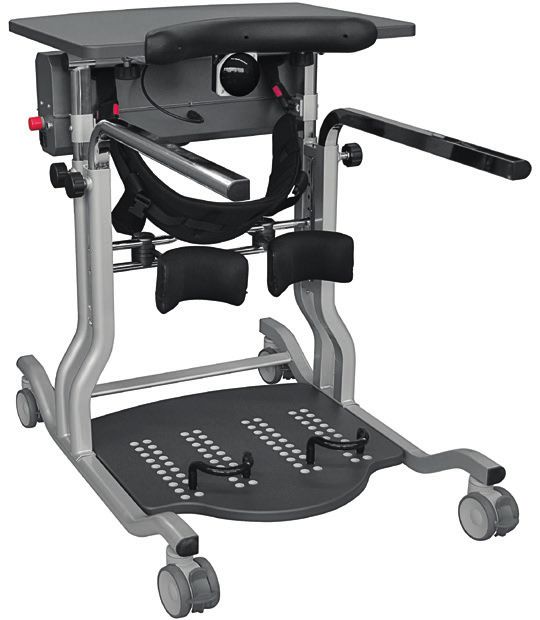
Standing frame with power lift

models:
Vision jr., Vision, Vision Maxi

                    Standing aids
                           Edition 03/19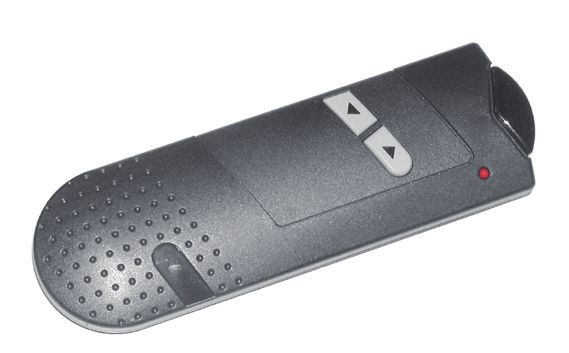
Foreword

Dear Customer!
We would like to thank you for your trust
extended to us and for purchasing our
product.
The standing frame with power lift Vision®,
Vision Jr., Vision Maxi, following named
VISION distinguishes itself by its quality,
security, easy operation and modern design.
For optimal use of this aid, we ask you and
possible other users to carefully read this
operating manual.

   Please read through these instructions
   carefully before first use and handle
   equipment appropriately!

                                              Page 3/36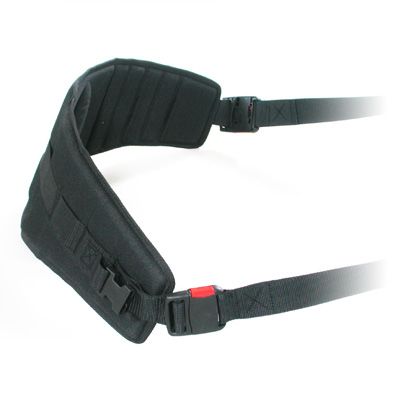
Table of contents

2       Table of contents
Topic			                                            Page
 1       Foreword…………………………………………   3
 2       Table of contents…………………………………   4
 3       Safety instructions ………………………………   5
 4       Warranty and product liability …………………   9
 5       Position of CE label………………………………   9
 6       Indications and prophylaxis …………………… 10
 7       Purpose of use…………………………………… 10
 8       Product overview………………………………… 11
         8.1  Basic model………………………………… 11
         8.2 Accessories / Options………………………… 12

 9       Initial operation………………………………… 12
10       Assembly and adjustment……………………… 13
         10.1 Basic model…………………………………        13
         10.2 Accessories / Options………………………… 20

11       Types and accessories
         (models Vision jr., Vision, Vision Maxi)………… 21
         11.1 Basic model………………………………… 21
         11.2 Accessories / Options………………………… 21

12       Technical details
         (models Vision jr., Vision, Vision Maxi) ………… 24
13       Cleaning and disinfection……………………… 26
14       Maintenance and overhaul……………………… 27
15       Operating life and Re-use……………………… 27
16       Faults, Repairs, Spare parts……………………… 28
17       Storage…………………………………………… 28
18       Declaration of conformity…………………………30

Page 4/36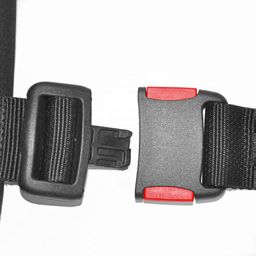
Sicherheitshinweise

3     Sicherheitshinweise
The standing frame Vision (Models Vision
jr., Vision, Vision Maxi – following named
VISION) is CE-marked and fulfills the
requirements of the directive 93/42/EWG.
It was developed in line with most recent
findings. Production is subject to an on-
going quality control.
Please read this user manual carefully before
operating the standing frame.
The user manual is an integral part of
the Rehab aid. In case of loss, request a
new copy or download directly from our
download area on our homepage
www.ato-form.com.
Please keep the user manual in a safe place,    Ensure all users of this aid understand its
accessible to care and maintenance staff.       handling and the meaning of the symbols
                                                attached to the device.
The user manual does not replace the
experience of supervisory staff with the        Accidents can be prevented when technical
experience and knowledge of operators,          instructions according to the EWG
which they gained from (for example)            guidelines are followed.
training courses.                               Protective coverings, labels and warning
In the event of specific or difficult           notices may not be removed.
applications, the user manual represents a      The maximum load-bearing capacity of the
guide to the most important handling.           VISION is appending the model 150 kg.

                                                   Regular monitoring at your specialist
                                                   dealer (at least once a year) lengthens
                                                   the life time of the standing frame and
                                                   gives you security.
                                                   Please also see section: maintenance
                                                   and overhaul.

                                                                                    Page 5/36
Safety instructions
3 Safety instructions
• Before mounting or using the standing person, or respectively a family member
frame VISION carefully read all of the user.
instructions of this user manual, as these • Never leave the user of the aid
have been drawn up for your safety unattended.
and as a guideline for the correct use
• The VISION may only be operated by
and maintenance of this product. This
persons who have familiarized themselves
operating manual is an indispensable
with the standards and rules of the
component of the delivery and should be present operating manual.
stored carefully for further use.
• The VISION may only be used by persons
• The operating manual is intended for of a suitable stature and physical aptitude.
retailers and users of the standing frame
VISION, (or their carers). It contains the • Never place a patient in an aid, which
is not coordinated with his or hers body
required information to secure the correct
height and weight.
use of the product, it cannot, however
replace the necessary experience of the • Adjust settings only in the unloaded
user or assistant in handling the device. condition.
• The reseller has the duty to deliver the • When using a standing aid, the overall
device ready for operation and to explain centre of gravity is always relatively high
precisely the functions and technical up. A person who uses a standing aid is
data of the device, as well as provide the dependent on the stability of the device
necessary support and briefing needed for and support and guidance of the body as
a correct and efficient use of the device. well as the footprint of the device.
• The given instructions of the operating • The VISION is only intended for use in
manual, refers to the point in time of dry areas.
the device being placed on the market. • The VISION is not to be placed in front of
The manufacturer reserves the right to open fireplaces.
introduce any modifications which prove • Do not place any hot beverages or objects
necessary to the device and associated onto the aid you have purchased, as this
operating manual, without being bound would seriously damage the aid.
to change previous devices and associated • Do not load any heavy objects onto the
operating manuals. aid, as this would impair the structure, the
• Use of the rehabilitation aid and its centre of gravity and consequently impair
accessories, must be administered under the balance.
medical supervision. • Always ensure there are no obstacles in
• The standing frame VISION must only be operating range of the rehab aid, such
operated under supervision of a qualified as carpets, stairs or objects on the floor,
Page 6/36Safety instructions
which could lead to the standing frame must be taken into consideration by the
VISION overturning. carer or user.
• Move all objects out of the way, which • Do not use the VISION before checking
could be hit or fall whilst operating the the wheels of the aid.
aid.
• Wet and dirtied wheels can decrease the
• Never use the aid on rough terrain,
braking effect.
steeply sloping ground or stairs.
• Do not move the aid, if a person is • Check regularly if all screws and handles
standing in the aid. etc. are firmly tightened. Worn and
defect parts are to be repaired or replaced
• Do not use the rehab aid before ensuring immediately. This is especially important
a complete and correct fitting of the to ensure a safe use of the rehab aid!
safety belts, if available. Carefully check the clamping jigs and the
• Check all adjustable parts are locked, like are securely fixed.
before every use of the aid. • Do not use the aid, if parts of it are
• The attendant or carer must ensure that damaged or missing. Missing parts are
no part of the body can be squeezed or only to be replaced with original spare
crushed. parts.
• In the event of a power failure • Do not carry out any interferences or
necessitating the patient being returned measurements if you are unsure of their
manually to the wheelchair, support from effects. For your own safety contact the
two assistants is necessary. Only then can nearest service centre or contact the
the belt be loosened. dealer directly.
• The brakes must be applied when the • In case of accidents or malfunctions,
device is switched off or not in use. contact the dealer or manufacturer from
whom you purchased the device.
• Apply the lever brakes for a secure stand
when stopping. • The manufacturer is not liable for damage
to persons, objects or animals resulting
• Always lock brakes before use, when from false usage of the equipment by the
setting, adjusting functions or accessories. user or third parties, through incorrect
mounting of parts and accessories, by
• Please note the individual and overall
neglect or poor maintenance, neglect,
safety relevant information when using
through unauthorized alterations and
several rehabilitation aids simultaneously.
modifications, usage of non-original
• All aspects of spatial influences (uneven, spare parts or accessories, through
wet and smooth floors, steps or similar) unpredictable and exceptional events
Page 7/36Safety instructions
resulting from non-compliance of the
regulations in the presented operating
manual.
• Clean the standing frame VISION in
accordance with the instructions given in
the chapter „cleaning”.
We constantly develop new aids and
improve existing products. We are happy
to receive your suggestions of every
description.
Page 8/36Warranty and product liability
Position of CE-sign
4 Warranty and product liability
ATO FORM grants the required by law The warranty is null and void if non-original
warranty of your country against defects in ATO FORM parts/accessories are used, or if
workmanship and materials. the product is repaired or altered by anyone
The warranty would be adversely affected other than an authorized ATO FORM
if the customer’s responsibility of servicing representative or by trained personnel
and/or daily maintenance is not carried out officially recognized by ATO FORM for
according to the guidelines and intervals repair and maintenance of ATO FORM
prescribed by the supplier and/ or stated in products.
the manual. ATO FORM reserves the right to inspect the
For further information, we refer to the product being claimed for and the relevant
ATO FORM homepage/download www. documentation before agreeing to the
ato-form.com. warranty claim and to decide upon whether
to replace or repair the defective product. It
The warranty can only be sustained if the is the customer’s responsibility to return the
ATO FORM product is in use in the same item being claimed for under warranty to
country where it was purchased and if the address of purchase.
the product can be identified by the serial
number. The warranty does not cover The warranty is given by ATO FORM or,
accidental damage, including damage subsequently, an ATO FORM dealer.
caused by misuse or neglect.
The warranty does not extend to non-
durable parts, which are subject to
normal wear and tear and need periodic
replacement.
5 Position of CE-sign
The CE label with details
of the manufacturer, arti-
cle number, serial number
and production date is lo-
cated on the inside of the
left vertical guiding post
for table adjustment.
Page 9/36Indications and prophylaxis
Purpose of use
6 Indications and prophylaxis
The standing frame VISION is an electrical metabolic stimulation. The standing aid can
raising aid for adults. be used for spacticity inhibition and contrac-
The aid was developed to allow prolonged ture prophylaxis in cases of paralysis of the
standing where the ability to stand is re- legs; the legs and trunk; the legs, trunk and
stricted or lost altogether. Such standing is arms e.g. due to paraplegia, cerebral palsy,
indicated for, among other things, prepara- poliomyelitis or multiple sclerosis.
tion for walking training and the recovery of
the ability to walk, balance training, throm-
bosis prophylaxis, decubitus prophylaxis and
7 Purpose of use
The VISION consists of a platform with a The device must be prescribed by a medical
motorised system for raising a person. specialist, who has tested beforehand and
The VISION was designed and built for: determined if the VISION is suitable for the
individual therapeutic goal of the patient.
• Exercise purposes for maintaining or inde-
Furthermore, the medical specialist has
pendently upholding an upright standing
determined the aid to be suitable according
body position;
to measurements, weight and willingness of
• Maintenance of upright posture by means the patient to use the aid.
of a support belt running under the
The aid is delivered via an authorised tech-
coccyx, or optionally available accessories,
nician in compliance with the requirements
as an alternative to autonomous upright
of the country where it is being used and in
posture.
strict accordance with the information and
• Posture is the relationship between instructions in this manual for adjustments
the body and the environment, which of the aid according to the measurements of
corresponds to the maintenance of a the user. Only compliance of the regulations
balance between the elastic forces of the and instructions can lead to positive ergo-
extensor and flexor muscles as well as the nomically effects.
internal body forces and the forces of the
We wish you every success when using the
environment.
standing frame VISION.
The VISION is the aid by which this posture
or this interaction of forces is made possible
and facilitated.
Page 10/36Product overview
8 Product overview
8.1 Basic model
1 Handrail 7 Belly / limit switch (black button)
2 Knee supports; multi-dimensionally 8 Emergency stop button
adjustable 9 Electrical connection with fuse and
3 Heel support On/Off switch
4 Therapy table, adjustable tilt 10 Posterior support unit (left / right)
5 Housing with electrical raising aid Individually adjustable depth, width and
angle, foldable (accessories)
6 Wheels, lockable
Page 11/36Product overview
Initial operation
8.2 Accessories /Options
You will find the most current overview of
our extensive offer of VISION accessories
and much more useful information on our
homepage www.ato-form.com.
Please contact us for special requirements of
accessories or for specific problems, which
are not illustrated or described here.
We may already have the right solution for
you.
9 Initial operation
The reseller is to unpack the unit, ensure the assistant have fully understood the basic
that the components and accessories listed functions of the equipment. This is the only
in the scope of delivery are all present and way to prevent the user from dangerous
undamaged, and give the buyer the initial situations.
instructions on use of the aid. Above all the The above mentioned requirements must be
reseller should read through the complete observed for first use and also for reuse.
present user manual carefully, in order to
The seller must give instruction for use, as
then explain it to the customer in detail.
well as explain the basic functions of the
This way, with help of the reseller, the user device according to MPG (medical products
as well as the attendant must become famil- law) to qualified staff.
iar with the correct operation of the aid.
Once the demonstration has been complet-
ed, the reseller must ensure the user and/or
Page 12/36Assembly and adjustment
10 Assembly and adjustment
10.1 Basic model
Preparation:
Unpack the product and remove the pack-
ing materials.
The device is completely assembled.
Ensure that the product is complete and
undamaged.
Use
• The settings must be made according to
doctor‘s instructions and according to
indication.
• If possible, hold the remote control in the
direction of the device or motor housing
to operate the up / down function
First adjustment of device settings
without the patient
To be regulated:
• Height of the electronic device and the
tabletop as well as the handrails
When positioning the limbs or the
• Knee pads, in height as well as in depth, patient as shown in the instructions for
width and inclination (multi-dimensionally use, we point out that we can only pro-
adjustable). Reference point: knee. vide instructions for device settings.
Concrete statements and instructions
Following adjustment with the
for positioning cannot be derived from
patient
this. This is done by the responsible
To be regulated: therapist or their specialist dealer who,
• Depth and angle of the therapy table together with the user, adjusts the
device to suit individual needs. For this
• Position of the knee pads
purpose, the described manual adjust-
• Position of the heel supports (depth) ment options of the device elements are
• Adjustment of the posterior support unit used as well as the electrical functions,
(multi-dimensionally adjustable) (acces- which are done in part by means of
sory) remote control or wireless control units.
Page 13/36Assembly and adjustment
Adjustment of the height of the
handrails
The height of the table surface and the
handrails can be adjusted separately.
• To adjust the handrails loosen the locking
screws (1) on both sides of the Vision
(see illustration) with one turn and pull
the locking screws outwards.
• Adjust the required height with the lock-
ing screws pulled out. 3
• Make sure that the locking screws click
back into place in the holes (3) and turn
them firmly. 1 2
Setting the height of electronic device
and therapy table
The height adjustment of the therapy table
is supported by mounted gas springs.
• The height adjustment of the therapy ta-
ble is supported by mounted gas springs.
• Loosen the locking screws as described
above (2) on both sides of the Vision (see
illustration) for the table.
• Set the required height.
• Make sure that the locking screws click
back into place in the holes and turn them
firmly.
Caution!
In order to ensure sufficient comfort
and support for the user, the work
surface should, in most cases, be set so
that it is below the user‘s elbows.
Page 14/36Assembly and adjustment
Adjustment of knee supports
Setting height
• The height adjustment is made via the
central handle (1) (see illustration)
• Adjust the height of the knee supports
with the cable pull lifted up to the handle. 2
• Release the cable pull and ensure that the
bracket for the knee supports securely
clicks into place in the side holes (2).
• Make sure the pads support the knees
below the kneecap.
1
Setting depth, distance, inclination and
B
rotation
A
• Use the hexagonal wrench to loosen the
screws in the discus elements connected
to the knee supports. Hold the knee pad
so that it does not tilt.
• Adjust the depth (A) and/or distance
(B) of the respective knee support and
retighten the screws in the discus ele-
ments.
• If necessary, the knee supports on the
discus element can also be individually
tilted (C) or rotated (D).
• When adjusting the knee supports and
the heel rests, ensure that the patient‘s
lower legs are largely vertical after they C
have been raised.
D
Page 15/36Assembly and adjustment
Raising belts Caution!
When rolling up the raising belts, it may When unrolling the raising belts, make
happen that they are not pulled in evenly sure that the they are fully extended.
and are not the same length at the end. Position the seating belt and attach it
This can happen if the raising belts are to the rolled up raising belts .
not rolled up with a certain resistance. To Be careful not to wind the belts with-
correct this, pull the raising belts out com- out load when the engine is running.
pletely and hold them tight as they rewind. Possible errors due to incorrect rolling
up are uasge errors and are not subject
to the warranty.
Page 16/36Assembly and adjustment
Attaching the sling to the user
• Bring the belt under the buttocks
• Bring the patient‘s upper body forward to
arrange the strap.
• Attaching the groin straps: Pull the straps
under the thighs until they close with the
velcro fastening.
• This process can be done in two ways:
1. Raise the thigh and pull the strap
through.
2. Press the lifting mechanism on the
remote control, lift the person slightly
and then pull the strap under the
thigh.
• The attachment and closing of the
tensioning straps by means of the cor-
responding safety-tested plastic buckle
[tested to UK Res. M.S.C. 81 (70) § 2.6,
approved for 165 kg/buckle].
Page 17/36Assembly and adjustment Mounting the heel support In most cases, both heel supports should be placed at the same depth and distance to the centre. Positioning the wheelchair • Move the wheelchair close enough to the unit so that the front wheels touch the footrest of the VISION. • Lock the wheels of the wheelchair. • Always make sure that the wheels of the VISION are securely locked in place with the brakes. Positioning the lower limbs • Position the patient‘s feet and secure them with the heel supports. • When placing the feet, make sure that the back of the heels are properly placed in the heel supports and that the knee supports allow for a slightly bent pos- ture of the knees. The lower legs of the patient should stand, as far as possible, vertically after the patient is raised. • The free play of the knee supports can be increased or decreased depending on more or less upright posture (see „Adjust- ment of the knee supports“). Page 18/36
Assembly and adjustment

Attaching the sling                           Caution!
The sling is attached to the extended rais-   Before the patient is raised, be sure to
ing belt as shown in the illustration.        check that the sling is sitting correctly
                                              and properly attached to the raising
                                              belt.

                                                                             Page 19/36
Assembly and adjustment
Connection to the electrical power
supply
Make sure that the mains voltage corre-
sponds to the information on the device
label and that the power supply is safely
earthed.
Connect the device to the mains using the
supplied cable. Do not use other cables.
• Switch on the freestanding VISION by
pressing the on / off switch (9) on the left
side of the motor box to „I“ and unlock
the red emergency stop switch (8) by
pulling it.
• Attach the seat belt to the plastic fasten-
ers.
• Bring the belt to approximately the
correct position by using the button
▼ (DOWN) on the remote control. Caution!
The emergency stop button completely
• Lift / lower by remote control. stops the system. Just push the button
• End the lifting or lowering process by in completely.
releasing the corresponding button.
Down Front
Up
LED
Caution!
In very rare cases, disturbance of the
built-in infrared receiver is possible in
the vicinity of devices with strong light
emission or interference signals. It may
be advantageous in such a situation to
use the wired handset.
Page 20/36Assembly and adjustment
Raising
When the erect position is reached, the
user‘s raising process is stopped by the
belly / limit switch (large button below the
tabletop).
The belly / limit switch is activated by the
body.
Caution:
During the raising and lowering of the
user and during adjustment, the wheels
absolutely must be locked using the
brakes.
Caution:
When raising or lowering the user,
make sure that the sling is sitting cor-
rectly and cannot slip.
Page 21/36Assembly and adjustment
Depth and inclination of the tabletop
Setting the depth
• Release star knobs (1) below the tabletop.
• Set appropriate depth of the therapy
table.
• Retighten star knobs.
1
Setting the inclination
• Release the lever (2) on the right side
below the table surface.
• Set the desired inclination of the therapy
table.
• Secure the inclination of the therapy table
by locking the lever. 2
Page 22/36Assembly and adjustment
10.2 Accessories / Options
Mounting and adjusting
A 1
the posterior supports
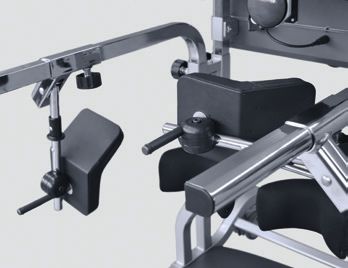
The posterior supports (1) are mounted via
the discus elements (2) on the articulated 3
transverse guide, which is slid onto the C
support bar.
For this purpose, the screws of the discus
elements (2) are removed, the two half- B
shells are each placed around the tube of
the transverse guide and connected again
by means of the cylinder screw. 2
The discus element is clamped at the desired
position on the transverse guide by means
of the cylinder screw.
By clamping the discus element on the
transverse guide, the posterior support is
simultaneously held in the desired position.
Setting on the handrail Settings on the discus element
– Height – Depth
• The height of the supports is adjusted • If necessary, the depth can be readjusted
with the height adjustment of the hand- on the discus element
rails
– Width (B) and angle (C)
– Depth (A) • Loosen screw on discus element (2)
• Loosen the locking screw (3) under the • Set necessary distance and angle of the
handrail with one turn and remove. supports on both sides
• Slide the posterior support along the • Retighten the screws to secure the posi-
frame to the position where the patient tion of the supports
needs help.
• Make sure that the locking screws (3)
click back into place in the holes and turn
them firmly.
Page 23/36Assembly and adjustment
Swivelling the posterior supports
• For patient access, push the plastic han-
dles (D) towards the support and swing
the support down.
C
D
Belt systems
The different belt systems are used as
described in Section 10.1 („Mounting and
adjusting“) on page 19.
Foot fixation, velcro
Velcro fastening including screw connection
Forefoot fixation
Including retention stop and foot loops
You will find the most current overview of
In many cases, it is necessary that the foot our extensive offer of VISION accessories
securing system or sockets are placed at the and much more useful information on our
same depth and distance from the centre. homepage www.ato-form-com.
Page 24/36Types and accessories
11 Types and accessories
11.1 Basic model Vision Junior
VSJ-1000 Standing frame VISION Junior,
incl. electric belt retractor and wireless remote control
11.2 Accessories / Options Vision Junior
For the standing frame VISION Junior are currently following accessories available:
VS-0140 Cable remote control
VSJ-0501 Pressure relieving stand up belt
VSJ-0502 Pressure relieving stand up belt, suede inside cover
VSJ-0503 Extended belt system
(composed of stand up belt and abdominal belt)
VSJ-0050 Posterior support unit, left / right
each individually width-, depth- and angle adjustable, hinged
VSJ-0060 Back support with side support and headrest
VS-0070 Forefoot fixations
Including retention stop and foot loops (pair)
VSJ-0080 Cushion for abdomen cut-out „Soft“
VS-0090 Foot fixations, velcro incl. screw connection
Page 25/36Types and accessories
11.1 Basic model Vision
VS-1000 Standing frame VISION,
incl. electric belt retractor and wireless remote control
11.2 Accessories / Options Vision
For the standing frame VISION are currently following accessories available:
VS-0140 Cable remote control
VS-0501 Pressure relieving stand up belt
VS-0502 Pressure relieving stand up belt, suede inside cover
VS-0503 Extended belt system
(composed of stand up belt and abdominal belt)
VS-0050 Posterior support unit, left / right
each individually width-, depth- and angle adjustable, hinged
VS-0060 Back support with side support and headrest
VS-0070 Forefoot fixations
Including retention stop and foot loops (pair)
VS-0080 Cushion for abdomen cut-out „Soft“
VS-0085 Cushion for abdomen cut-out Standard
VS-0090 Foot fixations, velcro incl. screw connection
Page 26/36Types and accessories
11.1 Basic model Vision Maxi
VSM-1000 Standing frame VISION Maxi,
incl. electric belt retractor and wireless remote control
11.2 Accessories / Options Vision Maxi
For the standing frame VISION are currently following accessories available:
VS-0140 Cable remote control
VS-0501 Pressure relieving stand up belt
VS-0502 Pressure relieving stand up belt, suede inside cover
VS-0503 Extended belt system
(composed of stand up belt and abdominal belt)
VS-0050 Posterior support unit, left / right
each individually width-, depth- and angle adjustable, hinged
VS-0060 Back support with side support and headrest
VS-0070 Forefoot fixations
Including retention stop and foot loops (pair)
VS-0080 Cushion for abdomen cut-out „Soft“
VS-0085 Cushion for abdomen cut-out Standard
VS-0090 Foot fixations, velcro incl. screw connection
Further information can be found in our
current product information.
Page 27/3612 Technical details
Standing frame VISION Junior VISION VISION Maxi
Page 28/36
Technical details
Article number VSJ-1000 VS-1000 VSM-1000
Footplate ↔ Therapy table cm 87-100 93-120 113-140
Footplate ↔ knee support cm 30-50 38-56 38-56
Height of handrails (from footplate) cm 69-90 80-104 100-127
Floor ↔ upper edge footplate cm 8 8 8
Chassis length cm 93 103 126
Overall length (including wheels) cm 99 110 150
Outer frame width (including wheels) cm 68 78 78
Therapy table (breadth x depth) cm 65x60 75x60 75x60
Maximum capacity for the Therapy table kg 50 50 50
Product weight without motor kg 49 49 49
Product weight kg 62 62 62
Maximum load kg 150 150 150
Power supply V 230 230 230
IP Protection IPX4 / I IPX4 / I IPX4 / I
Duty cycles 20% 4min/18 min 20% 4min/18 min 20% 4min/18 min
Fuse control board T 3, 15 A/250 VG T 3, 15 A/250 VG T 3, 15 A/250 VG
Technical changes reserved!Technical details
Cleaning and disinfection
Construction Operating conditions:
The freestanding Vision consists of: Temperature: +5 °C to +40 °C
a powder-coated tubular steel frame, Relative humidity: 20% bis 90% –
chrome-plated adjustable metal noncondensing
components, easy-to-clean foam padded Air pressure: 800 bis 1060 hPA
supporting elements, therapy table and (Operation in an
base of beechwood-look MDF, 4 polyamide estimated height
double safety castors, each with full brake. ≤ 2000 m)
13 Cleaning and disinfection
Leftovers, dirt and dust are always to be Disinfection:
removed. Moving parts work easier, if you
For disinfecting, use household disinfectants
apply one drop of oil after cleaning.
and consider the following indications:
Cleaning the metal parts:
The assistant must wear suitable protective
The painted and chromed parts of the
clothing (for example gloves) in order to
standing frame should only be cleaned
avoid infections.
using a soft cloth and mild and alcohol
based customary cleaning agents. When using disinfecting agents always
follow the instructions of the manufacturer.
Cleaning the wooden surfaces:
The wooden surfaces should be cleaned
using a damp cloth.
Cleaning the rollers/wheels and joints:
Keep these clean at all times; regularly Warning
remove dust, hairs and other accumulating Do not use strong solvents, which
dirt from rollers. could damage the surface of the device.
The use of a high-pressure cleaner is
Cleaning of textiles and imitation leather:
not recommended.
These are best cleaned using water and a
mild detergent.
When using the cleaning agents the Ensure that the upholstery and wooden
instructions of the manufacturer must be surfaces are kept clean. Urine and
observed. sweat can damage the product.
Page 29/36Maintenance and overhaul
14 Maintenance and overhaul
For the protection of the warranty and Maintance Checklist
safety, it is especially important that the Wheels
standing frame with power lift is serviced
regularly once a year from the date of • No damage or wear
purchase. • Fixed seat
It is recommended to make service
arrangements. The manufacture will gladly Brakes
provide the maintenance check list to your • Grease and dirt free
specialist dealer on request. • Full braking effect
Please contact your specialist dealer to carry • No signs of damage or wear
out corrective maintenance works for your
VISION. Frame
The device should be checked by the • Metal parts; no signs of damage or wear,
manufacturer at the latest after 5 years. especially on adjustable parts
• Welds intact
• Fasteners, screws, nuts and springs safely
• Replacement of parts in case of signs of
wear
• No signs of wear or damage to the safety
components for the patient
Upholstery
• No sign of wear
Page 30/36Maintenance and overhaul
Date Service performed Name Sign
Page 31/36Operating life and Re-use
15 Operating life and Re-use
The VISION is made from high quality The product VISION was designed so it
materials and is subject to a continuous could be reused after the application of
quality control in our house. Because of this various measures.
and the solid construction, the expected Following measures should be followed:
operating life of our product is up to 8 years,
• Thorough cleaning and disinfecting using
depending on the usage intensity and num-
appropriate cleaning agents.
ber of re-uses, under normal and compli-
ance with its intended use (according to the • Replacement of wear parts
instructions given in our user manual). • Maintenance, following the maintenance
The expected operating life does not apply schedule of the manufacturer or
to wear parts. authorized specialist dealer.
• Preparing accompanying documents and
release for re-use.
Page 32/36Faults, Repairs, Spare parts
16 Faults, Repairs, Spare parts
If your standing frame VISION cannot be
operated?
Please ensure…..
• The plug is plugged in the socket and is
supplied with power.
• The main switch is activated and there are
batteries in the remote control.
• The emergency-stop-button on the left
side of the Housing is not depressed.
• All plug connections are plugged in
correctly and secured.
Try and shut down the fault.
Failing that, contact your specialist dealer /
reseller.
Spare parts
Spare parts and accessories must not be
Only original accessories and original spare removed or replaced while the patient is
parts may be used. Non-compliance with using the standing frame!
these instructions and repairs carried out
or modifications made to the Name or its
parts by unauthorized persons, voids any
warranties.
In these cases, any product liability granted
by the manufacturer (ATO FORM GmbH,
Zur Lauterhecke 34, 63877 Sailauf,
Germany) is voided in advance.
For all questions about spare parts and
accessories contact your specialist dealer or
the ATO FORM-Service +49 6093 944-0.
17 Storage
Keep this operating manual in a safe place,
where you or care and maintenance staff
have access to it.
Page 33/36Declaration of conformity
18 Konformitätserklärung / Declaration of conformity
gemäß den Bestimmungen der Richtlinie According to the regulations of the Council
93/42/EWG über Medizinprodukte. Directive 93/42/EEC concerning medical devices
Hersteller / Manufacturer:
ATO FORM GmbH, Zur Lauterhecke 34, D-63877 Sailauf
Erklärt, dass das nachfolgend genannte Declares, that the following medical device
Medizinprodukt
Vision, Freistehbarren Vision, Standing frame
den grundlegenden Anforderungen der meets the regulations of the Council Directive
Richtlinie 93/42/EWG über Medizinprodukte 93/42/EEC concerning medical devices class I.
der Klasse I entspricht:
Konformitätsbewertungsverfahren gem. Conformity Assessment Procedures according
Anhang VII to Annex VII
Angewandte harmonisierte Normen: Harmonised standards applied:
DIN-EN12182:2012
Technische Hilfen für behinderte Menschen – Technical aids for disabled persons; General
Allgemeine Anforderungen und Prüfverfahren requirements and test methods
EN ISO 10535:2007
Lifter zum Transport von behinderten Menschen Hoists for the transfer of disabled persons -
- Anforderungen und Prüfverfahren (ISO Requirements and test methods
10535:2006) (ISO 10535:2006)
EN ISO 60601-1:2006
Medizinische elektrische Geräte; Medical electrical equipment -
Teil 1: Allgemeine Festlegungen für die Part 1: General requirements for basic safety
Sicherheit einschließlich der wesentlichen and essential performance
Leistungsmerkmale
DIN-EN 62366:2008+A1
Medizinprodukte - Anwendung der Medical devices - Application of usability
Gebrauchstauglichkeit auf engineering to medical devices
Medizinprodukte (IEC 62366:2007) (IEC 62366:2007)
EN-ISO 14971:2013
Medizinprodukte - Anwendung des Risiko Medical devices; Application of risk
managements auf Medizinprodukte management to medical devices
(ISO 14971:2007, korrigierte Fassung 2007-10-01) (ISO 14971:2007, Corrected version 2007-10-01)
Sailauf, 19 Januar 2015 / Januar 19, 2015
Morten Sønderskov / CEO
Page 34/36Disposal of battery operated devices
The battery pack must not be
disposed of together with normal
household waste at the end of
its service life. Please observe
the legal requirements in your
area. Your municipal government
and locally based waste disposal
companies will be happy to
provide you with information in
this regard.
In environmental protection matters:
All packaging parts are re-useable. The
cardboard packaging is to be recycled
as waste paper. We therefore use paper
as filler material. Possible used plastic
film of the packaging are made out of
PE and are therefore low in pollutant
and can either be recycled or burnt. 2019-03/St.I-2016-42Complete Range:
■ Walking aids
■ Gait trainer
■ Standing aids
■ Seating aids
■ Hoists
■ Body protection
■ Customized solutions
Thank you for your interest in our products.
For questions please contact ATO FORM GmbH
or your specialist dealer.
Your ATO FORM Team
Your specialist dealer
ATO FORM GmbH, Zur Lauterhecke 34, 63877 Sailauf, GERMANY
phone: +49 6093 944-0 E-Mail: info@ato-form.com www.ato-form.comYou can also read


