Village of Glenwood BYLAW NO. 257-2021 - MUNICIPAL DEVELOPMENT PLAN - Oldman River Regional ...
←
→
Page content transcription
If your browser does not render page correctly, please read the page content below
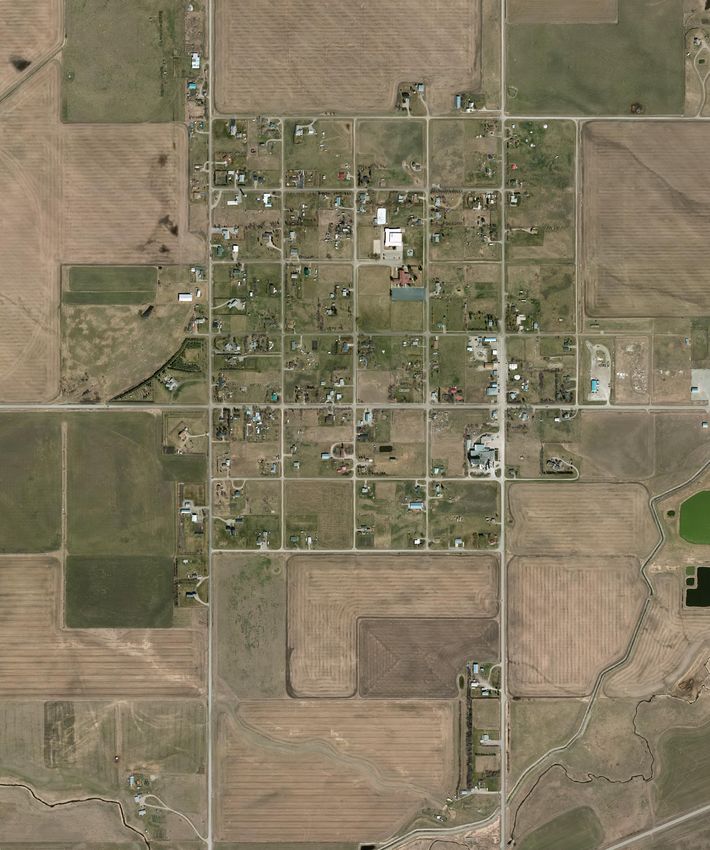
Village of Glenwood
   MUNICIPAL DEVELOPMENT PLAN
      BYLAW NO. 257-2021
           MARCH 2021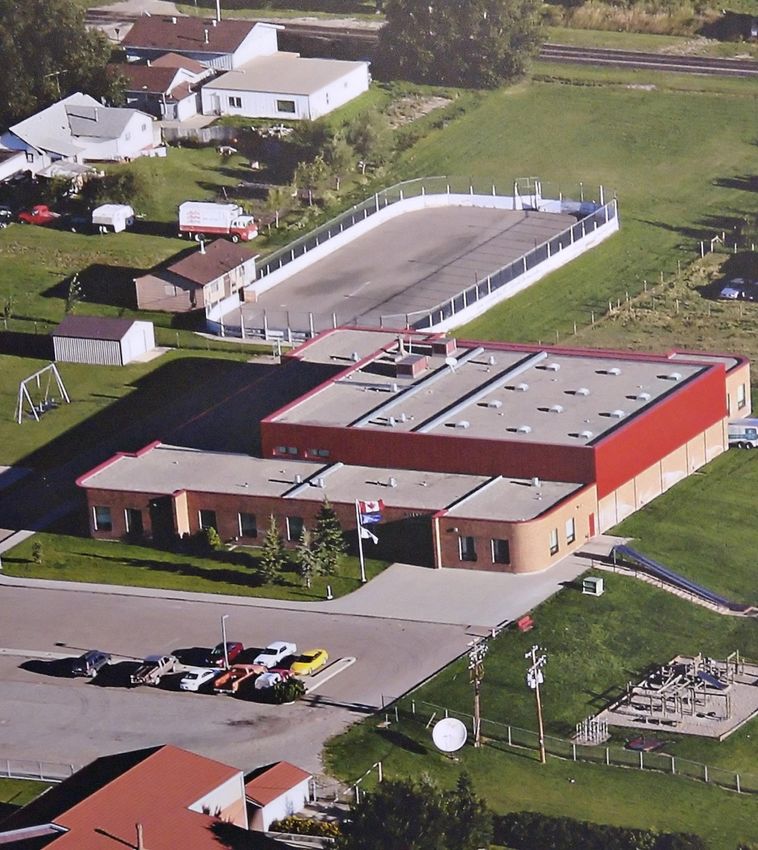
Intellectual Property – All Rights Reserved © Copyright 2021

This document is protected by Copyright and Trade Secret Law and may not be reproduced or modified in any manner, or for any
purpose, except by written permission of the Oldman River Regional Services Commission. This document has been prepared for the sole
use of the Village of Glenwood and the Oldman River Regional Services Commission.

This disclaimer is attached to and forms part of the document.
CONTENTS
PART I: OVERVIEW ................................................................................................................... 2
  Introduction .................................................................................................................................................... 2
    Purpose of The Municipal Development Plan ..................................................................................... 3
    Planning Context ....................................................................................................................................... 3
  Plan Implementation .................................................................................................................................... 4
  Plan Monitoring and Amendment ............................................................................................................. 4
  Who We Are ................................................................................................................................................... 5
   Settlement ................................................................................................................................................... 5
   Historic Plan ................................................................................................................................................. 6
   Historic Population ..................................................................................................................................... 7
   Age Structures – 10 year cohorts ............................................................................................................ 8
   Equalized Assessment ............................................................................................................................... 9
   Land Use ...................................................................................................................................................... 9
   Tourism ....................................................................................................................................................... 13

PART II: VISION & GOALS ...................................................................................................... 16
  Vision Statement .......................................................................................................................................... 16
  Community Goals ....................................................................................................................................... 17
  Future Land Use Concept .......................................................................................................................... 18
    General Growth ....................................................................................................................................... 18
    Residential Growth .................................................................................................................................. 18
    Non-Residential Growth ......................................................................................................................... 18
  Outcomes ..................................................................................................................................................... 19
   General Growth ....................................................................................................................................... 19
   Residential Growth .................................................................................................................................. 19
   Non-Residential Growth ......................................................................................................................... 19

PART III: PLAN POLICIES ......................................................................................................... 22
     1.0 General Policies ................................................................................................................................. 22
  How We Grow .............................................................................................................................................. 23
    2.0 General Land Use.............................................................................................................................. 23
    3.0 Living Areas......................................................................................................................................... 24
    4.0 Business & Service Areas .................................................................................................................. 25
    5.0 Reserves & Historic Resources ......................................................................................................... 25
    6.0 Agriculture .......................................................................................................................................... 26
    7.0 Sour Gas Setbacks ............................................................................................................................ 26
  How We Thrive .............................................................................................................................................. 27
    8.0 Economic Development ................................................................................................................. 27
    9.0 Recreation & Culture ........................................................................................................................ 27
    10.0 Community Image .......................................................................................................................... 27
    11.0 Environmental Sustainability .......................................................................................................... 28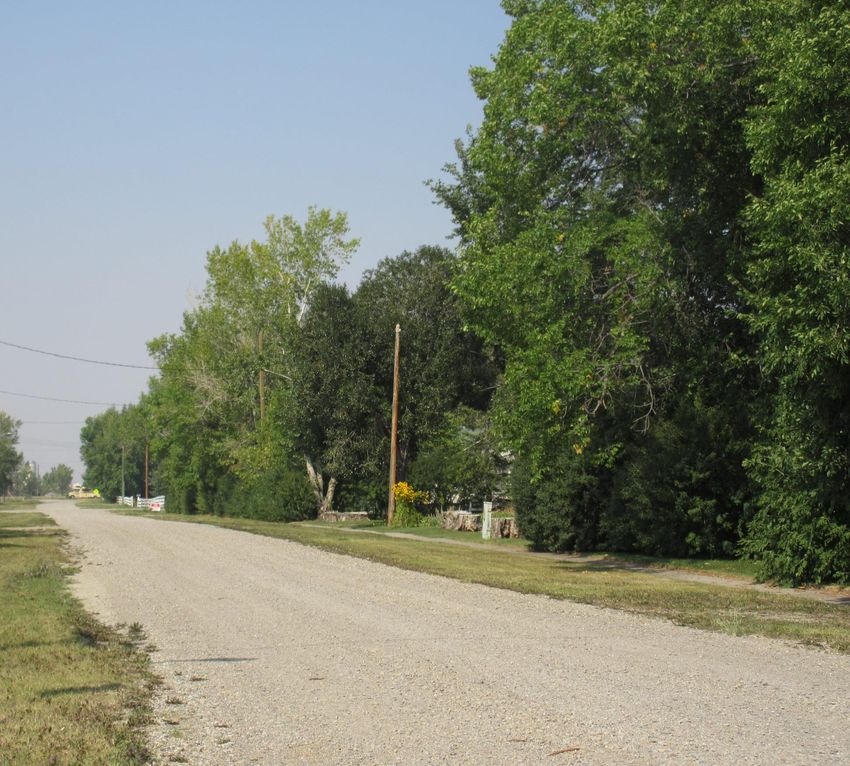
How We Connect ........................................................................................................................................ 29
    12.0 Utilities and Infrastructure ............................................................................................................... 29
    13.0 Transportation .................................................................................................................................. 29
    14.0 Community Services ....................................................................................................................... 30
  How We Work Together.............................................................................................................................. 31
    15.0 Community Cohesion .................................................................................................................... 31
    16.0 Public Engagement & Communication ..................................................................................... 31
    17.0 Intermunicipal Cooperation ......................................................................................................... 32

PART IV: GROWTH MAP ........................................................................................................ 34

PART V: PLAN COMPLIANCE .................................................................................................. 36
  South Saskatchewan Regional Plan Compliance ................................................................................ 36
    Efficient Use of Land ................................................................................................................................ 37
    Planning Cooperation and Integration .............................................................................................. 37
    Building Sustainable Communities ....................................................................................................... 38
    Agriculture ................................................................................................................................................. 38
    Water and Watersheds .......................................................................................................................... 39
    Historic Resources .................................................................................................................................... 39
    Transportation........................................................................................................................................... 40
PART I
                                                  March 2021

                                  OVERVIEW

                          VISION & GOALS

                                  PLAN POLICIES

                           GROWTH MAP

                                      PLAN
                                  COMPLIANCE
Village of Glenwood MDP
Bylaw No. 257-2021                                     pg. 1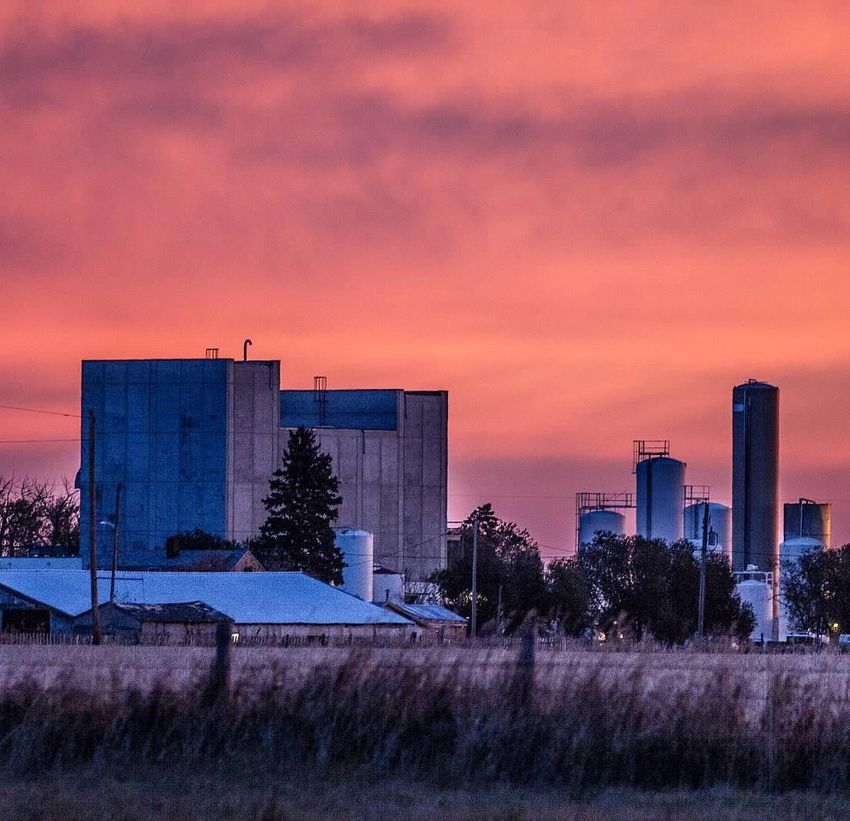
Bylaw No. 257-2021

PART I: OVERVIEW
INTRODUCTION
It can be said that municipalities are in the business of creating communities. The concept of community
incorporates the many and varied aspects of the lifestyles of the people who choose to reside within a
municipality as well as the social, political, natural, and economic systems which serve as the building blocks for
beneficial development and settlement patterns.

Creating successful communities does not happen on its own - it requires community planning. The Municipal
Development Plan is the most common community planning tool used to help municipalities achieve their
desired future and one which all municipalities in Alberta are required to adopt. By addressing matters such as
future land use, provision of servicing, transportation systems, and other matters related to the physical, social
and economic development of the municipality, the Municipal Development Plan (MDP or Plan) provides a
framework for sustainable, orderly and rational community development. As both a visionary and strategic
document, the Plan balances the economic, social and environmental interests of the residents while helping to
establish long-term stability for the community.

In accordance with the requirements of the Municipal Government Act, the MDP is required to address the
following:

                             Future land use and proposals for future development

                                          Municipal services and facilities

                                               Transportation systems

                                           Municipal and school reserves

                                     Land uses adjacent to sour gas facilities

                                        Protection of agricultural operations

                                    Coordination with adjacent municipalities

MDPs may also address several other considerations including the coordination of physical, social and economic
development of the community, environmental matters, development constraints, and financial resources.

pg. 2                                                                                   Village of Glenwood MDP
                                                                                                       March 2021
March 2021

PURPOSE OF THE MUNICIPAL DEVELOPMENT PLAN
Managing the use and development of land is the primary role of the Municipal Development Plan. The MDP
studies both a community’s past experiences and evaluates its current circumstances in order to anticipate its
future needs. The content of a MDP is designed to encourage municipalities to integrate proposals into long-
term plans for the financial and social well-being of the community, as well as the physical landscape. As a long-
range plan, it helps Council and administration make decisions on planning and development matters, informs
the content of the land use bylaw and other land use plans, and provides a framework to coordinate other
municipal bylaws, programs and investments.
                                                                                               PROVINCIAL
PLANNING CONTEXT                                                                         Municipal Government Act
                                                                                         Subdivision & Development
The MDP is not a stand alone document, but rather an integral                                     Authority
component of a larger context of Provincial, Regional and Municipal                     Alberta Land Stewardship Act

documents and regulations.
                                                                                                  REGIONAL
PROVINCIAL REALM
                                                                                      South Saskatchewan Regional Plan
The Municipal Government Act (MGA) sets out the legislative
framework for planning in Alberta and specifically Part 17 places the
authority for land use decision making at the local level. Through the                            MUNICIPAL
legislation, a municipal Council is empowered with the authority to                   Intermunicipal Development Plan
                                                                                              Land Use Bylaw
create and adopt statutory plans, establish planning approval
                                                                                        Municipal Development Plan
committees, enforce conditions of planning approvals, and to ensure
that the public is involved with planning at a local level. The Subdivision and Development Regulation is passed
by Cabinet and outlines basic procedures and approval criteria for subdivision and development decisions at
the local level. The Alberta Land Stewardship Act (ALSA) is the legal authority to implement the province’s Land
Use Framework and provides direction and leadership in identifying objectives of the government regarding land
use, economics and the environment. As well, it creates policy that enables sustainable development and sets
the stage for regional planning which includes seven regional plans.

REGIONAL REALM
The South Saskatchewan Regional Plan (SSRP) is a legislative instrument that uses a cumulative effect
management approach to set policy direction for municipalities to achieve desired environmental, economic,
and social outcomes within the South Saskatchewan Region until 2024. A community’s MDP must comply with
the SSRP, which came into effect September 1, 2014.           The Village of Glenwood MDP has been prepared
consistent with the intent of the SSRP (see Part V of the Plan for the relevant SSRP policies).

MUNICIPAL REALM
Over the years, statutory plans such as the Village of Glenwood General Municipal Plan and non-statutory plans
and related studies have been completed to help guide the growth and development of the Village, including
the Village Land Use Bylaw and various infrastructure studies.

Village of Glenwood MDP
Bylaw No. 257-2021                                                                                                pg. 3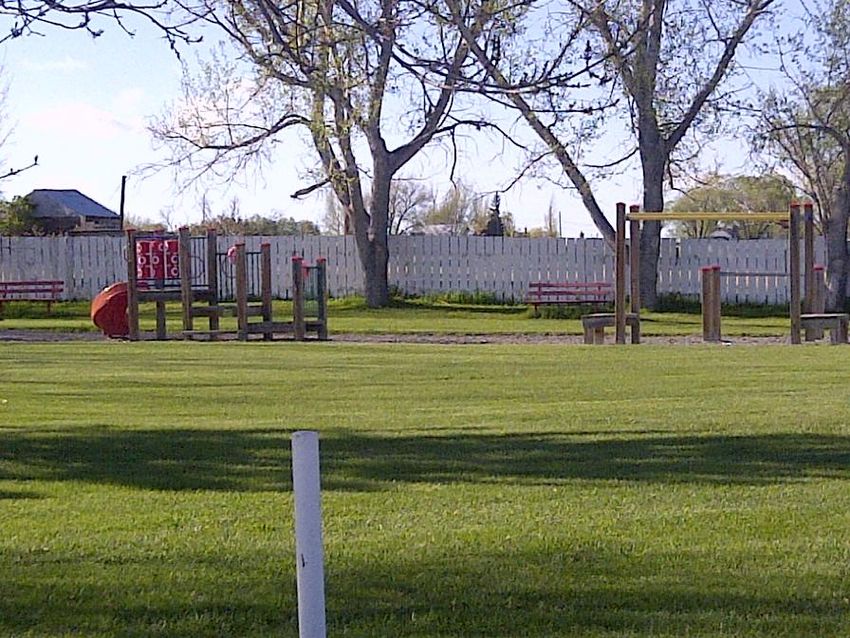
Bylaw No. 257-2021
PLAN IMPLEMENTATION
The success of the MDP depends on the degree to which it is integrated into ongoing decision making. The MDP
provides the means whereby Council, Village administration, and other decision-making bodies such as the
Municipal Planning Commission can evaluate situations and proposals in the context of a long-range plan for
Glenwood. It is primarily a policy document that is to be utilized as a framework within which both public and
private sector decision making can occur. The Plan policies may be implemented throughout various planning
and strategic documents and processes, such as:
Village Land Use Bylaw
Area Structure Plans, Area Redevelopment Plans and Conceptual Schemes
Subdivision and development review process
Development agreements/servicing agreements
Various municipal bylaws such as unsightly premises and community standards
Capital Improvement Plans
Formal and informal municipal policy directives
It is important to note that while implementation of the MDP relies on commitment to the goals and policies of
the Plan, recommendation for specific municipal projects within the Plan are not intended to represent a
commitment to spending. Council, as part of its function in providing good government, fostering well-being of
the environment, providing services and facilities, and developing and maintaining safe and viable communities,
will need to consider any projects referred to in the MDP along with all other Village spending through its regular
process of budget allocation and prioritization to determine when and if implementation should occur. Pursuant
to section 637 of the Municipal Government Act, adoption of a statutory plan does not bind the municipality to
undertake the projects referred to in the Plan.
PLAN MONITORING AND AMENDMENT
Change is inevitable. While the MDP is a long-range
plan, it is not intended to remain a static document.
Regular review of the Plan is necessary to ensure that
it continues to reflect the priorities and needs of the
community and accounts for significant changes in
development commitments, budget constraints,
and market conditions. As such, the MDP should be
reviewed for relevancy at regular intervals of at least
once every four years.
pg. 4 Village of Glenwood MDP
March 2021
March 2021

WHO WE ARE                                                                       MAP 1. REGIONAL LOCATION
Located between the Towns of Cardston, Fort Macleod and Pincher                   VILLAGE OF GLENWOOD

Creek, the Village of Glenwood is a small, rural community which is
                                                                                        810
found at the intersection of the Rocky Mountains and the Great Plains
of Alberta. With proximity to larger urban centres, internationally
recognized parks, and local recreation destinations, the Village
provides unique and bountiful recreation and lifestyle opportunities for
both residents and visitors alike. The Village is an attractive location for
those employed in local industries, farming operations, or enjoying their
retirement. Affordable housing, low taxes and a small-town feel are
attractions to the community that cannot be found in large urban
centres.

SETTLEMENT
The land on which the Village of Glenwood was established was originally owned by the Cochrane Ranch
Company, incorporated by the Dominion Government in 1881. The location was chose on the southern portion
of the ranch, which included a large tract of land between the Waterton and Belly Rivers. The original townsite
was created from a 240 acre portion of the ranch which was then divided into 8 acre blocks, aligning with the
Plat of Zion plan. These large blocks were established to accommodate and agricultural-based population,
allowing for small-scale farming and grazing practices within the lots provided.

Edward J. Wood, one of the original settlers of the area and a local leader of the Church of Jesus Christ of Latter-
Day Saints, is credited with helping to procure the lands from the Cochrane Ranch, and ultimately designing the
community. In 1908, Glenwood was chosen as the name – after E.J. Wood’s first born son, Glen – though it was
not officially incorporated until 1961.

Through the 19th century, the Village experienced periods of decline and growth. The Canadian Pacific Railway
laid track and brought the first train to Glenwood in 1912. This made it possible to export to a wider market. With
the automobile, trains were slowly phased out and the last train came through Glenwood in 1979. The first grain
elevators were built in 1932, but closed in 1980 after the railroad was decommissioned. The United Irrigation District
Cheese Factory was constructed and opened for business in 1941. It has been purchased and operated through
the years under other company names including Central Alberta Dairy Pool, Alpha Milk, Dairy World, Armstrong
Cheese, and currently Saputo Inc. The factory, located on Main Avenue, no longer produces cheese, but
continues to provide employment to residents of Glenwood and the surrounding area.

Village of Glenwood MDP
Bylaw No. 257-2021                                                                                              pg. 5
Bylaw No. 257-2021

HISTORIC PLAN (1913)

pg. 6                  Village of Glenwood MDP
                                      March 2021
March 2021
HISTORIC POPULATION
Over the past 35 years of census data, the Village of Glenwood has fluctuated between a low of 257 and a high
of 316 people since 1981. In particular, the previous 3 census years (2006, 2011 and 2016) have shown increases
in population for the Village.
TABLE 1. VILLAGE OF GLENWOOD POPULATION (1981-2016)
Year Population 5 Year % Change Annual % Change
1981 257 - -
1986 302 17.5 3.5
1991 298 -1.3 -0.3
1996 303 1.7 0.3
2001 258 -14.9 -2.9
2006 280 8.5 1.7
2011 287 2.5 0.5
2016 316 10.1 2.0
Source: Municipal Census Data (Alberta Municipal Affairs 2017) and Statistics Canada: 2016 Statistics Canada Census
CHART 1. HISTORIC POPULATION (’81-’16)
VILLAGE OF GLENWOOD
316
302 298 303
280 287
257 258
1981 1986 1991 1996 2001 2006 2011 2016
Village of Glenwood MDP
Bylaw No. 257-2021 pg. 7Bylaw No. 257-2021
AGE STRUCTURES – 10 YEAR COHORTS
As a comparison, the age structures for the 2011 and 2016 populations are shown on Charts 2 and 3. There has
been a small increase in adults 30 to 39, and a significant increase in children aged 10 to 19. Both of these metrics
suggest that the Village is able to attract and retain young families, and support working age adults. The
population of seniors and older adults however has remained fairly stable between census years—suggesting
that seniors feel comfortable aging in place, and continue to find the Village a suitable place to live.
CHART 2. AGE STRUCTURE - 2011
VILLAGE OF GLENWOOD
Source: Statistics Canada 2016 Census
CHART 3. AGE STRUCTURE - 2016
VILLAGE OF GLENWOOD
pg. 8 Village of Glenwood MDP
March 2021March 2021
EQUALIZED ASSESSMENT CHART 4. EQUALIZED ASSESSMENT
VILLAGE OF GLENWOOD
Municipal assessment provides crucial information regarding
Source: Municipal Affairs, 2020
the types of development and the amount of economic
activity in a community. According to the 2020 Equalized Tax
Other
Non-
6%
Assessment report, the majority of the assessment (85%) consists Residential
9%
of residential property, compared to 9% of non-residential
assessment and 6% classified machinery/equipment, railway,
farmland and linear assessment. The value of all land and
buildings in the Village of Glenwood is just over $27.7 million. Residential
85%
LAND USE
The Village of Glenwood encompasses approximately 208 acres (excluding roads and right-of-ways). The
community is surrounded by agricultural lands, with small pockets of grouped country residential development
in the south. The sewage lagoon is also located to the southeast of the community, intersecting with the Village
boundary and limiting expansion in that direction.
FUTURE DEVELOPMENT
The community of Glenwood has ample room to expand if necessary, but the Village should focus future
development on existing vacant lots within the boundary. The General Municipal Plan (1990) for the Village
identified blocks of land immediately to the east for future urban expansion, in keeping with the 8-acre block
pattern.
Large tracts of unsubdivided lands within the westernmost portion of the Village can be utilized for long-term
internal growth. Residential and commercial lots are all available within the community for development.
There are 4 land use districts allocated throughout the Village of Glenwood, all with associated permitted and
discretionary uses. The current stock of available land within the Village has been broken down into districts shown
in Table 2, below (refer to Part IV: Map 2 for existing zoning districts).
TABLE 2. LAND USE ZONING, 2017
Use Acres Hectares % of Total
Commercial – C 5.5 2.2 2.0
Industrial – I 4.1 1.7 1.5
Public & Institutional – PI 19.2 7.8 7.0
Residential – R 246.8 99.9 89.5
Total *excluding roads and right-of-ways 275.6 111.6 100.0
Village of Glenwood MDP
Bylaw No. 257-2021 pg. 9Bylaw No. 257-2021
RESIDENTIAL LAND USE
Residential development occurs throughout the Village, and—as prescribed by the original plan—the lots are an
average of one acre. Although some lots have been subdivided into smaller parcels, a large amount of
underutilized land remains. Generally, the housing stock in Glenwood can be characterized by the following
traits:
The majority of dwellings are single-detached or manufactured homes
The average household size is 2.9 persons per dwelling unit
Over 83% of the homes in the Village are in a good state of repair, while a small portion (17%) require
major repairs
There was a significant boom in residential development between 1960 and 1980, with 76% of housing
development occurring in that period. However, Statistics Canada reports that approximately 15
dwellings were constructed between 2001 and 2005.
FUTURE RESIDENTIAL
The residential stock, including vacant and underdeveloped lots (i.e. large lots), is sufficient to accommodate
development well into the future. However, as the population trends indicate, the recent influx of residents
suggests that the Village should identify and plan for increased demands for future residential development. As
residents age, and as new residents arrive, the Village should encourage the diversification of housing types
including senior-friendly housing (i.e. seniors complex, single-storey bungalows, etc.), and multi-unit dwellings (i.e.
duplexes) to provide affordability and accessibility across the socioeconomic spectrum.
The lands surrounding the Village may be suitable for annexation when necessary, with expansion towards the
east of the existing Village boundary. For continuity of character and street design, subdivision should remain in
keeping with the original plan, and blocks should follow the 8 acre grid pattern.
COMMERCIAL LAND USE
Commercial and industrial activities within the Village are primarily located along Main Avenue.
Commercial activities within the Village include a bakery, Glenwood Pioneer Ice Cream Parlour, and
general store. These businesses are located centrally within the community, and serve residents and the
surrounding rural area. A number of historic commercial buildings remain vacant on Main Avenue, and are
available for future commercial ventures.
FUTURE COMMERCIAL
Maintaining the historical feel of the Village should be encouraged, and therefore the layout and placement of
commercial and industrial operations should be built upon and enhanced. The Village should encourage
businesses to locate within existing buildings, and explore opportunities to provide multi-use commercial spaces
for endeavours such as farmers markets and craft fairs.
pg. 10 Village of Glenwood MDP
March 2021March 2021 PUBLIC LAND USES The Village has several public land uses. The school provides education services for children from preschool through grade five—serving residents throughout the area. Upon matriculation, these children typically continue their studies in the Village of Hill Spring school, or are bussed to the Town of Cardston. As per the original plan, the Church of Jesus Christ of Latter Day Saints is located centrally within the community and is surrounded by public use lands, which currently contain recreation fields and open space (see next section). The Village Office, Community Hall, post office, museum, Pioneer Ice Cream Parlour and public library are also prized institutions within the Village. FUTURE PUBLIC The public and institutional uses within the Village provide local and surrounding residents with functional and social services while retaining the small-town feel of this historic community. The Village should promote the care and aesthetic enhancement of these facilities, and ensure that the provision of services aligns with the needs of the changing population. RECREATIONAL / OPEN SPACE LAND USE Recreational uses in the Village include three parks: the first, directly south of the LDS Church, contains ball diamonds; the second, is largely passive open space including playground equipment, and the third park contains the World War II memorial cenotaph and the spray park. In previous years, the Village has provided an outdoor skating rink. Glenwood is within a short distance to many impressive recreation opportunities including: the Great Canadian Barn Dance, various campground facilities, Waterton Reservoir, the Belly River, Waterton Lakes National Park, Frank Slide, Kootenai Brown Pioneer Village, hiking, angling, swimming, and paddling. FUTURE RECREATION The regional location and geography of Glenwood provides the opportunity for the Village to capitalize on tourism to promote local recreational facilities and amenities. The Village should investigate and encourage opportunities to engage with surrounding municipalities, recreation providers, and tourism-based industries to promote a regional approach to recreation which could benefit the communities, and situate the Glenwood as a ‘go-to’ destination for recreating. Village of Glenwood MDP Bylaw No. 257-2021 pg. 11
Bylaw No. 257-2021

ROADS & TRANSPORTATION NETWORKS
The road pattern within Glenwood is characterized by a traditional grid system. Many of the developments in the
community have a uniform shape and size, as the community initially was designed to have 8 lots per block with
just over an acre of land per lot. Over time, some of these lots have been subdivided and lots on the outer edges
of the community are typically larger and used for cropland or grazing. Glenwood still follows the traditional grid
system with slight changes in lot size and shape that have occurred with time.

Glenwood provides a quiet, scenic locale as it is located just off of the major Highway connectors in the area,
with Highways 810 and 505 running to the east and south of the Village, respectively.

Opportunities to partner with Cardston County and surrounding municipalities to advertise and promote regional
points of interest may help bolster tourism, and put Glenwood on the map as a relaxing, close-to-nature
recreation destination.

pg. 12                                                                                  Village of Glenwood MDP
                                                                                                       March 2021
March 2021
MUNICIPAL SERVICES & FACILITIES
The municipal public works function is to efficiently maintain public parks, roads, sidewalks, storm water drainage,
the water distribution system, sewage collection system and piped irrigation system. It is important to analyze
present services to ensure they are sufficient to manage future capacity loads.
Sewer and water services are available to all occupied residential and non-residential users.
Glenwood is served by an artesian well located 6 kilometres away, between Glenwood and Hill Spring.
An underground concrete storage vault holds water for the Village, and there are fire hydrants throughout
the community.
Glenwood also provides rural water servicing to surrounding lands via 8 distribution lines: south along Main
Street; west along Centre Street; northeast along Main Avenue; north on two lines from Fourth Street North;
north along Fourth Avenue West, and; southwest along two lines running parallel to the abandoned
railroad tracks.
Firefighting services are shared with Hill Spring through an agreement which was formalized in the early
1990s. Policing for the Village is provided through the RCMP detachment located in the Town of Cardston.
Solid waste is taken to the Hill Spring/Glenwood Garbage Transfer Station located between Hill Spring and
Glenwood approximately 6 kilometres away from the community along Highway 505. The transfer station
is open two times a week and is operated by Cardston County. Recycling is available in Pincher Creek
and Cardston.
TOURISM
The Village of Glenwood, and the surrounding area, is the ideal location for tourists seeking rustic, close-to-nature
recreation experiences. With a number of well-maintained, annual campgrounds providing for high volumes of
visits annually, the Village is poised to capitalize on summer-time recreation opportunities. The proximity of the
Village to the Rocky Mountains, Waterton Lakes National Park, and the Belly and Waterton Rivers, Glenwood can
serve as a stopping point for travelers and tourists who visit the area. The Spring-Glen Park provides nightly
camping grounds. Additionally, the Great Canadian Barn Dance—located just southwest of the Village—has
historical significance, and is a well-loved destination for community and social events.
Visitors to these attractions are often day users travelling by car, recreational vehicle and increasingly bicycles.
Providing opportunities to camp and explore the area by foot or bike may encourage visitors to stay and discover
the peaceful leisure lifestyle the area can offer. Cardston County has recently expressed interest in developing
an recreation plan, which could include promotion of regional tourism and recreation activities throughout the
County and urban municipalities.
The current Intermunicipal Development Plan between the County and the Village lays out the framework
through which the municipalities will work together, and sets the stage for future partnerships and regional
endeavors.
Village of Glenwood MDP
Bylaw No. 257-2021 pg. 13Bylaw No. 257-2021
pg. 14 Village of Glenwood MDP
March 2021March 2021
OVERVIEW
VISION &
GOALS PART II
PLAN POLICIES
GROWTH MAP
PLAN
COMPLIANCE
Village of Glenwood MDP
Bylaw No. 257-2021 pg. 15Bylaw No. 257-2021
PART II: VISION & GOALS
It is important for the Village of Glenwood to prepare a strategy that facilitates moderate growth within the
community, and successfully accommodates corresponding residential and non-residential development.
Although the population of Glenwood is not anticipated to grow dramatically in the foreseeable future, Map 2
suggests the type and placement of development within the Village that would best serve the residents, and
maintain the attractive, small-town atmosphere.
As the role of the MDP is to guide the evolution of a community 20 years into the future, decision makers need to
consider reasonable extensions of current development, as well as constraints that may exist. The following
subsections highlight important trends and provide guidance for decision-makers in determining appropriate
land use development patterns.
VISION STATEMENT
Glenwood is a tranquil place that offers a snapshot of
historic Western settlements. The Village provides
residents and visitors alike with a variety of recreation
opportunities, relaxing atmosphere, and a high quality
of life.
The community’s vision statement represents a general shared understanding of the desired future for the Village
and serves as the foundation upon which the Village of Glenwood Municipal Development Plan goals and
policies have been crafted.
pg. 16 Village of Glenwood MDP
March 2021March 2021
COMMUNITY GOALS
1
Encourage economic growth and diversification in order to provide more employment
opportunities, a broader tax base, and wider range of municipal services.
2
Ensure that key community services and amenities remain available and continue to serve the
needs of the Village as may be fiscally attainable.
3
Promote, maintain and enhance the friendly, small town atmosphere and great quality of life
within the Village.
4
Enhance the livability of the community through improved shopping, municipal services and
housing opportunities.
5
Promote continued enhancement of the community appearance, including the Village
entrance, public spaces, and private development.
Encourage and support Village cooperation with service clubs, community groups, volunteer
6 organizations and government agencies to enhance quality of life and provide continued social
and recreational opportunities.
7
Foster public engagement and opportunities for communication with Council and administration
within the municipal planning processes.
Consult and coordinate with neighbouring municipalities and organizations on matters of mutual
8 interest or concern that have the potential to provide community benefits and maximize
efficiencies in service delivery.
Village of Glenwood MDP
Bylaw No. 257-2021 pg. 17Bylaw No. 257-2021
FUTURE LAND USE CONCEPT
GENERAL GROWTH
Initiate discussions with the
Investigate opportunities to
Take advantage of existing County to determine
increase density through the
vacant lots within the Village annexation potential on
provision of subdivision where
boundary. County lands east of the
feasible.
Village.
RESIDENTIAL GROWTH
Develop a strategy for the
Inverstigate opportunities to
potential resubdivision of
Development of vacant lots increase density by providing for
historical blocks and consider
within mature neighbourhoods secondary suites and
undertaking a comprehensive
will be prioritized. opportunities for multi-unit
plan(s) for the evaluation of
development.
potential new residential areas.
NON-RESIDENTIAL GROWTH
Encourage the use of existing
commercial buildings within the Investigate partnerships with
Expand commercial zoning to
Village core, including the surrounding municipalities to
vacant lots along Main
provision of mixed encourage regional economic
Avenue.
commercial/residential opportunities.
development.
pg. 18 Village of Glenwood MDP
March 2021March 2021
OUTCOMES
GENERAL GROWTH
Readily servicable lots will be
available for development for
residential, commercial and
recreational uses.
RESIDENTIAL GROWTH
A variety of housing options will be
available to accomodate the
needs of a changing population.
NON-RESIDENTIAL GROWTH
Residents and visitors will enjoy the
high quality of services provided
by innovative recreation and
commercial endeavours.
Village of Glenwood MDP
Bylaw No. 257-2021 pg. 19Bylaw No. 257-2021
pg. 20 Village of Glenwood MDP
March 2021March 2021
OVERVIEW
VISION & GOALS
PART III
PLAN
POLICIES
GROWTH MAP
PLAN
COMPLIANCE
Village of Glenwood MDP
Bylaw No. 257-2021 pg. 21Bylaw No. 257-2021
PART III: PLAN POLICIES
The policies of this section are long-range and serve as a guide for evaluating proposals by Council,
administration and other decision-making bodies and ideally are intended to guide future development and
growth toward the community’s desired future. The policies of the Municipal Development Plan apply to all land
within the Village.
1.0 GENERAL POLICIES
1.1 The MDP, for the most part, is general in nature and long-range in its outlook. The MDP provides the means
whereby Council and administration can evaluate proposals in the context of a long-range plan for the
Village of Glenwood. The policies of the MDP, however, are not intended to be so rigid in interpretation
and application that they preclude consideration of refinement or amendment.
1.2 Subject to Council’s approval, minor variation from the policies of the MDP will not require amendment to
the plan. Substantive changes to policy direction will require amendment to the MDP and any other
affected plan.
1.3 The policies of the MDP will be further refined and implemented through the development, adoption and
day-to-day application of statutory plans, the Village Land Use Bylaw, various other municipal bylaws,
agreements and strategic planning documents.
1.4 Amendment of the MDP must follow the applicable procedures outlined in the Municipal Government Act.
1.5 All statutory plans shall be consistent with the MDP.
1.6 This MDP should be reviewed every four years and amended as deemed necessary by Council to ensure it
remains relevant and reflective of the priorities and needs of the community.
pg. 22 Village of Glenwood MDP
March 2021March 2021
HOW WE GROW
2.0 GENERAL LAND USE
2.1 Development of land within the Village boundary is the preferred growth strategy to the extent it is
reasonably possible.
2.2 At such time Council determines annexation is necessary to support the needs of the community, the
Village will discuss its expansion needs with Cardston County in advance of initiating a formal annexation
application and address any requirements of the Intermunicipal Development Plan.
2.3 Population growth rates should be monitored, and an appropriate management strategy developed to
ensure facilities and services can be adequately sustained and sufficient land is readily available to serve
residential and non-residential development needs.
2.4 Decisions regarding future land use should generally be consistent with the concepts illustrated in the Future
Land Use and Future Growth Map (Part IV: Map 2). In consideration of policy 1.1, however, the concepts
illustrated are not intended to preclude consideration of alternative uses and refinement through further
planning study.
2.5 New growth and development should occur in a stable and fiscally sound manner, given infrastructure,
land carrying capacity and physical constraints.
2.6 Future urban growth should be directed to areas with existing municipal infrastructure capacity or to
locations where infrastructure extensions can be made most appropriately.
2.7 Efficient use of land and infrastructure within the Village is a priority. The Village will encourage developers
and landowners to consider the use of efficient land planning tools when designing subdivision and
development proposals.
2.8 Premature subdivision and development of agricultural lands will be generally discouraged until such time
the lands are required for urban development.
2.9 The obligation for supplying and expanding infrastructure and services to serve new development will be
at the developer’s/applicant’s cost. Opportunities for cost-sharing may be explored where Council
determines that the improvements would be beneficial to the community as a whole and are economically
feasible.
2.10 Pursuant to the Municipal Government Act, as a condition of approval of any development or subdivision,
a developer/applicant may be required to enter into a development agreement to provide for the
construction of roadways, public utilities, walkways, parking facilities, loading facilities, and other
improvements, including the provision of security and oversizing of infrastructure.
2.11 All development will be required to connect to the municipal sewer and water systems unless it is
demonstrated to the satisfaction of the Municipal Planning Commission that circumstances exist where
services are not feasible.
2.12 Proposed subdivisions should be evaluated with respect to the following considerations:
a. compatibility with possible future development of residual and/or adjacent lands;
b. appropriate connections to existing roadway and utility infrastructure as deemed necessary; and,
c. the suitability of the land to accommodate the proposed use.
2.13 Before initiating the formal rezoning process, developers/applicants may be required to undertake a public
consultation process involving community groups, residents and neighbours, and to report the results of the
public consultation to Council.
Village of Glenwood MDP
Bylaw No. 257-2021 pg. 23Bylaw No. 257-2021
2.14 The Village, at its discretion, may require:
a. the preparation and adoption of an area structure plan or approval of a conceptual scheme, at
the developer’s/applicant’s cost, which will govern subsequent subdivision and development of the
specific area prior to considering any proposal to rezone, subdivide or develop land;
b. a design concept plan be prepared by a developer/applicant and submitted for review by the
Municipal Planning Commission prior to approval of any proposal to subdivide or develop land;
and,
c. the developer/applicant to provide any additional information not addressed or contemplated in
this plan or other guidelines, at the time of application review to support the proposal.
3.0 LIVING AREAS
3.1 Future residential development should be directed to the areas of the Village identified as Residential in
the Future Land Use Concept (Part IV: Map 2) considering availability and ease of servicing, with the initial
priority being infill and development of existing vacant residential lots.
3.2 The Village should regularly monitor vacancy rates, development and subdivision activity, land supply,
economic activity, and population and income profiles so that the needs for serviced residential land can
be reasonably anticipated.
3.3 Residential development strategies should promote:
a. variety in housing types catering to the needs and income levels of the community;
b. safe, attractive residential environments minimizing incompatible land uses; and,
c. rational and economical extensions of existing municipal services.
3.4 The land use bylaw will continue to provide opportunities for a variety of housing types in residential
neighbourhoods.
3.5 The Village sewer lagoons are situated within the NE 1-5-27-W4 in Cardston County, and the Village shall
consider the following required provincial setbacks to these facilities when making decisions on subdivision
and development proposals in the area:
a. In accordance with Sections 12 and 13 of the Subdivision and Development Regulation, a
subdivision authority shall not approve an application for the subdivision for a school, hospital, food
establishment or residential use if the application would result in a property line of a lot created by
the subdivision for any of those uses being located within 300 metres of an operating wastewater
treatment plant or a non-operating landfill.
b. In accordance with Sections 12 and 13 of the Subdivision and Development Regulation, a
development authority shall not issue a development permit for a school, hospital, food
establishment or residential use if the building site is located within 300 metres of an operating
wastewater treatment plant or a non-operating landfill.
pg. 24 Village of Glenwood MDP
March 2021March 2021
4.0 BUSINESS & SERVICE AREAS
4.1 The Village encourages local businesses and other prospective investors to develop non-residential land in
the Village Core (Part IV: Map 2).
4.2 The Village will continue to support and work with the Twin Rivers Country Economic Development Society
on initiatives to help attract new economic opportunities and expand commercial sector offerings and
services.
4.3 The Village should continue to investigate opportunities to enable provision of modern and adequate
infrastructure (e.g., fibre optic) to support operation of technology-based industries and high-tech business
within the municipality.
4.4 The commercial zoning district should be reviewed periodically to ensure they adequately encompass the
needs of the community and business.
4.5 A new mixed light industrial/business district should be investigated and considered for inclusion in the land
use bylaw to provide additional opportunity for business and minimize potential land use conflicts between
non-residential and residential development.
4.6 When land use bylaw amendments are proposed to accommodate new commercial and industrial uses,
consideration should be made to existing and adjacent land use patterns in the area.
4.7 Outdoor storage of unsightly materials in the commercial district should be properly screened and enforced
by an appropriate municipal bylaw.
4.8 The Village supports the efforts of business owners to improve the appearance of commercial areas.
4.9 The establishment of home-based businesses that are compatible with residential uses is encouraged with
the intent that they may grow and eventually require space in a commercial district.
5.0 RESERVES & HISTORIC RESOURCES
5.1 Municipal and/or school reserve will be provided in accordance with section 666 of the Municipal
Government Act.
5.2 Land dedicated for municipal reserve purposes should be suitable for active or passive recreation.
5.3 Developers/applicants will typically be responsible for landscaping municipal reserve land within an
approved subdivision to the Village’s satisfaction.
5.4 Where the municipal reserve requirement is to be satisfied as money-in-lieu of land, it shall be done so in
accordance with the provisions of section 667 of the Municipal Government Act.
5.5 Where the Municipal Planning Commission is of the opinion that certain lands may be resubdivided in the
future, it may require that municipal or school reserves be deferred by caveat pursuant to section 669 of
the Municipal Government Act.
5.6 The Village of Glenwood will receive all municipal reserve funds paid and, should a school authority in the
future require land for a school, an agreement for possible municipal assistance will be discussed at that
time.
5.7 At the discretion of the Municipal Planning Commission, environmental reserve or environmental easements
may be required at the time of subdivision, in accordance with section 664(3) of the Municipal Government
Act.
5.8 Conservation reserves may be required at the discretion of the Municipal Planning Commission in
accordance with section 664.2(1) of the Municipal Government Act.
Village of Glenwood MDP
Bylaw No. 257-2021 pg. 25Bylaw No. 257-2021
5.9 On lands that have been identified by the province as having a Historic Resource Value, the
developer/applicant will be responsible for obtaining any applicable Historical Resources approvals and
clearances prior to commencement of development or registration of a subdivision.
6.0 AGRICULTURE
6.1 Existing agricultural land within the Village will be protected until required for future urban development.
6.2 The Village will ensure an orderly progression and staging of development to minimize premature
development of agricultural land and reduce potential conflicts with existing agricultural operations.
6.3 Compatibility between the urban land uses within Glenwood and the agricultural operations in Cardston
County within the vicinity of the municipal boundaries is supported. The Village may consider the use of
mechanisms available to achieve compatibility such as buffers between urban land uses and adjacent
farming operations, policies/designations in intermunicipal development plans, referral responses on
development applications, and general communication with Cardston County.
7.0 SOUR GAS SETBACKS
7.1 Setback guidelines for sour gas facilities shall be in accordance with the standards established by the
Alberta Energy Regulator, the Subdivision and Development Regulation, or any subsequent and additional
standards.
pg. 26 Village of Glenwood MDP
March 2021March 2021
HOW WE THRIVE
8.0 ECONOMIC DEVELOPMENT
8.1 Council should strive to create a diverse, livable, safe community with adequate parkland, recreational
opportunities, and other public amenities, as may be financially feasible, to help foster local business growth
and generate economic benefits.
8.2 Measures to create a more diverse tax base and local economy will continue to be investigated. Regular
assessment of community needs and development strategies to attract and retain business and industry
should be undertaken.
8.3 The Village should regularly evaluate its promotional practices and develop strategies to encourage new
development and tourism opportunities within the municipality.
8.4 Municipal decisions should be made with special attention to creating an atmosphere that promotes the
Village of Glenwood as a friendly, attractive community to live and invest.
8.5 The Village will continue to actively promote opportunities for economic development and investigate
funding programs, including regional partnerships that provide benefits for the community and surrounding
area.
9.0 RECREATION & CULTURE
9.1 The Village may choose to engage with Cardston County, the Village of Hill Spring, and the Town of
Cardston to investigate long-term recreation plans that would advance a regional recreation network for
mutual benefit.
9.2 The Village should strive to make all public spaces enjoyable, safe and accessible to all members of the
community, including those with special needs and ensure that recreational spaces are compatible with
other adjacent land use activities.
9.3 The Village should investigate various funding alternatives and partnerships to offset the increasing costs of
park and recreation land maintenance.
9.4 In keeping with the 5-Year Capital Plan, the Village will review, maintain and improve existing recreational
facilities.
9.5 The Village should continue to take inventory of the municipal parks and prioritize their need for
maintenance or replacement based on the state of their physical condition.
10.0 COMMUNITY IMAGE
10.1 Landowners are encouraged to rehabilitate, redevelop and/or renovate existing buildings in poor condition
and clean up derelict properties.
10.2 Financial resources for maintenance of municipal buildings and facilities should be allocated in a manner
that improves the appearance of the community and balances the welfare and best interests of the public.
10.3 Bylaw enforcement may be used as an effective tool in creating and maintaining a positive community
image.
10.4 The Village should consider adopting an Unsightly Premises Bylaw and undertake any amendments
necessary to ensure it supports maintenance of a visually attractive community.
10.5 The establishment of enhanced landscaping standards within the Village Land Use Bylaw should be
explored as a means to improving community aesthetics.
Village of Glenwood MDP
Bylaw No. 257-2021 pg. 27Bylaw No. 257-2021
11.0 ENVIRONMENTAL SUSTAINABILITY
11.1 Stormwater management will be required to be addressed by the developer/applicant through the
subdivision and development planning processes.
11.2 Developers are encouraged to investigate the naturalization of stormwater facilities to promote biodiversity
within the municipality and incorporate green spaces into developments as may be requested by the
Village.
11.3 The Village will encourage the reclamation and/or conversion of developed lands that are no longer in use
to make efficient use of the land base and existing utilities, services and infrastructure.
11.4 Landowners of brownfield sites (i.e. contaminated sites) are encouraged to reclaim sites in a timely manner.
pg. 28 Village of Glenwood MDP
March 2021March 2021
HOW WE CONNECT
12.0 UTILITIES AND INFRASTRUCTURE
12.1 The Village will regularly monitor capacities of the sewage treatment system and water delivery system to
ensure they are adequate to serve the needs of the Village.
12.2 Concurrency of services and facilities with impacts of development is expected. Development will not be
permitted to outpace infrastructure capacity.
12.3 A water use and sewer assessment may be required as part of an area structure plan, conceptual design
scheme, subdivision application and/or development permit application to determine infrastructure
requirements and upgrades.
12.4 Development will maximize use of existing infrastructure where possible and ensure logical extension of
utilities and other services in proposed subdivision designs.
12.5 Developers may be required to pay off-site levies pursuant to the Municipal Government Act, to help offset
the capital costs for providing municipal services.
12.6 The Village will promote water wise practices to help reduce water consumption.
12.7 The Village should establish an on-going dialogue with utility companies providing service within the
municipality to ensure capacity and service levels are adequately maintained.
12.8 Options for enhanced recycling opportunities should be explored and implemented as may be feasible.
13.0 TRANSPORTATION
13.1 Municipal roads or transportation initiatives should:
a. ensure proper access is available for the development;
b. be planned and developed to enhance opportunities for local businesses to benefit from the
circulation of traffic bother through and within the community; and,
c. maintain a consistent standard of road design.
13.2 Subdivision road designs should include provisions for extension of roadways to adjacent parcels and
connections to existing road alignments, where feasible.
13.3 The road network within a subdivision proposal should be consistent with the future road network identified
in the Land Use and Future Growth (Part IV: Map 2).
13.4 The Village will maintain an open dialogue with Alberta Transportation regarding any transportation matters
that may have an impact on the municipality.
13.5 The Village will work with Cardston County to address any regional transportation issues that may impact
the municipality, including a coordinated road network.
Village of Glenwood MDP
Bylaw No. 257-2021 pg. 29Bylaw No. 257-2021
14.0 COMMUNITY SERVICES
14.1 Non-profit groups/organizations and provincial agencies are encouraged to establish programs and
operate in the community to enhance the level and quality of existing community services.
14.2 Programs and initiatives should be developed that encourage and enhance volunteerism and community
service organizations as they contribute considerably to the quality of life in Glenwood.
14.3 The Village should continue to support and work with government departments or agencies that help
provide various community services to residents.
14.4 The Village should regularly communicate with appropriate provincial agencies to ensure support services
are adequately addressing the needs of residents.
14.5 The Village should explore and pursue all approaches to the funding and provision of cultural
services/facilities including the involvement of the public, private and not-for-profit sectors and the
formation of partnerships for this purpose.
pg. 30 Village of Glenwood MDP
March 2021You can also read


