VMC Studies Explore GI Management - The Ohio State ...
←
→
Page content transcription
If your browser does not render page correctly, please read the page content below
The Ohio State University Veterinary Medical Center

                                      for Veterinarians
May - June 2020

VMC Studies Explore
GI Management                                                                           Veterinary Medical Center–Columbus
                                                                                        601 Vernon L. Tharp St.
                                                                                        Columbus, OH 43210
Gastrointestinal (GI) disorders are common problems in dogs, but for GI                 Hummel & Trueman
research scientists, they require study to better understand how to best treat          Hospital for Companion Animals:
and manage these conditions.                                                            614-292-3551
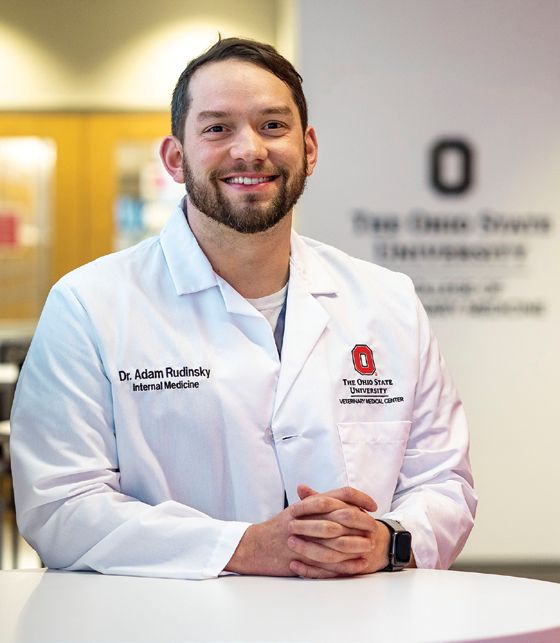
Internal medicine specialist Dr. Adam Rudinsky, assistant professor in Small            Hospital for Farm Animals and
Animal Internal Medicine at The Ohio State University Veterinary Medical                Galbreath Equine Center:
Center (VMC), is conducting research on what he hopes will uncover answers              614-292-6661
to those concerns by studying three common GI disorders: acute colitis (AC),            Veterinary Medical Center–Dublin
canine chronic constipation and inflammatory bowel disease.                             5020 Bradenton Ave.
                                                                                        Dublin, OH 43017
                                                          continued on page 2
                                                                                        614-889-8070

                                                                                        vet.osu.edu/vmc
From the Director
                   As we enter the month of May, my                At present, members of the Veterinary Medical
                   hope is that you, your families and             Center’s Companion Animal Internal Medicine team
                   your practice teams are in good                 are conducting three gastrointestinal studies to further
                   health as we continue to address the            the discussion and practice around best therapies for
                   coronavirus pandemic.                           dogs with GI complications. The case study on page 3
                   While the past two months have been             provides insight into the prospect of dietary therapies
                   challenging for all of us in veterinary         for dogs with chronic constipation.
                   medicine, we also face a near term              As we continue to move forward, we invite you to
                   future of uncertainty with regard to            visit our web site at vet.osu.edu/vmc for the latest
how we continue to conduct business moving forward.                information about VMC operations and accessibility
For this reason, we feel it is important to continue to            for your referral clients.
feature news that will keep you informed about the latest          Thank you for your understanding and patience. Stay
studies being conducted by our specialists in an effort to         safe and well. Please let me know if you have any
improve medical therapies and health outcomes for your             questions.
patients.

                                                                                 Karin Zuckerman, MHSA, MBA
                                                                                 VMC Director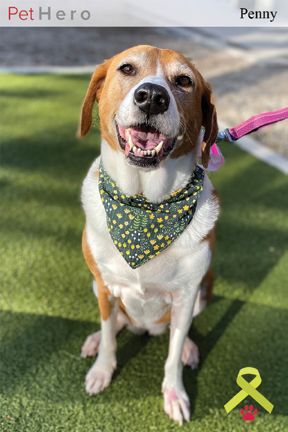
Update for Veterinarians May - June 2020

GI Management Studies - continued
                                                                    Canine chronic constipation
                                                                    The chronic constipation study will evaluate the efficacy of
                                                                    a new fiber-based diet in eliminating constipation in dogs
                                                                    with mild conditions as compared with an experimental
                                                                    control diet.
                                                                    “Constipation is often a neglected condition in dogs and
                                                                    there’s not a lot of information out there about how to treat
                                                                    it,” Dr. Rudinsky says.
                                                                    While the clinical signs for constipation are known —
                                                                    straining, dry stools or not going at all — he says, unlike
                                                                    cats, dogs don’t present with robust clinical signs and
                                                                    as such owners may not view it as a problem. “We know
                                                                    that those are situations that could lead to injury to the
                                                                    gastrointestinal tract and complete obstruction from the
                                                                    impaction of fecal material,” he says.
                                                                    “These are easy things to miss — how frequently your
                                                                    pet defecates and what is considered normal, so my goal
                                                                    as a clinician is to address this before the constipation
                                                                    becomes severe.”
                                                                    The study opened in March. The research team plans to
                                                                    enroll 30 dogs. All costs associated with the study are
                                                                    covered for qualifying dogs.

Acute colitis                                                       Inflammatory bowel disease
The acute colitis (AC) study, the first comparative study           As with constipation, the study on inflammatory bowel
of its type, is exploring whether antibiotics such as               disease will compare novel and traditional therapeutic
metronidazole or more natural methods, such as fiber and            approaches of not just treating dogs with the condition,
dietary therapy, can better manage diarrhea.                        but managing the disease with minimal adverse impact.
Dr. Rudinsky says veterinary medicine has tended                    “We know that many people with GI problems will turn to
to support traditional fast-acting therapies, such as               over-the-counter probiotics to resolve their issues,” Dr.
antidiarrheals, which solidify the stool; dietary therapies         Rudinsky says.
that include bland food; and medical therapies that                 Likewise, anti-inflammatories are often used in dogs. For
minimize inflammation in the gut. “Each of those have their         example, he says, Prednisone is cheap, easy to dose and
place, but they also have downsides and trade-offs to their         reduces inflammation, but it’s not an optimal approach.
use,” he says.                                                      “It’s really stressful on the body and there are lots of side
For example, anti-inflammatories may have side effects,             effects from it.”
and antimicrobial drugs can actually injure the intestinal          The study’s novel treatments will focus on nutraceuticals
tract’s natural bacteria.                                           and novel therapeutic drugs to treat the disease.
Moreover, while literature supports each of these                   “With both of these studies, the goal is to find new ways
strategies, there is no evidence about which is the best            to manage inflammation in the gut while minimizing the
for the animal. If the study does not find a clear answer, he       impact and side effects the animal experiences.”
says, “we would try to promote the use of dietary therapy
because it’s the most natural and least adverse approach.”          Both studies will enroll 10 dogs each. All costs associated
                                                                    with the study are covered for qualified dogs.
The study’s outcomes will look at the rate at which stool
quality is returned and the status of microbes in the               If you have any questions about the trials, please contact
gut. As of late March, 36 dogs were enrolled. Costs for             cvm-clinicaltrials@osu.edu or 614-247-8706.
appointments, food and medication are covered.

                                                                2
The Ohio State University Veterinary Medical Center
Internal Medicine Case Study
Dietary Therapy Improves Chronic Constipation
                         When Tracer, a two-year-old                Like many pet owners, he adds, Tracer’s owners are both
                         Shiba Inu, presented to the                knowledgeable people and are incredibly dedicated to
                         VMC in February this year, at              their animals, but this was a minor detail that, undetected
                         first glance she showed all the            for a period of time, “could really be make or break for
                         physical signs of complete health:         Tracer’s overall health.”
                Tracer   alert eyes, normal physical                Dr. Rudinsky’s team screened Tracer for any other medical
                         examination and a happy                    ailments, running a series of lab tests, including abdominal
                         disposition.                               imaging, as well as an interview with the owners to
                        In fact, her owner, a VMC staff             determine whether there were any abnormalities or other
                        member, brought Tracer in                   areas of concerns.
                        after hearing about the chronic             “We prescribed the study diet and followed up to
                        constipation study. The owner               identify any changes in bowel movement frequency and
                        noted that Tracer had been                  character.”
                        defecating only one to two times
a week, which was far less than the average number of               After a few days, Tracer showed significant improvement
bowel movements a normal dog has each day (2.4 bowel                in frequency and reduction in straining. And while she did
movements a day).                                                   not reach the twice daily rate, Dr. Rudinsky considers her
                                                                    improved frequency a victory. After Tracer completed the
The owners also reported Tracer occasionally strained               study diet, the team recommended other diets similar to
when going, but because the dog was still eating and                that used in the study for long-term management.
playing, they thought it was just normal dog behavior.
“Tracer’s situation is an interesting case because it’s a
                                                                                What to Know about
common scenario, a common problem where early and
mild signs are sometimes overlooked or misinterpreted”                       Canine Chronic Constipation
Dr. Rudinsky says. “She was in that period where
Tracer’s constipation hadn’t progressed or caused any                  • Ask clients to check on their dog’s defecation
complications yet.” As a result, he says, it went unnoticed.             frequency
“We have dietary management options, which worked in                   • The average frequency for healthy dogs is
this case, as well as other medical therapies. However, in               approximately 2.4 times a day
this case the fact that the owner did not realize what the
                                                                       • See two fecal scoring systems to learn more
average daily defecation is for dogs, which on average is
slightly more than two times a day, they were unable to
                                                                         – the Purina and the Waltham fecal scoring
recognize an abnormal frequency. That was a powerful                     systems (available online)
awakening for Tracer’s owners.”

   Thank You, Pet Heroes!
   The Blue Buffalo Veterinary Clinical              Thank you also to veterinarians
   Trials Office salutes the families of our         who have referred your clients’
   Pet Heroes who chose to enroll their              pets for participation, and who
   pets in clinical trials, which evaluate new       have encouraged and continue to
   treatments for several diseases, including        encourage pet participation.
   cancer, kidney disease and arthritis.             Thank you to all of them for helping
   Knowledge gained from these trials was            advance science and impacting
   used to design better treatments for both         countless human patients!
   pets and humans.

   Please visit vet.osu.edu/vmc/clinical-trials for a list of current trials. If you have any
   other questions, please contact us at cvm-clinicaltrials@osu.edu or 614-247-8706.

                                                                3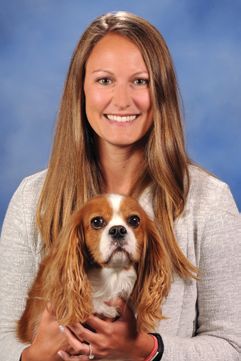
Update for Veterinarians May - June 2020

Faculty Spotlight
                           Dr. Ashley Hechler                       Dr. Hechler says the most common medical cases are
                           Assistant Professor, Clinical,           patients with seizures. Common surgical cases include
                           Neurology and Neurosurgery               intervertebral disc disease (herniated disc), primarily
                                                                    in Dachshunds and French bulldogs. Other conditions
                           Like most veterinarians, Ohio
                                                                    the team treats range from encephalitis/meningitis
                           State Veterinary Medical Center
                                                                    and vestibular disease, to lumbosacral disease and
                           (VMC) neurosurgeon Dr. Ashley
                                                                    neuromuscular disorders, to trauma and spinal cord injury.
                           Hechler grew up with a love of
                           animals.                                 The team’s advanced diagnostic and treatment modalities
                                                                    include advanced MRI (3 Tesla) for brain and spinal imaging,
                           “I had always wanted to be a
                                                                    a multi-slice CT scanner, EMG and nerve conduction testing
                           veterinarian, but my interest
                                                                    and ultrasonic surgical aspirator for brain tumor resection.
                           specifically in neurology began
                           when I was in high school,” she          “The most rewarding part of my job is helping owners
                           says.                                    through a difficult time with their pets,” she says. With
                                                                    several pets at home — one CKCS named Patrick, a golden
“At that time, I had a cavalier King Charles spaniel (CKCS)
                                                                    retriever named Finnegan and a cat, Henry — Dr. Hechler
with syringomyelia (SM), which is a painful neurological
                                                                    can relate to clients’ concerns when they come to the
condition. The lack of good treatment options was
                                                                    VMC. “A large percentage of our case load is emergency-
incredibly frustrating and led to my interest in the disease,
                                                                    based and it can be incredibly scary for owners when their
which is the topic of my research today. SM can be
                                                                    dog becomes suddenly paralyzed, but when we can help
heartbreaking for owners of dogs with severe symptoms.”
                                                                    make their pet walk again, it is an incredibly rewarding
As assistant professor of neurology and neurosurgery, Dr.           experience.”
Hechler is part of the VMC Neurology and Neurosurgery
                                                                    She wants referring veterinarians to know that the team is
Service team, made up of three neurologists, three
                                                                    available to offer advice for ongoing cases whether or not
residents and two technicians.
                                                                    the client is interested in referral.
“On a typical day we manage hospitalized patients and
                                                                    As of press time, in response to COVID-19, the clinic is on
evaluate new patients, and we also tend to have a high
                                                                    limited staff. The Neurology and Neurosurgery service team
caseload of emergencies,” she says. “Our schedule is set
                                                                    is seeing emergency and existing client urgent care cases
up to evaluate appointments on one day and then perform
                                                                    only. See vet.osu.edu/vmc or call 614-292-3551.
the advanced imaging and surgeries the following day.”

Welcome New Faculty                                                          Upcoming CE Events
                       Brian Husbands, DVM, DACVIM                   College of Veterinary Medicine Continuing Education
                       Associate Professor
                                                                    Postponed Camelid Health Conference, Columbus
                        Dr. Husbands joins the VMC                   May (TBD) CE dinner – Toledo (Toledo VMA)
                        Integrated Oncology Service. A
                        1998 graduate of the Ross University         May (TBD) CE dinner – Dublin
                        School of Veterinary Medicine in            June (TBD) CE dinner – Cleveland/Akron
                        St. Kitts & Nevis, Dr. Husbands             		 (Cleveland Academy of Veterinary Medicine)
                        completed a rotating small animal           August 21 3rd Annual Small Animal Conference at the
                        internship followed by residencies in       		 Veterinary Medical Center
                        small animal internal medicine and
                        comparative oncology at the school.            Sept. 22 CE dinner – Cincinnati (Cincinnati VMA)
                        He has held specialty practice and               Oct. 24 Ohio State & Royal Canin 2020 Symposium
academic positions and was most recently associate                    These program dates may change as conditions allow.
clinical professor at the University of Minnesota College             Please visit vet.osu.edu/alumni/continuing-education
of Veterinary Medicine’s Veterinary Medical Center. A                 for up-to-date information.
Columbus native, Dr. Husbands is happy to be back home.
                                                                    The Ohio State University College of Veterinary Medicine
                                                                    The Ohio State University Veterinary Medical Center
                                                                    The Ohio State University Veterinary Medical Center at Dublin

                                                                4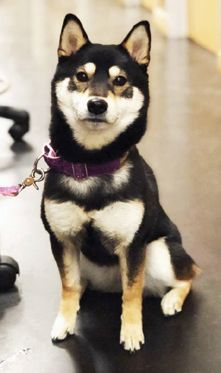
You can also read


