Voxdale uses Simcenter FLOEFD to design boat that shatters world speed record
←
→
Page content transcription
If your browser does not render page correctly, please read the page content below
Siemens Digital Industries Software

   Voxdale uses Simcenter
   FLOEFD to design boat
   that shatters world
   speed record

Executive summary

This white paper examines how Belgian engineering consultant Voxdale
helped speedboat manufacturer Bernico International design a speedboat
that would break the world speed record. This was accomplished by
simulating the design of a new Formula 2 class boat through the use of
computer-aided engineering, computer-aided design, and the 3D
CAD-embedded computational fluid dynamics tool Simcenter™ FLOEFD™
from Siemens Digital Industries Software.

Koen Beyers, Voxdale

                                               siemens.com/simcenter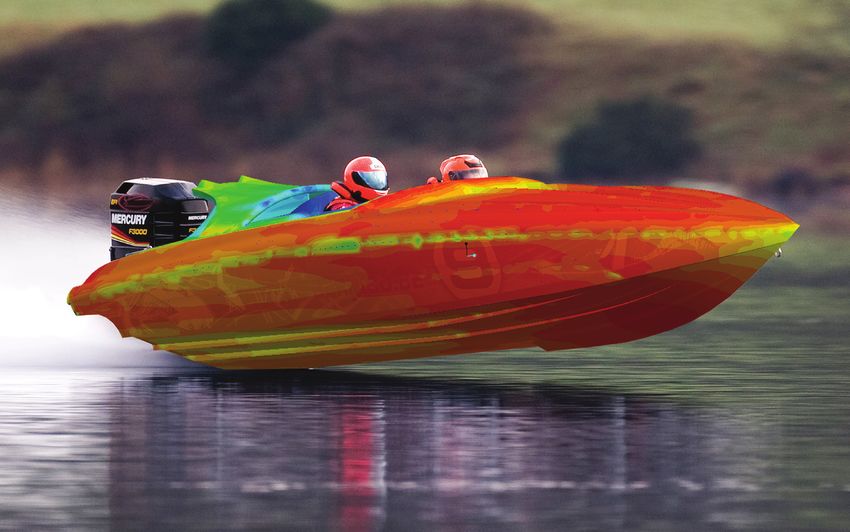
White paper | Voxdale uses Simcenter FLOEFD to design boat that shatters world speed record

Abstract                                                                   When leading Belgian speedboat manufacturer Bernico
In 2009, Voxdale performed a complex surface geometry                      International approached Voxdale in 2008 to design an
modeling of the Bernico F2 boat as well as mechanical                      innovative Formula 2 class boat to break the world
integration and engineering, structural optimization,                      record and clear 100 mph, a new approach was needed.
thermal engine management, lightweight material                            With a combination of PTC computer-aided design
selection, design for cost and assembly as well as flow                    (CAD)/computer-aided engineering (CAE) tools, includ-
analysis in Simcenter FLOEFD to deal with aerodynamics.                    ing the 3D CAD-embedded computational fluid dynam-
The end result was a boat that shattered the 100 miles                     ics (CFD) tool Simcenter FLOEFD from Siemens Digital
per hour (mph) barrier with a stunning world-record                        Industries Software, we embarked on this challenge.
time of 103.6 mph or 166.7 kilometers per hour (km/h).
                                                                           The rationale behind Voxdale’s approach
                                                                           F2 racing boats are very expensive and typically there is
                                                                           no time or budget for physical prototyping in any design
                                                                           process. The ideal scenario is to “build and race” and
                                                                           there is not a classic development path for such a pro-
                                                                           cess (for example, an alpha version, a beta version, a 0
                                                                           series and/or a release version).
                                                                           For Bernico, successfully designing a new F2 boat would
                                                                           be essential for future cruiser boat sales. Bernico gave us
                                                                           a simple set of target specifications for the new F2 boat:
                                                                           1. 300 horsepower (HP) outboard engine
                                                                           2. Top speed of 160 km/h (100 mph) with an
                                                                              acceleration of 0 to 100 km/h in 6 seconds
                                                                           3. Cruise at 97 percent above water for good
                                                                              aerodynamics
                                                                           4. No rear deck and minimal turbulence in the cockpit
                                                                           In 2009, we started the project by taking the Bernico F2
                                                                           boat design, which could reach speeds of 157.1 km/h
                                                                           (97.6 mph), and 3D scanning the hull and body to
                                                                           reverse engineer the prior design in CAD/CAE as a base-
                                                                           line (figure 1). We then did a CFD simulation on the
                                                                           baseline CAD geometry before brainstorming several
                                                                           parametric outside-the-box ideas which we could virtu-
                                                                           ally test in the software and perform design optimiza-
                                                                           tion. With the Creo Simulate™ structural analysis tool
                                                                           from PTC Creo®, we could also conduct concurrent
                                                                           structural analysis of our boat designs to yield the opti-
                                                                           mal solution, which we would recommend to Bernico.
                                                                           Within our familiar PTC Creo environment, we did a
                                                                           complex surface geometry modeling of the boat,
                                                                           mechanical integration and engineering, structural
                                                                           optimization, thermal engine management, light-
                                                                           weight material selection, design for cost and assembly,
                                                                           as well as flow analysis in Simcenter FLOEFD to deal
                                                                           with aerodynamics.
Figure 1. Voxdale F2 speed boat design process: Brainstorm and
conceptual design (top); Architecture and SDX (center); and engineering
optimization (bottom) – PTC Creo and Simcenter FLOEFD.

Siemens Digital Industries Software                                                                                                               2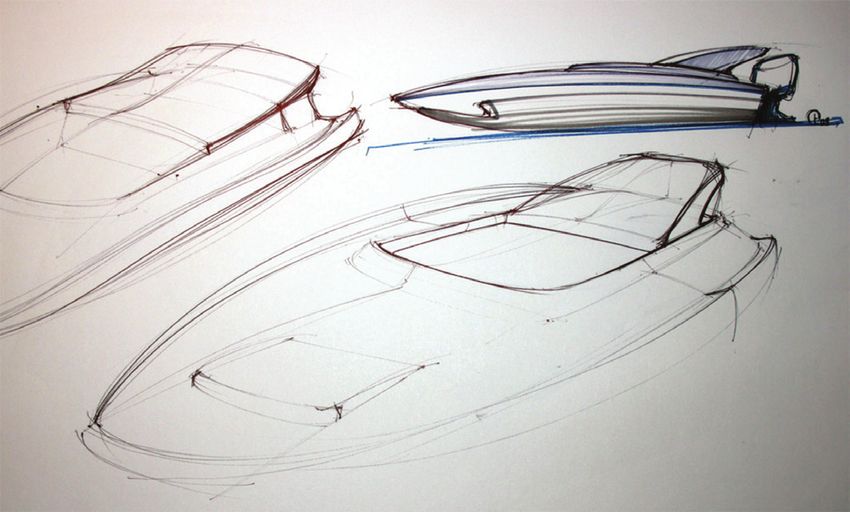
White paper | Voxdale uses Simcenter FLOEFD to design boat that shatters world speed record

CFD simulation helped shave off drag components
throughout the new boat’s shape. We looked at the boat
pilot’s helmet shape to produce less flow separation and
drag. We used a National Advisory Committee for
Aeronautics (NACA)-shaped duct to create an overpres-
sure in the cockpit area so there was less turbulence
created. At the rear deck splitter and deflector plate, we
evolved our aerodynamic design (figure 2) so there was
a positive lift on the rear deck and a low flow separation
behind the outboard motor. We created a drag reduc-
tion from our baseline geometry of 240 Newton (N),
designed the boat for a positive torque on the rear deck
of 450 Newton metre (Nm). Upon completion, we man-
aged to get to within 3 km/h of our predicted top speed.
Moreover, our design had better acceleration than we
needed, more stability and better driveability than what
we started with.
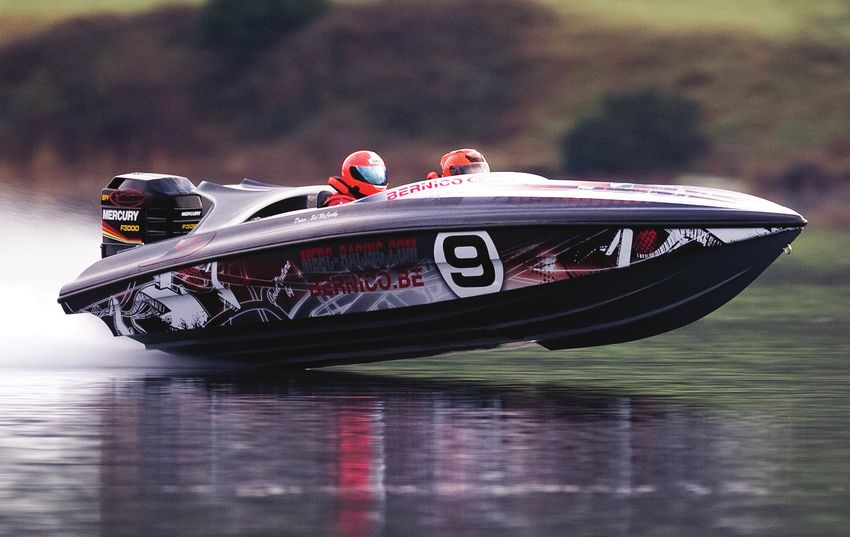
This Voxdale-designed Bernico F2 boat broke the 100
mph barrier at Coniston Water in the United Kingdom’s
Lake District during the annual Power Boat Records
Week on its first outing in November 2009 with a stun-
ning world record time of 103.6 mph or 166.7 km/h [1].
Its excellent naval architecture, functional design,
optimized aerodynamics, low fuel consumption and
lightweight materials proved to be a successful
combination. Bernico quickly commercialized the boat
design and a Cruiser edition was made available in
2010, with three orders being taken during the
Coniston Powerboat Records Week.
                                                                              Figure 2: Evolution of the rear deck deflector and splitter unit.
What did we conclude from this exercise? Some boat
designs are hard to test but easy to simulate, and
CAD/CFD/CAE simulation certainly stimulates radical
innovation and leads to workable solutions that
yield performance improvement and ultimately,
in this case, a world record-breaking result.

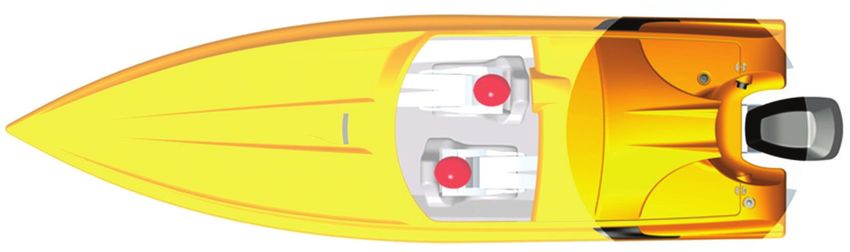
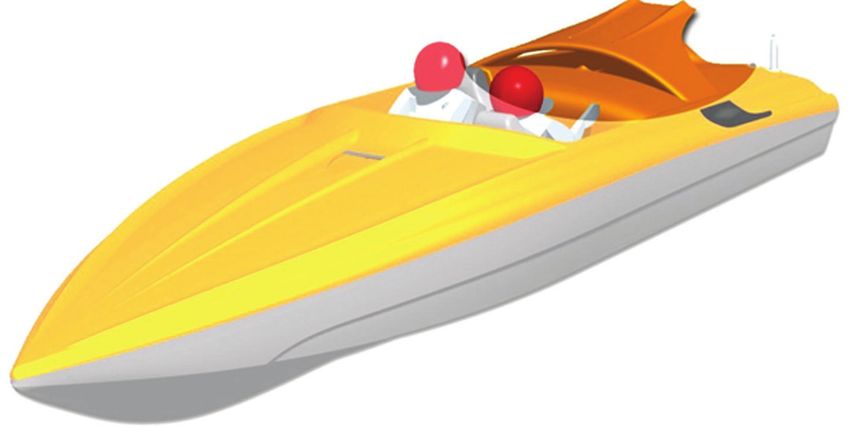
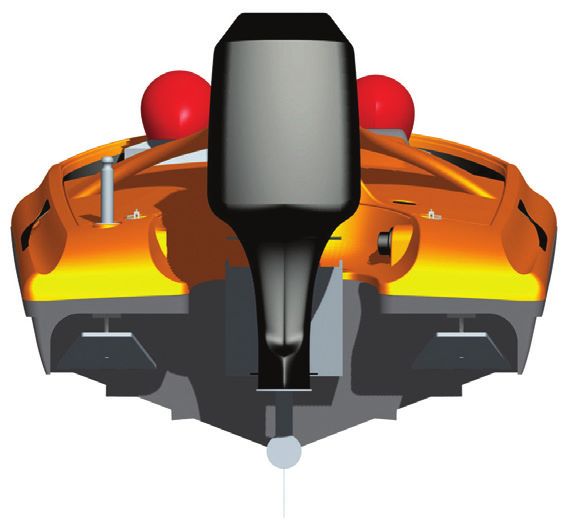
Figure 3: Final Formula 2 race boat design (front, side and rear view).

Siemens Digital Industries Software                                                                                                                  3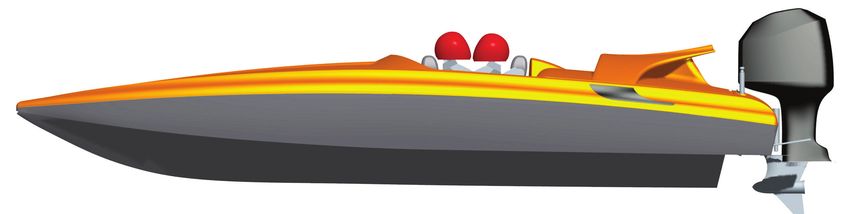
White paper | Voxdale uses Simcenter FLOEFD to design boat that shatters world speed record

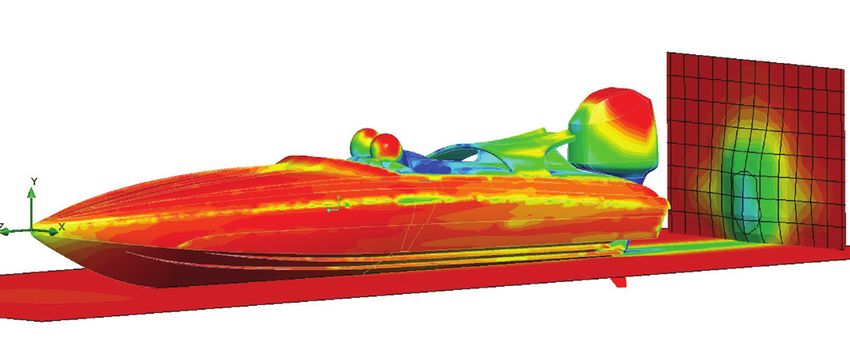
Figure 4: Record-breaking F2 Bernico boat on Coniston Water in November 2009 with superimposed hull pressure contours from Simcenter FLOEFD
simulation prediction.

References and more information
1.   Coniston 2009 Powerboat Records Week, Monohull record-breaking
     103 mph video: http://www.youtube.com/watch?v=_WBggHZaWCk
2.   http://www.voxdale.be
3.   http://www.bernico.be
4.   https://www.facebook.com/voxdalebelgium

Siemens Digital Industries Software                                                                                                             4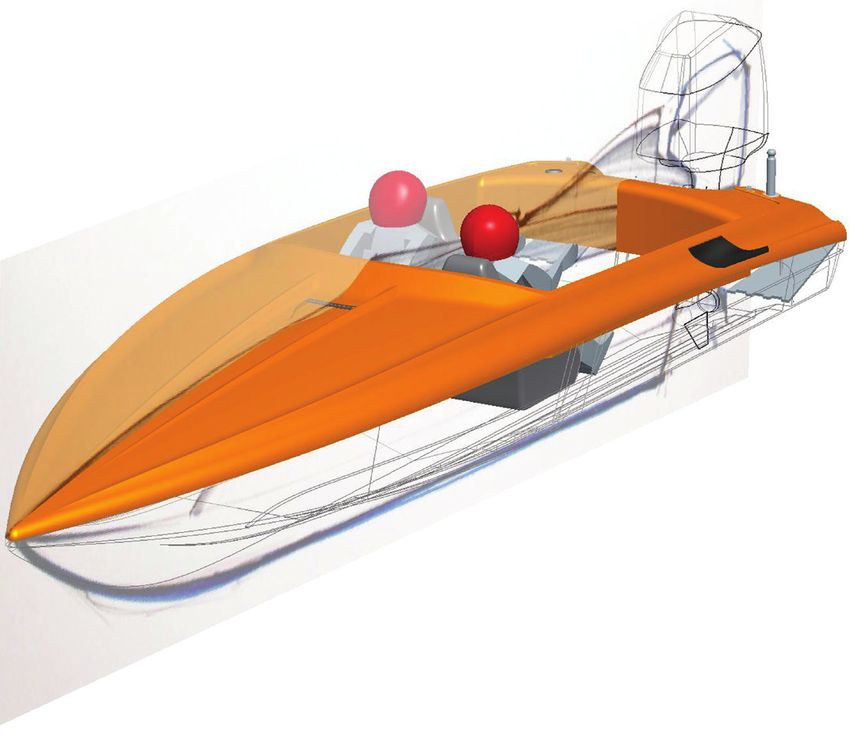
Siemens Digital Industries Software                                                         About Siemens Digital Industries Software
                                                                                            Siemens Digital Industries Software, a business unit of
Headquarters                                                                                Siemens Digital Industries, is a leading global provider
Granite Park One                                                                            of software solutions to drive the digital transformation
5800 Granite Parkway                                                                        of industry, creating new opportunities for manufactur-
Suite 600                                                                                   ers to realize innovation. With headquarters in Plano,
Plano, TX 75024                                                                             Texas, and over 140,000 customers worldwide, we
USA                                                                                         work with companies of all sizes to transform the way
+1 972 987 3000                                                                             ideas come to life, the way products are realized, and
                                                                                            the way products and assets in operation are used and
Americas                                                                                    understood. For more information on our products and
Granite Park One                                                                            services, visit siemens.com/plm.
5800 Granite Parkway
Suite 600
Plano, TX 75024
USA
+1 314 264 8499

Europe
Stephenson House
Sir William Siemens Square
Frimley, Camberley
Surrey, GU16 8QD
+44 (0) 1276 413200

Asia-Pacific
Unit 901-902, 9/F
Tower B, Manulife Financial Centre
223-231 Wai Yip Street, Kwun Tong
Kowloon, Hong Kong
+852 2230 3333

siemens.com/plm
© 2019 Siemens. A list of relevant Siemens trademarks can be found here. Other trademarks
belong to their respective owners.
78096-C2 7/19 M

                                                                                                                                                    5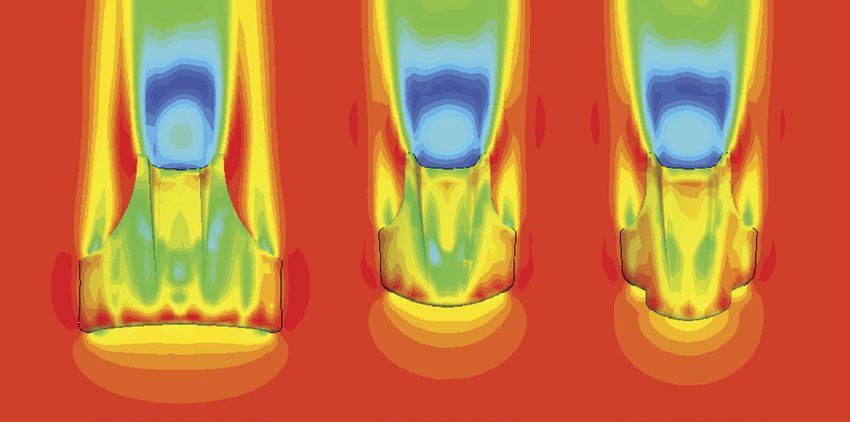
You can also read


