We do it better Sustainability case studies 2011
←
→
Page content transcription
If your browser does not render page correctly, please read the page content below
We do it better Sustainability case studies 2011
2               Sustainability case studies 2011

    Using returned
    ancestral lands
    to build a sustainable
    community

    Dwarsrivier:      The Kalkfontein olive farm bears fruit (2011 update)

    In 1949 the Pedi community of Masha Gobe were put onto trucks            something that anyone in the area had any knowledge of, so
    with all their worldly possessions and removed to a place called         Dwarsrivier brought in experts from Olives SA, a major olive
    Malagale, not far away but a place that would never be their real        producing and processing business based at Hartswater in the
    home.                                                                    Northern Cape. Advising on the implementation of the scheme
                                                                             are Leaves Consulting, local specialists in economic development
    Half a century later, after generations had been born at Malagale        and Social and Labour Plans.
    and many community members had drifted away to many other
    towns and cities, the Masha Gobe people had their ancestral              By February 2010, the first trees, still barely a metre high, were
    lands returned to them by the Land Claims Commission.                    bearing their first small fruit. In the project’s first year, Dwarsrivier
                                                                             funded it to the tune of R3 million, paying for the clearing, trees,
    Standing on the 3 446 hectares of land that has been restored to         irrigation and wages.
    his people, Isaac Masha points out where the people had their
    homesteads, where they kept their livestock and grew mealies             It was initially envisaged that olives and olive oils would be market-
    and sorghum “in the old days”.                                           ed in areas around the project and further afield in Limpopo and
                                                                             Mpumalanga. However, Olives SA has undertaken to buy the farm’s
    Masha, 67, is the Chairman of the Kalkfontein Communal Prop-             full production, boosting confidence in the farm’s medium-term
    erty Association (CPA), the legal entity that controls the land and      viability and long-term sustainability. An analysis prepared by
    has the power to decide on its allocation and utilisation. “When we      Dwarsrivier envisages the project achieving break-even after four
    got this land, we all thought we would simply come back and live         years, with profits rising to R600 000 by Year 10.
    as in the old days,” says Masha. “But for ten years we did nothing
    with it. Our main problem was that there were so many trees and          According to Leaves Consulting’s Thys de Lange, an oil press will be
    bushes and we didn’t have the equipment to dig them and make             built over the next two years, in time for the first commercial harvest.
    the land ready for agriculture.”                                         The press and processing plant will cost a further R1.5 million,
                                                                             which Dwarsrivier will also finance. Once the harvesting and
    The Department of Agriculture advised the CPA on how best to             production (of approximately a tonne of extra-virgin quality olive oil
    utilise their reclaimed land. The Department’s research led it to sug-   a year) are in full swing, another ten jobs will be created in addition
    gest a farm producing olives. An olive-farm business plan devel-         to the supervisor and 15 people who are currently employed
    oped by the Department envisaged an expenditure of R11 million.          weeding, fertilising, watering and generally tending the 50-hectare
                                                                             farm. Future planning envisages the production of value-added
    Approached for assistance, Dwarsrivier Mine evaluated the var-           products such as soaps and creams, and waste material could be
    ious proposals and plans, interviewed community leaders and              used for animal feed.
    agreed that the project had excellent prospects of generating
    long-term sustainable wealth for the people of Kalkfontein. An           Isaac Masha understands that there will be no overnight profits from
    initial R1.2 million was committed; 130 Kalkfontein residents            the project. “Yes, I believe that we will make money out of these
    cleared the bush over a period of four months, a 330 000-litre           trees, not today but maybe in five years’ time. We are very grateful
    reservoir was built, the area fenced and planted with 15 000 olive       for the help we have received from the government and from
    trees of three cultivars. However, the business of selecting,            Dwarsrivier. We could not have done any of this without them.”
    planting, feeding and watering these strange saplings was not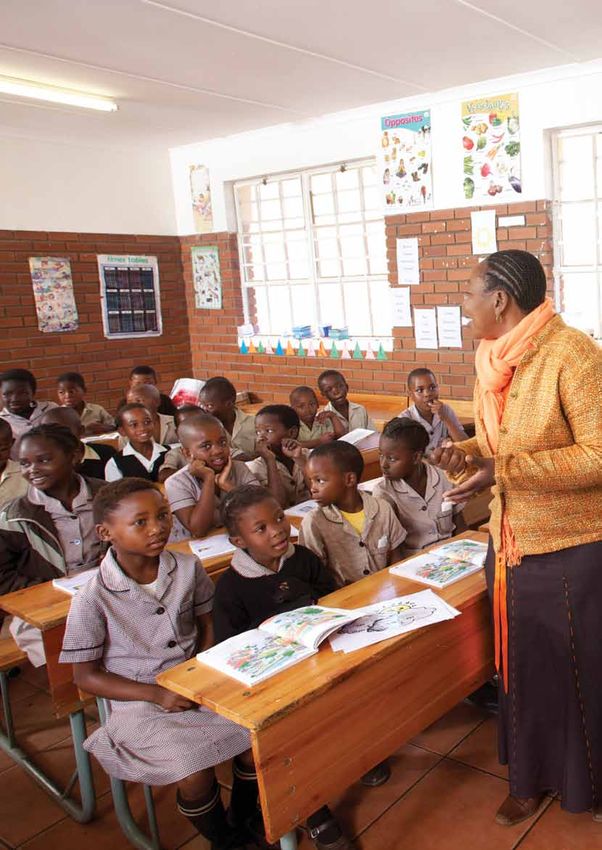
Sustainability case studies 2011   3

With ARM’s assistance the
community of Masha Gobe has
gone from being dispossessed
to being proud owners of
a 3 446 hectare olive farm
4               Sustainability case studies 2011

    ARM BBEE Trust:          Bicycles changes lives

    Small things can make                                                   At home, such is the almost endemic poverty in the area that if
                                                                            children do not get to school they will often not be fed at all. Parents

    a big difference
                                                                            mostly depend on State Grants to get by, but these are never
                                                                            enough to provide their children with a balanced, nourishing diet.

    Tuesday, 2 August 2011 was a bright, crisp and blustery winter’s        Kgosi Phetlhu is finely attuned to the needs in his community. Not
    morning in the Northern Cape. For the Batlhaping people and             only does he want his children to be given food, he wants them
    Gakgatsana Primary School in particular, it was a red-letter day.       to come to school in a fit state to receive the mental stimulation
                                                                            that will enable them to learn and grow, and, one day, invest in
    It was to be a morning of speeches and celebrating, presided            and uplift their poor villages.
    over by the local Kgosi, Bakang Desmond Phetlhu. At the
    Camden village tribal offices a reception was planned for later,        Singling out ARM Executive Chairman, Mr Patrice Motsepe,
    with snacks and soft drinks. There the grown-ups would gather to        Kgosi Phetlhu is unstinting in his praise for what he has done to
    celebrate the fact that at that very moment, outside on the dusty       come to the help of marginalised, forgotten communities such
    roads that connect 300 families living in 20 far-flung villages to      as the Batlhaping. “I am overwhelmed by what he has done
    three schools, children were rejoicing in their new gift of mobility.   for the people of South Africa,” says the youthful Kgosi. “We
                                                                            salute and appreciate what the BBEE Trust is doing for us.
    Kgosi Phetlhu explains that, as a member of the ARM Mpuma-              Bicycles are not just bicycles for us, they are the means by which
    langa Northern Cape BBEE Trust, he had asked the Trust to fund          our children can get to school safely, without being dizzy from
    the provision of as many bicycles as it could manage. In this re-       hunger, to learn so that they can help to build a better future for
    mote, poverty-stricken part of South Africa cars are a luxury           all of us.”
    driven by the privileged minority and the main means of transport
    are bicycles and donkey carts. But many of the 700 pupils in the        Trust project manager Chris Muller said the bicycle donation was,
    area have neither – they have to walk up to 7 km from home to           relative to other projects funded by the Trust, a small contribution.
    get to school – and 7 km back. Often they do so on empty stom-
                                                                            “But having these bicycles has made an immediate impact on the
    achs, and parents worry about the safety of their children as they
                                                                            lives of many extremely poor learners. These are youngsters
    make their way to and from school.
                                                                            from our community and we are privileged to have the chance to
    The ARM BBEE Rural Upliftment Trust’s response was to                   intervene positively, to make a difference in their lives.”
    sponsor 80 bicycles, with run-flat tyres, a sponsorship amounting
    to R80 400.

    Eighty children from Camden village,
    in the Northern Cape now get fed every day,
    after travelling safely to school on the bicycles
    donated by the ARM BBEE Trust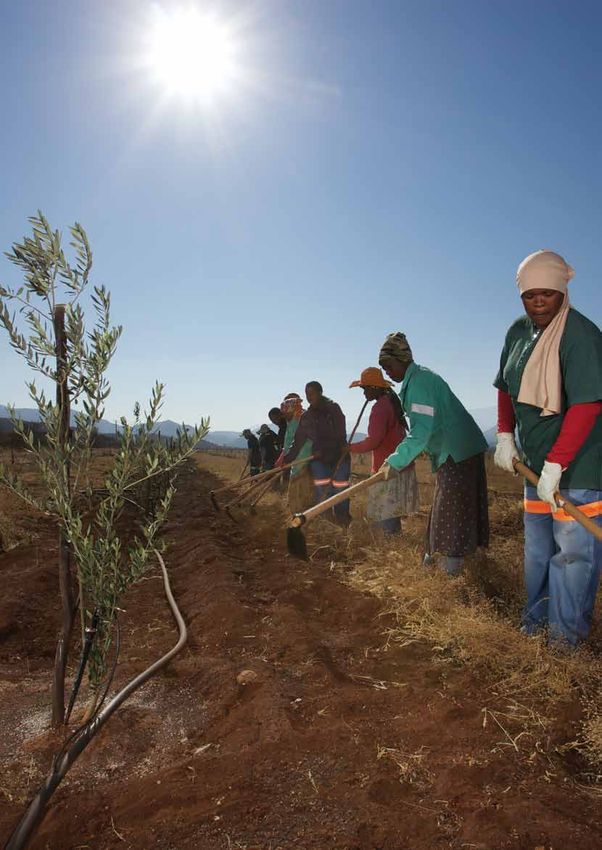
Sustainability case studies 2011            5

Investing in
infrastructure
Khumani: Turning the lights on in Mapoteng

Sishen is known around the world for its massive iron ore deposits     Khumani LED superintendent Dennis Dituku says the current
and giant mines but what is not always appreciated is that Sishen      state of Mapoteng is a negative reflection on the mines in the
started life as a township extension of the town of Kathu.             area. Khumani wants the settlement to reflect what the mine
                                                                       stands for. “We want to help make this a model township, a place
As mining investment took off, people streamed to this isolated part   in which people can lead respectable lives and grow a sustainable
of the Northern Cape seeking employed. They came from all over         community,” Dituku says.
South Africa, first in their hundreds and then in their thousands.
Those who found employment sent for their wives and families. In       To realise this dream, Khumani is now investing R18 million in
no time, Mapoteng, a sprawling informal settlement, had sprung up      bulk electricity supply and household connections in Mapoteng.
between Sishen and Kathu.                                              “The municipality just didn’t have the funds for this project,”
                                                                       Ositang says. “We believed that proper electrification for Mapoteng
Accommodation in Kathu available is at a premium: a backyard           had to be a priority and it is thanks to Khumani that we are about
room can cost R3 000 to R4 000 a month and three-bedroom               to achieve this important goal.”
houses are rented out for as much as R20 000 per month. Students
attending Kathu’s technical college cannot possibly afford these       In September 2011, that goal became a reality, when the first
rents but they can get a room in Mapoteng for perhaps R300 a           houses were connected. Residents such as Isaac Setlhare are
month. One stand owner, proudly showing off the pre-paid electricity   upbeat about the difference that being connected to the power
panel that has been installed in his home, says he has three shacks    grid will make to their lives.
that he rents out for only R100 each a month.
                                                                       “This is going to be a big help for all of us,” says Setlhare. “With
And so Mapoteng keeps growing and it keeps getting more                electricity there is so much more you can do.” The 43-year-old
crowded. There are 500 stands in the township, each with an            knows what he’s talking about. Since being retrenched a year-
average of eight shacks on it. One (not a typical) site houses ten     and-a-half ago he has been anything but idle, finding odd jobs
shacks and a total of 30 people. In such overcrowded conditions        wherever he can and using his welding machine to manufacture
and with only a basic supply of electricity, fires are a constant      burglar bars and gates, a business he uses to support his wife
threat. Two years ago a man died when a fire consumed eight            and three children in the Free State. Setlhare has even hooked
shacks; this year a small boy burnt to death.                          his modest home up to solar panels, which give him and his wife
                                                                       enough power to charge cell phones and to listen to the radio.

                                                                       “It’s thanks to Khumani that we can dream of a better life here in
                                                                       Mapoteng,“ said Setlhare.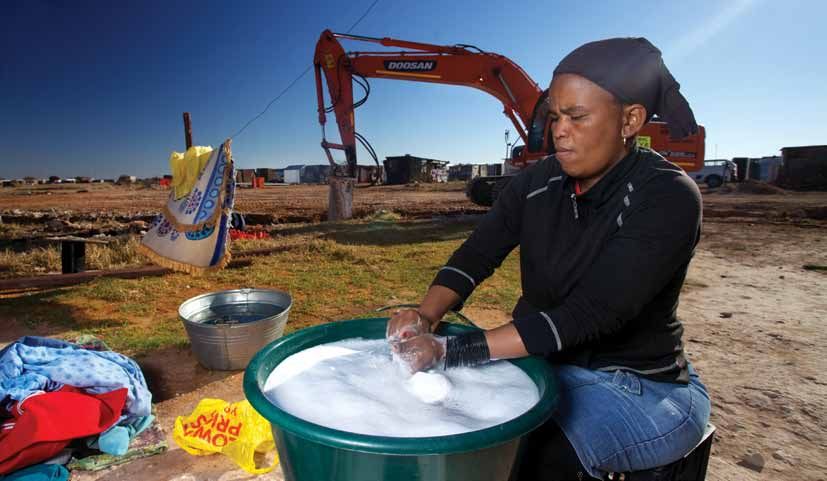
6      Sustainability case studies 2011

    ARM’s R18 million investment in
    bulk electricity supply and household
    connections gives the residents
    of Mapoteng township access
    to 40 Amps of power for the first time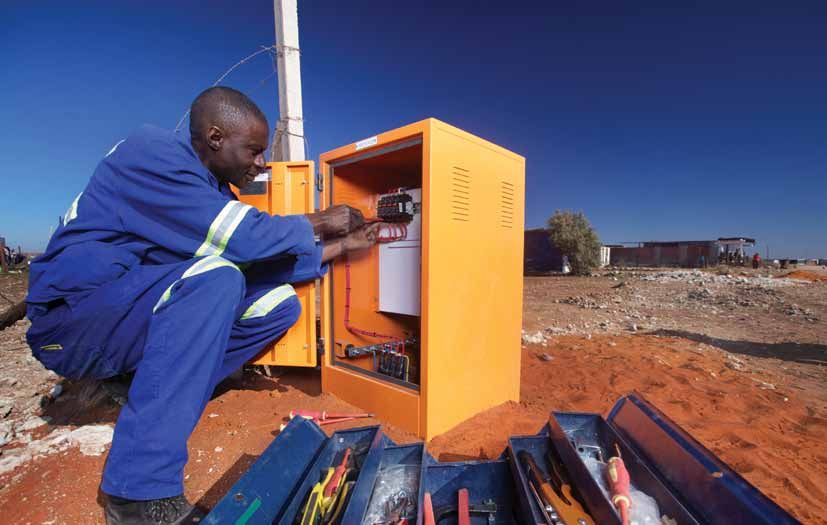
Sustainability case studies 2011            7

Dwarsrivier: Investing in early childhood development (ECD) (2011 update)

ARM believes it is essential
to provide children with
the best possible start to
their education
Grinding poverty is the norm in the far-flung villages outside       Putting this belief in the importance of a good foundation into
Steelpoort in Limpopo and many children in the area grow up living   practice, since 2006 Dwarsrivier has sponsored Khensani Training
with only one parent, or their grandparents. Many have neither.      to run an early childhood development (ECD) intervention in four
                                                                     primary schools in the area, of which Papong is one.
What chances these children have in life depends largely on the
quality of their early education, which is why Dwarsrivier Mine      The ECD programme implemented by Khensani aims to give
is providing R700 000 for early childhood development at four        Grade R and Grade 1 learners at the schools a solid grounding,
schools.                                                             without which, Buglass says, they would be at a distinct dis-
                                                                     advantage throughout their school careers.
The challenges are formidable. Lenske Buglass, a facilitator at
local consultants, Khensani Trainers, says 65% of children simply    The programme developed by Khensani uses five workbooks
do not attend Grade R. “There might be full enrolment on Day         which contain illustrations and exercises to which the children can
One but after a month the numbers start to drop off,” says           relate, images that depict the domestic situations they come from.
Buglass. “You call a parents’ meeting and out of 76 parents per-     “In this way,” Buglass explains, “children are encouraged not to
haps only ten will attend – these are the ten who are already        feel that school is a strange, different place but that it is part of
sending their children.”                                             their lives, a natural place for them to be.”

At Papong Primary School in Malekane, only 15 to 20% of Grade        The programme focuses not only on the learners but also on their
R pupils come to school every day. Some 5% come just once a          teachers. Five teachers from the community have received
week and many parents believe that, because it is not compulsory,    SETA-accredited ECD certificates and more are to follow. Hubale
they need not enrol their children for Grade R at all.               Ruth Phakwago, principal of Papong and a Grade R teacher,
                                                                     says that before the Khensani intervention “we were just teaching
Some parents in the area are able and willing to pay more for        out of our heads”. Foundation phase teachers at the school are
their children’s early education. These parents enrol their young-   now, she says, “much better equipped to teach, and when our
sters at Imbita International School, where fees are R250 a          learners go to Grade 2 they are better equipped to learn”.
month. Imbita is a shining example of what can be achieved by
teachers who are empowered to give their learners quality foun-      One result of the new focus on the early grades, says Phakwago,
dation-phase schooling.                                              has been a greater willingness among parents to send their
                                                                     children to Grade R. “Now they understand that Grade R is part
“We believe that for a building to be strong it has to have good     of formal education. Parents are even sending us their under-age
foundations,” says Macmillan Motimele, mine’s socio-economic         children. Although we have no place for them, at least they are in
development superintendent. “In this country we tend to focus on     the system, and we refer them to a nearby pre-primary.”
the matrics but ignore the young children. Then we wonder why
our matric results are so poor.”                                     The success achieved at Imbita points to what can be achieved
                                                                     by empowering ECD teachers. Whether the other schools in the
                                                                     area will follow suit remains to be seen.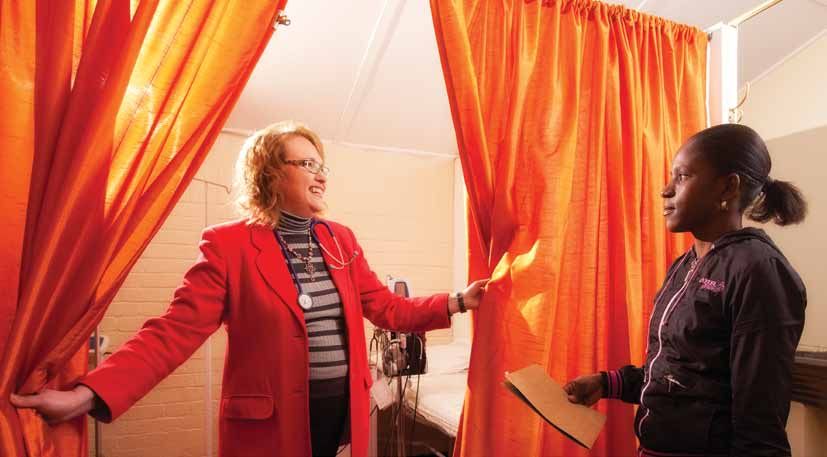
8    Sustainability case studies 2011

    Building strong
    foundations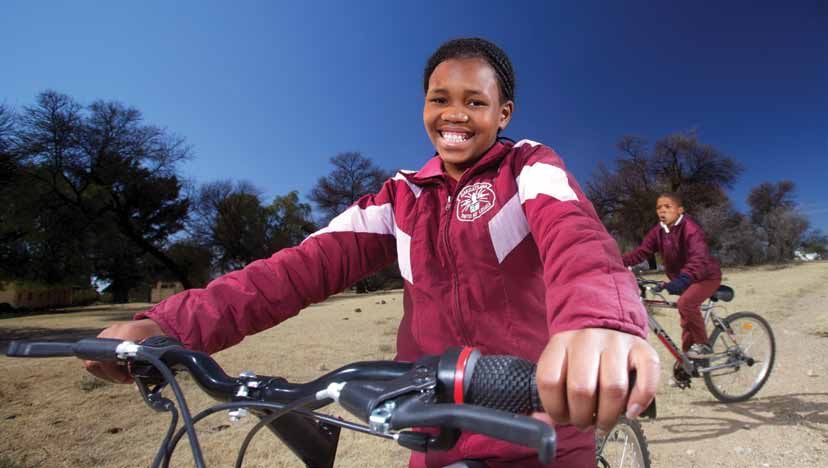
Sustainability case studies 2011            9

ARM BBEE Trust:              Ipupeng Vegetable Garden and Poultry Projects

ARM BBEE Trust: Building
sustainability through the
Ipupeng Vegetable Garden
and Poultry Projects
Grinding poverty is the daily lot of most of the Bakgatla BaMakau      That year, sadly, the kgosi passed away but his sister, Princess
people. At night many of the almost 3 000 households living at         Kgomotso Mokgoko, was determined that the process her brother
Mammatlhake north of Pretoria and near Bela Bela in western            had started should continue to grow.
Mpumalanga go to bed hungry.
                                                                       “This is a wonderful project; it is something that I and all the com-
But the Bakgatla BaMakau have land – and plenty of it. It is tribal    munity are really passionate about,” the princess says. “Thanks
land that belongs to the community and it is fertile. Few of the       to the help we have received from ARM we are already feeding
people in the community, however, knew anything about farming.         some of the poorest people and we are confident that we will
But Caiphus Mokoto knew lots about farming; he has been a farmer       create jobs and grow this project into a thriving, sustainable
since 1978, growing mealies, soya beans, wheat and sunflowers.         business.”

In 2009 the now 71-year-old was discussing with his Kgosi how          The ARM funds were put towards a borehole, piping and drip
he could use his skills to turn the tribal land into a farm, to help   irrigation and buying inputs including fertilisers and seedlings. The
feed their desperately poor community.                                 raw bush had to be cleared by hand and, originally, five hectares
                                                                       were planted with a variety of vegetables. Seven community
The Bakgatla BaMakau turned to the ARM BBEE Trust. Mokoto              members work at the farm, under the watchful (and experienced)
drew up a business plan and, early in 2010, the business plan          eye of Mokoto.
was approved and funds amounting to R250 000 transferred to
the Ipupeng Vegetable Garden; Caiphus was in business.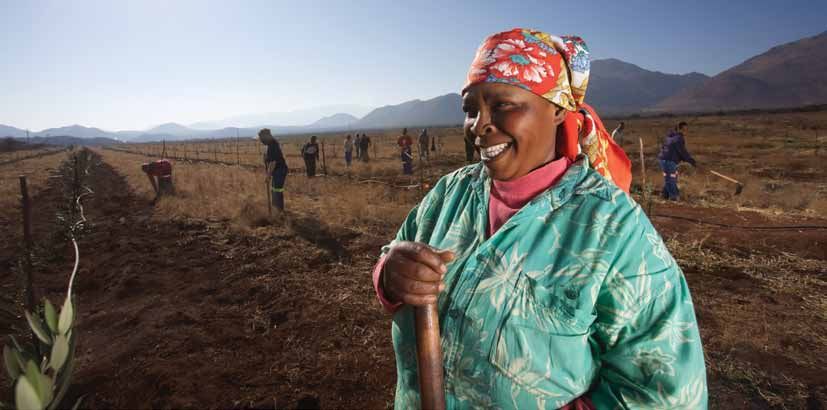
10               Sustainability case studies 2011

     ARM BBEE Trust:         Ipupeng Vegetable Garden and Poultry Projects continued

     The farm volunteers work for free, in the belief that they are         Princess Mokgoko says that at this stage most of the project’s
     starting a venture that will, in time, become self-sustaining. Only    produce isn’t sold but goes directly to feeding the poorest of the
     in December 2010 was the project able to give them their first         poor in the community. “We’re not a charity as such; we want to
     stipend – R800 each. But they are becoming more productive all         create something that is sustainable but, while there is still so much
     the time; last year they grew 45 bags of beetroot and, half-way        poverty, we will do everything we can to help feed our people.”
     through 2011 had already picked 35 bags of green beans.
                                                                            Principals of nine local schools each identified two of their
     Shortly after the project’s inception, in 2010, ten hectares were      learners whose parents were so destitute that they were often
     planted with sunflowers. However, the cost of hiring a tractor to      unable to put food on the table. These families now receive
     plough the fields was something the project couldn’t afford and,       regular monthly deliveries of carrots, beetroots, potatoes, onions,
     coupled with low rainfall during the most important months, the        beans and cabbages; whatever Mokoto has on hand.
     sunflowers yielded only 1.6 tons of seeds. These were sold to the
     local co-op.                                                           One of the principals, Abraham Sefike of Tlhame Primary School,
                                                                            says the vegetable deliveries are an absolute lifeline to the
     The project has started selling its vegetables to supermarkets in      neediest families. The project, he says, makes another invaluable
     the area and the Pretoria fresh produce market. Proceeds are           contribution to the community by teaching groups of learners how
     banked and put towards defraying the project’s costs.                  to farm and feed themselves and their families. “Children nowa-
                                                                            days go to university and study to become all sorts of things;
     After the first few months Mokoto realised that the cost of hiring a   doctors, lawyers, engineers but very few of them think about ag-
     tractor and someone to do the ploughing was proving to be              riculture as a career,” says Mokoto. “Yet agriculture is absolutely
     prohibitive and would limit the project’s ability to plant more land   the most important job. It is where we get our food from, and
     and grow. So he approached the ARM BBEE Trust to ask whether           without food you can’t live.”
     they could help him to buy a second-hand tractor. The response
     was that the Trust could not help him to buy a second-hand             Princess Mokgoko happily acknowledges that without the help
     tractor; instead they would pay for a brand new tractor, at a cost     received from the ARM BBEE Trust the project would still be
     of R220 0000.                                                          nothing more than a dream.

     Mokoto talks excitedly about his expansion plans. Eventually, he       “Nobody forced ARM to do this. It is an investment they have
     says, they plan to have as much as 500 ha under cultivation. In        decided to make in our community and in our country. We will not
     the second half of 2011 a poultry project was due to open, again       disappoint them.”
     funded, to the tune of R100 000, by the ARM BBEE Trust. Mokoto
     predicts that the chicken business will employ five people raising     ARM’s investment in sustainable
     500 chickens at a time, which can be sold in the area after            farming is giving the Bakgatla BaMakau
     six weeks.
                                                                            people hope of a sustainable future
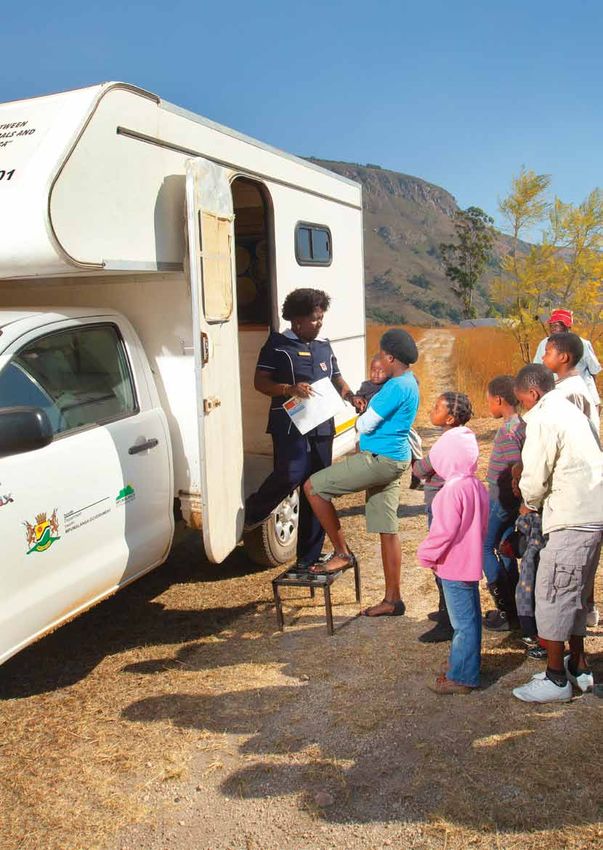
Sustainability case studies 2011 11 Providing healthcare services for the community Mobile clinic sponsored by Nkomati Mine
12 Sustainability case studies 2011
Machadodorp now has a general practitioner,
thanks to ARM’s sponsorship for the establishment
of a medical practice in the town.
Machadodorp Works sponsors GP for Machadodorp
Until recently there were no private doctors that residents of However, it is thanks to the tireless efforts of Tshiloane (who lost
Machadodorp and Waterval Boven could consult. two sisters to AIDS) Dr Yssel says, that the number of patients
receiving ARVs through the practice has risen from just two a
In Machadodorp there are two government clinics but these are year ago to more than 100 today. There have been some
completely overwhelmed, with the sisters there seeing 50 to 60 spectacular success stories, Dr Yssel adds, with patients having
patients each per day. The nearest primary government hospitals CD4 counts of only 30 or 40 being counselled and encouraged to
are in Waterval Boven and Belfast. From there patients requiring take their medication and nutrition seriously and now having viral
referral are sent to hospitals in Middelburg or Witbank. loads that are almost undetectable.
All permanent employees of the Machadodorp Works are on ARM’s Machadodorp Works is not legally permitted to employ a
medical aid but until the beginning of 2010, they had no general medical doctor and so the practice is run as an independent busi-
practitioner. Offering quality private medical care is essential to ness. However, the practice works closely with the Machadodorp
the business’s ability to attract and retain qualified staff. In the Works clinic, occupational health clinic and human resources
event of an emergency there was no doctor on hand and those department on HIV prevention and treatment.
needing to see a doctor faced expensive transport bills to Belfast
or Carolina. Dr Yssel says the main chronic conditions treated are diabetes,
hypertension and HIV. Residents in the area also suffer widely
ARM’s response to the lack of private medical care in its own com- from depression, anxiety and alcoholism. Some 70% of patients
munity was to sponsor – effectively subsidising – the establish are on medical aid, but the balance pay for the service as private
ment of a private practice in a converted house in Machadodorp. patients. The community is a demanding one, she adds, with
patients often expecting 24-hour availability and free medication.
Dr Caren Yssel heads the practice and has steadily expanded the Collecting payment is a regular challenge.
range of medical services offered. There is a rudimentary
dispensary and recently a sister was engaged to offer primary Dr Yssel – who describes herself as “a doctor and a philanthropist”
care, family planning, vaccinations and a baby clinic. – was due to open a practice in Belfast in late 2011 but managed
to locate and recruit a replacement.
In December 2010 an HIV & AIDS programme was started,
headed by Dorin Tshiloane. According to Dr Yssel, a voluntary The SA Medical Council estimates that the country has a short-
counselling and testing day in Machadodorp offered attractive age of 13 000 general practitioners and that this shortage is at its
incentives for individuals to be tested for HIV but the response most acute in rural areas. Without Assmang’s sponsorship,
was extremely disappointing. This she ascribes to the continuing Machadodorp would simply be another of the many South African
stigma about the disease in the area. towns without a General Practitioner.Sustainability case studies 2011 13
A passion for reviving technical skills
Machadodorp Works: Facilitating the development of artisan skills at Simunye factory
(2011 update)
Driving towards the Machadodorp Works in Mpumalanga you notice The building on the outskirts of Machadodorp might not look like
first a bakery and then, next to it, a nondescript factory building. much but it’s a busy little factory; producing goods that are sold
to improve lives and to create jobs, while providing training in
Look closely and you will notice a group of men outside the build- practical skills which trainees will be able to use for the rest of
ing feeding a brickmaking machine. their lives.
Linwyn Training has been owned by local fitter and turner, tool
and die-maker Corrie van Staden for 30 years. Van Staden’s
passion is to revive the artisanal skills and engineering disciplines
of which South Africa has a critical and growing shortage. Thanks
to Machadodorp Works, which made the factory site available to
Linwyn free of charge, seven people earn a living making bricks,
making vuvuzelas and surprisingly comfortable furniture: easy
chairs, sofas and side tables from old tyres and pieces of wood.
The factory turns out between 6 000 and 10 000 cement bricks a
shift. These are sold in the nearby township of Emthonjeni.
Machadodorp Works is also a regular customer, buying the bricks
while recycling tons of slag per month, a by-product which makes
up 40 to 50% of the materials that go into the bricks. By August
2011 the brickmaking business was struggling to fill orders.
Simunye Training has created the seven permanent jobs at
the factory while offering basic technical and life skills training
for 15 others every three months. (During their training, these
men and women receive training allowances paid for by
Machadodorp Works and they learn on-the-job brickmaking.) ARM’s Machadodorp
The Seta-approved training equips the trainees with brickmaking
and basic engineering skills. Works support and
By August 2011 the factory was trade-testing up to eight fitters and Corrie van Staden’s
turners a month in a testing facility, equipped by Machadodorp.
Thanks to this sponsorship, there is now a facility at which people
passion are contributing
from Lydenburg, Belfast, and other parts of Mpumalanga can to South Africa’s
become certified as competent artisans, adding to South Africa’s
grossly inadequate skills pool. From across Mpumalanga, paper
skills pool
giant Sappi sends young people to Machadodorp for one-week pre-
trade assessments and the uptake of such training is expected to
continue to gain momentum.14 Sustainability case studies 2011
Nkomati Mine: Supporting the Badplaas Community Centre (2011 update)
Bringing employment advice on writing a business plan, seeking funding and making
proposals. “Knowledge is a serious challenge here,” said Nkosi.
and business “People have no business skills; they really don’t know things like
how to draw up business plans or how to look for business. Here
opportunities to Badplaas they can get a simple but comprehensive business plan drawn up
for free.”
Job-seekers and entrepreneurs in Badplaas have traditionally
As well as imparting invaluable business skills and information
been frustrated by the simple fact that they lacked access to
on employment opportunities and learnerships, the Badplaas
information on how to find employment and business opportuni-
Community Centre is actively involved in Adult Basic Education
ties. No longer. In 2008 the Badplaas Community Centre was
and Training (ABET). Every weekday and on Saturdays some
opened in brand new premises on the main road running through
30 people receive free ABET levels one to four training, many of
Badplaas.
them are Nkomati employees and community members.
The centre, which has a staff of nine, is a public-private partner- Ambitious plans are now being rolled out to turn the centre into a
ship between the municipality and Nkomati Mine and is a key small-business hub. A sewing project was launched in 2008 run
element in the mine’s Social and Labour Plan. Operated by and managed by three women who make school uniforms and
software development company Dynamus Technologies CC, the other clothing for members of the community. Nkomati continues
centre aims to link emerging businesses and job-seekers with to support the sewing project by buying clothing which it donates
companies in the area and beyond. The land was donated by the to schools in the area.
municipality and local chief, and the buildings built and equipped
by Nkomati at a cost of R1.2 million In 2010, Nkomati paid R460 000 to train local youths in plumbing.
In August of that year, five of those trained were announced
For a fee ranging between R350 and R2 500 per month, companies as the winners of fully-equipped plumbing businesses, includ-
wanting to advertise for suppliers, employees, contracts and ing tools and stock, worth a combined R500 000. These little
tenders can access the Thembela database which, according to businesses, operating from containers funded by the mine, would
Centre Manager William Nkosi, has 310 active listings and will soon be assisted with ongoing mentoring, while those not selected for
have more than 1 000. He estimated that there were 3 000 the grand prizes had acquired skills and knowledge they could
individuals in the area who qualified for listing. Entities actively use to start and run their own businesses.
using the system included Nkomati Mine, the municipality, Sappi,
the Nkomazi Game Reserve, Forever Resorts and leading mining In August 2011 Nkomati was due to award a construction contract
contractor, MCC. worth R5 million to build ten new offices for small enterprises. The
centre’s existing offices would be moved to elsewhere on the
Interviewed at the centre, Nkosi mentioned that the following complex and an informal market started at which local producers
week he was due to host a session with 34 local SMMEs to and traders could sell goods. There would also be a tourism
register them on the system and to give them practical business centre at the complex.
ARM’s funding of the
Badplaas Community Centre
provides access to business
skills training, business
opportunities and Adult
basic education
and training (ABET)Sustainability case studies 2011 15
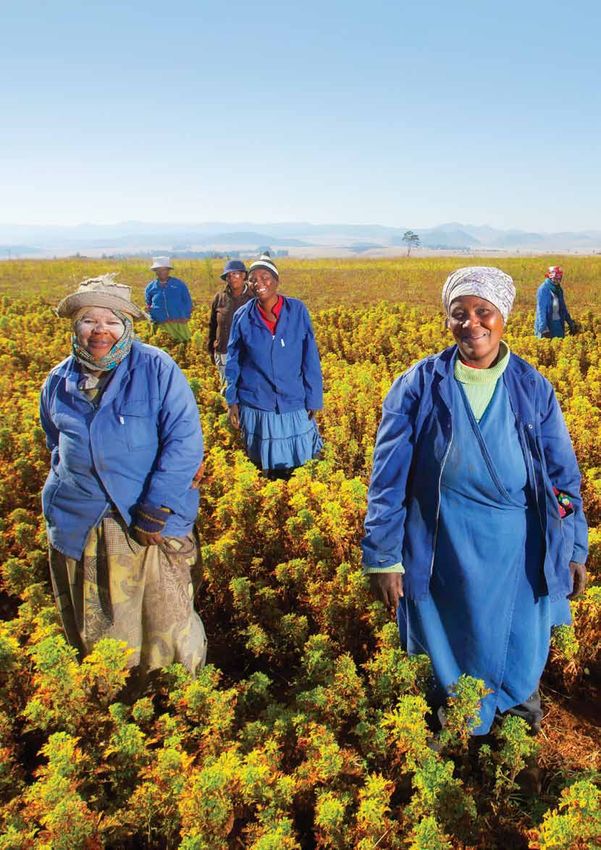
The Rose Geranium is indigenous to southern Africa. It has a delicate purple, pink and white flower which looks more like an orchid
than a typical geranium but the whole plant is extremely important, not for the way it looks but for the way it smells.
The Rose Geranium – or Pelargonium graveolens to give it its full name – is prized by perfumers for the oils that can be distilled from
it, oils that yield an astonishing variety of fragrances but, especially, a strong and distinctive rose fragrance.
A litre of rose geranium oil will yield its producer an income of roughly R900. This is the price agents will pay for the precious fluid. An
established grower who has proven his product and reliability over a number of years can deal directly with the fragrance buyers of
Europe and command higher prices.
This is the market South Africa’s Department of Agriculture advised a co-operative group of farmers in Mpumalanga to pursue. After
being awarded land following a successful claim, the Sukuma Mswati Communal Property Association lacked the resources and skills
to farm the land awarded, outside the town of Badplaas.
A group of 20 new landowners – four men and 16 women – formed themselves into the Sinqaba iNdlala Co-operative and set to work
part of their 553 hectares of high-potential agricultural land.
Nkomati: Rose Geranium
The department helped the co-operative by planting four hec- and also spent R500 000 on pricey rose geranium seedlings and
tares of rose geraniums in 2007. Later another 6 hectares soil preparation. By August 2011, the distillation plant was finally
were planted. Meanwhile the co-operative formed a joint ven- almost ready to go into operation after being connected to the
ture with the Siyaphambili Trust, a trust associated with the project’s water supply – two years after it was erected.
Mpumalanga Department of Rural Development. The trust’s
Charl Kotze is an experienced farmer and rural development Ngobeni says Nkomati Mine has been a great partner. “They have
expert who has taken a personal interest in the trust and its really helped us get going and to get to the next level,” he says. “We
activities. “I really believe in this work,” says Kotze. “We look are very fortunate to have partners like Nkomati and Siyaphambili.”
at the potential of the land and the potential of the people.
The Sinqaba iNdlala Co-operative has already successfully grown
Here, both are excellent. The people are determined, they are
cash crops on its land but rose geraniums are the future, Ngobeni
focused on the long-term and not short-term gain. They’ve suf-
says. In the longer term, the aim is to have at least 120 hectares
fered setbacks but they are carrying on.”
producing oil. (The plants are grown from cuttings, plants last for
The setbacks Kotze refers to, include once-in-30-year freak two years and producing cuttings is a critical component of the
weather conditions, including a hailstorm with hailstones as big overall operation. A hectare should produce 120 litres of oil a year,
as tennis balls and a black frost which struck early in 2011. This resulting in a gross income of almost R13 million a year. That is
put the project back a good four years but the co-op members the prize the co-operative and Siyaphambili are chasing.
keep struggling on.
But Ngobeni insists there is a broader aim, a dream of sustainability
Co-op treasurer Patrick Ngobeni says the project has borrowed and local empowerment. “What I want, in my heart and soul, is to
money to pay for wages, and operating expenses. Those who work inculcate the spirit of farming in young people,” says Ngobeni.
the geranium fields (the short-term goal is to plant 20 hectares) “My dream is that we will have enough profit to pay for a member
earn R1 500 to R2 000. When the black frost struck their fields the of our community to go to university and study agriculture. Then,
co-operative should already have done its first commercially viable they will come back and share their learning with us and help us
harvest but they were unable to gain access to a nearby distillation to work better. And so we will go on, getting better and stronger,
plant. It was the kind of bad luck that would have disheartened all and empowering more young people.”
but the most determined.
Kotze shares this dream: “I want to see this project establish itself
The whole plants can be harvested three times a year and are and flourish. Then I want to retire. I want to see this land being
then fed into large vats inside a distillation plant where the oil is used as a distribution centre, not only for Sinqaba iNdlala but for
extracted by steam. all the farmers in this area, a place they can source fertilisers,
seed and inputs without having to pay all the money to drive to
Nkomati paid for the erection and equipping of a sophisticated – Nelspruit, a real co-operative that will benefit this area for gene-
Kotze calls it “top-class” – distillation plant at a cost of R2.4 million rations to come.”16 Sustainability case studies 2011 From Mpumalanga to the French perfumes
Sustainability case studies 2011   17

ARM’s provision of potable
water to seven villages in the
Northern Cape, has improved
community health and made
life less of a struggle for the
inhabitants of these villages
18               Sustainability case studies 2011

     Black Rock: Providing                          water reticulation and bulk supply

     Infrastructure development                                             Black Rock Mine stepped up to this challenge, investing R6.8 million
                                                                            in bulk supply and reticulation. This involved the erection of seven
     improves rural life                                                    elevated reservoirs and a base pumping station outside the vil-
                                                                            lage of Majamancho, which is in the centre of the area served by
     Kuruman is a deeply rural municipality where the people are poor,      the Scheme.
     a few of them finding work on the mines and others trekking as far
                                                                            The reticulation programme involved the laying of several kilometres
     as Cape Town to work as seasonal farm labourers.
                                                                            of pipes, an expensive undertaking because of the rock that lies just
     Bringing the basic necessities of life to these people is a formida-   below the surface in the area.
     ble daily challenge. The Council is responsible for 220 boreholes
                                                                            A kilometre from the pumping station, in the village of Majamancho
     and 182, mostly tiny and scattered, villages.
                                                                            itself, 81-year-old headman Twotime Marale is blind and needs to be
                                                                            guided by respectful youngsters to one of the 25 stand pipes from
     Rainfall in this arid region is patchy and villagers and small-scale
                                                                            which the community now draws its water. “We are so very happy
     stock farmers are heavily reliant on boreholes. Failing this, they
                                                                            that life is not such a struggle anymore,” the elderly community
     turn to unreliable wells and streams. Apart from not knowing
                                                                            leader says. “Until recently we used to go down to the river; we dug
     when they will have water, streams often become polluted, mostly
                                                                            pits and that is how we drank. This is much better for all of us.”
     by animals and outbreaks of cholera are not uncommon.
                                                                            The infirm Marale can no longer walk to the Moshaweng River but
     The municipality has set itself the task of bringing clean water to
                                                                            Keitumetse Gontse (28) remembers making the daily trek there
     community members who have previously had to cover large
                                                                            only too well. “The river would often get polluted and people would
     distances either on foot or by donkey cart to fetch it. This is the
                                                                            get sick – very sick,” says Gontse, a single mother of one and the
     objective of the Northern Moshaweng/Northern Joe Morolong
                                                                            community liaison officer for the village. She says there are 58
     Bulk Water Scheme. The Scheme is bringing water to seven
                                                                            families at Majamancho, an average of seven per household.
     villages scattered over a large area.
                                                                            Most of the villagers are women, children and the elderly. We get
     The national Department of Water Affairs developed the water           by on grants and pensions. “Thanks to this water, we are not
     source for the project – sinking six boreholes, three of which were    suffering like we were.”
     deemed suitable in terms of quality and quantity.                      With plentiful water available on tap, families will be able to start
                                                                            vegetable gardens with which they can feed themselves.
     The municipality’s Integrated Development Plan identified the
     need to bring potable water to the seven villages but the council      In addition to its involvement in the bulk water and reticulation
     was unable to fund the bulk supply of water and its reticulation to    scheme, Black Rock has sponsored the Joe Morolong municipality
     the villages.                                                          to buy a water tanker which is dispatched to help communities
                                                                            experiencing unexpected disruptions in water supply.
Sustainability case studies 2011 19
Machadodorp Works: Mathumba Farms
The 200 children at the SA Vrouefederasie Belfast orphanage He joined Mathumba in 2010 and oversees a permanent staff
come from all over Mpumalanga. Many of them come with heart- of two. Vegetables are grown under shadecloth and water is
breaking tales; of abandonment and molestation. supplied by overhead sprinklers. Kato is now investigating
changing to hydroponics, reducing water consumption and
Twenty-nine of them are severely handicapped. A few are wards making the garden as organic as possible.
of the state and may not be photographed or identified.
Kato envisages the garden becoming self-supporting while con-
All of the children have tragic backgrounds and, without the home, tinuing to support charities (in one recent season Mathumba
would have nowhere to go and no-one to care for them. generated R40 000 in sales to supermarkets and informal ven-
dors). Apart from generating income and supporting worthy
The head of the home, Trudy Keyter, is proud of the caring
causes, a key concern for Assmang and Kato is spreading the
environment she and her staff have created for the children of
word about vegetable farming.
all races, aged between two and 18. Visiting the pre-school
section of the home, a child of three or four on a scooter calls to Every year five learners from the local community work at the
her: “Tannie! Stoot asseblief” (Aunty, please push me)! Keyter farm, learning about growing summer and winter vegetables and,
obliges, pushing the little lad until she is exhausted. The child is as Kato says, “acting as extension officers for the project”.
completely blind. Guesthouses are also encouraged to visit and learn about how
they and their staff can grow their own vegetables for guests.
The orphanage is one of seven institutions working with the
vulnerable, the elderly and children who receive regular donations The vegetables the Belfast orphanage gets from Mathumba are
of vegetables grown by Mathumba Farms. always gratefully received but make only a small contribution to
feeding almost 200 hungry youngsters. But, says Keyter, every
Every month Joseph Kato drives a bakkie he has borrowed from little bit helps; apart from the vegetables Assmang supports the
Assmang’s Machadodorp Works to the Belfast orphanage to drop home by supplying stationery. “We only get 67% of our operat-
off lettuces, cabbages, spinach, onions, carrots and other vegeta- ing costs from the government so we rely a lot on donations.
bles grown at the project’s 1 ha site outside Machadodorp. Without the kindness of people like Assmang I don’t know what
we would do.”
Kato, a Ugandan and trained agriculturist, has taught agriculture
at schools in his home country, in Botswana and South Africa.20 Sustainability case studies 2011
Black Rock and the ARM BBEE Trust: Providing classrooms for rural schools
The village of Suurdig is a deeply rural, isolated little community can’t concentrate on their lessons. Trying to teach a child who is
in the Northern Cape. starving is wasted effort.”
Grants and pensions are a staple of what passes for the economy 10 km from Suurdig is another village, Dikhing, whose high school
in the village. To earn extra income, a minority of adults travel to used to have an even more chronic shortage of classrooms. Like
the fruit-growing areas of Kakamas and the Western Cape where Edigang Primary, on the periphery of the Ikakanyeng High School
they earn a barely subsistence wage, picking fruit for a few there is a rundown building that was used for teaching but which
months of the year. was never up to the task.
Until January 2011 the primary-schoolchildren of Suurdig were Ikakanyeng High School principal MJ Gaborokwe says the school
taught in a mud structure that was stiflingly hot in summer and has no laboratory, no library or administration block, “These are
that chilled the youngsters to the bone in the bitterly cold winters. things we can only dream about,” he says. The school had five
classrooms but, as at Edigang, these were inadequate. Black
Then the authorities built the Edigang Primary School, a compact,
Rock and the ARM BBEE Trust came to the rescue of a school
modern school consisting of five classrooms. The mud structure,
that was bursting at the seams with 185 pupils in Grades 8 to 12.
now derelict, still stands outside Edigang’s new grounds as a
monument to what once passed for a school. The five new
The Trust paid for the school to be properly fenced, the school
classrooms were a vast improvement on what Edigang used to
buildings painted and for an additional classroom also to be built.
have but they were not enough to properly house the school’s
Black Rock came to the party by sponsoring an additional
176 Grade 1 to 6 learners.
building which can also be divided into two adjoining classrooms.
Principal KM Blaar was determined, however, that Edigang’s six
Children from the surrounding villages walk to school, covering
teachers should give their children – 90% of whose parents, she
distances of up to 20 km from and to their homes. Gaborokwe
estimates, are illiterate – as good an education as they possibly
says the challenges facing himself and his staff of six are
could and so she approached Black Rock Mine for assistance.
formidable. “Parents here are forced to look for work in places like
The mine answered her pleas with a R300 000 structure that
neatly divides into two classrooms. Facilities at the school are still Rustenburg or Johannesburg. They come home maybe once a
rudimentary but at least now there are is adequate number of month. Many children live with their grandparents. There are also
classrooms. child-headed households,” Gaborokwe explains. “When we call
parents to meetings they don’t come. The grannies don’t
Blaar says the school is not only a pillar of the community, it is understand why education is so important and their culture
literally a lifeline for many of the learners. “Some of them only get dictates that the children have to first do chores around the
one meal a day – the meal they get here,” she says. “There are house. It is not a good environment for teaching but at least,
some children who we know don’t eat at all at home and so we thanks to Black Rock and the ARM BBEE Trust, our physical
make a plan to feed them first. If they don’t eat they get dizzy and facilities are much better.”Sustainability case studies 2011 21
Number
Name of project and need addressed Beneficiaries of jobs created Outcome/status at at 30 June 2011
LED projects
Modikwa Mine
Road D4170/D4167: Construction of 12 km Mooihoek and 28 – Temporary Project completed and handed over
tar road Maandagshoek communities (14 August 2011)
Construction, equipping the community Mampudima and Matimatjatji 15 – Temporary Project almost complete: building,
bakery and fencing communities equipment and fencing are complete;
in the process of recruitment
Matimatjatji Sewing: Construction, Mampudima and Matimatjatji 25 – Temporary Project almost complete: building,
equipping community sewing factory communities equipment and fencing are complete;
in the process of recruitment.
Sehlaku Tribal Office: Construction of an Sehlaku community 15 – Temporary Project complete. The tribal office is in use
office for the traditional leaders by Traditional leaders and community
Mamphahlane Tribal Office: Construction Mamphahlane community 15 – Temporary Project complete. The tribal office is in use
of an office for the traditional leaders by Traditional leaders and community
Mamphahlane Access Road: Mamphahlane community 11 – Temporary Project delayed by availability of materials
Construction of a gravel road
Nkomati Mine
Emakhazeni Local Municipality: Machadodorp and Waterval N/A 15% complete. Sourcing of materials and
Upgrading of 2.8 km road into block paving Boven communities rain delays, presented challenges
in Machado & Waterval Boven.
Albert Luthuli Municipality: Upgrading Badplaas & Onverwacht N/A 10% complete. Awaiting approval of
of water treatment plant for 17 houses at communities technical report by DWE and municipality
Onverwacht community
Onverwacht community: Electrification Onverwacht community N/A Project complete
of 17 houses
ELM & ALM: Training of 30 SMMEs on ELM & ALM community 30 – Temporary Completed
paving, plastering, bricklaying and painting
2 – Permanent
Emakhazeni Municipality: Ekujabuleni Machadodorp and 2 – Temporary Project complete and sustainable
Resuscitation of Bakery and Eating House Emthonjeni communities
6 – Permanent
Emakhazeni Municipality: Josias Waterval Boven community 10 – Temporary Project completed and sustainable.
Mathebula and Strawberry Project Nkomati Mine exited the project in August
Resuscitation of strawberry and crops 2010 but still provide ongoing monitoring
project, sustain community and create jobs and support
Albert Luthuli Municipality: Rose Badplaas community 20 – Temporary 70% complete, delayed by bad weather
Geranium Distillation Plant completed and conditions
commissioned, 600 000 plants planted for
harvesting in February 2011. Fencing of
distillation plant completed and land
preparation on outstanding hectares ongoing
Albert Luthuli Municipality: Upgrading of Badplaas community 60 – Temporary 10% complete, but approval of designs
Badplaas Community Centre delaying the project22 Sustainability case studies 2011
Number
Name of project and need addressed Beneficiaries of jobs created Outcome/status at at 30 June 2011
LED projects (continued)
Two Rivers Mine
Rooidraai Power Substation: Building of Whole community N/A Project complete
substation and related infrastructure
Storage container: Purchase and delivery Whole community N/A Project complete
of storage containers in Buffelshoek and
Clinic in Ngwaabe
Jungle gyms pre-schools: Construction 150 children N/A Project complete
and delivery of custom made jungle gyms
to Mmabana Crèche, Mmahlagare
preschool and Madibeng preschool
Park home supply to Madibeng pre-school 80 children N/A Project complete
and Mmabana Crèche
Kalkfontein water project: Installation of Whole community N/A 20% complete. Payment has been made
transformer to Eskom, awaiting installation
Sekhukhune roads project: Fixing of All road users – Sekhukhune N/A 70% complete, ongoing project
potholes on the road between Two Rivers Road, Two Rivers and its
and Lydenburg employees, Lydenburg and
the Greater Tubatse and
Thaba Chweu Municipalities
SPF Scoping project: SPF Initiative Core and local communities N/A 70% complete, ongoing
Ablution project: Construction of ablution 600 children N/A Complete
blocks and upgrade of existing ablution
facilities. Supply of three septic tanks;
construction of ablution facilities and
upgrade of existing ablution facilities to
flush system
Sports Project: Supply of soccer poles, Whole community N/A Complete
grading of sports grounds and supply of
soccer kits
Ikageng Bakery Ngwaabe: Supply of 20 ladies from local 40 – Permanent Complete
Chevrolet Corsa bakkie. Driving lessons to communities
19 – Temporary
enable the ladies to obtain valid driver’s
licenses. A garage to store and safeguard
bakkie, signage and construction of shelves
for bakery
Consumables Projects: Youth 36 youths from local N/A 75% complete
Entrepreneurship development – Training communities
and assist youth from the local communities
to compile business plans and select viable
SMMEs opportunities to support
SMME development: Training and 18 Local SMME’s N/A Complete
development in business skills and
Leadership. Development of local SMMEs
Winter School: Matric pupils from 32 Grade 12 learners N/A Complete
Lydenburg and core communities trained in
business skills and leadership and given
additional classes in Science and Maths in
preparation for final examsSustainability case studies 2011 23
Number
Name of project and need addressed Beneficiaries of jobs created Outcome/status at at 30 June 2011
LED projects (continued)
Khumani Mine
Olifantshoek bulk water supply: Building Olifantshoek residents 20 – Temporary In progress
of reservoir to address water problem in
12 – Permanent
Olifantshoek. Fixing of the burst in the main
pipe that supplies the reservoir.
Electrification of Mapoteng (Sesheng) Mapoteng informal 18 – Temporary Municipality responsible for
informal settlement: Household electricity settlement residents implementation, over 100 stands
9 – Permanent
connection to 347 houses completed
Gamagara integrated cleaning Olifantshoek residents 101 – Temporary The cleaning project is operating well
enterprise: Manufacturing of Household
cleaning chemicals and rendering a
cleaning service
Diatomite factory: Different Diatomite Deben residents 18 – Temporary In progress, documents finalised
products (containing 98% amorphous silica,
which strengthens plant cell lumen,
manages internal parasites on livestock
and successful in hydroponic nurseries)
Deben coffin making: to satisfy an urgent Deben residents N/A In progress
need in the communities by manufacturing
coffins, providing a mortuary facility and a
funeral service with potential to expand the
business to a larger area in the region
Gamagara brickmaking: Manufacturing Gamagara residents N/A The business is operational, but not
of cement bricks and interlocking making any profit yet.
paving blocks
Olive trees: Growing of olives for table Tsantsabane community 17 – Permanent In progress
use and the manufacturing of olive oil
Stone art: Fine and crafts art in Gamagara residents N/A Business plans to be finalised and
preparation for the Heritage Museum companies to be registered
Bursaries for Gamagara students: Gamagara residents N/A Bursary scheme launched and eight
Bursaries for disadvantaged learners students are registered at different
institutions. Satisfactory results received
for the first semester
School intervention: Financial assistance Gamagara residents N/A Positive feedback from schools and
for Gamagara schools commitment from the teachers. English
literacy project implemented at three
Olifantshoek schools
Kathu High School: Building of an Khathu High School N/A Complete
additional three portable class rooms to cater pupils
for additional learners due to growth in area
Kathu High School: Contribution to the Khathu High School N/A Complete
school in support of handbooks and an pupils
additional teacher
Kathu Primary School: Building of Khathu Primary School N/A Complete
additional class rooms due to growth in the pupils
area and to facilitate dual medium teaching
Kathu Primary School: Contribution to the Khathu Primary School N/A Complete
school in support of operational expenses
and in support of value adding programs
Sesheng school hall: Building of a school Sesheng School N/A Complete
hall for meetings and educational activities pupils24 Sustainability case studies 2011
Number
Name of project and need addressed Beneficiaries of jobs created Outcome/status at at 30 June 2011
LED projects (continued)
Khumani Mine (continued)
Bana pre-school: Support of operational Bana Pre-school N/A Complete
expenses pupils
Luxor school: Contribution to the school in Luxor School N/A Complete
support of operational expenses pupils
Debeng High School: Contribution to the Debeng High School N/A Complete
school to purchase textbooks pupils
Mobile educational equipment: Purchase Gamagara residents N/A Complete
of mobile educational big screen in
partnership with Kumba
Black Rock Mine
Northern Moshaweng bulk water supply: Majemancho village 30 – Temporary Infrastructure development in seven
Majemancho Water Reticulation: Setting of villages, 8 km water reticulation network
the village total water reticulation network, and stand pipes laid
including stand-pipes
Northern Moshaweng bulk water supply: Municipal area N/A 650 thousand litre bulk water tanker
Bulk Water Tanker Supply of a 650 purchased and handed-over to the
thousand litre Bulk Water Tanker municipality
Northern Moshaweng bulk water supply: N/A Project still doing well
Madibeng Water Reticulation Water Source
Development and revamp of existing water
reticulation network, including stand-pipes
Olive Tree project: Conduct a feasibility Moshaweng Municipality 2 – Temporary Seemingly not feasible – Inadequate water
and viability test and decide whether to
continue intervention
Sand mining support: Identification of Moshaweng Municipality N/A Enabling environment from municipality –
intervention areas and implementation first case not feasible, poor sand
Tourism enterprise development Moshaweng and N/A In progress?
support: Identification of suitable tourism Ga-Segonyama Municipalities
case(s), related intervention areas and
implementation
Poultry farming support: Identification of Moshaweng and N/A In progress?
three food plots and turn them into high Ga-Segonyama Municipalities
productive centers
Higher education bursary scheme: 16 Learners from the Joe N/A Complete
Establishment of Joe Morolong-Assmang Morolong Municipal Area
Bursary Scheme
Replacement projects: Identification Moshaweng and Ga- N/A In progress?
process of alternative ED projects and Segonyama Municipality
rendering support
High school performance support: 25 Mathematics teachers 1 – Temporary In progress
Teacher Development Training from District High School
enrolled with the University
of Johannesburg
High school performance support: Five pupils N/A Complete
Providing laptops to the five provincial top
performing matric pupils
High school performance support: JT Gaetsewe District High N/A Complete
2011 Career Exhibition Sponsor School learnersSustainability case studies 2011 25
Number
Name of project and need addressed Beneficiaries of jobs created Outcome/status at at 30 June 2011
LED projects (continued)
Black Rock Mine (continued)
High school performance support: 95 pupils from the 22 – Temporary Complete
Top Achievers Winter Camp Sponsor JT Gaetsewe District
Beeshoek Mine
Establishment of a fire fighting station: Tsantsabane community 15 – Temporary Complete
Upgrading of an existing building
8 – Permanent
into a Fire Station
Postmasburg, Kimberley, Kathu and Tsantsabane community 20 – Temporary Complete
Beeshoek crossing: Upgrading
15 – Permanent
of a road junction
Bus and taxi terminus with SMME stalls: Tsantsabane community 14 – Temporary Complete
Building and construction
39 – Permanent
of a bus and taxi terminus
Storm water draining system and roads: Tsantsabane community 5 – Temporary Planning phase and appointment of
Paving of four roads (1 km each) in contractors completed
3 – Permanent
Boichoko, New Town, White City
and Station Carnation
Boichoko bulk water supply pipeline: Tsantsabane community 18 – Temporary Complete
Installation of a bulk water supply pipeline
7 – Permanent
from town to Boichoko township
Sewer treatment plant: Refurbishment Tsantsabane community 16 – Temporary Complete
and extension of the sewer treatment
2 – Permanent
plants to accommodate the capacity
envisaged after area development
Enterprise development: Establishment Tsantsabane community N/A Municipality delays in providing us with the
of four enterprises that will occupy the selected vendors
vendor stalls at the newly built bus and
taxi terminus
Tsantsabane construction cooperative: Tsantsabane community 7 – Permanent Full registration with Cipro, company bank
Establishment of a construction cooperative account opened, all building and
construction equipment purchased, office
furniture bought, all directors registered with
SARS
Education Bursary scheme: A joint Tsantsabane youth N/A In progress
initiative by Tsantsabane Municipality and
Beeshoek Mine in funding University and
University of Technology students from
indigent households born and bred in
Tsantsabane
Machadodorp Works
Machadodorp infrastructure Entokozweni community 18 – Temporary In progress
development: To improve the infrastructure
and roads in Machadodorp
Upgrading of R36 road at BP Machadodorp community Studies complete, liaison complete, tender
intersection: Re-do road surface and process in progress
integrity of sides and sandpit stop.
Health Care Ku-Phila Medical centre Machadodorp community 5 – Permanent Complete
Vegetable garden: Planting of vegetables Community of Entokozweni, 3 – Permanent In progress
to produce fresh vegetables to sell and local crèche, old age home
feed the needy with the surplus & child headed homeYou can also read


