Whitstable Castle and Park - Management Plan (2012 to 2022)
←
→
Page content transcription
If your browser does not render page correctly, please read the page content below
Whitstable Castle and Park
Management Plan (2012 to 2022)
Our vision: To create a unique, sustainable hub of community life, in
 Whitstable’s only public park, where people will wish to visit to enjoy cultural,
 educational and recreational activities in a special place of high quality historic
 architectural and landscape character.                                                   THE
                                                                                       WHITSTABLE
                                                                                        CASTLE
                                                                                         TRUST

January 2012 (Revised February 2015)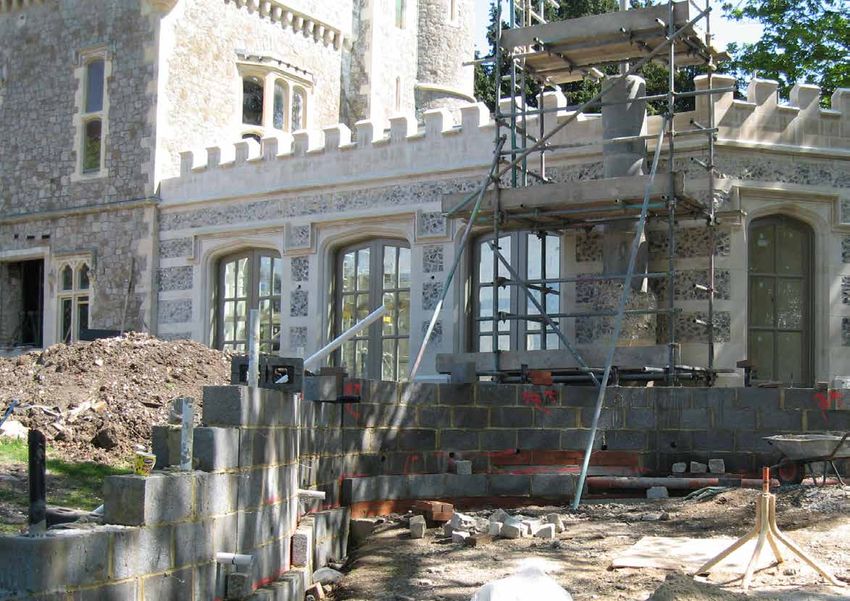
Restoration project
in progress (2010)
Whitstable Castle and Park
                                                                                                               Management Plan (2012 to 2022)

Contents
			                                                                                                                                                              Page

1.0    The current situation........................................................................................................................... 4
1.1    Introduction............................................................................................................................................... 4
1.2    Policy Context........................................................................................................................................... 5
1.3    Extracts from key local authority strategies relevant to the project..................................... 5
1.4    Site description and information base............................................................................................. 6
1.5    Details of leasehold and licence agreements relevant to the project................................10
1.6    Main uses, recreational facilities, attractions and activities....................................................11
1.7    Users of the park....................................................................................................................................12
1.8    Existing management arrangement...............................................................................................12
1.9    Existing management and costs......................................................................................................12
1.10   Measuring success.................................................................................................................................13
2.0    Ambitions and expectations..........................................................................................................15
2.1    Vision statement....................................................................................................................................15
2.2    How key Green Flag criteria influenced the restoration of the park...................................15
3.0    Management objectives and work plan – how objectives will be achieved...........22
3.1    Finance......................................................................................................................................................25
4.0    Monitor and review............................................................................................................................25
       Appendices
       A – Routine Management Maintenance Operations (Landscape).......................................26
       B – Events for 2013/14..........................................................................................................................30
       C – A summary of the achievements of Whitstable Castle Trust
       (September 2010 to April 2013).......................................................................................................31
       D – Environmental policy....................................................................................................................33
       E – Events and marketing policy......................................................................................................38
       F – Litter, vandalism and general maintenance policy.............................................................39
       G – Play policy and risk-benefit assessment................................................................................40
       H – Health and safety policy..............................................................................................................45

                                                                                                                                                                Page 3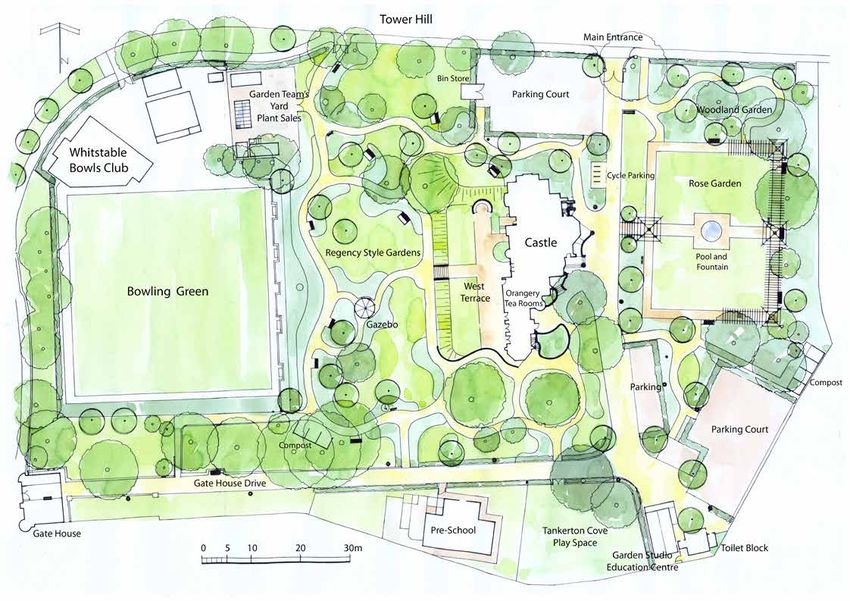
Whitstable Castle and Park
Management Plan (2012 to 2022)

1.0 The current situation                                                  due course and each will be responsible for the full management
                                                                           of their own sites (buildings and open space).
1.1    Introduction
                                                                           T his Management Plan has been produced in accordance with
       This is the first management plan for Whitstable Castle and its      the Heritage Lottery Fund’s ‘Parks for People’ guidance dated
       associated green spaces. Up until now the site has been managed      February 2006 and meets The Commission for Architecture
       by a number of different organisations with the main aim being to    and the Built Environment Space (CABE space) and Green Flag
       maintain the status quo; there has never been a long-term vision     criteria. The structure of the plan
                              for the future management of the park.        is based on ‘A guide to producing
                                                                            park and greenspace management
                            I n 2009/10 Canterbury City Council            plans’ (CABEspace). It also takes into
                             successfully coordinated a three million       account the key criteria to be met in
                             pound restoration of the Castle and park       obtaining a Green Flag Award (Keep
                             with the help of a two million pound           Britain Tidy and CABEspace).
                             Heritage Lottery Fund award.
                                                                            ecause the vast majority of the site’s
                                                                           B
                            This is a detailed management plan with        capital investment needs have been
                            the purpose of guiding the management          completed using Heritage Lottery
                            and maintenance of the park landscape          Fund (HLF) funding, the ten-year         Before restoration: fenced compound

Before restoration (2008)   over the next ten years. A new charitable      management plan will have a strong storage space (2008)
                            Trust composed of nine local people            maintenance and management rather
                            and two elected councillors was formed         than development and improvement
                            in late 2007. It is this management            emphasis.
                            body, The Whitstable Castle Trust, that
                            will be responsible for overseeing and         T his Management Plan will be
                            coordinating the implementation,                monitored and reviewed on a regular
                            monitoring and revision of the plan. A small    basis. With the exception of the Work
                            working group of trust members, led by the      Plan, which will be reviewed and
                            Head Gardener, will be formed to manage         updated annually, the main content
                            the park, the teagarden and the picnic area.    of the plan is unlikely to change
                            The Bowls Club and the recently relocated       markedly so will be reviewed at five
                                                                                                                  After: ‘Tankerton Cove’ play space
After restoration (2010)    Pre-school will be tenants to the Trust in      yearly intervals.                     added as part of restoration works (2011)

Page 4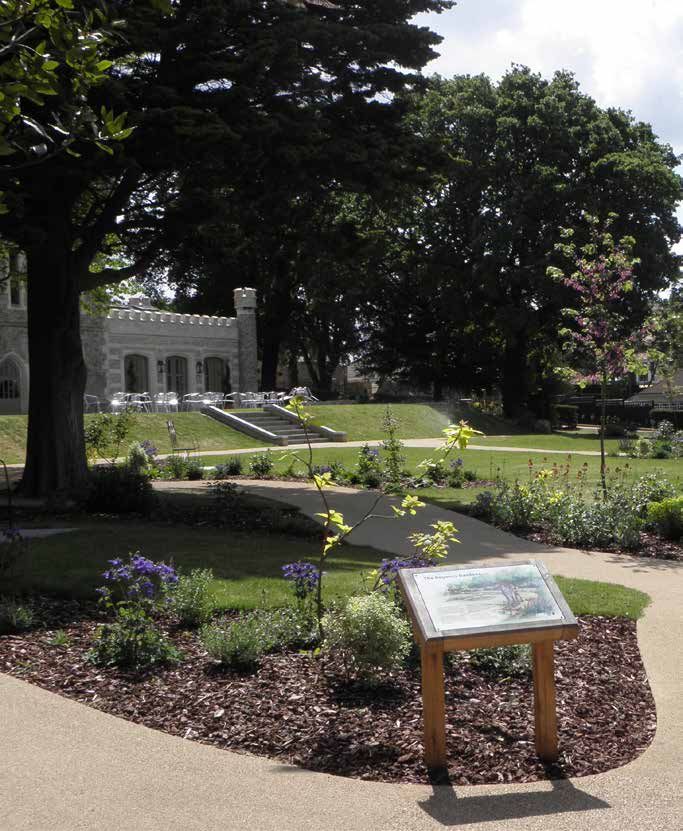
Whitstable Castle and Park
                                                                                                              Management Plan (2012 to 2022)

      I t is hoped that the plan will engage, inform and enthuse all     	Whitstable Castle has been identified as a strategically
       involved so that the time and money invested in the restoration      important open space of high value and high quality. The
       works will enable the full potential of the site to be realised.     strategy contains a policy for it to become one of three
                                                                            key ‘flagship’ (Green Flag winning) urban parks serving the
1.2   Policy context                                                        district (one in each town).
1.3	Extracts from key Canterbury City Council strategies relevant to
     the project:
                                                                          •   Canterbury District Local Plan Review July 2006

                                                                          	The Local Plan has a particular emphasis towards regeneration
      •   Corporate Plan 2008 to 2012                                       and economic development but at the same time seeks to
                                                                            ensure that the districts heritage is conserved and enhanced.
      	Whitstable Castle is specifically named as one of the eleven
        key projects.                                                     	The Local Plan seeks to encourage and manage the
                                                                            revitalisation of the coastal towns.
      	The council aims to secure external funding to
        comprehensively refurbish the Grade ll listed castle building
        and gardens.
                                                                          •   Local cultural strategy for the Canterbury district (2003-2010)

                                                                          	A key overarching theme of this strategy is to conserve the
      	The Corporate Plan sets out a vision of how the district            district’s rich inheritance of natural and built heritage and to
        will look in 20 years time. Underpinning the vision is a            balance this with the need to raise awareness of, and increase
        commitment to green and sustainable principles. Quality             access to, local heritage.
        of the local environment is a key factor in attracting new
        businesses and tourists.                                          	A relevant action plan objective is to celebrate the cultural
                                                                            heritage of the district, conserving the past by improving
      	A named objective is to build on Canterbury’s strength              access to public spaces through community involvement and
        as an international destination and upgrade the range of            promotion.
        attractions, festivals and events.
                                                                          	The strategy recognises the cultural festivals based at
      •   Open Space Strategy (2009 to 2014)                                Whitstable Castle: Whitstable Contemporary Arts Biennale,
                                                                            Whitstable Oyster Festival, and Whitstable May Day Festival
      	The city council has just updated its first Open Space Strategy
                                                                            and seeks to develop the cultural infrastructure of the
        for the Canterbury district. Consultation with all sections of
                                                                            district.
        the district’s population has been carried out as part of the
        preparation process on a wide range of issues relating to
        open spaces within the district.
                                                                                                                                         Page 5
Whitstable Castle and Park
Management Plan (2012 to 2022)

1.4      Site description and information base

      •     Name of site

      	Whitstable Castle and Gardens (originally Tankerton Tower
        and then Tankerton Castle)

      •     Owner

            Canterbury City Council.

                                                                                                                       Site boundary

                                                                                                                       Conservation areas

                                                                    •   Location and size

                                                                    	Located on the eastern edge of the town, the castle has
                                                                      a site area of: 1.5 hectares (incl. the bowls club). The
                                                                      associated sites of the teagarden (0.2 hectares) and picnic
                                                                      area (0.1 hectares) combine to form an assemblage of
                                                                      neighbouring green spaces.

                                                                    •   Topography, soils and climate

                                                                    	The castle building and gardens are perched on high ground
                                                                      elevated approximately 8-10m above the level of the town
                                                                      centre and promenade.

Page 6
Whitstable Castle and Park
                                                                                                 Management Plan (2012 to 2022)

	The soils are clay/loam overlaying London clay and the                       periods by his daughter and son and then briefly
  climate is one associated with a north facing coastline; the                 by a grandson.
  site is exposed to fierce, cold northerly winter winds, although
  this is mitigated today by mature structural tree planting.        1887:	Charles Newton-Robinson, a London barrister,
                                                                            purchased the property for £16,000.
•   A brief summary of the history of the park and the restoration
    project                                                          1896:	New road called Tower Hill built. It divided the
                                                                            estate and reduced the size of the Castle’s garden.
	Important events relating to the development and decline of
  the park:                                                          1897:	Property sold to Thomas Edward Adams for £3,250.
                                                                            Mr Adams added the gatehouse incorporating
    Early     Charles Pearson (acquired land through                        some living accommodation and was responsible
    1790’s: 	marriage) built an octagonal tower to initiate the            for holiday fetes in the impressive gardens.
              development of the castle building.
                                                                     1920:	Albert Mallendain, a wealthy paper manufacturer
    1820’s:     Tower extended by Charles’ son.                             purchased the property. He had a great affection
                                                                            for the town and enjoyed playing the role of
    1836:	Property sold to cousin Wynn Ellis (wealthy                      Lord of the Manor (a title which came with the
           Victorian entrepreneur noted as a great benefactor               ownership of the property).
           to the National Art Collection). Used as a retreat for
           his mistress.                                             1934:	Mallendain decided to move and offered the
                                                                            property to the then Urban Council for £10,500
    c1845:	Wynn Ellis extended property to develop it as a                 with a condition of sale being that it should be
            country seat                                                    maintained for public use.
			             - reconstruction of the west front                   1935:	The local council purchased the property,
			             - coach house added                                         changed its name to Whitstable Castle and used
			             - gardens extended and laid out in Regency style            the buildings as offices. It immediately set about
                                                                            converting the once private garden into a public
    1875:	Wynn Ellis died aged 85 and was laid to rest in All
                                                                            pleasure garden. A small covered stage and
           Saints Churchyard, in Whitstable. The Wynn Ellis
                                                                            paved dance floor were created on the site of the
           connection with ‘Tankerton Towers’ (as the Castle
                                                                            old tennis courts to the east of the Castle. The
           was then known), was followed by two shorter
                                                                            pleasure garden was launched in May 1935 as

                                                                                                                          Page 7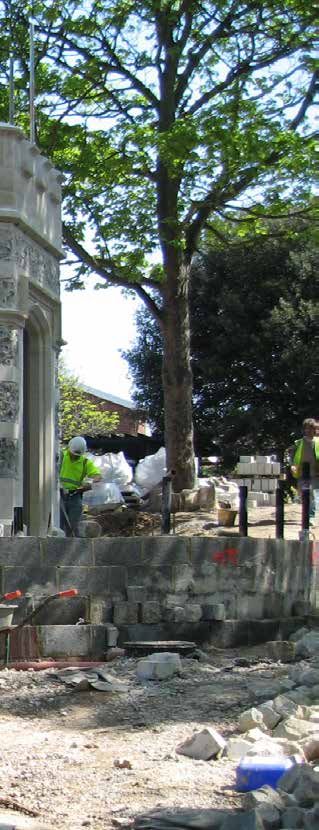
Whitstable Castle and Park
Management Plan (2012 to 2022)

                    part of the towns Silver Jubilee celebrations. The      2000       Castle Centre Association beginning to generate
                    town gained its first and only public park. The         onwards: 	an income by using the Castle as a venue for
                    outdoor entertainment facility lasted until the                    weddings and events.
                    early 1950’s when interest waned.
                                                                         			The increasingly run-down appearance of the
         1936:      Newly created bowling green opened.                      outside of the castle building and the park
                                                                             beginning to lead to anti-social behaviour
         1948:	Tea garden and putting green opened. The                     problems.
                thatched roofed kiosk used for the tea room came
                from the bowling green.                                     2006:	The city council decide to apply for lottery funding
                                                                                   to undertake a comprehensive restoration and
         1960:	A detached building known as ‘North Lodge’
                                                                                   re-structuring of the main buildings and park.
                fronting Tower Hill, which incorporated the last
                surviving building of the copperas works, was               2007:	Funding obtained by the pre-school to adapt
                pulled down to make way for a car park.                            the previous caretakers bungalow into a self-
         1972:	Local government reorganisation saw the council                    contained school within the park.
                move to offices in Canterbury.                           			Stage 1 approval obtained from the Heritage
         1975:	A campaign led by the Whitstable Society                     Lottery Fund for a comprehensive restoration
                demonstrated the practical need for a centre for             scheme.
                community activities.
                                                                            2008:      Stage 2 Heritage Lottery Fund approval obtained.
     			The Castle building leased to the newly
         formed Castle Centre Association (voluntary                        2009: 	Restoration of the Castle building, toilet block and
         organisation) to manage as a facility available to                         park commenced in March.
         the community. Responsibility for the structure                    2010:	Completion of the restoration project and opening
         of the building and the surrounding public park                           of the park to the public (September 4th).
         remained with the city council.
                                                                            2012: 	First Green Flag and Green Heritage awards
     			The top floor of the building was later leased
                                                                                    obtained.
         to Whitstable Castle Pre-school. Rooms in the
         remainder of the building were rented to local
         community groups.

Page 8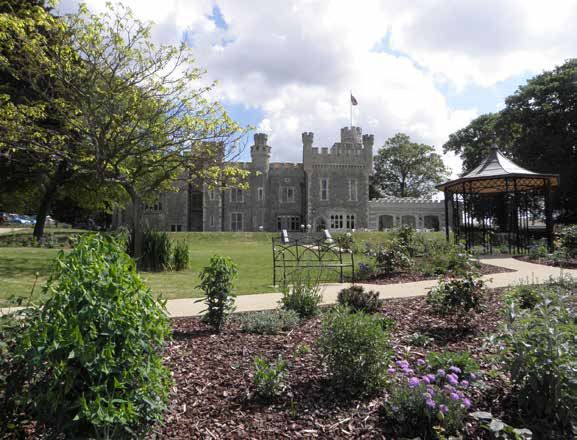
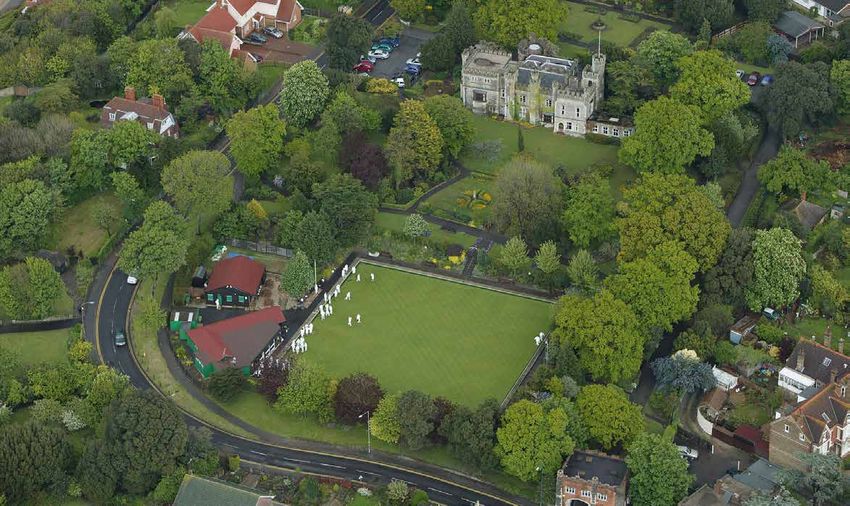
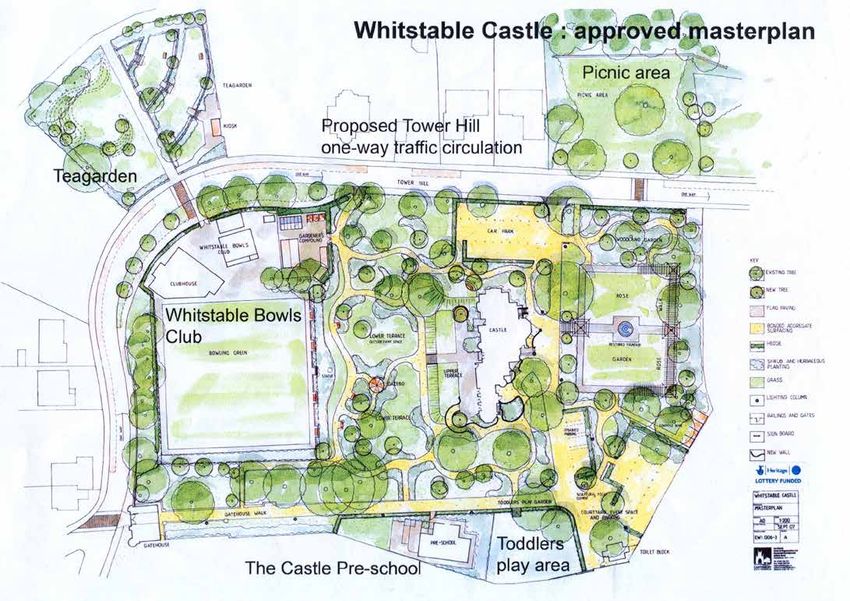
Master plan of main Castle and park including
Tea Garden and picnic area north of Tower Hill
Whitstable Castle and Park
Management Plan (2012 to 2022)


      List of existing surveys/documents relating to the site:

          - Deeds of the castle held by Canterbury City Council.
          - ‘Copperas and the Castle’ publication by Geoffrey Pike
          - O
             rdnance survey plans (1:2500 scale) 1873; 1907; 1923;
            1938; 2004
          - Various local newspaper articles from the Whitstable Times

     •    Conservation designations:

     	The site is within the Tankerton Conservation Area. The castle                                                         1.   Tea Gardens
       building is Listed Grade II.                                                                                           2.
                                                                                                                              3.
                                                                                                                                   Bowls Club
                                                                                                                                   Castle

     •
                                                                                                                              4.   Gatehouse

          Government deprivation designations:                                                                                5.   Bungalow

     	The neighbouring wards of Gorrell and Harbour have been
       classified as deprived by Child Poverty Index Standards.
       The Children’s Fund has been funding activity/preventative
       projects in these wards for the last two years. The Child         1.5    etails of leasehold and licence agreements relevant to the
                                                                               D
       Poverty Index first appeared in the DETR’s Indices of                   project
       Deprivation (2000).
                                                                               •   Castle building
     •    Opening hours for the park and facilities                            	Owned by Canterbury City Council (CCC) and leased to the
     	The park: open seven days a week 8am to 7pm or last user of               Whitstable Castle Trust for a period of 50 years from July 2011.
       building
                                                                               •   Whitstable Castle Pre-school
     	The Castle and Orangery Tea Room: open seven days a week                	The Pre-school now operates from the former Bungalow (5)
       Summer: April to October 10am to 5pm                                      on a 25 year lease from the City Council. They are responsible
       Winter: November to March 10am to 4pm                                     for the management of the site within the fence-enclosed
                                                                                 boundary. In due course they will pay rent to the Whitstable
                                                                                 Castle Trust.

Page 10
Whitstable Castle and Park
Management Plan (2012 to 2022)
• Bowls Club
Land owned by Canterbury City Council. Was originally part
of the Castle park and before being converted to a bowling
green was a vegetable garden. Leased to the Trustees of
Whitstable Bowling Club for a 21 year period commencing
10 March 1999 (expiring 9 March 2020).
Tenant responsible for internal and external repairs and
decorations, to maintain the bowling green and pay metered
water supply.
Tenants to make at least one rink available to non-members
save during team and inter club matches.
This site will continue to operate independently from the Tea Garden (2010)
castle and will be maintained by the Bowls Club.
1.6 Main uses, recreational facilities, attractions and activities
• Tea Gardens
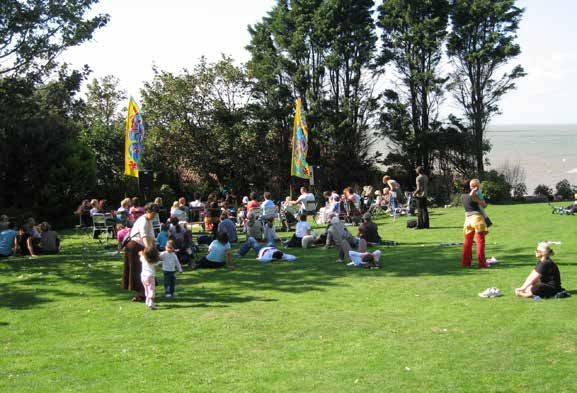
I n addition to the regular use of the park for informal and
Land owned by Canterbury City Council and now managed peaceful relaxation, the Castle and park are used for a variety of
by Whitstable Castle Trust. The Trust may use own staff to activities and events including:
manage it or may enter into a short-term lease agreement
with an external organisation. • Training courses
• Talks
Trust responsible for maintaining kiosk building and gardens.
• Meetings for example Whitstable Photographic and Natural
• Gatehouse
•
History Societies, Yoga groups, etc
Musical and theatrical performances, fairs, The Oyster Festival,
Owned by Canterbury City Council and leased to Whitstable
Carnival events, May Day charity fund raising Fete
Castle Trust as part of the Castle and Park package. Trust wish
to refurbish and let as offices and holiday accommodation. • Wedding and family celebrations
• School and college groups (Garden Studio space)
Page 11Whitstable Castle and Park
Management Plan (2012 to 2022)
• Art and craft demonstrations, workshops and exhibitions
(Garden Studio space)
• Corporate groups
• Play space for young children (three to eight years of age)
• Orangery Tea Rooms
• Public toilets with baby-changing facility
• Tea Garden refreshment kiosk with panoramic sea views
1.7 Users of the park
The park attracts a wide cross section of the local population
as well as visitors from outside the Canterbury and Whitstable
district. The presence of the Castle Pre-school in the park with a
capacity of 25 children, and the new play space mean the park is organisation to manage the whole site following the restoration
popular with parents accompanying young children. The tranquil project. The rationale being a single organisation is more likely to
gardens, views over the bowling green and two tea room facilities achieve a higher quality product.
appeal to older members of the community.
1.9 Existing management and costs
A developing event programme, education packs for schools and
a more effective marketing strategy will hopefully mean that a The annual cost of the routine management of the park landscape
wide range of people from other age groups will use the Castle prior to the restoration project totalled £28,679. The elements
and park more regularly. maintained included: lawns, shrub beds, trees, herbaceous beds, rose
beds, climbing plants, bedding beds, the fountain, seats, hedges,
1.8 Existing management arrangement planters and hard surfaces. Following completion of the restoration
project it is estimated that the cost of maintaining the external
The castle and park are managed as one single entity by The
spaces will increase to £36,000. The increase is the result of adding
Whitstable Castle Trust. Prior to the restoration project the castle
new facilities to the park, namely, the play area and the re-opening of
was managed by a local community group (The Castle Centre
the toilet block. Both require daily inspection and cleaning.
Association – now disbanded) and the park by Canterbury City
Council. Advisors to the Heritage Lottery Fund argued for one In addition, each year there are additional costs relating to
miscellaneous non-routine costs to carry out emergency tree
surgery work, repair/replace fences, railings and seats etc.
Page 12Whitstable Castle and Park
Management Plan (2012 to 2022)
1.10 Measuring success
1. Increasing the range of audiences
Baseline Target 2010/11 2011/12 2012/13
Number of visitors 5,566 500,000 363,499 435,500
% male 26 35 37 36
% female 74 65 63 64
% white British 97 95 95 95
% BME 3 5 5 5
% Disabled 4 8 8 8
Largest age group visiting 50-59 35-55 30-39 30-39
Smallest age group visiting 17-19 16-24 17-19 17-19
Overall satisfaction with the park 92 95 95 96
2. Increasing the range of volunteers
Baseline Target 2010/11 2011/12 2012/13
Number of volunteers 9 20 35 47
Castle and park 7 10 7 7
Horticulture 3 6 3 6
Page 13Whitstable Castle and Park
Management Plan (2012 to 2022)
3. Improving skills and knowledge through training
Baseline Target 2010/11 2011/12 2012/13
Number of trained staff 6 12 6 7
Number of trained volunteers 21 30 21 22
Park used by third party as training venue 6 12 11 11
Numbers of staff and volunteers
Full-time salaried staff:
Business manager
Events manager
Head chef
Assistant chef
Head gardener
Assistant gardener
Caretaker
Administrative staff
Orangery tea room staff
Volunteers:
Castle auxiliary staff
Garden auxiliary staff
Page 14Whitstable Castle and Park
Management Plan (2012 to 2022)
2.0 Ambitions and expectations
2.1 Vision statement
To create a unique, sustainable hub of
community life, in Whitstable’s only public
park, where people will wish to visit to
enjoy cultural, educational and recreational
activities in a special place of high quality
historic architectural and landscape
character.
How key Green Flag criteria influenced the restoration of the
2.2
park
Care was taken during the design process to acknowledge and
respond to key Green Flag criteria. Table 2 below shows how
deficiencies were recognised and corrected in the restoration
project.
Page 15As-built masterplan following restoration of main Castle and Park (2012)
Whitstable Castle and Park
                                                                                                                Management Plan (2012 to 2022)

Table 2: Green Flag Award criteria analysis

 Green Flag Award criteria       Analysis of existing situation/issues prior to         Action plan – restoration project changes
                                 restoration project

 1    A welcoming place          1.1	No signage to announce location and              1.1	New signage to announce location and
                                       entrances                                              entrance points and to interpret detail within
                                                                                              site has been installed.

                                 1.2	No safe road crossing points                    1.2	Tower Hill has been converted to one-way
                                                                                              circulation with on street parking. A ‘raised
                                                                                              table’ crossing point and speed reducer was
                                                                                              introduced in 2012..

                                 1.3	Limited facilities/events to attract wider       1.3	New facilities and an event programme have
                                       audience                                               been introduced.

                                 1.4   No trained staff to welcome visitors            1.4	Full-time staff and volunteers trained in visitor
                                                                                               management now in place to meet and greet
                                                                                               visitors.

                                 1.5	The garden landscape lacks identity and offers   1.5	The Garden landscape has been restored to a
                                       a confused message                                     period theme with a clear identity and strong
                                                                                              sense of place.

 2    Healthy, safe and          2.1	No coordinated walking routes within gardens     2.1	Coordinated walking routes with safe linkage
      secure                           that safely link to neighbouring green spaces          to neighbouring green spaces have been
                                       and to the wider locality                              created.

                                 2.2	Outside space feels unsafe after dark            2.2	New lighting to provide illumination and
                                                                                              perimeter railings/gates to enable the site to
                                                                                              be locked after dark have been introduced.

                                                                                                                                           Page 17
Whitstable Castle and Park
Management Plan (2012 to 2022)
Green Flag Award criteria Analysis of existing situation/issues prior to Action plan – restoration project changes
restoration project
2.3 No trained staff to provide a reassuring 2.3 Multi-skilled trained staff have been
presence introduced to welcome and provide visitors
with a reassuring presence.
2.4 No toilet, drinking water or first aid provision 2.4 The existing toilet block has been restored and
reopened. New café and first aid facility has
been created in the castle.
2.5 No ‘open access’ to the castle building to 2.5 A new reception has been created largely
provide reassurance for visitors in case of staffed by trained volunteers.
emergency
2.6 Little natural surveillance from adjacent 2.6 Existing vegetation has been sensitively
residential properties managed to open up views into the site.
2.7 No health and safety policy for the site 2.7 A health and safety policy has been developed
for the site.
3 Well maintained and 3.1 The site is generally perceived to be well- 3.1 The restoration of the castle and park has
clean maintained and to be clean. significantly improved the quality of the
open spaces. A full-time head gardener has
However, the quality of the open spaces is been appointed to manage the outside space
poor in terms of layout, plant species, sense of working with a team of volunteers.
place, connectivity etc
Page 18Whitstable Castle and Park
Management Plan (2012 to 2022)
Green Flag Award criteria Analysis of existing situation/issues prior to Action plan – restoration project changes
restoration project
3.2 No specific policy on how to address 3.2 One year on from the completion of the
vandalism, dog mess, used needles and restoration project and the anti-social
syringes, chewing gum, fly posting, fly-tipping problems associated with the ‘old castle and
and graffiti etc incl. Target response times park’ do not now occur. In the unlikely event
that they arise, immediate action will be taken
to prevent escalation.
A policy on litter, vandalism and maintenance
is to be finalised.
4 Sustainability 4.1 No recycling of plant waste nor resource 4.1 All organic material now composted and
conservation for example rainwater recycled using new compost bins.
conservation
Rainwater collection and storage tanks now in
place.
4.2 No environmental management policy 4.2 An environmental management policy aimed
at a sustainable approach to the management
of the site is in the process of being prepared.
5 Conservation and 5.1 The site has a wealth of natural and built 5.1 Good design and management as a result of
heritage heritage features able to give the site a unique the restoration process has meant the sense of
identity. place and quality of the historic buildings and
landscape have been significantly enhanced.
Investment and good design is needed to
optimise the quality of these historic features.
Page 19Whitstable Castle and Park
Management Plan (2012 to 2022)
Green Flag Award criteria Analysis of existing situation/issues prior to Action plan – restoration project changes
restoration project
5.2 No wildlife habitat enhancement carried out. 5.2 New compost bins, native planting, log piles,
bird and bat boxes collectively enhance the
wildlife interest of the park.
6 Community 6.1 No information collected concerning visitors/ 6.1 Staff and volunteers to be trained to
involvement users. undertake visitor satisfaction surveys to
monitor public opinion.
6.2 No community involvement in the 6.2 Staff to be trained in volunteer management
management of the site. to enable working days, green-gyms,
horticultural master classes etc to be provided.
6.3 Develop an event and festival programme to 6.3 A programme of events to attract a wider range
attract and involve the local community of people and to involve the local community
will be developed (see appendix B).
7 Marketing 7.1 No Marketing Strategy in place to: 7.1 A marketing strategy for the park is in the
process of being developed
- p
rovide information to users concerning
management strategies, activities, features, - o
btain Green Flag award and use to
ways to get involved. positively promote the park
- p
rovide effective promotion of park as a - develop website using trained volunteers
community resource
- involve trained volunteers in event
management and communication with the
local community.
Page 20Whitstable Castle and Park
Management Plan (2012 to 2022)
Green Flag Award criteria Analysis of existing situation/issues prior to Action plan – restoration project changes
restoration project
8 Management 8.1 The site has been managed without a 8.1 This Management Plan has been produced to:
Management Plan since coming into public
ownership in 1935. - provide a clear sense of direction shared by
all involved
- act as a vehicle to engage the local
community
- protect and enhance investment in the site
and maintain quality standard
- measure progress.
Page 21Whitstable Castle and Park
Management Plan (2012 to 2022)
3.0 Management objectives and work plan – how objectives will be achieved
The following table includes management objectives and related action points for 2012/13. Objectives and action points will be reviewed
and amended each year.
Table 3: Work plan
Theme Objective Action Lead Date Indicator Priority
A welcoming Attract more visitors to the Install new brown and white DS By September Number of H
place site tourism sign(s) 2012 satisfied visitors
Install new directional signs in
town centre
Improve staff welcome Provide staff and volunteers DS By June 2012 Number of H
with training in visitor satisfied visitors
welcome and management
Healthy, safe Improve and formalise Health Finalise Heath and Safety DS By April 2012 Completion H
and secure and Safety Policy
Prompt and effective action Effectiveness of policy DS Number of H
to deal with any anti-social and response time to be times within
behaviour reviewed in relation to visitor target response
satisfaction surveys and staff times
feedback every year
Well Work programme for routine Produce work programme. DP By March Number of H
maintained tasks Staff and volunteers to be 2012 complaints
and clean trained to carry it out to a high received
standard.
Page 22Whitstable Castle and Park
Management Plan (2012 to 2022)
Theme Objective Action Lead Date Indicator Priority
Apply for ‘Loo of the Year’ Enhance toilet block and DS By April 2012 Successful M
award apply for award application
Sustainability Safeguard financial Business Plan and programme DS By February Amount H
sustainability by developing of events/activities to be 2012 of income
income-generating events/ produced annually generation per
activities programme year
Improve environmental Produce an Environmental DS April 2012 Completion of M
performance Policy agreed Policy
Conservation Restore historic buildings and Monitor recent restoration DS Annual M
and Heritage structures work expenditure on
repairs
Continue to seek funding to
undertake phased completion
of repair works not included in
restoration project.
Limit new facilities and uses to Produce a policy statement DS Green Heritage M
those which compliment the on the inherent character of Award
historic character of the site the gardens and the rationale
behind the choice of facilities.
Apply for a Green Heritage
Award
Page 23Whitstable Castle and Park
Management Plan (2012 to 2022)
Theme Objective Action Lead Date Indicator Priority
Enhance wildlife conservation Plants for bees and butterflies; DS Number of M
of the park bat and bird boxes; conserve and range of
old trees; compost heaps and species present
log piles; hibernacula etc
Community Encourage community Produce an annual DS By March Number of M
involvement involvement programme of tasks suitable 2012 participating
for volunteer involvement volunteers
managed by trained staff
Number of
Use Green Flag award to visitors
publicise opportunities
Marketing Ensure Castle and Park are Finalise Marketing Strategy DS By April 2012 Number of M
promoted effectively as visitors and
a community resource to volunteers
increase visitor numbers and
income
Ensure website up to date Check images and text to DS By March Number of M
ensure relevant and up to 2012 users and
date. reaction
Management Ensure the various green Monitor and review this DS Number of M
spaces of the park are management plan annually in satisfied visitors
managed effectively and response to comments, issues
efficiently. and changes in technology etc
Page 24Whitstable Castle and Park
Management Plan (2012 to 2022)
3.1 Finance
It is proposed that the future management of the
site (buildings and landscape) should become
the responsibility of the new trust: Whitstable
Castle Trust. It is hoped this will lead to better
coordinated management and a higher quality
end product. The Business Plan details where
funding will come from and how it will be
expended.
4.0 Monitor and review
An important attribute of any management plan
is adaptability. Monitoring and review allows
the process of management planning to be
kept alive after the written document has been
completed. It serves to keep dialogue on-going,
maintains the involvement of key participants
and enables success to be recognised.
The main body of the plan is unlikely to require
annual change so it is proposed this will be
reviewed every five years. The work plan will be
reviewed and updated annually. This is the most
dynamic section if the plan is used effectively. A
working group of Trust members together with
the Head Gardener will be nominated to monitor
work plan progress.
Page 25Whitstable Castle and Park
Management Plan (2012 to 2022)
Appendix A
Whitstable Castle and Park – Routine management/maintenance operations (landscape)
Area/feature Task Frequency
Gatehouse Drive Remove leaf and twig debris from drive Once a week in autumn or after strong winds
Clean/empty drainage gullies Four times a year
Play Area Rake sand pit and top up sand as necessary Twice daily
Remove sand and debris from water channel. Ensure sluice gates work Daily
Empty gullies in water channel of sand and debris (2 No.) Once every three days
Put up and remove shade awnings (2 No.) Once each year
Weed, feed, prune and replace plants Four times a year
Clean seats and table Daily
Empty litter bin (1 No.) Daily
Brush scattered sand into artificial grass Daily
Daily equipment check Daily visual check
Monthly equipment check Monthly manual check
Annual equipment check Annual detailed check
Annual power brush of artificial grass Once a year
Sweep hard surface Daily
Page 26Whitstable Castle and Park
Management Plan (2012 to 2022)
Area/feature Task Frequency
Fountain and pool Turn off / on water supply Twice a year
Net and remove debris from pool Daily
Inspect and remove debris from pump chamber Once a week
Apply appropriate chemical to reduce algae growth As instructed
Clean and repaint fountain Once a year
Manually top-up water level as necessary As necessary
Pergola (Rose Walk) Clear pathways of debris Once a week in summer and winter
Check wooden structure and repaint where needed Once a year
Replace climber wire where needed Once a year
Replace vine eye where needed Once a year
Paths and terraces Use leaf blower/vacuum to clear debris Once a week all year
Jet wash paths where slippery Once a year, treat with ‘Alimallatalox’ ( If ever
needed)
Remove leaf debris from drainage gullies and jet through Three times a year
Plant beds Weed clearance All year round
Cultivate/mulch beds to suppress weeds and feed plants Once a year, autumn or spring
Restock beds with new plants - annuals, biennials and perennials All year
Spot treat perennial rhizomatus weeds Up to six times a year
Prune small trees and shrubs when required at correct time of year Once/twice a year at correct times of year
Cut back all herbaceous perennials in early winter/late winter or early Once a year
spring
Page 27Whitstable Castle and Park
Management Plan (2012 to 2022)
Area/feature Task Frequency
Grass edge beds Once a week spring through to early autumn
Collect selected seeds to be used for sale or to grow for garden stock Collect in early autumn through to early
plants winter – Head gardener to advise
Take cuttings from selected plants to be used for sale or for garden Cuttings to be taken at correct times through
stock plants the year – Head gardener to advise
Inspection covers to services in plant beds Inspect and secure covers four times a year
Parking courts Sweep along curbs to remove debris Once/twice a month all year round
Spray hard standing areas with a translocated herbicide Twice a year
Tea garden Mow lawn areas Once a week, spring through to early autumn
Re-seed worn areas Spring through to late summer
Grass edge the beds Once a week spring through to early autumn
Weeding beds Once a week during active growth
Pruning small trees and shrubs to retain shape, vigour and increase Once/twice a year when required
flowering
Restock beds with new plants All year
Cultivate/mulch beds to suppress weeds and feed plants Once a year, spring or autumn
Repair/renew irrigation system When needed (annual check)
Picnic area Mow lawn area Once a week spring through to early autumn
Brush cut margins Two to three times a year
Prune tree extremities above railings Once a year-winter period
Remove suckering growth from tree bases Every two to three years
Crown lift trees Every eight to 10 years, to be advised
Page 28Whitstable Castle and Park
Management Plan (2012 to 2022)
Area/feature Task Frequency
Seats Remove droppings / debris Daily
Clean with jet washer When needed
Repair as required When needed
Signs Wipe clean Four times a year
Oil timber surrounds and posts Apply ‘Danish Oil’ twice a year in dry
conditions
Lighting columns Repaint with ‘Brantho-korrux top coat exterior paint (black) As required
Railings and gates, Repaint with ‘Brantho-korrux’ exterior paint (black) As required
litter bins etc Touch-up gates where paint missing Check and touch-up twice a year
Oil hinges, locks and all working mechanisms Check and oil once a year
Electrical pop-up Raise from below ground and allow to dry in fine weather. Check in Three times a year
(Rose Garden) good working order.
Daniel Pretlove (Head Gardener) January 2012
Page 29Whitstable Castle and Park Management Plan (2012 to 2022) Appendix B Up-to-date details of events can now be found on the Whitstable Castle website. Page 30
Whitstable Castle and Park
                                                                                                                 Management Plan (2012 to 2022)

Appendix C
A summary of the achievements of Whitstable Castle Trust (September 2010 to April 2013)

From the outset, a key aim has been to create a self-supporting Trust        to 25 in 2013. A number of advanced bookings for 2014 and 2015
to manage the Castle and park. The transitional Heritage Lottery Fund        are currently taking place.
(HLF) funding for the manager and part-time education officer has
been invaluable.                                                         •   Room hire – the number of rooms being let out to local community
                                                                             groups and business has continued to grow over the past year with
The Trust has experienced a very exciting and profitable first year of       improvements in the offer being seen as a major reason for this.
operation. With all profits ploughed back into the organisation they         Along with regular hirers such as the Whitstable Photographic Club,
have been able to further improve both services and facilities.              WEA Adult Education and Fitness Classes the Castle has increased

•   Castle tearooms – originally open five days a week, but since last
                                                                             its number of business clients through the introduction of a new
                                                                             business package. The improved catering aspect of the Castle has
    summer now open seven days a week. A new, improved coffee                seen room hire for special celebrations generate additional revenue
    machine has just been purchased. The outside terrace is very             as well as offering an all in one package for the clients. Canterbury
    popular in fine weather and extends the capacity. Occasional live        City Council and Kent County Council continue to use the Castle for
    musical performances have been well received, with more planned          regular meetings, training and consultations.
    in the future.

•   Weddings – the Trust have introduced a new all-Inclusive package
                                                                         •   Events – Whitstable Castle has been home to some very well
                                                                             attended events in the town over the last year and finally the town
    offering for the hire of the Castle as a wedding venue which has         has a venue to be proud of. It is the town’s only public park so it
    proved very popular. For price information please contact the            is able to offer attractive inside and outside space. Along with
    office at Whitstable Castle on 01227 281 726. Arrangements               established events such the Antiques Fair, the Castle has upped its
    typically involve the use of certain rooms in the Castle with the        game by putting on Christmas Events. In addition to this in March
    option of a marquee on the lawn of the Rose garden. The gardens,         2013 the first in a number of large themed events was launched
    with a backdrop of the Castle, remain popular for wedding                with 140 people enjoying a 007 night which was spread across the
    photographs, whatever the season. This, along with the stunning          inside and outside of the Castle. On the back of last year’s success
    roof terrace, is one of the main assets when showing people the          which saw ‘Whitstable’s Got Talent’ launched with hundreds of
    venue. Uninterrupted public use of the tearooms, and park when           people filling the castle grounds and sitting on the lawns to watch
    weddings are in progress takes place without any conflict. The           local people perform in the bandstand. This year we are combining
    number of weddings has risen from 10 in the first year of opening

                                                                                                                                           Page 31
Whitstable Castle and Park
Management Plan (2012 to 2022)
it with a Giant Picnic in the park event to attract even more people. with more planned for next year. The park won the ‘Whitstable in
As usual we are the central hub for the May Day Celebrations which Bloom’ competition in its first year despite the planting not having
will run again on the 6th May. In the summer of 2013, the Castle reached maturity. It also won a Silver Award in the ‘Wild about
will be playing host to two plays in the Castle gardens: ‘Sherlock Gardens’ competition organised by Kent Wildlife Trust.
Holmes’ and ‘William Shakespeare’. We anticipate that each
performance will attract up to 500 spectators. There is a wide range • Volunteers – The completion of the restored Castle and park has
of events planned for 2013 and these will no doubt be popular with coincided with and an economic down turn. Local people have
the local community. come forward and volunteered to help with all aspects of the day to
day running of the site. Volunteers can now be called upon to staff
• Education - the Castle has an ongoing commitment to play an reception, provide administrative back up in the offices, work in the
active role in local town life. gardens or help to steward special events.
We offer arts and crafts activities to local children on a regular basis, • Visitors – The range and number of visitors has increased
as well as annual events such as a Sports and Wellbeing day, an significantly above the baseline recorded prior to the start of
Easter Trail around the gardens, Oyster Week activities, Christmas the restoration project. This is presented in more detail under
activities etc. We offer tours and talks for visiting groups of all ages, ‘monitoring success’ 1.10.
sharing with them the story of how the Castle came to be built here
and of its links with the characters and local industries of the past.
• Website and media interest – The Trust has set up a website to
inform the wider world of its existence. The address is
We have ongoing links with the local primary schools and other www.whitstablecastle.co.uk The newly restored castle and park
local centres of interest (eg Whitstable Harbour, foreshore officers has been featured in several magazines and newspapers and on
and RNLI). We hope to show that there is something for everyone television. ITV have recently filmed part of a new food programme
here – local or visitors and of all ages. at the Castle. It is due to be shown later this winter.
• Gardening – the Trust appointed a full-time Head Gardener, Daniel, Anthony Dance
in late 2010. He started in January 2011. In his first year he has March 2013
worked with his assistant Tom and a growing group of enthusiastic
volunteers which now numbers six people. A plant nursery has been
set up in the gardener’s compound. One of the volunteers managed
to raise 1,400 plants from seed for the nursery. It is hoped that with
better marketing the volunteer base and the nursery will be more
successful next year. Daniel organised two talks on horticultural
themes with cream teas to raise the profile of the park and nursery,
Page 32Whitstable Castle and Park
Management Plan (2012 to 2022)
Appendix D
Environmental policy
The castle grounds cover an area of approximately 4 acres, the majority • To work with local groups and local authorities to share knowledge
of which falls within the Canterbury City Councils (CCC) Conservation and resources.
area. The gardens are managed with biodiversity in mind, for instance
in and around the composting area at the rear of the rose garden, logs • To seek funding and grants to facilitate the castles biodiversity aims
and tree sections have been stacked carefully and then covered with of the future.
up turned grass turves that have been lifted from various areas around
the garden. This is to create habitats for invertebrates and the castle • To involve staff, volunteers and the local community in biodiversity
issues through volunteering and educational programs.
gardens population of native Stag Beetle.
The castle gardens encompass a wide range of habitats and species • To comply with any relevant UK legislation regarding biodiversity.
and many opportunities exist to conserve and enhance biodiversity.
We have many areas in and around the castle gardens managed for
• To use biodiversity to promote healthy living and well being.
wildlife. With the higher number of trees and hedging there is plenty
of areas for wildlife to prosper. Over the next few years we are looking
• To always consider ecological impacts and opportunities for
ecological enhancement of any building designs or construction
to place more nesting boxes in and around the site to help increase our activities.
populations of birds and bats.
We are also planting as many different flowering plants as possible. We
• Where practical practise low intervention horticulture.
will be planting plants with bright colours and scents which will attract • Recycle green waste whenever possible.
pollinating insects, as well as people.
• Build on our links with the local community through annual events
Additional benefits to the environment of the wider area around the and interest groups.
castle grounds are considered as well as the importance of biodiversity
for the health and well being of staff, volunteers and visitors to the • Introduce sympathetic management techniques to stimulate
castle gardens through the improvement of the landscape and planting natural habitats.
schemes, as well a hugely popular play area for children.
• Where practical and safe, leave fallen timber in situ.
Page 33Whitstable Castle and Park
Management Plan (2012 to 2022)
• Horticultural operations to be timed carefully to reduce the impact • Herbicides are used in the garden to control persistent perennial
on breeding, feeding and hibernating species. rhizomatous weeds, it is seen as a control rather than eradication of
perennial weeds. Spraying is mainly carried out on hard standing
• Communicate biodiversity issues through the castle website to areas and a small amount of garden flower beds.
engage with visitors, staff and volunteers.
• Enthuse people who use the castle and castle gardens.
• We try to spray outside of nesting time as much as possible if we
ever have to spray in areas where wildlife is present. We spot treat
• Research and implement new methods of pest and weed control.
weeds in areas where heavy planting is present and where wildlife
may be present. For public safety we spray early in the morning
• New seed and potting mixes produced by the head gardener (6.30-7.00am)
will be used for all plants produced in the castles propagation
programme. Compost produced on site has and will continue to be
• All chemical spraying is carried out by licensed and well trained
garden staff who take great care when and where they should be
used in potting mixes, this is in line with the slow removal of peat
spraying.
from various compost products.
• Plants that are brought in from outside nurseries are checked to
• Rain water is collected in the garden by water butts and also
collected and stored in an underground rain water harvesting tank,
see if they either are peat free or if they are then they must be
fed by down pipes from the castle, max capacity is 3000 litres. Used
adhering to the SSSI-Site of Special Scientific Interest Status or a
by the garden team in and around the garden.
local equivalent.
• Pesticide use is limited, very limited, we use organic mixes made
Appendix D1
up by ourselves where applicable and only on small nursery stock Whitstable Castle: Biodiversity Assessment (Carried out by Canterbury
plants. The mixture will usual consist of washing up liquid, full fat City Council’s Countryside Officer Brian Watmough in January 2008)
organic milk and water. This tends to work well on pests and some
fungal diseases. We also rely on the many natural garden predators The grounds of Whitstable Castle already contribute to the biodiversity
that we have in the garden through not spraying pesticides, we try of the town. The collection of open spaces which constitute the
and let nature run its course and not disturb the natural balance. gardens form the largest group of mature trees in the town. An increase
in biodiversity has the potential to increase people’s enjoyment of the
• Removal of pest by hand is another way we limit pest problems park.
within the garden and lower the need to use pesticides.
Page 34Whitstable Castle and Park
Management Plan (2012 to 2022)
Existing Biodiversity Interest Buildings
The existing biodiversity interest can be considered in 5 major Leisler’s bat has been recorded from within the castle. The building is
habitat features: trees, shrubs and hedges, grassland, flowerbeds, and used by pigeons and may also be used by sparrows and starlings.
buildings.
Assessment
Trees
The Whitstable Castle site is within a conservation area but has no
The Castle grounds, together with the adjoining properties to the wildlife designations although it is less than 1 kilometre from Tankerton
north, form the largest group of large mature trees in Whitstable. As Slopes which is a Site of Special Scientific Interest.
such they provide potential feeding, nesting and roosting site for
several bird species, notably wood pigeon, mistle thrush and song Confirmed records of bats in the castle and grounds suggest that
thrush. They also provide feeding areas for bats and possibly roost sites. there may be significant bat roosts. All bat species are protected by
Habitat Regulations. These regulations were amended in August 2007
Shrubs and hedges strengthening the protection given to bats.
Provide potential nest sites for birds such as dunnock, song thrush and The Kent Biodiversity Action Plan includes an objectives to :
blackbird. The fruit and seeds may be an important autumn and winter
food for wildlife. “Maintain and enhance the current extent and quality of natural and
semi-natural habitats within built-up areas and gardens” and
Flower beds
“Improve the biodiversity of built up areas and gardens by increasing
Have potential invertebrate interest awareness to the benefits of and encouraging management
sympathetic to wildlife.”
Grass
Section 74 of the Countryside & Rights of Way Act 2000 lists habitats
Is limited to small lawn areas to east and west of the castle and is and species of principal importance for the conservation of biological
currently maintained as short sward. Although areas of short grass are diversity in England. One bird species on this list, the song thrush,
often described as green desert, they provide important feeding areas regularly occurs in the Castle Grounds. In addition a further two species
for bird species including dunnocks and, thrushes.. occurring in the castle grounds, starling and house sparrow are on
the UK Red List of species of high conservation concern and 2 species,
dunnock and mistle thrush are on the Amber list of species of medium
conservation concern.
Page 35Whitstable Castle and Park
Management Plan (2012 to 2022)
Recommendations Grass
Bats Maintain existing open area of short mown grass as feeding area for
birds, consider converting areas near base of shrubs and hedges into
An initial scoping survey of roofspace and grounds should be done as rough grass or wildflower meadow where appropriate.
soon as possible; this will identify what other, more detailed surveys,
are necessary. Flower beds
These recommendations are based on experience and draw on Consider using flowering and fruiting shrubs that provide food sources
recent studies of urban biodiversity, notably a study of London green for animals, replacing annual plantings with perennial or perennial/
spaces (2006) and CABE Space guidance “Making contracts work for annual combinations, and retaining dead seed heads and skeletons
wildlife: how to encourage biodiversity in urban parks”(2006). Specific of dead plants, leaving to stand over winter for seed-eating birds and
recommendations are given for each of the main habitats features winter invertebrate shelter.
identified and more general recommendations given for management
processes in park. Rose beds
Trees Create ground cover using flowering herbaceous plants, use roses with
abundant fruits, and grow modern disease resistant cultivars to reduce
The mature trees, especially the oaks, are a significant resource for the need to spray, use hoeing rather than herbicides to keep weeds in
biodiversity. Consider providing nest boxes for hole nesting birds. Hole check
diameters should vary between 25 mm for blue tits, 32 mm for house
sparrow and 45 mm for starling. Local supplier Jacobi Jayne: Buildings
www.jacobijayne.co.uk New oak trees should be planted now to
Obtain advice for requirements for bats. Provide nest boxes for
ensure continued presence of oak trees on site.
sparrows and starlings (see above), consider a green roof system for any
Shrubs and hedges new buildings.
Maintain existing shrub beds and hedges. Consider reducing frequency Grounds maintenance
of cutting where appropriate to provide a more varied structure,
Work with contractors to minimise use of peat and herbicides, adopting
introduce climbers, e.g. honeysuckle and diversity to single species
SMART targets for their reduction. Train grounds maintenance
hedges, introduce locally native wildflowers (primrose, blubell, herb
contractors and supervisors in biodiversity.
Robert) at the base
Page 36Whitstable Castle and Park
Management Plan (2012 to 2022)
Appendix D2 strimming to let grass clippings fly or mowing and placing clippings
back under base of the two native trees, Ilex aquifolium and Taxus
Wildlife conservation baccata or along the base of the Taxus baccata hedge. This allows
any insects sucked up by the mower to stay within the Island.
In line with well established conservation principals we are doing the
Native and natural plantings will be planted into the lawn area
following within the castle gardens:
being left to self seed over time and cover larger areas. The three
• New tree planting in the garden has included native trees and other existing flower beds will have native annual wild flower seed mix
sown over them from March through to May at two to three week
European Genus, these trees have been chosen for colour, texture
and good presence of berries in the autumn/winter period perfect intervals this will allow maximum flowering of all species contained
for all bird species in the garden. within the mix. This area will increase insect, invertebrates and bird
species.
• More log piles have been added to increase the native stag
• The castle gardens will over time be developed through garden
beetle, also new bird boxes for varying native birds made by local
woodcarver will be added. These will be placed in the mature Oak staff and volunteer help, this helps increase but also stabilize
trees that we have along the gate house drive. conservation and to keep heritage as was intended. We will strive
to continue planting native tree species as well as increase other
• Buddleia clumps are being planted in areas of the garden that European species in line with the ever changing weather and
climate. By doing this we look to increase biodiversity to a higher
attract many insects to feed increasing the biodiversity of insect
and bird species. level year on year. Over the last two years we have added many
new features, log piles, larger compost areas, patches of garden
• Willow hedges have been planted at the northern end of the Tea left to run wild, native planting and many new planters educating
Garden, these will be weaved together over time increasing places people on how to grow plants, vegetables and edible flowers in
for wild life to increase. Also in this area native Sea Buckthorn various ways.
hedge has been planted as well as a evergreen hedge at the
southern end of the T-Garden, this will allow birds to nest for longer
once the hedges are established.
• Insect Island is a particular wildlife conservation project, we are
aiming to have this planted and complete by May 2013 using
garden staff and volunteers. This project involves two basic
elements, Native and Natural. We are leaving the grassed area
to grow longer, cutting a maximum of three times over a year,
Page 37You can also read


