Workforce Scan 2018 0508 4SKILLS (475 4557) - www.skillsactive.org.nz - Skills Active
←
→
Page content transcription
If your browser does not render page correctly, please read the page content below
Skills Active
                                                                                                         Sport, Recreation
                                                                                                         and Performing Arts

                          2018 Workforce Scan for the Sport, Recreation and Performing Arts Industries
                                                                                                         Industries’

                                                                                                         Workforce
0508 4SKILLS (475 4557)
www.skillsactive.org.nz                                                                                  Scan 2018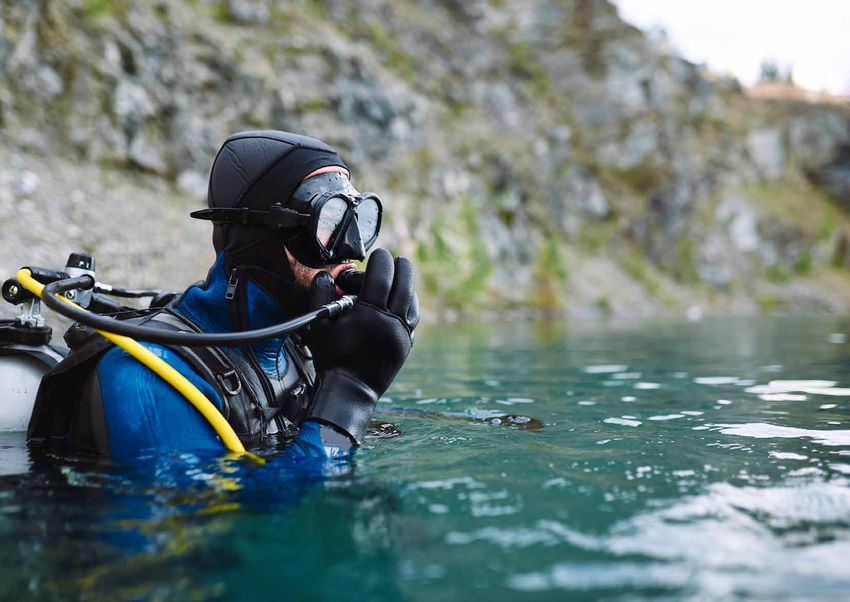
Active Careers through
                                                                                     On-Job Qualifications

Role
Skills Active Aotearoa is the industry training organisation for the sport, exercise, community recreation,
outdoor recreation, dive, snowsport and performing arts industries.
We develop world-class, on-job qualifications that provide passionate people with the opportunity to
upskill and enjoy thriving careers in our industries.
Our industries positively impact the wellbeing of New Zealanders. A strong industry depends on a skilled
workforce, and our goal is to fuel the fire within workplaces to develop their paid and unpaid employees.

                                            Skills Active Workforce Scan 2018                  Role and purpose 1
Vision                                                                  Values
                     Our industries’ first choice as a                                       Our actions will be driven by our core values:
                     partner for workforce development.
                                                                                                   we do                  we are true                   we demonstrate
                     Purpose                                                                     what is right           to ourselves                  respect and care

                     To build a highly qualified workforce in the sport, exercise,
                     community recreation, outdoor recreation, dive, snowsport and
                     performing arts industries, leading to productive and sustainable
                     organisations that provide quality services to New Zealanders.

                     Approach
                     We will be leaders and role models of:

                                                     SERVICE                    CONTINUOUS
                       BICULTURALISM               EXCELLENCE                  IMPROVEMENT

2 Role and purpose                         Skills Active Workforce Scan 2018                                                   Skills Active Workforce Scan 2018          Role and purpose 3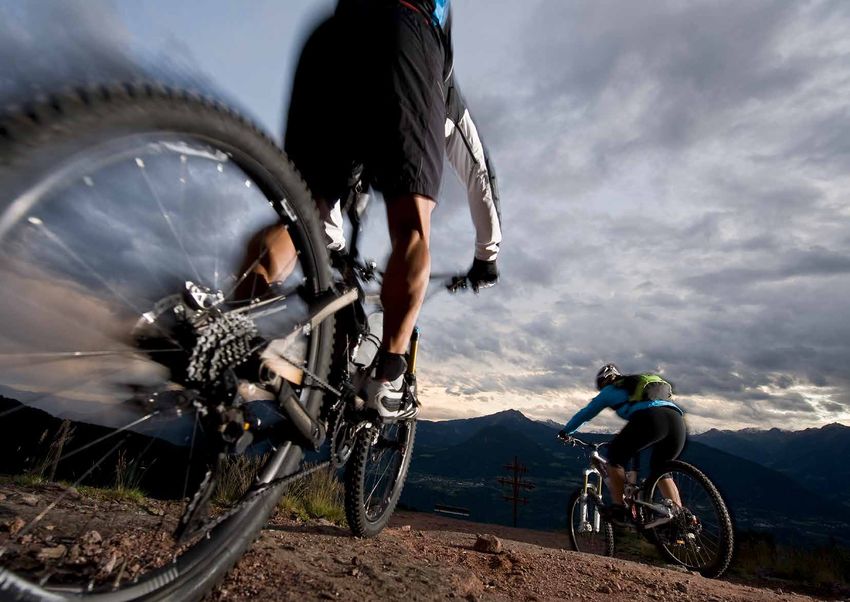
Strategic outcomes                                                                                         Contents

                                                                                                              Message from the Chair                                                  6
                                 Is recognised as the one-stop-shop for planning,
                                  developing and supporting careers in our industries.                        Introduction from the Chief Executive                                   7
                                                                                                              Executive Summary                                                       8
                                  Continues to grow as a strong organisation;
                                  relevant and valued by our industries and                                   Structure of the Workforce Scan                                         10
                                   supported by all our stakeholders.                                         Stakeholders                                                            12
                                  Leads and innovates workforce development
                                  in our industries.                                                          Part one: Industry scans
                                                                                                              Summary of Industry Scans                                               14
                                 Develops workforce solutions that are led and                                Total Sport, Recreation and Performing Arts Industry Scan               18
                                 endorsed by industry.
                                                                                                              Exercise Scan                                                           32
                                                                                                              Sport and Community Recreation Scan                                     44
                                                                                                              Outdoor Recreation Scan                                                 58
                                                                                                              Dive Scan                                                               72

                     Strategic themes                                                                         Snowsport Scan
                                                                                                              Performing Arts Scan
                                                                                                                                                                                      84
                                                                                                                                                                                      96
                     Our strategic outcomes will be achieved through our actions targeting the following
                     themes:
                                                                                                              Part two: Workforce transformation in action
                                                                                                              Skills Active Workforce Scan Action Plan                                111
                                                                                                              Purpose of the Skills Active Workforce Action Plan                      112
                                                                                                              Strategic Context                                                       112
                                                                                                              Skills Active Workforce Scan Action Plan 2016 - 2018                    114

4 Role and purpose                         Skills Active Workforce Scan 2018                                                                      Skills Active Workforce Scan 2018         Contents 5
Message from the Chair Introduction from the Chief Executive
E ngā mana, e ngā reo, e ngā tini kārarangamaha, tēna koutou, tēna koutou, tēna koutou We are thrilled to be able to bring you the expect them to listen and respond to our positively impact the wellbeing of New
katoa. 2018 edition of the Skills Active Workforce needs, to impart sound knowledge, to Zealanders.
Scan – our annual research document on help us master new skills, and to keep us
Me tuku atu reo hakamoemiti ki Te Runga Rawa. We hope you find value in this piece
human capital in the sport, community safe as we take part in physical activity.
of work, and we would love to hear
Tuarua, e mihi kau ake ana ki wā tātou mate. Haere, haere, haere atu rā. Rātou te hunga recreation, exercise, outdoor recreation, We need them to be educated, critical
your feedback. Our strength is in
mate ki a rātou, ka huri, ka puta atu nei i te mate ki a tātou nga kanohi ora o rātou mā. dive, snowsport and performing arts thinkers, agile and adaptable to a fast-
the partnerships we have with our
industries. This report paints a picture of changing world.
I meatia nei i roto i ngā karaipiture, mei kore te tirohanga whakaanga ka matemate noa stakeholders in sport, community
a thriving and vital group of industries,
atu te iwi. As individuals, and at a population level, recreation, outdoor recreation, dive,
delivering real and meaningful gains
we derive broad, long-lasting benefits from exercise, snowsport and the performing
Nō reira, ko te kaupapa e tuhituhingia ana nei, he tirohanga ma tātou kia kite ai te in wellbeing to New Zealand and New
these industries, in terms of physical and arts, and our shared commitment to keep
huarahi anga mua kia whai ake nei i ngā hua tika. Pānuitia, kia mārama mai ki ēnei hua i Zealanders.
emotional health, time spent in nature, growing and improving the service we
kōrerohia ake nei.
According to the latest data, our industries resilience and social cohesion. provide as a group of industries.
employ over 101,000 people across
So, it’s vital that we think strategically
The 2018 Workforce Scan represents a huge effort from our staff, stakeholders some 30,000 organisations. In 2016, this
about the skills and training needed to
and partners. This document gives a big picture view of our industries, and is workforce – supported by more than one
maximise the output of this workforce. We
intended to help those industries develop a vision for their future based on a clear million volunteers – contributed $6.69
need to understand the people we have,
understanding of the landscape in which they operate. billion to the New Zealand economy.
and the landscape in which they operate.
Here at Skills Active, the Workforce Scan gives us another tool to sharpen our focus Approximately 3,000 people were also Armed with that knowledge, we can plan
on the industries we serve, and continue to improve the services we provide to employed in the snowsport industry, for the requirements of the future.
employers, professionals, students and volunteers, through on-job training and whose data we report separately. Grant Davidson
Some of the issues we’ve looked at in this
qualifications. Chief Executive
Labour productivity in sport, recreation document include: the high proportion
We are keen to continue working with our industries to maintain and grow this pool and performing arts, as measured by GDP of part-time, contract and seasonal
of knowledge, as part of our joint pursuit to build a highly-skilled and developed per full-time equivalent, grew by 1.9% per employees in our industries; concerns
sport, recreation and performing arts workforce. annum over the last five years. In the same regarding the access to and availability of
period, average earnings in our industries affordable training; pay rates lower than
Nō reira, ka nui āku nei kōrero mā tēnei wā tonu nei. have increased by 2.5% over the last five the national average; lower representation
Mauri ora ki a tātou katoa years, to $50,600. among Māori, Pasifika and Asian
populations; and a younger workforce with
Sport and recreation is a key component
fewer qualifications and a higher rate of
of many New Zealanders’ lifestyles.
attrition.
The professionals and volunteers in
these industries play an intimate role in We’ve used a broad range of research
empowering us to lead healthy, active methods to tackle some of the big
and meaningful lives. Numbers cannot questions about our industries: What do
Sam Napia truly convey the value added by the swim they bring to the table? What do they look
Skills Active Board Chairman teacher taking a class for parents and like now, and how will that change in the
babies, the outdoor educator working future? What are their needs? What are the
with teenagers, the wheelchair basketball workforce problems that keep them up at
coach mentoring competitive athletes, or night? And how can we contribute to the
the group fitness instructor giving lessons solutions?
at a rest home.
The work we do to produce this report
We depend on the people working in the is motivated by our core goal at Skills
sport, recreation and performing arts Active: To fuel the fire within workplaces to
industries to take good care of us. We develop skilled employees, and therefore
6 Message from the Chair Skills Active Workforce Scan 2018 Skills Active Workforce Scan 2018 Introduction from the Chief Executive 7
Executive summary
           Skills Active works with the sport, community recreation,
           exercise, outdoor recreation, dive, snowsport and performing
           arts industries. Employing over 101,000 people, and
           contributing approximately $6.69 billion to the economy
           annually, our industries provide significant value to New
           Zealand.
           In this report, Skills Active has completed detailed ‘scans’
           of the industries we work with in order to understand both
           the opportunities and the challenges. The intention of this
           document is to gather all the latest and most relevant
           knowledge of the people and organisations that make up this
           sector of the workforce.
           The Workforce Scan also explores the training and
           development strategies that will empower our industries to
           steer a successful course in terms of finding, retaining and
           developing their people, now and into the future.

8 Executive summary                                 Skills Active Workforce Scan 2018   Skills Active Workforce Scan 2018   Executive summary 9
Structure of the Workforce Scan

             Methodology and data                                            Part one: Industry Scans
             This report updates the 2017 Workforce Scan, drawing            Part one of this document profiles the sport, recreation
             on surveys, economic and demographic data,                      and performing arts industry as a whole, and then delves
             qualitative research and more. Statistical data in this         into individual profiles of the six industries with which
             report was provided by Infometrics, unless otherwise            Skills Active works:
             specified, and was current as at August 30, 2017. All
             other sources are footnoted throughout the document.                                     Sport and Community
             When reading this information, please note:                        Exercise
                                                                                                      Recreation

             Snowsport:
             Due to the seasonal nature of the snowsport industry,
                                                                                Outdoor Recreation               Dive
             the Infometrics data is not suitable for use, as it relies
             on census data captured in March, when no ski fields
             are operating. Snowsport data has been collected
             directly from industry.                                            Snowsport                Performing Arts

             ‘Total sport, recreation and performing
             arts’ figures:                                                  The profiles are broken down into:
             These figures comprise exercise, sport and community
                                                                                        Introduction
             recreation, performing arts, dive and outdoor
             recreation industry data. The data also includes some                    Industry Profile
             sport and recreation occupations that did not fall
                                                                                     Workforce Profile
             neatly into those three industries (This is referred to as
             pan-industry data in this report). Therefore, the total                         Impact
             sport and recreation data is higher, in some places,                Participation | Economic
             than the sum of the individual industry data.                       Tourism | Health | Social
             The ‘total sport, recreation and performing arts’                    Trends / Issues / Risks
             figures do not include snowsport. Data on this industry
             is provided separately in its respective industry scan            Political | Economic | Social |
             section.                                                                  Technological
             Although every care has been taken in the preparation                Training Environment
             of this document, Skills Active cannot accept legal
             liability for any errors, omissions or damages resulting
             from reliance on the information in this document.              Part two:
                                                                             Workforce Action Plan
                                                                             This report and its predecessors have identified
                                                                             workforce trends, issues, and risks affecting our
                                                                             industries. Part two of this document, the Workforce
                                                                             Action Plan, outlines Skills Active’s response to these
                                                                             challenges and opportunities.
                                                                             Initiatives include designing fit-for-purpose
                                                                             qualifications, delivering these to the workforce
                                                                             in innovative ways, and giving workplaces tools to
                                                                             identify and respond to skill deficits in their staff,
                                                                             so they can grow their businesses.

10 Structure of the Workforce Scan                       Skills Active Workforce Scan 2018                                               Skills Active Workforce Scan 2018   Structure of the Workforce Scan 11
Stakeholders Industries Exercise Sport and Community
Recreation
Outdoor Recreation Dive Snowsport Performing Arts
Skills Active works with a diverse group of stakeholders, from government,
Ministry of Business,
regulators and funders to employees, volunteers and participants. Our Local Government Sport NZ
stakeholders are the backbone of sport, recreation and performing arts in
Innovation and Employment
New Zealand. The following diagram illustrates key stakeholders working
Government,
across our industries. New Zealand
Regulations & Funding Department of Conservation Tourism NZ
Qualifications Authority
Ministry for Culture and
Tertiary Education Commission Ministry of Education Heritage
Skills Active Aotearoa
NZ Recreation
Association
NZ Mountain
NZ Recreation Safety Council
Association
NZ Outdoor
Sport NZ Instructors
Association NZ Snowsports Creative NZ
Physical Council
Education NZ NZ Rivers Entertainment
Exercise NZ Association Ski Area
Examples of National Technology NZ
NZ Register Sportnet Association of
Organisations Tourism Industry NZ Entertainment
of Exercise Regional Sports Aotearoa NZ
Professionals Venues
Trusts NZ Snow Association NZ
NZ Dive Council Industries
Personal Trainers Water Safety NZ
Council of NZ LandSAR Federation Dance Aotearoa
National Sports NZ
Education NZ Snowsports
Organisations Instructor Performing Arts
Outdoors NZ Groups
Young Mens Alliance
NZ Mountain
Christian Guides
Association Association
Christian
Camping
Uniform Groups
Regional Sports Gyms Commercial/
Trusts Tourism
Private Event Operators
Regional Sports Companies Entertainment
Organisations Leisure Clubs Snowsport Areas Venues
Examples of Operators Out of School
& Employers Schools Care Providers Tourism Performers
Uniform Groups
Operators Instructors
Sports Clubs Community
Organisations Outdoor Guides
Educators Technicians
Swimming Pools (Non–Profit)
Personal Trainers Technicians Local
Recreation Schools Government
Centres Local Iwi Groups
Local Government Māori Sports Safety Auditors
Employees, Volunteers, Employees and Volunteers
Education Providers &
Participants
Education Providers
Participants
12 Stakeholders Skills Active Workforce Scan 2018 Skills Active Workforce Scan 2018 Stakeholders 13
Part one:

                   Summary of
                   Industry Scans
                                                                                                                                                                                                             In excess of 1,000,000
                                                                                                                                                                                                             adults volunteer
                                                                                                                                           Sport and Community
                                                                                                                                           Recreation Scan
                                                                                                                                                       This industry touches the lives of virtually all New Zealanders. It brings
                                                                                                                                                       communities together – in teams, on the sidelines as spectators, in recreation
                                                                                                                                                       facilities as users, and at recreation events as participants. The social and
                                                                                                                                                       economic impact of sport and recreation is profound.
       Total Sport and                                                                                                                                 Sport and community recreation can be divided into facilities (indoor and
       Recreation Scan                                                                                                                                 outdoor); programmes and events; and coaching and officiating of athletes.
                                                                                                                                                       Spanning public, not-for-profit and private organisations, the industry employed
                    All of our industries promote an active lifestyle, with some 2.5 million New Zealand adults taking                                 34,394 people in 2016.
                    part in some form of physical activity each week. On top of contributing to physical health, our
                    industries provide social benefits by bringing people together, building skills, and fostering a sense of                          There is a large part-time and volunteer base (in excess of 1,000,000) that
                    community and belonging.                                                                                                           supports this industry. Challenges facing this part of the workforce include the
                                                                                                                                                       high turnover of personnel, and the decrease in the number of hours people are
                    These industries are complex and diverse, with nearly 31,000 operators – most of which are small-to-                               typically volunteering.
                    medium-sized businesses. On average, each operator employed 3.3 people in 2016, compared to the
                    average business unit in the wider economy, which employed 4.3 people in the same year. A smaller
                    number of businesses in the industry are large employers, such as councils and ski area operators,
                    which employ considerably more people in each business.
                    With an increasingly diversifying and ageing population, the onus is on our industries to continue
                    expanding and refining the range of recreation options available, in order to meet the needs of all
                                                                                                                                                       Outdoor Recreation Scan
                    cultures, preferences, health conditions and life stages.                                                                                     Central to the fabric of Kiwi life, outdoor recreation is made up of the leisure,
                                                                                                                                                                  recreational and sporting activities that offer locals and tourists alike so much
                                                                                                                                                                  enjoyment, including tramping, camping, biking, boating and adventure tourism
                                                                                                                                Outdoor educators                 activities.

                           Exercise Scan                                                                                        and leisure groups                The outdoor recreation industry comprises outdoor educators, commercial
                                                                                                                                both rely heavily on              outdoor operators and leisure groups. In 2016, those three groups represented
                                       The exercise industry is a highly competitive market. There are between 400 and          their volunteer base              2,585 businesses, employing 10,822 people. Outdoor educators and leisure groups
                                       600 health and fitness centres in New Zealand. Operators are quick to react to                                             both rely heavily on their volunteer base, and on government and philanthropic
                                       changing user demands, with strong growth in emerging areas such as 24-hour                                                funding.
6,539 people were                      facilities, niche exercise classes and technology-assisted exercise.
employed in the industry               Some 6,539 people were employed in the industry in 2016, or 0.3% of the national
in 2016                                labour force. Exercise industry employment is forecast to climb to 7,000 by 2021.
                                       However, the growth rate is reducing, and the forecast is 1,000 people fewer than
                                       what was predicted in 2016.

14 Summary of Industry Scans                          Skills Active Workforce Scan 2018                                                                                        Skills Active Workforce Scan 2018                    Summary of Industry Scans 15
379 people were
        employed as divers or
        dive instructors in 2016

                          Dive Scan
                               New Zealand’s extensive coastal regions provide a prime opportunity to interact
                               with the marine environment, and draw visitors from all around the world.
                               Professionals with a dive skill-set have the expertise that enables them to
                               productively and safely engage with the underwater world. Divers may work
                               underwater for a variety of reasons, including: construction work; gathering
                               seafood; retrieving property from shipwrecks; search and rescue; working on oil
                               rigs; photography; police work; tourism or dive instructing. There were 79 dive-
                               specific business units in the dive industry in 2016, employing 379 people as divers
                               or dive instructors.

              The season now                                                                                                                          The performing arts
              lasts up to 16                                                                                                                          industry contributed
              weeks                                                                                                                                   $2.058 billion to GDP
                                                                                                                                                      in 2016

                        Snowsport Scan                                                                                Performing Arts Scan
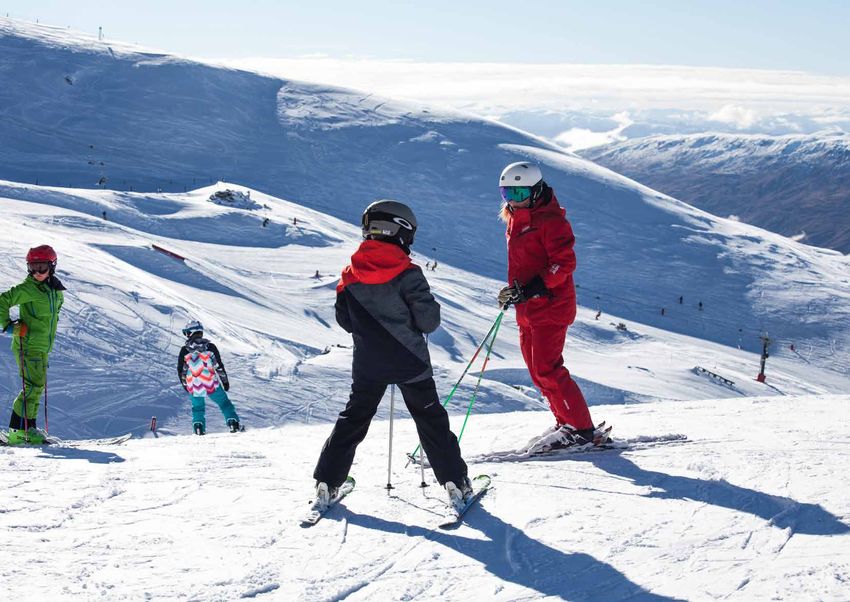
                               The snowsport industry offers skiing, snowboarding, cross-country skiing, alpine            The performing arts industry enriches and energises the cultural and social life
                               walking and trekking, and other on-piste activities. With advances in alpine                of New Zealanders. The workforce includes a high proportion of freelancers,
                               equipment and snowmaking technology, winter seasons are extending, and more                 contractors and volunteers. In 2016, there were 9,227 business units operating in
                               people are gaining access to snow-based recreation. New Zealand has consistently            the performing arts industry. This was up from 8,111 five years earlier – a growth
                               recorded more than one million skier visits per year since the early 2000s.                 rate higher than that of the overall economy.
                               The snowsport industry is commercially focused, employing approximately 3,000               The industry contributed $2.058 billion to gross domestic product (GDP), or
                               full-time (seasonal) workers. A season’s success is dictated by the presence of             0.9% of the total GDP, in 2016. An increasingly high number of New Zealanders
                               snow, but with improved snowmaking technology and support the season now                    participate in performing arts, with a 2014 Creative New Zealand survey finding
                               lasts up to 16 weeks. The industry is increasingly moving to whole-year operations,         that 85% of New Zealanders had attended a performing arts event or location in
                               and therefore is crossing over into other fields, such as mountain biking, luging,          the past 12 months. In addition, 58% had been actively involved in the creation or
                               tramping, star gazing and cultural tours.                                                   production of such an event in the same period.

16 Summary of Industry Scans                    Skills Active Workforce Scan 2018                                                                Skills Active Workforce Scan 2018                    Summary of Industry Scans 17
–
Total Sport,
Recreation
and
Performing
Arts
Industry All the industries Skills Active works with, with the
exception of exercise, make substantial contributions to
Scan
either international or domestic tourism. A significant
number of international tourists flock to New Zealand
every year to enjoy the wide range of sport, recreation and
performing arts activities.
18 Total, Sport, Recreation and Performing Arts Industry Scan Skills Active Workforce Scan 2018 Skills Active Workforce Scan 2018 Total, Sport, Recreation and Performing Arts Industry Scan 19Industry snapshot EMPLOYMENT BY AGE
20%
Total Economy
All sectors
10%
0%
15–19 20–24 25–29 30–34 35–39 40–44 45–49 50–54 55–59 60–64 65+
FILLED JOBS IN INDUSTRY ECONOMIC CONTRIBUTION
2006 2016
101,134
$
6.69B GDP
90,295
4.3% of jobs 3% of New Zealand’s GDP in 2016
EMPLOYMENT BY GENDER
ALL SKILLS ACTIVE INDUSTRIES
MALE FEMALE
51 %
49%
TOTAL ECONOMY
MALE FEMALE
53 % 47%
Over 27,000 more people were employed
in our industries in 2016 than in 2000
20 Total, Sport, Recreation and Performing Arts Industry Scan Skills Active Workforce Scan 2018 Skills Active Workforce Scan 2018 Total, Sport, Recreation and Performing Arts Industry Scan 21Total Sport, Recreation and
Performing Arts Industry Scan1
Introduction Industry profile
The sport, community recreation, exercise, outdoor recreation, dive, snowsport Our industries are multifaceted, with nearly 31,000 business units, of which most are small-to-medium-
and performing arts industries are complex for their size. Work arrangements that sized businesses. On average, they employed 3.3 people per business in 2016, compared with the average
include full-time, part-time, volunteer and seasonal work are further complicated business unit in the wider economy, which employed 4.3 people in the same year. There are only a small
by low pay rates, high staff turnover and a younger worker profile, providing a group of businesses in the industry that are large employers, and have workforces in the hundreds, such as
unique set of challenges for these indistries. councils.
Despite these challenges, our industries have seen consistent growth in the past The organisations range from profit-focused businesses through to not-for-profit incorporated societies
decade. Over 27,000 more people were employed in our industries in 2016 than in and charitable trusts. Other than the snowsport industry, which is primarily made up of commercial
2000. This strong growth is expected to continue in the future, with over 114,000 enterprises, our other industries tend to have a blended objective of profit and social outcomes.
people forecast to work in our industries by 2021.
In addition to the mixed-delivery model blending profit and purpose, operators often cross boundaries
in terms of the services they deliver. For instance, it is common for councils to offer exercise, community
recreation and sporting opportunities from the various facilities that they either manage or own. Other
examples include fitness centres that provide access to a gym and trainers, but also offer members
opportunities to participate in corporate sport leagues.
A significant number of the incorporated societies and charitable trusts within our industries deliver
personal development opportunities to young people. Examples include over 15,000 sports clubs, 14
regional sport trusts and 70 Christian camps. Most of these organisations are reliant on government,
gaming and philanthropic funding. As a result, they tend to employ fewer paid staff and are often heavily
reliant on volunteers.
1
Note: Last year, the figures in this section did not include the performing arts industry, whereas this year they do. Therefore the figures may differ significantly when compared with what was reported in the 2017 scan.
22 Total Sport, Recreation and Performing Arts Industry Scan Skills Active Workforce Scan 2018 Skills Active Workforce Scan 2018 Total Sport, Recreation and Performing Arts Industry Scan 23Regional employment Workforce profile
In 2016, of the 101,134 people employed across our In 2016, 101,134 people were employed across our industries, or 4.3% of the total national workforce.
industries, 36% were based in the Auckland region. Other
Employment growth in the five years to 2016 of 1.4% per annum was weaker than employment growth in the total economy (1.9% per
regions that make a high contribution to overall employment
36
annum) over the same period.
%
in these industries are Canterbury and Wellington, with
each region accounting for 13% of the workforce. In the In the five years to 2021, employment in our industries is expected to grow by an average of 2.5% per annum, reaching a high of
five years to 2016, the Otago region saw the most growth in 114,693 in 2021. The industry expecting the most growth over this period is the dive industry, at 4.5% per annum, followed by outdoor
employment, growing at a rate of 2.8% per annum. recreation (3.7%) and sport and community recreation (3.6%). The industry predicted to experience the least employment growth over
this period is the exercise industry, with a predicted growth rate of 1.1% per annum.
Auckland
36,089 8.6%
Total employment by industry
(Paid employees)
Waikato
Exercise 6,539 Performing Arts 27,255
8,735 Sport and Community Recreation 34,394
75.1%
North Island
Outdoor Recreation 10,822 Dive 397
Wellington region
12,861 Pan-industry 21,727
13% Workforce characteristics
Exercise Sport and Community Outdoor Recreation Performing Arts
Recreation and Dive
Full–time employees
Part–time employees
South Island Self–employed contractors
24.9 %
13
%
Canterbury Professional athletes
Otago
12,964 Volunteers
6,483 Seasonal labour
6.4% High turnover
Casual labour
Total employment (Holiday programmes)
2011 94,379 — 2016 101,134
24 Total Sport, Recreation and Performing Arts Industry Scan Skills Active Workforce Scan 2018 Skills Active Workforce Scan 2018 Total Sport, Recreation and Performing Arts Industry Scan 25Workforce makeup Skill level3
The employment numbers of full-time equivalent (FTEs)² in A large proportion of workers in our industries are contractors, In 2016, our industries had a smaller proportion of low-skilled 38% highly-skilled occupations in our industries in 2016, compared
our industries grew by 1.9% per annum over the five years to part-time employees or volunteers. occupations (28%) than the total economy (38%). There were with 33% of the total economy.
2016, and reached a new high of 87,337 in 2016. This compares
In 2016, 23.6% of people in our industries were self-employed. This
to growth of 2.5% per annum in the total economy.
is higher than the total economy’s self-employment rate of 18.0%.
Earnings
While average earnings across the various industries have earning less than this. The figures are also skewed by the relatively
Gender increased over the past decade, in 2016 they were still 12% behind high salaries paid to professional sportspeople, high-performance
the average earnings in the total economy. The reality is that the coaches and senior executives across the industries.
There were slightly fewer women than men working in our workforce. This has increased from 46.9 % in 2001. part-time and often seasonal nature of these industries sees many
industries in 2016; females accounted for 49.3% of the
Sport, Recreation and Performing Arts Kiwis love to volunteer their time
Almost a million New Zealand adults4 and around 45% of all boys to sport and recreation since 2008.7 However, the survey also
Male 52% Female 48% and girls aged 10–185 volunteer in our industries each year. That shows there is a marked decline in the hours people volunteer.
volunteer contribution was conservatively valued at $1.03 billion
For many organisations, volunteering is largely what sustains their
in 2015.6
activities and ensures ongoing safe and enjoyable experiences for
Total Economy Unlike other countries, volunteering in New Zealand is growing. their participants. This can also place them under considerable
The 2014 ActiveNZ survey showed that there has been a 21% financial pressure, to meet the cost of training and retaining those
Male 53% Female 47% increase in the number of volunteers giving their time and energy volunteers.
Age
The age profile across our industries is similar to that of the 43 in the total economy. Our industries have a significantly higher
total economy. The average age of sport, recreation and number of 15 to 24-year-old employees compared to the total
performing arts professionals in 2013 was 41, compared with economy.
Sport, Recreation Total Economy
and Performing Arts
Approx 6 in 20 adults (18+) Approx 9 in 20 children (10–18)
15–19 20–24 25–29 30–34 35–39 40–44 45–49 50–54 55–59 60–64 65+
Ethnicity
= $1,030m
EUROPEAN
82.5% 61,346
The majority of people working in our
industries identify as Pakeha/NZ European
(82.5%). People identifying as Māori accounted PASIFIKA
for 11.3% of employees in 2013. Pasifika 4.2% 3,110
peoples made up 4.2% of all workers in our
industries in 2013. Despite these numbers
being very low, they are on par with the total OTHER
3.2% 2,361
economy, at 11.1% and 4.9% respectively.
The workforce has seen a steady growth in
employees who identify as Asian, increasing
from 6% in 2006 to 7.3% in 2013. ASIAN 5,392
7.3%
MĀORI
11.3% 8,334
3
Highly-skilled occupations typically require a bachelor degree or higher qualification. Medium-high-skilled occupations typically require an NZ Register Diploma, an Associate Degree or Advanced Diploma. Low-skilled
occupations typically require an NZQA Level 3 qualification or lower. 4
Sport NZ ActiveNZ Survey 2013/2014 5
Sport NZ Young People’s Survey 2010/2011
2
Full-time equivalent (FTE) employment is a way of looking at employment that takes into account the workload of people in employment. FTE employment measures the number of people in employment for 40 hours or more 6
Dalziel, Paul, 2015, The Economic and Social Value of Sport and Outdoor Recreation to New Zealand: Updated Data, for Sport NZ AERU, Lincoln University 7
Sport NZ ActiveNZ Survey 2013/2014
per week. Two people who are employed part-time are measured as one FTE. Using FTEs instead of employment to look at change over time can provide a more consistent comparison of labour resources used in employment.
26 Total Sport, Recreation and Performing Arts Industry Scan Skills Active Workforce Scan 2018 Skills Active Workforce Scan 2018 Total Sport, Recreation and Performing Arts Industry Scan 27Trends/Issues/Risks
44% 56%
POLITICAL
Health and safety responsibilities The government is also directing an extra $100 million in
funding toward tourism infrastructure in outdoor recreation
Meeting the requirements of the recently enacted health and
hotspots, to support the increasing number of domestic and
safety legislation is an issue identified across all industries. Many
Over half of all New Zealanders take part in some form of smaller businesses and organisations are struggling to manage the
international visitors that our industries attract.14
High-risk industry
physical activity each week documentation and procedural requirements.12
Increased funding The arts and recreation services industry, which includes
categories such as sports professionals, dancers and outdoor
With increased recognition of our industries’ impact on wellbeing,
adventure operators, had the highest rate of injury in 2016,
the government is increasing funding for initiatives that draw
with 196 ACC claims per 1,000 full-time equivalent employees
clear links between physical activity and social, emotional and
(FTEs). This compares to the 107 claims per 1,000 FTEs in the
psychological benefits for New Zealanders.13
total economy.15
BY INDUSTRY, THE ANNUAL CONTRIBUTION TO GDP WAS:
Sport and Community Recreation – $2.343 billion, which Performing Arts – $2.058 billion, which equates to 0.9% of
70%
equates to 1.0% of GDP. Up 0.69% from 2015. GDP. Up 3.6% from 2015.
Exercise – $420 million, which equates to 0.2% of GDP. Dive – $30.2 million, which equates to 0.01% of GDP. Up 3.8%
Down 4.9% from 2015. from 2015.
Outdoor Recreation – $727 million, which equates to 0.3% of
GDP. Down 0.7% from 2015.
OF INTERNATIONAL TOURISTS WALK AND TRAMP
Sport and Community Recreation Performing Arts
Value to New Zealand $2.343b $2.058b
In 2016, the sport, recreation and performing arts industry’s On top of contributing to physical health, our industries provide 1.0% OF GDP 0.9% OF GDP
contribution to GDP was valued at $6.69 billion, or 3% of New social benefits by bringing people together, building skills, and
Zealand’s GDP. When the value of all volunteers is included in the fostering a sense of community and belonging.
Exercise Dive
$420m $30.2m
total economic contribution of sport, recreation and performing
All industries that Skills Active works with, with the exception of
arts that figure amounts to nearly $7.6 billion.
exercise, make substantial contributions to either international or
Of this overall contribution, the performing arts industry added domestic tourism. A significant number of international tourists
$2.058 billion; the sport and community recreation industry flock to New Zealand every year to enjoy the wide range of sport, 0.2% OF GDP 0.01% OF GDP
contributed $2.34 billion; the exercise industry $420 million; recreation and performing arts activities. The opportunity to
the outdoor recreation industry $727 million; and dive, with a engage with the natural environment, provided by the outdoor Outdoor Recreation Pan-industry
comparatively smaller workforce, contributed $30 million to
New Zealand’s GDP in 2016.
recreation, dive and snowsport industries especially, draws in many
visitors. On top of this, events provided by the sport and performing
arts industries, such as concerts and international tournaments,
$727m $840m
All of our industries promote an active lifestyle, with some 2.5 0.3% OF GDP 0.31% OF GDP
provide a boost of domestic and international visitors who
million New Zealand adults taking part in some form of physical
contribute to the economy. Sport-based tourism is strongly linked Pan-industry figures include workforce that do not fit neatly
activity each week.8 Lack of physical activity is a significant
with solid visitor spending on accommodation and attractions into the other industry categories above.
driver of heart disease, stroke, cancer and other leading causes
beyond the main event.10, 11
of death in this country. In response, there have been a number Total Sport, Recreation and
of government-funded interventions over the years supporting Performing Arts Industry
$6.685b
increased physical activity for good health outcomes.9
3.0% OF GDP
8
Sport NZ ActiveNZ Survey 2013/2014 9
College of Public Health Medicine press release, 2015 10
Lions Tour games boost economy significantly, NZ Herald, July 2017 Small businesses still getting to grips with new health and safety law, Stuff, 2016
12 13
Shift: encouraging physical activity & wellbeing, Wellington City Council, www.wcc.govt.nz
Press release: World Masters Games brings in $63 million, Jonathan Coleman and Simon Bridges, August 2017
11 Budget 2017: Tourism Infrastructure Package, Ministry of Business, Innovation and Employment, May 2017
14 15
Arts and recreation services industry has highest injury rate, Statistics New Zealand, 2017
28 Total Sport, Recreation and Performing Arts Industry Scan Skills Active Workforce Scan 2018 Skills Active Workforce Scan 2018 Total Sport, Recreation and Performing Arts Industry Scan 29Training environment
SOCIAL Many occupations in our industries require specific technical With many practical jobs across our industries, on-job training
skills. This is reflected in the fact that our industries have a larger is an effective way of developing skilled employees. On-job
Expanding sport and recreation options calling for greater recognition of the social and mental benefits of proportion of highly-skilled occupations (38%) than the total training is delivered through a combination of in-house learning
With an increasingly diversifying and ageing population, the onus time spent in natural environments.18 economy (33%). Despite this, 41.9% of those working in our and collaboration with other providers, such as industry training
is on our industries to continue expanding and refining the range Need for increase in cultural diversity industries held no post-school qualification in 2013. organisations.
of recreation options available, in order to meet the needs of all
While the sport and recreation industry is an area that Māori excel BARRIERS TO INDUSTRY TRAINING AND QUALIFICATION COMPLETION21
cultures, preferences, health conditions and life stages.16, 17
in19, those who identify as NZ European/Pakeha still dominate our
Wellbeing in the outdoors industries. There is a need for a higher workforce representation of Key barriers to industry training and qualification completion • High staff turnover
As in other areas of sport and recreation, the outdoor recreation all ethnicities across all of our industries that make up New Zea- identified across all industries link to the makeup of the
• Staff and employers unable to see return on investment, due to
industry is part of an ongoing conversation about creating well- land, and especially those who identify as Māori and Pasifika.20 industries, and include:
the proportion of part-time, volunteer and contract employees.
being for New Zealanders. Outdoor recreation organisations are • Access and availability of suitable training
TECHNOLOGICAL • The financial cost of training staff
Use of technology Social media marketing CURRENT AND FUTURE SKILL NEEDS22
Technology continues to play an influential role across all indus- While screen-time is increasingly competing with time spent being
Common skill gaps across our industries include: Detailed accounts of the impact and trends within the industries
tries, both in regard to opening up new opportunities and chang- active, many businesses in the sport and recreation industry are
are provided in the workforce scan sections.
ing skill requirements due to technological replacements. using social media as a marketing tool to attract and engage social • Technical skills
media-savvy users with their industries. • Customer service
• Training in new technology
• Management and supervision.
16
Active Older People Discussion Document, Sport NZ, www.sportnz.org.nz 17
Connecting With Diversity, Auckland Sports Toolkit, www.connect2sport.org.nz 18
Advocacy Priority One: Greater Recognition of the
Economic and Social Value of Recreation, New Zealand Recreation Association, www.nzrecreation.org.nz 19
Active New Zealand Survey, Sport New Zealand, 2015 20
Workplace Survey, Skills Active, 2017 Workplace Survey, Skills Active, 2017
21
Workplace Survey, Skills Active, 2017
22
30 Total Sport, Recreation and Performing Arts Industry Scan Skills Active Workforce Scan 2018 Skills Active Workforce Scan 2018 Total Sport, Recreation and Performing Arts Industry Scan 31–
Exercise
Regular exercise brings physical, emotional and social benefits.
The professionals in this industry are teaching, supporting and
leading people, as they take part in activities that increase
their overall wellbeing. Those who occupy key job roles,
such as personal trainer or instructor, often go on to manage
facilities or run their own businesses as they progress in their
careers.
32 Exercise Skills Active Workforce Scan 2018 Skills Active Workforce Scan 2018 Exercise 33Industry snapshot AGE
20%
Total Economy
Exercise
10%
0%
15–19 20–24 25–29 30–34 35–39 40–44 45–49 50–54 55–59 60–64 65+
EMPLOYMENT BY GENDER - 2016
EXERCISE
MALE FEMALE
40 %
60%
TOTAL ECONOMY
MALE FEMALE
53 % 47%
PERCENTAGE WORKING FULL-TIME - 2013 ECONOMIC CONTRIBUTION
Those who occupy key job roles, such as
Total Economy
76%
Exercise
57%
$
420M GDP
personal trainer or instructor, often go 0.2% of New Zealand’s GDP in 2016
on to manage facilities or run their own Percent working 40 hours
or more per week
businesses
34 Exercise Skills Active Workforce Scan 2018 Skills Active Workforce Scan 2018 Exercise 35Industry profile
The exercise industry is highly competitive, featuring everything The average number of employees per business unit in the REGIONAL EMPLOYMENT
from boutique businesses and community providers through to exercise industry decreased from 5.3 employees in 2011 to 4.2
national gym chains and council-owned facilities. Increasing links employees per business unit in 2016. Over the same period, In 2016, of the 6,539 people working in the exercise industry, by 3.4% per annum in the Auckland region. In the same period,
between exercise and health are driving ongoing growth in non- the average number of employees per business unit in the total 39% were based in the Auckland region. In contrast, 16% were the Otago region saw regional employment in the exercise
profit operators. economy increased from 4.2 to 4.3. based in the Wellington region and 10% in the Canterbury region. industry grow by 4.8% per annum.
Between 2011 and 2016, employment in the exercise industry grew
In 2016, there were 61 more business units than in the previous The Exercise Association of New Zealand estimates that there are
year, bringing the total business units in the exercise industry to between 400 and 600 health and fitness centres in New Zealand.
1,570. The growth in business units in the industry over the past Around one-third are specialist studios, such as those offering
I Y
five years (averaging 6.9% per annum) has been greater than the Pilates, yoga and personal training, with the remainder being K U
AT UI NT TAG
O
AT
O RY ND TO
N
NA E K RB
U A G
growth in business units in the total economy, which averages traditional centre models. Some 40 councils and five regional
RA
W
A AN PL O AI KL N
TA MANANG TE C LI
1.5% per annum. sport trusts own or manage exercise facilities. OF W N AU EL
-W BA
Y CA W
Industry structure
LOCAL AUTHORITIES (COUNCILS) COMMERCIAL ORGANISATIONS
Typically, Council leisure centres provide a range Gym chains with multiple branches, such as Les 3% 4.1% 4.5% 5.3% 8.3% 11% 39% 16%
of services including a gym and exercise classes. Mills, Jetts, City Fitness and Just Work Out. Regional 193 270 297 348 546 696 2,539 1,037
These may be run by commercial contractors or and local gyms, individual personal training services,
non-profit organisations such as YMCA. yoga studios, etc.
OTHER
Community exercise providers, including churches,
marae, community groups, walking groups, weight
loss organisations, etc.
In 2016, there were 61 more business
units in the exercise industry than in the TOP FIVE JOBS BY VOLUME - 2016
previous year
Workforce profile
There were 6,539 people employed in the exercise industry in the drop may be attributed to the market moving towards using
2016, or 0.3% of the total national workforce. contracted, rather than permanently employed personal trainers
and group fitness instructors. FITNESS RECEPTIONIST FITNESS CENTRE OTHER SPORTS COACH CORPORATE GENERAL
Between 2011 and 2016, employment in the exercise industry grew INSTRUCTOR (GENERAL) MANAGER OR INSTRUCTOR MANAGER
by an average of 1.9% per annum – this is the same employment Exercise industry employment is forecast to grow at an average of
growth as the total economy over the same period. In the two 1.1% per annum between 2016 and 2021. This is slower than the
years to 2016, however, employment in the exercise industry predicted employment growth rate for the total economy of 2.3%
dropped by 1.6%. This contrasts with employment growth of per annum.
2.7% in the total economy over the same period. The reason for
Employment growth in the exercise industry has decreased since
2014, and future growth is expected to be slower than the growth
rate of the total economy
36 Exercise Skills Active Workforce Scan 2018 Skills Active Workforce Scan 2018 Exercise 37Workforce makeup
TYPE OF EMPLOYMENT ETHNICITY
In 2016, 19% of the exercise industry was self-employed. This From an industry perspective, this may well reflect the increasing In 2013, some 82% of people working in the exercise industry and Pasifika people 5.9%. The proportion of Māori and Pasifika
segment of the workforce has grown, and for the second year in a number of personal trainers and businesses working outside of identified as NZ European/ Pakeha, compared with 77% in people in the industry is high compared with their representation
row was higher than the total economy’s self-employment rate of traditional fitness centres, and using parks and open spaces to the total workforce. People identifying as Māori accounted for in the total economy (11.1% and 4.9% respectively).
18%. run their businesses. 14.5% of the exercise industry’s workforce, Asian people 6%,
The market has steadily moved towards using
contracted, rather than permanently employed EUROPEAN
82.3% 5,382
personal trainers and group fitness instructors ASIAN
421
6.4%
GENDER
OTHER
In 2016, 60% of exercise professionals were women. While employed in the total economy workforce, it is a decrease from 13.1% 246
this is considerably higher in proportion to the 47% of females 2013 when 62% of the exercise workforce was female.
PASIFIKA
EXERCISE 5.9% 385
MALE FEMALE
40 %
60 % MĀORI
14.5% 952
TOTAL ECONOMY SKILL LEVEL23
MALE FEMALE In 2016, there were fewer low-skilled occupations in the exercise industry also had fewer highly-skilled occupations (13%) than the
53% 47% industry (15%) than in the total economy (38%). The exercise
EARNINGS
total economy (33%).
Average annual earnings for an exercise professional in 2016 were
AGE
$34,200, which is considerably less than the national average
50K
The exercise industry is a younger workforce compared with the are nearly twice as many 20-24-year-olds working in the exercise earnings of $57,780.
total economy. In 2013, the average age of people in this industry industry than in the total workforce. Annual average earnings in the exercise industry have grown at a
was 38 years compared to 43 years in the total economy. There faster rate (3.6%) than the total economy (3.4%) over the past 10
years.
It is important to note that exercise professionals typically worked
20%
Total Economy shorter hours than the average for the total workforce in 2013.
Only 57% of people in the exercise industry worked 40 hours or
Exercise more per week, compared with 76% of the total workforce.
Personal trainers and Pilates and yoga instructors can typically
0K
10%
earn $40 to $65 per hour, but will often work much fewer than 40 EXERCISE TOTAL
hours a week. ECONOMY
$34,200 $57,780
0%
15–19 20–24 25–29 30–34 35–39 40–44 45–49 50–54 55–59 60–64 65+ Highly-skilled occupations typically require a bachelor degree or higher qualification. Medium-high-skilled occupations typically require an NZ Register Diploma, an Associate Degree or Advanced Diploma. Low-skilled
23
occupations typically require an NZ Register Level 3 qualification or lower.
38 Exercise Skills Active Workforce Scan 2018 Skills Active Workforce Scan 2018 Exercise 39Impact Trends/Issues/Risks
Gym membership
grew 32% between
2008 and 2013
POLITICAL
The exercise industry contributed $420 million to New Zealand’s Outside fitness centres, boot camps and community exercise
GDP in 2016, or 0.2% of overall GDP. Over the five years to 2016, groups also provide an opportunity for people to exercise Client safety during unstaffed hours documentation. Exercise New Zealand helps members with advice
GDP in the industry grew by an average of 1.5% per annum, in a social setting. Church, marae, and community fitness on best practices, and has developed guidelines for 24-hour gyms.
Like all businesses, exercise facilities now have greater
compared to 2.5% per annum in the economy as a whole. From programmes have grown in the last few years, and provide responsibilities under the law to keep staff and clients safe. In 24- There is an increased focus on the safety of users of facilities in
2015 to 2016, GDP in the exercise industry dropped by 4.9%, while lower-cost options, in environments where users may feel more hour gyms, the requirement to keep clients safe during unmanned the exercise industry, which has driven the development of a new
GDP growth in the overall economy increased by 2.5% comfortable than they would in traditional gyms. hours is demanding new practices and procedures, and more national quality assurance scheme, launched in late 2017.
As well as reducing risk factors for type 2 diabetes and
420M
cardiovascular disease, exercise is linked with improved mental ECONOMIC
$
health and a lower likelihood of degenerative brain diseases.24 Economic Contribution
Fierce competition ‘Niche-ing’ of the Small Medium Enterprise market
Low physical activity accounted for just under 3% of all illness,
disability and premature mortality in 2013.25 Not only does this Recent years have seen explosive growth in 24-hour gyms, and On a related note, small providers are increasingly having to
have implications for population health but also for the economy. the advent of cut-price fees to entice new users.28 The large end of deliver highly unique value propositions to stay relevant, while
A 2013 study found the total cost of physical inactivity to be $1.3
billion in that year.26 GDP the market is consolidating, with a small number of large chains
making up some of the biggest gyms in New Zealand29, while
generalist exercise providers in the middle are being squeezed by
the ultra-low fees model used by their larger rivals.
Gym membership grew 32% between 2008 and 2013. This trend 0.2% of New Zealand’s GDP in 2016 new and innovative operators such as Patu Aotearoa and Māori
Movement continue to enter the arena.
continued, leading to 15.6% of the New Zealand population
holding a gym membership in 2016.27
SOCIAL
Health at every size Social media marketing
Body positivity activists are pushing for a greater focus on exercise Exercise businesses are often at the forefront of social media
for health, rather than weight loss, and arguing that overweight marketing, in a bid to capture the attention of a sophisticated and
and obese bodies can be healthy30, 31 – challenging some of the social-savvy customer base.
Fiona Goff elements of one of the government’s key public health initiatives,
Chair of the Exercise Care of older demographic
to reduce childhood obesity.32
Industry Advisory Group (IAG) Widening scope of client expectations
With the ageing population comes a greater demand for nursing
home staff to work alongside exercise instructors, physios and
Fitness professionals are increasingly being asked to provide occupational therapists to support this older population’s physical
nutritional advice, which may fall outside their scope of practice.33 activity and wellbeing.
Many clients expect trainers to care for the whole person and offer
guidance on diet, as well as sleep, stress, physical rehabilitation
One of the main issues discussed by the Exercise IAG was the need for more qualified and much else.
exercise professionals working in the industry, to meet the demand of our growing, changing
population. TECHNOLOGICAL
Our society is rapidly growing older, becoming more sedentary, and becoming increasingly Ongoing advances in technology Rapid speed of research and trends
obese. We need a workforce that is qualified to responsibly promote a physically active life. As well as the continuing growth in fitness trackers, online classes Exercise professionals are facing a constant stream of new
and personal training services, gyms are chasing new customers products, trends and research,36 and are striving to process this
The workforce needs to be more holistic, and more focused on the development of the whole
using virtual and augmented reality tools.34 information critically and pass on the valid and useful knowledge
person. We need exercise professionals who have a good understanding that the industry is to clients while filtering out unproven claims and fads.
Low-tech exercise
not just about weight loss and how you look; it’s about leading a physically active and healthy
lifestyle. Exercise is increasingly being prescribed via non-equipment
programmes, driven by the thriving popularity of back-to-basics
If we all had our own qualified lifestyle coach who had this understanding, we would be a lot style exercise classes like CrossFit and F45.35
healthier and happier.
28
Workplace Survey, Skills Active, 2017 29
Workout industry bulks up: Gym business worth $494 million, The Herald, 2017 30
Dollar E, Berman M, Adachi-Mejia AM. Do No Harm: Moving Beyond Weight Loss to Emphasize
Physical Activity at Every Size, 2017 31
Bombak A. Obesity, Health at Every Size, and Public Health Policy. Am J Public Health. 2014;104:e60–e67. 32
Childhood Obesity Plan, Ministry of Health, www.health.govt.nz
24
Reducing the Risk, Alzheimer’s New Zealand, www.alzheimers.org.nz 25
New Zealand Health Survey, 2015/16 The costs of physical inactivity: towards a regional full-cost accounting perspective, Market Economics
26 33
Should you take nutrition advice from your personal trainer? Fairfax, September 2016 34
“The Trip” group fitness, Les Mills, www.lesmills.co.nz 35
CrossFit – cult or community? Stuff.co.nz, 2015
Limited, 2013 27
Workout industry bulks up: Gym business worth $494 million, The Herald, 2017 36
Press release: Top Fitness Trend for 2017 is Wearable Technology, American College of Sports Medicine, October 2016
40 Exercise Skills Active Workforce Scan 2018 Skills Active Workforce Scan 2018 Exercise 41Training environment
Over 40% of people working in the exercise industry have a Exercise qualifications are available from numerous education
level 5 diploma or higher. Some 26.5% have a bachelor’s degree providers including polytechnics, universities and private training
or higher. Both figures are higher than the average for the total establishments. However, the ‘work-readiness’ of graduates
economy. remains a concern for employers.38
The need for educated, certified and experienced exercise On-job training remains an important part of the skills framework
professionals consistently ranks in the top five trends in the for the industry. For many employers in the industry, on-job
Worldwide Survey of Fitness Trends.37 training is delivered in-house or in collaboration with other
providers, such as industry training organisations.
BARRIERS TO INDUSTRY TRAINING AND QUALIFICATION COMPLETION39
Barriers to training and completing qualifications are mainly On this basis, the main barriers to staff undertaking and
linked to the make-up of the industry: completing qualifications are:
• Small-to-medium businesses • Cost of training and assessment
• Relatively young workforce • Busy schedules and multiple time commitments
• High proportion of part-time and contract staff • Access to and availability of suitable training, qualifications and
assessors
• Relatively low earnings, but high expectations of younger staff
• High staff turnover
• Lack of in-house assessment options in small organisations.
• Limited workplace training capability and/or coordination.
CURRENT AND FUTURE SKILLS NEEDS40
Many gyms and exercise businesses are launched by personal With changing demographics and the increasing focus on the
trainers wishing to take their careers to the next level. In some role of exercise in health, specific, cost-effective training in the
cases, these fledgling owner-operators have the passion and drive following areas will also be necessary:
required, but not the business skills, and they need to add these
• Interpersonal skills to deal with a breadth of people – health
to their repertoire.
professionals through to elderly clients
The industry has identified the following current and future skill
• Communication skills with different ethnic groups including
needs:
Māori, Pasifika and Asian
• Management and supervision skills
• Knowledge of specific health conditions and appropriate
• New technology and technical skills responses to them – obesity, heart disease, type 2 diabetes,
different cancers
• Marketing and sales skills
• Business management and marketing – these skills will be
• All skills covered by existing training will remain critical.
especially important for personal trainers in an increasing
environment of self-employment.
Worldwide Survey of Fitness Trends 2017: ACSM’S Health & Fitness Journal: November/December 2016 - Volume 20 - Issue 6 - p 8–17
37
Workplace Survey, Skills Active, 2017
38
Workplace Survey, Skills Active, 2017
39
Workplace Survey, Skills Active, 2017
40
42 Exercise Skills Active Workforce Scan 2018 Skills Active Workforce Scan 2018 Exercise 43You can also read


