Year 11 Course Guide 2020 - stleonards.vic.edu.au - St Leonard's College
←
→
Page content transcription
If your browser does not render page correctly, please read the page content below

Year 11
        Course Guide 2020

stleonards.vic.edu.au   163 South Road, Brighton East VIC 3187
                                             stleonards.vic.edu.au | 1
2 | Year 11 Course Guide 2020

Contents

Introduction                                                    4
Future Directions                                               6
International Baccalaureate Diploma Programme                  12
Victorian Certificate of Education                             16
Glossary of Common Terms                                       23

Front cover
Designed in 2018 by Martha Sands, currently in Year 11, 2019

Introduction

This booklet is designed to provide information on the courses available in
year 11 in 2020 and year 12 in 2021. It should be read in conjunction with
the VCE and IBDP Handbooks available on the College website, and provides
a reference in the process where students make choices for their final two
years of secondary education, laying a foundation for future work or study.

This booklet is designed to provide information on         balance of the academic, social, sporting and spiritual
the courses available in year 11 in 2020 and year 12       elements of life is one of the key elements to success
in 2021. It should be read in conjunction with the         in years 11 and 12. All students are required to
VCE and IBDP Handbooks available on the College            participate in a program of physical activities and/or
website, and provides a reference in the process           school sport and there are many other opportunities in
where students make choices for their final two years      areas including outdoor education, music, theatre and
of secondary education, laying a foundation for future     community service. Students are expected to take part
work or study.
                                                           in the cocurricular programs offered by the College. It
There are many choices to be made in developing the        is our experience that students who become involved
most appropriate course of studies for the future.         in these other aspects of school life enjoy the most
Present year 10 students firstly have to choose            academic success. Students and parents are urged
between the International Baccalaureate Diploma            to remain aware of the full potential of the program
Programme (IBDP) and the Victorian Certificate of          offered at St Leonard’s College.
Education (VCE) and then plan their program of study
for the whole of the two years. In particular, students    Overview
must ensure that the course selected provides the          Following this introduction is a section on Careers/
appropriate prerequisites for any planned tertiary         Course Selection in year 10. This offers some
course. Students will receive a great deal of advice       examples of pathways that students may construct for
and support in helping them to make these choices          a variety of future directions. It is important that each
and they will also have opportunities to revise their      student constructs the course that best suits them.
path as they proceed through the program. Some of
the choices offered may be unfamiliar to parents and       A brief overview of the International Baccalaureate
students. For further advice please contact the Head       Diploma Programme is available including details of
of Careers.                                                each of the subjects offered. The Victorian Certificate
This booklet explains the College’s academic program.      of Education is also outlined and each of the studies or
Other aspects of College life are also very important. A   subjects in the VCE is listed. There is a range of Units

4 | Year 11 Course Guide 2020
3 and 4 subjects available for year 11 students and        Submitting subject selection
these are also noted in the VCE overview.                  Students must complete the online selection
                                                           procedure by Friday 19 July 2019. The selection
Individual detailed descriptions of the subjects and       receipt generated at the completion of the online
units on offer are not included in this booklet. These     selection must be returned and signed by parent/
will be included in the VCE and IBDP Handbooks,            guardian to the VCE/IB Office by Monday 22 July
which will be available on the College website toward      2019.
the end of term 2. Each course description includes
details of the unit or subject, the structure of the       Students may apply for one or two year 12 subjects
course and some information about assessment, as           to be completed in year 11. This will be by application
well as some examples of some of the possible career       and the request of two subjects will involve an
options which that subject may support.                    interview to ascertain overall academic suitability.

Students need to choose between the VCE or IBDP.           Students’ individual choices for subjects and courses
Although changing between the two programs                 form the basis for our school timetable and changes
during or at the end of year 11 may be possible,           later in the year may not be able to be accommodated.
students are advised to give careful consideration
to the advantages of continuity within either course.      If you have any queries please do not hesitate to
Students who have studied a Unit 1/2 VCE subject in        contact me or one of the people listed below.
year 10 are not locked into the VCE program in years
11 and 12. These students can complete either the          Robyn Marshall
VCE or the IBDP.                                           Director of Learning Operations
                                                           robyn.marshall@stleonards.vic.edu.au
Final decisions as to whether subjects proceed in
2020 will depend upon numbers and staffing.                Key contacts
                                                           Careers advice
Tertiary selection/prerequisites                           Mary Tattersall, Head of Careers
Tertiary institutions will publish entry requirements      mary.tattersall@stleonards.vic.edu.au
for their courses for 2022 by July this year. Parents
and students are directed to the VICTER 2021 Guide         Information regarding the VCE
(the 2022 Guide will be available in July at www.vtac.     Kim Webb, VCE Coordinator
edu.au and on the school Careers website) for details      kim.webb@stleonards.vic.edu.au
of tertiary entry requirements. In some studies, VCE       03 9909 9376
Units 1 and/or 2 are prerequisite requirements for
Units 3 and 4.                                             Information regarding the IBDP
As a consequence, subject information must be read         Craig Rodgers, IBDP Coordinator
carefully to ensure that the course chosen at year 11      craig.rodgers@stleonards.vic.edu.au
will lead appropriately into the course planned for year   03 9909 9515
12 which in turn will form the basis of requirements
for tertiary entrance.                                     Useful websites
                                                           www.stleonardscareers.com
                                                           www.vcaa.edu.au
                                                           www.ibo.org

                                                                                              stleonards.vic.edu.au | 5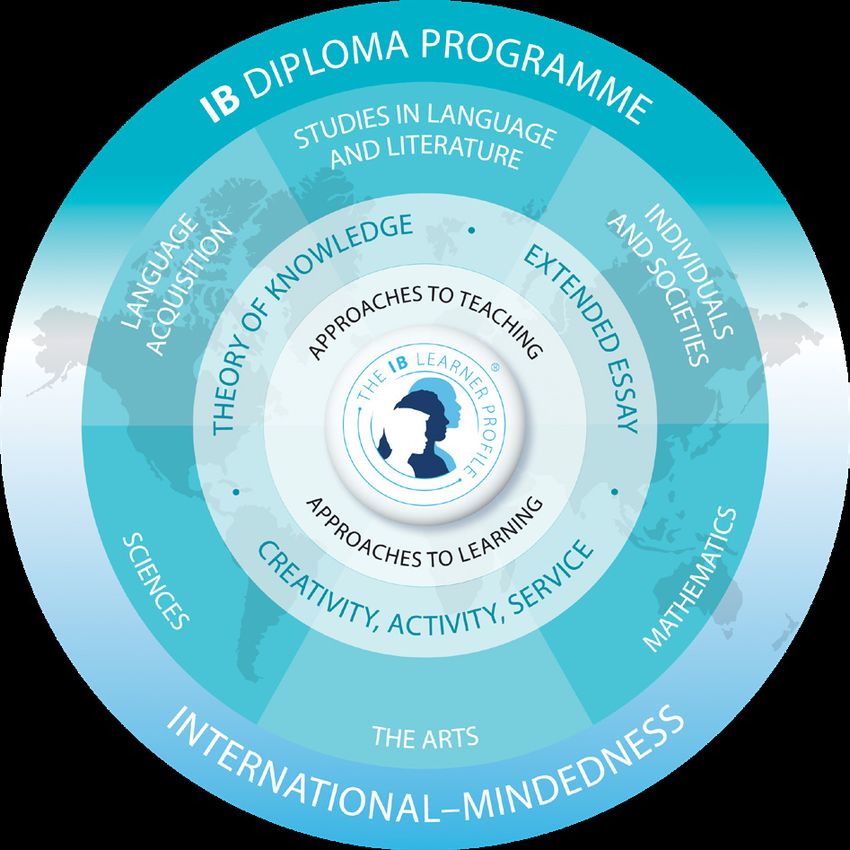
Future Directions

Careers/Course Selection at year 10
Students have been well prepared to make subject
choices for their final two years of secondary
education. To better understand their interests,
year 10 students completed the Career Fast Track
program. They have also been introduced to a variety
of resources. Details of the Victorian Certificate
of Education and the International Baccalaureate
Diploma Programme have been explained and during
term 2 each student will have an interview with the
Head of Careers about career and course planning.
At the VCE/IBDP Information Evening outlines of
the year 11 and 12 programs will be presented and
students and parents will be able to speak with staff
about the different subjects offered at the Subject      11 and 12 courses useful in constructing their
Information Evening. They can access their own copy      individual course. These are given as a starting point
of the VICTER 2022 Guide at www.vtac.edu.au, which       only and students should ensure that their specific
outlines subjects required for entrance to Victorian     courses based on their own strengths, interests and
tertiary courses. On the school website students may     appropriate tertiary requirements.
also use the CourseLink program which will assist in
putting a program together as well as a number of        Please note that prerequisites required for university
relevant resources to help with choices and decisions.   and TAFE entry into particular tertiary courses vary
                                                         markedly. Check your VICTER Guide for prerequisites
Samples of appropriate subjects for                      to particular tertiary institutions or speak with the
particular tertiary courses                              Head of Careers.
Students may find the following samples of year

6 | Year 11 Course Guide 2020
Medicine
Students must complete an admissions test in their final year of school. Some universities may also interview
students. Not many require Physics; some medicine courses require only English and Chemistry. Many students who
are considering Medicine also consider applying interstate.
VCE
English 1 Mathematical Chemistry 1 Physics 1 or Biology 1 Humanities unit Other choice
Semester 1
Methods 1
English 2 Mathematical Chemistry 2 Physics 2 or Biology 2 Humanities unit Other choice
Semester 2
Methods 2
English 3 Mathematical Chemistry 3 Physics 3 or Biology 3 Humanities unit
Semester 3
Methods 3
English 4 Mathematical Chemistry 4 Physics 4 or Biology 4 Humanities unit
Semester 4
Methods 4
IBDP
Group 1 Group 2 Group 3 Group 4 Group 5 Group 6
English Language Humanities Chemistry plus Mathematics SL Arts subject or additional
subject Physics or Biology subject from Group 2, 3 or 4
Engineering
Not all courses require Specialist or Higher Level Mathematics. Physics is commonly required, although some
courses state Chemistry or Physics.
VCE
English 1 Mathematical Chemistry 1 Physics 1 General Mathematics - Humanities unit
Semester 1
Methods 1 Specialist 1
English 2 Mathematical Chemistry 2 Physics 2 General Mathematics - Humanities unit
Semester 2
Methods 2 Specialist 2
English 3 Mathematical Chemistry 3 Physics 3 General Mathematics -
Semester 3
Methods 3 Specialist 3
English 4 Mathematical Chemistry 4 Physics 4 General Mathematics -
Semester 4
Methods 4 Specialist 4
IBDP
Group 1 Group 2 Group 3 Group 4 Group 5 Group 6
English Language Humanities subject Chemistry or Biology Mathematics HL Arts subject or other choice
stleonards.vic.edu.au | 7Arts and Law
The only year 12 prerequisite is English.
VCE
Semester 1 English 1 Mathematics 1 Legal Studies 1 Other choice Other choice Other choice
Semester 2 English 2 Mathematics 2 Legal Studies 2 Other choice Other choice Other choice
Semester 3 English 3 Other choice Legal Studies 3 Other choice Other choice
Semester 4 English 4 Other choice Legal Studies 4 Other choice Other choice
IBDP
Group 1 Group 2 Group 3 Group 4 Group 5 Group 6
English Language Humanities subject Science Mathematics Arts subject
Biological Sciences
Prerequisites for some but not all tertiary courses include Biology, Chemistry and Mathematical Methods.
VCE
Semester 1 English 1 Mathematical Methods 1 Chemistry 1 Biology 1 Humanities unit Other choice
Semester 2 English 2 Mathematical Methods 2 Chemistry 2 Biology 2 Humanities unit Other choice
Semester 3 English 3 Mathematical Methods 3 Chemistry 3 Biology 3 Other choice
Semester 4 English 4 Mathematical Methods 4 Chemistry 4 Biology 4 Other choice
IBDP
Group 1 Group 2 Group 3 Group 4 Group 5 Group 6
English Language Humanities subject Chemistry or Biology Mathematics Arts subject or other choice
Commerce
Year 12 prerequisites for Commerce courses include English and Mathematical Methods/Standard Level
Mathematics for the University of Melbourne and Monash University. Other Commerce degrees do not require
Mathematical Methods/Standard Level Mathematics.
VCE
English 1 Mathematical Other choice e.g. Other choice e.g. Humanities unit Other
Semester 1
Methods 1 Economics 1 Business Management 1 choice
English 2 Mathematical Other choice e.g. Other choice e.g. Humanities unit Other
Semester 2
Methods 1 Economics 2 Business Management 2 choice
English 3 Mathematical Other choice e.g. Other choice e.g. Other choice
Semester 3
Methods 1 Economics 3 Business Management 3
English 4 Mathematical Other choice e.g. Other choice e.g. Other choice
Semester 4
Methods 1 Economics 4 Business Management 4
8 | Year 11 Course Guide 2020IBDP
Group 1 Group 2 Group 3 Group 4 Group 5 Group 6
English Language Humanities subject e.g. Economics Science Mathematics Arts subject or other choice
Business
Year 12 prerequisites include English and, for some courses, a Mathematics. You will need to check the specific
institution for the Mathematics requirement.
VCE
English 1 General Mathematics/ Other choice e.g. Other choice e.g. Other Other
Semester 1
Mathematical Methods 1 Economics 1 Business Management 1 choice choice
English 2 General Mathematics/ Other choice e.g. Other choice e.g. Other Other
Semester 2
Mathematical Methods 2 Economics 2 Business Management 2 choice choice
English 3 General Mathematics/ Other choice e.g. Other choice e.g. Other
Semester 3
Mathematical Methods 3 Economics 3 Business Management 3 choice
English 4 General Mathematics/ Other choice e.g. Other choice e.g. Other
Semester 4
Mathematical Methods 4 Economics 4 Business Management 4 choice
IBDP
Group 1 Group 2 Group 3 Group 4 Group 5 Group 6
English Language Humanities subject e.g. Economics Science Mathematics Arts subject or other choice
Visual Arts/Graphic Design
Selection criteria for these courses may include consideration of ATAR, folio and interview. Students may therefore
benefit from studying at least one art subject for the VCE/IBDP. Some courses such as Industrial Design may require
English, Mathematics and one of Visual Communication and Design/Studio Art or Physics. A folio is required at
some institutions whereas others may rely only on ATAR.
VCE
English 1 Mathematics 1 Studio Arts 1 Visual Communication Design 1 Other Other
Semester 1
choice choice
English 2 Mathematics 2 Studio Arts 2 Visual Communication Design 2 Other Other
Semester 2
choice choice
English 3 Mathematics 3 Studio Arts 3 Visual Communication Design 3 Other
Semester 3
choice
English 4 Mathematics 4 Studio Arts 4 Visual Communication Design 4 Other
Semester 4
choice
IBDP
Group 1 Group 2 Group 3 Group 4 Group 5 Group 6
English Language Humanities subject Science Mathematics Visual Arts
stleonards.vic.edu.au | 9Performing Arts
Students are selected on audition, ATAR, or a combination of both.
VCE
Semester 1 English 1 Mathematics 1 Drama or Theatre Studies 1 Other Choice Other choice Other choice
Semester 2 English 2 Mathematics 2 Drama or Theatre Studies 2 Other Choice Other choice Other choice
Semester 3 English 3 Mathematics 3 Drama or Theatre Studies 3 Other Choice Other choice
Semester 4 English 4 Mathematics 4 Drama or Theatre Studies 4 Other Choice Other choice
IBDP
Group 1 Group 2 Group 3 Group 4 Group 5 Group 6
English Language Humanities subject Science Mathematics Theatre
Computer Science/Information Technology
Prerequisites for most IT or computer courses include English and Mathematical Methods/Further Mathematics.
Additional mathematics such as Specialist Mathematics or Physics may be preferred. VET Interactive Digital Media,
Software Development or Informatics might also be useful.
VCE
English 1 Mathematical VET Interactive Computing 1 Other choice Other choice
Semester 1
Methods 1 Digital Media
English 2 Mathematical VET Interactive Computing 2 Other choice Other choice
Semester 2
Methods 2 Digital Media
English 3 Mathematical VET Interactive Computing 3 Other choice
Semester 3
Methods 3 Digital Media
English 4 Mathematical VET Interactive Computing 4 Other choice
Semester 4
Methods 4 Digital Media
IBDP
Group 1 Group 2 Group 3 Group 4 Group 5 Group 6
English Language Humanities subject Science Mathematics Arts subject or other choice
Sports Management/Outdoor Education/Recreation Management/Sports or Exercise Science
These courses at the TAFE level in particular emphasise practical involvement in sport and recreation. Check the
Mathematics requirements as these may vary. VET Community Recreation may also be subject worth considering.
10 | Year 11 Course Guide 2020VCE
English 1 General Mathematics/ Biology 1 Physical Education or Psychology or Other
Semester 1 Mathematical Methods 1 VET Community Health and Human choice
Recreation Development 1
English 2 General Mathematics/ Biology 2 Physical Education or Psychology or Other
Semester 2 Mathematical Methods 1 VET Community Health and Human choice
Recreation Development 2
English 3 General Mathematics/ Biology 3 Physical Education or Psychology or
Semester 3 Mathematical Methods 1 VET Community Health and Human
Recreation Development 3
English 4 General Mathematics/ Biology 4 Physical Education Psychology or
Semester 4 Mathematical Methods 1 VET Community Health and Human
Recreation Development 4
IBDP
Group 1 Group 2 Group 3 Group 4 Group 5 Group 6
English Language Geography, Economics or Humanities Biology Mathematics Arts subject or other
choice
Nursing
Mathematics requirements vary, but a minimum of Unit 1 and 2 Mathematics is usually required.
VCE
English 1 General Mathematics/ Biology 1 Psychology or Health and Other Other
Semester 1 Mathematical Methods 1 Human Development or choice choice
Physical Education 1
English 2 General Mathematics/ Biology 2 Psychology or Health and Other Other
Semester 2 Mathematical Methods 2 Human Development or choice choice
Physical Education 1
English 3 General Mathematics/ Biology 3 Psychology or Health and Other
Semester 3 Mathematical Methods 3 Human Development or choice
Physical Education 1
English 4 General Mathematics/ Biology 4 Psychology or Health and Other
Semester 4 Mathematical Methods 4 Human Development or choice
Physical Education 1
IBDP
Group 1 Group 2 Group 3 Group 4 Group 5 Group 6
English Language Psychology Biology Maths or Maths Studies Arts subject or other choice
These sample courses should be carefully checked against prerequisites in the VICTER 2021/VICTER 2022 Guides
and with the specific institutions. Visit www.vtac.edu.au for more information.
stleonards.vic.edu.au | 11International Baccalaureate Diploma Programme Background Curriculum The International Baccalaureate Diploma Programme The IBDP is a two-year course. The curriculum is a two-year, internationally recognised pre-university structure is based on a framework of subject choices course. The International Baccalaureate Organization from six designated groups together with three central (IBO) is an international, non-government body that compulsory core components: Theory of Knowledge, has responsibility for setting the curriculum utilised by Extended Essay and CAS (Creativity, Activity, Service). all participating schools. The IBO emphasises a global perspective. On a practical level, IB Diploma holders are accepted for entry into leading universities throughout the world and at all Australian universities. The course also enables students who are internationally mobile to transfer their studies from one IB school to another. The IBDP is based on sound educational principles, offering students breadth and depth of study at an approachable level of challenge, and is excellent preparation for tertiary study. In 1982 St Leonard’s College became the first school in Victoria, and the second in Australia, to introduce the International Baccalaureate Diploma Programme. 12 | Year 11 Course Guide 2020
Subject choices                                              in studying an online course. Again this cost will be at
All of the subjects offered by the IBO for study             the expense of the parents.
by Diploma students at St Leonard’s College are
categorised into six groups:                                 At least three, and not more than four subjects are
                                                             taken at Higher Level (HL) and the others at Standard

               Studies in Language and Literature            Level (SL). This allows for some subjects to be
 Group 1       Language A - English, Chinese,                explored in depth (HL) and some more broadly over
               Literature OR Language and Literature         the two- year period (SL).
               Language Acquisition

 Group 2
               Language B – Chinese, English, French,        The three central core components
               Spanish
                                                             Theory of Knowledge (ToK)
               Language ab initio – Spanish or French
                                                             TOK is a course about critical thinking and inquiring
               Individuals and Societies
                                                             into the process of knowing, rather than about
 Group 3       Economics, Geography, History,
               Psychology                                    learning a specific body of knowledge. The TOK
                                                             course examines how we know what we claim to
               Experimental Sciences
 Group 4       Biology, Chemistry, Physics, Sport Exercise   know. It does this by encouraging students to analyse
               and Health Science                            knowledge claims and explore knowledge questions.

               Mathematics                                   The task of TOK is to emphasize connections between
               Analysis and Approaches SL and                areas of knowledge and link them to the knower
 Group 5
               HL, Mathematics: Applications and             in such a way that the knower can become aware
               Interpretations SL
                                                             of his or her own perspectives and those of the
               The Arts                                      various groups whose knowledge he or she shares.
 Group 6
               Visual Arts, Music, Theatre
                                                             TOK, therefore, explores both the personal and
                                                             shared aspects of knowledge and investigates the
Students are required to study six subjects. One             relationships between them.
subject is chosen from each of Groups 1 to 5. The
sixth subject may be chosen from Group 6, or another         Creativity, Activity, Service (CAS) The CAS component
subject from one of the other groups. Subjects offered       promotes the view that there are significant benefits in
as the sixth subject vary each year and are dependent        being involved in creative pursuits, physical activities
on student numbers.                                          and service projects. Participation in CAS encourages
                                                             students to share their energies and special talents
If a student chooses to study a subject via an external      while developing awareness, concern and the ability
tutor, the associated costs will be at the expense of        to work cooperatively with others. Seven learning
the parents.                                                 outcomes need to be addressed and expected
                                                             participation in these cocurricular experiences should
Students can also study a limited range of courses           equate to approximately 150 hours over the two-year
via the online provider Pamoja Education. Students           period.
should speak to Mr Rodgers if they have an interest

                                                                                               stleonards.vic.edu.au | 13
Extended Essay Thus, the maximum possible score for the IB Diploma
Each student is required to research and analyse a is 45 points. A Diploma is awarded to any candidate
topic of special interest and write an extended essay who achieves a minimum total of 24 points, subject
of 4,000 words. This essay provides students with to a series of conditions, which include satisfactory
research and academic writing skills desired and completion of the Extended Essay, the ToK course and
practiced at university. Each student is supervised the CAS program.
by a teacher who advises on appropriate references,
methodology and essay writing techniques. Students who do not meet the requirements are
awarded a certificate for each subject that records
Assessment their achievements. Students who do not meet the
IBDP assessment involves a variety of methods minimum requirements are ineligible for an ATAR.
including written examinations, spoken examinations,
essays, portfolios, field work, science practical reports University accreditation
and internal assessment of coursework over the two The IB Diploma is recognised by all Australian
years. universities. Students completing the IBDP in
2020 and beginning tertiary studies in 2021 in any
Responsibility for the quality of candidates’ work Australian State or Territory (except South Australia
and final grades rests with IB Assistant Examiners and the Northern Territory) will receive a Combined
worldwide, led by Chief Examiners who are Rank measure of overall achievement comparable with
international authorities in their fields. the Australian Tertiary Admissions Rank (ATAR). This
means that a Combined Rank of 92.45 equals an ATAR
The grading system of 92.45. This rank is based on the overall result in the
The IBDP grading system measures the students’ IB Diploma, with an aggregate of six IB subjects plus
submissions against a defined set of performance Theory of Knowledge and the Extended Essay, giving
criteria that is used consistently from one examination scores of up to 45.
session to the next and applied equally to all schools.
Students’ results are not influenced by how well other The table below samples some of the conversions
students perform. made in recent years.
Each of the six subjects is awarded a grade from IB Score ATAR 2016 ATAR 2017 ATAR 2018
1 (minimum) to 7 (maximum). In addition, grades
45 99.95 99.95 99.95
awarded for the Extended Essay and in the Theory of
40 98.15 98.30 98.25
Knowledge course can earn candidates up to three
bonus points. 36 94.40 94.40 94.50
30 83.00 83.85 84.40
24 66.10 68.10 68.70
14 | Year 11 Course Guide 2020Why choose the IBDP? Additional charges for International
• The International Baccalaureate offers: Baccalaureate Diploma Programme
• Breadth: the course structure dictates a selection students
of English, additional Language, Humanities, Annual subscription charges for IBDP students are
Science and Mathematics subjects paid to the International Baccalaureate Organization.
• Depth: students pursue 3 subjects at Higher The additional tuition fee, levied in both years 11 and
Level. TOK and the Extended Essay also 12, covers student registration and associated costs
emphasise sustained research and writing. for the IBDP exams, as well as the four-day Theory of
• International mindedness: the IBDP curriculum Knowledge camp in year 11. In year 12, IBDP students
values contributions to knowledge from a range are charged to sit the General Achievement Test (GAT).
of cultural traditions and develops empathy and Details of the levy can be found in the Information
critical exploration of divergent perspectives. Handbook available on the College website and STL
• Currency: each course within the IB Diploma Link.
Programme is reviewed every seven years, and all
schools are involved in the process For more information regarding the IBDP please
• Personal growth: the course requires personal contact Craig Rodgers, IBDP Coordinator.
reflection and allows students to develop an craig.rodgers@stleonards.vic.edu.au
awareness of the world-wide community of 9909 9515
thinkers and learners through all subjects and the
CAS program. In addition, consider speaking to students currently
enrolled in the IBDP at St Leonard’s College.
Above all, learning does not stop at the completion
of year 12. A vast majority of St Leonard’s College
students go on to tertiary studies and the IB Diploma
Programme offers an excellent preparation for the
demands of life at university. The academic rigour of
the Higher Level subjects, the depth of research in the
Extended Essay, the reflective nature of the Theory
of Knowledge course and the service component of
the CAS program forge an independence that holds
students in good stead for whatever studies they
pursue in the future.
stleonards.vic.edu.au | 15Victorian Certificate
of Education
The Victorian Curriculum and Assessment Authority Satisfactory completion
(VCAA), is responsible for the development, To successfully complete the VCE you must
accreditation and evaluation of courses as well as the satisfactorily complete at least 16 units, which must
assessment and certification of student performance include:
in the Victorian Certificate of Education (VCE). • Three units of English
Students embarking on their VCE in 2020 will be • A sequence of Units 3 and 4 in three studies
joining over 130,000 students throughout Australia additional to the English requirement
and Internationally for their final two years of
secondary education. A minimum of 80% attendance in all units is also
required for satisfactory completion. Students will be
The VCE is a flexible program that allows students to required to demonstrate that they have achieved the
select any combination of subjects with a compulsory learning outcomes prescribed for each subject and
“English” subject. Students may choose to specialize or met the minimum standards of achievement. This will
focus their studies or choose a broad range of subjects apply to all Units 1 to 4.
across a number of disciplines.
Assessment in the VCE
Your VCE program at St Leonard’s Assessments in Units 1 and 2 are school-based.
A VCE student program will normally be made The forms of assessment will be similar to those
up of 22 units completed over two years. undertaken in Units 3 and 4. Some information is
St Leonard’s College students will normally take given in the VCE Handbook available on the College
12 units (six subjects) in year 11 and 10 units (five website, and more specific details for each unit will be
subjects) in year 12. given as students begin their courses next year.
There are a number Vocational Education and Training For Units 3 and 4 the VCE contains three types of
(VET) subjects available, most of which are delivered assessment:
by Holmesglen TAFE and one by St Leonard’s College • School-assessed coursework (SACs) in all studies
(Creative and Digital Media), dependent upon except Studio Arts
numbers. Students may choose up to two as part of • School-assessed tasks (SATs) for Computing,
their VCE program. Systems Engineering, Media, Studio Arts, and
Visual Communication Design
• Examinations
School-based assessments will be completed mainly
16 | Year 11 Course Guide 2020in class or during specifically nominated after-school
times or study periods and completed within a limited
timeframe. Each item of coursework will be based on
learning outcomes, which define what the student
should know and be able to demonstrate as a result of
their study.
Most studies will have three graded assessments in
each Unit 3 and 4 sequence, including at least one
examination.
Unit 3 and 4 subjects
Students may take certain Unit 3 and 4 subjects prior
to year 12. This gives the student the opportunity to
gain some results towards tertiary selection in their
studies as well as providing experience with year 12
subjects before tackling year 12. Subjects commonly
taken are Biology, Business Management, Geography,
Global Politics, Health and Human Development, Legal Subjects to make up your program are contained on
Studies, Physical Education and Psychology. Other the following pages.
Unit 3 and 4 subjects may be taken under special
circumstances. Students must gain approval to study University studies with your VCE
Unit 3/4 subjects prior to year 12 and selection is During the second year of your VCE course (year 12),
based on year 10 progress, performance and study a range of first-year university subjects is available
habits. Students must complete the Application Form through enhancement or extension studies programs
for VCE Unit 3/4 Enrolment. offered by some universities. In any one year, fewer
than 2% of VCE students are eligible for such
Your VCE program may look like this: programs. These studies are taken as part of a full
• Option 1 VCE program. To be eligible you must have achieved a
• Year 11 - 6 year 11 subjects very strong study score in a “preparatory study” (Unit
• Year 12 - 5 year 12 subjects 3/4 study if applicable) in year 11 and your academic
• Option 2 performance in all subjects must be well
• Year 11 - 5 year 11 subjects and 1 year 12 above average. Please speak with the VCE
subject Coordinator or Head of Careers if you are interested
• Year 12 - 5 year 12 subjects in these programs. A range of subjects are available
• Option 3 and students may attend classes at University or at
• Year 11 - 4 year 11 subjects and 2 year 12 another school.
subjects
• Year 12 - 5 year 12 subjects or 4 year 12
subjects and a university enhancement
subject.
stleonards.vic.edu.au | 17VCE Studies
Australian and Global Politics
Unit 1:The national Unit 2: The global citizen Unit 3: Global actors Unit 4: Global challenges
citizen
Biology
Unit 1: How do living Unit 2: How is continuity Unit 3: How do cells Unit 4: How does life
things stay alive? of life maintained? maintain life? change and respond to
challenges over time?
Business Management
Unit 1: Unit 2: Unit 3: Unit 4:
Planning a business Establishing a business Managing a business Transforming a business
Chemistry
Unit 1: How can the Unit 2: The chemistry of Unit 3: How can chemical Unit 4: How are organic
diversity of materials be water processes be designed to compounds categorised,
explained? optimise efficiency? analysed and used?
Chinese Language, Culture and Society
Unit 1: Culture and Unit 2: Culture and
society in Chinese society in Chinese
speaking communities; speaking communities;
Chinese language Chinese language
Chinese First Language
Unit 1: Self and others Unit 2: Traditions and Unit 3: Chinese Unit 4: Chinese
change in Chinese speaking First Language First Language
communities
Computing
Unit 1: Data, networks, Unit 2: Programming and Unit 3 Software Unit 4 Software
collaboration and data management Develoment: Develoment: Software
communication Programming practice, solutions, interactions
analysis and design and impact
Unit 3 Informatics: Unit 4 Informatics: Data
Organisations, data analytics part 2 and
management and data information management
analytics part 1 (similar to History)
Drama
Unit 1: Dramatic story- Unit 2: Non-naturalistic Unit 3: Devised non- Unit 4: Non-naturalistic
telling Australian drama naturalistic ensemble solo performance
performance
18 | Year 11 Course Guide 2020Economics
Unit 1: The behaviour of Unit 2: Contemporary Unit 3: Australia’s Unit 4: Managing the
consumers and businesses economic issues economic prosperity economy
English/English as Additional Language (EAL)
Unit 1: Reading and Unit 2: Reading and Unit 3: Reading and Unit 4: Reading and
creating texts; analysing comparing texts; analysing creating texts; analysing comparing texts;
and presenting argument and presenting argument argument presenting argument
Food Studies
Unit 1: Food origins Unit 2: Food makers Unit 3: Food in daily life Unit 4: Food issues,
challenges and futures
French
Unit 1: Topics of interest Unit 2: Tourism, society Unit 3: Understanding the Unit 4: Exploring the
and customs traditional way of life written and oral language
Geography
Unit 1: Hazards and Unit 2: Tourism Unit 3: Changing the land Unit 4: Human population
disasters - trends and issues
Health and Human Development
Unit 1: Health and de- Unit 2: Individual human Unit 3: Australia’s health Unit 4: Global health and
velopment of Australia’s development and health human development
youth issues
History
Unit 1: Twentieth Century Unit 2: Twentieth Century Unit 3: Revolutions - The Unit 4: Revolutions - The
history (1918-1939) history (1945-2000) French Revolution American or Russian
Revolution
Unit 3: Australian History Unit 4: Australian
- Colonies and conflict History - Challenge and
transformation
Indonesian
Unit 3: Health and Unit 3: Health and
wellbeing; stresses and wellbeing; stresses and
pressures; work and pressures; work and
careers; Westernisation careers; Westernisation
Legal Studies
Unit 1: Guilt and liability Unit 2: Sanctions, Unit 3: Rights and justice Unit 4: The people and
remedies and rights the law
stleonards.vic.edu.au | 19Literature
Unit 1: Approaches to Unit 2: Contexts and Unit 3: Adaptations and Unit 4: Creative
literature connections transformations; views, response to texts; close
values and contexts; analysis of texts
considering alternative
viewpoints
Mathematics
Unit 1: Foundation Unit 2: Foundation
Mathematics Mathematics
Unit 1: General Unit 2: General Unit 3: Further Unit 4: Further
Mathematics Mathematics Mathematics Mathematics
Unit 1: Mathematical Unit 2: Mathematical Unit 3: Mathematical Unit 4: Mathematical
Methods Methods Methods Methods
Unit 1: Specialist Unit 2: Specialist Unit 3: Specialist Unit 4: Specialist
Mathematics Mathematics Mathematics Mathematics
Media
Unit 1: Representation Unit 2: Media Unit 3: Narrative and Unit 4: Media: process,
and technologies of production and the media media production design influence and society’s
representation industry values
Music
Unit 1: Music Unit 2: Music Unit 3: Music Unit 4: Music
Performance Performance Performance Performance
Unit 3: Music Unit 4: Music
Investigation Investigation
Outdoor and Environmental Studies
Unit 1: Exploring outdoor Unit 2: Discovering Unit 3: Relationships Unit 4: Sustainable
experiences outdoor environments with outdoor environments outdoor relationships
Philosophy
Unit 1: Existence, Unit 2: Questions of value Unit 3: Minds, bodies and Unit 4: The good life
knowledge and reasoning persons
Physical Education
Unit 1: The human body in Unit 2: Physical activity, Unit 3: Movement skills Unit 4: Training to
motion sport and society and energy for physical improve performance
activity
Physics
Unit 1: What ideas Unit 2: What do Unit 3: How do fields Unit 4: How can two
explain the physical experiments reveal about explain motions and contradictory models
world? the physical world? electricity? explain both light and
matter?
20 | Year 11 Course Guide 2020Psychology
Unit 1: How are Unit 2: How do external Unit 3: How does Unit 4: How is wellbeing
behaviour and mental factors influence experience affect developed and
processes shaped? behaviour and mental behaviour and mental maintained?
processes? processes?
Spanish
Unit 1 Unit 2
Studio Arts
Unit 1: Studio inspiration Unit 2: Studio exploration Unit 3: Studio practices Unit 4: Studio practice
and techniques and concepts and processes and art industry contexts
Systems Engineering
Unit 1: Unit 2:
Mechanical Systems Electrotechnological
Systems
Theatre Studies
Unit 1: Pre-modern Unit 2: Modern theatre Unit 3: Playscript Unit 4: Performance
theatre interpretation interpretation
Visual Communication Design
Unit 1: Introduction to Unit 2: Application of Unit 3: Visual Unit 4: Visual
visual communication visual communication communication design communication design
design design practices development, evaluation
and presentation
VCE/VET Studies
These subjects will be scored if they have written exam at the end of year 12 or unscored if they do not have a written
exam. Both scored and unscored VET subjects contribute to a student’s ATAR. These are two year courses and credit
towardsthe ATAR requires completion of the course.
Hospitality Certificate II
Certificate Certificate Certificate Certificate
Creative and Digital Media Certificate III
Certificate Certificate Certificate Certificate
Events Certificate III
Certificate Certificate Certificate Certificate
stleonards.vic.edu.au | 21Other VET subjects include
• Certificate III Screen and Media
• Certificate III Community Services
• Certificate III Laboratory Skills
• Certificate III in Information, Digital Media and Technology
• Certificate III in Sport and Recreation
• Certificate II in Hospitality
• Certificate II in Engineering
• Certificate III in Allied Health Assistance
• Certificate III in Tourism
• Certificate III in Events
• Certificate II in Electrotechnology
• Certificate III in Early Childhood Education and Care
• Certificate III in Applied Fashion Design
• Certificate III in Building and Construction
• Certificate III in Beauty Services
Note: Unit availability is subject to adequate student numbers and staffing.
Key
Units that you can do singly or as a sequence
Units that must be done as a sequence
Studies for which it is recommended you do
Unit 1 and/or 2 before attempting Units 3 and
4 (or have equivalent experience or be willing to
do some preparatory work).
VCAA requires that three sequences of Units 3 and 4, other than English, are completed.
22 | Year 11 Course Guide 2020Glossary of Common Terms
Australian Tertiary Admissions Rank. This is calculated by VTAC for each student as a percentile
indication of the student’s overall level of achievement, based on the student’s scaled study scores.
ATAR Put simply, it is a measure (as a percentage) of how well the student performed compared to other
students undertaking the VCE in that year. It is used by universities and TAFE institutes to select
students for their courses.
CAS Creativity, Activity and Service – a compulsory component of the IBDP.
Enhancement A university subject completed by a year 12 student. This subject can contribute towards the ATAR.
studies For more information, please contact the Head of Careers or the Director of Curriculum.
General Achievement Test - completed by all VCE students doing a Unit 3 and 4 sequence and IB
GAT students in their final year. It is used as part of statistical moderation of coursework in the VCE and
to assist in developing a notional ATAR for IB students.
IBDP International Baccalaureate Diploma Programme. Visit www.ibo.org for more information.
The percentile ranking developed from an IB student’s Diploma score and converted to an
Notional ATAR
equivalent ATAR for tertiary entry.
Outcomes What the student must know, or be able to do, by the time they have finished a VCE unit.
A specifically required VCE unit or IB subject that needs to be successfully completed for selection
Prerequisite
into a tertiary course.
Satisfactory This means the student has achieved the outcomes for the VCE unit, hence obtaining an “S” for the
completion unit. If the unit is not satisfactorily completed then an “N” is awarded for the unit.
School-assessed School based assessment for VCE Units 3 and 4 consisting of a set of assessment tasks (ATs)
coursework (SAC) assessing the student’s achievement of Units 3 and 4 outcomes.
School-assessed A task done in school in some studies to assess how the student is performing in VCE Units 3 and 4.
task (SAT) They are set and marked by teachers according to VCAA specifications.
Studies The subjects available in the VCE.
A score from zero to 50 representing how the student has performed in a study, relative to all other
Study score
students doing that same study. It is based on results of school assessments and external examinations.
ToK Theory of Knowledge - a compulsory component of the IB Diploma Programme.
The semester length components of a VCE study. There are usually four units in a study, numbered
Units
1, 2, 3 and 4.
VCAA The Victorian Curriculum and Assessment Authority. www.vcaa.vic.edu.au
VCE Victorian Certificate of Education
A guide (available at www.vtac.edu.au) produced by the Victorian Tertiary Admissions Centre
VICTER 2019
which contains information on all tertiary courses and prerequisites.
The Victorian Tertiary Admissions Centre, responsible for the selection system for Victorian
Universities and TAFE Colleges. It sorts students into rank order and supplies lists to course
VTAC
selection authorities within universities/TAFE colleges. Selection authorities then notify VTAC
about who has been selected for particular courses. www.vtac.edu.au
stleonards.vic.edu.au | 23St Leonard’s College stleonards@stleonards.vic.edu.au P (+61 3) 9909 9300 ABN 52 006 106 556 163 South Road, Brighton East VIC 3187 stleonards.vic.edu.au F (+61 3) 9592 3439 CRICOS 00343K 24 | Year 11 Course Guide 2020
You can also read


