2016-2026 Strategy The UK Drowning Prevention A future without drowning
←
→
Page content transcription
If your browser does not render page correctly, please read the page content below

A future without drowning:
         The UK Drowning Prevention
             Strategy
                   2016-2026

                                 “ Collaboration is essential if
                                   we are to succeed in reducing
                                   fatalities around the waters
                                   of the UK”
www.nationalwatersafety.org.uk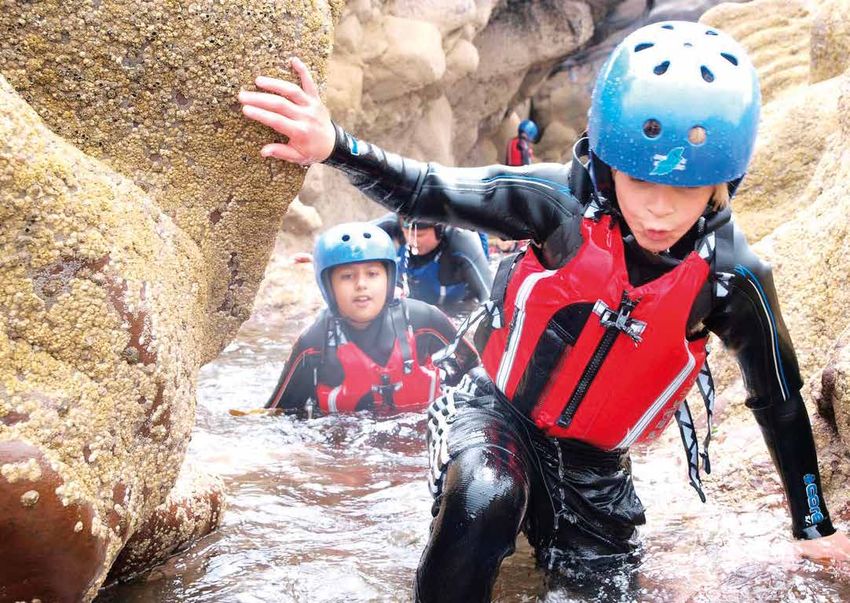
Contents

    1.   Introduction                                                                   4

    2.   Why do we need a strategy?                                                     6

    3.   Strategic themes                                                               10

    4.   What we intend to do                                                           16

    5.   How will we achieve our aim?                                                   22

    6.   How can you contribute?                                                        24

    7.   Strategic Summary                                                              26

    Development of the strategy document

    This strategy document was developed by members of the National Water Safety
    Forum (NWSF) strategy working group. The NWSF strategy working group consists of:

    George Rawlinson (NWSF Chair)                    Will Stephens (RNLI)
    Jon Glenn (ASA)                                  Errol Taylor (RoSPA)
    Vicki Hartley-Kite (RLSS UK)                     Tony Wafer (RNLI)
    Megan Inett (RNLI)                               David Walker (RoSPA)
    Adrian Lole (RLSS UK)                            Jim Watson (BSAC)
    Kirsten Pointer (MCA)                            Dawn Whittaker (CFOA)
    Tony Stammers (Canal and Rivers Trust)

    With particular thanks to the families who have shared their stories and the many
    individuals and organisations who have helped shape this document.
    Suggested citation: National Water Safety Forum (2015) A future without drowning:
2   The UK National Drowning Prevention Strategy 2016-2026.
Foreword
                                     George Rawlinson
                                     Chair - National Water Safety Forum

                                     On average 400 people drown in the UK each year and
                                     a further 200 people take their own lives on our waters.

                                     On average 400 people drown in              no intention of entering the water.
                                     the UK each year and a further 200          This is a stark reminder that it isn’t
                                     people take their own lives on our          just traditional water users who get
                                     waters.(1) With your help this strategy     into danger.
                                     could change those statistics for good.
                                                                                 We now have the knowledge and
                                     Our UK search and rescue services
                                                                                 opportunity to reach the people
                                     are committed and highly effective,
                                     but even they cannot reach everyone.        at risk and change their behaviour.
                                     So the work of the National Water           The NWSF believes that, if we work
                                     Safety Forum (NWSF), since it was           together, we can reduce drowning
                                                                                 fatalities by 50% by 2026. This strategic
                                                                                 document calls on you and your
                       “ Collaboration is essential if                           colleagues to respond; to make
                                                                                 contributing to national goals your
                         we are to succeed in reducing                           local priority. We have to collaborate
                                                                                 and work in partnership if we’re
                         fatalities around the waters                            going to reduce drowning around

                         of the UK”                                              UK waters.
                                                                                 Our national strategy highlights the
                                                                                 key areas that we all need to focus
                                     established over 10 years ago, has          on to make a difference. It asks
                                     been essential. We’ve worked
                                                                                 stakeholders like you to support the
                                     together with other organisations
                                                                                 development and delivery of local
                                     to make activities in and around the
                                     water safer and reduce the drowning         strategies that will contribute to the
                                     risk. We now have detailed information      national plan. This will help to build
                                     about water-related fatalities in the UK.   the NWSF's expertise and progress,
                                     It helps us to understand who is            with the aim of preventing loss of life.
                                     drowning, where and why.
                                                                                 I’m asking you to go further than
                                     A World Health Organization (WHO)           simply reading this strategy. Please
                                     report has recommended that every           digest it, support it and sign up to it.
                                     country has a National Water Safety
                                                                                 Let’s be more effective than ever
                                     Plan.(2) With the help of the Water
                                                                                 by targeting groups and activities,
                                     Incident Database (WAID), we have
                                     the information we need to meet that        by raising awareness of the risks
                                     recommendation. For example, our            and – ultimately – by making every
                                     evidence shows that 44% of drowning         community safer. Thank you for your
                                     fatalities happen to people who had         support and commitment.

www.nationalwatersafety.org.uk                                                                                              3
4
                                                       1.

    Introduction

                   Photo: Thearle Photography, Cowes
Purpose:
                         Prevent accidental drowning fatalities in the UK by
                         working in partnership to ensure consistent guidance
                         for the safe enjoyment and management of activities
                         in, on and around water.

                         Aim:
                         Reduce accidental drowning fatalities in the UK by
                         50% by 2026 and reduce risk amongst the highest risk
                         populations, groups and communities.

                                            This strategy, developed by the
                                            National Water Safety Forum (NWSF),
                                            is the first UK Drowning Prevention
                                            Strategy. Through the implementation
                                            of this strategy the NWSF aims to
                                            achieve a 50% reduction in drowning
                                            fatalities in the UK by 2026 and reduce
                                            risk amongst the highest risk populations,
                                            groups and communities.
                                            This is a ‘call to action’ for current and
                                            future partners to contribute to the
                                            implementation of this strategy.
                                            It is a framework to guide the work of
                                            organisations and individuals who are
                                            interested in and have a responsibility
                                            for drowning prevention and water safety.

www.nationalwatersafety.org.uk                                                           5
6
                                                             2.

    Why do we
    need a strategy?
                       Photo: National Coasteering Charter
Drowning often has complex and multiple
                                                                                 causes – but they are preventable with simple
        “ Drowning in the UK accounts                                            and coordinated action. Interventions such
                                                                                 as creating safer environments, providing
          for more accidental fatalities                                         swimming lessons and water safety
                                                                                 education can help improve communities.
          annually than fire deaths in                                           Our search and rescue, and emergency services
          the home or cycling deaths                                             respond to about 35,000 water-related rescue
                                                                                 and flood events annually.(5) There is currently
          on the road”                                                           a general downward trend in the number of
                                                                                 people who drown due to accidents or natural
                                                                                 causes. We believe that this success is due in no
                         People die and suffer life-changing injuries every      small part to the vital drowning prevention and
                         day as a result of drowning in the UK. Drowning         rescue work that our statutory and voluntary
                         is among the leading causes of accidental death;        services provide every day of the year.
                         about 400 people accidentally drown every               Coordinated and lasting prevention programmes
                         year, which equates to one person dying every           established by members of the NWSF and other
                         20 hours.(1) Some individuals survive drowning          organisations and individuals have had a proven
                         events but, many are left with severe,                  effect, with many lives saved due to existing
                         life-changing injuries.                                 initiatives. However, in order to save even more
                         Drowning has a huge impact: on families,                lives a step-change in our approach is needed.†
                         on friends and on our communities. It places
                         a significant burden on society both in terms
                         of direct costs and the years of life that are lost.
                         The rate of death in the UK compares favourably
                         in global terms. However, drowning in the UK
                         accounts for more accidental fatalities annually,
                         than fire deaths in the home or cycling deaths
                         on the road.(3,4)

                                                                                “ A step-change in our
                                                                                  approach is needed”

www.nationalwatersafety.org.uk                                                  †Figures rounded to the nearest whole.           7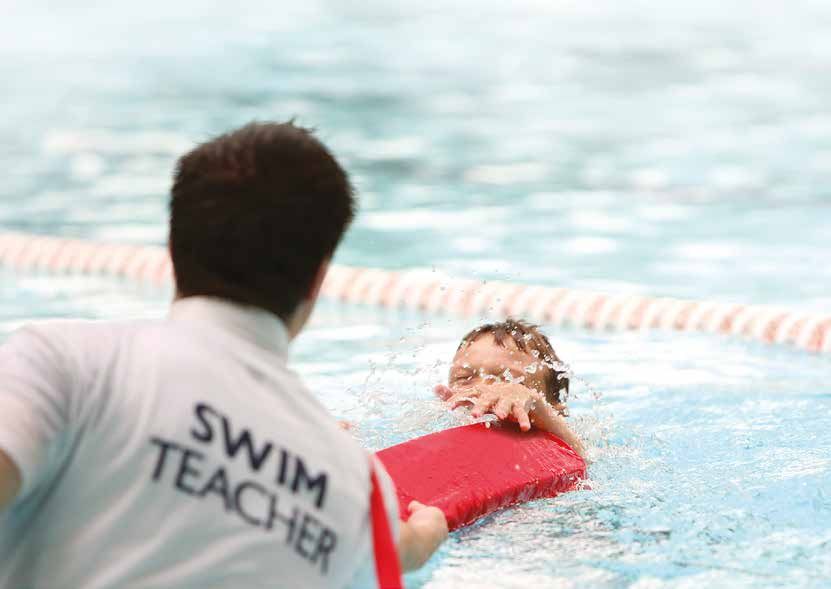
Accidental and natural causes

                                                                                                                               Suicide and criminal activity
                       450

                       400
    Number of Deaths

                       350

                       300

                       250

                       200

                             2010                         2011                          2012                         2013

                               Figure 1: UK Water-related fatalities by suspected or confirmed outcome (WAID 2010-2013)

    “ Drowning is a serious and neglected
      global public health issue, claiming
      a shocking 372,000 lives each year”

                                                                  Policy Drivers
                                                                   The World Health Organization                            Emergency services and local
                                                                   (WHO) report published in November                       authorities are already required
                                                                   2014 highlighted that drowning                           to plan for strategic risks, such
                                                                   is a serious and neglected global                        as flooding. Further, they have
                                                                   public health issue, claiming a shocking                 a responsibility to identify and
                                                                   372,000 lives each year.(2) The report                   respond to locally identified risks.
                                                                   highlights 10 recommendations to
                                                                                                                            Organisations and local authorities
                                                                   prevent drowning. One of which is for
                                                                                                                            who are landowners and/or activity
                                                                   countries to develop and implement
                                                                                                                            providers have clear obligations under
                                                                   a national water safety strategy.
                                                                                                                            workplace health and safety law, and
                                                                   Within the framework for improving                       in general terms have a duty of care
                                                                   public health, accident prevention is                    towards visitors and trespassers.
                                                                   an area identified as a responsibility
                                                                                                                            This strategy provides a coherent,
                                                                   for local authorities.(6) Targets contained
                                                                                                                            well-informed framework within
                                                                   in this strategy align with the outcomes
                                                                                                                            which the NWSF and other
                                                                   for improving public health by
                                                                                                                            organisations and individuals can
                                                                   promoting activity and reducing
                                                                                                                            plan, coordinate and prioritise their
                                                                   unintentional injury and harm.
                                                                                                                            drowning prevention activities to
                                                                                                                            ensure maximum impact, and a
                                                                                                                            substantial and sustainable
                                                                                                                            reduction in drowning in the UK.

8
Case Study
Lives affected by drowning
Jayden Beaven was 4 when he suffered a non-fatal drowning event in a
swimming pool at a friend’s house during a children’s party. This resulted
in sustained and catastrophic brain injury due to a lack of oxygen.
Jayden’s nan Lesley said: “We weren’t there and we don’t know what happened.
At some point it looks like he slipped away from everyone. Somebody saw
a pair of shoes in the pool and when they went to check it out, they realised
it was Jayden.
"Because he was without oxygen for so long, he has been left in a persistent
vegetative state. He’s in a wheelchair now. He can’t walk or talk, and needs
help with everything and 24-hour care. He can’t be left alone. He communicates
to us through noises so we know what he likes and doesn’t like."
Jayden's family are now supporters of the RLSS UK and are helping to raise
awareness of the importance of water safety education and supporting
campaigns to increase the public's knowledge of the risks of drowning.
www.nationalwatersafety.org.uk 910
3.
Strategic themes
Photo: Canal and River TrustEvidence gathered from WAID indicates
that accidental drowning fatalities in the
UK occur in a wide range of age groups,
activities and environments.
The risk of drowning for the UK population as a whole
is relatively low. However evidence suggests the rate
of drowning is increased amongst certain groups of people.
We have identified four broad themes that will guide our work -
communities and environments, demography, recreational
and everyday activities and behaviours.
www.nationalwatersafety.org.uk 1190%
% of UK population Coastal
80%
% of UK drownings Coastal
Inland
70%
60% Inland
50%
38%
40%
30%
38%
20%
10% 62%
0%
England Scotland Wales Northern Ireland
62%
Figure 2: Accidental drowning death compared to the distribution Figure 3: Accidental drowning death by location type (WAID 2010-2013)
of UK population. Based on UK drowning statistics (WAID 2010-2013)
and mid-year ONS 2011 population estimates
Communities and Environments
Apart from a limited number of locations, such as
tourist and visitor hotspots, fatal incidents do not
tend to cluster in specific locations; however, there
are a number of consistent patterns. In absolute
terms, England records the highest number
of accidental drownings (73%), Scotland (14%);
Wales (10%) and Northern Ireland (3%). Relative
to population, Wales and Scotland both carry
a disproportionate burden.
Half of fatal incidents (52%) occur in just four
out of thirteen specific parts of the UK,* namely;
South East, South West, Wales and Scotland. This
in part can be described as a function of higher
population number, increased tourism and activity,
and/or greater amounts of water in proximity
to populations.
Almost two in every three fatalities happen at
inland waters such as canals and rivers, lakes,
quarries and reservoirs (62%). Coastal incidents
account for the majority of those requiring a search
and rescue response, but result in just over 1 in 3
(38%) of all fatal incidents.†
*13 specific parts of the UK: South West, Wales, South East, London,
East, West Midlands, East Midlands, Northern Ireland, North West,
North East, Yorkshire and Humber, Isle of Man, Scotland.
= Indicative of 5 fatalities
Figure 4: Indicative groupings of accidental drowning death by location (WAID 2010-2013)
12 †Figures rounded to the nearest whole.250
200
150
100
50
0
0 to 9 10 to 19 20 to 29 30 to 39 40 to 49 50 to 59 60 to 69 70 to 79 80 to 89 90 & Over
19%
Figure 5: Accidental drowning death by age and gender of the person (WAID 2010-2013)
Female
19%
81% Male
Female
Demography 81% Male
Accidental drownings reflect normal, everyday
activities, and happen throughout every stage
Figure 6: Accidental drowning death by gender (WAID 2010-2013)
of life. For example, young children are most
vulnerable when they first begin to move in,
around and close to the home and stray further
from parental supervision, teenagers through risk
taking and thrill-seeking behaviours, and middle
aged adults due to increased participation as a
result of more leisure time and available income.
The elderly are more commonly affected by
underlying health conditions which can lead to
drowning incidents.
In every age group, men are the most at risk group,
accounting for eight in ten of all the deaths.
Fatalities rise markedly from mid to late teens and
throughout the 20’s; there is a distinct peak in the
number of men drowning in the 20-29 year old age
group. Among women those aged 50-59 are the
most frequent casualties.†
www.nationalwatersafety.org.uk †Figures rounded to the nearest whole. 13Recreational water activities
(ie. Swimming, Boating) - 45%
45% 44% Everyday activities
(ie. Walking near to water) - 44%
Domestic
(ie. Bathing including jacuzzis and hot tubs) - 5%
Commercial - 3%
Exceptional
3% 3% 5% (ie. Rescue, Flooding) - 3%
Figure 7: Fatalities by activity, where the activity of the deceased has been recorded (WAID 2010-13)
Recreational and Everyday Activities
In almost half of all fatal incidents (44%) the
person had no intention of entering the water
“ In almost half of all fatal incidents
and were taking part in everyday activities such
as walking. Contributing factors include: use
(44%) the person had no intention
of alcohol, condition of the location or premises
and lack of use of appropriate protective clothing
of entering the water”
and equipment. These factors can be influenced
by appropriate interventions.
Recreational activity on or near the water accounts Case Study
for just under half of fatal incidents (45%). But when
participation numbers are taken into account most
activities present a low risk.
James Clark
Recreational activities including watersports James Clark, a happy-go-lucky James was a lovable, popular young
involve an acceptance of some voluntary risk. But 19-year-old university student, was man studying to be a primary school
considering the millions of hours of safe participation, out with his friends at a nightclub teacher. Suddenly he was gone. It was
most activities and watersports carry similar level of in Kingston-upon-Thames. After a fun a wonderfully promising life cut short.
risks to cycling or being a passenger in a car. Fatal evening of socialising and drinking, This terrible incident happened over
incidents at managed mass participation events in the early hours of the morning the 10 years ago in July 2005.
and during supervised or coached scenarios are friends left, split into two groups
Almost immediately after his death,
very rare. and went off to find taxis. But neither
James’ mother Andrea campaigned
group realised James wasn’t
Governing bodies are recognised technical experts hard with Kingston Council for
with them.
in their field, and work hard to promote best barriers to be put up along that
practice and safe participation. By working in By the next afternoon, friends and particular stretch of the Thames.
partnership we believe further improvements family began wondering where he Three years later they were installed.
can be made. was. Maybe he’d stayed the night Additional safety measures in the
somewhere? Then, when he didn’t form of better lighting and clearer
Fatal incidents that happen around the home
appear, and his mobile phone was delineation of the edge of the
account for a small number of fatalities. These
not working, they were worried. towpath were also incorporated,
particularly affect vulnerable groups such as
They waited… and waited. After three along with lifesaving skills training
children and the elderly, who would benefit from
agonising days, the police arrived for bar and restaurant staff.
awareness-raising efforts such as highlighting the
at the family’s door with the terrible
role of better supervision among care-givers, Andrea is now helping the RNLI’s
news that James’ body had been
and environmental measures such as safety barriers Respect the Water campaign and
found in the river. Unbeknown to
for toddlers when they are near water. Likewise, said: "It’s too late for James but not
his friends, James had come out of
these measures have been proven to work in public too late to make many other people
the nightclub near the River Thames,
and managed swimming pools in which great think carefully about what they are
stumbled in the dark and fallen into
improvements have been made.† doing and the inherent danger of
the water. James drowned, probably
water, even to confident swimmers.
as a result of cold water shock.
The loss of James was a tragic
This was a shock in itself because he accident, but better awareness of the
was a strong swimmer. It was a tragic dangers, particularly in the younger
irony that someone usually so at home age group, will undoubtedly reduce
in the water and a fearless swimmer the likelihood of future tragedies."
should die that way.
14 †Figures rounded to the nearest whole.Behaviours
Improved understanding of the events leading up
to, during and after a drowning will enable us to
86 people might have
understand individual behaviours and design
relevant behavioural change messages, activity
survived (2010-2013) if
and interventions.
they had worn a lifejacket
The following behaviour traits all increase the risk
or buoyancy aid.
(8)
of drowning or being involved in an accident
associated with the water:
• Underestimating risks
• Lack of knowledge of the risks
• Lack of competence
45% of children aged 7-11
• Ill-informed thrill seeking (Key Stage 2) cannot
• Lack of parental supervision of children.
swim 25 metres unaided.
(9)
Individuals may also display unsafe behaviours
because of group pressures and social norms.
For example, alcohol has been a factor in 103 fatal
coastal incidents from 2010-2013. In adults of
working age, alcohol was a suspected or confirmed
Two out of three people
factor in about 1 in every 3 drownings.(7) in the United Kingdom
Understanding the decisions and factors which
affect choice, such as the decision not to use key see water safety as
protective equipment such as lifejackets, will lead
to smarter interventions and help inform essential or important
participants’ choices.
when visiting the coast
or riverside.
(10)
www.nationalwatersafety.org.uk 154.
Photo: RLSS UK
What we
intend to do
16By working in collaboration we intend
to reduce the number of accidental
drowning fatalities by 50% by 2026
and reduce risk amongst key
populations, groups and communities.
By adopting this strategy, a reduction in accidental
drowning fatalities by 50% by 2026 is achievable.
This is a significant undertaking but is an aspiration
to which we are committed. Aligned to this we aim
to reduce risk among key populations, groups
and communities.
In order to achieve our aspiration, the initial stage
of the strategy, over the next 36 months, will
address the following targets:
• Every child should have the opportunity to learn to
swim and receive water safety education at primary
school and where required at Key Stage 3
• Every community with water risks should have
a community-level risk assessment and water
safety plan
• To better understand water-related self-harm
• Increase awareness of everyday risks in, on
and around water
• All recreational activity organisations should have
a clear strategic risk assessment and plans that
address key risks.
We have developed a small number of measurable
targets for the initial stage of the strategy
implementation. Adoption of a single target will
have a limited impact on the overall aim. Therefore,
emphasis should be placed on achieving them all in
order to ensure maximum impact. There is a
significant level of interaction between the targets,
requiring a coordinated and collaborative approach.
Successful intervention in one will have a positive
impact on another.
Through monitoring and evaluation against our
targets over the short to medium term, we will
review progress and allocate resources accordingly.
www.nationalwatersafety.org.uk 17Case Study
Every child should have the opportunity
to learn to swim and receive water safety
education at primary school and where Swim Safe
required at Key Stage 3
Equipping children and teenagers with the Swim Safe, an initiative developed by the ASA
knowledge, skills and experience in swimming in consultation with the RNLI, was founded in 2013
and water safety will contribute hugely to their and is increasing in popularity and reach every year.
long-term safety in, on and around the water. Most young people learn to swim in an indoor
School-aged children are not a high-risk group, pool which is a safe and familiar environment.
however drowning risk increases as children reach Swim Safe gives young people the opportunity
teenage years, peaking among 20-29 year olds. to test and improve their swimming ability in
Encouraging safer attitudes and improving skills a different aquatic environment. Children aged
and behaviours ahead of time is an essential 7 – 14 years old are offered the opportunity to
ongoing priority. attend the free 45 minute session which includes
In order to reduce drowning in all age groups, beach safety advice provided by RNLI lifeguards
children should have access to swimming and and up to 30 minutes in-water tuition with ASA
water safety education by Key Stage 2, with skills accredited teachers.
and knowledge addressed in Key Stage 3. The Swim Safe development team recognises that
We will work with key partners in this area including parents and guardians may also lack some of the
communities, local groups and families as well knowledge and skills needed to keep themselves
as schools. Specifically, communities that identify and others safe in an open water environment.
water risks through their local risk assessments The delivery model of Swim Safe means that
should prioritise this target. parents and guardians also have the opportunity
to receive the core safety messages and learn
Delivery of this target will include the following about the challenges of swimming in open water
objectives: environments through their children.
• Work with key organisations to promote the Swim Safe is offered in a range of open water
importance of school swimming and provide locations; the sea, sea pools, lakes and lidos, around
support to schools and communities to the UK. The programme also offers opportunities
implement the national curriculum standards for schools through the Swim Safe for Schools
• All children to experience swimming and water programme. This programme enables schools to
safety in an open water environment through bring whole classes down to one of the locations
a defined programme in the final weeks of the summer term and ensures
the Swim Safe safety messages are spread as
• Enable swimming providers to support the widely as possible.
drowning prevention strategy through sign up
to core water safety messaging
• Link this work to increasing awareness
of everyday risks of water to ensure messaging
reaches families as a whole.
18Case Study
Every community with water risks should
have a community level risk assessment
and water safety plan Developing water safe communities:
In almost half of all fatal incidents (44%) the person
had no intention of entering the water and was
Durham City
taking part in everyday activities such as walking.
Durham is a market town in the north east of England, shaped by the River
In order to reduce the number of drownings we Wear. The older parts of the city follow an incised valley, leaving a peninsula
need to approach communities as a whole. The that has been central to the city’s development. The fabric of the river, its banks
responsibility for managing water risks at a local and bridges vary considerably in terms of design and age, changing from
level or given site is often dispersed among a modern canalised structures to semi-urban and green spaces all within
number of organisations, so understanding this and a short walk.
working within this context is a foundation activity
Set among this are spectacular heritage locations and a designated UNESCO
for lasting improvement to be made.
action area. The river - and access to it - is a central part of Durham’s heritage
Developing a robust risk assessment and water and a significant tourist attraction, generating constant visitor and resident
safety plan is the minimum action every community footfall with some locations along the river being important routes both day
should take. Reaching every community is a and night. City centre shopping, eating and drinking venues are in close
challenging target, and will take time to achieve. proximity and overlooking the river. Just under 4 million tourists visit the city
Using a standard methodology will allow annually, whilst a significant university population equates to approximately
communities to tailor their approach, while 20% of the city’s residents.
communities with the greatest risk will be
In Durham from January 2010 to March 2015, there were 56 water-related
supported and encouraged to work through all
incidents, of which five resulted in drowning fatalities. Common factors included
elements of devising a water safety plan.
being male, being alone at night, being under the influence of alcohol and being
We define communities in a number of ways a student. The incidents happened in close proximity to the high footfall areas,
including local authorities, community safety and/ and the heritage locations.
or public health boards and organisations who are
A team led by the Durham City Centre Safety Group worked with RoSPA to
landowners and/or navigation authorities. Many of
undertake a strategic review of the water safety risks within the city. The team
these will overlap. In those instances we will seek to
included representatives from the local authority, police and fire services,
develop a single/joint risk assessment and plan.
public health teams and various city centre riparian landowners including the
Where possible these plans will be coterminous cathedral, council and Durham University.
with government agency remits, in particular those
Key outcomes to date include:
for health, education, search and rescue, fire and
coastguard. • Improved lighting and safe routing information around the city
Delivery of this target will include the following • Engineered improvements to key sections of the riverside, considerate
objectives: of the heritage needs for the location
• Ensuring communities have a standard • Increased provision of public rescue equipment at strategic positions
methodology to work to along the riverside
• The NWSF and its members will support the • Improved inspection and monitoring systems and regimes for the key
building of risk profiles, assessments and risk areas
capacity to respond.
• Awareness campaign to highlight new transport and route safety
We will take a collaborative approach, seeking to information, as well as alcohol safety awareness messaging and initiatives
work with those with greater level of risk, and with
those local organisations, groups and communities • New policy to ensure that all new builds are planned with water safety
already committed to increasing water safety and in mind.
reducing risk.
www.nationalwatersafety.org.uk 19Case Study
Increase awareness of everyday risks,
in, on and around water
Significant progress has been made through
Respect the Water
campaigns such as the RNLI's national drowning Respect the Water is the RNLI’s national drowning prevention campaign,
prevention campaign, Respect the Water, the RLSS' which forms a key part of the charity’s approach to halving the number
Drowning Prevention Week, as well as other of accidental coastal deaths.
drowning prevention and safety programmes.
With increased national coverage and local The campaign is primarily targeted at men aged 16–39, who account for
targeting, we aim to continue to help the public the majority of coastal deaths each year. It aims to highlight drowning
make safer choices around the water. as an important and relevant issue in the UK and Ireland, emphasising
the extent of the problem by using strong messaging, thought-provoking
Through public water safety campaigns and statistics, and real stories to encourage safer behaviour.
messaging we aim to increase awareness
and understanding of the risks relevant to the UK The campaign uses a multi-channel approach including cinema, outdoor,
population as a whole but with particular focus radio and online media around the UK and Ireland. The adverts highlight
on the identified target audiences. the potential dangers of the water to help people realise they are at risk.
The core campaign message is that British and Irish waters are dangerously
A multi-level approach will be most effective. This unpredictable and the messages focus on three main risks that catch
will enable both local and national organisations, people out:
groups and communities to be able to support the
delivery of this target. • Cold water shock can steal the air from your lungs and leave you helpless
Delivery of this target will be achieved through • The water can be unpredictable, with waves, tides and hidden currents
the use of the following channels: that can drag you out to sea in seconds
• Advertising: large-scale channels that have • Around half the people who drown never expected to get wet –
the greatest reach to the target audience many get caught out by unexpected slips, trips and falls into the water.
• Ambient: thought-provoking materials to disrupt
attitudes and to re-frame the risks
• Media coverage: a core set of evidence-based
safety messages will be available to those
spokespeople undertaking media interviews
To better understand water-related self-harm
• Social media: campaigns will use the viral nature
In the period 2010-13 there were The delivery of this target, in the
of the internet and consistent terms to allow
725 suspected suicides identified initial stages, will focus upon the
sharing of stories (for example, by using hashtags)
in WAID, an average of around 180 following objectives:
• Advocacy: spreading the message about water suicides per year. This represents
• Developing stronger relationships
safety and drowning prevention. a significant proportion of
with mental health and allied
water-related deaths.(1)
health experts, networks
There are currently a number of water and advocates
safety and drowning prevention
• Utilising our existing data
organisations involved in suicide
and intelligence to best effect
reduction initiatives working through
preventative and risk response • Learning what can be done,
models. The NWSF will learn from and how we can further assist
and build on the experience of these in community settings.
organisations.
This target is significantly linked to
the current public health agenda
and mental health outcomes. As such,
we will work to align our work with
this and focus on collaboration with
expert organisations and bodies.
20Case Study
All recreational activity organisations should have a clear strategic
risk assessment and plans that address key risks.
National Coasteering Recreational activity on or near the water accounts for just under half of fatal
Charter incidents (45%). But when participation numbers are taken into account most
activities present a low risk.
Coasteering is a popular and developing activity
We believe that most watersport fatal accidents happen to non-members
which involves traversing the intertidal zone,
of the relevant governing bodies and moreover occur as a result of not
using a combination of scrambling, walking,
following governing bodies’ recommended good practice. There are clear
swimming and jumping to complete the journey.
advantages to participation through the governing body.
In the Summer of 2007, primarily as a result of
a number of incidents and near misses, members Sport governing bodies and organisations play a key role in demonstrating
of the National Water Safety Forum considered and spreading good practice, and this can be shared with their members.
the management and development of coasteering, The NWSF recognises the expertise of governing bodies, and will continue
and, in parallel, approaches to managing to support their work to promote and ensure safe participation.
“tombstoning” incidents.
The way people participate in adventurous and recreational activities has
In response to these incidents, a joint project was changed; it is evident that many individuals do not align themselves with a
launched involving RoSPA, RNLI, the MCA and governing body, choosing to be associated with local clubs, centres or informal
RLSS UK. Under the direction of the NWSF beach networks. Advice is freely available over the internet and while the word
advisory group, an industry working group was "adventure" is regularly used for marketing purposes, it is not always associated
established involving around 120 organisations with supportive water safety messages. Access to specialist sporting equipment
and individuals providing commercial coasteering has also changed. Shops have experienced staff available to provide advice and
services to the public. guidance to the novice or inexperienced, but online purchasing rarely has the
Bringing the providers, regulators and rescue same expertise available.
organisations together has been the key activity To deliver this target we will:
over the last few years. New and emerging sports
often have local pockets of knowledge and excellent • act in a supporting role to assist governing bodies and organisations to
practice. Sharing this and embedding good practice promote a consistent approach and methodology to safety
was the objective, along with helping the industry
• work with new and developing activity organisations on a case by case basis
to formalise the knowledge which was sometimes
to ensure their approach to risk management is relevant, up-to-date and in
locked away.
line with national plans
Agreeing industry standards and common practice
• assist governing bodies and organisations to influence participants outside
was no mean feat. Many of the providers had to
of their membership, including local communities and the general public,
sacrifice some of their hard-earned commercial
through the development of core safety messaging, and improving our
experience and compromise. Many providers
understanding audiences and their behaviours
had first-rate standards and operations, which
were beyond the capability "and knowledge • support the sharing of best practice through our networks
capacity" of "some of the other companies".
• support efforts to increase safe participation.
The working group addressed this by developing
a “safe as necessary” standard which was
achievable by the industry. Two documents
comprising the agreed practice and information
were the key outputs from this group. The guidance
has proved influential and both documents have
been adopted by the outdoor industry regulator.
The original industry group has now progressed
from being an NWSF working group into the
National Coasteering Charter (NCC) which now
includes the majority of providers and training
bodies. This group has developed the sharing
and embedding of good practice across the sport.
www.nationalwatersafety.org.uk 215.
Photo: RoSPA/David Walker
How will we
achieve our aim?
22The following activities will support the delivery of the key targets:
Improving evidence and data
Continue to support and further develop WAID. In particular increase our understanding
of causal and behavioural factors in fatal and non-fatal incidents. Use shared research
programmes to better understand attitudes, behaviours and audiences. We will draw upon
and develop the knowledge and expertise of individuals and organisations to ensure effective
targeting and prioritisation of effort.
Supporting partners and networks
Coordinate and support organisations and individuals with a commitment to reduce
drowning. We will develop new strategic partnerships with organisations and individuals,
from within the life-saving sector and further afield.
Provide leadership and advocacy
Effective and sustained leadership is essential to ensure all organisations and individuals are
working towards an agreed common goal. We will act as the central voice for the adoption and
use of this strategy in the UK. We will oversee national and local water safety plans and activities.
Mobilise resources and sustained investment
in drowning prevention
Creating and implementing a 10-year strategy will require a sustained source of income.
Measuring success
A range of indicators and accepted health promotion frameworks form the core of our
performance monitoring. We will measure long-term impact through a reduction of absolute
fatalities and declining trend in risk rates per population. We will measure medium-term
outcomes through changes in behaviour among target audiences, reduction of risk in specific
environments and geographic areas, and the adoption of national targets by key stakeholders.
Shorter-term outputs will measure 1-3 year operational targets to drive implementation
and progress towards the longer-term goals.
Once fully agreed these measures will be made publicly available, updated to a defined
timescale, and form the core of our review process.
Our approach
It can be all too easy in the drive to create a safer environment to forget our wider
responsibilities and values in terms of heritage, tourism and maintaining environmental
aesthetics. We will continue to promote the benefits and enjoyment of water-related activities
such as mental and physical health, encouraging social inclusion and building life skills,
while at the same time focusing efforts on reducing the risk of drowning.
In developing and delivering this strategy the above values, and our long-standing
published principles, will remain at the forefront of our thinking. (11)
In our practice we will be:
• Proportionate and balanced • Transparent
• Evidence based • Open and inclusive.
www.nationalwatersafety.org.uk 236.
Photo: RLNI/Adrian Don
How can
you contribute?
24There is a wealth of knowledge,
expertise and insight into drowning
in the UK and separately we will have
some impact. But by combining our
resources and working towards
a common aim we can realise the
step-change needed to create
a future without drowning.
The emphasis of this strategy is to act as a call to action.
We are asking organisations and individuals to sign up to and
shape the vision, aims and principles of this strategy and use
the targets to guide their contributions.
To register your commitment email:
info@nationalwatersafety.org.uk
www.nationalwatersafety.org.uk 257.
Photo: Stock image
Strategic Summary
26Prevent accidental drowning fatalities in the UK by
working in partnership to ensure consistent guidance
PURPOSE for the safe enjoyment and management of activities in,
on and around water.
Reduce accidental drowning fatalities in the UK by 50%
AIM by 2026 and reduce risk amongst the highest risk
populations, groups and communities.
• Drowning in the UK is among the leading causes
of accidental death; about 400 people accidentally
Why do drown every year
we need a • Worldwide, drowning claims the lives of 372,000
strategy? people every year
• We need a step-change in our approach to tackling
this challenge
• Communities and environments
Strategic • Demography
themes • Recreational and everyday activities
• Behaviours
• Every child should have the opportunity to learn to swim
and receive water safety education at primary school
and where required at Key Stage 3
• Every community with water risks should have a
community-level water safety risk assessment
What we and water safety plan
intend to do • To better understand water-related self-harm
• Increase awareness of everyday risks in, on and
around water
• All recreational activity organisations should have a clear
strategic risk assessment and plans that address key risks
• Improve evidence and data
• Support partners and networks
How will we
• Provide leadership and advocacy
achieve our
aim? • Mobilise resources and sustained investment
in drowning prevention
• Measure success
www.nationalwatersafety.org.uk 27References Abbreviations
(1) National Water Safety Forum. Water Incident Database ASA RLSS UK
(WAID) water related fatality statistics 2010-2013 Amateur Swimming Association Royal Life Saving Society UK
BSAC RNLI
(2) World Health Organization (WHO) (2014). Global Report British Sub-Aqua Club Royal National Lifeboat Institution
on Drowning: Preventing a leading killer.
1st edition (PDF) Available at: CFOA RoSPA
http://apps.who.int/iris bitstream/10665/143893/1/9789241564786_eng.
Chief Fire Officers Association Royal Society for the
pdf?ua=1&ua=1 MCA Prevention of Accidents
Maritime and Coastguard Agency WAID
(3) Department for Communities and Local Government (2015). Water Incident Database
Fire Statistics: Great Britain April 2013 to March 2014. NWSF
1st edition (PDF) Available at: National Water Safety Forum WHO
https://www.gov.uk/government/uploads/system/uploads/attachment_ World Health Organization
data/file/456652/Fire_Statistics_Great_Britain_2013-14___PDF_Version_.
pdf
Terminology
(4) Department for Transport (2015). Reported Road Casualties in
Great Britain: Main Results 2014. Activities Risk
1st edition (PDF) Available at:
The defined actions that the forum intends This is the chance that somebody could be
https://www.gov.uk/government/uploads/system/uploads/attachment_
to undertake in order to meet our overall aim. harmed, together with an indication of how
data/file/463045/rrcgb2014-01.pdf
serious the harm is (fatal or non-fatal). We express
Coastal/Inland this chance as both a number i.e. 1 in 10,000 people
(5) Figures derived from: Maritime and Coastguard Agency
Manual geographic assessment of incident or hours of activity per year, or more simply as
(2014). Maritime and Coastguard Agency Annual Reports and
location. high, medium or low. In both instances we use
Accounts 2013-2014. 1st edition (PDF) Available at:
https://www.gov.uk/government/uploads/system/uploads/attachment_ Commercial activities accepted UK Government references and
data/file/323918/41240_HC_450_MCA_accessible.pdf similar calculations for indicating tolerability.
The activity of the deceased was recorded
(6) Department of Health (2013). Improving outcomes and as commercial i.e. commercial fishing. Stakeholder
supporting transparency Part 1A: A public health outcomes Drowning Any individual, organisation or community
framework for England, 2013-2016. The term “drowning” is used in this strategy with interest in or responsibility for drowning
1st edition (PDF) Available at: as a collective term for water-related fatal events prevention and water safety around the waters
https://www.gov.uk/government/uploads/system/uploads/attachment_ with an accidental or natural cause component. of the UK.
data/file/263658/2901502_PHOF_Improving_Outcomes_PT1A_v1_1.pdf
A number of these events may have associated Strategy themes
(7) Figures derived from: Maritime and Coastguard Agency (2015). injuries, such as impact from falls. The categories with the highest risk of drowning
Data for UK Search and Rescue region 2010-2013 Environments which will guide and focus the work of the forum
Locations in and around water - including inland in order to achieve the aspirational aim in
(8) Figures derived from: Maritime and Coastguard Agency drowning reduction.
(2014). Casualty Review Panel statistics from 2007-2013. and coastal locations such as canals, rivers,
1st edition (PDF) Available at: harbours and at sea. Water-related fatalities
https://www.gov.uk/government/uploads/system/uploads/attachment_ Everyday activities The term refers to all deaths in, on or near
data/file/320553/16-6-2014_Final_2007-13_Lifejacket_fatality_figures_1. to water, to an extent to be considered water
Grouped classification where the activity of the
pdf
deceased was recorded as walking/ running, related. We consider these events in three broad
waterside/in water play, motor vehicle, climbing/ categories; accidental and natural cause, suicide,
(9) Amateur Swimming Association (2014). Taking School
cliff, cycling or recreational flying. The person and criminal activity. Each category includes
Swimming Seriously. The 2014 School Swimming Census.
involved, as far as we can reasonably determine, a number of suspected or confirmed cases due
1st edition (PDF) Available at:
had no explicit intention to be fully in or on water. to the uncertainties around data in this setting.
http://www.swimming.org/assets/uploads/library/2014_census_web_
version_secure.pdf
Exceptional activities
(10) Royal National Lifeboat Institution (2015). Respect the Water – 2015 Grouped classification where the activity of the
Campaign Assessment. deceased was recorded as animal rescue, flooding
or person on ice.
(11) National Water Safety Forum. Water Safety Principles.
1st edition (PDF) Available at: Recreational water activities
http://www.nationalwatersafety.org.uk/about/info/water-safety- Grouped classification where the activity of the
principlesv4.pdf decreased was recorded as a watersport or an
activity in, on or around the water. This includes
swimming, manually powered boats, angling,
sub aqua diving, jumping/diving in, motor
boating, sailing, surfing, windsurfing/kitesurfing,
use of personal water craft or caving. www.nationalwatersafety.org.ukYou can also read


