Storm Overflow Assessment Framework - Water UK
←
→
Page content transcription
If your browser does not render page correctly, please read the page content below

Environment Agency                       June 2018                               Version 1.6

                  Storm Overflow Assessment Framework

1. Overview of assessment framework
Discharges from storm overflows are a reputational issue for the water industry. Population
growth, urban creep, infiltration and changing rainfall patterns will further increase the
pressure on storm overflows.
The Urban Waste Water Treatment Regulations (UWWTR) require sewer networks for
agglomerations with a population equivalent of 2,000 or more to be designed, constructed
and maintained according to best technical knowledge not entailing excessive costs
(BTKNEEC). This includes the volume and characteristics of the wastewater, the prevention of
leaks, and the limitation of pollution of receiving waters due to storm water overflows. The
regulations supplement the duty imposed on sewerage undertakers by the Water Industry
Act 1991 to provide, improve, and extend a system of public sewers. In accordance with long-
standing guidance (DETR, 1997) where such overflows have an adverse environmental
impact, measures are required to address these problems.
More latterly, there have been concerns expressed regarding the frequency of discharge as
well as the environmental impact. Population growth, urban creep, infiltration and changing
rainfall patterns will further increase the likelihood of discharges from storm overflows.
The assessment framework set out in Figure 1 and described in stages 1 – 5 below, is intended
to address the problems caused by discharges from storm overflows considered to operate
at too high a frequency. The framework will ensure that the water industry is proactively
monitoring and managing the performance of its overflows in light of the pressures of growth,
urban creep and changing rainfall patterns. It is also intended to demonstrate that sewerage
systems are compliant with relevant legislation such as the UWWTR.
The framework currently applies to discharges affecting rivers. Further work will be
undertaken to extend the assessment to address storm overflows affecting lakes, estuaries
and coastal waters. However, the framework will not be applied to storm overflows designed
to meet bathing or shellfish water standards. The performance of these overflows will be
considered under separate monitoring and investigation processes.
The need to monitor the performance of storm overflows was set out by Government in 2013,
with the expectation that the majority of storm overflows be monitored by 2020 (Benyon,
2013). A risk based approach was developed to deliver this, with prioritisation according to
environmental considerations, public visibility and spill frequency. Storm overflows were
categorised according to discharge significance based on amenity, spill frequency and the
provision of information (Environment Agency, 2013). Discharges identified as either high or
medium significance under the criteria, which includes the vast majority of storm overflows,
require event duration monitoring (EDM). Monitors record the frequency and duration of
storm discharge events and will be installed on the following types of permitted asset
discharging to Water Framework Directive (WFD) water bodies:
   1.   Combined sewer overflows (CSOs) on the sewer network including pumping stations

                                             1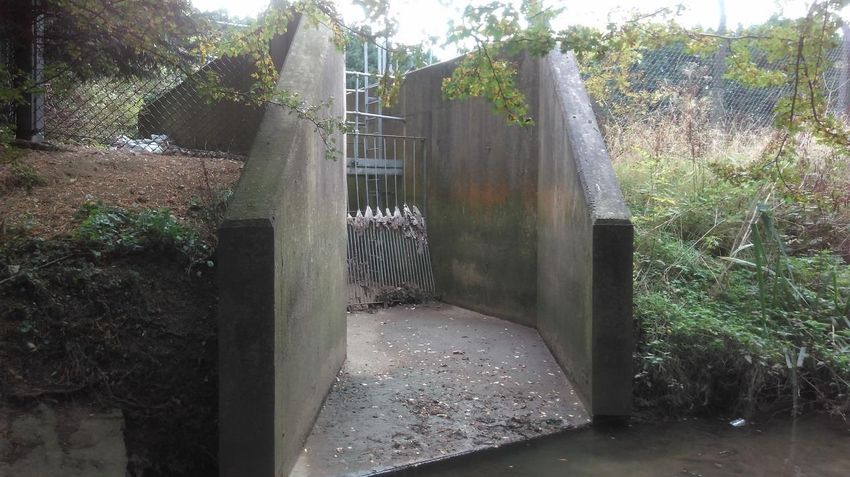
Environment Agency                         June 2018                              Version 1.6

   2.    Storm overflows at the inlet to sewage treatment works (STWs)
   3.    Storm discharges from storm tanks at STWs
Storm overflows identified for EDM were included in the National Environment Programme
and Water & Sewerage Company (WaSC) business plans for the Asset Management
Programme 2015 – 2020 (AMP6).
Monitoring conditions and reporting requirements will be included within discharge permits
for each storm overflow identified for EDM. Monitoring frequencies for high significance
(EDM1) and medium significance (EDM2) discharges and the method used to count spills is
summarised in Appendix A.
Once monitoring begins under a discharge permit, annual calendar year reports will be
submitted to the Environment Agency (EA) by the end of February each year (unless
otherwise agreed). They will summarise the number of spills recorded in the preceding
calendar year and the total duration of discharge. Annual reports will be used by WaSCs to
identify storm overflows for investigation that discharge too frequently and could potentially
be improved through a 5-stage process illustrated in Figure 1 and summarised as follows:-
Stage 1: overflows will be identified for investigation using the following spill frequency
triggers depending on the number of years for of EDM data collected (Table 1);
Table 1. Spill frequency investigation triggers.

                                         Investigation trigger (average no.
        No. of years EDM data
                                                    spills/year)
                  1                                     >60
                  2                                     >50
              3 or more                                 >40

Stage 2: where hydraulic capacity is identified as the cause of trigger exceedance during the
first stage of the investigation, the level of environmental impact will be quantified;
Stage 3: improvement options are assessed including analysis of the costs and benefits;
Stage 4: a decision is made based on the cost benefit results;
Stage 5: delivery of the most cost beneficial solution (subject to appropriate funding and
prioritisation) to reduce environmental impact and/or reduce the frequency of discharges.

                                                   2
Decision framework for assessing and addressing
Environment Agency high frequency discharges
                                    June 2018from storm overflows                                                           Version 1.6
                                 under the UWWTR

                         Asset Operation                                                    Waterbody
                           Monitoring                                                      Environmental
                         (e.g. from Event                                                  Monitoring (e.g.
                             Duration                                                       GES or rBWD
                           Monitoring)                                                      compliance)

     STAGE                                                                                 Pollution/Failed
     STAGE 11             High frequency
                                                                                           Environmental
                         spillers identified
                                                                                              objectives

                                                 Is the
     Exceptional                     Yes     intermittent            Intermittent
                                                                                              Investigate              Other Source e.g.
      weather                              discharge also a       overflow identified
                                                                                                Source                 diffuse pollution
                                           high frequency              as cause
                                                spiller?
                                                                       Follow other         e.g. Environment
                                                                      environmental        Agency’s reason for
                                                        No           driver processes       failure database

                         Why is it a high
                       frequency spiller?
                                                          Hydraulic capacity

                      Asset
                   maintenance                                                                                   STAGE
                                                                                                                 STAGE 22

                                Rectify

                                                 No                               No      Does the overflow             Yes
                                                               UWWTR
                                                                                          operation cause an
                                                              threshold?
                                                                                            Environmental
                                                               2,000pe
                                                                                               Impact?
                                                                       Yes

                                                   STAGE
                                                   STAGE 33

                                                                                   Assess Options (costs & benefits)
                   Key                                                             (including BTKNEEC analysis) with
                                                                                    reference to the wider drainage
               EA initiated                                                            strategy where applicable
             process/actions

                                                                                                                         Do Nothing.
                                                                                                                           Cost are
                  WaSC led                                             STAGE                                          disproportionate
                                                                       STAGE 44                Decision
                investigation                                                                                          when compared
                                                                                                                      to environmental
                                                                                                                           benefits

                                                                                          Deliver most Cost
                                                                                              Beneficial
                                                                       STAGE
                                                                       STAGE 55                Solution

Figure 1. Assessment framework for addressing high frequency discharges from storm
overflows under the UWWTR.

                                                                 3
Environment Agency                          June 2018                                   Version 1.6

2. Stages of the assessment framework
2.1 Stage 1 – Why is the storm overflow a high frequency spiller?
Once a storm overflow has been identified as a high frequency spiller through EDM, the first
stage in the assessment framework involves identifying the factors that are causing frequent
spills in excess of the investigation triggers (Table 1). This involves the following three main
sub-stages:
Stage 1a – Exceptional rainfall
Catchment rainfall should be reviewed to determine whether rainfall was exceptional during
any of the EDM reporting years. If rainfall was exceptional, the relevant calendar year of EDM
data should be marked accordingly and not used. The remaining years of data is assessed
against the triggers (Table 1). This is intended to avoid carrying out investigations when
frequent spills have been driven by exceptional wet weather, in order to prioritise
investigations to assets which spill frequently in more typical years.
The following two options can be used to assess whether rainfall was exceptional:
a)      EA water situation reports
Water situation reports are published each month at a hydrological area level and include
rainfall statistics for the last 12 months. Rainfall is typically reported as a percentage of a long-
term annual average figure and categorised according to 7 classes, from ‘exceptionally low’
through to ‘exceptionally high’. The probability ranking used to define the categories for
rainfall and other hydrological parameters is updated every five years as the period of long-
term observed data increases. If rainfall during the year was classified as ‘exceptionally high’,
then that year’s EDM data is not used in assessing whether the high frequency trigger has
been exceeded. The ‘exceptionally high’ category is defined as a value that is likely to fall
within the band for 5% of the time.
Water situation reports for England are available on gov.uk. An example of a water situation
report for Yorkshire is shown in Appendix B.
b)      Local rainfall records
Water situation reports provide an indication of exceptional rainfall at a hydrological area
level. They may not be representative of some local catchments within that area.
Consequently, an alternative is to use local rainfall data for the catchment where available
and use this to estimate if rainfall during the EDM calendar year was exceptional (5%
probability). This may be carried out to varying levels of complexity, but at an overall annual
resolution. For example, the total depth of rainfall recorded by the gauge in the year could be
compared to the long-term record to decide whether it was exceptional. Alternatively, the
number of rainfall events of the same critical duration of the overflow could be counted and
compared to the long-term annual average for those events. However, individual spill events
or time periods within the annual dataset should not be excluded.
Where rainfall has not been exceptional and the EDM trigger is exceeded, the following sub-
stages are used to establish why the overflow is spilling frequently:

                                                 4
Environment Agency                         June 2018                                 Version 1.6

Stage 1b – Asset maintenance
This stage in the process is about investigating the asset and potentially parts of the upstream
and downstream catchment to examine if the high spill frequency is the result of a
maintenance issue. If available, existing verified hydraulic models, survey data and
maintenance records will assist with this assessment. Asset inspection could include one or
more of the following aspects depending on the asset type and potential issue:
a) Storm overflows on gravity sewers
   Inspection of the overflow chamber and any relevant flow controls, for example orifice
   plates, penstocks and throttle pipes, to see if there are any obstructions responsible for
   the high spill frequency. CCTV inspection of downstream sewers from the overflow to
   check for any service or structural defects that will reduce the hydraulic capacity of the
   continuation sewer, such as obstructions, debris/silt and deformation or partial collapse.

b) Storm overflows at pumping stations
   Where the pass forward flow of an overflow is controlled by one or more downstream
   pumps, they can be inspected for any service issues that might be responsible for the high
   spill frequency. For example, partial or soft blockages, worn impellors, failed reflux valves
   and leaking pipework. The condition of the rising main can also be inspected.

c) Storm overflows at sewage treatment works
   For inlet and settled storm overflows at STWs, the downstream flow controls and
   treatment units can be reviewed to identify any issues that might be contributing to high
   spill frequencies. This might include inspection of pumps at inlet pumping stations, the
   condition of inlet screens, manual and automatic controls regulating flow to full treatment
   (FFT), such as actuated penstocks and variable speed pumps, and any service issues with
   downstream pipework or treatment units.

d) Infiltration assessments

   Where existing long or short-term flow data is available, such as MCERTified data at STWs
   or flow data used to verify sewer models of the catchment, this data could be reviewed
   to see if the catchment has a strong seasonal flow response due to groundwater or rainfall
   induced infiltration. The EA’s water situation reports include an assessment of
   groundwater levels that may assist with investigations should infiltration be suspected.
   The reports categorise groundwater levels according to 7 classes from ‘exceptionally low’
   through to ‘exceptionally high’, based on historic datasets from observation boreholes.
   An example of a groundwater assessment for Yorkshire is shown in Appendix C. In the
   case that infiltration is suspected or already known to be an issue in the catchment,
   infiltration studies should be carried out. Tools, such as the infiltration risk tool developed
   by the UKWIR Strategic Infiltration project, could be used to prioritise surveys to parts of
   the catchment at most risk based on groundwater availability and pipe integrity (UKWIR,
   2012).

                                               5
Environment Agency                         June 2018                                 Version 1.6

e) Crossed connections / misconnections investigation

   Where there is the potential for the foul/combined system to interact with surface water
   drainage upstream of the overflow, investigations might assess whether misconnected
   surface water is the cause of high spill frequencies. For example, surface water sewers in
   poor service or structural condition on dual manhole systems may cause surface water to
   enter the foul/combined.
If maintenance issues are identified as the likely cause of frequent discharges, then these
problems should be rectified. Timescales for resolving the issue will vary according to the
problem, local constraints and the proposed resolution. However, with the exception of
infiltration, it is expected that most issues will be resolved within the calendar year that the
investigation is triggered. Where infiltration is the issue, it is expected that an infiltration
reduction plan (IRP) will be developed to address the problem. It is recognised that
investigation and resolution of infiltration issues can be difficult, that solutions may be
iterative, and that IRPs may only succeed over the medium to long-term.
Once the issue has been rectified, the annual EDM dataset(s) that triggered the investigation
should be archived and not included in future assessments against the triggers. Only the
annual dataset(s) affected by the maintenance issue should be excluded from future
assessments. For example, if it is known based on level trends that a partial blockage only
caused an issue during one calendar year, then only this year’s EDM data should be excluded.
Evidence of the maintenance issue will be required to exclude datasets. This may include
photographic evidence of poor service condition, such as from CCTV surveys or manual
inspections, level trend data from EDM indicating transient silt, and records of maintenance
carried out (e.g. sewer jetting and pump repairs).
In the case that asset inspection does not identify reasons that are likely to be responsible for
the high spill frequency, the following investigation of the hydraulic performance of the
overflow is required:
Stage 1c – Hydraulic assessment
If a verified hydraulic model of the overflow is already available, this should be used to assess
whether the high spill frequency is a genuine reflection of the permitted hydraulic design of
the asset, and the amount of connected area contributing rainfall runoff. Alongside asset
inspections carried out under stage 1b (above), models may have already been used to
determine that the high spill frequency is not due to maintenance issues.

Where a verified hydraulic model is not already available, a new model will be required to
predict the performance of the overflow. A verified model is also likely to be required in order
to quantify the environmental impact of the overflow under stage 2. In order to have
confidence in model predictions, models should be verified in accordance with the CIWEM
Urban Drainage Group Code of Practice for the Hydraulic Modelling of Urban Drainage
Systems (CIWEM UDG, 2017). The EDM datasets will assist with verification.

                                               6
Environment Agency June 2018 Version 1.6
3. Stage 2 – Does the storm overflow cause an environmental impact?
The following impact assessment will be used to quantify the environmental impact of the
storm overflow. The assessment is divided into three main components:
Aesthetic impact including amenity and public complaint
Invertebrate (biological) impact
Water quality impact
Each of these components is scored and classified separately depending on the information
available, and will link to the cost and benefits analysis for overflow improvements under
stage 3. The process is illustrated in Figure 2. It is hierarchical and gives preference to
invertebrate impact data over modelled water quality assessments. The process is
summarised as follows:
Stage 2a: the process begins with an aesthetics assessment. A score and classification ranging
from no impact to severe impact is assigned to the overflow.
Stage 2b: where it is possible to collect representative invertebrate samples upstream and
downstream of the overflow, an invertebrate impact classification will be assigned, ranging
from no impact to extremely severe. Where the invertebrate assessment is possible, an
assessment of water quality impact based on levels of dilution or modelling is not needed.
The invertebrate samples provide evidence of the degree of impact.
Stage 2c: an assessment of water quality impact is required where it is not possible to collect
representative invertebrate samples upstream and downstream of the outfall. The water
quality impact assessment involves an initial assessment based on dilution. If the dilution
criteria are not met, a modelled impact assessment is required. The overflow is then assigned
a water quality impact classification ranging from no impact to severe impact.
More detail on the individual components is provided under stages 2a – 2c below.
7
Environment Agency                    June 2018                     Version 1.6

Figure 2. Summary of environmental impact assessment process.

                                                                8
Environment Agency                        June 2018                                Version 1.6

Stage 2a – Aesthetics Assessment
The purpose of this component is to address issues surrounding the public acceptability of
storm overflows in terms of visible impact, the amenity value of the receiving water, any
history of substantiated public complaint, and any history of recorded pollution incidents due
to storm sewage discharges. These four subcomponents are set out in Table 2 below. Each
subcomponent is scored separately and the individual scores summed to give a total score.
The impact classification according to this total score is shown in Table 3.
Aesthetics surveys will be based on the FR0466 methodology (FWR, 1994), but will use the
scoring system in Table 2. Where it is foreseeable that litter may be stranded and visible in
areas downstream of the notional 50m survey area defined in FR0466, the survey should be
extended to include this area. This will be important where the amenity class increases
downstream of the immediate 50m reach. For example, where there is a park alongside the
watercourse 300m downstream of the outfall, then this would be included in the aesthetics
assessment.
Due to the potential effects of bankside vegetation on access, visibility and the potential for
litter to collect, two surveys will be required to judge aesthetic impact. One survey should
take place in late autumn, winter or early spring (November – April) when any bankside
vegetation is minimal, and one survey should take place between late spring and early
autumn (May – October). The worst score returned by the two surveys will be used.
Where more than one overflow impacts the outfall (e.g. where discharges are made to a
common surface water sewer), judgement will be required in order to assign a score taking
into account whether the overflows are screened and their comparative spill volumes.
Amenity is explicitly included in the impact scoring (see Table 2). As a result, moderate and
high amenity sites will always trigger, as a minimum, a ‘very low impact’ classification even
where there is no evidence of debris, public complaint or pollution incidents. It is included
because two seasonal aesthetics surveys may not be sufficient to identify a problem. The
overflow will always pose a risk of aesthetic impact and complaint in areas of moderate to
high amenity.
Amenity will be selected according to the highest amenity class within 1km downstream of
the overflow, or by using judgement as appropriate. For aesthetics purposes amenity
categories are defined in Appendix D.
Pollution incidents recorded on the Environment Agency’s National Incident Recording
System (NIRS) will be used in the assessment (Table 2). Only incidents attributed to legitimate
wet weather discharges from the overflow should be included. These incidents will be
recorded in NIRS with a pollutant type of ‘storm sewage’. Pollution incidents in dry weather,
for example due to problems such as blockages, should be excluded from the assessment.

                                              9
Environment Agency                          June 2018                                 Version 1.6

Table 2. Aesthetics impact assessment
  Aesthetics                                                                           Score
                                                                             0           0
                                                                           1 – 10        5
  Sewage derived litter (no. of items) downstream                         11 – 25        10
                                                                          26 – 50        15
                                                                            >50          20
                                                                             N           0
  Sewage fungus on outfall (present / absent)
                                                                             Y           5
                                                                             0           0
                                                                            50          25
  Amenity                                                                              Score
  Low or none amenity                                                                    0
  Moderate amenity                                                                       5
  High amenity                                                                           10
  Public complaints                                                                    Score
                                                                             0           0
                                                                           1–4           10
  No. of validated public complaints related to wet weather discharges
                                                                           5–9           20
  from the overflow
                                                                          10 – 14        30
                                                                         15 or more       40
                                                                                        Score
                                                                          Incident
  Pollution incidents due to storm sewage                                                (per
                                                                          category
                                                                                      incident)
                                                                           Cat 3          20
  NIRS incidents due to storm sewage attributed to the overflow            Cat 2         60
                                                                           Cat 1        100
  Total score                                                                            ?

                                                10
Environment Agency June 2018 Version 1.6
Table 3. Aesthetic impact classification
Total Aesthetic Score Aesthetic impact classification
0 No impact
1 – 10 Very low
11 – 25 Low
26 – 50 Moderate
51 – 75 High
>75 Severe
Stage 2b – Invertebrate impact
Where it is possible to collect representative benthic invertebrate samples immediately
upstream and downstream of the overflow, impact will be assessed using abundance
weighted Whalley Hawkes Paisley Trigg (WHPT) indices with the River Invertebrate
Classification Tool (RICT). This is the method used for WFD assessments (UKTAG, 2014). The
method is designed to detect impacts due to organic pollution and is also sensitive to toxic
pollutants. The RICT was developed by the three UK environmental agencies to classify the
ecological quality of rivers. It is hosted by the Scottish Environmental Protection Agency
(SEPA) and is available online.
Invertebrate sampling is only appropriate in simple scenarios where there is a single storm
overflow discharging to that reach of the river. Where there are multiple outfalls in close
proximity, or other sources of pollution which could account for differences in invertebrate
quality between sampling sites upstream and downstream of the outfall, then this method
should not be used. In degraded urban watercourses where background / upstream
invertebrate quality is already poor status then this method should also not be used.
Invertebrate sampling and analysis should be carried out according to Environment Agency
operational instructions 024_08 and 018_08 (Environment Agency 2014, 2017). A minimum
of two separate seasonal samples are required – one taken in the spring (March – May), and
one taken in the autumn (September – November). The number of abundance weighted
WHPT scoring families found during sampling (WHPT NTAXA), and their individual abundance
weighted scores for sensitivity to organic pollution are recorded. An average score per taxon
(ASPT) for the sample is then calculated. The observed abundance weighted WHPT NTAXA
and ASPT values are compared to the values that might be expected under undisturbed or
reference conditions for that site. These undisturbed or reference scores are predicted by
statistical models in the RICT software. The observed values of WHPT ASPT and WHPT NTAXA
are compared to the predicted values to generate an Environmental Quality Ratio (EQR). EQRs
close to 1.0 indicate that invertebrate communities are close to their natural state. The EQR
ratios for different WFD invertebrate status classes are shown in Table 4 below.
11Environment Agency June 2018 Version 1.6
Table 4. Environmental quality ratios for invertebrate status
EQR Values
WHPT NTAXA WHPT ASPT Invertebrate Status Class
>=0.8 >=0.97 High
>=0.68 >=0.86 Good
>=0.56 >=0.72 Moderate
>=0.47 >=0.53 PoorEnvironment Agency June 2018 Version 1.6
Table 5b. Invertebrate impact classification for WHPT NTAXA & ASPT.
Total score Overall classification
1 No impact
2–3 Very low
4–5 Low
6–7 Moderate
8–9 High
10 – 11 Very high
12 – 15 Severe
16 – 19 Very severe
20 or more Extremely severe
The worst score for WHPT NTAXA and ASPT should be used to assign impact. The scoring
process will be repeated for each of the individual spring and autumn samples, and the overall
mean of the seasons in order to produce a short – term and long – term impact assessment
(Table 5c). A worked example is shown in Appendix F.
Table 5c. Overall short and long – term invertebrate impact classification
Type Description Value
Worst single season classification result for
Short – term No impact – extremely severe
WHPT NTAXA and ASPT
Worst of WHPT NTAXA and ASPT for the overall
Long – term No impact – extremely severe
multi season (spring & autumn) classification
Where available, existing biological monitoring data for fish and invertebrates used for WFD
classification may be used to provide additional evidence that the overflow is not causing an
environmental impact. For example, where representative sampling points are present
downstream of the overflow, in close proximity, or in locations likely to be sensitive to
discharges from the overflow, and these consistently record good or high status, then this
may be used as evidence to support no impact classifications.
Stage 2c – Water quality impact
For many storm overflows it will not be possible or appropriate to collect invertebrate
samples immediately upstream and downstream of the outfall. For example, where the
overflow discharges into a surface water sewer, which also receives spills from other
overflows, directly attributing any impact on invertebrate communities to the high frequency
spiller will be difficult. Similarly, where there are multiple discharges in close proximity, or
upstream invertebrate quality is already poor in degraded urban watercourses, the
13Environment Agency June 2018 Version 1.6
invertebrate assessment will be inappropriate. Consequently, in these circumstances a
modelled assessment of water quality impact is required to inform the environmental impact
assessment.
In order to reduce the need for water quality modelling, an initial screening assessment based
on dilution will be used to identify those overflows that are unlikely to be causing water
quality issues and jeopardising water quality standards. If the overflow passes forward a
retained flow of Formula A over the full duration of spills, the dilution in the receiving water
is >8:1 (Q95 river flow: sewer DWF), and there is no potential for interaction with other
discharges, then a water quality classification of ‘very low’ should be assigned. Formula A is
defined in Technical Guidance Note 7.01 available on gov.uk.
If the dilution criteria above are not met, then the impact of the overflow on river water
quality will be assessed using water quality modelling. The assessment should quantify the
impact of the storm overflow on the duration of 99 percentile exceedance, or 99 percentile
quality for total ammonia and BOD, and the number of exceedances of the fundamental
intermittent standards (FIS) for dissolved oxygen and un-ionised ammonia. This should be
undertaken as a relative assessment by comparing the impact of the urban drainage system
on downstream river quality with and without the discharge from the storm overflow.
Although a verified sewer model is required to assess impact (as developed under Stage 1), it
is not expected that complex sewer quality and dynamic river quality modelling is carried out
in all cases. The third edition of the Urban Pollution Management (UPM) manual provides
guidance on modelling the impact of storm discharges (FWR, 2012). The level of complexity
involved depends on the complexity of the problem and the potential cost of any solutions. A
complex problem, for example where a large number of storm overflows discharge into a river
channel which contains structures such as weirs or sluices likely to affect quality, will need
more detailed models and data collection. In contrast, simplified impact approaches will be
sufficient for simple scenarios, for example where a single or very small number of overflows
discharge into a simple river reach and dilution levels are relatively high. For the purposes of
the SOAF, guidance on potential modelling approaches is provided in Appendix G. This is
intended to assist with scoping investigations. There are four levels of complexity:
Level 1
This is the simplest form of impact assessment. Time series outputs from the verified sewer
model are mixed with random picks of upstream river flow and quality selected from
statistical distributions. Default or sampled values for storm sewage BOD and total ammonia
concentrations can be used and applied as an event mean concentration. The river reach is
simplified to a trapezoidal channel. Hydraulic equations are used to estimate the depth and
velocity of the mixed flow of river and storm sewage. A simplified water quality model usually
representing the main oxygen demand processes (BOD decay and nitrification) and re-
aeration is used to predict levels of dissolved oxygen and un-ionised ammonia at the end of
the reach. Checks against 99 percentile standards and initial un-ionised ammonia can be made
at the point of mixing.
14Environment Agency June 2018 Version 1.6
Level 2
This is similar to level 1. However, instead of a stochastic approach to representing upstream
river flow, a river flow time series is used. This allows the flow and therefore dilution available
in the river at the time of a spill to be better represented. As in level 1, simplified river
hydraulics and water quality are still used to predict the time of travel for pollutants along the
reach, and the depth and velocity of flow used to predict re-aeration rates.
Level 3
In level 3 studies calibrated flow routing models are used to more accurately predict time of
travel along longer and more complex water bodies. This allows better representation of
advective pollutant transport. More complex water quality simulation can be used with the
model calibrated for the key parameters – BOD, ammonia and dissolved oxygen – using
observed event sampling and water quality sonde data. Storm sewage quality is represented
using observed sampling data or calibrated sewer quality models.
Level 4
This is the most complex form of impact model. Calibrated hydrodynamic river models used
to simulate the varying depth and velocity of flow within the watercourse. Advection and
dispersion is calibrated against observed data (e.g. dye tracing). Various levels of water quality
simulation are possible with calibration and verification against event sampling and water
quality sonde data.
For all levels, a long (minimum 10 year) historic or synthetic rainfall time series representative
of the catchment is required.
New models are not required in all cases. Where they are ‘fit for purpose’, existing sewer and
river impact models from recent drainage planning or UPM studies should be used.
Impact scoring
The worst water quality score from the two types of assessment (99 percentiles and FIS)
should be used as follows:
1) 99 percentile quality
Two approaches are available depending on the type of modelling tool used:
A) Estimate of 99 percentile
Select the relevant 99 percentile BOD and total ammonia standards for the receiving water
according to WFD water body typology. These standards can be obtained from the third
edition of the UPM manual (FWR, 2012). As an example, Table 6 below shows the 99
percentile classes for water body types 3, 5 and 7. Where there is a drop in 99 percentile
status class between the modelled upstream and downstream assessment points assign a
score of 45.
15Environment Agency June 2018 Version 1.6
Table 6. 99 percentile standards for WFD water body types 3, 5 and 7.
WFD status for water body 99 percentile
types 3, 5 and 7 BOD (mg/l) Total ammonia (mg/l)
High 9.0 0.7
Good 11.0 1.5
Moderate 14.0 2.6
Poor 19.0 6.0
Where the overflow does not cause a drop in status class but causes a degree of within class
deterioration, assign a score according to the percentage within class deterioration as shown
in Table 7 below. Use the worst score returned for the BOD and total ammonia assessments.
Table 7. 99th percentile within class deterioration scores.
Percentage within class deterioration Score
1 – 10 5
11 – 25 15
26 – 50 25
51 – 75 35
>75 45
B) Duration of exceedance
Where modelling tools are used which do not calculate a 99th percentile, but instead estimate
the duration for which a 99th percentile standard is exceeded, then use the following scoring
system in conjunction with the 99th percentile BOD and total ammonia standards for good
status (Table 8). The impact duration with the worst score should be used.
Table 8. Scoring system for duration / number of 99th percentile exceedances.
Allowable
Impact duration exceedances Score
(no./year)
+ 0.50 points for every 1.0/yr increase in
1 hour 87.6
exceedances
+ 3.0 points for every 1.0/yr increase in
6 hours 14.6
exceedances
+ 12.0 points for every 1.0/yr increase in
24 hours 3.65
exceedances
16Environment Agency June 2018 Version 1.6
2) Fundamental intermittent standards
Select the relevant fundamental intermittent standards for the receiving water according to
fishery type (sustainable cyprinid, sustainable salmonid and salmonid spawning). The FIS for
dissolved oxygen and un-ionised ammonia are available in the third edition of the UPM
manual (FWR, 2012). Compare the frequency of FIS exceedances in the receiving water with
and without the storm discharge. For example, the FIS for dissolved oxygen in sustainable
cyprinid waters (correction factors are also required) are shown in Table 9 below.
Table 9. Fundamental intermittent dissolved oxygen standards for sustainable cyprinid waters
Frequency Dissolved oxygen concentrations (mg/l)
(return period) 1 hour 6 hours 24 hours
1 month 4.0 5.0 5.5
3 months 3.5 4.5 5.0
1 year 3.0 4.0 4.5
Use the following scoring system where the discharge causes a deterioration (increase) in the
frequency of allowable exceedances:
Table 10. Scoring system for increases in FIS exceedances for un-ionised ammonia and
dissolved oxygen.
Frequency Allowable exceedances
Score
(return period) (no. / year)
+ 1.5 point for every 0.5/yr increase in
1 month 12
exceedances
+ 4 points for every 0.5/yr increase in
3 months 4
exceedances
+ 6 points for every 0.2/yr increase in
1 year 1
exceedances
The worst score obtained from the FIS and 99 percentile assessments should be used for the
water quality impact classification set out in Table 11 below.
Table 11. Water quality impact classification.
Water quality Score Water quality impact classification
0–5 No impact
6–9 Very low
10 – 19 Low
20 – 29 Moderate
30 – 39 High
40 or more Severe
17Environment Agency June 2018 Version 1.6
It is expected that environmental impact assessments will take up to 24 months to complete.
This will allow sufficient time to carry out seasonal invertebrate sampling and aesthetic
surveys, and allow sufficient time to complete sewer and river impact modelling. Once the
impact assessments are complete and the scores calculated, options for improving the
overflow, including assessment of the costs and benefits of improvement options, will be
assessed under stage 3.
4. Stage 3 – Assess options
An economic assessment of improvement options for storm overflows will be made under
two circumstances:
i) The overflow causes an environmental impact as assessed under SOAF Stage
2. An overflow has an environmental impact if its aesthetic, invertebrate, or
water quality impact classification is ‘very low’ or greater.
ii) The overflow does not cause an environmental impact as assessed under SOAF
Stage 2, but the overflow is located within an agglomeration which has a PE of
2000 or more. The UWWTR require sewer networks for agglomerations with a
PE of 2000 or more to be designed, constructed and maintained according to
BTKNEEC. Consequently, where frequently spilling overflows in these drainage
areas do not cause environmental impacts, BTKNEEC still needs to be
considered through an assessment of the costs and benefits of reducing spill
frequency. The interpretation and definition of ‘agglomeration’ and
‘population equivalent’ is described in Appendix H.
The economic assessment of overflow improvement options involves an ecosystem services
approach, which identifies both the direct and indirect benefits of overflow improvement.
The ecosystem services considered include a range of environmental, social and economic
services, which have the potential to be impacted by storm discharges. A detailed
methodology and framework for carrying out the assessment is available in a separate report
and accompanying practitioner’s guide (Water UK, 2017). The aim of the process is to assess
the costs and benefits of improvement options to allow investment decisions to be made
under Stage 4 of the SOAF. The assessment framework involves six key steps. These are
summarised below and shown in Figure 3:
Step 1 – Set decision making context
This step explicitly sets out the overall objective of the options to reduce the frequency of
storm discharges. The overall objective is to identify the most cost – beneficial option, which
provides the best value for customers, the environment and society. In this context, the
degree to which spill frequencies are reduced is set where the value of the benefits is greatest
compared to the costs incurred. However, this overall objective may be limited by certain
criteria, for example where it is important that a solution meets minimum water quality
standards. Alternatively, the desired or target outcome may include other objectives, such as
reducing flood risk. This initial step also sets out other key parameters which will affect CBA.
18Environment Agency June 2018 Version 1.6
These include the timeframe for assessment and implementation of solutions, discount rates,
geographical scale, beneficiary groups to be considered, and approaches to uncertainty.
Figure 3. Summary of the overall framework for the assessment of costs and benefits (after
Water UK, 2017).
19Environment Agency June 2018 Version 1.6
Step 2 – Identify options
Under step 2 WaSCs will identify options for reducing spill frequencies to meet the overall
objective or desired outcome set under step 1. Due to the range of costs and benefits
potentially associated with different options, at least two different options must be
considered. These options should be different in nature – for example a traditional storage
tank solution and a green infrastructure approach. In general, options involving green
infrastructure in conjunction with more limited traditional (grey infrastructure) solutions
provide the greatest benefits. Consequently, it is important that these types of solution are
assessed as they are more likely to identify cost – beneficial solutions.
Step 3 – Screening
The options identified under step 2 are screened during step 3 to remove any options that
are unlikely to be cost – beneficial, and to ensure detailed CBA is focussed on the options
where the net benefits are greatest. A series of basic questions are used to establish whether
the benefits are a) likely to be significant (net present value >£100,000), and b) greater than
the likely costs. If the benefits are significant and potentially greater than the costs then these
options are considered for detailed assessment under step 4. Due to the inevitable
uncertainty associated with estimates of costs and benefits, options with a benefit cost ratio
(BCR) of 0.5 will also be taken forward for more detailed assessment under step 4.
Step 4 – Detailed benefits assessment
Under step 4, the direct and indirect benefits of the options identified at the screening stage
are assessed in detail. The Practitioner’s Guide provides guidance on how to carry out a more
detailed benefits assessment. A basic or advanced assessment is possible, with guidance on
potential ways to quantify and value benefits in monetary terms.
Step 5 – Collate results
The results of the detailed assessments for each option are collated under step 5. This involves
aggregating the estimates of the benefits over the chosen timeframe, and incorporating the
costs involved in delivering the options. A choice is then made on the decision rules used in
the economic assessment. An option is deemed cost – beneficial if the discounted benefits of
the option are greater than the discounted costs over the timeframe considered (typically 40
years). Each WaSC will have their own approach to determining economic efficiency.
However, it is recommended that both net present value (NPV) and benefit – cost ratio (BCR)
are calculated for each option. This will ensure that both the absolute and relative costs and
benefits of an option are considered.
It may not be possible for some benefits to be monetized. This is likely to be the case for
potential impacts on human welfare such as employment and productivity, or mental health
benefits. Key non – monetized benefits are taken into account through a qualitative ranking
score (from 1 – low, to 5 – significant). Where the score is 4 (high), or 5 (significant), these
20Environment Agency June 2018 Version 1.6
benefits are explicitly incorporated within the analysis. Finally, due to the uncertainty
associated with CBA, sensitivity analysis is carried out on the results. This analysis will be
relatively simple, and involve looking at the effect of changes to key parameters such as
discount rates, assessment periods and cost estimates.
Step 6 – Take forward decision
Under this step options are refined to enhance their cost – benefit justification, and to ensure
that the most economically efficient options proceed to Stage 4 of the SOAF – the investment
decision. The process of carrying out the benefits assessment and collating results may
influence the options considered. For example, additional benefits may be realised by
identifying further information requirements or adjusting options. As a result, the process is
expected to be iterative and option refinement under this step may feedback to the original
process of identifying options under step 2.
5. Stage 4 – Decision
Following the assessment of options and the cost – benefit analysis carried out during Stage
3, a final decision is made on whether to deliver an option to reduce the frequency of storm
discharges, or do nothing if no cost – beneficial solution can be found.
6. Stage 5 – Deliver cost beneficial solution
Delivery of the most cost beneficial solution is carried out under Stage 5 in order to reduce
environmental impact and / or the frequency of storm discharges. This will be subject to
appropriate funding and prioritisation.
21Environment Agency June 2018 Version 1.6
7. Other Environment Agency initiated processes/actions
Storm overflow investigations initiated by the EA may also prompt assessment under the
assessment framework where spill frequencies do not exceed the triggers for investigation
(summarised in Table 1 above).
Under the WFD, the EA has a statutory duty to prevent deterioration of waterbodies and to
improve or maintain them with the aim of achieving Good status. River basin management
plans (RBMPs) are published on six year cycles providing an overview of the river basin district,
the condition of its waterbodies, and the measures that are needed to meet Good status.
The EA’s Catchment Planning System (CPS) is used to manage data and report on the status
of waterbodies under WFD. Classification results are produced nationally every three years.
Where waterbodies are failing to achieve Good status or show deterioration in classification,
investigations are needed to confirm the existence and source of the problem, and to identify
improvement measures.
Storm sewage discharges may be implicated where the failing element(s) involve physico-
chemical parameters, such as dissolved oxygen and ammonia; or biological elements, such as
fish and invertebrates. Where it is suspected or probable that storm overflows are a
significant reason for failure of the WFD element, investigations may be triggered to confirm
the impact (or otherwise) of intermittent contributions. This allows improvement measures
to be identified, which are subject to socio-economic and affordability appraisal. EDM reports
will provide useful information to improve confidence in the weight of evidence available.
Similar monitoring, classification and investigation processes are carried out for designated
bathing waters under the Bathing Waters Regulations (BWR) and designated shellfish waters
under WFD and the Food Hygiene Regulations. Where minimum environmental quality
standards (EQSs) are not achieved, the performance of storm overflows may be investigated
by the EA if they are suspected of making a significant contribution to the failures. Storm
overflows may also be investigated and identified as unsatisfactory through pollution
incidents, complaints or other environmental monitoring.
Should these investigations identify high frequency spillers, the overflows will assessed under
this framework. In addition to the improvement measures needed to achieve the EQS under
the relevant legislation (e.g. WFD or BWR), the cost and benefits of options to further reduce
spill frequencies will also be assessed under stage 3. For storm overflows not exceeding the
high frequency spill triggers, measures will only be required to meet the relevant EQS.
22Environment Agency June 2018 Version 1.6
References
Benyon, Richard. 2013. Letter to Water and Sewerage Company Chief Executive Officers, 18
July 2013.
CIWEM UDG, 2017. Code of Practice for the Hydraulic Modelling of Urban Drainage Systems.
Published by the Chartered Institution of Water & Environmental Management’s Urban
Drainage Group.
Dempsey, P. 2005. Default and sensitivity values for use in simplified UPM modelling studies.
Water Research Centre, Report Ref. UC6835.
DETR. 1997. The Urban Waste Water Treatment (England and Wales) Regulations 1994.
Working document for Dischargers and Legislators. A Guidance Note issued by the
Department of the Environment, Transport and the Regions and the Welsh Office.
Environment Agency. 2013. Risk based approach to the monitoring of storm discharges, 30
September 2013.
Environment Agency, 2014. Freshwater macroinvertebrate analysis of riverine samples:
Operational Instruction 024_08. Issued 28/01/2014 Environment Agency, Bristol.
Environment Agency, 2017. Freshwater macroinvertebrate sampling in rivers: Operational
Instruction 018_08. Issued 01/03/2017 Environment Agency, Bristol.
FWR, 1994. Report No. FR0466 – User guide for assessing the impacts of combined sewer
overflows. Foundation for Water Research, 1994.
FWR, 2012. Urban Pollution Management Manual – Third Edition. Foundation for Water
Research.
UKTAG, 2014. UKTAG River Assessment Method Benthic Invertebrate Fauna: Invertebrates
(General Degradation): Whalley, Hawkes, Paisley & Trigg (WHPT) Metric in River Invertebrate
Classification Tool (RICT). Water Framework Directive – United Kingdom Technical Advisory
Group (WFD – UKTAG), July 2014.
UKWIR. 2012. Strategic infiltration. United Kingdom Water Industry Research Limited. Report
Ref. 12/SW/01/1.
Urban Waste Water Treatment (England and Wales) Regulations 1994. SI 1994/2841.
Water UK. 2017. Valuing the benefits of storm discharge improvements for use in cost –
benefit analysis. Report Ref. No. NL5946 Final Report.
Water UK. 2017. Valuing the benefits of storm discharge improvements for use in cost –
benefit analysis: practitioners’ guide. Report Ref. No. NL5946 Practitioners’ Guide.
23Environment Agency June 2018 Version 1.6
Appendices
Appendix A – Monitoring frequencies and spill counting method
Monitoring frequency will be set at 2 minute intervals for high significance discharges (EDM1),
and 15 minute intervals for medium significance discharges (EDM2). Spills will be counted
using the 12/24 counting method, which is defined as follows: one or more overflow events
within a period of 12 hours or less will be considered to be one spill, one or more overflow
events extending over a period of greater than 12 hours up to 36 hours will be considered to
be 2 spills. Each subsequent 24 hour duration counts as one additional spill and the whole of
the 24 hour block is included. Three examples are provided below to illustrate this method:
Example 1:
Counting starts when the first discharge occurs. Any discharge(s) within the first 12 hour block
are counted as one spill. In this example there is a single continuous discharge over the whole
of this 12 hour block. This is counted as one spill. After the first 12 hour period, any further
discharge(s) in the next 24 hours are counted as one additional spill. In this example the first
discharge lasts for 13 hours and so there is an hour of discharge within the 24 hour block
between 12 and 36 hours after the start of the first discharge. This is again counted as one
spill. Thereafter, any further discharge(s) in the next and subsequent 24 hour blocks are each
counted as one additional spill per block. In this example, there is one additional spill.
24Environment Agency June 2018 Version 1.6
Counting continues until there is a 24 hour block with no discharge, after which the 12 and 24
hour block spill counting sequence starts again. In this example the total spill count is 3.
Example 2:
In this example, there are 3 separate periods of discharge within the first 12 hour block, each
lasting a few hours or so. These are counted as one spill. There are further intermittent spills
in the next 24 hour period between 12 and 36 hours after the start of the first discharge.
These discharges are again counted as one spill as they all fall within the same 24 hour block.
This 24 hour block is then followed by a 24 hour period during which no discharges occur. At
this point the 12/24 hour counting sequence starts again when the next discharge occurs. In
this example the total spill count is 2.
Example 3:
In example 3, there are intermittent periods of discharge within the 12 hour period following
the start of the first spill. These are all counted as a single spill. The 12 hour block is then
followed by a period of 24 hours during which no discharges occur. Consequently, the 12/24
counting process starts again at the time of the next discharge. In this example, the next
discharge involves two periods of spill which cross the 12 hour block and continue into the
next 24 hour block. Consequently, these are counted as 2 spills.
25Environment Agency June 2018 Version 1.6
Appendix B – Example water situation report for rainfall (Yorkshire, September 2016)
26Environment Agency June 2018 Version 1.6
Appendix C – Example water situation report for groundwater (Yorkshire, September 2016)
27Environment Agency June 2018 Version 1.6
Appendix D – Amenity definitions
Amenity class Example criteria
Influences area where bathing and water contact sport
(immersion) is regularly practised (for example wind surfing, sports
canoeing).
Receiving watercourse passes through formal Public Park.
High Formal picnic site.
Designated shellfish waters.
Designated bathing waters.
Waters designated under the Wild Birds and Habitats Directive
that are Sensitive Areas.
Boating on the receiving water.
Popular footpath adjacent to watercourse.
Recreation and contact sport (non immersion) areas.
A watercourse that passes through a housing development or
Moderate frequently used town centre area (for example bridge, pedestrian
area, shopping area).
It is linked through substantiated reasons for failure work to an
element of the Water Framework Directive classification being less
than Good.
Basic amenity use only.
Low Casual riverside access on a limited or infrequent basis, such as a
road bridge in a rural area, footpath adjacent to watercourse.
Seldom or never used for amenity purposes.
None
Remote or inaccessible area.
28Environment Agency June 2018 Version 1.6
Appendix E – Example impact assessment at Manthorpe Mill CSO, Grantham
Introduction
Manthorpe Mill high level sewer overflow (permit ref. AWNNNF 851/13024) was chosen to
test the methodology and scoring system used to assess the environmental impact of a high
frequency spiller under the overflows assessment framework. This overflow was chosen due
to the availability of an existing verified sewer model and targeted invertebrate sampling data
upstream and downstream of the outfall. The annual spill frequency of the overflow is
thought to be 22 spills per year based on 10 years of modelled rainfall events. Although 22
spills per year is below the thresholds currently envisaged for investigation (60, 50 and 40
spills per year for 1, 2 and 3 years’ worth of EDM data respectively), it was the only site with
readily available data to test the process.
The overflow is located on the northern outskirts of Grantham, close to Manthorpe village. It
discharges to a short section of the Running Furrows Dyke (approximately 60m) before
entering the River Witham. The location of the overflow is shown in Figures 1 and 10. Photos
of the outfall, Running Furrows Dyke, and sections of the River Witham upstream and
downstream of the outfall are shown in Figures 2 – 9 below.
The overflow discharges to the Upper Witham water body, which is currently classified as
moderate status. The classification of the individual biological and physico – chemical
elements potentially affected by intermittent discharges are summarised in Table 1.
Table 1. Upper Witham WFD classification.
Water body name: Upper Witham
Water body ID: GB105030056780
Overall classification: Moderate
Classification elements Status (2015 Cycle 2)
Biological quality elements:
Fish Good
Invertebrates High
Physico – chemical quality elements:
Ammonia High
Biochemical oxygen demand High
Dissolved oxygen High
Phosphorus Moderate
The monitoring points currently used to classify the water body for the second cycle river
basin management plans are a long distance from Manthorpe Mill CSO. The exception is the
physico – chemical monitoring point at Barkston Bridge (site ref. WITH5) which is
approximately 4.4km downstream of the overflow. Historically, an invertebrate sampling
29Environment Agency June 2018 Version 1.6
point at Barkston Bridge was also used in first cycle classifications (site ref. 55422). Fish
monitoring has also been carried out in the past at the A607 Road Bridge (site ref. 5897), and
upstream of Syston Weir (site ref. 5867). These monitoring locations are shown in Figure 10.
The amenity value of the reach of the River Witham immediately downstream of the overflow
is high. The first 1.5km runs through the grounds and parkland of Belton House (National
Trust). There are footpaths along the river, fishing, and a children’s adventure playground.
The separate components of the investigation are set out below, including the modelled
hydraulic performance of the overflow, and the environmental components of the impact
assessment (aesthetics, biology and water quality). The impact scores are summarised at the
end.
Figure 2. Photo 1 – Manthorpe Mill high level CSO outfall
30Environment Agency June 2018 Version 1.6
Figure 1. Invertebrate sampling and photo points.
31Environment Agency June 2018 Version 1.6
1. Hydraulic performance
The verified hydraulic model compiled for the 2010 Grantham Drainage Area Plan (DAP) was
used to assess the hydraulic performance. The long – term performance of the high level
overflow was simulated using 10 years of synthetic rainfall events derived using StormPac.
Predicted spill frequencies and volumes for each year in the series are shown in Table 2 below,
along with the annual average predicted spill frequency and volume.
Table 2. Simulated spill frequency and volume.
Year Spill frequency (no/year) Spill volume (m3/year)
2020 20 47631
2021 19 71431
2022 23 37374
2023 20 42100
2024 23 72435
2025 17 30544
2026 27 80348
2027 19 47802
2028 26 57640
2029 24 86281
Average 22 57359
At the time of the invertebrate surveys (February 2014), the high level overflow had a pass
forward flow of 442l/s, and a bar screen with 6mm apertures. The overflow and its permit
have since been modified (September 2015) to include 900m3 of storage and screening to
6mm in two dimensions. This example, including the modelled performance and biology
surveys, relates to the performance of the old overflow prior to the improvement works of
2015.
32You can also read


