2017-2021 Arizona-Sonora Environmental Strategic Plan - PROJECTS FOR BUILDING THE ENVIRONMENT AND THE ECONOMY - ADEQ
←
→
Page content transcription
If your browser does not render page correctly, please read the page content below
Arizona-Sonora
    Environmental Strategic Plan
                 2017-2021
PROJECTS FOR BUILDING THE ENVIRONMENT AND THE ECONOMY
         IN THE ARIZONA-SONORA BORDER REGION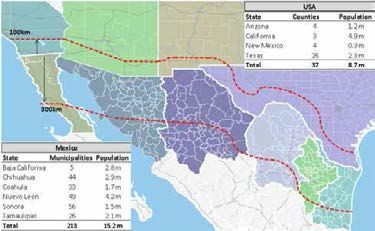
2   ARIZONA-SONORA ENVIRONMENTAL STRATEGIC PLAN 2017-2021

                                                            TABLE OF CONTENTS
                                                                 List of Figures

                                                                 Letter from Agency Directors

                                                            06   Executive Summary

                                                            08   Environmental Context of the Arizona-Sonora Region

                                                            10   Strategic Plans of Arizona and Sonora Agencies and Potential Synergies

                                                            12   The Arizona-Sonora Environmental Strategic Plan Process

                                                            13   Implementing the Arizona-Sonora Environmental Strategic Plan

                                                            15   Economic Competitiveness and the Environment in the Arizona-Sonora Border Region

                                                            21   Strategic Environmental Projects 2017-2021

                                                            21   Overview of Strategic Arizona-Sonora Environmental Projects

                                                            22   Water Projects

                                                            26   Air Projects

                                                            29   Waste Management Projects

                                                            32   Wildlife Projects

                                                            33   Additional Projects for Future Consideration

                                                            33   Water Projects/Prioritization

                                                            36   Air Projects/Prioritization

                                                            37   Waste Management Projects/Prioritization

                                                            38   Wildlife Projects/Prioritization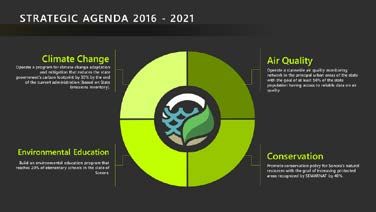
ARIZONA-SONORA ENVIRONMENTAL STRATEGIC PLAN 2017-2021                                                   5

                                                                          LETTER FROM AGENCY DIRECTORS

LIST OF FIGURES
08     Figure 1: The U.S.-Mexico Border Zone

09     Figure 2: Border environmental concerns identified by CEDES/ADEQ

                                                                          Dear Colleagues, Friends and Neighbors,
 10    Figure 4: CEDES Strategic Areas Overview, 2016-2021
                                                                            We present to you this first Arizona-Sonora Environmental Strategic Plan for 2017-2021. In June
                                                                          2016, the Environment and Water Committee of the Arizona-Mexico Commission/Comisión So-
 11    Figure 5: ADEQ Strategic Plan Overview
                                                                          nora-Arizona agreed to produce this plan in order to enhance synergies and maximize the effec-
                                                                          tive use of resources. This plan is the latest effort in a long history of cross-border collaboration
 12    Figure 6: Overview of Strategic Plan Development Process, 2016     involving bilateral, federal, state and local agencies, as well as the private sector and non-gov-
                                                                          ernmental organizations in Arizona and Sonora.
 12    Figure 7: Strategic Plan Working Groups                             In addition to the Arizona Department of Environmental Quality and the State of Sonora Ecology
                                                                          and Sustainable Development Commission, supporters and collaborators included the Arizona
 13    Figure 8: Overview of Strategic Plan Activities, 2017              Game and Fish Department, State of Sonora Water Commission, Arizona Department of Water
                                                                          Resources, Border Environment Cooperation Commission, North American Development Bank,
                                                                          and the North American Research Partnership.
 14    Figure 9: Example of an AMC/CSA Action Plan and Progress Report
                                                                            We look forward to working with additional partners from the non-governmental, academic, and
                                                                          private sectors as we move toward implementation of the plan to help us ensure progress.
 14    Figure 10: Project Monitoring Tool
                                                                          Sincerely,
 15    Figure 11: Arizona-Sonora Megaregion Dominant Industry Sectors

 16    Table 1: Arizona-Sonora Border Counties/Municipios
       — 20 Most Concentrated Industries (2013)

                                                                           Misael Cabrera, P.E.                         Ing. Luis Carlos Romo
                                                                           Director of the Arizona Department           Executive Commissioner, State of
                                                                           of Environmental Quality                     Sonora Ecology and Sustainable
                                                                                                                        Development Commission
6 ARIZONA-SONORA ENVIRONMENTAL STRATEGIC PLAN 2017-2021 ARIZONA-SONORA ENVIRONMENTAL STRATEGIC PLAN 2017-2021 7
EXECUTIVE SUMMARY sources, and collaborating organizations. the implementation of these projects during the
The 15 strategic projects selected address a 2017-2021 period and will be made public.
Arizona and Sonora share a number of environ- range of issues within the areas of water, air, A Memorandum of Understanding was de-
mental challenges both along and across their waste management and wildlife. Fourteen ad- veloped and subsequently presented at the
362-mile shared border. Water, air, solid waste, ditional projects were selected by the agencies Comisión Sonora-Arizona/Arizona-Mexico
and wildlife issues do not end at political bound- as meriting consideration as time and resources Commission meeting in Hermosillo on Decem-
aries, meaning the two states’ environmental, The objective of theArizona-Sonora allow and are also included as part of the plan ber 1-2, 2016. The memorandum will serve as a
water, and wildlife agencies must work together Environmental Strategic Plan itself. formal framework for collaboration between the
as well as with their federal and bilateral agency is to have one guiding plan for the two state governments and for implementation
A monitoring tool is also included with this
counterparts to achieve lasting solutions in the of the strategic plan.
Arizona-Sonora border region that plan. The tool will be used to track progress on
region. The development of the Arizona-Sonora
Environmental Strategic Plan emerged from a the various organizations supporting
long history of cross-border collaboration involv- binational collaboration can utilize to STRATEGIC ARIZONA-SONORA
ing bilateral, federal, state and local agencies as
well as the private sector and non-governmental
enhance synergies and maximize ENVIRONMENTAL PROJECTS, 2017-2021
the effective use of resources.
organizations in Arizona and Sonora. ADEQ/CEA WATER
Prioritization
In June 2016, in order to enhance synergies 1 Stormwater Control in Nogales, Sonora for the Protection of Binational Infrastructure
and maximize the effective use of resources, the and Public Health
Environment and Water Committee of the Arizo- 2 Infrastructure for Metals and E. coli Attenuation in the San Pedro River
na-Mexico Commission/Comisión Sonora Arizo- Arizona Department of Water Resources. Bilateral
na agreed to produce the Arizona-Sonora Envi- organizations such as the North American Devel- 3 Implementation of Green Infrastructure in Nogales, Sonora for the Protection of Binational
Stormwater Quality
ronmental Strategic Plan for 2017-2021. opment Bank and federal agencies such as Mex-
4 Industrial Pretreatment Support in Nogales, Sonora for the Protection of Binational
The Arizona Department of Environmental ico’s Secretariat for the Environment and Natural Water Quality
Quality and the Commission for Ecology and Resources and the U.S. Environmental Protection ADEQ/CEDES AIR
Agency were also consulted during the process. Prioritization
Sustainable Development for the State of Sonora
1 Installation and Operation of Air Quality Equipment in Sonora Border Communities
were named as the lead agencies, and the Border In addition, it was envisioned that the plan Phase 1. Rehabilitation of current equipment. Phase 2. Acquisition of new equipment.
Environmental Cooperation Commission sup- would incorporate elements of the economy and 2 Ozone Monitoring Pilot Project in San Luis Río Colorado
ported the coordination of the project. Additional community as these were priority areas for the
state agencies collaborated on specific topics, two states’ new administrations. To this end, the 3 Expansion of Air Quality Smartphone Application to Yuma
including Sonora’s State Water Commission, North American Research Partnership (NARP), an
ADEQ/CEDES WASTE MANAGEMENT
the Arizona Game and Fish Department and the independent, non-profit research organization, Prioritization
was asked to provide research on economic com- 1 Identification and Cleanup Prioritization of Waste-impacted Sites in Combination with a
petitiveness and the environment (in addition to Solid Waste Management Education Campaign
organizing, editing and producing the plan itself). 2 Comprehensive Electronic Waste and Discarded Domestic Appliances Management
Program
This plan was developed through a series of 3 Development of a Comprehensive Master Plan for the Management of Solid Waste, including:
conference calls, workshops and individual (a) Research of urban solid waste infrastructure lag and landfill locations.
(b) Provision of municipal solid waste collection, transport, and disposal equipment.
consultations. Two multi-agency workshops (c) Establishment of at least one solid waste recycling plant project.
were held in Tucson (September 13-14) and
Hermosillo (November 1) to discuss: a) the
AZGFD/CEA WILDLIFE
Prioritization
development and selection of key projects, b) 1 Population Study of the Sonoran Pronghorn in Arizona and Sonora
criteria for considering these projects and c)
their prioritization. 2 Monitoring of the Black-tailed Prairie Dog Population in Arizona and Sonora
The plan features sections regarding back- 3 Improvements to the Mexican Grey Wolf Captive Breeding Program
ground on Arizona-Sonora environmental is-
sues and collaboration, economic competitive- 4 Identification of Priority Areas for Jaguar Conservation in Southern Sonora
ness and the environment, strategic projects,
5 Bighorn Population Study in Sonora
additional projects, potential project funding8 ARIZONA-SONORA ENVIRONMENTAL STRATEGIC PLAN 2017-2021 ARIZONA-SONORA ENVIRONMENTAL STRATEGIC PLAN 2017-2021 9
ENVIRONMENTAL CONTEXT ADEQ oversees air
quality, waste man-
Figure 2: Border Environmental Concerns/CEDES
OF THE ARIZONA-SONORA REGION agement, water quality BORDER ENVIRONMENTAL CONCERNS
Figure 1: U.S. - Mexico Border Zone
regulations, and regu-
latory programs. CEDES
IDENTIFIED BY CEDES
Environmental
Challenges and addresses air quality CONCERNS
Opportunities and waste management
Updating waste management infrastructure
for the Two States programs, while CEA is
the authority in Sonora Strengthening the management of waste requiring special handling
The development of responsible for issues
the Arizona-Sonora related to water quantity Identifying and cleaning up contaminated sites and clandestine dumping sites
Environmental Stra- and quality.
tegic Plan emerged Strengthening air quality monitoring systems, outreach and prevention
from a long history of General areas of con-
cross-border collabo- cern to both ADEQ and Studying and recovering priority species
ration involving bilat- CEDES are outlined in
eral, federal, state and Figures 2 and 3 at right.
Figure 3: Border Environmental Concerns/ADEQ
local agencies as well Finding appropriate
as the private sector funding is one of the BORDER ENVIRONMENTAL CONCERNS
and non-governmental key challenges for ad-
organizations in Arizona dressing environmental IDENTIFIED BY ADEQ
and Sonora. needs. A variety of fund- SHORT-TERM CONCERNS
ing mechanisms exist for
Defining the border
border environmental Stormwater management/control in binational watersheds
region is of primary national boundary; the ters into Mexico. both along and across projects in addition to
importance in the man- binational Border 2020 their 362-mile shared Metals discharge in Ambos Nogales wastewater
For Sonora and federal, state and local
agement of the border program continues to border. Water, air, waste
Arizona, this encom- resources. Governmen- Solid waste cleanup along riverbanks and washes of binational rivers
region and its natural utilize this definition. management, and wild-
passes 56 municipios tal programs at all levels
resources. The 1983 La life issues do not end represent one of the Unkown concentrations and transport of ozone in Ambos San Luis
Paz Agreement be- Throughout the (analogous to U.S.
Arizona-Sonora En- counties) in the state of at political boundaries, main sources of financ-
tween the United States meaning the two states ing in regards to attend- Proper management of electronic waste
and Mexico established vironmental Strategic Sonora and four Arizona
Plan process, the two counties. Differences in must work together as ing the priorities set by
a border zone that ex- well as with their feder- state governments.
tended 100 kilometers states followed an population in the border
north and 100 kilome- updated definition of zone are notable: while al and bilateral agency There are alternatives BORDER ENVIRONMENTAL CONCERNS
the U.S.-Mexico bor- approximately 18% of counterparts to achieve
ters south of the inter-
der currently utilized Arizona’s population lasting solutions in the
from commercial and
development banks that
IDENTIFIED BY ADEQ
by the North American lives in the four border region. provide financing op- MEDIUM/LONG-TERM CONCERNS
Arizona and Sonora Development Bank and counties of Yuma, Pima, Agencies leading portunities under com-
Fix the International Outfall Interceptor (IOI)
share a number of the Border Environment Santa Cruz and Coch- state environmen- petitive conditions. One
environmental Cooperation Com- ise, 53% of Sonora’s tal policy include the of these banks that has Repair Nogales Wash
challenges both mission and which has population lives in the Arizona Department of worked for more than 20 Calculate emissions reduction as a result of shorter wait times at ports of entry; calculate emis-
along and across been adopted by nu- municipios included in Environmental Quality years in the U.S.-Mex- sions reduction as result of port infrastructure improvements; and to pormote economic growth
their 362-mile merous border environ- the border zone, which (ADEQ), the Commis- ico border region is the Banking solar power generation by warehouses for use during peak hours
shared border. ment stakeholders. This includes the state cap- sion for Ecology and North American Devel-
Water, air, waste definition also extends ital, Hermosillo. (See Sustainable Develop- opment Bank, which Solar power for refrigerated inspection bays atl and ports of entry (POEs)
management, and 100 kilometers north Figure 1 above). ment of the State of has a loan program for Santa Cruz County and Cochise County, as well as NGOs and EPA requests for information on
wildlife issues do of the boundary but Sonora (CEDES), and border infrastructure mining activities with potential binational environmental impacts; requests for watershed bound-
Arizona and Sonora aries and drainage patterns in response to spills, emergency response
not end at political extends the southern the Sonora State Wa- projects which meet
share a number of en-
boundaries. boundary 300 kilome- ter Commission (CEA). basic criteria. Identify potential sources for vector-borne diseases, e.g. Nogales Wash
vironmental challenges10 ARIZONA-SONORA ENVIRONMENTAL STRATEGIC PLAN 2017-2021 ARIZONA-SONORA ENVIRONMENTAL STRATEGIC PLAN 2017-2021 11
STRATEGIC PLANS OF ARIZONA AND SONORA AGENCIES STRATEGIC PLANS OF ARIZONA AND SONORA AGENCIES
AND POTENTIAL SYNERGIES AND POTENTIAL SYNERGIES
Figure 4: CEDES Strategic Areas Overview, 2016-2021 over the next 100 Figure 5: ADEQ Strategic Plan Overview
The respective
years. It also ad-
goals and objectives
dresses the needs of ADEQ Misson and
of the agencies par-
ticipating in the Arizo- multiple water users Goal-driven
throughout the state.
na-Sonora Environ- Strategic Plan
mental Strategic Plan The Wildlife 20/20 The plan supports priorities
process differ in their Strategic Plan of the
outlined for the state by Arizona
scope and language Arizona Game and
Governor Doug Ducey
but also show signif- Fish Department
icant overlap in the (AZGFD) has objec-
types of projects and tives that focus pri- These include:
activities they pro- marily on wildlife and
mote. These areas of species preservation • 21st Century Economy
common cause were through habitat con- • Protecting Our Communities
identified and em- servation, including • Healthy Citizens
phasized throughout specific objectives • Educational Excellence
the development of for watershed-based • Fiscal Responsibility
the strategic plan in sion’s (CONAGUA) management and
order to maximize the as the promotion of Management System. public lands steward-
Objectives and Na- and provide key guid- Border 2020 and The Arizona-Sonora
binational impact of environmental justice ADEQ’s air, water, and ship.
tional Strategies are ance for the types and also contains several Environmental Stra-
planned projects. and citizen participa- waste goals corre-
numerous and range At the binational locations for border objectives specific to tegic Plan was pre-
tion, as well as more spond to the strategic
The following is a from objectives relat- level, the U.S. Envi- environment projects. binational infrastruc- sented as a concept
specific ones such as plan’s air, water, and
brief overview of each ed to the evaluation ronmental Protec- Goals 4 and 5, ture and asset man- at the annual meeting
the implementation waste management
agency’s publical- of the effects of cli- tion Agency’s (EPA) dealing with joint agement. of the AMC/CSA En-
of a of a state cli- working groups, and
ly-available goals at mate change on the U.S.-Mexico Border preparedness for en- Finally, the Arizo- vironment and Water
mate change mitiga- the plan supports
the time of the stra- hydrologic cycle to 2020 Program, in vironmental response na-Mexico Commis- Committee on June
tion action plan and Governor Doug Du-
tegic plan’s develop- specific strategies for collaboration with and compliance and sion (AMC) and the 23, 2016. The idea
developing landfill, cey’s priorities for the
ment. promoting integrated Mexico’s Secretariat environmental stew- Comisión Sonora-Ar- was for the plan to be
water treatment, and state (see Figure 5
and sustainable water for the Environment ardship, relate to a izona (CSA) have col- formalized with both
With respect to the recycling programs. pg. 11). In 2014, the
management. and Natural Resourc- number of additional laborated for over five governments under
participating agen- Sonora’s State Water Arizona Department
es (SEMARNAT), binational programs decades in the region. the auspices of the
cies from the state of Commission (CEA) The FY2017 Strate- of Water Resources
has objectives for and initiatives such The two commissions AMC and the CSA.
Sonora, the Commis- has five Quality Ob- gic Plan of the Ari- (ADWR) developed
sion for Ecology and jectives which in- zona Department of Arizona’s Next Centu- its Arizona-Sonora as the Toxic Release have emphasized The development
Sustainable Devel- clude, for example, Environmental Quality ry: A Strategic Vision Regional Workgroup Inventory (TRI), the working sessions, of a Memorandum
opment for the State “Motivate high effi- (ADEQ) sets specific, for Water Supply that are specific both Joint Contingency data sharing, and of Understanding
of Sonora (CEDES) ciency among [water] numerical objectives Sustainability, which in their timeframes Plan, and the National collaboration. Joint was also discussed,
has four top-level users” and “Develop for pollution reduc- provides a compre- and their numerical Program for Envi- committees of the two primarily as a way of
areas on its Strategic a water culture that tion, percentage of hensive water supply goals. The air pol- ronmental Auditing. commissions develop formalizing the plan
Agenda 2016-2021 promotes responsible facilities in compli- strategy for Arizona lution, safe drinking The Strategic Plan action items, which with both state gov-
(see Figure 4 above) use and conserva- ance, compliance and creates a frame- water, and waste of the International tend to follow the ernments and also to
as well as 10 strategic tion.” At the Mexican time frames, etc., and work for addressing management objec- Boundary and Water timeline of Arizona monitor the develop-
objectives that cover federal level, the Na- stresses the agency’s potential water im- tives complement the Commission (IBWC) and Sonora plenaries, ment of the strategic
general subjects such tional Water Commis- adoption of its Lean balances in the state Arizona and Sonora includes objectives typically held twice projects outlined in
state agencies’ goals similar to those of per year. the plan.12 ARIZONA-SONORA ENVIRONMENTAL STRATEGIC PLAN 2017-2021 ARIZONA-SONORA ENVIRONMENTAL STRATEGIC PLAN 2017-2021 13
THE ARIZONA -SONORA ENVIRONMENTAL IMPLEMENTING THE ARIZONA-SONORA
STRATEGIC PLAN PROCESS ENVIRONMENTAL STRATEGIC PLAN
Figure 6: Overview of Strategic Plan Dev. Process, 2016 Figure 8: Overview of Strategic Plan Activities, 2017
The highly collaborative development of this The Arizona-Sonora Environmental Strategic
environmental strategic plan emerged from a SEPTEMBER Plan is comprised of 15 strategic projects and 14 JANUARY-FEBRUARY
long history of multi-agency, multi-organization Sept. 13-15, First working session held in Tucson, AZ additional projects that can be initiated as time and Primary state agencies coordinate on workplans and prioritize
cross-border collaboration involving bilateral, resources allow. The plan will be carried out by par- projects for 2017 implementation
federal, state, and local agencies as well as the Session 1 tasks completed by participants ticipating agencies between 2017 and 2021. Coordinate with EPA and BECC on Border 2020 RFP priorities
private sector and non-governmental organiza- A central component of the Strategic Plan pro- Leads, outputs,timelines, project management and progress
Compilation of information by contractor, NARP
tions in Arizona and Sonora. cess is the Memorandum of Understanding (MOU) reporting tools identified
In June 2016, the Environment and Water Com- presented at the CSA/AMC Summit in Hermosillo
OCTOBER MARCH-APRIL
mittee of the Arizona-Mexico Commission (AMC)/ on December 2, 2016. The MOU lays out the frame-
Comisión Sonora Arizona (CSA) agreed to pro- Oct. 17, draft of project prioritization sent to participants for work for implementation of the strategic plan in Engage additional partners and stakeholders to implement
review projects
duce an Arizona-Sonora Environmental Strategic terms of projects, goals, objectives and targeted
Week of Oct. 17, virtual meetings of topic working groups for Identify other potential sources of support for current and
Plan, with a key objective being the maximization input on draft document outcomes. It also underscores the importance of the future projects
of limited resources. The Arizona Department of Oct. 26, delivery of draft report to participants 15 strategic projects, the 14 additional projects and Meeting of the Arizona-Sonora Border 2020
Environmental Quality and the Commission for allows for the possibility of additional projects and Regional Workgroup and Task Forces
Ecology and Sustainable Development for the Agencies draft MOU for submittal to AMC/CSA binational collaboration to be added to the plan with
MAY-JUNE
State of Sonora were named as the lead agencies, the agreement of the respective state agencies.
and the Border Environmental Cooperation Com- NOVEMBER In addition, the MOU serves as the beginning of AMC Summer Summit
mission and the North American Development Nov.1, working session for final comments on draft from the operational phase of the Strategic Plan. Spe- EPA releases Border 2020 RFP
Bank were enlisted to help fund the effort. agencies cifically, it lays the groundwork for project imple-
In addition, the North American Research 2nd week of Nov., final version completed for translation and mentation and follow-up by providing for the use of Mid-year progress reports for each project implemented
printing
Partnership (NARP), an independent, non-profit a monitoring and implementation tool to evaluate
Finalize MOUs based on AMC/CSA edits from review
research organization, was asked to organize, edit progress on each project. JULY-AUGUST
and produce the plan itself. NARP’s interdisciplin- Project implementation is a key component of the
DECEMBER EPA and BECC select Border 2020 RFP grantees
ary team of analysts have undertaken a signifi- strategic plan process. At the Hermosillo meeting
cant amount of work over the years in interrelated Dec. 1-2, CSA/AMC Summit in Hermosillo - Environment &
on November 1, 2016, members of the four working Planning begins for projects to be implemented in 2018
Water Committee present plan, execute MOU via Governors
fields such as the the environment and cross-bor- groups began working on detailed project imple-
der competitiveness (specifically cross-border mentation plans that cover the entire project cycle, SEPTEMBER-OCTOBER
Figure 7: Strategic Plan Working Groups
trucking and renewable energy). from the project conceptualization phase to ap- Leads for projects begin compiling information for progress
Figure 6 at right gives an overview of the strate- WORKING GROUPS proaching potential funders to initiating operations reports, including setbacks experienced and actions taken to
get back on course
gic plan development process from its conceptu- in the field. Figure 8 below outlines general Stra-
Water| Waste Management | Air | Wildlife tegic Plan milestones for 2017. AMC/CSA plenary
alization in June 2016 to its publication and formal Meeting of the Arizona-Sonora Border 2020
presentation in Hermosillo on December 1-2, and interplenary sessions will serve as a time to Regional Workgroup and Task Forces
2016. discuss updates on individual projects and the
overall development of activities proposed under NOVEMBER-DECEMBER
This plan was developed through a series of The 29 projects selected include 15 strategic
the plan. Action plans will be developed at these
conference calls, workshops and individual con- projects that the two states’ relevant agencies will CSA Fall Summit
sessions. In addition, Figure 9 shows an example
sultations. Two multi-agency workshops were implement and collaborate on during the 2017-
of the AMC/CSA Action Plans that will be used to End-of-year progress report and outline of projects to be
held in Tucson (September 13-14) and Hermosillo 2021 period. Fourteen additional projects were implemented in 2018
update the Commissions on the status of the plan
(November 1) to discuss a) the development and selected for implementation as time and resourc-
and its various projects. Finally, Figure 10 shows the specific projects tasks, percentage completion for
selection of key projects, b) criteria for consider- es allow. The projects represent a range of issues
monitoring tool example. Such a tool will feature tasks and specific projects, deadlines and dates for
ing these projects and c) prioritization. This last within the areas of water, air, waste management
the specific degree of detail that teams will develop follow-up. It is important to note that monitoring
aspect was refined during numerous consulta- and wildlife (see Figure 7 above). In some cases,
for the individual projects, including major project timelines will be agreed upon between the relevant
tions with subject matter experts from participat- two or even more projects were combined into
goals, specific objectives, officials responsible for Arizona and Sonora agencies.
ing agencies. one strategic project.14 ARIZONA-SONORA ENVIRONMENTAL STRATEGIC PLAN 2017-2021 ARIZONA-SONORA ENVIRONMENTAL STRATEGIC PLAN 2017-2021 15
Figure 9: Example of an AMC/CSA Action Plan and Progress Report
ECONOMIC COMPETITIVENESS AND THE ENVIRONMENT
IN THE ARIZONA-SONORA BORDER REGION
Figure 11:Arizona-Sonora Megaregion Dominant Industry Sectors
OVERVIEW
The genesis of this strategic plan coincided SOURCE: Arizona Commerce Authority
with the beginnings of two new administra- • Aerospace
tions in Arizona and Sonora, both of which have • Automotive
COMMITTEE: (Name) • Mining
sought to place economic development front • Health Technology and Medical Devices
DATE and center. The Great Recession affected the • Advanced Manufacturing
• High Technology
state of Arizona in a direct and sustained manner, • Biotech/Bioscience
and immigration politics during the height of this • Renewable Energy
ACTION PLAN #1: (Title) phenomenon did not advance the state’s eco- • Optics/Photonics
• Agriculture
nomic case as having a business-friendly cli- • Information Technology
DESCRIPTION OF THE OBJECTIVE: mate. Sonora has sought to take greatest advan-
tage of its proximity to the United States while SOURCE: State of Sonora Secretariat of the Economy
IMPACT FOR ARIZONA-SONORA REGION (EXPECTED BENEFIT): building on its strengths in mining, agriculture, • Aerospace
TARGET COMPLETION DATE: and aerospace. While an exhaustive study of ties • Automotive
between the environment and the economy in • Mining
• Electronics
ACTION ITEMS: the Arizona-Sonora border region is beyond the
scope of this strategic plan, we can outline the
A) TITLE: other regions for industries such as automotive,
states’ economic strengths, look more closely at
biosciences, electronics and other high-tech
DESCRIPTION: which industries are currently concentrated and
industries, to name a few. The state of Sonora’s
dynamic in the border region, and briefly discuss
State Development Plan, 2016-2021 specifically
industries that are affecting the environment but
DUE DATE: focuses on competitiveness as a key attribute:
also ask about business opportunities for firms
“Efficiency necessarily leads to promoting an
RESPONSIBLE PARTIES: that treat environmental threats. And finally, we
economy based on dynamism and competitive-
Arizona: try to answer the question, what do the environ-
ness, which itself is derived from a platform of
Sonora: mental projects in this plan have to do with local
productivity based on innovation, science and
and statewide economic development efforts?
ACTIONS TAKEN: technology” (Plan Estatal de Desarrollo, 6). The
KEY INDUSTRIES AT THE STATE LEVEL document also focuses on the key challenge
Both Arizona and Sonora seek to expand their to “strengthen the economy so that it is more
economies beyond the traditional primary sec- sustainable and competitive via knowledge and
STATUS: New/Open In Progress Implemented/To Be Continued Discarded tors of mining and agriculture that have left such innovation, at the same time incentivizing the
significant historical, cultural, and economic formation of clusters in agriculture and indus-
CORE AREA: Competitiveness Sustainability Security Quality of Life try.” Likewise, the Arizona Commerce Authority’s
footprints on the two states’ history and present.
The two states are in constant competition with five-year plan emphasizes the need to grow in
FUNDING SOURCES: Federal State Local Private
high value-added, export-oriented sectors. Tar-
get industries include aerospace and defense,
Figure 10: Project Monitoring Tool Example semiconductors, optics/photonics, bioscienc-
“Efficiency necessarily leads to
Name of Project promoting an economy based on dy- es and, significantly, renewable energy. Both
namism and competitiveness, which states, then, have a strong focus on economic
Project Goals Specific Objectives Responsible Official Deadline Follow-up Date development that is in concert with the protec-
itself is derived from a platform of
productivity based on innovation, tion of the environment. Figure 11 above lists
science and technology.” some of the most significant industries in each
state and shows the potential for economic com-
(Plan Estatal de Desarrollo, 6) plementarity (as well as competition).16 ARIZONA-SONORA ENVIRONMENTAL STRATEGIC PLAN 2017-2021 ARIZONA-SONORA ENVIRONMENTAL STRATEGIC PLAN 2017-2021 17
ECONOMIC COMPETITIVENESS AND THE ENVIRONMENT ECONOMIC COMPETITIVENESS AND THE ENVIRONMENT
IN THE ARIZONA-SONORA BORDER REGION IN THE ARIZONA-SONORA BORDER REGION
FOCUS ON Table 1: Arizona-Sonora Border Counties and Municipios
- 20 Most Concentrated Industries (2013) In terms of employment, aerospace by far is the excellent candidate for cluster-based economic
THE BORDER most significant employer of the top LQ industries development. The performance of technical and
20 MOST CONCENTRATED INDUSTRIES
REGION in the Arizona-Sonora region, with almost 18,000 trade schools indicates the importance of work-
employees distributed on both sides of the bor- force development efforts in the region. The rel-
The Arizona-Sonora Description Employees LQ
der. The development of these two industries in atively competitive position of fruit and vegetable
border region econ- Metal Ore Mining (2122) 5,933 14.14
neighboring states is an interesting story of high- preserving in the region is worth noting as compe-
omy was one of five Audo & Video Equipment Manufacturing (3343) 3,050 13.63
ly concentrated, closely located yet unrelated tition between North American trade corridors is
regions analyzed in Aerospace Product & Parts Manufacturing (3325) 17,813 10.86 industries. While Arizona’s aerospace industry is increasing.
the 2015 report Com- Hardware Manufacturing (3325) 1,493 9.46 mostly defense-related, the industry in Sonora is While many of these industries are still small,
petitive Border Com-
Other Furniture-related Product Manufacturing (3379) 1,663 9.03 commercial in nature. Semiconductors, medical their competitiveness index combined with steep
munities: Mapping and
Rooming & Boarding Houses (7213) 762 8.58 equipment and business support services are also employment growth curves make them industries
Developing U.S.-Mex-
significant employers and all have over 10,000 that megaregions and other economic develop-
ico Transborder Indus- Semiconductor/Other Elec. Component Man. (3359) 12,724 8.10
employees. ment stakeholders will want to watch closely in the
tries, produced by the Other Electrical Equip./Component Man. (3359) 5,403 7.68
North American Re- Medical Equipment & Supplies Man. (3391) 11,863 7.62 DYNAMISM coming months and years.
search Partnership and Seafood Product Preparation/Packaging (3117) 1,219 7.05 The second step for our analysis was to de- ENVIRONMENTAL IMPACT OF CONCENTRAT-
the Mexico Institute of RV Parks and Recreational Camps (7212) 751 4.59 termine which industries were the most dynamic ED AND DYNAMIC INDUSTRIES
the Woodrow Wilson in Arizona-Sonora border region. By employing
Fishing (1141) 2,627 4.13 In order to design a more accurate action plan
International Cen- a shift-share analysis (which looks at national,
Technical & Trade Schools (6115) 1,767 3.52 for environmental protection, it is crucial to iden-
ter for Scholars. The industry and local growth effects on particular
Other Support Activities for Transportation (4889) 236 3.31 tify the current state of affairs and determine the
2015 report looked at industries) of the region’s employment data from industries that have a more direct effect on the
industries in the Ari- Business Support Services (5614) 11,823 3.19
2009 and 2013, we get an interesting and different environment in the region. Many of the same in-
zona-Sonora border Gambling Industries (7132) 2,469 3.12 picture of the region’s potential areas of economic dustries that are most concentrated and dynamic
region, in this case Support Activities for Crop Production (1151) 710 2.66 opportunity. Aerospace and semiconductors—to in the Arizona-Sonora border region are those that
defined as the coun- Other Investment Pools & Funds (5259) 60 2.59 take two key examples—do not appear in the top have a significant impact on the environment. In
ties and municipios 20 in terms of their dynamism. Instead we see
Retail Trade of Used Goods/Used Merchandise (4664,4533) 2,216 2.45 this section we consider industries that represent
directly adjacent to the industries such as apparel manufacturing, in-
Apparel Accessories/Other Apparel Man. (3159) 126 2.42 a high potential risk to the environment as well as
international boundary. vestment pools, and boiler manufacturing, tanks industries that have been developed to minimize
Specifically the report Source: Wilson, Lee and Bezares-Calderon (2015)
and shipping containers (in that order) assuming the environmental costs.
looked at data on three significance as particularly dynamic industries.
variables that are key discuss their relevance industries a) in both niture manufacturing, NEGATIVE EXTERNALITIES OF INDUSTRIAL
The Seafood Product Preparation and Packaging AGGLOMERATION
in carrying out bina- to the border environ- Arizona and Sonoran rooming, semicon-
industry experienced particularly dramatic em-
tional cluster-based ment. border counties and ductors, electrical The benefits of industrial agglomeration (busi-
ployment growth during 2009-2013, adding 1,035
economic development CONCENTRATION municipios and b) as equipment, medical nesses taking advantage of proximity to one
jobs for a percentage increase in employment of
in the region: industry one binational region. equipment and sea- another) can be significant as they represent
As a first step in 562.5%. Medical devices added more than 5000
concentration, indus- As seen in Table 1 food product prepara- important sources of employment and economic
determining key indus- jobs between 2009 and 2013 in addition to being
try dynamism and how above, metal ore min- tion round out the top development. However, it has been documented
tries for a binational a top industry by location quotient, making it an
“binational” similar ing, audio and video 10. We also see strong that industrial agglomeration can have negative
industries on both cluster-based eco- equipment manufac- evidence of traditional impacts on the environment (Sun and Yuan, 2015;
sides of the border are. nomic development turing, and aerospace primary sector eco- Many of the same industries that are Grazi, 2016).
In this section, which strategy, we used a product and parts nomic activity in the most concentrated and dynamic in The activities linked to the deterioration of the
relies on the analysis standard measure—lo- manufacturing all have region including mining the Arizona-Sonora border region are environment include the manufacturing sector
in the report, we will cation quotient (LQ) a location quotient as well as tourism (RV those that have a significant impact as well as agriculture, forestry, mining, fishing,
look at two of these —to pinpoint the top of over 10. Hardware parks, rooming houses, on the environment. transportation and storage, and electricity and gas
variables and briefly 20 most concentrated manufacturing, fur- fishing).18 ARIZONA-SONORA ENVIRONMENTAL STRATEGIC PLAN 2017-2021 ARIZONA-SONORA ENVIRONMENTAL STRATEGIC PLAN 2017-2021 19
ECONOMIC COMPETITIVENESS AND THE ENVIRONMENT ECONOMIC COMPETITIVENESS AND THE ENVIRONMENT
IN THE ARIZONA-SONORA BORDER REGION IN THE ARIZONA-SONORA BORDER REGION
supply, industries which are considered the most Waste management activities are classified zona and Sonora economies. The challenge facing
important generators of pollution in the U.S. (EPA, Waste management is a critically important under NAICS code 562-Waste Management and the two states is how to manage the environmental
2015). Within the manufacturing sector, certain issue on both sides of the border, and numer- Remediation Services. In the Arizona-Sonora bor- issues that arise with industrial agglomeration and
industries generate more emissions and have a ous stakeholders have worked on a variety of der region, these industries do not exhibit a high the hoped-for development of transborder indus-
bigger environmental footprint than others. issues within this area (waste tire management, location quotient (LQ). Nevertheless, their pres- try clusters. If the states are able to accomplish
In Table 1 on page 16, we see the industries that illegal dump sites, and hazardous materials ence increased between 2009 and 2013, with an this, the robustness of the environment could act
are more concentrated in the Arizona-Sonora bor- management, among others) in recent years, increase of employment of 48% seen in the waste to reinforce regional competitiveness, with new
der region and which have exhibited more intense most notably within the binational Border 2020 collection industry. high value added industries locating in the region
growth between 2009 and 2013. While an exhaus- framework and its antecedents. Food Banks precisely because of the environment and the high
tive analysis of these industries and their environ- quality of life that workers increasingly demand.
ENVIRONMENT-RELATED INDUSTRIES Food banks may help to reduce the amount of
mental impact is beyond the scope of this strategic food waste that is generated in the region. Al- REFERENCES
plan, there is clearly some correlation between the Yet opportunities exist for industries to address
though most of the employment related to food • Arizona Department of Environmental Quality. Retrieved
region’s most concentrated and dynamic indus- the effects of industrial agglomeration in the bor- on October 23, 2016 from http://legacy.azdeq.gov/obep/
der region. Below we consider several. banks is concentrated in Arizona, and particularly
tries and impacts or at least potential impacts to water.html
in Pima County, Sonora has seen some develop- • Rojas-Bracho et al. (2010), “Los Residuos Electrónicos en
the environment. Waste Management ment of this sector. However, it remains to be seen México y en el Mundo”, SEMARNAT.
As an example, the mining industry has been Waste management is a critically important if these food banks will continue developing: be- • CONAGUA (2011), Inventario Nacional de Plantas Muni-
long known for its environmental effects. Some issue on both sides of the border, and numerous tween 2009 and 2013, they saw a 19.5% decrease cipales de Potabilización y de Tratamiento de Aguas Resi-
duales en Operación, SEMARNAT.
of the impacts of this industry are the emission of stakeholders have worked on a variety of issues in employment. • Electronic Waste State Resource Locator, 2016. Retrieved
pollutants, such as PM10 and PM5, water pollu- within this area (waste tire management, illegal Water Sewage and Water Treatment from http://www.envcap.org/statetools/ewaste/ew2.
tion, in addition to disturbance of ecosystems. In dump sites, and hazardous materials manage- cfm?st=AZ
Arizona, the border county that generates more ment, among others) in recent years, most notably Water, Sewage and Irrigation Systems have • Grazi, F. et al. (2016), A Simple Model of Agglomeration
PM10 and PM5 as a result of mining activity is Pima within the binational Border 2020 framework and an LQ larger than 1.7 in the Arizona-Sonora bor- Economies with Environmental Externalities, AFD Research
der region and presented an increase of 45.18% Papers, 2016(18), January.
County (EPA, 2015). Sonora is the state in Mexico its antecedents. • INEGI, Directorio Estadístico Nacional de Unidades
with the largest participation in the mining indus- in terms of employment from 2009-2013. This Económicas. Retrieved on October 24, 2016 from http://
In Mexico, there exists legislation at the national sector mostly represents management of sew-
try, generating 1.28% of the state GDP (Ministry of level that regulates the disposal of solid waste and
www.beta.inegi.org.mx/app/mapa/denue/default.aspx
Economy, 2014). age systems by government. However, there are • *Proposal HB2614: Large Electronics Recycling Program.
hazardous waste. However, as the management is growth opportunities in the water treatment sector. Retrieved from http://www.azleg.gov//FormatDocument.
The fishing industry also appears within the most carried out at the state level, available resources asp?inDoc=/legtext/49leg/2r/bills/hb2614p.htm&Ses-
important industries in the Arizona-Sonora border continue to present challenges to implementation. Environmental Consulting Services sion_ID=93
region. However, overfishing and harmful fishing • Shapiro, J. And Walker, R. (2016), Why is Pollution from
In addition, there is no specific regulation either at Even though this sector does not exhibit high
U.S. Manufacturing Declining? The Roles of Environmental
problems are becoming major issues for the Gulf of the federal or the state level regarding electronic levels of concentration, this industry has some Regulation, Productivity and Trade, Working Paper, Sep-
California, threatening species such as the vaquita. waste, which represents an important source of presence in Arizona, particularly in Yuma County, tember 2016.
Numerous manufacturing-based industries also pollution (Rojas-Bracho et al., 2010). where it generates fewer than 300 jobs (2014). • Sun, P and Yuan, Y (2015). Industrial Agglomeration and
have strong presence among the most concentrat- In the United States, while regulations on waste This lack of firms in the border region may be off- Environmental Degradation: Empirical Evidence in Chinese
ed industries in the Arizona-Sonora border region. management are established at the federal level set by firms oriented to this sector that are estab- Cities, Pacific Economic Review, 20(4), 544-568.
These industries depend mostly on electricity and by the Environmental Protection Agency, legis- lished mainly in the larger cities on both sides of • U.S. Census 2014- County Business Patterns. http://fact-
natural gas for their operations. Finding viable lation on electronic waste is handled at the state the border but which also serve the border region finder.census.gov/faces/tableservices/jsf/pages/product-
as well. view.xhtml?pid=BP_2014_00A1&prodType=table
opportunities for more efficient energy production level. In Arizona, there is currently no legislation
• U.S. Environmental Protection Agency (2014), Emission
may be an alternative to reduce the environmen- on e-waste management, even if there are some In summary, the border region presents unique Inventories. Dataset on pollutant emissions by sector of
tal footprint of these energy-intensive industries. efforts to promote recycling of electronic com- challenges associated with its economic develop- activity. Retrieved on October 22, 2016 from https://www.
Transportation-related industries that have grown ponents as well as legislation on lead-acid bat- ment model, the different regulatory frameworks, epa.gov/air-emissions-inventories/2014-nei-data
in tandem with manufacturing on the Mexican side teries to avoid their mixing with solid waste (see different governance, and the industrial agglom-
of the border are both energy-intensive and major Electronic Waste State Resource Locator, 2016; eration they present. Yet the border region is a mi-
producers of emissions. Proposal HB2614: Large Electronics Recycling crocosm of both the past and the future of the Ari-
Program, 2010; ADEQ, 2016).20 ARIZONA-SONORA ENVIRONMENTAL STRATEGIC PLAN 2017-2021 ARIZONA-SONORA ENVIRONMENTAL STRATEGIC PLAN 2017-2021 21
STRATEGIC ENVIRONMENTAL PROJECTS 2017-2021
OVERVIEW
The 15 strategic projects that appear in this section were developed and selected as high-priority
projects by the relevant Arizona and Sonora agencies. The projects address a range of issues within
the areas of water, air, waste management and wildlife. They will be implemented between 2017 and
2021 and are presented in order of their priority within their specific areas. Following the list of prior-
itized projects by area, there is a more detailed description of the background relevant to each one of
them, as well as their identified environmental, social, economic and health impacts in the binational
context. A section detailing 14 additional projects for future consideration then follows.
STRATEGIC ARIZONA-SONORA
ENVIRONMENTAL PROJECTS, 2017-2021
ADEQ/CEA WATER
Prioritization
1 Stormwater Control in Nogales, Sonora for the Protection of Binational Infrastructure
and Public Health
2 Infrastructure for Metals and E. coli Attenuation in the San Pedro River
3 Implementation of Green Infrastructure in Nogales, Sonora for the Protection of Binational
Stormwater Quality
4 Industrial Pretreatment Support in Nogales, Sonora for the Protection of Binational
Water Quality
ADEQ/CEDES AIR
Prioritization
1 Installation and Operation of Air Quality Equipment in Sonora Border Communities
Phase 1. Rehabilitation of current equipment. Phase 2. Acquisition of new equipment.
2 Ozone Monitoring Pilot Project in San Luis Río Colorado
3 Expansion of Air Quality Smartphone Application to Yuma
ADEQ/CEDES WASTE MANAGEMENT
Prioritization
1 Identification and Cleanup Prioritization of Waste-impacted Sites in Combination with a
Solid Waste Management Education Campaign
2 Comprehensive Electronic Waste and Discarded Domestic Appliances Management
Program
3 Development of a Comprehensive Master Plan for the Management of Solid Waste, including:
(a) Research of urban solid waste infrastructure lag and landfill locations.
(b) Provision of municipal solid waste collection, transport, and disposal equipment.
(c) Establishment of at least one solid waste recycling plant project.
AZGDF/CEDES WILDLIFE
Prioritization
1 Population Study of the Sonoran Pronghorn in Arizona and Sonora
2 Monitoring of the Black-tailed Prairie Dog Population in Arizona and Sonora
3 Improvements to the Mexican Grey Wolf Captive Breeding Program
4 Identification of Priority Areas for Jaguar Conservation in Southern Sonora
5 Bighorn Population Study in Sonora22 ARIZONA-SONORA ENVIRONMENTAL STRATEGIC PLAN 2017-2021 ARIZONA-SONORA ENVIRONMENTAL STRATEGIC PLAN 2017-2021 23
STRATEGIC ENVIRONMENTAL PROJECTS 2017-2021 STRATEGIC ENVIRONMENTAL PROJECTS 2017-2021
WATER PROJECTS WATER PROJECTS
ADEQ/CEA ADEQ/CEA PROJECT NAME
PROJECT NAME
Prioritization Prioritization
1 Stormwater Control in Nogales, Sonora for the Protection of Binational Infrastructure 1 Stormwater Control in Nogales, Sonora for the Protection of Binational Infrastructure
and Public Health and Public Health
2 Infrastructure for Metals and E. coli Attenuation in the San Pedro River 2 Infrastructure for Metals and E. coli Attenuation in the San Pedro River
3 Implementation of Green Infrastructure in Nogales, Sonora for the Protection of Binational 3 Implementation of Green Infrastructure in Nogales, Sonora for the Protection of Binational
Stormwater Quality Stormwater Quality
4 Industrial Pretreatment Support in Nogales, Sonora for the Protection of Binational 4 Industrial Pretreatment Support in Nogales, Sonora for the Protection of Binational
Water Quality Water Quality
PRIORITY 1 INFRASTRUCTURE FOR METALS & E. COLI ATTENUATION IN THE SAN PEDRO RIVER PRIORITY 2
STORMWATER CONTROL IN NOGALES, SONORA
BACKGROUND BACKGROUND
While green infrastructure and other sustainable solutions are important for stormwater control, formal flood control mechanisms The Upper San Pedro watershed spans the Sonora-Arizona border and includes at its southernmost expanse the community of Cananea,
are needed to protect municipalities from flooding associated with extreme rainfall events, particularly during the summer monsoon. Sonora, located at a distance of approximately 25 miles from the U.S. border. Monitoring of San Pedro River water quality in the border
Stormwater gabions and other such structures help control and direct stormwater flows–especially those of high volume and/or intense community of Charleston, Arizona has revealed chronic impairment for E. coli and dissolved copper relative to U.S. surface water quali-
duration–away from critical infrastructure and into areas where they can diffuse naturally or pose no threat to life or property. ty standards and resulted in the river being classified as “High” priority. Research by the University of Sonora has linked historical mining
activities in Cananea to contaminated sediments along the length of the San Pedro River in Sonora. In addition, raw sewage discharges may
In Ambos Nogales, flooding threatens not just private property but also crucial binational infrastructure. Gabions have previously been contribute to downstream exceedance of bacterial standards in both countries. Respective contaminants may be mobilized along the length
constructed in the area as per U.S. Army Corps of Engineers and the U.S. International Boundary and Water Commission recommenda- of the river during high flow events.
tions, in conjunction with CONAGUA and supported by Border 2020. Maintenance and operation considerations pose challenges to their
sustainability. This project is designed to protect the San Pedro River from metal and E. coli contamination by implementing stormwater detention features
to mitigate contaminated sediment remobilization and lessen the effects of cross-border sewage flows. Features such as those installed
This project aims to support maintenance of existing gabions; promote new stormwater gabions as appropriate, and evaluate other for- on the San Bernadino Ranch east of Agua Prieta in Sonora can help control the migration of contaminated sediments. Strategies will be
mal flood-control alternatives. The goal is to protect the residents of Ambos Nogales and secure its municipal assets by strengthening investigated and implemented as appropriate through coordination with CONAGUA and CEA and with technical support provided by ADEQ
the region’s stormwater management infrastructure while reducing the risk of stormwater-induced sanitary sewer overflows (SSOs). as appropriate.
KEY COMMUNITIES KEY COMMUNITIES
Ambos Nogales (primary); other communities as needed Sierra Vista; San Pedro Riparian National Conservation Area; Cananea
PROJECT IMPACTS PROJECT IMPACTS
ENVIRONMENTAL HEALTH SOCIAL ECONOMIC ENVIRONMENTAL HEALTH SOCIAL ECONOMIC
• Binational infrastruc- • Reduced public expo- • Engage public on • Lowered operation and • Mitigates contamination • Reduces risk of public’s • Publically recognized • Environmental study may
ture protection sure to SSOs matters related to maintenance costs for of the San Pedro River direct contact with contam- problem be necessary
• Reduced SSOs • Protection of surface public health and water municipalities • Addresses issue in wa- inated waters leading to • NGO engagement is
water and ground- resource management • Protection of wastewater terbody recognized under gastrointestinal diseases, already occurring in the
water resources from infrastructure invest- the Clean Water Act as other health effects border region
contamination ments impaired with E. coli
TECHNICAL ADVANCES TECHNICAL ADVANCES
Gabions have already been constructed in Nogales, Sonora in accordance with recommendations prepared by Army Corps of Engi- Examples exist; technical details available from: http://cuencalosojos.org/ and http://borderlandsrestoration.org/.
neers and U.S. International Boundary and Water Commission (via support from CONAGUA and Border 2020). These have had short
term positive effect, but operation and maintenance remains a challenge to sustainability.24 ARIZONA-SONORA ENVIRONMENTAL STRATEGIC PLAN 2017-2021 ARIZONA-SONORA ENVIRONMENTAL STRATEGIC PLAN 2017-2021 25
STRATEGIC ENVIRONMENTAL PROJECTS 2017-2021 STRATEGIC ENVIRONMENTAL PROJECTS 2017-2021
WATER PROJECTS WATER PROJECTS
ADEQ/CEA PROJECT NAME ADEQ/CEA PROJECT NAME
Prioritization Prioritization
1 Stormwater Control in Nogales, Sonora for the Protection of Binational Infrastructure 1 Stormwater Control in Nogales, Sonora for the Protection of Binational Infrastructure
and Public Health and Public Health
2 Infrastructure for Metals and E. coli Attenuation in the San Pedro River 2 Infrastructure for Metals and E. coli Attenuation in the San Pedro River
3 Implementation of Green Infrastructure in Nogales, Sonora for the Protection of Binational 3 Implementation of Green Infrastructure in Nogales, Sonora for the Protection of Binational
Stormwater Quality Stormwater Quality
4 Industrial Pretreatment Support in Nogales, Sonora for the Protection of Binational 4 Industrial Pretreatment Support in Nogales, Sonora for the Protection of Binational
Water Quality Water Quality
IMPLEMENTATION OF GREEN INFRASTRUCTURE IN NOGALES, SONORA PRIORITY 3 INDUSTRIAL PRETREATMENT SUPPORT IN NOGALES, SONORA PRIORITY 4
BACKGROUND BACKGROUND
Flooding can have severe negative effects on the communities of Nogales, Sonora and Nogales, Arizona. Uncontrolled stormwater flow Over the last two years, heavy metals in Ambos Nogales wastewater have chronically exceeded the allowable headwork loadings for the
damages businesses, private residences, and municipal assets, creating public health issues and threatening key binational infrastructure. Nogales International Wastewater Treatment Plant (NIWTP). The NIWTP is located in Rio Rico, Arizona, but Nogales, Sonora contributes
Urban development contributes to impervious and denuded terrain, which decreases stormwater infiltration and compounds the risk of the majority of wastewater treated at the plant. The NIWTP discharges treated wastewater to the Santa Cruz River in Arizona. Historical
downstream flooding. Green infrastructure offsets this problem by improving infiltration and putting stormwater to beneficial use for the exceedances for metals in wastewater have been linked to industrial discharges from metal plating operations in Nogales, Sonora. At times,
creation and sustainability of green spaces. The “City of Green Creeks: Sustainable Flood Management Alternatives for Nogales, Sonora” metals pass through the NIWTP to the river. Water quality and wildlife monitoring suggest environmental impacts linked to respective
report, created by Arizona State University, proposed a number of green infrastructure projects at specific sites in Nogales, Sonora. This discharges.
project will support implementation of green infrastructure strategies and projects outlined in that report.
The Nogales, Sonora Potable Water and Wastewater Utility (OOMAPAS-NS) reports it is complying with Mexican Federal requirements for
KEY COMMUNITIES monitoring and enforcement of industrial discharges. However, it recognizes that respective activities may not be sufficient to address the
Ambos Nogales (primary); other communities following needs of the NIWTP for protection of the Santa Cruz River. Both OOMAPAS-NS and the regulated community have expressed a willingness
to partner on a solution.
PROJECT IMPACTS
Given the binational nature of receiving infrastructure, federal coordination and support is needed. This project aims to leverage federal
ENVIRONMENTAL HEALTH SOCIAL ECONOMIC resources to strengthen institutional pretreatment processes in Nogales, Sonora so that contaminant loadings can be mitigated at their
• Binational infrastructure • Reduced public exposure to • Community engagement • Technical exchange cre- source. Respective processes include wastewater monitoring in the binational conveyance for source characterization, information ex-
protection SSOs and stewardship ates potential for new busi- change with the regulated community, and support of Mexico’s Industrial Wastewater Discharge Limits (NOM-002) where needed.
• Reduced SSOs • Protection of surface water • Creation of recreational nesses and development
• Protection of investment and groundwater resources areas and local ownership • Flood mitigation aids mu- KEY COMMUNITIES
in the International Outfall from contamination of the same nicipality Ambos Nogales
Interceptor (IOI) • Green space benefit to pub- • Training opportunities that • Property protection
• Green Space creation lic health can be translated into new • Property value augmen- PROJECT IMPACTS
• Microhabitats • Water supply security jobs tation
• Surface water quality • Improvement in air quality at • Improvement in urban • Recreational benefits ENVIRONMENTAL HEALTH SOCIAL ECONOMIC
• Regional water resource pumping sites aesthetic • Cost savings for • Reduction in pass-through • Reduces public exposure to • Engages public on matters • Improved pretreatment
development • Raises consciousness of businesses of heavy metals to the SSOs related to public health and represents an opportunity
• Reduced flooding risk reuse and water resource • Lowered cost of infrastruc- Santa Cruz River • Protection of downstream water resource manage- for new business ventures
• CO² reduction management ture investment, operation, • Lowers risks related to sur- potable water resources ment • Significant cost savings
and maintenance face water and groundwa- (both surface and ground) • Improves communication through avoidance of plant
ter quality posed by metals and response with regu- upsets and increased O&M
and SSOs lated community to help costs
TECHNICAL ADVANCES mitigate respective issues • Reduction of biosolid dis-
(a) Is currently being successfully implemented by Watershed Management Group at one (Nogales, Sonora) site through a Border posal costs (utilization vs.
2020 grant, but needs to be multiplied throughout the city for maximum impact; see City of Green Creeks report for other potential disposal)
sites and ideas:
http://server.cocef.org/Final_Reports_B2012/20044/20044_Final_Report_EN.pdf
(b) Feasibility study may be necessary; similar work has been done both in U.S. and Mexico; ADEQ has already performed some
project evaluation and conceptual work.
TECHNICAL ADVANCES
In Nogales, historical binational support through Border 2020 has been demonstrated to be effective, although results require
continued investments. Effects may be measured by metal loadings monitoring by IBWC at the border with Mexico as per permit
requirements; municipality views as federal issue, and oversight is limited to local (Mexican Federal) requirements due to a lack of
sustained binational support.You can also read


