2020 Handbook of Cider Testing, Laboratory Supplies & Enartis Cidermaking Products - Ferment
←
→
Page content transcription
If your browser does not render page correctly, please read the page content below

Handbook of Cider Testing, Laboratory Supplies
      & Enartis Cidermaking Products

                   2020

               www.ferment.com.au
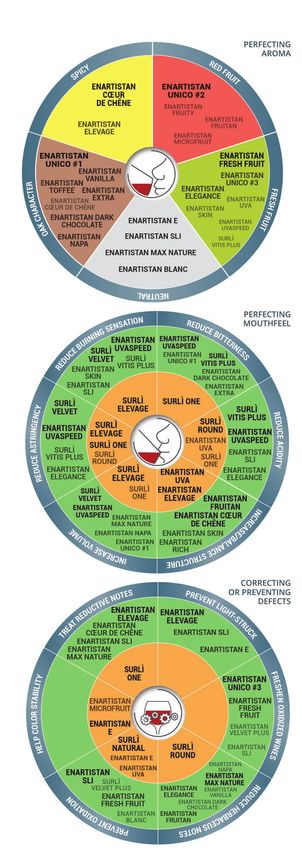
TABLE OF CONTENTS

Ferment is the brand now used for all non wine business of Vintessential. Ferment, as part of the
Vintessential Group is now the National Australian Distributors of Enartis cider products.

1. CIDER TESTING . . . . . . . . . . . . . . . . . . . . . . . . . . . . . . . . . . . . . . . . . . . . . . . . . . . . . . .  4
    The EasyTest Sample System . . . . . . . . . . . . . . . . . . . . . . . . . . . . . . . . . . . . . . . . . . . .  8
2. LABORATORY SUPPLIES . . . . . . . . . . . . . . . . . . . . . . . . . . . . . . . . . . . . . . . . . . . . . . . 9
    Analysers: Spectrophotometers and Discrete Analysers  . . . . . . . . . . . . . . . . . . . . .  11
    Test Kits . . . . . . . . . . . . . . . . . . . . . . . . . . . . . . . . . . . . . . . . . . . . . . . . . . . . . . . . . . . . .  14
3. CIDER MAKING PRODUCTS  . . . . . . . . . . . . . . . . . . . . . . . . . . . . . . . . . . . . . . . . . . .  18
    Processing fruit and juice enzymes  . . . . . . . . . . . . . . . . . . . . . . . . . . . . . . . . . . . . . .  18
    • Enzymes . . . . . . . . . . . . . . . . . . . . . . . . . . . . . . . . . . . . . . . . . . . . . . . . . . . . . . . . . . . . . . . . . . 18

    Fermentation . . . . . . . . . . . . . . . . . . . . . . . . . . . . . . . . . . . . . . . . . . . . . . . . . . . . . . . . .  19
   • Yeast . . . . . . . . . . . . . . . . . . . . . . . . . . . . . . . . . . . . . . . . . . . . . . . . . . . . . . . . . . . . . . . . . . . . . . 19
   • Aromatic Cider Fermentation Protocol  . . . . . . . . . . . . . . . . . . . . . . . . . . . . . . . . . . . . . . . . 20
   • Yeast Nutrition . . . . . . . . . . . . . . . . . . . . . . . . . . . . . . . . . . . . . . . . . . . . . . . . . . . . . . . . . . . . . 21
   • Yeast Nutrition Guidelines  . . . . . . . . . . . . . . . . . . . . . . . . . . . . . . . . . . . . . . . . . . . . . . . . . . . 22

    Designing aromas, flavors and mouthfeel of cider  . . . . . . . . . . . . . . . . . . . . . . . . . .  23
    • During Fermentation  . . . . . . . . . . . . . . . . . . . . . . . . . . . . . . . . . . . . . . . . . . . . . . . . . . . . . . . 23
    • During Maturation and Pre-Bottling  . . . . . . . . . . . . . . . . . . . . . . . . . . . . . . . . . . . . .  24
    • Benefits and Composition . . . . . . . . . . . . . . . . . . . . . . . . . . . . . . . . . . . . . . . . . . . . . . . . . . . 26

    Clarification and adjusting mouthfeel . . . . . . . . . . . . . . . . . . . . . . . . . . . . . . . . . . . . .  30
    • Clarification Aides . . . . . . . . . . . . . . . . . . . . . . . . . . . . . . . . . . . . . . . . . . . . . . . . . . . . . . . . . . 30

    Ensuring Microbial Stability . . . . . . . . . . . . . . . . . . . . . . . . . . . . . . . . . . . . . . . . . . . . .  32

                                                                                                                                              Ferment - Cider Handbook 2020   3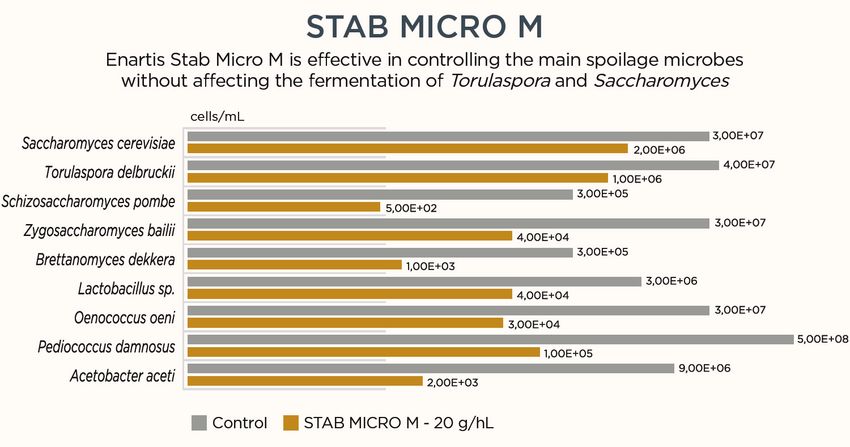
1. CIDER TESTING
High quality cider making greatly benefits from understanding the chemistry of juice prior to fermentation as well as monitoring
certain analytical parameters throughout the cider making process – from reception and processing of fruit and juice,
throughout fermentation, post-fermentation into maturation and prior to bottling. Each parameter has specific target values
that are essential to craft a high-quality product which is stable over time until consumption.

FERMENT CIDER TESTING SERVICES
We have been testing cider for many years at our partner company Vintessential Laboratories and have a wealth of experience
in assisting cider makers in producing the best cider they can. Some of the tests we offer are listed below:

Alcohol by NIR - Code: 65A020                                        Glucose and Fructose - Code: 65G010

Alcohol content is important for labeling purposes, as well          These are the main fermentable sugars in juice. Test
as for stability reasons. The lower the alcohol content, the         results are usually reported as the total of these two
more sensitive to spoilage the cider will be. This NIR (Near         parameters. However, they may also be reported
Infrared Reflectance) test is suitable for all ciders.               separately in certain circumstances, for example when
                                                                     investigating sluggish or “stuck” ferments.
60 mL of sample required. If using a 50 mL sample bottle,
simply fill to top to obtain 60 mL sample.                           10 mL of sample required.

Alcohol by Distillation & NIR - Code: 65A031                         Iron - Code: 65I040

Distillation is the internationally recognised reference             Iron is utilised as a catalyst by polyphenol oxidase enzymes
method for the determination of alcohol content and is               such as laccase and tyrosinase to enzymatically oxidise
particularly important for distilled products such as                phenols in cider, leading to premature browning. In
cider brandy.                                                        canning, low iron levels are extremely important to ensure
                                                                     long shelf-life of packaged product. This trace metal can be
500 mL of sample is required.                                        measured to very low levels by ICP-OES.

                                                                     Lactic Acid Bacteria Culture – Direct Plating
Acetic Acid - Code: 65V050                                           Code: 65C015
Acetic acid can be produced by yeast, spoilage
                                                                     Lactic acid bacteria (LAB) are unwanted in finished cider
microorganisms and oxidation reactions. If above 0.8 g/L it
                                                                     and can produce off flavours. For unfiltered or barrel
can have a detrimental perception to the quality of cider.
                                                                     samples the sample is applied directly to selective media
This test has been done traditionally by distillations and is
                                                                     and plate colonies counted. Results are expressed as cfu/
also known as Volatile Acidity. This test is done in our labs
                                                                     mL (colony forming units per mL). All plating is conducted
by enzymatic testing.
                                                                     under strict quality assurance protocols.

                                                                     10 mL of sample required.
Calcium - Code: 65C010

Determine the amount of Calcium present in your cider.               Lactic Acid Bacteria Culture
                                                                     Membrane Filtration - Code: 65C035

Copper - Code: 65C040                                                Lactic acid bacteria (LAB) are unwanted in finished cider
                                                                     and can produce off flavours. As micro-organisms in a
Copper is utilised as a catalyst by polyphenol oxidase               sample are concentrated by filtration this technique is a
enzymes such as laccase and tyrosinase to enzymatically              better way to go for low levels of microbes. Any microbes
oxidise phenols in cider, leading to premature browning.             caught in the filter are then cultured. Results are expressed
In canning, low copper levels are extremely important to             as cfu/mL (colony forming units per mL).
ensure long shelf-life of packaged product. This trace metal
can be measured to very low levels by ICP-OES.                       750 mL of sample required.

  4     Ferment - Cider Handbook 2020
Lactic Acid Bacteria by PCR - Code: 65L50                      3.3 and 3.7, which is one of the reasons a blend of different
                                                               apples is key to the final balance in quality ciders.
Lactic acid bacteria (LAB) are unwanted in finished cider
and can produce off flavours. Using the much faster PCR        50 mL of sample required.
technique results can be obtained within a day compared
with up to ten days for the traditional plating technique.
                                                               Post-bottling Sterility Check - Code: 65S050

Malic Acid - Code: 65M020                                      A portion of cider is aseptically filtered to concentrate
                                                               any micro-organisms, which are then grown on selective
Malic acid is the main organic acid present in cider. It       media to confirm the presence of any yeasts and moulds,
contributes to mouthfeel and organoleptic profile of cider.    Brettanomyces, Acetic Acid Bacteria or Lactic Acid Bacteria
Additionally, it can be metabolized by lactic acid bacteria
to produce lactic acid, a softer textured acid. Malolactic     375 mL bottle off the bottling line is required.
fermentation (MLF) can be desirable to increase softness,
roundness and creaminess, often found in barrel-aged
ciders, although it can be considered undesirable. This
                                                               Post-bottling Cider Bundle
enzymatic test can be used to measure malic acid levels in
juice to allow for any future acid corrections if malolactic   Code: 65Z030
fermentation (MLF) is contemplated, or to assess whether
MLF has been completed in a cider. Completion of MLF is        Ensure that the consistency and quality of your cider
considered to be a malic acid level of below 0.05 g/L.         meets your high standards.

10 mL of sample required.                                      Includes all the information you need to prepare your cider
                                                               prior to bottling, grouped into one bundle.

                                                               Includes:
Manganese, Copper and Iron - Code: 65M041                      •    Alcohol
                                                               •    G&F&S
These compounds are utilized by enzymes such as laccase
                                                               •    Sterility
and tyrosinase to enzymatically oxidize phenols in cider
                                                               •    pH
leading to premature browning. Low levels are extremely
                                                               •    F&T SO2
important to ensure the long shelf-life of packaged
product. These trace metals can be measured to very low        2 x 375 mL required.
levels by ICP-OES.

50 mL of sample required.                                      Potassium - Code: 65P051

                                                               Determine the amount of Potassium present in your cider.
Methanol - Code: 65M060

Although usually not an issue in fermented beverages,          Pre-bottling Cider Bundle
methanol in distilled drinks is very important to monitor as
methanol (also known as wood alcohol) is very toxic with       Code: 65Z020
many deaths reported worldwide from poor quality spirits.
Cider brandy, as a distilled product, can and should be        All the information you need to prepare your cider prior to
tested for this nasty natural product.                         bottling, grouped into one bundle.

                                                               Includes:
                                                               •    Alcohol
pH - Code: 65P030                                              •    Glucose, Fructose and Sucrose
                                                               •    Acetic Acid
pH has an important impact on microbial and oxidative          •    Sterility
stability, and the organoleptic profile of apple juice and     •    pH
cider. pH greatly impacts the texture and balance of ciders,   •    F&T SO2
especially with varying degrees of sweetness. Lower pH
conditions help prevent development of spoilage microbes       2 x 375mL required.
due to more effective microbial protection from SO2 at
lower pH levels. At the juice stage, pH is usually between

                                                                                           Ferment - Cider Handbook 2020   5
Specific Gravity - Code: 65S065                                 and can be measured to very low levels and are normally
                                                                reported in ppm (parts per million). Other metals can
Also known as relative density, Specific Gravity is the ratio   also be measured in cider, please enquire if you have any
of the density of dissolved sugar to the density of water in    others of interest.
cider. Measuring the specific gravity at the beginning and
end of fermentation can assist in calculating the               50 mL of sample required.
cider ABV %.

250 mL of sample required.
                                                                Turbidity - Code: 6T080

                                                                Turbidity is an important measure of the visual quality of
Free Sulfur Dioxide - Code: 65S085                              cider. Unless the cider is intended to be cloudy, turbidity
                                                                levels at bottling should be under 2 NTU.
The Sulfur dioxide content of beverages is one of the most
important parameters to know. Maintaining appropriate
levels of Free SO2 will help prevent spoilage and protect
                                                                Volatile Acidity (VA) - Code: 65V050
from oxidation reactions.
                                                                Refer to Acetic Acid above.
50 mL of sample required.

                                                                Yeast Assimilable Nitrogen (YAN) - Code: 6Y020
Free and Total Sulfur Dioxide - Code: 65S087
                                                                Yeast Assimilable Nitrogen (YAN) is used to assess the
Once SO2 is added to cider it will form different
                                                                nutritional status of juice, and can assist in planning
compounds. It will either exist as Molecular SO2, Free SO2
                                                                appropriate additions of nutrients to minimise the
or Bound SO2. It is important to know how much SO2 has
                                                                possibility of a stuck ferment. A successful fermentation
bound to other compounds in the cider and therefore
                                                                requires 100 – 200 mg/L of YAN. Insufficient or too
knowing the Total SO2 (Free SO2 + Bound SO2)
                                                                high levels of YAN may cause stress to yeast, affecting
is necessary.
                                                                fermentation kinetics and leading to the production of off-
                                                                flavours such as hydrogen sulfide (H2S). YAN is the sum of
50 mL of sample required.
                                                                Amino Acid Nitrogen (AAN) and Ammonia Nitrogen (AN).
                                                                Note: juice samples should be dosed with sulfur dioxide
                                                                and frozen prior to dispatch to prevent fermentation.
Titratable Acidity (TA) - Code: 65T020
                                                                10 mL of sample required.
Titratable acidity is a measure of the organic acids in cider
and has an important impact on balance and taste. It is
expressed as g/L of malic acid and levels vary between
                                                                Yeast & Mould by Direct Plating - Code: 65Y045
3-8 g/L. The sample is titrated to a pH 8.2 end-point with
standard alkaline solution.
                                                                For unfiltered or barrel samples. A 1mL volume is applied
                                                                directly to a general media to confirm the presence of any
50 mL of sample required.
                                                                yeasts and moulds, and Acetic Acid Bacteria.

                                                                10mL of sample required.
Total Soluble Solids (TSS) - Code: 65S051

An estimate of the sugar concentration of juice can be
                                                                Yeast, Mould and Bacteria Culture
determined by hydrometry or refractometry. Results are
usually expressed in Brix or Baumé units.                       By Direct Plating - Code: 65C025

250 mL of sample required.                                      For unfiltered or barrel samples. The sample is applied
                                                                directly to selective media and plate colonies counted.
                                                                Results are expressed as cfu/mL (colony forming units
                                                                per mL). All plating is conducted under strict quality
Trace Metals Bundle - Code: 65M050                              assurance protocols.
We can provide a full metal profile for Calcium, Copper,
                                                                10 mL of sample required.
Iron, Potassium and Sodium. This is done by ICP-OES

  6     Ferment - Cider Handbook 2020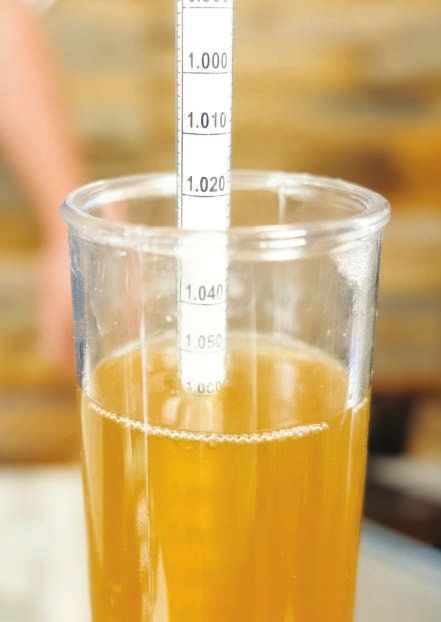
Yeast & Mould by Filtration Culture - Code 65Y050

For unfiltered or barrel samples. The sample is applied
directly to selective media and plate colonies counted.
Results are expressed as cfu/mL (colony forming units
per mL). All plating is conducted under strict quality
assurance protocols.

PATH TO QUALITY
                                                       JUICE   POST-FERMENTATION   PRE-BOTTLING         POST-BOTTLING

 Alcohol by NIR

 Alcohol by Distillation & NIR

 Acetic Acid

 Calcium

 Copper and Iron

 Glucose + Fructose

 Lactic Acid Bacteria Culture – Direct Plating

 Lactic Acid Bacteria Culture – Membrane Filtration

 Malic Acid

 Manganese, Copper and Iron

 Methanol

 pH

 Post-bottling Sterility Check

 Potassium

 Specific Gravity

 Free Sulfur Dioxide

 Free and Total Sulfur Dioxide

 Titratable Acidity (TA)

 Total Soluble Solids (TSS)

 Trace Metals Bundle

 Turbidity

 Volatile Acidity (VA)

 Yeast Assimilable Nitrogen (YAN)

 Yeast & Mould by Direct Plating

 Yeast, Mould and Bacteria Culture by Direct Plating

 Yeast & Mould by Filtration Culture

 Post-bottling Cider Bundle

                                                                                       Ferment - Cider Handbook 2020    7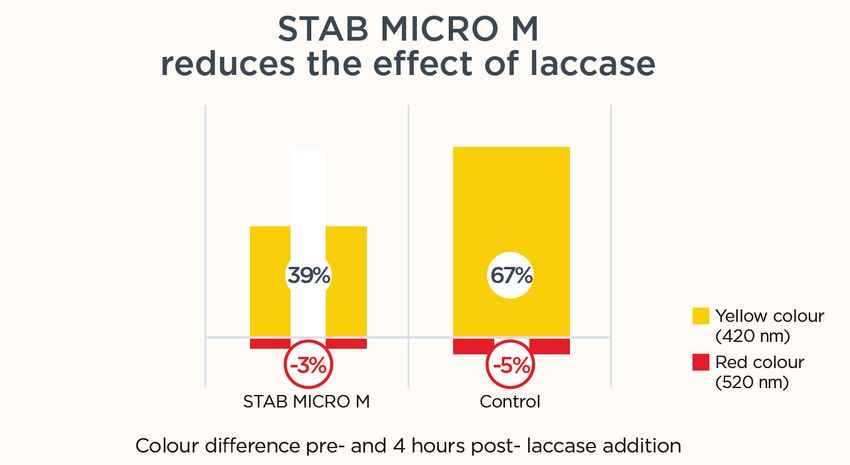
THE EASYTEST SAMPLE SYSTEM
Use the Free EasyTest Sample System to send your samples to your nearest laboratory. This system has been designed to make
sending test samples simple, while protecting your sample integrity.

The EasyTest Sample Kit includes:

•       50mL sample vials
•       Pre-printed test selection labels
•       Pre-printed Reply Paid Address labels

Enquire about a FREE EasyTest Sample Kit
Call 1300 30 22 42 or email info@ferment.com.au

HOW TO USE THE EASYTEST SAMPLE SYSTEM:

1. Fill Sample Vial

•       Fill the sample vial, close the lid firmly and check for leaks. If leaks occur, some adhesive tape around the top can help.

•       For a number of different tests on one sample, more than one vial may be required. Sample size is noted in each test. For
        some testing it may be necessary to send a full bottle or can.

•       Fermenting Samples: The sample vials are rated to 2 bar pressure. To ensure your sample’s integrity, do not send cider that
        is fermenting! If necessary, add SO2 to stop the fermentation.

2. Select Test Required

•       Write sample details onto pre-printed test selection label, tick the test/s required, and stick to vial.

•       If you do not have enough labels, or need more space, you can include a note with your samples, or contact us.

3. Sending Samples

•       Pack samples securely – padded envelopes or foam boxes are recommended.

•       If sending more than one package, tape them together to ensure they arrive together.

•       Australia Post have requested that customers do not send glass containers unless in a foam pack. If a breakage does occur
        then Australia Post will hold the sender liable for damage to any other postal items.

To obtain FREE transport of your samples to our nearest laboratory call 1300 30 22 42.

    8      Ferment - Cider Handbook 2020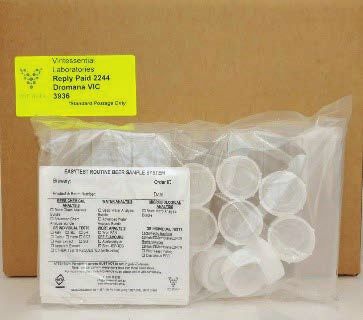
2. LABORATORY SUPPLIES
Below is a small selection of the laboratory supplies that we stock and can supply them to you the
same day that you place an order.

   ITEM CODE                                 DESCRIPTION

     1B400          Buffer, pH 4, 500 mL
     1B700          Buffer, pH 7, 500 mL
     2C001          Carbodoseur Dujardin Salleron
     2D040          Discrete Analyser Chemwell T
     1P135          Electrode Storage Solution, Potassium chloride, 3M, 125mL
     2E010          Electrode, pH, Double Junction, BNC plug
     4A190          Free Sulfur Dioxide 30 Test Kit
     2H330          Hydrometer, Brix, 0-30
     2H300          Hydrometer, Brix, -2 to +8
     2J550          Jug, plastic, 5L
     2K100          Kimwipes
     2M220          Measuring cylinder, 100ml - Class B Glass
     2M224          Measuring cylinder, 100ml - Polypropylene
     2M510          Meter, AQUA-pH
     2M520          Meter, pH, Cube
     2P303          Pipette, 3ml, Plastic, 20pk
     2R510          Refractometer, HH, Brix,0-32
     2R509          Refractometer, HH, Brix/Baume Dual Scale
     2S120          Spectrophotometer V-120 Visible
     4S710          Sulfur Dioxide Starter Pack
     2T105          Thermometer -10/+50, 0.5grad

                                                                                              Ferment - Cider Handbook 2020   9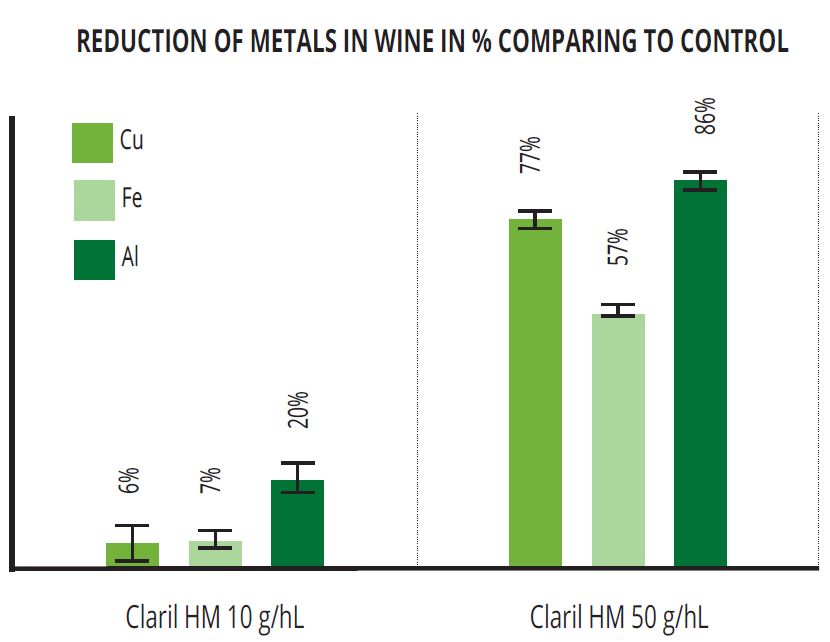
10 Ferment - Cider Handbook 2020
ANALYSERS: SPECTROPHOTOMETERS AND DISCRETE ANALYSERS
To enable you to do lots of your own testing we provide top quality analysers. We use these instruments in our laboratories so
we can provide you with superior back up support when needed.

Vintessential Spectrophotometer V-120 Starter Pack - Code: 4S120

Starter Pack includes:

•   1 x Vintessential Visible Spectrophotometer V-120
•   FREE: 1 x Vintessential Enzymatic Malic OR Glucose & Fructose x 30 Test Kit of your choice
•   1 x Transferpette® S, 10µl
Vintessential Visible Spectrophotometer V-140 - Code: 2S140

The V-140 visible spectrophotometer is a single beam, general purpose instrument ideal for various applications
including cider analysis.

Features:

•        Wavelength range of 325nm to 1000nm
•        Large LCD display
•        Wavelength auto setting
•        Tungsten lamp can be turned on/off
•        Pre-aligned design for easy lamp replacement
•        Large sample compartment

Vintessential UV Visible Spectrophotometer UV-120 - Code: 2S125

Covering the full spectrum from Ultra Violet to Visible allows all spectrophotometric analysis to be carried out with this one unit,
including enzymatic and colorimetric assays, as well as cider and grape colour and tannin analysis.

The Vintessential UV-120 Spectrophotometer is a single beam, general purpose instrument, ideal for use in ciderry laboratories.

Features:

•        Wavelength range of 200nm – 1000nm
•        Large LCD display
•        Wavelength auto setting
•        Save test results, display group data and standard curves
•        Tungsten halogen and Deuterium lamps can be turned on/off individually
•        Pre-aligned design ensures easy lamp replacement

Vintessential Chemwell Discrete Analyser - Code: 2D050

The completely automatic way to perform hundreds of cider analyses in an hour.
Built in the US and the popular choice for American ciderries, the Vintessential ChemWell discrete analyser has been
re-programmed for dedicated use with our test kits.

Smart Software

The software automatically manages each assay separately so that multiple assays can be processed on the same plate even if
they have different timings, reagents and reading modes.

Technical Features
Capacity
Samples: Removable rack holds 96 serum vials or 12x75mm tubes, with on-board pre-dilution
Reagents: Standard Racks hold 27 to 44 bottles, with assorted custom rack available
Reaction Plate: Standard 96-well microplates or strip trays

Optical Performance
Linear Range: 0.0 to 3.0A
Filters: Long life IAD
Wavelengths: 340, 405, 450, 505, 545, 600, 630, 700 or custom

    12      Ferment - Cider Handbook 2020
Liquid Handling
Volumes: From 2uL to 1.95mL with precision better that 2% CV, single and multi-dispense
Probe: Detects liquid surface. Automatic washing and rinsing
Strip Washer: 8-probe manifold. Two wash buffers on board
Calculation Modes
Single and multi-calibrator Curve storage
Linear and point-to-point Curve editing
Linear and non-regressions Levey-Jennings plots
Logit, cubic spline Cut-off calculations
Physical
Dimensions: 86cm W x 51cm L x 40cm H. Approx. Weight = 35kg
Power: 100-250VAC, 50-60 Hz
Connectivity:USB port and cable supplied
Vintessential Chemwell-T Discrete Analyser - Code: 2D040
The Vintessential ChemWell-T is a compact and efficient automated chemistry analyser, offering the cider maker reliable
performance and accurate results. Built in the US, it has been re-programmed for dedicated use with Vintessential Test Kits: the
only ones made in our own laboratories exclusively for the cider industry.
Smart Software
Vintessential Test Kit methods are pre-programmed, including reagent and calibrator definitions and test flows
Technical Features
Capacity
Samples: Typically 20 including calibrations and controls on the standard integrated rack
Reagents: Maximum of six 15ml bottles; six 8ml bottles; sixteen 4ml bottles
Optical Performance
Linear Range: 0.0 to 3.0A
Wavelengths: 340, 405, 505, 545, 580, 630
Liquid Handling
Volumes: From 2uL to 400uL
Capabilities: Dilution; pre-dilution; dispensation of single or multiple reagents
Physical
Dimensions: 53cm Width x 50cm Depth x 40cm Height.
Approx. Weight: < 15kg
Ferment - Cider Handbook 2020 13TEST KITS
These Vintessential test kits are made by us in Australia and are the popular choice for use with any spectrophotometer or
Discrete Analyser.
Ammonia Test Kit for Discrete Analysers Enzymatic Test Kit: Acetic Acid 30 or 100 Tests
Code: 4B120 Code (30): 4A100 | Code (100): 4A105
Ammonia is found in both grape juice and cider. It is an This kit has been designed to work perfectly with our new
important nutrient for yeast during primary fermentation. Chemwell Discrete Analysers and spctro (and Thermos Arena
and Gallery Analysers). All the volumes are set to run out at
The Yeast Assimilable Nitrogen (YAN) content of the juice can the same time, so you won’t suffer any wastage.
be determined by adding the Ammonia Nitrogen (AN) content
to the Primary Amino Acid Nitrogen (PAAN) content. Acetic acid can indicate spoilage in cider and is limited by
regulation in most cider-producing countries.
In cider, it can be determined enzymatically by monitoring the
Combined Standards Kit for Discrete Analysers reaction that produces NADH. The amount of NADH formed
Code: 4C100 is measured at 340 nm and is stoichiometrically related to the
amount of acetate consumed.
This kit contains six vials of varying concentrations of the main This product requires the use of a spectrophotometer
cider components analysed enzymatically. The 6 calibration or Discrete Analyser.
solutions in the kit each contain the following compounds:
D-Glucose & D-Fructose, concentrations ranging from 0g/L to 20g/L
L-Malic Acid, concentrations ranging from 0g/L to 3g/L Enzymatic Test Kit: Ammonia 30 Tests
Acetic Acid, concentrations ranging from 0g/L to 2g/L
Code: 4A120
Ammonia is found in both grape juice and cider. It is an
Enzymatic Test Kit: D-Glucose /D-Fructose important nutrient for yeast during primary fermentation.
30 or 100 Tests The amount of NADH consumed is measured at 340 nm and is
Code (30): 4A140 | Code (100): 4A145 stoichiometrically related to the amount of ammonia present.
The Yeast Available Nitrogen (YAN) content of the juice can be
This kit has been designed to work perfectly with our new determined by adding the Ammonia Nitrogen (AN) content to
Chemwell Discrete Analysers (and Thermos Arena and Gallery the Primary Amino Acid Nitrogen (PAAN) content.
Analysers). All the volumes are set to run out at the same time,
This product requires the use of a spectrophotometer
so you won’t suffer any wastage. or Discrete Analyser.
As the main sugars found in grape juice and cider, glucose
and fructose can be determined enzymatically by using this
spectrophotometric assay.
Enzymatic Test Kit: Citric Acid 30 Tests
This product requires the use of a spectrophotometer Code: 4A126
or Discrete Analyser.
Citric acid may be used at the final stages of cidermaking to
make minor adjustments to acid levels without affecting the
bitartrate stability of the cider.
In cider, it can be determined enzymatically by monitoring
a reaction that consumes NADH. The amount of NADH
consumed is measured at 340 nm and is stoichiometrically
related to the amount of citric acid present.
This product requires the use of a spectrophotometer
or Discrete Analyser.
14 Ferment - Cider Handbook 2020Enzymatic Test Kit: D-Gluconic Acid 30 Tests Free SO2 Test Kit for Discrete Analyser
Code: 4A130 Code: 4B190
Gluconic acid is a non-volatile organic acid produced in apples
Sulfur dioxide is used as a preservative in cider and there
when certain bacteria and mould (especially Botrytis cinerea)
are restrictions limiting the amount that can be added in
cause glucose to oxidise. This simple test is performed with a
most cider producing countries. This test kit is a fast and
spectrophotometer to provide an accurate result in real units
easy way to determine the amount of free sulfur dioxide
of grams per litre.
in cider samples, without the need for the laborious setup
associated with traditional methods. Additionally, unlike some
This product requires the use of a spectrophotometer
other commercial products this test kit does not contain
or Discrete Analyser.
formaldehyde, which is a known carcinogen.
This product requires the use of a spectrophotometer
Enzymatic Test Kit: L-Lactic Acid 30 Tests or Discrete Analyser.
Code: 4A150
L-lactic acid is produced by lactic acid bacteria. Levels of Free Sulfur Dioxide 30 Test Kit
L-lactic acid in ciders may be monitored during
Code: 4A190
malolactic fermentation, or to detect undesirable
contamination by this bacterium.
Sulfur dioxide is used as a preservative in cider and there are
L-Lactic acid levels can be determined enzymatically by using restrictions limiting the amount that can be added in most
this spectrophotometric assay. cider producing countries. This test kit is a fast and easy way to
determine the amount of free sulfur dioxide in cider samples,
This product requires the use of a spectrophotometer without the need for the laborious setup associated with
or Discrete Analyser.
traditional methods. Additionally, unlike some other
commercial products this test kit does not contain
Enzymatic Test Kit: L-Malic Acid 30 or 100 Tests
formaldehyde, which is a known carcinogen.
Code (30): 4A160 | Code (100): 4A165
For this Test Kit semi-micro cuvettes are required.
Malolactic fermentation occurs in cider when MLF bacteria
convert malic acid to lactic acid. This spectrophotometric
assay accurately determines the levels of malic acid to monitor Primary Amino Acid Nitrogen Test Kit
progress and ensure conversion is complete.
for Discrete Analysers
This product requires the use of a spectrophotometer Code: 4B110
or Discrete Analyser.
During fermentation of grape juice, yeasts require nitrogen
as a nutrient, with a portion provided by primary amino
Enzymatic Test Kit: Sucrose + D-Glucose + acids. This test kit is suitable for measuring the Primary
Amino Acid Nitrogen (PAAN) content in grape juice and
D-Fructose, 30 Tests
non-fermenting must.
Code: 4A180
For all ciders made with added sucrose (sparkling ciders, as Test Kit: Primary Amino Acid Nitrogen 30 Tests
well as table ciders in those countries where chaptalisation
Code: 4A110
is permitted), it is important to invert it before measuring
residual sugar. This kit enables you to measure sugars easily.
During fermentation of grape juice, yeasts require nitrogen as
This product requires the use of a spectrophotometer a nutrient, with a portion provided by primary amino acids.
or Discrete Analyser. This test kit is suitable for measuring the primary amino acid
nitrogen content in grape juice and non-fermenting must.
Ferment - Cider Handbook 2020 15Total Sulfur Dioxide 30 Test Kit Code: 4A200 Sulfur dioxide is used as a preservative in cider and there are restrictions limiting the amount that can be added in most cider producing countries. This test kit is a fast and easy way to determine the amount of total sulfur dioxide in cider samples, without the need for the laborious setup associated with traditional methods. For this Test Kit semi-micro cuvettes are required. Yeast Assimilable Nitrogen (YAN) Test Kit Code: YANKit This is a combination of the Ammonia and Primary Amino Acid Nitrogen tests. Measuring YAN is the only way to determine the amount of available nitrogen in juice accurately prior to fermentation, allowing you to adjust your levels by adding DAP or other nutrients. This product requires the use of a spectrophotometer or Discrete Analyser. Yeast Assimilable Nitrogen Calibration Standards Code: 4C200 (for Amino Acid Nitrogen & Ammonia Discrete Analyser Kits) This kit contains 8 standards for the measurement of Yeast Assimilable Nitrogen (YAN) content of juices on automated discrete analysers. Used together these standards are suitable for the calibration of Vintessential test kits 4B110 Primary Amino Acid Nitrogen for Discrete Analysers 500 tests and 4B120 Ammonia kit for Discrete Analysers 500 tests. 16 Ferment - Cider Handbook 2020
Ferment - Cider Handbook 2020 17
3. CIDER MAKING PRODUCTS
PROCESSING FRUIT AND JUICE ENZYMES
Using pectolytic enzymes on milled apples prior to pressing increases juice extraction rates, especially for cold storage apples
with high pectin level due to the breakdown of cellular walls. After pressing, it is important to apply clarification enzymes to
improve settling and dramatically improve filterability. Pectins make up 1-1.5% of total solids in apple juice and are usually
the cause of difficult clarification and pre-bottling filtration issues. Glucans, formed by microbial colonies, are chained
polysaccharides which negatively impact filtration and clarification, and require β-glucanase enzymes to cut the bonds to
allow for removal.

    WHEN SHOULD ENZYMES BE ADDED?                                           HOW DO I DECIDE WHAT DOSAGE
    Enzymes are most effective when added to juice before or during         OF ENZYME TO USE?
    fermentation, where they will also benefit from the elevated            Enzymes perform at an optimal combination of temperature,
    fermentation temperature to break down pectins, glucans,                dosage rate and contact time. Dosage is related to the desired
    cellulose and hemicellulose.                                            effect, contact time, temperature and inhibiting factors.

    WHAT ARE THE DIFFERENCES BETWEEN POWDERED                               HOW DOES TEMPERATURE AFFECT
    AND LIQUID FORMS OF ENZYMES?                                            ENZYMATIC ACTIVITIES?
    Powdered enzymes are easy to store, have a long shelf life with         Most enzymes are denatured at temperatures above 60°C (140°F)
    limited risk of contamination and require no preservatives. Liquid      and inactivated at temperatures below 5°C (40°F). Enzymes work
    enzymes are convenient to use and dose, however require cold            optimally at warmer temperatures and well at cellar temperatures
    storage and have a shorter shelf life due to possible microbiological   between 59-86°F (15-30°C), however lower temperatures (less
    contamination after opening.                                            than 59°F) can decrease enzymatic activity and require additional
                                                                            contact time or higher dosage rates to complete the breakdown
                                                                            of pectins.

ENZYMES
                                                      IMPROVES
EnartisZym RS                                         FILTRATION            EnartisZym RS(P)

•        Liquid pectolytic enzyme with hemicellulasic and other side        •    Micro-granulated powdered pectolytic enzyme with
         activities to break down the “hairy zone” of pectins                    hemicellulasic and other side activities to break down
•        Intense and rapid depectinization reaction                              the “hairy zone” of pectins
•        Reduces solids content and improves                                •    Intense and rapid depectinization reaction
         filtration dramatically                                            •    Reduces solid content and improves filtration

Applications: Prior to fermentation in juice and post                       Applications: Prior to fermentation in juice and post
fermentation in difficult to clarify ciders.                                fermentation in difficult to clarify ciders.
Dosage: 3-6 mL/hL for juice and cider                                       Dosage: 3-6 g/hL for juice and cider
1 Kg                                                                        0.1 Kg

EnartisZym Arom MP                                                          EnartisZym EzFilter

•        Micro-granulated pectolytic enzyme preparation developed           •    Liquid enzyme preparation with pectolytic activity
         to increase aromatic compound extraction, increase press                (polygalatturonase, pectinesterase and pectin lyase, produced by
         extraction and improve juice clarification                              a selected strain of Aspergillus níger and betaglucanase activity
•        Contributes to protein stabilization                                    obtained from Tricoderma harzianum.
                                                                            •    Improves the filterability of juice and cider thanks to its ability to
Applications: Sprayed onto milled apples prior to pressing                       hydrolyze pectins and polysaccharides such as glucans.
to increase extraction of juice.
Dosage: 20-50 g/ton                                                         Applications: Prior to fermentation in juice and post
0.25 Kg                                                                     fermentation in difficult to clarify ciders.
                                                                            Dosage: 3-6 mL/hL for juice and cider
                                                                            1 Kg

    18      Ferment - Cider Handbook 2020
FERMENTATION
The choice of yeast is critical for the final quality of cider. In addition to ensuring complete conversion of sugar into alcohol,
the selected yeast has an impact on aromatics, mouthfeel and flavor profile. Among the Enartis yeast portfolio, these yeast
strains have been selected for cider production. While ensuring clean and complete fermentations, these yeast strains produce
appealing aroma and flavor profiles.
YEAST
BEST
EnartisFerm WS SELLER EnartisFerm ES181
Considered one of the most robust California yeast strains. Yeast strain with dual ability to express thiols (ß-lyase activity and
Guarantees complete and clean fermentations even in challenging produce high content of esters. Expresses thiol precursors (grapefruit,
conditions. Respects cultivated variety characters, increases freshness tropical fruit, and passion fruit and produces intense cultivar aromas.
and fruit expression, and produces round cider with a balanced Good fermenter at low temperatures and in reductive conditions. Low
mouthfeel. Low producer of H2S. producer of H2S, medium nutritional requirements.
Dosage: 20-40 g/hL Dosage: 20-40 g/hL
0.5 Kg 0.5 Kg
BEST
EnartisFerm Perlage SELLER EnartisFerm Q Citrus
Yeast selected for the production of traditional method sparkling Yeast strain with dual ability to express thiols (ß-lyase activity and
ciders. Produces refined aromas, clean fermentations in difficult produce high content of esters. Expresses thiol precursors (grapefruit,
conditions and complex ciders with elegant aromatics. Ferments well tropical fruit, and passion fruit and produces intense cultivar aromas.
at lower temperatures, low nutritional requirements and minimal H2S Good fermenter at low temperatures and in reductive conditions. Low
production in must/juice with insufficient YAN. producer of H2S, medium nutritional requirements.
Dosage: 20-40 g/hL Dosage: 20-40 g/hL
0.5 Kg 0.5 Kg
WS is reliable in all fermentations, even on the most difficult ones.
It is a concentration of quality and efficiency in every aspect.
Matteo Corazzola, Cider Producer at L.M. di Maria Lucia Melchiori & C (Italy)
Ferment - Cider Handbook 2020 19AROMATIC CIDER FERMENTATION PROTOCOL
VARIETY TYPE OF CIDER
Heirloom or Modern Apple Aromatic Cider Production
PROBLEM(S) OBJECTIVE
Cider fermentations can be controlled to promote aromatic and vibrant ciders through minimizing
Fermentation oxidation, selecting aroma producing yeast, providing sufficient nutrition throughout and managing
Off Aromas microbial contamination with Stab Micro M. To limit production of off-aromas, it is important to stagger
Hydrogen Sulfide nutrient additions both at inoculation and again at 1/3 fermentation, which has been shown to decrease
hydrogen sulfide production. Analysis throughout production stages help build consistency.
CIDER MAKING OBJECTIVE ENARTIS RECOMMENDATIONS DOSAGE
Microbial EnartisStab Micro M: Pre-activated chitosan, purified yeast hulls. Reduce spoilage
10 g/hL
Protection microbes like Brettanomyces, Acetobacter, Lactobacillus and Pediococcus
Juice Transfer EnartisZym RS: Enzyme for clarification and to aid filtration. Focused pectinase,
Clarification 5 mL/hL
to Fermenter polygalacturonase, cellulase and hemicellulase side activities
EnartisTan Blanc: Gallic tannin for protection from oxidation and to aid
Tannin 10 g/hL
clarification and filtration
Nutriferm Arom Plus: Aroma enhancement during primary fermentation.
Complex Nutrient 20 g/hL
Strengthen yeast to minimize off aromas and enhance aroma production
Inoculation
EnartisFerm WS: Clean fermentation across cider styles, increased cultivated
Yeast 20 g/hL
apple variety aroma
Nutriferm Advance: Nutrient providing complete nitrogen balance to reduce
Fermentation
1/3 Sugar Depletion
Nutrient
H2S production, provide detoxifying survival factors and ensure 20 g/hL
complete fermentation
5-9 g/hL will
Winy: Pure, high quality potassium metabisulfite. Microbial and
add 30-50
oxidation protection
ppm SO2
Antioxidant
7-13 g/hL will
Effergran: Effervescent granulated potassium metabisulfite. Requires zero tank add 30-50
Post Fermentation mixing after addition! ppm SO2
5-20 g/hL
EnartisStab Micro M: Removes spoilage microbes such as Brettanomyces,
Microbial Maximum
Acetobacter, Lactobacillus and Pediococcus. Helps boost aromatics and protect
Protection addition
until packaging
20 g/hL
20 Ferment - Cider Handbook 2020YEAST NUTRITION
The understanding of nutritional requirements for yeast is fundamental to accomplish successful fermentations and prevent
stuck fermentations. Managing nutrient requirements allows for regular and complete fermentations, as well as minimizing
sulfur compound production, such as H2S, while enhancing positive sensory qualities. Enartis recommends a two-step nutrient
addition; providing amino acids and micro-nutrients at inoculation and inorganic nitrogen with survival factors at
1/3 sugar depletion.
See our presentation from CiderCon 2019 or watch one of our webinars on our website
for more information about yeast nutrition and cider production!
WHAT ARE THE NUTRITIONAL NEEDS OF YEAST? WHAT IS THE YAN CONTRIBUTION OF DAP?
Yeast Assimilable Nitrogen (YAN), vitamins (thiamine) and mineral 10 g/hL of DAP represents 20 mg/L of YAN.
salts (Mg, Zn) are essential for yeast activity. Additionally, sterols
and long-chain unsaturated fatty acids are elements which protect WHAT IS THE IMPACT OF INSUFFICIENT YAN?
yeast and help them to survive in stressful conditions. The quantity Nitrogen deficiency often results in stuck or sluggish fermentations
and quality of these compounds play an essential role in yeast and off-flavor production. Low YAN levels can induce stress on
metabolism, fermentation kinetics and the organoleptic profile yeast cells and significantly reduce their performance. It can
of cider. cause insufficient yeast population, reduction of sugar transport,
premature interruption of yeast metabolism and the unwanted
WHAT IS YEAST ASSIMILABLE NITROGEN (YAN)? production of off-flavors and H2S.
YAN is the sum of ammonium ions and alpha amino acids (except
proline). Yeast use nitrogen to build proteins, cell wall components, WHAT IS THE RISK OF HAVING TOO MUCH YAN?
enzyme synthesis, for growth and sugar transport. Ammonium ions High YAN levels (>350 mg/L) lead to overpopulation of yeast which
are quickly and preferentially assimilated by yeast. Amino acids are depletes must of nutrients, increases stress conditions and the
used by yeast as a source of nitrogen and aromatic precursors to production of undesirable characteristics such as higher alcohols,
synthesize higher alcohols, esters and acetates. H2S or urea (precursors of ethyl carbamate). High YAN, as well as
late nitrogen addition, can cause microbiological issues (residual
WHAT ARE THE SOURCES OF NITROGEN IN APPLES? nitrogen) and stuck fermentations.
Fruit provides nitrogen in the form of proteins, peptides, alpha
amino acids and ammonium ions, though to a lesser degree WHEN IS THE BEST TIME TO ADD NUTRIENTS?
than apples. Nutrient strategies for fresh pressed juice can Timing and form of nitrogen supplementation are important to
differ significantly from the strategies required for cider made manage a successful fermentation. During growth phase, yeast
from apples, processed juice (clarified, pasteurized, etc) or need amino acids, vitamins and minerals to build up biomass
cider made from concentrate. Clarified juice and juice from and healthy cells resistant to stress. Yeast assimilation of amino
concentrate will always have lower nutrient levels than their acids is inhibited by the presence of ethanol and ammonium
fresh pressed counterparts. ions. To optimize yeast nutrition, we recommend an addition of
amino acids, such as Nutriferm Energy or Nutriferm Arom Plus
HOW MUCH YAN IS NEEDED? at inoculation, when yeast metabolism is not affected. At 1/3 of
The range of YAN can vary depending on vintage conditions, fermentation, yeast become stressed, their activity is reduced
culture practices and selection of cultivated varieties. Generally, to and their nitrogen assimilation limited. To complete fermentation
build-up a sufficient yeast biomass for fermentation, a minimum and increase their alcohol resistance, yeast need survival factors,
YAN of 100 mg/L is required. The initial sugar content (°Brix) and oxygen, detoxifying agents and ammonia contained in Nutriferm
initial YAN of juice are essential to determine the proper nutrition Advance or Nutriferm Gradual Release.
supplementation. The higher the initial sugar concentration, the
more YAN is required to complete fermentation.
Ferment - Cider Handbook 2020 21YEAST NUTRITION GUIDELINES
CIDER MAKING STAGE YANDESIGNING AROMAS, FLAVORS AND MOUTHFEEL OF CIDER
The cultivated variety of apples used for cider making determine the aromas, flavors and mouthfeel characters of the final
product. For apples that are lacking in textural tannins or acidity balance, it is possible to help build a great cider through the
addition of certain products. The use of tannins, polysaccharides and yeast derivatives rich in mannoproteins helps to design
the organoleptic profile and balance mouthfeel during fermentation and maturation.
DURING FERMENTATION
Tannins
EnartisTan Citrus EnartisPro Blanco
• Gallic and condensed tannins extracted from exotic species • Yeast derivatives rich in sulfur-containing peptides obtained by
of wood thermal treatment
• Provides terpenes and norisoprenoids to enhance floral, citrus • Releases large quantities of readily-soluble mannoproteins which
and fruit notes improve mouthfeel and body
• Enhances floral and citrus aromas, prevents oxidation during • Ensures strong antioxidant protection
fermentation • Enhances production of tropical and spicy aromas
• Produces fresher, more intense and lasting aromas
Tip: To optimize aromatic effect, use Tan Citrus at 1/3 of fermentation • Softens astringency and balances bitterness
in combination EnartisFerm Q Citrus.
Dosage: 2-15 g/hL Dosage: 10-30 g/hL
1 Kg 1 Kg
EnartisTan Blanc
IMPROVES EnartisPro FT RECOMMENDED
FILTRATION
• Gallic tannins • PVI/PVP (polyvinylimidazole/polyvinylpyrrolidone) and yeast
• High antioxidant activity and antimicrobial activity derivatives rich in sulfur-containing amino acids that release large
• Protects cider from browning and improves filterability quantities of readily-soluble mannoproteins
• Removes heavy metals at the early stage of cider making and
Dosage: 2-20 g/hL limits the damaging effects of copper and iron responsible for
oxidation of fermentation aromas
1 Kg - 12.5 Kg • Increases expression of thiols, protects against oxidation and
helps preserve fresh aromas
• Improves resistance to oxidation
• Allows for production of different product profiles from the same
EnartisTan Elegance juice by modulating the aromatic profile
• Condensed tannins extracted from white grape skins Dosage: 10-50 g/hL
• Antioxidant, protects from browning and preserves 1 Kg
aromatic freshness
• Enhances fruit and floral notes, balances mouthfeel and
increases length
• Improves aromatic stability and freshness throughout ageing
Dosage: 5-15 g/hL
1 Kg
Ferment - Cider Handbook 2020 23When using tannins or polysaccharides during maturation or pre-bottling, bench trials are recommended to determine the
correct product and addition rate.
DURING MATURATION AND PRE-BOTTLING
Tannins
EnartisTan Max Nature EnartisTan UVA
• Condensed and ellagic tannins extracted from exotic • Grape seed tannin obtained from mature white apples
species of wood • Enhances apple flavors and aromas
• Designed for mouthfeel and aromatic improvement • Enriches mouthfeel in ciders and increases complexity
• Removes reductive characters, masks herbaceous notes and
increases aromatic freshness and complexity Dosage: 10-30 g/hL
• Contributes to mouthfeel by increasing roundness and 1 Kg
filling mid-palate
Dosage: 3-15 g/hL EnartisTan Fresh Fruit
1 Kg
• Condensed tannins extracted from lemon trees and white
grape skins
EnartisTan Elevage • Excellent antioxidant capacity
• Freshens apple aromas and imparts fresh apple texture in ciders
• Ellagic tannins extracted from oak staves aged in open air with low tannins
• Good antioxidant protection and treats reductive characters
• Imparts elegant vanilla, caramel and licorice notes Dosage: 2-10 g/hL
1 Kg
Dosage: 2-15 g/hL
1 Kg
EnartisTan SLI
• Ellagic tannins extracted from long-seasoned, untoasted oak with
a unique process which avoids high temperatures
• Extraordinary capability to scavenge oxygen and radicals, chelate
metals and reduce redox potential
• Eliminates reductive notes due to mercaptans
• Protects from oxidation, strengthens action of SO2 and improves
shelf life throughout maturation and at bottling
Dosage: 3-15 g/hL during maturation
0.5-3 g/hL at bottling
0.5 Kg
24 Ferment - Cider Handbook 2020Unico Range Polysaccharides and Gums
Enartis is constantly looking for new botanical species and raw
materials (wood, leaf, seed, etc. to obtain tannins with unique Citrogum
sensory characteristics. Developed by Enartis, the Unico range is a
unique line of tannins with no close matches in the market. • Gum Arabic solution extracted from Acacia Seyal. The most
filterable gum on the market! No membrane filter clogging effect
Why are Unico tannins different from other tannins? • Prevents precipitation of tartrates
The extraction, as well as the spray-drying, is made at low • Improves balance and organoleptic features
temperatures (approx. 20°C) and low pressure. This unique process, • Reduces bitterness and astringency while increasing softness and
proprietary to Enartis, extracts flavors of the raw material and body weight
prevents loss of aromatic compounds and formation of off-flavors
ca used by high temperatures. Unico tannins have intense, distinct Dosage: 0.5-2 mL/L
aromas that account for the lower addition rates compared to normal 25 Kg - 200 Kg
enological tannins.
Aromagum
Unico #1
• Gum Arabic solution
• Ellagic tannins extracted from toasted oak selected for the quality • Stabilizes aromas, intensifies fruit aroma perception and
and richness of its aromas. maintains freshness over time after bottling
• Intense and delicate vanilla, chocolate and toasted oak aromas.
• Contributes to volume and structure of cider. Application: When used at recommended dosages, it has a limited
blocking effect on filtration membranes and can be added before
Recommendations: Medium-toasted oak aromas; structure; balance microfiltration.
mouthfeel; white, rosé and sparkling ciders. Dosage: 0.5-1 mL/L
Dosage: 0.5-5 g/hL 25 Kg
0.25 Kg
BEST
Surlì Velvet SELLER
Unico #2
• Completely soluble yeast cell wall mannoproteins
• Condensed tannins extracted from of red fruit tree wood. • Enhances aromatic complexity and intensity, increases volume
• Significantly enhances red fruit aromas such as cherry, fresh and roundness and reduces the sensation of astringency
berries and black currant. • Improves colloidal structure and stability
• Increases softness, structure and “sweetness.”
Application: Filterable, Surli Velvet can be added immediately
Recommendations: Red fruit aromas; freshen aromas; prior to bottling.
structure; rosé ciders. Dosage: 0.5-5 g/hL
Dosage: 0.5-5 g/hL 0.5 Kg
0.25 Kg
Unico #3
• Condensed and hydrolyzable tannins extracted from
exotic species of wood.
• Freshens cider aroma, enhances citrus, botanical and floral notes.
Tip: Particularly suitable for white, sparkling and late harvest ciders.
Recommendations: Freshen aromas; citrus, floral and botanical
aromas; structure; white, rosé and sparkling ciders.
Dosage: 0.5-5 g/hL
0.25 Kg
Ferment - Cider Handbook 2020 25BENEFITS AND COMPOSITION
FERMENTATION AROMATIC STRUCTURE AROMA GRAPE WOOD AROMA
ANTIOXIDANT ASTRINGENCY SOFTNESS
TANNINS CLEANLINESS ENHANCEMENT INTENSITY DERIVATE DERIVATE CONTRIBUTION
ENARTISTAN Apple, Blossoms,
AROM Varietal character
ENARTISTAN Citrus, White flowers,
CITRUS Orange blossom
ENARTISTAN Stone fruit,
ELEGANCE White flower
MATURATION AROMATIC STRUCTURE AROMA GRAPE WOOD AROMA
ANTIOXIDANT ASTRINGENCY SOFTNESS
TANNINS CLEANLINESS ENHANCEMENT INTENSITY DERIVATE DERIVATE CONTRIBUTION
ENARTISTAN
Toasted Oak, Caramel
ÉLEVAGE
ENARTISTAN Lemon, Citrus, Mint,
FRESH FRUIT Fresh fruit
ENARTISTAN
Chamomile
MAX NATURE
ENARTISTAN
Oak, Coconut, Vanilla
SLI
ENARTISTAN White flower,
UVA Honeydew
FERMENTATION AROMATIC MOUTHFEEL AROMA AROMA
ANTIOXIDANT VISCOSITY SOFTNESS TIME OF ADDITION
POLYSACCHARIDES CLEANLINESS IMPROVEMENT INTENSITY CONTRIBUTION
PVI/PVP and yeast cell walls rich
ENARTISPRO FT Fermentation in antioxidant sulfur-peptides
ENARTISPRO
Fermentation Inactivated yeast
BLANCO
PRE-BOTTLING AROMATIC MOUTHFEEL AROMA AROMA
ANTIOXIDANT VISCOSITY SOFTNESS TIME OF ADDITION
POLYSACCHARIDES CLEANLINESS IMPROVEMENT INTENSITY CONTRIBUTION
Completely soluble yeast
SURLÌ VELVET Pre-Bottling mannoproteins
Completely soluble yeast cell wall
SURLÌ VELVET
Pre-Bottling mannoproteins, rich in antioxidant
PLUS sulfur peptides
AROMATIC MOUTHFEEL AROMA AROMA
GUMS ANTIOXIDANT VISCOSITY SOFTNESS TIME OF ADDITION
CLEANLINESS IMPROVEMENT INTENSITY CONTRIBUTION
Verek Arabic gum
AROMAGUM Pre-Bottling medium hydrolysis
Seyal Arabic gum
CITROGUM Pre-Bottling high hydrolysis
26 Ferment - Cider Handbook 2020Enartis offers a diverse portfolio of oak chips and ministaves to meet
all cider needs and expectations. Utilizing the Incanto N.C. range, cider
makers can quickly integrate oak flavor profiles during fermentation
or throughout tank maturation. With Incanto Chips and Barrel Boost,
cider makers have ultimate control over their oak program and can
create a unique signature for their brand or label.
INCANTO: OUR RANGE OF OAK ALTERNATIVES
Incanto Chips and Barrel Boost Ministaves are produced from French
and American oak aged 18-36 months and toasted using a unique
process to ensure high quality products. The convection toasting with
a progressive heating scheme allows for a deep, homogeneous and
consistent toast. The process of oak selection, leaching, drying and
toasting time/temperature are defined based on the final aromatic
profile of the product and the consistency across lots and quality.
Incanto Oak Alternatives are available as:
INCANTO CHIPS
Size: 2-4 mm
Dosage: 1-6 g/L for ciders
Contact time: Minimum of 4 weeks
Early Anytime from early
maturation maturation to bottling
Ferment - Cider Handbook 2020 27PERCEPTION OF SWEETNESS ENHANCE SPICY NOTES
BEST
Incanto Natural SELLER Incanto Special Fruit
• French oak, untoasted. • French oak, medium-toast.
• Enhances fruit, vanilla, coconut, cedar and freshness. • Spicy, black pepper, caramel, licorice, vanilla and coconut notes.
Preserves aromatic characteristics of cider. Enhances freshness, fruitiness and complexity.
• Increases cider structure, volume, and smoothness and • Increases smoothness, volume and structure without imparting
improves balance and finesse. excessive tannins.
10 Kg Chips 10 Kg Chips
Incanto Vanilla Incanto Spice
• American oak, medium-toasted.
• Vanilla, coconut, Bourbon, honey, tropical fruit, hazelnut, toasted • French and American oak, various toast levels.
almond, butter. • Very complex and intense spice aroma.
• Increases smoothness, volume and freshness without imparting • Increases smoothness and structure.
excessive tannins.
10 Kg Chips
10 Kg Chips
Incanto Cream HIGH AROMATIC IMPACT
• French oak, medium-toast. Incanto Toffee
• Vanilla, coconut, butter, cappuccino, and licorice.
• Increases smoothness, volume and sweetness without
imparting excessive tannins. • French oak, medium plus toast.
• Café macchiato, toasted bread, toasted almond,
10 Kg Chips hazelnut, vanilla, and apricot.
• Very smooth, sweet and complex.
Incanto Caramel
10 Kg Chips
• French oak, medium-toast.
• Caramel, cappuccino, toasted sugar, butter, almond, toasted Incanto Dark Chocolate
hazelnut, vanilla and light spice.
• Increases smoothness and sweetness.
• French oak, medium plus toast.
10 Kg Chips • Dark chocolate, cocoa, black coffee, toasted almond, toasted
hazelnut and licorice.
• Increases volume, structure and tannins.
10 Kg Chips
INCANTO RANGE OAK TOAST AROMATIC IMPACT MOUTHFEEL
INCANTO NATURAL FR Untoasted Fruit, fresh, cedar Sweetness, structure, soft
INCANTO VANILLA US Medium Vanilla, coconut, bourbon, butter Sweetness, fresh, round
INCANTO CREAM FR Medium Vanilla, stone fruit, coconut, cedar Sweetness, soft, round, length
INCANTO CARAMEL FR Medium to Heavy Caramel, toasted hazelnut, butter Sweetness, soft, round, length
INCANTO SPECIAL FRUIT FR Medium Plus Spice, chocolate, fruit, complexity Smooth, structure, length
INCANTO SPICE FR, US Medium, Heavy Black pepper, licorice, complexity Smooth, round, structure, length
INCANTO TOFFEE FR Medium Plus Toffee, caffé macchiato, toasted bread, hazelnut Smooth, soft, length
INCANTO DARK CHOCOLATE FR Medium Plus Cocoa, coffee, toasted almond, licorice Volume, structure
28 Ferment - Cider Handbook 2020INCANTO N.C. RANGE Applications of Incanto N.C.
• Increase complex oak aromas
Incanto N.C. (No Chips) products are soluble wood extracts containing
• Highlight fruit and floral notes
only the active molecules used in oak powder:
• Improve mouthfeel and structure
• Increase sweetness perception
• Wood tannins to protect against oxidation, improve color stability
• Minimize herbaceous notes in under ripe apples
and enhance structure.
• Decrease reductive characters during fermentation
• Polysaccharides to increase volume and soften tannins.
• Aromatic compounds derived from wood and toasting.
Why use the Incanto N.C. Range?
Dosage: 5-30 g/hL for cider fermentations
• Low dosage
• Easy-to-use for facility staff
• Better integration in cider
• NO color adsorption by solids
• NO microbial contamination
• NO solids = NO damage to facility machinery
BEST
Incanto N.C. SELLER Incanto N.C. White
• Inactivated yeast and tannins. • Inactivated yeast and tannins.
• Mimics the effect of medium-toasted oak powder. • Mimics the effect of untoasted oak powder.
• Enhances oak aromas and aromatic complexity, increases • Protects juice from oxidation and prevents the appearance of
roundness, structure and balance. reductive odors. Additionally, it provides light floral and vanilla
• Improves color stability, especially in rosé cider. notes, increases fresh fruit aromas and enhances softness and
volume.
Recommendations: Medium-toasted oak; color stability; complexity;
volume and structure. Recommendations: Untoasted oak; antioxidant; complexity; volume
Dosage: 5-50 g/hL and structure.
10 Kg Dosage: 5-50 g/hL
10 Kg
Incanto N.C. Cherry
• Inactivated yeast and tannins.
• Mimics the effects of oak powder.
• Promotes color stabilization, prevents oxidation, enhances fresh
red fruit notes and increases cider mouthfeel volume, structure
and length.
Recommendations: Color stability; antioxidant; complexity; fruity and
spicy aromas; volume and structure; freshen overripe fruit.
Dosage: 5-50 g/hL
10 Kg
Ferment - Cider Handbook 2020 29CLARIFICATION AND ADJUSTING MOUTHFEEL
CLARIFICATION AIDES
The final steps before bottling a cider may include fining. Enartis has developed several fining blends targeting different
aspects of preparation for bottling such as improving clarity, treatment/prevention of oxidation and removal of bitterness
and astringency.
HOW DOES FINING WORK? HOW SHOULD I PREPARE FINING AGENTS?
Each fining agent has specific properties and reacts with various Liquid fining products are ready to use, while powdered products
cider molecules depending on its origin, density of charge, must be dissolved in water prior to addition to cider. In all cases,
molecular weight and chemical properties. Fining is based the fining agent should be added to water, not vice versa. If
on two main principles: solutions are prepared to be used over two days, add 2 g/L of SO2
to the solution to inhibit microbial growth.
Flocculation: molecular interactions based on charge, chemical
bonds, absorption or adsorption of compounds and formation ABOUT PVI/PVP
of floccules. PVI/PVP is an adsorbent polymer (copolymers of vinylimidazole and
vinylpyrrolidone) capable of removing heavy metals such as copper
Sedimentation: since the floccules formed are not soluble and (Cu), iron (Fe) and aluminum (Al). Also, PVI/PVP has the ability to
heavier than cider, they settle with time. bind with phenolic compounds, substrates of oxidative reactions.
Cider treated with PVI/PVP-based fining agents are fresher, more
HOW TO CHOOSE THE RIGHT FINING AGENT? aromatic, more balanced, have a lower oxidation potential and
Set-up bench trials with different fining agents and dosages. improved shelf life. Enartis offers Stabyl MET and Claril HM PVI/
PVP-based products, designed for specific applications and cider
making stages.
Sil Floc Goldenclar Instant
• Pure silica dioxide in solution • Allergen-free alternative to egg albumin
• Typical addition is 10-15 times the amount • Granulated food-grade gelatin. High molecular weight, very
of gelatin addition low hydrolysis and very high charge density
• Enhances clarification properties of protein fining agents • Improves clarity and filterability
• Reduces astringency and softens mouthfeel without affecting
Dosage: 25-100 mL/hL cider structure
25 Kg
Dosage: 2-12 g/hL
1 Kg
Claril AF
• A blend containing bentonite, PVPP, pea protein and silica. Claril
AF is recommended for the elimination of phenolic compounds
Sil Floc improves clarification and lees compaction responsible for oxidation and bitterness. The presence of
bentonite in the formulation increases protein stability and
Plantis AF-P guarantees good clarification.
• It can be used as an allergen-free alternative to
potassium caseinate.
• Pure and gluten-free potato protein. Alternative to gelatin,
isinglass and potassium caseinate
Application: allergen-free; vegan; clarification of must and cider;
• Removes catechins and small molecular weight polyphenols
prevent and treat oxidation and pinking; alternative to
responsible for oxidation and astringency
potassium caseinate.
Dosage: 50-150 g/hL in juice; 30-80 g/hL in cider
Dosage: 5-30 g/hL
1 Kg
1 Kg - 10 Kg
30 Ferment - Cider Handbook 2020You can also read


