2020 Sea Turtle Conservation Expeditions - Squarespace
←
→
Page content transcription
If your browser does not render page correctly, please read the page content below
2020 Sea Turtle Conservation Expeditions
Welcome to the SEE Turtles Conservation Travel Catalog!

On our unique educational and volunteer trips, you will work with local
researchers to study and protect sea turtles all around Latin America. By
joining one of these trips, you will be directly supporting community-based
conservation of endangered sea turtles by providing alternative income to
poaching and generating funds to expand their efforts. Part of the profits from
every trip will support turtle conservation through our Billion Baby Turtles
initiative; we pledge to save at least 500 hatchlings for every traveler.

We started SEE Turtles in 2008 to encourage travelers to visit turtle
conservation projects where their visit will make a difference in efforts to
protect these endangered creatures. To date, we have raised more than $1
million for conservation and local communities, connected more than 1,300
travelers with conservation projects, and have saved more than 2 million
hatchlings through Billion Baby Turtles. For these efforts, we received the
prestigious Changemakers Award from the World Travel & Tourism Council in
2019.

We hope you can join us on one of these action-packed conservation trips.
We will meet and interact with the dedicated people working to protect their
natural resources and learn much about the biology and threats facing sea
turtles in this beautiful region.
We hope to SEE you soon!

Brad Nahill, President & Co-Founder
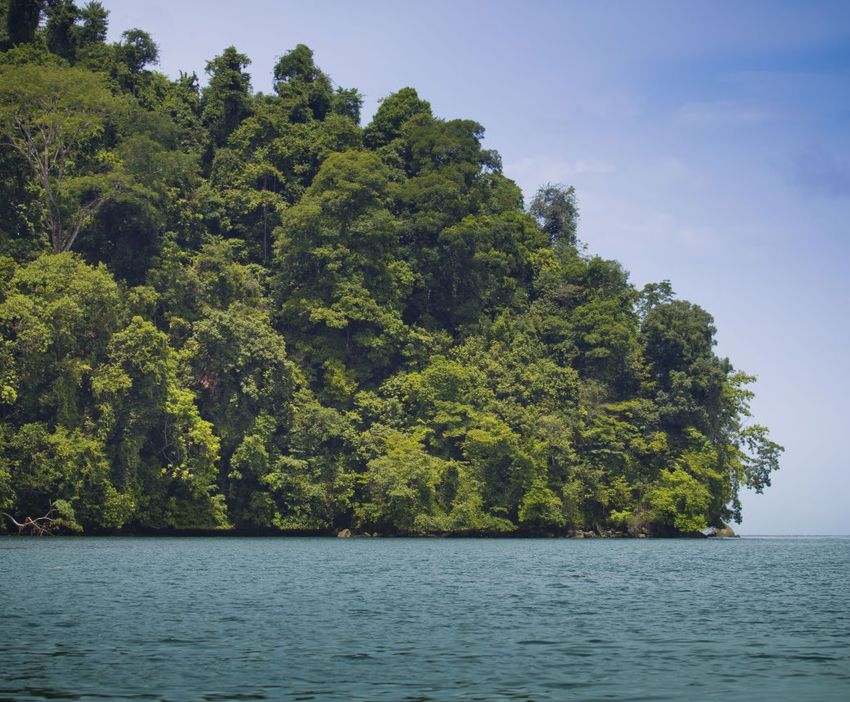
Table of Contents
                                                 About SEE Turtles				                            1

                                                 Conservation Travel			                           2

                                                         Baja Whales & Turtles		                  3

                                                         Colola, Mexico: Black Turtle Capital     4

                                                         Whales of Guerrero         		            5

                                                 Eco-Friendly Travel				                          6

                                                         Belize Ocean Wildlife Research           7

                                                         Galapagos Turtles & Tortoises		          8

                                                 Turtle Watching Tips				                         9

                                                 Turtleshell is Too Rare To Wear			               10

                                                         Costa Rica Leatherback Volunteer Trip    11

                                                         Costa Rica Nature & Culture Expedition   12

                                                         Costa Rica Green Turtle Expedition       13

                                                 Top Ten Turtle Facts				                         14

                                                 Billion Baby Turtles				                         15

Copyright 2019                                   Divers For Turtles                               16
SEE Turtles is a non-profit organization based   Contact Us					                                  17
in Beaverton, Oregon.

Photo: Linda Searle / ECOMAR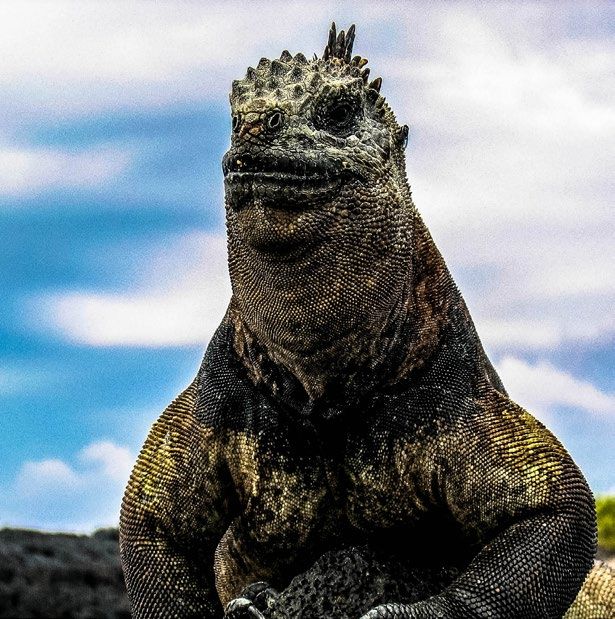
About
SEE Turtles was launched in               CONSERVATION SUCCESS
2008 as the world’s first effort
                                    Since our launch, we have
to protect sea turtles through
                                    helped save sea turtles in many
ecotourism. Our mission
                                    different ways:
is to protect endangered
turtles throughout Latin            •   We have generated more
America and the world by                than $1 million in benefits for
supporting community-based              turtle conservation and local
conservation efforts through            communities through tours,
ecotourism, education, and              donations, and in-kind services.
fundraising through Billion         •   Billion Baby Turtles has saved more
Baby Turtles. We became an              than 2 million turtle hatchlings at
independent non-profit in               conservation projects across Latin
2017.                                   America.
                                    •   More than 1,300 travelers visiting
Our mission is to protect               turtle projects.
endangered turtles throughout       •   More than 500 volunteers have
Latin America and the world             completed more than 5,000 work
by supporting community-                shifts.
based conservation efforts          •   We have reached more than
through ecotourism,                     10,000 students across the US
education, fundraising through          and Latin America with our
Billion Baby Turtles, and our Too       educational programs.
Rare To Wear campaign.

                                                                      Page 1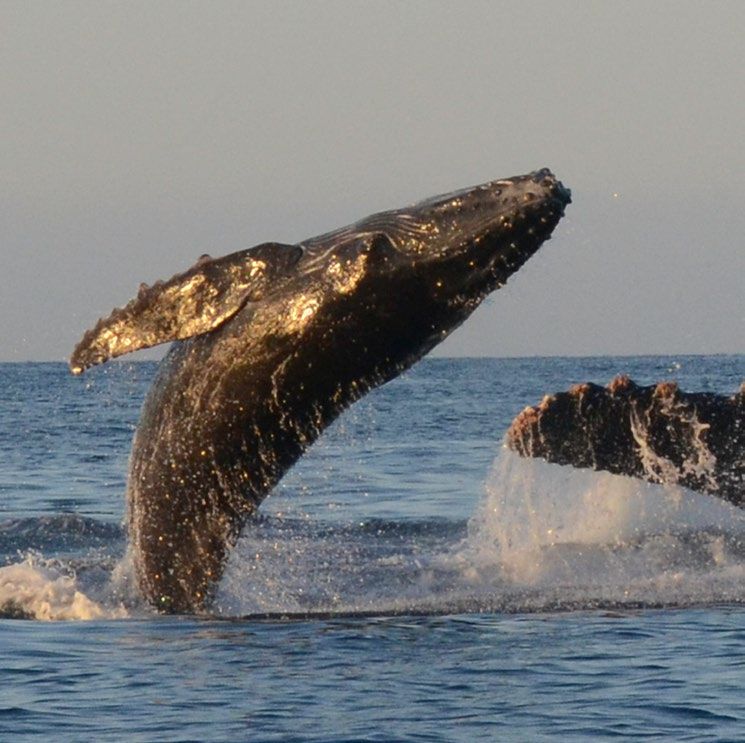
Conservation Travel
Conservation travel is any trip that directly benefits native endangered wildlife. The benefit can be monetary, such as
donations to local organizations or spending that shows local communities that wildlife is valuable to protect. The benefit to
endangered wildlife can also come in the form of volunteer help: protecting eggs on a sea turtle nesting beach or recording
dolphin behavior, for example.

•   Our trips have generated more than $1 million for turtle conservation and local communities through tour fees, spending in local
    businesses, grants, donations, and volunteer time.
•   Every traveler saves at least 500 hatchlings for every participant through our Billion Baby Turtles program. To date, we have helped
    save more than 2 million hatchlings at 15 important nesting beaches across Latin America.
•   All of our trips partner with local organizations and tourism businesses to benefit conservation efforts and local communities as
    much as possible.
•   Volunteers on our trips have completed more than 5,000 work shifts at turtle conservation projects.
•   All profits from our trips fund our conservation work, including our Billion Baby Turtles program, our Too Rare To Wear campaign,
    and our educational programs.

                                                                                                                                           Page 2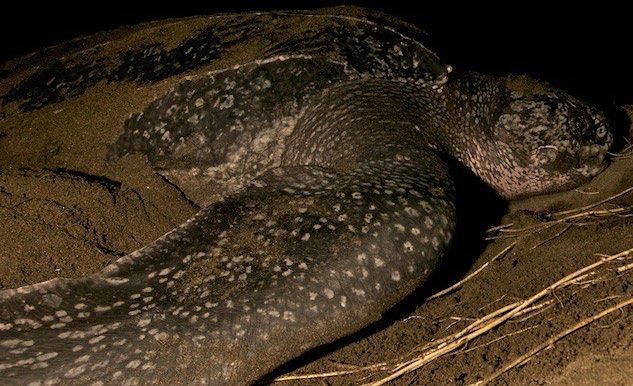
Baja Ocean Wildlife Expedition
           Where else can you see sea turtles,
           gray whales, whale sharks, & more?
           Baja California Sur, Mexico! Help study
           turtles, meet the “friendly gray whales,”
           and snorkel with whale sharks on this
           extraordinary wildlife adventure. You’ll camp
           in Magdalena Bay, visit beautiful Balandra Beach,
           and much more.

                                             Click for
                                       Full Itinerary

                                                                Trip Details
                                                               Price: $2,695 per person
                                                               2020 Date: March 7 - 14

Above: Whale Shark - Carlos
                                                               Duration: 8 days
Aguilera, Turtle: Elizabeth Moreno

                                                                                   Page 3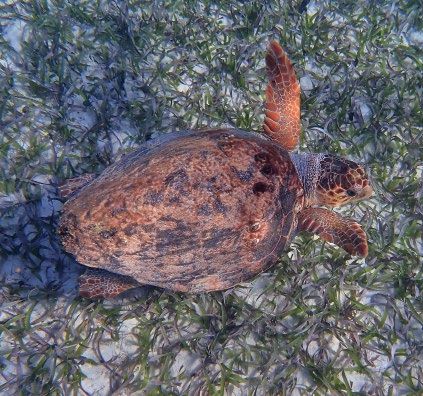
Colola Mexico, Black Turtle Capitol of the World
Colola Beach is one of the most
extraordinary sea turtle nesting beaches
in the world. From a low of 500 nests in
1999, these black turtles (a sub-species of
green turtles) have recovered to have 35,000
nests per year with nearly 2 million hatchlings.
The beach is protected by the native Nahua
community with support from biologists and is one of
the most successful wildlife conservation programs in
the world.

                                     Click for
                               Full Itinerary

                                                         Trip Details
                                                        Price: $1,495 per person
                                                        2019 Date: Nov 30 - Dec 7
                                                        2020 Dates: Dec 6 - 13
                                                        Duration: 8 days

                                                                              Page 4
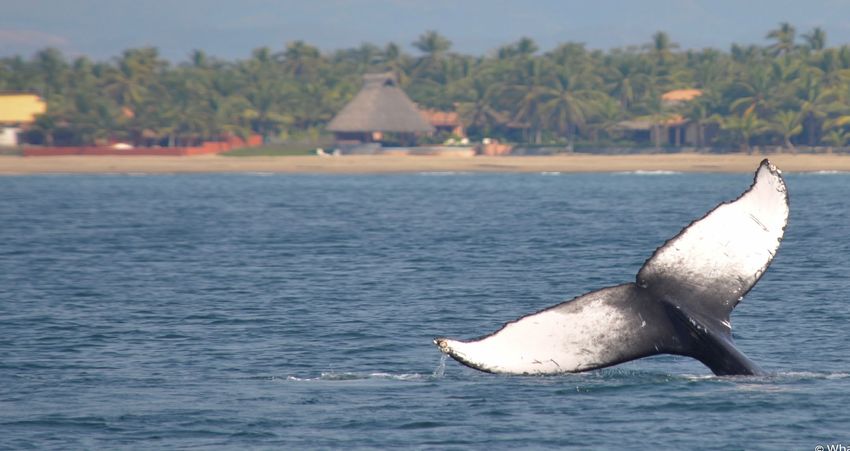
Whales of Guerrero, Mexico

     Join a trip to beautiful Barra de Potosi
     on Mexico’s Pacific coast to participate in
     the Whales of Guerrero Research Project! You
     will work alongside scientists and fishermen to
     spot, identify, and make scientific observations of
     humpback whales and four species of dolphins.

                                           Click for
                                      Full Itinerary

                                                             Trip Details
                                                           Price: $2,295 per person
                                                           2020 Dates: May 23 - 30
                                                           Duration: 7 days

Photos: Whales of Guerrero

                                                                                  Page 5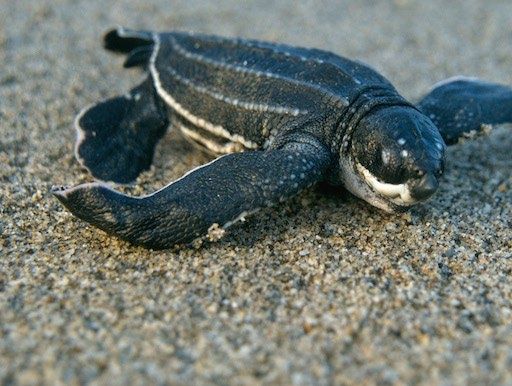
Eco-Friendly Travel
SEE Turtles strives to reduce the environmental impact of our trips wherever possible. Sometimes we need
help from you, the traveler, so here are some ways that we (and you) can help.

Reducing Plastic Use
We encourage travelers to bring reusable water bottles to refill (you can go through as many as 15-20
bottles on one trip per person). Another suggestion is to ask for no straws with your drinks. Souveniers can be
stored in day packs instead of disposable plastic bags. We offer reusable water bottles at cost for clients.

Reef-Friendly Sunscreen
Did you know that sunscreen can damage coral reefs? The ingredient “oxybenzone” has been found
to cause harm in small quantities. Look for sunscreen without this ingredient or label as “reef-friendly.”
Sunscreens with zinc oxide are considered safe.

Reducing Carbon Emissions
Travel by its nature creates significant pollution. Some ways you can reduce your emissions include leaving
electronic devices at home, turning of fans, lights, and AC when not at hotels or cabins, and by using public
transportation when possible. For sites with limited electricity, you can purchase a solar powered charger to
recharge small electronics. You can also purchase carbon offsets; one we recommend is “Seagrass Grow”
which restores important seagrass beds, which are important for green sea turtles and other ocean wildlife.

                                                                                                                  Page 6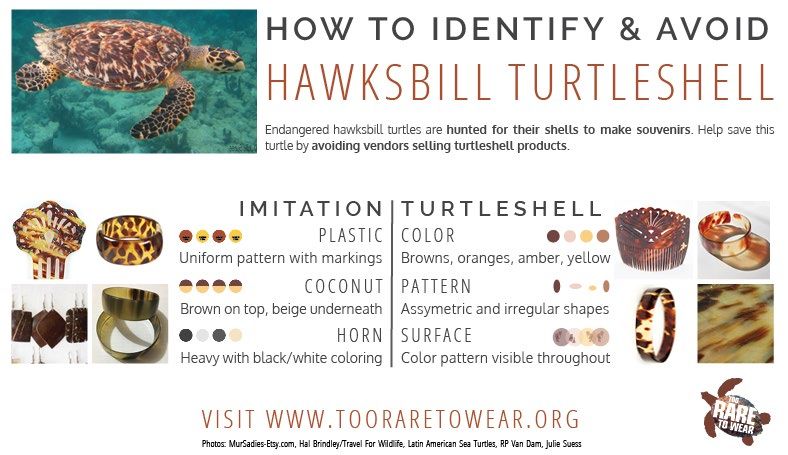
Belize Ocean Wildlife Expedition
      Join us for a unique volunteer trip
      to Belize. You’ll have opportunities to
      participate in research of bottlenose
      dolphins, hawksbill sea turtles, manatees,
      and more. Spend 4 nights at St. George’s
      Caye, participating in research on hawksbill
      turtles, dolphins, and manatees, and visiting
      Hol Chan Marine Reserve. There is an optional
      extension to go cave tubing and visit the
      extraordinary Tikal National Park on a day trip to
      Guatemala.

                                                 Click for
                                             Full Itinerary

                                                               Trip Details
                                                              Price: $1,995 per person
                                                              (Extension: from $475 pp)
                                                              2020 Date: August 1 - 6
                                                              Ext: August 6 - 8
                                                              Duration: 6 days + 3 day
                                                              extension
Photos: Linda Searle/EcoMar, Elbert Greer,
Oceanic Society                                                                       Page 7
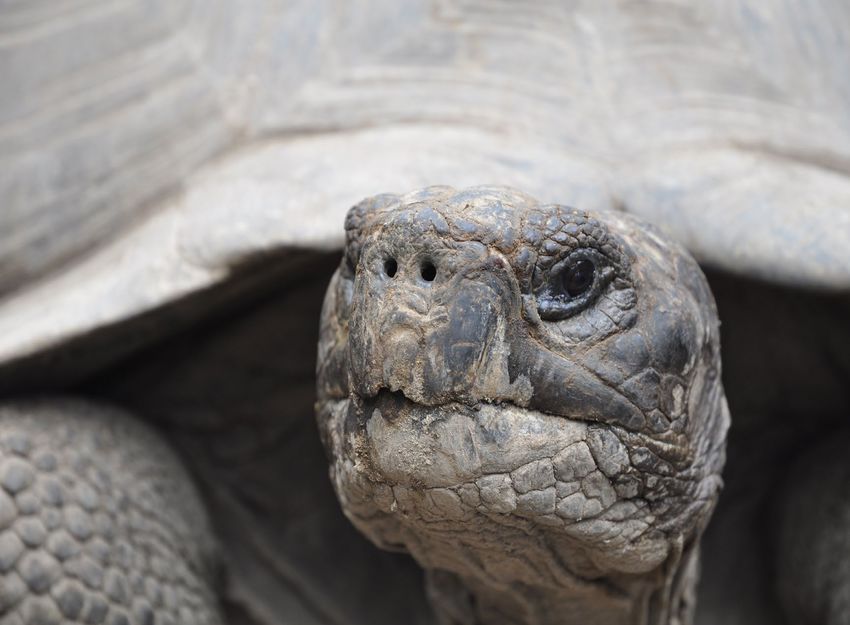
Galapagos Turtles & Tortoises
The Galapagos Islands are a biological
paradise. Here, animals both marine and
terrestrial, have adapted to the unique climate.
Over a week on the islands of Santa Cruz and Isabela,
we will work on a green turtle nesting beach, see giant
tortoises both in the wild and as part of a conservation
program, plus penguins, sea lions, marine iguanas, white
tip reef sharks, rays, and much more.
Click for
Full Itinerary
Trip Details
Date: Feb 13-21, 2021
Price: $3,595 per person
Duration: 8-9 days
Photos: IOI
Page 810 Sea Turtle Watching Tips
1 Maintain a respectful distance in
the water and on nesting beaches.
2 Clear beaches and water of plastic
and other litter, even if it’s not yours.
Sea turtles often confuse plastic for
food.
7
Choose to eat local and sustainable
food caught with environmentally friendly
fishing gear - preferably troll or hook and
3
Females like their nesting beaches line.
dark and quiet; avoid using flash
8
photography, strong flashlight For the best experience, look to travel with a
beams, fires, vehicles, and even turtle conservation tour or volunteer with a
light-colored clothing, and avoid non--profit turtle research project.
making loud noises.
4 9
Reduce your carbon footprint while on
Hire local guides; they will know
vacation. Climate change affects ocean
best where and how to spot turtles
wildlife by altering their habitat and food
and to prevent causing them
sources.
undue stress.
5 10
Do not feed wildlife. It can make Help save sea turtle hatchlings through
them ill and more vulnerable to Billion Baby Turtles.
humans.
6
When boating in the ocean, slow
down when wildlife is present and
avoid anchoring in sensitive coral
reefs and seagrass beds.
Photo Credit: Hal Brindley Page 9Turtleshell Jewelry SEE Turtles is leading a campaign to end the purchase of handicrafts made from the shell of critically endangered hawksbill sea turtles. These items are commonly sold at souvenir shops and artisan stands in Latin America and Asia. Keep an eye out for turtleshell and refuse to purchase from shops Learn More About that sell this product. It’s illegal to bring turtleshell back to the US and it’s illegal to sell in most countries. Hawksbills
Costa Rica Leatherback Research

     Assist researchers in an ongoing turtle
     conservation project at a remote location
     in beautiful Costa Rica. By night, you will walk
     a turtle nesting beach in search of leatherbacks.
     During the day, you can take boat rides on
     rainforest canals to look for wildlife including sloths,
     monkeys, caiman, and more.

                                             Click for
                                       Full Itinerary

                                                                 Trip Details
                                                                Price: $1,595 per person
                                                                2020 Dates:
Above: A volunteer shows                                           May 17 - 23
off a moth. Right: Volunteers
watch a nesting leatherback;                                       June 14 - 20
Large Image: A baby
leatherback crawls to the sea
                                                                (Private dates also available)
| Neil Osborne                                                  Duration: 7 days
                                                                                       Page 11
Costa Rica Nature & Culture Expedition
Study giant leatherback turtles and
hatchlings, explore the rainforest, see how
chocolate is grown, visit an indigenous reserve,
a butterfly farm, and much more in this action
packed conservation trip. This trip will be led by
SEE Turtles president Brad Nahill in partnership with
Portland Community College.
Click for
Full Itinerary
Trip Details
Price: $2,295 per person
2020 Dates: May 23 - 30
Duration: 7 days
Page 12Costa Rica Green Turtle Research
Help researchers study green and hawksbill
turtles in the Golfo Dulce - both of which are
endangered. Spend 5 days on the incredible Osa
Peninsula catching and releasing turtles, restoring
mangroves, and more. On the sea turtle research days,
you will help set nets in key turtle spots. You will have
the opportunity to help bring in the turtles, measure them,
and perhaps even tag them.
Click for
Full Itinerary
Trip Details
Date: Dec 7- 14
Price: $1,795 per person
Above: Hal Brindley;
Right: A sea turtle is Available for private dates
returned to the water
after being measured Dec through August from
| James Richard; Large
Image: Neil Osborne
$1,995 pp
Duration: 7 days Page 13Did You Know? Top 10 Turtle Facts
1. Sea turtles can vary in size
from the relatively small
Kemp’s ridley sea turtle (80-
100 pounds) to the enormous
2. Sea turtles migrate long
distances to feed, often
crossing entire oceans.
Some loggerheads nest in
3. It was recently discovered
that sea turtles
communicate with each
other before hatching,
Japan and migrate to Baja using chirps and other
leatherback, which can weigh California Sur, Mexico to sounds to coordinate their
4. 5.
more than 1,000 pounds. forage, then back again! run to the ocean.
Females nest every 2-5 years, and
often multiple times in one year.
The temperature of a nest
determines the gender of
sea turtle hatchlings. 6. A temporary tooth on
their snout, called a
caruncle, helps baby sea
8.
turtles to hatch.
7.
Once out of the nest, hatchlings
Leatherbacks can
withstand temperatures
as cold as 40 degrees
F and are found as far
face many predators including
ghost crabs, birds, and raccoons.
9. Hatchlings use sand
temperature and light
reflecting off the waves
to figure out when and
south as Chile and as
where to go towards the
far north as Alaska.
ocean.
10. Sea turtles
have been
on Earth for
100 million
years and
outlived the
dinosaurs.
Page 14
Photo: Neil OsborneBillion Baby Turtles | $1 saves 10 hatchlings
Help Lead One to the Sea
Six of the seven of the world’s sea turtle species are endangered or threatened.
To reverse this decline, our Billion Baby Turtles program funds efforts to protect
important nesting beaches. To date, we have helped save more than 2 million
hatchlings at 20 beaches across Latin America and the Caribbean. Donate Here
For every dollar donated, we can save at least ten endangered sea turtle hatchlings!
Page 15Turtle-Friendly Diving Tips
Choose Sunscreen Carefully. Look for brands with zinc oxide and avoid sunscreens with oxybenzone and
sprays that pollute sand where turtles nest. The best way to stay safe is to cover up!
Respect The Coral. Stepping on or touching coral polyps can damage or kill them so be sure to practice good
buoyancy. Floating above the coral is more fun!
Be Hands Free. Never ride or touch turtles; circling, chasing, or harassing wildlife can stress and cause injury.
Keep Your Distance. Stay at least 10 from wildlife. If one approaches,
be still and let the animal pass; don’t follow them.
Record Respectfully. Keep selfie and Go Pro sticks out of the way and
avoid using flash. No photo is worth disturbing or stressing an animal.
Learn More
Page 16Beaverton OR, USA
800-215-0378
Mon-Fri,
9am - 5pm Pacific
SEEturtles.org
SEE You Soon!You can also read


