2021 Climate Change Action Plan Report - Based on the recommendations of the - Brunel Pension ...
←
→
Page content transcription
If your browser does not render page correctly, please read the page content below

2021
           Climate Change
          Action Plan Report

                Based on the recommendations of the

Full Report and updated disclosures made to supplement Brunel’s Annual
Report and Financial Statements, for the year ended 30 September 2020.
Delivering stronger investment returns over the
long term, protecting our Clients’ interests through
contributing to a more sustainable and resilient
financial system, which supports sustainable
economic growth and a thriving society.

Brunel Pension Partnership Limited (Brunel) is one of eight national
Local Government Pension Scheme (LGPS) Pools, bringing together
circa £30 billion investments of 10 likeminded pension funds: Avon,
Buckinghamshire, Cornwall, Devon, Dorset, Environment Agency,
Gloucestershire, Oxfordshire, Somerset, and Wiltshire.

We would like to acknowledge the significant support and contribution of our
clients to our work on Climate Change, Responsible Investment and Stewardship
underpinning our mutual commitment to investing for a world worth living in.

We believe in making long-term
sustainable investments supported by
robust and transparent processes

We are here to protect the interests of
our clients and their beneficiaries

In collaboration with all our stakeholders
we are forging better futures by
investing for a world worth living in

Brunel is authorised and regulated by the Financial Conduct authority as a full-service MiFID firm.
We use the name ‘Brunel’ to refer to the FCA-authorised and regulated company. Company registration number 10429110 .
Authorised and regulated by the Financial Conduct Authority No. 790168.
Brunel Pension Partnership Ltd Climate Change Action Plan and Metrics Report 2021                                                   3

Climate change presents an immediate, systemic
and material risk to the ecological, societal and
financial stability of every economy and country
on the planet. It has direct implications for our
Clients and their beneficiaries. It is therefore a
strategic investment priority for us.

Scientific evidence suggests                          The signatories agreed to adopt and     What is the role of
                                                      implement nationally determined         investors?
that our climate is changing
                                                      contributions (NDCs) that set out the
faster than at almost any                             actions they would take to reduce       Investors are exposed to the risks and
point in history.                                     greenhouse gas emissions. They also     opportunities presented by climate
                                                      committed to strengthen these efforts   change adaptation and mitigation.
The global temperature has
                                                      in the years ahead. Despite some        They have a critical role to play if we
already risen by approximately
                                                      progress, we are currently heading      are to successfully transition to the
1°C above pre-industrial levels. The
                                                      towards a world of 4°C of warming       low carbon economy and to ensure
rise is causing more frequent and
                                                      compared to pre-industrial levels.      that we adapt effectively to the
more extreme weather events and
                                                      This has potentially catastrophic       physical impacts of climate change.
significantly affecting rainfall and sea
                                                      implications for society and the        We are a key source of the capital
levels. It is impacting agriculture and
                                                      environment.                            required for mitigation and for
food supply, infrastructure, flooding
                                                                                              adaptation. We can ensure that the
and water supply. Those shifts are                    Governments and all sectors of          companies we invest in are resilient
leading, in their turn, to increased                  society (including individuals,         to regulatory and other changes that
migration from climate-affected                       companies, investors and public         will result from climate change. We
regions and greater conflict over                     bodies), will need to do much more      can support policy makers in taking
natural resources, such as water and                  if the global temperature rise this     action to enable the low carbon
agricultural land.                                    century is to be kept to well below     transition and effective adaptation.
                                                      2°C. The transition to the low carbon
World governments have started
                                                      economy calls for significant change
to respond. The signatories to the
                                                      in the shape and structure of our
2015 Paris Agreement committed
                                                      economy. It requires us to eliminate
to keeping the global temperature
                                                      most or all fossil fuel use, and to
rise this century to well below 2°C
                                                      achieve a net zero carbon economy
compared to pre-industrial levels,
                                                      by 2050.
and to actually aiming for just 1.5°C.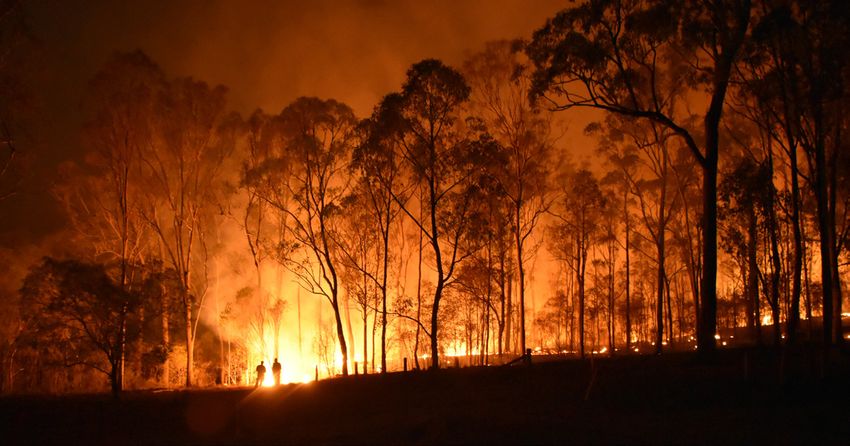
Brunel Pension Partnership Ltd Climate Change Action Plan and Metrics Report 2021                                                  4

                                                                                          Brunel and TCFD
Task Force on Climate-related Financial                                                   Brunel committed to reporting
Disclosures (TCFD)                                                                        to the TCFD in November 2017
In April 2015, the G20 commissioned                 The TCFD recommendations are split    and has provided a summary in
the Financial Stability Board                       into 4 sections;                      each subsequent Annual Report
(FSB) to look into how public and                                                         and Financial Statements. The
                                                    Governance: how is the                TCFD recommends inclusion in an
private participants take account
                                                    organisation’s board and              organisation’s main financial filings.
of climate-related issues. The
                                                    management assessing, managing
outcome of the review was the                                                             Brunel’s year-end is 30 September,
                                                    and providing oversight of climate-
establishment of the Taskforce on                                                         but our climate metrics and
                                                    related risks and opportunities?
Climate-related Financial Disclosure                                                      targets are set and reviewed each
(TCFD). Following a consultation, the               Strategy: how do these risks impact   calendar year. Therefore, Brunel
TCFD issued recommendations for                     on the organisation’s business        has committed to supplementing
reporting to assist stakeholders in                 model?                                the summary report with this more
financial markets understand their                                                        comprehensive report in the first
                                                    Risk: what and how have risks been
climate-related financial risks and                                                       quarter of the year, in order to
                                                    identified and managed?
opportunities.                                                                            capture the most up-to-date progress
                                                    Metrics and targets: how are the
                                                                                          on each of the metrics and targets.
                                                    risks being monitored and have the
                                                    appropriate metrics and targets       Brunel is a strong advocate for
                                                    been selected?                        global mandatory disclosure to
                                                                                          TCFD. Brunel has supported the work
                                                                                          of the UK government in improving
                                                                                          climate risk disclosures, culminating
                                                                                          in the commitment to making TCFD
                                                                                          mandatory across the economy
                                   Governance                                             by 2025.

                                       Strategy

                                     Risk
                                  Management

                                         Metrics
                                           and
                                         targets
Brunel Pension Partnership Ltd Climate Change Action Plan and Metrics Report 2021                                                         5

Governance                                                                                          Brunel Board undertook a
                                                                                                    dedicated half-day Systemic
                                                                                                    and Climate Risk Workshop in
                                                                                                    November 2020.

The Brunel Board approves and                           portfolio construction, implementation    Brunel is focused on client outcomes.
is collectively accountable for                         and overall investment decision-          The governance diagram below
Brunel’s Climate Change Strategy                        making. All members of the investment     illustrates the frequency of client
and Policy. Day-to-day operational                      team have explicit responsibility for     interactions, all of which can include
accountability sits with the Chief                      the implementation of responsible         matters relating to climate change.
Responsible Investment Officer, with                    investment (RI) principles, including     The Client RI Subgroup, which meets
oversight from the Brunel Investment                    but not limited to climate risk, within   monthly, provides an in-depth
Committee and Brunel’s Board.                           their respective roles. As such, any      opportunity for input on client needs
                                                        training needs are identified through     and expectations.
Climate risk has been identified as a
                                                        our standard appraisal and personal
principal (level 1) strategic risk to Brunel.                                                     Brunel has a dedicated Responsible
                                                        objective setting processes.
As such, the risk is owned by the Chief                                                           Investment team of three investment
Executive Officer, with oversight from                  Indeed, everyone at Brunel is             professionals who support the
Brunel’s Audit, Risk and Compliance                     responsible for addressing climate        Brunel Investment Team and lead
Committee forming part of Brunel’s                      change risks and opportunities within     on engagement and stewardship
overall strategic risk framework.                       their own work, since it is embedded      activities. For further detail of our
                                                        in our governance, operations and         Responsible Investment Strategy,
The Chief Investment Officer
                                                        investment approach, as well as in        see our annual Responsible
is responsible for ensuring the
                                                        our outreach to other investors and       Investment and Stewardship and
integration of climate change into
                                                        the local community.                      Outcomes Report.

Brunel Governance and Oversight

    Board and Sub-committees                                                                                Shareholder Group

                                                                                                                  Brunel Oversight
                                                        Board
                                                                                                                       Board
                                                                                                    5                                4+

                                                                    Audit, Risk & Compliance
        Remuneration Committee
                                                                           Committee
                                                    2                                               4

                                         Executive Committee                                                       Client Group

                                                                                                    8                                12

                                                                                                                    Responsible
           Operations                      Risk & Compliance                        Investment
                                                                                                                    Investment
           Committee                           Committee                            Committee
                                                                                                                    Sub-Group
                                   6                                     5                         12                                12

    Operational
                                                                                                              x    Numbers of
    Committees                                           Investment Risk Committee                                 meetings a year

                                                                                                    4
Brunel Pension Partnership Ltd Climate Change Action Plan and Metrics Report 2021                                                    6

Climate Change Policy
                                                         We believe that:
Our Climate Change Policy, drafted
in collaboration with our clients,                       •	Climate change presents a systemic and material risk to the
sets out an ambitious plan to                               ecological, societal and financial stability of every economy and
address climate change across our                           country on the planet, and therefore will impact our Clients, their
investments and the wider investment                        beneficiaries and all portfolios.
industry.
                                                         •	Investing to support the Paris goals that deliver a below 2oC
Our Climate Change                                          temperature increase is entirely consistent with securing long-term
investment beliefs                                          financial returns and is aligned with the best long-term interests of
                                                            our Clients.
We believe it is our fiduciary duty
to manage climate change and                             •	For society to achieve a net zero carbon future by 2050 (or
associated risks and opportunities                          before) requires systemic change in the investment industry, and
within our investment portfolios.                           equipping and empowering our Clients (and other investors) is
As investment markets are not                               central to this change.
properly pricing in climate-related
                                                         Given our strengths and our position in the market, we therefore
risks. Climate-related risks impact all
                                                         believe that the key objective of our climate policy is to systematically
investment strategies and mandates,
                                                         change the investment industry so that it is fit for purpose for a world
whether active or passive, and across
                                                         where temperature rise needs to be kept to well below 2°C compared
both long- and short-time horizons.
                                                         to pre-industrial levels.
Our holistic approach to managing
this risk is outlined in our Climate
Change Policy but is summarised in
the following sections.
Brunel Pension Partnership Ltd Climate Change Action Plan and Metrics Report 2021 7
Strategy and Risk Management
We published our ambitious Climate Change Policy in January 2020 in collaboration with
clients and after extensive industry engagement. The policy sets out a five-point plan to build
a financial system which is fit for a low carbon future. The policy sets out the strategy and
plan of action, detailing objectives with key performance indicators. Where appropriate, it
includes targets.
Brunel’s experience and expertise in In addition to acknowledging the • Failure to provide portfolios that
managing climate change-related catastrophic impact of governments effectively respond to climate
risks and opportunities, our scale, and society not acting on their risk in the context of client
our influence, and the strength and awareness of climate risk, we have investment objectives, potentially
support of our clients provide us with identified the principal sources of undermining the objectives
a unique position in the investment strategic risk that are within Brunel’s of pooling
industry. If we do not have a financial direct sphere of influence;
• Failure to ensure operational
system that is fit for purpose, we will
• Failure to manage climate risk resilience.
not be able to respond effectively to
through poor awareness and
climate change. We can take some • Failure to retain clients, attract
responsiveness over how climate
specific actions, mitigating risk at the talent and positively impact
risks will impact on markets,
margin, but the impact will be limited industry behaviour, due to
our operations, managers and
without wider change. mismanagement of all the
portfolios and by extension our
above risks.
Our priority to catalyse change in the clients (see diagram on page 8)
financial system at scale therefore For each of the strategic risks, the
• Failure to anticipate and effectively
looks not only to our own efforts, but Executive Committee has identified
manage changes in the market in
to partnership with others, and to key performance indicators which
terms of regulation, disruption, best
enabling our clients to be agents of are tracked and reported regularly.
practice, innovation and demand -
change too.
both top-down in terms of product
We have committed to working across governance and bottom-up in
five key areas (see right), which guide terms of the impact on individual
our work on climate change. We asset managers and investments
report on the progress of this work and
associated targets in our Stewardship
and Outcomes report, available on Designing
Making
our website. climate
markets
work transition
solutions
Pro
licy du
o
ATE CHA
P
N
ct
LIM
s
G
C
Systemic
E
change in the
P e rs u a s
investment
li o s
Convincing industry Investing
rtf o
others to where it
Po
ion
change matters
Po
sitive Impact
Delivering &
evidencing
progressBrunel Pension Partnership Ltd Climate Change Action Plan and Metrics Report 2021 8
Climate - Related Risk, Opportunities and Financial Impact
Transition Risks Opportunites
Risks Opportunities
Policy and legal Resource Efficiency
Technology Energy Source
Market Strategic Planning Products/Services
Risk Management
Reputation Markets
Physical Risks Resiliance
Acute Financial Impact
Chronic
Revenues Assets & Liabilities
Income Cash Flow Balance
Expenditures Statement Statement Sheet Capital & Financing
Source: Recommendations of the Task Force on Climate-related Financial Disclosures, TCFD
Portfolio climate-related risks
The greatest impact to Brunel from Responsible Investment team. Reports to be able to justify any climate-
climate risks is to our investment are submitted in rotation to the Brunel controversial holding. If investment
portfolios. The performance of our Investment Committee, which meets managers are not able to robustly
portfolios is directly linked to the value at least monthly. In addition, the and credibly explain their investment
of the underlying assets, which are Brunel Investment Risk Committee strategies and how they have
increasingly impacted by climate- conducts a quarterly review of the integrated climate risk, we will look
related risks and opportunities. carbon metrics, as well as exposure to replace them with investment
to other environmental, social and managers that do. We also consider
Managing climate-related risks
governance risks. the risk that our investment managers’
and opportunities and aligning our
engagement with companies is
investment management to Brunel’s We ensure that our portfolios are well-
ineffective i.e. their efforts do not
climate change ambitions, are key diversified, and that our managers
lead corporate strategies to realign
considerations when appointing have a deep understanding of both
themselves with the transition to
third party managers. They are the companies or assets in which
a 2°C or below economy. Where
embedded into the selection and they invest and the risks to which they
this is indeed a problem, we will
review processes for every manager are exposed.
consider whether we should remove
and the associated due diligence.
While we do not instruct managers certain investment managers and/or
Managers are formally reviewed on
to exclude certain stocks, we expect introduce specific exclusion criteria to
an annual basis. Quarterly monitoring
their portfolios to display low climate be applied to companies.
is undertaken by Brunel’s portfolio
exposures, and for the managers
managers, with support from theBrunel Pension Partnership Ltd Climate Change Action Plan and Metrics Report 2021 9
Case Study: Portfolio Management
Engaging with fund managers on portfolio construction
In 2019, we were searching for investment managers When we analysed the prospective manager’s
for a Global High Alpha strategy. Essentially this holdings, we found that 70% of the carbon intensity
involved finding a blend of asset managers allowing was attributable to a single holding – LafargeHolcim,
us to balance risk through using a mix of style biases. one of the world’s largest cement producers. We
The selection of managers is shown in the figure below, used TPI data as part of this analysis and found
and the managers chosen are circled. that LafargeHolcim was a Level 4 performer on
management quality.
As can be seen, the carbon footprint of most was
significantly below the reference benchmark. While the company was not 2°C aligned, it had
The exception was in value; this is a particularly a strategy that would see it aligned with 2°C. We
challenging category from a climate change discussed this holding with the manager and were
perspective. Most carbon intensive sectors often reassured that it was both aware of the climate-
trigger the features sought by value managers and related risks associated with LafargeHolcim and
they currently tend to have a higher than standard the cement sector and was also aware of Lafarge’s
market benchmark carbon intensity. strategy for managing these risks. It is also relevant
to note that LafargeHolcim subsequently had some
slippage in its performance and in its targets, and both
we and our investment manager are engaging with
them on this issue.
450
400
350
300
tCO2e/£m
250
200
150
100
50
1
0
Benchmark
(Selected)
Growth 2
(Selected)
Cyclical 1
Cyclical 2
Cyclical 3
Cyclical 4
(Selected)
Defensive 2
Defensive 3
Defensive 1
Defensive 2
Value Quality 1
Value Quality 2
(Selected)
Value Deep 2
Momentum 1
Momentum 2
Style Blend 1
(Selected)
Growth 1
Growth 3
Quality Growth
Quality Growth
Quality Growth
Quality Growth
Quality Growth
Defensive 1
Quality Growth
Quality Growth
Quality
Quality
Value Deep 1
Style Blend 2
1Brunel Pension Partnership Ltd Climate Change Action Plan and Metrics Report 2021 10
We have, however, been clear that, as All of our active portfolios are less Whilst wind, solar and biomass
part of our climate stocktake in 2022, carbon intensive than their respective generation are very much part of the
we will review the responsiveness benchmarks (see our Carbon Metrics solution to tackle climate change
of companies to managing climate Report for more detail). We have and move to a low carbon future,
risk and will consider exclusions launched a specific Passive Low these investments are not without
where a company poses a long-term Carbon Equities Portfolio for clients issues. Like any other real assets,
financial risk. wishing to have passive exposure to they are at risk during the transition
global equities but with a significantly phase. Our due diligence extends
We provide a quarterly report to
lower exposure to carbon emissions to the full life cycle of these assets,
clients and the general public that
and fossil fuel reserves. We also including which Original Equipment
covers stewardship actions and
launched an active Sustainable Manufacturers (OEM) they use.
carbon metrics, including emissions
Equities Portfolio that uses strategy
intensity and fossil fuel exposure. Renewable energy investments are
considerations of environmental
allow the regular review of climate- a core component in our private
and social sustainability in order
related financial risks. We provide an market investments, representing
to identify investment themes that
overview of all portfolios to the Board in excess of 35% of cycle 1
contribute to society’s sustainable
and Brunel Oversight Board (clients commitments and at least 50% of
development.
and stakeholders). We also deliver cycle 2 commitments within our
detailed public carbon metrics In addition to our listed portfolios, we infrastructure portfolios.
reports for each client and each also provide private market portfolios,
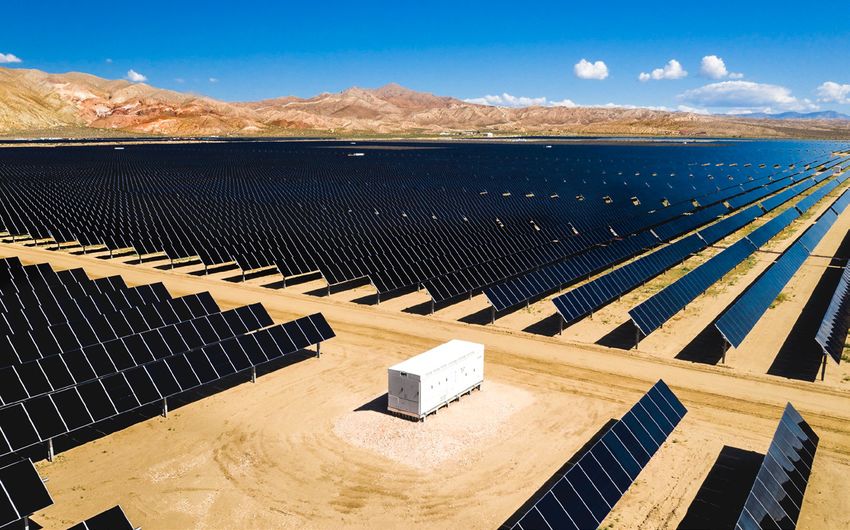
Kern County, California: Springbok is
Brunel portfolio - much of these is also including an infrastructure portfolio
a 448 Megawatt solar development
contained in this report. with a skew towards renewable
in Kern County California, one of the
technologies and sustainable
Portfolios: Climate-related largest solar developments in the
infrastructure. Climate risk, in terms
opportunities world. The fund is invested, through
of both transition and physical risks, is
Cycle 1, in the development through
There are significant opportunities for fully embedded into the approach of
the Capital Dynamics Clean Energy
investing in companies and assets our private markets team. The risks are
Infrastructure VII-A fund)
that may benefit as we transition to a managed to maximise effectiveness
low carbon future. in each of the strategies but are also
appropriate for the level of control
We work with clients to construct
we can exercise in different vehicles.
portfolios that meet their specific
The private market portfolios are also
goals around investing in lower-
the area where Brunel has identified
carbon products and climate
significant potential for investing in
change opportunities.
climate solutions.Brunel Pension Partnership Ltd Climate Change Action Plan and Metrics Report 2021 11
Physical and adaptation risk Scenario Analysis
and opportunity We recognise that scenario analysis against three Bank of England
During 2020, we have been exploring is an important tool in assessing climate scenarios, using a free, open
data and analytical provider what impact climate change may source PACTA tool. This stress testing is
options to assist in our oversight of have on our investment portfolios. an initial step in the development of
physical and adaptation risks. Whilst We compare the equity portfolios our climate scenario analysis work.
the solutions were excellent, they
were designed for those directly
managing assets and were, as Scenario A - Temperatures are below 2°C by 2100
a result, quite expensive; but we There is a sudden disorderly transition.
are seeking to evaluate a broad
range of assets. Although we do Scenario B - Temperatures are well below 2°C by 2100
not have carbon footprinting-style Long-term orderly transition that is broadly in line with the Paris
data, we have nonetheless been
Agreement.
challenging managers on physical
and adaptation risks across our
Scenario C – Temperatures exceed 4°C by 2100
portfolios. The level of integration into
due diligence is highest in our private A continuation of current trends with no transition.
market portfolios, where there
For more information on the assumptions underlying each of the
are also investment opportunities.
scenarios please see the Bank of England’s General Stress Test
We will continue to persevere to
Methodology document.
find a solution to provide a more
quantitative evaluation of risk
during 2021. Since May 2019, we have been on Framework methodology. We will be
the steering committee of the IIGCC’s actively involved in the next phase
Paris Aligned Initiative (PAII) looking to of this initiative, which will expand to
establish the pathways, methods and other asset classes.
approaches to creating Paris-aligned
We are aware that data and
portfolios. As part of this project, we
methodologies around climate
submitted subsets of portfolio data
scenario analysis are expanding
to be run through a financial climate
rapidly. As a next step to enhancing
model to establish some of the
our climate scenario analysis work, we
possible financial implications under
are in discussions with different service
different climate change scenarios.
providers to consider undertaking
We submitted a passive benchmark
scenario analysis of both our listed
portfolio, a ‘current’ portfolio and a
market and private market portfolios.
‘hypothetical Paris aligned’ portfolio.
In addition to the work we carry
This scenario analysis looked
out on our own portfolios, we ask
specifically at asset-side changes,
our asset managers to provide any
including earnings impairments as
climate scenario work undertaken,
a result of transition policies and
as well as carbon footprint data. We
demand changes. Whilst modelling
use this in conjunction with our own
outputs can be uncertain, this work
internal analysis to assess the strategy
helped us deepen our understanding
and any given manager’s approach
and shape the Net Zero Investment
to climate risk.Brunel Pension Partnership Ltd Climate Change Action Plan and Metrics Report 2021 12
Using climate scenarios to Benchmarking is sector-specific and Despite industry progress, much more
evaluate company level based on emissions intensity (e.g. for is needed before we can consider
transition risk electricity utilities, it is tonnes of CO2 there to be a comprehensive climate
per MWh electricity generated). change policy framework in place. In
The Transition Pathway Initiative the short to medium term, we believe
(TPI) is discussed in more depth Further details on sectoral
that there are three priority areas for
below, linked to some of the methodologies can be found on
action:
metrics and targets. The initiative the publications section of the TPI
assesses companies’ preparedness website. • A meaningful price on carbon
for the transition to a low carbon Stewardship and our approach • Mandatory climate change
economy. The TPI tools allows us to to public policy reporting
evaluate how companies’ carbon
performance compares – both now Engagement with companies, • Addressing regulatory barriers to
and in the future - to the international fund managers and policy makers progress
targets and national pledges made forms a key part of our approach Our approach to policy and our
as part of the Paris Agreement. to managing climate change risks. policy advocacy objectives can be
Engagement implementation is found in our Climate Change Policy.
Companies’ carbon performance undertaken by our fund managers,
is assessed using the modelling our dedicated engagement provider For further details of our approach
conducted by the International Energy EOS at Federated Hermes, and via to stewardship, see our Responsible
Agency (IEA) for its biennial Energy collaborative forums such as the Stewardship Policy Statement.
Technology Perspectives report. This UN PRI, IIGCC and Climate Action
modelling is used to translate emissions 100+. We actively participate
targets made at the international level and, where appropriate, provide
into sectoral benchmarks, enabling leadership for investor collaboration
comparison with the performance initiatives, in particular the Transition
of individual companies. This Pathway Initiative (TPI), Institutional
framework is known as the Sectoral Investors Group on Climate Change
Decarbonization Approach. (IIGCC), the Principles for Responsible
TPI uses three benchmark scenarios, Investment (PRI).
which in most sectors are: We seek to undertake direct
• Paris Pledges, consistent with engagements where we feel this will
emissions reductions pledged add value. For example, we co-filed
by countries as part of the Paris a shareholder resolution at Barclays
Agreement (i.e. NDCs) on the bank’s approach to fossil fuel
lending. We report on the outcomes
• 2ºC, consistent with the overall
of our engagement to clients
aim of the Paris Agreement, albeit
each quarter, and annually within
at the low end of the range of
our Responsible Investment and
ambition
Stewardship Outcomes Report.
• Below 2ºC, consistent with a more
ambitious interpretation of the
Paris Agreement’s overall aimBrunel Pension Partnership Ltd Climate Change Action Plan and Metrics Report 2021 13
Case Study: Portfolio Management
Engaging with fund managers on carbon intensive holdings
As part of our review of the holdings in one of Our review of the companies’ reporting confirmed
our global equity portfolios, we noted that the these differences. Company 1 reported all of its Scope
portfolio had holdings in two companies exposed to 1, 2 and 3 emissions and had set targets on reductions.
extractive revenues. It was assessed as Level 4 by TPI. While Company
2 acknowledged climate change as a risk to the
Our analysis suggested that the companies were
business and had a climate change policy, it had yet
quite different in their strategic approaches to climate
to report on its Scope 2 greenhouse gas emissions. It
change. Over half of Company 1’s revenues were from
was only assessed as Level 2 by TPI.
oil products and a quarter from renewable sources
(its diesel product which could be made from raw Using the insights from our analysis and from TPI,
materials such as rapeseed oil, rape oil or soybean). we engaged with the investment manager who
Company 1’s aspiration was to grow the renewables concluded that Company 2 no longer fell within
part of the business to 50% of the company’s revenues their investment thesis (where exposed to extractive
in 2020. In contrast, Company 2’s business was almost revenues, companies should evidence of strong
exclusively based on fossil fuels and its strategic transition objectives) and therefore should no longer
response seemed primarily focused on improving be held within the proposed portfolio.
operational energy efficiency and reducing methane
leakage from its operations.Brunel Pension Partnership Ltd Climate Change Action Plan and Metrics Report 2021 14
Metrics and targets
We use a number of different We monitor the carbon footprint We use data, such as that provided
complimentary ESG and carbon- (Scope 1, Scope 2 and first tier Scope by the Transition Pathway Initiative
specific datasets in order to monitor 3) and fossil fuel revenues and reserves (TPI), to help us understand the
and report, both internally and exposure (proxy for downstream exposure to any carbon-intensive
externally, on the risks within our scope 3) of each of our listed equity companies and to assess their
investment portfolios. We have portfolios. This enables us to as assess preparedness for the transition to a
undertaken a considerable amount the exposure to high carbon industries. low carbon economy.
of work in 2020 to integrate climate-
related data and ESG risk metrics
into our portfolio monitoring and
management tool.
CO2 SF4 CH4 N2O HFCs PFCs
Employee
Business Travel
Company
Owned
Vehicles
Purchased
Product
Electricity for Use
Own Use
Waste Fuel
Disposal Combustion Production
of Purchased
Materials
Outsourced Contractor Owned Investments
Activities Vehicles
SCOPE 2 SCOPE 1 SCOPE 3
INDIRECT DIRECT INDIRECT
Scope 2 emissions are indirect Scope 1 emissions account Scope 3 emissions are all other
emissions from electricity for all direct greenhouse gas indirect emissions with the
purchased and used by the emissions from the activities of exclusion of scope 2 (see left).
organisation. These emissions are an organisation. This includes These emissions occur from
created during the production of activities on site such as the activities or sources that the
the energy. use of gas boilers for heating organisation do not directly own
buildings, emissions from or control. These include activities
company vehicles, leaks from air- such as business travel, employee
conditioning units and emissions commuting, waste and water
from any onsite processes such as services and investments.
cement manufacturing.Brunel Pension Partnership Ltd Climate Change Action Plan and Metrics Report 2021 15
We have set a number of metrics
and targets for our listed equity
portfolios, which are outlined in our
Carbon metric reporting overview
Climate Change Policy. As well as our internal monitoring, we empower Clients to understand
the climate change risk exposure within their portfolios by providing
• Portfolio decarbonisation of our
carbon footprinting, fossil fuel exposure and revenues and the
listed equity portfolios by no less
disclosure rates of portfolio constituents for all listed market portfolios
than 7% per year from a fixed
vs their relevant benchmarks.
baseline of each respective
portfolio benchmark emission On a quarterly basis we provide Clients with a Responsible Investment
intensity as at 31/12/2019 – and ESG dashboard for each portfolio that includes ESG scores,
in cases where the market carbon metrics and key stewardship activities. The carbon metrics we
benchmark decarbonised report each quarter include:
more rapidly, parity may be an
• The Weighted Average Carbon Intensity (WACI) of the Portfolio
acceptable minimum
and its benchmark for both the current and previous quarter
• Fossil fuel revenues and exposure
• Extractives revenues exposure (as a % of the portfolio) for both the
no greater than that of each
Portfolio and its benchmark
respective benchmark
• The value of holdings for companies who derive revenues from
• Climate governance using
extractives for both the Portfolio and its benchmark
TPI, targeting all our material
holdings1 to be at TPI level 4 or On an annual basis we produce a Carbon Metrics Report where
above by 2022 we detail the following for each Brunel Portfolio against its relevant
benchmark:
• Engagement with our material
holdings to persuade them to • The Weighted Average Carbon Intensity (WACI) of the Portfolio
advance at least one level (up and its benchmark for both the current and previous quarter
to 4*) per year against the TPI
• Exposure to fossil fuel in terms of the proportion of the
Management quality framework
Portfolio that derives revenues from fossil fuel extraction and
energy activities.
• The proportion of the Portfolio that has fossil fuel reserves exposure
• The disclosure rates of companies within the Portfolio (both for a
greenhouse gas and value of holdings basis)
1
As assessed in 2019 by TPI - new entrants are also monitored and targets sets to improve climate governance.Brunel Pension Partnership Ltd Climate Change Action Plan and Metrics Report 2021 16
Portfolio decarbonisation
The Brunel Aggregate Portfolio and weighting it based on its holding We recognise that climate-related
is made up of the Brunel’s listed size within the portfolio. The WACI is risks can be managed in different
equity portfolios weighted by value one of the measures recommended ways in active and passive mandates
of investments as of 31 December by the Task Force on Climate-related as well as for different asset classes.
2020. A custom strategic benchmark Financial Disclosures (TCFD). We have developed a Passive Low
has been used so that the Brunel Carbon Equities Portfolio, to provide
Because carbon-intensive companies
Aggregate Portfolio can be equity returns with considerably
are more likely to be exposed to
measured against a meaningful lower exposure to carbon emissions
potential carbon regulations and
comparator. This is made up of and fossil fuel reserves relative to
carbon pricing, this is a useful
the individual benchmarks from the MSCI World Index. We see the
indicator of potential exposure
the Brunel portfolios and weighted traditional benchmarks and indices
to transition risks, such as policy
accordingly, as of 31 December 2020. as a block to decarbonisation across
intervention and changing consumer
the industry and are actively seeking
We give asset allocation details for behaviour.
and encouraging the development
both the Brunel Aggregate Portfolio
We outline the Weighted Average of lower-carbon index solutions.
and custom benchmark in the
Carbon Intensity (WACI) of the Brunel
Appendix. As of 31 December 2020, the
Aggregate Portfolio and Brunel
Brunel Aggregate Portfolio had an
Weighted Average Carbon Portfolios below. Each of the Active
efficiency of 22% versus the custom
Intensity (WACI) Brunel Portfolios has a lower WACI
benchmark, compared to 15.4% on
than their respective benchmarks.
The WACI shows a portfolio’s exposure 31 December 2019.
The Brunel Passive Portfolios (Passive
to carbon-intensive companies. This
Smart Beta, Passive UK and Passive
measure is determined by taking the
World Developed) track their
carbon intensity of each company
respective benchmarks.
Portfolio Benchmark
500
458
Carbon Intensity (tCO2e/mGBP)
400 419 419
402
300
286 278 278 278
273 273 269
244 244 246 246
200 224
199 194
174 179
143 145
100
0
Brunel Brunel Active Brunel Active Brunel Active Brunel Active Brunel Passive Brunel Passive Brunel Passive Brunel Passive Brunel Global Brunel Global
Aggregate UK Global Emerging Low Volatility Low Carbon Smart Beta UK World Sustainable Smaller
High Alpha Markets Developed Equity Companies
Portfolio PortfolioBrunel Pension Partnership Ltd Climate Change Action Plan and Metrics Report 2021 17
We worked extensively on improving the carbon footprint of our Portfolios alongside our external fund managers.
We have included some highlights below.
Brunel UK Active Relative Efficiency (%)
• The Brunel UK Active portfolio -15% -10% -5% 0% 5% 10% 15% 20% 25% 30%
saw a decline in carbon intensity, 362
Mar
from 259 tCO2e/mGBP as of 2019 316
December 2019 to 199 tCO2e/
mGBP in December 2020 – Dec 259
a 23.2% reduction 2019
282
• This improvement is in addition to
199
the extensive work undertaken Dec
in 2019 which saw this portfolio’s 2020 278
carbon intensity fall by 28.5% from 0 50 100 150 200 250 300 350 400
March 2019 to December 2019 Carbon Intensity (tCO2e/mGBP)
• As of December 2020, the Brunel Portfolio Benchmark Relative Efficiency
UK Active Portfolio had a relative
efficiency of 28.4% versus its
benchmark, the FTSE All Share Ex-
IT. This marked an improvement Brunel UK Active Portfolio - 45% emissions intensity reduction
on December 2019, when the March 2019 to December 2020
relative efficiency was 8.8%
Brunel Emerging Markets Equity Brunel Active Low Volatility Global Equity
• The Brunel Emerging Markets • The Brunel Low Volatility portfolio • As of December 2020, the Brunel
Equity portfolio saw a decline in saw a decline in carbon intensity, Low Volatility portfolio had a
carbon intensity, from 522 tCO2e/ from 259 tCO2e/mGBP as of relative efficiency versus its
mGBP as of December 2019 to December 2019 to 194 tCO2e/ benchmark, the MSCI ACWI of
402 tCO2e/mGBP in December mGBP in December 2020 – 28.9%. This is an improvement on
2020 – a 22.9% reduction a 25.1% reduction. December 2019, when the relative
efficiency was 22.4%.
• As of December 2020,the Brunel
Emerging Markets Equity portfolio
had a relative efficiency of Carbon intensity 2020 vs December
Portfolio
2019 Benchmark Baseline
12.2% versus its benchmark, the
MSCI Emerging Markets. This is Brunel Aggregate Portfolio -33.1%
an improvement on December Brunel UK Active Portfolio -29.6%
2019, when the relative efficiency Brunel Global High Alpha Portfolio -52.4%
was 8.4%
Brunel Emerging Market Equity Portfolio -29.4%
Brunel Active Low Volatility Portfolio -41.9%
Brunel Passive Low Carbon Portfolio -51.9%
Brunel Passive Smart Beta Portfolio -24.5%
Brunel Passive UK Portfolio -1.2%
Brunel Passive World Developed Portfolio -18.7%
Brunel Global Sustainable Equity Portfolio* n/a
Brunel Global Smaller Companies Portfolio* n/a
Meeting target Action underway
*Portfolios launched in 2020. We are in the process of establishing an appropriate benchmark dateBrunel Pension Partnership Ltd Climate Change Action Plan and Metrics Report 2021 18
Fossil fuel-related activities
It is important to identify exposure to companies that have disclosed • decarbonisation of the Brunel
business activities in extractive industries both proven and probable fossil portfolios (as discussed above)
in order to assess the potential risk of fuel reserves in the portfolio. The
• asset allocation changes
‘stranded assets’. Stranded assets are definitions of ‘extraction-related
between portfolios due to asset
assets that may suffer premature write- activities’ and ‘fossil fuel reserves’
allocation investment decisions
downs and even become obsolete can be found in the Appendix.
made by clients
due to changes in policy or consumer
The Brunel Aggregate Portfolio
behaviour. • additional Brunel sub-portfolios
is less exposed to both fossil fuel
launched in 2020 (Brunel
We can identify the exposure to revenues (1.4% vs 2.2% for its custom
Sustainable Equities and Brunel
extraction-related activities for each benchmark) and future emissions
Smaller Companies)
portfolio by analysing the revenue from reserves (24.8 MtCO2 vs 46.2
exposure and potential emissions MtCO2). The future emissions from
from reserves for fossil fuel-related reserves within the Brunel Aggregate
activities. These metrics highlight Portfolio has declined from 2019 levels,
companies with business activities dropping from 34.7 MtCO2 vs 24.8
in extractive industries, as well as MtCO2 in 2020. This decline is due to:
Brunel Aggregate
Industry Breakdown of Fossil Fuel Related Activities
Portfolio Benchmark
0.8%
0.70%
0.6%
Revenue exposure
0.46%
0.4%
0.34%
0.26% 0.25%
0.2% 0.20%
0.16% 0.18%
0.12% 0.12%
0.11%
0.01% 0.01% 0.07% 0.01% 0.01% 0.07% 0.06%
0.0%
Natural Gas Petroleum Coal Power Support Natural gas Drilling oil and Crude Tar sands Bituminous
Power Power Generation activities for liquid gas wells petroleum and extraction coal mining
Generation Generation oil and gas extraction natural gas
operations extraction
Energy Extractives
Future Emissions from Reserves
Coal Oil Gas Oil and/or Gas
60,000
Future emissions from reserves(MtCO2)
50,000
40,000
30,000
20,000
10,000
0
Portfolio Benchmark Portfolio Benchmark
2019 2020Brunel Pension Partnership Ltd Climate Change Action Plan and Metrics Report 2021 19
Extraction-related Fossil fuel reserves:
The definition of activities: • Coal (metallurgical, thermal
extractive-related or other)
• Crude petroleum and natural
industries and fossil gas extraction • Oil (conventional or
fuel reserves for the • Tar sands extraction unconventional)
purpose of this report: • Natural gas liquid extraction • Gas (natural and shale)
• Bituminous coal underground • Oil and/or gas (where no
mining further information)
• Bituminous coal and lignite
surface mining
• Drilling oil and gas wells
• Support activities for oil and
gas operations
Disclosure Rates Full disclosure Partial Disclosure Modelled
2% 2%
100%
We report on the level of company 18% 18%
12% 14% 14% 13%
29% 32% 31%
disclosures for the Brunel Aggregate 80% 38% 21%
23% 24% 23%
21%
Portfolio and each Brunel portfolio. 26% 66%
Disclosure rate by VOH
60% 20%
The definitions of these are below: 40%
40%
Full Disclosure - Companies reporting 60% 61% 67% 63% 62% 66% 63%
56%
48%
their own carbon data (e.g. in 20%
20%
31%
financial reports, CDP disclosures etc) 14%
0%
Brunel Brunel Brunel Brunel Brunel Brunel Brunel Brunel Brunel Brunel Brunel
Partial Disclosure - The data disclosed Aggregate Active Active Active Active Passive Passive Passive Passive Global Global
UK Global Emerging Low Low Smart UK World Sustainable Smaller
by companies has been adjusted to High Alpha Markets Volatility Carbon Beta Developed Equity Companies
Portfolio Portfolio
match the reporting scope required
by the research process. This may We provide detailed breakdowns Beyond climate reporting
include data from previous years’ of fossil fuel-related activities;
We have started the process of
disclosures, as well as changes in future emissions from reserves; and
developing ‘positive contribution’
business activities. disclosure rates for all Brunel portfolios
reporting for our listed equity
in our Carbon Metrics Report, which is
Modelled - In the absence of usable portfolios, including against the
available on our website.
or up-to-date disclosures, the data Sustainable Development Goals
has been estimated by employing Each of our clients receives a Carbon (SDGs) and look forward to rolling this
Trucost models. Metrics Report annually, with the out in 2021.
above information reported for
For companies in the Brunel the underlying portfolios they are
Aggregate Portfolio, the rates for full invested in, as well as their own
disclosure of carbon data were 61% ‘Aggregate Portfolio’.
(carbon-weighted measure) and
56% (investment weighted measure).
These scores indicate scope for
improved reporting among investee
companies, which is a core aim of
our engagement strategy.Brunel Pension Partnership Ltd Climate Change Action Plan and Metrics Report 2021 20
Climate Governance
We use the TPI management quality • A general trend across the TPI The TPI Tool
scores to assess the transparency of universe of falling management
The Transition Pathway Initiative
companies’ management of their quality scores. Companies are
(TPI) is a global, asset-owner
greenhouse gas emissions and of risks struggling to maintain their
led initiative which assesses
and opportunities related to the low- performance, particularly when
companies’ preparedness for
carbon transition. it comes to providing support for
the transition to a low carbon
climate policies and disclosing
As of December 2020, within Brunel’s economy. The TPI tool uses
trade association climate
active equity portfolios there were publicly available company
lobbying2
74 companies covered by the TPI information to assess:
tool. Of these, 30 holdings (41% by • New entrants due to two new
Management quality
investment value) are categorised as new portfolios.
Level 4 or above. The quality of companies’
• 11 holdings within our active
management of their greenhouse
From December 2019 to December equity portfolios are new to
gas emissions and of risks and
2020, 15 of the holdings not achieving the TPI index – two of these
opportunities related to the low-
at least the level 4 target, were companies are already meeting
carbon transition
downgraded a TPI level. The fall the Level 4 target
in the proportion and number of Carbon performance
companies ranked as level 4 and
How companies’ carbon
4+ from 2019 to 2020 is due to
performance now and in the
the following:
future might compare to the
international targets and national
Of those companies assessed as The average Management pledges made as part of the Paris
Level 3 or below, we are: Quality level of all companies in Agreement.
the Brunel Active Portfolios is 3.2. Companies management quality
• engaging with all that have
This is ahead of the average of is assessed annually across 17
either fallen or have not
the TPI database which is 2.6. indicators.
improved their TPI Level year-
on-year
Companies are placed on one of
• considering voting against five levels:
company management that
Level 0 - Unaware of, or not
have not improved at least
acknowledging climate change
a TPI Level over the course of
as a business issue
a year
Level 1 – Acknowledging climate
change as a business issue
Level 2 – Building capacity
Level 3 – Integrated into
operational decision-making
Level 4 – Strategic assessment
For more information see
www.transitionpathwayinitiative.orgBrunel Pension Partnership Ltd Climate Change Action Plan and Metrics Report 2021 21
Aggregate Active Equities
TPI Management Quality Brunel Active Equity Count
2019 2020
50
40
40
30 32
30
20
10 13
8 7
1 1 6
4
0
Unaware Awareness Building Integrating into Strategic At the lower end of Management
Capacity operational Assessment
decision making Quality, 16% of companies in the
Level 0 Level 1 Level 2 Level 3 Level 4/4+ active equity holdings by count are
on Levels 0 to 2. This compares to 38%
of companies across the TPI universe.
TPI Management Quality Brunel Active Equity by Equity Market Value The remaining 84% of companies
(or 82% by equity market value) are
remove active 2019 2020 Level 3 and 4, compared to 62%
80%
across the TPI universe.
70%
70%
60%
50%
40% 41% 41%
30%
20%
16%
10% 4%
3% 9% 9%
0% 6%
0%
Unaware Awareness Building Integrating into Strategic
Capacity operational Assessment
decision making
Level 0 Level 1 Level 2 Level 3 Level 4/4+
TPI Management Quality Score Changes Year on Year by Equity
Market Value
50%
70%
40%
41%
30%
30%
20%
17%
10%
9%
4%
0%
Target Up Unchanged Down New
achieved
2
For more information see TPI State of Transition Report 2021Brunel Pension Partnership Ltd Climate Change Action Plan and Metrics Report 2021 22
Operational risks
Brunel has committed to be We have this year undertaken analysis Business travel - distance
Net zero in its operational of our staff business travel. Whilst it is travelled in miles
not always logistically possible, we
(scope 1 and 2) emissions encourage staff to travel by public 6%
and made considerable transport as much as possible. Over 2,874
progress in measuring the 12-month period to 30 September 28%
and reducing its Scope 3 2020, 66% of our business travel
(by mileage) was undertaken by 13,369
emissions by 2030. train just, 28% by car and 6% by air
Turning to our own operations, (economy class). The proportion of
exposure to physical climate risks car journeys this year is likely to have
such as flooding and extreme been higher due to COVID. 66%
weather are mitigated through a
We have used the mileage data 31,651
highly agile workforce. All staff are
for business travel to estimate
provided with the technology to
our carbon footprint from these Car
work remotely.
activities, using a tool published
Train
Our office electricity supply is sourced by the Greenhouse Gas Protocol
entirely from renewable energy - (GHG Protocol). Whilst car journeys Air - short haul economy class
the supplier was chosen because it make up only 28% of business
provides REGOs (renewable energy travel, they accounted for 54.5% of Emissions by mode of transport
guarantees of origin) for all the emissions in the 12 months to the
electricity that it sells. end of September 2020. Where 5.1%
public transport is not an option,
Our office also has facilities such as
we encourage staff to car share
bike storage, showers and changing 54.5%
where appropriate.
rooms, as well as proximity to public
transport networks. We continue to Whilst the largest impact to our
look for ways to reduce the carbon Scope 3 emissions comes from our
footprint within our operations and financed emission in our investment
are actively investigating options for portfolios, we are assessing different
carbon offsetting where appropriate. methodologies so we can look to 40.4%
further our own Scope 3 footprinting
(including staff commuting) in
our reporting.
Car
Calculation Method Greenhouse gas Fossil Fuel Emissions Train
Scope 3 Air - short haul economy class
(metric tonnes) in CO2 equivalent
Distance travelled by staff for car, rail CO2 7.6812
and plane. Emissions estimated using CH4 0.0001
GHG Protocol Model – source below. N2O 0.0005
Total (metric tonnes CO2e) 7.8336
Emissions estimated using GHG Protocol Model: World Resources Institute (2015). GHG Protocol
tool for mobile combustion. Version 2.6Brunel Pension Partnership Ltd Climate Change Action Plan and Metrics Report 2021 23 Appendix Below details how the Brunel Aggregate portfolio and benchmark were generated. Brunel Aggregate Portfolio for Carbon Reporting Brunel portfolios Percentage Brunel UK Active Portfolio 8.8% Brunel Global High Alpha 21.9% Brunel Emerging Market Equity 9.3% Brunel Active Low Volatility 5.0% Brunel Passive Low Carbon 10.9% Brunel Passive Smart Beta 6.3% Brunel Passive UK 5.1% Brunel Passive World Developed 19.3% Brunel Global Sustainable Equity Portfolio 10.0% Brunel Global Smaller Companies Portfolio 3.5% Brunel Custom Benchmark for Carbon Reporting Brunel portfolios Percentage FTSE Allshare ex-IT 8.8% MSCI World 32.8% MSCI Emerging Markets 9.3% MSCI ACWI 14.9% Brunel Passive Smart Beta 6.3% Brunel Passive UK 5.1% Brunel Passive World Developed 19.3% MSCI World Small Cap 3.5%
Getting in touch
If you have any questions or comments about TCFD report
please email Faith Ward, at RI.Brunel@brunelpp.org.

Please visit our website to read our latest reports, news and
insights and other mate-rials to keep you up to date.

For general fund manager enquiries, meeting requests and
other materials (updates, newsletters, brochures and so on),
please contact us on invest-ments.brunel@brunelpp.org

This content produced by the Brunel Pension Partnership Limited. It is for the exclusive use of the recipient and is neither
directed to, nor intended for distribution or use by, any person or entity who is a citizen or resident of or located in any
locality, state, country or jurisdiction where distribution, publication, availability or use of this docu-ment would be contrary
to law or regulation.

This content is provided for information purposes only and is Brunel’s current view, which may be subject to change. This
document does not constitute an offer or a recommendation to buy, or sell securities or financial instruments, it is designed
for the use of professional investors and their advisers. It is also not intended to be a substi-tute for professional financial
advice, specific advice should be taken when dealing with specific situations.

Past performance is not a guide to future performance.

Authorised and regulated by the Financial Conduct Authority No. 790168
You can also read


