2021 PLANT TREND REPORT - PLANT PREDICTIONS - Plant Life Balance
←
→
Page content transcription
If your browser does not render page correctly, please read the page content below
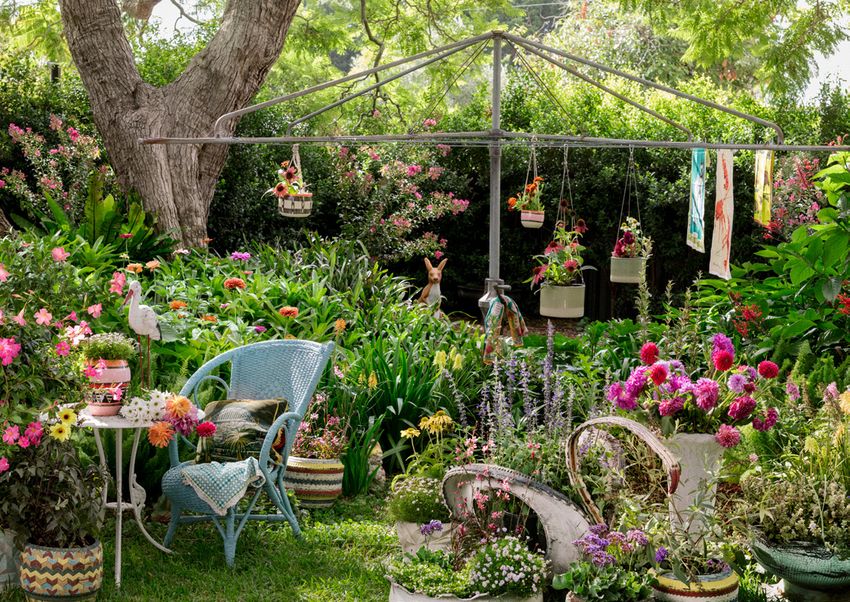
2021 PLANT TREND REPORT
          PLANT PREDICTIONS

1
Plant Life Balance is a program             AB OU T
    designed to get Australians excited
      and confident about styling their
    homes and lives with plants — while
     promoting the health and wellbeing
            benefits plants bring.          @myplantlifebalance

                                              @plantlifebalance

                                          myplantlifebalance.com.au

2
CON TE N TS

    02   Introduction

    04   The Five Big Trends

    22   The Nursery and Garden Industry
         Plant Picks for 2021

    24   Micro Trends to Watch in 2021

    26   The Plant People

    30   The Last Leaf

    31   About This Report

1
I N T R OD UC T I O N

                COVID-19 has changed our lives                            The local park went from something we took for granted
                                                                          to an essential need - a place to stay well, physically
                and homes forever.                                        and mentally.

                For workers, homes became the desk, office and            All this increased our desire to bring the outside in. A plant
                boardroom; for families, a new playground and school      for the home office, some green for the home classroom.
                - a place to learn and explore.                           Something to refresh us, and the air we breathe.

                For many of us, our homes became our only sanctuary.      The first waves of the pandemic may be behind us, but we
                                                                          know the way we live will never be quite the same again.
                The pandemic has fundamentally shifted how we live,       The lessons learnt have fundamentally redefined our homes
                learn and play.                                           and what we want and need from them. We now understand
                                                                          the important role which nature plays within our lives.
                As shelves emptied in supermarkets, people filled new
                home veggie patches with seeds and seedlings.             We can’t and we won’t underestimate nature again.
                The longer we spent indoors, the more we came to
                value the outdoors, with its fresh air, sunlight,         Our homes of the future will be abundant with flowers,
                sense of calm and everything else nature has to offer.    greenery and trees. We’ve brought plants back into our lives,
                                                                          and we’re never letting them back out again.

               This report is brought to you by:

                  Lauren Camilleri &           Erin Lovell Verinder        Sara Jones &                Shannon Martinez                Dominic & Duncan
                    Sophia Kaplan                   HERBALIST,            Jamie Thomas                  PLANT-BASED HEAD               HORTICULTURALISTS
                  AUTHORS & INDOOR            NUTRITIONIST & AUTHOR      EARTH CONNECTION                 CHEF & AUTHOR                  & NATURE PLAY
                   PLANT EXPERTS                                           PRACTITIONERS                                                   ADVOCATES

2
Research during the COVID-19 pandemic found:

       Over half (59.9%)1 of Australians
       believe getting outside and connecting                                     D I D YO U K NOW ?
       with nature is more important now
       than before the pandemic.                                           During COVID-19, some green
                                                                              spaces in our cities saw
       Over half (54.4%)2 want to bring nature                             a 100% increase in demand3
       into their homes.                                                         (people utilising the space)

               To learn more about these plant people go to page 22 or drop us a line and we can connect you.

Christian Hampson         Professor Tonia Gray          Jana Brunclikova         Mickey Robertson               Ben Alcaraz
      NATIVE                   BIOPHILIA &            NATUROPATH, HERBALIST      DESIGNER, KITCHEN              PLANT STYLIST
 HORTICULTURALIST           PEDAGOGY EXPERT            & PLANT-BASED CHEF       GARDENER, AUTHOR &
                                                                                    PODCASTER

                                                                                                                                3
TREND ONE

    Greening where
                                                           Work-from-home, flexible arrangements or hybrid working

    we work                                                models - whatever you call it - is here to stay for the
                                                           foreseeable future, with up to 60 per cent of Australians
                                                           wanting to split their working time between home and
                                                           office in the long term.4 But have we set up work spaces
                                                           in our homes in the best way possible for productivity
                                                           and happiness?

                                                           RMIT University and University of Melbourne have found
                                                           plants can boost your mood and concentration, helping
                                                           you be more productive in your space.5 Our study, conducted
                                                           after the first wave of the pandemic, also showed
                                                           1 in 4 Australians purchased greenery to improve their
                                                           air quality (25.7%).6

                                                           - THE PREDICTION -
                             The best plants for           Workspaces will be greened for
                             a big office space            greater productivity
                            Philodendron ‘Brasil’          Knowing our temporary or ‘quick set up’ home desks or
                         (Philodendron hederaceum)         offices will now remain, 2021 will see Australians looking
                                                           to re-create, re-imagine and evolve how these look and
                        Sabre fig (Ficus binnendijkii)     function for us.
                       or Fiddle leaf fig (Ficus lyrata)
                                                           Big or small it doesn’t matter, the best
                                                           working-from-home space has some plants.
          Lauren Camilleri
          & Sophia Kaplan
          AUTHORS & INDOOR PLANT EXPERTS

4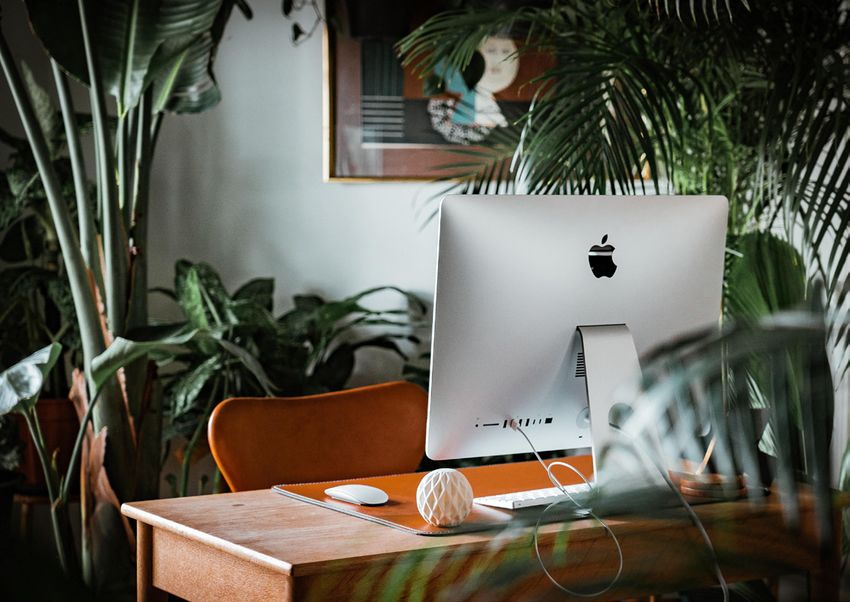
BOOM!
BOOM!
A LITTLE
BIT MORE
A LITTLE
MENTAL
A LITTLE
BIT MORE
BIT MORE
WELLBEING
MENTAL
MENTAL
WELLBEING
WELLBEING
The best trailing plants for low light
11 1 PLANT
25%
25%
CLEANER
CLEANER
25%
75% 75%
CLEANER
CLEANER
75%
5
PLANTSPLANTS
55 BOOM!
BOOM!
10 10
10
Devil’s ivy (Epipremnum aureum)
PLANTS
PLANT PLANTS
AIR
AIR AIR
CLEANER AIR BOOM!
CLEANER
60%
A LITTLE
BITAMORE
LITTLE
PLANT AIR MORE 60% AIR
MENTAL MORE
PLANTS PLANTS
Spider plants (Chlorophytum comosum)
WELLBEING 60%
BIT MORE
MENTAL MENTAL
A LITTLE MORE
MENTAL
WELLBEINGBIT MORE WELLBEING
MENTAL
MENTAL
WELLBEING WELLBEING
MAXIMIM WELLBEING
HEALTH
55 1010
& WELLNESS
BOOM!
1 25% 25%
25% CLEANER
CLEANER
AIRCLEANER
CLEANER
75%
75%
CLEANER75% 5 10 BOOM!
Lauren Camilleri
PLANT CLEANER
PLANTSPLANTS PLANTS PLANTS
AIR AIR
AIR & Sophia Kaplan
T AIR 60% AIR
60%
MORE
PLANTS PLANTS AUTHORS & INDOOR
MORE 60%
MENTAL A LITTLE BOOM! PLANT EXPERTS
MORE
WELLBEING BIT MORE
MENTAL BOOM!
10
MENTAL
WELLBEING MENTAL
WELLBEING WELLBEING
1 5 10
PLANTS A LITTLE 75%
BIT
A25% MORE
LITTLE CLEANER
CLEANER AIR
PLANT‘The SimpleMENTAL
Science’
BIT
AIR MORE
60% PLANTS BOOM! PLANTS
WELLBEING
MENTAL
RMIT University & University MORE
WELLBEING
of Melbourne
11 55 10
5
MENTAL
75%
WELLBEING BOOM!
10
A LITTLE
BIT MORE
25% CLEANER
75% BOOM!
“
MENTAL CLEANER
25% AIR
CLEANER
PLANT
WELLBEING
BOOM!
AIR
CLEANER 60%
AIR PLANTS PLANTS
How
A LITTLE to bring
PLANT this
75%trend
AIR to life PLANTS PLANTS
1 A MORE
BIT
BIT
LITTLE
MENTAL
25%
GotMORE
aCLEANER
CLEANER
small desk area?AIR 5MORE
60%
MENTAL
MORE 10
PLANT MENTAL
Utilising
WELLBEING
AIR
shelving and PLANTS
60%hanging planters
WELLBEING
MENTAL PLANTS
WELLBEING MORE WELLBEING Lauren Camilleri
will allow you to MENTAL
add75%
lush greenery whilst
55 1010
& Sophia Kaplan
WELLBEING75% AUTHORS & INDOOR
maintaining precious deskspace.
CLEANER An office
10
25% PLANT EXPERTS
25% CLEANER
AIR
CLEANER
nook can often be lacking in natural light so
CLEANER AIR
T
AIR
PLANTS
make
AIR sure you choose 60%low-light tolerant plants.PLANTS
PLANTS PLANTS
PLANTS
MORE60%
MORE
MENTAL
Have an office? MENTAL
WELLBEING
WELLBEING
Mature, tree-like specimens in a simple,
modern planter provide a strong feature in
a well lit corner. A wall of shelving can be
brought to life with trailing potted plants.
Have a backyard or garden?
Position your desk at a window
that overlooks the greenery.
5
“
    Lauren Camilleri and Sophia Kaplan
    from Leaf Supply suggest that
    moving away from your desk and into             Lauren Camilleri &
                                                       Sophia Kaplan
    full nature immersion will ramp up           AUTHORS & INDOOR PLANT
                                                                EXPERTS
    productivity and wellbeing.

    Take breaks with plants
    Allocating some time out of your work
    to care for your plants helps structure
    your day, and gets you from sitting
    to moving or why not even move your
    desk out into your backyard.

    Bring in some natural tones
    Create an invigorating and productive
    space by taking style inspiration from
    nature; with greens and earthy tones
    which are both relaxing and conducive
    to productivity.

    Ignite all the senses
    with nature
    Scent is a really effective way to evoke
    a feeling or state of mind. Try lighting
    a candle or diffusing essential oils based
    on scents found in nature. We recommend
    Australian natives such as tea tree or
    herbs like thyme and mint, as well as
    bright citrus notes.

6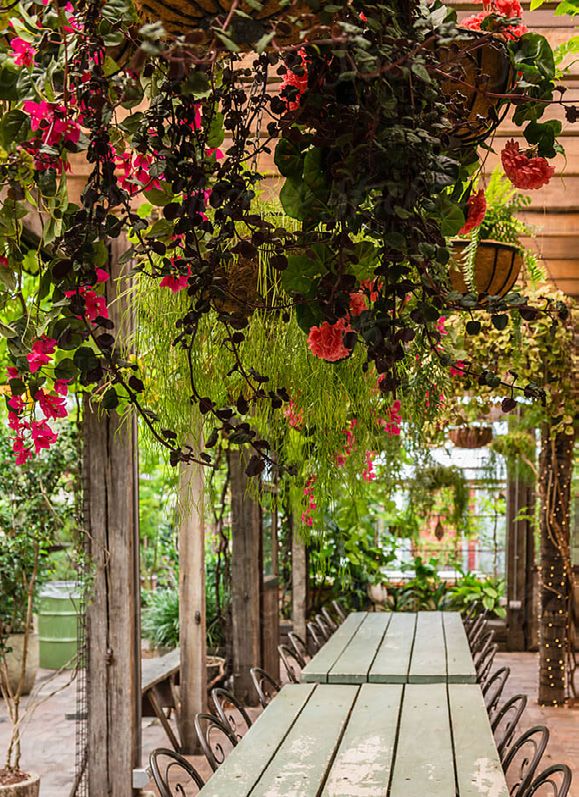
7
Over the past year, our usual health and wellness habits
                                                                      became obsolete as we sought new ways to find refuge
    TREND TWO                                                         from the stressors of life - with our homes becoming the
                                                                      ultimate sanctuary.

    A daily dose                                                      Our study found that during the pandemic, the majority
                                                                      of Australians (61%) used their home as a space for
                                                                      relaxation, mindfulness or fitness7.

    of Vitamin G(arden)                                               Some plant trend forecasters believe this is the start
                                                                      of a wellness movement in our homes coupled with the
                                                                      recognition that a connection to nature is a connection
                                                                      to better wellbeing.

                                                                      - THE PREDICTION -
                                                                      Nature-based practices and
                                                                      remedies will offer relief
                                                                      Sara and Jamie from Wayapa Wuurrk (Connect to Earth)
                                                                      believe ancient Indigenous knowledge of the ways to connect
                                                                      with the earth are giving us a starting point for our own health:

                                                                           When we look after our plants
     Erin Lovell Verinder
     HERBALIST,                                                            by caring for their needs - watering,
                                                                           sunlight, space - we begin to
     NUTRITIONIST & AUTHOR

                                                                      “
                                                                           experience a reciprocal relationship
                                                                           with them, they give us purpose
                     The best plants for
                    health and wellbeing
                                                   Sara Jones
                                                   & Jamie Thomas          to look after something other than
                                                   EARTH CONNECTION
                                                   PRACTITIONERS
                                                                           ourselves, which can improve
                       Sage (Salvia officinalis)                           our mental health.
                      Thyme (Thymus vulgaris)                         All we need to do to access the healing power of plants is
                                                                      pick specific plants for our wellbeing, and create greened
                                                                      wellness places in our homes.
8
“
Throughout and post-pandemic, there is going
to be a greater interest and awareness in healing
ourselves through the power of plants. Working
with plant medicines to support your body is a
Erin Lovell Verinder powerful way to build resilience.
HERBALIST,
NUTRITIONIST & AUTHOR
Erin Lovell Verinder’s tips for this trend are:
Growing wellness
Growing herbs like lemon balm (Melissa
officinalis) or chamomile (Matricaria recutita)
can be incredibly calming for the nervous
system, especially when consumed as fresh or
dried herbal teas. These plants act on the
nervous system to untangle stress and anxiety,
and are perfect to usher in a sound night’s sleep.
Plants to ground and nourish you
Many medicinal plants are incredibly easy
to grow and have infinite applications. Greening
any meal with hardy culinary herbs such as
oregano (Origanum vulgare), rosemary (Salvia
rosmarinus), sage (Salvia officinalis) and
thyme (Thymus vulgaris) can create a very
grounding and wholesome effect.
Make your own relief
Making your own herbal infused oil from dried
plants such as rosemary (Salvia rosmarinus)
or lavender (Lavandula angustifolia) and a plant
based oil such as coconut or olive oil, is an
incredibly simple thing to do and can offer
a serene feeling when applied on the skin.
Plants to feel good
Finding simple, feel good ways to continually
bring plants into our home will support and
”
benefit your wellbeing.
9TREND THREE
Learning Throughout the pandemic, as families cocooned away in
the safety of their homes, learning was brought inside8 and
many children’s habitual daily connection with nature was
lost. However, demand for nature play has never been higher.
nature’s lessons This is with good scientific reason; a huge amount of
research from around the world shows that when children
play and learn outdoors, they actually learn more.10
While home learning is mostly behind us now, the question
for the future is: how do we take on the greatest advantages
and gifts of nature and its learning potential for our children
beyond the pandemic?
- THE PREDICTION -
Introducing the Nature Station
When children play in nature,
they are calmer, confident and
more open to learning. They show
improvements in social skills,
1 in 4 parents believe their child’s
connection with nature is more
important to them now than before Professor
Tonia Gray
“ imagination, creativity, teamwork,
concentration and behaviour.
As much as possible, encourage
the pandemic (25.1%).9 BIOPHILIA &
PEDAGOGY EXPERT playtime in nature, rather than
on screens.
10In the year ahead, Nature Stations will
be popping up indoors, outdoors and
on balconies - demonstrating our renewed
interest in nature, in homes of all sorts
and sizes, particularly for our growing
population of apartment dwellers.11
How to bring this trend to life
So what exactly is a Nature Station? True to
its name, it is a space within the home where
a child can delve into unstructured play to
explore the intricacies of plant life and objects
sourced from nature. This can be as simple
as a cushioned corner with a few leaves, stones,
and feathers to interact with, or it can be a
child-friendly backyard jungle packed with
nature-based activities and native plants to
attract the birds and the bees.
The Nature Station is a portal from any home,
immediately transporting a child out into the
magic of the natural world and bringing the
benefits of nature learning with it.
11“
How to make your own
Nature Station:
Dominic Hooghuis
Dominic Hooghuis from The Plant HORTICULTURALIST &
Runner recommends to have fun NATURE PLAY ADVOCATE
personalising this space alongside
your family. Set out for a treasure
hunt to gather your materials from
your local park or nursery. Use fallen
branches and sticks to build the
imagination, stacking them to create
a ‘stick cubby’. See nature come
to life by growing plants that are
dedicated to feeding insects.
In Spring, grape vines will attract
caterpillars, providing a great
spectacle and learning point for your
child. Over the months, your child
will be mesmerised as the caterpillar
grows and grows, and then buries
into their cocoons as they start the
metamorphosis process. Imagine how
excited they will be when a butterfly
emerges a few months later, knowing
that they helped it grow!
12We know this trend will be one parents are
interested to take up; Less than 1 in 10
have incorporated plants inside the home
for learning with their children (8.4%).12
Not sure what to plant?
We recommend textural variation and plants
with scent and movement. Here are the best
child-friendly plants for children’s learning:
1. Tree aeonium
(Aeonium arboreum)
2. Marguerite daisy
(Argyranthemum frutescens)
3. Japanese maple (Acer palmatum)
To find inspiration in creating a nature play
station head to; plantlifebalance.com.au/
the-looks/childs-play/
13Spending on household
TREND FOUR furnishings and equipment has
risen by 53% on last year14
Introducing
The home has become the hub for entertaining. Coupled with
a return to making and baking - and a new-found passion
the Plant-ertainer for self-grown produce - socialising with those we love in our
homes is not going away any time soon. Our study found
1 in 3 Australians have increased home entertaining during the
pandemic, and the same amount plan to continue into 2021.13
Given our investment in home improvements during the
pandemic, it’s a commitment we can expect Australians
to make good on.
A home built for entertaining is never just about function;
it’s also about form. Plant styling is a trend that is expected
to increase and build momentum in the coming years.
Some plant trend forecasters believe this will see a rise in the
Plant-ertainer; an entertainer that utilises growing and
greenery throughout their leisure and pleasure time in their
home and backyard.
- THE PREDICTION -
Entertaining is all about the garnish
from food, to table setting, to decor.
“ Shannon Martinez, from Smith and Daughters says; now that
more people are putting on dinner parties from their own
home, there will be a deeper understanding and motivation
towards all the work that goes into entertaining: the produce,
”
Shannon Martinez
PLANT-BASED HEAD
the cooking and the importance of styling and decor.
CHEF & AUTHOR
14The best plants
for entertaining areas
Tree Philodendron
(Thaumatophyllum bipinnatifidum)
Swiss Cheese Plant
(Monstera deliciosa)
Ben Alcaraz
PLANT STYLIST
15“ How to bring this trend to life
As Shannon Martinez from Smith and Daughters says,
a fabulous way to bring the atmosphere to life is to tie
the flavours and theme of your meal in with your table
Shannon Martinez setting. If doing a middle eastern theme, decorate the
PLANT-BASED HEAD
CHEF & AUTHOR space with big beautiful artichokes in vases and put fig
leaves and citrus onto the table. You could even scatter
fresh herbs or whole spices too. Then at the end of the
night, everyone can take home the table setting like
”
a goodie bag.
“ Ben Alcaraz, plant stylist and interior designer says;
a useful way to style your entertaining areas is to add
large statement plants and always go by the rule of
‘third’ like things exist in nature. Use plant stands to help
Ben Alcaraz elevate some plants to add texture to the space.
PLANT STYLIST
Such as; set a Swiss Cheese Plant (Monstera deliciosa)
on a plant stand, next to a Fiddle leaf fig (Ficus lyrata).
Next to this, place a large Tree philodendron
(Thaumatophyllum bipinnatifidum) with broad leaves
on the floor, to help tie everything in. The contrast in these
plants’ leaves will work to add variation in texture.
Another useful way to style plants in an entertaining
area is to hang plants from the ceiling. A few trailing
”
plants overhead really creates a talking point.
16“
Naturopath & herbalist, Jana Brunclikova
says edible flowers are also expected
to be big on the entertaining scene.
Most can be used as a main ingredient
Jana Brunclikova in a meal or simply placed on top as
NATUROPATH, HERBALIST
& PLANT-BASED CHEF a beautiful garnish.
Nasturtium
(Tropaeolum majus):
This easy-to-grow ground cover has
edible leaves with strong peppery
flavours and flowers that work well
in salads, and support a healthy
liver and gallbladder.15
Marigold (Tagetes erecta):
The bitterness of the marigold pairs
well with sweet dishes. While growing,
it also acts acts as a companion,
”
pest-deterring plant for its neighbours.
Jana’s tip:
“Most edible flowers are extremely
delicate and don’t preserve well,
so it is best to eat them just after
they are picked.”
17TREND FIVE
Growing for
the glow During the pandemic the question of food security was
thrown to the fore. We saw it in the empty shelves across
supermarkets and hoarding in homes. Scrambling to
find some sense of certainty in such an uncertain time,
Australians turned to growing our own food, many for
the first time.
Our study found the top three reasons people wanted to
grow their own food during the pandemic were to; enjoy
it as a hobby (40.4%), save money (36.8%) and enjoy the
freshest food possible (34.4%)17. And a whopping 8 in 10
(80%) said they’ll continue to grow produce at home in 2021.
But there is always more to growing our own food than
we know and as we emerge from the pandemic, we’re just
beginning to reap the fruits of our iso-labour.
- THE PREDICTION -
From food for fuel
to inner fulfilment
Google searches for
‘How To Grow Vegetables’
hit an all-time worldwide Mickey Robertson
“ Mickey Robertson from Glenmore House says; growing
your own produce, however much, however little, brings
such a sense of fulfilment. While the final aim may be
DESIGNER, KITCHEN bounty for the table and food in your belly, many have
high in 202016 GARDENER, AUTHOR
& PODCASTER newly discovered the journey involves mind, body, all
”
the senses and soul.
18Mickey Robertson
“
People will continue to home-grow
post-pandemic because they will
have discovered a real difference in
DESIGNER, KITCHEN
GARDENER, AUTHOR the flavour of the fruit and vegetables
& PODCASTER
they grow themselves, as well as a
sense of pride in bringing that produce
to the table. If you don’t have a yard,
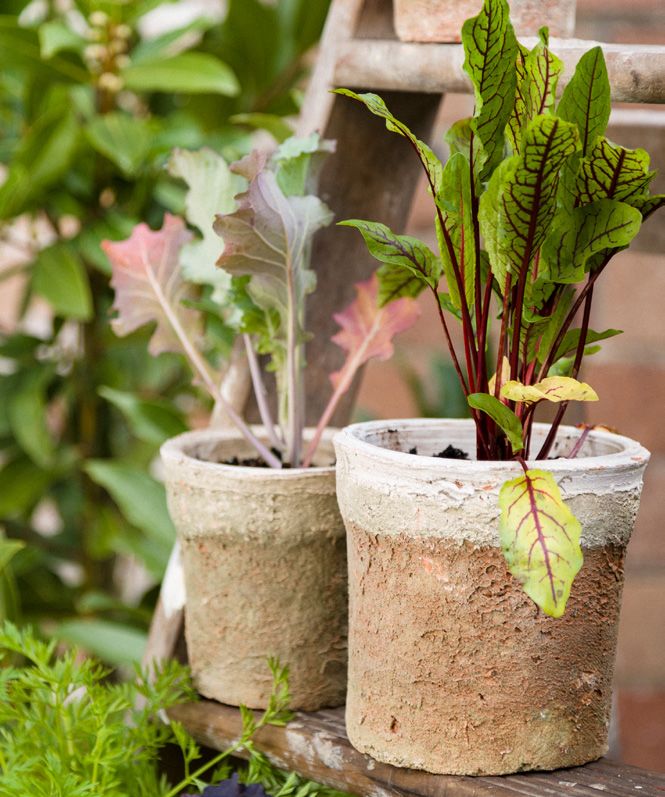
you can still grow an enormous bounty
in all kinds of pots and containers.
You just need creativity, sun, and
”
a good organic soil.
19How to bring this trend to life
Try planting native edibles. A few top
natives to grow at home are:
1. Midgen or midyimberries
(Austromyrtus dulcis)
2. Geraldton wax
(Chamelaucium uncinatum)
3. Old man saltbush
“
(Atriplex nummularia)
During the pandemic we have become much
Christian Hampson
more localised and engaged with the natural NATIVE
landscape. Interest in planting, tending and HORTICULTURALIST
utilising native plants is growing. Foraging
our landscape for food is a great step
towards custodianship of our environment,
our Mother Earth.
Especially in urban environments, growing
native edibles contributes to biodiversity,
which we are losing at an alarming rate,
and also reinvigorates country and spirit.
Natives are more resilient and best adapted
to our environment, use less water and are
often the most beautiful and oldest examples
of flora in the world.
You can find out about species that are
endemic to your area through your local
”
native nurseries or local council’s website.
20In the grow your own food movement, space
is still a premium consideration. Our study16
found a majority of Australians (90%) are
growing produce, in a variety of locations:
62% in their backyard, with only 17% using
a balcony, 16.1% using a courtyard and
only 10.9% using a windowsill.
Just 2.7% of Australians say they use
a community garden.
Nursery industry experts say the best edible
plants in 2021 for small spaces will be:
Window sill:
Leafy greens or herbs The hottest vegetable
of 2021?
Balcony:
Tomatoes (Solanum lycopersicum)
or dwarf citrus trees “Radishes are the next
big thing to be gracing our
Courtyard: gardens and plates.
Cucumbers (Cucumis sativus),
Broccoli (Brassica oleracea var. italica)
Enjoying them straight out
or Monkey apple (Syzygium smithii) Shannon Martinez
of the ground cooked with
PLANT-BASED HEAD CHEF
& AUTHOR
some vegan butter and salt
is just beautiful”
21T HE NUR S E RY A N D G A R DE N INDUSTRY
PL A N T PI C KS FO R 2 02 1
Expect to see the following species popping
up in homes across Australia this year:
Outdoor plants:
• Lilly pilly (Syzygium smithii)
• English lavender (Lavandula angustifolia)
Potted or flowering colour:
• Parrot-beak (Lotus berthelotii)
• Geranium (Pelargonium capitatum)
Evergreen for gardens/backyards:
• Orange jessamine (Murraya paniculata)
• Bull Bay Magnolia (Magnolia grandiflora)
• Common juniper (Juniperus communis)
Deciduous for gardens/backyards:
• Crepe myrtle (Lagerstroemia indica)
• Weeping japanese maples (Acer palmatum var. dissectum)
Low maintenance or drought tolerant:
• Zanzibar gem (Zamioculcas zamiifolia)
• Succulent senecio (Senecio barbertonicus)
22Succulent, air or aqua:
• Bonsai crassula (Crassula sarcocaulis)
• Spanish moss (Tillandsia usneoides)
• Elephant ears (Colocasia esculenta)
Unique and unusual:
• Monstera obliqua (Monstera obliqua)
• Wax flower (Hoya obovata)
• White variegated monstera
(Monstera borsigiana albino)
Fence or trellis climbers:
• Star jasmine
(Trachelospermum jasminoides)
• Orange trumpet creeper
(Pyrostegia venusta)
• Passionfruit (Passiflora edulis)
23M I C R O T R EN DS TO WATC H I N 2021
Popping red: Variegated:
Any species in the colour red is predicted to be Since the variegated monstera hit the scene with
hugely popular; look for leaves, flowers, as well its cult following, expect to see other variegated
as pots or accessories in reddish hues. species take centre stage.
Seek expert advice: Planting for climate:
With so many new plant-parents, and those trying With climate change firmly on the public agenda,
new things in the garden, there’s sure to be a boom water efficiency and hardiness will be top attributes
in demand for horticulture how-tos. Expert advice plant buyers will be attracted to.
is best when it’s local, as it’s specific to the conditions
where you live. Pick up the phone or head down to
your local nursery. Cottage-core:
Wild cottage gardens are making a comeback.
Look for flowers in hanging baskets, wall trailers,
and colourful pots of all sizes.
Collectable cluster species:
A new way to create statements is emerging
We have nearly 180 nursery and by clustering multiple types of species in a single
planter box. Think succulents (Sucus sp.), the
horticulture experts in every single
Radiator plant (Peperomia caperata) or Mistletoe
state and territory around Australia cactus (Rhipsalis baccifera).
ready to speak with you on best
plants, care and tips for growing. Teens go from screens to green:
As teens seek ways to create a space of their own
in the home, plants provide the perfect opportunity
Contact us and we’ll connect you.
to make a serene spot, somewhere to escape.
24Facts at a glance
In 2020, two billion plants were sold to
communities, workplaces and homes across
Australia totaling $2.44 billion, according
to the nursery and garden industry’s latest
annual report.
A Plant Life Balance study of 1,000
plant-buying Australians found:
The top three reasons Australians
buy plants are to:
1. Make my space look beautiful • Almost half of respondents (44.2%)
(62.2%) believe the pandemic has made them
2. Bring nature into my home more aware of the importance of
(54.3%) nature in their family’s lives
3. Grow food to eat
(39.5%) For demographic and location specific
data get in touch.
• Almost 1 in 3 (30%) grow food to feel
connected to the food they eat, and
more than 1 in 5 (23%) grow food to
avoid chemicals
• Nearly one in five (18%) purchased
greenery to attract bees
• A quarter of people purchased greenery
to improve air quality (25.7%)
25T HE PL AN T P E O P LE
Keep an eye on these plant people, experts and influencers in 2021
Ben Alcaraz Jana Brunclikova Lauren Camilleri & Sophia Kaplan
PLANT STYLIST NATUROPATH, HERBALIST AUTHORS & INDOOR PLANT EXPERTS
& PLANT-BASED CHEF FROM LEAF SUPPLY
Ben’s passion for plants started
With over 13 years of Naturopathic Friends and self described plant
five years ago simply with a monstera
experience (BSc Health ), Jana nerds, Lauren Camilleri and Sophia
and devil’s ivy. His collection is
is renowned for her calm, focused Kaplan, are the founders of Leaf
now expansive with a passion for
passion for her expertise. She has Supply. They are seriously passionate
rare plants. This lived experience
a long relationship with herbs and about plants, believing life is better
of growing a collection for himself
their medicinal qualities. Alongside surrounded by nature. Alongside their
turned his passion into practice
this, she is a plant-based chef - business, they have authored three
and he now helps others style and
creating signature cakes - infusing indoor plant books.
maintain their plant collections.
medicinal plants or Australian
bush flowers. They are experts in:
Ben is an expert in:
• Interior/exterior space design • Indoor plants
Jana is an expert in:
• Plant styling • Plant care
• Naturopathy and herbalism
• Latest top looks and trends • Indoor plant styling
• Plant-based cooking
• Utilising plants for health
26Christian Hampson Dominic Hooghuis & Duncan Hilder Professor Tonia Gray
NATIVE HORTICULTURALIST & HORTICULTURALISTS & NATURE PLAY BIOPHILIA & PEDAGOGY EXPERT
CO-FOUNDER & CEO FROM YERRABINGIN ADVOCATES
Professor Tonia Gray researches our
Both qualified horticulturists, the estranged human-nature relationship
Yerrabingin - “We walk together”-
Plant Runner duo love applying their and its impact on child development
is an Indigenous Design Thinking
green-thumb knowledge and passion and well-being, an area known as Eco-
practise. Christian is a proud
to community and corporate spaces, pedagogies. For over 30 years, Tonia
Woiwurrung and Maneroo Aboriginal
and driving their plant-packed truck has written extensively on nature-
man interweaving Indigenous tacit
around the streets of Melbourne. based practices in teacher education
knowledge and design thinking to
The two love a good plant yarn and and advocates for infusing outdoor
walk a new path, away from
educating small hands about the and ‘green’ learning experiences into
conventional approaches. Christian
beauty and pleasure of nature. Australia’s Curriculum.
launched of the world’s first
Indigenous rooftop farm in Sydney,
They are experts in: Tonia is an expert in:
with over 2,500 native plants.
• Horticulture • Childhood nature-based learning
Christian is an expert in: • Plant care and maintenance • Biophilia - human/nature
• Nature play connection
• Indigenous design thinking
• Urban greening
• Indigenous plant and earth
knowledge
• Native horticulture
27T HE PL AN T P E O P LE
Keep an eye on these plant people, experts and influencers in 2021
Sara Jones & Jamie Thomas Shannon Martinez Erin Lovell Verinder
EARTH CONNECTION PRACTITIONERS, PLANT-BASED HEAD CHEF & AUTHOR HERBALIST, NUTRITIONIST & AUTHOR
FROM WAYAPA WUURRK FROM SMITH AND DAUGHTERS
Erin is a fully qualified herbalist and
Jamie and Sara co-founded Wayapa Shannon is well and truly underway
nutritionist who has worked within the
Wuurrk, which means “Connect to the in her mission to change the way the
healing space for twenty-one years.
Earth” in the language of the Maara & world perceives plant-based dining
Erin works with clients to bring about
GunaiKurnai people, from which Jamie and changing the way people eat.
profound change for their health and
descends. Wayapa looks to change She has been cooking in kitchens for
wellbeing by bridging together herbal
how we view the idea of ‘being well’ the past twenty-two years and is the
medicine, nutritional medicine and
with a focus on ancient Indigenous owner of Australia’s two most prolific
lifestyle. She is also the author of ‘Plants
thinking, including learning how to plant-based businesses, Smith &
for the People’ with her second book
develop a relationship with our Daughters and Smith & Deli and has
soon to be released.
environment through the concept authored three best-selling books.
of ancient earth mindfulness. She has a huge kitchen garden of Erin is an expert in:
her own. • Nutrition and herbalism
They are experts in:
• Utilising plants for health
• Raising awareness about earth Shannon is an expert in:
• Holistic wellbeing
reciprocity • Plant-based cooking
• Ancient earth mindfulness • Kitchen gardening
• Earth, mind, body, spirit, wellbeing • Future plant-food trends
28Mickey Robertson
DESIGNER, KITCHEN GARDENER, AUTHOR
& PODCASTER
Once a city girl, Mickey now works her
green thumb amongst the countryside
garden oasis that is Glenmore House.
She holds a deep and abiding passion
for landscape, architecture, interiors,
gardens and the enduring relationship
that links them together. Alongside
growing a thriving edible garden, she
runs hands on workshops and
the podcast ‘In the Kitchen Garden
with Mickey’.
Mickey is an expert in:
• Edible gardening
• Interior and garden design
• Organic principles
To chat with any of these plant people
- simply drop us a note and we’ll connect you.
29THE LAST LEAF
The great disruptor of the past year, the coronavirus • Becoming the ultimate entertainers, by being plant-
pandemic, has radically changed what we expect and forward from the settings to the stylings
need from our homes - they have now become the place • Deepening our connection with the earth to nourish
where we spend a lot more of our lives than ever before.
us, through growing our own edibles and food
The positive changes we made in our homes during
While the trend of living at one with nature is nothing new,
the pandemic are only expected to solidify and grow:
our study found more people are realising how essential it is
to us and our planet.
• Optimising productivity by greening workspaces
• Integrating plants into our wellness and However you choose to bring nature into your home space,
wellbeing routines Plant Life Balance will continue to educate you, inspire you
• Continuing to encourage our children to learn and celebrate everything plants do.
and grow with nature
Head to myplantlifebalance.com.au to get your daily dose of green,
or follow us on Instagram @myplantlifebalance
All media enquiries, get in touch at hello@myplantlifebalance.com.au
30HOW WERE THESE TRENDS FORECASTED? REFERENCES
1.
Plant Life Balance research study of 1,000+ plant-buying Australians*
Australian Public 2.
Plant Life Balance research study of 1,000+ plant-buying Australians
Survey questionnaire/digital interviews with 3.
https://www.dpie.nsw.gov.au/news-and-events/sydneysiders-take-to-
a nationally representative sample of 1,005 Australians green-space-during-the-covid-19-pandemic
18-65 who bought a plant/tree in the last 12 months, 4.
NSW Department of Planning, Industry and Environment “Public
ABS benchmarks for gender, age group and state were Space During COVID-19” survey
applied to survey quotas. Commissioned by Plant Life
5.
Personalisation for Your People workplace study with 1,002
Australians, by Boston Consulting Group, 2020
Balance via Hort Innovation, conducted by researchers 6.
The Simple Science, by RMIT, University of Melbourne and Plant Life
at Pure Profile in October 2020. Referred to as ‘Plant Balance, 2018
Life Balance research study of 1,000+ plant-buying 7.
Plant Life Balance research study of 1,000+ plant-buying Australians
Australians’ for all further reference. The responses 8.
Plant Life Balance research study of 1,000+ plant-buying Australians
gathered from this research are attributed to individual 9.
Playgrounds closed coronavirus, Australian Broadcasting Corporation
respondents. These are grouped together in the (ABC), April 2020 and Schools closed, thousands on alert, The New
Daily, October 2020
collective as “Australians”. 10.
Plant Life Balance research study of 1,000+ plant-buying Australians
11.
Muddy Hands report authored by Cath Prisk MA, from Outdoor
Nursery and Garden Industry Experts Classroom Day, in partnership with Nature Play and Omo. Features a
Interviews (both in-person and digitally, gathering literature review of 100+ sources of academic research
quantitative and qualitative findings) were conducted 12.
Plant Life Balance research study of 1,000+ plant-buying Australians
with 17 expert members of the Nursery and Garden
13.
Plant Life Balance research study of 1,000+ plant-buying Australians
14.
Commonwealth Bank of Australia (CBA) debit and credit card data,
Industry, during Oct-Dec 2020. Throughout the report,
May 2020
the insights have been attributed to individuals and 15.
https://balconygardenweb.com/reasons-to-grow-nasturtium-benefits-
also collectively as ‘Nursery Industry Experts’. uses/
16.
If you took to growing veggies in the coronavirus pandemic, then
Literature and Cultural Review keep it up when lockdown ends, The Conversation, May 2020
Over 100 sources were analysed from international,
17.
Plant Life Balance research study of 1,000+ plant-buying Australians
national, mainstream and specialised publications to
understand current trends and perceptions of plant-
purchasing behaviours.
Plant Life Balance is funded by Hort Innovation using the nursery
levy and funds from the Australian Government.
For more information on the fund and strategic levy investment
*Report available upon request visit horticulture.com.au
31@myplantlifebalance @plantlifebalance myplantlifebalance.com.au
hello@myplantlifebalance.com.au +61 (0) 431 279 785 (for all media enquiries)
32You can also read


