A WORLD THAT COUNTS I - MOBILISING THE DATA REVOLUTION FOR SUSTAINABLE DEVELOPMENT
←
→
Page content transcription
If your browser does not render page correctly, please read the page content below
A World
that Counts
Mobilising the Data Revolution for Sustainable Development

                                                                           i

   IOIOOOIIIIOIOOOIIOOIOIOIOIOIOOOIIIOIOOOIOOIOIOIOIOIOOOOIOIOIOIOOIOOOOIOIOIOIOIOIO-
    OOOIOIOIOIOIOIOIOOOOIOIOIOIOIOIOIOIOOIOIOIOIOOOOOOIOIOIOIOIOIOIOIOOOIIIIOIOOOIIO-
   OIOIOIOIOIOOOIIIOIOOOIOOIOIOIOIOIOOOOIOIOIOIOOIOOOOIOIOIOIOIOIOOOOIOIOIOIOIOIOIO-
  OOOIOIOIOIOIOIOIOIOOIOIOIOIOOOOOOIOIOIOIOIOIOIOIOOOIIIIOIOOOIIOOIOIOIOIOIOOOIIIOIO-
  OOIOOIOIOIOIOIOOOOIOIOIOIOOIOIOIOIOOOOOOIOIOIOIOIOIOIOIOOOIIIIOIOOOIIOOIOIOIOIOIO-
    OOIIIOIOOOIOOIOIOIOIOIOOOOIOIOIOIOOIOOOOIOIOIOIOIOIOOOOIOIOIOIOIOIOIOOOOIOIOIO-
  IOIOIOIOIOOIOIOIOIOOOOOOIOIOIOIOIOIOIOIOOOIIIIOIOOOIIOOIOIOIOIOIOOOIIIOIOOOIOOIOIO-
    IOIOIOOOOIOIOIOIOOIOOOOIOIOIOIOIOIOOOOIOIOIOIOIOIOIOOOOIOIOIOIOIOIOIOIOIOOOIIIIO-
   IOOOIIOOIOIOIOIOIOOOIIIOIOOOIOOIOIOIOIOIOOOOIOIOIOIOOIOOOOIOIOIOIOIOIOOOOIOIOIO-
     IOIOIOIOOOOIOIOIOIOIOIOIOIOOIOIOIOIOOOOOOIOIOIOIOIOIOIOIOOOIIIIOIOOOIIOOIOIOIOIO-
     IOOOIIIOIOOOIOOIOIOIOIOIOOOOIOIOIOIOIOIOIOOIOIOIOIOOOOOOIOIOIOIOIOIOIOOIOIOIOIO-
  OOOOOIOIOIOIOIOIOIOIOOOIIIIOIOOOIIOOIOIOIOIOIOOOIIIOIOOOIOOIOIOIOIOIOOOOIOIOIOIOO-
    IOOOOIOIOIOIOIOIOOOOIOIOIOIOIOIOIOOOOIOIOIOIOIOIOIOIOOIOIOIOIOOOOOOIOIOIOIOIOIO-
   IOIOOOIIIIOIOOOIIOOIOIOIOIOIOOOIIIOIOOOIOOIOIOIOIOIOOOOIOIOIOIOOIOOOOIOIOIOIOIOIO-
    OOOIOIOIOIOIOIOIOOOOIOIOIOIOIOIOIOIOOIOIOIOIOOOOOOIOIOIOIOIOIOIOIOOOIIIIOIOOOIIO-
   OIOIOIOIOIOOOIIIOIOOOIOOIOIOIOIOIOOOOIOIOIOIOOIOOOOIOIOIOIOIOIOOOOIOIOIOIOIOIOIO-
  OOOIOIOIOIOIOIOIOIOOIOIOIIOIOOOIIIIOIOOOIIOOIOIOIOIOIOOOIIIOIOOOIOOIOIOIOIOIOOOOIO-
     IOIOIOOIOOOOIOIOIOIOIOIOOOOIOIOIOIOIOIOIOOOOIOIOIOIOIOIOIOIOOIOIOIOIOOOOOOIOIO-
   IOIOIOIOIOIOOOIIIIOIOOOIIOOIOIOIOIOIOOOIIIOIOOOIOOIOIOIOIOIOOOOIOIOIOIOOIOOOOIOIO-
   IOIOIOIOOOOIOIOIOIOIOIOIOOOOIOIOIOIOIOIOIOIOOIOIOIOIOOOOOOIOIOIOIOIOIOIOIOOOIIIIO-
    IOOOIIOOIOIOIOIOIOOOIIIOIOOOIOOIOIOIOIOIOOOOIOIOIOIOOIOOOOIOIOIOIOIOIOOOOIOIOIO-
  IOIOIOIOOOOIOIOIOIOIOIOIOIOOIOIOIOIOOOOOOIOIOIOIOIOIOIOIOOOIIIIOIOOOIIOOIOIOIOIOIO-
    OOIIIOIOOOIOOIOIOIOIOIOOOOIOIOIOIOOIOOOOIOIOIOIOIOIOOOOIOIOIOIOIOIOIOOOOIOIOIO-
  IOIOIOIOIOOIOIOIOIOOOOOOIOIOIOIOIOIOIOIOOOIIIIOIOOOIIOOIOIOIOIOIOOOIIIOIOOOIOOIOIO-
   IOIOIOOOOIOIOIOIOOIOOOOIOIOIOIOIOIOOOOIOIOIOIOIOIOIOOOOIOIOIOIOIOIOIOIOOIOIOIOIO-
  OOOOOIOIOIOIOIOIOIOIOOOIIIIOIOOOIIOOIOIOIOIOIOOOIIIOIOOOIOOIOIOIOIOIOOOOIOIOIOIOO-
 IOOOOIOIOIOIOIOIOOOOIOIOIOIOIOIOIOOOOIOIOIOIOIOIOIOIOOIOIOIOIOOOOOOIOIOIOIOIOIOIO-
 IOOOIIIIOIOOOIIOOIOIOIOIOIOOOIIIOIOOOIOOIOIOIOIOIOOOOIOIOIOIOOIOOOOIOIOIOIOIOIOOOO-
  IOIOIOIOIOIOIOOOOIOIOIOIOIOIOIOIOOIOIOIOIOOOOOOIOIOIOIOIOIOIOIOOOIIIIOIOOOIIOOIOIO-
  IOIOIOOOIIIOIOOOIOOIOIOIOIOIOOOOIOIOIOIOOIOOOOIOIOIOIOIOIOOOOIOIOIOIOIOIOIOOOOIO-
  IOIOIOIOIOIOIOOIOIOIOIOOOOOOIOIOIOIOIOIOIOIOOOIIIIOIOOOIIOOIOIOIOIOIOOOIIIOIOOOIOO-
  IOIOIOIOIOOOOIOIOIOIOOIOOOOIOIOIOIOIOIOOOOIOIOIOIOIOIOOIOIOIOIOOOOOOIOIOIOIOIOIO-
  OOIOIOIOIOIOOOOIOIOIOIOOIOOOOIOIOIOIOIOIOOOOIOIOIOIOIOIOIOOOOIOIOIOIOIOIOIOIOOIO-
    IOIOIOOOOOOIOIOIOIOIOIOIOIOOOIIIIOIOOOIIOOIOIOIOIOIOOOIIIOIOOOIOOIOIOIOIOIOOOOIO-
  IOIOIOOIOOOOIOIOIOIOIOIOOOOIOIOIOIOIOIOIOOOOIOIOIOIOIOIOIOIOOIOIOIOIOOOOOOIOIOIO-
   IOIOIOIOIOOOIIIIOIOOOIIOOIOIOIOIOIOOOIIIOIOOOIOOIOIOIOIOIOOOOIOIOIOIOOIOOOOIOIOIO-
   IOIOIOOOOIOIOIOIOIOIOIOOOOIOIOIOIOIOIOIOIOOIOIOIOIOOOOOOIOIOIOIOIOIOIOIOOOIIIIOIO-
 OOIIOOIOIOIOIOIOOOIIIOIOOOIOOIOIOIOIOIOOOOIOIOIOIOOIOOOOIOIOIOIOIOIOOOOIOIOIOIOIO-
                    IOIOOOOIOIOIOIOIOIOIOIOOIOIOIOIOOOOOOIOIOIOIOIOIO
Acknowledgements   The United Nations Secretary-General’s
                   Independent Expert Advisory Group
                   on a Data Revolution for Sustainable
                   Development (IEAG) thanks the
                   hundreds of individuals and organi-
                   sations that contributed online and
                   during the face-to-face meetings
                   organised in New York and in Geneva,
                   as well as other meetings attended by
                   IEAG members.

                   Contributions, including in-kind, are
                   gratefully acknowledged, including
                   those from UNDP, DfID, UN Global
                   Pulse, ECE, UN Secretariat - including
                   DESA, DGACM, DM, and EOSG - UN
                   Millennium Campaign, UN NGLS,
                   Microsoft and UN Foundation.

                   We gratefully acknowledge help
                   and advice from many others,
                   especially Muhammad Abdullahi,
                   Youlia Antonova, René Clausen Nielsen,
                   Joe Colombano, Marie-Ange Diegue,
                   Jaspreet Doung, Tala Dowlatshahi,
                   Eleonore Fournier-Tombs, Caya Johnson,
                   Eva Kaplan, Kate Krukiel, Paul Ladd,
                   Yongyi Min, Keiko Osaki-Tomita,
                   Anna Ortubia, Paul Pacheco, Matthias
                   Reister, Stefan Schweinfest, Frances
                   Simpson-Allen, Corinne Woods and
                   Wailan Wu.

                   Independent Expert Advisory Group
                   Secretary: Claire Melamed

                   Research team: Luis Gonzalez
                   Morales, Yu-Chieh Hsu, Jennifer Poole,
                   Benjamin Rae, Ian Rutherford.

                   Publication management:
                   Admir Jahic

                   Design & layout: Green
                   Communication Design Inc.

                   Produced by: Independent Expert
                   Advisory Group Secretariat

                   Copyright Independent Expert
                   Advisory Group Secretariat 2014 ©

                   For more information please visit:
                   www.undatarevolution.org
IOIOIOOIOOOOIOIOIOIOIOIOOOOIOIOIOIOIOIOIOOOOIOIOIOIOIOIOIOIOOIOIOIOIOOOOOOIOIOIOIOIOIOIOIOOOIIIIOIOOOIIOOIOIOIOIOIOOOIIIOIOOOIOOIOIOIOIOIOOOOIOIOIOIOOIOIOIOIOOOOOOIOIOIOIOIOIOIOIOOOIIIIOIOOOIIOOIOIO
IOIOOOIIIOIOOOIOOIOIOIOIOIOOOOIOIOIOIOOIOOOOIOIOIOIOIOIOOOOIOIOIOIOIOIOIOOOOIOIOIOIOIOIOIOIOOIOIOIOIOOOOOOIOIOIOIOIOIOIOIOOOIIIIOIOOOIIOOIOIOIOIOIOOOIIIOIOOOIOOIOIOIOIOIOOOOIOIOIOIOOIOOOOIOIOIOIOIO
OOOIOIOIOIOIOIOIOOOOIOIOIOIOIOIOIOIOIOOOIIIIOIOOOIIOOIOIOIOIOIOOOIIIOIOOOIOOIOIOIOIOIOOOOIOIOIOIOOIOOOOIOIOIOIOIOIOOOOIOIOIOIOIOIOIOOOOIOIOIOIOIOIOIOIOOIOIOIOIOOOOOOIOIOIOIOIOIOIOIOOOIIIIOIOOOIIOOIO
IOIOIOOOIIIOIOOOIOOIOIOIOIOIOOOOIOIOIOIOOIOOOOIOIOIOIOIOIOOOOIOIOIOIOIOIOIOOOOIOIOIOIOIOIOIOIOOIOIOIOIOOOOOOIOIOIOIOIOIOIOIOOOIIIIOIOOOIIOOIOIOIOIOIOOOIIIOIOOOIOOIOIOIOIOIOOOOIOIOIOIOOIOOOOIOIOIOIO
IOOOOIOIOIOIOIOIOIOOOOIOIOIOIOIOIOIOIOOIOIOIOIOOOOOOIOIOIOIOIOIOIOIOOOIIIIOIOOOIIOOIOIOIOIOIOOOIIIOIOOOIOOIOIOIOIOIOOOOIOIOIOIOOIOOOOIOIOIOIOIOIOOOOIOIOIOIOIOIOIOOOOIOIOIOIOIOIOIOIOOIOIOIOIOOOOOO
IOIOIOIOIIOIOOOIIIIOIOOOIIOOIOIOIOIOIOOOIIIOIOOOIOOIOIOIOIOIOOOOIOIOIOIOOIOOOOIOIOIOIOIOIOOOOIOIOIOIOIOIOIOOOOIOIOIOIOIOIOIOIOOIOIOIOIOOOOOOIOIOIOIOIOIOIOIOOOIIIIOIOOOIIOOIOIOIOIOIOOOIIIOIOOOIOOIOIO
IOIOOOOIOIOIOIOOIOOOOIOIOIOIOIOIOOOOIOIOIOIOIOIOIOOOOIOIOIOIOIOIOIOIOOIOIOIOIOOOOOOIOIOIOIOIOIOIOIOOOIIIIOIOOOIIOOIOIOIOIOIOOOIIIOIOOOIOOIOIOIOIOIOOOOIOIOIOIOOIOOOOIOIOIOIOIOIOOOOIOIOIOIOIOIOIOOOO
IOIOIOIOIOIOIOOIOIOIOIOOOOOOIOIOIOIOIOIOIOIOOOIIIIOIOOOIIOOIOIOIOIOIOOOIIIOIOOOIOOIOIOIOIOIOOOOIOIOIOIOOIOOOOIOIOIOIOIOIOOOOIOIOIOIOIOIOIOOOOIOIOIOIOIOIOIOIOOIOIOIOIOOOOOOIOIOIOIOIOIOIOIOOOIIIIO
OOIIOOIOIOIOIOIOOOIIIOIOOOIOOIOIOIOIOIOOOOIOIOIOIOOIOOOOIOIOIOIOIOIOOOOIOIOIOIOIOIOIOOOOIOIOIOIOIOIOIOIOOIOIOIOIOOOOOOIOIOIOIOIOIOIOIOOOIIIIOIOOOIIOOIOIOIOIOIOOOIIIOIOOOIOOIOIOIOIOIOOOOIOIOIOIOO
OOOIOIOIOIOIOIOOOOIOIOIOIOIOIOIOOOOIOIOIOIOIOIOIOIOOIOIOIOIOOOOOOIOIOIOIOIOIOIOIOOOIIIIOIOOOIIOOIOIOIOIOIOOOIIIOIOOOIOOIOIOIOIOIOOOOIOIOIOIOOIOOOOIOIOIOIOIOIOOOOIOIOIOIOIOIOIOOOOIOIOIOIOIOIOIOIOOIO
IOIOOOOOOIOIOIOIOIOIOIOIOOOIIIIOIOOOIIOOIOIOIOIOIOOOIIIOIOOOIOOIOIOIOIOIOOOOIOIOIOIOOIOOOOIOIOIOIOIOIOOOOIOIOIOIOIOIOIOOOOIOIOIOIOIOIOIOIOOIOIOIOIOOOOOOIOIOIOIOIOIOIOIOOOIIIIOIOOOIIOOIOIOIOIOIOOOII

                                                    A World
IOOOIOOIOIOIOIOIOOOOIOIOIOIOOIOOOOIOIOIOIOIOIOOOOIOIOIOIOIOIOIOOOOIOIOIOIOIOIOIOIOOIOIOIOIOOOOOOIOIOIOIOIOIOIOIOOOIIIIOIOOOIIOOIOIOIOIOIOOOIIIOIOOOIOOIOIOIOIOIOOOOIOIOIOIOOIOOOOIOIOIOIOIOIOOOOIOIO
IOIOIOIOOOOIOIOIOIOIOIOIOIOOIOIOIOIOOOOOOIOIOIOIOIOIOIOIOOOIIIIOIOOOIIOOIOIOIOIOIOOOIIIOIOOOIOOIOIOIOIOIOOOOIOIOIOIOOIOOOOIOIOIOIOIOIOOOOIOIOIOIOIOIOIOOOOIOIOIOIOIOIOIOIOOIOIOIOIOOOOOOIOIOIOIOIOIO
IOOOIIIIOIOOOIIOOIOIOIOIOIOOOIIIOIOOOIOOIOIOIOIOIOOOOIOIOIOIOOIOOOOIOIOIOIOIOIOOOOIOIOIOIOIOIOIOOOOIOIOIOIOIOIOIOIOOIOIOIOIOOOOOOIOIOIOIOIOIOIOIOOOIIIIOIOOOIIOOIOIOIOIOIOOOIIIOIOOOIOOIOIOIOIOIOOOOIO
IOIOOIOOOOIOIOIOIOIOIOOOOIOIOIOIOIOIOIOOOOIOIOIOIOIOIOIOIOOIOIOIOIOOOOOOIOIOIOIOIOIOIOIOOOIIIIOIOOOIIOOIOIOIOIOIOOOIIIOIOOOIOOIOIOIOIOIOOOOIOIOIOIOOIOOOOIOIOIOIOIOIOOOOIOIOIOIOIOIOIOOOOIOIOIOIOIOIO
IOOIOIOIOIOOOOOOIOIOIOIOIOIOIOIOOOIIIIOIOOOIIOOIOIOIOIOIOOOIIIOIOOOIOOIOIOIOIOIOOOOIOIOIOIOOIOOOOIOIOIOIOIOIOOOOIOIOIOIOIOIOIOOOOIOIOIOIOIOIOIOIOOIOIOIOIOOOOOOIOIOIOIOIOIOIOIOOOIIIIOIOOOIIOOIOIOIOIO
OOIIIOIOOOIOOIOIOIOIOIOOOOIOIOIOIOOIOOOOIOIOIOIOIOIOOOOIOIOIOIOIOIOIOOOOIOIOIOIOIOIOIOIOOIOIOIOIOOOOOOIOIOIOIOIOIOIOOIOIOIOIOOOOOOIOIOIOIOIOIOIOIOOOIIIIOIOOOIIOOIOIOIOIOIOOOIIIOIOOOIOOIOIOIOIOIOOO
IOIOIOIOOIOOOOIOIOIOIOIOIOOOOIOIOIOIOIOIOIOOOOIOIOIOIOIOIOIOIOOIOIOIOIOOOOOOIOIOIOIOIOIOIOIOOOIIIIOIOOOIIOOIOIOIOIOIOOOIIIOIOOOIOOIOIOIOIOIOOOOIOIOIOIOOIOOOOIOIOIOIOIOIOOOOIOIOIOIOIOIOIOOOOIOIOIOIO
IOIOIOOIOIOIOIOOOOOOIOIOIOIOIOIOIOIOOOIIIIOIOOOIIOOIOIOIOIOIOOOIIIOIOOOIOOIOIOIOIOIOOOOIOIOIOIOOIOOOOIOIOIOIOIOIOOOOIOIOIOIOIOIOIOOOOIOIOIOIOIOIOIOIOOIOIOIIOIOOOIIIIOIOOOIIOOIOIOIOIOIOOOIIIOIOOOIOOIO

                                                    that Counts
IOIOIOOOOIOIOIOIOOIOOOOIOIOIOIOIOIOOOOIOIOIOIOIOIOIOOOOIOIOIOIOIOIOIOIOOIOIOIOIOOOOOOIOIOIOIOIOIOIOIOOOIIIIOIOOOIIOOIOIOIOIOIOOOIIIOIOOOIOOIOIOIOIOIOOOOIOIOIOIOOIOOOOIOIOIOIOIOIOOOOIOIOIOIOIOIOIOOO
IOIOIOIOIOIOIOIOOIOIOIOIOOOOOOIOIOIOIOIOIOIOIOOOIIIIOIOOOIIOOIOIOIOIOIOOOIIIOIOOOIOOIOIOIOIOIOOOOIOIOIOIOOIOOOOIOIOIOIOIOIOOOOIOIOIOIOIOIOIOOOOIOIOIOIOIOIOIOIOOIOIOIOIOOOOOOIOIOIOIOIOIOIOIOOOIIIIO
OOIIOOIOIOIOIOIOOOIIIOIOOOIOOIOIOIOIOIOOOOIOIOIOIOOIOOOOIOIOIOIOIOIOOOOIOIOIOIOIOIOIOOOOIOIOIOIOIOIOIOIOOIOIOIOIOOOOOOIOIOIOIOIOIOIOIOOOIIIIOIOOOIIOOIOIOIOIOIOOOIIIOIOOOIOOIOIOIOIOIOOOOIOIOIOIOO
OOOIOIOIOIOIOIOOOOIOIOIOIOIOIOIOOOOIOIOIOIOIOIOIOIOOIOIOIOIOOOOOOIOIOIOIOIOIOIOIOOOIIIIOIOOOIIOOIOIOIOIOIOOOIIIOIOOOIOOIOIOIOIOIOOOOIOIOIOIOOIOOOOIOIOIOIOIOIOOOOIOIOIOIOIOIOIOOOOIOIOIOIOIOIOIOIOOIO
IOIOOOOOOIOIOIOIOIOIOIOIOOOIIIIOIOOOIIOOIOIOIOIOIOOOIIIOIOOOIOOIOIOIOIOIOOOOIOIOIOIOOIOOOOIOIOIOIOIOIOOOOIOIOIOIOIOIOIOOOOIOIOIOIOIOIOIOIOOIOIOIOIOOOOOOIOIOIOIOIOIOIOIOOOIIIIOIOOOIIOOIOIOIOIOIOOOII
IOOOIOOIOIOIOIOIOOOOIOIOIOIOOIOOOOIOIOIOIOIOIOOOOIOIOIOIOIOIOIOOOOIOIOIOIOIOIOIOIOOIOIOIOIOOOOOOIOIOIOIOIOIOIOIOOOIIIIOIOOOIIOOIOIOIOIOIOOOIIIOIOOOIOOIOIOIOIOIOOOOIOIOIOIOOIOOOOIOIOIOIOIOIOOOOIOIO
IOIOIOIOOOOIOIOIOIOIOIOIOIOOIOIOIOIOOOOOOIOIOIOIOIOIOIOIOOOIIIIOIOOOIIOOIOIOIOIOIOOOIIIOIOOOIOOIOIOIOIOIOOOOIOIOIOIOOIOOOOIOIOIOIOIOIOOOOIOIOIOIOIOIOIOOOOIOIOIOIOIOIOIOIOOIOIOIOIOOOOOOIOIOIOIOIOIOO
IOIOIOIOIOOOOIOIOIOIOOIOOOOIOIOIOIOIOIOOOOIOIOIOIOIOIOIOOOOIOIOIOIOIOIOIOIOOIOIOIOIOOOOOOIOIOIOIOIOIOIOIOOOIIIIOIOOOIIOOIOIOIOIOIOOOIIIOIOOOIOOIOIOIOIOIOOOOIOIOIOIOOIOOOOIOIOIOIOIOIOOOOIOIOIOIOIOIO
OOOIOIOIOIOIOIOIOIOOIOIOIOIOOOOOOIOIOIOIOIOIOIOIOOOIIIIOIOOOIIOOIOIOIOIOIOOOIIIOIOOOIOOIOIOIOIOIOOOOIOIOIOIOOIOOOOIOIOIOIOIOIOOOOIOIOIOIOIOIOIOOOOIOIOIOIOIOIOIOIOOIOIOIOIOOOOOOIOIOIOIOIOIOIOIOOOIII
IOOOIIOOIOIOIOIOIOOOIIIOIOOOIOOIOIOIOIOIOOOOIOIOIOIOOIOOOOIOIOIOIOIOIOOOOIOIOIOIOIOIOIOOOOIOIOIOIOIOIOIOIOOIOIOIOIOOOOOOIOIOIOIOIOIOIOOIOOOOIOIOIOIOIOIOOOOIOIOIOIOIOIOIOOOOIOIOIOIOIOIOIOIOIOOOIIIIO
                                                    Mobilising the Data Revolution for Sustainable Development
OOIIOOIOIOIOIOIOOOIIIOIOOOIOOIOIOIOIOIOOOOIOIOIOIOOIOOOOIOIOIOIOIOIOOOOIOIOIOIOIOIOIOOOOIOIOIOIOIOIOIOIOOIOIOIOIOOOOOOIOIOIOIOIOIOIOIOOOIIIIOIOOOIIOOIOIOIOIOIOOOIIIOIOOOIOOIOIOIOIOIOOOOIOIOIOIOO
OOOIOIOIOIOIOIOOOOIOIOIOIOIOIOIOOOOIOIOIOIOIOIOIOIOOIOIOIOIOOOOOOIOIOIOIOIOIOIOIOOOIIIIOIOOOIIOOIOIOIOIOIOOOIIIOIOOOIOOIOIOIOIOIOOOOIOIOIOIOOIOOOOIOIOIOIOIOIOOOOIOIOIOIOIOIOIOOOOIOIOIOIOIOIOIOIOOIO
IOIOOOOOOIOIOIOIOIOIOIOIOOOIIIIOIOOOIIOOIOIOIOIOIOOOIIIOIOOOIOOIOIOIOIOIOOOOIOIOIOIOOIOOOOIOIOIOIOIOIOOOOIOIOIOIOIOIOIOOOOIOIOIOIOIOIOIOIOOIOIOIOIOOOOOOIOIOIOIOIOIIOIOOOIIIIOIOOOIIOOIOIOIOIOIOOOIIIO
OOIOOIOIOIOIOIOOOOIOIOIOIOOIOOOOIOIOIOIOIOIOOOOIOIOIOIOIOIOIOOOOIOIOIOIOIOIOIOIOOIOIOIOIOOOOOOIOIOIOIOIOIOIOIOOOIIIIOIOOOIIOOIOIOIOIOIOOOIIIOIOOOIOOIOIOIOIOIOOOOIOIOIOIOOIOOOOIOIOIOIOIOIOOOOIOIOIO
IOIOIOOOOIOIOIOIOIOIOIOIOOIOIOIOIOOOOOOIOIOIOIOIOIOIOIOOOIIIIOIOOOIIOOIOIOIOIOIOOOIIIOIOOOIOOIOIOIOIOIOOOOIOIOIOIOOIOOOOIOIOIOIOIOIOOOOIOIOIOIOIOIOIOOOOIOIOIOIOIOIOIOIOOIOIOIOIOOOOOOIOIOIOIOIOIOIO
OOIIIIOIOOOIIOOIOIOIOIOIOOOIIIOIOOOIOOIOIOIOIOIOOOOIOIOIOIOOIOOOOIOIOIOIOIOIOOOOIOIOIOIOIOIOIOOOOIOIOIOIOIOIOIOIOOIOIOIOIOOOOOOIOIOIOIOIOIOIOIOOOIIIIOIOOOIIOOIOIOIOIOIOOOIIIOIOOOIOOIOIOIOIOIOOOOIOIO
IOOIOOOOIOIOIOIOIOIOOOOIOIOIOIOIOIOIOOOOIOIOIOIOIOIOIOIOOIOIOIOIOOOOOOIOIOIOIOIOIOIOIOOOIIIIOIOOOIIOOIOIOIOIOIOOOIIIOIOOOIOOIOIOIOIOIOOOOIOIOIOIOOIOOOOIOIOIOIOIOIOOOOIOIOIOIOIOIOIOOOOIOIOIOIOIOIOIO
OIOIOIOIOOOOOOIOIOIOIOIOIOIOIOOOIIIIOIOOOIIOOIOIOIOIOIOOOIIIOIOOOIOOIOIOIOIOIOOOOIOIOIOIOOIOOOOIOIOIOIOIOIOOOOIOIOIOIOIOIOIOOOOIOIOIOIOIOIOIOIOOIOIOIOIOOOOOOIOIOIOIOIOIOIOIOOOIIIIOIOOOIIOOIOIOIOIO
OOIIIOIOOOIOOIOIOIOIOIOOOOIOIOIOIOOIOOOOIOIOIOIOIOIOOOOIOIOIOIOIOIOIOOOOIOIOIOIOIOIOIOIOOIOIOIOIOOOOOOIOIOIOIOIOIOIOIOOOIIIIOIOOOIIOOIOIOIOIOIOOOIIIOIOOOIOOIOIOIOIOIOOOOIOIOIOIOOIOOOOIOIOIOIOIOIOOO
IOIOIOIOIOIOIOOOOIOIOIOIOIOIOIOIOOIOIOIOIOOOOOOIOIOIOIOIOIOIOIOOOIIIIOIOOOIIOOIOIOIOIOIOOOIIIOIOOOIOOIOIOIOIOIOOOOIOIOIOIOOIOOOOIOIOIOIOIOIOOOOIOIOIOIOIOIOIOOOOIOIOIOIOIOIOIOIOOIOIOIOIOOOOOOIOIOIO
IOIOIOIOOOIIIIOIOOOIIOOIOIOIOIOIOOOIIIOIOOOIOOIOIOIOIOIOOOOIOIOIOIOOIOOOOIOIOIOIOIOIOOOOIOIOIOIOIOIOIOOOOIOIOIOIOIOIOIOIOOIOIOIOIOOOOOOIOOOOIOIOIOIOIOIOIOOOOIOIOIOIOIOIOIOIOOIOIOIOIOOOOOOIOIOIOIO
IOIOIOOOIIIIOIOOOIIOOIOIOIOIOIOOOIIIOIOOOIOOIOIOIOIOIOOOOIOIOIOIOOIOOOOIOIOIOIOIOIOOOOIOIOIOIOIOIOIOOOOIOIOIOIOIOIOIOIOIOOOIIIIOIOOOIIOOIOIOIOIOIOOOIIIOIOOOIOOIOIOIOIOIOOOOIOIOIOIOOIOOOOIOIOIOIOIO
OOOIOIOIOIOIOIOIOOOOIOIOIOIOIOIOIOIOOIOIOIOIOOOOOOIOIOIOIOIOIOIOIOOOIIIIOIOOOIIOOIOIOIOIOIOOOIIIOIOOOIOOIOIOIOIOIOOOOIOIOIOIOOIOOOOIOIOIOIOIOIOOOOIOIOIOIOIOIOIOOOOIOIOIOIOIOIOIOIOOIOIOIOIOOOOOOIO
IOIOIOIOIOIOOOIIIIOIOOOIIOOIOIOIOIOIOOOIIIOIOOOIOOIOIOIOIOIOOOOIOIOIOIOOIOOOOIOIOIOIOIOIOOOOIOIOIOIOIOIOIOOOOIOIOIOIOIOIOIOIOOIOIOIOIOOOOOOIOIOIOIOIOIOIOIOOOIIIIOIOOOIIOOIOIOIOIOIOOOIIIOIOOOIOOIOIOIO
IOOOOIOIOIOIOOIOOOOIOIOIOIOIOIOOOOIOIOIOIOIOIOIOOOOIOIOIOIOIOIOIOIOOIOIOIOIOOOOOOIOIOIOIOIOIIOIOOOIIIIOIOOOIIOOIOIOIOIOIOOOIIIOIOOOIOOIOIOIOIOIOOOOIOIOIOIOOIOOOOIOIOIOIOIOIOOOOIOIOIOIOIOOIOIOIOIOO
IOIOIOOOOOOIOIOIOIOIOIOIOIOOOIIIIOIOOOIIOOIOIOIOIOIOOOIIIOIOOOIOOIOIOIOIOIOOOOIOIOIOIOOIOOOOIOIOIOIOIOIOOOOIOIOIOIOIOIOIOOOOIOIOIOIOIOIOIOIOOIOIOIOIOOOOOOIOIOIOIOIOIOIOIOOOIIIIOIOOOIIOOIOIOIOIO
OOIIIOIOOOIOOIOIOIOIOIOOOOIOIOIOIOOIOOOOIOIOIOIOIOIOOOOIOIOIOIOIOIOIOOOOIOIOIOIOIOIOIOIOOIOIOIOIOOOOOOIOIOIOIOIOIIOIOOOIIIIOIOOOIIOOIOIOIOIOIOOOIIIOIOOOIOOIOIOIOIOIOOOOIOIOIOIOOIOOOOIOIOIOIOIOIOOO
IOIOIOIOIOIOIOOOOIOIOIOIOIOIOIOIOOIOIOIOIOOOOOOIOIOIOIOIOIOIOIOOOIIIIOIOOOIIOOIOIOIOIOIOOOIIIOIOOOIOOIOIOIOIOIOOOOIOIOIOIOOIOOOOIOIOIOIOIOIOOOOIOIOIOIOIOIOIOOOOIOIOIOIOIOIOIOIOOIOIOIOIOOOOOOIOIOIO
IOIOIOIOOOIIIIOIOOOIIOOIOIOIOIOIOOOIIIOIOOOIOOIOIOIOIOIOOOOIOIOIOIOOIOOOOIOIOIOIOIOIOOOOIOIOIOIOIOIOIOOOOIOIOIOIOIOIOIOIOOIOIOIOIOOOOOOIOIOIOIOIOIOIOIOOOIIIIOIOOOIIOOIOIOIOIOIOOOIIIOIOOOIOOIOIOIOIO
OOOIOIOIOIOOIOOOOIOIOIOIOIOIOOOOIOIOIOIOIOIOIOOOOIOIOIOIOIOIOIOIOOIOIOIOIOOOOOOIOIOIOIOIOIOIOIOOOIIIIOIOOOIIOOIOIOIOIOIOOOIIIOIOOOIOOIOIOIOIOIOOOOIOIOIOIOOIOOOOIOIOIOIOIOIOOOOIOIOIOIOIOIOIOOOOIOIO
IOIOIOIOIOOIOIOIOIOOOOOOIOIOIOIOIOIOIOIOOOIIIIOIOOOIIOOIOIOIOIOIOOOIIIOIOOOIOOIOIOIOIOIOOOOIOIOIOIOOIOOOOIOIOIOIOIOIOOOOIOIOIOIOIOIOIOOOOIOIOIOIOIOIOIOIOOIOIOIOIOOOOOOIOIOIOIOIOIOIOIOOOIIIIOIOOOIIOO
IOIOIOIOOOIIIOIOOOIOOIOIOIOIOIOOOOIOIOIOIOOIOOOOIOIOIOIOIOIOOOOIOIOIOIOIOIOIOOOOIOIOIOIOIOIOIOIOOIOIOIOIOOOOOOIOIOIOIOIOIOIOIOOOIIIIOIOOOIIOOIOIOIOIOIOOOIIIOIOOOIOOIOIOIOIOIOOOOIOIOIOIOOIOOOOIOIOIO
IOIOOOOIOIOIOIOIOIOIOOOOIOIOIOIOIOIOIOIOOIOIOIOIOOOOOOIOIOIOIOIOIOIOIOOOIIIIOIOOOIIOOIOIOIOIOIOOOIIIOIOOOIOOIOIOIOIOIOOOOIOIOIOIOOIOOOOIOIOIOIOIOIOOOOIOIOIOIOIOIOIOOOOIOIOIOIOIOIOIOIOOIOIOIOIOOOOO
IOIOIOIOIOIOIOIOOOIIIIOIOOOIIOOIOIOIOIOIOOOIIIOOIIOOIOIOIOIOIOOOIIIOIOOOIOOIOIOIOIOIOOOOIOIOIOIOOIOOOOIOIOIOIOIOIOOOOIOIOIOIOIOIOIOOOOIOIOIOIOIOIOIOIOOIOIOIOIOOOOOOIOIOIOIOIOIOIOIOOOIIIIOIOOOIIOOIOIO
IOIOOOIIIOIOOOIOOIOIOIOIOIOOOOIOIOIOIOOIOOOOIOIOIOIOIOIOOOOIOIOIOIOIOIOIOOOOIOIOIOIOIOIOIOIOOIOIOIOIOOOOOOIOIOIOIOIOIOIOIOOOIIIIOIOOOIIOOIOIOIOIOIOOOIIIOIOOOIOOIOIOIOIOIOOOOIOIOIOIOOIOOOOIOIOIOIOIO
OOOIOIOIOIOIOIOIOOOOIOIOIOIOIOIOIOIOOIOIOIIOIOOOIIIIOIOOOIIOOIOIOIOIOIOOOIIIOIOOOIOOIOIOIOIOIOOOOIOIOIOIOOIOOOOIOIOIOIOIOIOOOOIOIOIOIOIOIOIOOOOIOIOIOIOIOIOIOIOOIOIOIOIOOOOOOIOIOIOIOIOIOIOIOOOIIIIO
OOIIOOIOIOIOIOIOOOIIIOIOOOIOOIOIOIOIOIOOOOIOIOIOIOOIOOOOIOIOIOIOIOIOOOOIOIOIOIOIOIOIOOOOIOIOIOIOIOIOIOIOOIOIOIOIOOOOOOIOIOIOIOIOIOIOIOOOIIIIOIOOOIIOOIOIOIOIOIOOOIIIOIOOOIOOIOIOIOIOIOOOOIOIOIOIOO
OOOIOIOIOIOIOIOOOOIOIOIOIOIOIOIOOOOIOIOIOIOIOIOIOIOOIOIOIOIOOOOOOIOIOIOIOIOIOIOIOOOIIIIOIOOOIIOOIOIOIOIOIOOOIIIOIOOOIOOIOIOIOIOIOOOOIOIOIOIOOIOOOOIOIOIOIOIOIOOOOIOIOIOIOIOIOIOOOOIOIOIOIOIOIOIOIOOIO
IOIOOOOOOIOIOIOIOIOIOIOIOOOIIIIOIOOOIIOOIOIOIOIOIOOOIIIOIOOOIOOIOIOIOIOIOOOOIOIOIOIOOIOOOOIOIOIOIOIOIOOOOIOIOIOIOIOIOIOOOOIOIOIOIOIOIOIOIOOIOIOIOIOOOOOOIOIOIOIOIOIOIOIOOOIIIIOIOOOIIOOIOIOIOIOIOOOII
IOOOIOOIOIOIOIOIOOOOIOIOIOIOOIOOOOIOIOIOIOIOIOOOOIOIOIOIOIOIOIOOOOIOIOIOIOIOIOIOIOOIOIOIOIOOOOOOIOIOIOIOIOIOIOIOOOIIIIOIOOOIIOOIOIOIOIOIOOOIIIOIOOOIOOIOIOIOIOIOOOOIOIOIOIOOIOOOOIOIOIOIOIOIOOOOIOIO
IOIOIOIOOOOIOIOIOIOIOIOIOIOOIOIOIOIOOOOOOIOIOIOIOIOIOIOIOOOIIIIOIOOOIIOOIOIOIOIOIOOOIIIOIOOOIOOIOIOIOIOIOOOOIOIOIOIOOIOOOOIOIOIOIOIOIOOOOIOIOIOIOIOIOIOOOOIOIOIOIOIOIOIOIOOIOIOIOIOOOOOOIOIOIOIOIOIO
IOOOIIIIOIOOOIIOOIOIOIOIOIOOOIIIOIOOOIOOIOIOIOIOIOOOOIOIOIOIOOIOOOOIOIOIOIOIOIOOOOIOIOIOIOIOIOIOOOOIOIOIOIOIOIOIOIOOIOIOIOIOOOOOOIOIOIOIOIOIOIOIOOOIIIIOIOOOIIOOIOIOIOIOIOOOIIIOIOOOIOOIOIOIOIOIOOOOIO
IOIOOIOOOOIOIOIOIOIOIOOOOIOIOIOIOIOIOIOOOOIOIOIOIOIOIOIOIOOIOIOIOIOOOOOOIOIOIOIOIOIOOOIOIOIOIOIOOOOIOIOIOIOOIOOOOIOIOIOIOIOIOOOOIOIOIOIOIOIOIOOOOIOIOIOIOIOIOIOIOOIOIOIOIOOOOOOIOIOIOIOIOIOIOIOOOIII
IOOOIIOOIOIOIOIOIOOOIIIOIOOOIOOIOIOIOIOIOOOOIOIOIOIOOIOOOOIOIOIOIOIOIOOOOIOIOIOIOIOIOIOOOOIOIOIOIOIOIOIOIOOIOIOIOIOOOOOOIOIOIOIOIOIOIOIOOOIIIIOIOOOIIOOIOIOIOIOIOOOIIIOIOOOIOOIOIOIOIOIOOOOIOIOIOIOO
OOOIOIOIOIOIOIOOOOIOIOIOIOIOIOIOOOOIOIOIOIOIOIOIOIOOIOIOIOIOOOOOOIOIOIOIOIOIOIOIOOOIIIIOIOOOIIOOIOIOIOIOIOOOIIIOIOOOIOOIOIOIOIOIOOOOIOIOIOIOOIOOOOIOIOIOIOIOIOOOOIOIOIOIOIOIOIOOOOIOIOIOIOIOIOIOIOOIO
IOIOOOOOOIOIOIOIOIOIOIOOIOOOOIOIOIOIOIOIOOOOIOIOIOIOIOIOIOOOOIOIOIOIOIOIOIOIOIOOOIIIIOIOOOIIOOIOIOIOIOIOOOIIIOIOOOIOOIOIOIOIOIOOOOIOIOIOIOOIOOOOIOIOIOIOIOIOOOOIOIOIOIOIOIOIOOOOIOIOIOIOIOIOIOIOOIOIO
IOOOOOOIOIOIOIOIOIOIOIOOOIIIIOIOOOIIOOIOIOIOIOIOOOIIIOIOOOIOOIOIOIOIOIOOOOIOIOIOIOOIOOOOIOIOIOIOIOIOOOOIOIOIOIOIOIOIOOOOIOIOIOIOIOIOIOIOOIOIOIOIOOOOOOIOIOIOIOIOIOIOIOOOIIIIOIOOOIIOOIOIOIOIOIOOOIIIO
OOIOOIOIOIOIOIOOOOIOIOIOIOOIOOOOIOIOIOIOIOIOOOOIOIOIOIOIOIOIOOOOIOIOIOIOIOIOIOIOOIOIOIOIOOOOOOIOIOIOIOIOIOIOIOOOIIIIOIOOOIIOOIOIOIOIOIOOOIIIOIOOOIOOIOIOIOIOIOOOOIOIOIOIOOIOOOOIOIOIOIOIOIOOOOIOIOIO
IOIOIOOOOIOIOIOIOIOIOIOIOOIOIOIOIOOOOOOIOIOIOIOIOIIOIOOOIIIIOIOOOIIOOIOIOIOIOIOOOIIIOIOOOIOOIOIOIOIOIOOOOIOIOIOIOOIOOOOIOIOIOIOIOIOOOOIOIOIOIOIOIOIOOOOIOIOIOIOIOIOIOIOOIOIOIOIOOOOOOIOIOIOIOIOIOIO
OOIIIIOIOOOIIOOIOIOIOIOIOOOIIIOIOOOIOOIOIOIOIOIOOOOIOIOIOIOOIOOOOIOIOIOIOIOIOOOOIOIOIOIOIOIOIOOOOIOIOIOIOIOIOIOIOOIOIOIOIOOOOOOIOIOIOIOIOIOIOIOOOIIIIOIOOOIIOOIOIOIOIOIOOOIIIOIOOOIOOIOIOIOIOIOOOOIOIO
IOOIOOOOIOIOIOIOIOIOOOOIOIOIOIOIOIOIOOOOIOIOIOIOIOIOIOIOOIOIOIOIOOOOOOIOIOIOIOIOIOIOIOOOIIIIOIOOOIIOOIOIOIOIOIOOOIIIOIOOOIOOIOIOIOIOIOOOOIOIOIOIOOIOOOOIOIOIOIOIOIOOOOIOIOIOIOIOIOIOOOOIOIOIOIOIOIOIO
OIOIOIOIOOOOOOIOIOIOIOIOIOIOIOOOIIIIOIOOOIIOOIOIOIOIOIOOOIIIOIOOOIOOIOIOIOIOIOOOOIOIOIOIOOIOOOOIOIOIOIOIOIOOOOIOIOIOIOIOIOIOOOOIOIOIOIOIOIOIOIOOIOIOIOIOOOOOOIOIOIOIOIOIOIOIOOOIIIIOIOOOIIOOIOIOIOIO
OOIIIOIOOOIOOIOIOIOIOIOOOOIOIOIOIOOIOOOOIOIOIOIOIOIOIOOIOIOIOIOOOOOOIOIOIOIOIOIOIOIOOOIIIIOIOOOIIOOIOIOIOIOIOOOIIIOIOOOIOOIOIOIOIOIOOOOIOIOIOIOOIOOOOIOIOIOIOIOIOOOOIOIOIOIOIOIOIOOOOIOIOIOIOIOIOIOIO
IOIOIOIOOOOOOIOIOIOIOIOIOIOIOOOIIIIOIOOOIIOOIOIOIOIOIOOOIIIOIOOOIOOIOIOIOIOIOOOOIOIOIOIOOIOOOOIOIOIOIOIOIOOOOIOIOIOIOIOIOIOOOOIOIOIOIOIOIOIOIOOIOIOIOIOOOOOOIOIOIOIOIOIOIOIOOOIIIIOIOOOIIOOIOIOIOIO
OOIIIOIOOOIOOIOIOIOIOIOOOOIOIOIOIOOIOOOOIOIOIOIOIOIOOOOIOIOIOIOIOIOIOOOOIOIOIOIOIOIOIOIOOIOIOIOIOOOOOOIOIOIOIOIOIOIOIOOOIIIIOIOOOIIOOIOIOIOIOIOOOIIIOIOOOIOOIOIOIOIOIOOOOIOIOIOIOOIOOOOIOIOIOIOIOIOOO
IOIOIOIOIOIOIOOOOIOIOIOIOIOIOIOIOOIOIOIOIOOOOOOIOIOIOIOIOIOIOIOOOIIIIOIOOOIIOOIOIOIOIOIOOOIIIOIOOOIOOIOIOIOIOIOOOOIOIOIOIOOIOOOOIOIOIOIOIOIOOOOIOIOIOIOIOIOIOOOOIOIOIOIOIOIOIOIOOIOIOIOIOOOOOOIOIOIO
IOIOIOIOOOIIIIOIOOOIIOOIOIOIOIOIOOOIIIOIOOOIOOIOIOIOIOIOOOOIOIOIOIOOIOOOOIOIOIOIOIOIOOOOIOIOIOIOIOIOIOOOOIOIOIOIOIOIOIOIOOIOIOIOIOOOOOOIOIOIOIOIOIOIOOIOIOIOIOOOOOOIOIOIOIOIOIOIOIOOOIIIIOIOOOIIOOIOIO
IOIOOOIIIOIOOOIOOIOIOIOIOIOOOOIOIOIOIOOIOOOOIOIOIOIOIOIOOOOIOIOIOIOIOIOIOOOOIOIOIOIOIOIOIOIOOIOIOIOIOOOOOOIOIOIOIOIOIOIOIOOOIIIIOIOOOIIOOIOIOIOIOIOOOIIIOIOOOIOOIOIOIOIOIOOOOIOIOIOIOOIOOOOIOIOIOIOIO
OOOIOIOIOIOIOIOIOOOOIOIOIOIOIOIOIOIOOIOIOIOIOOOOOOIOIOIOIOIOIOIOIOOOIIIIOIOOOIIOOIOIOIOIOIOOOIIIOIOIOOOOOOIOIOIOIOIOIOIOIOOOIIIIOIOOOIIOOIOIOIOIOIOOOIIIOIOOOIOOIOIOIOIOIOOOOIOIOIOIOOIOOOOIOIOIOIOIO
OOOIOIOIOIOIOIOIOOOOIOIOIOIOIOIOIOIOOIOIOIOIOOOOOOIOIOIOIOIOIOIOIOOOIIIIOIOOOIIOOIOIOIOIOIOOOIIIOIOOOIOOIOIOIOIOIOOOOIOIOIOIOOIOOOOIOIOIOIOIOIOOOOIOIOIOIOIOIOIOOOOIOIOIOIOIOIOIOIOOIOIOIOIOOOOOOIO
IOIOIOIOOOIOIOIOIOIOOOOIOIOIOIOOIOOOOIOIOIOIOIOIOOOOIOIOIOIOIOIOIOOOOIOIOIOIOIOIOIOIOOIOIOIOIOOOOOOIOIOIOIOIOIOIOIOOOIIIIOIOOOIIOOIOIOIOIOIOOOIIIOIOOOIOOIOIOIOIOIOOOOIOIOIOIOOIOOOOIOIOIOIOIOIOO
OOIIOOIOIOIOIOIOOOIIIOIOOOIOOIOIOIOIOIOOOOIOIOIOIOOIOOOOIOIOIOIOIOIOOOOIOIOIOIOIOIOIOOOOIOIOIOIOIOIOIOIOOIOIOIOIOOOOOOIOIOIOIOIOIOIOIOOOIIIIOIOOOIIOOIOIOIOIOIOOOIIIOIOOOIOOIOIOIOIOIOOOOIOIOIOIOO
OOOIOIOIOIOIOIOOOOIOIOIOIOIOIOIOOOOIOIOIOIOIOIOIOIOOIOIOIOIOOOOOOIOIOIOIOIOIOIOIOOOIIIIOIOOOIIOOIOIOIOIOIOOOIIIOIOOOIOOIOIOIOIOIOOOOIOIOIOIOOIOOOOIOIOIOIOIOIOOOOIOIOIOIOIOIOIOOOOIOIOIOIOIOIOIOIOOIO
IOIOOOOOOIOIOIOIOIOIOIOIOOOIIIIOIOOOIIOOIOIOIOIOIOOOIIIOIOOOIOOIOIOIOIOIOOOOIOIOIOIOOIOOOOIOIOIOIOIOIOOOOIOIOIOIOIOIOIOOOOIOIOIOIOIOIOIOIOOIOIOIOIOOOOOOIOIOIOIOIOIOIOIOOOIIIIOIOOOIIOOIOIOIOIOIOOOII
IOOOIOOIOIOIOIOIOOOOIOIOIOIOOIOOOOIOIOIOIOIOIOOOOIOIOIOIOIOIOIOOOOIOIOIOIOIOIOIOIOOIOIOIOIOOOOOOIOIOIOIOIOIOIOIOOOIIIIOIOOOIIOOIOIOIOIOIOOOIIIOIOOOIOOIOIOIOIOIOOOOIOIOIOIOOIOOOOIOIOIOIOIOIOOOOIOIO
IOIOIOIOOOOIOIOIOIOIOIOIOIOOIOIOIOIOOOOOOIOIOIOIOIOIOIOIOOOIIIIOIOOOIIOOIOIOIOIOIOOOIIIOIOOOIOOIOIOIOIOIOOOOIOIOIOIOOIOOOOIOIOIOIOIOIOOOOIOIOIOIOIOIOIOOOOIOIOIOIOIOIOIOIOOIOIOIOIOOOOOOIOIOIOIOIOIO
IOOOIIIIOIOOOIIOOIOIOIOIOIOOOIIIOIOOOIOOIOIOIOIOIOOOOIOIOIOIOOIOOOOIOIOIOIOIOIOOOOIOIOIOIOIOIOIOOOOIOIOIOIOIOIOIOIOOIOIOIOIOOOOOOIOIOIOIOIOIOIOIOOOIIIIOIOOOIIOOIOIOIOIOIOOOIIIOIOOOIOOIOIOIOIOIOOOOIO
IOIOOIOOOOIOIOIOIOIOIOOOOIOIOIOIOIOIOIOOOOIOIOIOIOIOIOIOIOOIOIOIOIOOOOOOIOIOIOIOIOIOIOIOOOIIIIOIOOOIIOOIOIOIOIOIOOOIIIOIOOOIOOIOIOIOIOIOOOOIOIOIOIOOIOOOOIOIOIOIOIOIOOOOIOIOIOIOIOIOIOOOOIOIOIOIOIOIO
IOOIOIOIOIOOOOOOIOIOIOIOIOIOIOIOOOIIIIOIOOOIIOOIOIOIOIOIOOOIIIOIOOOIOOIOIOIOIOIOOOOIOIOIOIOOIOOOOIOIOIOIOIOIOOOOIOIOIOIOIOIOIOOOOIOIOIOIOIOIOIOIOOIOIOIOIOOOOOOIOIOIOIOIOIOIOOIOIOIOIOOOOOOIOIOIOIO
IOIOIOOOIIIIOIOOOIIOOIOIOIOIOIOOOIIIOIOOOIOOIOIOIOIOIOOOOIOIOIOIOOIOOOOIOIOIOIOIOIOOOOIOIOIOIOIOIOIOOOOIOIOIOIOIOIOIOIOOIOIOIOIOOOOOOIOIOIOIOIOIOIOIOOOIIIIOIOOOIIOOIOIOIOIOIOOOIIIOIOOOIOOIOIOIOIOIOOO
IOIOIOIOOIOOOOIOIOIOIOIOIOOOOIOIOIOIOIOIOIOOOOIOIOIOIOIOIOIOIOOIOIOIOIOOOOOOIOIOIOIOIOIOIOIOOOIIIIOIOOOIIOOIOIOIOIOIOOOIIIOIOOOIOOIOIOIOIOIOOOOIOIOIOIOOIOOOOIOIOIOIOIOIOOOOIOIOIOIOIOIOIOOOOIOIOIOIO
IOIOIOOIOIOIIOIOOOIIIIOIOOOIIOOIOIOIOIOIOOOIIIOIOOOIOOIOIOIOIOIOOOOIOIOIOIOOIOOOOIOIOIOIOIOIOOOOIOIOIOIOIOIOIOOOOIOIOIOIOIOIOIOIOOIOIOIOIOOOOOOIOIOIOIOIOIOIOIOOOIIIIOIOOOIIOOIOIOIOIOIOOOIIIOIOOOIOOIO
IOIOIOOOOIOIOIOIOOIOOOOIOIOIOIOIOIOOOOIOIOIOIOIOIOIOOOOIOIOIOIOIOIOIOIOOIOIOIOIOOOOOOIOIOIOIOIOIOIOIOOOIIIIOIOOOIIOOIOIOIOIOIOOOIIIOIOOOIOOIOIOIOIOIOOOOIOIOIOIOOIOOOOIOIOIOIOIOIOOOOIOIOIOIOIOIOIOOO
IOIOIOIOIOIOIOIOOIOIOIOIOOOOOOIOIOIOIOIOIOIOIOOOIIIIOIOOOIIOOIOIOIOIOIOOOIIIOIOOOIOOIOIOIOIOIOOOOIOIOIOIOOIOOOOIOIOIOIOIOIOOOOIOIOIOIOIOIOIOOOOIOIOIOIOIOIOIOIOOIOIOIOIOOOOOOIOIOIOIOIOIOIOIOOOIIIIO
OOIIOOIOIOIOIOIOOOIIIOIOOOIOOIOIOIOIOIOOOOIOIOIOIOOIOOOOIOIOIOIOIOIOOOOIOIOIOIOIOIOIOOOOIOIOIOIOIOIOIOIOOIOIOIOIOOOOOOIOIOIOIOIOIOIOIOOOIIIIOIOOOIIOOIOIOIOIOIOOOIIIOIOOOIOOIOIOIOIOIOOOOIOIOIOIOO
OOOIOIOIOIOIOIOOOOIOIOIOIOIOIOIOOOOIOIOIOIOIOIOIOIOOIOIOIOIOOOOOOIOIOIOIOIOIOIOIOOOIIIIOIOOOIIOOIOIOIOIOIOOOIIIOIOOOIOOIOIOIOIOIOOOOIOIOIOIOOIOOOOIOIOIOIOIOIOOOOIOIOIOIOIOIOIOOOOIOIOIOIOIOIOIOIOOIO
IOIOOOOOOIOIOIOIOIOIOIOIOOOIIIIOIOOOIIOOIOIOIOIOIOOOIIIOIOOOIOOIOIOIOIOIOOOOIOIOIOIOOIOOOOIOIOIOIOIOIOOOOIOIOIOIOIOIOIOOOOIOIOIOIOIOIOIOIOOIOIOIOIOOOOOOIOIOIOIOIOIOIOIOOOIIIIOIOOOIIOOIOIOIOIOIOOOII
IOOOIOOIOIOIOIOIOOOOIOIOIOIOOIOOOOIOIOIOIOIOIOOOOIOIOIOIOIOIOIOOOOIOIOIOIOIOIOIOIOOIOIOIOIOOOOOOIOIOIOIOIOIOIOIOOOIIIIOIOOOIIOOIOIOIOIOIOOOIIIOIOOOIOOIOIOIOIOIOOOOIOIOIOIOOIOOOOIOIOIOIOIOIOOOOIOIO
IOIOIOIOOOOIOIOIOIOIOIOIOIOOIOIOIOIOOOOOOIOIOIOIOIOIOOOIOIOIOIOIOOOOIOIOIOIOOIOOOOIOIOIOIOIOIOOOOIOIOIOIOIOIOIOOOOIOIOIOIOIOIOIOIOOIOIOIOIOOOOOOIOIOIOIOIOIOIOIOOOIIIIOIOOOIIOOIOIOIOIOIOOOIIIOIOOOIO
IOIOIOIOIOOOOIOIOIOIOOIOOOOIOIOIOIOIOIOOOOIOIOIOIOIOIOIOOOOIOIOIOIOIOIOIOIOOIOIOIOIOOOOOOIOIOIOIOIOIOIOIOOOIIIIOIOOOIIOOIOIOIOIOIOOOIIIOIOOOIOOIOIOIOIOIOOOOIOIOIOIOOIOOOOIOIOIOIOIOIOOOOIOIOIOIOIOIO
OOOIOIOIOIOIOIOIOIOOIOIOIOIOOOOOOIOIOIOIOIOIOIOIOOOIIIIOIOOOIIOOIOIOIOIOIOOOIIIOIOOOIOOIOIOIOIOIOOOOIOIOIOIOOIOOOOIOIOIOIOIOIOOOOIOIOIOIOIOIOIOOOOIOIOIOIOIOIOIOIOOIOIOIOIOOOOOOIOIOIOIOIOIOIOOIOOOO
IOIOIOIOIOOOOIOIOIOIOIOIOIOOOOIOIOIOIOIOIOIOOOOIOIOIOIOOIOOOOIOIOIOIOIOIOOOOIOIOIOIOIOIOIOOOOIOIOIOIOIOIOIOIOOIOIOIOIOOOOOOIOIOIOIOIOIOIOIOOOIIIIOIOOOIIOOIOIOIOIOIOOOIIIOIOOOIOOIOIOIOIOIOOOOIOIOIOIO
IOOOOIOIOIOIOIOIOOOOIOIOIOIOIOIOIOOOOIOIOIOIOIOIOIOIOOIOIOIOIOOOOOOIOIOIOIOIOIOIOIOOOIIIIOIOOOIIOOIOIOIOIOIOOOIIIOIOOOIOOIOIOIOIOIOOOOIOIOIOIOOIOOOOIOIOIOIOIOIOIOIOIOOIOOOOIOIOIOIOIOIOOOOIOIOIOIOIO
IOOOOIOIOIOIOIOIOIOIOOIOIOIOIOOOOOOIOIOIOIOIOIOIOIOOOIIIIOIOOOIIOOIOIOIOIOIOOOIIIOIOOOIOOIOIOIOIOIOOOOIOIOIOIOOIOOOOIOIOIOIOIOIOOOOIOIOIOIOIOIOIOOOOIOIOIOIOIOIOIOIOOIOIOIOIOOOOOOIOIOIOIOIOIOIO
OOIIIIOIOOOIIOOIOIOIOIOIOOOIIIOIOOOIOOIOIOIOIOIOOOOIOIOIOIOOIOOOOIOIOIOIOIOIOOOOIOIOIOIOIOIOIOOOOIOIOIOIOIOIOIOIOOIOIOIIOIOOOIIIIOIOOOIIOOIOIOIOIOIOOOIIIOIOOOIOOIOIOIOIOIOOOOIOIOIOIOOIOOOOIOIOIOIOIO
OOOIOIOIOIOIOIOIOOOOIOIOIOIOIOIOIOIOOIOIOIOIOOOOOOIOIOIOIOIOIOIOIOOOIIIIOIOOOIIOOIOIOIOIOIOOOIIIOIOOOIOOIOIOIOIOIOOOOIOIOIOIOOIOOOOIOIOIOIOIOIOOOOIOIOIOIOIOIOIOOOOIOIOIOIOIOIOIOIOOIOIOIOIOOOOOOIO
IOIOIOIOIOIOOOIIIIOIOOOIIOOIOIOIOIOIOOOIIIOIOOOIOOIOIOIOIOIOOOOIOIOIOIOOIOOOOIOIOIOIOIOIOOOOIOIOIOIOIOIOIOOOOIOIOIOIOIOIOIOIOOIOIOIOIOOOOOOIOIOIOIOIOIOIOIOOOIIIIOIOOOIIOOIOIOIOIOIOOOIIIOIOOOIOOIOIOIO
                                                    Report prepared at the request of the United Nations Secretary-General,
IOOOOIOIOIOIOOIOOOOIOIOIOIOIOIOOOOIOIOIOIOIOIOIOOOOIOIOIOIOIOIOIOIOOIOIOIOIOOOOOOIOIOIOIOIOIOIOIOOOIIIIOIOOOIIOOIOIOIOIOIOOOIIIOIOOOIOOIOIOIOIOIOOOOIOIOIOIOOIOOOOIOIOIOIOIOIOOOOIOIOIOIOIOIOIOOOOIO
IOIOIOIOIOIOOIOIOIOIOOOOOOIOIOIOIOIOIOIOIOOOIIIIOIOOOIIOOIOIOIOIOIOOOIIIOIOOOIOOIOIOIOIOIOOOOIOIOIOIOOIOOOOIOIOIOIOIOIOOOOIOIOIOIOIOIOIOOOOIOIOIOIOIOIOIOIOOIOIOIOIOOOOOOIOIOIOIOIOIOIOIOOOIIIIOIOOOIIO
                                                    by the Independent Expert Advisory Group on a Data Revolution
IOIOIOIOIOOOIIIOIOOOIOOIOIOIOIOIOOOOIOIOIOIOOIOOOOIOIOIOIOIOIOOOOIOIOIOIOIOIOIOOOOIOIOIOIOIOIOIOIOOIOIOIOIOOOOOOIOIOIOIOIOIOIOIOOOIIIIOIOOOIIOOIOIOIOIOIOOOIIIOIOOOIOOIOIOIOIOIOOOOIOIOIOIOOIOOOOIOIO
IOIOIOOOOIOIOIOIOIOIOIOOOOIOIOIOIOIOIOIOIOOIOIOIOIOOOOOOIOIOIOIOIOIOIOIOOOIIIIOIOOOIIOOIOIOIOIOIOOOIIIOIOOOIOOIOIOIOIOIOOOOIOIOIOIOOIOOOOIOIOIOIOIOIOOOOIOIOIOIOIOIOIOOOOIOIOIOIOIOIOIOIOOIOIOIO
                                                    for Sustainable Development.
OOOOOIOIOIOIOIOIOIOIOOOIIIIOIOOOIIOOIOIOIOIOIOOOIIIOIOOOIOOIOIOIOIOIOOOOIOIOIOIOOIOOOOIOIOIOIOIOIOOOOIOIOIOIOIOIOIOOOOIOIOIOIOIOIOIOIOOIOIOIOIOOOOOOIOIOIOIOIOIOOOIOIOIOIOIOOOOIOIOIOIOOIOOOOIOIOIO
IOIOOOOIOIOIOIOIOIOIOOOOIOIOIOIOIOIOIOIOOIOIOIOIOOOOOOIOIOIOIOIOIOIOIOOOIIIIOIOOOIIOOIOIOIOIOIOOOIIIOIOOOIOOIOIOIOIOIOOOOIOIOIOIOOIOOOOIOIOIOIOIOIOOOOIOIOIOIOIOIOIOOOOIOIOIOIOIOIOIOIOOIOIOIOIOOOOO
IOIOIOIOIOIOIOIOOOIIIIOIOOOIIOOIOIOIOIOIOOOIIIOIOOOIOOIOIOIOIOIOOOOIOIOIOIOOIOOOOIOIOIOIOIOIOOOOIOIOIOIOIOIOIOOOOIOIOIOIOIOIOIOIOOIOIOIOIOOOOOOIOIOIOIOIOIOIOIOOOIIIIOIOOOIIOOIOIOIOIOIOOOIIIOIOOOIOOIO
IOIOIOOOOIOIOIOIOOIOOOOIOIOIOIOIOIOOOOIOIOIOIOIOIOIOOOOIOIOIOIOIOIOIOIOOIOIOIOIOOOOOOIOIOIOIOIOIOIOOIOOOOIOIOIOIOIOIOOOOIOIOIOIOIOIOIOOOOIOIOIOIOIOIOIOIOIOOOIIIIOIOOOIIOOIOIOIOIOIOOOIIIOIOOOIOOIOIO
                                                    November 2014
IOIOOOOIOIOIOIOOIOOOOIOIOIOIOIOIOOOOIOIOIOIOIOIOIOOOOIOIOIOIOIOIOIOIOOIOIOIOIOOOOOOIOIOIOIOIOIOIOIOOOIIIIOIOOOIIOOIOIOIOIOIOOOIIIOIOOOIOOIOIOIOIOIOOOOIOIOIOIOOIOOOOIOIOIOIOIOIOOOOIOIOIOIOIOIOIOOOO
IOIOIOIOIOIOIOOIOIOIOIOOOOOOIOIOIOIOIOIOIOIOOOIIIIOIOOOIIOOIOIOIOIOIOOOIIIOIOOOIOOIOIOIOIOIOOOOIOIOIOIOOIOOOOIOIOIOIOIOIOOOOIOIOIOIOIOIOIOOOOIOIOIOIOIOIOIOIOOIOIOIOIOOOOOOIOIOIOIOIOIOIOIOOOIIIIO
OOIIOOIOIOIOIOIOOOIIIOIOOOIOOIOIOIOIOIOOOOIOIOIOIOOIOOOOIOIOIOIOIOIOOOOIOIOIOIOIOIOIOOOOIOIOIOIOIOIOIOIOOIOIOIOIOOOOOOIOIOIOIOIOIIOIOOOIIIIOIOOOIIOOIOIOIOIOIOOOIIIOIOOOIOOIOIOIOIOIOOOOIOIOIOIOOIOOO
IOIOIOIOIOIOOOOIOIOIOIOIOIOIOOOOIOIOIOIOIOIOIOIOOIOIOIOIOOOOOOIOIOIOIOIOIOIOIOOOIIIIOIOOOIIOOIOIOIOIOIOOOIIIOIOOOIOOIOIOIOIOIOOOOIOIOIOIOOIOOOOIOIOIOIOIOIOOOOIOIOIOIOIOIOIOOOOIOIOIOIOIOIOIOIOOIOIOIO
OOOOOIOIOIOIOIOIOIOIOOOIIIIOIOOOIIOOIOIOIOIOIOOOIIIOIOOOIOOIOIOIOIOIOOOOIOIOIOIOOIOOOOIOIOIOIOIOIOOOOIOIOIOIOIOIOIOOOOIOIOIOIOIOIOIOIOOIOIOIOIOOOOOOIOIOIOIOIOIOIOIOOOIIIIOIOOOIIOOIOIOIOIOIOOOIIIOIOO
IOOIOIOIOIOIOOOOIOIOIOIOOIOOOOIOIOIOIOIOIOOOOIOIOIOIOIOIOIOOOOIOIOIOIOIOIOIOIOOIOIOIOIOOOOOOIOIOIOIOIOIOIOIOOOIIIIOIOOOIIOOIOIOIOIOIOOOIIIOIOOOIOOIOIOIOIOIOOOOIOIOIOIOOIOOOOIOIOIOIOIOIOOOOIOIOIOIO
IOIOOOOIOIOIOIOIOIOIOIOOIOIOIOIOOOOOOIOIOIOIOIOIOIOIOOOIIIIOIOOOIIOOIOIOIOIOIOOOIIIOIOOOIOOIOIOIOIOIOOOOIOIOIOIOOIOOOOIOIOIOIOIOIOOOOIOIOIOIOIOIOIOOOOIOIOIOIOIOIOIOIOOIOIOIOIOOOOOOIOIOIOIOIOIOIO
OOIIIIOIOOOIIOOIOIOIOIOIOOOIIIOIOOOIOOIOIOIOIOIOOOOIOIOIOIOOIOOOOIOIOIOIOIOIOOOOIOIOIOIOIOIOIOOOOIOIOIOIOIOIOIOIOOIOIOIOIOOOOOOIOIOIOIOIOIOIOIOOOIIIIOIOOOIIOOIOIOIOIOIOOOIIIOIOOOIOOIOIOIOIOIOOOOIOIO
IOOIOOOOIOIOIOIOIOIOOOOIOIOIOIOIOIOIOOOOIOIOIOIOIOIOIOIOOIOIOIOIOOOOOOIOIOIOIOIOIOIOIOOOIIIIOIOOOIIOOIOIOIOIOIOOOIIIOIOOOIOOIOIOIOIOIOOOOIOIOIOIOOIOOOOIOIOIOIOIOIOOOOIOIOIOIOIOIOIOOOOIOIOIOIOIOIOIO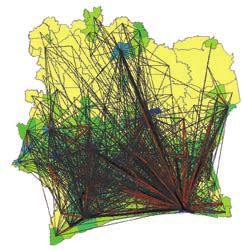
Executive Summary

               Mobilising the data revolution for sustainable development
               Data are the lifeblood of decision-making and the raw material for accountability.
               Without high-quality data providing the right information on the right things at the right
               time; designing, monitoring and evaluating effective policies becomes almost impossible.

               New technologies are leading to an exponential            monitor progress, hold governments accountable
               increase in the volume and types of data available,       and foster sustainable development. More diverse,
               creating unprecedented possibilities for informing        integrated, timely and trustworthy information can
               and transforming society and protecting the environ-      lead to better decision-making and real-time citizen
               ment. Governments, companies, researchers and             feedback. This in turn enables individuals, public and
               citizen groups are in a ferment of experimentation,       private institutions, and companies to make choices
               innovation and adaptation to the new world of data,       that are good for them and for the world they live in.
               a world in which data are bigger, faster and more
                                                                         This report sets out the main opportunities and
               detailed than ever before. This is the data revolution.
                                                                         risks presented by the data revolution for sustain-
               Some are already living in this new world. But            able development. Seizing these opportunities and
               too many people, organisations and govern-                mitigating these risks requires active choices, espe-
               ments are excluded because of lack of resources,          cially by governments and international institutions.
               knowledge, capacity or opportunity. There are             Without immediate action, gaps between developed
               huge and growing inequalities in access to data           and developing countries, between information-rich
               and information and in the ability to use it.             and information-poor people, and between the
                                                                         private and public sectors will widen, and risks of
               Data needs improving. Despite considerable                harm and abuses of human rights will grow.
               progress in recent years, whole groups of people
               are not being counted and important aspects
               of people’s lives and environmental conditions            An urgent call for action:
               are still not measured. For people, this can lead         key recommendations
               to the denial of basic rights, and for the planet,        The strong leadership of the United Nations
               to continued environmental degradation. Too               (UN) is vital for the success of this process.
               often, existing data remain unused because                The Independent Expert Advisory Group (IEAG),
               they are released too late or not at all, not well-       established in August 2014, offers the UN Secretary-
               documented and harmonized, or not available at            General several key recommendations for actions
               the level of detail needed for decision-making.           to be taken in the near future, summarised below:

               As the world embarks on an ambitious project to           1. Develop a global consensus on principles
               meet new Sustainable Development Goals (SDGs),               and standards: The disparate worlds of
               there is an urgent need to mobilise the data revolu-        public, private and civil society data and sta-
               tion for all people and the whole planet in order to        tistics providers need to be urgently brought

OOIOIOIOOII2      A World that Counts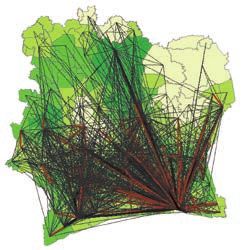
together to build trust and confidence among             be needed to implement an education program
  data users. We propose that the UN establish             aimed at improving people’s, infomediaries’ and
  a process whereby key stakeholders create a              public servants’ capacity and data literacy to
  “Global Consensus on Data”, to adopt principles          break down barriers between people and data.
  concerning legal, technical, privacy, geospatial
  and statistical standards which, among other          4. Leadership for coordination and
  things, will facilitate openness and information         mobilisation: A UN-led “Global Partnership
                                                           for Sustainable Development Data” is pro-
  exchange and promote and protect human rights.
                                                           posed, to mobilise and coordinate the actions
2. Share technology and innovations for the                and institutions required to make the data
   common good: To create mechanisms through               revolution serve sustainable development,
  which technology and innovation can be shared            promoting several initiatives, such as:
  and used for the common good, we propose
                                                           •   A “World Forum on Sustainable Development
  to create a global “Network of Data Innovation               Data” to bring together the whole data
  Networks”, to bring together the organisations               ecosystem to share ideas and experi-
  and experts in the field. This would: contribute             ences for data improvements, innovation,
  to the adoption of best practices for improving              advocacy and technology transfer. The
  the monitoring of SDGs, identify areas where                 first Forum should take place at the end
  common data-related infrastructures could                    of 2015, once the SDGs are agreed;
  address capacity problems and improve effi-
  ciency, encourage collaborations, identify critical      •   A “Global Users Forum for Data for SDGs”,
                                                               to ensure feedback loops between data
  research gaps and create incentives to innovate.
                                                               producers and users, help the international
3. New resources for capacity development:                     community to set priorities and assess results;
  Improving data is a development agenda in
                                                           •   Brokering key global public-private
  its own right, and can improve the targeting                 partnerships for data sharing.
  of existing resources and spur new economic
  opportunities. Existing gaps can only be over-        5. Exploit some quick wins on SDG data:
  come through new investments and the                     Establishing a “SDGs data lab” to support the
  strengthening of capacities. A new funding               development of a first wave of SDG indicators,
  stream to support the data revolution for sus-           developing an SDG analysis and visualisation plat-
  tainable development should be endorsed at the           form using the most advanced tools and features
  “Third International Conference on Financing             for exploring data, and building a dashboard from
  for Development”, in Addis Ababa in July 2015.           diverse data sources on ”the state of the world”.
  An assessment will be needed of the scale of
                                                        Never again should it be possible to say
  investments, capacity development and tech-
                                                        “we didn’t know”. No one should be invisible.
  nology transfer that is required, especially for
                                                        This is the world we want – a world that counts.
  low income countries; and proposals developed
  for mechanisms to leverage the creativity and         For more information on the composition, terms of reference
                                                        and work of the IEAG, see www.undatarevolution.org
  resources of the private sector. Funding will also

                                                        A data revolution for sustainable development                 3OIIOOIOIOIO
1                                    What is the data
                                                    revolution for
                                                    sustainable development?
               Data are the lifeblood of decision-making. Without data, we cannot know how many people are born
               and at what age they die; how many men, women and children still live in poverty; how many children
               need educating; how many doctors to train or schools to build; how public money is being spent and
               to what effect; whether greenhouse gas emissions are increasing or the fish stocks in the ocean
               are dangerously low; how many people are in what kinds of work, what companies are trading and
               whether economic activity is expanding.

               To know all this and more            improve data for monitoring and      Sustainable Development Goals
               involves a systematic effort of      accountability. As a result, more    (SDGs). Achieving these goals
               finding out. It means seeking        is known now about the state of      will require integrated action
               out high-quality data that can be    the world and, particularly, the     on social, environmental and
               used to compare outcomes and         poorest people in it. But despite    economic challenges, with a
               changes over time and between        this significant progress, huge      focus on inclusive, participatory
               and within countries, and con-       data and knowledge gaps remain       development that leaves no one
               tinuing to do so, year after         about some of the biggest chal-      behind. This in turn will require
               year. It means careful planning,     lenges we face, and many people      another significant increase in
               spending money on technical          and groups still go uncounted.       the data and information that is
               expertise, robust systems, and       These gaps limit governments’        available to individuals, govern-
               ever-changing technologies. It       ability to act and to communicate    ments, civil society, companies
               means making data available,         honestly with the public. Months     and international organisations
               building public trust in the data,   into the Ebola outbreak, for exam-   to plan, monitor and be held
               and expanding people’s ability to    ple, it is still hard to know how    accountable for their actions. A
               use it, so that their needs are at   many people have died, or where.     huge increase in the capacity of
               the heart of these processes.                                             many governments, institutions
                                                    And now the stakes are rising.       and individuals will be needed to
               Since 2000, the effort involved      In 2015, the world will embark       deliver and use this data.
               in monitoring the Millennium         on an even more ambitious
               Development Goals (MDGs) has         initiative, a new development        Fortunately, this challenge comes
               spurred increased investment to      agenda underpinned by the            together with a huge opportunity.

OOIOIOIOOII4      A World that Counts
The growth of data: 400 100
Survey Network, by year in which
Subscriptions per 100 inhabitants**
Trends in data
by the International Household
Number of surveys registered
data collection was finished*
350
availability, data
openness and 300 75
mobile phone use 250
All Surveys 200 50
Open Access Surveys 150
100 25
Mobile-cellular
subscriptions 50
(per 100 inhabitants)
0 0
1990 1995 2000 2005 2010 2013
Source: * International Household Survey Network (http://catalog.ihsn.org/index.php/catalog). For a detailed analysis of global
trends in survey data availability, see, e.g., Demombynes and Sandefur (2014), “Costing a Data Revolution”, Center for
Global Development, Working Paper 383.
** World Bank (http://data.worldbank.org/indicator/IT.CEL.SETS.P2), based on data from the International
Telecommunication Union (ITU), World Telecommunication/ICT Indicators database
The volume of data in the world societies are adjusting to a world the Secretary-General of the
is increasing exponentially: one of faster, more networked and United Nations. We hope it
estimate has it that 90% of more comprehensive data – and will also be helpful to Member
the data in the world has been all the fears and dangers, as well States, the UN System as
created in the last two years.i As as opportunities, that brings. a whole, and to the large
the graph above demonstrates, constituencies that support the
This is the “data revolution”: the
the volumes of both traditional three pillars of the UN: peace,
opportunity to improve the data
sources of data (represented by human rights and development.
that is essential for decision-
the number of household surveys
making, accountability and Revolutions begin with people,
registered) and new sources
solving development challenges. not with reports, and the data
(mobile subscriptions per 100
This report calls on governments revolution is no different. This
people) have been rising, and
and the UN to act to enable report is not about how to create
openness is increasing (num-
data to play its full role in a data revolution – it is already
bers of surveys placed online).
the realisation of sustainable happening – but how to mobilise
Thanks to new technologies, the
development by closing key it for sustainable development.
volume, level of detail, and speed
gaps in access and use of It is an urgent call for action to
of data available on societies, the
data: between developed and support the aspiration for sus-
economy and the environment is
developing countries, between tainable development and avert
without precedent. Governments,
information-rich and information- risks, stop and reverse growing
companies, researchers and
poor people, and between the inequalities in access to data and
citizens groups are in a ferment
private and public sectors. information, and ensure that the
of experimentation, innovation
promise of the data revolution is
and adaptation to the new world This report has been prepared realised for all.
of data. People, economies and in response to a request by
A data revolution for sustainable development 5OIIOOIOIOIOOIOIOOOOOOIO-
IOIOIOIOIOIOIO-
OOOOOIOIOIO-
Defining the data revolution
IOIOIOIOIOOIO-
OIOOIOIOIOIO-
OOOOIOOIOIOO-
IOIOOOIOOIO
Since the phrase was coined in May 2013 in the report of The data revolution for sustainable development is:
the High-Level Panel of Eminent Persons on the post-2015 The integration of these new data with traditional data
Development Agenda, the “data revolution” has come to produce high-quality information that is more detailed,
to mean many things to many people. Here, we take it to timely and relevant for many purposes and users, espe-
mean the following: cially to foster and monitor sustainable development;
The data revolution is: The increase in the usefulness of data through a much
An explosion in the volume of data, the speed greater degree of openness and transparency, avoiding
with which data are produced, the number of produc- invasion of privacy and abuse of human rights from
ers of data, the dissemination of data, and the range misuse of data on individuals and groups, and minimis-
of things on which there is data, coming from new ing inequality in production, access to and use of data;
technologies such as mobile phones and the “internet
Ultimately, more empowered people, better policies, better
of things”, and from other sources, such as qualitative
decisions and greater participation and accountability,
data, citizen-generated data and perceptions data;
leading to better outcomes for people and the planet.
A growing demand for data from all parts of society.
Minimising the risks footprints’ people leave behind, relationships is used with mali-
and maximising the from sensor-enabled objects or is cious intent, such as hacking into
inferred via algorithms. bank accounts or discriminating
opportunities of the
in access to services. People
data revolution The growing gap between the and societies can be harmed
As with any change, the data data people actively offer and in less material, but nonethe-
revolution comes with a range the amounts of “massive and less real ways if individuals are
of new risks, posing questions passive” data being generated embarrassed or suffer social
and challenges concerning the and mediated by third parties isolation as a result of information
access to and use of data, and fuels anxiety among individuals becoming public.
threatening a growing inequal- and communities.
ity in access to and use of There is a longer-term cost if
Some of this is well-founded.
information. These risks must a breakdown in trust between
As more is known about people
be addressed. people and the institutions that
and the environment, there is a have access to their data means
Fundamental elements of human correspondingly greater risk that that people do not feel confident
rights have to be safeguarded: the data could be used to harm, giving consent to uses of their
privacy, respect for minorities or rather than to help. People could data for the social good, such as
data sovereignty requires us to be harmed in material ways, if to track patterns of disease or
balance the rights of individuals the huge amount that can be assess inequalities.
with the benefits of the collective. known about people’s move-
Much of the new data is collected ments, their likes and dislikes, People and the planet could also
passively, from the ‘digital their social interactions and be harmed inadvertently, if data
OOIOIOIOOII6 A World that CountsOIOIOOOOOOIO-
IOIOIOIOIOIOIO-
OOOOOIOIOIO-
OIOOIOIOIOIO-
OOOOIOOIOIOO-
This is the revolution
IOIOIOIOIOOIO-
IOIOOOIOO
that have not been checked for As part of a project to engage young people in disaster risk reduction,
quality are used for policy or teenagers in Rio de Janeiro have used cameras attached to kites to gather
decision-making and turn out to aerial images, helping to identify the presence or absence of drainage systems,
be wrong. the availability of sanitation facilities, and potential impediments to evacuation.
In Rio, this has already led to the removal of piled-up garbage and the repair of
There is also a risk of growing a bridge.
inequality. Major gaps are already Source: UNICEF (http://www.unicef.org/statistics/brazil_62043.html)
opening up between the data
haves and have-nots. Without
broadband subscription exceeds resources for investment, training
action, a whole new inequality
10% of average monthly GDP per and experimentation. According
frontier will open up, splitting the
capita, compared to France and to McKinsey, African countries
world between those who know,
the Republic of Korea where it is spend about 1.1% of GDP on
and those who do not. Many
less than 0.1%.ii The information investment in and use of inter-
people are excluded from the
society should not force a choice net services, less than a third
new world of data and informa-
between food and knowledge. of what, on average, is spent by
tion by language, poverty, lack
richer countries – meaning that
of education, lack of technology In several countries, the public the gap in internet availability
infrastructure, remoteness or sector is not keeping up with and use is growing every year,
prejudice and discrimination. companies, which are increas-
as some regions accelerate
While the use of new technolo- ingly able to collect, analyse and
ahead.iii The graph below shows
gies has exploded everywhere respond to real-time data as how advanced economies are
in the last ten years, the costs quickly as it is generated. Richer ahead of the rest of the world
are still prohibitive for many. In countries are benefitting more on almost every indicator of
Nicaragua, Bolivia and Honduras, from the new possibilities than access to, use of, and impact of
for example, the price of a mobile poorer countries that lack the the use of digital technologies.
inequalities in access to 1. Political and
regulatory environment
and use of ICT services*
7
Advanced economies 10. Social impacts 6 2. Business and innovation
5 environment
outhern, Central and
S 4
Eastern European Countries 3
9. Economic impacts 2 3. Infrastructure
Commonwealth of Independent
1 and digital content
States and Mongolia
0
Developing Asia
Latin America and 8. Government usage 4. Affordability
the Caribbean
Middle East and North Africa
7. Business usage 5. Skills
Sub-Saharan Africa
6. Individual usage
* Regional score averages based on the Global Information Technology Report 2013, by the World Economic Forum
A data revolution for sustainable development 7OIIOOIOIOIOIt is up to governments to put
in place the rules and systems
to realise this vision, working
with domestic stakeholders
and in the multilateral system,
at regional and global levels.
Governments, through the legal
systems they enforce, are the
© UNICEF/RWAA2011-00484/Noorani ultimate guarantors of the public
good. If the new world of data is
We believe that the data But if our vision is of a world
to be based on public trust and
revolution can be a revolution where data and information
public consent, there has to be
for equality. More, and more reduce rather than increase
a confidence that governments
open, data can help ensure that inequalities, we are still a long
can and will play this role, at least
knowledge is shared, creating a way from realising that ambition.
in part through the creation and
world of informed and empow- Without deliberate actions, the
enforcement of new rules.
ered citizens, capable of holding opportunities will be slower in
decision-makers accountable for coming and more unequally dis- It is governments – ideally work-
their actions. There are huge tributed when they arrive, and the ing in collaboration with forward
opportunities before us and risks will be greater. looking and socially responsible
change is already happening. private institutions, civil society
and academia – that can set
OIOIOOOOOOIO-
and enforce legal frameworks
IOIOIOIOIOIOIO-
OOOOOIOIOIO- to guarantee data privacy and
OIOOIOIOIOIO-
OOOOIOOIOIOO-
This is the revolution
IOIOIOIOIOOIO-
security of data for individuals,
IOIOOOIOO
and ensure its quality and inde-
Indonesian authorities estimated that 50,000 people in Sumatra suffered
pendence. It is governments that
from respiratory illness as a result of forest fires in March 2014. Several
can balance public and private
major cities were effectively closed for weeks. The environmental impacts
interests and create systems
were equally severe, with valuable forest and peat land burned, contributing
that foster incentives without
significantly to Indonesia’s greenhouse gas emissions. The immediate avail-
creating unacceptable inequali-
ability of free forest fire data on the World Resources Institute (WRI)’s Global
ties, adopt frameworks for safe
Forest Watch site (GFW) enabled companies – Asia Pulp and Paper (APP)
and responsible use and manage
and Asia Pacific Resources Limited (APRIL), Indonesia’s two largest pulp and
the international system that
paper producers – to evaluate daily where their limited resources are best
can transfer finance and techni-
deployed to respond to fires on lands they are responsible for. The govern-
cal expertise to bring the least
ments of Singapore and Indonesia also used GFW-Fires’ ultra–high resolution
informed people and institutions
imagery, available through a partnership with Digital Globe, to crack down on
up to the level of the most
illegal burning by companies. And GFW-Fires, combined with the Indonesian
informed. And it is governments
Government’s Karhutla (Land and Forest Fires) Monitoring System, enabled
that are elected to respond
firefighters to reduce response time from 36 hours to 4 hours.
to citizens on their choices
Source: World Resources Institute (http://www.wri.org/our-work/project/global-forest-watch)
and priorities.
OOIOIOIOOII8 A World that CountsWe believe providing data that is human and
machine-readable, compatible
that the data revolution can be a with geospatial information
revolution for equality systems and available quickly
enough to ensure that the data
cycle matches the decision
New institutions, new actors, sustainable development. To fill
cycle. In many cases, technical
new ideas and new partner- this role, however, they will need
and financial investments will be
ships are needed, and all have to change, and more quickly
needed to enable those changes
something to offer the data than in the past, and continue to
to happen, and strong collabora-
revolution. National statistical adapt, abandoning expensive and
tion between public institutions
offices, the traditional guard- cumbersome production pro-
and the private sector can help
ians of public data for the public cesses, incorporating new data
official agencies to jump straight
good, will remain central to the sources, including administrative
to new technologies and ways of
whole of government efforts to data from other government
doing things.
harness the data revolution for departments, and focusing on
OIOIOOOOOOIO-
IOIOIOIOIOIOIO-
OOOOOIOIOIOIO-
New data, health services and malaria
IOIOIOIOOIOOIOO-
IOIOIOIOOOOOIOO-
IOIOOIOIOOOIOO-
IOOIOOIOOIOOIO-
OIOOIOOIOOIOIO-
OOIOOIO
average more than 350 actionable reports per month, and
Malaria is one of the biggest killers in several
developing countries and imposes a huge strain on health
approximately 70% of these reports are successfully fol-
lowed up at the district level within 2 weeks. The number
of facilities that are out of stock of Artemisinin-based
systems. Using new data sources to inform planning and Combination Therapies (ACTs) to treat malaria at any given
policy can improve services and reduce deaths. time has fallen from 80% to 15%.
The Mtrac programme in Uganda,iv supported by UNICEF, Research in Cote d’Ivoire shows how, in the longer term,
the WHO and USAID, uses SMS surveys completed by new sources of data might also have a role in tracking
health workers to alert public health officials to outbreaks and predicting epidemics of malaria or other diseases.
of malaria, and lets them know how much medicine is Combining strongly anonymised data on communication
on hand at health facilities, so they can anticipate and patterns from the Orange mobile telephone network with
resolve any shortages. Before Mtrac, the Ministry of information on the spread of malaria from the WHO, the
Health had very little health facility-level data, either paper University of Minnesota School of Public Health produced
or electronic. By March 2014, thanks to this programme, epidemiological models that are more detailed than any
about 1,200 district health officials, 18,700 health facility currently in use. This knowledge could be used to create ser-
workers, and 7,400 village health team workers were using vices to notify doctors, field hospitals and the general public
the system. Now the Ugandan government is collecting ahead of epidemics, using mobile networks or local radio.
data from thousands of health facilities, capturing and Similar work has been done on the spread of AIDS, cholera
analysing results within 48 hours at a total cost of less and meningitis, and could, if the data is made available, be
than US$150 per poll. The Anonymous Hotline receives on used for rapid response and planning for new epidemics.v
A data revolution for sustainable development 9OIIOOIOIOIOYou can also read


