Corporate Presentation - January 2020 - Aimmune Therapeutics
←
→
Page content transcription
If your browser does not render page correctly, please read the page content below

Corporate Presentation January 2020

Forward-Looking Statements
    This presentation contains “forward-looking statements” as defined in the Private Securities Litigation Reform Act of 1995
    regarding, among other things, clinical development plans, anticipated milestones, product candidate benefits, potential
    market size, product adoption, market positioning, competitive strengths, product development, and other clinical,
    business and financial matters. Any statements contained herein that are not statements of historical facts may be
    deemed to be forward-looking statements. These statements are based on current expectations of future events.
    If underlying assumptions prove inaccurate or known or unknown risks or uncertainties materialize, actual results could
    vary materially. Risks and uncertainties include, but are not limited to, our limited operating history, our need for
    additional financing to achieve our goals, our dependence on our lead product PALFORZIATM, uncertainties relating to
    the regulatory process, uncertainties relating to the timing and operation of clinical trials, potential safety issues, possible
    lack of market acceptance of our product candidates, the intense competition in the biopharmaceutical industry, our
    dependence on exclusive third-party suppliers and manufacturers, and limitations on intellectual property protection. A
    further list and description of these risks, uncertainties and other factors can be found in our report on Form 10-Q filed on
    November 6, 2019. Copies of this filing are available online at www.sec.gov or www.aimmune.com. Any forward-looking
    statements made in this presentation speak only as of the date of the presentation. We do not undertake to update any
    forward-looking statements as a result of new information or future events or developments.

    PALFORZIA™, AIMMUNE™, AIMMUNE THERAPEUTICS™ and CODIT™ are trademarks of Aimmune Therapeutics,
    Inc.

    © 2020 Aimmune Therapeutics, Inc. All rights reserved.
2
Our Vision: Power Over Food Allergies

                          At Aimmune, we aspire
                           to become the global
                           leader in developing
                          therapies and solutions
                           for patients with food
                                 allergies.

3
Positioned for Long-Term Success and Value Creation
• Founded in direct response to leading stakeholders in food allergy
Delivering on Our Purpose: Strong demand for FDA-approved treatments for food allergies
Potential
Why We WereFirst-Mover
Founded • Developed CODIT therapeutic approach to desensitization
Advantage
• FDA target action date late January 2020
PALFORZIA: Potentially the
• $1B+ potential peak sales opportunity
1st FDA-Approved Treatment Affects 1.6M children and teens
for Any Food Allergy
• Purpose-built commercial organization is launch ready
• Multi-tree nut program in development
CODIT: Efficient Approach 2nd largest food allergy after peanuts
to Common Food Allergen • Efficient clinical development – from IND to phase 2
Desensitization
• Combinations with other biologics could improve process for patients
• Sufficient capital to fund PALFORZIA launch in U.S. and Europe
Well and progress existing pipeline
Resourced • Strong management team with successful product launch and
business operations experience
4
Ushering in a New Era:
    Oral Immunotherapy to
    Combat Food Allergies

5
Peanut Allergy is a Significant and
Growing Public Health Concern
• Food allergy is a serious public health concern
~8% of U.S. children are affected
205%
increase in the
Peanut allergy is most prevalent food allergy with an incidence of 5.2% 1
incidence of
No FDA-approved treatment peanut allergy
between
• Avoidance is standard of care and often insufficient in the real world 2001 - 20171
Allergic reactions can be triggered by trace amounts of food allergens
One accident can be fatal
Threat of severe reaction impacts daily lives of families and interferes with quality of life
• Oral immunotherapy to treat food allergies has grown in recent years
Lack of standardization in food OIT led to a united call to action by leading stakeholders in
food allergy to found Aimmune
Peanut was first priority, with room to expand into other food allergies
6 1. Annals of Allergy, Asthma and Immunology, J. Lieberman, https://doi.org/10.1016/j.anai.2018.09.039.
Peanut Allergy is the Most Prevalent
        Food Allergy
                                                                                                                                                                                         Opportunity
                                                                                                                                                                                            for
        • 1 of 4 peanut-allergic patients visit the ER every year1

        • Median accidental exposure that causes a reaction is
                                                                                                                                                                                     >$1B
                                                                                                                                                                                      PEAK SALES
          ~1/2 a peanut2

        • Fear, anxiety and confusion often set in immediately after diagnosis3
                                                                                                                                                                                                 1.6M
                                                                                                                                                                                                 Prevalent
        • ~80% of caregivers say peanut allergy makes attending social                                                                                                                           Population
                                                                                                                                                                                                 (Ages 4-17)
          events difficult4
                                                                                                                                                                                       1.25M
                                                                                                                                                                                     Diagnosed   83%
                                                                                                                                                                                        and      Peanut-allergic
        • ~$4 billion per year in direct medical expenses in the US1                                                                                                                 Managed
                                                                                                                                                                                                 patients already
                                                                                                                                                                                                 diagnosed

    1 Gupta RS, Warren CM, Smith BM, et al. The Public Health Impact of Parent-Reported Childhood Food Allergies in the United States. Pediatrics. 2018;142(6):e20181235
    2 The median estimated eliciting dose in real life was 125 mg (N=238 peanut-allergic patients) as reported by Deschildre A, et al. Clinical & Experimental Allergy; 46:610-620
    3 Patient Journey Emotional Insights market research 2018
    4 MyHealthTeams social media research survey, April 2017, 129 respondents
7
We are Focused on Developing Safe and Effective Food Allergy
    Treatment Options
                                                   Reiland Applegate’s Journey

                                                   BEFORE THERAPY
                                                   •   9 years old today, Reiland was diagnosed with peanut allergy at age 2
                                                   •   Severe allergic reaction to peanuts: projectile vomiting, wheezing, hives
                                                   •   Skin prick tests showed his allergy was worsening every year
                                                   •   Standard of care – avoidance – unreliable and stress-inducing for family
                                                   •   QOL drastically impacted: isolation from peers at birthday parties, school, family outings

                                                   ENTER PALFORZIA
                                                   • Reiland enrolled in the PALISADE phase 3 clinical trial in May 2016

                                                   AFTER THERAPY
                                                   • Reiland was able to tolerate a larger dose of peanut protein at the end of treatment than
                                                     the beginning
                                                   • Family is less anxious about a potential reaction from accidental exposure

     Source: PEOPLE magazine, September 26, 2019
8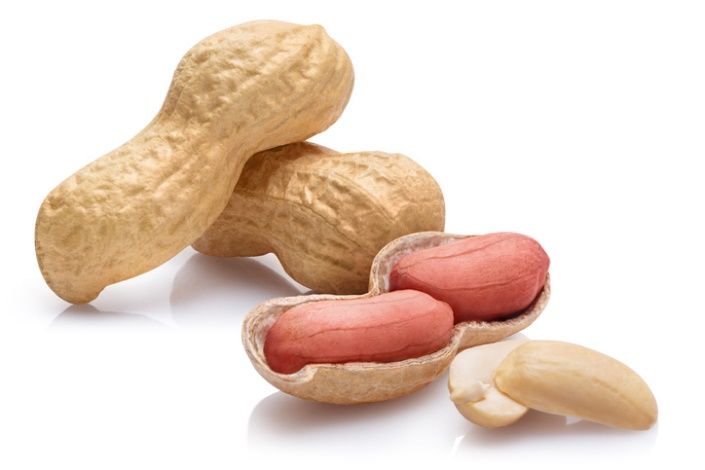
PALFORZIA Poised to be First-Ever Approved Treatment
    for Peanut Allergy in U.S.

     • Under FDA review as a treatment to mitigate the risk of an
       allergic reaction following accidental exposure to peanut
     • Proposed for use in patients age 4-17 with confirmed
       diagnosis of peanut allergy and to be used in conjunction
       with a peanut-avoidant diet
     • Over 1,200 patients participated in clinical trials resulting in
       the largest, most robust dataset ever assembled for peanut
       allergy; only program to meet its pre-specified primary
       efficacy endpoints
     • To be administered under a dedicated REMS program to
       support patient safety
     • Commercial team in place ready to begin engaging with
       allergists; payer team ready to secure formulary access and
       have already met with U.S. payers covering 95% of
       commercial lives

9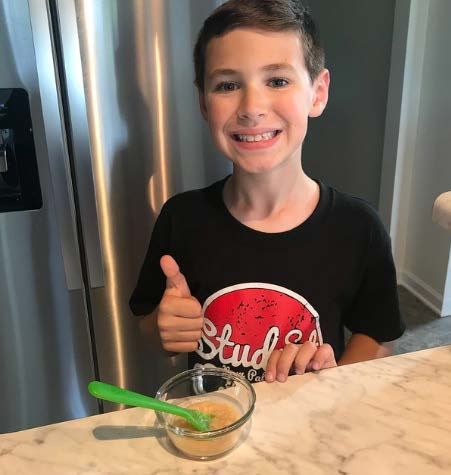
PALFORZIA Achieves High Levels of Efficacy in Most Patients

     Patients treated with PALFORZIA were able                        ITT Analysis: Median Amount of Peanut Protein
                                                                           Tolerated in Entry and Exit DBPCFC
      to tolerate 100-fold more peanut protein
       after 12 months of therapy vs baseline

     • Goal of oral immunotherapy: Minimize the body’s reaction
       to allergen triggers

     • Mitigation of allergic reactions, including anaphylaxis, can
       be achieved with PALFORZIA oral immunotherapy

     • Convenient once-daily dose of PALFORZIA taken with food
       fits into daily life, doesn’t stigmatize patients

     • Daily oral maintenance dose of 300 mg provides daily
       confirmation of tolerability

10
PALFORZIA’s Efficacy is Significant, Robust
and Improves Over Time
Tolerated Dose Improves
Over Time*
96.2
Significant improvement in 80.6 76.2 80.7
ability to tolerate 1,000 mg Percent of Patients
63.2
(2,043 mg cumulative) is Who Tolerated at
Least 1,000 mg of 50.3
observed with longer dosing Peanut Protein
of PALFORZIA*
12 Months 18 Months 24 Months
Completer Analysis Intent to Treat Analysis
* ITT and Completer analyses, ages 4-17 years. Data from exit DBPCFC.
DBPCFC: Double-blind, placebo-controlled food challenge.
11Safety in OIT Means Both Acceptable Side Effects and Real
Protection to Accidental Exposures
• PALFORZIA side effects improve over time, consistent with disease biology
• In PALISADE, we demonstrated a 70% reduction in accidental exposures requiring treatment
in the second six months of treatment
12Delivering on the
Promise of PALFORZIA
13Leverage Strong Early Physician Demand for Successful U.S.
Market Launch
4,400 of the ~5,400 US Allergists Profiled to
Understand Practice Readiness to Administer PALFORZIA
1,300 allergists 4,400
assessed as
ready or 70% of the patients
30%
near-ready seen by these 4,400
to administer allergists today with a
PALFORZIA confirmed PA diagnosis
are treated by these
70% 1,300 allergists in 800
unique clinics
~1050 “ready and
willing” to try
1,300
PALFORZIA
~250 currently
providing food OIT
Assessed Level of Patients w/ Confirmed
Practice Readiness Peanut Allergy Diagnosis
14 Source: Symphony Health Patient Claims (Jan 2011-Dec 2017)Our Purpose-Built Commercial Organization is Launch Ready
Focused on Three Stakeholder Groups to Realize the Opportunity:
PATIENTS AND CAREGIVERS
Provide education and support for safe treatment
ALLERGISTS AND THEIR OFFICE STAFF
Help prepare allergists to safely incorporate PALFORZIA into their practices
PAYERS
Engage with payers to support patient access
1566% of Patients and Caregivers Have Strong Interest in Using
PALFORZIA Based on its Efficacy Profile
Poised to Offer a Valued Treatment Option
• Patients and caregivers have a high level of
Will continue concern and anxiety linked to fear of accidental
with avoidance
alone or may
34% peanut exposure
consider other • Research shows that caregivers are
treatment options 66% overwhelmingly seeking daily peace of mind
and a feeling of empowerment over their child’s
peanut allergy
Patients and
caregivers with
• Efficacy was by far the most important factor
strong interest
in Palforzia
driving the interest in PALFORZIA
16 Source: Aimmune Primary Market Research (Qual interviews: N= 32, Quantitative Survey, N = 402)REMS Intended to Support Patient Safety*
Convenient
online
Adherence to Risk Evaluation and Mitigation Strategy (REMS) process to
certification program is required for:
enable patient
Allergists: safety
Who want to prescribe PALFORZIA
Allergy Practices:
Practices will be enrolled in the REMS before treating patients
Patients: Enrollment prior to PALFORZIA administration
Specialty Pharmacies and Distributors: Ensure allergists
and patients are enrolled prior to dispensing PALFORZIA
*Under review by the FDA
17We Have Engaged with Payers Covering 95% of Commercial &
Managed Medicaid Patient Lives
Aimmune will strive for favorable coverage for all eligible patients
Uninsured
Medicaid 5%
Commercial Medicaid Uninsured 20%
• Majority (75%) of potential • Approximately 20% of • Around 3-5% of potential
PALFORZIA patients will be potential PALFORZIA patients PALFORZIA patients will
commercially insured will be covered under the be uninsured without any
• Commercial insurance will Medicaid program coverage
allow for support in our • Like commercial plans, • Patient Assistance
patient assistance services, patients will have access to Programs will be available
including both Co-Pay and coverage via medical for the uninsured
Patient Assistance exception until formulary population
Commercial
Programs position established 75%
• Feedback from US Payers is that they welcome the REMS program to help ensure
AR101 is administered by allergists to the appropriate patient
• Aimmune’s Field Account Team is ready to meet with priority national payers to
discuss formulary position immediately upon the approval of PALFORZIA
18Expert Teams in Place to Provide Support to Allergy Practices to
Safely Administer PALFORZIA
Field Teams Supporting Allergist Administration of PALFORZIA
~1,300 allergists are “ready and willing” to try PALFORZIA
Patient flow should be analogous to allergy shots
• 20 Medical Science Liaisons
Practice Account Managers will provide thorough training and
• 80 Commercial Practice Account Managers at resources to allergists as they integrate PALFORZIA into their
Approval practices
• Initial Focus on the 1,300 allergists in 800 clinics
treating 70% of the peanut allergy sufferers
Best practices can be shared from clinics that currently
• Longer-Term move to support the broader universe of administer OIT to clinics coming on-board
U.S. allergists
19OIT Practice Flow Is Similar to Widely-Used
Seasonal Allergy Shots
Practice Flow Allergy Shots PALFORZIA
Check-in / Check-out 10 mins
Dosing 10 mins
Monitoring 30 mins 60 mins
Allergist time per visit 5-10 mins / patient
Once every
Visit frequency during up-dosing Once per week
2 weeks
Total up-dosing duration 6-12 months 6 months
63-87 12
Total MD Visits for in-office dosing
Over 3-5 Years Over 6 months
20
Source: AAAAI, current AR101 treatment protocolLooking Ahead:
Empowering People
Living with Food
Allergies
21CODIT™ Food Allergy Treatment Pipeline
Biologic Drug Pre-IND Clinic Ready Phase 2 Phase 3 Regulatory
Products and Filing
Protocols
Peanut Allergy PALFORZIA (Breakthrough Therapy Designation in patients age 4-17)
PALFORZIA Pediatric Study (patients age 1-3)
PALFORZIA Label
Expansion
PALFORZIA + Adjunctive Dupilumab
Egg Allergy AR201
Product
Tree Nut Allergy optimization
22Key Upcoming Catalysts
Potential FDA Data at AR201 Egg Filing of IND AR201 Egg
Approval of AAAAI, Enrollment for Multi-Nut Data Read
PALFORZIA March 2020, Complete Program Out
Philadelphia
2020 1H 2020 2H 2021 1H
Potential Potential MAA POSEIDON and
Commercial Data at EACCI Approval of PALFORZIA/
Launch of June 2020, PALFORZIA in Dupilumab Combination
PALFORZIA London Europe Studies Read-out
in U.S.
23Thank You
You can also read


