Are you prepared? HURRICANE GUIDE - University of South Florida
←
→
Page content transcription
If your browser does not render page correctly, please read the page content below
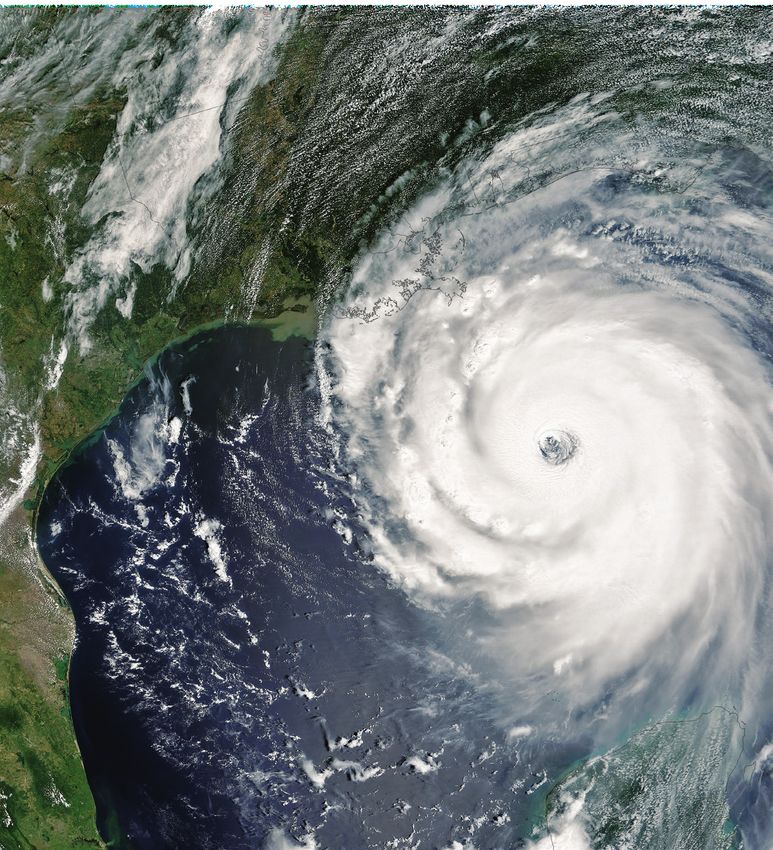
Are you prepared?
UNIVERSITY OF SOUTH FLORIDA

HURRICANE
GUIDE

                              Hurricane Season runs from June 1st through November 30th. Be prepared!

                          Get a kit. Make a plan. Be informed.
           usf.edu/em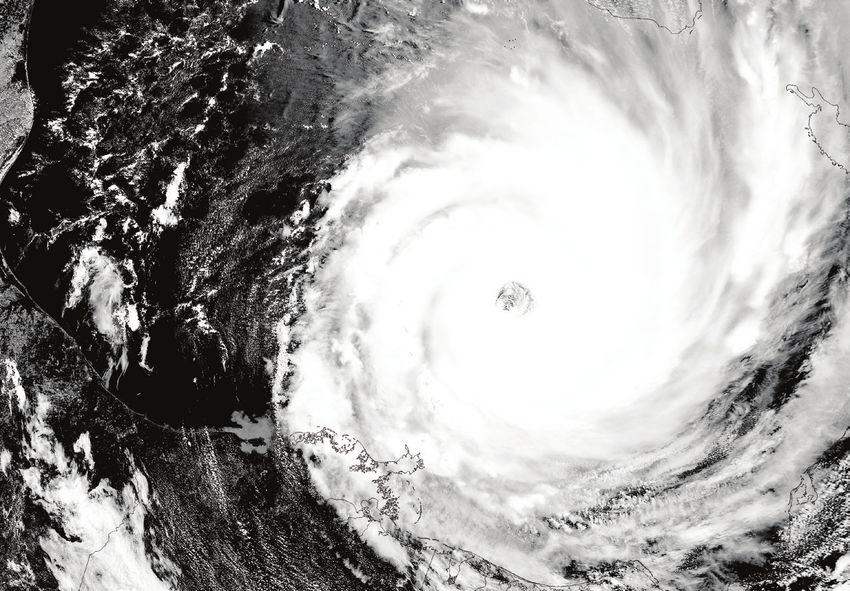
Important Sources of Information…

  All official information regarding campus closings, class cancellation, evacuation, and re-population
  will be communicated through USF email and:

      USF Tampa                                    USF Sarasota-Manatee                      USF St. Pete
      www.usf.edu                                  www.sarasotamanatee.usf.edu               www.stpetersburg.usf.edu
      (800) 992-4231                               (941) 359-4444                            (727) 873-4636

  USF Emergency Management                                      Local Emergency Management Partners
  The USF Department of Emergency Management                    Local Emergency Management departments provide
  website has information regarding hurricane                   evacuation route directions, shelter locations, and
  preparedness and other campus safety initiatives.             other information specific to your area.

      www.usf.edu/em                                            Hillsborough County Emergency Management
      (813) 974-0870                                                www.hillsboroughcounty.org/emergency
                                                                    (813) 236-3800
       USF Emergency Information Lines
       USF Tampa: (800) 922-4231                                Pinellas County Emergency Management
       USFSM: (941) 359-4444                                         www.pinellascounty.org/emergency
       USFSP: (727) 873-4636                                         (727) 464-3800
  _________________________________________________________
                                                                Manatee County Emergency Management
  National Hurricane Center                                         www.mymanatee.org/emergency
  The National Hurricane Center (NHC) is the official               (941) 749-3500
  source for predictions, advisories, warnings, satellite
  images, and analysis of hazardous tropical weather.           Sarasota County Emergency Management
                                                                    www.scgov.net
       www.nhc.noaa.gov                                             (941) 861-5000
       Twitter: @NHC_Atlantic
  _________________________________________________________     Monroe County Emergency Management
                                                                     www.monroecountyem.com
  Federal Emergency Management Agency                                (800) 955-5504
  The “Ready” website has information to help you               _________________________________________________________
  prepare for disasters. This includes putting together
  an emergency plan and emergency supply kit.

       www.ready.gov
  _________________________________________________________
                                                                AlertUSF is the Emergency Notification System for USF.
  Florida Division of Emergency Management                      It allows you to receive emergency updates via multiple
  FDEM provides pre- and post-event information and             sources. All official USF emergency notifications are
  planning tools on their websites.                             sent out through AlertUSF. Faculty, staff, and students
                                                                are strongly urged to sign up for AlertUSF text alerts.
       www.floridadisaster.org
       www.FLGetAPlan.com                                           www.usf.edu/alertusf

                                       University of South Florida | Hurricane Guide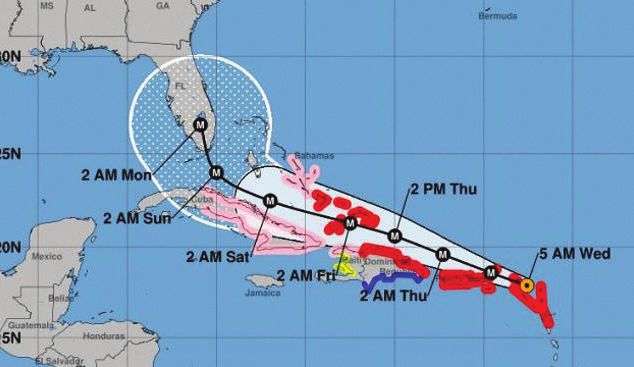
Hurricane season
officially begins on
                                                              Be Prepared.
June 1st and runs
through November 30th
What is a hurricane?
                                                              Get a kit.
Hurricanes are large, spiraling tropical cyclones that
                                                                •   Maintain a Disaster Supply Kit
can pack wind speeds of over 160 mph and unleash
                                                                    year round
more than 2.4 trillion gallons of rain per day. 40% of the
hurricanes that occur in the United States hit Florida, so      •   Include enough supplies to sustain
                                                                    you for at least 7 days
it is critical to be alert and prepared. Remember, tropical
storms and hurricanes can intensify and change direction        •   Periodically check and replenish
within hours.                                                       the kit contents
                                                                •   Visit www.ready.gov/kit for more
The Tampa Bay region is vulnerable!                                 information

Each year, the National Hurricane Center releases
a Hurricane Season prediction. Regardless of the
number of expected storms, the most important thing
to remember is that it takes just one storm to cause
damage and disruption. In 2017, Florida was impacted
by major Hurricane Irma. While the impact in the Tampa        Make a plan.
Bay area could have been much worse, many areas were
without power for an extended period of time and some
suffered serious damage as a result of the storm. Tampa         •   Prepare your emergency plan prior
consistently ranks as one of the top cities most overdue            to hurricane season
for a direct hit from a major hurricane and one of the
                                                                •   Communicate your plan with
most vulnerable if one should strike.                               friends and family

Individual preparedness is critical.                            •   Visit www.FLGetAPlan.com to
                                                                    prepare your emergency plan

Your individual preparedness actions greatly contribute
to USF’s ability to prepare, respond to, and recover
from any storm - minor or major. The information
contained in this guide and on the USF Emergency

                                                              Be informed.
Management website (usf.edu/em) was developed to
help you prepare. Additional hurricane preparedness
information is available from the FEMA website at
www.ready.gov/hurricanes.

                                                                •   Register for AlertUSF text alerts to
This guide can serve as your “ready reference” for the
                                                                    receive emergency notifications
specific system-wide activities that are likely to occur            (usf.edu/alertusf)
should a tropical storm or hurricane threaten any of the
                                                                •   Check your institution’s main
USF System locations.
                                                                    website for up-to-date information

Hurricane season spans from June 1st to November 30th,          •   Regularly check weather.gov for
with August to October being the most active months.                current tropical cyclone activity
During these months it is important to be prepared! Get         •   Visit usf.edu/em for more
and maintain a disaster supply kit, have a plan in place,           information on emergency
keep track of the weather, and be informed.                         preparedness information
When Tropical Storms and Hurricanes Threaten
When facing a tropical storm or hurricane, you will have important decisions to make. This guide provides
information and resources that can assist you with the necessary planning and preparedness.
The “Forecast Cone” Hurricane Wind Scale
The forecast cone is a projected path of where the The Saffir-Simpson Hurricane Wind Scale is a 1 to 5
hurricane’s center will pass within five days. It is rating based on a hurricane’s sustained wind speed. This
important to remember that the effects of a tropical scale estimates potential property damage. Hurricanes
cyclone can be experienced well away from the reaching
center of the storm and well outside of the forecast Category 3
Saffir-Simpson Hurricane Wind Scale
cone. The actual path of the storm’s center does not and higher are
always stay within the cone. Wind: 74 - 95 MPH considered
1 Damage: Some major
The line in the center of the cone is typically the hurricanes
best estimated path of the center of the threatening because of
Wind: 96-110 MPH
storm and can have a margin of error up to 99 miles 2 Damage: Extensive their potential
during a 48-hour outlook. Residents living in any for significant
area blanketed by the cone should prepare for some loss of life
Wind: 111-129 MPH
affects from the storm. 3 Damage: Devastating and damage.
However,
Wind: 130-156 MPH Category 1 and
4 2 storms are
Damage: Catastrophic
still dangerous
and require
5 Wind: > 156 MPH
protective
Damage: Catastrophic
measures.
“Watch” vs. “Warning”
When tropical storms or hurricanes threaten an area,
“watches” or “warnings” may be issued depending on
Example of a storm path projection showing the the projected path of the storm. Hurricane preparedness
“Forecast Cone”.
activities become difficult once winds reach tropical storm
force. Watches and Warnings are issued in advance of onset of
If a USF System institution lies within the National
tropical storm force winds (39 MPH).
Hurricane Center’s (NHC) Five-Day (120-hour)
Forecast Cone, USF will monitor reports by the NHC
and National Weather Service regarding the storm’s
characteristics (size, intensity, speed, and projected “Watch” “Warning”
place of landfall) and the projected impact on
our area. These reports and the actions taken by
local government will guide the USF System in Tropical-storm or hurricane Tropical-storm or hurricane
its decision to cancel classes, close campuses, or conditions are possible conditions are expected
evacuate campuses. within the specified area. within the specified area.
If you reside within the forecast cone, this Watches are issued 48 Warnings are issued
hours in advance of 36 hours in advance of
is the ideal time to review your hurricane
the anticipated onset of the anticipated onset of
plan and to ensure that all needed supplies are in
tropical-storm force winds. tropical-storm force winds.
your Disaster Supply Kit.
University of South Florida | Hurricane GuideHurricane Associated Hazards
Many people associate extreme winds and storm surge with
hurricanes, but these tropical systems can also produce a
variety of other hazards.
Tornadoes
Class Cancellations & Campus
Tornadoes commonly occur along the right-front quadrant
(relative to the storm’s direction and rotation) of a
Closures/ Evacuations
hurricane. Hurricane produced tornadoes can occur up
Communications regarding class
to 200 miles from the hurricane eye and may spawn days
cancellations and campus closures,
before and after landfall.
evacuations, and re-openings will
be posted on the main USF websites and sent to
students and employees via email. It is important
Hazardous Materials
to monitor official USF communications during
emergencies as conditions can change rapidly.
Storm surge and battering winds can decimate infrastructure,
Continue to check your USF e-mail and the USF
buildings, and industrial centers creating a cesspool of
website for information.
hazardous materials. Contaminated water supplies may carry
disease and cause severe sickness if ingested. Until authorities USF Tampa
ensure potable water systems are safe, only consume bottled www.usf.edu
water from reliable sources.
USF St. Pete
www.usfsp.edu
Flooding USF Sarasota-Manatee
www.usfsm.edu
While storm surge is always a potential threat, in the last
40 years more people have died from hurricane produced A recorded message may be available from the
flooding. Weak, slow moving hurricanes can produce USF Emergency Information Line:
significant rainfall resulting in severe inland flooding. • USF: (800) 992-4231
• USFSM: (941) 359-4444
• USFSP: (727) 873-4636
Post-storm Debris Should it be necessary to evacuate the campus,
faculty members will attempt to provide students
The debris generated by a hurricane can include vegetation,
with assignments and, if possible, remain in touch
building materials, glass, vehicles, and a variety of toxic
with students by e-mail. Prior to any evacuation,
substances. It is important to be aware of post-
resident students will meet with their Resident
storm hazards and to consider your safety and
Advisors to review procedures.
the safety of others. Stay clear of downed
power lines, try to avoid wading in
flood waters (definitely don’t
ingest flood water), keep an
Make a Plan
eye out for snakes and
You should begin making general
other wildlife, and
evacuation plans now. Waiting for the
wear appropriate
storm to arrive is too late. As the storm
clothing.
nears, communicate your evacuation plan to
family, friends, or coworkers so someone knows
where you are. If you change your plan, make sure
to communicate the change. Students should have
conversations with their families to review their
hurricane plans and discuss where they will go in
the event the campus is evacuated.
>>> Visit www.FLGetAPlan.com for
assistance developing an emergency plan.Unplug all power cords before leaving. Close and lock
Disaster Supply Kit your windows tightly (do not tape them). Remove
your trash. Lock your door. Remember to move items
It is important to maintain a Disaster
that may be damaged by water off the floor and cover
Supply Kit year round with enough
electronic items with plastic. See your Residence Hall
supplies to last you for 7 days. Disaster Supply Kits
Advisor and complete an evacuation checklist to be
should include, but not be limited to:
sure you have done your best.
• Water, one gallon per person per day
• Non-perishable food
• Can opener
• Battery-powered or hand crank AM/FM radio
Pets - Don’t leave your pets behind!
• NOAA Weather Radio with extra batteries
Prepare a safe location for your animals.
• Flashlight and extra batteries
This may be with you, with a friend, in a kennel in a
• First Aid Kit
non-evacuation zone, or in a pet-friendly shelter. Pet
• Whistle to signal for help
friendly shelters will only accept dogs and cats,
• Personal hygiene items
up-to-date vaccinations and registration
• Blanket
are required. Visit your county’s Emergency
• Extra clothes and comfortable walking shoes
Management website (see the list in the front of this
• Medications
guide) for more information.
• Cash
Pet Disaster Supplies:
>>> Visit Ready.gov for more information
• Proper ID Collar
on putting together a Disaster Supply Kit.
• Vaccination Paperwork
• Cage and Leash
• Ample food and water
Residence Evacuation Preparations • Any necessary medication
Take your most important belongings,
valuables, and personal documents with
you. Students should remember to take Transportation
course materials with them.
As a storm approaches, fill your gas tank and
If evacuating, completely empty and unplug your prepare your vehicle for travel. Gas supplies
refrigerator and wrap towels around the base to may be hard to find during an evacuation
absorb water in case it defrosts due to a power and prices may increase due to high demand.
outage. If left unopened, your refrigerator can keep Take your vehicle with you if possible. If you leave
food chilled for about 4 hours. However, food is your vehicle on campus, move it to designated
likely to spoil once refrigerators are unplugged or locations within garages. Make sure that your USF
power is lost. parking decal is properly displayed so you can be
identified as the owner. Review your auto insurance
If you live in a residence hall, know what your policy and if possible obtain a statement in writing
family’s homeowner’s policy covers in your that your vehicle will be covered from hurricane
residence hall room. Homeowner’s insurance does related damages.
not normally cover flood damage, consider adding
flood insurance. Renter’s insurance may or may Regional transportation agencies provide
not cover possessions in your residence hall room. emergency evacuation services. After determining
Verify your policy at the start of the hurricane your evacuation zone find the nearest emergency
season and, if possible, obtain a statement in evacuation route. There will be a high demand
writing that your personal belongings are covered for fuel after the storm passes the area. If you are
by your policy. returning to the campus or the local community,
University of South Florida | Hurricane Guideanticipate long lines and fuel rationing. In some
situations you may not be able to refuel your
Returning to Campus
vehicle after you return.
The severity and intensity of the damage caused
by the storm, along with the storm’s location and
Evacuation Alternatives impact on transportation corridors, will heavily
contribute to decisions to reoccupy the campus.
Students, faculty, and staff should plan Valid and updated identification such as your
two evacuation locations: (1) in county driver’s license, proof of residence, or a current
or within close driving distance of your utility bill may be required at checkpoints for
residence and (2) a location outside of evacuees to return to the area.
the storm’s path. Students may wish to develop
budgets to share driving and hotel expenses or Only those who have been designated as essential
purchase a refundable plane ticket that can be personnel should return to campus during any
used during hurricane season or for travel during recovery operation following a storm. A valid USF ID
holidays. will be required for entry onto the campus during
this period, non-essential personnel will not be
allowed to enter.
Hurricane Evacuation Shelters
All students, faculty, and staff who
Shelters should be treated as a refuge of last evacuated from the area should
resort. Consider staying with friends and family in continually monitor the USF main
non-evacuation zones, or in hotels. Shelter space websites for up-to-date information
is limited and it will be difficult to safeguard your regarding campus operations. The university will
personal belongings. make all attempts to re-open and resume classes as
quickly as possible, but must make every effort to
Activation of hurricane evacuation shelters is at provide a safe environment for the USF community to
the discretion of county emergency management return to.
officials. Pre-registration is required for special
needs shelters. Contact your county’s emergency During extreme situations, those returning to the
management agency to register. campus should anticipate that food, water, and other
essential needs may be scarce. These individuals
should bring necessary items to sustain themselves
If you will be staying in a shelter, you should take
for several days.
the following items:
• Medications
• Pillow, blanket, air mattress and/or cot
• Special dietary needs Be Prepared.
• Passports and hard to replace documents
• Cash Visit Ready.gov or usf.edu/em
• Identification for more information.
• Clothing for 5-7 days, socks, sturdy shoes
• Personal hygiene items
• Bottled water, snacks, and nutritious food
• Quiet games, reading material, music player
and headphones, batteries
• Lightweight folding chair
• Flashlight and extra batteries
• Keys to your car and residence
• First aid book and kitBe Prepared.
Get a kit. Make a plan. Be informed.
USF Department of Emergency Management The USF Department of Emergency Management
Facilities Management Division coordinates activities across our campuses to protect,
Office of Administrative Services prevent, and mitigate against; respond to; and recover
University of South Florida
from disasters and emergencies affecting the university. The
4202 E. Fowler Avenue, OPM100 department welcomes the opportunity to present hurricane
Tampa, Florida 33620 preparedness or other Emergency Management topics to your
usf.edu/em College, Department, or Student Organization. For more information,
(813) 974-0870 please contact us.
rev. 07/30/2020You can also read


