Arkansas Small Fruit Management Schedule 2020 - MP467
←
→
Page content transcription
If your browser does not render page correctly, please read the page content below
DIVISION OF AGRICULTURE
 RESEARCH & EXTENSION
                                                                                                                MP467
  University of Arkansas System

 Arkansas Small Fruit
Management Schedule
                                                  2020

          University of Arkansas, United States Department of Agriculture, and County Governments Cooperating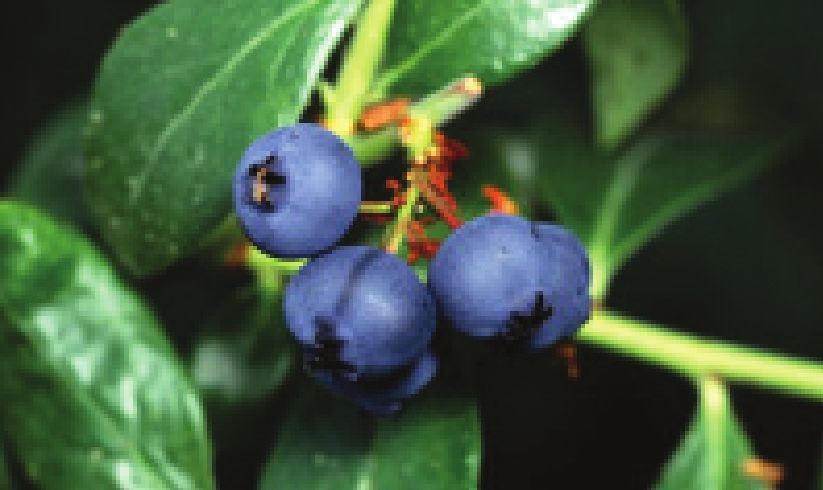
Table of Contents
                                                                                                                                                                                                                            Page
Authors . . . . . . . . . . . . . . . . . . . . . . . . . . . . . . . . . . . . . . . . . . . . . . . . . . . . . . . . . . . . . . . . . . . . . . . . . . . . . . . . . . . . . . . . . . . . . . . . . . . . . . . . .    3
Disclaimer. . . . . . . . . . . . . . . . . . . . . . . . . . . . . . . . . . . . . . . . . . . . . . . . . . . . . . . . . . . . . . . . . . . . . . . . . . . . . . . . . . . . . . . . . . . . . . . . . . . . . . .      4
Poison Control Center and Pesticide Spill Phone Numbers . . . . . . . . . . . . . . . . . . . . . . . . . . . . . . . . . . . . . . . . . . . . . . . . . . . . . . . . . . . . . . . .                                      4
Grapes – Commercial Growers . . . . . . . . . . . . . . . . . . . . . . . . . . . . . . . . . . . . . . . . . . . . . . . . . . . . . . . . . . . . . . . . . . . . . . . . . . . . . . . . . . . . . .                      5
Grapes – Commercial Growers – Weed Control . . . . . . . . . . . . . . . . . . . . . . . . . . . . . . . . . . . . . . . . . . . . . . . . . . . . . . . . . . . . . . . . . . . . . . . . .                                12
Blueberries – Commercial Growers . . . . . . . . . . . . . . . . . . . . . . . . . . . . . . . . . . . . . . . . . . . . . . . . . . . . . . . . . . . . . . . . . . . . . . . . . . . . . . . . . . .                      15
Blueberries – Commercial Growers – Weed Control . . . . . . . . . . . . . . . . . . . . . . . . . . . . . . . . . . . . . . . . . . . . . . . . . . . . . . . . . . . . . . . . . . . . . .                                 18
Strawberries – Plasticulture – Commercial Growers . . . . . . . . . . . . . . . . . . . . . . . . . . . . . . . . . . . . . . . . . . . . . . . . . . . . . . . . . . . . . . . . . . . . . .                               21
Strawberries – Commercial Growers – Weed Control . . . . . . . . . . . . . . . . . . . . . . . . . . . . . . . . . . . . . . . . . . . . . . . . . . . . . . . . . . . . . . . . . . . . .                                  24
Blackberries/Raspberries – Commercial Growers . . . . . . . . . . . . . . . . . . . . . . . . . . . . . . . . . . . . . . . . . . . . . . . . . . . . . . . . . . . . . . . . . . . . . . . .                               26
Blackberries/Raspberries – Commercial Growers – Weed Control . . . . . . . . . . . . . . . . . . . . . . . . . . . . . . . . . . . . . . . . . . . . . . . . . . . . . . . . . . .                                          32
Grapes – Homeowners . . . . . . . . . . . . . . . . . . . . . . . . . . . . . . . . . . . . . . . . . . . . . . . . . . . . . . . . . . . . . . . . . . . . . . . . . . . . . . . . . . . . . . . . . . . .                 36
Blueberries – Homeowners . . . . . . . . . . . . . . . . . . . . . . . . . . . . . . . . . . . . . . . . . . . . . . . . . . . . . . . . . . . . . . . . . . . . . . . . . . . . . . . . . . . . . . . . .                  38
Strawberries – Homeowners . . . . . . . . . . . . . . . . . . . . . . . . . . . . . . . . . . . . . . . . . . . . . . . . . . . . . . . . . . . . . . . . . . . . . . . . . . . . . . . . . . . . . . . .                   40
Blackberries/Raspberries – Homeowners . . . . . . . . . . . . . . . . . . . . . . . . . . . . . . . . . . . . . . . . . . . . . . . . . . . . . . . . . . . . . . . . . . . . . . . . . . . . . .                           42
Home Fruit – Weed Control . . . . . . . . . . . . . . . . . . . . . . . . . . . . . . . . . . . . . . . . . . . . . . . . . . . . . . . . . . . . . . . . . . . . . . . . . . . . . . . . . . . . . . . . .                 44

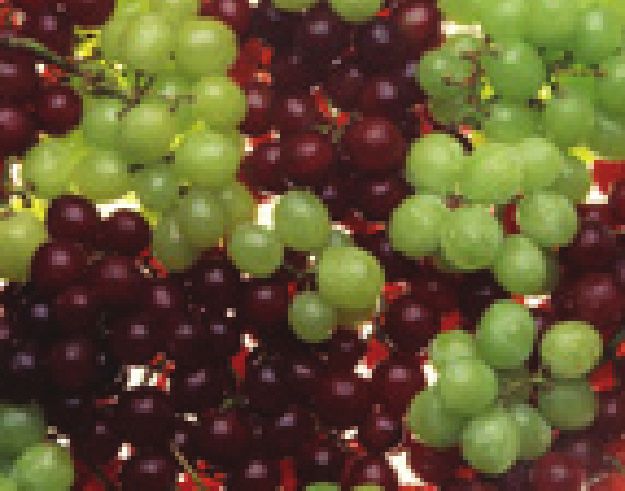
COVER PHOTOS: Blueberries and grapes – Scott Bauer, USDA Agricultural Research Service, www.forestryimages.org
              Strawberries – Gerald Holmes, California Polytechnic State University at San Luis Obispo, www.bugwood.org
              Blackberries – Chris Evans, University of Georgia, www.forestryimages.org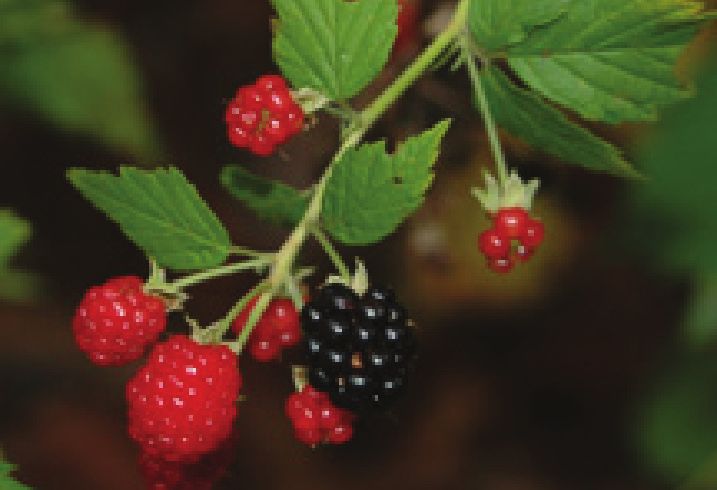
Arkansas Small Fruit Management Schedule – 2020
                                                                  Corresponding author

                                                                   Sherrie Smith
                                                                Plant Pathologist/Instructor
                                                  University of Arkansas System Division of Agriculture
                                                                 2601 N. Young Avenue
                                                                 Fayetteville, AR 72704
                                                                      479-575-2727
                                                                    ssmith@uaex.edu

Authors               Specialty                                      Address
John Boyd             Weed Science                                   University of Arkansas System Division of Agriculture, 2301 South University Avenue,
                                                                     Little Rock, AR 72204

Nilda Burgos          Weed Science                                   Crop, Soil and Environmental Science Department, University of Arkansas,
                                                                     1366 W. Altheimer Drive, Fayetteville, AR 72704

Donn Johnson          Entomology                                     Entomology Department, AGRI 311, University of Arkansas, Fayetteville, AR 72701

Jackie Lee            Horticulture - Fruits IPM                      University of Arkansas System Division of Agriculture, 2301 South University Avenue,
                                                                     Little Rock, AR 72204

Sherri Sanders        All Crops                                      White County Cooperative Extension Office, 411 North Spruce, Searcy, AR 72143

Sherrie Smith         Plant Disease Diagnosis                        Plant Health Clinic, 2601 N. Young Avenue, Fayetteville, AR 72704

      Information for this publication was taken from the University of Arkansas System Division of Agriculture, Cooperative Extension Service’s
      MP44, Recommended Chemicals for Weed and Brush Control; MP144, Insecticide Recommendations for Arkansas; and
      MP154, Arkansas Plant Disease Control Products Guide (http://www.uaex.edu); and also from the Midwest Fruit Pest Management
      Guide (http://www.ag.purdue.edu/hla/Hort/Pages/sfg_sprayguide.aspx).

                                                                                                                                                       3
Disclaimer

The information in this publication was current as of JANUARY 1, 2020, and applies only to Arkansas. It may not be
appropriate for other states or locations.

The listing of any product in this publication does not imply endorsement of that product or discrimination against any other
product by the University of Arkansas System Division of Agriculture.

Every effort was made to ensure accuracy, but the user of any crop protection product must read and follow the most cur-
rent label for any product. For further assistance and information, contact the local Cooperative Extension Service office.

                                                        Warning
  Many crop protection products may be poisonous, especially in concentrated form. The United States Environmental Protection
  Agency has established a Poison Control System throughout the United States. Each Center can determine the toxic compounds
  in commercial products, respond to calls from physicians or individuals and provide supportive or antidotal treatment.

                                   THE POISON CONTROL CENTER FOR ARKANSAS IS:

                                           Arkansas Poison & Drug Information Center
                                College of Pharmacy, University of Arkansas for Medical Sciences
                                               4301 W. Markham, Mail Slot 522-2
                                                    Little Rock, AR 72205

                                POISON CONTROL HOTLINE – TOLL-FREE PHONE NUMBER

                                                   1-800-376-4766
                                 PESTICIDE SPILLS – OFFICE OF EMERGENCY SERVICES

                                                   1-800-322-4012

                                                                                                                                4
GRAPES – Commercial Growers
See also Weed Control recommendations at the end of Grapes (Commercial) section.
Growth Stage Date IPM Practices Implemented Pests Present Control – Commercial
Dormant November-February • Take soil samples. • Eutypa (E) • (A), (E), (BR), (P), Lime Sulfur
(hard to find), Nu-Cop 50DF
February-March • Prune to reduce overwintering inoculum for pests. • Black Rot (BR)
• (PM), Sulforix
• Flag vines that have live grape scale. • Phomopsis (P)
• (GS), See Bud Swell for scale oil spray
• Set out new plants. • Anthracnose (A) or Prebloom to Bloom for timing Grape
Scale crawler sprays.
• Spray lime sulfur. • Grape Scale (GS)
• Determine weed management programs. • Powdery Mildew (PM)
• Look for loose trunk bark, peel back and look for Grape Scale
(GS). Flag vines that have live scale.
Bud Swell – March • Apply preemergent herbicides. • Powdery Mildew (PM), (BR) • (PM), (BR), Inspire Super, Sulforix,
Bud Break March-April Torino (Do not make more than
• Fertilize. • Grape Flea Beetle (GFB) 2 applications per year. Begin at first
sign of disease.) Aprovia
• Check 100 buds on top wire in each of several vineyard • Climbing Cutworm (CC)
locations for damage by Climbing Cutworms (CC) or Grape • (GFB), Baythroid, Brigade,
Flea Beetle (GFB) (historically the same sites year after • Grape Berry Moth (GBM) Mustang Maxx, Sevin
year). Spray insecticide if there are more than 1% of buds
damaged. Repeat as needed. • Grape Scale (GS) • (CC), Altacor, Brigade, Danitol, Sevin,
OMRI approved for organic = Deliver,
• Apply 2% superior oil to flagged Grape Scale (GS)-infested Entrust
vines to smother overwintered scale.
• (GBM), Monitor Pheromone Traps
• On 1 April, set out three Grape Berry Moth (GBM)
pheromone traps on trees in woods adjacent to vineyard • (GS), Superior Oil
(overwintering site for GBM) and check twice weekly to
record first consistent moth emergence (mid-April) = GBM
biofix. Be sure to keep trap bottoms clean and replace
lures monthly or every two months for long life lures. Begin
to accumulate degree-days (DD) above 47°F after first
consistent trap catch and spray insecticide to perimeter vines
after pea-size at 500-700 DD (see Postbloom).
5GRAPES – Commercial Growers (continued)
Growth Stage Date IPM Practices Implemented Pests Present Control – Commercial
3- to 6-Inch Shoot • Start disease management program. • Black Rot (BR) • (PM), (BR), Abound 2.08FL, Sovran
Growth 50WG, Flint 50WG (not Concord
• Apply herbicides for weed control. • Powdery Mildew (PM) types), Rally 40WSP, Procure 50WS,
Tebuzol 45DF, Adament 50WG,
• Irrigate if necessary. • Phomopsis (P) Pristine, Quintec, Gavel 75DF, Quadris
Top, Revus Top, Inspire Super,
• If there is a history of Grape Phylloxera (GP) leaf galling • Angular Leaf Scorch (ALS) Sulforix, Torino (Do not make more
(especially Norton, Cayuga White, Chambourcin, Cynthiana/ than 2 applications per year. Begin at
Norton, Reliance, Rougeon, Seibel, Seyval, Vidal), apply • Downy Mildew (DM) first sign of disease.)
Admire Pro to soil and water in by rain or irrigation. This
systemic chemical needs several weeks to move into the • Dead Arm (DA) • (P), (ALS), (DM), (BR), (DA), Captan
leaves. 50WP, Mancozeb 75DF, Ziram 76DF,
• Phytophthora Root Rot (PRR) Abound 2.08FL, Sovran 50WG, Flint
50WG (not Concord types), Pristine,
• Pythium (Py) Aliette, Scala, Rovral, Gavel 75DF,
Reason 500SC (30 day PHI), Quadris
• Mealy Bug (MB) Top, Revus (DM only), Revus Top,
Presidio (DM only), Inspire Super
• Leafhopper (LH)
• (DM), (PM), (PRR), (Py), Fosphite
• Grape Phylloxera (GP)
• (DM), (PM), (P), (BR), Topguard
• (MB), (GP), Admire Pro, Assail,
Brigade, Danitol, Movento, Mustang
Maxx
• (GP), Admire Pro
10- to 12-Inch Shoot • Continue disease management strategy if applicable. • Black Rot (BR) • (BR), (DM), (PM), (P), (DA), Same as
Growth for 3- to 6-Inch Shoot Growth
• Train new plants. • Powdery Mildew (PM)
• (DM), (PM), (PRR), (Py), Fosphite
• Irrigate if necessary. • Phomopsis (P)
• (DM), (PM), (P), (BR), Topguard
• Downy Mildew (DM)
• Dead Arm (DA)
• Phytophthora Root Rot (PRR)
• Pythium (Py)
6GRAPES – Commercial Growers (continued)
Growth Stage Date IPM Practices Implemented Pests Present Control – Commercial
Immediate Prebloom • Continue disease management strategy if applicable. • Downy Mildew (DM) • (DM), (PM), (P), (DA), (BR), Same as
for 10- to 12-Inch Shoot Growth
• Weekly, check clusters for Rose Chafer (RC) feeding during • Powdery Mildew (PM)
or after bloom. Apply insecticide if significant cluster damage • (RC), (LH), Danitol 2.4EC, Assail
noted. • Phomopsis (P) 30SG, Imidan 70WP, PyGanic, Sevin
XLR, Surround WP
• Check underside of leaves for presence of Grape Leafhopper • Dead Arm (DA)
(LH) nymphs. Apply insecticide if more than 20 nymphs per • (GP), Admire Pro, Danitol 2.4EC,
leaf. • Rose Chafer (RC) Movento, Assail
• Apply Lorsban Advanced to Grape Scale (GS)-infested vines • Grape Leafhopper (LH) • (GS), Lorsban Advanced
no later than Prebloom (just before yellow GS crawlers
emerge). • Grape Phylloxera (GP) • (DM), (PM), (PRR), (Py), Fosphite
(leaf form)
• On Grape Phylloxera (GP)-susceptible cultivars (especially • (PM), Torino (Do not make more than
Norton, Cayuga White, Chambourcin, Cynthiana/Norton, • Grape Scale (GS) 2 applications per year. Begin at first
Reliance, Rougeon, Seibel, Seyval, Vidal), look for galls sign of disease.)
on 1st to 5th developed leaves, open galls and look for • Phytophthora Root Rot (PRR)
crawlers. Time foliar spray to susceptible cultivars once • (DM), (PM), (P), (BR), Topguard EQ
crawlers appear in May or mid-June. Must have crawlers to • Pythium (Py)
justify spray.
• Black Rot (BR)
• Check disease management protocol to determine whether
protectant application is needed.
• Irrigate if necessary.
Bloom May • Row-middle management herbicides. • Black Rot (BR) • (DM), (PM), (P), Same as for
10- to 12-Inch Shoot Growth
• Continue disease management strategy if applicable. • Powdery Mildew (PM)
• (BBR), (DA), Rovral 50WP,
• Train new plants. • Phomopsis (P) Vanguard 75WG, Elevate 50WG,
Topguard EQ, Botran 75W, Pristine,
• Irrigate if necessary. • Downy Mildew (DM) Gavel 75DF
• Botrytis Bunch Rot (BBR) • (BR), Same as for 3- to 6-Inch Shoot
Growth, except for Mancozeb 75DF
• Dead Arm (DA) (66 day PHI)
• Grape Scale (GS) • (GS), See Immediate Prebloom
• Grape Berry Moth (GBM) • (GBM), Intrepid 2F
• Phytophthora Root Rot (PRR) • (DM), (PM), (PRR), (Py), Fosphite
• Pythium (Py) • (PM), Torino (Do not make more than
2 applications per year. Begin at first
sign of disease.) Aprovia
7GRAPES – Commercial Growers (continued)
Growth Stage Date IPM Practices Implemented Pests Present Control – Commercial
Postbloom May-early June • Continue disease management strategy if applicable. • Black Rot (BR) • (DM), (PM), (P), (BBR), (DA),
Same as for 10- to 12-Inch
• Scout perimeter of vineyards for Grape Rootworm (GR) – • Powdery Mildew (PM) Shoot Growth
usually lower leaves have small holes (rarely cause economic
damage) – and for Rose Chafer (RC) feeding on clusters at • Phomopsis (P) • (BR), Same as for Bloom
bloom or shortly after.
• Downy Mildew (DM) • (GR), Danitol 2.4EC, Imidan 70W
• Remove leaves around cluster (of tight cluster cultivars) to
open up the cluster for aeration and for Botrytis bunch rot • Botrytis Bunch Rot (BBR) • (GP), Admire Pro, Danitol 2.4EC,
(BBR) management. Movento, Assail
• Grape Phylloxera (GP)
• Irrigate if necessary. • (RC), See Immediate Prebloom
• Dead Arm (DA)
• Apply insecticide to Grape Phylloxera (GP)-susceptible • (DM), (PM), (PRR), (Py), Fosphite
cultivars if GP crawlers present. • Grape Rootworm (GR)
• (PM), Torino (Do not make more than
• Rose Chafer (RC) 2 applications per year. Begin at first
sign of disease.)
• Phytophthora Root Rot (PRR)
• Pythium (Py)
Shatter • Continue disease management strategy if applicable. • Rose Chafer (RC) • (RC), (GC), (JB), (LR), (LH), (MB),
(GR), Actara, Altacor, Assail 30SG,
• At 400 degree days (DD) after Grape Berry Moth (GBM) bio- • Grape Curculio (GC) Avaunt, Brigade 2EC, Brigadier,
fix date, check 300 clusters weekly in perimeter for new berry Danitol 2.4EC, Delegate, Imidan 70W,
damage by GBM larvae. When first damage found, apply • Leafroller (LR) Movento, Sevin XLR, OMRI approved
Intrepid. Reapply 10 days later. for organic = Deliver, Entrust, Surround
• Leafhopper (LH) WP (reapply to retain whitewash)
• Inspect leaves in four locations for white stippling by
Leafhopper (LH). If stippled, inspect underside of 5 leaves • Grape Mealy Bug (MB) • (GBM), (LR), Intrepid 2F, OMRI
on each of 5 vines for presence of LH nymphs. Apply insec- approved for organic = Bt (Deliver,
ticide if greater than 5 leafhopper nymphs found per leaf. • Grape Rootworm (GR) Javelin), Entrust
Leafhoppers are usually not a problem in Arkansas.
• Grape Berry Moth larvae • (DM), (PM), (PRR), (Py), Fosphite
• Grape Curculio (GC): This larva feeds in berries from mid- (GBM)
June into July. Weekly, check clusters in interior of vineyard • (PM), Torino (Do not make more than
for newly damaged berries with a small white, legless larva • Phytophthora Root Rot (PRR) 2 applications per year. Begin at first
inside. Apply insecticide when new GC larvae first detected. sign of disease.)
• Pythium (Py)
• (DM), Alude
• Powdery Mildew (PM)
• Downy Mildew (DM)
8GRAPES – Commercial Growers (continued)
Growth Stage Date IPM Practices Implemented Pests Present Control – Commercial
Pea-Size Berries June • Continue disease management strategy if applicable. • Black Rot (BR) • (BR), (PM), (DM), (BBR), (DA), Same
as for Postbloom
• Comb vines. • Powdery Mildew (PM)
• (GBM), Altacor, Avaunt, Belay,
• Weekly, continue checking 300 clusters in perimeter row • Downey Mildew (DM) Brigade, Brigadier, Danitol 2.4EC,
for new Grape Berry Moth (GBM) larval damage. Apply Delegate, Imidan, Intrepid, Sevin,
insecticide to perimeter vines if you see new GBM damage in • Botrytis Bunch Rot (BBR) SpinTor, OMRI approved for organic =
mid-May (900 DD), then move GBM traps to vineyard interior. Deliver, Entrust
• Dead Arm (DA)
• By 15 June, place two Grape Root Borer (GRB) pheromone • (GRB), See July-Harvest
traps in interior of each vineyard. Check traps every other • Grape Berry Moth (GBM)
week for moths. If you caught more than 50 moths per trap • (DM), (PM), (PRR), (Py), Fosphite
last year, you may need to consider applying insecticide to • Grape Root Borer (GRB)
soil two weeks after first trap catch to kill larvae entering soil • (PM), Torino (Do not make more than
on way to roots. • Phytophthora Root Rot (PRR) 2 applications per year. Begin at first
sign of disease.)
• Pythium (Py)
(continued)
9GRAPES – Commercial Growers (continued)
Growth Stage Date IPM Practices Implemented Pests Present Control – Commercial
Pea-Size Berries Late June • Continue disease management strategy if applicable. • Black Rot (BR) – can stop • (BR), (PM), (DM), (BBR), (LH), (DA),
(cont.) BR control when berries (fruit) Same as Postbloom
• Remove leaves for Botrytis Bunch Rot (BBR) management. change color
• Powdery Mildew (PM) • (GBM), See Shatter
• Take leaf petiole sample for micronutrient analysis.
• Downy Mildew (DM) • (JB), (GJB), (LH), Sevin XLR, Danitol
• Irrigate if necessary. 2.4EC, Mustang Maxx
• Dead Arm (DA)
• Train new plants. • Botrytis Bunch Rot (BBR) • (M), See 10- to 12-Inch Growth
• Irrigate if necessary. • Leafhopper (LH) • (GRB), Lorsban Advanced
• Mid-June to August, check weekly for Japanese Beetle (JB) • Grape Berry Moth (GBM) • (DM), (PM), (PRR), (Py), Fosphite
feeding on upper canopy of most susceptible cultivars: • Japanese Beetle (JB)
Cabernet Franc, Cabernet Sauvignon, and Chambourcin. • (PM), Torino (Do not make more than
More than 20% leaf area loss by JB can reduce fruit soluble • Mites (M) 2 applications per year. Begin at first
solids. Apply insecticide or whitewash upper canopy of vines sign of disease. Do not apply within
with Surround WP (kaolin clay). Reapply as needed. White • Grape Root Borer (GRB) 3 days of harvest.)
film of kaolin clay may be hard to get off grapes. • Green June Beetle (GJB)
• Phytophthora Root Rot (PRR)
• Pythium (Py)
Veraison July-Harvest • Continue disease management if applicable. • Black Rot (BR) – can stop • (BR), (PM), (DM), (BBR), (LH), (DA),
BR control when berries (fruit) Same as Pea-Size Berries
• Train new plants. change color
• (GBM), See Shatter or Pea Size
• Take leaf petiole sample for micronutrient analysis. • Powdery Mildew (PM)
• Downy Mildew (DM) • (JB), (GJB), Assail, Actara, Avaunt,
• Irrigate if necessary. Sevin XLR, Danitol 2.4EC, Imidan,
• Dead Arm (DA) Brigade, Brigadier, Mustang Maxx,
• Check for foliar damage by Japanese Beetle (JB) and OMRI approved for organic = Aza-
cluster feeding by Green June Beetle (GJB). Apply • Botrytis Bunch Rot (BBR) Direct, Neemix
insecticide if present.
• Leafhopper (LH) • (LH), See Shatter
• From July to harvest make weekly checks of clusters for new • Grape Berry Moth (GBM)
GBM larval damage. Apply insecticide to whole vineyard if • (M), See 10- to 12-Inch Growth
you see new GBM damage. • Japanese Beetle (JB)
• (GRB), Lorsban Advanced
• Check underside of leaves for presence of Grape Leafhopper • Mites (M)
(LH) nymphs or mites (M). Apply pesticide if LH or M present. • (JB), OMRI approved for organic
• Grape Root Borer (GRB) = Surround WP (reapply to retain
• Apply insecticide to soil two weeks after first trap catch to kill whitewash)
• Green June Beetle (GJB)
Grape Root Borer (GRB) larvae entering soil on way to roots.
• Phytophthora Root Rot (PRR) • (DM), (PM), (PRR), (Py), Fosphite
• Pythium (Py)
10GRAPES – Commercial Growers (continued)
Growth Stage Date IPM Practices Implemented Pests Present Control – Commercial
Postharvest September- • Map percent weed cover and species present under and
November between rows.
• Evaluate disease and insect management programs.
• Train new plants.
• Irrigate if necessary.
December- • Prune.
January
• Build trellis.
• Winterize equipment.
11GRAPES – Commercial Growers – Weed Control
Crop, Situation and
Active Chemical Per Weeds Formulated Material Method of Application
Broadcast Acre Controlled Per Broadcast Acre Time of Application and Precautions
GRAPES – Preemergence
diuron Annual weeds and Karmex DF Preemergence and early Apply in 4-ft band centered under the trellis to soil free of trash and
@ 2 lb or 1 lb ai/A some perennials. 2.5 lb/A (1.25 lb/A after postemergence. Early spring weeds. Use lower rate on sandy soils. Do not use on one- and two-year-
second year on sandy soils) before weeds emerge and fall old plantings. May be tank mixed with Surflan. Read about soil limitations
Up to 5 lb/A per application applications after harvest. on herbicide label.
but no more than 10 lb/A
per year on soils with 2% or
more organic matter.
Diuron
(80% formulations)
Follow label.
1.5 to 2 lb/A
flumioxazin Annual broadleaf Chateau Preemergence and early Apply as a directed spray to dormant vines or use a shielded sprayer
@ 0.19 to 0.38 lb ai/A and grass weeds. 6 to 12 oz/A postemergence (use 0.25% after flowering. Do not apply to vines established less than 2 years unless
v/v surfactant), dormant they are trellised to 3 feet or protected from spray contact by nonporous
applications preferred or use wraps, grow tubes or waxed containers. Use the 6 oz/A rate on soils with
shielded sprayer. high sand and gravel content. Do not apply within 60 days of harvest. No
more than 24 fl oz/A per year to be applied.
pendimethalin Annual broadleaf Prowl H2O Preemergence. Apply to Use on bearing and nonbearing plantings. Allow soil to settle around
@ 3 to 6 lb ai/A and grass weeds. 3.2 to 6.3 qt/A weed-free soil from harvest to vines before applying to new transplants. Do not apply overtop vines with
spring. leaves, buds or fruit. Do not apply within 90 days of harvest. Incorporate
with irrigation or rainfall within 7 days. Do not exceed 6.3 quarts/A
per year.
oxyfluorfen Annual broadleaf Goal 2XL Use only on dormant grapes Direct spray to base of plant. Avoid contact with green bark. Do not apply
@ 1.25 to 2 lb ai/A and grass weeds. 5 to 8 pt/A for preemergence or early after buds begin to swell or when foliage or fruit is present. Do not apply
postemergence control of to grapes established less than 3 years unless vines are on a trellis
certain weeds. wire at least 3 ft above the ground. Add 0.25% v/v surfactant for post-
emergence control. Use no more than 6 pints/A per year in broadcast
applications and no more than 8 pints/A per year in banded applications.
oryzalin Annual grasses Surflan AS Preemergence. Apply to Sprayer must have thorough agitation and avoid spray drift to foliage.
@ 2 to 6 lb ai/A and small-seeded 2 to 6 qt/A weed-free soil. Mix any weed See label for further details. Surflan may be tank mixed with Karmex or
broadleaf weeds. Use low rate for short-term residues or trash thoroughly Princep as recommended individually to broaden spectrum of control.
(4 months) weed control and into soil before application. See label for details. Irrigation or rainfall of ½ to 1 inch needed for
high rate for 6 to 8 months activation. Sequential applications on 2½-month intervals. Apply no more
weed control. than 12 quarts/A per year.
norflurazon Annual grasses Solicam DF Preemergence. Apply to Use caution on sandy or gravelly soils. Vines must be established for
@ 1 to 4 lb ai/A and small-seeded 1.25 to 5 lb/A weed-free soil. Fall to early 2 years. Do not use on nursery stock. Application of SOLICAM may result
broadleaf weeds. Use low rate on sandy soils. spring within 3 months after in temporary bleaching or chlorosis of the leaves from which the plant
bud break. will recover. Whitening will occur if applied 3 months after bud break.
Read label for application rates based on soil type. Low rates for coarse-
textured soils (sandy). Higher rates for fine-textured soils (clay). Do not
exceed the maximum rate per year for the soil type. Do not apply within
60 days of harvest.
12GRAPES – Commercial Growers – Weed Control (continued)
Crop, Situation and
Active Chemical Per Weeds Formulated Material Method of Application
Broadcast Acre Controlled Per Broadcast Acre Time of Application and Precautions
GRAPES – Preemergence (cont.)
rimsulfuron Some broadleaves Matrix FNV Preemergence. Some Broadcast a single application of 4 oz/A to the base of the vines or split
@ .03 to .06 lb ai/A and grasses. Sedge 2 to 4 oz/A postemergence activity (add two banded applications of 2 oz/A each on a 30-day minimum interval.
suppression. surfactant). When needed up to Use on vines established at least one year. Rainfall of ½ inch within
14 days before harvest. 2 weeks of application or irrigation should be provided. Do not apply
within 14 days of harvest.
simazine Annual grasses and Princep 4L Preemergence. Early spring Apply to soil under trellis between harvest and early spring before weeds
@ 2 to 4 lb ai/A broadleaves. 2 to 4 qt/A application recommended. emerge. May be tank mixed with Roundup or Gramoxone. Maximum of
one application per year. Plants must be established at least 3 years
before treatment.
indaziflan Annual grasses and Alion 1.67E Preemergence. Apply to Applied to a dry soil surface followed by 48 hours without irrigation or
@ 0.045 to 0.065 lb ai/A broadleaf weeds. 3.5 to 5 fluid oz/A weed-free soil. rain, and then followed by adequate moisture from rain or an irrigation
event within 21 days and prior to weed germination. Vines need to be
5 years old and exhibiting normal growth and good vigor.
sulfentrazone Annual and Zeus XC Preemergence. One treatment Use only ground equipment to apply, not air blast sprayer, or by air
@ 0.25 to 0.375 lb ai/A perennial grasses, 8 to 12 fluid oz/A with max of 12 fl oz/A per year. application, or by mechanically pressurized handgun. Avoid contact with
broadleaves and If banded treatment (50% or green bark and foliage or severe injury or plant death may occur.
sedges. less) is used, 2 applications Improved weed management, tank mixing Zeus XC with a burndown
may be applied with max of herbicide like Aim, glyphosate, paraquat or glufosinate but not limited to
12 fl oz/A. Minimum of 60 days them. Do not mix with other herbicides containing sulfentrazone.
between applications. Do not Best results are obtained when soils are moist at application and spray is
apply after bud break except allowed to dry on weed foliage and rainfall or irrigation of ½ inch occurs
with a hooded or shielded within 2 weeks of application. Apply to 3-year or older plants.
sprayer. PHI = 3 days
GRAPES – Postemergence
clethodim Annual and Select 2EC Postemergence to grasses. Use on nonbearing crops only. Do not apply within one year of harvest.
@ 0.09 to 0.125 lb ai/A perennial grasses. 6 to 8 fluid oz/A Effective for annual bluegrass control. Perennial grasses will require more
than one application on 14- to 21-day intervals. Add a nonionic surfactant
at 0.25% v/v.
paraquat Annual weeds Gramoxone Inteon Postemergence throughout the Directed spray to weed foliage, avoiding green stems and desirable
@ 0.63 to 1.0 lb ai/A and foliage of 2.5 to 4 pt/A growing season as required foliage. Make no more than 5 applications per year. Use low rates on
perennials. to contain weeds. Use in the small annual weeds and higher rates on large annual and perennial
paraquat Paraquat spring and fall as a burndown weeds. Use at least 10 gal/A of carrier volume. Use a nonionic surfactant
@ 0.325 to 0.675 lb ai/A (43.8% formulations) when applying preemergence (0.125% v/v) or crop oil concentrate (1% v/v). Treat when sucker growth
Follow label. herbicides. is no more than 8 inches long.
1.3 to 2.7 pt/A
glufosinate Annual and Rely 280 Postemergence as required Directed spray to weed foliage, avoiding green stem and foliage
@ 0.8 to 1.5 lb ai/A perennial weeds. 2.34 lb ai/gal to contain weeds. Use in the of grapes. Use low rate on small weeds. Use high rate on large or
spring and fall as a burndown dense weeds. Avoid drift onto the vines. Shielded applications are
48 to 82 fl oz/A when applying preemergence recommended. Repeat application is needed to control regrowth. Do not
herbicides. exceed 246 fl oz/A of Rely 280 per year, or no more than 3 applications
of 82 fl oz/A. Do not apply within 14 days of harvest.
13GRAPES – Commercial Growers – Weed Control (continued)
Crop, Situation and
Active Chemical Per Weeds Formulated Material Method of Application
Broadcast Acre Controlled Per Broadcast Acre Time of Application and Precautions
GRAPES – Postemergence (cont.)
sethoxydim Annual and Poast Postemergence to grasses. Do not apply within 50 days of harvest. Apply as a directed spray using
@ 0.2 to 0.5 lb ai/A perennial 1 to 2.5 pt/A Use low rate on annual grasses 5 to 20 gal water/acre and 40 to 60 psi pressure. Ammonium sulfate may
grasses including up to 6 inches tall; high rate on be added at 2.5 lbs per acre. Use a nonphytotoxic crop oil concentrate
johnsongrass and annual grasses up to 12 inches (1 quart/acre). Broadleaf weeds and nutsedge(s) will not be controlled by
bermudagrass. tall and perennial grasses. Poast. Maximum dose is 5 pints/A per year.
glyphosate Annual and Roundup Ultra and Postemergence. Apply to Direct to base and avoid contact with green bark and foliage or severe
@ 0.5 to 4.25 lb ai/A perennial weeds. Glyphosate actively growing weeds. injury or plant death may occur. See label for other methods such as
(41% formulations) Consult label for correct rate wiper, banded and shielded applications. Do not apply within 14 days of
Follow label. depending on weed species. harvest. Use no more than 10.6 quarts/A per year.
1 pt to 5 qt/A
fluazifop Annual and Fusilade DX Postemergence. Make Do not apply within 50 days of harvest. Apply as a directed spray using
@ 0.19 to 0.38 lb ai/A perennial 12 to 24 fluid oz/A application to johnsongrass 25 gal of carrier volume per acre. Always use a crop oil concentrate
grasses including – 12 to 18 inches tall; (0.5% to 1% v/v) or a nonionic surfactant (0.25% to 0.5% v/v). Apply
johnsongrass and bermudagrass – 3 inches tall no more than 72 oz/A per year. Use 14-day intervals for sequential
bermudagrass. or with 4- to 6-inch runners; applications.
annual grasses – 2 to 8
inches tall. Broadleaf weeds
and nutsedge(s) will not be
controlled by Fusilade.
carfentrazone Annual broadleaves. Aim 2EC Postemergence. Apply any Always use a crop oil concentrate (0.5% to 1% v/v) or a nonionic
@ 0.016 to 0.031 lb ai/A 1 to 2 fluid oz/A time during the season alone surfactant (0.25% to 0.5% v/v). Apply no more than 2 oz/A per year.
or mix with other herbicides for Use 14-day intervals for sequential applications. Apply as direct spray
broader weed control. or hooded spray treatment. Avoid contact with green bark and foliage or
severe injury or plant death may occur.
Sucker management: Apply to green suckers and not allow spray to
contact desirable fruit, foliage or green tissue.
carfentrazone Annual and Zeus Prime/XC Postemergence. Two treat- Use only ground equipment to apply, not air blast sprayer, or by air appli-
@ 0.02 to 0.04 lb ai/A perennial grasses, 7.7 to 15.2 fluid oz/A ments may be applied but max cation, or by mechanically pressurized handgun.
broadleaves and of 15.2 fl oz/acre per year. Avoid contact with green bark and foliage or severe injury or plant death
sulfentrazone sedges. Minimum of 60 days between may occur.
@ 0.19 to 0.37 lb ai/A applications. Do not apply Best results are obtained when soils are moist at application and spray is
after bud break except with a allowed to dry on weed foliage and rainfall or irrigation of 1⁄2 inch occurs
hooded or shielded sprayer. within 2 weeks of application.
Apply to 2-year or older plants. PHI = 3 days
14BLUEBERRIES – Commercial Growers
See also Weed Control recommendations at the end of Blueberries (Commercial) section.
Growth Stage Date IPM Practices Implemented Pests Present Control – Commercial
Dormant January- • Prune to reduce overwintering inoculum for pests listed here, • Phomopsis (P) • (P), (MB), (SC), Lime Sulfur, Sulforix
February and check for presence of scale.
• Bacterial Blight (BB) • (BB), Bordeaux, copper oxychloride
• Mulch. Equipment maintenance.
• Mummyberry (MB) • (S), Apply Dormant Oil if scale present.
• Determine weed management programs; apply preemergent. • Stem Canker (SC)
• (PRR), Ridomil Gold SL, Phosphorous
• Start disease management. • Scale (S) Acid (Fosphite, for example), Aliette
80WDG, Alude
• Take soil samples/fertilize. • Phytophthora Root Rot (PRR)
• During dormant pruning, clip off Bagworms (BW) on plants
and adjacent juniper/cedar trees. Destroy these bags so
larvae do not hatch next June and disperse to and defoliate
adjacent blueberry plants.
Bud Swell – Mid-Late March • Set out new plants. • Mummyberry (MB) • (MB), (SC), (SB), (AL/FR), (P),
Bud Break (PM), Captan 50WP, Ziram 76DF,
• Start disease management program. • Phytophthora Root Rot (PRR) CaptEvate 68WDG, Abound 2.08FL,
Cabrio 20EG, Pristine, Indar 75WSP,
• Stem Canker (SC)
• Check 100 buds at top of plants in each of several locations Switch 62.5WG. Abound, Tilt, Cabrio
for damage by Climbing Cutworms (CC) (historically the same • Stem Blight (SB) and Pristine are strobilurin fungicides
sites year after year). Spray insecticide if there is more than – do not use more than 4 per
2% of buds damaged. Repeat as needed. • Alternaria Leaf Spot/Fruit Rot season combined and no more than
(AL/FR) 2 sequential sprays before changing to
• Monitor for Eastern Tent Caterpillars (ETC) in wild cherry a different type of fungicide to prevent
trees adjacent to planting. Remove nest and destroy • Phomopsis (P) resistance.
caterpillars before they disperse to bordering blueberry plants
• Powdery Mildew (PM)
and feed on buds and blooms. • (PRR), Ridomil Gold SL, Aliette
• Climbing Cutworm (CC) 80WDG, Alude, Fosphite
• Apply herbicides.
• Eastern Tent Caterpillar (ETC) • (CC), (ETC), Asana XL, Assail, Avaunt,
• Irrigate if necessary. Bt (Deliver or Dipel DF), Danitol,
• Pythium (Py) Delegate, Entrust, Intrepid, Imidan
• Fertilize. 70W, Lannate LV, Malathion, Sevin
• Fusarium (Fu) XLR
• Rhizoctonia (Rh)
• (Py), (Fu), (Rh), (PRR), (PM), Fosphite
• Septoria Leaf Spot (Sep)
• (MB), (Sep), (AL/FR), (A), (B), (LR),
• Valdensinia Leaf Spot (V) Inspire Super
• Anthracnose (A) • (PM), Torino, Do not make more than
2 applications per year.
• Botrytis (B)
• Botryosphaeria Canker (BC)
• Rust (R)
15BLUEBERRIES – Commercial Growers (continued)
Growth Stage Date IPM Practices Implemented Pests Present Control – Commercial
Bloom – Postbloom Late April • Apply fungicides if needed. • Secondary Mummyberry • (MB), (A), (SC), (SB), (AL/FR), (P),
Infection (MB) (PM), Abound 2.08FL, Cabrio 20EG,
• SAVE THE BEES - Do not apply insecticides during bloom. Captan 50WP, CaptEvate 65WDG,
• Anthracnose (A)
Pristine 38WG, Tilt, Ziram 76DF
• Set out Cherry Fruitworm and Cranberry Fruitworm (FW) • Botrytis (B) Luna Tranquility, Proline
pheromone traps and check for moths weekly.
• Stem Canker (SC) • (B), CaptEvate 65WDG, Elevate
• Second fertilization late April-early May. 50WG, Switch 62.5WG
• Stem Blight (SB)
• Place bee hives when 10% blossoms are open. • (PRR), Ridomil Gold SL, Aliette
• Alternaria Leaf Spot/Fruit Rot
(AL/FR) 80WDG
• Cultivate or mow middles.
• Phomopsis (P) • (Py), (Fu), (Rh), (PRR), Fosphite
• Irrigate as needed.
• Powdery Mildew (PM) • (MB), (Sep), (AL/FR), (PM), (A), (LR),
• Phytophthora Root Rot (PRR) (B), Inspire Super
• Pythium (Py) • (PM), Torino, Do not make more than
2 applications per year. Do not apply
• Fusarium (Fu) within 3 days of harvest.
• Rhizoctonia (Rh)
• (PRR), Ridomil Gold SL, Aliette
• Septoria Leaf Spot (Sep) 80WDG, Alude, Fosphite
• Valdensinia Leaf Spot (V)
• Botryosphaeria Canker (BC)
• Rust (R)
Fruit Development May • Cultivate or mow middles. • Anthracnose (A) • (A), (B), Same as Postbloom
• Irrigate as needed. • Botrytis (B) • (FW), Asana XL, Assail, Avaunt,
Bt (Deliver or Dipel DF), Danitol,
• Check weekly for new Plum Curculio (PC) damaged fruit on • Cherry or Cranberry Fruitworm Delegate, Entrust, Intrepid, Imidan
(FW)
perimeter plants adjacent to a woodlot. Apply insecticide if 70W, Lannate LV, Malathion, Sevin
new damage detected. • Plum Curculio (PC) XLR, OMRI = Entrust, Deliver or Dipel
• Once traps catch Fruitworm moths (FW), check berries • Pythium (Py) • (PC), Actara, Assail, Asana, Brigade,
weekly for signs of new FW larval damage. Apply insecticide Danitol, Exirel, Imidan, Mustang Maxx,
• Fusarium (Fu)
if new damage detected. Intrepid needs to be applied at first Sevin
sign of new FW larval damage. • Rhizoctonia (Rh)
• (Py), (Fu), (Rh), (PRR), (PM), Fosphite
• Install bird netting. • Phytophthora Root Rot (PRR)
• (Sep), (V), (AL/FR), (A), (B), Proline
• Septoria Leaf Spot (Sep)
• Apply fungicides if weather is conducive for disease.
• Valdensinia Leaf Spot (V) • (PM), Torino, Do not make more than
• Fertilize. 2 applications per year. Do not apply
• Anthracnose (A) within 3 days of harvest.
• Submit leaf petiole/tissue for nutritional analysis. • Powdery Mildew (PM)
• (PRR), Ridomil Gold SL, Alude,
Fosphite
16BLUEBERRIES – Commercial Growers (continued)
Growth Stage Date IPM Practices Implemented Pests Present Control – Commercial
Ripening to Harvest Late May for • Harvest. • Anthracnose (A) • (A), (SC), (SB), Same as Fruit
Highbush Development
• Irrigate. • Stem Canker (SC)
June for Southern • (SWD), Danitol 2.4EC, Delegate,
Highbush • Mow middles. • Stem Blight (SB) Imidan, Malathion, Mustang Maxx,
OMRI approved for organic = Entrust,
July for Rabbiteye • Fertilize. • Spotted Wing Drosophila PyGanic
(SWD)
• Install bird netting or bird-repelling devices. • (JB), Actara, Admire Pro, Asana,
• Japanese Beetle (JB) Assail, Danitol 2.4EC, Imidan,
• Late June and July, check for Japanese Beetle (JB) and Mustang, Mustang Maxx, Neemix,
Green June Beetle (GJB) feeding on leaves or fruit. • Green June Beetle (GJB) Sevin XLR, OMRI approved for organic
= PyGanic, Aza-Direct
• The first or second week of June, check planting for newly • Bagworms (BW)
hatched Bagworms (BW) and either remove them by hand • (BW), OMRI approved for organic =
and destroy or apply insecticide. • Pythium (Py) Deliver, Entrust
• Spotted Wing Drosophila (SWD) larvae feed inside ripening • Fusarium (Fu) • (Py), (Fu), (Rh), (PRR), (PM), Fosphite
soft-skinned fruit, especially blackberry and raspberry, but
infest a very low percentage of blueberries. • Rhizoctonia (Rh) • (PRR), Ridomil Gold SL, Alude,
See the online Spotted Wing Drosophila sites: https://www. Fosphite
canr.msu.edu/ipm/invasive_species/spotted_wing_drosophila/ • Phytophthora Root Rot (PRR)
index or Arkansas SWD fact sheet FSA7079: https://www.
uaex.edu/publications/PDF/FSA-7079.pdf or • Powdery Mildew (PM)
New guide to organic management of SWD: http://www.canr.
msu.edu/news/new-guide-to-organic-management-of-spotted-
wing-drosophila-released.
Postharvest August-October • Cultivate to control weeds. • Stem Canker (SC) • (SC), (SB), Captan 50WP
• Irrigate as needed. • Stem Blight (SB) • (JB), OMRI approved for organic =
Surround WP
• Remove bird netting. • Japanese Beetle (JB)
• After harvest, apply Surround WP to whitewash plants.
Reapply if rain diminishes whitewash appearance. Whitewash
reduces foliar damage by Japanese Beetle (JB).
Dormant September- • Equipment maintenance.
December
• Mulch plants.
17BLUEBERRIES – Commercial Growers – Weed Control
Crop, Situation and
Active Chemical Per Weeds Formulated Material Method of Application
Broadcast Acre Controlled Per Broadcast Acre Time of Application and Precautions
BLUEBERRIES – Preemergence
simazine Annual grassy and Princep 4L Preemergence. Apply in spring Split applications of 2 quarts/A in the fall and another 2 quarts/A in the
@ 2 to 4 lb ai/A broadleaf weeds. 2 to 4 qt/A before bud break and in fall spring are more effective in controlling weeds. On plants established less
after harvest. than 6 months, use ½ of the recommended rate. Do not apply when fruit
is present.
terbacil Annuals and some Sinbar WDG Preemergence. Apply in spring Apply only to plants established one year or more. Be aware of soil
@ 1.6 to 2.4 lb ai/A perennials. 2 to 3 lb/A or after harvest in fall. texture and level of soil organic matter content when selecting application
rate. Consult the label. Do not use on sandy or gravelly soils or soils with
less than 1% organic matter. Avoid contact with crop foliage. Plant back
restriction of one year.
oryzalin Annual grasses Surflan AS Preemergence. Apply to This treatment may be used on first-year plants. Do not apply Surflan
@ 2 to 6 lb ai/A and small-seeded 2 to 6 qt/A weed-free soil. Mix any weed to lowbush blueberries. Irrigation or rainfall of ½ to 1 inch needed for
broadleaf weeds. residues or trash thoroughly activation. Sequential applications on 2½-month intervals. Apply no more
into soil before application. than 12 quarts/A per year.
diuron Annual broadleaf Karmex DF Preemergence or early Use only in fields that have been established for one year. Apply as
@ 1.2 to 1.6 lb ai/A and grass weeds. 1.5 to 2 lb/A postemergence. Apply in early a band treatment at base of the bushes. Add surfactant for improved
spring, then again after harvest. control of emerged weeds. Use caution on sandy, gravelly soils
Diuron with low organic matter. Apply 1.5 to 2 lbs per acre in the spring
(80% formulations) and repeat treatment after harvest in the fall. For each 25 gallons of
Follow label. spray, add surfactant to the spray mixture to improve control of small,
1.5 to 2 lb/A emerged weeds.
flumioxazin Annual grasses and Chateau 51WDG Preemergence or early Highbush blueberries only. Banded applications. Do not contact foliage
@ 0.19 to 0.38 lb ai/A broadleaves. 6 to 12 oz/A postemergence (with 0.25% v/v with spray. Do not apply to bushes less than two years old. Do not apply
surfactant). after bud break through harvest. Caution should be used with treated soil
that may be blown as dust while mowing and settle on desirable plant
foliage. Read all cautions. No more than 12 fl oz/A per year.
halosulfuron Annual broadleaf Sandea 75DG Preemergence and Avoid contact with blueberry foliage or temporary chlorosis may result.
@ 0.023 to 0.047 lb ai/A and nutsedge. 0.5 to 1 oz/A postemergence.
sulfentrazone Annual and Zeus XC Preemergence. One treatment Use only ground equipment to apply, not air blast sprayer, or by air
@ 0.25 to 0.375 lb ai/A perennial grasses, 8 to 12 fluid oz/A with max of 12 fl oz/A per year. application, or by mechanically pressurized handgun. Avoid contact with
broadleaves and If banded treatment (50% or green bark and foliage or severe injury or plant death may occur.
sedges. less) is used, 2 applications Improved weed management, tank mixing Zeus XC with a burndown
may be applied with max of herbicide like Aim, glyphostate, paraquat or glufosinate but not limited
12 fl oz/A. Minimum of 60 days to them. Do not mix with other herbicides containing sulfentrazone. Best
between applications. Do not results are obtained when soils are moist at application and spray is
apply after bud break except allowed to dry on weed foliage and rainfall or irrigation of ½ inch occurs
with a hooded or shielded within 2 weeks of application.
sprayer. Apply to 3-year or older plants. PHI = 3 days
18BLUEBERRIES – Commercial Growers – Weed Control (continued)
Crop, Situation and
Active Chemical Per Weeds Formulated Material Method of Application
Broadcast Acre Controlled Per Broadcast Acre Time of Application and Precautions
BLUEBERRIES – Preemergence (cont.)
indaziflam Annual grasses and Alion 1.67E Preemergence. Apply to weed- For highbush blueberry only. For plantings at least one year old. To
@ 0.045 to 0.09 lb ai/A broadleaf weeds. 3.5 to 7 fluid oz/A free soil, before budbreak. control bermudagrass, apply when dormant. Can tank mix with other
Also controls preemergence herbicides to broaden spectrum of control and also with
bermudagrass. non-selective herbicides for burndown of emerged weeds.
Do not apply more than a total of 7 fl oz product/A (0.09 lb ai/A) per year
on soils containingBLUEBERRIES – Commercial Growers – Weed Control (continued)
Crop, Situation and
Active Chemical Per Weeds Formulated Material Method of Application
Broadcast Acre Controlled Per Broadcast Acre Time of Application and Precautions
BLUEBERRIES – Postemergence (cont.)
glyphosate Annual and Roundup Ultra and Postemergence. Apply to Avoid contact with green bark and foliage or severe injury or plant
@ 0.5 to 4.25 lb ai/A perennial weeds. Glyphosate actively growing weeds. death may occur. Methods such as wiper and shielded applications are
(41% formulations) Consult label for correct rate recommended. Do not apply within 14 days of harvest. Use no more than
Follow label. depending on weed species. 10.6 quarts/A per year.
1 pt to 5 qt/A
carfentrazone Annual broadleaves. Aim 2EC Postemergence. Apply any Always use a crop oil concentrate (0.5% to 1% v/v) or a nonionic
@ 0.016 to 0.031 lb ai/A 1 to 2 fluid oz/A time during the season alone surfactant (0.25% to 0.5% v/v). Apply no more than 2 oz/A per year.
or mix with other herbicides for Use 14-day intervals for sequential applications. Apply as direct spray
broader weed control. or hooded spray treatment. Avoid contact with green bark and foliage or
severe injury or plant death may occur.
Sucker management: Apply to green suckers and not allow spray to
contact desirable fruit, foliage or green tissue.
carfentrazone Annual and Zeus Prime/XC Postemergence. Two Use only ground equipment to apply, not air blast sprayer, or by air
@ 0.02 to 0.04 lb ai/A perennial grasses, 7.7 to 15.2 fluid oz/A treatments may be applied but application, or by mechanically pressurized handgun.
broadleaves and max of 15.2 fl oz/A per year. Avoid contact with green bark and foliage or severe injury or plant death
sulfentrazone sedges. Minimum of 60 days between may occur.
@ 0.19 to 0.37 lb ai/A applications. Best results are obtained when soils are moist at application and spray is
Do not apply after bud break allowed to dry on weed foliage and rainfall or irrigation of ½ inch occurs
except with a hooded or within 2 weeks of application.
shielded sprayer. Apply to 2-year or older plants. PHI = 3 days
glufosinate Annual and Rely 280 Postemergence. Apply to Avoid contact with green bark and foliage or severe injury or plant
@ 0.88 to 1.50 lb ai/A perennial weeds. 2.34 lb ai/gal actively growing weeds. death may occur. Methods such as wiper and shielded applications are
recommended. Do not apply within 14 days of harvest. Use no more than
48 to 82 fl oz 164 fl oz/A per year.
20STRAWBERRIES – Plasticulture – Commercial Growers
See also Weed Control recommendations at the end of Strawberries (Commercial) section.
Growth Stage Date IPM Practices Implemented Pests Present Control – Commercial
Dormant January • Irrigate if necessary.
February • Remove dead leaves before new growth from crowns.
• Roll back row covers if used.
• Hook up drip irrigation.
Prebloom March • Burn down cover crop. • Anthracnose (A) • (A), (PM), Cabrio 20EG, Pristine,
Abound, Tilt, Flint, Inspire Super, Luna
• Monitor for disease. • Powdery Mildew (PM) Sensation
• (BB/FR), (PM), Fontelis, Topguard,
• Check underside of younger leaves weekly for Spider Mites • Botrytis Blossom Blight/
Luna Sensation
(M) or Cyclamen Mite (CM). Apply miticide if you find mites. Fruit Rot (BB/FR)*
• (M), Agri-Mek, Acramite Kanemite,
• Check for honey dew on plastic and for Aphids (Ap) • Spider Mites (M) Nealta, Oberon, Portal, Savey, Zeal, OMRI
on underside of older leaves above honey dew. Apply approved for organic = JMS Stylet Oil
insecticide if you find aphids. • Cyclamen Mite (CM)
• (CM), Portal
• At first bloom, check 100 flowers for severed stems from • Aphid (Ap) • (Ap), Beleaf, Brigade, Danitol, Malathion,
Strawberry Clipper (SC) or tap flowers over a paper plate Sevin, OMRI approved for organic =
and look for very small (1/10th inch long) SC adults with a • Tarnished Plant Bug (TPB) PyGanic, Safer Insecticidal Soap
narrow snout. Apply insecticide if severed stems and adult
weevils detected. • Strawberry Clipper (SC) • (SC), Actara, Brigade, Platinum
• Tarnished Plant Bug (TPB) feeding causes small, seedy • Strawberry Rootworm (SRW) • (TPB), Actara, Beleaf, Brigade, Danitol,
strawberries that fail to mature (button berries). Apply Malathion, Platinum, OMRI approved for
insecticide from early flower bud to just before first blossom • Pythium (Py) organic = PyGanic
if adult TPB detected on buds.
• Fusarium (Fu) • (SRW), OMRI approved for organic =
• In perennial strawberry plantings, overwintering Strawberry PyGanic
Rootworm (SRW) adults emerge in early spring and cause • Rhizoctonia (Rh) • (Py), (Fu), (Rh), (PRR), (PM), Fosphite
shot holes in leaves. If adults present, apply an insecticide to
prevent larval damage to strawberry roots. Rootworm is not • Phytophthora Root Rot (PRR) • (PM), Torino, Do not make more than
a problem in annual plantings. 2 applications per year. Begin at first
sign of disease. Do not apply within
3 days of harvest.
• (PRR), Alude, Fosphite, Ridomil Gold
SL, Aliette WDG
Bloom Late March-April • Fertilize with first nitrogen injection. • Botrytis Blossom Blight/ • (BB/FR), (LS), (Sch), (BL),
Fruit Rot (BB/FR)* Captan 50WP, Switch 62.5WG, Scala,
• Put overhead irrigation in place in case of low temperatures. Rovral, Tilt, Flint, Luna Sensation
• Leaf Spot (LS)
• Submit leaf/petiole tissue for nutrient analysis every 1-2 • (BB/FR), Thiram 65WP, Elevate 50WG,
• Scorch (Sch)
weeks. Fontelis, Inspire Super, Topguard
• Blight (BL)
• Monitor for disease. • (LR), Aliette 50WDG, Ridomil Gold EC
• Leather Rot (LR)
(continued) (continued) (continued) (continued) (continued)
21STRAWBERRIES – Plasticulture – Commercial Growers (continued)
Growth Stage Date IPM Practices Implemented Pests Present Control – Commercial
Bloom (cont.) Late March-April (cont.) (cont.) (cont.)
(cont.) • SAVE THE BEES - Do not apply insecticides during bloom. • Thrips (T) • (T), Brigade, Danitol, Radiant, OMRI
approved for organic = Entrust
• Sample for Thrips (T) when first blossom begins to open. • Pythium (Py)
Threshold is 2-10 thrips per blossom. Not reported to cause • (Py), (Fu), (Rh), (PRR), (PM), Fosphite
yield loss. • Fusarium (Fu)
• (PM), Torino, Do not make more than
• Rhizoctonia (Rh) 2 applications per year. Begin at first
sign of disease. Do not apply within
• Phytophthora Root Rot (PRR)
3 days of harvest.
• Powdery Mildew (PM)
• (PRR), Alude, Fosphite, Ridomil Gold
SL, Aliette WDG
Harvest begins April • Irrigate as needed. • Botrytis Fruit Rot (BFR)* • (BFR), Elevate 50WG, Topsin M
70WSB, Inspire Super, Topguard EQ,
• Scout for insects, mite and foliar diseases. • Spotted Wing Drosophila Luna Sensation
(SWD)
• Submit leaf/petiole tissue for nutrient analysis every • (Py), (Fu), (Rh), (PRR), (PM), Fosphite
1-2 weeks. • Pythium (Py)
• Spotted Wing Drosophila (SWD) have rarely been found in • Fusarium (Fu)
strawberry fruit through early June. See the online
• Rhizoctonia (Rh)
Spotted Wing Drosophila site: https://www.canr.msu.edu/
ipm/invasive_species/spotted_wing_drosophila/index or • Phytophthora Root Rot (PRR)
Arkansas SWD fact sheet FSA7079: https://www.uaex.edu/
publications/PDF/FSA-7079.pdf or New guide to organic
management of SWD: http://www.canr.msu.edu/news/
new-guide-to-organic-management-of-spotted-wing-
drosophila-released https://www.canr.msu.edu/ipm/invasive_
species/spotted_wing_drosophila/index
Harvest May • Harvest. • Sap Beetles (SapB) • (SapB), Bait Buckets
• Irrigate as needed.
• White Grubs (WG) • (WG), Admire Pro
• Sap Beetles (SapB) attack ripe, damaged and overripe fruit.
Before fruit ripen, place outside the planting a bait bucket
filled with fermenting plant juices (stale beer, molasses-
water-yeast mixture, vinegar or any overripe fruit). This
fermenting solution attracts and traps SapB alerting grower
to presence of SapB. Keep planting free of damaged and
overripe fruit.
• If strawberry rows were in grass before planting, there
may be White Grub (WG) larvae in soil that will feed on
strawberry roots and kill plants.
(continued)
22STRAWBERRIES – Plasticulture – Commercial Growers (continued)
Growth Stage Date IPM Practices Implemented Pests Present Control – Commercial
Harvest (cont.) June • Destroy plants when harvest ends (Roundup).
• Incorporate lime when existing beds are broken down.
• Begin soil preparations for rotation crop such as cucurbits
or pumpkins.
July • Begin soil preparations for strawberries at different site.
• Take soil samples for incorporating fertilizer.
August • Have fumigants delivered. • Fumigation is now pretty much a
commercial option only (have to hire it
done) due to EPA regulations.
September • Fertilize with N-P-K.
• Prepare raised beds.
• Fumigate.
• Lay irrigation drip lines.
• Lay plastic.
• Overseed with cover crop such as wheat.
• Transplant new plants (depends on latitude).
October • Transplant new plants. • Leaf Spot (LS) • (LS), (Sch), (BL), Captan 50WP,
Thiram 65WP, Topsin M 70WSB, Luna
• Monitor for disease. • Scorch (Sch) Sensation, Inspire Super
• Blight (BL)
• Irrigate. • (LR), (RS), Ridomil Gold SL, Aliette
• Leather Rot (LR)
• Check weekly through the fall the underside of younger • (M), (Ap), See Prebloom
leaves for bronzing by Spider Mites (M) and honey dew • Red Stele (RS)
on plastic and Aphids (Ap) on older leaves above honey • Spider Mites (M)
dew (see prebloom) • (Py), (Fu), (Rh), (PRR), (PM), Fosphite
• Aphid (Ap)
• (PRR), Alude, Fosphite, Ridomil Gold SL,
• Pythium (Py) Aliette WDG
• Fusarium (Fu)
• Rhizoctonia (Rh)
• Phytophthora Root Rot (PRR)
Late November- • Lay row covering if used.
December
• Irrigate.
• Remove runners as needed starting 6 weeks after
transplanting to create 8-inch diameter plants by mid-
December.
*Botrytis gray mold has a high potential to develop resistance, and recent data suggest a high percentage of strains are resistant to several important fungicides. To help combat resistant strains from developing: (1) Limit
the number of times fungicides of the same class are applied in one year. (2) Tank-mix a broad-spectrum fungicide such as captan or Thiram with Topsin-M (a benzimidazole fungicide) as Topsin-M does not have Botrytis
activity due to resistance, but is helpful for several early season foliar diseases if present. (3) Resistance profiles vary from farm to farm and fungicides may have to be varied.
23STRAWBERRIES – Commercial Growers – Weed Control
Crop, Situation and
Active Chemical Per Weeds Formulated Material Method of Application
Broadcast Acre Controlled Per Broadcast Acre Time of Application and Precautions
STRAWBERRIES – Plasticulture – Preemergence
napropamide Annual grasses Devrinol 50DF Preemergence. Apply to Apply as a banded preemergence treatment to the middles between
@ 4 lb ai/A and small-seeded 8 lb/A weed-free soil. plastic before weed emergence. Tank mixture with paraquat will provide
broadleaf weeds. control of emerged weeds. Rainfall or irrigation within 24 hours after
application is needed for optimum control. Do not apply from bloom
through harvest. Do not exceed 8 lb/A per crop cycle.
oxyfluorfen Annual broadleaf Goal 2XL Preemergence fallow bed Apply to the surface of preformed beds at least 30 days before
@ 0.25 to 0.5 lb ai/A weeds including 1 to 2 pt/A application, at least 30 days transplanting to control many broadleaf weeds that may emerge in the
Carolina geranium before transplanting. hole made for the crop. Incorporation is not needed but may reduce crop
and cutleaf evening injury. Applying plastic immediately after the herbicide application will
primrose and a few result in better weed control.
annual grasses.
flumioxazin Annual broadleaves Chateau 51WDG Preemergence and early Apply as banded application to rows a minimum of 30 days before laying
@ 0.1 lb ai/A and grasses. 3 oz/A postemergence (with 0.25% v/v plastic and transplanting. One banded application may be made to
surfactant). middles using shielded sprayers after transplanting but before fruit set.
Do not contact strawberry foliage. Apply no more than 3 fl oz/A per year.
acifluorfen Annual grasses and Ultra Blazer Preemergence. Apply as banded application to rows before laying plastic. One banded
@ 0.375 lb ai/A broadleaves. Up to 1.5 pt/A application may be made to middles using shielded sprayers after
transplanting. Do not contact strawberry foliage.
DCPA Annual grasses and Dacthal 75W Preemergence, at least 30 Apply to middles as a banded treatment between plastic before weed
@ 6 to 9 lb ai/A some small-seeded 8 to 12 lb/A days before transplanting. emergence.
broadleaves.
clopyralid Broadleaf weeds, Stinger 3SL Postemergence, over the top. Section 24C label. Apply in the spring to 30 days before harvest. Do not
@ 0.125 to 0.25 lb ai/A especially clovers, 0.3 to 0.67 pt/A exceed two applications per year or 2⁄3 pt/A. Do not use surfactant. May
vetch, curly dock, cause crop injury under certain conditions.
horsenettle.
24You can also read


