Asean - including Covid-19 Impact update - AustCham ...
←
→
Page content transcription
If your browser does not render page correctly, please read the page content below
Australian business in

           asean        s   u   r v   e   y   2   0   2   0

including Covid-19 Impact update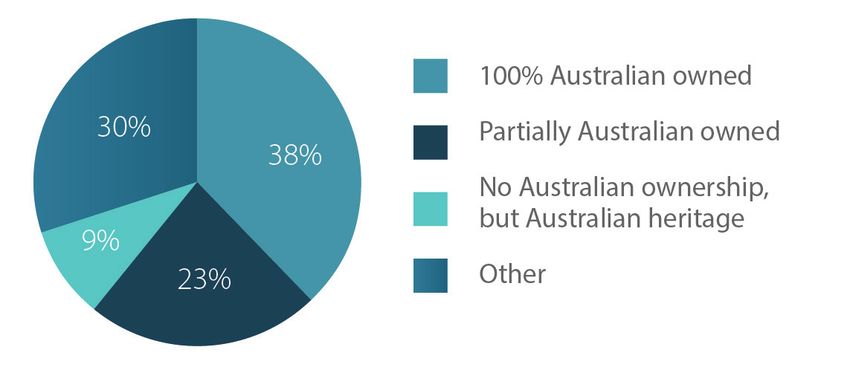
AUSTRALIAN BUSINESS IN ASEAN SURVEY 2020   |   3

                                                            FOREWORD
                                                            Minister for Trade, Tourism and Investment
CONTENTS                                             T    his year’s Australian Business in ASEAN Survey is being
                                                          released at a time of significant economic uncertainty.
                                                                                                                        Export Market Development Grants scheme and a $110
                                                                                                                        million International Freight Assistance Mechanism - to
                                                     The COVID-19 pandemic has hit all countries in our region          support Australian businesses take their products and services
                                                     hard. Broad-based impacts will continue to disrupt the             to the region and the world.
                                                     regional economy for some time, with implications for
                                                     Australian exporters and international trade.                      Our free trade agreements with our ASEAN neighbours

03   Forewords             06   Executive summary    As a longstanding economic, security and development
                                                     partner, Australia is committed to working with ASEAN and its
                                                                                                                        will contribute to regional economic recovery and stability,
                                                                                                                        including by promoting economic integration, and trade
                                                                                                                        and economic liberalisation. Australian businesses can
                                                     member states to manage the health and economic impacts            access opportunities under our plurilateral FTAs, including
                                                     of the pandemic and support regional economic recovery.            the ASEAN-Australia-New Zealand Free Trade Area and
                                                     We are realigning our development partnerships to assist the       the Comprehensive and Progressive Agreement for Trans-
                                                     region’s immediate COVID-19 response and recovery efforts;         Pacific Partnership, as well as under our bilateral FTAs with
                                                     and we are committed to supporting Australian businesses           Singapore, Thailand and Malaysia. The Indonesia-Australia

08                         14
                                                     through the difficult months ahead.                                Comprehensive Economic Partnership Agreement is
     Impact of Covid-19         Business landscape                                                                      expected to enter into force in the coming months.
     pandemic                   in ASEAN             While this survey was undertaken before the economic
                                                     impacts of the pandemic were widely felt, it provides an           The Australian Government is also working hard to conclude
                                                     important benchmark for the growing Australian business            the Regional Comprehensive Economic Partnership
                                                     confidence in the ASEAN region at that time. As we navigate        Agreement, which would become the largest global trade
                                                     through the COVID-19 crisis and towards economic recovery,         grouping, further integrating Australian businesses into the
                                                     the data in this survey will provide a useful guide to inform      world’s fastest growing region.
                                                     our ongoing engagement with ASEAN.

16   Business expansion
     in ASEAN              20   Views on ASEAN
                                integration          Australia’s future remains tied to that of the Indo-Pacific. The
                                                     region, with ASEAN at its centre, has been the engine room of
                                                                                                                        As the region recovers from the COVID-19 pandemic, these
                                                                                                                        agreements will take on even greater importance, further
                                                                                                                        enabling Australian business engagement with ASEAN and
                                                     global growth for the past two decades. While we should be         supporting Australia’s own economic recovery.
                                                     clear-eyed about the outlook for 2020, in the period beyond
                                                     Southeast Asia will continue to present opportunities for          I commend the Australia-ASEAN Chamber of Commerce
                                                     Australian business.                                               for its leadership at this challenging time. Engagement with
                                                                                                                        the ASEAN region is, and will continue to be, a key pillar of

24                         38
                                                     Now is not the time to turn inward. The Australian Government      Australia’s future prosperity.
                                Our Foundation
     Country fact sheets                             remains committed to maintaining open, connected global
                                Members              supply chains. We are working with ASEAN member states,
                                                     as well as with our other Indo-Pacific partners and through        SENATOR THE HON SIMON BIRMINGHAM
                                                     the G20, to maintain an open, rules-based trading system           Minister for Trade, Tourism and Investment
                                                     and resist protectionist measures. Australia has announced         Deputy Leader of the Government in the Senate
                                                     a range of initiatives - including a $49.8 million boost to the    Senator for South Australia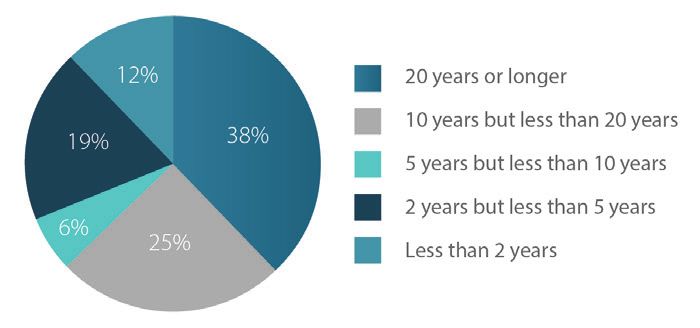
AUSTRALIAN BUSINESS IN ASEAN SURVEY 2020   |   5

       FOREWORD                                                                                                                          FOREWORD
       Australian Ambassador to ASEAN                                                                                                    President of AustCham ASEAN

C     OVID-19 is having an unprecedented impact on the
      health systems, economies and welfare of the 648
million people who live in the ASEAN region.
                                                                    an institution. Last financial year our two way trade with
                                                                    the region reached $124 billion (14 per cent of Australia’s
                                                                    total two way trade).
                                                                                                                                  A      s the ASEAN chairmanship rotates through Vietnam
                                                                                                                                         this year, I’m delighted to see the efforts to strengthen
                                                                                                                                  ASEAN’s resilience paying off and I am excited to be the
                                                                                                                                                                                                     are taking advantage of the host of free trade deals and
                                                                                                                                                                                                     other arrangements now available in the region. AustCham
                                                                                                                                                                                                     ASEAN will continue to work with Australian business,
                                                                                                                                  President of AustCham ASEAN as AustCham ASEAN releases             Australian Government and ASEAN stakeholders to ensure
The International Monetary Fund recently forecast 2020              Australia’s support for ASEAN’s regional integration and      this fifth annual Australian Business in ASEAN Survey.             this increased investment can still occur. The additional
growth in the ASEAN−5 (Indonesia, Malaysia, Philippines,            economic growth through our development cooperation                                                                              COVID-19 Survey shows us, unsurprisingly, that a majority
Thailand, and Vietnam) at −0.6 percent in 2020, down from           programs dates from the 1970s. Together, we are improving     Regional integration has always been the mandate of ASEAN          of Australian businesses are anticipating that the COVID-
the 4.8 percent forecast last year.                                 capacity for digital trade in ASEAN, strengthening            and we have seen various mechanisms established in the             19 pandemic will have a negative effect on their business,
                                                                    competition laws and policies and enhancing intellectual      past to support intra- ASEAN trade. Over the past months           requiring companies and employers to act swiftly to
This year’s Australian Business in ASEAN Survey also                property frameworks.                                          the COVID-19 pandemic has hit countries’ economies and             implement changing business models.
shows that over 85% of firms surveyed anticipate that                                                                             societies, and it has become apparent to me that it has
the COVID−19 pandemic will have a negative impact on                RCEP provides an opportunity to shape the future economic     never been more important for the ASEAN region to remain           I was pleased to read the Declaration made by the ASEAN
their businesses, with almost half expecting a strongly             architecture of the region, building on WTO commitments       committed to deepening integration.                                Leaders at the Special ASEAN Summit on COVID-19 on 14 April
negative impact.                                                    and complementing existing bilateral and regional FTAs.                                                                          2020. This commitment to keeping ASEAN’s markets open for
                                                                    Along with the planned upgrade of the ASEAN-Australia-        As a ‘chamber of chambers’ representing the Australian             trade and investment, preserving supply chain connectivity
ASEAN Ministers and leaders have acted to protect trade             New Zealand Free Trade Area (AANZFTA), RCEP sends a clear     chambers of commerce and business councils across the              and refraining from imposing unnecessary restrictions on
and investment flows, regional value chains, employment,            message that our region, which has benefited so much          ASEAN region, AustCham ASEAN has a great role to play in           trade and investment are all critical going forward.
and businesses from the impacts of COVID-19. At the Special         from opening up trade and investment opportunities in         supporting this integration and the findings of this survey
ASEAN Summit on COVID-19 on 14 April, ASEAN leaders                 the recent decades, is committed to continuing to do so       remind us of the opportunities that present themselves for         So, looking to the remainder of 2020 and beyond, we at
agreed to key measures to sustain regional integration              in the future.                                                business in the ASEAN region.                                      AustCham ASEAN are committed to work to ensure that
and promote economic recovery, including a renewed                                                                                                                                                   ASEAN remains cohesive, acting together to implement
commitment to completing the Regional Comprehensive                 I am pleased to continue to serve as AustCham ASEAN’s         Given the current global situation, it is imperative that          regional responses to the social and economic impact of the
Economic Partnership (RCEP) this year.                              Patron. As we navigate the uncertain economic waters          we ensure ASEAN markets remain as open as possible for             COVID-19 pandemic as it highlights the interconnectedness
                                                                    ahead, the work of private sector leaders like AustCham       Australian business. AustCham ASEAN’s role has never been          of ASEAN economies and societies.
ASEAN Economic Ministers have also made commitments to              ASEAN remains crucial. This year’s Australian Business        so important, and we are committed to assisting Australian
leverage technologies and digital trade to allow businesses         in ASEAN Survey is an extremely valuable resource for         businesses navigate this changing business landscape by            And of course, if you are interested in knowing more about
to continue trading, strengthen supply chain resilience and         understanding the ASEAN business environment during           continuing to support Australian business on regional              the opportunities for AustCham ASEAN to make a very real
sustainability, and enhance ASEAN economic cooperation              these challenging times. I recommend it to all Australian     integration developments and providing information so              impact in the region, please do not hesitate to contact
with external partners.                                             businesses and analysts with interests in the region.         that they remain abreast of the everchanging business              us; we are always eager to discuss how AustCham ASEAN
                                                                                                                                  landscape. We must continue to promote the contribution            can help Australian business continue to secure the many
Australia and ASEAN are critical partners at this time of crisis.                                                                 of Australian business to ASEAN markets and advocate on            opportunities that exist throughout the region.
Our long-standing and close cooperation and strong people                                                                         issues impacting Australian business with ASEAN and the
to people ties, position our governments, businesses and            H.E. JANE DUKE                                                Australian Government.
communities well to contribute to the economic recovery             Australian Ambassador to ASEAN and
of our neighbourhood.                                               Patron of AustCham ASEAN                                      These survey results show that, prior to the COVID-19              CHAU TA
                                                                                                                                  pandemic, the extremely diverse Australian business                President, AustCham ASEAN
As ASEAN’s oldest external partner, Australia has worked                                                                          community were planning increased investment in the
closely with ASEAN over the decades of its remarkable                                                                             region and sheds further light on the activities of Australian
journey, both with its member states and with ASEAN as                                                                            business in ASEAN, including the degree to which they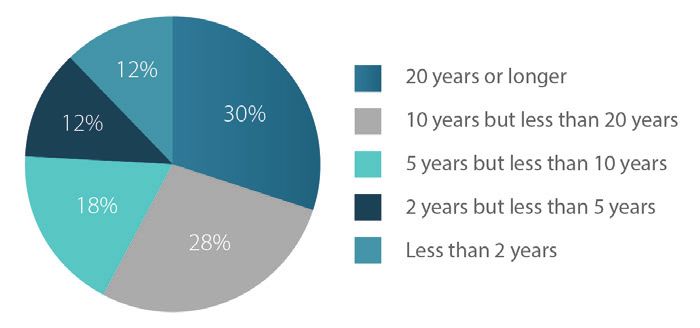
AUSTRALIAN BUSINESS IN ASEAN SURVEY 2020   |   7

      EXECUTIVE
                                                                                                                very successful solar energy program (which saw            THE COVID-19 IMPACT
                                                                                                                approximately 5GW of solar power installed and             Unsurprisingly, 86% of firms in ASEAN anticipate that
                                                                                                                operating in 2019) and the shift of manufacturing          the COVID-19 pandemic will have a negative impact
                                                                                                                from China to Vietnam was at the heart of this.            on their business, with almost half expecting that

      SUMMARY                                                                                                   In addition to Vietnam, Indonesia continued to
                                                                                                                attract strong planned investment. This expansion
                                                                                                                continued to be driven by growth in ASEAN’s
                                                                                                                                                                           impact to be strongly negative.

                                                                                                                                                                           The greatest impacts to date have been:
                                                                                                                                                                           • the loss of customers and revenue due to the
                                                                                                                consuming class, with improvements in infrastructure           impact on the business environment – the single

A    ustCham ASEAN is pleased to present the fifth
     annual Australian Business in ASEAN Survey.
This survey was originally scheduled to be launched
                                                       as impacted by COVID-19. In late June, hopefully
                                                       when all ASEAN countries have restarted their
                                                       economies, AustCham ASEAN will run a special
                                                                                                                and the prospect of greater regional integration also
                                                                                                                providing substantial motivation.
                                                                                                                                                                               biggest negative factor;
                                                                                                                                                                           • business productivity when implementing
                                                                                                                                                                               working from home arrangements - 59% of
in February, but the decision was taken to delay its   supplementary survey to see how businesses have          Perceptions of corruption remain the greatest                  businesses estimate it has had a negative impact
launch and overlay a preliminary “COVID-19” survey     fared and how they see the outlook for the balance       challenge to operating in the region. Lack of access           on their business’ productivity; and
(undertaken in the first week of April) given the      of 2020.                                                 to skilled labour was cited by 36% of firms, providing     • the disruption to logistics and supply chains
significant impact on global trade and business.                                                                a substantial opportunity for Australian firms to help         caused by the pandemic.
                                                       AUSTRALIAN BUSINESS VIEW PRE-COVID-19                    address the skills deficit.
The world has undergone extraordinarily rapid          The Australian business community in ASEAN is
change. Had we published the survey in February, the   extraordinarily diverse. While professional and          Broadly, Australian businesses view of ASEAN remains       CONCLUSION
results would have shown that Australian business      financial services make up almost one-third of the       consistent with previous surveys. Almost four-in-          Despite the extremely difficult climate presented in
sentiment with respect to ASEAN was buoyant, with      business community, there is a significant presence in   every-five of those surveyed believed that ASEAN was       2020, ASEAN is on the way to establishing a conducive
continued confidence in ASEAN, and a strong desire     manufacturing, travel and hospitality, and education     a priority region for their company. However, a less       integrated region for business. Australian business has
to expand their economic contribution to the region    and training.                                            emphatic majority believe that their boards or head        significant experience in the region and is well placed
through increased trade and investment. However,                                                                offices have a deep understanding of the region.           to drive positive change.
with the advent of the COVID-19 pandemic, many         Almost half of firms turned over less than $5 million
businesses are in survival mode, as revenue            in 2019 and more than one-third had 10 or less           The proportion of respondents who believe that             As ASEAN and Australia continue to deepen their
disappears, supply chains are closed down and the      employees. On the other end of the spectrum,             ASEAN integration is important for doing business          strategic partnership, now is the time for Australian
need to work remotely becomes mandatory across         one-fifth of firms are turning over more than $100       in the region continues to increase. It is now 47%, up     business to capitalise on this momentum and step
ASEAN and Australia.                                   million, and 37% employ more than 100 people             from 41% in 2017. A majority of businesses continue        up and contribute to creating an environment that
                                                       in their local offices. This strong footprint in the     to report needing further information on the progress      enables them to continue to thrive. The critical issue
Generally, countries across ASEAN have responded       region is further underscored with almost one-fifth      and impacts of the ASEAN Economic Community,               for Australian business in the region is how quickly
well to the crisis and to date have avoided the        of respondents having their global or Asia Pacific       with only 10% confident they have a detailed               countries will rebound from COVID-19, which is likely
largescale infections of Europe and the US, mainly     headquarters in ASEAN.                                   understanding of what ASEAN integration means to           to influence head office attitude to maintaining or
through acting swiftly to implement border                                                                      their business.                                            expanding their presence in the region.
shutdowns and social distancing. As countries look     Prior to the COVID-19 pandemic, these businesses
to come out of lockdown, the question for business     were planning to follow through with greater             Fair enforcement of the law was viewed as the priority
is how quickly the engine can crank up and whether     investment in the region. More than 80% planned          to accelerating ASEAN integration, overtaking the
unwinding of COVID-19 measures may lead to             to expand their trade and investment over the            reduction of investment and service restrictions. Fixing
a second wave of infections and more stringent         next five years. In 2019, Vietnam had retaken its        infrastructure gaps across the region and improving
lockdown measures.                                     mantel as the most popular destination for planned       labour mobility are the next most important priorities
                                                       investment having held that title in 2017 but coming     for Australian business in ASEAN.
This year’s AustCham ASEAN survey looks at the         in second to the Philippines in 2018. Myanmar
longer term thinking of Australian business in ASEAN   was the preferred destination in 2016. Vietnam’s
AUSTRALIAN BUSINESS IN ASEAN SURVEY 2020   |   9

                                                                     INDUSTRIES REPRESENTED IN THE COVID-19 SURVEY

                                                                     The responses to this additional survey were broadly representative of the wider business community, with the
                                                                     industries represented roughly similar to the general survey.

IMPACT OF COVID-19                                                                                 Professional Services
                                                                                     Travel / Hospitality / Entertainment

PANDEMIC ON
                                                                                              Industrial / Manufacturing
                                                                                 Property / Construction / Infrastructure
                                                                                                 Education and Training

BUSINESS IN ASEAN
                                                                                                       Financial Services
                                                                                                          Other Services
                                                                                                    Transport / Logistics                                                  COVID-19
                                                                                                                                                                           2020
                                                                                                       Consumer Goods
                                                                                                                     ICT
                                                                                                             Agriculture
Circumstances in world economies have changed significantly                                          Energy / Resources
since the Australian Business in ASEAN 2020 survey was undertaken,                Marketing / Media / Communications
with the COVID-19 virus being declared a global pandemic by                                                  Healthcare
the World Health Organisation, leading to unprecedented policy                                    Environment Services
responses. These responses from governments in all corners of
                                                                                                           Government
the world have had an extraordinary economic impact, with the
                                                                                                                            0%   5%   10%   15%   20%    25%
International Monetary Fund already declaring that the world
has entered recession. In order to supplement the findings of the
annual survey, in the first week of April 2020 AustCham ASEAN ran
                                                                     WHAT IMPACT DO YOU ANTICIPATE THE COVID-19 PANDEMIC HAVING ON YOUR BUSINESS?
a short additional survey to better understand the impact that the
pandemic is having on business in South East Asia.                   Unsurprisingly, the majority of firms anticipated that the pandemic would have a negative impact on their
                                                                     business, with 48% expecting a strongly negative impact. Some businesses were anticipating some upside
                                                                     as a result of the pandemic, with 6% anticipating strongly positive impacts, and an additional 4% expecting
                                                                     somewhat positive outcomes for their business.

                                                                                              Strongly positive             6%
                                                                                            Somewhat positive          4%
                                                                                                     Negligible       3%
                                                                                           Somewhat negative                                            38%

                                                                                             Strongly negative                                                                    48%
AUSTRALIAN BUSINESS IN ASEAN SURVEY 2020 | 11
HAS YOUR BUSINESS EXPERIENCED ANY OF Implemented working from home protocols TO WHAT EXTENT HAVE YOU BEEN ABLE TO IMPLEMENT 28%
THE FOLLOWING? Lost customers/revenue due to changing WORK FROM HOME ARRANGEMENTS?
business climate related to the pandemic
Lost customers/revenue due to difficulties with
In terms of impacts, 77% of firms have implemented logistics (cancelled flights, closed borders, limits More than one-quarter of firms have all of their
working from home protocols, with 61% having on movement within and between districts etc.)
staff working from home during the early stage 16% 16%
Staff have difficulty getting to and from 15%
lost customers and/or revenue due to the changed work because of restrictions put into place of the pandemic, with only 14% of firms unable to
14%
business climate, and a majority of firms have been Temporary complete cessation of operations implement working from home protocols for any 12%
impacted by logistical difficulties. Difficulty getting goods and/or services
to customers due to disrupted supply
of their staff.
chains as a result of the pandemic
Staff numbers reduced to comply with
new regulations requiring that sufficient
distance between employees is maintained
Staff have been travelling and have 100% 76% - 99% 51% - 75% 26% - 50% 1% - 25% 0%
needed to self-isolate or enter quarantine
Staff hours contributed from home
Difficulty sourcing inputs due to disrupted
supply chains as a result of the pandemic
Total shutdown in-country you’re responding from THE PRODUCTIVITY OF MY FIRM UNDER WORKING
FROM HOME ARRANGEMENTS
Staff have been in contact with suspected or
confirmed cases and have needed to self-isolate Strongly improved 1%
Staff have been ill and needed to self-isolate
For those who have implemented working from
home arrangements, it has had a detrimental Somewhat improved 7%
Other impact on the productivity of 59% of firms, with Stayed about the same 33%
Gained customers/sales due to changed productivity declining strongly for 16% of firms.
conditions related to the pandemic
Productivity remains unchanged for one-third Somewhat declined 43%
Permanent cessation of operations
(bankruptcy, insolvency etc.) of respondents, with 8% reporting productivity
improvements.
Strongly declined 16%
No impact
0% 20% 40% 60% 80%
HAVE YOU EVACUATED OR REPATRIATED STAFF?
WHICH OF THE FOLLOWING HAS HAD THE Lost customers/revenue due to changing
business climate related to the pandemic Almost one-fifth (18%) of firms in ASEAN had 18%
GREATEST IMPACT ON YOUR BUSINESS?
Implemented working from home protocols evacuated or repatriated staff in response to the
Respondents were asked to select up to three Lost customers/revenue due to difficulties with pandemic.
responses that had the greatest impact on logistics (cancelled flights, closed borders, limits
on movement within and between districts etc.)
their business
Total shutdown in-country you’re responding from
Difficulty getting goods and/or services Presented by
Of these impacts, the loss of customers and/or to customers due to disrupted supply
chains as a result of the pandemic
revenue due to the changing business climate
Staff have difficulty getting to and from
has had the greatest impact on the Australian work because of restrictions put into place
business community, and was nominated by 57% Difficulty sourcing inputs due to disrupted
supply chains as a result of the pandemic
of respondents as one of their top three impacts. Staff numbers reduced to comply with
Implementing working from home protocols has new regulations requiring that sufficient
distance between employees is maintained With thanks to our Foundation Members who assisted in disseminating this
had a significant impact on 39% of firms, with losses Other COVID-19 Survey to their members
of customers and/or revenue due to logistical
Staff have been travelling and have
complaints being a key challenge for more than needed to self-isolate or enter quarantine
one-third (35%) of firms. Gained customers/sales due to changed
conditions related to the pandemic
Australian Chamber Indonesia Australia The Australia Chamber Malaysia-Australia
Staff have been in contact with suspected or Business Council of Commerce Lao PDR
confirmed cases and have needed to self-isolate of Commerce, Cambodia Business Council
Staff have been ill and needed to self-isolate
No impact
0% 10% 20% 30% 40% 50% 60% Australian Chamber The Australia-New Zealand Chamber Australian-Thai The Australian Chamber
of Commerce, Myanmar of Commerce (Philippines) Inc Chamber of Commerce of Commerce in Vietnam
AUSTRALIAN BUSINESS IN ASEAN SURVEY 2020   |   13

ABOUT
AUSTCHAM                                                                                                              AUSTRALIAN BUSINESS
ASEAN                                                                                                                 IN ASEAN 2020 SURVEY
A      ustCham ASEAN is a ‘chamber of chambers’ with its Foundation Members consisting of the officially registered
       Australian chambers and business councils from across ASEAN - Australian Chamber of Commerce, Cambodia,
Indonesia Australia Business Council, The Australia Chamber of Commerce Lao PDR, Malaysia-Australia Business
                                                                                                                      14   Business landscape in ASEAN
Council, Australian Chamber of Commerce Myanmar Association, The Australia-New Zealand Chamber of Commerce
(Philippines) Inc, Australian Chamber of Commerce, Singapore, Australian-Thai Chamber of Commerce and The
Australian Chamber of Commerce in Vietnam.

With advocacy as its key focus AustCham ASEAN is committed to helping Australian business achieve success through:
                                                                                                                      16   Business expansion in ASEAN
1.    Informing Australian business on regional integration developments and the business landscape with a
     particular focus on an annual business survey;
2.   Explaining the contribution of Australian business to ASEAN markets; and

                                                                                                                      20
3.   Advocating for policies, rules and regulations that support Australian business activities in ASEAN (including
     organizing sector roundtables in key areas of interest for Australian business.                                       Views on ASEAN integration
A key AustCham ASEAN activity, on behalf of its Foundation Members, involves an annual survey of Australian
businesses operating in ASEAN. This survey in an enhanced form was a focal point of the ASEAN Australia Special
Summit in March 2018. The 2020 edition incorporates a special COVID-19 update outlining the current impact of
the virus to Australian business across ASEAN. It is intended to follow up with a further survey in June 2020.

As the officially recognized in-ASEAN leader for Australia in engagement with the ASEAN Business Advisory Council
and the ASEAN Economic Community, AustCham ASEAN is perfectly positioned to be the vehicle for a stronger
                                                                                                                      24   Country fact sheets

relationship for the Australian business community in its continued engagement and partnership with ASEAN.

The Presidency of AustCham ASEAN is currently held by AusCham Vietnam for 2020. The rotating presidency will
align with the ASEAN Host Country.

With special thanks to the survey production team:
Jodi Weedon, Executive Director
Daniel Willett, Senior Policy Advisor
Norazuin Lokman, Graphic Design
Annette Tilbrook, Director
AUSTRALIAN BUSINESS IN ASEAN SURVEY 2020 | 15
INDUSTRY OF OPERATIONS
The Australian business community continues to be dominated by services firms, with professional services
BUSINESS LANDSCAPE making up 22% of all respondents operating in the region. Manufacturing, financial services, and travel,
hospitality and entertainment each contributing more than 10% of businesses across the region.
IN ASEAN
Professional Services 22%
Industrial / Manufacturing 11%
Financial Services 10%
Travel / Hospitality / Entertainment 10%
Australian business has a long history in ASEAN with its significant diversity Education and Training 10%
as one common thread. Firms operating in the region vary in size, industry, Property / Construction / Infrastructure 8%
ownership and the role of their operations.
Other Services 6%
Transport / Logistics 4%
OWNERSHIP Energy / Resources 4%
Consumer Goods 4%
A majority of the Australian business community in ASEAN maintains Australian ownership with 61%
Marketing / Media / Communications 3%
having either full or partial Australian ownership. A further 9% of firms have Australian heritage but
no current Australian ownership. Three-tenths of respondents had no history of Australian ownership ICT 3%
of their company. Government 2%
Agriculture 2%
Healthcare 1%
Environment Services 1%
SIZE
One example of the diversity of Australian business in ASEAN is the size of companies operating in the region.
While 48% of respondents turned over less than $5 million annually, and 32% had 10 or less staff, one-fifth of
businesses turned over more than $100 million and 37% had more than 100 staff members in their local offices.
OPERATING ROLE
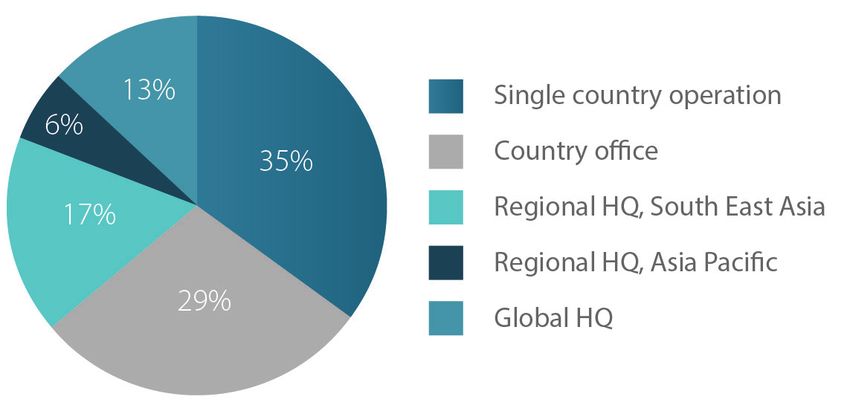
The majority of firms were focussed on a single domestic market. More than one-third of firms
operated only in the country from which they responded from, however, 23% of firms were regional ANNUAL TURNOVER IN 2019 EMPLOYEE NUMBERS
headquarters, with a further 13% of respondents utilising ASEAN as their global headquarters. (IN MILLION AUD)
More than 200 23%
25%
23%
101 - 200 14%
15%
51 - 100 6%
11% 11 - 50 26%
10% 10%
7% Up to 10 32%
AUSTRALIAN BUSINESS IN ASEAN SURVEY 2020 | 17
BUSINESS The Australian business community continues to move to take advantage
of the scale of the opportunity presented in the ASEAN region. A majority
of firms operating in the region have expanded trade and investment in
the last two years, with more than four in five businesses planning to
EXPANSION IN ASEAN expand their trade and investment in the next five years. The growing
consumer class in the region is the primary driver of this planned growth,
with business conduct conflicts recognised as a challenge to operations.
CHANGE IN COMPANY TRADE AND/OR INVESTMENT OVER THE PAST 2 YEARS CURRENT COMPANY OPERATIONS AND EXPANSION PLANS
BY ASEAN MEMBER STATE
Of the survey respondents, Thailand, Singapore and Vietnam host the greatest numbers of firms from the
A majority (55%) of business in the region had moved to take advantage of the ASEAN opportunity in Australian business community.
the past two years, with 19% of respondents having expanded their trade and investment in the region
significantly. Only 3% of respondents had decreased their trade and investment in the region over the Business continues to anticipate expansion in the region, with 83% expecting to expand their trade and
same period. investment in ASEAN over the next five years. Vietnam has overtaken the Philippines as the most popular
market for expansion, with 22% of firms planning to expand there. Myanmar and Indonesia are the next most
popular destinations for expansion.
7%
3%
19%
Cambodia 16%
Brunei
Indonesia 38%
Cambodia
17%
Laos
Indonesia
21%
Malaysia 11% Laos
Myanmar
34% Malaysia
Philippines 13%
Myanmar
Singapore 21% Philippines
19%
Thailand
Singapore
Vietnam
28%
11% Thailand
ASEAN
41% Vietnam
12%
45%
14%
41%
0% 10% 20% 30% 40% 50% 60% 70% 80% 90% 100% 22%
Increased Remained about the same Decreased Operate in Plan to expand
AUSTRALIAN BUSINESS IN ASEAN SURVEY 2020 | 19
TOP REASONS FOR EXPANDING Growing consumer class
53%
60% KEY CHALLENGES OF OPERATING IN ASEAN BY COUNTRY OF RESPONSE
61%
TRADE AND INVESTMENT IN ASEAN Percentage of respondents who identified each issue as one of their top 3 major challenges of operating in ASEAN
33%
Respondents were asked to nominate up to Improvement in infrastructure 35%
36%
three main drivers behind their expanding
32%
trade and investment in ASEAN Regional integration 31%
35%
23%
The growing consumer class is a main Increased availability of trained
32%
personnel / efficient manpower 31%
driver for the majority of business in ASEAN.
23%
Improvements in infrastructure and increasing Stable political conditions 23%
17%
Barriers to
ownership 13% 50% 13% 25% 0% 39% 31% 42% 32% 34%
and investment
regional integration were key drivers for one- 19%
Other 18%
third of businesses. The increased availability of 15%
Corruption 50% 50% 69% 35% 11% 44% 46% 38% 48% 44%
skilled staff was a key reason for 23% of firms, Favourable government policies
19%
21%
19%
down from 32% the previous year.
18% Cost of operations 13% 15% 6% 5% 33% 33% 31% 14% 19% 18%
Limited growth opportunities
18%
in other regions 18%
17% Currency volatility
18% 0% 19% 25% 25% 22% 17% 8% 32% 10% 20%
Competitive production costs 17%
9%
Tax benefits 10% Information /
9% 0% 8% 0% 10% 11% 6% 0% 2% 0% 3%
cyber security
6%
Availability of raw materials 8%
8% Infrastructure gaps 38% 19% 13% 15% 11% 11% 0% 12% 32% 15%
2020 2019 2017
Lack of access to 75% 23% 44% 50% 44% 6% 42% 42% 23% 36%
skilled labour
43%
Corruption 43% Lack of fair
42% 38% 31% 56% 20% 33% 22% 12% 21% 23% 25%
TOP CHALLENGES OF OPERATING 36%
enforcement
of the law
IN ASEAN Lack of access to skilled labour 37%
35%
Political instability 25% 38% 0% 25% 67% 22% 19% 23% 6% 22%
Respondents were asked to nominate up to 32%
Barriers to ownership and investment 39%
three main challenges of operating in ASEAN 36%
25% Quality and ease of
Lack of fair enforcement of the law 13% 0% 19% 25% 0% 0% 19% 9% 16% 11%
20% banking services
20%
Corruption continues to be the main challenge
22%
of operating in the region, identified as such by Political instability 20%
20% Restrictions on 0% 12% 0% 15% 0% 22% 23% 14% 16% 14%
service offerings
44% of respondents. Lack of access to skilled 21%
Currency volatility 20%
labour has overtaken barriers to ownership and 13%
Taxation 13% 19% 13% 5% 11% 33% 4% 6% 6% 10%
19%
investment as the second greatest challenge, Cost of operations 15%
19%
identified by 36% of businesses as one of their 15% Time and
Infrastructure gaps 18% cost of import / 13% 4% 19% 10% 22% 17% 4% 11% 13% 11%
top three key challenges to operating in ASEAN. 22% export procedures
13%
Restrictions on service offerings 14%
16% Table 1: Key challenges of operating in ASEAN. Blue indicates the equal top three most identified challenges.
11%
Time and cost of import / export procedures 13%
9%
Cambodia Indonesia Laos Malaysia Myanmar
11%
Quality and ease of banking services 12% Philippines Singapore Thailand Vietnam ASEAN
12%
10%
Taxation 10%
14%
8%
Other 11%
9%
3%
Information / cyber security 5%
6%
2020 2019 2017AUSTRALIAN BUSINESS IN ASEAN SURVEY 2020 | 21
VIEWS
ASEAN integration continues to be important to Australian business, although
a majority of firms continue to feel that they need more information on the
impacts of ASEAN integration and how they can best take advantage of it. Market
access remains the key benefit of ASEAN integration to firms in the region, with
ON ASEAN fair enforcement of the law now viewed as the main priority for integration of
the region. The overwhelming majority of firms believe that ASEAN is a priority
region for their company, with slimmer majorities believing that their boards
and head offices have a strong understanding of, and value experience in, the
INTEGRATION region. The ASEAN-Australia-New Zealand Free Trade Agreement continues to
expand in usage, although admittedly from a low base.
IS ASEAN INTEGRATION IMPORTANT IN HELPING YOUR COMPANY DO BUSINESS IN THE REGION? UNDERSTANDING OF ASEAN INTEGRATION AND ITS IMPACT
47% of respondents believe that ASEAN integration is important for doing business in the region, up from The majority of firms feel that they need more information on ASEAN integration, with 31% of firms expressing
41% in 2017. Only 27% of firms felt that it was not important. ASEAN integration was viewed to be the most that they had a high-level understanding of ASEAN integration and needed more information, and a further 21%
important by companies in Myanmar, Singapore, and the Philippines. who had no understanding and needed further information. A high of 10% of respondents were confident that
they had detailed knowledge of ASEAN integration.
25% 46% 25% 40% 78%
35%
50% 38% 25% 20% 0%
25% 15% 50% 40% 22% 30%
25%
20% 2020
56% 62% 45% 45% 47% 2019
11% 23% 32% 29% 27% 2017
15%
33% 15% 23% 26% 26%
10%
Yes No I do not know enough about the ASEAN Economic Community
to know if it will help my business 5%
Cambodia Indonesia Laos Malaysia Myanmar
Philippines Singapore Thailand Vietnam ASEAN 0%
High-level only High-level No understanding No understanding Detailed
and need more only but that is and need more info but that is sufficient understanding
info sufficient
Note: Due to rounding, all figures may not add up to 100%AUSTRALIAN BUSINESS IN ASEAN SURVEY 2020 | 23
MAJOR AREAS OF BENEFIT FROM ASEAN INTEGRATION THE VALUE OF ASEAN
Respondents were asked to name up to 3 top benefits
Almost four-fifths (79%) of respondents 55%
Market access continues to be seen as the Market access saw ASEAN as a priority region for their 50%
overwhelming benefit to ASEAN integration, company with a majority (52%) strongly
45%
identified by 60% of firms as one of their top Better mobility of staff agreeing that was the case. While a
three responses. Better mobility of staff was majority of firms also had the view that 40%
another key benefit, with 40% of businesses Reduced tariffs their head office/board have a deep
35%
seeing that as a key benefit. level of understanding of the region and
Easier ability to export /import ASEAN experience was highly valued 30%
(in terms of time and processes)
by their company, although they were 25%
Ability to improve substantially less likely to strongly agree
sourcing of products 20%
that this was the case.
Other 15%
10%
0% 10% 20% 30% 40% 50% 60% 70%
5%
2020 2019 2017
0%
ASEAN is a priority region The head office / board have a Experience in ASEAN is highly
for our company deep level of understanding of valued by our company
business issues in ASEAN
Strongly Somewhat Somewhat Strongly
agree agree Neutral disagree disagree
PRIORITY AREAS TO ACCELERATE ASEAN ECONOMIC INTEGRATION
Respondents were asked to name up to 3 top priority areas
Fair enforcement of the law has overtaken Fair enforcement of the law
investment or service restrictions as the
AWARENESS AND USE OF TRADE AGREEMENTS
main priority area to accelerate ASEAN Investment or service restrictions
integration, identified by nearly half 60%
The ASEAN-Australia-New Zealand Free
(47%) of respondents. Infrastructure gaps Infrastructure gaps Trade Agreement continues to be the 50%
and labour mobility also continue to be (e.g., power, transport, ICT)
most utilised trade agreement in the
key priorities of the Australian business 40%
Labour mobility region, with almost one-fifth of business
community in ASEAN.
making use of it. 8% of firms are making 30%
Non-tariff barriers to trade
significant use of the agreement, up
20%
from just 3% in 2017 when the question
was first asked. 10%
Intellectual property rights
0%
AANZFTA ASEAN-Australia-New Zealand Free Trade Agreement
Non-harmonised standards SAFTA Singapore-Australia Free Trade Agreement AANZFTA SAFTA TAFTA MAFTA IA-CEPA
TAFTA Thailand-Australia Free Trade Agreement
MAFTA Malaysia-Australia Free Trade Agreement
Aware, making significant use of Aware of, using somewhat
Other IA-CEPA Indonesia-Australia Comprehensive Economic
Partnership Agreement Aware of, but not utilising Don’t know
0% 5% 10% 15% 20% 25% 30% 35% 40% 45% 50%
2020 2019 2017AUSTRALIAN BUSINESS IN ASEAN SURVEY 2020 | 25
CAMBODIA
EMPLOYEE NUMBERS ROLE OF OPERATIONS
Single country operation 13%
More than 200 50%
Country office 75%
101 - 200 13% Regional HQ, South East Asia 13%
Real growth achieved a four-year high of 7.5 percent in 2018, compared to 7.0 percent in 2017. Driven primarily by 51 - 100 0% Firms in Cambodia are focussed overwhelmingly on the local
rapid expansion of exports and robust internal demand, the economy performed better than expected. Exports market, although 13% of firms located their South East Asian
burgeoned as external demand strengthened. 11 - 50 25%
headquarters in Cambodia.
Up to 10 13%
Garment and footwear exports which account for more than two-thirds of total merchandise exports, recorded a
five-year high, rising by 17.6 percent in 2018. Upbeat consumer confidence led to a surge in imports. Motor vehicles TOP INDUSTRIES OF OPERATIONS
and steel imports, which gauge domestic consumption and construction demands, rose by 50 percent and 48 Consumer Goods 38%
percent, respectively. Growth is expected to remain robust over the medium term. ANNUAL TURNOVER Education and Training 25%
(IN MILLION AUD)
Professional Services 13%
The ASEAN-Australia-New Zealand Free Trade Agreement (AANZFTA) came into force in Cambodia in January 2011.
50% Financial Services 13%
The Agreement introduces a range of practical benefits for businesses seeking to trade or invest between Australia
and Cambodia, including reducing tariffs on goods, liberalizing market access for most services and offering 40% Agriculture 13%
increased protection for investors. 30% Consumer goods firms accounted for more than one-third of
20%
firms in Cambodia. Education and training firms were the next
Major exports to Cambodia from Australian in 2018, consist of cereal, prams, toys, sporting goods, beer and computers. most common, with professional and financial services and
10%
agriculture firms accounting collectively for one-third of the
As a least developed country, Cambodia’s products are granted tariff-free access to Australia. Cambodia and Australia 0% business community.AUSTRALIAN BUSINESS IN ASEAN SURVEY 2020 | 27
INDONESIA
EMPLOYEE NUMBERS ROLE OF OPERATIONS
More than 200 27% Single country operation 42%
Country office 38%
101 - 200 4% Regional HQ, South East Asia 15%
The continued stability and strength of the Indonesian economy represents opportunities for Australian 51 - 100 15%
Global HQ 4%
businesses that can no longer be overlooked, especially with the Indonesia-Australia Comprehensive Economic More than 80% of firms are focussed primarily on the Indonesian
11 - 50 27%
Partnership Agreement to be ratified in 2020. The re-elected government of President Widodo continues to market with more than 40% of firms being entirely local entities.
focus on maintaining economic growth of more than 5% per annum through the continued development of Up to 10 27%
TOP INDUSTRIES OF OPERATIONS
Indonesia’s infrastructure, human capital and its political and legal institutions.
Professional Services 35%
In addition to Indonesia’s natural resources, ASEAN’s largest economy is home to a population of over 260 million, ANNUAL TURNOVER Financial Services 15%
(IN MILLION AUD) Property / Construction / Infrastructure
67% of which are within working age. With an average age of only 30.5 years, Indonesia also boasts a digitally 12%
enabled market with the region’s largest and fastest growing digital economy including the largest adoption of Government 8%
40%
fintech services. Energy / Resources 8%
30%
More than one-third of respondents were professional services
Despite these characteristics, Australia’s investment in and trade with Indonesia remains well below that of 20%
firms, with financial services, construction and infrastructure, and
neighbouring, yet smaller economies in South East Asia. While opportunities exist, Australian businesses need to 10% resources firms also heavily represented.
assess their own capabilities and adapt them to effectively benefit from Indonesia’s market.
0%AUSTRALIAN BUSINESS IN ASEAN SURVEY 2020 | 29
LAOS
EMPLOYEE NUMBERS ROLE OF OPERATIONS
More than 200 6% Single country operation 81%
Country office 13%
101 - 200 31% Global HQ 6%
Laos is a small, landlocked economy that has experienced rapid growth based on capital intensive investments 51 - 100 0% The overwhelming majority of firms are focussed on the domestic
in the energy sector. Surrounded by China, Vietnam, Myanmar, Cambodia and Thailand, and with a population market in Laos.
11 - 50 38%
of about 7 million people, Laos has historically been viewed as a relatively small player from a trade and
economic perspective. However, with its geographic proximity to these large economies and historically Up to 10 25%
strong GDP growth (estimated at 57% for 20196), Laos is keen to capitalise on its landlocked status to move TOP INDUSTRIES OF OPERATIONS
towards a landlinked economy. Professional Services 25%
ANNUAL TURNOVER Financial Services 19%
(IN MILLION AUD)
Laos’ key industries continue to be hydropower, resources, agriculture, industry and services with the Travel / Hospitality / Entertainment 13%
government having introduced Special Economic Zones across the country to encourage the development of 50% Other Services 13%
a local manufacturing industry. Laos is continuing to work towards graduating from Least Developed Country 40%
status by 20250, as well as meet the Sustainable Development Goals. The authorities remain committed to Services industries dominate the Australian business community in
30%
Laos with more than half of firms in either the professional, financial
maintaining macroeconomic and financial stability whilst promoting sustainable and inclusive growth. or other services industries.
20%
10%
PROFITABILITY IN 2019
ECONOMIC INDICATORS 2014 2019
0%AUSTRALIAN BUSINESS IN ASEAN SURVEY 2020 | 31
MALAYSIA
EMPLOYEE NUMBERS ROLE OF OPERATIONS
More than 200 20% Single country operation 15%
Country office 15%
101 - 200 0% Regional HQ, South East Asia 40%
Malaysia’s highly diversified economy, strong manufacturing foundation, developed infrastructure and connectivity, 51 - 100 0%
Regional HQ, Asia Pacific 10%
proactive government policies and sound legal system are among the reasons why Malaysia continue to be a Global HQ 20%
11 - 50 20%
preferred investment destination. Being a multicultural nation, Malaysia is able to offer a cost competitive multi- Almost three-quarters (70%) of the Australian business
ethnic and multi-lingual workforce that can effectively communicate with most of the markets in the region. Up to 10 60% community in Malaysia is either a regional or global headquarters.
The Malaysian Government continues to make every effort to ensure the sustainability of a conducive and ANNUAL TURNOVER TOP INDUSTRIES OF OPERATIONS
competitive business environment in the country. The government has pledged to ensure Malaysia remains as an (IN MILLION AUD) Property / Construction / Infrastructure 15%
open country and friendly to investors leveraging on investor friendly policies. Malaysia offers vast investment and Industrial / Manufacturing 15%
40%
business opportunities in the area of manufacturing and services sectors. Professional Services 10%
30% Marketing / Media / Communications 10%
There are many areas of investment synergies between Australia and Malaysia in high-tech manufacturing including ICT 10%
20%
medical technology, education (higher learning institutions), research and development, healthcare / functional 10% The Australian business community in Malaysia was spread across
foods and food manufacturing. We welcome Australian companies to utilise their experience and expertise to a diverse range of industries, with construction and manufacturing
venture to Malaysia’s shores for investment and business opportunities in mutually beneficial partnerships. 0% the two most common.AUSTRALIAN BUSINESS IN ASEAN SURVEY 2020 | 33
MYANMAR
EMPLOYEE NUMBERS ROLE OF OPERATIONS
More than 200 11% Single country operation 33%
Country office 67%
101 - 200 11%
Myanmar is strategically positioned in Asia as the largest country in mainland South East Asia, bordering 40% of the The Australian business community in Myanmar is exclusively
51 - 100 11%
world’s population. It has a large working population, abundant agricultural land and is rich in natural resources. focussed on the local market, either operating exclusively in the
Myanmar’s recent political and economic reforms have led the nation closer towards transparent governance and 11 - 50 44% country, or as the country representatives of a larger firm.
sustainable economic development. Up to 10 22%
The World Bank previously reported Myanmar’s GDP is expected to increase by 6.3 percent in 2019/2020 and 6.4% TOP INDUSTRIES OF OPERATIONS
in 2020/2021. While the COVID19 crisis is impacting Myanmar’s economy, it is still expected to be among the fastest ANNUAL TURNOVER
(IN MILLION AUD) Financial Services 33%
growing in the region this year, showing resilience despite ongoing global slowdown and domestic uncertainties.
Energy / Resources 33%
50%
Foreign direct investment is forecast to grow in 2020, helped by growing investment in the transport and Professional Services 22%
40%
telecommunications sector and planned infrastructure spending by the government before the 2020 elections. The Marketing / Media / Communications 11%
30%
service sector is an important driver of growth in Myanmar, while the slow recovery in tourism related services is
Australian business in Myanmar is dominated by services, and energy
offset by robust growth in wholesale and retail trade. 20%
and resources firms, with financial and professional accounting for
10%
more than half of firms operating in Myanmar.
The regulatory landscape continues to unfold under the current government and the future looks promising. A 0%
number of laws and regulations, including Myanmar’s Tax Administration Law and Insolvency Law have recentlyAUSTRALIAN BUSINESS IN ASEAN SURVEY 2020 | 35
PHILIPPINES
EMPLOYEE NUMBERS ROLE OF OPERATIONS
More than 200 39% Single country operation 56%
Country office 39%
101 - 200 11%
Regional HQ, Asia Pacific 6%
The Philippines is one of the most dynamic economies in the East Asia Pacific region. With increasing urbanization, 51 - 100 17%
a growing middle class, and a large and young population, the Philippines’ economic dynamism is rooted in The Australian business community in the Philippines is
11 - 50 6% overwhelmingly focussed on serving the local market, with more
strong consumer demand supported by a vibrant labour market and robust remittances. Business activities are
Up to 10 28%
than 90% of respondents focussed exclusively on the Philippines.
buoyant with notable performance in the services sector including the business process outsourcing, real estate,
and finance and insurance industries.
TOP INDUSTRIES OF OPERATIONS
Professional Services 17%
Sound economic fundamentals and a globally recognized competitive workforce reinforce the growth ANNUAL TURNOVER
(IN MILLION AUD) Travel / Hospitality / Entertainment 11%
momentum. Having sustained average annual growth of 6.3% between 2010-2018 from an average of 4.5%
Transport / Logistics 11%
between 2000-2009, the country is poised to make the leap from a lower-middle income country with a gross
40% Other Services 11%
national income per capita of US$3,660 in 2017 to an upper-middle income country (per capita income range of
ICT 11%
US$3,896 – 12,055) in the near term. 30%
20%
Services firms were the most represented industry sector in the
Philippines, although there was significant diversity with travel,
10% logistics, ICT, and energy and resources all well represented.
0%
ECONOMIC INDICATORS 2014 2019AUSTRALIAN BUSINESS IN ASEAN SURVEY 2020 | 37
SINGAPORE
EMPLOYEE NUMBERS ROLE OF OPERATIONS
More than 200 0% Single country operation 4%
Country office 4%
101 - 200 4% Regional HQ, South East Asia 54%
Located at the heart of South East Asia, Singapore is an open and trade-driven economy. It’s a leading global business 51 - 100 4%
Regional HQ, Asia Pacific 15%
hub, positioned in a strategic location where the major east and west shipping routes converge. The country has a stable Global HQ 23%
government, strong rule of law and effective regulatory system. It’s a financial, shipping and trade hub for the Asia Pacific 11 - 50 27%
Singapore acts as a business hub, with much of the Australian
region, a perfect launchpad for the continent and offers the best intellectual property protection, infrastructure and Up to 10 65% business community in Singapore acting as either their firm’s South
incentives in Asia. East Asian (54%), Global (23%), or Asia Pacific (15%) headquarters.
It was ranked the number one most competitive economy in the 2019 IMD World Competitiveness Ranking and is globally ANNUAL TURNOVER TOP INDUSTRIES OF OPERATIONS
(IN MILLION AUD) 35%
renowned for its competitive tax structure with the corporate income tax (CIT) rate a flat 17%. Excellent connectivity, Professional Services
strategic location with proximity to the world’s largest emerging markets, strong legal system, and best quality of life in 40%
Property / Construction / Infrastructure 12%
Asia, are other advantages. Financial Services 12%
30%
Other Services 8%
Singapore has been named second in the world for ease of doing business by the World Bank and is seen as a strategic 20% Education and Training 8%
link and important gateway for global investors. It has a network of over 80 comprehensive avoidance of double taxation
10% Professional services is the primary industries of operations in
agreements.
Singapore. Property and construction, and financial services were
0%AUSTRALIAN BUSINESS IN ASEAN SURVEY 2020 | 39
THAILAND
EMPLOYEE NUMBERS ROLE OF OPERATIONS
Single country operation 32%
More than 200 23%
Country office 27%
101 - 200 22% Regional HQ, South East Asia 19%
Regional HQ, Asia Pacific 8%
Thailand ranks in the top three countries in the South East Asian region on the ease of doing business scale; it is 51 - 100 4% Global HQ 14%
Australia’s ninth largest two-way goods and services trading partner and second largest in ASEAN, with two-way
11 - 50 27% The Australian business community in Thailand is quite diverse, with
trade in excess of US$16.7 billion in 2018 and Australian investment backed by the Thailand-Australia Free Trade
a majority focussed exclusively on the local market. One-fifth (19%)
Agreement (TAFTA) as well as the ASEAN-Australia-New Zealand Free Trade Area (AANZFTA). Up to 10 24%
of firms take advantage of Thailand’s central location by utilising it as
their South East Asian headquarters.
Thailand is a regional and global manufacturing hub for vehicles, automotive components, consumer electronics, ANNUAL TURNOVER
and processed food and beverages. It is also a leading exporter of agricultural commodities. Thailand is also a (IN MILLION AUD) TOP INDUSTRIES OF OPERATIONS
significant international tourist destination with around 38.3 million visitors in 2018. Professional Services 22%
40%
Travel / Hospitality / Entertainment 16%
In addition to significant investments in road and rail infrastructure, the Thai government is pushing ahead 30%
Industrial / Manufacturing 16%
with its “Thailand 4.0” development plan to encourage investment into a value-based, digital, innovation-driven 20% Financial Services 9%
and services-based economy, focusing on ten ‘S-Curve’ industries targeting automotive, electronics, high-value
10% Professional services was the most common industry in Thailand.
tourism and medical tourism, efficient agriculture, food innovation, automation and robotics, aerospace, bio-
Together with travel and entertainment, and manufacturing, these
energy and bio-chemicals, digital and medical and healthcare. 0%AUSTRALIAN BUSINESS IN ASEAN SURVEY 2020 | 41
VIETNAM
EMPLOYEE NUMBERS ROLE OF OPERATIONS
Single country operation 48%
More than 200 30%
Country office 38%
101 - 200 13% Regional HQ, South East Asia 3%
Regional HQ, Asia Pacific 3%
Vietnam is one of Asia’s great economic success stories of the past 30 years. Since economic reforms were 51 - 100 8% Global HQ 10%
implemented by the national government from 1986, Vietnam has experienced unprecedented economic
11 - 50 25% An overwhelming majority (86%) of firms in Vietnam were focussed
growth, with an average annual increase in GDP of 6.5 per cent. With a young and energetic population – 40
exclusively on the local market.
per cent of its 97.1 million people are under age 24 – Vietnam is projected to remain among the world’s fastest Up to 10 25%
growing economies over the next decade, and one of Asia’s best business and investment destinations. TOP INDUSTRIES OF OPERATIONS
ANNUAL TURNOVER Professional Services 20%
(IN MILLION AUD)
As Vietnam’s Government continues to make the country an easier place to do business and encourage private Education and Training 20%
enterprise – the standard corporate tax rate was cut from 22 to 20 per cent on 1 January 2016 – there has never 40% Travel / Hospitality / Entertainment 15%
been a better time for Australian companies to consider doing business here. 30% Industrial / Manufacturing 15%
20%
Professional services and education and training make up 40% of
The economy remained robust in 2019, with expansion underpinned by strong domestic demand, resilient the Australian business community in Vietnam, with hospitality and
manufacturing, and solid foreign direct investment. However, growth is forecast to decelerate significantly in 10% manufacturing firms accounting for a further 30% of the business
2020, with risks to the downside as the COVID-19 pandemic unfolds. Inflation eased to a 3-year low in 2019 but it community.
0%
is projected to rise moderately in 2020 and 2021. The current account surplus expanded in 2019 but will contractAUSTRALIAN BUSINESS IN ASEAN SURVEY 2020 | 43
FOUNDATION
MEMBERS
A ustCham ASEAN is grateful for the support of its Foundation Members in assisting to gather the data
for this survey.
Australian Chamber of Indonesia Australia The Australia Chamber of
Commerce, Cambodia Business Council Commerce Lao PDR
Malaysia-Australia Australian Chamber of The Australia-New Zealand
Business Council Commerce, Myanmar Chamber of Commerce
(Philippines) Inc
Australian Chamber of Australian-Thai Chamber The Australian Chamber of
Commerce, Singapore of Commerce Commerce in Vietnam
w w w. austcham asean. comProduced by
You can also read


