BEIGENE CORPORATE PRESENTATION - AUGUST 24, 2020
←
→
Page content transcription
If your browser does not render page correctly, please read the page content below

BeiGene Corporate Presentation
August 24, 2020

•   Certain statements contained in this presentation and in the accompanying oral presentation, other than
Disclosures       statements of fact that are independently verifiable at the date hereof, may constitute forward-looking
                  statements. Examples of such forward-looking statements include statements regarding BeiGene’s
                  research, discovery, and pre-clinical and early-stage clinical programs and plans; recent clinical data for
                  BeiGene’s product candidates and approvals of its products; the conduct of late-stage clinical trials and
                  expected data readouts; additional planned commercial product launches; the advancement of and
                  anticipated clinical development, regulatory milestones and commercialization of BeiGene’s products and
                  drug candidates. Actual results may differ materially from those indicated in the forward-looking statements
                  as a result of various important factors, including BeiGene's ability to demonstrate the efficacy and safety of
                  its drug candidates; the clinical results for its drug candidates, which may not support further development
                  or marketing approval; actions of regulatory agencies, which may affect the initiation, timing and progress of
                  clinical trials and marketing approval; BeiGene's ability to achieve commercial success for its marketed
                  products and drug candidates, if approved; BeiGene's ability to obtain and maintain protection of intellectual
                  property for its technology and drugs; BeiGene's reliance on third parties to conduct drug development,
                  manufacturing and other services; BeiGene’s limited operating history and BeiGene's ability to obtain
                  additional funding for operations and to complete the development and commercialization of its drug
                  candidates; the impact of the COVID-19 pandemic on the Company’s clinical development, commercial and
                  other operations, as well as those risks more fully discussed in the section entitled “Risk Factors” in
                  BeiGene’s most recent quarterly report on Form 10-Q, as well as discussions of potential risks,
                  uncertainties, and1 other important factors in BeiGene's subsequent filings with the U.S. Securities and
                  Exchange Commission. All information in this presentation is as of the date of this presentation, and
                  BeiGene undertakes no duty to update such information unless required by law.
              •   Some of the clinical data in this presentation relating to BeiGene’s investigational drug candidates is from
                  pre-clinical studies or early phase, single-arm clinical trials. When such data or data from later stage trials
                  are presented in relation to other investigational or marketed drug products, the presentation and
                  discussion are not based on head-to-head trials between BeiGene’s investigational drug candidates and
                  other products unless specified in the trial protocol. BeiGene is still conducting pre-clinical studies and
                  clinical trials and, as additional patients are enrolled and evaluated, data on BeiGene’s investigational drug
                  candidates may change.
              •   This presentation and the accompanying oral presentation contain data and information obtained from third-
                  party studies and internal company analysis of such data and information. BeiGene has not independently
                  verified the data and information obtained from these sources. Forward-looking information obtained from
                  these sources is subject to the same qualifications noted above.

                                                                                                                                    2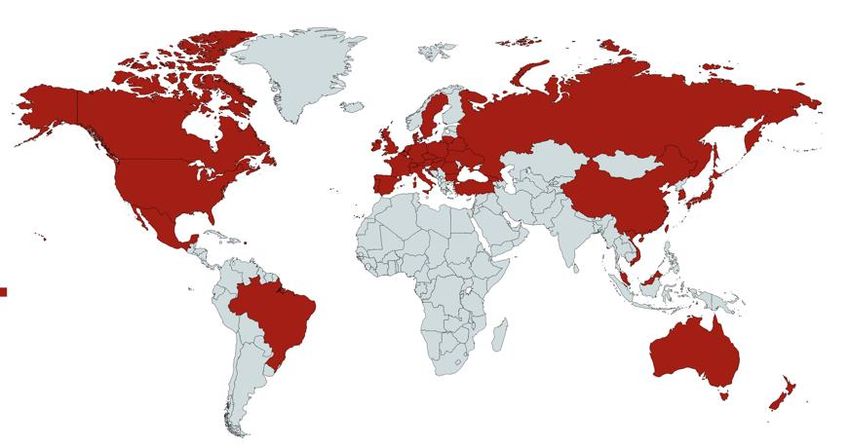
Fully-Integrated Global Biotech Company With Unique Strategic
Competitive Advantages in Clinical Science and China Commercial

  Broad portfolio over 30 assets                                             Global 4,200+ organization                                                  Key 2020-21 catalysts

  • 6 approved drugs                                                         • 10 offices on 5 continents                                                • Up to 11 commercial products
  • 8 NDAs in registration in China                                          • Global clinical development: 1,200+                                       • Potentially several launches of internal
  • 30+ commercial or clinical stage                                         • Commercial: 1,200+ (China)                                                  and collaborative products
    assets, including 10+ with global                                                        100+ (U.S.)                                                 • More than 10 Phase 3 or potentially
    rights, 20+ with China/APAC rights                                                                                                                     registration-enabling trial readouts
                                                                             • Research: 350+
  • 27 filed or potentially registration-                                                                                                                • $2 billion follow-on further strengthens
                                                                             • Internal manufacturing capabilities
    enabling trials ongoing, 60+ studies                                                                                                                   balance sheet for future growth
    in total

                                                                                              tislelizumab
                                                                                                                                                                             +

                          U.S. launch for R/R MCL1; China                              R/R cHL & R/R UC launched3, 1L Sq &                           Global strategic collaboration
                          launch for R/R MCL, R/R CLL/SLL2                             non-Sq NSCLC sNDAs accepted,                                  $2.8 billion investment
                                                                                       2L/3L HCC sNDA accepted4                                      Commercial and pipeline assets

1. November 14, 2019; this indication is approved under accelerated approval based on overall response rate. Continued approval for this indication may be contingent upon verification and description
of clinical benefit in a confirmatory trial. 2. June 3, 2020 for adult patients with chronic lymphocytic leukemia (CLL) or small lymphocytic lymphoma (SLL) who have received at least one prior therapy,
and for the treatment of adult patients with mantle cell lymphoma (MCL) who have received at least one prior therapy. 3. December 26, 2019; approved for patients with classical Hodgkin’s lymphoma
who have received at least two prior therapies. April 10, 2020 for the treatment of patients with previously treated locally advanced or metastatic urothelial carcinoma (bladder cancer). 4. April 20, 2020,
June 19, 2020, July 1, 2020, respectively.
                                                                                                                                                                                                                3
Transformational Collaboration with Amgen
Validates BeiGene’s China-inclusive global development and commercial capabilities

• Collaboration rationale
 − Joining forces to fight one common enemy: cancer
 − Expected to accelerate access to important oncology medicines for patients in China and globally

• BeiGene expects to launch three Amgen oncology medicines in China

• Companies to jointly develop Amgen oncology pipeline assets
 − BeiGene to lead development and commercialization in China as well as contribute to funding global development
 − BeiGene receives royalties on global ex-China sales (excluding AMG 510) and on China sales after commercialization

• Investment by Amgen of $2.8B for 20.5% stake of BeiGene

• Tony Hooper, former Amgen EVP of Global Commercial Operations, joined the BeiGene board

                                                                                                                        4
Regulatory Reforms and Reimbursement Expansion in China Create a
  Historical Opportunity for the Industry
                              China’s Rising Share in Global Trials1                                                                                             China is Now An Integral Part of Industry
          18000                                                                                                                                 30%              Development
          15000                                                                                                                                 25%
                                                                                                                                                                 • Increasing share of trials run in China after joining ICH in 2017,
          12000                                                                                                                                 20%                bringing China’s large patient pool into to global clinical science
           9000                                                                                                                                 15%                ecosystem – which has the potential to dramatically accelerate
           6000                                                                                                                                 10%                development and reduce costs
           3000                                                                                                                                 5%               • Beginning to meaningfully contribute to paying for innovation
                 0                                                                                                                              0%
                                   1                      2                       3                       4                       5                                 ‒ MNC oncology product sales in China witnessed a significant uptick
                                                                                                                                                                      as a result of expanded NRDL coverage
                                                    Series1                       Series2                       Series3
                                                                                                                                                                    ‒ AZ revenue in H1-2020 was $2.7 billion from China, which was 21%
                                                                                                                                                                      of total global revenue and 61% of emerging markets total revenue

                        MNC Oncology Product Sales in China($M)2                                                                                                 Future Key Success Factors
                                              2019 (Q1-3) YoY Growth: 68%                                                                                        • Clinical excellence through
                                                                                                                                                1,497
                                                                                                                                                         1,910      ‒ Global, highly China-inclusive clinical trials
                                                                                                                                        1,226        1,629          ‒ Next generation clinical technology approaches
          514         471         554         509         575
                                                                      629         708         693         791         729
                                                                                                                                  929       1,124
                                                                                                                                                                 • Creation of science/medicine-based commercial capabilities in
                                                                            649         730         730         823         850
    504         501         506         526         569         634                                                                                                China
                                                                                                                                                                 • Global business model provides broader access and supports
                                                                                                                                                                   pricing that enables the ROW to contribute to covering the
                                                                                                                                                                   cost of innovation
Source: 1. Trialtrove; Industry association; 2. BeiGene analysis
                                                                                                                                                                                                                                           5
Our Strategies for Building a Leading Global Innovative Biotech
Company from China

     • Realize two large internally-developed near-term commercial opportunities
       ⎻   BRUKINSA (zanubrutinib) for the global market as a potentially best-in-class BTK inhibitor
       ⎻   Tislelizumab as a uniquely designed PD-1 antibody for the most common cancers in China and Asia

     • Utilize our key strategic capabilities
       ⎻   Research team 350+, proven track record, 11 molecules discovered in-house, advanced to clinic in 10 years
       ⎻   Development team 1,200+ integrated across China/U.S./AU/EU
       ⎻   Commercial platforms in China and the U.S., the two largest pharmaceutical markets

     • Expand our portfolio by leveraging our clinical and commercial capabilities
       ⎻   Capture opportunities created by regulatory reforms in China
       ⎻   Accelerate global development through China-inclusive global trials

     • Pursue a new global model for long-term growth in the industry
       ⎻   Uniquely positioned due to strong China presence and global development capabilities

                                                                                                                       6
Brukinsa (Zanubrutinib) Overview
Potentially best-in-class BTK inhibitor

                                                 ▪   Second generation, maximize BTK occupancy, minimize off-target binding
                                                 ▪   Advantageous label in R/R MCL (dose flexibility-QD/BID, 100% BTK occupancy, PPI/H2RA)
         ADVANTAGES
                                                 ▪   Randomized Phase 3 data demonstrated improved safety / tolerability and suggested improved efficacy
                                                 ▪   Priced more affordably than competitors in U.S. (8.7% v acalabrutinib, 7.4% v ibrutinib)

          KEY TARGET                             Chronic lymphocytic leukemia/small lymphocytic lymphoma, Waldenström’s macroglobulinemia, mantle cell lymphoma,
          INDICATIONS                            follicular lymphoma, marginal zone lymphoma

                                                                                                                                           101-patient R/R                                  109-patient 1L CLL/SLL
                                                 86-patient R/R MCL1                        83-patient R/R WM2
                                                                                                                                           CLL/SLL3                                         Del17p4
        CLINICAL DATA                            ▪ 84% ORR                                  ▪ 94% ORR
                                                                                                                                           ▪ 95% ORR                                        ▪ 93% ORR
                                                 ▪ 59% CR                                   ▪ 28% VGPR
                                                                                                                                           ▪ 14% CR                                         ▪ 2% CR

                                                 ▪ U.S. FDA accelerated approval in R/R MCL on November 14, 2019
         REGULATORY
                                                 ▪ NMPA approval in China for R/R MCL and R/R CLL/SLL on June 3, 2020
           STATUS
                                                 ▪ Fast Track in WM and Breakthrough Therapy in MCL by U.S. FDA
                                                 ▪    Over 2,7005 patients treated with zanubrutinib in clinical trials, safety data on over 600 patients in FDA label
          BREADTH OF                             ▪    Over 25 clinical trials in eight indications
           PROGRAM                               ▪    Over 40 presentations of zanubrutinib clinical data
                                                 ▪    Potential internal Bcl-2 inhbitor combination

Sources: 1. ICML 2019 Song et. al.; 2. ASCO 2020 Tam et. al.; 3. Cull et. al. ASH 2019; 4. Tam et. al. ASH 2019; 5. As of June 15, 2020. BTK: Bruton’s tyrosine kinase; CLL/SLL: chronic lymphocytic leukemia/small lymphocytic
lymphoma; CR: complete response; FL: follicular lymphoma; MCL: mantle cell lymphoma; MZL: marginal zone lymphoma; MRR: major response rate; NDA: new drug application; ORR: overall response rate; R/R: relapsed/refractory;
RT: Richter’s transformation; VGPR: very good partial response; WM: Waldenström’s macroglobulinemia.
                                                                                                                                                                                                                                  7
Brukinsa Broad Clinical Development Program
Nine filed or potentially registration-enabling studies
Pivotal Phase 2 (n=86) in R/R MCL
Phase 3 (n=500) in 1L MCL Phase 1/2 cohort (n=45) in MCL Approved
zanu monotherapy, PE: ORR
MCL Initiated: Mar 2017, Enrollment complete: Sep 2017 R+zanu vs. R+chemo, PE: PFS zanu monotherapy, PE: Safety RP2D
Approved by U.S. FDA in Nov 2019 under accelerated Initiated: Nov 2019 Initiated: Aug 2014 Filed, in NDA review
approval, approved by NMPA Jun 3, 2020
Enrollment complete
Phase 3 (n=229) in WM (ASPEN)
Pivotal Phase 2 (n=44) in R/R WM Phase 1/2 (n=80) in WM
zanu vs. ibrutinib, PE: VGPR/CR,
WM zanu monotherapy, PE: MRR zanu monotherapy, PE: Safety, RP2D Enrolling
Initiated: Jan 2017, Enrollment complete: Jul 2018, Top-
Initiated: Aug 2017, Enrollment complete: May 2018 Initiated: Aug 2014
line data: Dec 2019
Planned
Pivotal Phase 2 (n=91) in R/R CLL/SLL
Phase 3 (n=550) in 1L CLL/SLL (SEQUOIA) Phase 3 (n=600) in R/R CLL/SLL (ALPINE)
zanu monotherapy, PE: ORR Filed or
zanu vs. BR, PE: PFS, zanu vs. ibrutinib, PE: ORR
Initiated: Mar 2017, Enrollment complete: Dec 2017 potentially registrational
Initiated: Nov 2017, Enrollment complete^: Aug 2019 Initiated: Nov 2018
Approved by NMPA Jun 3, 2020
CLL/
SLL Phase 2 (n=60) in previously treated CLL/SLL Phase 2 (n=42) in COVID-19 China
Phase 1/2 cohort (n=125) in CLL/SLL (ibrutinib intolerant)
COVID- zanu monotherapy, 28 day respiratory-failure
zanu monotherapy, PE: Safety RP2D zanu monotherapy, PE: Frequency and severity of
19 free survival Global
Initiated: Aug 2014 treatment-emergent AEs of interest
Initiated: May 2020
Initiated: Nov 2019
EU
Pivotal phase 2 (n=210) in R/R FL Phase 21 (n=65) in R/R MZL
Phase 1b: zanu + ME-401, in B-cell
FL Obinutuzumab ± zanu, PE: ORR MZL (MAGNOLIA) zanu monotherapy, PE: ORR B-cell
malignancies
Initiated: Nov 2017 Initiated: Feb 2019, complete^: 4Q19
Phase 2: zanu / venetoclax /
Phase 2: Monotherapy, R/R Phase 1b/2: zanu + tislelizumab, Phase 1b: zanu + obinutuzumab,
Combination
obinutuzumab in 1L CLL
Non-GCB DLBCL B-cell malignancies R/R CLL
(BOVen study)
DLBCL
CLL
Phase 1 in hematologic malignancies
Phase 2: zanu / venetoclax /
Phase 1b: zanu + Revlimid, Phase 1b: zanu + R-chemo, obinutuzumab in 1L CLL Bcl-2 inhibitor BGB-11417
R/R DLBCL 1L and 2L DLBCL monotherapy and comb. with zanu
(GCLLSG study)
Initiated: 1Q20
^Time of the announcement of the enrollment completion; 1L: First Line; CLL/SLL: Chronic Lymphocytic Leukemia/Small Lymphocytic Lymphoma; CR: Complete Response; DLBCL: Diffuse Large B-Cell Lymphoma; FL: Follicular
Lymphoma; GCB: Germinal Center B-cell-like; MCL: Mantle Cell Lymphoma; MRR: Major Response Rate; MZL: Marginal Zone Lymphoma; NHL: Non-Hodgkin’s Lymphoma; ORR: Overall Response Rate; PCNSL: Primary Central
Nervous System Lymphoma; PE: Primary endpoint; PFS: Progression-Free Survival; RP2D: Recommended Phase 2 Dose; R/R: Relapsed / Refractory; RT: Richter’s Transformation; VGPR: Very Good Partial Response; WM:
Waldenström’s Macroglobulinemia. 1. global trial and potentially registration-enabling in certain countries.
8
Tislelizumab Overview
PD-1 inhibitor targeting Asia-prevalent tumors

                                       ▪   Differentiated mechanism: minimized binding to FcγR
                                       ▪   Differentiated Hodgkin’s data with high CR rate
      ADVANTAGES
                                       ▪   To enable broad reimbursement, aggressively pursuing label in most common cancers in Asia
                                       ▪   World-class manufacturing partner with BI, 35 years of experience, >35 molecules brought to market

       KEY TARGET                      Breadth wins in China’s label-based reimbursement: Lung, liver, gastric, and esophageal cancers, classical
       INDICATIONS                     Hodgkin’s lymphoma, urothelial carcinoma, nasopharyngeal, MSI-High

                                       360-patient 1L Sq NSCLC1                                   65-patient China label data R/R                              101-patient China label 2L+
                                       ▪ Tisle+PC ORR 73%, CR 4%                                  cHL2                                                         PD‐L1+ UC3
     CLINICAL DATA
                                       ▪ Tisle+nPC ORR 75%, CR 3%                                 ▪ 77% ORR                                                    ▪ 25% ORR
                                       ▪ PC         ORR 50%, CR
Tislelizumab Broad Late-stage Development Program
Sixteen filed or potentially registration-enabling studies
                                                                                                                          Phase 3 (n=360) in 1L Stage IIIB or IV squamous NSCLC                                         Approved
                               Phase 3 (n=320) in 1L Stage IIIB or IV non-squamous NSCLC
                                                                                                              tislelizumab+ paclitaxel and carboplatin combo or nab-paclitaxel and carboplatin
                             tislelizumab+ chemo (platinum-pemetrexed) vs. chemo, PE: PFS
                                                                                                                           combo vs. paclitaxel and carboplatin combo, PE: PFS                                          Filed, in NDA review
                      Initiated: Jul 2018, Enrollment complete^: Aug 2019, sNDA accepted Jun 2020
                                                                                                                         Enrollment complete^: Aug 2019, sNDA accepted Apr 2020

                                                                                                                                         Phase 3 (n=364) in 1L SCLC                                                     Enrollment complete
                                              Phase 3 (n=800) in 2L NSCLC
                                                                                                             Tislelizumab+ chemo (Carboplatin /Cisplatin, Etoposide) vs. placebo + chemo, PE:
    Lung                                    tislelizumab vs. docetaxel, PE: OS
                                                                                                                                                PFS, OS                                                                 Enrolling
                                                    Initiated: Nov 2017
                                                                                                                                             Initiated: July 2019

                                    Phase 3 (n=380) Neoadjuvant in Stg II/IIIA NSCLC                                                          Phase 3 (n=720) in 1L advanced GC                                         Planned
                        Tislelizumab+ chemo (Platinum doublet) vs. placebo + chemo, followed by                                 tislelizumab or placebo + platinum- and fluoropyrimidine-based
                                                tislelizumab or placebo                                          GC                                chemo, Co-PE: PFS and OS                                             Filed or
                                                    Initiated: May 2020                                                                               Initiated: Dec 2018                                               potentially registrational

                                                Phase 3 (n=640) in 1L HCC                                                               Phase 2 (n=225) in 2L/3L HCC
    HCC                                     tislelizumab vs. sorafenib, PE: OS                                                   tislelizumab monotherapy, PE: ORR by IRC                                               China
                                   Initiated: Jan 2018, Enrollment complete^: Nov 2019                         Initiated: Apr 2018, Enrollment complete^: Feb 2019, sNDA accepted Jul 2020

                                                 Phase 3 (n=450) in 2L ESCC                                                        Phase 3 (n=480) in 1L advanced ESCC                                                  Global
                        tislelizumab vs. single-agent chemo (paclitaxel, docetaxel, or irinotecan),            tislelizumab or placebo + platinum- and fluoropyrimidine-based chemo, Co-PE:
                                                           PE: OS                                                                               PFS and OS
                                     Initiated: Jan 2018, Enrollment complete^: 1Q20                                                         Initiated: Dec 2018
    ESCC
                                            Phase 3 (n=316) in localized ESCC
                                                                                                             MSI-H or               Pivotal phase 2 (n=60) in MSI-H or dMMR solid tumors
                                                                                                              dMMR
                            tislelizumab + chemoradiotherapy vs chemoradiotherapy, PE: OS                                                    tislelizumab monotherapy, PE: ORR
                                                                                                               solid
                                                    Initiated: May 2019                                                                               Initiated: Sep 2018
                                                                                                             tumors
                                             Pivotal phase 2 (n=110) in 2L UC                                                             Phase 3 (n=420) in 1L UC
                                  tislelizumab monotherapy, PE: ORR, Initiated: Jul 2017                      tislelizumab + chemo (cisplatin + carboplatin + gemcitabine) vs placebo + chemo
      UC                                                                                                                                           PE: OS
                      Enrollment complete: Aug 2018, NDA accepted in May 2019 and approved by
                                                 NMPA in May 2020                                                                            Initiated: June 2019

                                            Pivotal phase 2 (n=70) in R/R cHL
                                                                                                                                Phase 3 (n=256) in 1L tislelizumab + chemo (gemcitabine plus
                                           tislelizumab monotherapy, PE: ORR                                                               cisplatin) vs. placebo + chemo PE: PFS
     cHL                                                                                                        NPC
                                  Initiated: Apr 2017, Enrollment complete: Nov 2017,                                                                  Initiated: Apr 2019
                              NDA accepted in Aug 2018 and approved by NMPA Dec. 2019
^Time of the announcement of the enrollment completion; *Tislelizumab dosage 200mg every three weeks, Q3W. Global Ph2 in R/R/ NK/T-cell lymphoma and Ph2 trial in MSI-H or dMMR solid tumors in China are potentially
registrational-enabling trials. 1/2L: First/Second Line; cCRT: concurrent chemoradiotherapy; cHL: Classical Hodgkin’s Lymphoma; ESCC: Esophageal Squamous-Cell Carcinoma; GC: Gastric Cancer; HCC: Hepatocellular Carcinoma;
IRC: Independent Review Committee; ITT: Intent-to-treat; MSI-H or dMMR: Microsatellite Instability High or Deficient Mismatch Repair; NDA: New Drug Application; NK: Natural Killer; NSCLC: Non-Small Cell Lung Cancer; ORR:
Overall response rate; OS: Overall survival; PE: Primary Endpoint; PFS: Progression-free survival; R/R: Relapsed / Refractory; UC: Urothelial Carcinoma;
                                                                                                                                                                                                                                                     10
Commercial Footprint in Two Largest Pharmaceutical Markets and
Science and Medicine-Based Team in China
A growing 1,200+1 top innovative oncology
Marketed brand revenue 2Q 2020 China Marketed commercial team covering 800 – 1,000
since transition to BeiGene Products Breakdown hospitals in China
1500
80 $66M 1200
$58M $57M 19%
60 $57M $50M* $52M^ 900
$38M
40 $31M $38M 6% 47% 600
$23M
$16M
20 300
0 28% 0
ABRAXANE^ tislelizumab REVLIMID
BRUKINSA VIDAZA
Xiaobin Wu, Ph.D. Anita Wu Lily Liu Josh Neiman
GM of China, President Chief Commercial VP, Head of Marketing, Head, U.S. Commercial
Pfizer Officer, Greater China Greater China Flatiron
Wyeth Sanofi Takeda Onyx Pharmaceuticals
Bayer AstraZeneca Pfizer Genentech
1. As of March 31, 2020; * Sales negatively impacted by temporary supply disruptions of ABRAXANE; ^ Revenues in the first quarter were subject to the negative impact of the COVID-19 pandemic,
increased generic competition, and the suspension of ABRAXANE sales in China by the NMPA in March 2020.
11Running global trials of the highest quality through China
BeiGene trials in over 35 countries & regions
• Global clinical development organization of over
1,200 people across 10 offices and 5 continents
• Over 9,000 patients enrolled by BeiGene
• Running 60+ clinical trials in over 35 countries
or regions
⎻ 27 Phase 3 or potentially registration-enabling studies
Eric Hedrick, M.D. Jane Huang, M.D. Yong Ben, M.D. Lai Wang, Ph.D. Melika Davis John Freeman
Chief Advisor Chief Medical Officer, Chief Medical Officer, SVP, Head of Global VP, Global Head of Clinical SVP, Chief Safety Officer
Operations
Genentech, Pharmacyclics, Hematology Immuno-Oncology Research, Clinical SVP, Head of Global Drug
SVP, Global Head of Drug Safety & Risk Management
Epizyme Genentech, Acerta BioAtla, AstraZeneca Operation & Biometrics and Development Quality at Novartis
APAC Clinical Development at Celgene
UT Southwestern Medical Center
12Research Delivered 11 Molecules to the Clinic in its First 10 Years
2011–2018 TODAY PLANNED IN ONE YEAR
Beijing Research Center Beijing Research Center Beijing Research Center
(ONLY 1ST AND 2ND FLOOR)
Shanghai Research Center
• Team sizeStrong Manufacturing Capabilities
MULTI-FUNCTIONAL • Manufacturing collaborations with BIOLOGICS
leading high-quality manufacturers
MANUFACTURING in biologics and small molecules
MANUFACTURING
FACILITY IN SUZHOU • BI collaboration established in
FACILITY IN
2013; cell line and CMC process GUANGZHOU
for tislelizumab developed by BI
• Aligned with the design criteria of EXPERIENCED, HIGH-QUALITY • 100,000 square meter manufacturing site;
U.S., EU, and China 50,000-liter commercial-scale biologics
MANUFACTURING PARTNERS manufacturing facility under construction
• Commercial-scale small
molecule drug products facility • Initial phase and facility validation completed in
• Pilot-scale biologic facility September 2019; received clinical GMP
certificate, and in the process of commercial
validation
• Second phase construction begun
William Novotny, Advisor, Zhengming Du, Ph.D. Head Jonathan Liu, Ph.D. Michael Garvey
Technical Operations of Chemistry Manufacturing SVP, Bio-Manufacturing VP, Head of Guangzhou
BMS, VP and Global Lead in & Control (CMC) J&J, Head of China Biologics Manufacturing
Supply Chain Roche China, Head of Pharmaceutical Samsung Biologics,
Merck, AVP in Global Supply Process and Synthesis, Development and VP of Manufacturing
Chain Management and Deputy Head of CMC Manufacturing Sciences
Product Operations
14Growing Commercial-Stage Portfolio
2019
MECHANISM OF COMMERCIAL
PRODUCT LEAD INDICATIONS REGULATORY STATUS GLOBAL PARTNER
ACTION RIGHTS
SALES
R/R MCL (U.S.)/
Approved in the U.S./
R/R MCL and R/R CLL/SLL BTK inhibitor Global NA N/A
Approved in China
(China)
tislelizumab R/R classical Hodgkin’s lymphoma Anti-PD-1 antibody Approved in China Global NA N/A
Breast cancer Microtubule inhibitor Approved in China1 Mainland China $1.3B* BMS
Direct anti-tumor, anti-
R/R adult multiple myeloma, newly
angiogenesis, Approved in China Mainland China $10.8B* BMS
diagnosed multiple myeloma
immunomodulation
Myelodysplastic syndromes, acute
DNA hypomethylation,
myeloid leukemia, chronic Approved in China Mainland China $605M* BMS
direct cytotoxicity
myelomonocytic leukemia
Giant cell tumor of bone / Anti-RANK ligand Approved in China /
Mainland China $1.9B^ Amgen
Skeletal Related Events (SREs) antibody NDA accepted in China
Multiple myeloma Proteasome inhibitor NDA filed in China Mainland China $1.0B^ Amgen
Anti-CD19 x anti-CD3
Acute lymphocytic leukemia NDA filed in China Mainland China $312M^ Amgen
bispecific (BiTE) antibody
Idiopathic multicentric Castleman
IL-6 antagonist Fast track listed in China Greater China EUSA
disease
QARZIBA High-risk neuroblastoma Anti-GD2 antibody Fast track listed in China Mainland China EUSA
(dinutuximab beta)
1 As announced previously, the NMPA suspended the importation, sales and use of ABRAXANE® (nanoparticle albumin-bound paclitaxel) in China supplied to BeiGene by Celgene Corporation, a Bristol Myers Squibb (BMS) company. Source: *
Celgene, ^ Amgen. MCL = mantle cell lymphoma, CLL/SLL = chronic lymphocytic leukemia/small cell lymphoma.
15BeiGene’s Internal Pipeline Global
China
Three late-stage, and eight early-stage clinical assets
DOSE ESC. DOSE EXPANSION PIVOTAL
ASSETS PROGRAMS FILED MARKET
PH1a PH1b PH2* PH2** PH3
R/R MCL (Accelerated approval in the U.S. 11.14.19)
WM† (MAA accepted 06.18.20), R/R MCL (NDA in Israel accepted 05.21.20)
R/R MCL, R/R CLL/SLL (Approved by NMPA in China 06.03.20)
monotherapy R/R WM
zanubrutinib
1L CLL/SLL, R/R CLL/SLL
(BTK)
R/R MZL
Previously treated CLL/SLL (ibrutinib intolerant)
+rituximab 1L MCL
combination
+obinutuzumab R/R FL
R/R cHL (approved 12.26.19), 2L+ UC (approved 04.10.20)
2L/3L HCC
monotherapy
2L NSCLC, 1L HCC, 2L ESCC
R/R NK/T-cell lymphoma
tislelizumab
1L Non-Sq. NSCLC (sNDA accepted 06.19.20), 1L Sq. NSCLC (sNDA accepted 04.04.20)
(PD-1)
+ chemo 1L NPC, 1L SCLC, Stage II/IIIA NSCLC, Localized ESCC
1L GC, 1L ESCC
+ pamiparib (PARP) Solid tumors
+ zanubrutinib (BTK) B-cell malignancies
1L platinum-sensitive GC maintenance
2L platinum-sensitive OC maintenance
Monotherapy 3L gBRCA+ OC
pamiparib
HER2- BRCA mutated breast cancer
(PARP)
Solid tumors
+ TMZ (chemo) Solid tumors
+ RT/TMZ (RT/chemo) Glioblastoma
B-Raf- or K-RAS/N-RAS-mutated solid tumors
lifirafenib (RAF Dimer) Monotherapy
B-Raf- or K-RAS/N-RAS-mutated solid tumors
BGB-A333 (PD-L1) monotherapy & + tislelizumab Solid tumors
BGB-A425 (TIM-3) monotherapy & + tislelizumab Solid tumors
BGB-A1217 (TIGIT) + tislelizumab Solid tumors
BGB-A445 (OX40) + tislelizumab Solid tumors
BGB-11417 (Bcl-2) monotherapy & + zanubrutinib B-cell malignancies
BGB-10188 (PI3-Kδ) mono; + tislelizumab; + zanubrutinib B-cell malignancies; Solid tumors
BGB-15025 (HPK1) monotherapy & + tislelizumab IND enabling studies ongoing
*Some indications will not require a non-pivotal Ph2 clinical trial prior to beginning pivotal Ph2 or Ph3 clinical trials. **Confirmatory clinical trials post approval are required for accelerated approvals. † R/R or not suitable
for chemo-immunotherapy 1. By MapKure, a JV with SpringWorks
16BeiGene’s Collaborative Pipeline Global
China
Over 20 compounds
DOSE ESC. DOSE EXPANSION PIVOTAL
COMPOUND (TARGET) / PROGRAM COMMERCIAL RIGHTS PARTNER
PH1a PH1b PH2* PH2** PH3
AMG 510 (KRAS G12C) Solid Tumors, NSCLC, CRC
AMG 701^^ (BCMA) MM
AMG 176 (Mcl-1, SM (i.v.)) Hematologic malignancies
AMG 397 (Mcl-1, SM (oral)) Hematologic malignancies
AMG 330^ (CD33) Myeloid malignancies
AMG 673^^ (CD33) AML
AMG 427^^ (FLT3) AML China Amgen
AMG 562^^ (CD19) NHL
AMG 596^ (EGFRvIII) Glioblastoma
AMG 757^^ (DLL3) SCLC
AMG 160^^ (PSMA) Prostate cancer
AMG 506 (FAP x 4-1BB, DARPin®) Solid Tumors
AMG 199^^ (MUC17) GC/GEJC
(multi-kinase inhibitor) + tislelizumab NSCLC, RCC, OC, MEL
Sitravatinib Asia ex-Japan, AU, NZ Mirati
Mono, + tislelizumab HCC, GC/GEJC
Zanidatamab† (HER2, bispecific antibody) Breast cancer, GEA Asia ex-Japan, AU, NZ Zymeworks
ZW49 (HER2, bispecific ADC) Planned (in Ph1 ex-China by Zymeworks) Asia ex-Japan, AU, NZ Zymeworks
BGB-3245 (B-RAF) Solid tumors Asia ex-Japan SpringWorks1
BA3017 (CTLA4) Mono, + tislelizumab Phase 1 study startup ongoing Global BioAtla
SEA-CD70 (anti-CD70) Planned (starting Ph.1 ex-Asia by Seattle Genetics) Asia ex-Japan, AU, NZ Seattle Genetics
DKN-01 (DKK1) + tislelizumab ± chemo Trials in GC/GEJ planned Asia ex-Japan, AU,NZ Leap Therapeutics
ABI-H0731 (HBV core inhibitor) Chronic Hepatitis B Virus
ABI-H2158 (HBV core inhibitor) Chronic Hepatitis B Virus China Assembly Bio
ABI-H3733 (HBV core inhibitor) Chronic Hepatitis B Virus
Addition compounds from Amgen collaboration not yet disclosed
* Some indications will not require a non-pivotal Ph2 clinical trial prior to beginning pivotal Ph2 or Ph3 clinical trials. **Confirmatory clinical trials post approval are required for accelerated approvals. ^
BiTE, ^^ HLE BiTE, † ZW25, AML: acute myeloid leukemia, HLE BiTE: Half-life extended Bi-specific T-cell engagers, GC/GEJ: gastric cancer/gastroesophageal junction, HCC: hepatocellular carcinoma,
IND: Investigational New Drug, MEL: melanoma, MM: multiple myeloma, NHL: non-Hodgkin’s lymphoma, N/SCLC: non-/small cell lung cancer, OC: ovarian cancer, RCC: renal cell carcinoma, SM:
small molecule; 1. By MapKure, a JV with SpringWorks
17Striving to Be the Partner of Choice
Leveraging China for global clinical development
• Potential to accelerate global trials through heavily China-inclusive clinical development
⎻ Hard-to-recreate ability, and scale
⎻ Leader for innovative science-based commercial sales in China
⎻ Portfolio of backbone agents with strong synergies for combinations
• Amgen collaboration validates clinical and commercial platforms and expands our portfolio
• Continue to have capacity available for additional collaborations
⎻ First-in-class compounds: KRAS inhibitor AMG 510 (Amgen)
⎻ Differentiated agents: bi-specific HER2 antibody and ADC (Zymeworks)
⎻ Combination opportunities: multi-kinase inhibitor sitravatinib (Mirati)
⎻ New market growth: inhibitor for chronic Hepatitis B Infection (Assembly Biosciences)
Agreement: July 2017 Agreement: January 2018 Agreement: November 2018 Agreement: March 2019 Agreement: April 2019
Agreement: October 2019 Agreement: November 2019 Agreement: January 2020 Agreement: January 2020 Agreement: July 2020 Agreement: August 2020
ADC: antibody-drug conjugate; HER2: human epidermal growth factor receptor 2.
18Financial Summary
Selected Financials Three Months Ended Six Months Ended
Amounts in millions of U.S. dollars June 30, 2020 June 30, 2019 June 30, 2020 June 30, 2019
(unaudited) (unaudited) (unaudited) (unaudited)
Total Revenue $ 66 $ 243 $ 118 $ 321
Product revenue, net 66 58 118 116
Collaboration revenue -- 185 -- 206
Total Expenses (425) (329) (850) (581)
Cost of sales – products (14) (18) (28) (33)
Research and development (286) (229) (590) (407)
Selling, general and administrative (124) (82) (231) (140)
Net loss attributable to BeiGene, Ltd. $ (335) $ (86) $ (699) $ (253)
Cash, cash equivalents, restricted cash and short-term $ 3,158 $ 1,561 $ 3,158 $ 1,561
investments1
Cash used in operations2 $ (263) $ (46) $ (605) $ (218)
$2.07 billion cash received during registered direct offering in July 2020
1. Cash, cash equivalents, restricted cash and short-term investments as of June 30, 2020 does not include $2.07 billion of net cash received from the sale of ADSs in a registered direct offering of
ordinary shares to existing shareholders received on July 15, 2020. 2. Cash used in operations for the quarters ended June 30, 2020 and June 30, 2019 exclude capital expenditures of $32.61 million
and $21.45 million, respectively. Cash used in operations for the quarter ended June 30, 2019 excludes $20.00 million in up-front payments. Cash used in operations for the six-month periods ended
June 30, 2020 and June 30, 2019 exclude capital expenditures of $54.14 million and $43.28 million, respectively, and up-front payments of $43.00 million and $ 49.00 million, respectively.
19Upcoming Milestones and Catalysts
Zanubrutinib (BTK Inhibitor) Timing
Submission ▪ File sNDA for WM in China ▪ 2020
Regulatory ▪ Discuss ASPEN data with US FDA ▪ 2020
Data ▪ Potential top-line result of Phase 3 of zanubrutinib vs. bendamustine rituximab (BR) in 1L CLL, SEQUOIA ▪ as early as 2H20
Enrollment ▪ Complete expanded enrollment in Phase 3 R/R CLL zanubrutinib vs. ibrutinib, ALPINE ▪ 2020
Tislelizumab (PD-1 Antibody)
Regulatory ▪ Have discussions with health authorities re global Phase 2 in 2L/3L HCC ▪ 2020
Data ▪ Top-line Phase 3 result from China study in 1L Non-Sq NSCLC ▪ 2020
Data ▪ Top-line data from Phase 3 study in 2L/3L NSCLC and global Phase 3 study in 2L ESCC ▪ 2020 or early 2021
Pamiparib (PARP inhibitor)
Data ▪ Present data from Phase 1/2 in BRCA-mutated OC ▪ 2020
Data ▪ Top-line data from China Phase 3 comparing pamiparib vs. placebo as maintenance in platinum-sensitive OC ▪ 2020 or 1H21
Data ▪ Present updated Phase 1 data in combination with tislelizumab in advanced solid tumors ▪ 2020
Early-Stage and Collaboration Assets
Data ▪ Present Phase 1 data of BGB-A1217 (TIGIT) ▪ 2020 or early 2021
Data ▪ Present Phase 1 data on sitravatinib + tislelizumab ▪ 2020
Enrollment ▪ Participate in registration-enabling trial of zanidatamab in refractory HER2+ biliary tract cancer ▪ 2020
Enrollment ▪ Participate in registration-enabling trial of zanidatamab in first-line HER2+ gastroesophageal adenocarcinoma ▪ Late 2020 or early 2021
20China
Recent Accomplishments and Upcoming Milestones Global
Past 11 Months (From 4Q19 – YTD) Disclosed Milestones Over Next 18 Months
11
9
Tisle
1L NPC
tislelizumab
25+ Tisle 1L
ESCC
pamiparib
6 BRUKINSA
R/R MZL 6
5 5 BRUKINSA
R/R CLL/SLL Biologics
BRUKINSA
HTH CLL/SLL
Tisle 2/3L
HCC
manufacturing
Pami 3L in process
4 Tisle 1L HCC gBRCA+ OC
BRUKINSA
R/R MCL validation &
expanded
4 Tisle
2/3L NSCLC
BRUKINSA
WM (USA)
OX40 and
BGB-10188
Pi3k-δi
BRUKINSA
MZL 3 Tisle 2/3L
HCC
XGEVA
GCTB Amgen
transitional
tisle +OX40
Tisle
2L ESCC
BRUKINSA
WM
Bcl-2i, and
BGB-A445 Tisle 2/3L BRUKINSA Tisle 1L Nsq BRUKINSA activities Tisle Pami OC
BRUKINSA +
anti OX40 NSCLC HTH in WM NSCLC R/R MCL progressing dMMR / MSI-H Maintenance
Bcl-2i
QARZIBA
BGB-3245 Tisle 2L Tisle 1L Sq Tisle 1L Sq TIGIT, and Pami SYLVANT
Tisle cHL Angus Grant (dinutuximab
B-RAFi ESCC NSCLC NSCLC Tisle + TIGIT Plt-sensitive OC Castleman beta)
as Chief
BGB-11417 Pami Breast Tisle 1L Nsq BRUKINSA Business Tisle + sitra BRUKINSA QARZIBA
Tisle UBC Executive
Bcl-2i cancer NSCLC WM (EU) Data 1L CLL/SLL neuroblastoma
Preclinical Trials Phase 3 Data NDA Filings Approvals or Assets Added Organizational Early Data Potential Phase Potential Commercial
Assets Enrolled Readouts Launches Through Progress Readouts 3* Readouts NDA Filings or Portfolio
Advanced into Collaborations and Potential Regulatory
Clinic Filings Discussion
* Phase 3 or registrational enabling trials
21Key Takeaways
• BeiGene has an established platform to leverage the highly impactful developments in China
⎻ Strategic collaboration with Amgen provides validation of our clinical and commercial capabilities
• A compelling emerging growth story with up to 11 products on market by YE 2021
⎻ Robust upcoming news flow from clinical readouts of more than 10 Phase 3 or potentially registration-enabling
trials, including indications with large market opportunities (Brukinsa in CLL and tislelizumab in 1L NSCLC in
China)
• Diverse early-stage pipeline of assets drives long-term potential upside, including:
Sitravatinib (multi-kinase inhibitor) BGB-A1217 (TIGIT antibody)
Zanidatamab, ZW49 (bispecific HER2 antibody and ADC) BGB-A445 (non-ligand competing OX40 agonist antibody)
AMG 510 (KRAS G12C inhibitor) BGB-11417 (Bcl-2 inhibitor)
• On this journey BeiGene is striving to:
⎻ Become an oncology and scientific leader
⎻ Expand beyond oncology into other areas of need
⎻ Continue to build sustainable and competitive advantages
⎻ Become the best global clinical organization – addressing the biggest issue of the industry
⎻ Transform the industry to bring better medicine to more patients more affordably
22Review of Product Candidates
•   Optimized pharmacologic properties relative to ibrutinib: superior bioavailability and
                                                            higher selectivity
                                          OVERVIEW
                                                        •   Development hypothesis: more complete target inhibition, deeper responses, and
Overview of                                                 favorable safety profile

Zanubrutinib                                            •   More than 2,7001 patients enrolled across trials, including combinations
(BGB-3111)                                              •   Clinical experience to date supports best-in-class hypothesis
                                                            • ASPEN primary endpoint numerically favorable but not statistically significant
Potentially best-in-class
                                                            • ASPEN: Demonstrated clinically meaningful and favorable differences in safety vs.
BTK inhibitor                                                  ibrutinib; Early, landmark PFS and OS analyses are directionally consistent with higher
                                          CLINICAL
                                          DATA                 VGPR rate observed in zanubrutinib arm
                                                            • Strong suggestion of deeper responses in WM and MCL
                                                            • Favorable response rate, depth, and durability in CLL/SLL
                                                            • High overall and complete response rates in FL with obinutuzumab combination
                                                            • Low rate of toxicity/tolerability-related discontinuation

                                                        •   Fast Track in WM and Breakthrough Therapy in MCL designations
                                                        •   Global registrational trials: WM (H2H vs. ibrutinib), 1L CLL/SLL (vs. BR), R/R CLL/SLL (vs.
                                          DEVELOPMENT
                                                            ibrutinib), 1L MCL (R+zanu vs. BR), R/R FL (potential for global first-in-class BTK approval
                                          PLAN
                                                            in FL); and R/R MZL (global pivotal Ph 2 trial)
                                                        •   China registration trials for WM (enrollment completed)

                                                        •   U.S. FDA accelerated approval for use in R/R MCL 11.14.19
                                          MILESTONES    •   China NMPA approval for use in R/R MCL and R/R CLL/SLL 06.03.20
                                          AND STATUS    •   R/R or not suitable for chemo-immunotherapy WM (MAA accepted 06.18.20)
                                                        •   R/R MCL (NDA in Israel accepted 05.21.20)

                            1 As of June 15, 2020.                                                                                                     24
Zanubrutinib Clinical Program Global China
DOSE ESCALATION DOSE EXPANSION PIVOTAL
PROGRAM (TARGET) FILED MARKET***
PH1a PH1b PH2* PH2** PH3
R/R MCL (Accelerated approval by US FDA 11.14.19)
R/R MCL (Approved by NMPA 06.03.20)
R/R CLL/SLL (Approved by NMPA 06.03.20)
R/R or not suitable for chemo-immunotherapy WM (MAA accepted 06.18.20), R/R MCL (NDA in Israel accepted 05.21.20)
TN CLL/SLL: zanubrutinib vs. BR, SEQUOIA
R/R CLL/SLL: zanubrutinib vs. ibrutinib, ALPINE
zanubrutinib
(BGB-3111, BTK) TN MCL: zanubrutinib + R vs. BR, MANGROVE
R/R MZL2 MAGNOLIA
Previously treated CLL/SLL (ibrutinib intolerant)
R/R WM
R/R DLBCL
B-cell malignancies
R/R FL2: zanubrutinib + GAZYVA® vs. GAZYVA®
+ GAZYVA® (CD20)
B-cell malignancies
+ GAZYVA® + venetoclax TN CLL/SLL
(CD20 + BCL2)
+ tislelizumab (PD-1) Hematological tumors
+ ME-401 (PI3-Kδ) R/R CLL/SLL or B-cell malignancies
+ BGB-11417 (Bcl-2 inhibitor) B-cell malignancies
More than 2,700 patients1 treated with zanubrutinib across program, including combination trials.
* Some indications will not require a non-pivotal Ph2 clinical trial prior to beginning pivotal Ph2 or Ph3 clinical trials. ** Confirmatory clinical trials post approval are required for accelerated approvals. 1.
as of 06.15.20. 2. global study and potentially registration-enabling in certain countries; DLBCL: Diffuse Large B-cell Lymphoma. *** U.S. only.
25Zanubrutinib – Pharmacokinetics Profile
zanubrutinib ibrutinib acalabrutinib
Data from separate Ph1/2 trials^
700 700 700
Ph3 Dose: Approved Doses: Ph3 Dose:
• 160mg BID • 420mg QD for CLL/WM • 100mg BID
Plasma Concentration (ng/mL)
600 600 600
• 560mg QD for MCL/MZL
500 500 500
400 400 400
300 300 300
200 200 Adapted from Adapted from
200
Advani et al., JCO, 2013 Byrd et al., NEJM, 2016
100 100 100
0 0 0
0 6 12 18 24 0 6 12 18 24 0 6 12 18 24
Time post-dose (hours) Time post-dose (hours) Time post-dose (hours)
Series1 Series2 Series3 Series4 Series1 Series1
• Cmax and AUC of zanubrutinib at 80mg QD appear to be similar to those of ibrutinib at 560mg
• Free drug exposure of zanubrutinib at 40mg QD appears to be comparable to that of ibrutinib at 560mg
• Distinct profile compared to acalabrutinib which has a short half-life (1 hour)2 and lower in vitro BTK inhibition IC501-4
• In vitro BTK inhibition IC50 relative to ibrutinib: 1.11 (zanubrutinib) and 3.42–7.23 (acalabrutinib)
^Cross-trial comparison
Source: 1. Tam et al., ASH, 2015; 2. Byrd et al., NEJM, 2016; 3. Lannutti et al., AACR, 2015, 4. BeiGene data
26Primary Endpoint
ASPEN Topline Efficacy Summary
Response Rate*
Overall Overall
Relapsed or Refractory† Overall†
August 2019‡ January 2020‡
Zanubrutinib Ibrutinib Zanubrutinib Ibrutinib Zanubrutinib Ibrutinib Zanubrutinib Ibrutinib
(N = 83) (N = 81) (N = 102) (N = 99) (N = 102) (N = 99) (N = 102) (N = 99)
CR 0 0 0 0 0 0 0 0
VGPR 28.9 19.8 28.4 19.2 28.4 17.2 30.4 18.2
PR 49.4 60.5 49.0 58.6 48.0 59.6 48.0 59.6
MR 15.7 13.6 16.7 15.2 18.6 17.2 16.7 16.2
No response 4.8 4.9 4.9 5.0 3.9 5.0 1.0 2.0
VGPR+CR rate, % 28.91 19.81 28.4 19.2 28.4 17.2^ 30.4 18.2
VGPR+CR rate 10.2 12.1 13.2
difference p-value2 = 0.0921 p-value2 = 0.0437 p-value2 = 0.0302
* Groups were generally well-balanced for number of prior therapies, IPSS score, baseline IgM, and baseline hematologic parameters. Overall CXCR4 mutation was 10.9%. 1. 2-sided p=0.1160. 2. 2-sided
descriptive. † Source: IRC Data, data cutoff August 31, 2019. ‡ Source: Tam et. al., ASCO 2020, Investigator-Assessed Data, VGPR+CR rate difference adjusted for stratification and age group. p-value for
descriptive purpose only. ^Excluded two patients with VGPR by IRC: MR (EMD present) and PR (IgM assessment by local SPEP M-protein).
27ASPEN: Progression-Free and Overall Survival in ITT population
Event-free rates at 12 months Event-free rates at 12 months
89.7% versus 87.2% 97.0% versus 93.9%
No. of Subjects at Risk No. of Subjects at Risk
Source: Tam et. al., ASCO 2020
IRC, independent review committee; VGPR, very good partial response.
Disease progression determined by IRC.
28ASPEN Topline Safety: Overall Summary
Overall
Category, n (%) Ibrutinib Zanubrutinib
(n = 98) (n = 101)
Patients with ≥ 1 AE 97 (99.0) 98 (97.0)
Grade ≥3 62 (63.3) 59 (58.4)
Serious 40 (40.8) 40 (39.6)
AE leading to death 4 (4.1) a 1 (1.0) b
AE leading to treatment discontinuation 9 (9.2) c 4 (4.0) d
AE leading to dose reduction 23 (23.5) 14 (13.9)
AE leading to dose held 55 (56.1) 47 (46.5)
Patients with ≥ 1 treatment-related AE 84 (85.7) 80 (79.2)
Patients with ≥ 1 AE of interest 81 (82.7) 86 (85.1)
Source: Tam et. al., ASCO 2020.
AE, adverse event (treatment-emergent); G, grade.
a cardiac failure acute; sepsis (n=2); unexplained death.
b cardiac arrest after plasmapheresis
cG5 sepsis (n=2); G5 unexplained death; G3 acute myocardial infarction; G3 hepatitis ; G3 pneumonia; G2 drug-induced liver injury; G2 pneumonitis; G1 pneumonitis.
dG5 cardiac arrest after plasmapheresis; G4 neutropenia; G4 subdural hemorrhage ; G2 plasma cell myeloma.
29ASPEN Adverse Events of Special Interest
All Grades Grade ≥3
AE Categories, n (%) Ibrutinib Zanubrutinib Ibrutinib Zanubrutinib
(Pooled Terms) (n=98) (n=101) (n=98) (n=101)
Atrial fibrillation/flutter† 15 (15.3) 2 (2.0) 4 (4.1) 0 (0.0)
Diarrhea (PT) 31 (31.6) 21 (20.8) 1 (1.0) 3 (3.0)
Hemorrhage 58 (59.2) 49 (48.5) 8 (8.2) 6 (5.9)
Major hemorrhage* 9 (9.2) 6 (5.9) 8 (8.2) 6 (5.9)
Hypertension 17 (17.3) 11 (10.9) 12 (12.2) 6 (5.9)
Neutropenia†,‡ 13 (13.3) 30 (29.7) 8 (8.2) 20 (19.8)
Infection 66 (67.3) 67 (66.3) 19 (19.4) 18 (17.8)
Second malignancy 11 (11.2) 12 (11.9) 1 (1.0) 2 (2.0)
Source: Tam et. al., ASCO 2020.
Higher AE rate in bold red with ≥10% difference in any grade or ≥5% difference in grade 3 or above. No tumor lysis syndrome was reported. Opportunistic infection ibrutinib (n=2),
zanubrutinib (n=1).
AE, adverse event; BTKi, Bruton tyrosine kinase inhibitor; PT, preferred term.
*Defined as any grade ≥3 hemorrhage or any grade central nervous system hemorrhage.
†Descriptive 2-sided PASPEN: Time to AE – Risk Analysis Over Duration of Treatment
Kaplan-Meier Curve: Time to Atrial Fibrillation / Flutter Kaplan-Meier Curve: Time to Hypertension
P valueData Suggest Activity in Difficult to Treat WM MYD88WT Patients
Best response, ASPEN cohort 21 Phase 12
n (%) (n=26) (n=8)
ASCO 2020 EHA 2019
ORR 21 (80.8) 7(87.5)
MRR 14 (53.9) 5(62.5)
CR / VGPR 7 (26.9) 2(25.0)
PR 6 (23.1) 3(37.5)
MR 8 (30.8) 2(25.0)
SD 4 (15.4) 1(12.5)
PD 1 (3.8) 0
Median Follow-up
17.9 (2.3 - 21.7) 24.3 (4.1-45.7)*
months (range)
ASPEN cohort 2 safety summary. The most frequently reported adverse events (AEs) were diarrhea, anemia, contusion, pyrexia, and upper respiratory tract infection. Major hemorrhage was reported
in 2 patients, and atrial fibrillation was reported in 1 patient. There were no fatal AEs.
Phase 1 safety summary for full WM n=77 cohort. Patients with an event n (%): Patients with ≥1 AE grade ≥3 40 (51.9); Patients with ≥1 serious AE 363 (46.8); AE leading to treatment discontinuation
82 (10.4); Fatal AE 5c (6.5). 3Includes serious AEs possibly related to zanubrutinib (n=6): hemothorax+pleural effusion+anemia (n=1), atrial fibrillation (n=1), colitis (n=1), febrile neutropenia (n=1),
pneumonia (n=1), and cellulitis (n=1); septic arthritis relatedness was unknown. 2Abdominal sepsis (fatal), septic arthritis (fatal), worsening bronchiectasis (fatal), gastric adenocarcinoma (fatal),
prostate adenocarcinoma, metastatic neuroendocrine carcinoma, acute myeloid leukemia, and breast cancer (each n=1).
Sources: 1 Tam et. al. ASCO 2020, Data cut: Aug 31, 2019, Safety summary above; 2 Tam et al, EHA 2019. * Follow up for full WM cohort.
32Zanubrutinib Efficacy in R/R MCL
From U.S. approved label
Best Response Zanubrutinib
RR RR
Study BGB-3111-206 BGB-3111-AU-003
Source
Ph2 study Ph1/2 study
Evaluable for efficacy, n 86 32
Median DoR in months 19.5 (16.6, NE) 18.5 (12.6, NE)
Response Criteria Lugano 2014
Median Prior Lines of Therapy 2 (1-4) 1 (1-4)
ORR 84% 84%
CR 59% 22%*
PR 24% 62%
The most common adverse reactions (> 10%) with BRUKINSA were decreased neutrophil count, decreased platelet count, upper respiratory tract infection, decreased white blood cell count, decreased
hemoglobin, rash, bruising, diarrhea, cough, musculoskeletal pain, pneumonia, urinary tract infection, blood in the urine (hematuria), fatigue, constipation, and hemorrhage. The most frequent serious
adverse reactions were pneumonia (11%) and hemorrhage (5%).
Of the 118 patients with MCL treated with BRUKINSA, eight (7%) patients discontinued treatment due to adverse reactions in the trials. The most frequent adverse reaction leading to treatment
discontinuation was pneumonia (3.4%). One (0.8%) patient experienced an adverse reaction leading to dose reduction (hepatitis B).
Source: BrukinsaTM U.S. label; * FDG-PET scans were not required for response assessment; RR: relapsed refractory; NE: not estimable; DoR: duration of response.
33Zanubrutinib Efficacy in CLL/SLL
Frequent and durable responses – Phase 1/2
Overall Response Rate (ORR) Progression Free Survival (PFS)
zanubrutinib TN CLL R/R CLL Total CLL
n 16 50 66
Probability of Progression-free
Median follow-
7.6 14.0 10.5
up (mo)
Survival (%)
Best Response
ORR 16 (100%) 46 (92%) 62 (94%)
CR 1 (6%) 1 (2%) 2 (3%)
PR 13 (81%) 41 (82%) 54 (82%)
PR-L 2 (13%) 4 (8%) 6 (9%)
SD 0 3 (6%) 3 (5%)
Non-evaluable* 0 1 (2%) 1 (2%)
No. of Subjects at Risk Month
66 66 62 53 45 37 27 25 19 11 9 6 4
Source: Seymour et al. 14-ICML 2017 (abstract 237) poster; *Discontinuation prior to first assessment
34Zanubrutinib Efficacy in CLL/SLL
Frequent and durable responses – Phase 2
Best Overall Response by IRC (ORR)
Progression Free Survival by IRC (PFS)
zanubrutinib Total CLL
n 91
Median follow-up (mo) 15.1
Best Response
ORR 77 (84.6%)
CR 3 (3.3%)
PR 54 (59.3%)
PR-L 20 (22.0%)
SD 4 (4.4%)
Non-evaluablea 3 (3.3%)
Source: Xu et al. 15-ICML 2019; aMissing anatomy imaging for 2 patients, and without evidence of response maintenance for at least 2 months for 1 patient, separately.
35Ibrutinib Efficacy in CLL/SLL
Overall Response Rate (Relapsed / Refractory) Progression Free Survival (Relapsed / Refractory)
Probability of Progression-free
n=85
Median FU (mo) 20.9
Best Response
Survival
ORR 75 (88%)
CR 2 (2%)
PR 58 (68%)
PR-L 15 (18%)
SD NR
PD NR
Overall Response Rate (Treatment-Naïve) Progression Free Survival (Treatment-Naïve)
n=136
Probability of Progression-free
Median FU (mo) 18.4
Best Response
Survival (%)
ORR 117 (86%)
CR 5 (4%)
PR 107 (79%)
PR-L 5 (4%)
SD NR
PD NR
Source: For TN, Burger, et al New Engl J Med 2015. For R/R, Byrd, et al New Engl J Med 2013
36Ibrutinib
Discontinuation for toxicity or progression in CLL/SLL
Treatment-Naïve (n=80) Relapsed/Refractory (n=536) Total (n=616)
Median Follow-Up 14.5 months
Total Treatment Discontinuation 19 (24%) 231 (43%) 250 (41%)
Toxicity/Tolerability 12 (15%) 117 (22%) 129 (21%)
CLL/SLL Progression 3 (4%) 49 (9%) 52 (8%)
Transformation (RT or HD) 0 (0%) 10 (2%) 10 (2%)
Death Unrelated to Treatment 1 (1%) 28 (5%) 29 (5%)
Physician or Patient Decision 2 (2%) 15 (3%) 17 (3%)
Transplant 0 (0%) 8 (1.5%) 8 (1%)
Financial Concerns 0 (0%) 1 (0.2%) 1 (0.2%)
Secondary Malignancy 1 (1%) 2 (0.5%) 3 (0.5%)
Source: Mato ASH 2016; Note: at med follow-up 24.5 mos, 22% discontinuation rate with acalabrutinib in R/R CLL; 9% AE-related, 8% PD-related. Byrd ASH 2017.
37Zanubrutinib
Discontinuation for toxicity or progression in CLL/SLL is uncommon
Treatment-Naïve (n=18) Relapsed/Refractory (n=51) Total (n=69)
Median Follow-Up 10.3 months
Total Treatment D/C 0 (0%) 2 (4%) 2 (3%)
Toxicity/Tolerability 0 (0%) 1 (2%) 1 (1%)
CLL/SLL Progression 0 (0%) 0 (0%) 0 (0%)
Transformation (RT or HD) 0 (0%) 1 (2%) 1 (1%)
Source: Seymour, ICML 2017
38Zanubrutinib
Safety and tolerability summary; over 600-patient experience
Adverse Events of Interest for BTK Inhibitors in Patients Treated with Zanubrutinib
Zanubrutinib
Zanubrutinib
AE of Interest (All Causes)1 (Including Patients AE of Interest (All Causes)2
(Single Agent Only)
Enrolled in Combo Studies)
Patient Number N=641 Patient Number N=682
Mean Exposure Time 7.7 mo Median Exposure Time 13.4 mo
Atrial Fibrillation 1.7% Atrial Fibrillation (Gr ≥3) 1.9% (0.6%)
Major Hemorrhage 1.9% Major Hemorrhage* 2.5% (2.1%)
Diarrhea (Gr ≥3) 19.4% (0.9%)
• Very low rates of headache and hypertension (6.7% and 6.3%)
• Concomitant use of anti-coagulants was allowed in these zanubrutinib trials
• Low rate of treatment discontinuation for drug-related adverse events
Major hemorrhage includes serious or grade ≥3 bleeding of any site, or central nervous system bleeding of any grade.
Source: pooled safety analysis of ongoing zanubrutinib clinical trials; 1 Seymour, ICML 2017; 2 Tam et, al., EHA 2019 (Data cut-off dates: BGB-3111-207: Sept 2018; BGB-3111 AU-003, -1002, -205
and 210: Dec 2018; BGB-3111-206: Feb 2019)
39Zanubrutinib Responses Across Additional B-Cell Malignancies
MZL MCL MCL FL FL DLBCL
China
EHA ICML pivotal ASH CSCO ASH
Source
20205 20193 data 20171 20184 20171
ASH20182
n 20 48 85 17 26 26
Follow-up (med) 27.1 mo 16.7 mo 35.9 wk 7.8 mo 9.5 mo 4.2 mo
Prior Lines (med) 2 (1-5) 1 (1-4) 2 (1-4) 2 (1-8) 3 (1-9) 2 (1-10)
ORR 80% 85% 84% 41% 42% 31%
CR 15% 29%* 59%** 18% 8% 15%
VGPR -- -- -- -- -- --
PR/PR-L 65% 56% 25% 24% 35% 15%
MR -- -- -- -- -- --
• Despite relatively early follow-up, responses were observed in multiple B-cell malignancies
• Consistency across tumor types suggests that zanubrutinib is a highly active BTK inhibitor
Sources: 1. Tam et. al., ASH 2017; 2. Song et al., ICML 2019; 3. Tam et al., ICML 2019; 4. Song et. al., CSCO 2018; 5. Tedeschi et al, EHA 2020; * CT response assessment; ** PET-CT response
assessment.
40Zanubrutinib Plus Obinutuzumab Combination in
Follicular Lymphoma
Data from separate trials
Zanubrutinib +
FL Zanubrutinib Ibrutinib Obinutuzumab Idelalisib
Obinutuzumab
Source ICML 20191 ASH 20172 ASH 20163 JCO 20134 NEJM 20145
n 36 17 110 34 72
prior alkylator and CD20, prior alkylator and CD20,
median 2 prior lines of mixed rituximab-sensitive alkylator and rituximab-
Population mixed rituximab-sensitive last responseBOVen: Treatment Schema
Treatment
C1 C2 C3 C4 C5 C6 C7 C8 C9+ (if needed)
Cycle:
BOVen discontinued if:
Venetoclax: Ramp-Up to Target 400 mg QD
• Prespecified uMRD end pointa
Zanubrutinib: 160mg BID • Min 8 cycles; Max 24 cycles
Obinutuzumab 1000mg on /cycle 1 D1b/8/15, and Cycles 2–8 D1
PB MRD: X X X X X
BM MRD: X X XC XC
CT imaging: X X XC XC
a. Once peripheral blood (PB) uMRD is determined and confirmed in bone marrow (BM), patients complete 2 additional cycles followed by confirmatory MRD peripheral blood testing; if
PB uMRD x 2 and BM uMRD x 1, therapy is discontinued.
b. Obinutuzumab split over days 1-2 of cycle 1 if ALC >25,000.
c. BM biopsy obtained at Screening and C3D1; thereafter BM is only obtained if PB-uMRD. CT imaging obtained at Screening, C3D1, C7D1, EOT, then every 6 months during post-
treatment surveillance.
42BOVen: Achieved Rapid Undetectable MRD
100%
83.8%
90% 77.1% (31/37) • Follow up: 11 months (2-
(27/35) 73%
80% (27/37) 14+)
70%
55.6% • Median time to uMRD in
60%
(20/36) marrow: 6 months (2-14+)
50% • 62% (23/37) met the uMRD
endpoint and have stopped
40% 27.8%
(10/36) therapy at median 8 months
30% (6 months of triplet)
20%
2.7%
10%
(1/37)
0%
2 months 4 months 6 months 8 months PR uMRD BM uMRD
Total
43BOVen: Adverse Events of Special Interest
Grade 1
Neutropenia 51.3% (Gr 3+: 15.4%) Grade 2
Thrombocytopenia 46.2% (Gr 3+: 5.1%) Grade 3
Infusion related reaction 41% (Gr 3+: 2.6%) Grade 4
Bruising 41% Grade 5
Bleeding 12.8% (Gr 3+: 2.6%)
Hypertension 5.1%
Atrial fibrillation 2.6%
Febrile neutropenia 2.6%
Tumor lysis syndrome 0%
0% 10% 20% 30% 40% 50% 60% 70% 80% 90% 100%
• Bleeding included one grade 5 ICH on cycle 1 day after initiating intravenous heparin for pulmonary emboli,
one grade 1 conjunctival hemorrhage, and one grade 1 vaginal bleeding
• Atrial fibrillation occurred in one patient who had a history of prior paroxysmal atrial fibrillation
BOVen Treatment emergent hematologic and non-hematologic adverse events occurring in ≥5% of patients - Heme: Neutropenia 51.3% (Gr 3+: 15.4%), Thrombocytopenia 46.2%
(15.4%), Anemia 18%; Non-Heme: Infusion related reaction 41% (2.6%), Bruising 41%, Diarrhea 41%, Nausea 23.1%, Fatigue 20.5%, Myalgia 15.4%, Rash 12.8% (2.6%), Sinusitis
12.8%, GERD 10.3%, Lung infection 7.7% (5.1%), Abdominal pain 7.7%, Arthralgia 7.7%, Constipation 7.7%, Edema limbs 7.7%, Petechiae 7.7%
44Ongoing Global Phase 3 Studies
ASPEN topline results announced in December 2019
Zanubrutinib vs. Ibrutinib in WM
Cohort 1: R/R or TN* WM with MYD88L265P
mutation Arm A
*TN must be unsuitable for standard chemoimmunotherapy Zanubrutinib
160 mg BID until PD
MYD88MUT WM
patients R
(N=201, 164 R/R) 1:1
Arm B
Ibrutinib
420mg QD until PD
Primary endpoint: CR or VGPR in R/R and all
enrolled patients
Cohort 2: WM with wild type MYD88
Arm C
MYD88WT WM patients
Zanubrutinib
(N = 26)
160 mg BID until PD
WM=Waldenström’s macroglobulinemia, BID=twice daily, CR=complete response, MUT=mutation, PD=progressive disease, QD=once daily, R=randomization,
R/R=relapsed/refractory, TN=treatment naïve, VGPR=very good partial response, WT=wild type. This study is registered at ClinicalTrials.gov (NCT03053440)
45Ongoing Global Phase 3 Studies in CLL/SLL
SEQUOIA and ALPINE
Zanubrutinib vs. BR in 1L CLL/SLL Zanubrutinib vs. Ibrutinib in R/R CLL/SLL
Cohort 1: Non–17p del TN CLL Arm A
Must be not suitable for FCR
Zanubrutinib Relapsed/Refractory CLL/SLL
160 mg BID until PD Arm A
Previously (received ≥ 1 prior treatments) Zanubrutinib
untreated R
160mg BID
CLL patients 1:1
(N=420) Arm B (n = 300)
R/R CLL/SLL ≥ 1 prior
Bendamustine treatment R
Primary endpoint: PFS
+ Rituximab (BR) 1:1
× 6 cycles (N=600) Arm B
Ibrutinib
420mg QD
Cohort 2: 17p del TN CLL (n = 300)
Previously untreated Arm C
17p del CLL patients Zanubrutinib
(N=110) 160 mg BID until PD
Primary Endpoint: ORR (non-inferiority and superiority)
Full trial enrollment completed in June 2019 Complete enrollment expected in 2020
1L=first-line treatment, BID=twice daily, CLL=chronic lymphocytic leukemia, del=deleted, FCR=fludarabine, cyclophosphamide, and rituximab, ORR=overall response rate, PD=progressive disease,
PFS=progression-free survival, QD=once daily, R=randomized, SLL=small lymphocytic lymphoma, TN=treatment naïve. These studies are registered at ClinicalTrials.gov (NCT03734016) and
(NCT03336333).
46Ongoing Pivotal Study
Phase 2 Zanubrutinib + Obinutuzumab vs Obinutuzumab in R/R FL
Relapsed/Refractory FL (received ≥2 prior treatments*)
Arm A
Zanubrutinib 160 QD
+ Obinutuzumab X 6
cycles then q 8 wks
until PD
Grade 1, 2, or 3a FL (n = 140)
patients R
2:1
(N=210) Arm B
Obinutuzumab X 6
cycles then q 8 wks
until PD
(n = 70)
Primary Endpoint: ORR
CLL/SLL=chronic lymphocytic leukemia/small lymphocytic lymphoma, FL=follicular lymphoma, ORR=overall response rate, PD=progressive disease, PFS=progression-free survival, QD=once daily,
R=randomization. *Must have received prior treatment with rituximab and an alkylator; relapsedZanubrutinib Potentially Addresses Areas of Need for Patients
Treated with BTK Inhibitors
Efficacy
• Complete and sustained target inhibition may result in better response quality
− We are testing this hypothesis in Phase 3 head-to-head trials against ibrutinib in WM and CLL
Tolerability
• In “real-world” ibrutinib use in CLL, not only acute/ serious toxicities (atrial fibrillation, serious bleeding), but cumulative
tolerability issues (myalgia, arthralgia, hypertension) are frequently treatment-limiting
• Zanubrutinib to date has been associated with low rates of toxicity-related discontinuations and cumulative “off-target”
toxicities1
Drug-Drug Interactions
• Based on drug interaction studies, co-administration with strong CYP3A inhibitors is permitted
− Includes important agents in management of leukemia/ lymphoma patients, such as azole anti-fungals
• Co-administration of proton pump inhibitor (PPIs) or other Acid-Reducing Agents (ARA) does not affect zanubrutinib
exposure based on PK models
• Patients have been allowed to receive anticoagulants and aspirin on zanubrutinib single arm trials
Source: 1. Tam et. al. EHA 2019
48You can also read


